Category: General

Retail News Asia is committed to providing both local and global retailers with the latest General Retail news throughout the Asian market. This on a daily base.

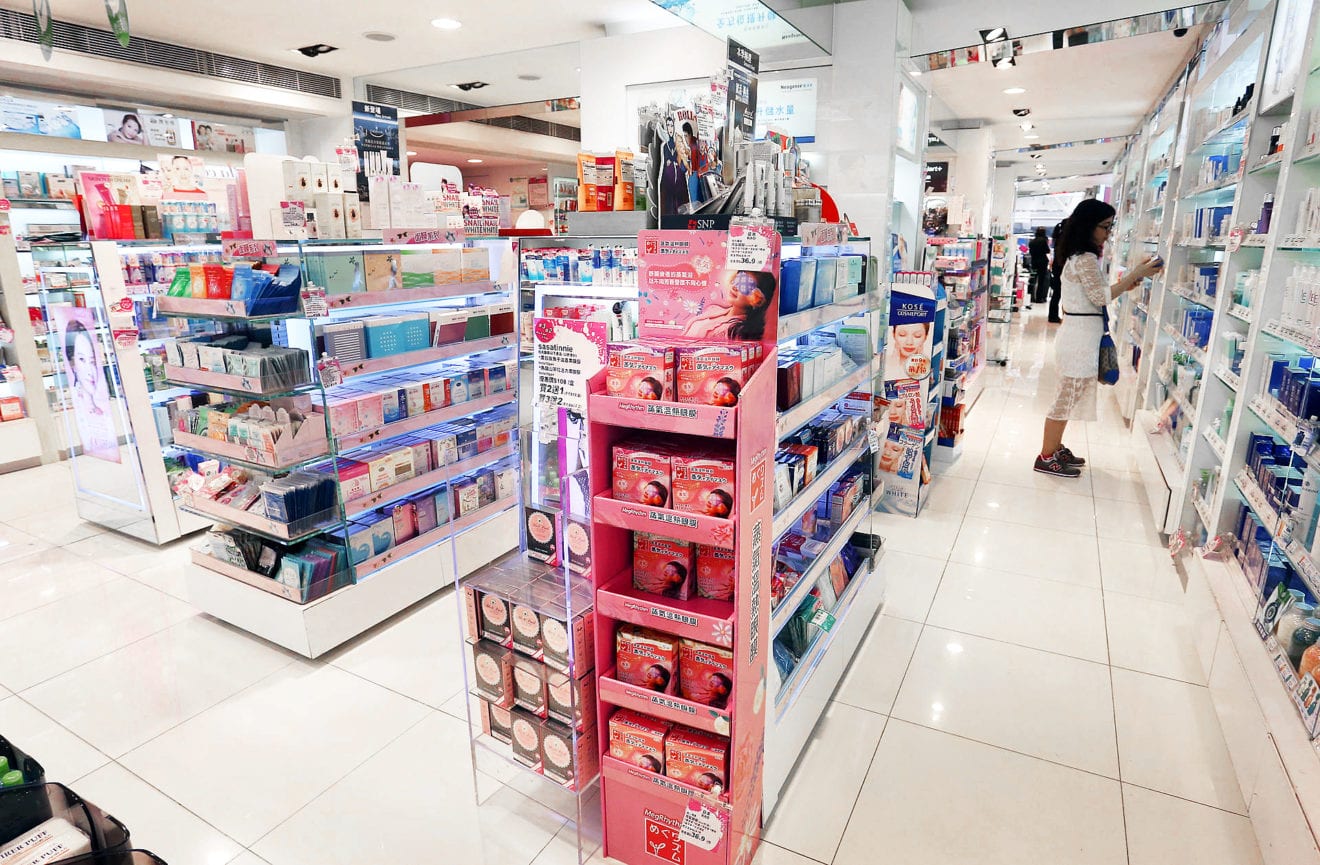
  • Sa Sa International sees fall in profits amid drop in tourism

    Sa Sa International sees fall in profits amid drop in tourism

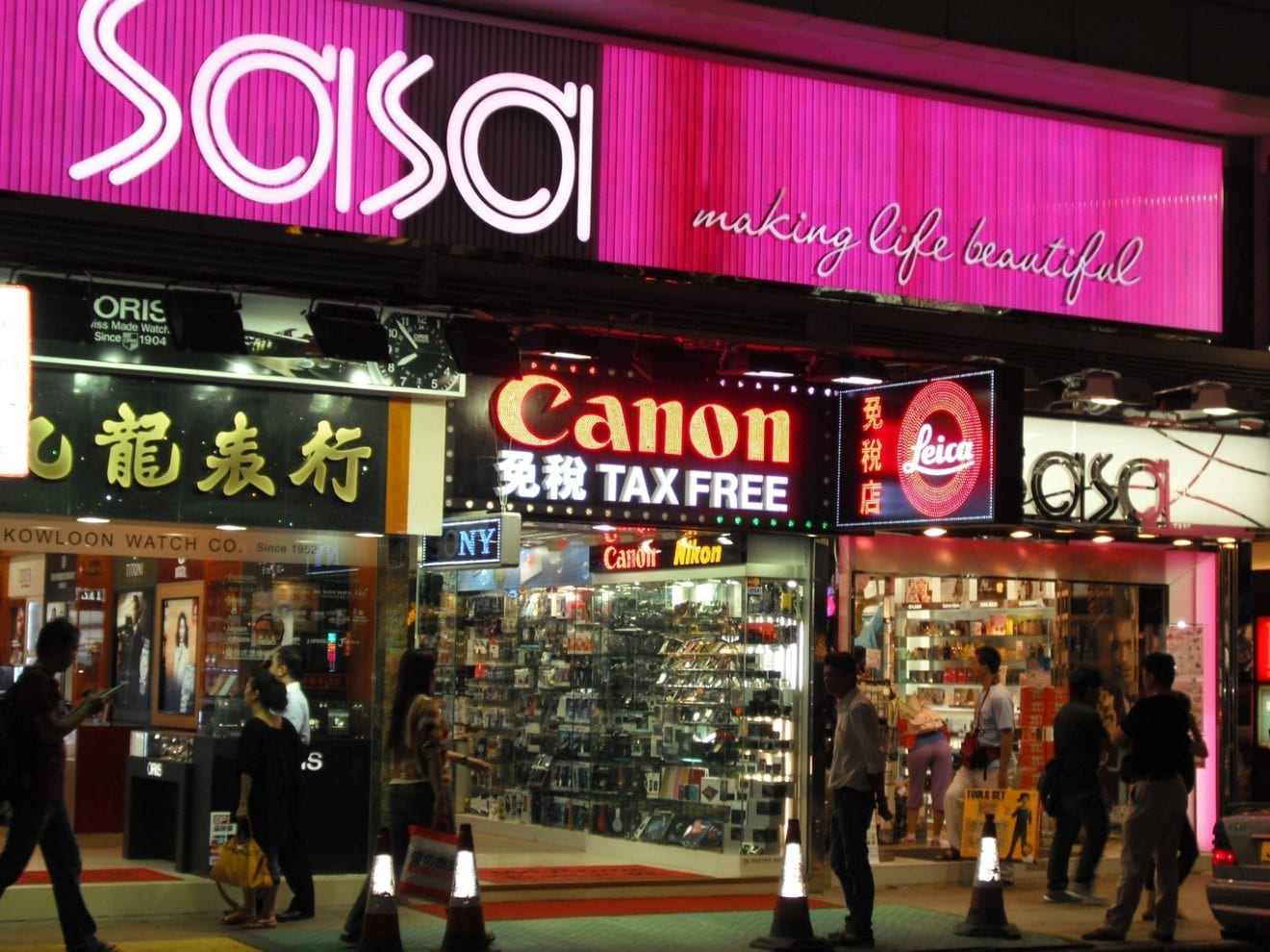
    In the period ending September 30th 2016, Sa Sa International’s turnover reached HK$3.63 bn (€442.2 mn), a 4% drop from HK$3.78 bn (€460.5 mn) compared to last year’s results.

    Sa Sa totalled profits of HK$96 mn (€11.7mn), indicating a 37.3% drop from last year’s HK$153 mn (€18.6 mn) during the same period.

    Purchasing patterns

    Despite a continued reduction in tourist footfall, the total number of transactions by local and mainland Chinese consumers increased by 0.2% and 4.4% respectively.

    However, the average sales value per transaction saw a slump, decreasing by 6.3% for purchases made by local consumers and 6.6% for tourists. This was reflected in the leading cosmetics company’s retail sales in Hong Kong and Macau, which fell by 3.6% from HK$3 bn (€365.5 mn) to HK$2.9 bn (€353.3 mn).

    The Hong Kong market has witnessed changing consumer attitudes towards product selection. As the Hong Kong dollar strengthened and the Chinese Yuan deteriorated, these have also been cited as having a detrimental impact on Sa Sa’s interim results.

    To reflect the evolving marketplace, Sa Sa focused on adapting to consumer demands by speeding up product launches, combatting lengthy product cycles with shorter alternatives, reducing price points of on-trend lines and creating innovative marketing displays.

    The shopping experience

    Sa Sa is currently concentrating on increasing sales by bringing these efficient product cycles to market through facilitated CRM processes, online marketing and online-to-offline (O2O development.)

    The O2O landscape has been developing rapidly throughout APAC in recent years. As a result, Sa Sa hopes to maximise this opportunity to improve the shopping experience for its customers through creating online operations for digital marketing that connect with its physical stores.

    “We…remain resolute in our belief that we can further strengthen our competitiveness in the coming years and convert difficult challenges into golden opportunities, such as those offered by O2O, by changing consumer behaviour and by the growing affluence of the less developed regions of Mainland China” said Dr Simon Kwok, BBS, JP, Chairman and CEO of the Group.

    This year, the cosmetics brand launched a new mobile app to reflect the market’s preference for mobile over desktop usage. Sa Sa collaborated with online retailer Kaola to complement this release and existing partnerships with T-Mall, JD.com and suning.com.

    It used these channels to promote its range of Korean products, which it produced to reflect the popularity of the K-beauty and K-pop influences trending through APAC and the wider markets. As a result, Sa Sa saw its sales increase by 51.5% in Hong Kong and Macau, with its own brands and exclusively distributed products dropping by 2.5% from 41.3% to 38.8%.

    Consumer support

    On 21st November, two days before the interim report was released, Sa Sa International announced it had been presented the award at the “World’s Excellent Brands Awards 2016-2017” by China Media Network (CMN).

    The prestigious accolades are given to those brands that demonstrate an awareness, recognition, leadership and representativeness of tourism-related global brands by an evaluation committee and selection of tourists.

    Following public voting and evaluation, Sa Sa received the “World’s Excellent Brands Awards” and has previously been awarded the “Most Popular Hong Kong and Macau Brand” by CMN.
  • Tesco Thailand ‘not for sale’

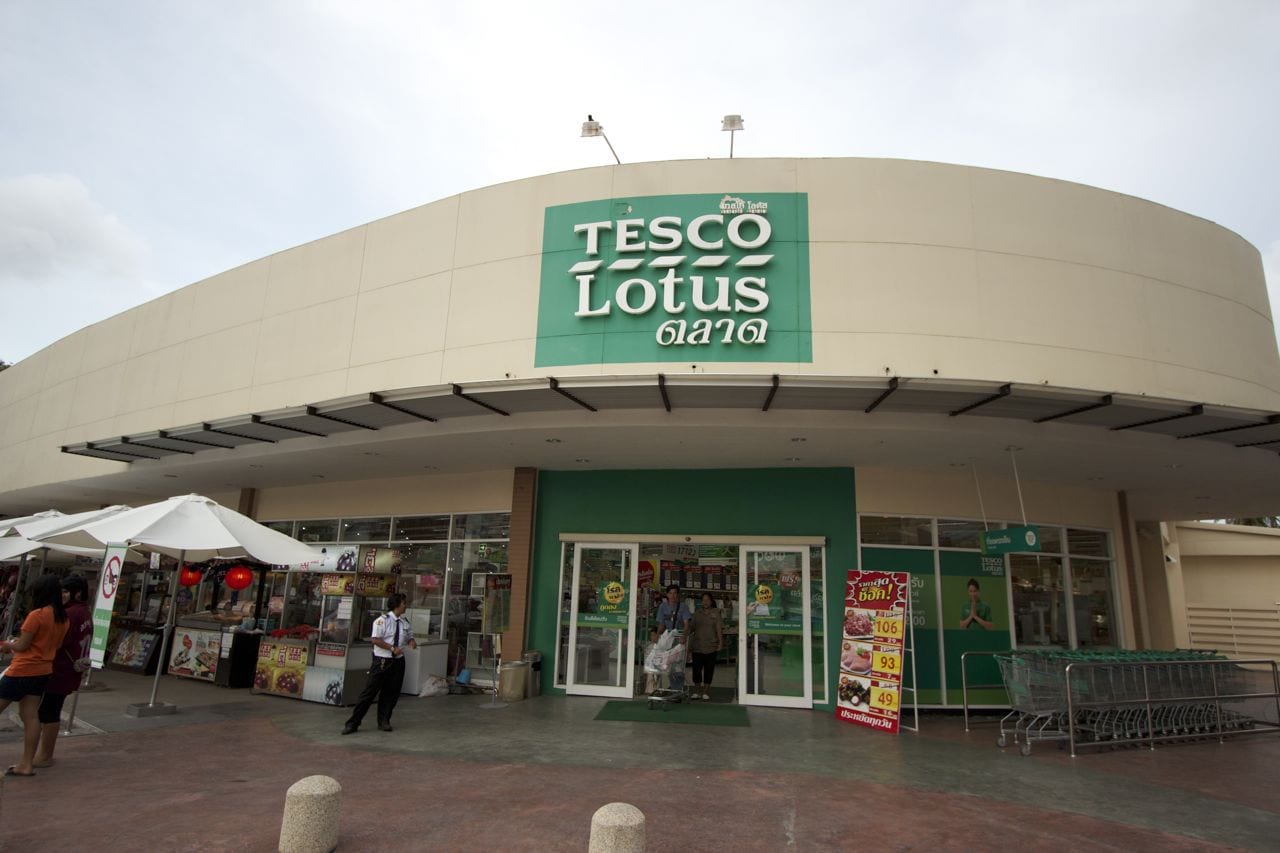
    Tesco Thailand ‘not for sale’

    Tesco Thailand is not for sale, the parent company’s CEO Dave Lewis has committed during a visit to Bangkok. “I’m here to look at the expansion plans.”

    After Tesco UK sold off its Malaysian subsidiary in 2015 and its Turkish operation earlier this year, there was considerable speculation the Thai operation may also be divested as the embattled retailer repaid mounting debts and restored its balance sheet.

    But in recent quarters the company has reported improving sales and margins and the Tesco Lotus operation in Thailand – which now boasts 1800 outlets ranging from hypermarkets to convenience stores – performs strongly in the group’s remaining portfolio covering 11 markets.

    Lewis, on a visit to Thailand, says the company now plans to increase its investment in the country during the next few years and sees growing opportunities there.

    “What you will see over the next three to five years is continued investment,” Lewis said in an interview. “If anything, we have an opportunity to invest more now than in the past.”

    He categorically denied the chain may be sold.

    “I want to be very clear – our commitment to Southeast Asia, our commitment to Thailand is absolute and not changing. The business is not for sale.”

    Lewis said that Tesco wants to expand its store formats to serve as marketplaces for small businesses and communities.

    “If you look at the history of Tesco, this is how we built our business in the UK,” he said. “Our relationships with suppliers go back 50, 60, 70 years. They have grown as we have grown. So one of the things that we think we can do well is incubate and grow businesses.”

  • 7-Eleven Malaysia Continues to Expand Store Network

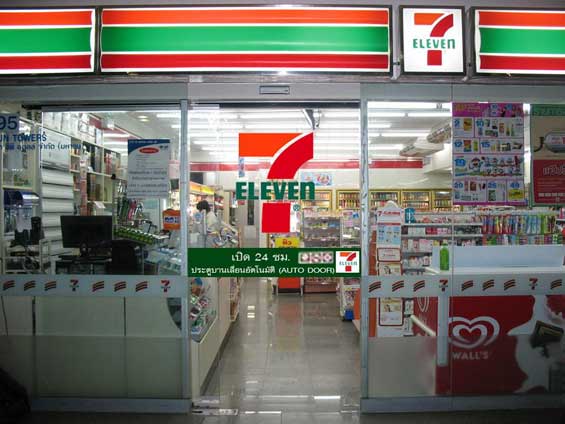
    7-Eleven Malaysia Continues to Expand Store Network

    The Group’s revenue for the current quarter of RM547.8 million grew by RM28.5 million or 5.5% against the corresponding quarter’s revenue in the previous year of RM519.2 million. The growth in revenue continued to be driven by the growth in new stores, improved merchandise mix and consumer promotion activity. This growth was achieved despite prolonged on-going retail market softness caused by weak consumer confidence/spending.

    Gross profit of RM169.0 million improved by RM9.2 million or 5.8% compared to the corresponding quarter in the previous year and this was mainly attributed to the revenue growth of 5.5%.

    Selling and distribution expenses for the quarter increased by RM14.8 million or 10.4%, mainly caused by new store expansion resulting in higher staff cost, rental cost, store depreciation expense and utility cost. In addition, the increase in the minimum wage effective 1st July 2016 has caused the store staff costs to rise by approximately 10% in the current quarter.

    Administrative and other operating expenses for the quarter increased by RM0.7 million or 3.3% due to higher staff cost, head office IT depreciation expense and amortization of intangible assets.

    The profit before tax of RM15.5 million decreased by RM7.0 million or 31.2% compared to the corresponding quarter in 2015 despite positive sales growth due to higher selling and distribution expenses caused by new store expansion and the impact of minimum wage increase effective 1st July 2016.

    For the 9 months ended 30 September 2016

    For the 9 months ended 30 September 2016, the Group’s revenue of RM1.58 billion grew RM73.2 million or 4.9% against the corresponding 9 months’ revenue in the previous year of RM1.51 billion. The growth in revenue was driven by the growth in new stores (total stores as at 30 September 2016: 2,057 stores), improved merchandise mix and consumer promotion activity.

    Gross profit improved by RM28.1 mil or 6.1% compared to the corresponding 9 months in the previous year and this was mainly attributed to the revenue growth of 4.9% and gross profit margin expansion of 0.4% points.

    Selling and distribution expenses for the 9 months period in 2016 increased by RM23.7 million or 5.7%, mainly caused by higher staff cost, rental cost, store depreciation expense and utility cost which is in tandem with new store expansion coupled with impact of minimum wage increase on the staff cost.

    Administrative and other operating expenses decreased by RM5.5 million or 8.5% vis-à-vis the corresponding 9 months in the previous year due to higher staff cost, head office IT depreciation expense and amortization of intangible assets.

    The profit before tax of RM58.8 million increased by 1.3% or RM0.8 million despite revenue growth of 4.9% and gross margin expansion by 0.4% points due to higher selling and distribution expenses from new store expansion and also the impact of minimum wage increase effective 1 July 2016 on the salary cost.

    Future Prospects

    The Board of Directors is of the view that the trading conditions for the remaining period of the current financial year is expected to remain challenging due to continued weak consumer confidence/spending and current macro-economic conditions. Despite this latest development, we remain positive of holding onto our market leading position.

  • Cebu Pacific opens office in Seoul

    Cebu Pacific opens office in Seoul

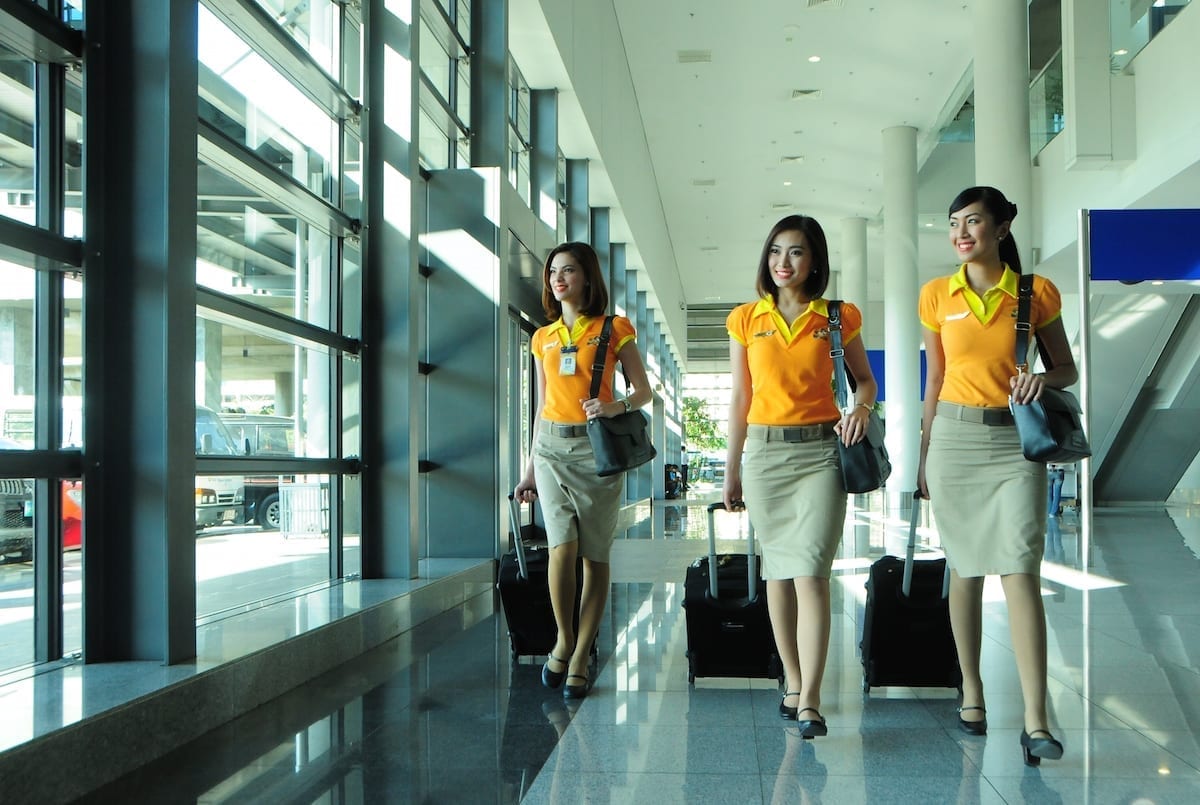
    Local carrier Cebu Pacific opened Tuesday its regional office in South Korea as part of its regional promotion and expansion.

    In a statement, CEB said its office is located at 7th floor, Section B, Sesomunro 106, Jung-Gu, Seoul, Korea.

    CEB’s Korea branch office will provide tickets sales, reservations services and customer support. It will aid in boosting the airline’s promotion and marketing strategies in Korea.

    “CEB continuously looks for opportunities to expand services and target markets in the most convenient way. With the opening of CEB’s Korea branch office, we make ticket purchase and reservations more accessible to travelers while cultivating Cebu Pacific’s operations in the region. We remain committed to offering the most affordable air fares between the Philippines and Korea, and to contributing to the trade and tourism agendas of the communities we cater to,” said Michael Szucs, CEB Chief Executive Adviser.

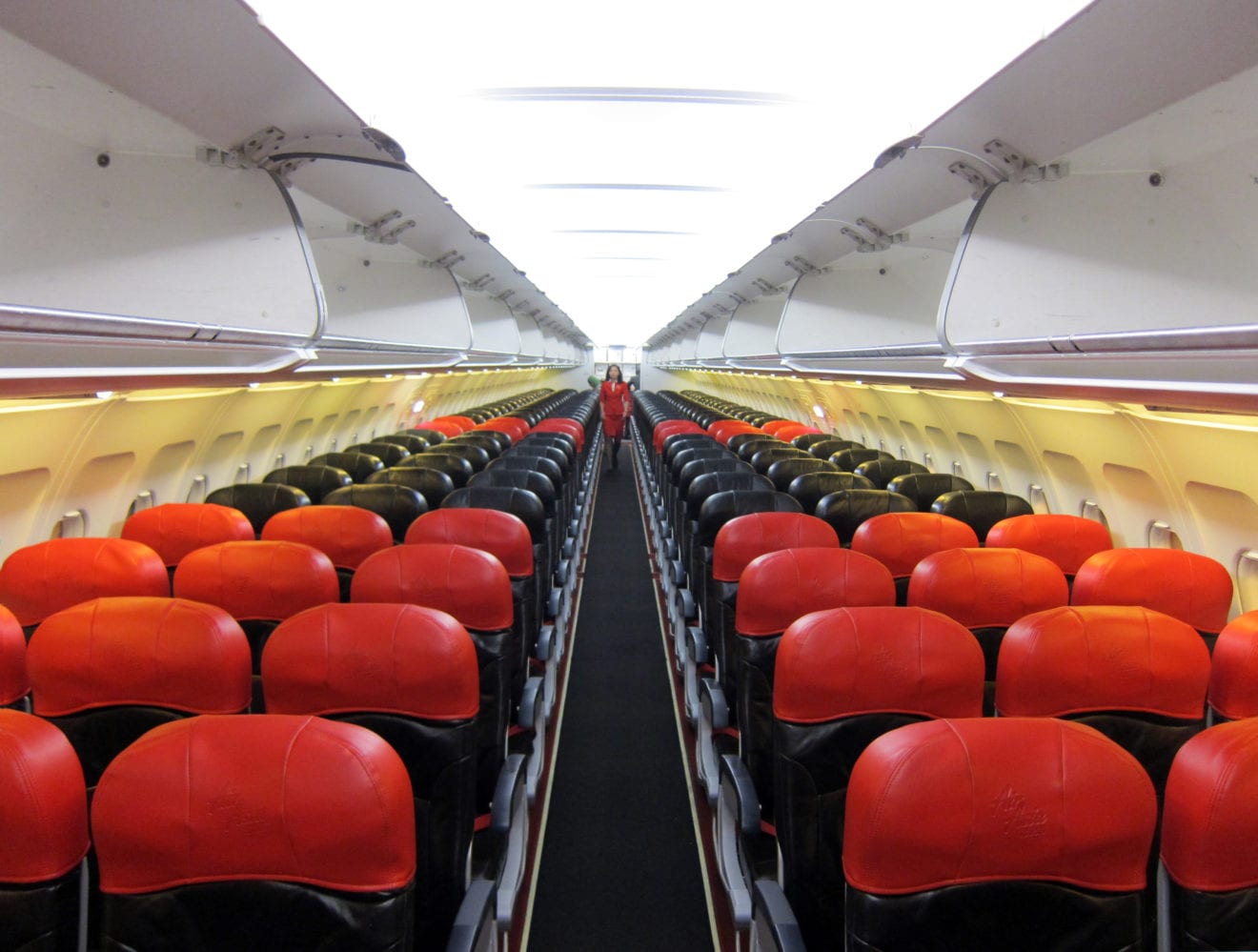
    Currently, CEB operates daily to and from Incheon-Manila/Kalibo/Cebu, and twice weekly to and from Busan-Manila utilizing 180-seater Airbus A320 aircraft. The A320 is a proven and reliable aircraft with low operating costs, which means lower fares for our customers.

    CEB flew over 250,000 passengers between the Philippines and Korea from January and September 2016. Passengers from Korea can use CEB’s extensive network to visit the Philippines’ popular domestic destinations such as Boracay, Coron, Davao and Puerto Princesa via easy flight connections through Manila.

    CEB currently offers flights to a total of 36 domestic and 30 international destinations, operating an extensive network across Asia, Australia, the Middle East, and USA. Its 57-strong fleet is comprised of six Airbus A319, 36 Airbus A320, six Airbus A330, eight ATR 72-500, and one ATR 72-600 aircraft. Between 2016 and 2021, CEB expects delivery of 32 Airbus A321neo, two Airbus A330, and 15 ATR 72-600 aircraft

  • AirAsia to launch end-of-year promo fares

    AirAsia to launch end-of-year promo fares

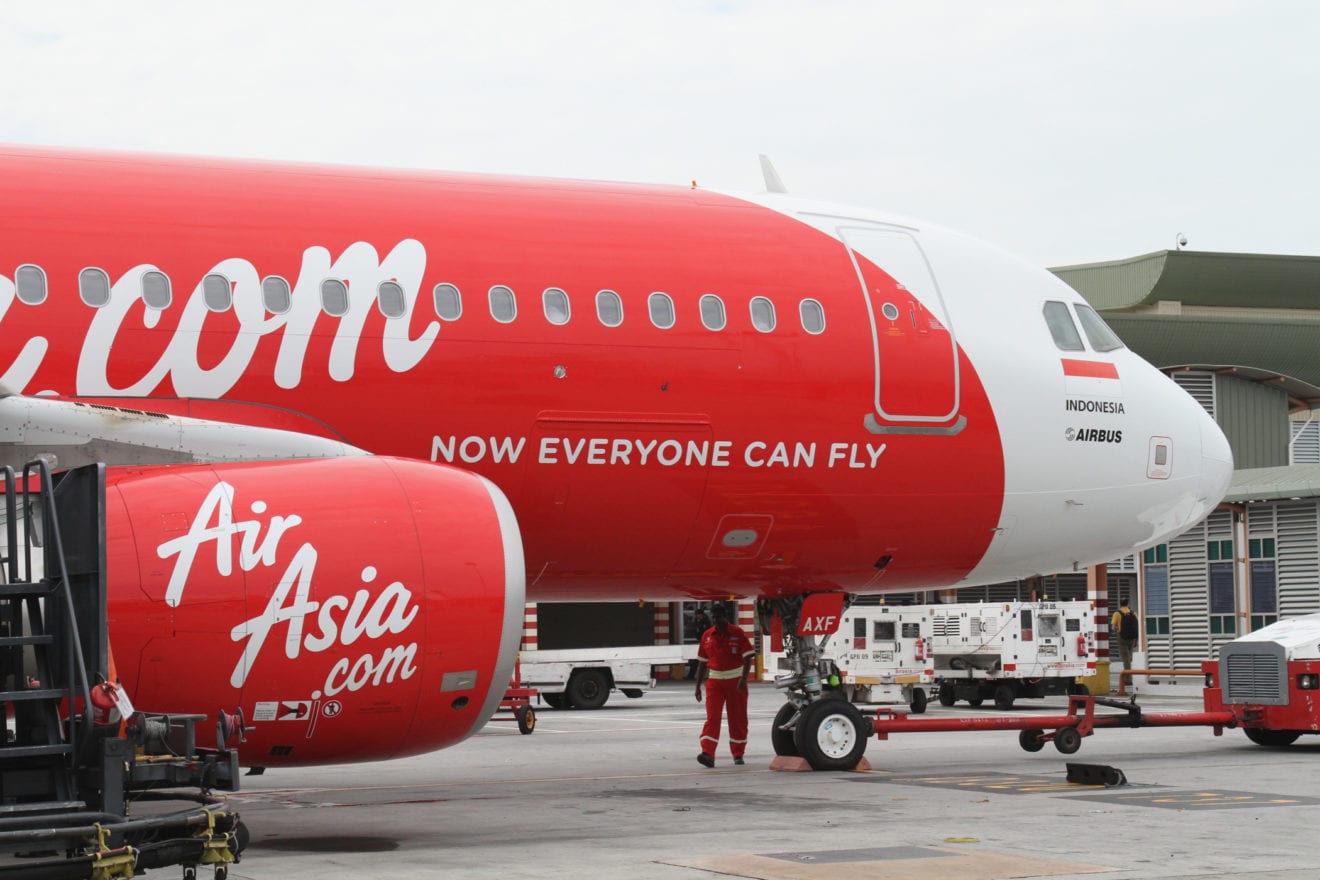
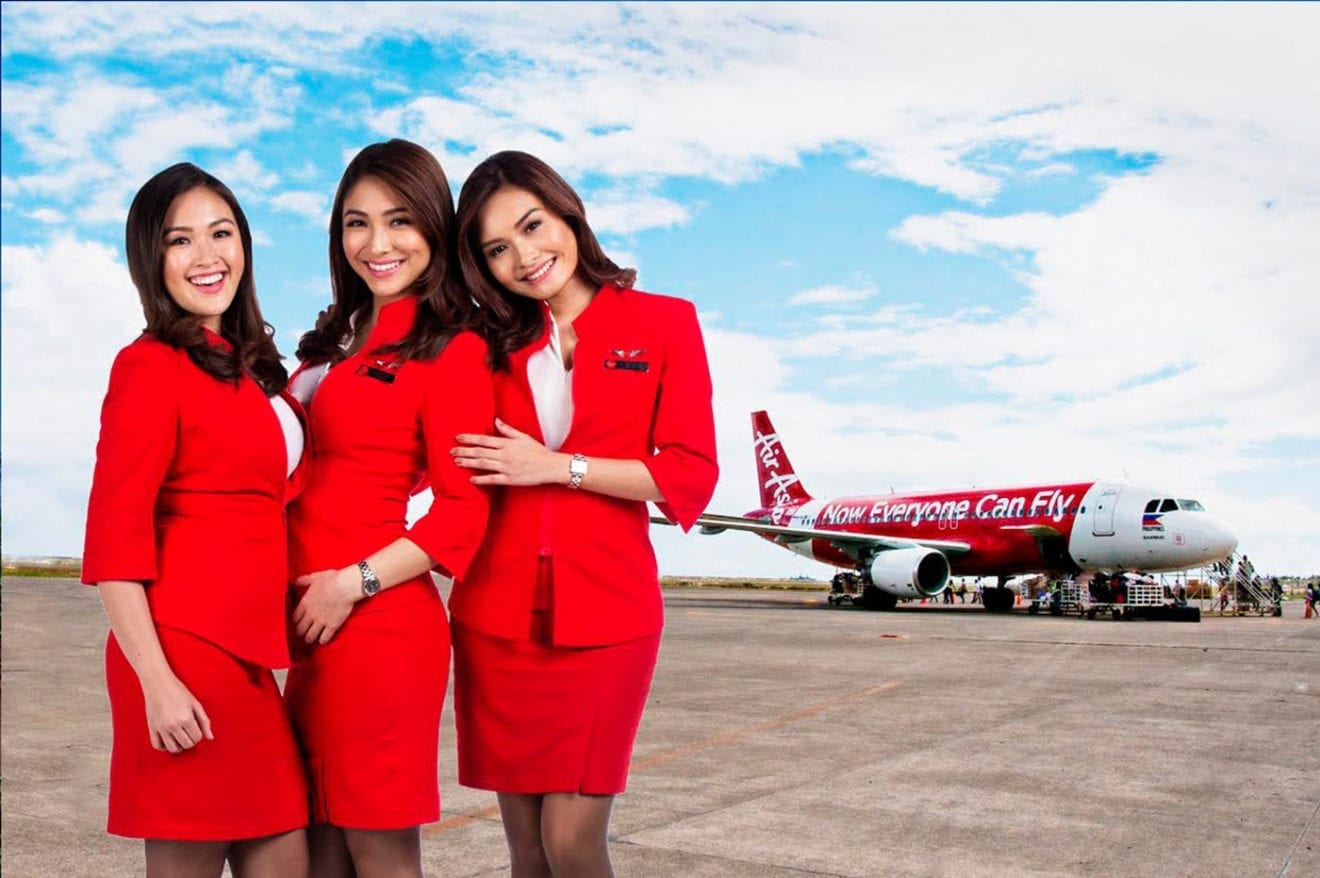
    AirAsia is set to hold its last “free seats” promo for the year with almost 3 million seats up for grabs.

    Starting Monday until November 20, customers can book all-in, one-way fares for as low as P202 for trips between May 1, 2017 until February 6, 2018.

    The promo covers local trips and international destinations like Shanghai, Taipei, Singapore, Hong Kong, Macau, Korea and Malaysia.

    It also extends as far as Mauritius, Maldives, and Delhi via Fly-Thru.

    On Sunday, members of AirAsia BIG as well as BIG Prepaid Mastercard and AirAsia-Citi Credit Card holders will be given priority access to the promo seats.

    Bookings can be made on airasia.com and the AirAsia mobile app.

  • Malaysia’s AirAsia and AirAsia X fly back into profit in third quarter

    Malaysia’s AirAsia and AirAsia X fly back into profit in third quarter

    Malaysia’s AirAsia swung to a profit in the third quarter from a net loss a year earlier, mainly driven by an increase in aircraft operating lease income that boosted revenue during the quarter.

    A 22 per cent tumble in the average fuel price to Us$62 per barrel from $79 per barrel a year earlier also contributed, the airline said.

    Net profit for the three months ended September 30 was 353.9 million ringgit (Dh292.4m), versus a net loss of 405.7m ringgit a year earlier. Revenue rose 11.2 per cent to 1.69m ringgit, the company said.

    The results were underpinned by a seat load factor of 89 per cent, a measure of how full planes are, up 7 percentage points from the same period last year.

    The number of passengers carried rose 5 per cent, although capacity fell 3 per cent year-on-year, AirAsia said.

    AirAsia X Berhad, AirAsia’s long-haul budget sister carrier, also recorded a net profit in the third quarter versus a year-ago loss as more capacity on flight routes led to a higher number of passengers for the airline.

    AirAsia X, which is expected to report a profit for this year after two straight annual losses, embarked on a business and organisational restructuring in 2015. It has been adding capacity in Australia and increasing frequency on selected existing routes where demand is high to shore up its results.

    For the third quarter ended September, it reported net profit of 11.03m ringgit, versus a net loss of 288.2m ringgit a year ago.

    Revenue climbed 23.9 percent to 982.4 million ringgit, driven by increases in seat capacity, ancillary revenue, aircraft operating lease income and freight and cargo revenue, the company said in a statement.

    Operations are benefiting from a weaker ringgit that has prompted customers to look at Malaysia “as a value-for-money holiday destination”, said the chief executive Benyamin Ismail.

    The company recorded a passenger load factor of 78 per cent in the third quarter, 3 percentage points higher year on year, AirAsia X earlier said.

    The airline increased its passenger carrying capacity by 34 per cent year on year over July to September.

    “Strong demand from North Asia prompted AirAsia X to add frequencies to Beijing, Shanghai and Osaka while the Australian sector continued to improve with additions warranted for Gold Coast and Sydney,” MIDF Research said.

    The company’s capacity expansion primes the airline for the peak travel season at the end of the year, it added.

    “Based on the current forward booking trend, the expected number of passengers to be carried in the fourth quarter remains promising. Forward loads and average fares are trending better than the previous year,” AirAsia X said.

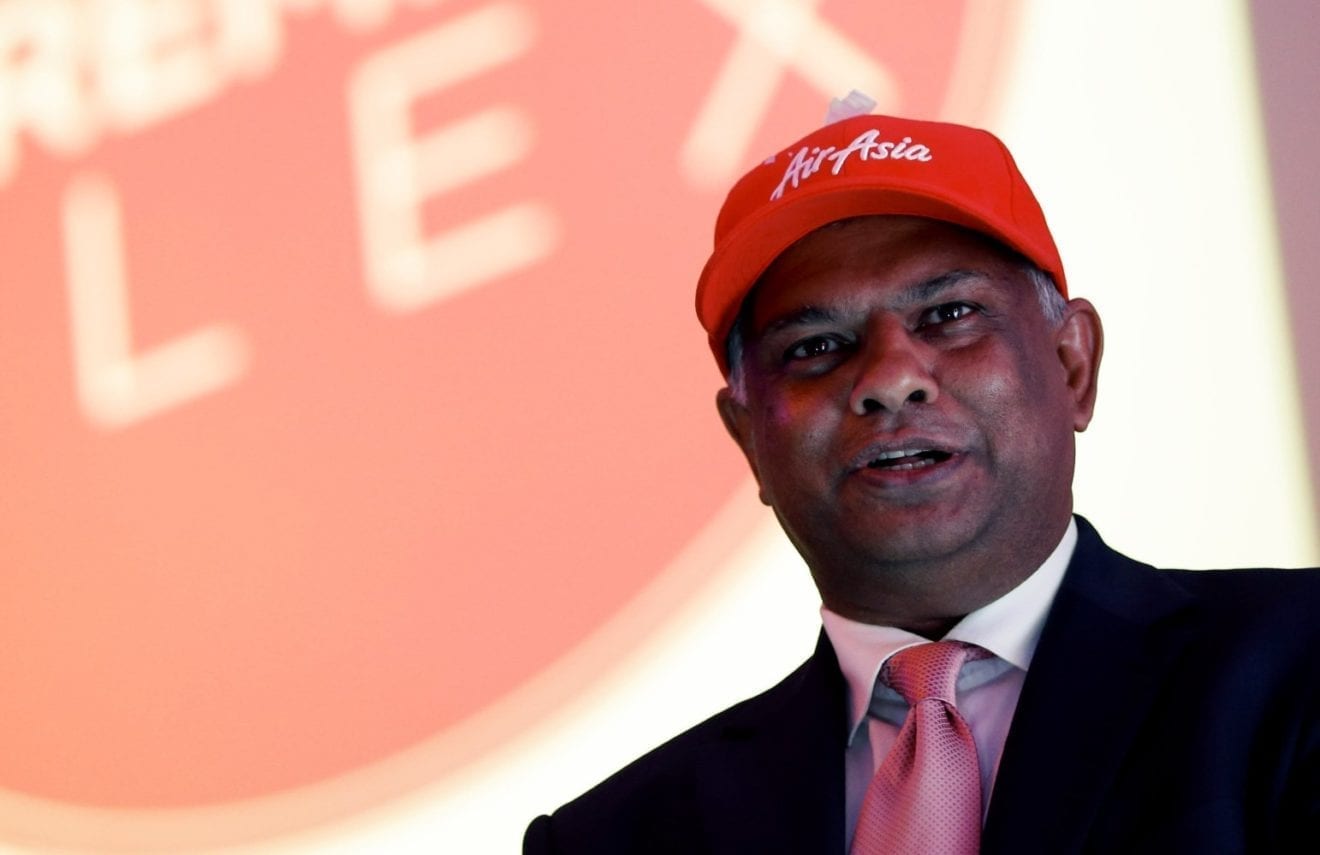
    Parent AirAsia Group’s chief executive, Tony Fernandes, has said he wants AirAsia X to expand into new destinations in Europe, the United States and Africa.

  • Spar International Expands in Thailand

    Spar International Expands in Thailand

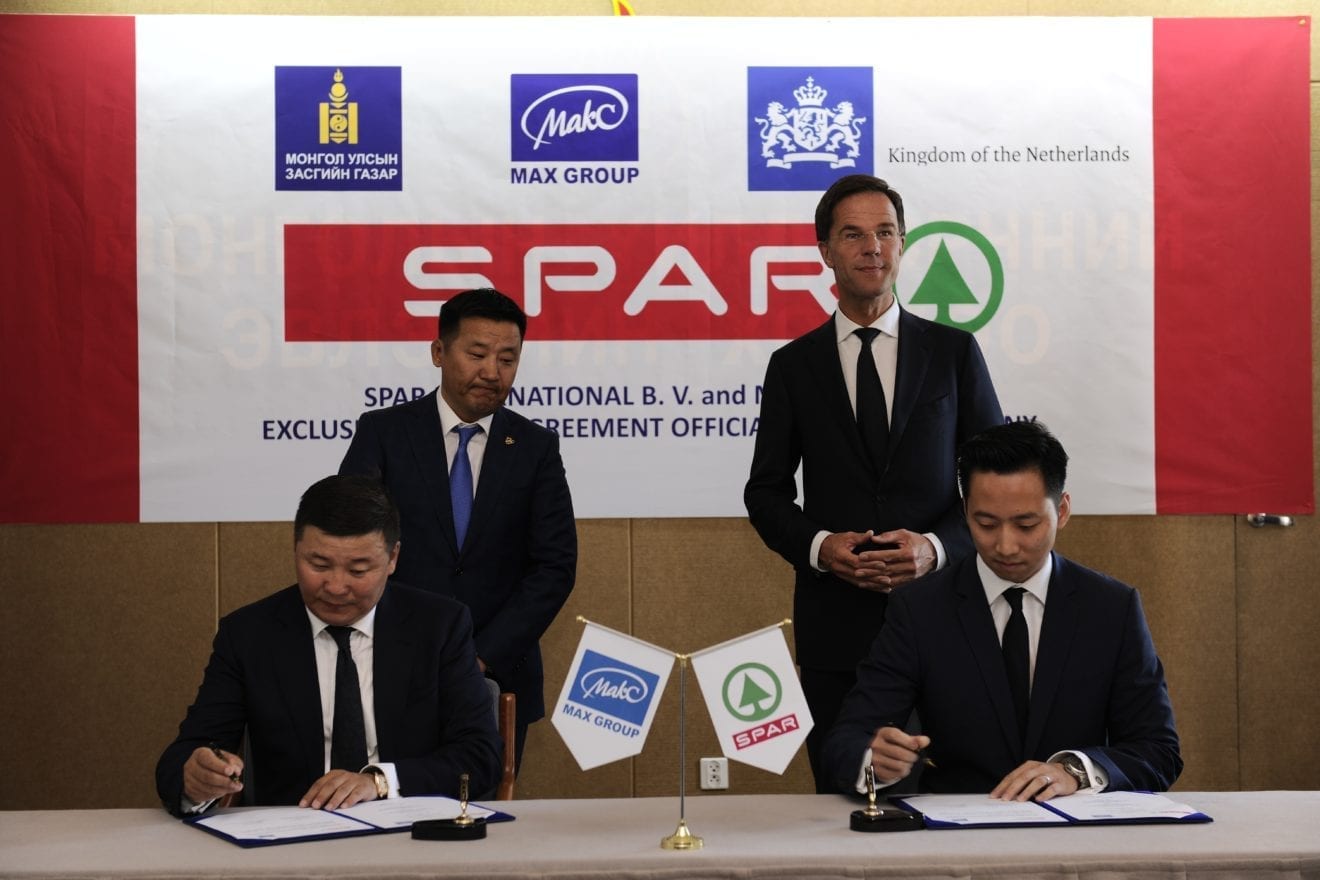
    SPAR International (“SPAR”) and Bangchak Retail Company Limited (“BCR”), today announced a significant new partnership agreement which will see up to 300 new SPAR stores opening in Thailand by the end of 2020, as part of a €102 million investment 

    SPAR International is the world’s largest food retail voluntary chain with over 12,100 stores worldwide and global retail sales of €33 billion in 2015. SPAR presence in Asia continues to grow with the brand attracting independent partners.

    BCR plan to open 7 new stores during 2016, comprising key flagship convenience and neighbourhood developments. From 2017 the company plans to open 50-80 stores each year for the next five years with up to 2,500 jobs created in the process. BCR’s retail strategy meets customer needs, with strong market growth in the neighbourhood grocery sector in Thailand; the company anticipates retail sales of €260 million by 2020.

    The partnership with BCR will see SPAR share industry expertise with its new partner including the sharing of best practice across its supply chain, retail operations, staff training, retail design and brand development strategy. SPAR Thailand is expanding forecourt retailing stores around food purchasing moments and to achieve this initiative SPAR International worked with BCR to generate detailed store designs and layouts. Ahead of the opening of the first store, SPAR International also supported the formation of the requisite supply chain capability, introduced the SPAR culture to the teams in the stores and central office, given advice about equipment suppliers and assisted with secondments to other SPAR Partners by key team members to expand their knowledge of the SPAR Brand.

    Speaking at the official announcement of the new partnership Tobias Wasmuht, Managing Director of SPAR International said “In the last decade, SPAR International has grown from strength to strength in key strategic markets of Asia. Today, we have a significant multi-format presence including hypermarkets, supermarkets, convenience and online in China, India, and Indonesia. The launch of SPAR in Thailand in partnership with BCR represents a significant and important step forward in SPAR’s ongoing expansion into Asian markets.  It brings together our internationally tried and tested retail expertise particularly in convenience and supermarket formats with the extensive knowledge of the Thai market. The partnership is a true example of the SPAR ethos in which through working together all shall benefit.”

    The new venture is being lead on the BCR side by Mr. Viboon Wongsakul, Managing Director of Bangchak Retail Company Limited. Speaking about the partnership Mr. Wongsakul said “BCR is excited to bring this new offering to customers in Thailand. SPAR and BCR share many key values such as a dedication to growth, a commitment to local suppliers, supporting communities and offering diverse retail solutions. We plan to bring local retailing to the next level and will dedicate the resources necessary to have a significant presence in the market in the shorted possible timeframe.” 

    As a shared core value, SPAR and BCR focus on supporting the communities in which they operate. During the development of the flagship stores in 2016, special focus will be given to the ability to source produce and product locally. SPAR International has a process in place for the development of own brand products by a Partner and has worked with BCR on the development and launch of a national range of own brand products.

  • South Korean department stores set to smash sales record

    South Korean department stores set to smash sales record

    South Korean department stores are tipped to chalk up sales of more than 30 trillion won (US$25.6 billion) for the first time this year.

    That would make if 86 years since the country’s first department store opened in 1930.

    Industry commentators say the figure reflects the retail category’s emergence from “years of stagnation” to return to growth as they pursue new alliances, an expanded food offer and eCommerce.

    Lotte, Hyundai and Shinsegae account for 80 per cent of the Korean department stores market with Galleria, AK Plaza and smaller brands hold the remainder.

    Just seven years ago, department store sales surpassed the 20 trillion won barrier – this year’s projection is 31 trillion, a remarkable growth rate by any measure, especially considering sales stagnated at 29 trillion won for the last four years.

    “Despite the prolonged economic slowdown and changing consumption trend, the domestic department store market is expected to post growth this year thanks to new concept stores and the expansion of online channels,” a Shinsegae Department Store official said.

  • Cebu Pacific plans Legazpi night flights

    Cebu Pacific plans Legazpi night flights

    Cebu Pacific said the upgrade of the Legazpi International Airport as a night-capable facility has allowed the budget carrier to operate flights even in the evening.

    In a statement, Cebu Pacific said it is the first carrier to operate night flights out of the Legazpi International Airport after being upgraded by the Civil Aviation Authority of the Philippines (CAAP) with necessary facilities and declared ready to accommodate evening flights.

    The upgrade allows airlines to offer more flights for passengers to choose from.

    At present, Cebu Pacific operates six daily flights to and from Legazpi via Manila and Cebu.

    Evening flights operated by Cebu Pacific’s wholly-owned subsidiary Cebgo, depart Manila at 6:15 p.m. and 7:20 p.m, and arrive in Legazpi at 7:40 p.m. and 8:45 p.m., respectively.

    The return flights meanwhile, leave Legazpi at 8:20 p.m. and 9:35 p.m., and land in Manila at 9:40 p.m. and 10:55 p.m., respectively.

    The upgrade is likewise seen to give a further boost to tourism in Legazpi which serves as a regional hub for business, education and government.

    Legazpi International Airport is the main airport of the Bicol region, serving provinces such as Albay and Sorsogon.

    As early as 2012, Cebu Pacific has been calling for the upgrade of airports to have night capability to allow airlines to offer flights in the evening and in effect, help ease congestion at the Ninoy Aquino International Airport (NAIA) runway during the peak

  • AirAsia X chasing Europe; open to other aircraft types

    AirAsia X chasing Europe; open to other aircraft types

    AirAsia X wants to relaunch services to Europe “as quick as possible”, and is looking at aircraft other than Airbus A330s to get there.

    Speaking to FlightGlobal,the chief executive of AirAsia X‘s core Malaysian operation, Benyamin Ismail, says that its fleet plans have changed.

    The carrier had not planned to take delivery of any aircraft in 2017, but is now speaking with “some parties to see what aircraft are available”.

    “If we can get the aircraft we need… when the A330neos arrive, the focus for them will be to grow frequencies in our current markets, like China and North Asia,”

    Earlier in the year, Benyamin said that the carrier would not re-enter the European market until it starts receiving the A330-900s from the second half of 2018 onwards.

    On the A330-900 seat configuration, AirAsia X expects to confirm the details “in the next couple of months”, but could install more business class seats on those units initially planned to take on European routes.

    “We are working with Airbus to get the assurance that the A330neos can get us direct to Europe (from Kuala Lumpur).”

    Asked whether AirAsia X might take on A350s that may be available in the short-term, Benyamin re-iterates that the carrier “is open and has various options”, but would not confirm if it has held talks with lessors.

    Flight Fleets Analyzer shows that AirAsia X has 66 A330-900 and 10 A350-900s on order. It currently operates 22 A330-300s.

  • More retailers open doors for Black Friday sales

    More retailers open doors for Black Friday sales

    If the downtown area seemed like it was more crowded at the weekend, it was because the usual end-of-year sale season came earlier this year for some retailers.

    More brick-and-mortar shops jumped on the Black Friday bandwagon this year in a bid to attract more customers.

    Stores like Robinsons, Courts, Topshop, Topman, Harvey Norman and H&M were out in full force to roll out promotions for what is known in the United States as Black Friday – the day after Thanksgiving.

    All three Robinsons stores slashed their prices by up to 80 per cent. The retailer also brought forward its opening time from 10.30am to 7am.

    Furniture, IT and electronics retailer Courts, which has taken part in Black Friday sales since 2013, offered a priority pass for the first time this year – 280 shoppers who pre-registered could skip the queue and get access to exclusive discounts. The chain also offered discounts of up to 80 per cent at all its 14 outlets and online store.

    Meanwhile, Swedish fashion chain H&M launched a Black Friday collection for the first time, with black as the key colour palette – selected items went on sale from $10.

    Retailers said Black Friday sales helped to increase footfall and sales amid a soft retail climate.

    Wing Tai Retail executive director Helen Khoo said the crowd at some of its stores doubled, compared with normal weekends and Fridays, while sales were between two and four times better than usual.

    A Robinsons spokesman said the turnout was “overwhelming”, adding that some shoppers queued for hours before its stores opened at 7am on Friday. Highly sought-after items included home and electrical appliances, tableware, kitchenware and bedding products.

    Courts Singapore country chief executive Stan Kim said mattresses, TVs, action cameras and smart watches were among the popular items. Black Friday, he added, is gaining momentum as there is growing awareness among consumers with the rise of online shopping.

    He said: “Courts’ online store showed a significantly stronger performance against last year, and our offline stores also benefited from the Black Friday campaign, a testament to the fact that shoppers look to both online and offline platforms alike for great deals.”

    Administrative executive Janet Neo, 29, and her 30-year-old husband spent about four hours in Orchard Road on Friday evening.

    The couple dropped by outlets such as Sephora, Fred Perry and Robinsons for clothes, make-up and bedding material, and saved about $500, thanks to the discounts. Ms Neo said: “The discounts were really worth it. If it wasn’t so crowded, I would have bought more things.”

    Black Friday, an annual American tradition, was coined to describe the day retailers turned in profits and went “into the black”.

    It is usually immediately followed by Cyber Monday, where stores offer further deals online. Some retailers in Singapore, including Robinsons, are expected to take part.

  • Sa Sa International Holdings reports drop in profits

    Sa Sa International Holdings reports drop in profits

    Hong Kong-based Sa Sa International Holdings has reported a drop in profits of 37.3 percent for the first six months, due to a poor retail environment in the mainland with a poor tourist footfall.

    Profits fell to HK$96 million as retail sales dropped by 3.6 percent in Hong Kong and Macau, which attributes 80 percent to the company’s turnover.

    Turnover fell 4 percent to HK$3.63 billion year on year while total sales transactions grew 2.3 percent after six quarters of decreasing transaction volume.

    Guy Look, Chief Financial Officer and Executive Director, said, “Obviously it could be better. In Hong Kong, we have tried for the last 15 months or so to gain market share, to increase competitiveness. I think what has been important in the first half of this year is that we feel we are moving in the right direction in terms of providing what the market wants.”

    Sales in Taiwan and Singapore fell 22.8 percent and 11 percent respectively, which is said to have hindered profits. The company is said to be downsizing in the markets and will be making rental cuts in Hong Kong and Macau of 40 to 50 percent.

  • Air Asia Philippines cuts net loss to P1.2b

    Air Asia Philippines cuts net loss to P1.2b

    The Philippine unit of Southeast Asia’s largest budget airline said it reduced  net loss by 12 percent in the third quarter on higher passenger traffic.

    Air Asia Philippines said net loss amounted to P1.2 billion in July to September, down from the P1.4-billion loss it reported a year ago.

    Revenues increased 24 percent to P2.57 billion in the third quarter from P2.07 billion in the same period last year.

    “The increase in revenue can be attributed to higher passenger volumes which increased by 8 percent year-on-year and the increase in average fare by 21 percent year-on-year,” Air Asia Philippines said.

    Passengers carried by AirAsia Philippines increased 8 percent to 976,765 from last year’s 901,957, while load factor went down by 1 percentage point to 83 percent from 84 percent.

  • How To Stop Retail Loss and Improve Profits

    How To Stop Retail Loss and Improve Profits

    In the United States, business owners lose over 34 billion dollars a year because of shoplifting, fraud, paperwork issues and employees stealing from them. If you hope to make this less of an issue in your own store, there are a few tips that you can put to use that will help.

    Stop Employees From Stealing

    There are a number of ways that an employee might steal from you. Obviously, they may simply take money from the business. They could also tell a customer a certain price but put a smaller number into the system and then take the difference for themselves. Many owners have trouble with employees stealing from them; overall, this issue costs owners around 15 billion dollars per year. However, there are things you can do to reduce the likelihood of an employee stealing from you.

    Set up a plan for fraud avoidance. This makes it clear to everyone that works for you how you feel about people stealing from you. In the plan, you should outline the fact that you will conduct background checks before hiring someone and during employment. Also state that computer passwords will be changed on a regular basis and that there will be audits of the business. Finally, make it clear what will happen if someone steals from you.

    Anyone that applies for employment with you should undergo a background check. Talk to the people that they worked for before you. Make sure to check all references. Look to see if the individual has a criminal history and if those charges involved theft. Make sure the application is honestly filled out. After you take on an employee, make sure you supervise daily activities. Employees are much more likely to take advantage of you if they are not being appropriately supervised.

    Some owners conduct business away from the office. If this is the case, make sure you pop in regularly to see how things are going; do not announce your visits. Also, take a close look at the bookkeeping and inventory on a periodic basis.

    Shoplifters are also a problem and can cost owners up to 10 billion dollars each year. In order to prevent shoplifting, try these ideas.

    Make sure you say hello to everyone that comes in to your shop. This lets the individuals know that you have seen them and you are aware of them. In addition, your dressing rooms (if you have them) should be kept locked. If a customer wants to go in, they will have to ask someone that works at the store. This sends another strong message that you are paying attention to what is happening in your space.

    Make sure there is plenty of room between your displays and make sure the fixtures near the door are small enough that you can see people coming and going. In addition, make sure you put up mirrors around your store. This increases visibility and keeps shoplifters from feeling too comfortable in your space.

    Make sure to put up signs discouraging shoplifting; let people know what will happen if someone is caught. Make it clear that you take a no-nonsense approach to this crime and check out these strategies to improve retail loss.

    Stopping Other Forms Of Loss

    There are several other causes of loss. The vendor can make a mistake or engage in fraud; perform audits and watch what is going on. Overall, make sure you engage in periodic audits and train your employees well.

  • Consumer brand loyalty at record low

    Consumer brand loyalty at record low

    Global loyalty-marketing agency ICLP has found that consumer brand loyalty to retailers has dropped to a record low in Hong Kong.

    A mere 1 per cent are “devoted” to their preferred retail brands, an ICLP survey shows.

    The company surveyed 750 consumers in Hong Kong to rate their relationship experiences with friends, loved ones and brands using seven core criteria: recognition, rewards, reciprocity, reliability, respect, trust and communication.

    ICLP partnered with a global authority on relationship dynamics, Professor Ron Rogge of the University of Rochester in the US, to create a model based on Sternberg’s Triangular Theory of Love which focusses on three key components of a relationship: intimacy (willingness to share information with a retailer), passion (brand enthusiasm) and commitment (loyalty). When incorporated into a retail context, these components become tools for brands to foster devoted relationships with consumers.

    Relationships range from empty (the least desirable) through liking, casual, romantic and companionate to devoted (the most desirable). All customers in the devoted group would recommend a brand, demonstrating the value of a devoted consumer base for word-of-mouth business.

    Significant variation

    Levels of advocacy vary significantly in the other five relationship groups. Only 6 per cent of customers in a “liking” relationship would recommend a retailer to others, with 26 per cent in an “empty” relationship, 21 per cent in a “casual” relationship and 50 per cent in a “companionate” relationship.

    “Romantic” relationships, which Sternberg says are characterised by high levels of passion and intimacy, have a 74 per cent inclination to recommend brands.

    But as only 1 per cent of customers are at devoted level, retailers need to develop a deeper relationship with customers, says the study.

    It says loyalty programs are a major factor in driving spending, with 75 per cent of consumers surveyed saying they would shop more often with brands that have a loyalty program.

    Loyalty programs are more significant than traditional points-based reward programs, says the survey, which offers advice for retailers to help them inspire more “devoted” customer relationships…

    Foster brand advocacy: All “devoted” customers would recommend a retailer to others.

    Create stronger rewards programs: Consumers in “empty”, “liking” and “casual” relationships may have lower expectations about reward programs, but 75 per cent of survey respondents say they would buy more if they were better rewarded.

    Take time to understand customer needs: If retailers use their data to better understand individual shoppers’ needs, 69 per cent of those surveyed say they would buy more.

    Build respect and trust among consumers: If treated with more respect, 63 per cent of respondents say they would buy more, while 55 per cent would also buy more if they had better trust of brands.

    Improve communication with customers: With better communication from brands, 60 per cent of respondents say they would buy more.

    “Buy with hearts”

    “ICLP’s study is ground-breaking in understanding the key components of brand loyalty,” says Professor Rogge. “Interestingly, most of the respondents approached their relationships with favourite brands in a similar way to their personal relationships.

    It seems that developing a strong and devoted relationship with a brand might not be so different from developing a strong and caring bond with another person.

    “This suggests that people might buy with their ‘hearts’.

    “This is exciting work, as it allows us to better understand and track the various types of brand loyalty and, at the same time, provide retailers with critical insights into targeting the needs and desires of consumers to promote greater loyalty.”

    ICLP GM Mary English says brands are finding it hard to connect with their customers in a meaningful way. “The unprecedented level of choice available today has become a distraction for the consumer. Our research shows that consumers want the same from a brand as they do from their friends and loved ones- they want to build an emotional connection.”

    English says that retailers seeking to build and maintain “devoted” customer relationships should begin to truly understand the emotional factors that drive consumer loyalty.