Category: General

Retail News Asia is committed to providing both local and global retailers with the latest General Retail news throughout the Asian market. This on a daily base.

  • Vietnamese consumers prefer the ‘Made in Thailand’ label

    More than ever, consumers in Vietnam are looking for the ‘Made in Thailand’ label when purchasing consumer goods, and they’re willing to pay a premium for these products, according to experts.

    The high domestic demand for Thai products, they say, was the driving factor that resulted in the Thai Central Group earlier this year acquiring a controlling interest in 33 Big C Vietnam supercenters (and 10 convenience stores) and later Thai BCJ Group’s purchase of 19 Metro Vietnam superstores.

    The majority of Vietnamese consumers are willing to pay more for many key product categories, from baby food and appliances to electronics and apparel, as long as these goods were produced in Thailand, say the experts, reported Thai News Bureau.

    In each of the key categories, they say, at least 50% of domestic consumers are willing to pay a premium of more than 10%.

    More surprising, however, is the fact that the prices of Thai products are often lower than the prices of Vietnamese products of similar size and quality.

    Vu Dieu Thuan, a customer at Metro Ha Dong, says after careful consideration she chose to buy 5kg of Thai rice at US$4.71 (VND105,000) over Dien Bien rice at US$4.93 (VND110,000) because it tastes better.

    Experts say, many Vietnamese consumers report they regularly choose Thai made products over Vietnamese goods regardless of price on a regular basis.

    An assistant at the Metro in Ho Chi Minh City, points out that customers regularly purchase condensed milk from Thailand, which is US$.27 (VND 6,000) less expensive per can than Vietnamese milk.

    Only Thai clothing items are routinely more expensive than similar items made in Vietnam, says the assistant.

    Experts express the view that Thai products are positioned well in the domestic market. On the one hand they are less expensive than Japanese and Korean products of equivalent quality. On the other hand, they are of much better quality than Chinese products.

    To top it all off, they are aesthetically more appealing than Vietnamese products say the experts, adding that domestic consumers on the whole perceive Thai-made products as being of higher quality than local products. In fact, even when comparing Vietnamese and Thai products of similar price and quality, the majority of domestic consumers would still buy the Thailand-made items, they say.

    Still other experts disagree vehemently and say not so fast. Vu Vinh Phu, president of the Hanoi Supermarket Association, says Thai products are benefiting from better placement in stores like Big C and Metro.In these supercenters, says Mr Phu, the placement of retail products on shelves favors Thai products over Vietnamese products. One commonly used phrase in retail is “eye level is buy level”.Meaning that products positioned at eye level are likely to sell better. Stores like Big C and Metro are putting Thai products at eye level or just below, which is the best location and this explains in part why their sales are better.

    The location of goods within an aisle is also important, says Mr Phu. Vietnamese goods are being placed at the start of an aisle and don’t sell as well as Thai products placed in the center of the aisle. As well items placed at the end of aisles sell better because of higher visibility and Thai products are given these choice locations as well, says the Vietnam Association of Seafood Exporters and Producers (VASEP). The battle between supercenters and their placement of Vietnamese produced goods continues, says VASEP, adding they are urging Big C and Metro to give better visibility and placement to Made-in-Vietnam products.
  • CASBAA confab debuts in Macau

    CASBAA confab debuts in Macau

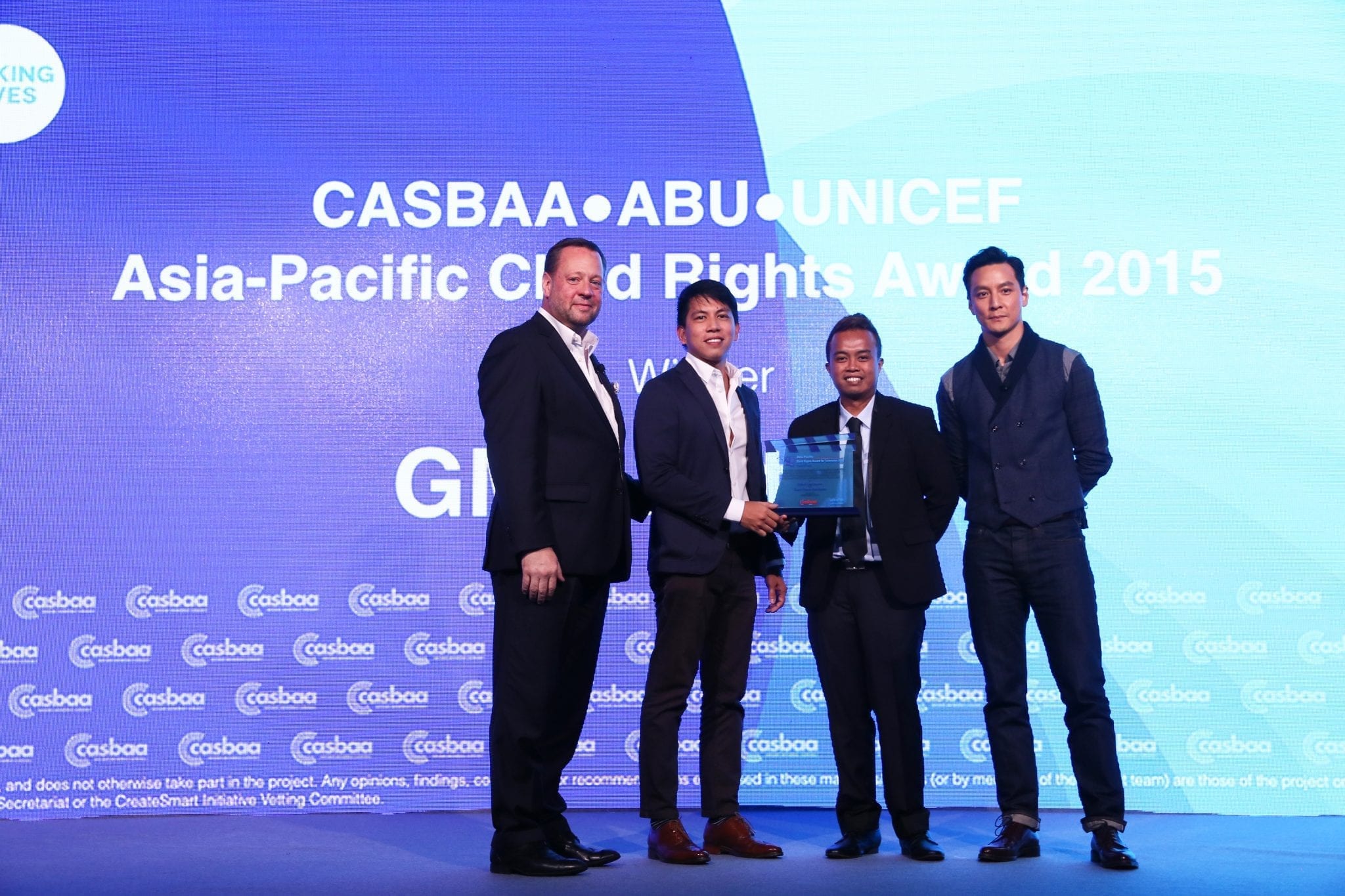
    The CASBAA Convention annual conference debuted in its new venue, Studio City, Macau, marking the 25th anniversary of CASBAA which is dedicated to representing key players from the cable and satellite broadcasting industry under the motto ‘represent, inform, connect’.

    Irwin Gotlieb, the Global Chairman for GroupM, was first to take to that stage to discuss the changing nature, and measurement of viewing behaviors. He also touched upon how the way to reach audiences via the marketing funnel is the same but a granularity of data can now inform decisions for each stage of the funnel. He underscored how media will continue to play a role becoming more targetable, addressable and eventually part of the transaction process.

    Also on the subject of measurement, Ben Reneker of S&P Global Market Intelligence highlighted how machine-driven predictive measurement models are now able to inform strategic decisions on marketing and investment.

    Oliver Wilkinson, managing director for PricewaterhouseCoopers, provided statistics to illustrate that pay TV is not dead, despite what the headlines say, and that it remains a primary form of entertainment.

    Doing deals in China was the topic for Bennett Pozil, EVP of East West Bank, who discussed the migration of content both ways as well as some of the pros and cons of doing business in China.

    Reaching a vast audience through tailored video and gaming content was the topic for Chad Gutstein, CEO of Machinima who highlighted that their most valued content was when viewers felt they had a connection to the creation of it. On a video note, Ricky Ow from Turner International predicted that Machinima’s e-Sports will be as successful as the English Premier League.

    James Schwab, co-president of VICE announced the opening of the company’s first full-service office in Jakarta, Indonesia.  He discussed how their local content policy over digital channels has helped the company grow exponentially over the last few years. The recent move into TV has been important for VICE as it gives them the ability to invest more in content.

    On the second day, Dave Downey, CEO of INVIDI Technologies, illustrated how “addressable” advertising could be used to predict viewing behaviors. Basil Chua, CEO from AsiaMX, talked about the need to understand viewer habits, flagging that they are watching content not devices. Both believed that the advertising formats would result in big wins for operators.

    Intrinsically linked to the advertising discussion is the subject of measurement and Craig Johnson, Nielsen’s media managing director for South East Asia, Pacific and India, highlighted some of the current challenges OTT has presented with measurement, suggesting that viewership on other devices could represent an additional 15% to 20% of media usage that is not accurately measured yet. The introduction of smart-meters could help more accurately chart multi-device viewership and content sources.

    Content from Japan took the spotlight with Eriya Kawachi, director of sales and promotions at Club TV Japan, showcasing some platforms that have been winning in popularity outside of Japan with Club TV. Richard Woo, consultant for WAKUWAKU JAPAN, discussed how Japanese content is well known for its creativity, uniqueness and a certain wackiness.

    Korean content also featured on the agenda with Miles Ki Young Choi, founder and CEO of Bethel Group Media Contents, talking about how interactive content was key to the future, flagging interactive drama as something they were championing. Byeong-Joon Song, CEO Group 8, saw simultaneous distribution as important for Korean content, highlighting difficulties with penetrating the Chinese market and Tom Taehyun Kim, CEO and executive producer at K Production, confirmed that superb storytelling was of course essential for content to have wider appeal.

  • Thai AirAsia has plans to expand its fleet in China

    Thai AirAsia has plans to expand its fleet in China

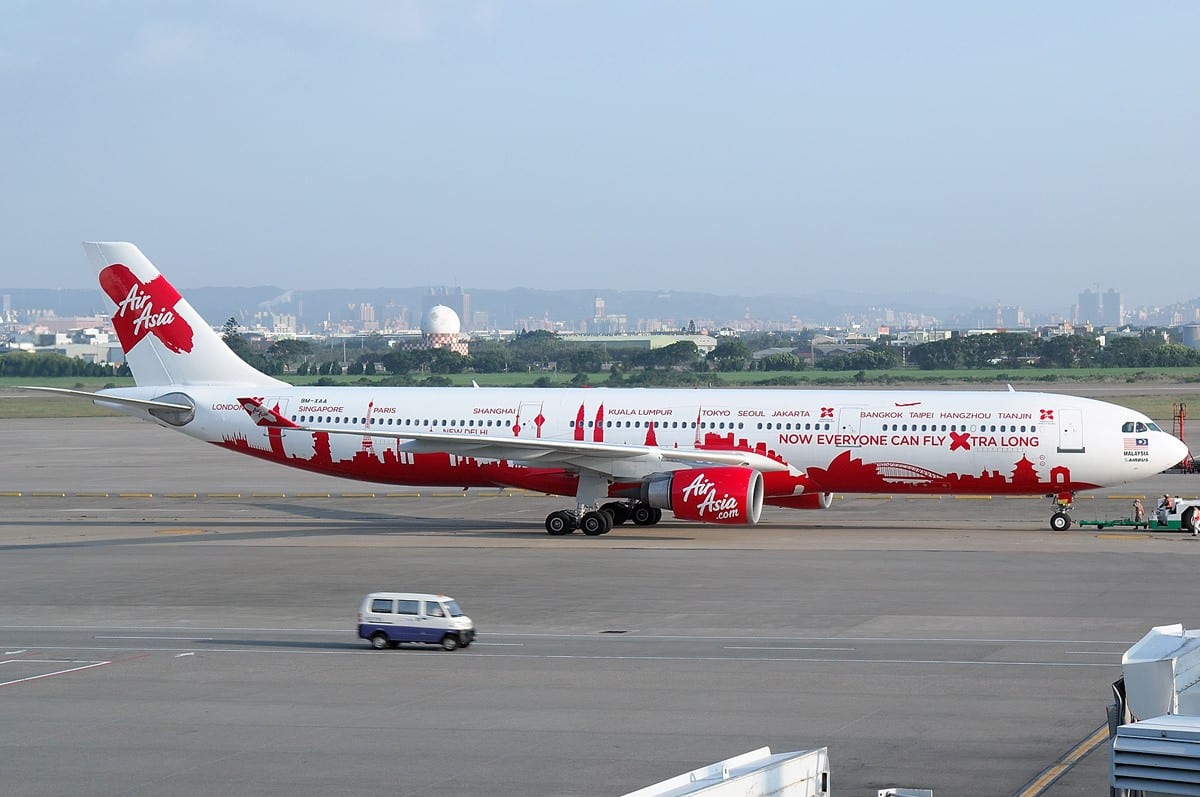
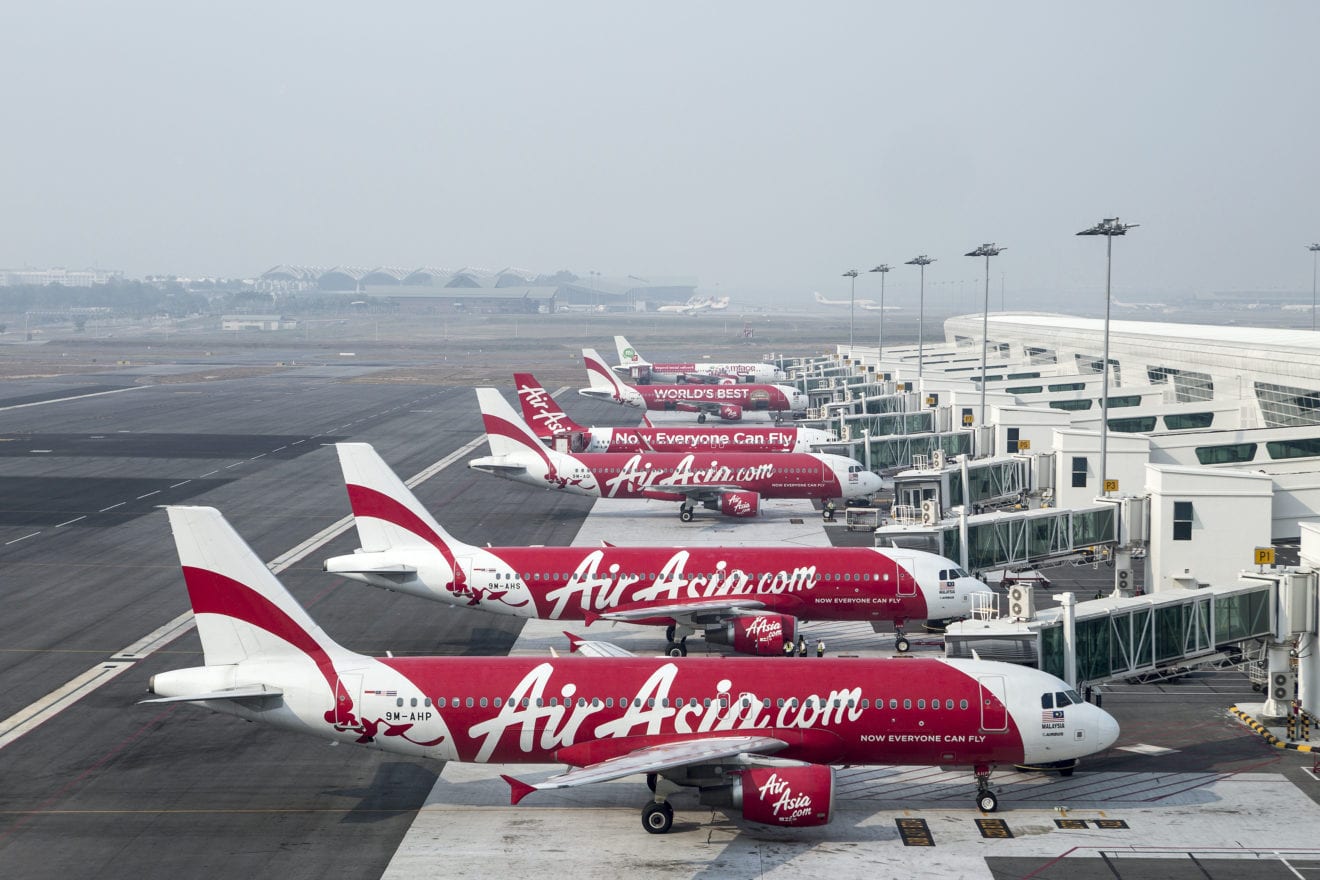
    Low-cost carrier (LCC) Thai AirAsia has plans to expand its fleet in China, revealing that it is planning to add five to six aircraft per year over the next few years.

    Thai AirAsia CEO Tassapon Bijleveld told that half of the additional aircrafts would be allocated to China, its largest international market.

    China has accounted for 26 percent of the carrier’s total international capacity to date. Thai AirAsia currently, has 38,880 weekly seats across 14 routes in the Thailand-China market.

    CAPA–Center For Aviation stated that China accounts for 13 of the combined 35 international destinations to which Thai AirAsia/Thai AirAsia X flies.

    Thai AirAsia currently serves 11 destinations in mainland China. Its sister medium/long haul LCC Thai AirAsia X serves another two Chinese destinations.

    The airline, a joint venture between the Malaysia’s AirAsia and Thailand’s Asia Aviation, is keen to grow its base at U-Tapao near the city of Pattaya, which opened in September 2015 and is linked to Macau.

    The expansion on the U-Tapao/Pattaya base would enable new routes to China.

    The low-cost airline has two A320s based at U-Tapao operating three domestic and four international routes – including the two mainland Chinese routes, Macau and Singapore.

    According to Bijleveld, all the U-Tapao routes “are doing very well”, and the Pattaya market is promising.

    The carrier is also considering launching routes from Hat Yai to Hong Kong, Macau and Singapore.

    Through the first three quarters of 2016, Thai AirAsia’s passenger numbers increased by 19 percent to 12.86 million.

    Thai AirAsia plans to add five A320 neos aircraft in 2017. Under its current five-year fleet plan it envisages a fleet of 71 aircraft by the end of 2020.

    Further, Thai AirAsia is also expanding in India, which it referred to as a logical growth market for Thailand.

  • Direct air link to Indonesia from Mumbai soon

    Direct air link to Indonesia from Mumbai soon

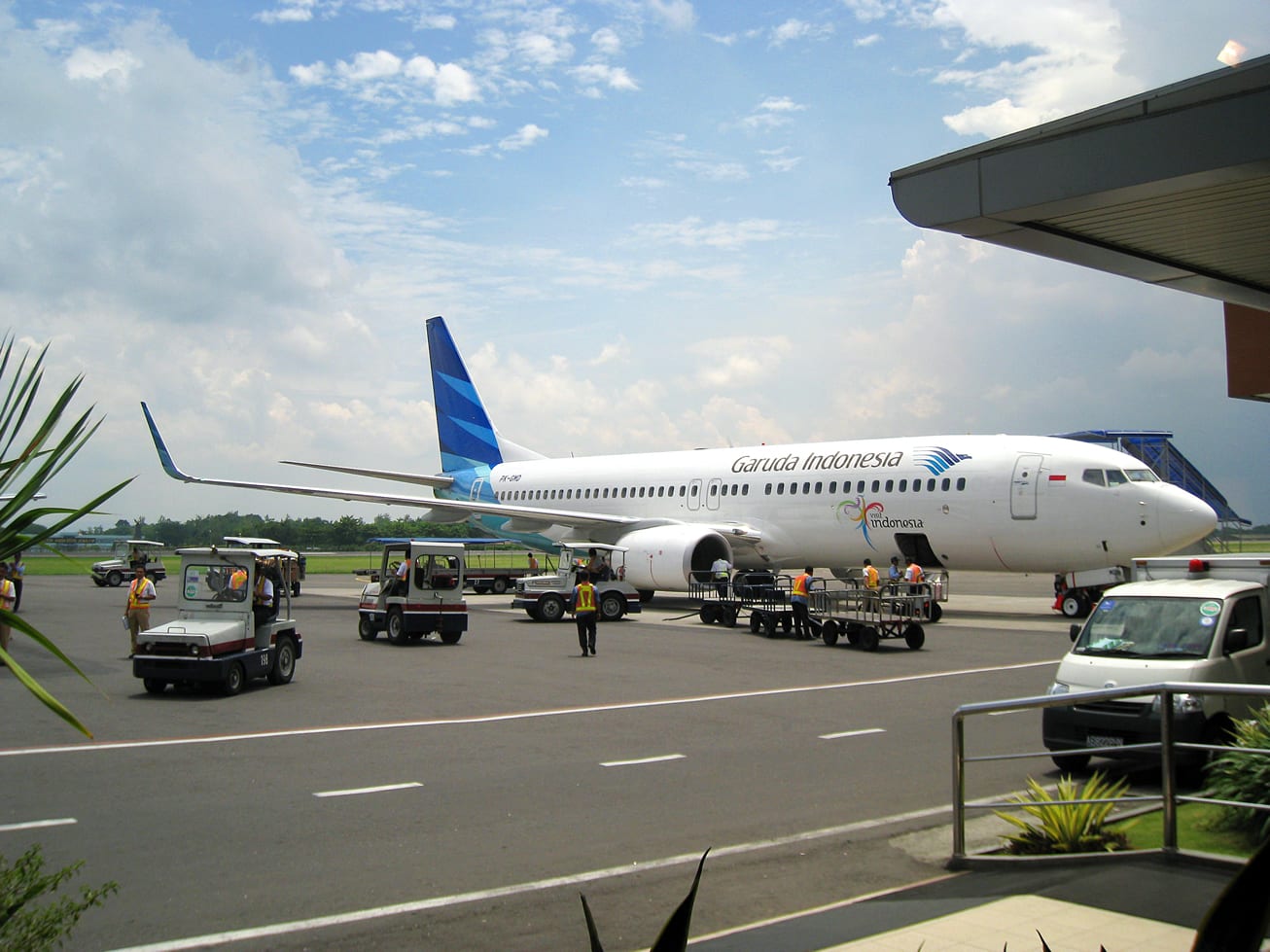
    A direct air link between India and Indonesia is set to become a reality with Garuda Indonesia, the South East Asian country’s national air carrier, considering to launch a service soon.

    Garuda Indonesia plans to introduce direct flights connecting Jakarta-Mumbai. In all likelihood, it should happen this December, Consul General of Indonesia Saut Siringoringo said here on Tuesday.

    He hoped the move would not only address the biggest challenge — absence of direct air connectivity — but eventually also provide a boost to bilateral trade, tourism and people to people ties. Tourism, he added, has considerable potential, particularly in pushing up the number of people from India visiting Indonesia.

    From 2,70,000 Indian tourists last year, which was a 13 per cent growth, the number would cross 3,50,000 this year. “I am very optimistic, this year it could even reach 4,00,000,” the Consul General said, pointing out visa free facility, for stay upto 30 days, was provided on arrival to Indian tourists. Mr. Siringoringo is from the Consulate in Mumbai that covers eight States, including all those in south India. His office, he added, issued around 7,000 working permits every year.

    Bilateral trade

    On the bilateral trade, he said it was around $16 billion and the need for Indonesia was to diversify it beyond the coal and palmoil. Pharmaceuticals and agriculture were two areas that could contribute to the diversification, he added.

    The Consulate, he said, was keen on showcasing Indonesia and strengthening ties with India through programmes. It recently organised a two-day ‘Expo Indonesia 2016’ in Mumbai featuring 37 Indonesian companies. Apart from showcasing a range of products, including furniture, paper, health-care products, food, the event served as a platform to explore business ties. The last time such an exhibition was conducted was in 2007, Mr. Siringoringo said.

    Stating that there is a lot of interest on both sides, he said 130 business delegates from India attended the ‘Trade Expo Indonesia 2016’ last month in Jakarta, an event that witnessed a transaction of $ 84 million.

    Apart from holding another exhibition next year, the Consulate is also getting ready for the visit of a Ramayana troupe comprising 100 dancers from Indonesia.

  • Prepaid purchases gaining traction in India

    Prepaid purchases gaining traction in India

    For the first time, cash is no longer king in India’s online shopping scene.

    In a post-Diwali media release, India’s online marketplace Snapdeal reported that customers across India were willing to pay at the time of making the purchase instead of opting for cash on delivery.

    “This was in part driven by Snapdeal’s partnerships with eight leading banks this Diwali including with American Express, Axis Bank, Citi Bank, HDFC Bank, Kotak Bank, Standard Chartered Bank, State Bank of India and Yes Bank,” the report noted.

    These banks offered 10-25% additional instant discounts on each day of the sale in October. Data also showed that customers who bought electronics and furniture were the most likely to go for prepaid options.

    Among the cities, Trivandrum had the highest share of prepaid orders, constituting a whopping 85% of the total orders from the city. But the preference for prepaid transactions was the strongest in South India, followed by North, West, and East in that order.

    Snapdeal’s Unbox Diwali Sale was held from October 2-6. On the first 16 hours of the sale alone, Snapdeal reported more than 800,000 buyers from over 2,800 cities and towns across India, with sales volumes jumping six times the daily average. The orders went to nearly 50,000 sellers all over the country.

    During the sale, the e-commerce giant said it recorded the fastest shipping track record by delivering an order within an hour. An order for iPhone 5s placed at 7.20 a.m. was delivered to the buyer in Gurgaon at 8.10 a.m.

    To power faster deliveries, Snapdeal said nearly 72% orders were shipped out of its fulfillment centers (SD+). Nearly 32,000 people deployed every day of the month to deliver the packages across India.

    On the seller side, out of the more than 300,000 sellers on the platform, more than 32,000 sellers saw sales grow 7X from last Diwali season. The cities where most of these sellers are based were: Delhi NCR, Mumbai Metropolitan Region, Bengaluru, Jaipur and Surat.

    A little more than 60% orders came from Tier 2 cities and beyond. Moreover, over 82% of overall orders were placed through mobile platforms. The highest numbers of units ordered were for the fashion category, followed by home, electronics and mobiles in that order. In the fashion category, women’s’ ethnic wear was the most popular purchase.

    Diwali or Deepavali is a Hindu festival of lights celebrated every year in autumn. People generally dress up and exchange gifts on Diwali night and shop during the festive period.

  • Plug and Play to invest in dozens of Indonesian start-ups

    Plug and Play to invest in dozens of Indonesian start-ups

    Indonesia is a few steps closer to becoming the largest digital economy in the region, as one of Silicon Valley’s largest players, Plug and Play, has expressed interest in investing in dozens of Indonesian start-ups.

    Despite Silicon Valley firms being discouraged from investing abroad recently, Plug and Play seems to see huge potential in Indonesia’s digital economy, as the US tech giant signed a joint venture agreement with local investment firm Gan Kapital to establish Plug and Play Indonesia.

    State-owned lenders Bank Negara Indonesia (BNI) and Bank Tabungan Negara (BTN) will be actively involved in the mobile financial technology-focused start-up accelerator.

    The local branch will be officially established next January and invest in up to 50 early-stage start-ups per year. They will receive funding, mentorship and complimentary co-working space for a three-month period.

    Plug and Play CEO and founder Saeed Amidi said the company hoped to establish 200 Indonesia start-ups in its portfolio by 2020 in response to the visit of Indonesian delegates, led by President Joko “Jokowi” Widodo earlier this year.

    “It took us a few months to come here but we are super excited to start this journey together and work together to build a better economy, what we call knowledge-based economy and digital economy, here in Indonesia,” he said following a meeting with the President on Tuesday.

    During his visit to Plug and Play’s headquarters in Silicon Valley, as part of his visits to the headquarters of US technology giants, Jokowi expressed his expectation to have the company partake in Indonesia’s efforts to become Southeast Asia’s biggest digital economy.

    He even wrote “Start it up together, prosper together” at Plug and Play’s headquarters, from which up to 100 start-ups across the globe are developed every year, including Dropbox, with US$3.5 billion in funds raised by its start-ups since 2006.

    Gan Kapital Group chief financial officer Wesley Harjono, who will also be managing director of Plug and Play Indonesia, said it will allocate around $10 million per year for the 50 start-ups that they have chosen to support.

    “If there are 50 start-ups and we give an average of $500,000 per start-up, then we can prepare $10 million per year,” he stated, adding that start-ups would also enjoy exposure to the global market in hopes that investors abroad would also start to take part.

    Communications and Information Minister Rudiantara highlighted the importance of Plug and Play’s presence in Indonesia to attract more foreign investment in the country’s e-commerce sector.

    “He has come here even at a time when Silicon Valley is being discouraged from investing abroad. He said he is confident about Indonesia and this is a positive factor,” he said.

    The government issued its 14th economic policy package last week, aimed at supporting the digital economy. The government expects the new policy package, dubbed the e-commerce road map, to create 1,000 “technopreneurs” and $130 billion in business value by 2020.

    The road map is intended to better protect national interests and give priority to small and medium enterprises and start-ups, and will offer grants or subsidies to boost their chances of surviving in the tough e-commerce industry.

  • AirAsia India Sells Tickets From Rs 799 On Advance Bookings

    AirAsia India Sells Tickets From Rs 799 On Advance Bookings

    Budget-carrier AirAsia India has announced a promotional offer with all-inclusive fares starting from Rs 799 on travel next year.

    The AirAsia India offer is valid till November 20 and is applicable on travel from May 1, 2017 to February 6, 2018. The Rs 799 promotional offer is applicable on the Guwahati-Imphal route.

    Also, there is a Rs 999 offer, which is applicable on Kochi-Bengaluru and Hyderabad-Bengaluru routes. Ticket prices on Bengaluru-Goa, Pune-Bengaluru, Bengaluru-Visakhapatnam routes start from Rs 1,299, Hyderabad-Goa Rs 1,599, Kochi-Hyderabad Rs 1,999 and Delhi-Bengaluru Rs 2,499, among others.

    Promotional offers by airlines have spurred a strong demand for air travel in India, which is among the fastest growing aviation market in the world.

    AirAsia India flew 5.89 lakh passengers in three months ended September, 2016, a 42 per cent increase from the number of passengers who flew with the airline in the corresponding period a year ago.

    During the quarter, the airline added three new destinations in its route network – Bengaluru-Guwahati, Bengaluru-Hyderabad and Hyderabad-Goa.

  • Air BP, AKR sign JV agreement in Indonesia

    Air BP, AKR sign JV agreement in Indonesia

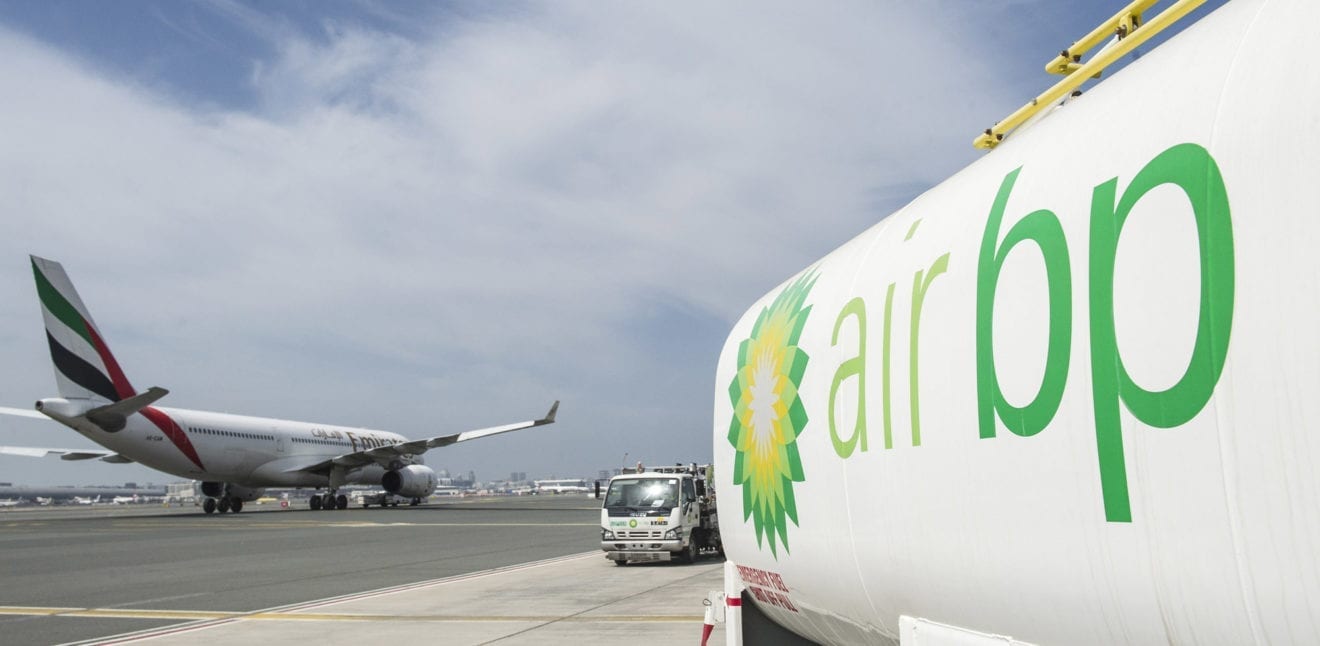
    Air BP, the international aviation fuel products and services supplier, and AKR, an Indonesian distributor of chemicals, petroleum, logistics and supply chain solutions, have announced the signing of a JV agreement. The agreement was signed in London by Mr Jonathan Wood, Chief Strategy and Business Development Officer, Air BP, and Mr Haryanto Adikoesoemo, President Director of AKR.

    The JV company, PT Dirgantara PetroIndo Raya, will operate under the name of Air BP-AKR Aviation, with the remit to develop an aviation fuel business in Indonesia.

    Indonesia is one of the world’s fastest growing aviation markets where domestic travel is projected to grow by an average of 15% per year, reaching 180 million passengers in 2021. The market is being driven by the strong economy with a growing middle class, an archipelago geography and increased tourism. Indonesia is now the world’s fifth largest domestic market, behind only the US, China, Japan and Brazil.

    “Air BP sees a great future for aviation in Indonesia and is pleased to be involved in this market and contribute to its future development and success,” said Wood.

  • AirAsia moves into new open-space headquarters

    AirAsia moves into new open-space headquarters

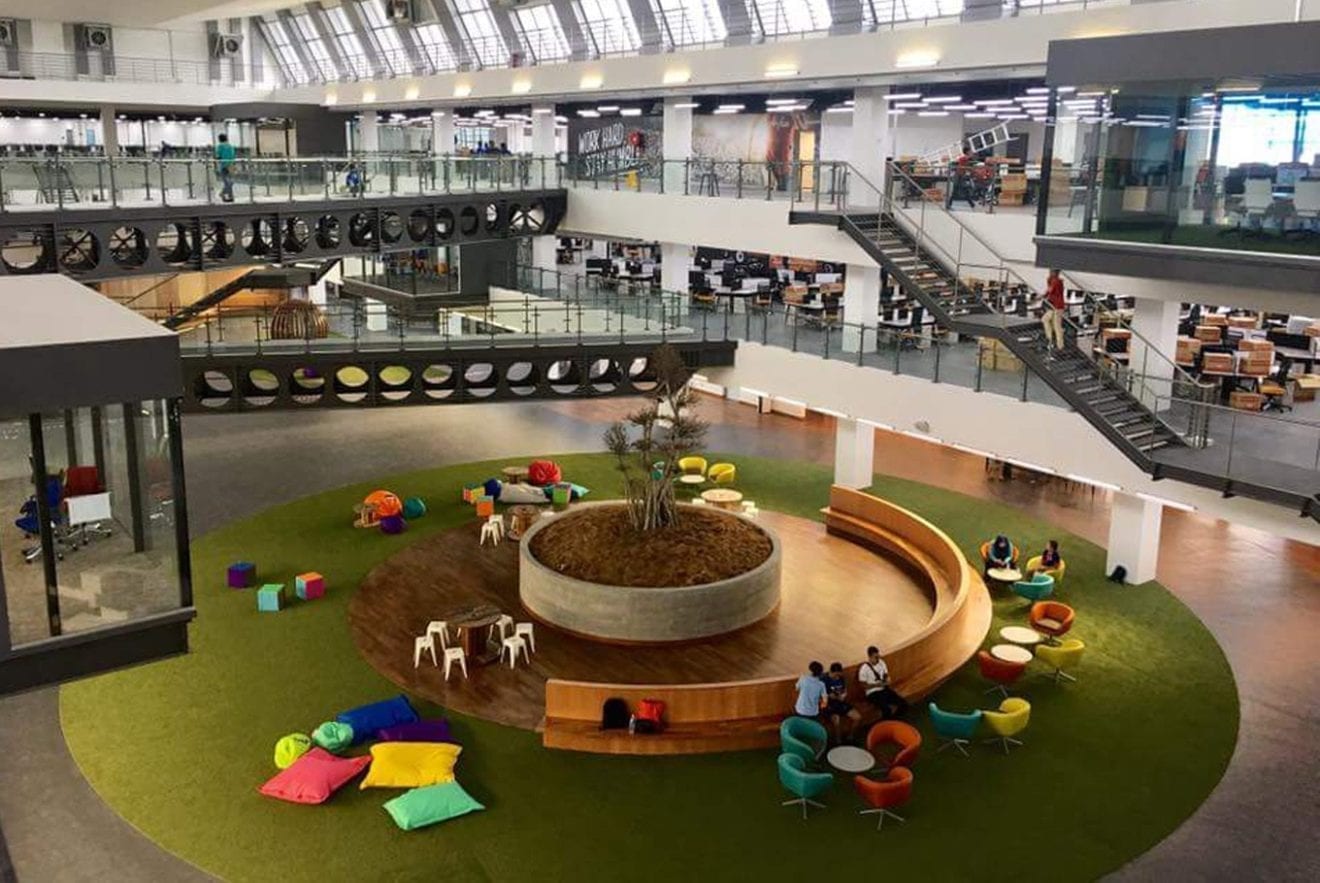
    After announcing that it would relocate to a new office in 2014, budget carrier AirAsia finally moved into its new space in Sepang, Malaysia, on Monday.

    The office, dubbed RedQuarters, is located on an 18,000-square-meter plot beside Kuala Lumpur International Airport 2 ( KLIA2 ). It is reportedly set to house 2,000 AirAsia employees.

    With features like indoor grass and colorful, stylish furniture, the huge open-plan office breaks away from conventional office stereotypes. AirAsia told that the design was intended to reflect the company’s determination to become Malaysia and the region’s best airline, “while incorporating elements showcasing the professional, fun and friendly attitudes.”

    The company threw a celebratory opening party at the new headquarters featuring local entertainers SonaOne and Joe Flizzow.

  • Lawson China launching rewards points

    Lawson China launching rewards points

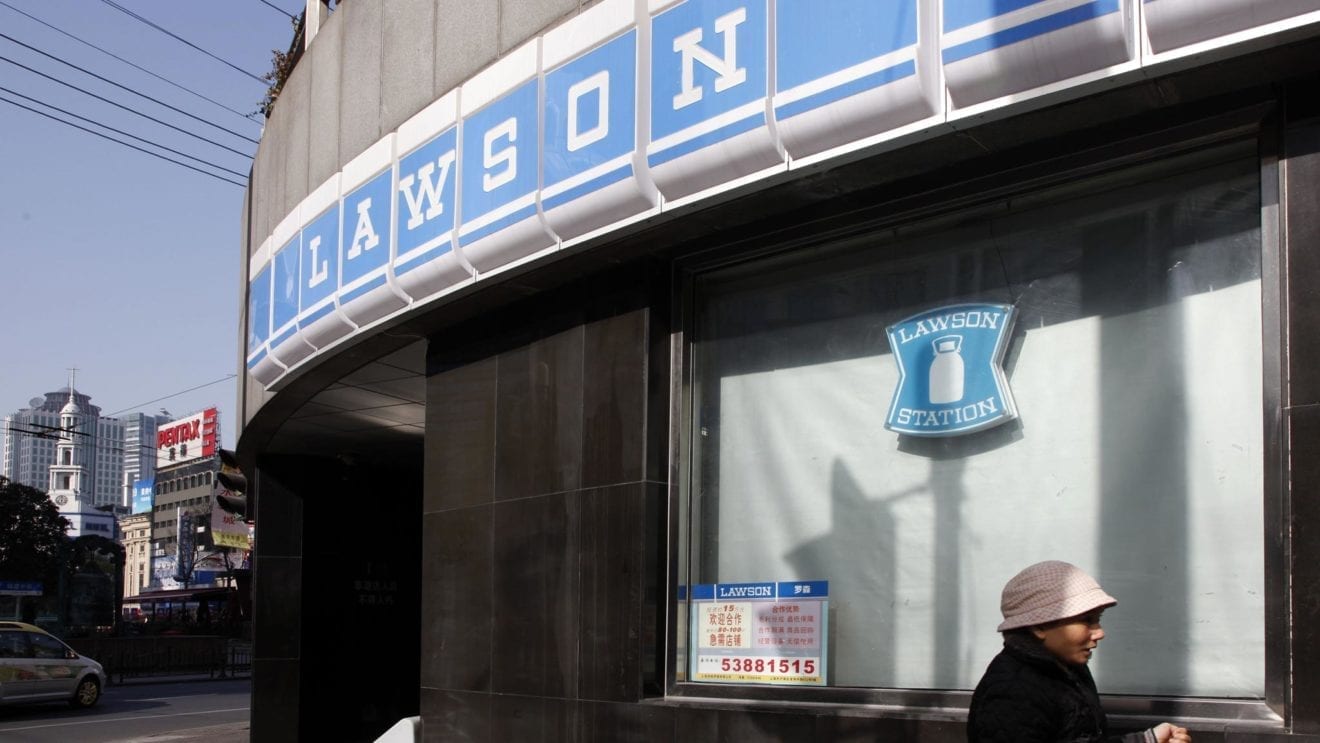
    From next month, Japan’s Lawson China convenience store group will offer rewards points to shoppers at its outlets.

    Points will be administered through the brand’s smartphone app, which already provides product information and discount coupons.

    Each yuan spent is expected to earn shoppers 10 reward points, exchangeable for store credit, likely at the rate of 1000 points for 1 yuan (US15 cents).

    Lawson has invested around $900,000 in Yoren, the Hong Kong-based developer of its app. As well as the points system, the duo has teamed up to analyse users’ purchases so the retailer can design sales campaigns and develop products.

    Lawson is considering similar efforts in other foreign markets. The group’s overseas network exceeds 1000 stores, including locations in Beijing, Dalian, Shanghai and Wuhan, and is rapidly expanding in China via franchise deals, particularly in Shanghai where there are more than 300,000 registered users of its app.

    Lawson will work with trading house Mitsubishi Corporation, which plans to become the retailer’s parent in January, to pursue a goal of having between 3000 and 5000 overseas stores by 2020.

  • Retail decline in China, says Fitch report

    China’s traditional retail industry is continuing to decline with demand likely to “remain muted” into next year, according to a new Fitch report.

    The credit rating agency’s report covers shops and and department stores.

    “Not only are shopping preferences changing, but declining consumer sentiment affected retail sales in several categories this year,” analysts Yee Man Chin and Cathy Chao say in the report. “We think the rapid change in shopping formats will increase competition, and therefore expect persistent weak sales for traditional retailers as consumer preferences evolve.”

    In the first nine months of this year, the top 50 domestic retailers saw sales fall 1.9 per cent, representing a slowdown in growth of 2.6 per cent compared to the same period last year, according to the China National Business Information Centre.

    Despite the country’s middle class expanding, sentiment has been dampened by a devalued renminbi and the economic slowdown, says Chin and Chao. Shoppers are now increasingly favouring eCommerce, which makes up 20 per cent of the country’s retail sector, and shopping malls over traditional channels such as department stores and street-level stores.

    This is reducing profitability for retailers who run their own stores with a fixed cost base for rent and staff, the analysts say.

    While the retail sector expanded 10.4 per cent in the first-three quarters of the year, the growth was largely from online sales, which surged 26.1 per cent year-on-year to 3.5 trillion yuan (US$513.8 billion), according to data from the National Bureau of Statistics (NBS).

    Same-store sales for Parkson Retail Group fell 9.7 per cent in the first half, while for the Golden Eagle Retail Group the drop was 8.7 per cent. Chinese shopping centre group Intime Retail, which is backed by Alibaba, had a 3.7 per cent fall in sales in the first nine months of the year.

    More competitive

    Weakness in the industry is making the retail environment increasingly competitive, say Chin and Chao. “Retailers can gain an edge by improving their product mixes, because certain industry segments such as sporting goods are continuing to grow.”

    Sports companies went through consolidation in 2012, and with consumers becoming more health-conscious, suppliers like 361 Degrees International “should benefit accordingly from sales growth,” says the Fitch report. A Chinese athletics brand, 361 Degrees has seen same-store sales growth rebound by more than 5 per cent since 2013.

    Traditional retailers are also resorting to new tactics to attract customers. These include “experimental shopping” whereby outlets increase their F&B, lifestyle and entertainment options, as well as linking online-to-offline shopping capabilities, the analysts say.

    Through “gimmicks” and technology adoption, retailers can draw millennial and middle-class shoppers by offering digital and personalised shopping, says Colliers International (Hong Kong) associate director of research Joanne Lee.

    “We believe technology will come into the market, and artificial intelligence or virtual reality will enhance the shopping experience,” she says.
    Her colleague director Daniel Shih says social media will be a focal point for the future, for both retailers and shopping centres.

    These strategies have been evident in the roll-out of the annual Singles Day shopping event hosted by Alibaba, reports the South China Morning Post.

    While retailers can take steps to reduce costs, such as reducing inventory or closing stores, Fitch says the structural challenges facing the retail sector are likely to persist.

  • Netflix, Amazon top spenders on programming

    Netflix, Amazon top spenders on programming

    Netflix and Amazon have ramped up their investment in programming, spending $7.5 billion last year—more than CBS, HBO, Turner and most countries, including South Korea and Australia.

    According to IHS Markit, Netflix and Amazon more than doubled their annual expenditure on programming between 2013 and 2015.

    Amazon spending jumped from $1.2 billion in 2013 to $2.7 billion in 2015. In the same timeframe, Netflix spending rose from $2.4 billion to $4.9 billion.

    “The levels of investment we are seeing from Netflix and Amazon are only topped by Disney ($11.8 billion) and NBC ($10.3 billion),” said Tim Westcott, senior principal analyst at IHS Technology.

    Other online platforms like Hulu in the US and China’s Youku Toudu, iQifyi and Tencent have also increased their investment in original programming and acquisitions.

    “In what Netflix calls the era of internet TV, more and more consumers are watching content online, shaking the foundations of the traditional TV industry,” Westcott said. “However, it’s premature to declare that the era of linear TV is already over, and Netflix and Amazon have come hard on the heels of a boom in production of original drama and comedy by the likes of AMC and FX in the US.”

    After the US, the mature Western European region is the next most important, investing $38.6 billion, or just under one-third of the total. The biggest markets in Western Europe were the United Kingdom with $10.7 billion, Germany ($7.3 billion), France ($6.6 billion) and Italy ($4.6 billion).

    “Notably, China is now the second-largest market in the Asia-Pacific region, with $8.4 billion invested last year,” Westcott said.

    Japan is the largest in the region with $9.8 billion, followed by South Korea ($2.6 billion), Australia and India—both on $2.4 billion. Leading Latin American markets are Mexico ($1.5 billion) and Brazil ($1.4 million). Canada invested $3.4 billion last year. Russia and Turkey were both around the $900 million mark.

  • Aldi in Asia launch

    Aldi in Asia launch

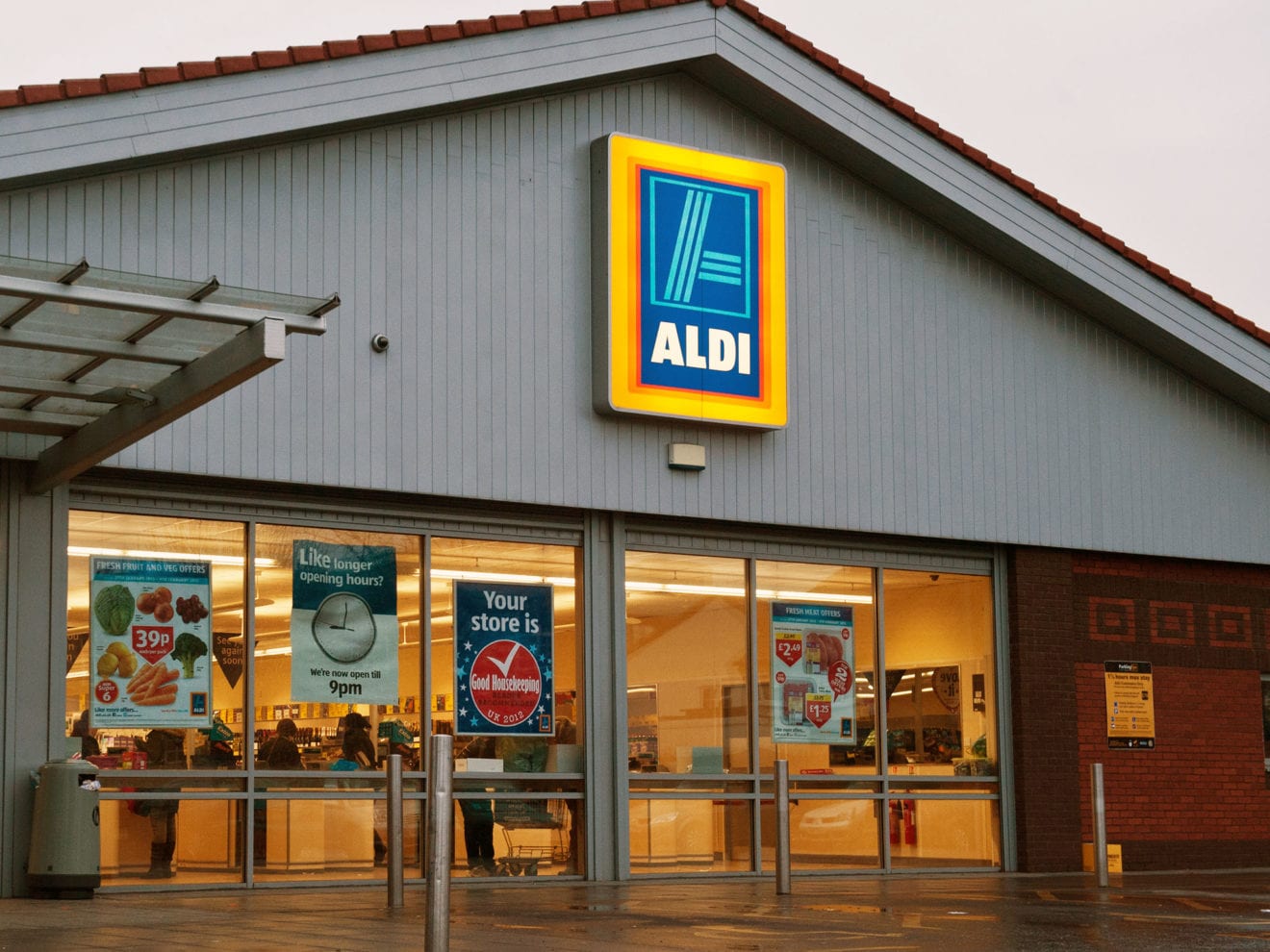
    German discount supermarket Aldi is set to enter China, and broader Asia, using Australia as a springboard.

    Aldi in Asia will initially sell groceries and wine online to China in the first half of next year, with stores expected to open later, reports the Sydney Morning Herald.

    The site will sell shelf-stable groceries and wine, with most products sourced from the group’s Australian suppliers, says a spokeswoman.

    German retail blog Lebensmittel Zeitung, however, says Aldi intends to create “a truly local assortment” with German products as a “topping”.

    In Australia, the spokeswoman says there is a strong demand among Chinese consumers for Australian-made products.

    “Aldi has been active in the China market for several years undertaking detailed feasibility studies regarding potential market-entry options. This work has resulted in the decision to start retail operations in the China market initially with an eCommerce offering.”

    She says Aldi will start selling a “carefully selected” range of everyday grocery items to Chinese consumers via an online retailing platform, with products delivered to their homes.

    With a presence already throughout Europe as well as Australia, Britain and the US, Aldi is turning to Asia to maintain growth.

  • Japan still deeply tied to Indonesia

    Japan still deeply tied to Indonesia

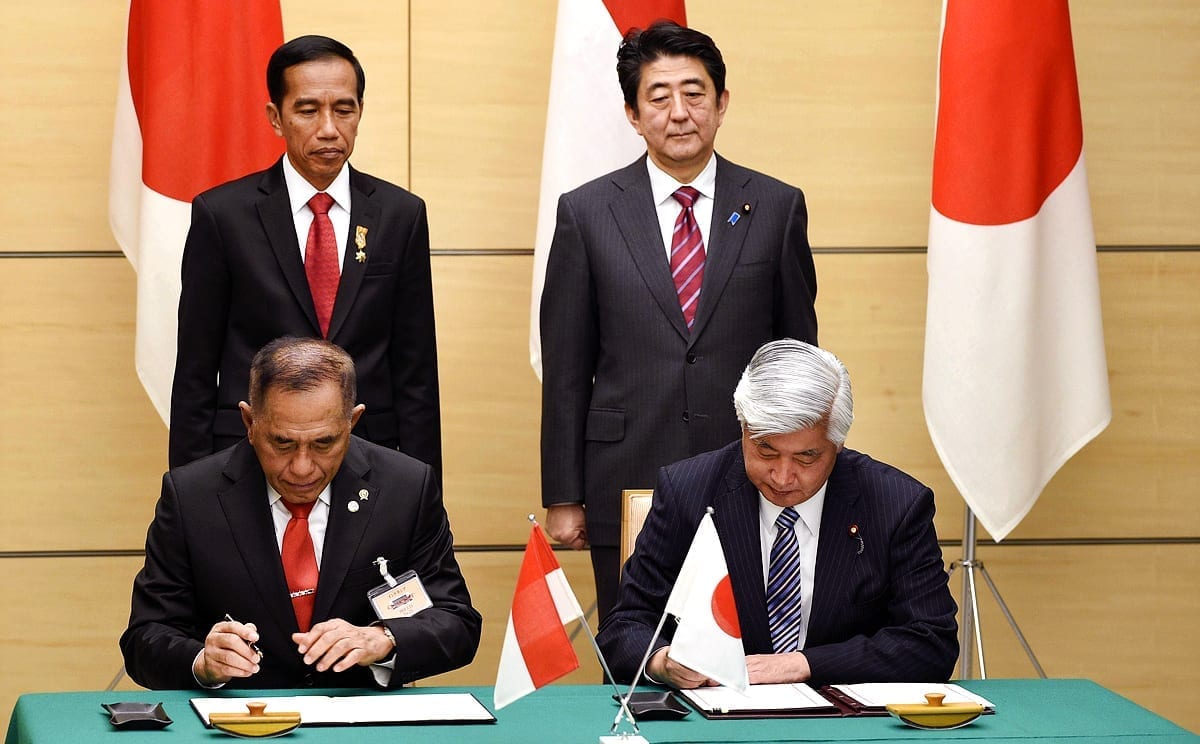
    Despite the seemingly robust investment coming from China, the government claims it has not forgotten Japan and stresses that its foreign investment and trade policies are not all about China.

    China beat Japan to secure the contract for Indonesia’s first high-speed railway project connecting Jakarta and Bandung in West Java. Furthermore, President Joko “Jokowi” Widodo has met with Chinese President Xi Jinping five times since the former was elected president in late 2014.

    Meanwhile, Jack Ma, founder and chairman of Chinese e-commerce giant Alibaba Group, previously agreed to become Indonesia’s e-commerce advisor and may continue to do so.

    This series of events, and several others, may suggest that Indonesia has shifted its economic orientation more toward China, the world’s second largest economy, from its “traditional” partners, including Japan.

    The government, however, strongly dismisses this notion. “There is a perception that we have only made deals with China recently,” Coordinating Maritime Affairs Minister Luhut Binsar Pandjaitan said after a meeting at his office recently.

    “But investments from Japan are still larger than those from China,” he added, trying to reassure those concerned that Japan remained Indonesia’s priority partner.

    Japanese investments are indeed larger than China’s and the amount of foreign direct investment (FDI) from Japan to Indonesia is set to reach between US$3.5 billion to $4 billion by the end of the year, according to the Japan International Cooperation Agency (JICA).

    Nonetheless, data from the Investment Coordinating Board (BKPM) show that Japan and China do appear to be locked in a tight race.

    While Japan has consistently put itself on the list of top three foreign investors and places in second position as of September, China has crept up over the past two years and has entered the big league as well.

    China even trailed behind Japan at number three in terms of realized foreign investment in the first nine months of 2016.

    The government, however, is inching closer to signing major agreements with Japan, a move that will strengthen the latter’s investment dominance.

    The agreements will see Indonesia reach financial closure from Japan for the deep-sea port development project in Patimban, West Java, in early 2017.

    The project is among various national strategic projects that will generate more ease in the distribution of goods shipped into the country.

    As much as US$1.7 billion in foreign loans are expected to be channeled into the project and the Indonesian government will also provide an additional $595 million to finance it.

    The Patimban Port will be located about 70 kilometers from the Karawang Industrial Estate in West Java.

    It will have a container capacity of 1.5 million 20-foot equivalent units (TEUs) once it is partly completed by 2019 and then 7.5 million TEUs by 2027, which is half the capacity of Tanjung Priok Port in Jakarta.

    Luhut said Japan would be involved in managing Patimban once it was completed, which is a plus in the government’s view as the Japanese are expected to transfer their knowledge in port management to their Indonesian counterparts.

    Luhut said the government would expedite the settlement for all administrative problems in the project, including ones related to spatial planning (RTRW) within the next two weeks.

    During that two-week period, the government will also formulate a financing scheme for another strategic project, a railway line connecting Jakarta to Surabaya in East Java.

    The government recently offered Japan the opportunity to take part in the railway project, estimated to cost Rp 102 trillion (US$7.64 billion). However, other countries will participate as well in the bidding process, including rival China, thus opening up the possibility of another round of heated competition.

    “There’s a preference for Japan to be chosen for the railway project,” Transportation Minister Budi Karya Sumadi said. Budi added, however, that Japan would still have to meet all the requirements set by the government.

    The new railway line will enable trains to run at 165 kilometers per hour and will shorten the travel time between Jakarta and Surabaya to around six hours from the current time of 13 hours. The project is slated to begin construction by the end of 2017 and is expected to be completed by late 2019.

  • AirAsia launches Santan Combo Meal

    AirAsia launches Santan Combo Meal

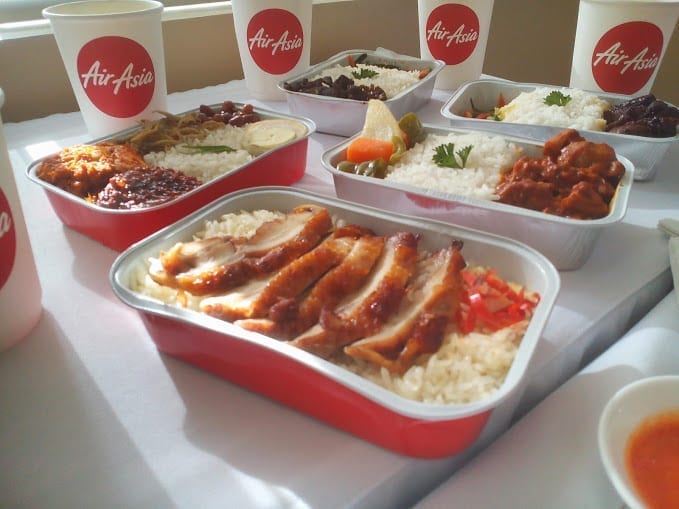
    AirAsia has launched its latest Santan Combo Meal, available for pre-booking, from RM10 on AirAsia Bhd (AK) flights and from RM15 on AirAsia X Bhd (D7) flights.

    In a statement today, AirAsia said the Santan Combo Meal has a selection of 15 meals ranging from local Asean delights to international cuisines.

    “Guests who pre-book the combo meals can choose from a selection that includes coffee (only available for flights above 90 minutes), carbonated drinks and mineral water,” it said.

    AirAsia Commercial Head Spencer Lee said guests would be happy to know that the new price offers a RM5 discount off the in-flight ticket price.

    “When they pre-book their meals online, not only they enjoy discount prices and have a wider selection of meals to choose from, but also have the privilege of being served first,” he said.

    Lee said among the new items on the menu was the festive Christmas treat of Southwest Stuffed Chicken Meal on AK flights for RM10.

    “This meal consist of roasted chicken breast stuffed with capsicum and onions and served with a special jalapeno cream sauce on a bed of roasted potatoes,” he said.

    Meanwhile, those travelling on D7 flights can enjoy the new combo meal of Grandma’s Chicken Pie for RM15, which is minced chicken baked with a layer of creamy mashed potatoes, complemented with broccoli and carrots.

    Guests can pre-book their meals up to 24 hours before their scheduled departure time on www.airasia.com via the Manage My Booking tab.