Retail News Asia is committed to providing both local and global retailers with the latest General Retail news throughout the Asian market. This on a daily base.
The administration of Riau Islands city of Batam will facilitate the export of products manufactured by the Indonesian Micro, Small and Medium Enterprises (SMEs) to Singapore, an official has stated.
“We are trying to facilitate (the export of products), because the products manufactured by the Micro, Small and Medium Enterprises are being exported to some neighboring countries, including Malaysia and Singapore,” head of the Batam office of the Community Empowerment, Cooperatives and Micro, Small and Medium Enterprises (SMEs), Pebrialin, said here on Monday.
This October, the Batams administration will consult the Indonesian Embassy in Singapore to explore the market in order to facilitate the export of the SMEs products to Singapore, he added.
As per a research undertaken by the local administration, many SMEs have shipped their products to Singapore. Unfortunately, the volumes are limited.
According to Pebrialin, Singapore’s decision to replace the trademarks was detrimental to the Indonesian producers, because they cannot control the market directly.
In addition, the manufacturers also face difficulty in developing their business, because they become dependent on the trademark of Singapore.
The Community Empowerment, Cooperatives and Micro, Small and Medium Enterprises (SMEs) will also help the SMEs meet the norms applicable in Singapore and Malaysia, so that their products can be freely distributed in the market, Pebrialin added.
A recovery in coal prices in recent months has buoyed shares of local coal companies and returned confidence to a sector that has long struggled with low demand.
Indonesia’s thermal coal benchmark price rose to $63.93 per metric ton in September — its highest in 17 months — continuing a five-month rally after bottoming out in May, according to the latest data compiled by the Ministry of Energy and Mineral Resources.
China, traditionally Indonesia’s main coal market, has capped its domestic coal mining output, forcing electricity producers to start importing coal once more. Limited stocks from the main exporters, such as Australia and Indonesia — due to a prolonged wet season — also stoked the commodity’s price in the global market.
Against that setting, shares of Bumi Resources, Indonesia’s largest coal producer, surged by as much as 23 percent this week after the Indonesia Stock Exchange (IDX) lifted a suspension on the company’s shares on Wednesday. The suspension began on June 30 after Bumi failed to submit its first-quarter financial report.
NH Korindo Securities head research analyst Reza Priyambada said positive sentiment from the commodity’s price has buoyed even a debt-ridden company such as Bumi.
Shares of state-controlled miner Tambang Batubara Bukit Asam, have risen 70 percent in the past five months. Indo Tambangraya Megah, the local coal mining unit of Thailand’s Banpu, rose 47 percent in the same period.
However, Reza warned that in the longer term, miners’ share prices would depend on their own fundamental performance.
“It all depends on how the coal miners are making their next moves. For example, extending or renewing their coal contracts, or diversifying their businesses,” Reza said.
Indonesia’s coal production fell 14 percent to 241.1 million tons of oil equivalent last year compared to a year earlier, as demand from China and other markets decreased, according to the BP Statistical Review of World Energy 2016.
For coal producers, the power sector is another business alternative to mitigate their losses from last year’s weak coal prices. The power sector is attracting several coal producers because the government wants to add 35,000 megawatts to the national power grid to boost investment.
Adaro Energy, whose shares surged 164 percent so far this year, diversified its business from coal production to power generation. Construction of the company’s 2,000-megawatt coal-fired power plant in Batang, Central Java, has finally started and it is expected to generate $80 million per month for the consortium that built and operates it, when it starts operations in 2020.
Coal will remain the main supply for power plants, which will eventually boost domestic consumption of the resource and provide long-term benefits to miners and producers.
Oil and gas giant British Petroleum also noted that coal consumption in Indonesia — now the eight-largest coal user in the world — will continue to grow as most of the country’s power under President Joko “Jokowi” Widodo’s 35,000-megawatt program would come from coal.
More industries will enjoy lower gas prices by the beginning of next year as the government rushes to find a solution to cost issues.
President Joko “Jokowi” Widodo has demanded that his Cabinet take concrete steps by the end of November to enable gas prices to fall below US$6 per million British thermal units (mmbtu) for 10 industrial sectors and one industrial zone starting in January next year.
Currently, only seven industries enjoy the lower gas prices, but the government plans to add pulp and paper, food and beverages, and textiles to the list.
Indonesia’s gas prices are around $9 per mmbtu, higher than most of its Southeast Asian neighbors. Both Malaysia and Singapore, for example, sell gas at around $4 per mmbtu.
“I calculated it the other day and found that a figure between $5 and $6 [per mmbtu] is possible. Simplify and cut down the supply chain, so that it will be more efficient,” Jokowi said before a closed-door meeting.
“This will affect the gas sector’s investment climate. Gas prices must remain enticing for investors to continue investing in our upstream sector, which will support the development of infrastructure, transmission and distribution.”
The government has been trying to lower gas prices for some time to boost income tax through improved industrial productivity.
High prices have forced many factories in North Sumatra to close down and as many as 20,000 workers have been laid off since 2000, data from the Association of Gas-Consuming Companies (Apigas) shows.
Industry Minister Airlangga Hartarto said the economic benefit of lower gas prices could reach Rp 31 trillion ($2.39 billion) if prices were cut to $4 per mmbtu, with an additional distribution cost of $1.50 to $2. He added that the 10 industrial sectors contributed around Rp 1,200 trillion, or 10 percent, of gross domestic product (GDP). The gas price cut is expected to increase their contribution to GDP as costs fall.
The Energy and Mineral Resources Ministry previously issued a regulation that allows companies to obtain an additional price cut of $2 per mmbtu from the minister if gas prices climb higher than $6 per mmbtu.
However, the regulation only applies to seven industries. Wider coverage for other industries is deemed essential as they expect to use more gas for production in the coming decade. The fertilizer and petrochemical industries use the most natural gas, as it is an essential component of their end products.
The fertilizer industry used 791.22 million standard cubic feet per day (mmscfd) of natural gas by the end of last year and is projected to need around 1,028.22 mmscfd in 2020.
Meanwhile, the petrochemical industry used 295 mmscfd in 2015 and is expected to increase its usage to 708 mmscfd in 2020.
State-owned fertilizer producer Pupuk Indonesia president director Aas Asikin Idat expressed hope that gas prices nationwide could be cut to $3 to $4 per mmbtu from the current price range of $6.50 to $8.50.
“Any price cuts will be extremely helpful because it is difficult to compete now with the current prices.”
Aas said that under the current pricing scheme, the production cost difference between Pupuk Indonesia and producers in the US and China could reach $50 per ton. Pupuk Indonesia’s production cost hovers at around $240 per ton at present.
Separately, state-owned oil and gas firm Pertamina’s executive director Dwi Soetjipto said lowering gas prices in Indonesia even further would be difficult because of geological and cost-related issues. “Indonesia’s gas reserves can be found in small pockets that are found scattered around the country, unlike other countries in the Middle East that have large reserves in one location. This means the transportation per volume cost is higher,” he said.
“Moreover, the use of high-tech equipment will need more capital expenditure as well.”
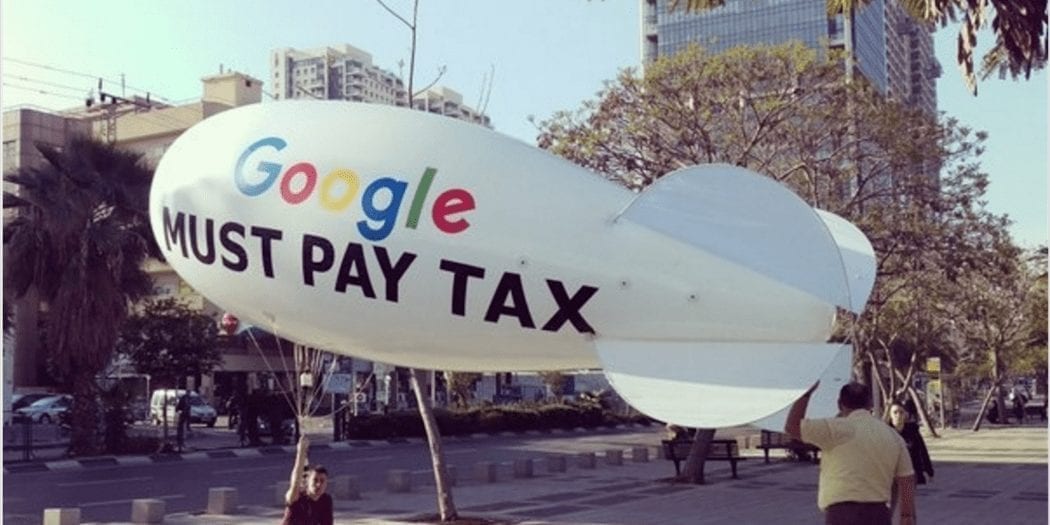
The Communications and Informatics Ministry said that it has not come up with the best solution in relation to the endeavor of collecting taxes from giant tech company Google, as the regulation on foreign app companies (over the top or OTT) has not been realized yet.
“No solution yet, and I’m still coordinating with the Finance Ministry. But I keep on pushing to have a playing field level between the national OTT and the International OTT,” Communications and Informatics Minister Rudiantara said in Jakarta on Friday, October 7, 2016.
Earlier, Rudiantara said that Google Indonesia was not running an advertising business. In addition, Google has not set up a permanent local entity (BUT) in Indonesia, making it difficult for the government to collect taxes from Google.
Rudiantara called on Google to show its good will to discuss the issue.
“However, the amount of taxes to be paid by Google remains Finance Ministry’s jurisdiction,” he said.
Rudiantara had also set a target to finalize regulations on OTT companies in the third quarter of 2016. However, the realization remains sluggish since the Ministry cannot issue a regulation that is not applicable and enforceable.
Google Singapore, as Google Indonesia’s holding company, refused to be audited by the Tax Directorate General, following a finding that Google gains income from Indonesia, although it has not yet established a permanent local entity in the country. The Tax DG found an indication of criminal offenses and conducted investigation into the company.
Finance Minister Sri Mulyani has not provided details about steps to be taken to collect taxes from Google. However, Sri said that the government would continue to demand Google to fulfill its tax obligations.
Indonesia has officially offered Japan the opportunity to take part in the semi high-speed rail construction project connecting Jakarta to Surabaya in East Java, a senior minister said.
Coordinating Maritime Affairs Minister Luhut Binsar Pandjaitan delivered the official letter offering the project to the Japanese government during his working visit to Tokyo on Friday, according to a statement released by the ministry’s office.
“Personally, I am sure Japanese technology is suitable for this project,” he said in the statement released on Friday. The semi high-speed railway would have trains running between 180 and 200 kilometers per hour and would shorten the travel time between Jakarta and Surabaya to 3.5 hours, Luhut added.
The government planned a double track railway so that it could be utilized to support the transfer of containers in dry port between Jakarta, Semarang and Surabaya.
Should Tokyo accept the offer to work on the project, Luhut further said he hoped that Japan would implement technology transfers with Indonesia and comply with the country’s regulations that prioritized the use of Indonesian-made products.
Halal Zone will soon arrive in Pulogadung Industrial Area, East Jakarta, serving as a showcase for Indonesias halal industrial products, officials said.
“Halal Zone will have facilities that support halal management and halal product distribution,” Financial and Supporting Director of PT Jakarta Industrial Estate Pulogadung (JIEP) Sitta Izza Rosdaniah stated here on Friday.
The zone will feature Moslem Fashion Hub, MICE (Meetings, Incentives, Conferences, and Events), Halal Warehouse, Halal Laboratory, Shariah Finance Centre, National Creative Industry and Training Centre, Halal Lifestyle Showcases, National Logistics Centre, Halal Culinary Centre, and Organic Urban Farming.
“We want establish a halal laboratory in the industrial area,” Sitta noted, adding that the facilitys management will prioritize small and medium enterprises to help them develop their businesses.
According to her, these enterprises need support to meet halal standards for their products.
“This is the meaning of a halal zone, where people can get assistance and the opportunity to consult with experts,” Sitta remarked.
JIEP also provides special facilities for all business sectors in the industrial area.
On August 2016, in Jakarta, JIEP signed a Memorandum of Agreement (MoA) with the Indonesian Port Corporation (IPC) on the Study of Development and Operation Cooperation in the Pulogadung Industrial Area.
The agreement was for the preparation of a study of an Integrated Logistics Area for an International Halal Hub in the JIEP area.
The MoA is aimed at establishing a partnership and synergy between JIEP and Pelindo to develop the International Halal Hub and Halal Port.
Central FamilyMart plans to double the number of its convenience stores in Thailand from 1116 to more than 2000 within five years.
President Chiranun Poopat says the company will continuously expand the number of FamilyMarts to cater to a growing market and increase access to consumers in specific locations. The expansion will be achieved by capital investment as well as franchising.
“We are still confident in the high growth potential of convenience stores in the Thai market as shoppers appreciate convenience and diversity as well as product quality.
“We will focus on opening more FamilyMart stores in Bangkok and the surrounding areas, as well as cities and destinations visited by foreign tourists,” says Chiranun.
She says the company will add more than 60 stores this year, and also has a focus on improving existing outlets.
There are also plans to collaborate with local entrepreneurs and suppliers so the stores can offer products for specific areas, especially tourist destinations.
FamilyMart’s latest branch opened in Bangkok’s MBK shopping centre last week, offering ready-to-eat foods and beverages.
For the current Vegetarian Festival, Chiranun says FamilyMart has increased its vegetarian options to 400 items. New offerings include vegetarian onigiri (Japanese rice balls), baked Riceberry with taro, stirfried mixed mushrooms with rice, stirfried soy protein with black pepper, a coleslaw sandwich and a vegetarian bento set.
Bali’s Ngurah Rai International Airport recorded an increase in the number of passengers coming and going through the airport. In September, the airport has seen 14.8 million passengers flying from and to the airport, an increase of 16 percent from the same month last year.
The airport’s General Manager Yanus Suprayogi said on Thursday that both domestic and international passengers’ traffics are relatively the same with 7.4 million passengers each.
“In the last four years, the traffic growth in 2016 is the highest. In addition to the number of passengers, we also see an increase in the number of inbound or outbound cargos, as well as aircraft movement,” he said in a press release, October 6.
Meanwhile, the airport’s cargo volume reached more than 30,000 tons, or up by 39 percent compared to September 2015’s volume. The number of aircraft movements also increased by 10 percent on a year-on-year basis.
“We are optimistic that the number of passengers, aircraft, and cargo will continue to increase until the end of this year,” Yanus said.
Meanwhile, the Central Statistics Agency (BPS) of Bali recorded 438,135 foreign tourists’ visits to Bali in August 2016, of which 437,929 came in through the airport.
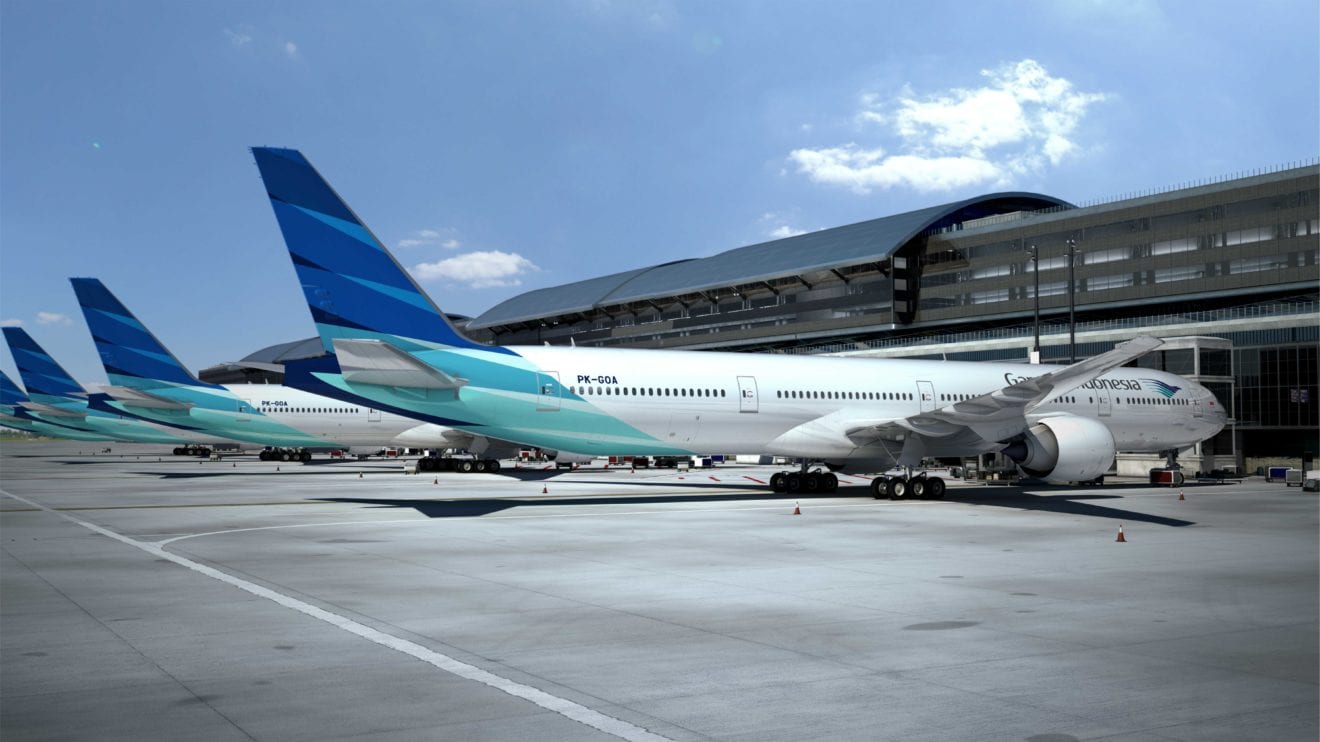
Minister for State-Owned Enterprises Rini Sumarno has asked national carrier PT Garuda Indonesia to act more aggressively, especially in promoting itself in both local and international markets.
“The Minister asked us to continue to enhance our synergy with other state-owned enterprises in expanding Garudas infrastructure and services,” said CEO of Garuda Indonesia Arif Wibowo, after a meeting with Minister Rini Sumarno in the Ministrys offices in Jakarta, Tuesday.
During the meeting, which was also attended by the Ministrys Deputy of Finance, Survey and Consulting Gatot Trihargo, Garuda was asked to be more aggressive in their future development, including by strongly cooperating with their subsidiary business, Citilink.
“To dominate the domestic, regional and international market, Minister Rini Sumarno emphasized the importance of connecting time between flights, as well as adding more routes to the existing ones, especially to tourist destinations,” he added.
In relation to that, he further explained that the airline is planning to open a new route from Jakarta to Labuan Bajo, East Nusa.
“Direct flights from Jakarta to Labuan Bajo, East Nusa will officially start Oct 27. A route to the same destination has actually been operating from Denpasar, Bali. The new route from the capital city to Labuan Bajo can become the bridge to direct connections to our international routes,” he reiterated.
In its initial phase, the new route from Jakarta to Labuan Bajo will operate daily at 10 am.
“If the demand for it continues to rise, we can then add more flight times there,” he remarked.
According to the Ministers directives that seeks additional domestic, regional and international flights, he said, the airline have brought in 50 Boeing737 MAX airplanes, while Citilink brought in 50 Airbus A320 airplanes.
“We need to be more aggressive in adding more narrow body airplanes, in order to strengthen our domestic networks,” he stated.
On the same occasion, Garuda and Citilinks market share also moved forward, as it is hoped to reach 50 percent in the domestic market, compared to its value at the moment, which is 44 percent.
“The Minister wants us to also dominate the domestic market. We are asked to calculate it in detail, so we can reach that target. As for the international market, Garuda is targeted to dominate 50 percent of the Chinese and Middle Eastern markets, whereas, at the moment, we hold about 38 percent of it,” he noted.
Additionally, the national carrier will open a new international route from Denpasar, Bali to Chengdu, China starting January 2017.
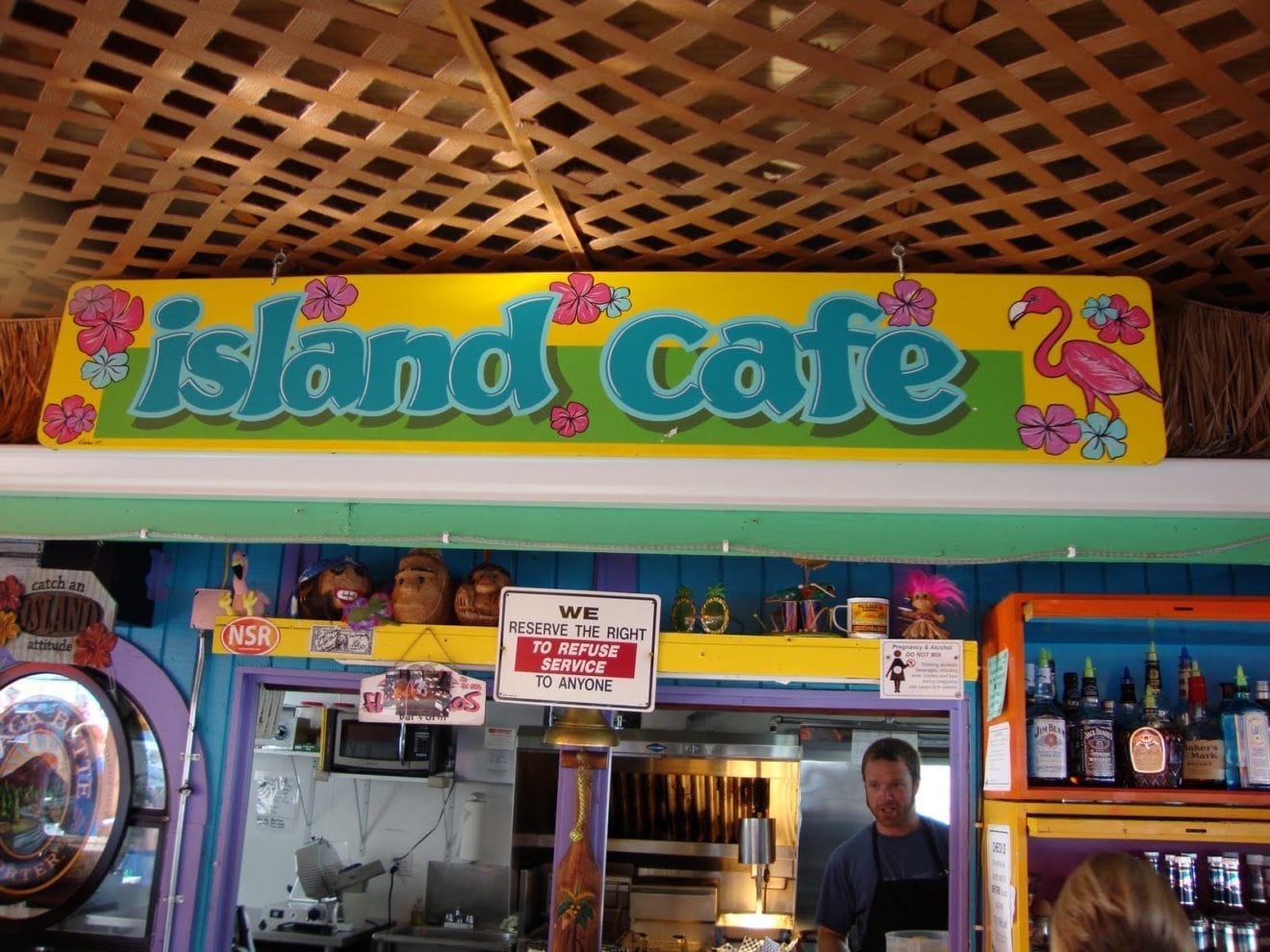
GMR Hyderabad International Airport Ltd. (GHIAL) offers a new and exciting chill-out zone for passengers at Hyderabad Airport. Island Café & Bar by HMSHost is now available at International departures offering passengers the exciting options of food and beverages (F&B) in an innovatively carved out ambience making their visit at Hyderabad Airport worth cherishing. Island Café & Bar offers the customers delectable coffee, fresh juices, snacks, alcoholic and non-alcoholic drinks & light bites.
Uniqueness of Island Café & Bar lies in the fact that it is an in-house brand conceptualized and created jointly by HMSHost and the Commercial Team of GHIAL. HMSHost operates F&B outlets at Hyderabad Airport at Departure (International and Domestic) levels. HMSHost is a part of renowned global conglomerate Auto grill SPA and is the leading F&B Operator at hundreds of Airports across the globe. They offer expertise in travel F&B and presence only in Airports.
Speaking on the occasion, Mr. SGK Kishore, CEO, GMR Hyderabad International Airport Ltd, said, “Island Café & Bar at Hyderabad Airport is a novel platform for passengers to enjoy F&B options. I appreciate GHIAL team and HMSHost for innovatively creating this platform for our customers. Island Café & Bar gives our visitors a whole new experience while they can enjoy the myriad options of food & beverages. The tastefully designed ambience of Island Café & Bar makes the passengers’ visit to the Hyderabad Airport even more memorable.”
Island Café & Bar is a new and exciting concept at Hyderabad Airport. It has been creatively designed keeping the interests of all segments of visitors at the airport offering a vast range of food, coffee and alcoholic and non-alcoholic beverages. There is an aesthetic play with lights in this section of F&B. Embellished by a combination of pendants lighting subdues the brightness level in this space, which evokes an intimate and cozy feeling during the day and creates a bar type ambience by night.
The Hong Kong Trade Development Council (HKTDC) today signed a Memorandum of Understanding (MoU) with its counterpart in India, the India Trade Promotion Organisation (ITPO) to strengthen economic partnership between Hong Kong and India and increase bilateral commercial activity, especially for small and medium-sized enterprises from both places.
Win-win for Hong Kong and India
“This MoU reflects the growing desire for deeper business links between India and Hong Kong, with our city serving as the gateway to the Chinese mainland and Asia for Indian companies. At the same time, Hong Kong enterprises see huge opportunities in India,” said Margaret Fong, Executive Director, HKTDC. “Closer cooperation between the HKTDC and ITPO will produce a win-win result for our business communities.”
Ms Fong and LC Goyal, Chairman and Managing Director, ITPO, signed the MoU in Hong Kong. The agreement fosters cooperation in areas of mutual interest, including providing each other with information related to trade promotion activities, encouraging businesses to join events organised by the HKTDC and ITPO and identifying potential products and markets.
“Both organisations reaffirmed their resolve to identify and promote key sectors under the ambitious ‘Make In India’ flagship initiative of the Government of India,” said Mr Goyal. “The partnership will also open new areas of growth for trade with ASEAN countries.”
Long and strong business links
Hong Kong and India enjoy close and strong bilateral ties formed over more than 150 years of business and cultural links. In 2015, India was Hong Kong’s fourth-largest export market with total exports to India expanding 8.1 per cent year-on-year to US$13.1 billion. On the other hand, India was Hong Kong’s ninth-largest source of imports in 2015, amounting to US$10.6 billion. India is Hong Kong’s seventh-largest trading partner globally with bilateral trade of US$23.7 billion last year.
HKTDC & ITPO: a mutual mission to promote trade
Established in 1966, the HKTDC is a statutory body in Hong Kong dedicated to promoting Hong Kong’s trade in goods and services. The HKTDC organises more than 30 major international trade fairs in Hong Kong each year. ITPO is the trade promotion agency of the Ministry of Commerce and Industry of India. ITPO provides a wide spectrum of services to trade and industry and acts as a catalyst for growth of India’s trade.
Hong Kong retail sales fell again in August – largely due to declining visitor numbers.
The Census and Statistics Department (C&SD) says the value of retail sales in August, provisionally estimated at $33.9 billion, decreased by 10.5 per cent compared with August 2015. That’s sharper than the 7.7 per cent revised decline in July, and slightly above the year-to-date figure of 10.2 per cent.
A government spokesman said the weak performance reflected the drag from the decline in visitor arrivals in August as well as the cautious consumer sentiment amid an uncertain economic outlook.
Meanwhile, the HKRMA said most member retailers are “not optimistic” about sales recovering in September and October this year, but forecasting a lower percentage drop in the single digits.
According to the C&SD, after netting out the effect of price changes year-on-year, sales in August decreased by 12.7 per cent.
As usual, jewellery, watches and clocks accounted for the majority of the decline, that category down 26.6 per cent for the month. Department store sales fell by 10.7 per cent and electrical goods and photographic equipment (which account for a lower share of total retail sales) by 27.9 per cent. Apparel sales were down 3.4 per cent.
Sales of food for consumption at home, alcohol and tobacco rose by 8.8 per cent. The HKRMA said this figure was buoyed by baked goods as people stocked up for the Mid-Autumn Festival.
The government spokesperson said the near-term outlook for retail sales will still hinge on the performance of inbound tourism “and the extent to which local consumer sentiment will be affected by various external headwinds”.
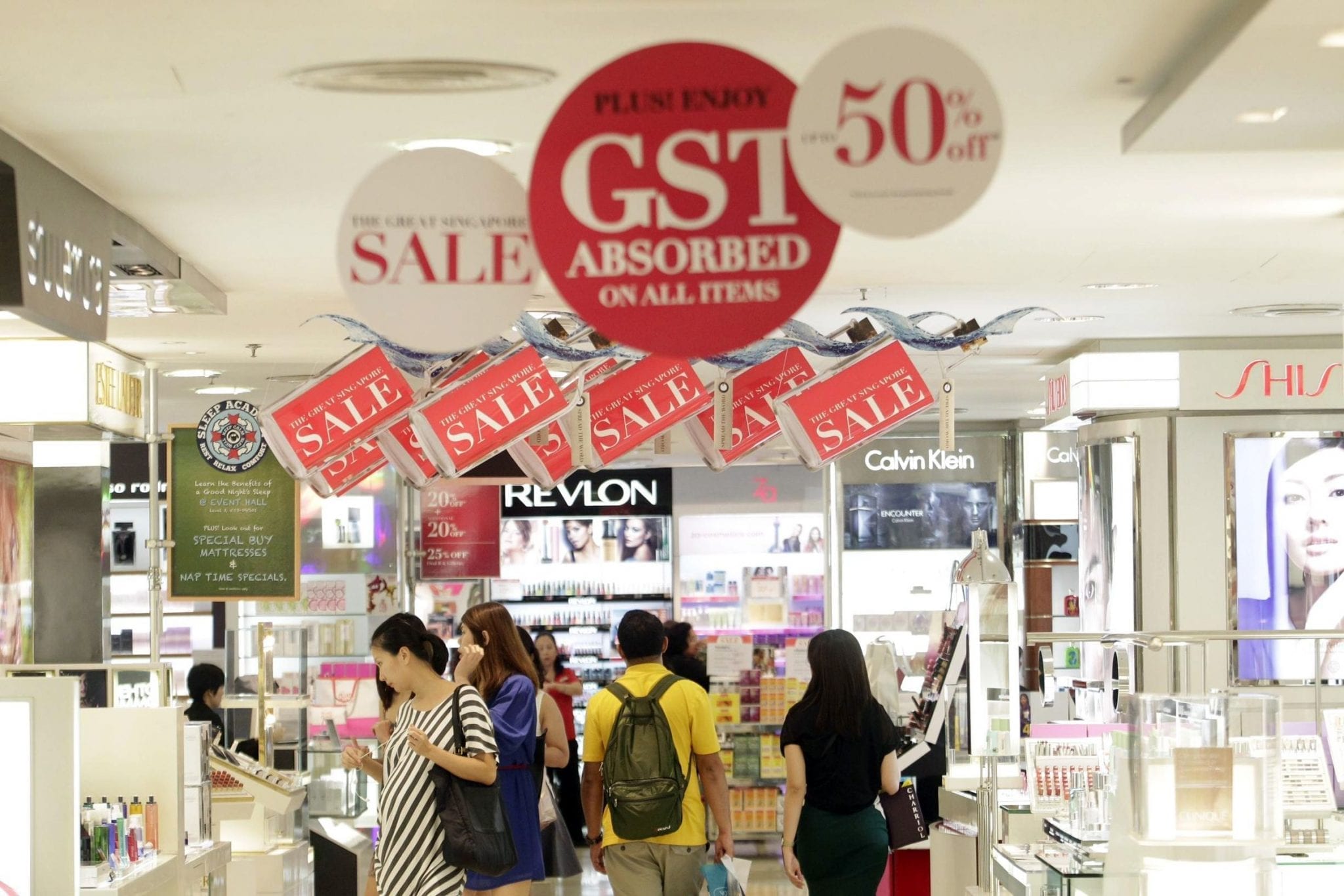
With the relevance of the Great Singapore Sale (GSS) in doubt, going by falling retail sales, questions have been raised about what went wrong with the sale.
Many consumers have pointed out that the annual sale of 23 years is not that great, as the discounts offered here are not as steep compared with those in sales overseas.
They also lamented that the discounts are mostly for older merchandise. A possible reason for this is that Singapore has no seasons.
Associate Professor Prem Shamdasani, from the National University of Singapore Business School’s marketing department, said the summer sales in Tokyo and Hong Kong tend to be more successful than the GSS due to the seasonality of the products sold.”(This) encourages (their) retailers to offer deep discounts to clear inventory and make room for new arrivals, which are also attractively marked down to entice local shoppers and tourists,” he said.
Offering steep discounts is also not sustainable for businesses here, said Singapore Polytechnic senior retail lecturer Sarah Lim.
“(This) will eat into the retailer’s overall profit, and with rental and manpower costs all added in, the retailer may not be able to sustain the business,” she said.
Singapore Retailers Association (SRA) president R. Dhinakaran previously said holding sales to clear old stock is common worldwide.
The retail scene has been slow in recent months. Latest official statistics show that retail sales excluding motor vehicles in June and July each fell 3 per cent over the same months last year.
This is despite the attempts for this year’s GSS – which took place from June 3 to Aug 14 – to draw tourists and residents with an extended sale, more payment options and a more targeted focus on tourists from China. The poor showing, and similar sales declines in June last year and 2014, prompted the SRA, which organises the GSS, to suggest a need to discuss with the Singapore Tourism Board about continuing the event or revamping it.
Retailers and retail experts have pointed to the slowing economy here and overseas as a key factor for the slump this year, but there are other concerns as well.
One issue raised about this year’s GSS is its length and timing.
The event started in June – a week later than last year – and was extended to 10 weeks to cover the bulk of China’s summer holidays.
In the past 12 years, the annual sale stretched over eight weeks.
But a 10-week sale might have led to sale fatigue among Singaporeans inundated with “end-of-season sales” or “anniversary sales” year round, said retail experts.
Research suggests that local consumers with strong spending power are disciplined spenders and tend to spend more during the early weeks of the GSS, said Dr Guan Chong, head of marketing programme at SIM University’s School of Business. “Thereafter, their spending pattern should likely stay low for the rest of the GSS period,” she said.
GSS’ new sale period also clashes with big sales elsewhere such as Tokyo’s famous end-of-summer sales, which start around the third week of July, she noted.
Then, there is the perennial problem of retailers holding their own sales earlier to beat their rivals, dampening the effect of the GSS.
Department stores Robinsons, Metro and OG started their GSS sales in May this year, while baby supplies store Mothercare and hardware chain Home-Fix held pre-GSS sales. Robinsons said this was done in line with shoppers’ expectations for the GSS to start in May, as in previous years. Mothercare did so because its competitors were also holding their sales early.
SRA cannot stop retailers from holding their sales earlier, or dictate the duration of their sales.
There also appears to be a lack of awareness of the GSS and whether it was still going on, in part because of its length, said experts.
Given this, events could be held every weekend during the GSS period to highlight store promotions by themes – such as food or children – to create buzz and remind people the sale is ongoing, said Mr Steven Goh, executive director of the Orchard Road Business Association.
Another suggestion is not to focus on only discounts. Dr Lynda Wee, an adjunct associate professor at Nanyang Business School, said the GSS should add a lifestyle spin and combine shopping and dining promotions with leisure deals, such as those for spa sessions, movies and cooking lessons.
Dr Chong said merchants can ride on the digital marketing wave to connect with an international audience, such as using popular social media platforms.
Still, lower retail sales should not be blamed on the GSS alone, said Ms Lim, adding: “Orchard Road, Raffles City, Marina (Bay) and Suntec (City) lack strong positioning. Can our malls be differentiated so that tourists desire to visit each one of them because they are different?”
Hong Kong is set to overtake Switzerland as the world’s wealthiest territory measured by savings per capita by 2020 thanks to its investors’ preference for near-cash products, according to a report.
Verdict Financial’s latest report found with a forecast compound annual growth rate of seven per cent, Hong Kong would be the third quickest growing developed wealth market over 2016 to 2020.
Verdict Financial’s senior analyst for wealth management, Bartosz Golba, said Hong Kong’s growing importance was no surprise.
“The market is exemplary in regard to explaining why the majority of global wealth managers put Asia-Pacific at the centre of their growth strategies. In real terms — taking inflation into account — no other region will see its value of liquid assets grow at a greater pace,” Golba said.
“What makes Hong Kong unusual is the local investors’ preference for near-cash products. Almost 85 per cent of liquid onshore assets of retail investors in Hong Kong are allocated to bank deposits, while the developed markets’ average stands below 62 per cent.”
Golba said this strategy protected portfolios from capital markets volatility and provided a significant cross-selling opportunity for wealth managers operating in Hong Kong.
The report also highlighted the unequal distribution of global wealth as developing countries often had a lower penetration of affluent individuals despite the country possibly holding more wealth than their developed nation counterparts.
“In the US, almost two thirds of the population can be considered affluent. As a country in which almost two per cent of citizens are millionaires, it remains an attractive market for private banks and wealth manager,” Golba said.
“While we are in a period characterised by volatile financial markets and wealth managers looking for optimal business strategy, there is one thing that remains constant. In aggregate terms, the US has been, and will remain, by far the world’s largest wealth market.”
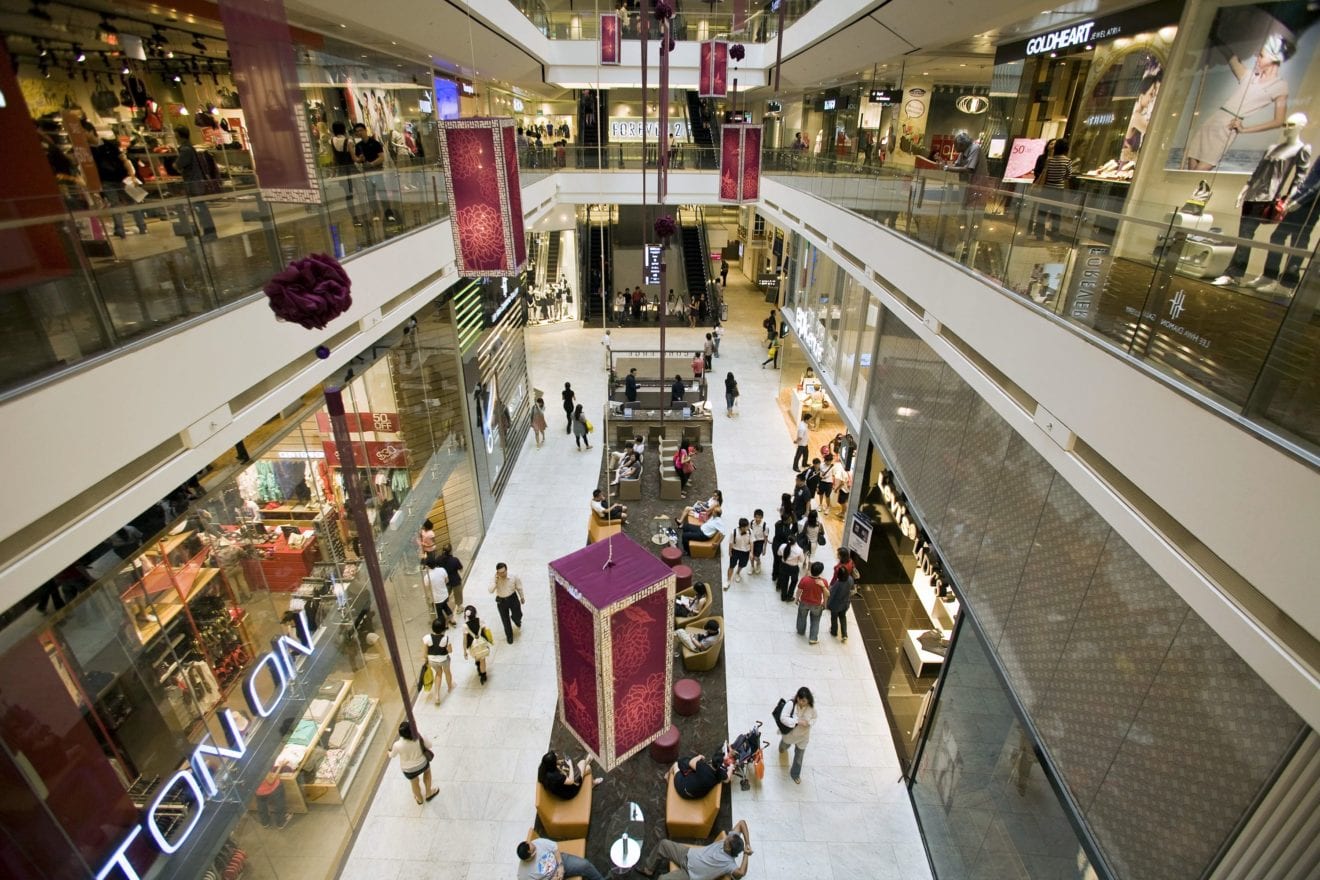
Singapore’s retail sector may be looking gloomy, but all is not lost as six trailblazers share ideas on how to brighten up the scene
To describe shopping here, six individuals – including influencers in their own industries – throw up the words homogeneous, safe, scripted.
The outspoken Ms Patrina Tan, senior vice-president for retail, marketing and leasing at property developer OUE, calls it as it is: boring and dead.
This lack of imagination, compounded by restrictions imposed by landlords, unadventurous shoppers and uninspired service staff, has eroded the Republic’s reputation as a shopping paradise, they say.
One has to look only as far as the ailing Great Singapore Sale (GSS), seen by many as a microcosm of the wider malaise affecting the industry here, to see how times have changed.
Launched by the Singapore Tourism Board in 1994 to market the city, the GSS had helped to cement Singapore’s standing as a shopper’s haven.
Tourists flocked to the island during the sale period, stores trotted out steep discounts and Singaporeans would wait for the sale to make big-ticket purchases.
But its golden days are over. Last week, GSS organisers questioned its relevance after three consecutive years of dwindling takings. Discussions are under way to see if it should be scraped.
Critics say the GSS and brick- and-mortar stores in Singapore have failed to evolve with changing consumer preferences, letting regional competitors such as Hong Kong and Japan steal their thunder.
Others point out that retailers here have a lot to grapple with – a slowing economy, falling tourism spending, a labour crunch, the rise of e-commerce as well as high operational costs.
But, across the board, all agree on one thing: Singapore is simply not the shopping paradise it once was.
Can the island recover its shine?
SIX WAYS TO BEAT THE RETAIL BLUES
1. Loosen up, mall owners
Malls’ uniform appearance and short-term leases make them unappealing to set up business in, says Mr Loh Lik Peng
If hotelier-restaurateur Loh Lik Peng could say one thing to mall landlords, it would be this: Please stop your obsession with the polished, corporate look.
And please, please, give longer-term leases.
This will breathe new life into Singapore’s cookie- cutter retail scene, dominated by shopping malls all too similar to one another, he says.
Drawing from past experience, the director of Unlisted Collection, which runs a stable of restaurants including Salted & Hung, Pollen and Esquina, says malls typically tell prospective tenants to submit a design of their restaurant or shop that is “subject to approval from mall management”.
“I think this is unfortunate because malls here are obsessed about how they look in terms of their facade. You do not encourage innovation when you do that,” says the 44-year-old, who also manages hotels including New Majestic in Bukit Pasoh Road and Wanderlust in Little India.
“You are ‘strongly encouraged’ to have that very sort of, frankly, that very polished look. So you don’t find interesting shop fronts,” says the father of two.
“All the malls want that shiny kind of look with the double storey and huge branding. This uniformity is driven by the malls.”
The Republic has more than 100 malls across the island. Along Orchard Road – the country’s famous retail belt – there are at least 40 shopping centres, with many standing side by side along the 2.2km boulevard.
Despite numerous requests, Mr Loh has yet to open a restaurant in a mall.
“It never reached the stage of us giving them a rendering, we just could not be bothered. Most malls want a cookie-cutter thing. They want the retail experience to be very uniform as the customer walks through. That is just not us,” says Mr Loh, who was one of the first movers in the heritage boutique hotel segment here – he opened Hotel 1929 in Keong Saik Road in 2003.
Non-mall landlords, he says, give tenants free rein and “nobody dictates how you must look, how wide your door is”.
Mr Loh, who is drawn to the quaint vintage shops in Notting Hill in London, as well as the “small-tailoring” shops in the nearby Spitalfields district, says: “You can never get this kind of store here.”
The short lease terms and requirement that tenants put down a large rental deposit, he says, are too prohibitive.
In Singapore, landlords typically offer a “three plus three” retail lease agreement, which is fixed for the initial three years, but leaves room for rental adjustments and a reassessment thereafter.
“If you go to England or Australia, your minimum lease is 15 years. Here, even if you build a successful outlet, chances are, the next round, the landlord will raise the rent because he sees you doing well,” he says.
“It is a landlord’s market in Singapore. Three plus three, it’s crazy, it does not encourage people to take risks.”
2. Know the shopper
Retailers should identify their consumer and build their concept on their target group’s lifestyle and needs, says Ms Patrina Tan
Bigger and better do not cut it anymore – not if you want shoppers to bite.
To get them to stick, businesses must study what makes them tick, says Ms Patrina Tan, senior vice-president for retail, marketing and leasing at property developer OUE.
“Find out what their lifestyle is now, so that you can put forth a proposition that relates to them, that will make them sit up and want to part with their time, attention and money. Then, evolve with them,” says Ms Tan, speaking to The Straits Times at a cafe in Mandarin Gallery, which OUE manages.
This, says the 48-year-old, must be the approach taken to revamp retail here – shops cannot simply import concepts from overseas or hire a good interior designer to create “just another pretty place”.
Adding that many retailers here take this short-cut, she says: “Who can do better in terms of interior design, how sustainable is that?”
“The question to ask is, really, what is it that is holding the customer?”
Downtown Gallery, OUE’s bold retail concept in the Central Business District to open by the first quarter of next year, is the property developer’s attempt to answer that question. But it is not for every shopper, of course – specifically, it targets working adults who value fitness and want to live well.
This market, says Ms Tan, includes the highly sought-after consumer segment, Middle-Aged Men In Lycra or Mamils – cycling enthusiast fathers aged between 35 and 45 who ride expensive racing bicycles for leisure and wear spandex for comfort.
Retail is ancillary at the 145,000 sq ft compound. Instead, it is dominated by services – gyms, chiropractors and a 4,000 sq ft “social kitchen” where shoppers can book slots and bring their own ingredients to cook.
“In this space, they can work out, get themselves cleaned up, have a meal that supports their lifestyle of eating clean, then pick up things they need – like a yoga top – or do their hair,” says the mother of four, adding that OUE works with tenants to pull out specific products to appeal to this target market.
There will also be a trend gallery on the ground floor with the latest “in eating well, keeping well and looking well”.
This laser-beam precision is sorely lacking among retailers here, she says, describing them as “jittery”.
“Halfway through things, they get kiasu and start widening their nets to try and catch a little bit here, a little bit there for fear of losing out. When you do that, everything gets diluted and you end up being nothing to anyone.”
Orchard Road, she says, is still known for its luxury brands, as suburban malls are unable to bait them for now. But the challenge, she says, is for such brands to reach out to the millennials.
“Your Louis Vuitton, Prada, Bottega Veneta – these may not be luxury to them. The definition of luxury is changing. For some, living well is a badge of luxury; for others, it is being able to mix and match different classes of things at different price points to form a statement. Luxury is not confined to brands anymore.”
Shoppers, she says, are now exposed to a cornucopia of brands worldwide – bespoke ones, streetwear and independent labels – many of them more statement- making as far as the individual is concerned.
Retail in Singapore now, “it is boring, it is dead”.
She adds: “Most of the retailers here, sadly, you try to sell them a concept and they just throw up their hands and complain that consumers are jaded and not spending, that online is cannibalising their business, all these excuses.
“But the truth is, what are you doing about it in your own space?”
3. Set up brand temples
The future of retail is to create brand temples where consumers can experience the brand, says creative director Chris Lee.PHOTO: YANG TAN
Brand bombing – where businesses flood the market with outlets, one in every mall – is passe.
Retailers should instead have one or two “brand temples” for shoppers to visit to “breathe in the brand”, says Mr Chris Lee, founder and creative director of design agency Asylum. The bulk of sales can then be conducted online.
Such temples, says the 46-year-old, let retailers introduce themselves and paint a narrative.
“Such temples are a way to get buy-in, to reel consumers in to become advocates,” says Mr Lee, whose firm is behind the branding of National Gallery Singapore.
“People now want to be connected to what they are buying and they want to know the story behind everything – where the fabric is from, how is it made.”
Take, for instance, an Asylum project in Beijing – a four-storey Johnnie Walker House opened in 2013, one of the whisky label’s “brand temples”.
Its reception area is a modern take on a grocery store, as the label’s founder John Walker started as a grocer in Scotland.
From there, you enter a room adorned with the primary ingredients of whisky, with walls of barley, peat and a flowing water wall.
Old Johnnie Walker advertisements from Hong Kong and China in the early 1900s, around the time the brand started reaching out to the China market, are fashioned into lamp shades and wallpaper.
Bottles are tagged with radio frequency identification chips. Place one on the table and it turns into a screen with information of what ingredients are in that particular bottle and how to appreciate it.
The public is allowed into the bar in the basement, but the other floors are open only to invited guests.
Visitors can buy limited-edition bottles that cannot be found anywhere else or customise a barrel.
Such houses, says Mr Lee, helped create an edge for Johnnie Walker in the saturated whisky market.
Other brands are starting to catch on, he says, pointing out Uniqlo’s new flagship store in Orchard Central which boasts curated spaces co-created with home-grown production houses, brands and musicians. When the store opened on Sept 2, consumers queued up to attend workshops and snag limitededition totes.
“People always want a reason to go to a store. I would make the retail space as entertaining as the shopping,” he says, throwing out a suggestion to retailers.
“Why not, instead of selling me clothes, sell me mood. Are you thinking party or a weekend away in Phuket? Then direct me to specially curated areas.
“Shops here just don’t do enough.”
4. Make service staff love the job
Having happy employees gives an edge to a retail store or restaurant, says chef Bjorn Shen.
Give chef Bjorn Shen the chance and he would kill this oft-uttered phrase: The customer is always right.
This mentality, he says, turns away self-respecting individuals who want to work in the service sector – and puts retail in Singapore at a disadvantage.
“This has been my biggest beef with the industry, this phrase, that the customer is always right. It needs to have been dead 10 years ago,” says the 34-year-old, who owns restaurants Artichoke Cafe & Bar in Middle Road and Bird Bird in Tanjong Pagar.
“When business owners have this mentality, staff feel powerless and servile. They will never love their job, they will never see it as something for the long term.”
This is one reason Singapore cannot compete with competition overseas, he says.
“It’s not like in other countries where you walk into a shop and someone says, ‘Hi, how are you? Can I help you with anything? All right I will be here if you need any help.’
“In Singapore, the sales staff say a very scripted thing or tail you wherever you go. A lot of that natural warmth is missing,” he says.
“Ask me what my name is or how my day has been. Don’t just say, ‘What size you want?’ Or, “This one also got this colour.’” he quips, with a chuckle.
The change, says the father-to-be, has to come from the top.
Take, for example, an incident at Artichoke, when a customer demanded to change an order that she claimed was put in “a minute ago”.
Chef Shen quickly checked the restaurant’s CCTV camera and found that the order had been placed eight minutes ago. The diner was told, but left happy after she was served the dish she asked for free of charge.
“My staff, they felt we did the right thing. If I had given them a hard time, they’d have felt a great sense of injustice,” he says, adding that one thing he asks of his staff is to make an emotional connection with every table.
At fried chicken eatery Bird Bird, employees are given a stack of shot glasses and told to hand out free shooters on busy Friday nights.
“What we are trying to create is an atmosphere of generosity. It’s not like we are going to strip you of every dollar you have. In fact, here is something free,” he says, describing the move.
“When you do that, people become better friends. It’s much more than the product, it’s the delivery, the atmosphere, the energy – everything else.”
Having happy staff is what he hopes will give him an edge – which is crucial now, a time he calls “the breaking point” in the service industry.
“We have pushed ourselves to the point that the bubble has burst. How many shops and restaurants can Singapore sustain? How much can someone eat and buy? I think we have gone beyond the breaking point,” he says, adding that businesses have definitely been affected.
“We cannot reverse the fact that we just have too many shops and restaurants. Now, the only way to survive is to find a way to take someone else’s piece of the pie.”
5. Support home-grown shops
Singaporeans can help the retail scene by giving new brands and styles a chance, says artist Woon Tien Wei.ST PHOTO: MARCUS TAN
What ails Singapore’s retail scene is that it is just “too safe”, says home-grown artist Woon Tien Wei.
The curator of Post-Museum, an independent cultural and social space in Rowell Road, says he sees this on all fronts – consumers are too cautious and so are retailers and landlords.
The result is a bland retail destination flooded with duplicate stores from major brands, with sparing content from home-grown designers and few unique offerings.
“We are too safe. Shoppers shy away from exploring new styles, new brands,” says the 41-year-old.
“They stick to the tried-and-tested, the mainstream brands. People should go to a different neighbourhood, see what others are doing.
“It’s like in the arts, people go to big, loud, mainstream events such as the Night Festival. But in such a space, you won’t get to experience the more quiet works. Give them a chance too. Are we watching only blockbuster movies? These are of a cookie-cutter format. What about alternatives? The same can be said about fashion.”
Being nationalistic, he says, should not be just about putting up your flag once a year.
He points out, for instance, that Singapore niche retailers in the books industry – such as Books Actually, Grassroots Book Room and Select Books – would find it hard-pressed to grow.
“I would like to see them grow and become good, big bookstores, like retail bookstore chain Eslite in Taiwan, which has become an institution, a purveyor of culture,” he says.
“I don’t see that happening here. Consumers think of book stores as a sunset business.”
He adds: “There are genuine people out there doing good, honest, solid business and we should get to know them and support them for what they do.”
When consumers shy away from the new and different, it affects retailers, he says.
“They stick to what they know will work and will ensure their survival. They stop imagining,” says Woon, pointing out that even hipster stores in Haji Lane are starting to follow a formula, offering similar clothing and the same bare-essentials decor.
“They will always have the Kinfolk magazine and the Flying Pigeon bicycle,” he says, referring to the hip indie magazine and the retro bicycle brand.
Landlords, too, have this mindset, preferring to take the easy way out by bringing in brands with a good track record: flagship stores of major brand names and luxury maisons.
Rents are also high, a huge challenge for fledgling brands.
“Malls think, I bring an H&M in here, a Uniqlo there – it will work,” he says, adding that prominent spaces in malls tend to be leased to tenants who can pay the most.
“Singapore brands go to less prominent spaces because they cannot afford the rent.
“And with a population that may not seek them out and having no money to advertise, well, it’s just a vicious circle.”
6. Help shoppers hone their style
Fashion stores should curate accessories that complement their products to enhance the shopping experience, says Ms Neo Lirong.
Shoppers these days want to make a statement.
“Retailers should help us do that,” says Ms Neo Lirong, 29.
The freelance fashion stylist mostly shops overseas, at second-hand stores in Omotesando, Japan, or at the wholesale centres in Dongdaemun, South Korea.
These areas, she says, “speak” to her – a feeling that she does not get here.
“Over there, I go from shop to shop and I find something I want in every one. It’s almost like the items have been curated to suit my style,” she says, adding that each area attracts certain shops based on the district’s personality.
Shopping in Singapore, on the other hand, is just “not here, not there”, she says.
“Every mall is so formulaic. It wants to appeal to everyone – there is a movie theatre, something for kids, a supermarket, a foodcourt,” she says, adding that she turns to online fashion stores such as Asos for “the basics”.
“It’s boring in Singapore, there is no vibe. Why would I take the time to go out and shop when I can get everything I want so conveniently online?”
She describes her style as street and rock chic, an image she feels projects her carefree and relaxed personality.
To achieve her look, she picks mostly monochrome colours spiced up with a statement piece – a pair of Gucci fur-lined loafers, for instance, or a studded leather jacket, or a vintage bag.
Occasionally, she throws on a hat or her favourite item, a pair of Adidas sneakers.
“Shoppers like me, we want to stand out from our peers. Dressing up, to me, is about mixing items and making a statement,” she says. “It’s not really about specific brands anymore.”
The bachelorette, who styles Mediacorp artists such as Chen Liping and Rui En, hopes retailers here can help her hone her style.
She suggests they curate accessories or shoes that may complement items in their collection, or have a stylist on site to give tips to shoppers.
Subscription boxes – where shoppers pay a fixed amount each month for a bumper box of fashion items – may also be a good way for businesses to snag her as a loyal customer.
“I may not like every item in the box, but you are giving me new ideas,” she says. “And that’s a real bonus.”