Category: General

Retail News Asia is committed to providing both local and global retailers with the latest General Retail news throughout the Asian market. This on a daily base.

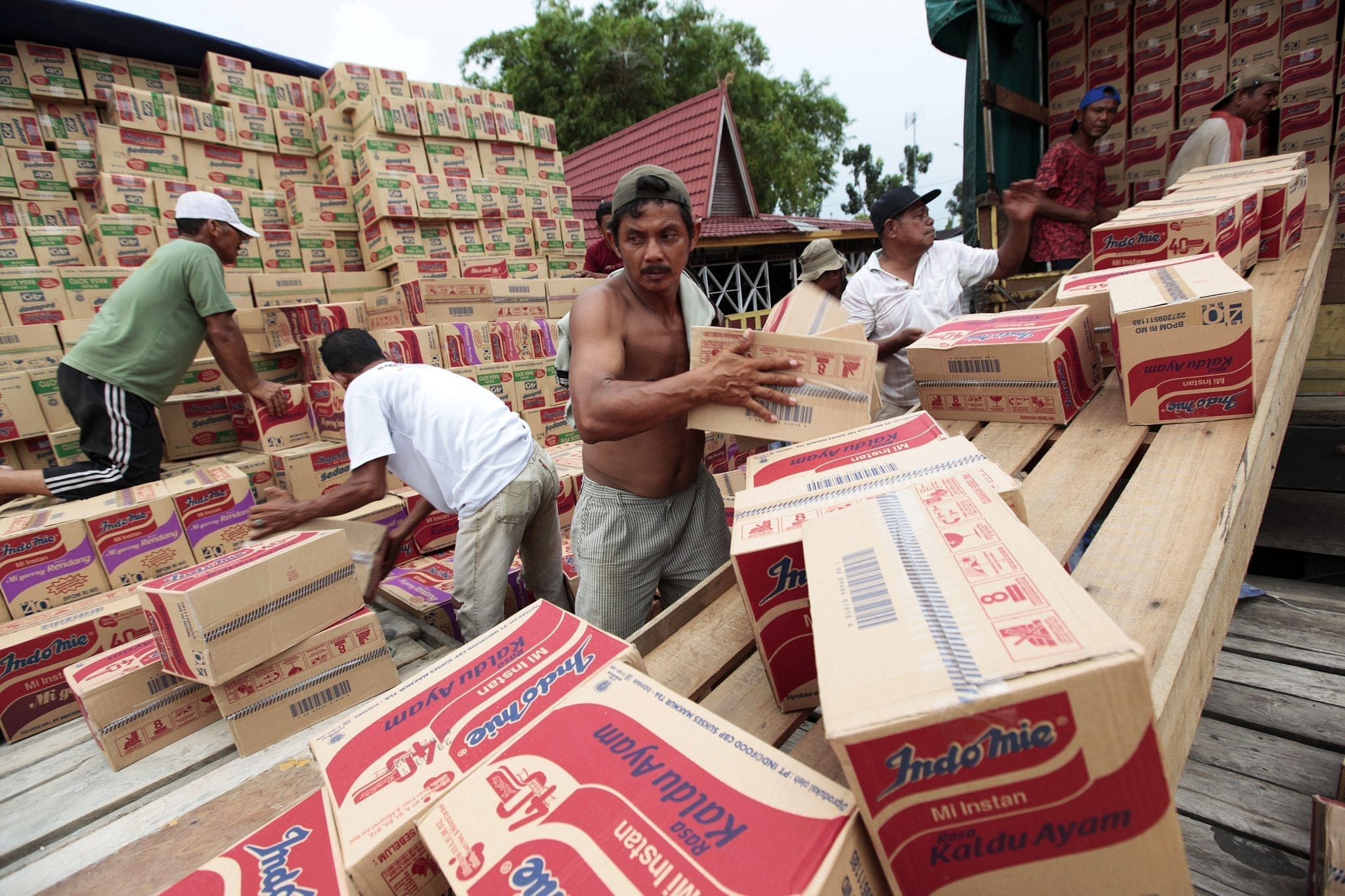
  • More than 20 labor law violations by Indofood alleged in Indonesia

    More than 20 labor law violations by Indofood alleged in Indonesia

    Amid allegations of widespread abuses on its plantations, including the use of child labor, three NGOs this week lodged a formal complaint against Indonesian palm oil giant Indofood, calling for two of its subsidiaries to be suspended from the industry’s largest certification scheme.

    The complaint, signed by Rainforest Action Network (RAN), Indonesian labor rights advocacy group OPPUK and the International Labor Rights Forum (ILRF), was filed with the Roundtable on Sustainable Palm Oil (RSPO) on Tuesday.Citing numerous violations of the roundtable’s principles and Code of Conduct, the complaint calls for Indofood subsidiaries PT London Sumatra and PT Salim Ivomas Pratama to be suspended from the RSPO “until transparent actions are taken” to resolve the issues.

    The complainants also raise doubts over the RSPO’s own credibility in detecting and responding to labor violations on member plantations — not the first time this has been called into question.

    “It is time for the RSPO to act in the interest of palm oil workers. The evidence is clear: Indofood is systematically violating the fundamental rights of workers on its palm oil plantations,” OPPUK director Herwin Nasution said in a statement.

    Indofood, which operates a joint venture with global snack food brand PepsiCo, is the largest private oil palm plantation company in Indonesia that has yet to adopt a commitment to use only responsibly produced palm oil.

    The complaint comes four months after the NGOs released the results of an investigation into abuses on two Indofood plantations in North Sumatra.

    Their report, The Human Cost of Conflict Palm Oil, included detailed allegations of child labor, exposure to hazardous chemicals, a reliance on temporary workers, below minimum-wage payments and the suppression of independent unions.

    In response to the accusations, an assessment was conducted by the RSPO’s accreditation body, Accreditation Services International (ASI), on a third Indofood operation, the Gunung Mas palm oil mill and supply base in North Sumatra.

    ASI’s report, released last month, found similarly widespread violations of Indonesian labor law and evidence of unsafe practices. Several of the violations had already been identified in a previous audit, but had never been addressed.

    In total, Indofood has violated more than 20 Indonesian labor laws, according to the complaint filed this week, which also highlights violations of the RSPO Code of Conduct requirement that members “commit to open and transparent engagement with interested parties and actively seek resolution of conflict”.

    Indofood’s head of public relations, Stefanus Indrayana, told Mongabay he was out of the office and unable to provide comment. Other Indofood representatives did not respond to questions about the RSPO complaint.

    The company previously said the allegations were unsubstantiated. In a June interview with Indonesian newspaper The Jakarta Post, Indofood director Franciscus Welirang responded to claims that children as young as 12 were working on the plantations.

    “Plantations in Indonesia are usually close to villages and thus there’s a plantation culture based on targets. It’s standard for families to ask for help from their children,” he said.

    “There’s a law in Indonesia and we are in compliance but there’s also a culture that cannot be perceived as the same as Western culture.”

    Emma Lierley, forests communications manager at RAN, said the NGOs hoped Indofood’s suspension from the RSPO, the world’s largest association for ethical production of palm oil, would “force the company to take these findings seriously…and endeavor to clean up its business practices.”

    She added that if Indofood fails to take action, “buyers, business partners and investors must enforce their own policies by suspending relationships” with the company, citing its ties with global brands including PepsiCo, Nestle and HSBC.

    PepsiCo, which is a joint venture partner with Indofood but does not otherwise buy its palm oil, said it was discussing the issues with the company.

    “Are we completely aligned? No, not at this minute. But the conversations are going on. Indofood has been very responsive,” a spokesperson told Mongabay earlier this year.

    But, the spokesperson claimed, the nature of PepsiCo’s relationship with Indofood made it more difficult to force changes.

    “You can be much more demanding with a supplier. A joint venture is much more delicate, especially because the joint venture preceded any discussion about sustainability and what was needed regarding that.”

    Beyond Indofood and the companies it has relationships with, the complaint says the RSPO’s own credibility is at stake.

    “The RSPO’s ‘sustainable’ label means nothing without enforcement. If the RSPO is not willing to uphold its own standards, it threatens its credibility on the market and the brand reputations of all its members,” explained Lierley of RAN.

    “Its standards still have major shortcomings…but this complaint provides an opportunity for the RSPO to demonstrate that it can, and will, take actions to enforce compliance with its standards,” she added.

    Eric Gottwald, legal and policy director at the ILRF, said there is a “culture of non-compliance” on many RSPO-certified plantations regarding both Indonesian labor laws and the RSPO’s own policies.

    “As a first step toward addressing the issues, Indofood should sit down with the RSPO and complainants to discuss the report, audit findings, and necessary reforms to its employment practices,” he said.

  • Korea convenience store boom causes concern

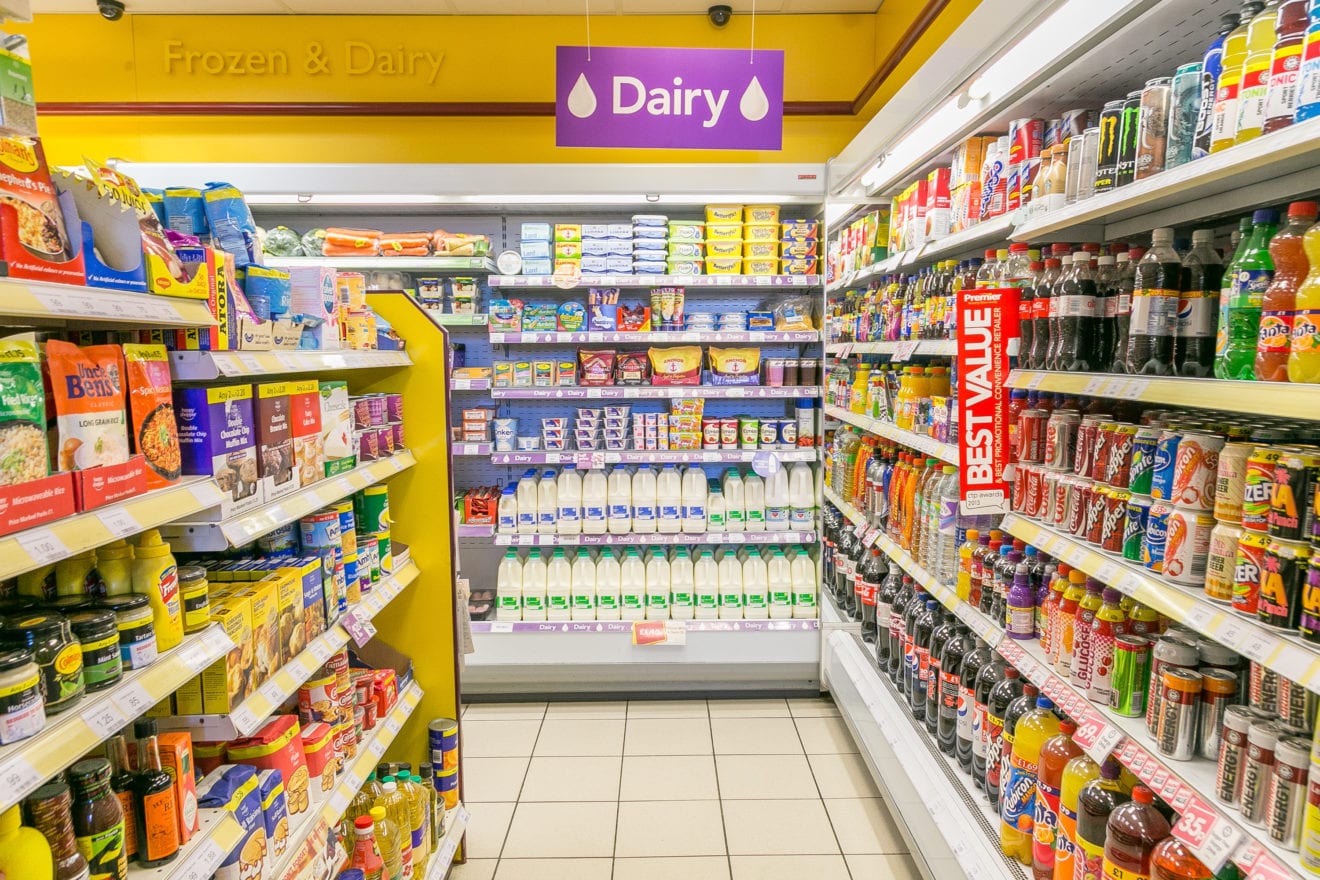
    Korea convenience store boom causes concern

    Around 15 convenience stores were opened in South Korea every day on average last year.

    And the Korea convenience store boom is worrying a ruling lawmaker, who has urged the nation’s fair trade watchdog to seek measures to avoid excessive competition in the market.

    According to the data compiled by Rep. Yoo Ui-dong of the Saenuri Party, 5508 convenience stores were newly established in 2015 alone, casting concerns over a potential oversupply of such shops in the domestic market.

    Yoo said while the numbers may seem to reflect the boom in the industry, such a sharp gain may have an adverse impact on the livelihoods of the shop owners.

    “Currently, we do not have a law that can regulate the opening of a new convenience store right next to another,” Yoo said.

    “The Fair Trade Commission needs to come up with measures to limit the number of new shops.”

  • Creative Industries Contribute to Economic Growth

    Creative Industries Contribute to Economic Growth

    Indonesia`s creative industry is considered to have the potentials to contribute to national economic growth, according to  Head of Research and Industry Development of Industry Ministry Haris Munandar.

    “Currently, the contribution of t creative industries is still relatively small, which is 7 percent of the national industrial growth of 18-20 per cent, but they have great potentials,” Haris said in Jakarta, Friday, October 14, 2016.

    Haris added that the potential can be seen from the various opportunities to develop creative industries in Indonesia, among them an increasing number of middle class Indonesia as potential consumers of creative products.

    “In recent years, the middle class is growing rapidly. This becomes a great opportunity,” said Haris.

    In addition, socio-cultural diversity and natural resources of Indonesia can inspire creative industries to continue to innovate.

  • Indonesia fishery sector losing its bite

    Indonesia fishery sector losing its bite

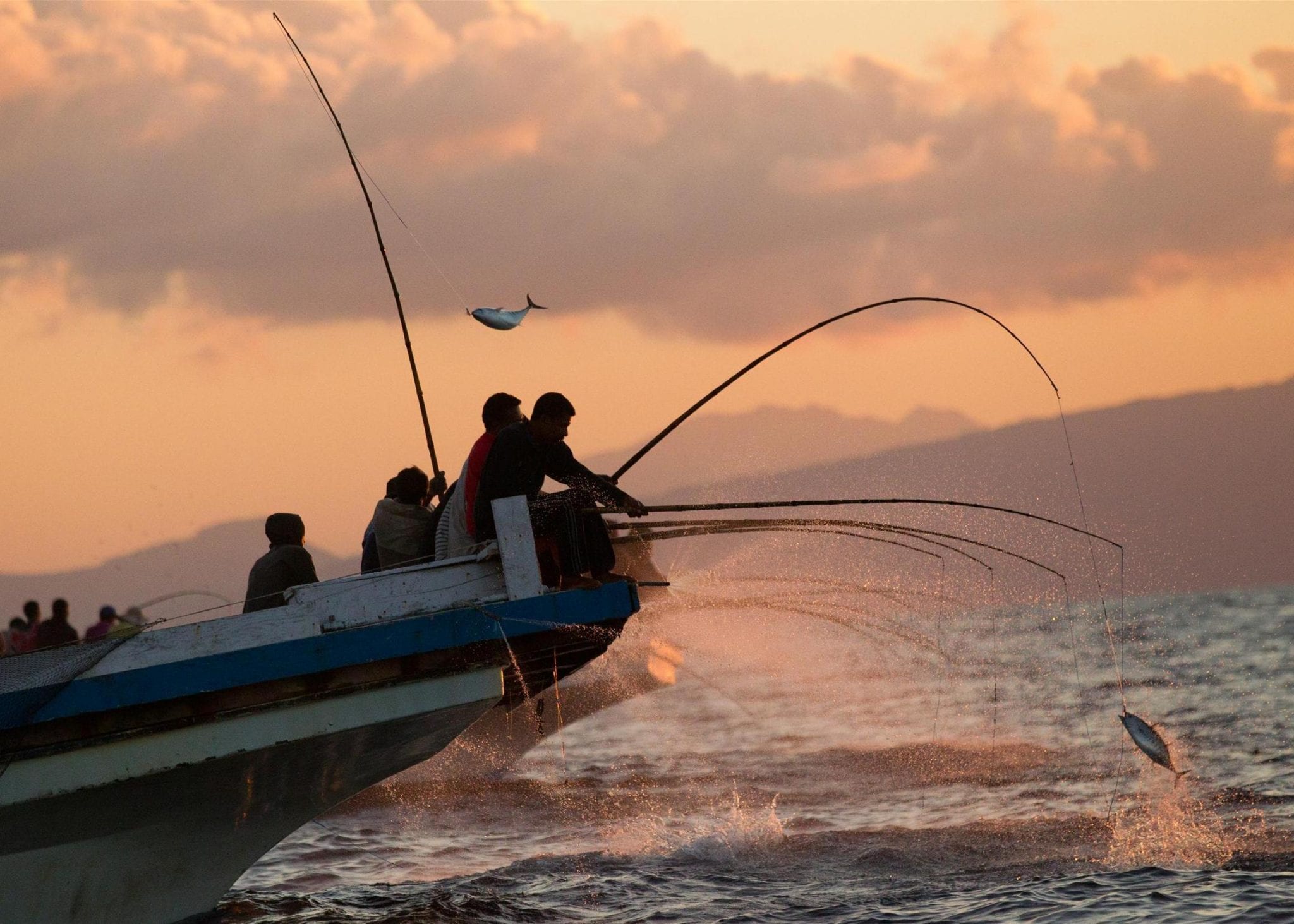
    Fishing captain Wahyu Sumantri used to helm a 700-tonne vessel that sailed the Celebes Sea from North Sulawesi. These days, he can be found peddling mie ayam, or chicken noodles, from a push cart in his home town of Kerawang, in West Java, about two hours from Jakarta.

    “Hopefully, this is just like a long break for me and I will land a job at sea again soon,” he told The Sunday Times. The 38-year-old, who has a degree in fishery technology, lost his job last year after the government deemed his vessel illegal because it was not locally built.

    The move was among a series of tough measures introduced by Maritime Affairs and Fisheries Minister Susi Pudjiastuti in late 2014 to tackle illegal fishing across Indonesia.

    It is also a key plank in President Joko Widodo’s bid to transform Indonesia into a maritime power and also improve the livelihoods of its 2.4 million fishermen.

    Pudjiastuti also banned fishermen from unloading their catch out at sea because the other boat, especially if it is a foreign vessel, often bypassed local ports and port controls by taking the fish elsewhere.

    This practice is known as at-sea trans-shipment, but illegal trans-shipment has reportedly caused annual losses of US$20 billion to Indonesia’s fishery sector.

    Sumantri’s fishing boat is now one of the many such vessels lying idle in Bitung, North Sulawesi. Similar scenes can be seen in nearby Ambon, Maluku.

    Bitung is home to the country’s largest fish processing firms, which include tuna canneries and processing plants, employing tens of thousands of locals.

    Industry players there, however, say they have been hit hard by Pudjiastuti’s tough policies against illegal, unreported and unregulated (IUU) fishing. The ban on trans-shipment and use of foreign fishing boats, in particular, has led to a severe cut in fishing resources for these firms.

    What this means is that they do not have enough boats to bring in sufficient fish stocks for export.

    The utilization of total tuna cannery capacity in Bitung, for instance, has fallen to just 6 percent — or 90 tons a day — from 50 percent two years ago, said Bitung’s fish processing firms’ association chief Basmi Said.

  • President Jokowi opens Sail Karimata 2016 main event

    President Jokowi opens Sail Karimata 2016 main event

    President Joko Widodo (Jokowi) on Saturday opened the main event of Sail Karimata 2016 which took place at Pulau Datuk beach in Sukadana, North Kayong District, West Kalimantan.

    “I want to remind that 71 percent of Indonesian territory is made up of sea water which serves not only for our feature but also to hold more than 17 thousand islands in our country. In addition, the sea does not separate us but unites us together,” President Jokowi remarked in his opening address.

    In the company of among others Coordinating Minister of Maritime Affairs Luhut Binsar Panjaitan as the chairman of Sail Karimata national committee, Tourism Minister Arif Yahya, and West Kalimantan Governor Cornelis, the head of state opened the Sail Karimata main event by pressing a siren.

    On the occation, Jokowi conveyed a sense of joy and gratitude to friendly countries, participating in such an international maritime event which is organized every year.

    “This international maritime event should not be stopped or restricted with a mere ceremony, but I want it to continue to be organized to properly keep our marine resources and to return our maritime culture,” Jokowi said.

    He mentioned that the ocean must be protected from illegal fishing and pollution because it is the driver of national economy.

    “We are currently developing our marine tourism such as that of Bunaken Marine Park, Tomini Bay, Karimata Strait, Raja Ampat, and many more. We are building marine tourism supporting infrastructure and facilities with intensive promotion to introduce beautiful places in Indonesia worldwide,” the president noted.

    In the meantime, Maritime Affairs Minister Panjaitan explained that eight provinces in Indonesia took part in the Sail Karimata international maritime event 2016.

    “It aims to encourage and accelerate the development of disadvantaged areas. We will evaluate and try to make it a sustainable program,” Panjaitan said.

    The maritime affairs minister added that to encourage the tourism sector, numerous supporting infrastructure and facilities such as public toilets have been built.

    “In addition, some 200 units of houses have been built for fishermen, and we will continue to follow it up,” the minister said, adding that Sail Karimata 2016 is also participated in by 36 participants from foreign countries and most of them are from the United States.

  • The British House to showcase UK in Beijing

    The British House to showcase UK in Beijing

    Opening in Beijing in December, The British House showroom will display items from 100 UK brands across fashion, homewares and lifestyle.

    Already confirmed are such brands as Aspinal of London, Johnstons of Elgin, Liberty, Rachel Riley, Sunuva and Turnbull & Asser.

    Near Tiananmen Square, the 13,000 sqft (1207 sqm) showroom covers two floors and is modelled on a London townhouse, with products on display in each room of the “home”. Shoppers will be able to scan the items they like and buy them online using tablets. The products will be shipped directly from the UK to their home within eight to 11 days.

    The “home” will also have a tearoom and offer English language lessons as well as host VIP parties.

    Former women’s fashionwear Jonathan Saunders interim MD Jamie Powell has been appointed as the UK MD for the business, and he plans to roll out the concept to other locations across Asia. The owner is Yimei McCabe, a former diplomat with China’s ministry of foreign affairs.

  • Asia dominates retail destination rankings

    Asia dominates retail destination rankings

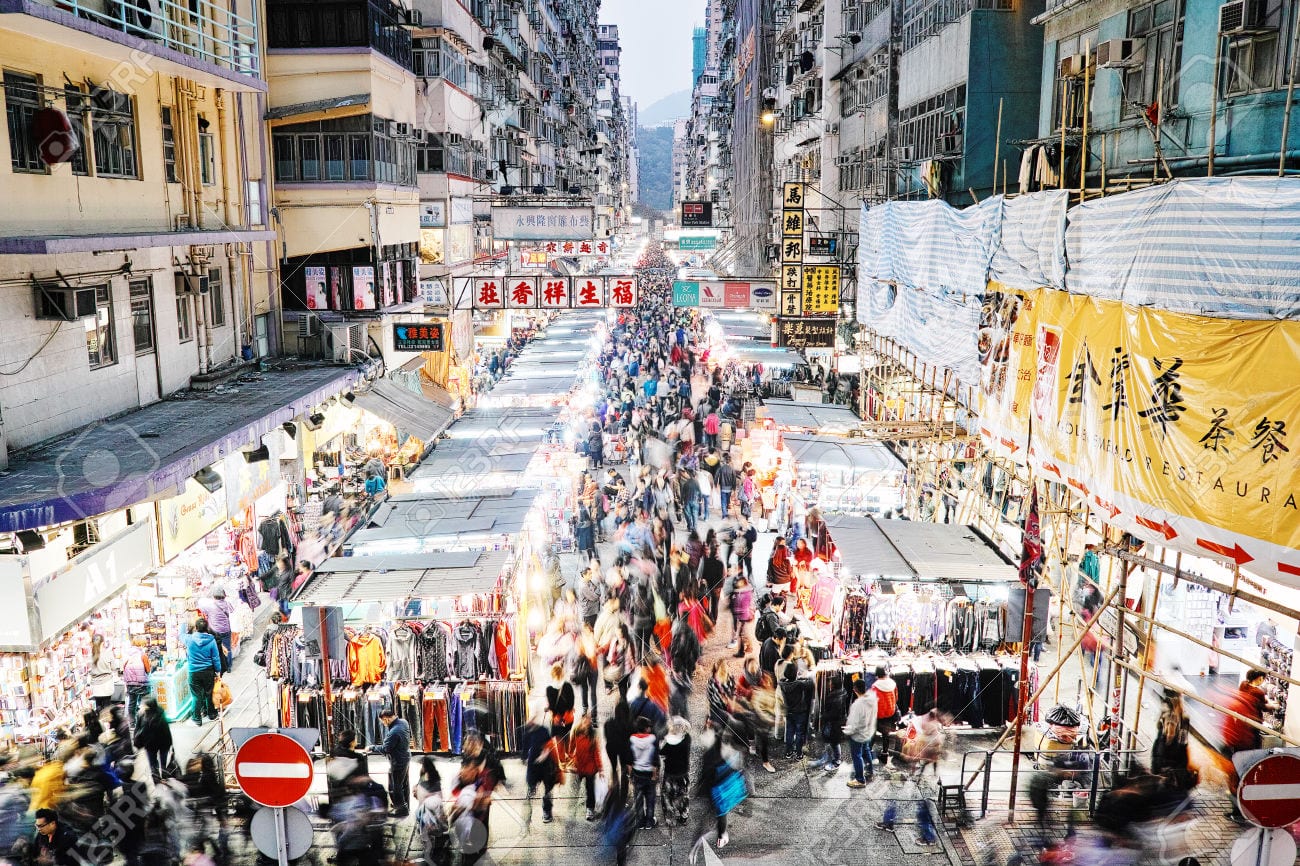
    Asian cities dominate the latest retail destination rankings, with the Middle East taking most of the remaining spots.

    According to the latest edition of JLL’s Destination Retail report, which ranks markets for retailer expansion around the world, Asia is fuelling global growth, taking 12 of the top 20 spots. Six of those cities are in China – but Singapore, Hong Kong and Macau are not among them. Six months ago Hong Kong was second only to London – neither city makes the list now.

    This time around, the top two cities are Dubai and Shanghai, with Beijing ranking third. The other Asian cities in the top 20 are Bangkok, Chengdu, Kuala Lumpur, Jakarta, Manila, Tianjin, Shenyang, Shenzhen, Chongqing and Hangzhou. (The full list is below).

    Besides Dubai, Abu Dhabi, Kuwait, Jeddah and Riyadh make the list, meaning 85 per cent of the top 20 destinations are in just two regions.

    “The global retail landscape is expected to change significantly over the next 10 years, as a fast-growing middle class in emerging markets attracts retailers hungry for growth,” says David Zoba, chairman of JLL’s Global Retail Leasing Board.

    JLL says Shanghai has become a favourite of international brands looking to test the Chinese market and gain exposure. While established prime markets include West Nanjing Rd and Huaihai Rd, new submarkets targeting local residents are popping up along the many new metro lines leading out of the city, and the city’s retail network is growing and shifting.

    Beijing follows as the third-fastest-growing retail market with its swelling middle class and strong concentration of high-net-worth individuals. Properties such as China World Mall and the landmark project Taikoo Li continue to draw high-end shoppers, while malls like Beijing APM and Oriental Plaza dominate tourist-friendly shopping strip Wangfujing. The Chinese capital’s suburbs are also experiencing rapid growth as people choose to shop more locally rather than brave the traffic into the city centre.

    “Emerging markets can expose international retailers to greater levels of economic and geopolitical risks. One pertinent example is China’s anti-corruption campaign and the knock-on effects on the luxury market,” says James Hawkey, head of retail for China, JLL. “However, international retailers are increasingly comfortable dealing with these risks, and generally have their eyes on the long term prize of establishing a strong position in major world markets.”

    Added Zoba: “The search for growth is escalating the penetration of international brands across the world’s most attractive retail cities, especially in Asia. Retailers who succeed in acquiring the right space in the right place at the right time will benefit from successful, profitable growth, but they should be mindful that potential rewards go hand in hand with risk,” continues Mr Zoba.

    Retail rents in these emerging markets reflect legislation, market transparency, reputational risk, maturity, as well as growth potential, meaning that their levels are relatively low compared to more mature markets. Places like Ho Chi Minh City, Jakarta and Bangalore present an opportunity for retailers to establish their brands at rents of less than US$2000 per square metre per year with projected in-store sales increasing by 8 to10 per cent until 2019, based on Oxford Economics forecasts. However, as cities mature and the pace of new construction of retail centres slows, rents will gradually increase.

    JLL’s Destination Retail report 2016 examines the presence of 240 international retail brands across 140 retail cities, giving insights for international retail expansion. The 140 cities make up 36 percent of the world’s GDP, 13 per cent of the global population and 33 per cent of total consumer spending.

    Top 20 Global Growth Cities for Retail

    1              Dubai

    2              Shanghai

    3              Beijing

    4              Kuwait City

    5              Abu Dhabi

    6              Jeddah

    7              Riyadh

    8              Moscow

    9              Bangkok

    10           Chengdu

    11           Kuala Lumpur

    12           Jakarta

    13           Manila

    14           Istanbul

    15           Tianjin

    16           Shenyang

    17           Shenzhen

    18           Chongqing

    19           Mexico City

    20           Hangzhou

  • Franchising and Licensing Awards 2016, a testament to the growth in internationalisation

    Franchising and Licensing Awards 2016, a testament to the growth in internationalisation

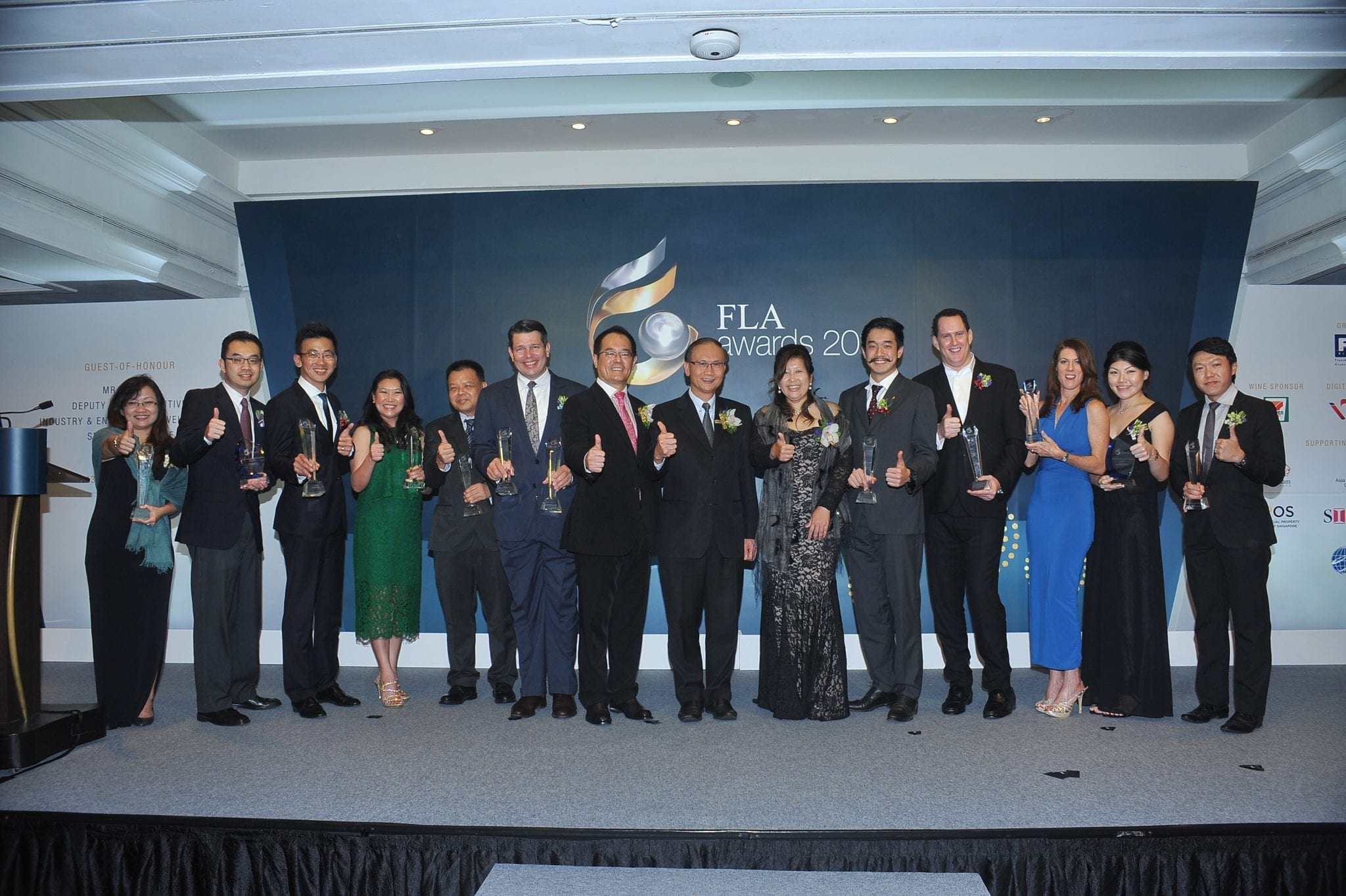
    Singapore’s top achievers in the franchising and licensing industry were recognised at the annual Franchising and Licensing Association (FLA) Awards 2016 held at the Marina Mandarin Ballroom last night.

    Currently in its 12th year, the FLA Awards continues to provide a formidable platform for successful franchise concepts and businesses to be showcased in the international arena. It also serves as a regional benchmark for franchise concepts aspiring to greater heights. The Awards, made up of both Competitive and Recognition Awards, comprises eight different categories that recognise and honour the various players in the industry – Franchisors, Licensors and Franchisees. 

    The 2016 Awards, which saw Sunflower Childcare clinching the title of ‘Overall Winner, Promising Franchisor of the Year’, had increased participation from the education sector. This reflects the continued growth of the education industry within the franchising and licensing scene. In line with the global trend of innovation, the Singapore-headquartered childcare group’s success can be attributed to its unique customisation model and record of constant innovation and development. Since starting its franchise business in 2005, Sunflower Childcare has opened 20 centres in total; 18 in Singapore and 2 in China.

    Sharon Lee, Director of Sunflower Childcare, said, “It is our first year participating in the awards and we are thrilled to have gotten the title of ‘Overall Winner, Promising Franchisor of the Year’. At Sunflower Childcare, we pride ourselves in the stringent process of acquiring franchisees and ensuring that they are well taken care of. We are looking to expand into international shores and FLA has been fundamental in enriching us with the relevant insights for expansion into our potential markets.”

    According to Donna Lee, Chair of FLA (Singapore), “The encouraging progress of our franchisors is a reflection of how companies can leverage on intangible assets like strong branding and innovative technology to penetrate new markets successfully. With the franchising and licensing landscape becoming increasingly diversified, it is key for companies to constantly innovate and expand into the global market in order to keep up with market trends and to remain competitive. FLA Singapore prides itself in equipping companies with the right toolset for internationalisation and we look forward to working with more businesses to help them successfully expand across markets and the region.”

    Earning the title of ‘Overall Winner, Franchisor of the Year’, veteran establishment 7-Eleven has constantly been at the forefront in the franchising and licensing playing field. Since opening its first franchised store in 1988, 7-Eleven has been offering entrepreneurs the unique opportunity to leverage on a renowned global platform to start a business. To date, it has a total of 207 franchised stores, forming 47% of its expanding network of 441 stores island-wide.

    David Goh, CEO of 7-Eleven, said, “Despite being in the franchising and licensing scene for more than three decades, we are continually learning and growing with the industry. Over the last few years, 7-Eleven has been constantly innovating and transforming its business model to be more relevant to its consumers and to add value to its franchisees. Our advice to franchisors looking to enter the industry would be to communicate with your franchisees, build a solid foundation of trust and constantly innovate your business model.”

    Traditional sectors like the Food & Beverage industry remained strong, with Thailand-established food service chain, The Pizza Company, being crowned ‘Overall Winner, International Franchisor of the Year’. Having adopted a master franchise model internationally, The Pizza Company has opened over 400 outlets in 9 countries in a span of 12 years.

    John Heinecke, Chief Operating Officer of Minor Food Group, said, “We are excited that The Pizza Company has been awarded ‘Overall Winner, International Franchisor of the Year’. This award showcases and recognises the systems that we have been building for the last 16 years to where it is today. With many of our brands operating in Singapore, we strongly believe in teaching our franchisees the art of learning to create wealth as we strive together towards success.”

    Donna Lee added, “FLA is proud to be able to bridge the gap between the global and local market with its strong government ties and prominent memberships in the World Franchise Council and Asia Pacific Franchise Confederation. Over the years, Singapore has been seen as a model test-bed and we are glad that we are able to assist international companies looking to penetrate the Singapore and Asian market.”

    The Awards were held in conjunction with FLAsia – an industry exhibition and conference, running from 13th to 15th October, showcasing both home-grown franchises and franchise opportunities from around the world. The exhibition this year saw participation from 17 countries, with international brands such as Swarovski, Delifrance, Gloria Jean’s Coffee and Coca Restaurant exhibiting. More information of the exhibition can be found on https://franchiselicenseasia.com/.

    Other Winners at the FLA Awards 2016 include Japan IPL Express, Mulberry Learning Centre, Anytime Fitness, Seoul Garden and Dancing Crab. The full winner list is attached separately and more information and images can be found on the FLA Awards website: https://www.flaawards.com/.

  • Testing times: Singapore’s retail scene shows four signs of weakness

    Testing times: Singapore’s retail scene shows four signs of weakness

    Rents in the Central region may fall 6-8% in Q4.

    The outlook for Singapore’s retail sector for the last three months of the year remains subdued, with weak retail rents made worse by retailers consolidating outlets to streamline cost.

    Average island-wide prime retail rents moderated in Q3 2016, with that of Orchard Road falling for the first time since Q2 2015 on the back of the tougher retail climate, reports Knight Frank (KF).

    The average gross rents for prime spaces was $31.20, which represents 2.2% decline YoY and 0.2% dip on a quarterly basis. Average Orchard Road prime rents, meanwhile, declined by 0.1% YoY and 0.5% QoQ.

    According to KF, average rents in the Central Region are envisaged to fall by 6.0% to 8.0% y-o-y by Q4 2016, while the more resilient prime rents to moderate downwards by up to 3.0% y-o-y in the same period.

    “The expected fall in rents takes into account not only the projected weakened demand from retailers, but also the likelihood of landlords readjusting the rental structures to help their tenants tide over down cycles of the market in order to maintain healthy occupancy status,” it said.

    An estimated 1,072,000 sq ft of net lettable major retail space is slated for completion in the whole of 2016. KF noted that out of this, 38.2% (409,000 sq ft) was ready in the first half of 2016, with the remaining 663,000 sq ft to be completed in H2 2016.

    “In addition to this is the cautious stance taken by retailers towards business expansion, and island-wide occupancy is likely to fall from 92.8% in Q4 2015 to between 90.0% and 92.0% in Q4 2016,” said KF.

    KF’s bearish outlook on Singapore’s retail sector is supported by the following indications of weak overall spending:

    1. Singapore’s consumer confidence entered the pessimistic range.

    According to the Mastercard Index of Consumer Confidence, Singapore saw a significant decline of 10.7 points in H1 2016 from H2 2015. The degree of decline lagged behind only Indonesia (-14.7 points) and Hong Kong (-12.4 points), of the 17 countries within the Asia Pacific region tracked by Mastercard.

    2. The overall Retail Sales Index (excluding motor vehicles)(seasonally adjusted, at constant prices) improved by 3.5% m-o-m in July 2016 compared to the preceding month. All retail trades saw improvement with the exception of Food & Beverages, which declined by 1.5% monthon-month (m-o-m) over the same period. However on a year-on-year (yo-y) basis, the overall retail sales (at constant prices) declined by 3.7% in July 2016, with Computer & Telecommunication Equipment (-18.7% y-oy), Watches & Jewellery (-16.6% y-o-y) and Food & Beverages (-9.7% yo-y) trades seeing the steepest falls.

    3. Employment in the wholesale and retail trade declined by 1.8% in H1 2016 compared to H2 2015. This could be attributed to the weaker retail sales and greater caution in manpower deployment by retailers.

    4. Total visitor arrivals for the period of January to July 2016 increased by 11.5%, compared to the same period last year, to reach 9.8 million. While visitors from China and Indonesia rose by 49.2% y-o-y and 6.8% y-o-y respectively in the first seven months of 2016 compared to the same period in 2015, visitors from Malaysia dropped by 1.6% y-o-y.

  • Shopping patterns in Singapore shift amid slowdown

    Shopping patterns in Singapore shift amid slowdown

    And yet, amid this gloom, consumers continue to spend – though there is a shift in the pattern and quantum of their spending.

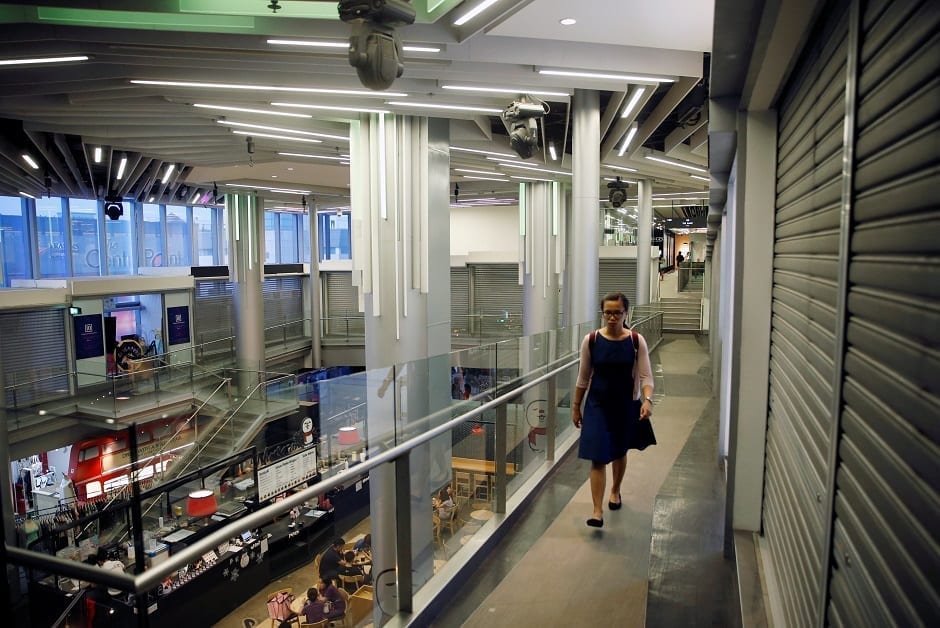
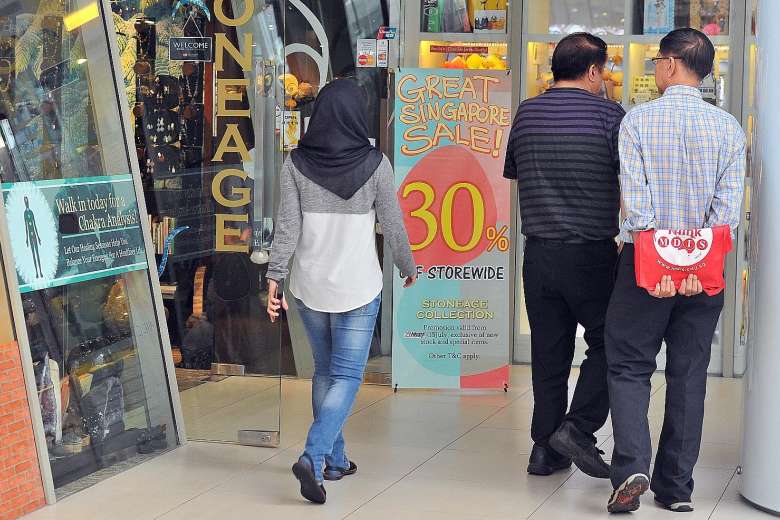
    In June, the first month of the Great Singapore Sale, retailer sales were down 3 per cent compared with the same month last year. It is not just tourists who are staying away, but local consumers are also looking more closely at price tags.

    The mood has not been helped by the fact that about 4,800 people were laid off in the second quarter, 48 per cent more than in the same period last year.

    Landlords are feeling the pinch as well. Average monthly gross rents for prime first-storey speciality retail shops dipped 1.2 per cent in the three months to September from the previous quarter, said property consultancy Edmund Tie & Company recently.

    Vacancies in the Orchard planning area rose again in the second quarter to 9.2 per cent, after reaching what was then a five-year high of 8.8 per cent in the first quarter.

    ANZ economist Ng Weiwen pointed out that home prices have fallen for 12 consecutive quarters, while bank lending has shrunk for 11 straight months. This has translated into weaker spending.

    However, the decline has been gentle across the board and there have been some bright spots. Those who find this surprising should look at the unemployment rate. While it rose from 1.9 per cent in March to 2.1 per cent in June, it remains quite low. Said OCBC economist Selena Ling: “When unemployment rate is anything below 3 per cent, it is effectively at full employment.”

    It could be one reason why consumers continue spending on mid-range goods and services, such as travel and at cafes, even as they cut back on luxury items and seek better deals for necessities.

    ANZ’s Mr Ng said: “For the different tiers of consumer spending, the high-end consumer segment will be more sensitive to changes in consumer income, so it’s not surprising.

    “The mid-range segment will still hold up in the near term as wages are still holding up.”

    In fact, more are paying their credit card bills on time. Only 32.25 per cent of card holders did not pay their bills in full for the second quarter, down from 33.91 per cent in the first quarter. Ms Ling said: “People have been turning slightly more cautious with spending.”

    They may spend less on fashion. And malls could take a hit if their offerings are the same as the ones available on Taobao and the like, she added.

    But cheaper options like house brands at supermarket chain FairPrice are seeing stronger demand.

    This is what a slowing economy looks like – in Singapore.


  • AirAsia Indonesia Gets ISO Certificate

    AirAsia Indonesia Gets ISO Certificate

    Indonesia AirAsia and Indonesia AirAsia Extra have obtained the quality management system certificate ISO 9001: 2015 for their performance in handling domestic flight delays.

    The certificate was awarded by TÜV Rheinland Indonesia, a certification agency based in Cologne, Germany, which has certification experience for more than 140 years in 69 countries.

    The certification process for Indonesia AirAsia and Indonesia AirAsia X lasted from February to June 2016. The results were issued on August 29.

    “This certificate is a prove of AirAsia Group’s real action and strong commitment in Indonesia to always provide the best service to customers,” AirAsia Indonesia Group CEO Dendy Kurniawan said in Jakarta, Thursday, October 13th.

    TÜV Rheinland Indonesia director Edmundus Wiharyono said that audit results showed that AirAsia Indonesia has well-implemented, good procedures for handling flight delays.

    “With the ISO 9001: 2015 quality management system certificate, we hope AirAsia can continue to improve their future performance and increase customers’ loyalty,” Wiharyono said.

    The certificate was given to AirAsia’s nine terminals in Jakarta, Medan, Surabaya, Denpasar, Pekanbaru, Palembang, Bandung, Yogyakarta, and Solo, which operate AirAsa Group Indonesia’s domestic flights.

  • Trade Expo Indonesia buying mission generates deals worth US$186.69 million

    Trade Expo Indonesia buying mission generates deals worth US$186.69 million

    Now into its second day, the Trade Expo Indonesia event has generated a total of US$186.69 million worth of transactions in the form of trade contracts.

    “Transactions worth US$178.7 million were signed on the first day while US$7.99 million worth of deals were signed on the second day,” informed the Trade Ministrys Head of National Export Development Arlinda in Jakarta, on Thursday.

    On the second day of the Expo, the buying mission contract signing was dominated by importers of food and beverage products from Australia.

    The signings were witnessed by Suprapto Martosetomo, Indonesias Ambassador to South Africa as well as the Kingdom of Lesotho, the Kingdom of Swaziland and the Republic of Botswana. The deals were signed by six importers from three countries, including Nigeria, Australia and South Africa, and eight local export businesses.

    In the pharmaceutical sector, Nigerias Jeijosh Pharma signed a deal with PT. Phapros, while Sony Trading Pty. Ltd signed a deal with PT. Mayora Indah.

    In the food and beverage products sector, PT. Pondan Pangan Makmur and PT. Sarimunik Mandiri signed a deal with Eastern Cross Trading Pty. Ltd and CV. Intrafood, while Hean Corporation and PT. Dua Kelinci signed a partnership in the same sector.

    Grein Australia Pty Ltd and PT. Sayap Mas Utama signed a deal for food and beverage products as well as consumer goods.

    Lastly, Wemco Investment & Trading Ltd and PT. KMI Wire and cable Tbk. signed a contract for wire products.

    A total of 37 trade contract signings were carried out between 30 importers from 16 countries and 34 local exporter companies based on the buying mission on the Expos second day.

    Essential oils and coconut milk were among the most sought after products and generated the most transactions, along with skilled workforce contracts from the services field.

    Other commodities that were also coveted by foreign importers included coffee, tea, cement, furniture, wires, food and beverage products, seafood, anti-fatigue mats, floor mats, cutting boards and modular tiles.

    Arlinda believes that this event has broadened Indonesias export opportunities in a number of markets, especially non-traditional ones.

    “We continue to work so that the Indonesian trade representatives contribute more overseas, while at the same time encouraging business makers to enhance the quality of their products because export opportunities are now very vast,” Arlinda remarked.

    The Trade Ministry aims for the goods trade transactions to reach US$800 million by the end of this Trade Expo, excluding the investment opportunities and services related transactions.

    It is hoped that overall, the total transactions signed can reach US$1 billion, exceeding the previous year’s figure of US$909 million of deals.

  • Iran’s first LPG cargo for Pertamina arrives in Indonesia

    Iran’s first LPG cargo for Pertamina arrives in Indonesia

    State-run energy giant Pertamina officially received a cargo of liquefied petroleum gas (LPG) from Iran on Thursday, marking Iran’s first shipment as a new supplier of LPG to Indonesia.

    Pertamina president director Dwi Soetjipto welcomed the 44,000 metric tons of LPG transported from Asaluyeh Port in Iran 13 days ago by its VLGC Pertamina Gas 2 vessel, at Kalbut Port in Situbondo, East Java.

    According to him, the LNG shipment from the National Iranian Oil Company (NIOC) would open up other business development opportunities between Pertamina and the NIOC, in both the upstream and downstream sectors.

    “It marks a new chapter of cooperation between Pertamina and the NIOC and makes trade cooperation between Indonesia and Iran more significant,” Dwi said in a statement on Thursday.

    Earlier, the NIOC agreed to supply Pertamina with a total volume of 600,000 tons of LPG for 2016 and 2017.

    Following the arrival of the first cargo, the NIOC will immediately send the next cargo, which is expected to arrive on Nov. 20.

    In addition to the LPG purchase, the two state-run companies signed an agreement to conduct a preliminary study of two giant oil fields in Iran, namely Ab-Teymour and Mansouri, which have an oil reserve of more than 5 billion barrels.

  • India and Singapore to collaborate on innovation

    India and Singapore to collaborate on innovation

    India and Singapore have signed an agreement to promote innovation, creativity and technological advancement in both markets.

    According to the official statement released, “The MoU will enhance bilateral cooperation activities in the arena of industrial property rights of patents, trademarks and industrial designs. It is intended to give a boost to innovation, creativity and technological advancement in both regions.”

    The agreement covers intellectual property cooperation between DIPP and the Intellectual Property Office of Singapore. The MoU was signed during the visit of Singapore’s Prime Minister to India last week.

    The key initiatives under the pact will be exchange of best practices, experiences and knowledge on intellectual property awareness among the public, businesses and educational institutions of both countries.

    Both the countries will also exchange experts in the field of intellectual property; dissemination of best practices, experiences and knowledge on IP with the industry and universities.

    The MoU will enable India to find out about best practices in the innovation and IP ecosystems that will substantially benefit entrepreneurs, investors and businesses on both sides.

    “The exchange of best practices between the two countries will lead to improved protection and awareness about India’s range of intellectual creations,” the release mentioned.

    It adds that the collaboration is a step forward in India’s journey towards becoming a major player in global innovation and will further the objectives of the National IPR Policy.

  • Jokowi Visits Trade Expo Indonesia

    Jokowi Visits Trade Expo Indonesia

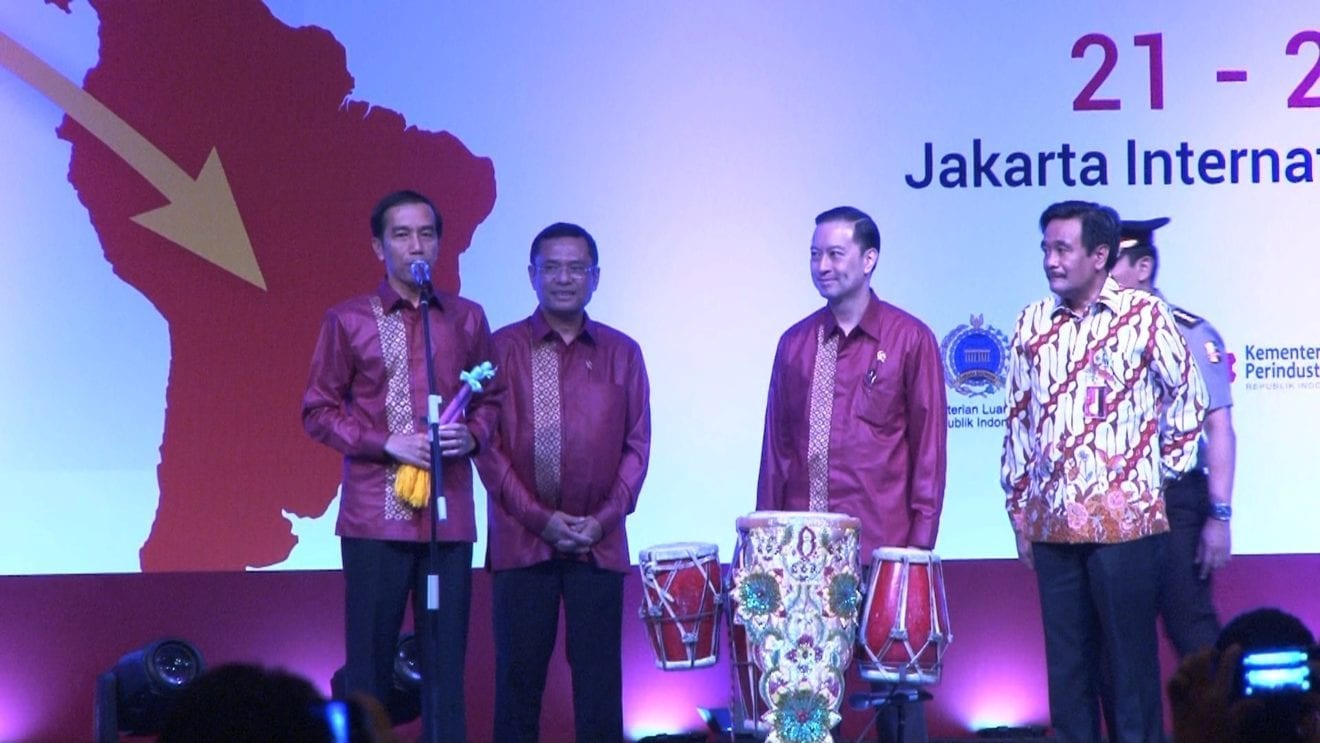
    President Joko Widodo has attended the 2016 Trade Expo Indonesia (TEI) at the Jakarta International Expo, Kemayoran, Jakarta. Jokowi delivered a warm welcome and opened the event.

    Trade Minister Enggartiasto Lukita, also delivering a speech, said that the expo was meant to help boost trade relations. “We aim to gain direct transactions,” he said October 12, 2016.

    Moreover, Enggartiasto said that Indonesia has to have other top products in export, in light of the weakening global economy.

    There are over 1,100 national corporates in the expo, and around 14,700 buyers. The buyers are also coming from abroad, namely from some African countries and the Middle East. The government expects that the buyers can conduct business transactions which the expo aims to score at around Rp2 trillion.