Retail News Asia is committed to providing both local and global retailers with the latest General Retail news throughout the Asian market. This on a daily base.
The first ever SPAR China Congress kicked off in Weihai, in the Shangdong Peninsula yesterday. The three-day long Congress is being attended by SPAR International Board members, SPAR colleagues from across China and international retail experts as well as guest speakers and strategic partners.
The Congress gives SPAR China Partners the opportunity to share best practice with each other and international SPAR Partners. Also in attendance are Graham O’Connor, Chairman of SPAR International & SPAR South Africa; Peter Blakemore, Chairman of A F Blakemore UK, Tobias Wasmuht, Managing Director of SPAR International, Paul Klotz, Chairman of SPAR Italy and Knut Johansson, Chairman of SPAR Norway. Over 200 delegates representing more than ten nationalities are gathered in the city.
Delegates will visit a number of SPAR stores and the food production centre in Weihai, which offers a unique opportunity to see the rapid expansion of retail formats and instore product offerings which are inherent to the market.
Since entering China in 2004, SPAR now has a presence in the provinces of Shandong, Guangdong, Shanxi & Inner Mongolia, Beijing (city), Sichuan, Henan and Hebei and a central office located in Shanghai. SPAR China has adhered to the brand philosophy of freshness, choice, value and service, focusing on the development of the SPAR Hypermarket, SPAR Supermarket, SPAR Neighbourhood and SPAR Express formats.
Great support has been received from many of the SPAR Partners around the world during the development of the strong SPAR operation in China which has continued to show excellent results year-on-year and is ranked fifth amongst global SPAR Partners in turnover terms reporting €1.9 billion in the 2015 results. Investment continues not only in retail with 360 stores trading today, but also supply chain expansion across all of the regions in which SPAR trades.
“We seek to grow and expand in unity with all our SPAR Partners by sharing our resources and knowledge, ‘Better Together’, just like the theme of the SPAR China Congress. The success of the Congress will help drive the booming growth of our partners and the retail market in China,” said Yoep Man, SPAR China Managing Director.
A SPAR International Board meeting is also taking place this week in Weihai, enabling the Board of Directors to meet with the Partners from SPAR China and to at see first-hand the development of the brand in this high potential market.
The occupancy rates of star rated hotels in Bali averaged 72.40 percent in August or an increase of 1.76 percentage points from 70.62 percent in the previous month.
“The occupancy rate was quite encouraging when visits by foreign tourists shrank 9.52 percent in Bali compared with the previous month,” head of the Bali branch of the Central Bureau of Statistics (BPS) Adi Nugroho said here on Wednesday.
Adi said the occupancy rates would boost hotel operators as an occupancy rate of 50 percent is enough to cover operating cost including salaries of employees.
In August, 2016, Bali recorded 438,135 visits by foreign tourists including 437,929 arrivals recorded by the Ngurah Rai airport and 206 arrivals at seaport.
The number of arrivals dropped 9.52 percent in August from July but an increase of 44.3 percent year-on-year, Adi said.
Adi said most foreign tourists stayed at star rate hotels in six of nine regencies in the province.
The highest occupancy rate was recorded by hotels in the regency of Badung averaging 75.38 percent or up from July, followed by hotels in the city of Denpasar averaging 66.34 percent though declining from the previous month.
Hotels in the regency of Gianyar followed in the third place with occupancy rate averaging 60.01 percent , down from 66.84 percent in July , the regency of Buleleng recorded an occupancy rate of 57.69 percent up from 52.23 percent and the regency of Karangasem 47.45 percent, down from 50.92 percent.
Three other regencies – Jembrana, Bangli and Klungkung – have no star rated hotels . They have only inns or non standard hotels.
Four star hotels recorded the highest occupancy rate averaging 78.16 percent, followed by five start hotels averaging 77.31 percent, one start hotels 64.96 percent , three start hotels 58.55 percent and two star hotels with occupancy rates averaging 56.31 percent.
Adi Nugroho said despite the significant increase in the occupancy rate. the increase was recorded only in the regencies of Badung and Buleleng.
In three other regencies, hotel occupancy rates declined including in the city of Denpasar, regencies of Gianyar and Karangasem, Adi Nugroho said.
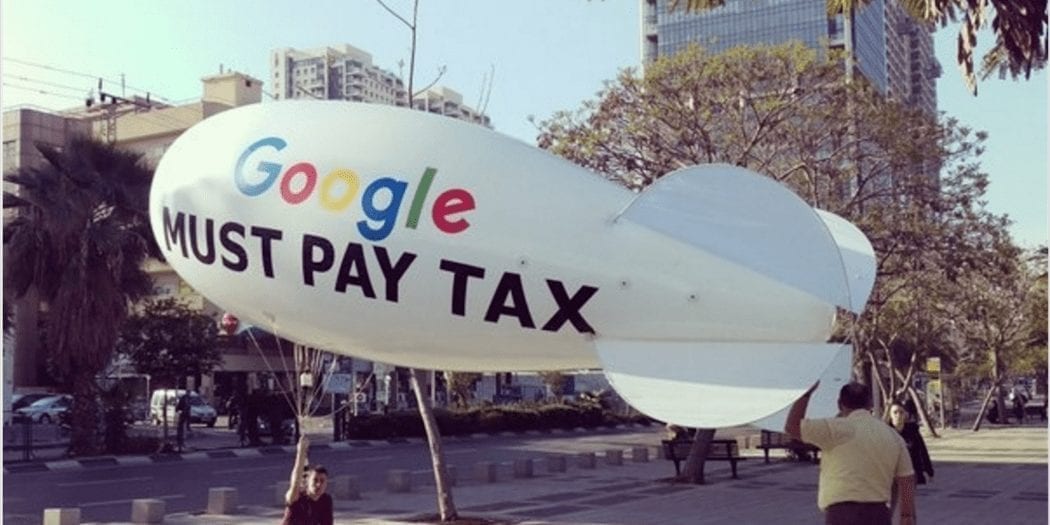
The Communication and Informatics Minister Rudiantara said that his office and the finance ministry are working to collect tax search engine, Google. “I support the effort. We will not give up,” he told Tempo in Pontianak, West Kalimantan on Tuesday, October 18, 2016.
Rudiantara said he has no idea why Google tends to avoid paying taxes. “I do not know why. They choose not to pay their duties,” he said
The minister added that Indonesia has sent a letter to Google, stating that all businesses in Indonesia are subject to taxes.
“I told Google, if they plan to reach a settlement, we can talk this out,” said Rudiantara.
Google has not registered as a corporate in Indonesia, although it reaps profit in Indonesia. It has also refused to pay taxes in the past five years worth Rp5.5 trillion.
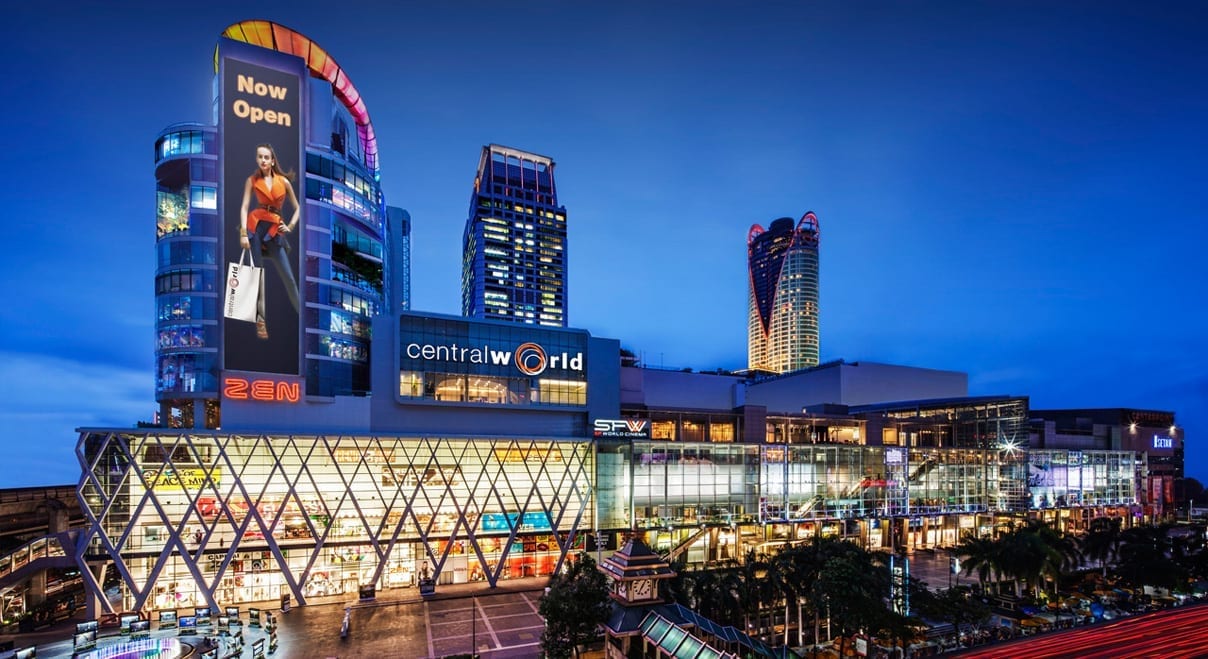
Thai retailer Central Group expects revenue to rise 21 per cent to Bt320 billion ($9.17 billion) this year following strong growth in overseas business plus tourist spending.
Controlled by Thailand’s Chirathivat family, Central is seeking to expand in Southeast Asia, says CEO Tos Chirathivat, citing Cambodia, Laos, Myanmar and Vietnam.
He expects overseas revenue to account for 40 per cent of total in the next five years from 30 per cent now.
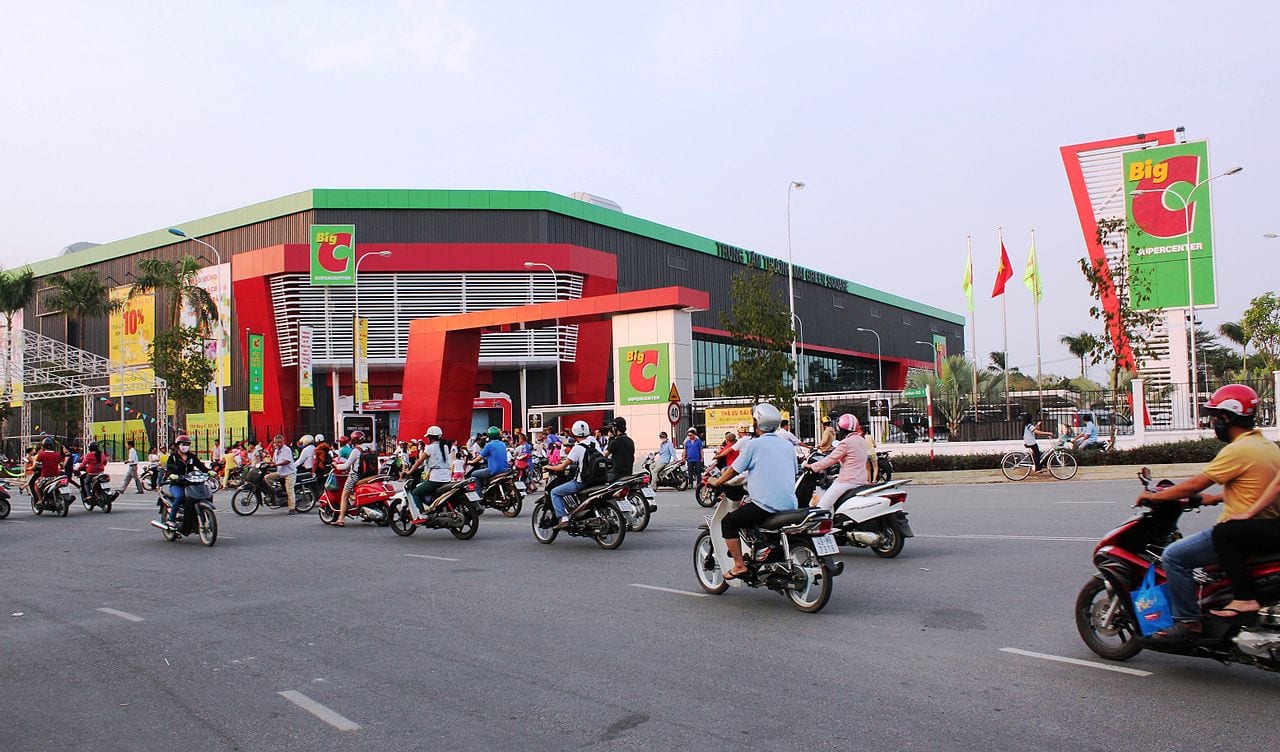
Central bought superstore chain Big C‘s Vietnam business from French retailer Casino in April, comprising 43 stores and 30 malls. Vietnam is Southeast Asia’s fastest-growing market for Central, and the company expects sales to reach Bt37 billion this year.
Central has also benefited from rising tourist numbers in Thailand, with sales up 15 per cent this year versus 5 per cent for Thai customers, says Tos.
The group, whose interests include shopping mall developer Central Pattana, Robinson Department Store and Central Hotel Plaza, plans to spend more on its online retail business, which currently accounts for just 1 per cent of revenue.
Central bought fashion-focused eCommerce site Zalora in April as part of a push to win back shoppers who increasingly prefer internet shopping.
Retailers and catering businesses were the main beneficiaries of the 1.2 trillion yuan (US$180 billion) Golden Week spending spree by Chinese consumers.
This was 10.7 per cent up on last year’s figure, according to Ministry of Commerce (MOC) data, with the biggest spenders being in Chongqing municipality and Sichuan province in west China, and Hunan province in central China.
Jewellery and gold, home appliances, IT products and energy cars were among the top picks during the week. There was also a demand for catering services for weddings, birthdays and family reunions.
It is the second consecutive year Golden Week has hit the 1 trillion yuan spending milestone, says China.org.
Despite an estimated 6 million Chinese tourists travelling overseas during the holiday week, domestic spending was highly encouraged, reports the International Business Times. Beijing has encouraged domestic spending to stimulate the economy, which jumped 6.7 per cent between January and June.
“The economy this year, especially in the third quarter, is better than expected,” according to Premier Le Keqiang.
About 593 million Chinese tourists visited attractions across China, says the China National Tourism Administration, spending a total of 482.2 billion yuan, 12.8 per cent year on year.
Golden Week, from October 1 to 7, is a national holiday of seven consecutive days.
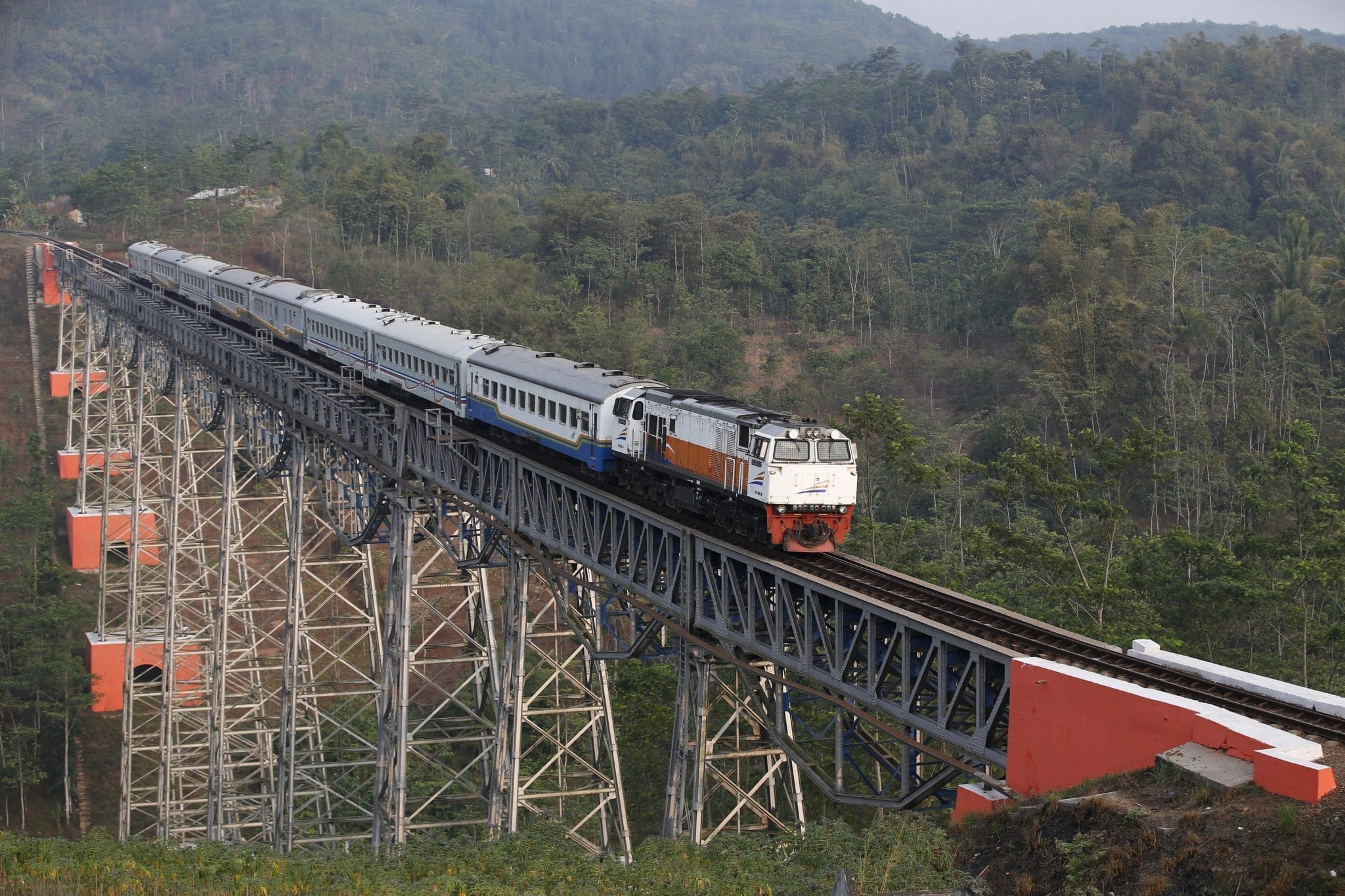
State-owned railway company PT Kereta Api Indonesia (KAI) has offered at least 600 old train cars to Myanmar.
“We have about 600 20-year-old cars. They can run up to 60 kilometers per hour. But they need to be reconditioned,” KAI director of logistics and development Budi Noviantoro said in Yogyakarta.
Budi explained that his company has sent a technical team to Myanmar to conduct a survey. As the company purchased new cars from General Electric, PT KAI had no longer used the old cars for its operations.
The Myanmar Ambassador to Indonesia has offered PT KAI to operate the country’s railway, reflecting a cooperation commitment to realize the mass transportation project.
“Myanmar has had trains. But the speed is limited only to 30 kilometers per hour,” Budi said.
Budi pointed out Myanmar has a huge potential in the railway sector, but the government could not yet optimize the potential, as the situation in the country has just been stabilized.
In addition, KAI has also discussed a cross-border railway project, connecting Kunming, Vietnam, Thailand, Malaysia and Indonesia. Delegations of six ASEAN countries, including Myanmar are currently meeting in Yogyakarta to discuss the cross-border railway project.
KAI president director Edi Sukmoro said that the cross-border railway network can be realized since railway transportation is the most important part in the ASEAN Economic Community era.
“In Europe, a car can be transported by a Ferry. In the future, Indonesia can have this,” he said.
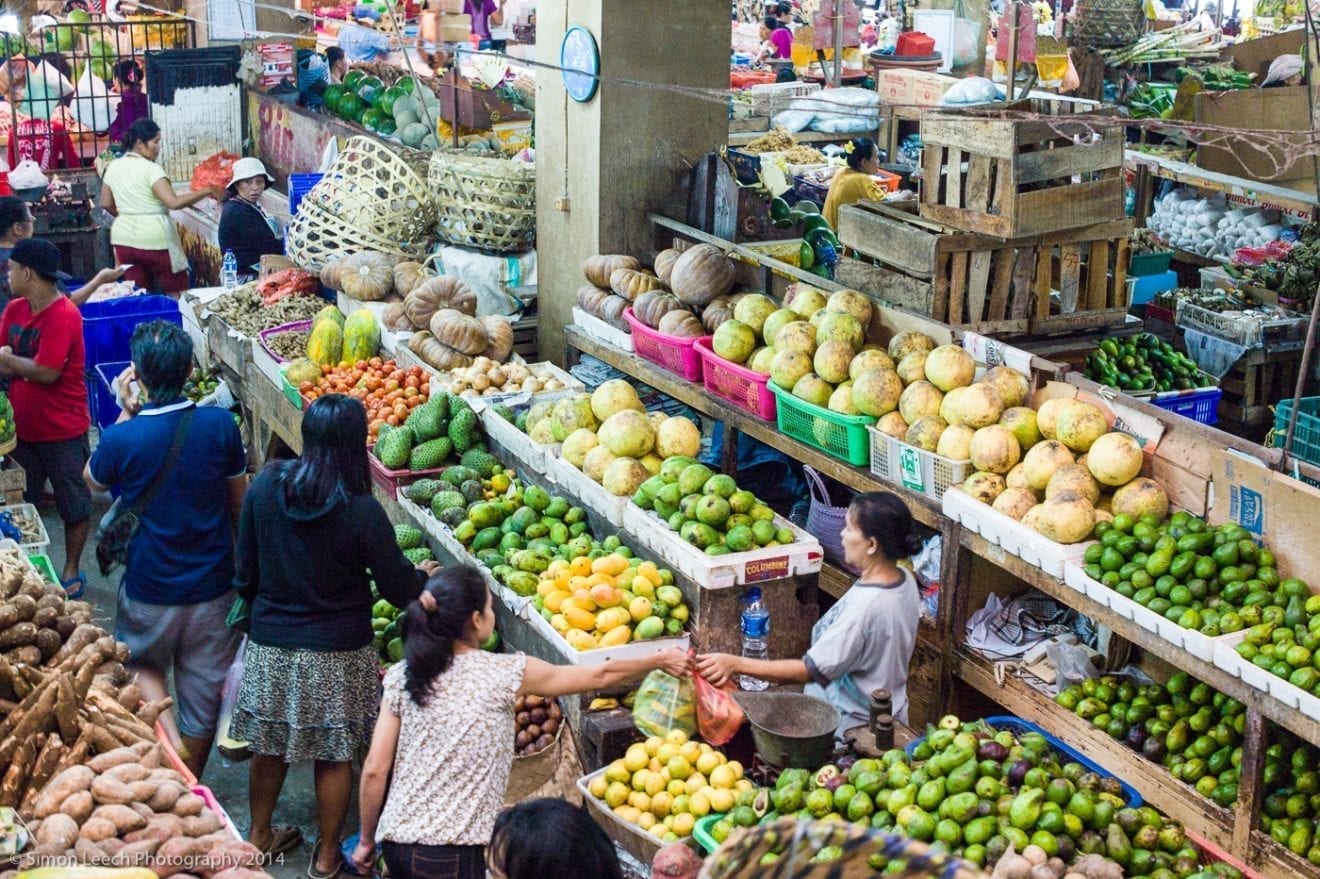
The government will build and revitalize 1,000 traditional market centers in 2017 at a total cost of Rp3.7 trillion Fund.
The Trade Ministry would build and revitalize 272 of the markets with the Aid Task Fund and 52 carry over project from 2016, Trade Minister Enggartiasto Lukita said.
The remaining 728 units would be built and revitalized with the Special Allocation Fund (DAK) and fund from the Ministry of Cooperatives and Small and Medium Enterprises..
Enggartiasto said the trade ministry had carry over projects to be implemented in 2017 was as a result of the cut in the budget for all ministries and government agencies including the trade ministry.
“We will give priority to development of small traditional markets . The development and revitalization program would follow standardization of market and system of management,” he said.
With the system the markets would be well maintained, he added.
“Currently the traders pay fee but there is no accountability of the fee from the market management. The market management charges fee but the fund is not used to improve the service and for the maintenance of the market,” the minister said.
In 2015, the government plans to build and revitalize 1,017 traditional market centers, including 182 units to be financed with TP fund, 770 units with DAK and 65 units with fund from the the Ministry of Cooperatives and Small and Medium Enterprises.
Implementation of the plan in 2016 reached 99 percent with 1,002 units of market built and revitalized.
In 2016, development of traditional markets with TP fund, 168 units with a budget of Rp1.46 trillion and 710 units within DAK of Rp1.006 trillion.
Garuda Indonesia has issued a ban on the Samsung Galaxy Note 7 for all its flights starting from Monday due to safety issues.
This move ensues the recent ban by US Department of Transportation on the device, including its recalled and replaced units, after reports of the smartphone catching fire.
Garuda Indonesia VP corporate communications Benny S. Butarbutar said in a press release Monday that passengers in possession of a Samsung Galaxy Note 7 would not be permitted to board the aircraft. Bringing the device through carry on baggage, checked-in luggage, or cargo was also strictly prohibited.
This is the second ban issued by the airline regarding Samsung Galaxy Note 7. In early September, it banned the use of the device during flights as well as warned passengers not to charge the battery or store the smartphone in checked baggage.
Samsung has already been forced to recall more than 2.5 million devices due to faulty batteries. The company has instructed users to “power down and stop using the device”, and announced the permanent end of its production last week.
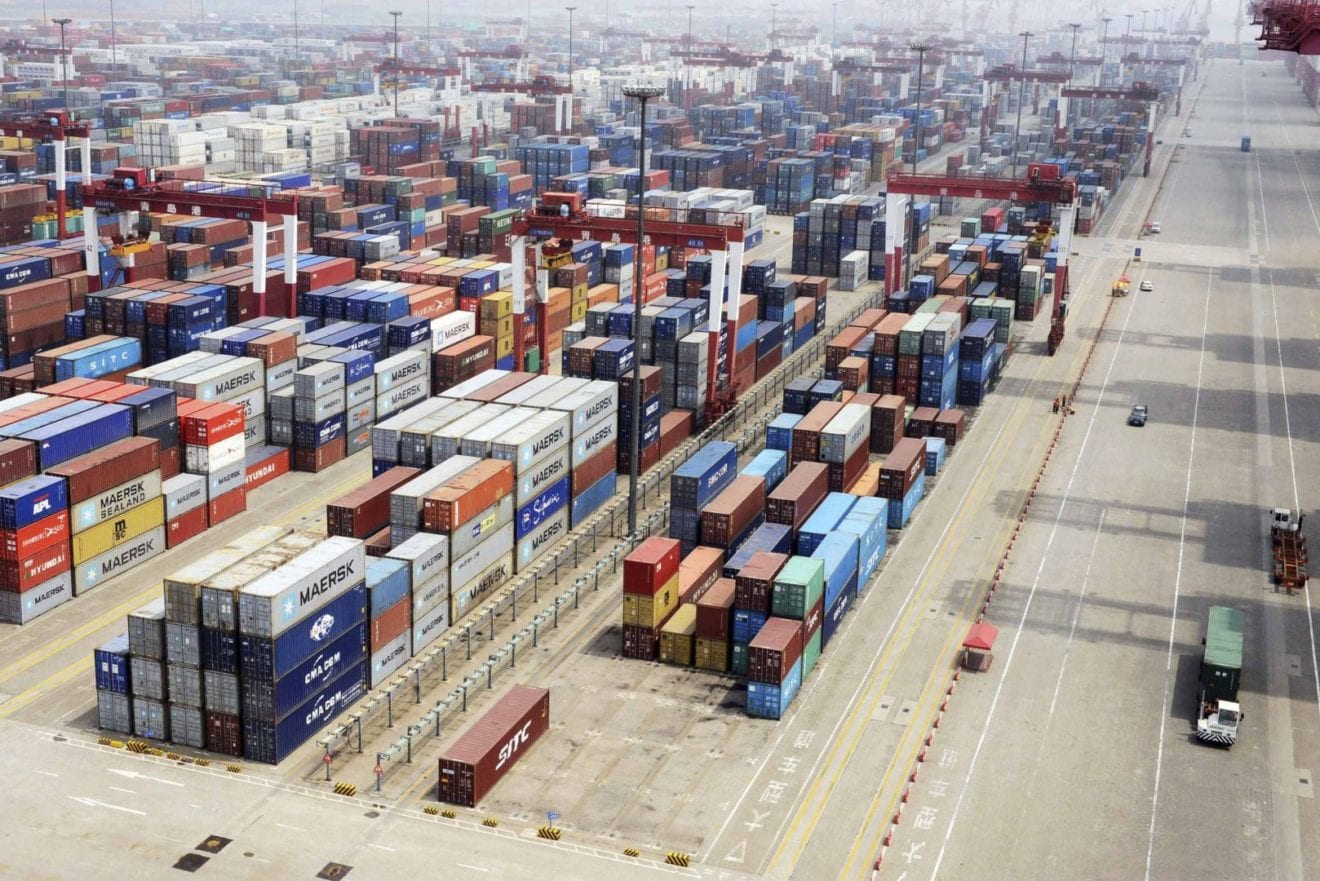
The value of imports in September, which amounted to US$11.30 billion, has dropped by 8.78 percent compared with the previous month, which was US$12.38 billion, the Central Bureau of Statistics (BPS) has said.
“Indonesias imports in September 2016 amount to US$11.30 billion, down 8.78 percent from August, or down 2.26 percent if compared to September 2015,” BPS chief Suhariyanto said at a press conference in Jakarta on Monday.
Suhariyanto said non-oil-gas imports in September were valued at US$9.55 billion, down 9.77 percent compared to the previous month. Compared to September 2015, these imports dropped by 0.95 percent.
Oil and gas imports in September stood at US$ US$1.74 billion, down 2.97 percent compared to the previous month, and down 8.88 percent compared to last September.
In September, cereal commodities such as wheat touched the highest value in import items at US$39.0 million, or 19.17 percent, while the steepest drop was in the machinery and mechanical equipment category, whose value was US$98.9 million or 5.17 percent.
The cumulative value of imports from January to September crossed US$98.69 billion, down 8.61 percent compared to the same period last year. The cumulative value of oil and gas imports was US$13.74 billion, down 29.19 percent; non-oil imports were valued at US$84.95 billion, down 4.10 percent.
The top three countries for non-oil imports in the January-September period were China with a value of US$21.99 billion, or 25.88 percent; Japan with US$9.48 billion, or 11.16 percent; and Thailand with US$6.64 billion or 7.81 percent. “Non-oil imports from ASEAN countries touched 21.82 percent, while from the European Union it was 9.17 percent,” Suhariyanto said.
The import values of auxiliary raw materials from January to September decreased by 9.8 percent and capital goods by 12.66 percent. However, imported consumer goods shot up by 12.80 percent.
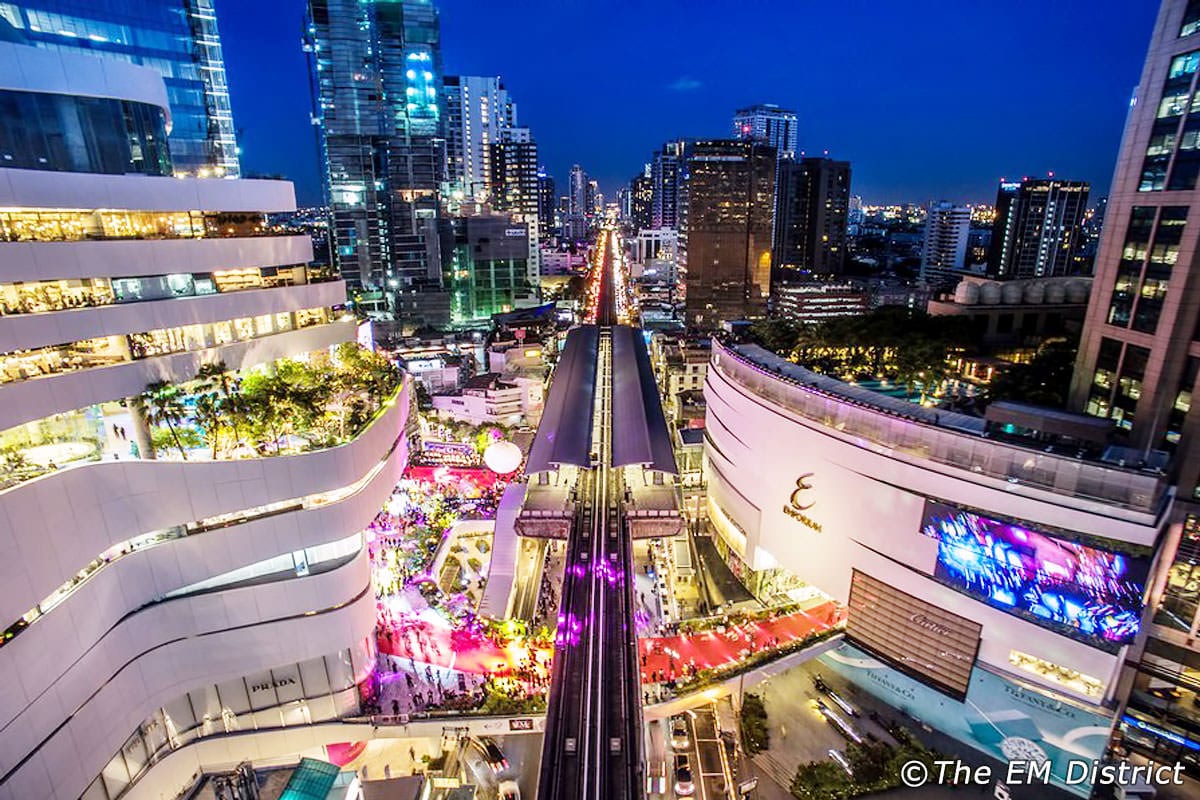
Asia is home to more than half the world’s most dynamic retail hubs, according to new research that reinforces images of the region’s mall-strewn megacities.
The research, by professional services and investment management company JLL, says 12 of the fastest-growing retail cities are in Asia, with eight in China alone — another indication that global economic growth is increasingly driven by the Asia-Pacific region.
JLL lists Dubai as the world’s fastest-growing retail destination, with Shanghai second and Beijing third. Places 9 to 13 are occupied by Bangkok, Chengdu, Kuala Lumpur, Jakarta and Manila, respectively. Only two European cities make the top 20 — Moscow and Istanbul — with none from Africa. Mexico City is the sole city from the western hemisphere, sitting at number 19.
Overall, JLL lists London as the “most attractive” city for retailers, with Hong Kong second and Paris third. Dubai, Singapore, Shanghai, Tokyo and Beijing all make the top 10, with Bangkok, Taipei, Seoul and Osaka in the top 20.
Shanghai at night. The Chinese megacity is projected to be one of the world’s retail hubs in the coming years (Photo: Simon Roughneen)
The study looks at the presence of 240 international retail brands in 140 cities — which altogether make up 36% of the world’s gross domestic product, 13% of the global population and a third of total worldwide consumer spending.
“The search for growth is escalating the penetration of international brands across the world’s most attractive retail cities, especially in Asia,” said David Zoba, chairman of JLL’s Global Retail Leasing Board.
Asia catching up
Many Western economies continue to suffer from slow growth — in stark contrast with Asia, where the International Monetary Fund predicts overall growth of more than 5% in 2016-17 and describes the region as “the engine of the global economy.”
Asia is urbanizing rapidly as economies develop and incomes rise, meaning that big global brands will increasingly look to Asia as a source of consumers. World Bank research shows that nearly 200 million people in the East Asia and Pacific region –excluding India and its heavily populated neighbors such as Pakistan — moved from the countryside to cities during the decade after 2000.
In 1800, only 3% of the world’s population lived in cities, a figure that rose to 13% by 1900. Now more than half the world’s population is urbanized, with projections that 70% or more of the world will live in urban areas by 2050. And while in the 19th and 20th centuries urbanization was mainly a Western and Japanese phenomenon, developing countries are catching up fast, particularly in Asia.
Despite the steady rural-urban shift, only 36% of East Asia’s population had moved to urban areas by 2010, with only Japan, Malaysia, South Korea and Taiwan having larger urban than rural populations.
While China had by far the largest absolute numbers of people moving to cities, smaller countries such as Cambodia, Laos and Vietnam showed higher rates of urbanization. Laos more than doubled its small urban population, while high-growth economies such Cambodia and Vietnam both had between 4% and 4.5% annual urban population growth rates. Retail investors are noticing opportunities even in smaller cities such as Phnom Penh, where Japanese mall operator Aeon opened the city’s first large shopping mall in 2014.
Asia’s cities will continue to grow over the coming decades as the region becomes wealthier. McKinsey Global Institute expects that in the next 15 years, “the center of gravity of the urban world will move south and, even more decisively, east.” According to MGI, half of global GDP in 2007 came from 380 developed world cities, with the 22 biggest cities in developing countries contributing a mere 10%.
However, MGI predicted that by 2025 half of the cities in its 2007 rankings will not make the list, with 136 developing world cities entering its ranking of the 600 biggest urban economies — including 100 from China alone.
“By 2025, developing-region cities of the City 600 will be home to an estimated 235 million middle-class households earning more than $20,000 a year at purchasing power parity (PPP),” MGI reported. The figure is larger than the 210 million such households expected in the cities of developed regions.
Thinktank Oxford Economics said that cities such as Chengdu, Hangzhou and Wuhan “will become as prominent in 2030, in economic terms, as cities like Dallas and Seoul are today.”
Shift east
The thinktank predicted that by 2030 eight European cities will drop out of the global top 50 cities ranking, measured by GDP, while nine Chinese cities will join that group, taking the Chinese total to 17, which will be more than North America and four times more than Europe.
In turn, the thinktank said, this will mean more Asian consumers with money to spend. “Starting from a comparatively low base today, China will boast some 45 million high-income urban households (exceeding $70,000 per annum at 2012 prices and exchange rates) by 2030, putting it well ahead of Europe and hot on the heels of North America. Shanghai will jump from a rank of 69th today to 8th for its number of high-income households in 2030,” Oxford Economics said.
Otherwise, however, the seven megacities with the most high income residents will remain the same as today, with Tokyo leading New York, London, Osaka, Los Angeles, Paris and Chicago.
But Asian cities are set to add tens of millions of middle-income households (incomes between $10,000 and $70,000) to their ranks by 2030. Jakarta will be home to 9.4 million, with 7 million to 9 million more in each of Chongqing, Shanghai, Tokyo and Beijing, the projected top five cities ranked by population of middle-income households, according to the thinktank.
JLL said that for retailers, vying for market share in emerging economies is sometimes risky, but the potential prize — market access to vast populations and rapidly expanding middle classes — outweighs any perils.
For example, China’s anti-corruption crackdown has had “a knock-on effect” on the luxury goods market in the world’s second-biggest economy, said James Hawkey, JLL’s head of retail for China. But retailers are nonetheless “increasingly comfortable dealing with these risks, and generally have their eyes on the long-term prize of establishing a strong position in major world markets.”
Although incomes and spending power remain lower in many Asian countries and cities than in the West, part of the attraction of smaller, less-developed markets is relatively low rental costs.
“Places like Ho Chi Minh City, Jakarta and Bangalore present an opportunity for retailers to establish their brands at rents of less than $2,000 per square meter per year with projected in-store sales increasing by 8% to 10% until 2019,” JLL reported.
Wealthy mid-sized cities or trade-oriented city-states such as Singapore and Hong Kong also benefit from high numbers of visitors such as tourists or business travelers.
But Asia’s urbanization will not mean that rural dwellers will be ignored by retailers, particularly in China.
“Retail potential in Asian hubs is strongly influenced by what is happening in their hinterlands — what is happening in nearby provinces and/or countries,” Steven McCord, JLL’s head of research for northern China, told the Nikkei Asian Review.
“Shanghai exerts a ‘gravity effect’ over its surrounding cities and provinces due to its size and the wealth of its retail offer. Therefore, close to 80 million people within day-trip distance to Shanghai will regularly travel to that city for large shopping sprees,” McCord added.
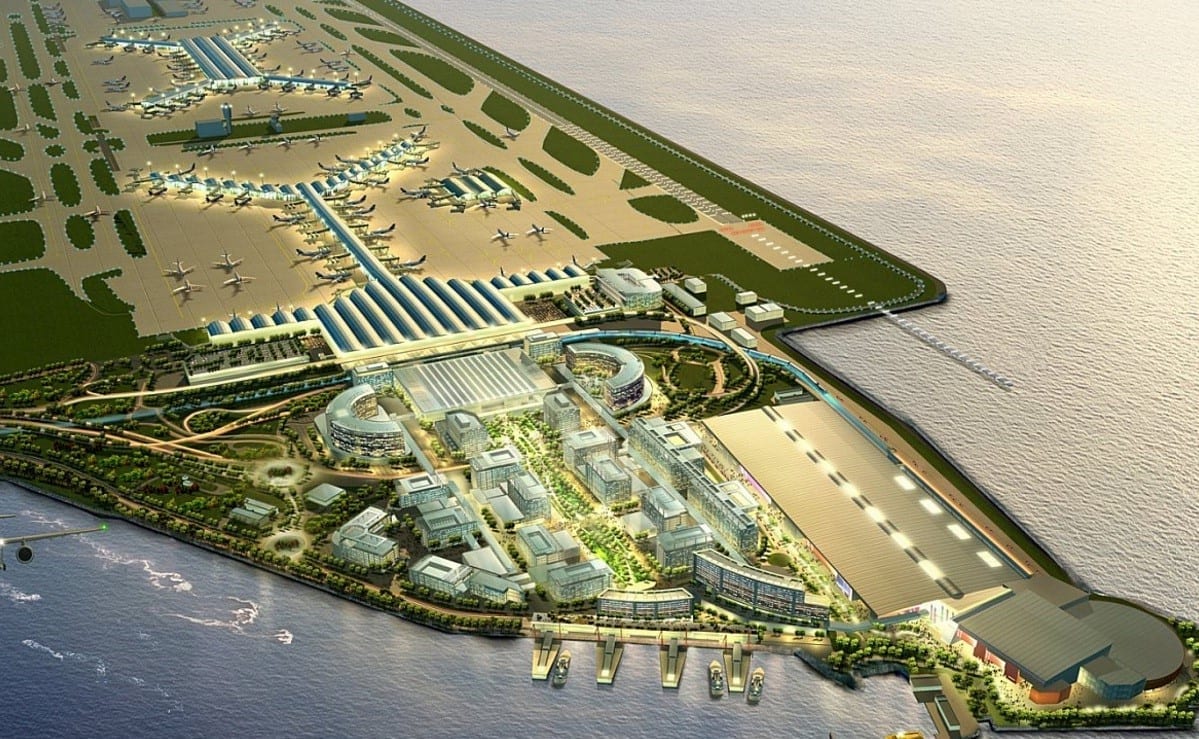
SkyCity will feature retail complexes, entertainment facilities, dining space, hotels, and office towers in approximately 25 hectares of land at the north of the airport island.
The SkyCity plan was unveiled at “The Future of Shopping Malls” Business Conference and Exhibition hosted today by the AA. More than 300 senior executives from the property development and investment sectors of Hong Kong and major overseas markets, as well as representatives from the HKSAR government, business associations and professional bodies, attended the event.
Mr Jack So Chak-kwong, chairman of the AA said: “Our vision is to create a new destination that goes far beyond the traditional notion of a shopping mall. Located right next to the airport, SKYCITY aims to capture broad opportunities in tourism and business, while also providing a dynamic lifestyle and family entertainment hub for Hong Kong residents and visitors alike.”
HKIA’s passenger traffic is projected to rise to more than 100 million by 2030 with the completion of the three-runway system. SkyCity will make use of the Tuen Mun-Chek Lap Kok Link and the Hong Kong-Zhuhai-Macao Bridge, strategic road links.
Phase 1 of the project will comprise a retail, dining and entertainment (RDE) destination of 195,000 sq. metres, scheduled to open in 2021, and a hotel providing 450 to 750 rooms, expected to be completed in 2020. Invitations for tender submissions for the hotel and RDE developments will be issued in November 2016 and early 2017 respectively.
JLL released a brief report on Asian and European retailers ready to penetrate the market of more than 90 million people.The report pointed out evidence of the expansion of foreign retailers in Vietnam’s market.
At the end of 2014, Berli Jucker Plc (BJC) acquired Metro Cash & Carry Vietnam at the cost of 655 million euros, the largest ever M&A deal at that time, which signaled the penetration into Vietnam’s retail market of Thai groups.
Shortly after, another giant from Thailand – the Central Group – acquired Nguyen Kim – one of the leading electronics retailers in Vietnam and then Big C.
In October 2015, Emart – Korean leading retailer – inaugurated a $60 million shopping mall in north Saigon, where another Korean retailer – Lotte Mart – has been successful with 11 supermarkets and expects to increase the number to 60 stores by 2020.
Most Japanese investors see the success of Aeon in Vietnam as a positive sign for foreign projects. Aeon has opened four trade centers in Vietnam and aims to increase the number to 20 in 2020. By July 2016, another retail giant from Japan – Takashimaya – opened at Saigon Centre.
Simply Mart openedthree more stores in Saigon; AuchanSuper – the retail brand from France – also plans to launch another 17 supermarkets by the end of next year in HCM City and 20 stores by 2020 in the north.
Major fashion brands like Gap, Mango, and Topshop have become the first choice of many young people in Vietnam. In early September this year, Zara opened its first flagship store in HCM City. At the same time, H&M is completing procedures to open its first store in Vietnam early next year.
According to JLL, a young demographic and high growth potential are the factors attracting foreign investors to Vietnam’s retail market.
With a population of over 90 million people and 70% of people aged from 15 to 64 and the anticipated annual growth rate of urban population of 2.6% in 2015 – 2020 period, the highest growth rate in Southeast Asia, Vietnam’s retail market is very attractive to foreign investors.
Increasing disposable income, urbanization rate and living standards have made Vietnam one of the most most dynamic emerging economies in Southeast Asia.
According to Boston Consulting Group, the upper and middle class in Vietnam are growing at the fastest pace in the region and this number is expected to double from 12 million in 2014 to 33 million in 2020. With income of VND15 million ($700)/month, the consumers of these classes are potential customers for retailers.
In addition, Vietnam’s e-commerce boom has also contributed to the growth of the retail market.
A Nielsen report said that that 9 out of 10 consumers in Vietnam (91%) owned smartphones, compared to 82% in 2014.
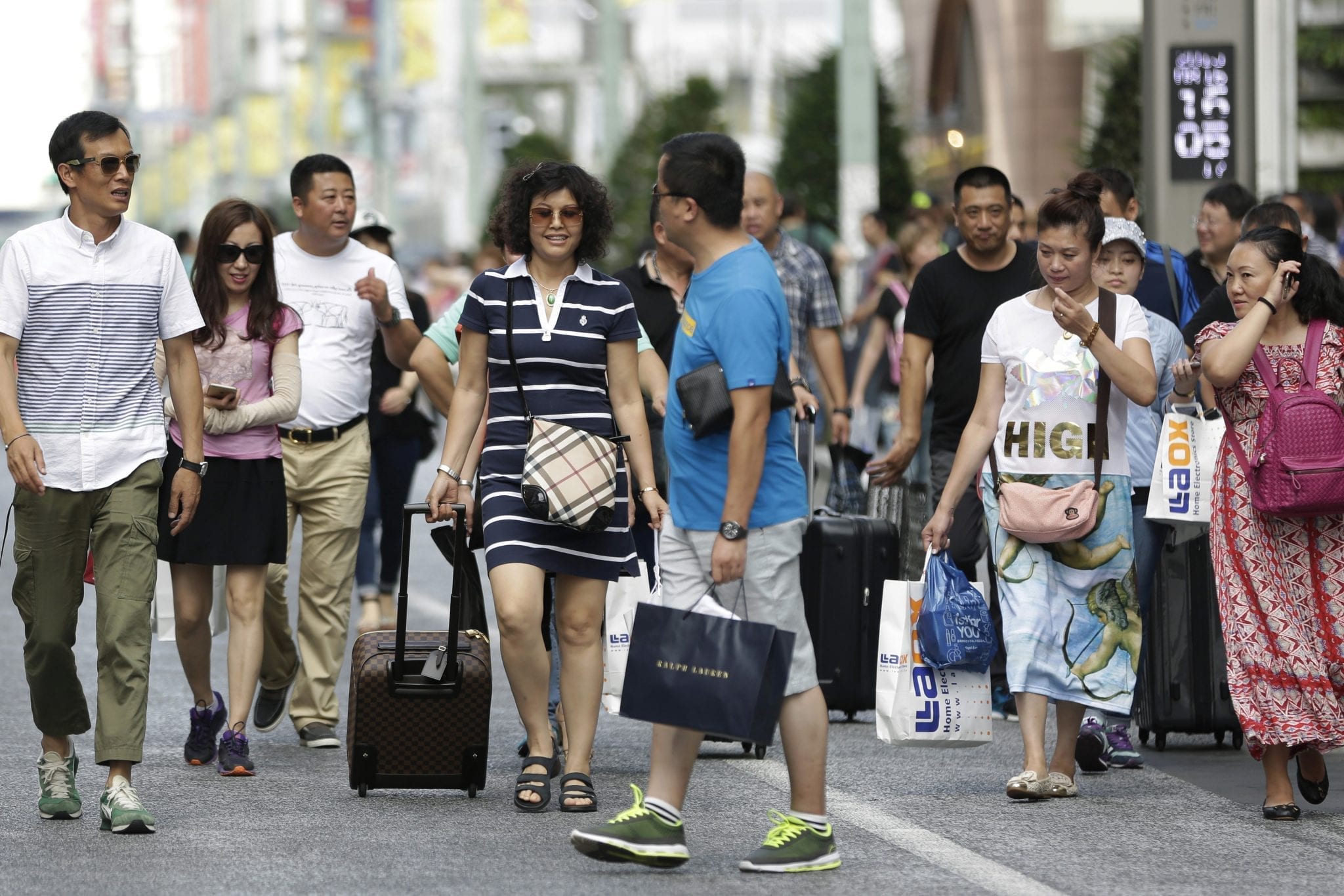
By the end of this year, China’s digital travel sales will amount to more than $95 billion, according to eMarketer. That’senough to rival the revenue of Fortune 500 giant Microsoft. By 2020 this figure will have doubled to around $200 billion.
Retailers and tourism operations globally have been rolling out the red carpet for Chinese shoppers over the past few years. The Australian government introduced a “China 2020” plan in the hopes of bringing $7 billion revenue from Chinese tourist spending.
In Southeast Asia, the top source of tourism receipts in Singapore and Thailand come from China, as the region remains a top destination due to the historically low prices and geographical proximity.
With this expected growth, the days of broad-based marketing are over. Competition for the savvy Chinese shopper is more fierce than ever — without personalized and insightful advertising, the shopper would be overwhelmed with companies vying for their attention. Brands that can deliver the best mobile user experience at the heart of their campaign strategy will be the most trusted among these consumers.
Mobile-first means user-first Mobile is the most effective channel to reach Chinese shoppers abroad. The IAB reports that 47 percent of Chinese shoppers made purchases with a mobile wallet this year.
That’s the highest in the world, second only to Norway (42 percent) and the UK (24 percent). The same report reveals APAC has the highest usage of mobile wallet for purchasing products and services of any region in the world.
To better understand the Chinese consumer, advertisers can analyze their daily habits on their mobile devices. An audience cluster employing real-time and historical data can pinpoint the most receptive users and find the best time to engage them.
There are many platforms that are more popular in China than other regions—such as WeChat and Weibo — and analyzing this historical data can help isolate the behavior on these devices. Combining real-time data such as device language, network carrier, and operating systems will give a more holistic view of the shopper.
For example, to profile a Chinese luxury consumer traveling in Singapore, advertisers can identify and group together key indicators, such as the latest iPhone 7 model, connecting through a Chinese mobile carrier and using traditional Chinese language settings.
Add the potential to pair that with historical location behavioral data identifying them as frequently visiting Singapore, and you can start to build out powerful audience segments. Audience segmentation is becoming increasingly sophisticated and can help advertisers push their branded messages even before the intended customer has departed from China.
Personalized mobile marketing also allows brands to deliver tailored and timely messages to serve the consumer on their shopping journey. Let’s say, for example, an ideal time to send out an advertisement is in the morning before a shopper heads out of their hotel.
A helpful campaign indicating the nearest store location and opening hours, combined with a daily coupon, has a higher chance of converting than a non-targeted advertisement.
With the wealth of mobile data available, advertisers can go one step further and deliver creative campaigns based on device operating system. Most of the time, iPhone ads will lead to a landing page in Safari, and an Android system will take the user into Google Chrome. The ability to tailor each creative format for different user devices can help retailers win over the highly-desired Chinese tourist dollar.
Brands that want to wow Chinese tourists need to have full visibility of their intended consumers and engage with precise timing to truly encourage purchasing decisions. Given the availability of today’s data, brands that fail to customize their creative message and user experience will only stand to lose out.
Macau’s move to reposition itself from gaming hub to shopping and entertainment destination appears to be paying off already.
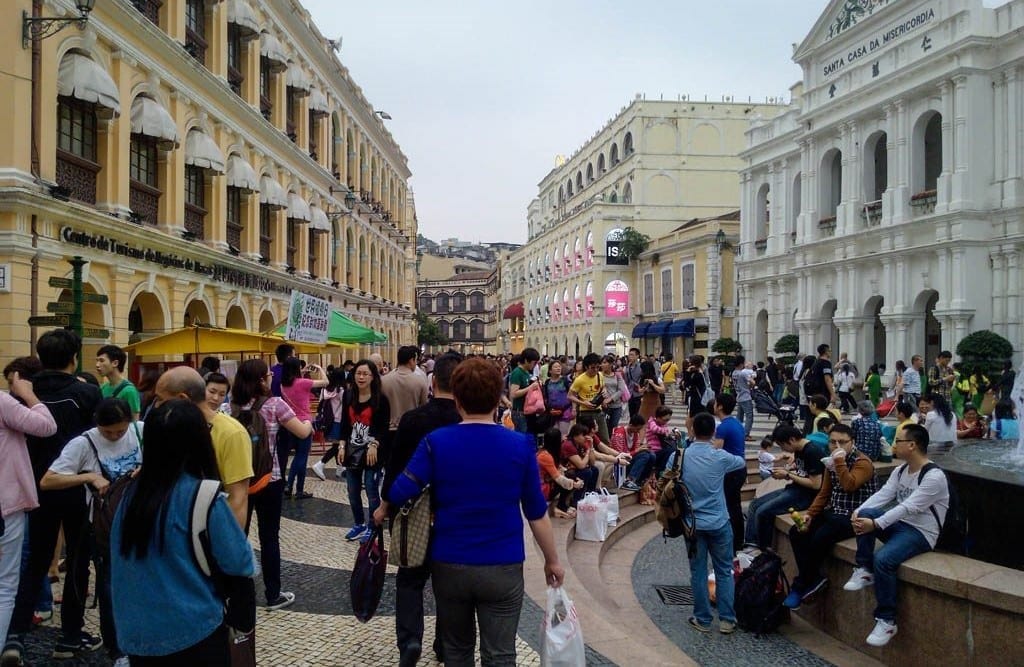
Tourist numbers rose in Macau over Golden Week as an expanding shopping offer and shows drew 8.45 per cent more visitors than the same period last year.
During Golden Week – from October 1 to October 10 – 1.61 million people visited Macau according to data from the Public Security Police Force.
Total border crossings at the city’s seven immigration checkpoints reached 4.7 million for the 10 days: 2,355,720 arrivals and 2,359,090 departures.
Of the seven border checkpoints, the Border Gate recorded the highest number of arrivals and departures, at 1.15 million and 1.28 million, respectively. The second popular border was the Outer Harbour Terminal on the Peninsula, with 157,211 arrivals and 150,749 departures recorded.
The busiest day of Golden Week was the third day with 520,386 border crossings registered.
Merpati (MZ, Jakarta Soekarno-Hatta) is planning to resume commercial operations during the course of 2017 the Deputy for Restructuring and Business Development in the Indonesian Ministry of State Owned Enterprises, Aloysius K. Ro, has announced.
Merpati ceased operations in February 2014 after it failed to service nearly IDR7 trillion worth of debt owed to other parastatals including airport operators Angkasa Pura I and Angkasa Pura II and energy company Pertamina among others. It specialized in serving the more remote areas of the Indonesian archipelago using B737 Classics, MA-60s, and DHC-6 Twin Otters.
Speaking to the Tempo news agency, Ro said the relaunch would coincide with the completion of the defunct carrier’s restructuring programme. Thus far, majority shareholder, government, has injected IDR500 billion rupiah (USD38.3 million) into Merpati to cover its debt portfolio while laying off 1,500 staff.
“We hope it can resume operations in 2017 if in the remaining one year it receives a privatization permit from the Finance Minister and investors are ready to invest in it,” he said. “But it is not easy to find investors to invest in air transport business under normal condition, let alone in a difficult one as experienced by Merpati.”
Initial operations will likely focus on Papua, Indonesia’s largest and easternmost province, using a fleet of twenty-seater turboprops.