Category: General

Retail News Asia is committed to providing both local and global retailers with the latest General Retail news throughout the Asian market. This on a daily base.

  • Program to open new rice fields in East Nusa Tenggara to continue in 2017

    Program to open new rice fields in East Nusa Tenggara to continue in 2017

    Head of the East Nusa Tenggara provincial Agriculture and Plantation Service Yohanes Tay Ruba said the province would continue the program of opening of new rice fields in 2017.

    “Currently we are conducting rationalization and preparation of the program for the opening of new rice fields to be implemented in 2017,” Yohanes said here on Saturday.

    He said implementation of the program this year could not be carried out as expected over delay in the disbursement of General Allocation Fund (DAU) from the central government.

    Until now 1,960 hectares of new rice field had been opened or falling short of the target of 2,709 hectares for this year, he said.

    Around 224.22 hectares of the new rice fields have been ready for cultivation, he added.

    “We hope the rest could be carried out with work starting early next year, that farmers could increase their rice production,” he said.

    Yohanes delay in the implementation of the program was recorded in a number of areas including in the regencies of Kupang, Sumba Timur, and Flores such as regencies of Ende and Manggarai Barat.

    The regency of Ende was to have Rp11,538,089,786 in the delayed DAU each month from September to December.

    Kupangs delayed share of the DAU in the same periods was Rp25,466,413,828; and the regency of Sumba Timur was to have Rp11,532,251,253 and the regency of Manggarai Barat was to receive a disbursement of Rp18,071,885,782 each month during the four months period.

    Yohanes said the opening of new rices fields in NTT so far had been carried out through cooperation with the military with solders sent to the fields together with the government elucidation team to encourage the farmers in expanding their rice fields.

    “We appreciate the assistance offered by the military for the farmers to increase their productivity,” he said.

    He said he hoped such cooperation would continue that when the budget fund had been available the program to open more new rice fields could be implemented as expected.

    Earlier this week President Joko Widodo said the country would not import rice in the rest of this year.

    Agriculture Minister Andi Amran Sulaiman has said there would be no scarcity in rice supply in Indonesia as the country is predicted to have a surplus of 400,000 tons in production this year.

    The minister said based on a survey by the Central Bureau of Statistics (BPS) the countrys rice production rose significantly this year.

    The survey said planting areas in July-September, 2016 reached 1 million hectares up significantly from an average of 500,000 hectares in earlier years.

    Based on an assumption that a hectare would turn out 6 tons of unhulled rice, the countrys production of unhulled rice would total 6 million tons or equivalent to 3 million tons of milled rice as against a monthly consumption of 2.6 million tons.

    Therefore, the countrys rice stock is sufficient despite the extreme weather such as foods that damaged rice crops in the country this year.

    “In addition, irrigation systems have been repaired in various areas in Indonesia in cooperation with the Public Works Ministry,” Andi said.

  • AirAsia Flight Airplane Gets Stuck In Mud After Skidding Off Runway At Malaysian Airport

    AirAsia Flight Airplane Gets Stuck In Mud After Skidding Off Runway At Malaysian Airport

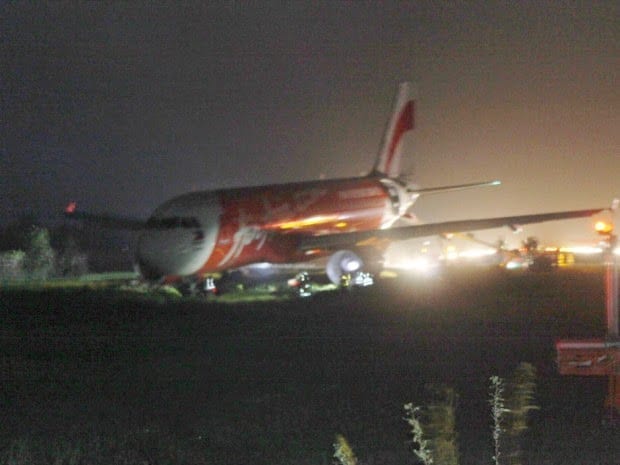
    Hundreds of passengers were left stranded at a Malaysian Airport after a plane skidded off the runway during take-off. AirAsia Flight AK6443 was preparing for take-off from Sultan Ismail Petra airport.

    The AirAsia aircraft was preparing for take-off on Tuesday evening when two of its three landing gears slipped off the edge of the runway and became lodged in the grass and mud.

    Flight AK6443, which was scheduled to fly to Kuala Lumpur, and was making a U-turn, when the nose and left landing gears slid off the runway.

    Airport manager Ramzi Ahmad told that the aircraft, which was due to depart at 10.25pm, was towed away at 5.45am the next day.

    The accident temporarily put the runway at Sultan Ismail Petra airport out of use, which in turn impacted several other flights.

    Three flights that were scheduled to land at the Kota Bharu airport were forced to turn back, according to the report.

    Passengers were asked to disembarked the plane and go back to the airport to wait for their flight. Many passengers were still stranded at Sultan Ismail Petra Airport at 1.30am.

    “AirAsia confirms that flight AK6443 scheduled to depart from Kota Bharu to Kuala Lumpur yesterday night was involved in an incident while taxiing on the runway at Sultan Ismail Petra airport. All guests and crew on board the flight are safe and no injuries have been reported. All guests were attended to and all necessary assistance were provided. All AirAsia flights are operating normally from Sultan Ismail Petra airport today.”

    Flight AK6446 finally departed from the airport bound to its destination. It flew at 9:00 am the next day.

  • Alibaba-backed Lazada acquires online grocer RedMart

    Alibaba-backed Lazada acquires online grocer RedMart

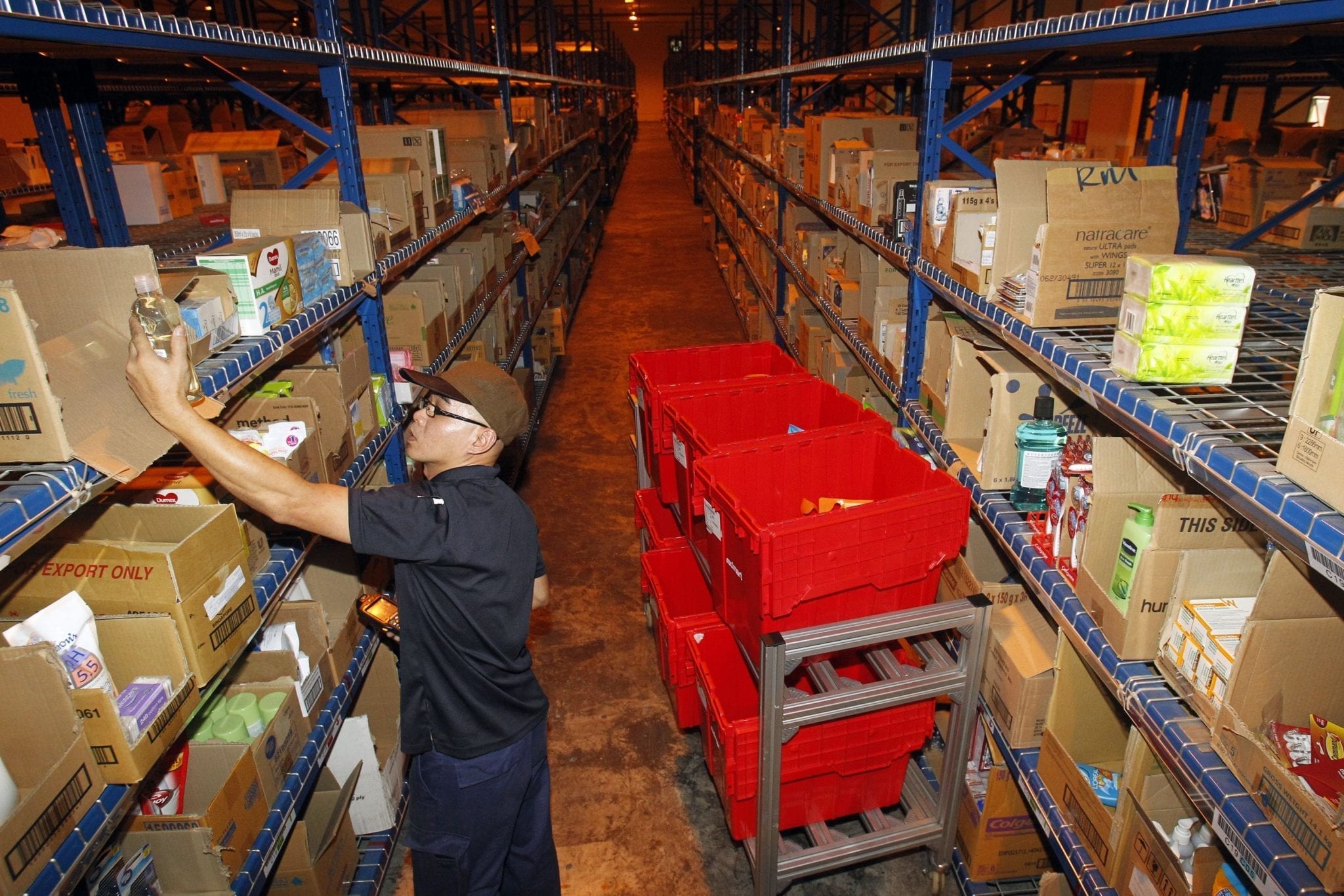
    On Wednesday, Singapore-based e-commerce company Lazada announced that it will acquire Redmart, an online grocery retailer.

    Singapore startup Lazada, whose platforms sell goods from smartphones to baby products throughout the region of 600 million people, said in a statement it would buy Redmart to benefit from its operational and technological capabilities. It did not reveal financial details involved in the deal.

    Lazada said it expects the transaction to be completed in the fourth quarter of this year, adding that RedMart will be led by its current management and will “continue to operate independently” after the transaction. RedMart now operates in Singapore but it has long harbored expansion ambitions.

    Lazada Group CEO Maximilian Bittner said that RedMart’s strong management team and relentless focus on putting the customer first has resulted in customers loving them in Singapore. The capital flexibility provided through this deal will go towards innovating to delight our customers.

    The acquisition come months after Japanese e-commerce operator, Rakuten, shuttered its online stores in Singapore, Indonesia, and Malaysia.

    Amazon has plans to expand to South-east Asia, and there are signs the online retail giant is entering the region through Singapore, Techcrunch reported on Wednesday (Nov 2).

    More specifically, China, which can leverage its manufacturing hub and market size. The company said that this alignment will help it expand into new product categories faster.

    Amazon has also been preparing for the local launch by quietly acquiring new assets such as refrigerated trucks, and hiring new staff.

    According to reports, Amazon plans to roll-out selected services in Singapore within the first quarter of 2017. Chinese e-commerce leader Alibaba bought a controlling stake in Lazada in April this year in a US$1 billion deal.

    However, the research firm noted that while the region presented significant growth opportunities, market players would be challenged by low credit card ownership, which now stood at lower than 7 percent in all Southeast Asian markets except Singapore and Malaysia.

  • Shoppers in Hyderabad welcome fourth SPAR Hypermarket

    Shoppers in Hyderabad welcome fourth SPAR Hypermarket

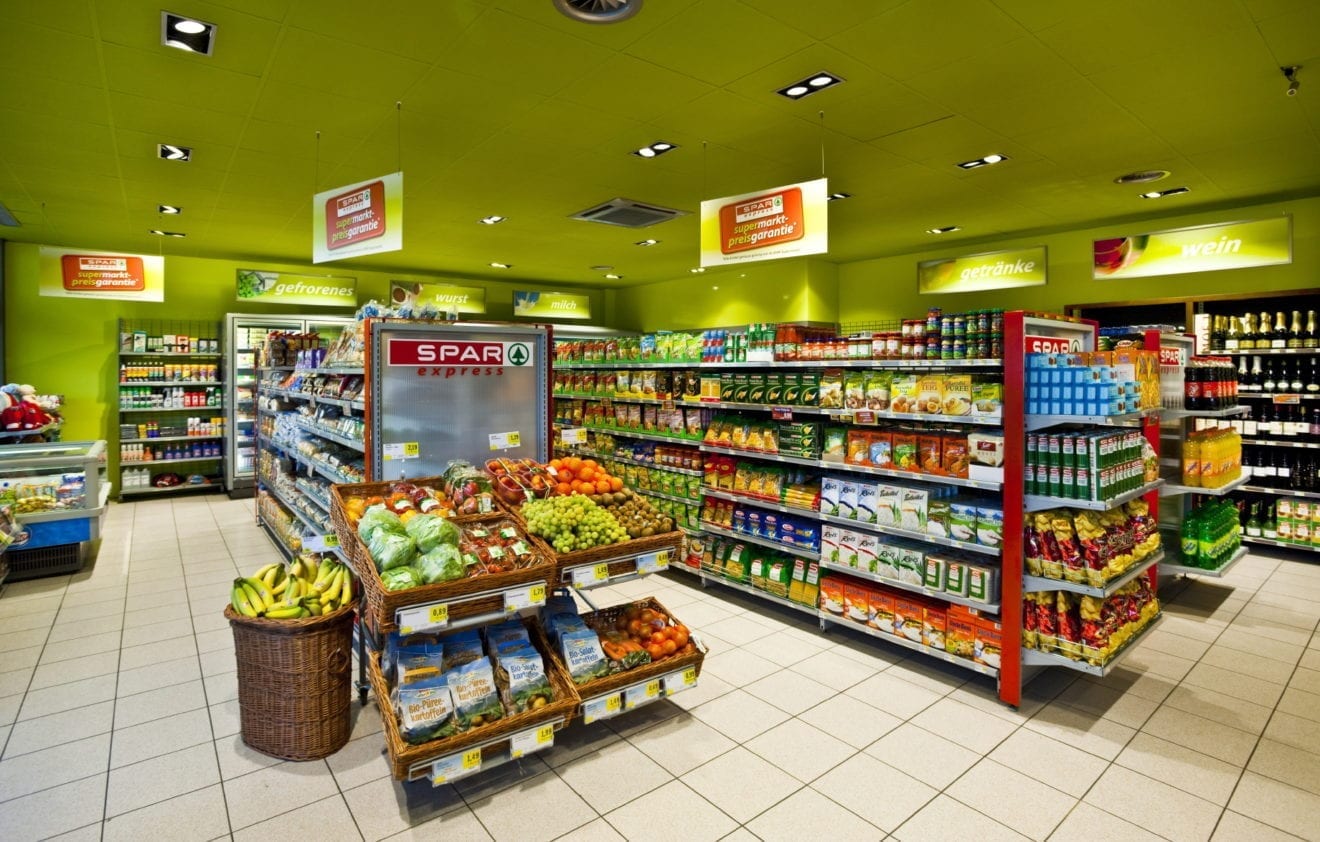
    Building on the SPAR Brand awareness amongst shoppers in Hyderabad, the newest hypermarket situated in Paradise Mall, Nacharam has been enthusiastically welcomed by customers. This is the 18th SPAR Hypermarket to open in the country, spread over seven states and nine cities, and the fourth in Hyderabad.

    The newly built hypermarket is a total of 6,000sqm and comprises one of the retail offerings in the Mall which is also managed by Max Hypermarkets, holder of the SPAR licence in India. In the retail selling area of 5,400sqm, customers can enjoy a diverse range of fresh foods from the fish, bakery, delicatessen and Food-to-Go service departments or browse the extensive non-food offer. The wide choice and high standard of products available throughout the hypermarket has seen customers react positively with particular attention on the Home & Living department.

    Many of the local customers are traditional families comprising a full target group of babies through to grandparents, requiring a broad range of products. In the build up to the opening on 18 October, SPAR India spread the word through extensive advertising. Customers took advantage of the opening specials with over 1,000 transactions taking place between 4:30 and 10:00 pm on the first day of trading. 

    Further advertising about the selection of fresh fish, meat and produce has begun together with greater awareness of the full hypermarket offer. Customers have commented favourably on the open layout, wide aisles and the merchandise available.

     SPAR India continues to focus on the range instore, building up their own brand products, which currently account for approximately 10% of retail turnover. SPAR India’s Managing Director, Rajeev Krishnan, stated at the opening ceremony that the group intends to expand its footprint by 30% in the next 12-18 months.

     SPAR India already offers an online shopping platform available for customers in Bengaluru. The platform offers same day delivery, payment by credit card, cash or food coupons and orders above Rs1,000 are free of charge. The online platform may be extended to other cities in the future. Furthermore, SPAR India continues to invest in the profitability and efficiency of its hypermarkets through the incorporation of new technologies such as the queue-buster solution to enhance the customer experience.

  • 2017 APAC Effie Awards Call for Entries Announced

    2017 APAC Effie Awards Call for Entries Announced

    The Asia Pacific Effie Awards has announced the Call for Entries for the 2017 season. Recognized by agencies and marketers to be the most prestigious effectiveness awards in the region, APAC Effie, now in its fourth edition, continues to honour marketing communication campaigns that have achieved outstanding measurable results.

    The 2017 competition offers 42 categories, spotting several changes to stay relevant to the evolving marketing landscape in Asia Pacific. 3 new Specialty Categories are introduced – Branded Content, Programmatic, and Seasonal Marketing.

    In addition, the Positive Change Effie Awards, a multinational programme run in collaboration with the World Economic Forum, is now offered as part of the APAC Effie program under Environmental – Brands and Environmental – Non-Profit. In alignment with global practices, we have rebranded Goodworks – Brands as Social- Brands, and Goodworks – Non Profit as Social – Non-Profit under the Positive Change categories this year. Full list of categories and category definitions are available in the Entry Kit.

    “As one of the most coveted accolade in this region, the APAC Effie has become the “must-enter” award in the region’s competition calendar. This is where we can demonstrate our capabilities to deliver innovation, creative solutions and results for brands,” said Anthony Wong, the 2017 Awards Chairman. He added, “I am excited to see the cases and look forward to be inspired by outstanding work that represents the best of the region – and the world.”

    The 2017 Awards is now accepting entries through to December 2016 for all marketing communication efforts that have ran in Asia Pacific during the qualifying period. Winners will be announced at the Awards Gala in Singapore in April 2017.

    Visit www.apaceffie.com for more information on the competition.

  • Sales drop for Matahari Putra Prima

    Sales drop for Matahari Putra Prima

    Supermarket group Matahari Putra Prima (MPPA) of Indonesia recorded a net profit of RP32.6 billion (US$2.5 million) despite a drop in net sales to RP10.4 trillion for the nine months ended September 30.

    As expected, says the group in announcing its interim results, a change in date of the Lebaran national holiday from the third to the second quarter as well as economic conditions in Kalimantan and Sumatra had a negative impact.

    The gross margin was 16.3 per cent and operating expenses 15.4 per cent, while same-store sales growth for the period and for the third quarter fell by 2.9 and 8.9 per cent respectively.  Without store closures for renovation, MPPA says the figures would have been 1.3 per cent up and 2.9 per cent down.

    In the third quarter, MPPA changed its accounting methods, which is says will enable it to implement a more aggressive pricing strategy, better analyse profitability and increase control over margin and inventory productivity.

    “Although the third quarter was difficult, sales started to show improvement late in the quarter,” says CEO Noel Trinder. “Actions taken earlier in the year have produced a significant reduction in merchandise inventories to a sustainable level to support future growth”

    He says 15 stores were opened during the nine months.

    “Following an adjustment of quarter-four sales to reflect current conditions, MPPA is forecasting an EBITDA of RP250 billion, bringing the year’s guidance to RP585 billion.”

    As of September 30, MPPA had 294 stores in 68 cities across Indonesia (112 Hypermarts, 25 Foodmarts, 106 Bostons, 49 FMXs and two SmartClubs).

  • Indonesia provides free domain names for SMEs

    Indonesia provides free domain names for SMEs

    The Communications and Information Ministry is trying to propel small and medium enterprises (SMEs) into regional and global markets, by providing free domain names to help them take advantage of the country’s growing e-commerce sector.

    The government will provide the free domain names to about 8 million SMEs in all parts of the country until 2020, Communications and Information Minister Rudiantara said on Wednesday.

    In the first stage, the ministry would provide free domain names to 1 million SME customers of stateowned Bank Rakyat Indonesia (BRI) by 2018, he said. The ministry, in partnership with BRI, has also developed a digital platform for SMEs.

    “We want to speed up the [1 million free domain name] program and BRI has a lot of SME customers,” Rudiantara said on the sidelines of the signing of the memorandum of understanding (MoU) in Jakarta, adding that that it might collaborate with other companies if necessary.

    Under the current cooperation with BRI, the SMEs will be given a free domain name for a year. At present, a commercial domain name in Indonesia costs between US$10 and $20 a year.

    BRI president director Asmawi Syam said the free domain would directly involve SMEs in the e-commerce business and expand their market, while the digital platform would help transform the SMEs which are the backbone of the Indonesian economy.

    Currently, BRI has 9.5 million SME debtors in total. The program, launched in August, has managed to facilitate free domain names for 5,000 of them. As of September, BRI’s outstanding loans to SMEs stood at Rp 397 trillion ($30.4 billion).

    According to data from the Central Statistics Agency (BPS), there are more than 54.5 million SMEs in Indonesia. Accounting for around 60 percent of the country’s gross domestic product (GDP), they provide jobs for almost 99 percent of Indonesian workers.

    BRI consumer banking director Sis Apik Wijayanto explained that not all of the lender’s clients in the SME segment would participate in the program, as it was only aimed at companies with good business prospects.

    The domain names, he further said, would allow them to sell their products nationwide and even abroad.

    “If they are growing, it will be also good for BRI. When they have wider market, their turnover will increase and they will need bigger financings or loans from BRI to expand their business,” Sis said.

    The ministry’s target of 1 million domain names, he added, could be easily achieved due to the large number of BRI’s SME customers.

    The lender has been disseminating information related to the program in its 12 regional offices in 10 provinces and aiming to do so in all 34 provinces in the country. It has also provided training for its clients in Yogyakarta, and in seven cities of West Java, on how to manage a website.

  • Garuda Indonesia Posts Strong Net Income Growth in Q3

    Garuda Indonesia Posts Strong Net Income Growth in Q3

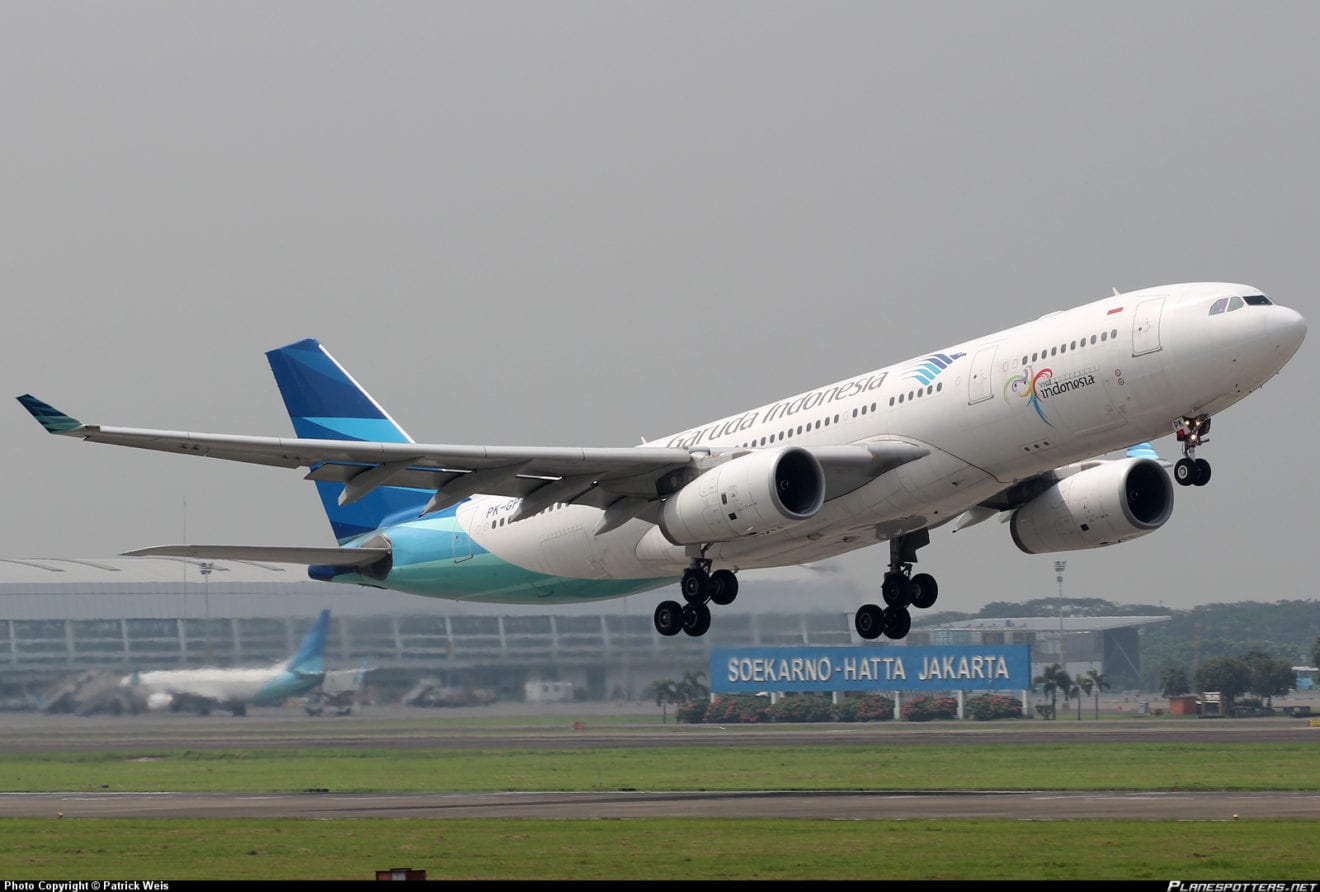
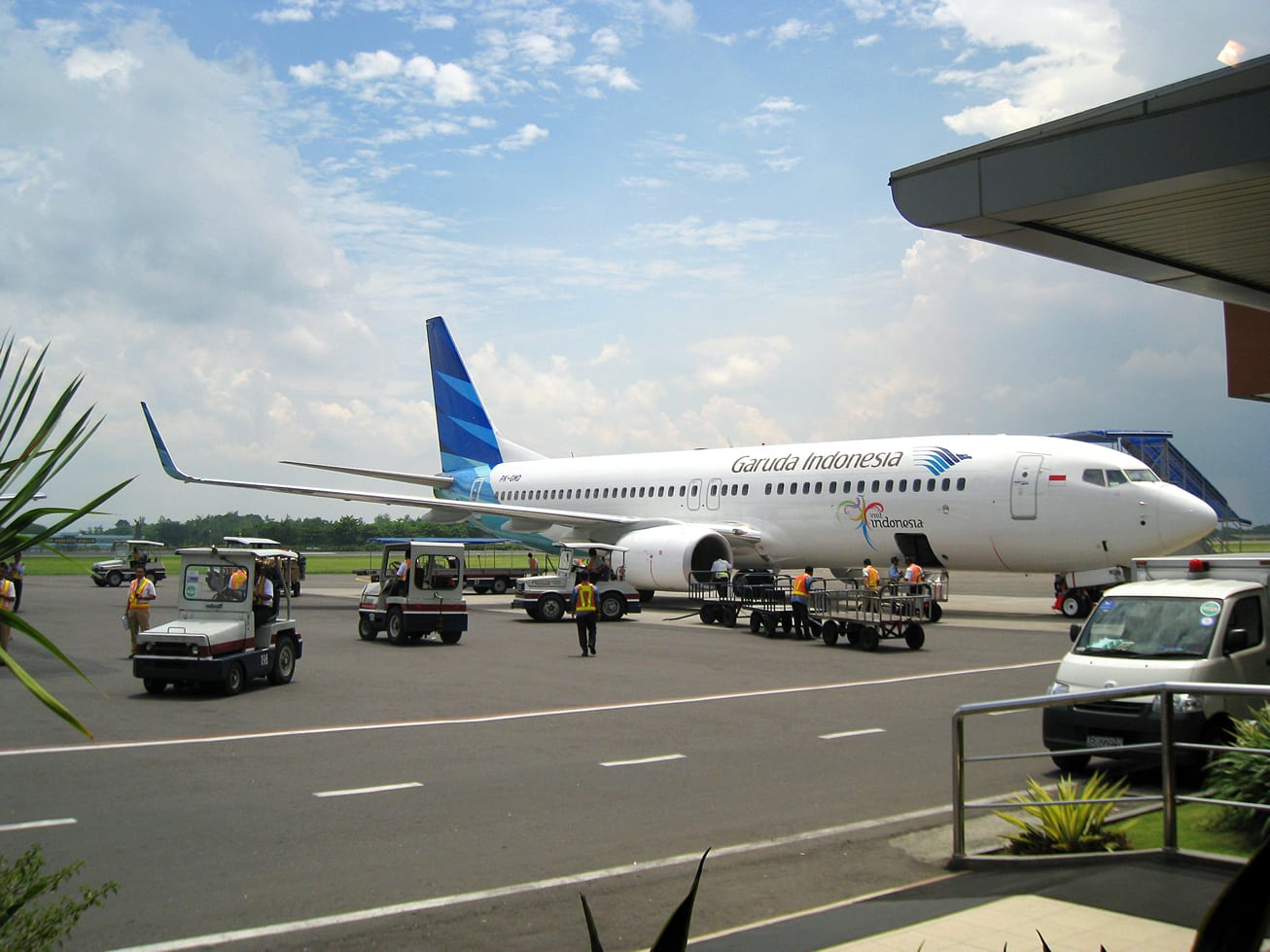
    Indonesia’s flag carrier, Garuda Indonesia, posted net income of US$19.6 million during the third quarter of this year as an outcome of the initial implementation of the ‘Sky Beyond’ strategy, with a focus on Return Maximization as well as the continuous proportional implementation of the financial efficiency policy.

    “This positive result was achieved through non-stop hard work in implementing the ‘Sky Beyond’ business expansion strategy, which played an essential role in promoting the company’s performance the quarter,” said M. Arif Wibowo, President & CEO of Garuda Indonesia, at the media conference after the regular analyst meeting, in Garuda Indonesia’s headquarters in Jakarta.

    He added that despite the highly competitive season in the aviation industry, including the global economic deceleration which affected the national economic situation, Garuda is quite optimistic of maintaining the positive growth of the company up to the end of this year.

    Arif explained that since the beginning of year 2015, Garuda Indonesia had been constantly implementing the proportional financial efficiency program. The predicted loss in the first semester of 2016 was projected to turn around in the next quarter by improving the whole performance during the peak season.

    The continuous financial efficiency program and the performance improvement in other aspects such as operational, services and commercial, are believed to have strengthened the company to achieve positive growth until 2020.

    Arif, accompanied by the entire Board of Directors of Garuda Indonesia and the president directors of the subsidiaries, also explained that the company had succeeded in increasing total revenue from US$2.845 billion in Q3 2015 to US$2.865 billion during the same period of 2016.

    Up to the third quarter of 2016, Garuda Indonesia Group (including Citilink) carried 26,043,138 passengers, which was an increase of 6.1 percent from the 24,551,594 passengers carried in the same period in 2015.
    From the total amount, Garuda Indonesia carried 17.81 million passengers (comprising 14.55 million domestic passengers and 3.26 million international passengers). Meanwhile, its subsidiary, Citilink Indonesia, transported 8.23 million passengers between January – September 2016, which was an increase of nearly 20 percent from the 6.86 million passengers carried over the same period in 2015.

    As a result of the cargo-focused strategy that commenced in early 2016 to strengthen the company’s cargo business in addition to passenger business, mainly by a new Director of Cargo who had only been serving for less than six months (a new tenure on the Board of Directors since April 2016), the amount of cargo transported in January – September period was 295,217 tons, or an increase of 14.7 percent from the same period in 2015 of 257,304 tons.

    Garuda Indonesia and Citilink’s flight frequency in the domestic and international sectors during the January – September period rose to 204,182 flights, with an increase of 9.7 percent from the same period in 2015 with 186,052 flights. In addition, Availability Seat Kilometer/ASK increased by 13.3 percent to 43.91 billion from 38.75 billion ASK in the same period of 2015.

    Despite the challenging situation in operational aspects such as the domestic flights operations at the new Terminal 3 Soekarno-Hatta in early August, and the force majeur by unpredictable weather, Garuda Indonesia also suceeded in increasing its on time performance / OTP to 90.1 percent in the January – September period, from 88.2 percent in same period last year. The seat load factor / SLF of the period was 73.4 percent, with an aircraft utilization amount of 09:12 hours.

    In line with the continuous network expansion plan, in the third quarter of 2016, Garuda Indonesia started to serve new destinations in east Indonesia, namely Nabire, which was served directly from Biak, Papua, and Maumere, which served directly from Denpasar, Bali. The opening of these new routes was a strategic step to improve the connectivity between cities in Indonesia, as well as to strengthen its network in the domestic market.

    Concerning the highly competitive situation in the aviation industry – mainly in the Asia Pacific region – which influenced both domestic and international networks, Garuda Indonesia’s market share for domestic reached 41.2 percent, and 26.7 percent for international market share.

    “We still have time to maximize the power and potency of our strategy, particularly in facing this coming end of year peak season period. We believe that we can reach the continuous positive growth in the coming years, including our strategic plan for international network expansion in the near future,” Arif added.

    Garuda Indonesia Group operates a total of 194 aircraft, consisting of ten (10) Boeing 777-300ER, twenty-five (25) Airbus A330-200/300, two (2) Boeing 747-400, seventy-six (76) Boeing 737-800NG, eighteen (18) Bombardier CRJ1000 NextGen, and fifteen (15) ATR72-600, with a 146 aircraft operated by Garuda Indonesia, and forty (40) Airbus A320 and eight (8) Boeing 737-300/500, or 48 aircraft operated by Citilink, with an average aircraft age of 4.6 years.

  • South Korea, Indonesia to cooperate to sell aircraft globally

    South Korea, Indonesia to cooperate to sell aircraft globally

    Korea Aerospace Industries, the country’s sole aircraft manufacturer, said Wednesday it had signed an initial agreement with an Indonesian company to sell its products in the global market.

    In the 2016 Indo Defence Expo and Forum set to run from Wednesday through Saturday in Jakarta, KAI and PT Dirgantara Indonesia (PTDI) agreed to carry out joint marketing to export aircraft in Southeast Asia, the Middle East and Africa, KAI said in a statement.

    “The two companies will expand their cooperation in passenger carriers, military aircraft and aerospace businesses,” KAI Chief Executive and President Ha Sung-yong said in the statement.

    Under the pact, KAI aims to export the KUH-1 Surion utility helicopters to Indonesia as its military is expected to gradually replace the aging fleet of 200 choppers. It will help the PTDI improve its aircraft maintenance capabilities, and the PTDI will help KAI win local projects in aircraft maintenance, repairs and operations, it said.

    The two aircraft companies also plan to jointly develop unmanned aerial vehicles (UAVs) and promote their aircraft in global markets through joint marketing, KAI said.

  • Indonesia amends controversial internet law

    Indonesia amends controversial internet law

    Indonesia’s House of Representatives has passed amendments to the controversial Electronic Information and Transactions Law to reduce penalties and set more clear definitions.

    The strict law lays out tough penalties including jail time for online defamation and “online intimidation,” and has provoked controversy on multiple occasions due to its use to stifle what is seen as legitimate speech.

    The new amendments set a definition of what constitutes defamation to prevent a loose interpretation of the law.

    Additionally the revisions reduce jail time for defamation to four from six years, and for online intimidation to four from 12.

    The amendments also introduce a “right to be forgotten” – giving courts the ability to request the deletion of certain online information.

    In terms of enforcement the revisions include new regulation governing how state authorities should investigate internet-related crimes, and synchronize procedures on confiscation, seizure, arrest and detention with Indonesia’s criminal law.

  • Latest results show Indonesian recovery still patchy

    Latest results show Indonesian recovery still patchy

    The earnings of Indonesian companies as of September has revealed a patchy recovery in local firms as they continue along a bumpy road with persistently weak demand. However, efficiency and currency gains are compensating for financial pressures.

    The mixed results of the January to September financial performance of publicly listed firms is reflected in the performance of the benchmark Jakarta Composite Index (JCI), which has hovered around the 5,400 level for the past two weeks during corporate earnings announcement season.

    “The 50:50 result, by which half of the listed companies announced higher-than-expected earnings while the other half were bad, brought the index nowhere,” Recapital Securities analyst Kiswoyo Adi Joe said on Tuesday.

    Indonesia’s economy is expected to recover this year and reach a 5 percent growth rate from a six-year low level of 4.79 percent last year.

    But sluggish global demand and a slump in commodity prices are hampering sectors such as trade, mining and agribusiness, while consumer goods, infrastructure and financial companies are showing resilience, according to the JanuarySeptember financial reports submitted to the Indonesia Stock Exchange (IDX).

    Diversified conglomerate Astra International, whose miningrelated business is being hit by low prices this year, saw net profits contract by 6 percent to Rp 11.28 trillion (US$865.3 million). Revenues were 4 percent lower in the January-September period year-on-year (yoy).

    “Astra’s performance is a reflection of our domestic economy. If it’s good, we can hope the economy will move faster,” Kiswoyo said. The second largest listed Indonesian company by market value has seven business lines from automotives and palm oil to finance and heavy equipment.

    Cigarette maker HM Sampoerna, Indonesia’s largest company by market value, saw net profits surge 20 percent to Rp 9.1 trillion on the back of huge financial revenues and a 7.3 percent rise in sales to Rp 70.3 trillion in the January to September period yoy.

    Another consumer goods giant Unilever saw its net sales and net profits grow by 9.5 percent and 14.3 percent yoy, respectively. The company’s efforts to lower operating costs included lowering advertising and promotions spending in the third quarter of this year from the previous quarter.

    Instant noodle maker Indofood CBP saw its sales increase by 10 percent while its net profit jumped by 19.1 percent.

    Overall, consumer goods stocks on the IDX rose by 0.57 percent during the earnings announcement season in October as the benchmark stock index flat-lined.

    In the telecommunications sector, a stronger rupiah has helped XL Axiata reverse its losses although its revenues dropped by around 5 percent.

    Financial revenues from interest on time deposits and plunging costs have also helped state-owned miner Aneka Tambang (Antam) prop up its earnings. The state-run miner reversed its losses amid sales that contracted by more than 28 percent and costs that dropped by almost 30 percent.

    In the financial sector, banks booked varying results. State-owned lenders mostly recorded positive performances across the board, but private companies recorded gloomier results as their credit growth was still floating around or even below the industry average.

    Going forward, banking remains the overweight sector for First Asia Capital analyst David Sutyanto.

    “Banking will perform well because they’ll get fresh funds from the tax amnesty,” David said. “Second, the mining sector will get a windfall from rising commodity prices.”

    The government’s ongoing tax amnesty runs from July this year to next March and has seen nearly Rp 3.9 quadrillion in assets declared, of which Rp 143 trillion have been repatriated from overseas.

  • Apple to Build Innovation Center in Indonesia

    Apple to Build Innovation Center in Indonesia

    Industry Minister Airlangga Hartanto supports US-based technology giant Apple’s plan to build innovation centers in Indonesia. He hopes the facilities will trigger the use of domestic components and raise the number of app developers in Indonesia.

    “They have expressed their commitment to build innovation centers along with Apple’s plan to enter Indonesia’s market,” Airlangga said in a press release yesterday, October 27, 2016.

    The Apple innovation centers will be built in three locations, aimed at creating the latest digital technology, including the development of apps that can be used on their production devices.

    According to Airlangga, Apple sees a huge market potential in Indonesia. In the last five years, the number of mobile telecommunications subscribers has increased four times to 211 million. In Indonesia, the number mobile phones used is estimated to reach 300 million units.

    The Industry Ministry noted that in 2014, Indonesia imported 57.7 million units of mobile phones, 59,000 units of handheld computers and 5.7 million units of tablet computers. In 2015, the number declined; replaced by products assembled in Indonesia.

    Today, there are 17 manufacturing industries capable of assembling mobile phones, handheld computers, and tablet computers.

  • Offline stores turning crisis into opportunity

    Offline stores turning crisis into opportunity


    Will offline stores disappear?

    When consumers began online shopping in 1994, most of them could hardly imagine that offline stores might disappear. Online shopping was a mere subsidiary to offline stores, selling only a few items then.

    However, the volume of e-commerce has grown explosively over the past 20 years, blurring boundaries between online and offline.

    A sense of crisis in the retail business is different from the past. Mobile platforms dominate more than 40 percent of e-commerce sales, being the key to online-to-offline (O2O) commerce.

    Amazon, the world’s top e-commerce firm, has twice as many customers than offline No. 1 Walmart which has over 6,000 stores worldwide.

    In Korea, the sales of online markets between January and August this year hit 42 trillion won ($37 billion), rising 21 percent year-on-year, according to Statistic Korea (KOSTAT).

    If the current growth rate continues, its sales this year will reach 65 trillion won, about 5 percent of Korea’s gross domestic product (GDP) for the year. This figure surpasses Korea On-Line Shopping Association’s (KOLSA) early estimate of 60 trillion won. In 2001, the same figure was 3.3 trillion won.

    On the other hand, the growth of offline retail, conducted at department stores and discount chains, has been slow since 2013.

    Although saturating offline stores and governmental regulations on retail giants are some of the causes for the slump, a more important reason is the rapid growth of the online market.

    A virtual reality Nike shop located in Hyundai Department Store, Pangyo.
    /Courtesy of Hyundai Department Store

    Retail giants stepping into online

    To survive this trend, retail giants, the main concern of which are offline stores, began to expand their online platforms, as their offline channels have been left behind by fast growing e-commerce firms, such as Gmarket and Coupang.

    Korea’s largest retailers ― Shinsegae, Hyundai and Lotte ― have been focusing on the O2O business platforms which combine online markets with their existing retail networks. They have adopted the latest technology with their O2O businesses.

    Shinsegae Department Store released a mobile application “SHOP@” in February, promoting it as a “department store to be enjoyed by the eyes.”

    This application offers a panorama of the department store and shows dressed images of models, as well as photos of products which have been commonly offered by online shopping malls, including its own “SSG.com.”

    Unlike other e-commerce applications, SHOP@ customers can feel like they are in the store, because photos of products are taken as they are displayed at the offline store.

    More than 400 brands at Shinsegae Department Store are displayed by the application, as Shinsegae employees have taken pictures of the products and directly uploaded them to the application.

    Hyundai Department Store opened a virtual reality (VR) men’s wear store at the Jungdong store, Gyeonggi Province, Oct. 9.

    Customers can look around the department store and see mannequins dressed in whole outfits by accessing Hyundai’s online shopping mall “thehyundai.com” and following the arrows on the screen.

    If customers want to visit a certain brand shop, they just need to click the door icon and check details of the products at the VR store.

    Hyundai opened VR stores of Nike and Adidas at its Pangyo store, Gyeonggi Province, on a trial basis in July.

    The stores offered a full 360-degree view of the offline stores providing simple information of products. Hyundai Department Store plans to offer a 360-degree view of each product and to open a full VR department store by 2019.

    A Hyundai Department Store official said, “Our department store will provide different experiences, shifting offline stores to online.”

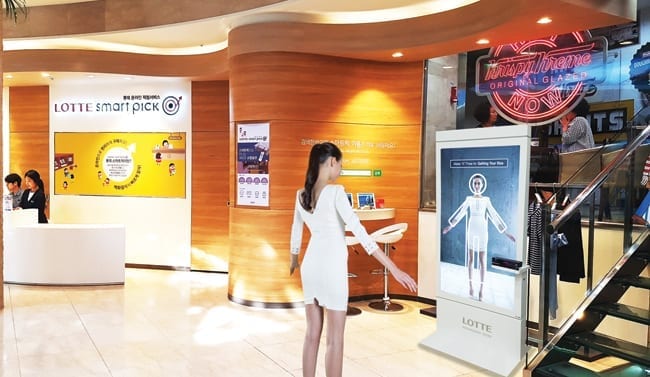
    Lotte Department Store introduced a 3D foot scanner in July. The Swedish-made scanner measures a customer’s foot size and analyzes conditions of the customer’s foot. Shoemakers can recommend and make the most suitable shoes for the customer. More than 1,800 customers had their feet scanned and over 800 ordered shoes as of September.

    Once their feet are scanned, customers can use the data at both online and offline stores.

    “Our department store has a 3D virtual fitting room and foot scanner, as examples of our new omni-channel service which connects online and offline,” a Lotte Department Store official said. “We will develop mobile applications for our customers to buy clothes and shoes with their smart phones.”

    Fighting fire with fire

    Although retail giants are expanding their online platforms, they are also finding ways to attract customers to their offline stores. Those giants are developing offline stores through experience which is hardly achieved in online markets.

    Heads of retail giants have recently stressed the importance of experience, targeting customers who seek to spend their leisure time shopping.

    “Shopping malls with experience are the future of offline stores,” said Hyundai Department Store CEO Kim Young-tae during the press conference at the opening ceremony of Hyundai City Outlet Dongdaemun in March. “Online shopping malls only display the products, but offline stores enable customers to touch and enjoy the products during their shopping.”

    Shinsegae Group Vice Chairman Chung Yong-jin said, “Customers want to gain both products and value, staying longer at a place where they have a reason to visit,” at the opening ceremony of Starfield Hanam in September.

    Lotte Mart CEO Kim Jong-in emphasized last year that discount chains should provide customers with new lifestyle experience. He said Lotte Mart will find an answer from “a space” which online malls lack.

    The latest technologies enable customers to experience offline stores without actually being there.

    Shinsegae Starfield Hanam attracts customers with “VR Fitness” at Sports Monster. Customers can enjoy scientific digitally-based exercises, such as VR fitness and bike-racing, at the recreational space.

    “Sports Monster and Aqua Field are advanced concept entertainment spaces that Starfield Hanam has been preparing for a long time,” a Shinsegae official said. “We expect those spaces to become new attractions, providing our customers with differentiated value through various exercises and experiences which they have never seen.”

    Lotte Department Store introduced the “Smart Shopper” service at its grocery stores at the Bundang store on Oct. 4.

    Customers can go shopping with barcode scanners and they do not have to push their shopping carts. If they scan items with their “Shopper” scanners, products are automatically added to their virtual cart.

    Customers can check added products on “Order Viewer” screens installed at several places in the store and can remove unnecessary items at automatic counters. Purchased items can be delivered to their home.

    Smart Shopper enables customers to check the actual products at offline stores, while resolving inconveniences of carrying them home.

    Duty free shops aim to provide experiences for customers with technology as well.

    HDC Shilla Duty Free plans to make an IT converged duty free shop, if its bid to open a new duty free shop will be successful.

    A state-of-the-art duty free shop with merged reality (MR), artificial intelligence (AI) and machine learning technologies is the company’s goal. The duty free shop plans to show hologram images, installing media walls and digital signage in the lobby.

    Examples in other countries

    Meanwhile, retail giants abroad have already gone through similar changes amid the crisis of offline stores.

    In 2014, British retailer Tesco unveiled its VR store which enables customers to look around the virtual store and purchase goods from there.

    The U.S. retailers Neiman Marcus and Nordstrom introduced smart mirrors for virtual dressing last year.

    The North Face stores in the U.S. have provided extreme VR experiences to attract customers to offline stores. If customers select clothes and wear VR devices, they can virtually wear selected clothes and experience extreme sports, such as jumping off a 128-meter cliff in the Grand Canyon.

     

  • Hong Kong International Airport Invites Tender for  Two Anchor Travel Retail Concessions

    Hong Kong International Airport Invites Tender for Two Anchor Travel Retail Concessions

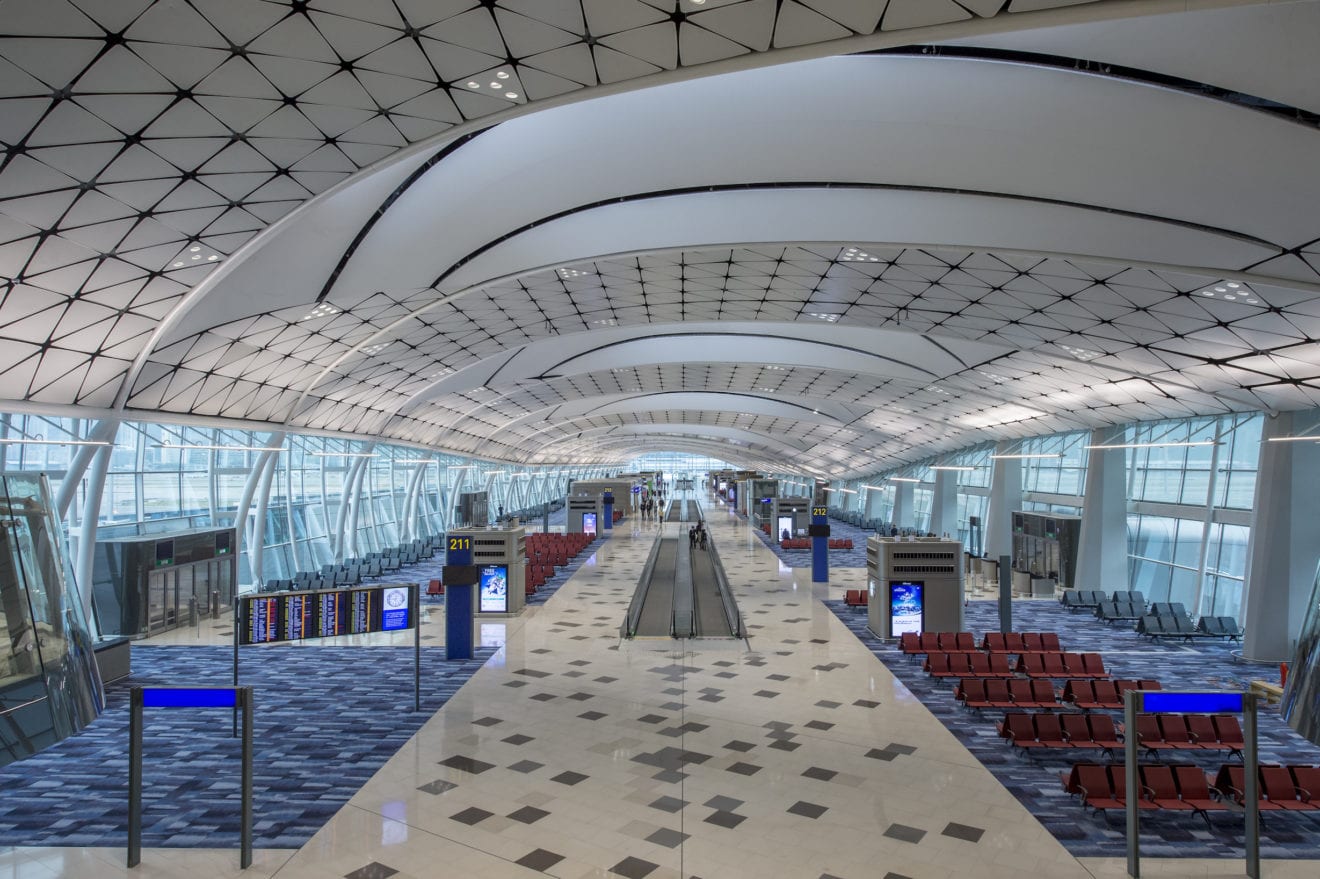
    Airport Authority Hong Kong (AA) has launched tenders for two anchor retail licences of liquor and tobacco concession and, perfume & cosmetics and fashion accessories concession in Hong Kong International Airport (HKIA). 

    Over the past years, the AA has been conducting intensive consumer research to understand passenger needs in regard to the anchor travel retail concessions.  The AA recognises the changing shopping behaviour of the travellers, and hence plans to use the tender opportunity to modify the retail spaces and concession mix in an effort to enhance customer shopping experience and excitement. 

    Cissy Chan, Executive Director, Commercial of the AA said, “As a world-class international and regional aviation hub for around 70 million passengers a year, it is critical that HKIA continues to offer a variety of attractive shopping choices for our diverse range of travellers. We will leverage this tender opportunity to take HKIA shopping excitement and relevance to the next level.”

    Under the two concessions, new product categories and activities will be introduced. The increase in total floor area will also further enhance flexibility, experimentation, product uniqueness and excitement to passengers. 

    The tender is open to all travel retailers, and interested parties can visit https://www.hongkongairport.com/eng/business/airport-authority/business-opportunities/1477621132870.html?invitation-to-tender for more details. Both tenders will close on 2 February, 2017 at 2:30pm and the selected retail partners will be announced in the second quarter of 2017.  

  • Garuda Indonesia plans to connect Mumbai with Jakarta

    Garuda Indonesia plans to connect Mumbai with Jakarta

    Garuda Indonesia plans to expand its service to India at the end of this year by opening a new route from Mumbai to Jakarta.

    Garuda Indonesia’s vice president of corporate communications Benny S. Butarbutar told that the airline had received support from the Transportation Ministry and the new service would use Airbus 330 and Boeing 777 aircraft. “We are currently planning the route, and considering factors like is it going to be a direct flight or will there be a transit, will it be a daily service or several flights per week,” said Benny in Jakarta on Wednesday.

    The potential of tourist arrivals from India to Indonesia was quite significant, said Benny. “This is a growing market that we should tap into in order to attract more visitors.”

    Indian tourists visiting Indonesia in 2014 amounted to 223,607 people, an upsurge from the previous year’s figure of 201,009, according to the Central Statistics Agency.