Category: General

Retail News Asia is committed to providing both local and global retailers with the latest General Retail news throughout the Asian market. This on a daily base.

  • Indonesia, Australia discuss free trade agreement

    Indonesia, Australia discuss free trade agreement

    Australian Minister of Trade, Tourism and Investment Steven Ciobo has met Indonesian Minister of Trade Enggartiasto Lukita in Australia on Sunday to discuss free trade agreements.

    Press releases from the Department of Foreign Affairs and Trade of Australia received by ANTARA here on Sunday said that Minister Enggartiasto is visiting Australia to discuss the Indonesia-Australia Comprehensive Economic Partnership Agreement (IA-CEPA).

    IA-CEPA will generate economic framework which is expected to make closer relations between Indonesia and Australia besides opening up markets and new opportunities for both countries.

    According to Ciabo, the negotiations are going forward as the two countries continue to work to finalize the deal.

    “Minister Lukita and I have agreed to make ambitious and high quality deals,” Ciabo said, adding that the IA-CEPA can transform Australia and Indonesia economic partnership.

    Indonesia is Australias important neighbor and great regional partner, with the value of two-way trade between Australia and Indonesia amounting to US$15 billion in 2015, Ciabo noted.

    “IA-CEPA will bring our economies closer and allow Australian and Indonesian businesses to take advantages,” he said.

    IA-CEPA will create business opportunities for Australia and Indonesia to jointly work on those opportunities that will continue to develop in the future.

  • Indonesia to operate Becakayu Toll Road by 2017

    Indonesia to operate Becakayu Toll Road by 2017

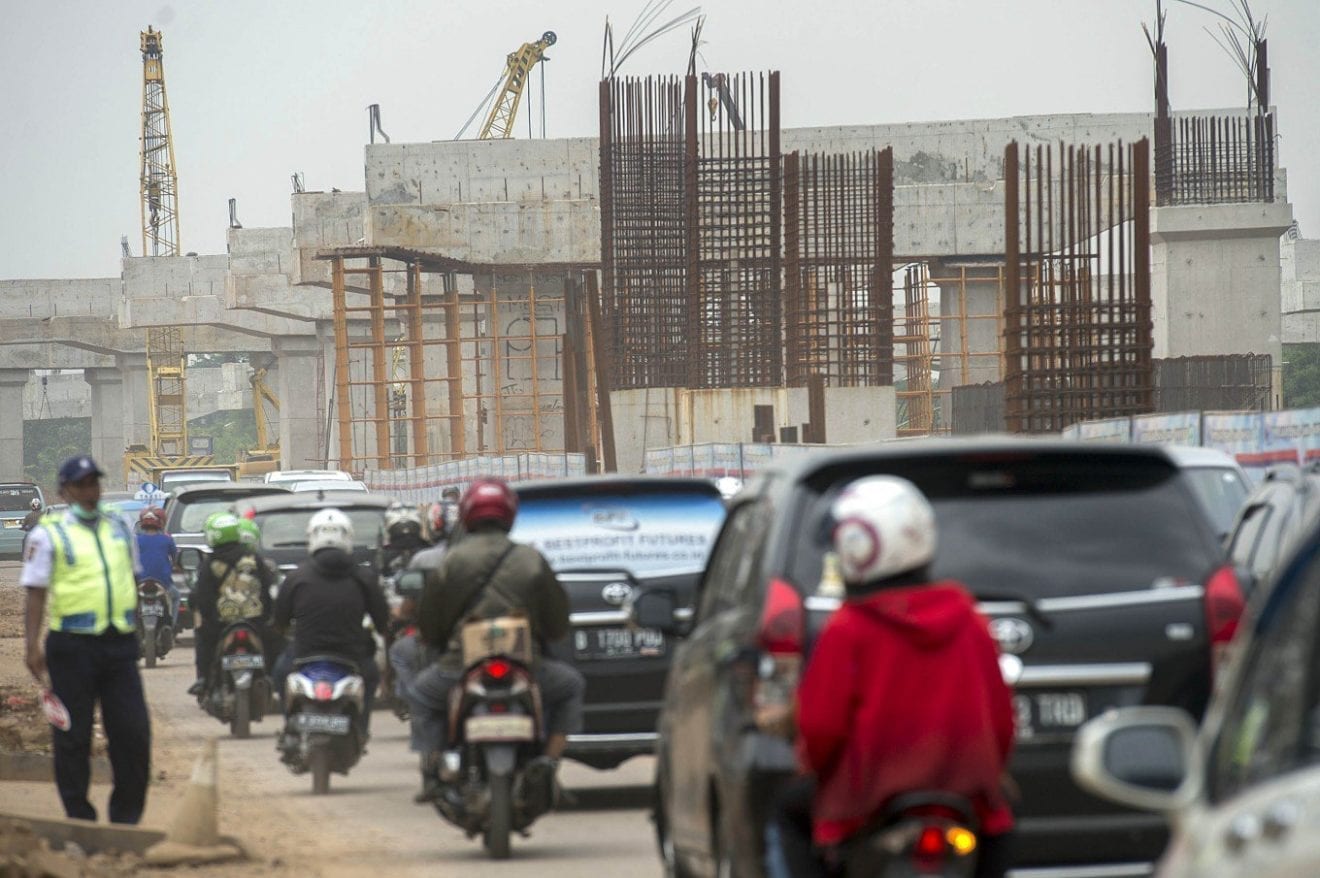
    Indonesia will start to operate 8 kilometers of the 11-kilometers section of the new Bekasi-Cawang-Kampung Melayu (Becakayu) toll road connecting Bekasi City and Jakarta by March 2017.

    “I believe by March, the 8 kilometers toll road can start operations. I hope we can operate both lanes, so there will be 16 kilometers of the new toll road,” Indonesian President Joko Widodo (Jokowi) said here on Monday.

    Jokowi conducted a visit to Becakayu toll road construction to observe the progress.

    According to Jokowi, the toll project had been stopped for 22 years since 1997. The government restarted the project in 2015.

    Indonesia plans to start operations of the 11 kilometers of the toll project by 2017.

    The toll road will hopefully decrease traffic density between Bekasi and Jakarta.

    The Becakayu Toll Road will also connect with the Jakarta Outer Ring Road (JORR) lane that integrates with outer Jakarta areas.

    Jokowi said there were no obstructions from land acquisition of Becakayu Toll Road.

    “We have no problems as we have bailout investment. The assistance could accelerate the construction,” he said.

    Indonesia is boosting its infrastructure sectors such as airports, ports, roads and highways, and railways to develop the economy.

    The president also asked ministers to help attract and support private investments in the infrastructure sectors.

    According to the president, there were several areas in which such investments can support the development of infrastructure. Such an investment can be made by private sector players, state enterprises or via Public-Private Partnership (PPP) route.

    “Infrastructure development shouldnt depend only on the State Budget or Regional Budget. We should open such opportunities for the private sector and for non-government investments,” the president said here on Wednesday.

  • Huawei launches IoT accelerator in Singapore

    Huawei launches IoT accelerator in Singapore

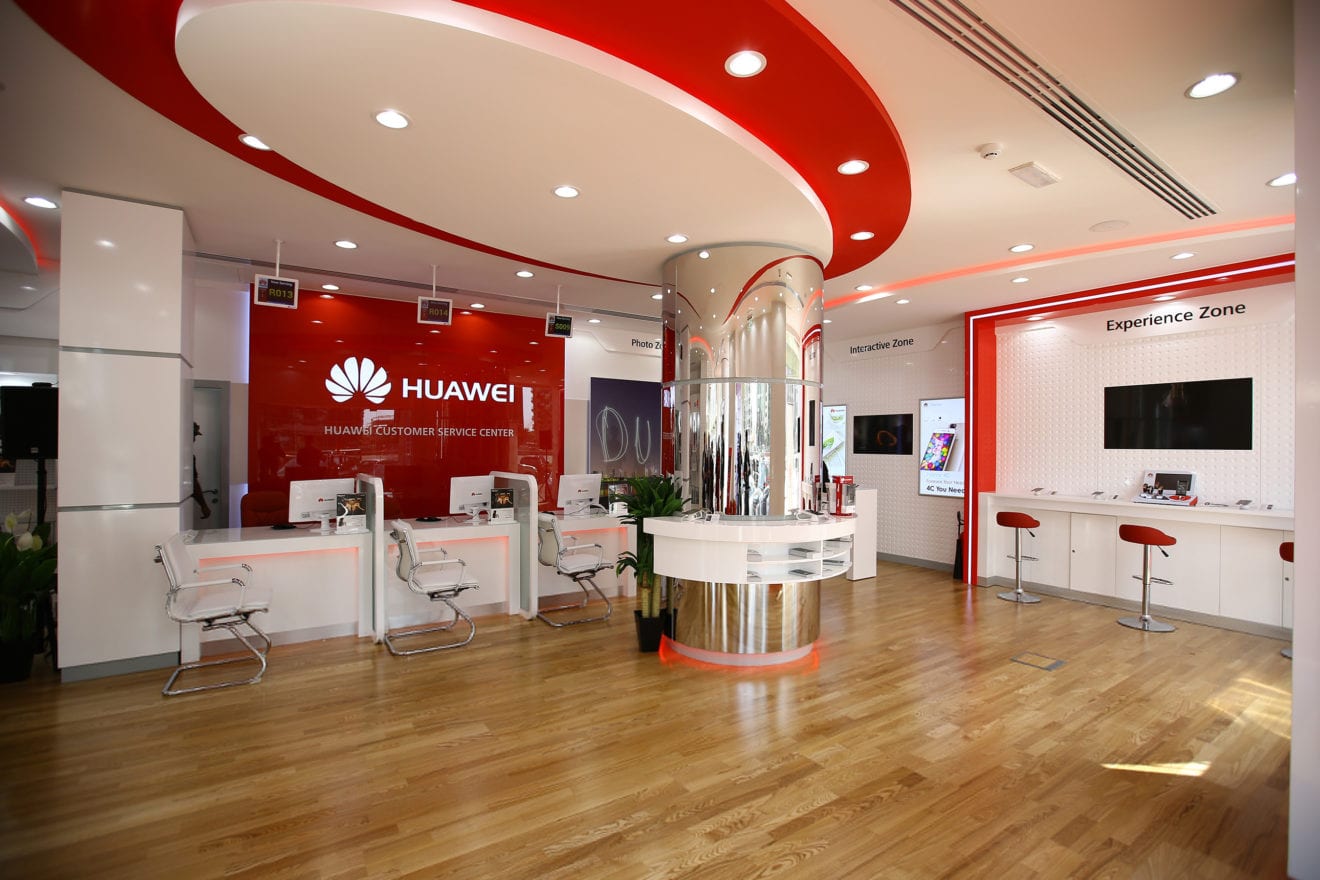
    Huawei has teamed up with the National University of Singapore (NUS) to launch its first IoT-focused accelerator in Singapore.

    The vendor will work with NUS’ entrepreneurial arm NUS Enterprise to provide start-ups with mentorship, access to investors, access to industry-grade test beds, and global co-marketing opportunities.

    Known as i5Lab, the accelerator seeks to support the development of Singapore’s next unicorn company by nurturing promising start-ups with Huawei’s real network environment and open platform as well as its global Go-to-Market channel capability.

    Huawei said i5Lab will follow the model of established Huawei collaborations with leading software and industry partners to develop solutions that will build a competitive industry ecosystem.

    As a global leading ICT player in 170 countries, Huawei works with 45 of the world’s top 50 telecommunications providers that provides connection to two-thirds of the world’s population.

    Start-ups will be able to leverage Huawei’s global partner ecosystem, and will also be invited to participate in joint marketing through Huawei’s Customer Solution Innovation & Integration Experience Center (CSIC), and large-scale events such as NUS Enterprise’s flagship event InnovFest unbound and CommunicAsia.

    “With one of the most connected societies, open data sets and high-skilled ready talent, Singapore is an excellent test bed to nurture IoT ideas that will bring us closer to a smarter future. We hope that start-ups will make full use of this collaborative platform and leverage on accumulated knowledge of industry-leading technology and expertise from Huawei and our global partners,” Huawei CMO for Southern Pacific Lim Chee Siong said.

  • Indonesian consumers regain confidence in Q3

    Indonesian consumers regain confidence in Q3

    Indonesian consumer confidence rose again in the third quarter of this year in line with their increasing confidence for the government’s recent economic policies, global research company Nielsen revealed on Wednesday.

    According to Nielsen’s Global Consumer Confidence Survey, the Indonesian consumer confidence index increased by three points to 122 in the third quarter from the previous quarter, an improvement that Nielsen Indonesia managing director Agus Nurudin attributed to a positive public response to the government’s tax amnesty, controlled inflation and manageable economic growth.

    “This is the first time we moved back to 120 after one year,” he told reporters, adding that Indonesia, since the third quarter last year, always scored below 120 in the quarterly survey because of political instability and economic uncertainty.

    The survey findings also suggested that although Indonesian consumers show an increasing willingness to spend, they are getting more rationale than before.

    “They prefer to reduce their spending on expensive tertiary goods, update their gadgets less often and change their foreign trips to domestic ones,” Agus said.

  • Tencent IBG helps local businesses attract tourists from China

    Tencent IBG helps local businesses attract tourists from China

    International Business Group (IBG) of Tencent, a leading provider of Internet value added services in China, announced today the roll-out of one-stop service advertising solutions. The ad solutions include options to build brand awareness and develop product familiarity, prior to the Chinese tourist’s visit to Singapore as well as in-market advertisements to target Chinese tourists while they are in the country.

    Singapore saw 1.47 million visitors from the mainland in the first half of this year, up 55.2% from the same period last year, according to the Singapore Tourism Board. Chinese tourists accounted for nearly 18% of the visitors to Singapore during this period. Aware of the untapped spending potential of these tourists, the Singapore Retailers Association recently launched initiatives such as the Singapore Golden Week, timed to coincide with the national holidays in China.

    “Singapore is well positioned to benefit from the surge in the number of Chinese tourists,” said Benny Ho, Senior Director of Business Development, Tencent. “Reaching out to Chinese tourists on platforms they are familiar with is the best approach for local businesses.”

    Brands need to engage early in the Chinese customer journey in order to influence purchase decisions before they travel. Tencent’s one-stop service advertising platforms will help Singapore businesses raise awareness and increase engagement opportunities with the surging numbers of Chinese tourists, even before they depart China. Tencent’s suite of advertising solutions provides previously unavailable opportunities for Singapore advertisers, enabling brands to engage Chinese customers globally and to offer an easy all-in-one advertising hub and solution leveraging both domestic and international traffic.

    Mobile advertising for mobile tourists

    According to the eMarketer’s survey “WeChat in China” from June 2016, the top two leading social media sites/chatting apps among social media users in China are WeChat and Qzone – both Tencent products. With WeChat’s position as a leading social media platform in China, the roll-out of one-stop service advertising solutions would empower local businesses to unlock the untapped spending potential and better reach Chinese tourists. Additionally, Tencent’s International Advertising Solutions can be customised to fit specific brand objectives.

    Tencent’s platforms continue to grow their influence with Chinese consumers. There are more than 806 million active users for both WeChat and Weixin today, and GlobalWebIndex (GWI), operator of the world’s largest study on digital consumer behaviours and trends, revealed that between the first half of 2015 and the first half of 2016, WeChat nearly doubled its usage rates in APAC outside of China. The leading mobile messaging app in China, Weixin connects users through its communication features with services and hardware through its open platform, including advertising, official accounts, and online to offline (O2O) payment. Mobile QQ, one of the most popular communication apps in China, and Mobile Qzone, a leading social networking site in China, and QQ Music, one of the most popular digital music platforms in China, will also provide the Chinese social platform gateway for advertisers in Singapore.

    To address communications and business objectives, there will be WeChat representatives to assist merchants in Singapore. Tencent’s IBG will provide a one-stop service advertising solutions including media planning, creative designs, advanced user targeting, ad placement execution, bid optimisation, and reporting.

    Tencent creates a robust ecosystem in China through these customised advertising solutions, unleashing the potential to reach high-spending Chinese consumers. Key advertising products include “WeChat Official Account Banner Ad”, which redirects users to an external URL through a single click, “WeChat Moments Ad”, unique native social feed style display ads for a non-disruptive experience and “Mobile Qzone Friend Newsfeed Ad” which manifests as either an article or a video and is shown in a similar format as friend posts. Thus far, Tencent has launched its International Advertising Solutions across, Hong Kong, Indonesia, Japan, Korea, Malaysia, and Taiwan in Asia, excluding China.

    IBG will not have an exclusive partner in Singapore and will welcome any local partners and resellers to support marketers and advertisers.

  • John Little to close last store by year end

    John Little to close last store by year end

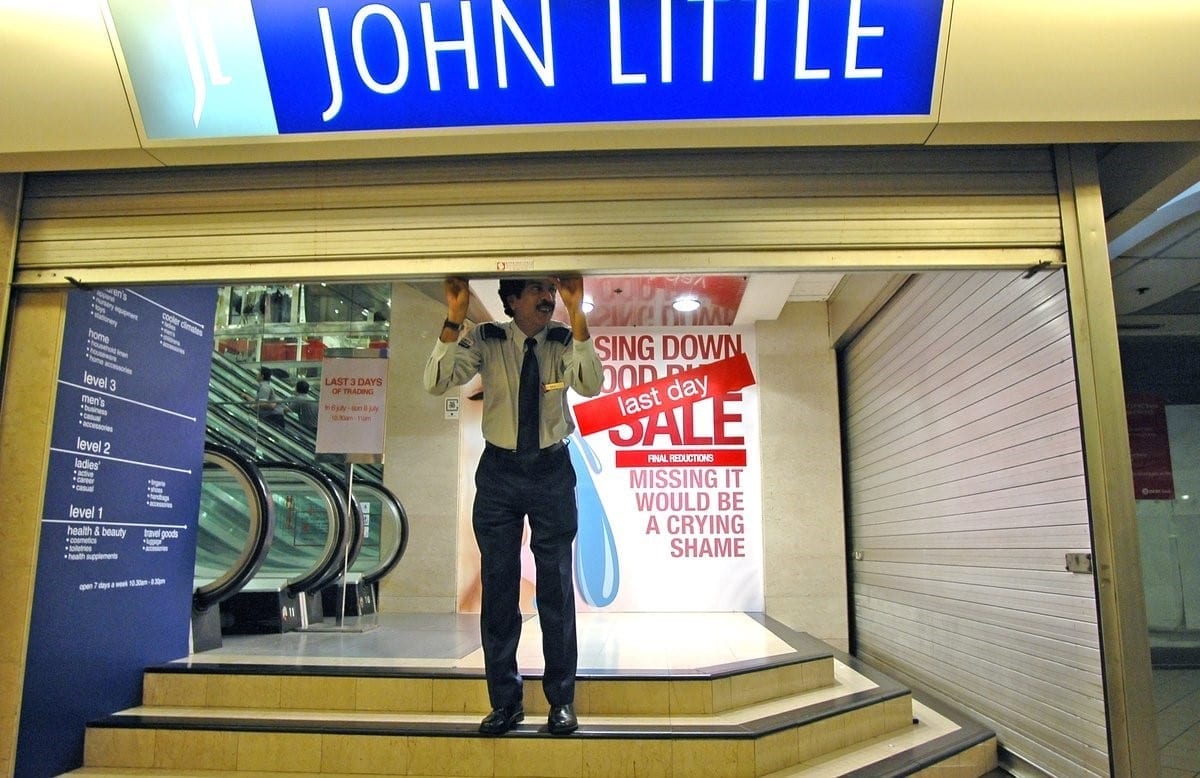
    After 174 years, John Little is closing its last department store in Singapore.

    The remaining outlet at Plaza Singapura will shutter by the end of next month.

    In a statement on Friday, Robinsons Group – which manages John Little, the oldest department store in Singapore – said that the decision was made “after evaluating the relevancy and sustainability of the John Little brick-and-mortar business”.

    But it does not mark the end of the John Little brand. Robinsons Group said that John Little will “evolve as a brand into a pop-up format, which is in line with the global trend for retail businesses”.

    John Little’s new format will be revealed next year.

    The closure is part of consolidation efforts to focus on businesses that are growing within the group, the statement said.

    The Al-Futtaim Group – the Dubai-based owner of Robinsons Group, Royal Sporting House and other retail brands – announced plans earlier this year to shut 10 loss-making outlets here.

    John Little had seven branches in 2002, including its flagship store at Specialists’ Shopping Centre, which it vacated in 2007, after more than 20 years.

    Its outlet at Jurong Point shopping mall shut its doors earlier this year.

    Staff affected by the closure of John Little have been briefed and will be deployed to other businesses within the organisation, which includes Robinsons and Marks and Spencer, Robinsons Group’s statement said.

    John Little Plaza Singapura will be holding a moving-out sale offering discounts of up to 90 per cent until it closes.

  • Singapore shop owner keeps no shopkeeper, trusts in customers’ honesty

    Singapore shop owner keeps no shopkeeper, trusts in customers’ honesty

    At a void deck below a Housing Board block in Hougang is a provision shop but, unlike many others, no one attends to it.

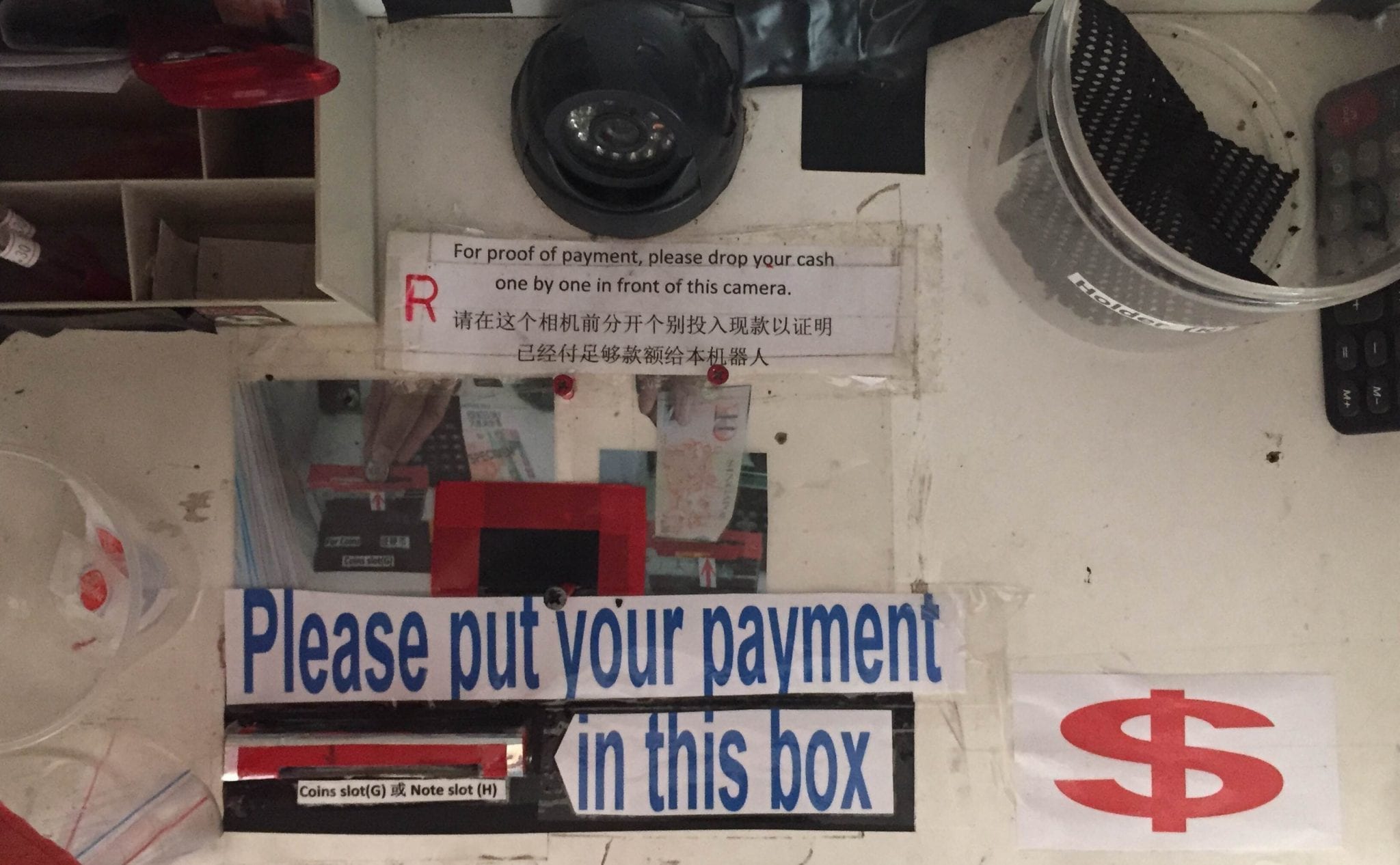
    A handmade cash register at the front of the shop displays instructions on how to pay for items: check the price tag, show it to any one of the shop’s eight closed-circuit television (CCTV) cameras, and place the money into a slot. To get change, press buttons on the register to either get $1 or $0.10 back in coins.

    The “shopkeeper-less” store at Block 242 Hougang Street 22 is owned by Alex Song, 54, who runs a clothing store town and got into the provision shop business in June 2015 “with no experience”.

    Within the first three months, he figured out why many provision shops struggle to survive. It was difficult to hire shopkeepers he could trust and suppliers were charging him a high price, he said.

    “The cost price of my items were sometimes higher than the retail price at supermarkets,” Song said on Tuesday, November 1.

    To cut manpower costs, the former airforce technician fashioned his own “robot cash register”, at a cost of less than $200, to man the shop. The robot-looking cash register is made mostly of wood, with some plastic and metal, with CCTV cameras embedded as its “eyes”.

    He started by placing just a small amount of sweets and biscuits for sale in front of the shop, and closed the rest of the store. Four CCTV cameras kept an eye on would-be thieves.

    “At first I was worried that when I return to the shop at night, I would see an empty shop,” he said with a laugh.

    He progressively opened more of the shop and added four more CCTV cameras to cover blind spots. The cost of the eight CCTV cameras set him back by about $1,000.

    He estimated that thieves strike about twice a month, causing him losses of about $50 per month – an amount he said pales in comparison to the $1,500 it would cost him to hire a shopkeeper.

    Photographs of thieves, captured by his CCTV cameras, are plastered around the store.

    But he has made a police report just once, when a group of people stole from the shop.

    “After I put up the photos, some of the thieves actually came back to return me money and apologise, so I let it slide,” said Song.

    He recalled one case in which three children, all siblings, stole food and drinks worth over $10 at his store.

    “The cameras caught them very clearly. After I put up their photos, their mother brought them to my shop to apologise and pay me back. She was very sad and cried,” he said.

    “It woke the kids up. A few days later, they wrote a letter to me to apologise.”

    In another case, a man pretended to pay for a can of luncheon meat at the register but used his head to block the CCTV camera. But he did not realise that another CCTV camera in front of the register caught him putting the coins into his mouth instead.

    The man is still at large.

    But despite the hassle of running the shop this way, Song said: “It’s worth it if one person can change for the better and not steal anymore in future.”

    Meanwhile, he is looking for a new location to move his provision shop to.

    “I’m not making money, not because of the (shopkeeper-less) system but because of the poor crowd. But I’ll bring the system along with me to the next location,” he said.

     

  • Indonesia, Australia Cooperates on Mining Gold, Copper

    Indonesia, Australia Cooperates on Mining Gold, Copper

    National mining company PT. Aneka Tambang (ANTAM) and Australian mining company Newcrest Mining Ltd. are building a partnership in order to explore gold and copper potential in Indonesia.

    A statement released by the Australian Embassy on Sunday, November 6, 2016, mentioned that the collaboration document between both countries was signed by Indonesian Trade Minister Enggartiasto Lukita and Head of the Investment Coordinating Board Thomas Lembong in Sidney.

    Australian Ambassador to Indonesia Paul Grigson, who was present during the document signing, also welcomed the collaboration. “Two-way investment is a form of acknowledgment that both countries’ economics have many potential to offer,” Paul said.

    Indonesia and Australia have decided to raise economic issues in both countries’ bilateral partnership by reviving the Indonesia-Australia Comprehensive Economic Partnership Agreement (IACEPA), according to Grigson.

    “More investment means joint prosperity,” Grigson said, while adding that increasing investments will create new job opportunities for both countries.

    Indonesia-Australia partnership in the gold and copper mining sector has been established since late 2015 in the form of preliminary studies.

    The preliminary studies were later followed up with a joint exploration in Indonesia.

  • Indonesia optimism despite drop in economic growth

    Indonesia optimism despite drop in economic growth

    Despite economic growth slowing in the third quarter, the government remains optimism that better state budget realization will lead to an economic rebound by year-end.

    Economic growth slowed to 5.02 percent year-on-year (yoy) in the third quarter amid a reduction in government spending and weak international trade, the Central Statistics Agency (BPS) announced on Monday. Growth stood at 5.19 percent yoy in the previous quarter.

    President Joko “Jokowi” Widodo, however, said he was grateful that growth was slightly above the government’s initial forecast of 4.9 percent

    “Our estimate was slightly below 5 percent. It turned out that, Alhamdulillah [Thank God] it is now a bit above 5 percent,” Jokowi told reporters on Monday.

    Jokowi voiced optimism that growth in the final quarter would improve with better state budget realization.

    “We expect the budget realization rate to be slightly better in the fourth quarter, although we should also understand that the global economy continues to decline,” he said.

    BPS chief Suhariyanto said government spending had contracted by 2.97 percent yoy due to recent budget cuts. However, cumulative government spending from January to September increased 1.97 percent from the same period last year.

    Amid a weak global economy, Indonesia saw its gross domestic growth increase only 4.79 percent last year, the lowest rate in six years. The government is targeting economic growth of 5.2 percent this year and 5.1 percent in 2017.

  • Hong Kong retail sales decline lessening

    Hong Kong retail sales decline lessening

    The heavy rate of decline in Hong Kong retail sales may be over, with September figures showing a relatively small contraction.

    According to data released by the Census and Statistics Department (C&SD), the value retail sales in September, provisionally estimated at $33.8 billion, decreased by 4.1 per cent with the same month last year.

    That compares very favourably with a year-to-date figure of 9.6 per cent and August’s revised figure of 10.5 per cent. However, it should be noted, these declines are measured against a low base as 12 months ago the city’s major retail decline was well underway.

    “Retail sales showed a visibly narrower year-on-year decline in September, conceivably due partly to a reduced drag from the smaller decline in visitor arrivals in that month and partly to some improvement in consumer sentiment amid a somewhat more stable external environment,” said a government spokesperson.

    “Looking ahead, the near-term outlook for retail sales is still subject to uncertainty, depending on the performance of inbound tourism as well as the extent to which local consumer sentiment will be affected by various external uncertainties.”

    After netting out the effect of price changes over the same period, the provisional estimate of the volume of total retail sales in September 2016 decreased by 3.9 per cent compared with a year earlier.

    For the first time in more than a year, luxury goods did not show the greatest decline. The worst-performing category in September was electrical goods and photographic equipment down 12.8 per cent, with jewellery, watches and valuable gifts down 12.3 per cent. Department store sales slipped 2.4 per cent.

    Apparel sales actually rose by 1.8 per cent, and optical retailers experienced 1.7 per cent growth.

    There were negligible changes in any other category.

  • Isetan The Japan Store causing stir

    Isetan The Japan Store causing stir

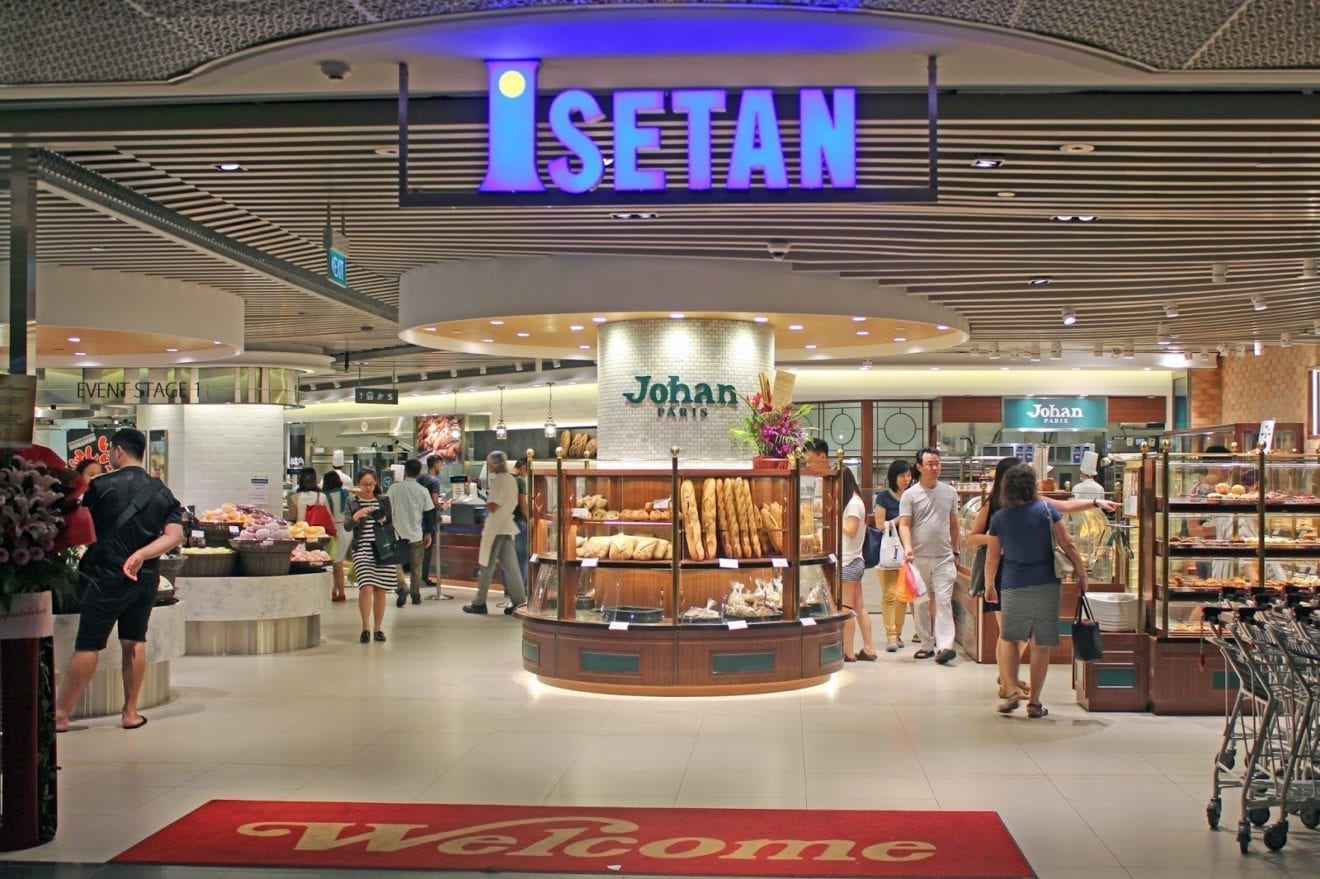
    Already causing a stir on social media, Isetan The Japan Store Kuala Lumpur has opened over five floors, replacing the former Isetan department store.

    Another floor featuring six restaurants is scheduled to be added in January.

    The Isetan Mitsukoshi Group’s specialty store offers 11,000 sqm space of Japanese brands and products.

    On the lower ground floor is The Market with its snacks and perishables, as well as a food court area.

    The main entrance is on the next level, which features The Museum, a blend of fashion, technology and artisanal creations. As well as designer fashion labels like Sacai and Yohji Yamamoto, there are shoes that light up with every step.

    On the first floor, The Studio has street-fashion brands like Onitsuka Tiger, anime and manga merchandise, and a section called Little Harajuku. There is also the Time Out Tokyo cafe.

    Japanese living (and stationery) is showcased in The Room on the second floor, while on the third-floor The Cube is about art and culture. It offers event spaces, pop-up classes and books.

    The venture, announced at the end of August, has the support of the government-financed Cool Japan Fund.

  • Spar India continues roll-out

    Spar India continues roll-out

    Spar India has opened its 18th store as the grocery franchise continues its rollout.

    The latest store is located in Hyderabad’s Paradise Mall, which is owned by Spar India’s licensee Max Hypermarkets. Located in Nacharam, it is the fourth store in the Hyderabad area. Spar India now boasts stores in nine cities in seven states.

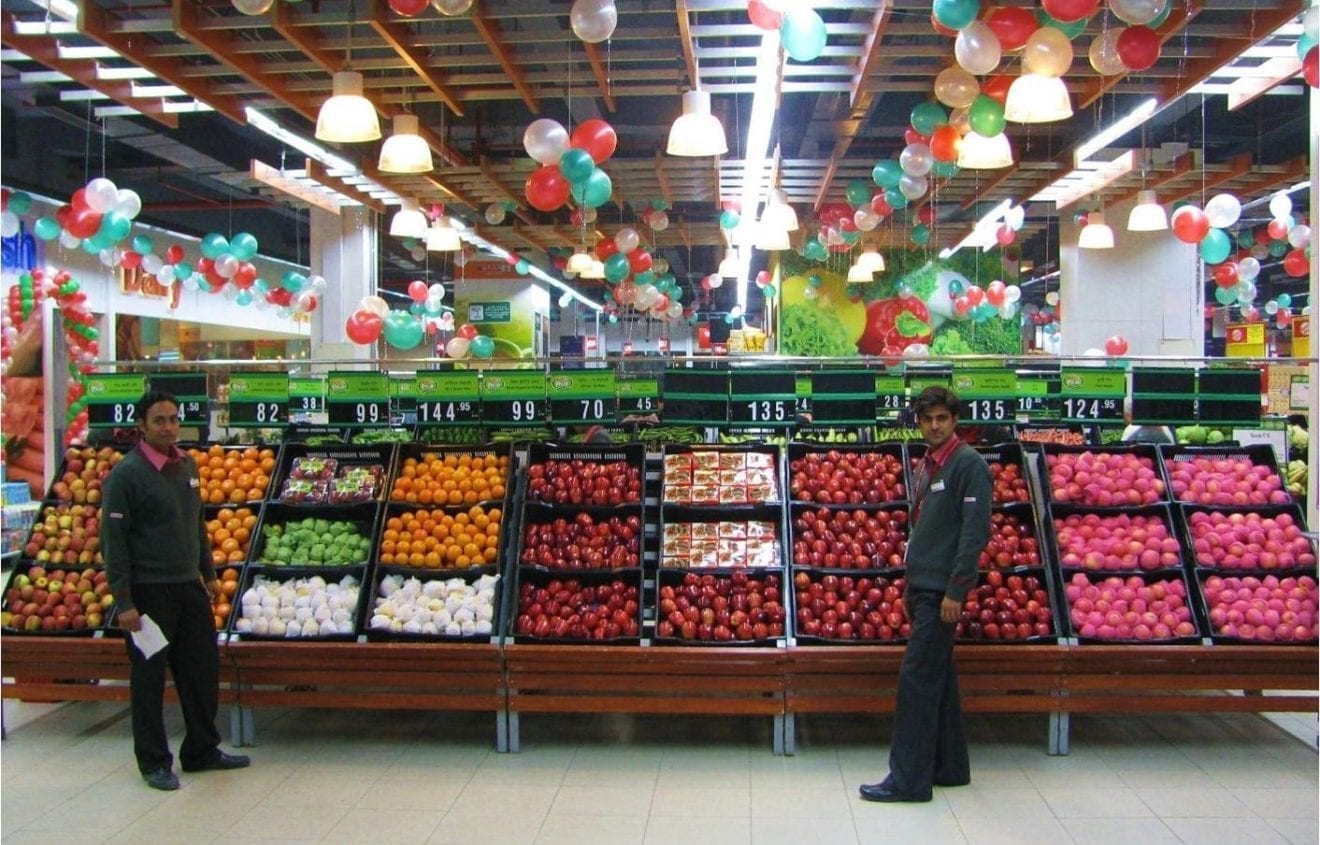
    The newly built hypermarket has a retail selling area of 5400 sqm, offering a diverse range of fresh foods from the fish, bakery, delicatessen and Food-to-Go service departments and an extensive non-food offer, including a Home & Living department.

    Thanks to sustained publicity campaign prior to the opening, more than 1000 transactions were processed between 4.30pm and 10pm on the first day of trading.

    Spar India says it will continue to focus on its in-store range, expanding its own-brand products, which currently account for approximately 10 per cent of store turnover. Spar India MD Rajeev Krishnan says the group intends to expand its footprint by 30 per cent during the next 12-18 months.

    The Spar India licence was granted to Max by Spar International in 2014.

  • Aeon revenues rise

    Aeon revenues rise

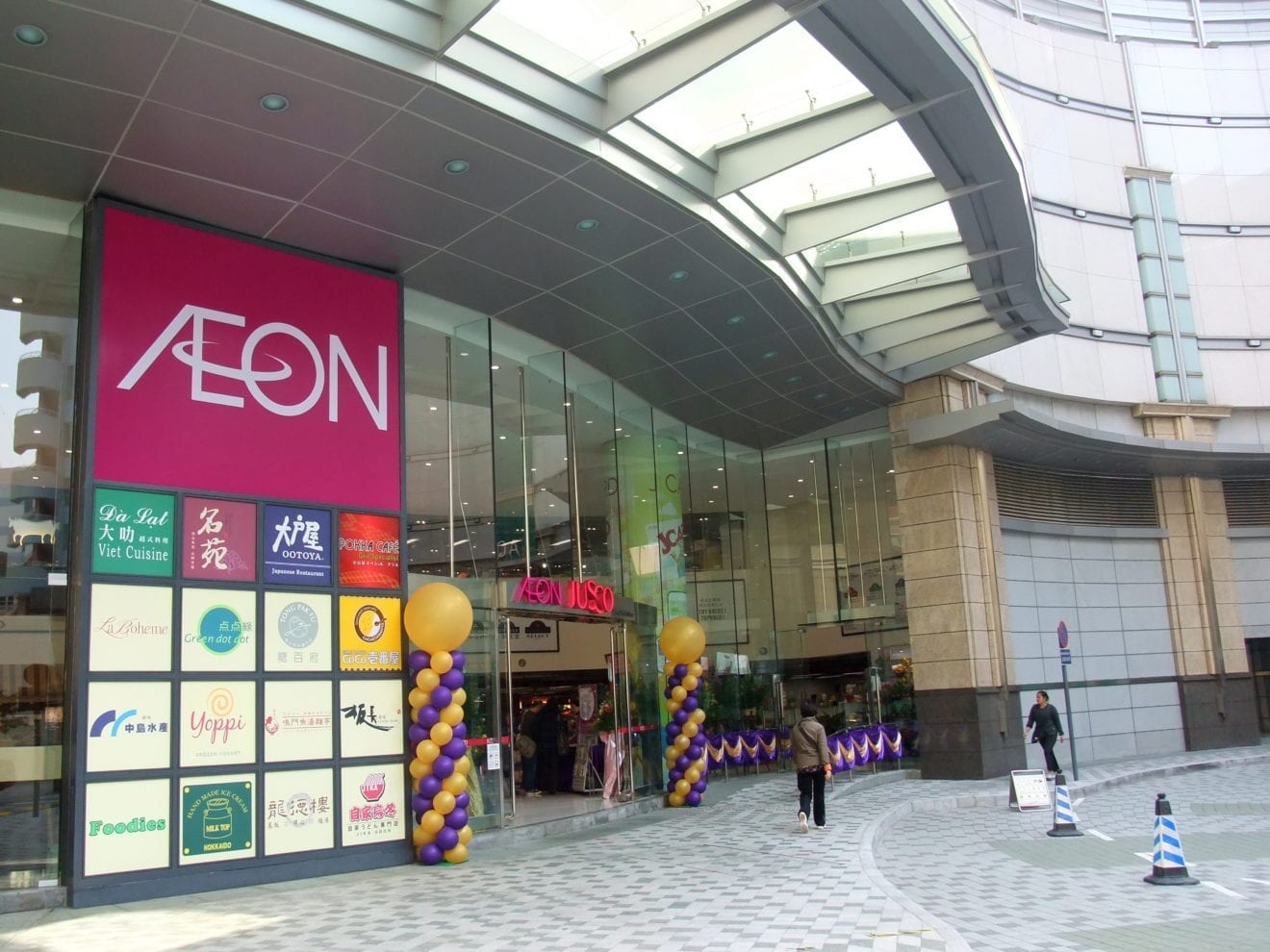
    Japanese retailer Aeon has seen its revenue edged up 0.9 per cent in the latest half year,  but its results vary greatly between formats.

    Total sales reached JPY 4,112 billion (US$39.2 billion), for the six months to August 31, while operating profit improved by a meagre 0.1 per cent to JPY72.4 billion (US$0.69 billion).

    In an analysis of the company’s performance, retail research house IGD observed stronger performances by Aeon’s convenience store business and its pharmacy interests than in its general merchandise and supermarket businesses.

    Aeon’s convenience store business reported a 6.1 per cent increase in operating revenues of JPY190.6 billion (US$1.8 billion), up 7 per cent year-on-year for the first half.

    “The group’s Ministop and My Basket operations performed strong thanks to the enhanced merchandise selection and improved services,” says IGD.

    The drugstore and pharmacy business grew revenues by 5.8 per cent, with the Welcia banner increasing its number of 24-hour stores to enhance customer convenience, driving steady growth in same-store sales.

    Conversely, the supermarket and discount store business posted a 7 per cent decline in revenue to JPY1,448.5 billion (US$13.8 billion). This was mainly due to the impact of the transfer of Daiei’s stores.

    And its general merchandise store business suffered a significant loss, amid weak consumer spending in Japan.

    Outside Japan, Aeon reported operating revenue of JPY205.3 billion (US$1.96 billion), down 5.4 per cent year-on-year. Aeon China and Hong Kong achieved an improvement after the group completed refurbishment of its flagship stores, which helped strengthen the business foundation in China and bolster earrings. In the reporting period, the group also expanded further in Asean markets, opening a new stores in Malaysia and Vietnam.

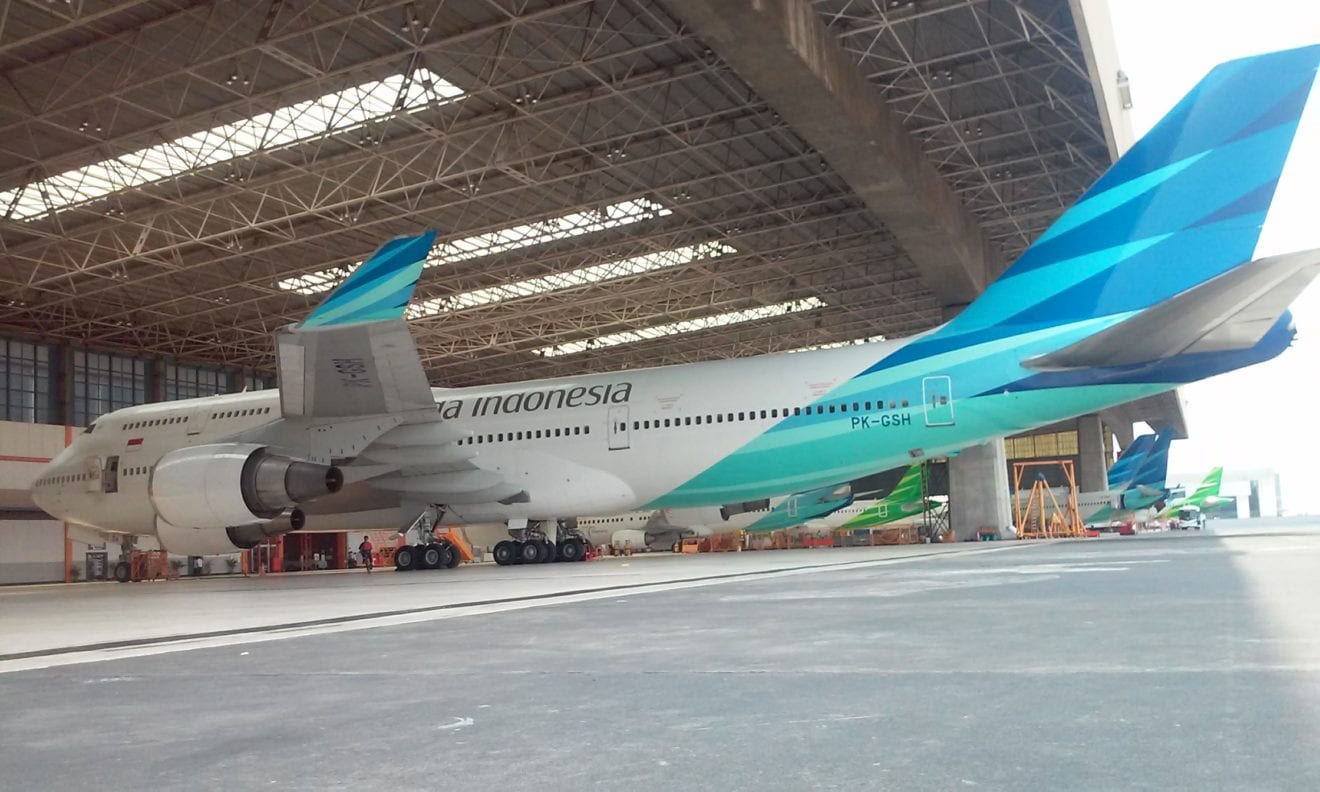
  • Garuda Indonesia books USD19.6 mil net income in Q3 2016

    Garuda Indonesia books USD19.6 mil net income in Q3 2016

    Garuda Indonesia, booked net income of USD 19.6 million or IDR 254.8 billion (exchange rate IDR 13,000 per USD) during the third quarter (July – September period) of 2016 as an outcome of the initial implementation of the ‘Sky Beyond’ strategy, with a focus on Return Maximization as well as the continuous proportional implementation of the financial efficiency policy.
    “This positive result was achieved through non-stop hard work in implementing the ‘Sky Beyond’ business expansion strategy, which played an essential role in promoting the company’s performance the quarter.

    Despite the highly competitive season in the aviation industry, including the global economic deceleration which affected the national economic situation, we are quite optimistic of maintaining the positive growth of the company up to the end of this year,” stated M. Arif Wibowo, President & CEO of Garuda Indonesia, on Monday (31/10) at the media conference after the regular analyst meeting, in Garuda Indonesia’s headquarters in Jakarta.

    Arif explained that since the beginning of year 2015, Garuda Indonesia had been constantly implementing the proportional financial efficiency program. The predicted loss in the first semester of 2016 was projected to turn around in the next quarter by improving the whole performance during the peak season. The continuous financial efficiency program and the performance improvement in other aspects such as operational, services and commercial, are believed to have strengthened the company to achieve positive growth until 2020.

    Arif, accompanied by the entire Board of Directors of Garuda Indonesia and the president directors of the subsidiaries, also explained that the company had succeeded in increasing total revenue from USD 2.845 billion in 2015 (January – September) to USD 2.865 billion during the same period of 2016. Up to the third quarter of 2016, Garuda Indonesia Group (including Citilink) carried 26,043,138 passengers, which was an increase of 6.1 percent from the 24,551,594 passengers carried in the same period in 2015.

    From the total amount, Garuda Indonesia carried 17.81 million passengers (comprising 14.55 million domestic passengers and 3.26 million international passengers). Meanwhile, its subsidiary, Citilink Indonesia, transported 8.23 million passengers between January – September 2016, which was an increase of nearly 20 percent from the 6.86 million passengers carried over the same period in 2015.

    Garuda Indonesia and Citilink’s flight frequency in the domestic and international sectors during the January – September period rose to 204,182 flights, with an increase of 9.7 percent from the same period in 2015 with 186,052 flights. In addition, Availability Seat Kilometer/ASK increased by 13.3 percent to 43.91 billion from 38.75 billion ASK in the same period of 2015.

    Despite the challenging situation in operational aspects such as the domestic flights operations at the new Terminal 3 Soekarno-Hatta in early August, and the force majeur by unpredictable weather, Garuda Indonesia also suceeded in increasing its on time performance / OTP to 90.1 percent in the January – September period, from 88.2 percent in same period last year. The seat load factor / SLF of the period was 73.4 percent, with an aircraft utilization amount of 09:12 hours.

    In line with the continuous network expansion plan, in the third quarter of 2016, Garuda Indonesia started to serve new destinations in east Indonesia, namely Nabire, which was served directly from Biak, Papua, and Maumere, which served directly from Denpasar, Bali. The opening of these new routes was a strategic step to improve the connectivity between cities in Indonesia, as well as to strengthen its network in the domestic market.

    Concerning the highly competitive situation in the aviation industry – mainly in the Asia Pacific region – which influenced both domestic and international networks, Garuda Indonesia’s market share for domestic reached 41.2 percent, and 26.7 percent for international market share.

    “We still have time to maximize the power and potency of our strategy, particularly in facing this coming end of year peak season period. We believe that we can reach the continuous positive growth in the coming years, including our strategic plan for international network expansion in the near future,” Arif added.
  • Mirus adds 1.5″ to AirAsia knee room, aims high with new options

    Mirus adds 1.5″ to AirAsia knee room, aims high with new options

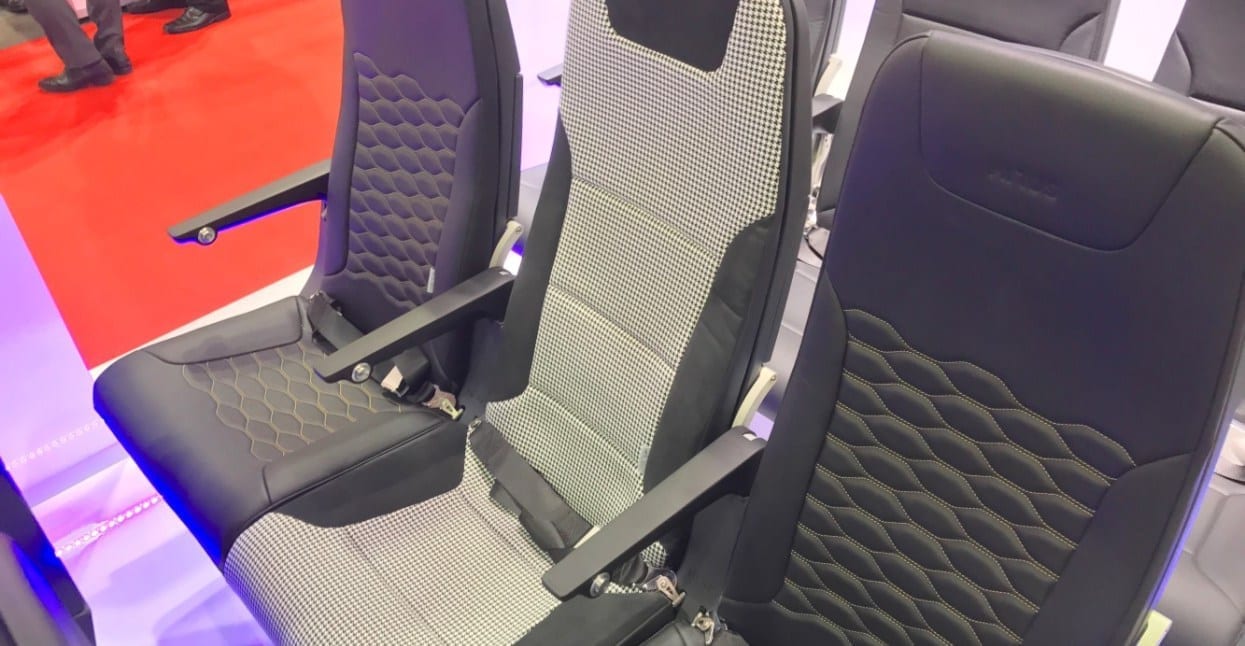
    AirAsia’s seatmaker Mirus made headlines even before the recent Aircraft Interiors Expo Asia started by announcing a partnership with digEcor and IFPL to add USB power to the armrest of its slimline seating. But Mirus isn’t just driving a step-change in the passenger experience for shorthaul LCCs. It’s also offering more fully featured seat options, one including a headrest inspired by a luxury car, which seems appropriate given the company’s automotive heritage. And, perhaps most crucially for the AirAsia passenger experience, it’s using smart design to carve out over an inch and a half of extra knee room — a full five percent extra on AirAsia’s tight seating.

    “This show, we’ve got some different variants of the seat,” Mirus CEO Phil Hall explained as he showed Runway Girl Network around the company’s AIX Asia stand. “We’ve got an entry-level seat, we’ve got a nominal AirAsia spec, and we did a heritage throwback line inspired by a 1970s Porsche. All these airlines have been around a long time, they’ve got a lot of heritage and they should be proud of it, and we’re trying to visualise some of that in the dress covers.”

    Most interesting, though, was the headrest, a snap-on, snap-off cushion. “That’s the S-Class inspired headrest. We’ll roll that out on AirAsia’s Hot Seats. Tony Fernandes said to me, ‘I really love the headrest on the S-Class Mercedes’,” Hall explained. “This is not production final, but I think we’re about 90% of the way there. There’s a small adjustment — you just un-velcro it and lift it up. It’s a similar type of feature to Emirates in their business class. We dressed it with Alcantara highlights just to mix up the textures a little bit, mix up the dress covers, and differentiate the brand. It’s a nice material, a tactile material, and it changes the appearance of the seat a little bit. This is more of a design and styling focus in terms of what we can do.”

    With a simple popper design for attachment, the headrest adjusts using velcro. Image: John Walton

    With a simple popper design for attachment, the headrest adjusts using velcro.

    “We’ve got production versions of the armrests here, and the aisle bumpers are our production spec,” Hall said. “We’ve changed the design language quite significantly, to a more dynamic looking seat. In Hamburg we didn’t have these available. What’s not on these seats is the production version of the backrests. We took a hit on the programme because we found quite a significant benefit to passenger space on the seatback, below the seatback area. Because we have a carbon-fibre frame, it allows us to mould the shape into whatever we want, because the carbon-fibre gives us the strength and the stiffness we need, and gives us the mobility. So we took a period of time to fully exploit that fact. We showed it to AirAsia, and they’re pitching at 28”, 29”, so it’s quite squeezy on there, and it was a genuine benefit to the passenger. That’s not on show here, but we’ll have that in Hamburg. It’s about an inch and a half. It was worth us taking the hit and offering a more competitive product.”

    “We’re looming up to certification and getting the seats in the air,” Hall added. “That’s our main target. All of our tooling has been commissioned, and the first production parts are now coming in. We built the certification seats from those parts. We’ve done all the precertification testing with non-production tool components, so we have a very good confidence level when we go into certification. The flam booth is there. The self-sufficiency aspect of the whole thing is coming together quite nicely. It’s all converging on a point.”

    “We did all the preliminary testing, pre-certification testing — 16G, 4G side, 9G static, 14G down — primarily to test the strength of the product but also to correlate all the virtual simulation that we do,” Hall said, noting that Mirus has succeeded with its head injury criterion (HIC) testing at pitches from 28” to 35”. “We’ve heavily invested in virtual prototyping and virtual product development, both software and process. We do another series of sub-assembly testing to validate those models as well.”

    It’s clear from the company’s level of hardware and testing investment that Mirus isn’t content simply to supply three hundred shipsets of A320 seats for AirAsia: the company wants to be much, much more than that. If Mirus was a seatmaker to watch six months ago when it burst onto the interiors scene, it’s doubly so now.