Category: General

Retail News Asia is committed to providing both local and global retailers with the latest General Retail news throughout the Asian market. This on a daily base.

  • Taiwan seeks more business opportunities with Indonesia

    Taiwan seeks more business opportunities with Indonesia

    Taiwan expects to boost its bilateral trade with Indonesia through the introduction of the so-called “New Southbound Policy” by its new government.

    The policy, adopted under the leadership of President Tsai Ing-wen, who was inaugurated in May, aims to strengthen Taiwan’s cooperation with nations in South and Southeast Asia, as well as Australia and New Zealand, in multiple sectors.

    During his maiden visit to Indonesia this week, Taiwan’s Deputy Minister of Economic Affairs Yang Wei-fuu brought along executives from Taiwanese state-owned enterprises representing various industries, including sugar, salt, aerospace, steel, oil and gas.

    “We’re looking for cooperation opportunities, to examine the needs in Indonesia and how we can help with our expertise and technology,” he said in Jakarta on the sidelines of an Indonesia-Taiwan business forum on Thursday evening.

    Experts from Taiwan, for example, can train sugar companies here to produce better and more sugar using its machines and methods, so Indonesia can import machines afterward, Yang said.

    The minister and his entourage will conclude their four-day visit on Saturday.

    Trade between Indonesia and Taiwan has seen a decline in recent years as a result of the global economic crisis as well as a lack of trade cooperation agreements.

    Indonesia’s exports to Taiwan consist mainly of natural gas, coal, copper and gold, timber and rubber and other raw materials. Imports consist largely of oil products, iron and steel products, textile raw materials, machinery parts, chemicals and other products.

    Indonesian Chamber of Commerce and Industry (Kadin) Taiwan Committee chairman SD Darmono said that to effectively boost trade between the two parties, Indonesia needed to have another logistics hub in the country’s eastern part, nearer to Taiwan.

    “All this time, they [Taiwan’s businesses] need to stop by in Singapore before entering Jakarta. That’s an extra 1,000 kilometers by sea,” he said.

    Darmono suggested Morotai Island in North Maluku province as a potential new hub, however, progress in building the island’s infrastructure has been slow. The island located near the Philippines also has potential for marine tourism. It has a population of only 60,000 although its size is three times that of Singapore.

    “Businesspeople in Taiwan and Indonesia signed commitments to invest in the island two years ago but progress has been too slow while we cannot also depend on the limited state budget to build it,” he said.

    He added that the hub could improve Indonesia’s trade with Taiwan, especially in value-added products, like food and clothing.

    Besides trade, Taiwan is also eyeing investing in Indonesia’s ambitious infrastructure boost, especially in solar and biomass-fueled power plants.

    “Both governments have been discussing [which power plant] projects we can invest in and how sustainable the project is once it’s done,” Deputy Minister Yang said.

  • Hitachi shows off finger vein authentication

    Hitachi shows off finger vein authentication

    Hitachi has developed a finger vein authentication system that does not require specialized hardware, using an ordinary smartphone camera with software processing to validate the identity of a user.

    This is the first time that such a solution has been demonstrated, Hitachi said, and the implication is that it can be used to easily the identity of returning customers for online shopping.

    The finger vein authentication system was among a host of other innovations demonstrated on the exhibition show floor of the company’s Social Innovation Forum 2016 held this week in Tokyo, Japan.

    The company aims to introduce its new finger vein authentication system for online shopping and financial transactions within a few years.

    At the moment, the system entails the use of an authentication app that takes a photo to read the vein patterns and compares it with pre-registered data. Several fingers are authenticated for greater security and higher accuracy, and by leveraging on the color recognition technology to detect the finger veins quicker, the process takes around one second.

    This makes it faster than the traditional user-ID and password systems, which forces users to remember a password. Moreover, the use of vein patterns is also considered as more secure as they are more difficult to forge or spoof compared to other biometric methods such as fingerprint, facial recognition or voiceprint.

    This is because finger veins hardly change, and are also unlikely to be counterfeit, according to company officials. This makes them perfect for integration into even lower-end smartphones without dedicated fingerprint scanners.

  • Apple will open another R&D center in Japan

    Apple will open another R&D center in Japan

    Apple is on a research & development spree! The company has announced a bunch of new R&D centers over the past few months, and R&D spendings have skyrocketed. This time, Apple CEO Tim Cook announced that the company plans to open a new center in Japan during a visit in Tokyo.

    This isn’t the first time we’re hearing about a new R&D center in Japan. Previous reports have indicated that Apple was building a new R&D center for 2016 or 2017.

    Cook met with Japan’s prime minister Shinzo Abe to discuss all things Apple and Japan. Later at a press conference, Chief Cabinet Secretary Yoshihide Suga reported that Apple would complete its R&D center in December.

    So what is this R&D center anyway? Located in Yokohama, the building used to be a Panasonic factory. Apple has taken over the building and transformed it into an R&D center.

    This way, Apple can more easily hire talented Japanese engineers. It’s unclear what the Japanese team is going to work on.

    Overall, in addition to existing R&D centers, Apple will soon have R&D centers in Shenzhen, Israel, the U.K., France, Japan and Sweden. Maybe it’s time to rethink Apple’s tagline on all of its products — “designed by Apple in Cupertino and many other countries.”

  • Eco Expo Asia, Building and Hardware Fair Open Today

    Eco Expo Asia, Building and Hardware Fair Open Today

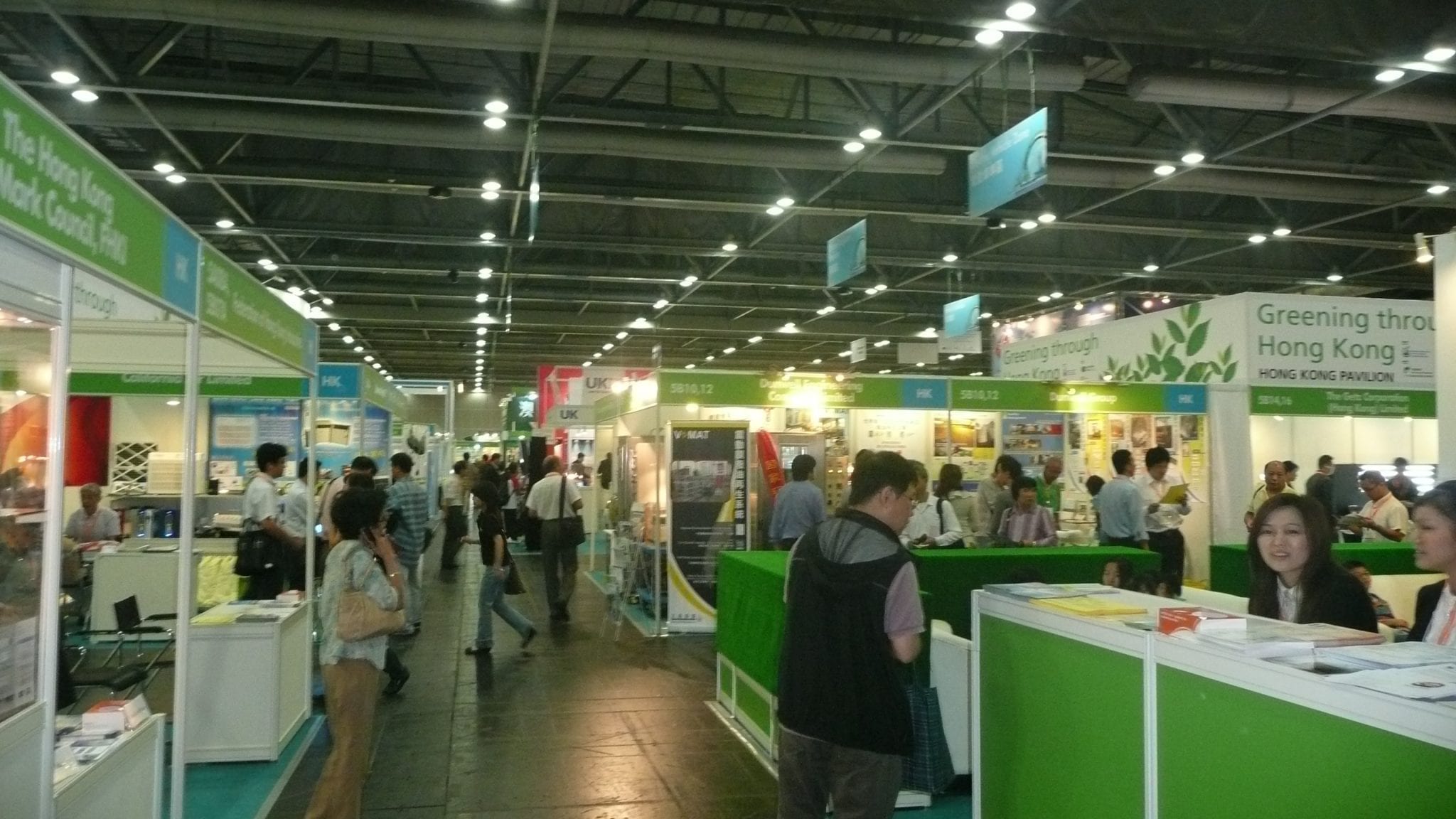
    The 11th editions of Eco Expo Asia and the HKTDC Hong Kong International Building and Hardware Fair opened today at the AsiaWorld-Expo. The opening ceremony of Eco Expo Asia was officiated by Wong Kam-sing, Secretary for the Environment of the Hong Kong Special Administrative Region (HKSAR) Government. Featuring more than 460 exhibitors, the two fairs run for four days (26-29 October). Nearly 90 buying missions were organised, comprising more than 4,000 corporate buyers from 30 countries and regions. Eco Expo Asia will open its doors to the public free of charge on the last day (29 October) to give visitors a better understanding of green industries.

    Eco Expo Asia spotlights climate change solutions

    The Eco Expo Asia is jointly organised by the Hong Kong Trade Development Council (HKTDC) and Messe Frankfurt (HK) Ltd, and co-organised by the Environment Bureau of the HKSAR Government.

    Speaking at the opening of Eco Expo Asia, Mr Wong said, “The Hong Kong SAR Government attaches great importance to combating climate change, and actions are being taken on various fronts to reduce greenhouse gas emissions with a view to reducing the territory’s carbon intensity between 50% and 60% by 2020, using 2005 as the base. We are on track to meet the said target.”

    Margaret Fong, Executive Director of the HKTDC, said, “For more than a decade, Eco Expo Asia has spotlighted exciting technologies for a cleaner and greener future. This year, with reference to the 2015 Paris Agreement on climate change, we have adopted ‘Green Solutions for a Changing Climate’ as the theme. This new focus aims to raise awareness of climate change solutions that will help governments and companies achieve their sustainability goals.”

    This year’s Eco Expo Asia has attracted more than 320 exhibitors from 19 countries and regions and features 12 overseas pavilions and group participations. The expo has nine product zones, spotlighting such topics as Green Transportation Experience, Waste Management and Recycling, Energy Efficiency and Energy, and Green Building Solution and Service as well as the newly-introduced Eco Home Tech zone. Industries, projects and technologies from various countries and regions are showcased, including a number of new green concepts:

    – Hong Kong EV Power Ltd. has brought its Smart Ceiling EV Charger, which can be installed at parking spaces without adjacent walls or columns. The charger is compatible with all EVs on the market.

    – Fortune Dragon Motors Ltd is featuring two pure electric commercial vans (models D11 and D12) that it distributes. The vans are compatible with European and Japanese charging standards and have a maximum range per charge of over 200 kilometres. The D12 model is available for visitors to test drive and test ride at the fair.

    – Eco-Green Group Ltd is exhibiting the Singapore-developed PlanterCell(R) SW-Tank, a high-strength, lightweight and innovative modular storm water storage tank. Made with recycled materials, the system provides a huge capacity for storm water collection and storage to prevent flooding.

    – China Water Industry Group Ltd is displaying its beverage bottle separation and crushing system. The recycled and assorted glass is crushed and processed into eco-friendly colour cullets, which can be used for wall, floor tiles, outdoor building and garden decorations.

    New Eco Home Tech zone

    The new Eco Home Tech zone is presented as a household setting that allows visitors to experience the green living concepts first-hand. An array of innovative green technologies, such as eco-friendly furniture and energy-efficient solutions are featured. Product highlights include the “ButterPly” Eco-friendly Plywood Furniture Series” brought by Upscaling Operations, which is easy to assemble with no screws or tools required; BAFCO Hong Kong Ltd’s Haiku(R) residential ceiling fan, which is equipped with the SenseME(TM) smart technology that monitors room conditions such as movement, temperature and humidity and adjusts fan speed automatically; and Ecopia (Hong Kong) Ltd’s compact household food waste processing system that can fit under the sink. With the use of micro-organisms to break down food waste into water and carbon dioxide, it helps minimise the accumulation of food waste at a cost of just HK$10 per day.

    Eco Asia Conference gathers industry leaders

    The fair’s signature event, the Eco Asia Conference, invites government officials and industry leaders from different countries and regions to discuss key green policies, sustainable developments and industry opportunities. Speakers this year include Yang Tiesheng, Deputy Head, Energy Conservation and Resources Utilisation Department, Ministry of Industry & Information Technology of the People’s Republic of China; and Enoch Lam, Director of Water Supplies, Water Supplies Department of the HKSAR Government.

    Other green topics, including Waste Management & Recycling, Air and Water Quality, Energy Efficiency and Energy, and Green Buildings are also in the spotlight. International industry leaders including Julius de Jong, Managing Director, Orgaworld Asia BV from the Netherlands; Murali Mohan Baggu, Group Manager, Power System Operations and Control Group, National Renewable Energy Laboratory of the United States; and Jan Zak, DGNB Senior Auditor and Member of the DGNB Technical Committee, ikl GmbH from Germany will offer insights into these hot topics.

    The inaugural Green Transportation Forum is also launched this year, comprising six seminars focusing on the development of the EV industry with topics covering the development trends of EVs, charging systems, technology advancement of solar energy vehicles, and more.

    Public Day to promote green living

    The public can take part in Eco Expo Asia for free on the last day (29 October), to experience the joy of green living through a range of fun activities. Mr Wong will also share his insights with secondary school students during the Dialogue with Secretary for the Environment session. Visitors may also join green workshops to learn how to make eco enzymes and practise permaculture. At the public day forum, representatives from the Hong Kong Observatory will discuss the impact of climate change. Furthermore, a renowned ecological educational consultant will offer tips on eco-photography while the Hong Kong Chinese Orchestra will introduce its “Eco Huqins Series” and stage live performances. “Green Mart” offers environmentally friendly products for sale, including DoDo Island’s handbags made with upcycled vintage fabrics from Chinese wedding gowns and Japanese kimonos.

    Building and Hardware Fair showcases innovative exhibits

    The HKTDC Hong Kong International Building and Hardware Fair features more than 140 exhibitors, including new participants from Australia and Malaysia. Shangyu District of Zhejiang Province’s Shaoxing City, well-known as a building industry cluster on the mainland, hosts a pavilion at the fair. The seven fair zones include BIM & Building Technology spotlighting software systems and solutions, and Green Building Materials showcasing various green architectural supplies, as well as Building & Decorative Hardware, Indoor Decorative Materials, and Coating & Chemicals zones.

    Various innovative products on show the Building and Hardware Fair include:

    – VHSoft Technologies Company Ltd’s VHSmart(TM) Mobile Construction management system, a multi-function application that can be used to monitor project progress and for material tracking.

    – BLJ Building Materials Ltd’s Buteline Plumbing System, a drinking water plumbing system from New Zealand that can be installed without soldering. The tough and durable fittings are free of lead and toxic chemicals and are able to prevent the build-up of scale.

    – Talent Forest Ltd’s Far-Infrared Carbon Nano-fibres Heated Wood Flooring, which allows for remote-controlled temperature control via a smart device. The temperature can be adjusted within 5 to 20 minutes and the system will power off while preserving heat after reaching the target temperature.

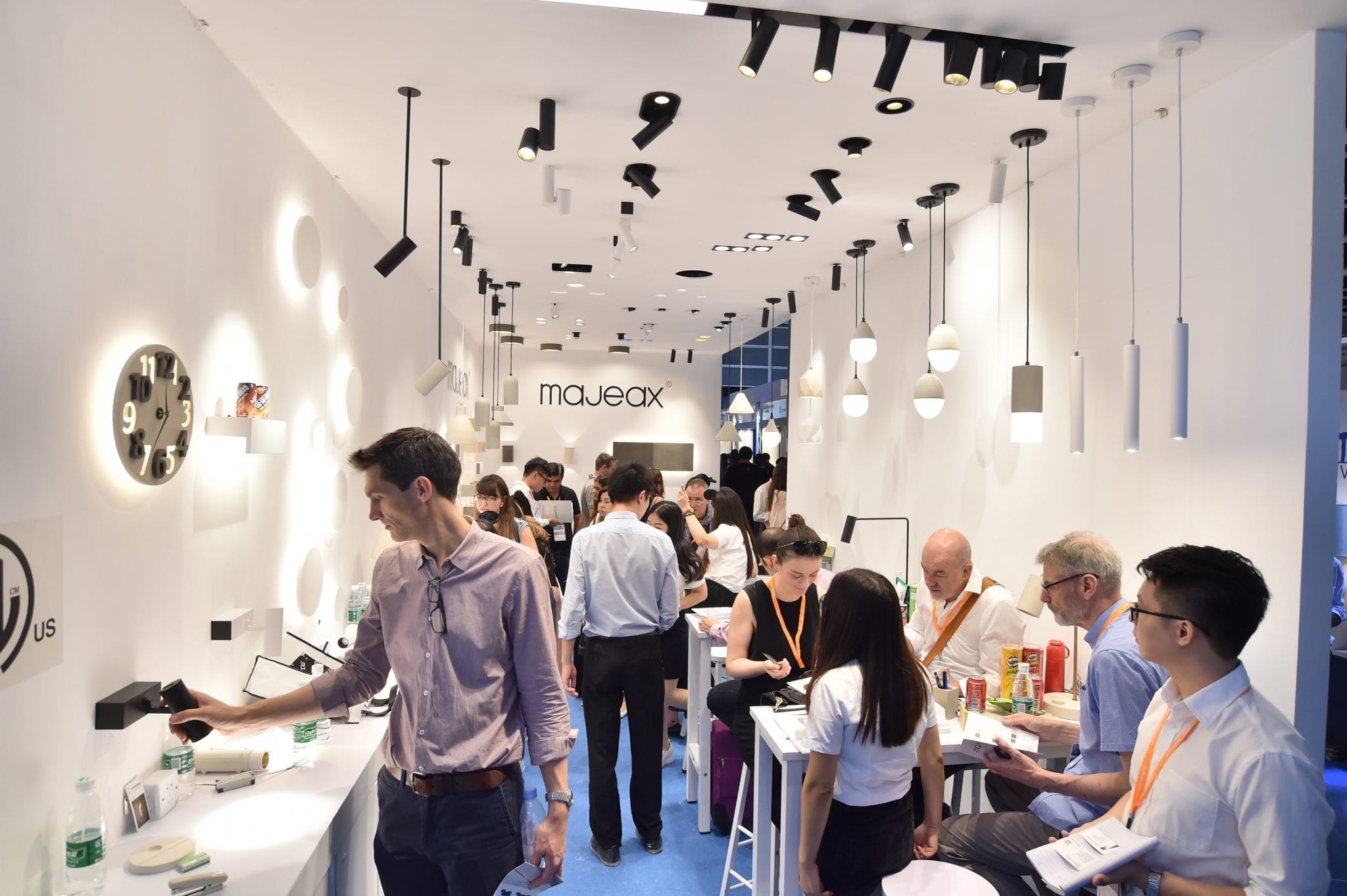
    The inaugural HKTDC Hong Kong International Outdoor and Tech Light Expo will be held concurrently with the Eco Expo Asia and HKTDC Hong Kong International Building and Hardware Fair at the AsiaWorld-Expo. The fair has attracted about 380 exhibitors from the Chinese mainland, Hong Kong, Korea, Malaysia and Taiwan featuring an array of exhibits in Outdoor Lighting, Professional and Industrial Lighting, Advertising Lighting, as well as Lighting Accessories, Parts & Components. As the lighting and building industries are closely related, the parallel fairs create a strong synergistic effect, creating more business opportunities for both exhibitors and buyers.

  • DFS Group And Ant Financial Introduces AliPay

    DFS Group And Ant Financial Introduces AliPay

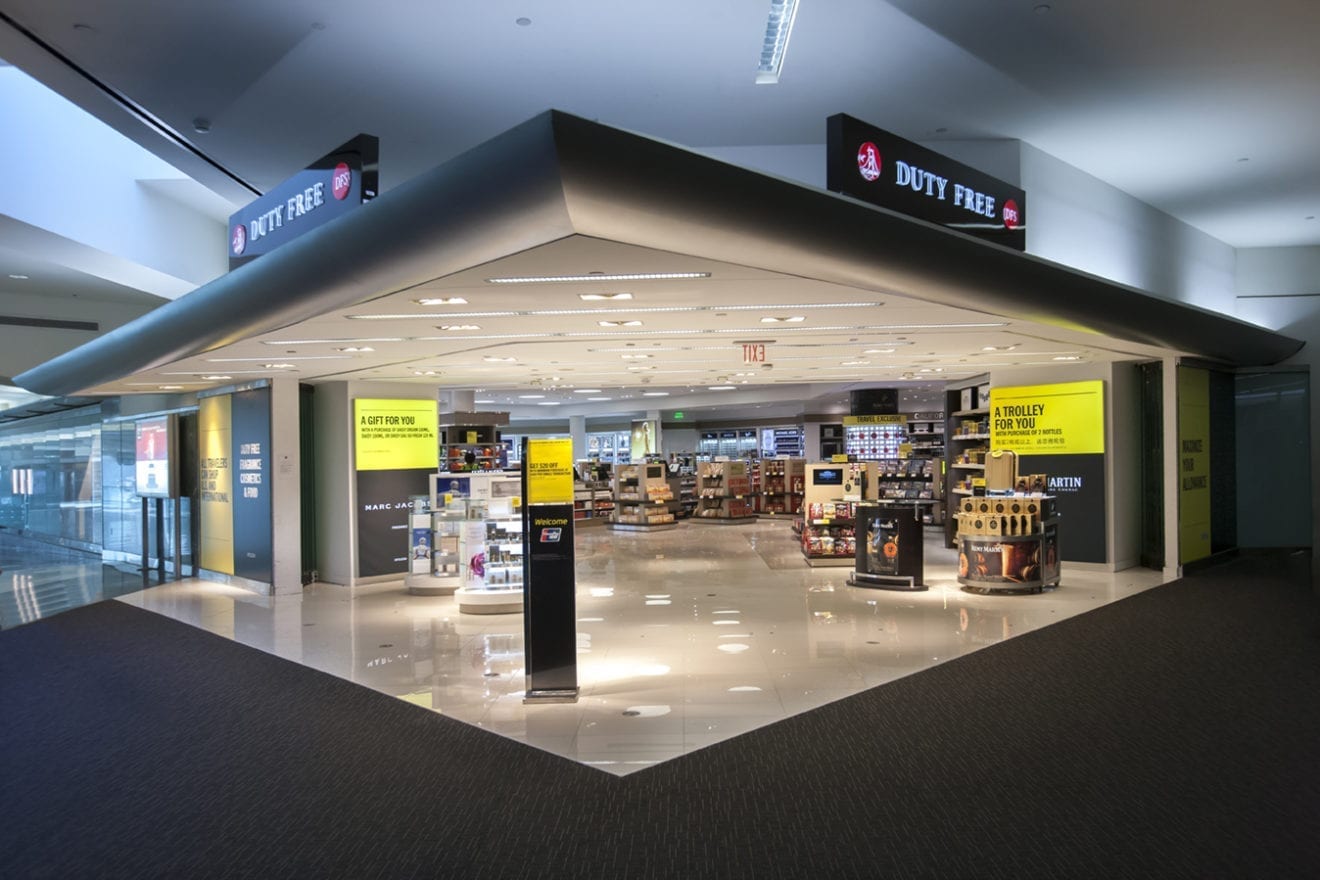
    DFS Group, the world’s leading luxury travel retailer, has partnered with Ant Financial Services Group, a related company of Alibaba Group, to launch Alipay at DFS, San Francisco International Airport, the first offline retailer in California to provide Alipay’s mobile payment option. Alipay, which provides consumers with fast, easy and safe mobile payment, caters to DFS’ global customer base that seeks out convenience and service when shopping in travel retail.

    “DFS is thrilled to partner with Ant Financial to bring leading mobile payment system Alipay exclusively in California to DFS, San Francisco International Airport,” said Mark Sullivan, Managing Director North America, DFS Group. “Here at DFS, we strive each day to ensure our customers receive the world’s best in customer service which means continuously innovating the shopping experience to meet their needs. With demand for mobile payment growing throughout retail, we are confident that with Alipay as our exclusive partner, customers will be delighted with this new and convenient approach to shopping with DFS.”

    To celebrate the launch, DFS will offer shoppers an exclusive promotion until November 30, offering 20 percent off key Origins beauty products when purchasing with the Alipay mobile app. 

    “DFS represents the most innovative approach to travel retail and we are excited to partner with them to continue to evolve this experience with the introduction of Alipay,” said Souheil Badran, President and General Manager, Alipay North America.

    This is the sixth DFS location to implement Alipay’s mobile payment system, which is also available at T Galleria stores in Hong Kong and Singapore as well as DFS, Hong Kong International Airport.

  • Holiday Season in Hong Kong: Good for Sales, Good for Theft

    Holiday Season in Hong Kong: Good for Sales, Good for Theft

    With the holiday season fast approaching, a study report reveals that retailers around the world will experience both their highest sales and shrink distributions during this period. According to the 2016 Retail Holiday Season Global Forecast, 30% of the losses Hong Kong retailers incur due to internal and external theft will come during the holiday season, with apparel, children’s toys and electronics emerging the favourites among thieves.

    Theft from internal sources (primarily via employee theft and other sales reducing activities) and external factors (primarily via shoplifting/organized retail crime), which is referred to as shrink by retailers, is at its peak during the holiday season, which also sees 27% of annual retail sales of a retailer in Hong Kong .

    The study, underwritten by an independent grant from Checkpoint Systems , Inc., was carried out by Ernie Deyle , a retail loss prevention analyst, and provides an analytical view of business risks that major retailers face during this holiday season. The 13 markets covered in the report include North America , Europe and Asia , and include the U.S., Belgium , France , Germany , Italy , Netherlands , Portugal , Spain , UK, Australia , mainland China , Hong Kong and Japan .

    Mark Gentle , Vice President — Merchandise Availability Solutions Asia Pacific, Checkpoint Systems, said, “Building holiday inventories earlier and specifically for high-risk items may lead to increased sales reduction pressures, such as markdowns and shrink throughout the fourth-quarter. The report reveals that nearly 30% of sales reducing activities are incurred during this time period. This leads to increased shrink, and puts additional strains on brick-and-mortar retailers already reeling from an ongoing inhospitable retail market.”

    Even though Hong Kong has the lowest proportion of Q4 losses due to shrink of all the 13 markets surveyed, it is still significant and over 30% higher than during the first two quarters of the year.

    In addition, the cost of retail loss to Hong Kong shoppers in 2016, as absorbed or passed on from retailers, is expected to be HK$175 per person on average, of which HK$53 , or one-third, will be incurred during the holiday season. These increases in losses place an enormous burden on retailers and, ultimately, on honest consumers who pay for it in higher prices.

    “For most retailers, wholesalers and distributors, inventory — including the space to store it — is the largest single cost of doing business. While reducing inventory means lower costs, insufficient inventory leads to out of stock situations, lost sales and unhappy customers. Therefore balancing these two factors is critical to profitability and growth, particularly in omni-channel environments,” said Mr. Gentle.

    “The use of advanced data analytic tools, inventory management strategies, along with technologies such as RFID will provide retailers with enhanced visibility to track merchandise as it moves through the supply chain to distribution centers, retail backrooms and store shelves, helping retailers reduce losses due to shrink and other causes, ultimately increasing the financial contribution of each item.”

  • International Design Policy Conference and Design Week Forum

    International Design Policy Conference and Design Week Forum

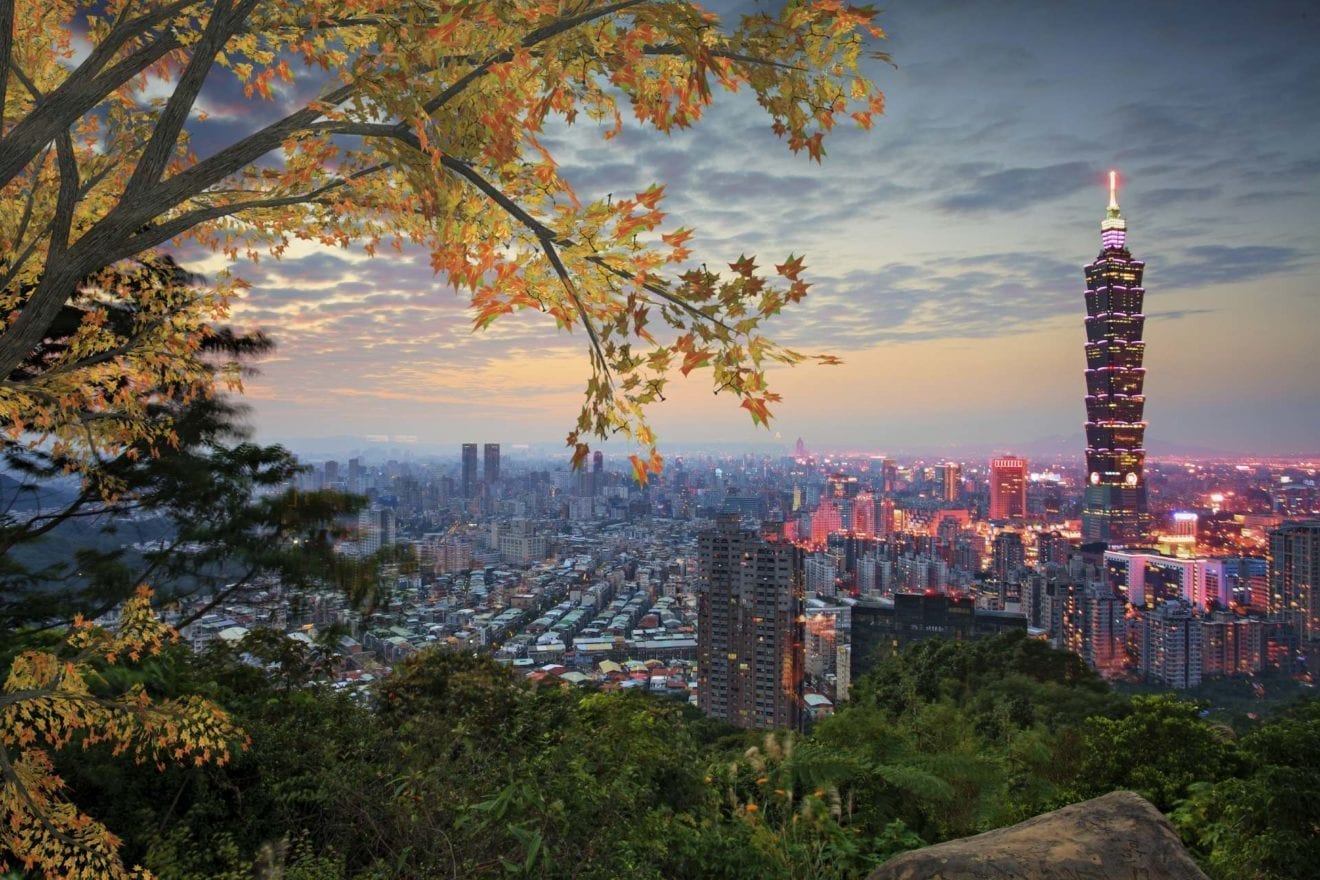
    The World Design Capital (WDC) Taipei 2016 International Design Policy Conference brought together leaders in design thinking from around the world in Taipei to share their ideas on the future role of designers, public servants, and private firms in facing the challenges of urbanization and resource scarcity.

    The conference, held on the weekend of October 15 and 16, was followed by the WDC Taipei 2016 International Design Week Forum on October 17 and 18, which saw organizers of leading design weeks discuss how to elevate the value of design weeks as platforms for promoting design.

    Prof. Mugendi M’Rithaa, President of ICSID, described the conference as an opportunity to “exchange practical and inspiring solutions that strengthen design’s role in urban planning, and which set the foundation for a design-led legacy program which resonates far beyond the designated World Design Capital year.”

    “Design is not just about seeking aesthetics in objects, it is about an attitude of thinking,” said Mayor of Taipei City Ko Wen-je. “To change Taiwan, we must start with the capital; to change the capital, we must change the culture; and to change the culture, we must start with design.” 

    Mayor Ko added that implementing design into urban development requires collaboration across different bureaus within government, as well as from citizens and professional designers, and stated that “our vision is to make Taipei a livable and sustainable city by 2050.” 

    Mayor Ko was joined in the first session by public officials from previous and future World Design Capital cities, including Jussi Pajunen, Mayor of Helsinki; Ian Neilson, Executive Deputy Mayor, City of Cape Town; and Miguel Torruco Marqués, Secretary of Tourism, Mexico City. 

    They shared thoughts on the role public officials can play in supporting and investing in social design innovation to develop a sustainable and inclusive urban future. Anne Stenros, the newly appointed Chief Design Officer of Helsinki, noted the trend of design moving away from a “user-centric” approach towards a “citizen-driven” mindset that encompasses a more holistic and participatory view of design.

    In further sessions, Jocelyn Wyatt, Co-Lead and Executive Director of IDEO.org, and Rama Gheerawo, Director of the Helen Hamlyn Centre for Design and the RCA Reader in Inclusive Design, elaborated on their approaches to human-centered, social design and the importance of empathy. 

    Having both conducted design interventions with lower socio-economic and disadvantaged communities, Gheerawo spoke of the importance of breaking down social barriers through simple, fun exercises in order to open up genuine conversations. Wyatt further emphasized the need for tangible and measurable results, and the value of deep listening in gaining insight and inspiration for solutions that can scale.

    Professor Dung-Sheng Chen, from the Department of Sociology at National Taiwan University, stated that “every citizen should be a social designer and have the ability to participate in the process of social design.” Professor Chen spoke of the rapid progression of Taiwan since 1987 towards a democratic and inclusive society, highlighting the many ways that now exist for citizens to participate in policy, budgeting, and shaping the city through platforms like join.gov.tw.

    In her first public appearance since starting in her role as the first and youngest Digital Minister without portfolio for the Executive Yuan, Audrey Tang gave an introduction to her involvement in hackathons with the civic tech community with the aim of bringing about greater government transparency. She was joined by Julia Kloiber, Project Lead for the Open Knowledge Foundation in Germany, who also spoke of the role designers can play in supporting software developers and engineers to make complex data sets accessible to citizens.

    Shikuan Chen, Vice President of Experience Design at Compal Electronics; Annete Baumeister, the Studio Director of Shanghai Designworks for the BMW Group; and Mike Orgill, the Director of Public Policy in the Asia Pacific region for Airbnb, spoke on the “sharing economy.” Since sharing of assets can reduce the demand for precious natural resources and limited urban space, the speakers suggested that designers’ efforts will increasingly focus on user experience over ownership. Baumeister showcased the Mini Vision Next 100, a futuristic concept car which is autonomous, electric, and designed to be shared. 

    The International Design Week Forum brought together organizers of design weeks from cities including Beijing, Chiang Mai, Dubai, Eindhoven, Holon, London, Tokyo Paris, Sydney, and areas and countries including Hong Kong, Mexico, Singapore, and Taiwan. During the fruitful exchange, organizers shared ideas on how to overcome common challenges and developed strategies to share resources in future.

    “I think that it’s important as design weeks that together we look into how we can strengthen the ties between the weeks, to make a network that is useful for our design communities,” said Ingrid Van der Wacht, International Projects Manager of Dutch Design Week. 

    “Through this forum we were able to get to know each other better, and understand how other people curate their own event. We’re already starting to think about the next step, of how we can work together in future,” added Ben Chiu, Executive Director of Taiwan Designers’ Week. 

    Organized by Taiwan Designers’ Web, the forum was held on Monday, October 17 at the Xue Xue Institute and Tuesday, October 18 at the Taipei Fine Arts Museum. The International Design Policy Conference was held at the Taipei International Convention Center. 

    The WDC Taipei 2016 International Design House Exhibition, located in the Songshan Cultural and Creative Park, will be open every day from 10AM to 6PM, from now until Sunday, October 30, and is free for all visitors. A free shuttle bus service will be provided from Songshan Cultural Creative Park to three satellite exhibition areas around the city, including Yongkang Street, Zhongshan-Shuanglian District, and Wanhua-Dadaocheng District. 

  • World’s Largest Lighting Marketplace Opens in Hong Kong

    World’s Largest Lighting Marketplace Opens in Hong Kong

    Organised by the Hong Kong Trade Development Council (HKTDC), the 18th HKTDC Hong Kong International Lighting Fair (Autumn Edition) opened today and continues through 30 October at the Hong Kong Convention and Exhibition Centre (HKCEC). To encourage cross-sector business opportunities, the HKTDC has also launched the brand new HKTDC Hong Kong International Outdoor and Tech Light Expo this year, which runs from 26 to 29 October at the AsiaWorld-Expo.

    The inaugural Outdoor and Tech Light Expo and the 18th HKTDC Hong Kong International Lighting Fair together form the world’s largest lighting marketplace, welcoming over 3,000 exhibitors from 37 countries and regions to showcase their state-of-the-art lighting products and solutions. Compared to last year’s lighting events, the number of exhibitors this year has increased more than 10 per cent, which reflects the industry’s positive sentiment towards the market. Products such as LED green lighting, smart lighting and outdoor lighting products are in particularly sharp focus.

    The HKTDC has organised 77 buying missions with more than 7,000 buyers from over 4,900 companies, to seize new business opportunities during the fair period. Notably, a number of renowned lighting products distributors from emerging markets are participating in the buying missions, such as Etna Home Store from Brazil, Wipro Enterprise Ltd from India, Anh Minh Chau Trading from Vietnam, Seng Hup Lightings & Decor from Malaysia, LEDIN Sp. z o.o. from Poland, and Huda Lighting from the United Arab Emirates.

    Energy-efficient products and creative designs in the limelight

    The HKTDC provides a professional sourcing platform for the lighting industry by gathering exhibitors from around the world to present new energy-efficient and creative products as well as the latest technologies to potential buyers. This year, the Lighting Fair welcomes a record of over 2,650 exhibitors from 37 countries and regions. Companies from Canada, Hungary, Ukraine and the UAE are taking part for the first time, offering more diversified options for buyers.

    One of the fair’s highlights, Hall of Aurora features 530 local and international brands, including BJB, Citizen, EGLO, Lumileds, Neo-Neon and Megaman.

    To keep abreast of industry trends, more than 1,000 exhibitors are displaying a wide variety of energy-efficient products at the LED & Green Lighting zone, providing innovative energy-efficient lighting solutions. Other thematic zones include Smart Lighting & Solutions, Commercial Lighting and Household Lighting.

    Among the many innovative and creative products at the fair are the world’s first spiral shaped filament LED light bulb SIMBULB (Booth: 1D-D36), which won the Good Design Award 2015 and Red Dot Award 2016; the smart Aroma Diffuser Lamp (Booth: 1B-E37) that serves as a diffuser, humidifier, Bluetooth music player and lamp; 180 degrees motion activated LED Security Light (Booth: 3C-D18) equipped with a WiFi-enabled camera, built-in microphone and speaker, and a Floating Bulb (Booth: 3B-D35) that uses magnetic floating and wireless induction technologies.

    Inaugural Outdoor and Tech Light Expo makes bright debut

    Building on the success of the World of Outdoor Lighting & Lighting Accessories 2015, this year the HKTDC is expanding the scale of the event by launching the debut Hong Kong International Outdoor and Tech Light Expo, which opened yesterday and runs until 29 October at the AsiaWorld-Expo, to meet market demand and foster cross-sector business.

    The inaugural fair gathers about 380 exhibitors from Hong Kong, the Chinese mainland, Malaysia, Korea and Taiwan. It comprises four major zones: Outdoor Lighting, Lighting Accessories, Parts and Components, Professional and Industrial Lighting, as well as Advertising Lighting. A wide range of unique professional and industrial lighting products for different working environments are on show, including the LED Down Lights by Hella Marine made of high-grade 316 stainless steel, which is popular among the automotive, marine and industrial sectors (Booth: 10-A05), and the APOLLO 2 Series LED Street Light, which is made of die cast aluminium and equipped with a lightning and surge protection system (Booth: 8-G02).

    During the Lighting Fair and Outdoor and Tech Light Expo, renowned industry experts are invited to explore technological breakthroughs and analyse the latest market trends. Today’s (27 October) seminar on “The Latest Development of Smart Lighting” at the HKCEC features representatives of LEDinside from Taiwan, Leedarson Lighting Holdings Pte Ltd from Singapore and Neonlite International Ltd sharing up-to-date smart lighting technologies and product trends. Another seminar, “Latest Standards and Regulations for LED Products” will be held tomorrow (28 October) at the AsiaWorld-Expo. Experts from leading companies including TUV SUD, Intertek HK and DEKRA will discuss the regulatory standards for LED products in the United States, Australia, Asia and the Middle East.

    In addition to the lighting events, the Hong Kong International Building and Hardware Fair and Eco Expo Asia run from 26 to 29 October at the AsiaWorld-Expo. The four parallel fairs generate strong synergy across related business sectors, adding value to the experience for exhibitors and buyers and creating more business opportunities. A free shuttle bus service between the HKCEC and AsiaWorld-Expo is provided during the fair period.

    Hong Kong: a trading and distribution hub for the lighting industry

    In the first eight months of 2016, the total value of Hong Kong’s exports of lighting products reached HK$6.1 billion. The city’s top three export markets are the US, the Chinese mainland and Japan, which together account for nearly 60 per cent of the total export value. Hong Kong’s exports of lighting products to the US increased by 2.8 per cent compared to the same period last year.

  • Singapore’s Mall Vacancies Jump to Highest Level in a Decade

    Singapore’s Mall Vacancies Jump to Highest Level in a Decade

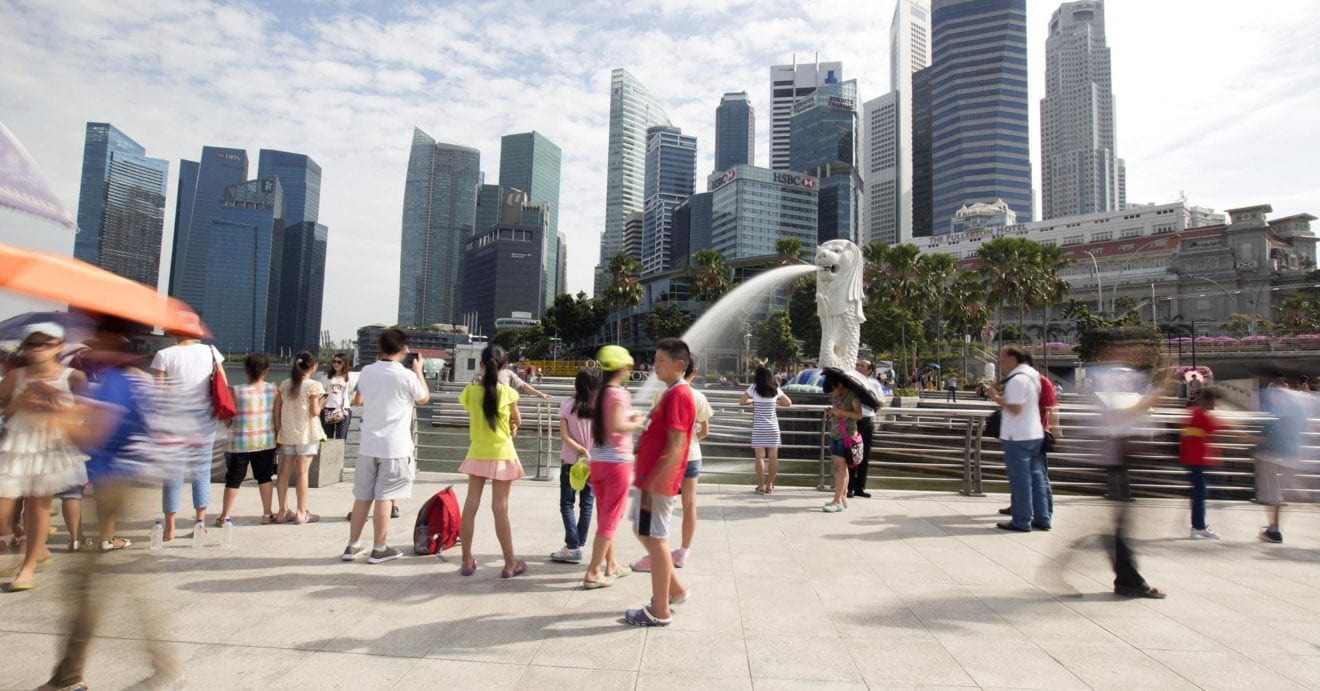
    Singapore mall vacancies rose to the highest level in a decade in the third quarter as an oversupply of shop spaces added to muted spending by shoppers.

    A gauge of mall vacancies rose 0.6 percent to 8.4 percent in the three months ended Sept. 30, even as rents declined 1.5 percent in the quarter, data from the Urban Redevelopment Authority showed Friday. That’s the highest vacancy rate since Sept. 2006.

    Demand for shopping space is being dented as consumers rein in spending amid slowing growth and buyers increasingly turn to shopping online. That’s converging with a rising supply of mall space, which threatens to further squeeze rents. Singapore will add almost 4 million square feet of retail space over the next three years, according to data from Cushman & Wakefield.

    Singaporeans are among the most tech-savvy spenders in Asia, with a greater percentage shopping online than customers in Hong Kong and Malaysia, according to data from MasterCard. Singapore’s retail market is also reeling from the impact of China’s slowing economy, and a pullback in spending by tourists, especially those from the mainland. Tourism spending fell for the first time in six years in 2015, even as tourist arrivals rose.

    It’s not just the retailers feeling the heat. Office landlords too are struggling to maintain rents amid rising supply. Office vacancies rose to the highest in more than four years despite rents sliding 1.1 percent in the quarter. Prices of office space decreased 0.4 percent in the quarter compared with a 1.5 percent decline in the previous three months.

    Residential rents dropped 1.2 percent in the three months to Sept. 30 to the lowest since June 2010, the data showed. Singapore home prices dropped by the most in more than seven years as developers offered discounts amid signals from the government that it won’t roll back property curbs initiated in 2009. The price index fell 1.5 percent in the third quarter, the data show.

  • How Did China’s Retail Sales Look in September?

    How Did China’s Retail Sales Look in September?

    China’s retail sales

    On a year-over-year basis, China’s retail sales showed a strong recovery in September 2016, according to the National Bureau of Statistics of China. The country’s retail sales rose 10.7% in September 2016 compared to a 10.6% rise in August. This reading was above the market expectations of a 10.6% rise, and it was the highest since January 2016.

    How Did China’s Retail Sales Look in September?

    Sector-by-sector performance

    Building material sales rose 14.2%, furniture sales rose 8.7%, home appliance sales rose 8.6%, telecommunications sales rose 5.1%, personal care sales rose 12.5%, automobiles sales rose 13.1%, and cosmetics sales rose 7.7%.

    Economic impact

    The sales improvements in different sectors signify that consumer sentiment is improving. After the slowdown in economic activity in China, the economy is going through a transitional phase. From a manufacturing hub, it’s transitioning to a consumer-based economy. Consumerism will play a large role in the country’s future economic growth.

    Consumption patterns are changing in China’s economy. Chinese consumers are becoming more selective toward the products and services that they use. As China is one of the world’s most important economies, improvement in its growth drivers could aid the global economy.

    In the next part of this series, we’ll analyze China’s monthly new loans in September 2016.

  • Industry risks startup bubble

    Industry risks startup bubble

    Kaskus co-founder Ken Dean Lawadinata has broken his silence after marching out of one of Indonesia’s most prominent technology platforms, citing higher “risk” in the industry and even “a little bit of a bubble”.

    “I think right now the IT market is in a bit of a bubble in Indonesia, with everyone asking ridiculous valuations without any signs of profit in the near future,” local media quoted the 30-year-old, who brought Kaskus to fame in 2008 with his cousin Andrew Darwis.

    This — just days after Go-Jek co-founder Michaelangelo Moran also announced he had quit his popular company — has generated concerns over the state of Indonesia’s young and thriving startups, companies that have seen many investments flow in with little details and no guarantees about their revenues and profitability.

    “There is a marginal bubble forming because of the involvement of foreign investors, hence the global nature of the industry’s fears,” says Naveen Menon, head of communications, media and technology practice at A.T. Kearney.

    Foreign investors are flocking into startups operating in the country, with the biggest funding ever for a local startup rounded up by Go-Jek in August worth US$550 million from American private equity firms KKR and Warburg Pincus.

    “Indonesia’s startup scene is starting to look crowded, but compared to other markets such as India or the USA, it’s relatively small and still generating huge interest among investors,” he added.

    There are over 2,000 startups in Indonesia, most of which are valued at less than $10 million, according to a Google-Temasek report. The middle-income segment of the country is flourishing and internet users are expected to double by 2020 from over 100 million users at present, the world’s fifth largest figure.

    Even if startup investors are running higher risks, Naveen explained that it was very common for them to invest in unprofitable companies due to a scale effect, or a network effect.

    “Basically, investors in the startup system are giving up short-term gains for massive long-term gains. They just need one of their invested startups to become successful in order for them to say that they have succeeded,” he said.

    Startups and venture capitalists (VCs) have told that they see no bubble bursting in the near future as they are banking on the growth potential of the young industry.

    “I would see it not as a bubble, but more of a challenge of market and price adjustment,” said Sebastian Togelang, founding partner of Kejora, a local VC firm that focuses on building companies.

    The technology industry is well prepared to prevent bubbles from bursting because of lessons learned from the 2000 dotcom bubble burst, when tech firms in developed countries crashed and burned after going public based on unrealistic valuations, he said.

    “Everyone is being cautious and that’s a good thing for both parties,” Sebastian added.

    These days, fewer tech companies are going for initial public offerings (IPOs) and when they do, it takes more time and more maturity to do so, according to data from McKinsey Indonesia.

    Over 50 companies in the US are targeting IPOs in 2014, versus 371 in 1999, while median years to IPO stood at 11 years in 2014 from four years in 1999. In terms of networks, there are now 14 billion connected devices worldwide from half a billion in 1999.

    Metra Digital Innovation (MDI) Ventures CEO Nicko Widjaja said Indonesia was far from a bubble because many startups were funded by corporate ventures with big scales that had yet to reach their optimum levels.

    Local corporate ventures into the digital startup sector include those operated by Bank Mandiri and Bank Sinarmas, along with Telkom Indonesia’s Indigo Accelerator program, which Nicko and MDI are aligned with.

    The concerns over a bubble burst in the tech scene may have emerged in the first place because of a perceived “winter” for venture capital in Indonesia. For almost a year, fundraising has been more difficult due to a more cautious approach taken by both investors and startups in seeking profitability, VCs said.

    Startups admit that their focus is indeed on growth and eventual profitability, but the main aspect of their operations revolves around the effects of their business in changing the way people shop, travel, transact and use a wide range of services online.

    “From the start, one of our main focuses has always been on growth,” Go-Jek’s chief marketing officer Piotr Jakubowski said, admitting that satisfying investor returns on investment remained a “process”.

    “Our best takeaway is the fact that we continue to inspire new businesses and we are also innovating and growing in a way that’s beneficial for consumers.”

    E-commerce firm Blibli.com is of the view that the startup scene will continue to grow so long as enterprises serve to benefit the public.

    “In the end, it’s about educating the market, especially in e-commerce, which is something relatively new. It’s teaching people to try online shopping,” Blibli.com senior marketing manager Deny Agsana said.

  • Loyalty Program Pointo Aims to Manage Points Across Region

    Loyalty Program Pointo Aims to Manage Points Across Region

    “For points issuers, the Pointo system will help them limit their budget on marketing and add more value to its customers. Meanwhile for point receivers, it would help them generate more revenue as it would increase transactions,” Pointo Point Exchange chief executive Ari Stefanus said on Wednesday.

    Pointo now registers issuers including grocery stores Ranch Market and Farmers Market, home appliances retailer Electronic Solutions, national flag carrier Garuda Indonesia, Lippo Group’s theater chain Cinemaxx, ice cream shop Haagen-Dazs and many more.

    In the near future, Pointo targets to have at least 150 brands collaborate with them, including merchants in Asia, such as Universal Studios and Gardens by the Bay in Singapore, Ocean Park and Disneyland in Hong Kong and Japan.

    The company also wants financial companies, such as banks, flight carriers and telecommunication operators to join Pointo.

    Loyalty Program Indonesia is an information technology developer established in 2008. It built expertise on customer loyalty programs, serving clients from the retail sector, including convenience store chain operator Indomaret, retailer Centro Department Store, as well as shopping malls Grand Indonesia and Pacific Place.

  • Singapore retail sales decline gains pace

    Singapore retail sales decline gains pace

    Real Singapore retail sales fell 6.5 year-on-year in August – twice the rate of decline of the previous month.

    Retail sales august 2

    While the headline figures were 1.1 per cent over July, and 1 per cent over August 2015, those figures included motor vehicle sales. Excluding motor vehicles, retail sales declined 2.1 per cent from July to August.

    According to Statistics Singapore, the retail sales value in August 2016 was estimated at S$3.6 billion, including vehicles.

    While sales in department stores and of computers and phones increased by up to 3.1 per cent month-on-month, sales of recreational goods, apparel & footwear, furniture & household goods, optical goods and books, medical goods & toiletries, supermarkets, mini-marts & convenience stores, watches & jewellery and food & beverages all decreased between 0.5 per cent and 8.9 per cent month-on-month.

    Year-on-year, sales of computers & phones, watches & jewellery, apparel & footwear and recreational goods decreased by between 11.1 per cent and 19.6 per cent. Similarly, sales at petrol service stations, of food & beverages, furniture & household equipment, optical goods & books, supermarkets, department stores, medical goods & toiletries and mini-marts & convenience stores declined between 0.4 per cent and 9.9 per cent.

    Food & beverage sales

    Retail sales FB

    Meanwhile, sales of food & beverage services decreased 1.6 per cent in August 2016 over July.

    Compared to August last year, sales of food & beverage services declined 2.5 per cent. Fast food retailers grew their sales by 3.9 per cent and caterers by 4.7 per cent, but restaurants were down 5.3 per cent.

    Year-on-year, turnover of restaurants fell 8.8 per cent in August 2016.

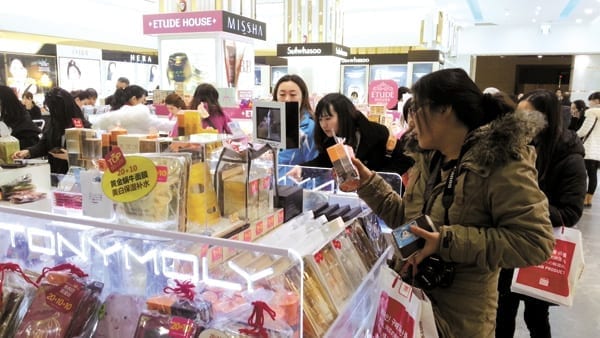
  • Surge in Chinese tourist arrivals continues to boost South Korean duty free

    Surge in Chinese tourist arrivals continues to boost South Korean duty free

    Chinese visitor numbers to South Korea in August climbed by +70.2% year-on-year to 873,771, according to the Korea Tourism Organization. The figures are distorted by the 2015 MERS health crisis which ravaged inbound tourism in 2015, prompting a -32.3% year-on-year fall in arrivals last August. A better base comparison is the +15.2% growth in August 2016 over the same month in 2014, when Chinese arrivals reached 757,683.

    Chinese visitors are critical to South Korea’s travel retail sector (the world’s largest), representing 52.5% of total arrivals in the month.

    For the first eight months of 2016 Chinese arrivals rose by +48.8% year-on-year to 5,608,046.

    The importance of group tourists to the travel retail channel is underlined by the breakdown of Chinese visitor numbers (see table below) with 4,839,309 group travellers arriving in South Korea over the first eight months. Group tourists accounted for 86% of Chinese arrivals. Others (principally free independent travellers) represented just 731,731 arrivals, a 13% share, with business travellers and officials making up the balance.

    Attracting the FIT market is an increasingly important battleground in the fight between retailers to attract big-name luxury brands.

    However, arrivals by ‘others’ fell -7.0% year-on-year in the first eight months, while Chinese group tourist numbers surged +64.1%.

    Japanese arrivals grew -51.7% to 225,456 in August, a 14% share.

    The first eight months of 2016 saw a +23.5% rise in Japanese visitor numbers to 1,451,565, a 12.6% share.

    Korean departures increased by +12.5% in August to 2,064,241; and for the first eight months by +16.8% to 14,780,387.

    Visitor arrivals by gender for August; Source: Korea Tourism Organization

    Visitor arrivals by gender for August; Source: Korea Tourism Organization

    Accumulative visitor arrivals by gender for first eight months; Source: Korea Tourism Organization

    Accumulative visitor arrivals by gender for first eight months; Source: Korea Tourism Organization

    Visitor arrivals by purpose and nationality for August; Source: Korea Tourism Organization

    Visitor arrivals by purpose and nationality for August; Source: Korea Tourism Organization

    Accumulative visitor arrivals by purpose and nationality for first eight months; Source: Korea Tourism Organization

    Accumulative visitor arrivals by purpose and nationality for first eight months; Source: Korea Tourism Organization

    Outbound departures of Korean nationals by gender for the first eight months of 2016; Source: Korea Tourism Organization

    Outbound departures of Korean nationals by gender for the first eight months of 2016; Source: Korea Tourism Organization

    Outbound departures of Korean nationals by age for the first eight months of 2016; Source: Korea Tourism Organization

    Outbound departures of Korean nationals by age for the first eight months of 2016; Source: Korea Tourism Organization

  • South Korea prosecutors to indict Lotte chairman, father and brother in corruption probe

    South Korea prosecutors to indict Lotte chairman, father and brother in corruption probe

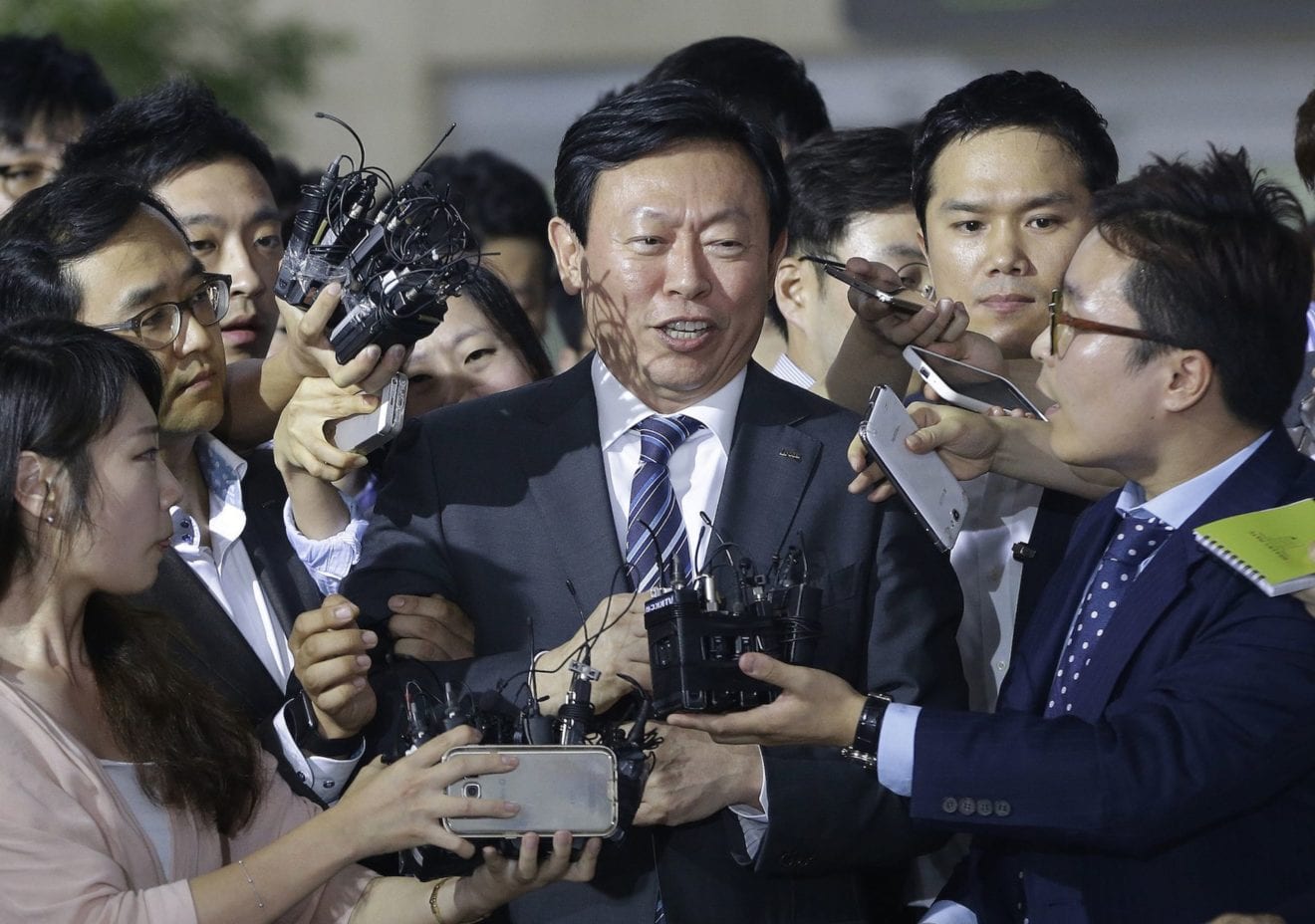
    South Korean prosecutors will file charges on Wednesday against Lotte Group’s chairman, Shin Dong-bin, father and brother alleging they committed offences such as embezzlement and breach of trust worth hundreds of millions of dollars at the family-owned conglomerate, as reported on Tuesday.

    Closing a wide-ranging probe into corruption that has convulsed Korea’s fifth-largest conglomerate, prosecutors will announce the results of their investigation into the retail-to-chemicals group on Oct. 19, a prosecution source with direct knowledge of the matter told Reuters.

    The person, who requested anonymity as he was not authorized to speak to the media, declined to comment on whether Shin, 61, will be indicted.

    Shin’s father, the 93-year-old Lotte Group founder Shin Kyuk-ho, and his brother Shin Dong-joo, will also be charged with offences such as tax evasion and breach of trust.

    A Lotte Group spokeswoman declined to comment.

    The probe has constricted management at Lotte, a household name in Korea, since it flared into public in June, derailing plans for billion-dollar deals and freezing expansion of a group with assets worth 103 trillion won (US$92 billion). It also served as the backdrop to the apparent suicide of a leading executive at the group.

    While Shin would be charged with embezzlement of about 50 billion won and breach of trust involving about 175 billion won, he would not be arrested.

    Last month the Seoul Central District Court turned down prosecutors’ request for an arrest warrant for Shin after he appeared at a court hearing, saying it didn’t view detaining the executive as necessary.

    Once indicted, appeals processes could mean Shin potentially faces trial in court for many months.

    A spokesman for the Seoul Central District Prosecutors’ Office could not be immediately reached for comment.