Category: General

Retail News Asia is committed to providing both local and global retailers with the latest General Retail news throughout the Asian market. This on a daily base.

  • Lulu opens its first hypermarket in Indonesia

    Lulu opens its first hypermarket in Indonesia

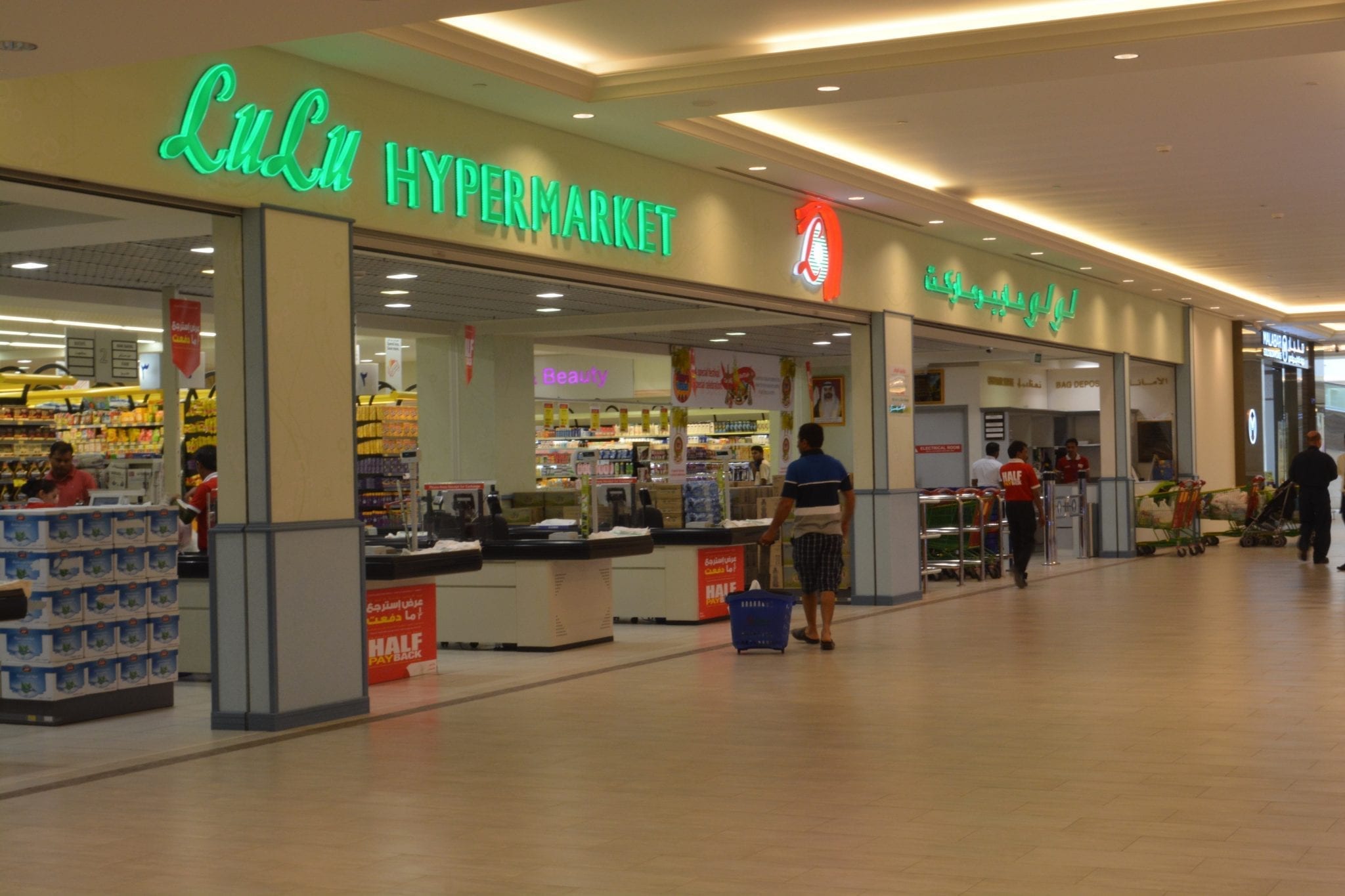
    The UAE-based retail major Lulu Group marked its retail push into Indonesia with the opening of its first hypermarket in the country in capital Jakarta.

    The group has already announced plans to invest $500 million and set up 10 hypermarkets in the next three years in the country, as part of its expansion.

    The first Lulu hypermarket of the country was officially inaugurated by Joko Widodo, the President of Indonesia in the presence of Basuki Tjahaja Purnama, Governor of Jakarta; Thomas Trikasih Lembong, Indonesian Trade Minister; Ahmed Abdullah Al Mussali Al Awadi, UAE Ambassador to Indonesia; Husin Bagis, Indonesian Ambassador to UAE; and other ministers and dignitaries.

    Located in the Cakung sub district of East Jakarta with an area of over 200,000 sq ft., the new hypermarket is designed with customer convenience in mind and provides a one-stop shopping destination for the residents of the city.

    “With an initial investment of $300 million in the first phase, we plan to open 10 hypermarkets by end-2017 and a central logistics and warehousing facility in Jakarta. These projects are likely to generate more than 5,000 job opportunities for Indonesians,” said Yusuf Ali M A, chairman, Lulu Group.

    “We also plan to set up contract farming to ensure continuous supply of high quality products and to support the Indonesian agriculture sector,” he added.

    During the official visit to UAE last year, President Widodo had visited Lulu hypermarket in Abu Dhabi and expressed keen desire to have Lulu in Indonesia. He was especially impressed by the high standards of operations, quality of products and service and also the wide variety of products available in Lulu.

    The Lulu Group currently operates 126 stores across the GCC, Egypt and India and employs more than 38,000 people from different nationalities. It is also one of the largest retail chains in the Middle East.

  • Businesses to explore Indonesia

    Businesses to explore Indonesia

    Pakistan’s businessmen should take advantage from the large Indonesian market, an envoy said. Ambassador of Indonesia Iwan Suyudhie Amri, talking to the Lahore Chamber of Commerce and Industry (LCCI) Vice President Nasir Saeed, said bilateral trade needs to be enhanced as Pakistan and Indonesia are potential markets.

    Ambassador Amri said Pakistan’s rice and meat have great demand in Indonesia and therefore Pakistan’s businessmen should avail this opportunity.

    He said the LCCI is playing a significant role to strengthen the trade and economic relations between the two countries.

    Saeed said the implementation of Pakistan-Indonesia preferential trade agreement will begin a new era of cooperation and serve as a foundation for enhanced economic and trade cooperation.

    He said local businesses will increase exports to Southeast Asia’s largest economy under the preferential trade agreement.

    “There is also a lot of scope for Indonesia to make investment in Pakistan. Indonesia has a fairly advanced petro-chemical, rubber, plywood, telecommunication and tourism industry,” he added.

  • Alfamart to relieve Indonesia’s last-mile headache

    Alfamart to relieve Indonesia’s last-mile headache

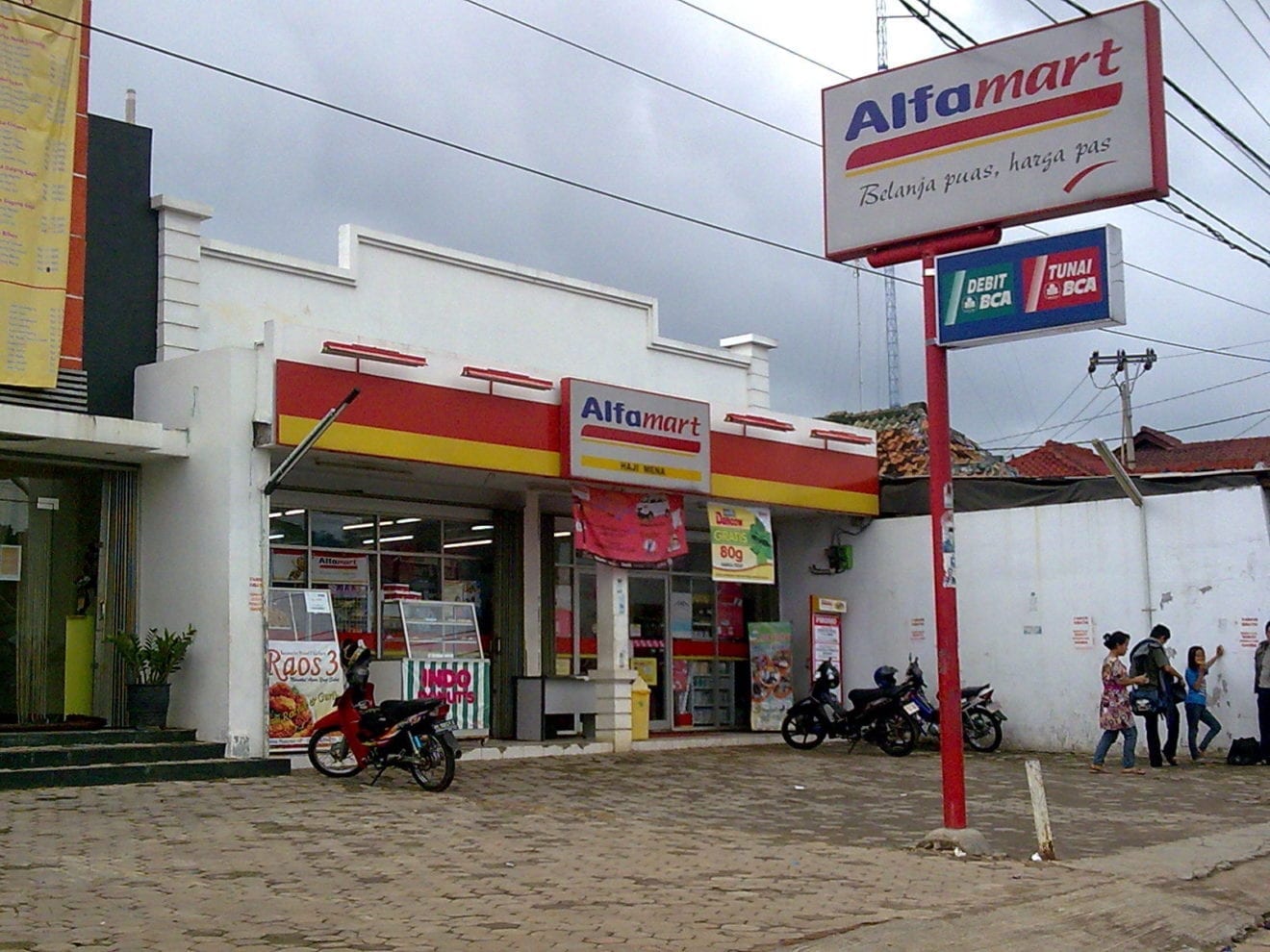
    Indonesian retail company Sumber Alfaria Trijaya is reinventing its online shopping service, utilizing its vast network of Alfamart convenience stores as pickup points to tackle the country’s logistical challenges.

    Alfacart is expected to be officially launched this week and will replace the company’s existing shopping site Alfaonline. Sumber Alfaria aims to list one million products from third party sellers, from electronics to clothes and groceries, and generate online transactions worth roughly one trillion rupiah ($70 million) by 2016. The company is investing $2 million to upgrade its IT system.

    To distinguish itself from existing players such as Lazada, Sumber Alfaria will enable Alfacart users to pay and pick up their purchases at Alfamart stores. Known for its distinctive red and yellow logo, Alfamart is of the top two convenience store chains in Indonesia with about 11,000 stores as of last December. 1,200 stores are expected to be added during 2016.

    “We understand there are some players in the market but the high cost of last mile [delivery] is still a concern,” said Sumber Alfaria president Hans Prawira, at a press conference on Friday. “We have presence in the market very close to shoppers.”

    Logistics are a significant challenge in Indonesia’s archipelago of more than 13,000 islands. In addition to poor infrastructure, home addresses are often chaotically numbered and unorganized, causing major headaches for courier companies, said IT director Bambang Setyawan Djojo. “We know the address of every Alfamart, so it will make delivery easy,” he said.

    E-commerce is booming in Indonesia but it is a costly business. Lazada recently received an investment of $1 billion from China’s Alibaba Group Holding, while Japan’s Rakuten shut down its online shopping site in the country. Sumber Alfaria only generated 451 billion rupiah in net profit on revenue of 48 trillion rupiah in 2015, a margin of less than 1%.

    Alfaonline failed to gain widespread popularity due to the perception that it only sells groceries, Bambang said. Sumber Alfaria will focus on promoting the convenience of Alfacart.

  • Philippine GDP growth surpasses China

    Philippine GDP growth surpasses China

    The Philippines has surpassed China in terms of GDP growth, for the first time in three decades, making the country the best performer in Asia* in Q1 2016.

    From 5 per cent in Q1 2015, Philippine GDP surged by 6.9 per cent in Q1 2016, the highest since the second quarter of 2013, said the National Economic and Development Authority.

    Philippine GDP growth outpaced China’s 6.7 per cent, Vietnam’s 5.5 per cent, Indonesia’s 4.9 per cent, Malaysia’s 4.2 per cent, Thailand’s 3.2 per cent, and Singapore’s 1.8 per cent economic growth in the quarter.

    Luisito Abueg, economics professor from De La Salle University Manila, said many factors contributed to the Philippines’ growth.

    “GDP may have been record high, but we have to account for the increased consumption component due to elections spending. It has been documented that during election periods, consumption increases, and with more created temporary jobs, more income circulates in the market,” said Abueg.

    Abueg said credits should not only go to the Aquino administration. “Some underlying components of growth may have been realized today, but the work of previous administrations are just now bearing fruit – the so called ‘lagged effects’ in economics and statistics.

    “That is why it is important that we should always have continuity: to continue the good, and to correct the bad. Not just to change everything just for the sake of credit-grabbing, which is a usual problem in Philippine politics, affecting economic directions.”

    Recently, Robinsons Retail, Jollibee, 7-Eleven and other retail companies reported profit growth for Q1 2016 citing election-related spending among other factors.

    With the country’s population projected to have reached 102.6 million in the first quarter of 2016, per capita GDP grew by 5.2 per cent from 3.2 per cent in the same quarter of 2015. Per capita household spending grew by 5.3 per cent from last year’s growth of 4.3 per cent, reported the Philippine Statistics Authority.

    The PSA said main growth driver was the services sector, which accelerated to 7.9 per cent from 5.5 per cent, while industry grew 8.7 percent from 5.3 per cent last year.

    On the other hand, the agriculture sector declined by 4.4 per cent, the fourth consecutive quarterly decline, from a growth of 1 per cent in the first quarter of 2015.

  • Lion Air should not just return passengers` tickets

    Lion Air should not just return passengers` tickets

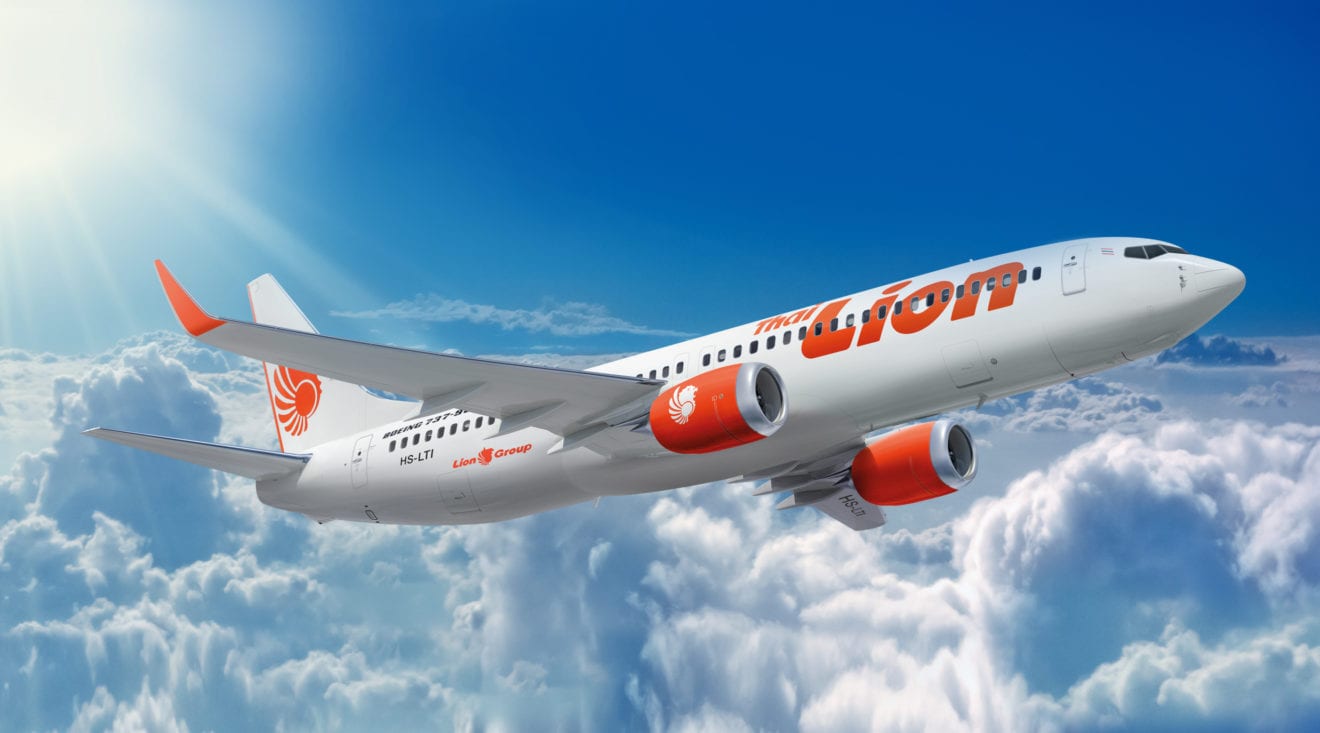
    The airline company, Lion Air, should not resort to merely returning passengers tickets after it postponed 277 flights following sanctions imposed by the ministry of transportation, a consumer institute has said.

    “The Lion Air management should transfer the passengers tickets to other airlines, instead of only returning the tickets purchased by them,” Chairman of the Indonesian Consumers Institute (YLKI), Tulus Abadi, demanded here on Monday.

    He argued that while the Lion Airs decision to postpone 277 of its flights for one month did not basically violate any rule, it should also not violate consumers rights.

    “The ministry of transportation should supervise this strictly to prevent the company from violating consumers rights,” he stressed.

    The ministry of transportation has imposed a sanction on the Lion Air, freezing its flights for five days for having recently disembarked international passengers from Singapore at the domestic terminal of Soekarno Hatta Airport.

    The management of Lion Air opposed the sanction by reporting the directorate general of air transportation to the police and postponed 277 of its flights for a month.

    Tulus was of the view that the Lions legal move to oppose the ministry of transportations sanction was rather awkward.

    “It is rather an anomaly. Probably this is the only case of its kind in the world where the operator is taking a stand against the regulator.”

    On May 10, Lion Air pilots went on strike at the Soekarno-Hatta Airport on Tuesday, leading to a delay in the low-cost carriers flights to several regions in Indonesia.

    The corporate secretary of state airport operator, Angkasa Pura I, Farid Indra Nugraha, explained in a press statement released on Tuesday that his side has been in close touch with the representatives of the Lion Air Group at the airport.

    Farid claimed that his side had made efforts to ensure that the airline is able to serve the passengers despite the delay in flights.

    “In response to the Lion Air pilots strike at several airports under the purview of Angkasa Pura I, we call on the passengers to understand the conditions and be patient,” he pleaded.

    The strike led to a delay in Lion Air flights from Sam Ratulangi Ariport in Manado, North Sulawesi, Sultan Hasanuddin Airport in Makassar, South Sulawesi, Lombok International Airport in West Nusa Tenggara, I Gusti Ngurah Rai Airport in Bali, and Adisutjipto Airport in Yogyakarta.

    Public relations manager of the Lion Air Group, Andy M Saladin, denied that the pilots had gone on strike because they had not received transport allowances.

    “There is no strike. The airlines operations have returned to normal,” he pointed out.

    Meanwhile, Lion Air President Director Edward Sirait insisted that the fact that some of the airlines pilots fell sick, coupled with an administrative problem, was what had led to flight delays.

    “We, on behalf of the Lion Air Management, apologize for the inconvenience,” he said.

  • Child labour used in Indonesian tobacco production, says NGO

    Child labour used in Indonesian tobacco production, says NGO

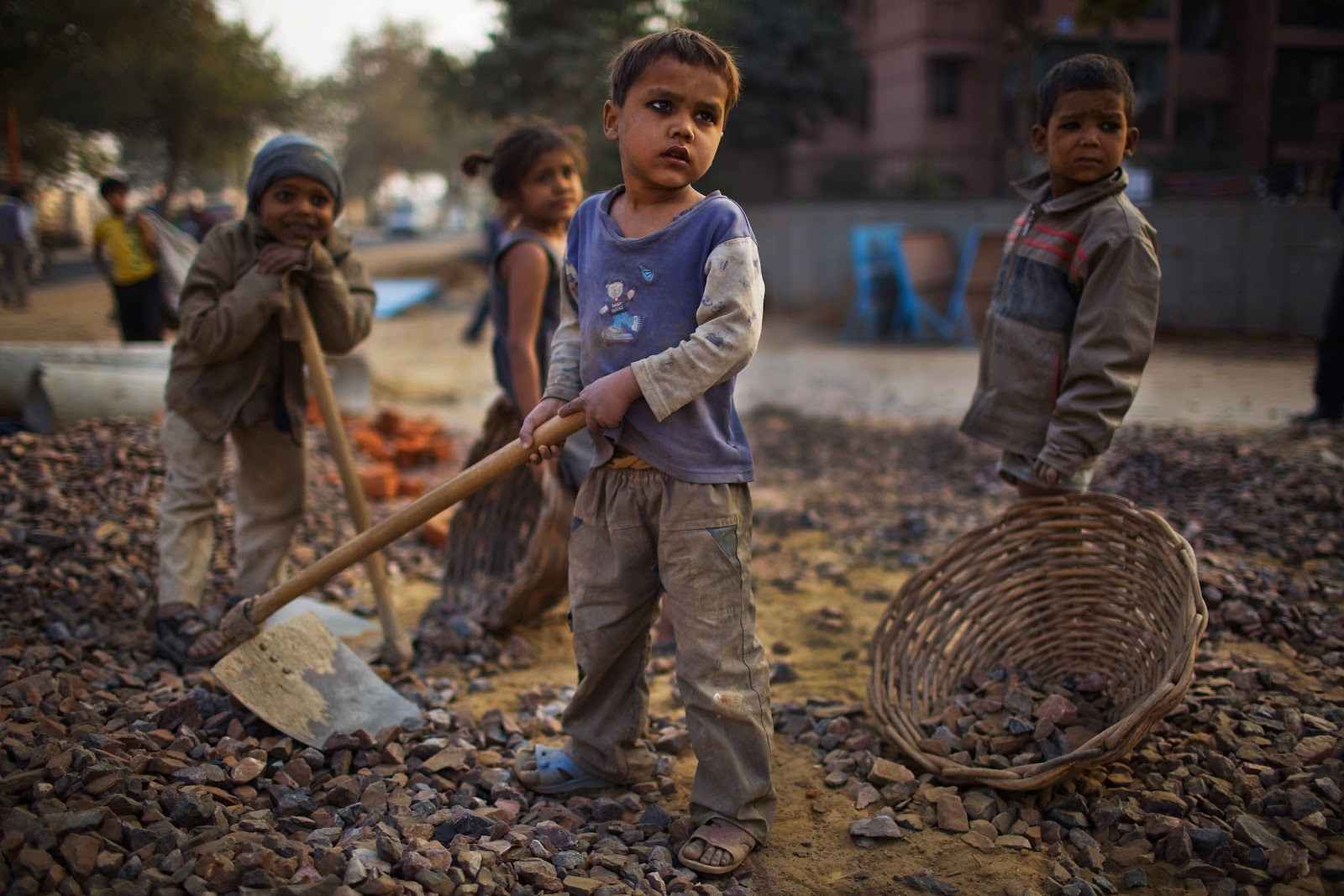
    International non-governmental organisation Human Rights Watch (HRW) said on Wednesday that child labour is used in tobacco plantations in Indonesia, whose harvest supplies local and foreign tobacco companies.

    Children, some of whom are just eight years old, are exposed to nicotine, handle toxic chemicals or use dangerous tools in extreme heat, HRW said in a report titled ‘The Harvest is in My Blood: Hazardous Child Labour in Tobacco Farming in Indonesia’, EFE news reported.”Tobacco companies are making money off the backs and the health of Indonesian child workers,” HRW researcher and report co-author Margaret Wurth said in a statement.Wurth and her team interviewed 132 children working in plantations in four Indonesian provinces, half of whom reported symptoms of acute nicotine poisoning from absorbing nicotine through their skin.The children are also exposed to pesticides and other chemicals which are linked to respiratory problems, cancer and depression.

    HRW urged companies to ban suppliers from employing children and called on the Indonesian government to regulate the tobacco industry and launch an education campaign to spread awareness about the health risks faced by children.Indonesia is the world’s fifth largest producer of tobacco, with over 500,000 plantations which employ more than 1.5 million children aged between 10 to 17 years, according to International Labour Organization data.Although Indonesia’s laws stipulate the minimum age for work at 15 and forbids those under the age of 18 from carrying out hazardous work, the tobacco industry still flouts these rules, according to HRW.

  • AirAsia, budget carrier set to soar in Asean open skies

    AirAsia, budget carrier set to soar in Asean open skies

    Low-cost airline groups and manufacturers of smaller passenger aircraft will be among the main winners after Southeast Asia’s open skies agreement finally came into effect last month, although airport capacity constraints could limit the benefits.

    Ratification of the Association of Southeast Asian Nations (ASEAN) open skies agreements by Indonesia and Laos in April lifts restrictions on capacity and competition, allowing airlines to launch unlimited flights from their home to any point in the region subject to airport slot availability.

    Hubs like Singapore, which have a clear expansion plan, could gain from an increase in air services, as will budget carriers which are ideal for a region where no two points are more than a few hours apart, say analysts.

    “Airlines can launch any number of international flights as the market can support,” said Alan Tan, an aviation law professor at the National University of Singapore. “Travellers can thus look forward to more flights at more competitive prices.”

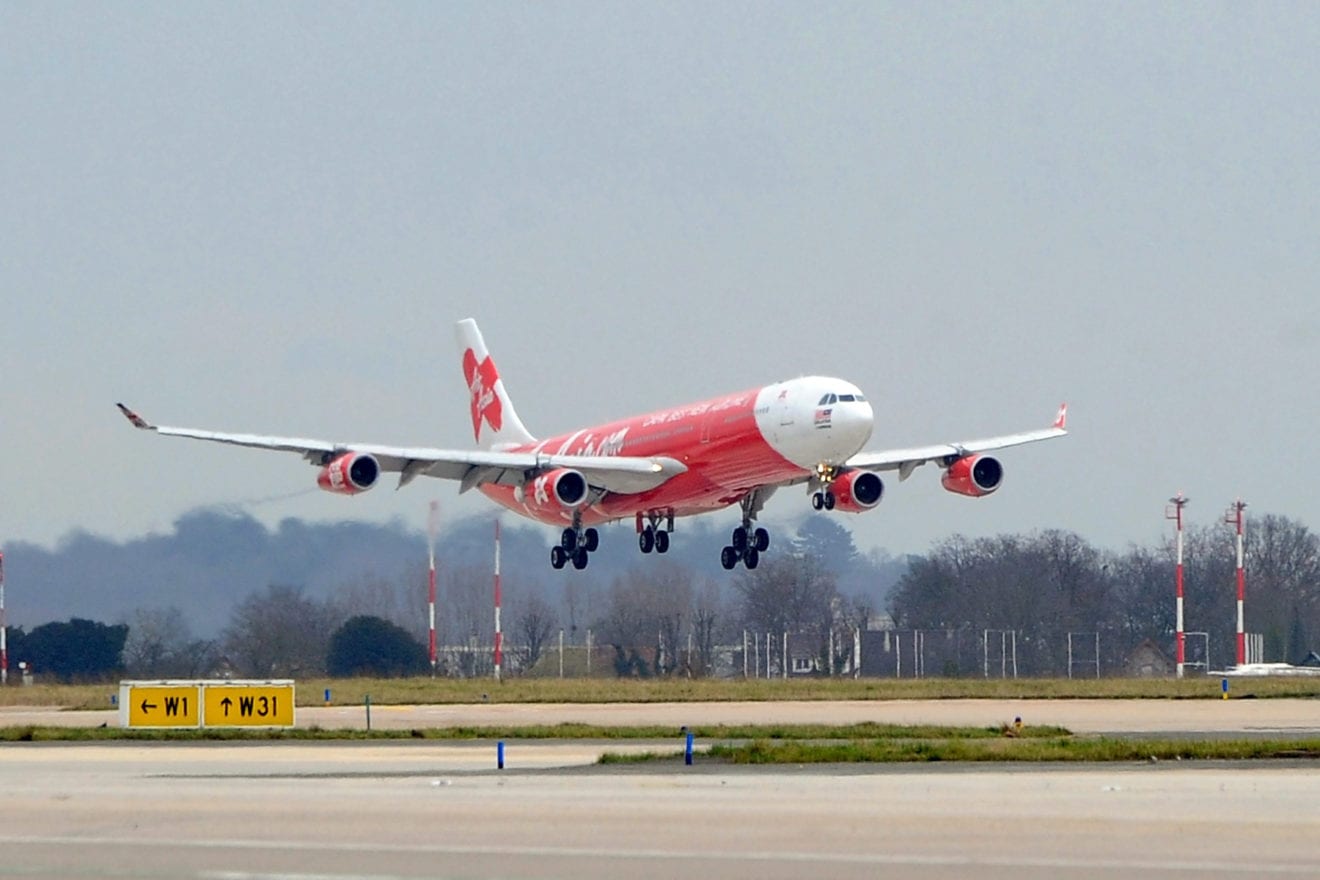
    Dominant low-cost airlines like Malaysia’s AirAsia , Indonesia’s Lion Air, and Philippine carrier Cebu Pacific plan to do just that.

    AirAsia, for example, wants more international flights from the Philippines and Indonesia, a spokeswoman said. This will help its affiliates, which have found it tough to break into the domestic market in those countries.

    “Improved connectivity in the region will be a boon to tourism and strengthen ASEAN as an economic union,” the spokeswoman said.

    Full service airlines like Thai Airways, Garuda Indonesia and Philippine Airlines, which have lost market share to budget carriers over the last decade, say they plan to use their long-haul network to connect passengers to their Southeast Asia services.

    The Singapore Airlines group has an additional advantage, given its ability to operate services using two premium brands and two low-fare subsidiaries, analysts say.

    The opening up of regional destinations can also boost manufacturers of 70-130 seater aircraft, like Brazil’s Embraer , Canada’s Bombardier and ATR, a joint venture between Airbus and Italy’s Finmeccanica.

    These planes can serve some routes more profitably than the larger Airbus A320s and Boeing 737s, they say.

    “Many of the region’s airlines are beginning to recognise the potential advantage of right-sizing and the ratification of ASEAN open skies, we feel, will simply accelerate the process,” said Mark Dunnachie, who leads Embraer’s aircraft sales in the Asia-Pacific.

    HUBS LIMIT GROWTH

    While there will clearly be winners from the open skies deal, the full gains could be limited by airport constraints.

    Bangkok’s Suvarnabhumi Airport, Ninoy Aquino International Airport in Manila, and Jakarta’s Soekarno-Hatta International Airport serve Southeast Asia’s three biggest domestic markets of Thailand, the Philippines and Indonesia respectively.

    All have reached full capacity with congestion and delays the norm, creating spillover problems for smaller airports in those countries as well.

    “Unlimited flight capacity is meaningless if airport and slot congestion remains unaddressed by governments,” Tan said.

    Singapore’s Changi Airport is the exception. Despite having relatively little domestic traffic, it has three terminals which can handle 66 million passengers and served 55 million in 2015, the most in Southeast Asia. Work has begun on two more terminals.

    Such long-term national aviation policies are needed due to the lengthy gestation period for terminals and runways, said Vinoop Goel, Asia Pacific director for airports at the International Air Transport Association (IATA), a global airline trade body.

    IATA estimates that ASEAN countries can add almost 25 million jobs and $298 billion to the region’s GDP by 2035 if they invest in aviation infrastructure. This is up from 11.6 million jobs and $144.4 billion to GDP in 2014.

    “Clearly, failing to tackle airport infrastructure will have an economic cost,” Goel said.

  • Hong Kong Investors Eye Filling Station Business in Indonesia

    Hong Kong Investors Eye Filling Station Business in Indonesia

    Foreign investors have shown strong interest in the downstream oil and gas business in Indonesia. A leading Hong Kong-based company recently announced its interest in investing in the filling station business in Southeast Asia’s largest economy.

    The company’s investment interest was expressed during a business forum event that featured the Head of the Investment Coordinating Board (BKPM) Franky Sibarani as keynote speaker to 40 Hong Kong multi-sector investors, Wednesday (18/5). Franky said the investoris engaged in the trading of petrol, diesel, jet fuel and LPG in Hong Kong and overseas, and has business capability in the downstream oil and gas sector.

    Currently, the investor owns 42 petrol stations and two oil terminals with a storage capacity of 374,500 cubic metres. It also has a fleet of 16 vesselswith the capacity to transport 68,600 tons of oil. In addition, the company has a marketing network that covers almost the whole of Hong Kong.

    Franky added that the investor had visited Indonesia a number of times. They had met with Pertamina to share their investment plans in the general commercial fuel business in Indonesia. To ensure the plan goes ahead, a designated BKPM marketing team in Hong Kong will oversee the investment interest.

    BKPM has also received expressions of interest from other Hong Kong companies in investing in the infrastructure, maritime and fisheries sectors. “In fact there is one company operating in the electronics and property industries that will increase its investment in Sukabumi by US$ 5 million,” said Franky in a BKPM press release on Thursday (19/5).

    Franky hopes that in the future more Hong Kong companies will invest in Indonesia. He believes that as an investment destination, Indonesia has several competitive advantages,particularly its rich natural resources such as agricultural and mining commodities, including renewable energy sources.

    The government also has several infrastructure projects to promote investment and enhance the competitiveness of investment opportunities. These include 15 new airports, 163 ports, the 35 GW power project, and construction of 2,024miles of railway track and 621 miles of toll road and sea routes.

    BKPM has reformed its investment services by introducing One Stop Services and a 3-hour investment permit service, and easing direct investment in construction, as well as earmarking priority sectors for investment, which includes plans to develop 11 neweconomic zones and 20 National Strategic Tourism Areas.

    Franky added that Hong Kong is one of Indonesia’s main investment partners. Between 2010 and 2015, BKPM recorded actual investment from Hong Kong of US$ 3 billion. In the first quarter of 2016, actual investment from Hong Kong amounted to US$ 456 million, a significant increase on the US$ 75 million recorded the same period last year. The most popular sectors for Hong Kong investors were property including industrial estates, transport, warehousing and telecommunications.

  • Singapore-based Albizia Capital Raises Stake in Indonesian Building Material Supplier

    Singapore-based Albizia Capital Raises Stake in Indonesian Building Material Supplier

    Singapore-based investment firm Albizia Capital has increased its ownership in Catur Sentosa Adiprana to help fund business expansion at the Indonesia-listed building materials supplier.

    In a statement received by the Jakarta Globe on Thursday (19/05), Albizia announced that it has increased its stake in Catur by 9.7 percent to 14.61 percent. Albizia previously controlled a 4.91 percent stake in the Jakarta-based company.

    This investment changes the Singapore-based investment company’s position to that of a strategic investor.

    Catur president director Budyantu Totong said the investment from Albizia reflects high investor confidence in the prospects of the Jakarta-based building materials supplier, which operates the Mitra10 retail chain.

    Totong said Albizia has a reputation as an investor in the Association of Southeast Asian Nations region that seeks long-term growth potential and a competitive advantage in the companies it invests in.

    Other major investors of in the Jakarta-based building material supplier are the Totong family’s Buanatata Adisentosa (31.32 percent) and Bangkok-based investment company NT Assets (21 percent).

    For 2016, Catur Sentosa will take heed and focus on expanding and improving capital efficiency to maximize returns for shareholders, especially for Mitra10.

    The distribution company covers a wider range of materials, including chemicals and consumer goods, and operates a network of modern home improvement, building material and furniture showrooms.

    Catur Sentosa currently has a network of 42 building material supplier outlets in 40 cities; 21 Mitra10 outlets and 10 Atria furniture showrooms. The company has set target to open 50 Mitra10 outlets by 2020.

    Catur Sentosa booked Rp 1.93 trillion ($142.8 million) in sales in the first quarter of this year, 12 percent more than the corresponding period last year.

    This year’s sales target is set at Rp 8.5 trillion.

  • Singapore, Indonesia, Cambodia, Thailand Seek Free Trade Zone With EEU

    Singapore, Indonesia, Cambodia, Thailand Seek Free Trade Zone With EEU

    Singapore, Indonesia, Cambodia, and Thailand are interested in creating a free trade zone with the Eurasian Economic Union, Russian Deputy Foreign Minister Igor Morgulov said Thursday.

    “The desire to sign such an agreement has been expressed by a number of countries in southeastern Asia, including Cambodia, Singapore, Thailand, and Indonesia,” Morgulov said during a briefing at the Russia-ASEAN Summit in Sochi.

  • Gaming boosts Macau retail

    Gaming boosts Macau retail

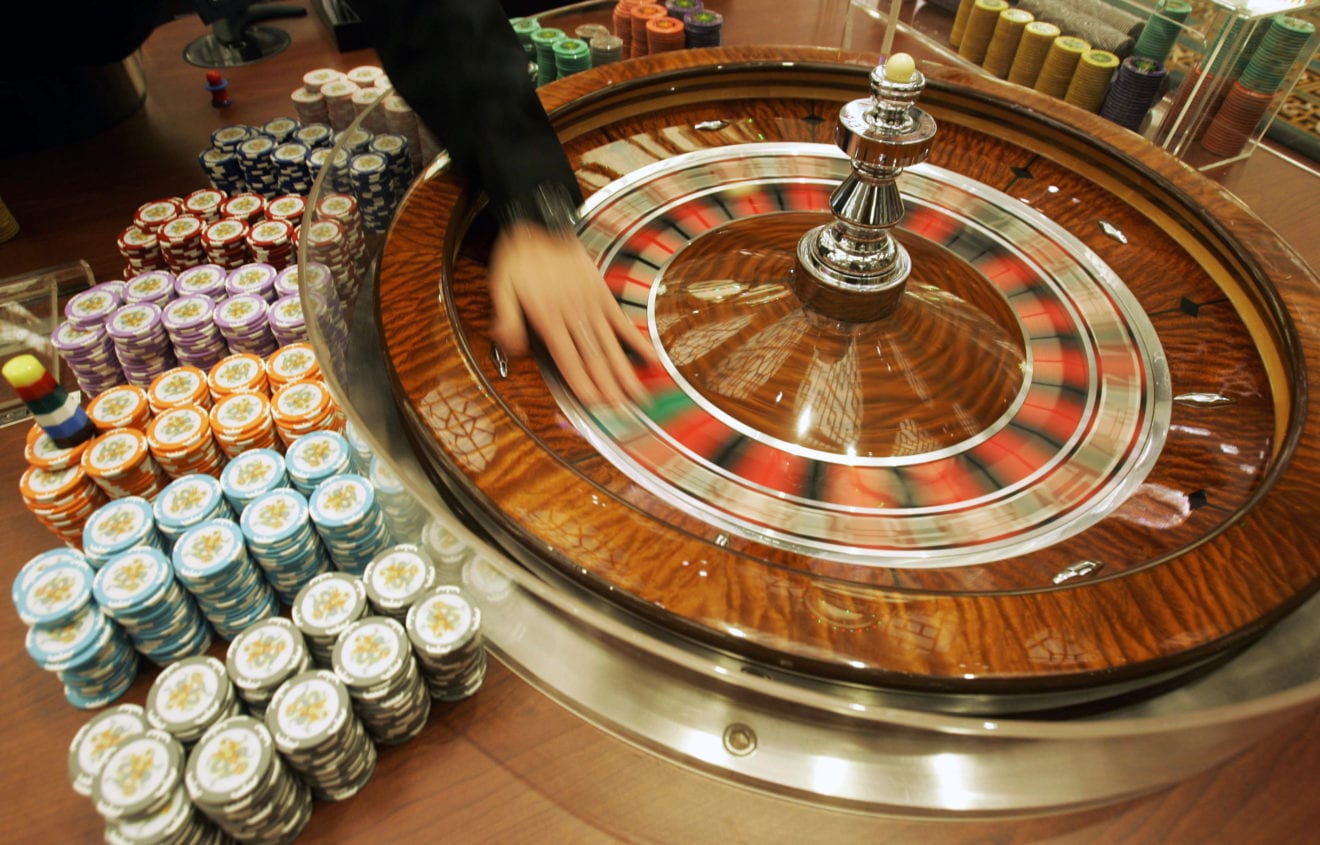
    Macau retail and wholesale has tripled in value thanks to the knock-on effect of the territory’s gaming industry.

    Macau government research shows that as the gaming industry has developed, it has scaled up the added value of other industries. Conducted by Institute for the Study of Commercial Gaming at the University of Macau, the report looks at the spread of added value through gaming in Macau over the 10 years to 2013.

    The gaming industry was liberalised in 2002, and this is the first report following a mid-term review on the sector. It notes that the added value of the gaming industry has increased 6.9 times in the 10 years, with the hotel industry increasing 11.4 times.

    Data from six gaming companies showed that their non-gaming activities created an income of 23.2 billion patacas (US$2.9 billion) in 2014, while the total non-gaming spend of tourists in Macau is comparable to that of Las Vegas.

    Gaming dominates the Macau economy with a 58.3 per cent slice of the pie, while the wholesale/retail sector has a humble 5.2 per cent.

    Meanwhile, the report will probably help Macau set policy direction for the $30 billion gaming industry as units of casino groups such as Melco Crown Entertainment Group and MGM Resorts International struggle to cope with Macau’s two-year gambling downturn, reports Bloomberg.

  • Hong Kongs economic growth decelerates in Q1, risks to growth remain on downside in near term

    Hong Kongs economic growth decelerates in Q1, risks to growth remain on downside in near term

    Hong Kong registered GDP growth of 0.8% y/y in the first quarter of 2016, lower than consensus forecast. However, in quarter-on-quarter terms, the economic growth shrank 0.4%, as compared with 0.2% growth registered in the fourth quarter of 2015. The first quarter’s report suggests that the Hong Kong economy expanded at its slowest pace since 2012. The country’s trade performance is being quite impacted by the weak global demand. Hong Kong’s imports and exports both contracted sharply.

    Services exports weakened amid the deceleration of tourist arrivals and subdued spending by visitor. Hong Kong’s retail performance has been weighed on by major declines in tourist arrivals along with the relative strength of the HKD. Hong Kong’s retail sales continue to be in contraction for more than a year.

    The volatility in the global financial market has also impacted the country’s economic confidence and has been a drag on domestic demand. Private consumption expenditure grew marginally 1.1% y/y in the first quarter of 2016, as compared with the growth of 2.7% registered in the fourth quarter of 2015. Meanwhile, the property market weakened as transactions eased and prices fell.

    Hong Kong’s investment growth subtracted 2.3 percentage points from the headline GDP growth. It dropped 10.1% y/y, as compared to a contraction of 9.4% y/y in the previous quarter. Even if the relief measures stated in the 2016-2017 budget will give certain support to the economy, the risks to the economic growth continue to be tilted on the downside in the near term, noted HSBC in a research report.

    The economic growth is expected to be helped by the rapid growth in the US and stabilization in the Mainland economy in the coming quarter. The Hong Kong government has retained its growth and inflation forecast for 2016. It projects the economy to expand between 1% and 2%, whereas consumer price inflation is likely to be 2.3% this year.

    “We forecast overall GDP growth to slow to 1.5% in 2016, down from 2.4% in 2015”, added HSBC.

  • Retail’s new reality

    Retail’s new reality

    The reality of retail is shifting. Retailers now operate in an environment of big data, new technologies, blooming online marketplaces, hybrid consumption patterns and fragmented needs. Shoppers are more empowered and increasingly demanding when it comes to retail expectations.

    At last month’s Marketing’s full-day conference, Retail Marketing Hong Kong 2016, marketers and delegates were together to explore how technologies could really help drive their business forward and convert single transactions into loyal consumers.

    WCH_0909

    Online shopping is one obvious area and big moves are underway. But the online world moves fast and traditional Hong Kong retailers do not.

    Simois Ng, head of marketing communications at Sony Corporation of Hong Kong, shared some of the local people’s online purchase patterns: Only 13% of them buy electronics online, while 75% of the shoppers buy air tickets.

    She said in the electronics industry, there are so many dealers and physical stores in the city, it’s natural for customers to try out and then finish the transaction at the brick-and-mortar shop.

    DSC09412

    She added that even though customers shop at its official online store, almost 90% of them select to pick up at the physical store.

    E-commerce and new mobile payment solutions were basically non-existent just a decade ago. Innovation today is everywhere. New delivery methods, showrooming, connected retail, access to real-time customer data and purchase history … today’s retail market is exciting.

    By just clicking a mouse or touching a screen, shoppers can buy nearly any product online – from groceries to cars, from travel insurance to air tickets.

    At the panel discussion, PRIZM’s director Jeffrey Hau pointed out that while online payment seemed to be the last thing retailers assumed they needed to worry about when it comes to e-commerce, he said it was an issue because many stores can’t process transactions properly from one in every three customers due to some poorly designed payment gateway.

    WCH_0938

    Edmund Wong, director of MyDress.com, echoed the point and said many brands still treated e-commerce as part of their marketing project as if it were just another sales channel to the mix.

    Wong said e-shop deserves a seat at the table; Hau agreed with him and said online shopping is indeed an added value activity to brands.

    In addition to offering mobile and online services, many argue that “an experience” has to evolve alongside the digital world. Making sure people have the right experience is critical.

    In the past, HMV was just a shop selling CDs and DVDs, but in the 21st century, Robert Esser, CEO of HMV Media & Entertainment, said the company had decided to inject new concepts into the 100-year-old brand.

    At its Central flagship store, it has seen the two-floor outlet revamped with a warmer interior design, adding a modern F&B area, expanding the vinyl area and also adding a lifestyle section to offer headphones, figurines, books, magazines, stationery, backpacks and accessories to enhance the customer’s experience.

    Earlier this year, the household name kept pushing forward and opened another flagship store in Causeway Bay that reinvented itself from the “supermarket-style” CD stores to the modern “place to dwell” of the new generation store in Hong Kong.

    HMV2

    While traditional marketing was all about pushing a brand’s message to consumers, in the era of the consumer, as Dane Fisher, managing director at Infiniti Motor Asia and Oceania, said at his keynote presentation, marketers need to add value to the relationship with their consumers.

    Fisher stated that auto shoppers are doing more research than ever before. On average, each potential customer will go to 24 different touch-points while researching their car purchase – from customer review sites to videos and third-party sites.

    “It’s a double-edged sword: the greater the number of touch-points, the harder it is to be useful and engaging at each interaction. The plus side is it has given us more opportunities to make a meaningful connection,” Fisher said.

    infiniti-nest-accelerator-2-01-800

    That’s why the carmaker recently launched an accelerator programme for start-up companies to add value to the ecosystem its customers inhabit.

    One of the programme finalists, Precision Services, produced a smart electric bike, which is light and foldable. It won the backing of Infiniti so the bike will now be an Infiniti-branded product.

    Alongside these innovations, start-ups are bringing new ideas and new energy into the space and traditional retailers are realising how they also must innovate at levels they had never imagined. And it’s not just innovation for innovation’s sake.

    Mobile is a key resource for customers when it comes to researching and making purchase decisions, therefore some retailers tap technology, such as collecting users’ locations, accessing their photo albums or even analysing their emails to gain more consumer insights.

    Ayaz Akhtar, country manager of Survey Sampling International Hong Kong, reminded the audience that corporations needed to be careful not to cross the line because if consumers’ shared data was not used properly, “a connected world can turn against you very quickly”.

    He cited a study by SSI that indicated 65% of Hong Kong respondents found it “extremely/very creepy” for businesses to analyse their emails.

    He explained there is no benefit to the consumer when a business is analysing their email, especially when emails can contain very confidential or sensitive information so people will not feel comfortable sharing emails that have personal information.

    He added if brands could provide benefits to consumers’ daily lives, those means of technologies are rated as being less creepy.

    As social media has disrupted the balance of power between brands and customers, more and more companies are reaching out to influencers in the hopes of raising product awareness or even boosting sales.

    No stranger to social media, last year Hong Kong Airlines utilised the popular black bear mascot Kumamon to promote its first flight service to Kumamoto Prefecture in Japan.

    Ming Chan, general manager of brand centre at Hong Kong Airlines, said with the “meet and greet with Kumamon” street event, it attracted more than 6,000 participants which enhanced the airline’s brand image.

    Kumamon

    Chan added that at the end of the day, staff members were the best brand ambassadors and influencers because “they endorse your company spontaneously”.

    The airline offers nine free quotas in the nomination list for discounted tickets, covering staff’s family and friends. She said this can nurture the word of mouth to influence better business results.

    In the past, a little differentiation in a brand’s strategy would go a long way, but today’s brands need to navigate through a complex maze of information and multiple touch-points as technology has made the journey less linear and more social.

    Dennis Chung, assistant vice-president of product marketing and solutions consulting at HKT, said for a successful digital marketing campaign, it depended on how well you understand the target audiences.

    When we think of the complexities of retail and digital commerce today, Daniel Hagos, client success director at Emarsys, said it was vital for retailers to take the step and go beyond the limits of human knowledge and begin to adopt a more progressive perspective on customer intelligence.

    WCH_0495

    He said a customer’s data can power actionable intelligence, building messages that reach the consumer when the moment is right, on the device they prefer, and with a promotion that will get them to buy.

    He added automation, for example, uses data from online and in-store interactions to target first-time shoppers who may be ready to make their second purchase.

    Hagos explained this period between a first and second purchase is a huge opportunity for retailers to lay the foundation for a positive customer experience and long-term loyalty.

  • Central Group sells Big C Thailand stake to rival

    Central Group sells Big C Thailand stake to rival

    Thailand’s Central Group is a step nearer to settling on Big C Vietnam  after selling its stake in Big C Thailand to a rival retailer.

    Central has accepted an offer from rival TCC Group for its 25 per cent holding of Big C Supercenter, reported to be worth at least 50 billion baht (US$1.4 billion).

    The deal follows French retail group Casino’s decision to sell its Thailand and Vietnam units this year in a bid to cut debt. Both businesses have hypermarkets, supermarkets and convenience stores.

    Central Group, Thailand’s biggest retailer led by tycoon Tos Chirathivat, lost out to TCC’s flagship retail unit Berli Jucker in the battle to gain control of the Thai unit, but has agreed to pay 920 million euros (US$1.1 billion) for Big C Vietnam.

  • Foreign retailers in Vietnam under attack

    Foreign retailers in Vietnam under attack

    Complaints by Ho Chi Minh City businesses about foreign retailers in Vietnam have sparked the prime minister to order an investigation.

    Members of the Ho Chi Minh City Union of Business Associations (HUBA) say the growing number of foreign retailers in Vietnam have a loose rein to expand at a pace that will eventually hurt local companies.

    HUBA has sent at least two letters to the government raising questions about the legality of some business activities by foreign retailers, reports Thanh Nien News.

    Vietnam laws forbid foreign businesses to distribute products such as rice, cane sugar and cigarettes, but these items are still available at the supermarkets and convenience stores of most foreign retailers, including South Korea’s Lotte and Big C, Tuoi Tre reports.

    Following the complaints, Prime Minister Nguyen Xuan Phuc has ordered relevant agencies to check into foreign retailers, including mergers and acquisitions.

    Media reports say Mega Market Vietnam, which owns Metro wholesale stores, is expected to be first to face the scrutiny. The stores were originally run by Germany’s Metro before being acquired by Thailand consumer group TCC this year.

    Statistics show that Vietnam is home to more than 700 supermarkets and 132 shopping malls, mostly in the main centres of Hanoi and Ho Chi Minh City.

    Meanwhile, Hanoi Association of Supermarkets chairman Vu Vinh Phu says a supermarket in the northern city of Hai Phong had its revenue fall 30 per cent six months after a foreign superstore opened.

    Foreign companies now control more than half of Vietnam’s retail market, says the association, and many producers complain they are struggling to have their products in foreign supermarkets mainly because the retailers ask for high discounts, says HUBA vice-chairman Pham Ngoc Hung.
    Meanwhile, products from countries such as Japan, Malaysia, South Korea and Thailand are becoming more and more popular.

    Vietnam’s retail sales rose 10.6 per cent from 2014 to VND2469 trillion (US$109.4 billion) last year, official figures show.