Category: General

Retail News Asia is committed to providing both local and global retailers with the latest General Retail news throughout the Asian market. This on a daily base.

  • Elections boost 7-Eleven Philippines profit

    Elections boost 7-Eleven Philippines profit

    7-Eleven Philippines stores register first-quarter sales growth on the back of election-related buying.

    Retail sales of all stores went up by 33.5 per cent to P7.3 billion (US$405 million) from P5.5 billion a year ago. This was driven by opening of new stores and increase in same store sales, which was largely attributed to election-related spending.

    Philippine Seven saw its net income up 61.6 per cent year-over-year to P182.4 million during the first quarter.

    The local licensee of 7-Eleven Convenience Stores said its improved financial performance was within expectation as the company’s profits are historically favorable during election season.

    Philippine Seven opened 55 new stores and closed two to end the quarter with 1655 stores. The company now has 1421 7-Eleven stores in Luzon, 189 in Visayas and 45 in Mindanao.

    It is set to attain another milestone this year in terms of total number of stores and profitability.

    The company said, while competition is likely to be more intense, Philippine Seven is the most capable to strengthen its position in the convenience store sector. It aims to capitalise on its first-mover advantage and intends to benefit from the capacity-building expenditures over the last three years.

    For 2016, the company plans to increase its capital expenditures budget to P3.5 billion to support its store expansion strategy.

  • Vietnam electronics retailer Nguyen Kim buys Zalora’s local operations

    Vietnam electronics retailer Nguyen Kim buys Zalora’s local operations

    Zalora, one of Southeast Asia’s biggest online fashion marketplaces, has completed a deal to sell its Vietnamese operations electronics retailer Nguyen Kim, reported Sunday, quoting Zalora Group.
    The subsidiary of Germany’s Rocket Internet has also sold its unit in Thailand to Thai retail giant Central Group, the website said, adding that the value of the deals has not been revealed.
    Last month news website TechCrunch cited multiple sources as saying that Central Group would acquire them for US$10 million each.

    Central owns a 49 percent stake in Nguyen Kim, which has 21 stores around Vietnam, through its subsidiary Power Buy.

    The selloff in Vietnam and Thailand is part of Rocket’s efforts to reduce costs and focus on other markets where Zalora has a better chance to make profits, according to TechCrunch.

    With a presence in 11 countries across the Asia Pacific, including Australia and Indonesia, Zalora’s revenues rose 78 percent last year to around $234 million, but its net loss increased 36 percent to $105 million, it said.
    Last month, the German company, which has been struggling to cash on the Southeast Asian market, sold more than half of its stake in Lazada, which it founded in 2012 to target the regional e-commerce market, to China’s Alibaba for $137 million. Rocket retains an 8.8 percent stake.
    In December Rocket sold off food ordering website Food Panda for an undisclosed price to local competitor Vietnammm after three years of operations, citing financial issues.
  • The ‘Thai goods’ era’ has arrived

    The ‘Thai goods’ era’ has arrived

    Vietnamese manufacturers’ biggest rival is Thailand, experts say. The country exports a wide range of goods, from chicken to slippers, from cosmetics to electric cookers. 

    vietnamnet bridge, english news, Vietnam news, news Vietnam, vietnamnet news, Vietnam net news, Vietnam latest news, vn news, Vietnam breaking news, dissolved businesses, VCCI, Thai goods, Big C, Central Group, Thai billionaires
    Most recently, Central Group has acquired Big C at the price of $1.04 billion

    Figures show the flood of Thai goods in the Vietnamese market.

    1.Vietnam spends $8.2 billion, or VND180 trillion to buy Thai goods, from slippers to cars.

    According to the General Department of Customs (GDC), the turnover of imports from Thailand increased by twofold from $4.5 billion in 2009 to $8.2 billion in 2015.

    Of this, the petroleum imports from Thailand increased from $590 million to $1.16 billion.

    The other products which also witnessed sharp increase in import turnover were computers, paper and electronics.

    Though Vietnam is an agricultural country which has big advantages in producing tropical fruits, it still imports fruits from Thailand in large quantity. The fruit import turnover increased during that time.

    Vietnam also imports steel, precious metal, chemicals, machines, household use electrical products and pharmaceutical drugs from Thailand.

    2.Thailand is a big vehicle exporter to Vietnam.

    In 2015 alone, Vietnam imported 25,136 vehicles from Thailand. If counting car parts, Vietnamese spent $1 billion to buy cars and car parts from the country. By the end of 2015, Thailand ranked fourth among the biggest car exporters to Vietnam, after China, South Korea and India.

    In the first quarter of 2016, Vietnam imported 19,700 cars from all markets, including 7,814 cars from Thailand, a sharp increase of 64.5 percent compared with the same period last year.

    3.Vietnam is Thailand’s seventh biggest importer.

    According to Thai agencies, the two-way trade turnover between Vietnam and Thailand in 2013 was $439 million. The figure is expected to increase to $15 billion by 2020.

    Vietnam is the seventh biggest importer for Thailand, while Thailand is the 10th ASEAN largest investor with 300 projects under implementation in Vietnam.

    3.Thai businesses have completed a series of merger and acquisition (M&A) deals in Vietnam.

    In 2012, BJC group of the Thai billionaire Charoen Sirivadhanabhakdi spent 1 billion baht, or VND656 billion, together with Mongko, opening a supermarket to distribute Thai goods in Vietnam, Laos and Cambodia.

    In early 2013, BJC took over the retail chain developed by Vietnamese Phu Thai Group and Japanese Family Mart and renamed the chain B’s Mart.

    In August 2014, BJC spent 655 million, or $879 million, to buy Metro Cash & Carry Vietnam.

    In September 2014, the Thai billionaire decided to spend 1 billion baht, or VND650 billion, from now to 2018 to expand 205 B’s Marts in Vietnam.

    In January 2015, Power Buy, belonging to Central Group, bought 49 percent of Nguyen Kim home appliance chain’s stake. It is also the owner of Robins chain in Vietnam.

    Most recently, Central Group has acquired Big C at the price of $1.04 billion.
  • Shanghai is among the world’s best for top shops

    Shanghai is among the world’s best for top shops

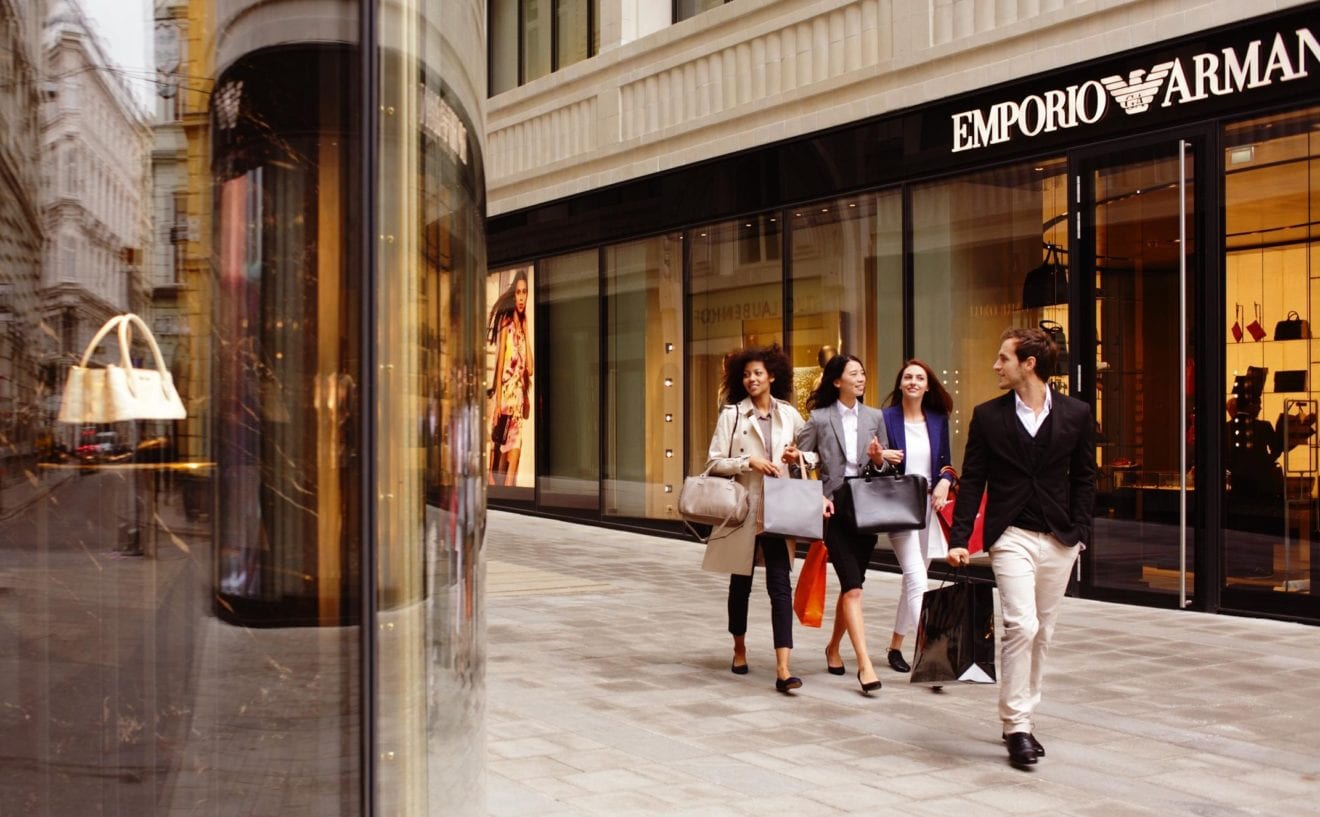
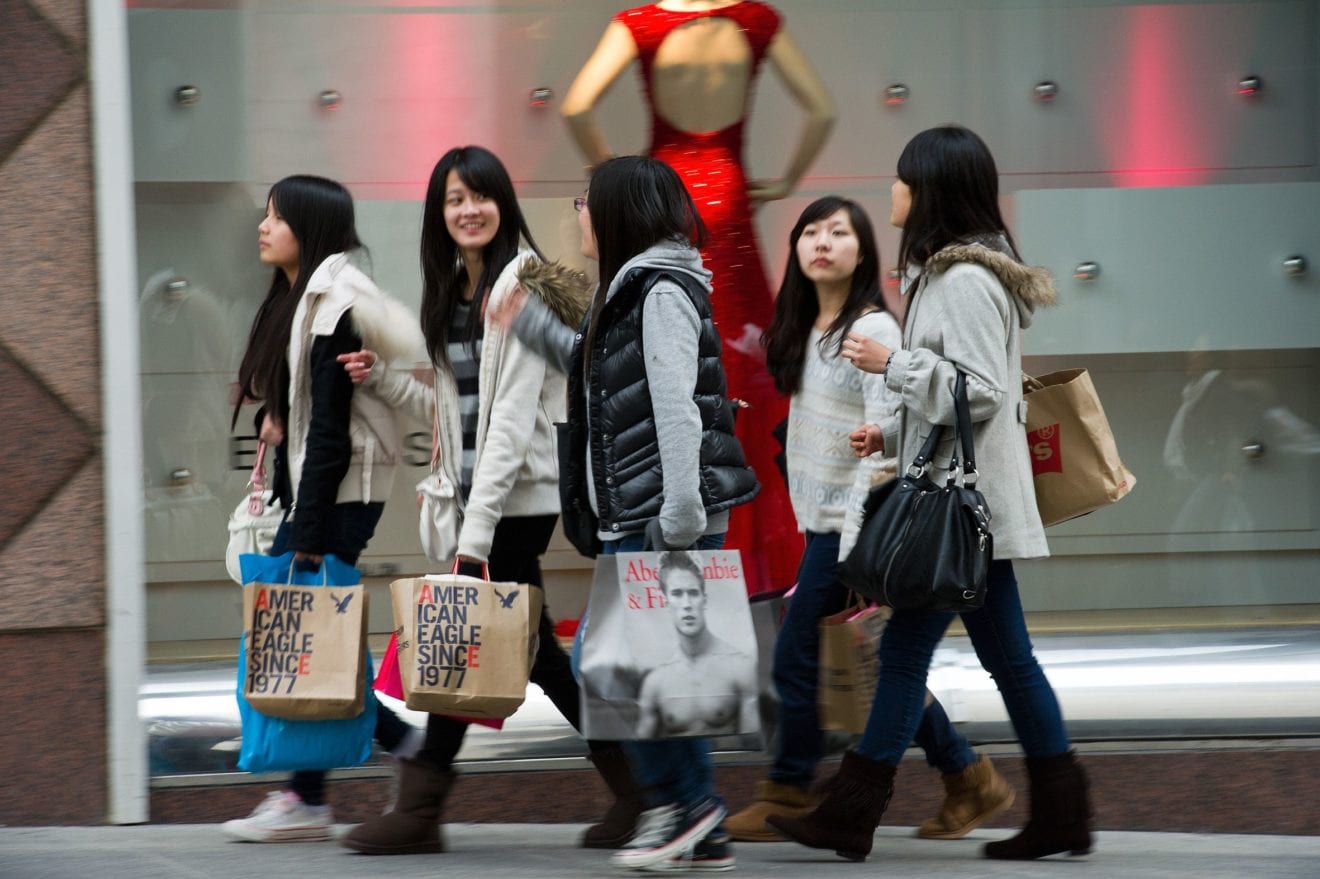
    Shanghai is the world’s sixth-most popular city for luxury goods retailers, according to an industry report.

    The Destination Retail 2016 study of 240 international brands by real estate consultancy JLL, ranks London in the top spot, followed by Hong Kong.

    “Hong Kong remains Asia’s leading destination with many retailers using it as a springboard for expansion into the Chinese mainland,” said James Assersohn, director of retail for Asia-Pacific at JLL.

    “Thanks to a diverse economy and wealthy consumer base, Shanghai has become a favorite place for international brands to test the Chinese market and gain exposure,” he said.

    Retailers are drawn to the dynamism of Shanghai due to its “trend-setting nature” while Beijing, which ranked ninth on the list, is favored for its “high sales potential thanks to the strong base of high-net-worth individuals,” the report said.

    Four more of the top-10 places (11 if you count the tie for 10th) are filled by cities in the Asia-Pacific region, namely Tokyo (fourth), Singapore (tied for seventh), Osaka and Taipei (tied for 10th).

    The dominance of Asian cities “highlights the attractiveness of the region to retailers, thanks to its burgeoning middle classes and growing levels of affluence,” the report said.

    The expected growth of high-income households over the next 15 years, should help “keep Asia at the forefront of luxury spending growth,” it said.

    The other cities to make the top 10 include Paris (third), New York (fifth) and Dubai (tied for seventh).

  • Overall Singapore retail sales down 1.4% in March

    Overall Singapore retail sales down 1.4% in March

    Due to a drop in car deals.

    Retail sales in Singapore contracted by 1.4% month-on-month in March, following a 4.8% drop in car sales.

    Excluding motor vehicle deals, retail sales contracted by 0.6%.

    On a year-on-year basis, overall sales rose by 5.1%. Excluding motor vehicles, sales dropped by 2.2%.

    The total retail sales value in March 2016 was estimated at $3.7 billion, compared to $3.5 billion in March 2015.


  • Pertamina cuts Pertamax gasoline prices

    Pertamina cuts Pertamax gasoline prices

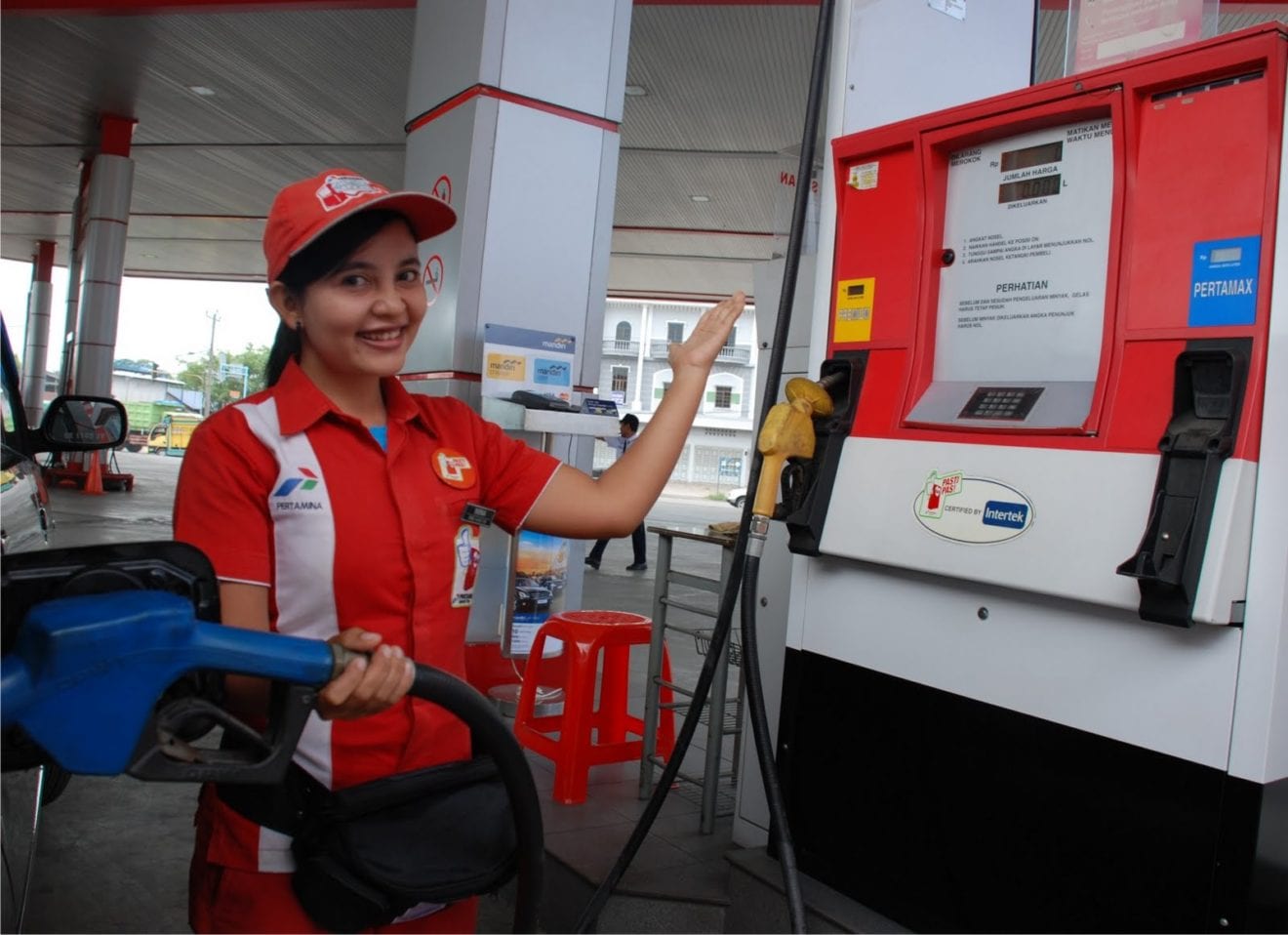
    State-owned oil and gas company Pertamina has lowered the prices of Pertamax gasoline by Rp200-Rp300 per liter effective as of 00:00 on Sunday, 2016.

    Corporate Communication Vice President of Pertamina Wianda Pusponegoro said in written statement here on Sunday that the lowering of the prices was a periodical corporate decision made to follow the trend of the world crude prices.

    “The prices of Pertamax were lowered by Rp200 per liter for Java, Madura and Bali islands and by Rp300 per liter for other regions,” she said.

    She cited Jakarta and its surroundings as an example where Pertamax price was lowered from Rp7,550 per liter to Rp7,350 per liter. In Surabaya, East Java, the price was lowered from Rp7,650 to Rp7,450 per liter.

    In East Kalimantan, on the other hand, the price of Pertamax was cut by Rp300 per liter from Rp8,000 per liter to Rp7,700 per liter.

    The price of Pertamax Plus in West Nusa Tenggara, Java and Bali was cut by Rp200 per liter and by Rp300 per liter in other regions.

    However, the price of Pertamax Dex was lowered by Rp300 per liter in all regions. The Price of Dexlite gasoline was set at Rp6,650 per liter.

    Pertamina also cut the price of Pertalite gasoline by Rp200 per liter in all regions.

    “The price of Pertalite in Papua which was initially sold at Rp7,300 per liter is lowered to Rp7,100 per liter,” she said.

    The prices of diesel oil/bio-diesel oil were also reduced by Rp300 per liter.

    In Jakarta and Banten, the prices of fuels of these types went down from Rp6,950 per liter to Rp6,650 per liter.

    “Besides the decline in the world oil prices, the lowering by Pertamina of the gasoline prices was also a form of the companys appreciation to consumers,” Wianda Pusponegoro said.

    She said Pertamina will continue to monitor tightly the availability of stocks at gasoline refueling stations considering that the decline in the price of gasoline often increases consumption.

  • Demand for North Sumatra`s rubber shrinking

    Demand for North Sumatra`s rubber shrinking

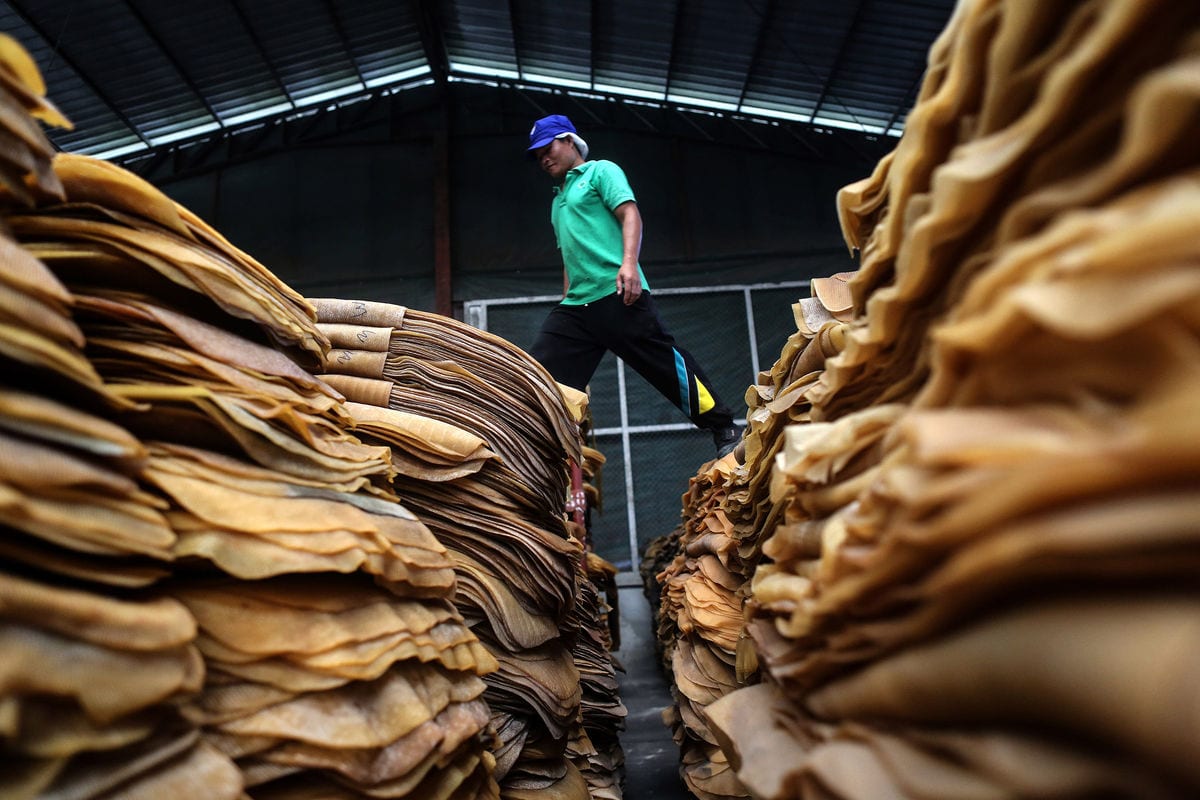
    North Sumatras exports of natural rubber has continued to shrink, down 8.23 percent in volume to 137,826 tons in the first four months of the year from 150,194 tons in the same period in 2015.

    “The decline in exports was on weak demand and as a result of an agreement by worlds largest producers to cut exports,” executive director of the North Sumatra branch of the Indonesian Association of Rubber Companies (Gapkindo) Edy Irwansyah said here on Sunday.

    Thailand, Indonesia and Malaysia which are grouped in the rubber cartel International Tripartite Rubber Council (ITRC), had decided to cut exports in a bid to drive up the commodity price.

    The three Asean countries, which account for around 80 percent of the worlds production of natural rubber decided to cut exports by 615,000 tons to be shared proportionally by the three ASEAN countries. Indonesia is to cut exports by 238,736 tons.

    The ITRC said it was optimistic the export cuts would drive rubber market to recovery after six years of being in deep slump.

    The price of natural rubber has remained low to follow the oil price fall.

    Edy said the export volume would likely fall lower not only because of the ITRC agreement but also because of weaker demand.

    The price of the commodity on May 13 was US$1.4 per kg for delivery in July down from US$1.417 for Junes delivery.

    The price of latex in North Sumatra has also dropped to around Rp13,477 per kg Rp13,477 – Rp14,201 per kg.

    However, reports said earlier that the price of rubber in othyer areas of the country had been picking up .

    In Lebak regency of Banten , the price rose in the fourth week of April reaching Rp21,500 poer kg of slab.

    “I think the price rise would encourage the rubber farmers,” said Rulyy Yanrila, head of the marketing section of the district Forestry and Plantation Office.

    The increase in price would at least help cover the production cost, Rulyy Yanrila said .

    Many rubber farmers have been on the brink of bankruptcy after years of slump, he said, adding some farmers already stopped tapping as the result was not worth the work.

    Jayadi (55),a rubber farmer in the village of Leuwidamar, said rubber production declined over the past several weeks as most of the rubber trees have been too old and on poor maintenance.

    In Kalimantan, Chairman of the South and Central Kalimantan branch of the Indonesian Association of Rubber Companies (Gapkindo)Andreas Winata said the price of natural rubber from that region has increased to Rp16,000 per kilogram from Rp12,000 earlier.

    Andreas said the cut in exports apparently has caused panic in international market on shortage in supply, resulting in surge in price. In addition, supplies from other countries also declined on long drought, he said.

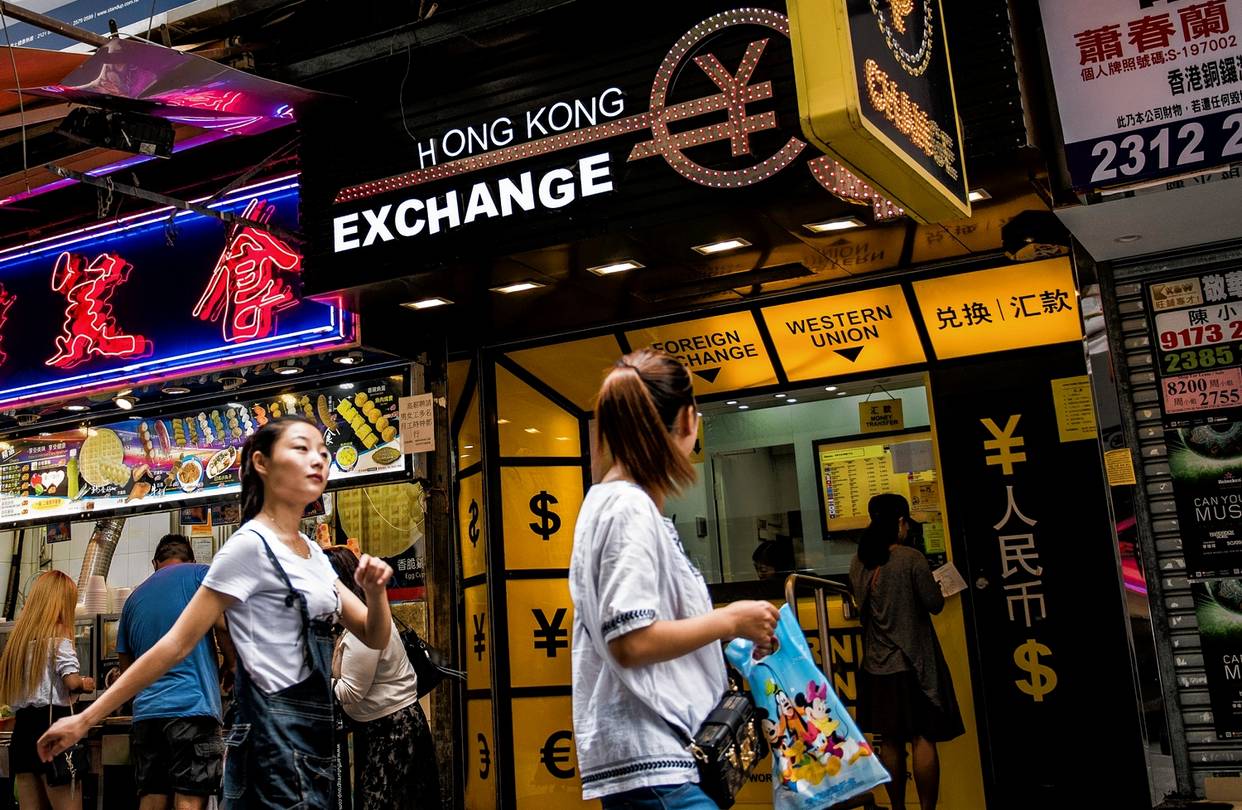
  • Exchange rate turn may aid Hong Kong retailers

    Exchange rate turn may aid Hong Kong retailers

    Hong Kong’s retail sales decline may have bottomed out.

    And a leading factor in the downturn – the value of the Hong Kong dollar – may now bring a much-needed boost for Hong Kong retailers.

    China’s central bank policy this year has been to peg the value of the yuan to the US dollar – the same currency the Hong Kong dollar is pegged to.

    This means that since January, the yuan’s value relative to the Japanese yen has fallen 11.1 per cent, and to the Malaysian ringgit by 6.7 per cent.

    Last year the yuan fell against the Hong Kong dollar, making alternative destinations more attractive for cashed up Mainland Chinese shoppers who chose Japan, Korea or Europe instead, possible due to relaxed visa conditions.

    Now, the value balance is shifting back to Hong Kong, albeit there has been negligible difference in the cross rate between the Hong Kong and mainland currencies. The yuan has fallen just 0.1 per cent against the US currency this year, and risen 0.1 per cent against the Hong Kong dollar.

    “It will help perhaps put a floor in terms of retail sales,” Sandy Mehta, CEOof Hong Kong-based Value Investment Principals said in an interview with Bloomberg. “The currency by itself may not lead to a recovery, but it will surely help things bottom out.”

    Hong Kong retail sales fell 12.5 per cent in the first quarter of 2016, largely due to an ongoing decline in visitor arrivals.

  • Thailand retail growth trails other destinations

    Thailand retail growth trails other destinations

    While Thailand retail industry growth is up slightly and there have been more international tourists, more Thais are shopping abroad, and tourists are spending more in other regional destinations.

    Thailand’s first-quarter growth in the retail industry was 2.6 per cent – failing to hit the Thai Retailers Association (TRA) projection of 3 per cent.

    President Jariya Chirathivat says same-store sales growth for several retail formats declined year-on-year, particularly hypermarkets and convenience stores.

    “This is the first time in two decades that Thailand’s retail industry has [shown] declining rates for several years,” says Jariya. Growth has fallen from 12 per cent in 2012 to 2.8 per cent last year.

    She says retail consumption has weakened because of declining farm product prices hitting the purchasing power of middle- and low-income consumers.

    While there were 12 per cent more foreign tourists in Thailand last year (29.5 million), there was no effect on the sales of semi-durable goods such as clothes, make-up, leather products, shoes and watches.

    Tourists in Singapore and Hong Kong on average spent 1900 baht (US$54) and 5300 baht ($150)respectively per head per day, while the figure for Thailand was 1155 baht ($33).

    Tourism Authority of Thailand figures show that the number of Thais shopping abroad grows by 9 per cent a year. Thais spent 170 billion baht on shopping overseas last year, with brand-name products accounting for 50.8 billion baht.

    “We’re concerned the retail industry might not be able to maintain investment levels in the long run if consumer spending continues to decline,” says Jariya.

  • International supermarket chains might soon start operating in the Philippines

    International supermarket chains might soon start operating in the Philippines

    With the Philippine economy expected to continue along its growth path, it might not take long before international supermarket chains start operating in the country.

    This developed as the British Chamber of Commerce of the Philippines (BCCP) said it will continue to push for a bigger market share for its food and beverage products here in the country.

    Philippine Amalgamated Supermarket Association President Steven Cua said the current influx of imported brands in groceries and supermarkets might be the way of testing the market.

    “The international chains are hot on our market.  We have a good economy, and investor confidence is here.  Instead of stores, there are goods now.  They are also joining trade shows,” Cua said.

    However, Cua said what is preventing these chains from starting operations in the country are the low margins on sales.

    “Our margins are too low.  We are the lowest in the world, at 2 percent to 12 percent,” Cua said, while pointing at the Department of Trade and Industry’s suggested retail price as the main factor.  He said that within Asia alone, the sales margins are between 13 percent and 25 percent.

    Cua also cited rent, salary, electricity and taxes as the other factors that might prevent international supermarkets from setting operations in the country.

    Then he said there are the Big 5 in local-supermarket operations, including SM, Robinsons, Puregold, Super 8 and Metro Gaisano, which controls a big chunk of the market.

    “We have a free enterprise.  It is either the smaller ones sell or they open up beside them,” Cua said, while adding that the Big 5 are now using real-estate brokers in their expansion.

    He also said that recently Walmart pulled out its operations in Indonesia and South Korea.

    Meanwhile, BCCP Chairman Cris Nelson said British food and beverages are making inroads in the local market, while stopping short of saying if British supermarket chains will actually be entering the country.

    “Marks & Spencer [M&S] is here in the Philippines but like a lot of companies, it needed to establish itself first. Based on my experience in this market, you have to get yourself successfully introduce in key areas and to develop thereafter,” Nelson said.

    He added: “The Philippines is a very interesting market.  It is a challenging market with multiple points of sale.  It is a logistical challenge because of the multiple islands.”

    Aside from M&S, Nelson said Tesco, a British multinational grocery and general merchandise retailer, has some of its products now also available in Rustan’s.

    Another brand that is also being made available in Rustan’s is Waitrose and its pantry products.  However, like Tesco, it does not have physical stores yet in the country.

    However, he said international food and beverage brands trying to enter the local market would have to deal with distribution and manufacturing issues.

    “Distribution is a very critical factor in the Philippines. Let us not forget this is one of the most challenging aspects of doing business. As soon as you get the demand, you will also have to develop your supply line. You need to keep your points very close together,” he said.

    Nelson said more and more British companies are expected to enter the country and promising Filipinos will have the opportunity to enjoy their brands.

  • Further Slowdown for Hong Kong’s Economy in Q1

    Further Slowdown for Hong Kong’s Economy in Q1

    New figures released by Hong Kong’s government suggest the city’s economy has seen a further slowdown through the first quarter. New stats show Hong Kong’s GDP grew by 0.8-percent year-on-year through the first 3-months. This is a 4-year low in term of quarterly growth.

    Hong Kong’s exports dropped 3.6-percent through Q1. Unemployment in the city has jumped by one-percent to sit at 3.4-percent.

    Hong Kong Financial Secretary Tsang Chun-wah admits the outlook for Hong Kong’s economy this year doesn’t appear promising.

    “The global economy is full of risks in 2016. With such an external environment, Hong Kong’s economy will be facing a downward pressure. As we can tell from the latest data, our exports, tourism industry, retail sectors and many other sectors have all been affected.”

    Housing prices in Hong Kong are down some 12-percent after hitting a peak in September.

    A slowdown in exports, coupled with a slowdown in spending from mainland tourists, has been dragging down Hong Kong’s economic fortunes over the past year.

    The city’s retail sector has borne the brunt of the slowdown.

  • Metro Retail earnings jump 69% in Q1

    Metro Retail earnings jump 69% in Q1

    Metro Retail Stores Group Inc. of the Gaisano family saw its net income surge by more than two-thirds in the first three months of the year on strong consumer spending. Net earnings reached P52.8 million, up 69.2 percent from P31.2 million.

    Metro Retail posted a 9.7-percent jump in all-store sales driven by strong same-store sales growth of 7.4 percent.

    “Building on our robust growth last year, our strong start for 2016 demonstrates our continued commitment to deliver more value to our customers and shareholders,” Metro Retail chairman and CEO Frank Gaisano said.

    Gaisano said the company continues to expand both its store network and its logistics and supply chain facilities.

    The retailer recently opened a hypermarket in Calbayog City in Eastern Visayas, as well as two department stores in UP Town Center and Fairview Terraces in Quezon City to bring its store network to 49. Of its 49 stores, 24 are supermarkets, 13 are hypermarkets, and 12 are department stores.

    Metro Retail had previously acquired department store assets from SIAL Specialty Retailers Inc., a joint venture between Ayala Land Inc. (ALI) and Store Specialists Inc.  It is set to open another department store in Fairview Terraces Mall in Quezon City.

    The company has also entered into a partnership with ALI for the establishment of its stores in four new Ayala commercial developments in Bacolod, Iloilo, Cebu, and Pasig.

    “The dynamic Philippine retail industry continues to present a lot of opportunities for growth, and we are currently ahead of schedule in doubling our footprint by 2020 with 40 percent of this target already secured today,” Gaisano said.

    Metro Retail stores are currently present in key cities in Central, Western and Eastern Visayas, as well as in Central Luzon, Metro Manila, and South Luzon.

    According to Euromonitor, Metro Retail is the Visayas’ largest department store and hypermarket operator, and second-largest supermarket operator in 2014 in terms of retail sales value.

    The firm was also Cebu’s largest retailer across all its three store formats in terms of retail value in the same year.

  • Bangkok 18th most attractive retail city

    Bangkok 18th most attractive retail city

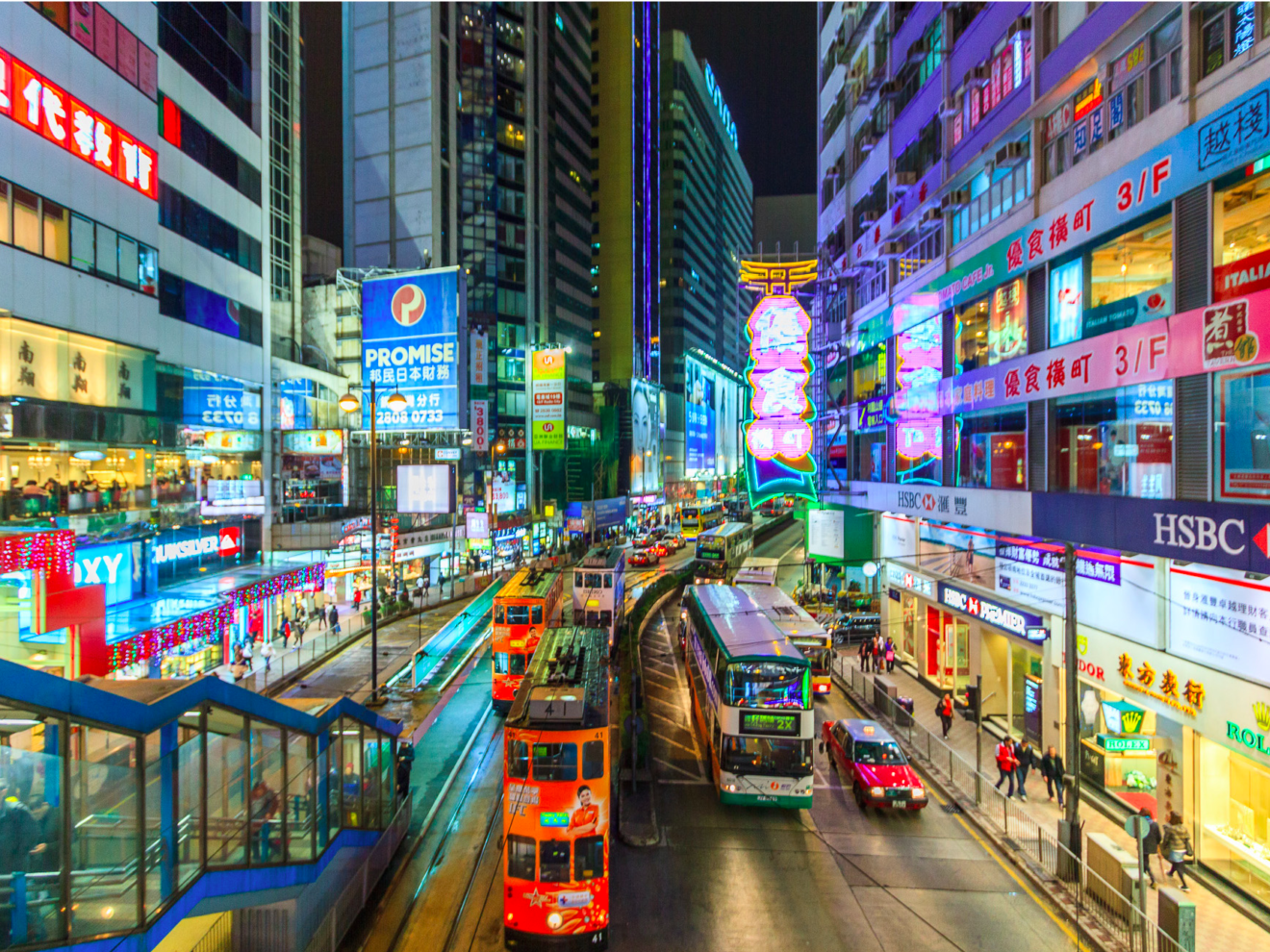
    Bangkok ranks 18th in terms of international retailer attractiveness, just ahead of Las Vegas, in a new report from real estate consultant JLL. “The Destination Retail 2016” report also revealed that Asia boasts five out of the 10 most appealing destinations for international retailers globally.

    According to JLL’s report, which for the first time provides a global ranking of 140 cities by their appeal to cross-border retailers, Hong Kong is second only to London in popularity. Also among the top 10 are Shanghai, Singapore, Beijing and Tokyo.

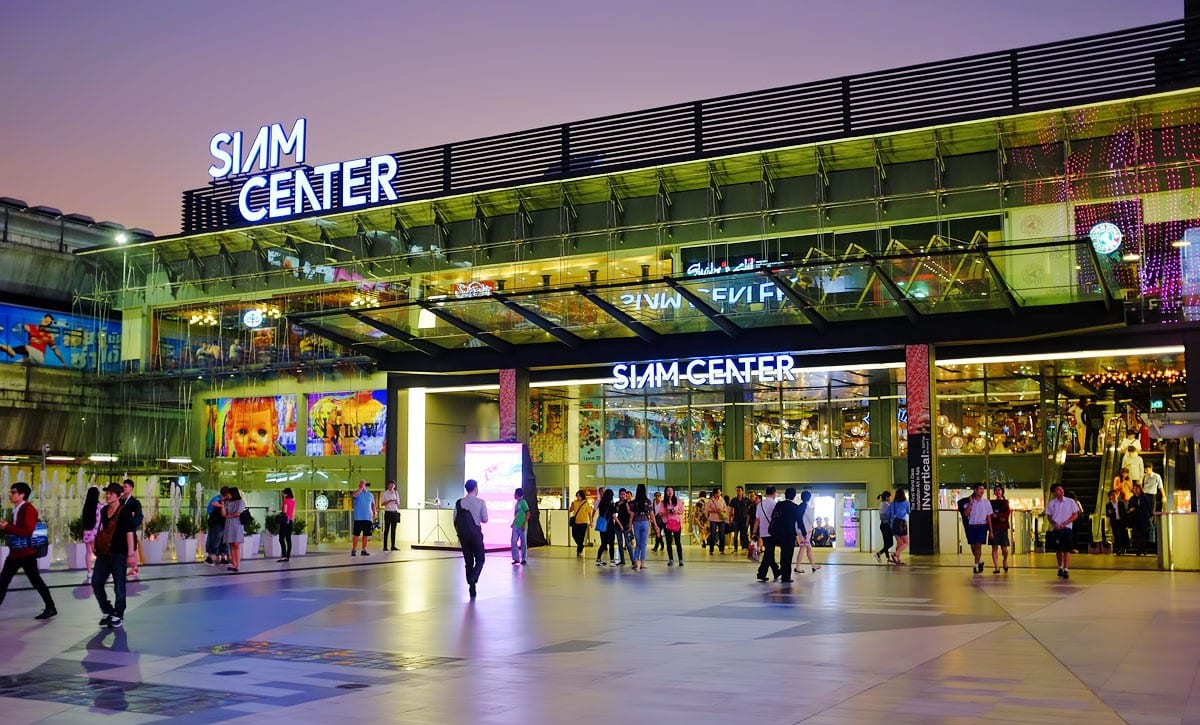
    Boosted by rising income levels and growing tourism numbers from across the world, Bangkok has attracted many international brands, such as H&M, Zara Home, Pull & Bear and Victoria’s Secret. Recently, retailers such as Dior Homme, Pierre Herme, A Bathing Ape and Tiffany & Co have started trading in the city. The Ratchaprasong area is Bangkok’s retail centre and attracts many locals as well as tourists, thanks to its central location and adjacent skytrain. It houses 11 shopping centres, including Siam Paragon, CentralWorld and Siam Square One.

    The recently completed EmQuartier, Central Westgate and CentralFestival EastVille, all outside the city centre, are providing new attractive opportunities to international retailers.

    Bangkok’s retail landscape continues to diversify, with renovations at Siam Discovery and several suburban CentralPlaza retail stores, the opening of HaHa Market and the continued success of Asiatique The Riverfront, a combined shopping centre and night bazaar.

    Cities in Asia-Pacific are the most appealing destinations for luxury retailers to set up shop. Seven Asia-Pacific cities are among the global top 10: Hong Kong, Tokyo, Shanghai, Singapore, Beijing, Osaka and Taipei.

    “Hong Kong remains Asia’s leading luxury shopping destination with many retailers using it as a springboard for expansion into China,” said James Assersohn, retail director for Asia-Pacific at JLL. “While there has been a noticeable slowdown in luxury sales due to China’s slowing economy and the government’s anti-corruption crackdown,Hong Kong continues to attract many high-spending Chinese tourists,” he said.

    More broadly, the dominance of Asian cities in the index highlights the attractiveness of the region to retailers, thanks to its burgeoning middle-class and growing levels of affluence, said Mr Assersohn.

    Tokyo, which takes fourth place globally, has seen a revival in luxury retailer’s demand for high quality real estate as a result of an improving economic climate and rising tourism numbers. The yen, which has devalued by nearly 30% since 2012, has made Japan a magnet for retail tourism across the region. International visitors to Japan rose 47% in 2015 with the largest contingent from China. A weaker yen is also encouraging Japanese to make the most of their luxury purchasing power at home.

    Shanghai, meanwhile, at number six in the ranking, is catching up fast on Hong Kong to become one of Asia’s leading luxury retail destinations and remains China’s premier shopping destination.

    “Thanks to a diverse economy and wealthy consumer base, Shanghai has become a favourite place for international brands to test the Chinese market and gain brand exposure,” said Mr Assersohn.

    (Original article from BangkokPost)

  • South Korea’s jobless rate falls to 3.9 pct in April

    South Korea’s jobless rate falls to 3.9 pct in April

    South Korea’s jobless rate fell in April as more people were hired in the accommodation and retail sectors, but the unemployment rate for young people still remained high, a government report showed Wednesday.

    The unemployment rate sank to 3.9 percent in April, from 4.3 percent in March. The seasonally adjusted jobless rate also dropped to 3.7 percent from 3.8 percent over the cited period.

    But job creation decreased from the previous month. The number of employed people stood at 26.2 million last month, up 252,000 from a year earlier. It is lower than the previous month’s 300,000 gain.

    The unemployment rate for young people, aged between 15 and 29, reached 10.9 percent last month, slightly down from 11.8 percent in March. It marked the highest number for the month of April.

  • South Korea April dept store sales seen surging, discount store sales bounce

    South Korea April dept store sales seen surging, discount store sales bounce

    South Korea’s top department stores scored a second month of sales growth in April, preliminary government data showed on Tuesday, backing recent surveys showing consumers are feeling better about the economy.

    Combined sales at department stores run by Hyundai Department Store, Lotte Shopping and Shinsegae Co were seen up 8.0 percent on-year in April, according to data from the finance ministry.

    That would be much stronger growth than a 0.3 percent rise in March and mark the fastest gain since January this year.

    The data also showed sales at discount stores last month likely rebounded to be up 0.2 percent in annual terms from a 4.6 percent drop in March.

    Domestic consumption is showing broad improvement supported by consumer spending although exports continue to fall, the finance ministry said in the statement. It also added the pace of recovery in the private sector was still weak, noting that offshore risks persist as global growth remains sluggish.

    The trade ministry will release finalised figures later this month.