Category: General

Retail News Asia is committed to providing both local and global retailers with the latest General Retail news throughout the Asian market. This on a daily base.

  • Hong Kong retail sales ‘worst in history’

    Hong Kong retail sales ‘worst in history’

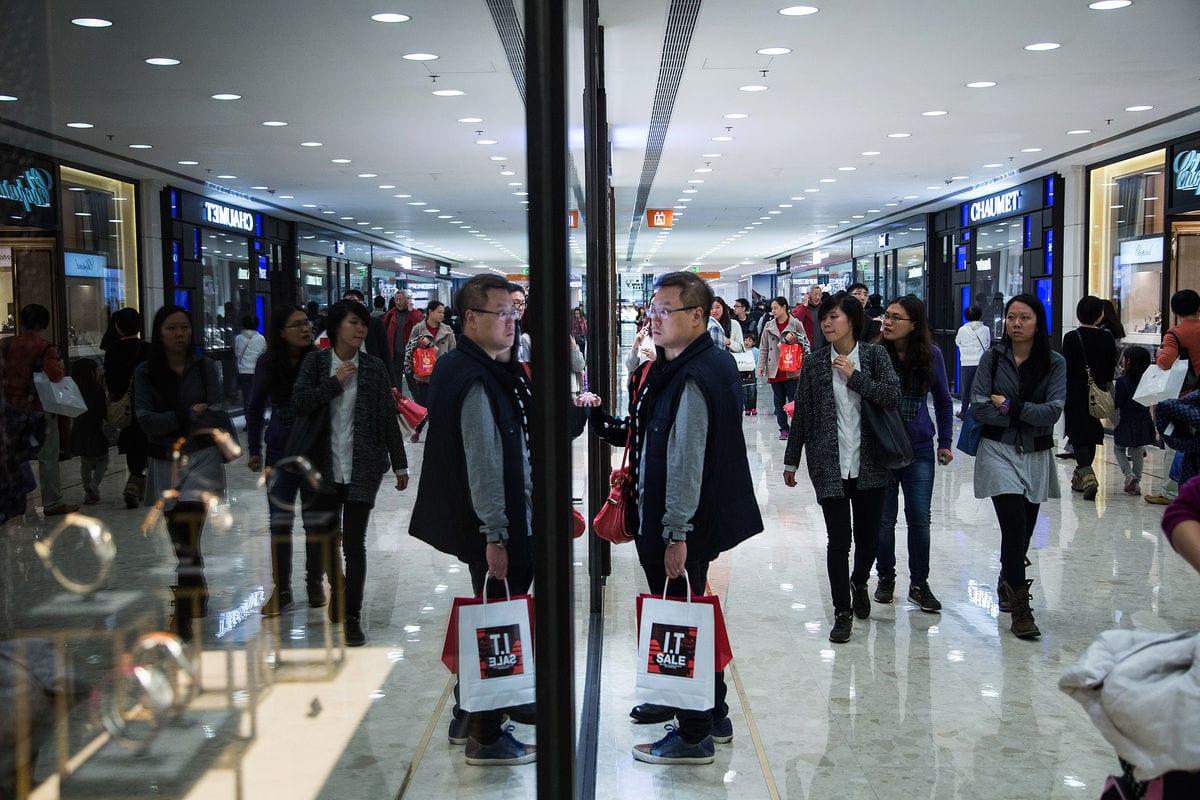
    A MasterCard spending survey released ahead of the official government data this afternoon shows March Hong Kong retail sales declined at the worst rate in the history of the survey.

    “Overall retail sales in Hong Kong contracted by 18.5 per cent year-on-year, reflecting the deepest decline since 2014,” according to the latest MasterCard SpendingPulse Hong Kong Report.

    Clothing and jewellery sales in March dropped by more than total retail sales, while only grocery outperformed overall retail sales. The March results brought the year-on-year Q1 retail sales decline to 11.7 per cent from the same period in 2015.

    Sarah Quinlan, senior VP of market insights for MasterCard Advisors, said the sharp decline was a result of the contraction in spending from Mainland Chinese tourists and in discretionary spending by domestic Hong Kong consumers.

    “The early Easter holiday did nothing to stimulate spending as consumer confidence remains subdued.

    “Overall our outlook for Hong Kong retail sales remains weak as the slowdown in spending from Mainland China continues to negatively impact the Hong Kong retail economy,” said Quinlan.

    Analysing local retail performance and spending, the macroeconomic report uses aggregated and anonymous transaction data, along with all other payment forms including cash, to offer insight into consumer spending trends, providing an early overview of market indices to help retailers, investors, card issuers, banks and government agencies in their decision-making processes.

    Launched by MasterCard Advisors, a unit of MasterCard, the SpendingPulse report is available to subscribers the third week of every month and shares quality insights on consumer spending. The monthly report also includes an overall retail sales and price index, so that subscribers can understand whether spending growth is truly being driven by increased shopping or by inflation or increased promotions.

    SpendingPulse is currently available to subscribers in Australia, Brazil, Canada, Hong Kong, Japan, the UK and the US, and is delivered ahead of retail spending figures provided by other sources. It is one of the most quoted reports on macroeconomic trends in the US and is often used as a source of reference by major international news outlets.

    In preparing the report, MasterCard analyses the transactions processed by the MasterCard Hong Kong payments network and uses statistical models which take into account the trends of other payment methods (cash) to produce accurate and efficient reports.
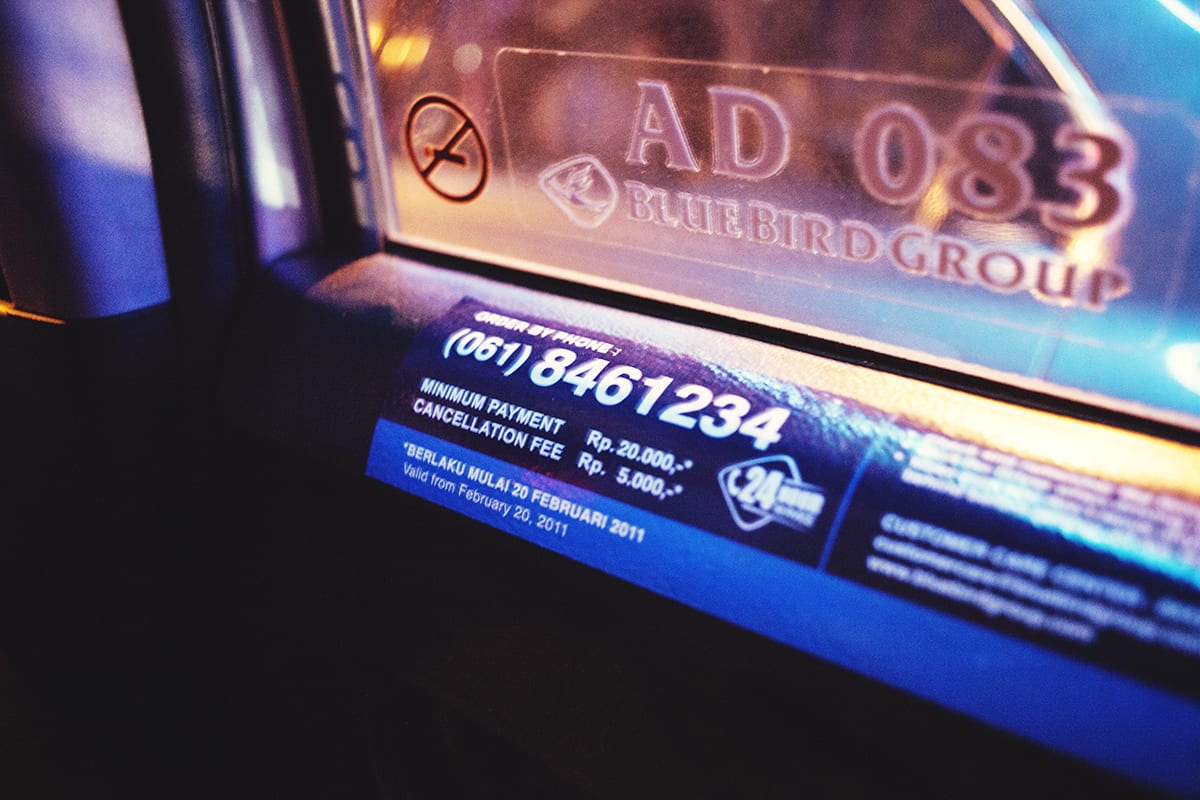

  • Indonesian taxi firm Blue Bird joins hands with ride-hailing app Go-Jek

    Indonesian taxi firm Blue Bird joins hands with ride-hailing app Go-Jek

    Indonesia’s largest taxi operator Blue Bird Group said on Monday (May 9) that it plans to form a partnership with the country’s biggest online ride hailing app Go-Jek.

    The collaboration is expected to cover the areas of technology, payments and promotions.

    In a joint statement, the two firms said the partnership would increase the quality of their customer service and that the initiatives would focus on enhancing the transportation experience through a convenient mobile solution. The partnership would “accelerate Indonesia’s digital revolution and empower consumers”, they said.

    Mr Yoga Adiwinarto, country director of the Institute for Transportation and Development Policy (ITDP), said Blue Bird needs to have more reliable apps and will probably ask Go-Jek to develop them.

    He added: “Go-Jek will probably handle the Blue Bird apps, perhaps even put Blue Bird on the Go-Jek platform. More reliable apps will help taxi passengers, an improvement from the poor Blue Bird apps right now.”

    The two companies said they would announce further details about the collaboration soon.

    Monday’s announcement came after a protest in March, where thousands of Indonesian drivers from various taxi companies took to the streets of Jakarta speak up against the ride-hailing app industry, which is often perceived as a threat to the traditional transportation industry.

  • Indonesia to promote national products at exhibition in Vietnam

    Indonesia to promote national products at exhibition in Vietnam

    The Indonesian Embassy in Hanoi, Vietnam, will promote national products through an exhibition to be held in Ho Chi Minh City from November 30 to December 3, 2016.

    The exhibition showcasing Indonesian products will help enhance bilateral trade between Indonesia and Vietnam, targeted to reach US$ 10 billion by 2018, according to information received from the Indonesian Consul General in Ho Chi Minh City. This was reported on the official website of the Ministry of Foreign Affairs on Tuesday.

    The Indonesian Ambassador to Vietnam, Ibnu Hadi, has held a meeting with representatives of Indonesian companies operating in Vietnam, especially those located in southern Vietnam.

    The meeting was attended by 14 Indonesian companies engaged in the business of aluminum extruders, travel agents, paints, snacks, pharmaceuticals, herbal supplements, paper, investment consultant, language courses, as well as animal feed.

    At the meeting, the ambassador said the Indonesian companies could participate in the exhibition without having to pay any money.

    According to him, the Indonesian Embassy in Hanoi will bear the cost of the exhibition, which will be organized by the Vietnam National Advertising Company and Trade Fair (Vinexad). Vinexad is a state-owned enterprise under the Ministry of Industry and Trade of Vietnam.

    The exhibition of Indonesian products will be a part of the 14th Vietnam International Trade Fair. Indonesia will have a pavilion featuring 76 booths.

    The Indonesian Pavilion will showcase superior products made in Indonesia and already accepted in the Vietnamese market. A number of new products will also be marketed soon.

    The Vietnam International Trade Fair is the largest trade fair in the southern part of Vietnam.

    In 2015, a total of 450 companies from 16 countries participated in the event, including the United States, China, Indonesia, Japan, Malaysia, Nepal, Singapore, Spain and Thailand.

  • Indonesia and Saudi Arabia set to double trade by 2020

    Indonesia and Saudi Arabia set to double trade by 2020

    Indonesia’s Trade Ministry received a business delegation from Saudi Arabia last week, as the two countries announced a plan to double their bilateral trade value by 2020, according to a report published by The Jakarta Post.

    The total trade between the two countries currently stands at a value of US$8.5 billion and is thought to leave plenty of room for expansion, according to the Indonesian Trade Ministry.

    “The figures are yet to reflect the potential of both countries,” said Arlinda Imbang Jaya, Trade Ministry Expert for Trade Services.

    Saudi Arabia is said to have expressed interest in cooperating with several Indonesian businesses in the fields of cosmetics, pharmaceutical products and medical equipment.

  • Garuda Indonesia Increases Flight Frequency in Banyuwangi

    Garuda Indonesia Increases Flight Frequency in Banyuwangi

    Garuda Indonesia airlines will increase the flight frequency at Blimbingsari Airport, Banyuwangi to twice a day from May 16, 2016. The decision was made after the issuance of the permit to increase Garuda Indonesia flight services of Surabaya-Banyuwangi route and vice versa by Directorate General for Air Transport of the Transportation Ministry.

    At present, Garuda Indonesia flight schedule only serve one daily flight at Blimbingsari Airport namely Surabaya-Banyuwangi route at 11:35 a.m. – 12:35 p.m. and Banyuwangi-Surabaya at 1:05 p.m. – 2:00 p.m. After the issuance of the permit from Transport Ministry, Garuda will have an additional schedule of morning flight, namely Surabaya-Banyuwangi route at 6 a.m – 7 a.m. and Banyuwangi-Surabaya at 7:30 a.m. – 8:25 a.m.

    “We gladly welcome the additional flight schedule of Garuda morning [flight], making it two flights a day. It’s a solution to the high volume of airline passengers that often leads to complaints about the lack of seats, either to Banyuwangi or vice versa. I hope it could trigger a surge in tourist arrival,” said Banyuwangi Regent Abdullah Azwar Anas on Wednesday, May 4, 2016.

    In addition to new schedule of Surabaya-Banyuwangi route, Garuda Indonesia also plans to re-open Denpasar-Banyuwangi service. “I heard that the planned Denpasar-Banyuwangi service is ready, but we are still waiting for further confirmation about it,” Anas said.

    The number of passengers at Blimbingsari Airport continues to grow after it started operation. It has significantly increased up to 1,308 percent from only 7,826 passengers in 2011 to 110,234 passengers in 2015.

    Banyuwangi district administration has also arranged evening flights. It has prepared several infrastructures to achieve the target to start operation in 2016. “We hope that evening flights would offer a wider choice of flight schedules to Banyuwangi,” Anas said.

  • Tourists claim tour rates in Raja Ampat expensive

    Tourists claim tour rates in Raja Ampat expensive

    Some tourists have assessed that the tour rates offered in Raja Ampat, West Papua, were expensive, and it was feared to affect other travelers keen on visiting this tourist area.

    “Raja Ampat is much more beautiful than Bali, but the tour rates are also more expensive as compared to Bali,” Sami Ninggoroh, a tourist of Indian descent who visited Raja Ampat along with some Japanese tourists, stated on Tuesday.

    According to Ninggoroh, the rates of the Raja Ampat tour should be reconsidered as it is quite high, and the high prices will have a major impact on the number of visitors to the area.

    “We have ever been to Bali and found that the services offered there were better, and the travel rates were cheaper as compared to Raja Ampat,” he pointed out.

    Further, Ninggoroh opined that tourists visiting Bali will certainly want to revisit it, but ironically, visitors to Raja Ampat will think twice to return as it is quite expensive.

    He noted that besides being costly, there were other issues in Raja Ampat that should be addressed, especially with regard to the services, so every visitor will feel comfortable and will crave to come back.

    “The services offered by the people of Bali to the tourists are very good as they highly value the tourism sector. They serve the tourists as best as possible, and the same thing should also be applied in Raja Ampat,” he emphasized.

    Ninggoroh stated that Raja Ampat, as a marine tourism attraction, was already popular across the world, but the offered tourism packages should be made cheaper, so that tourists would yearn to revisit the region.

    “The local governments must lower the tour rates and improve the tourism supporting facilities, so Raja Ampat is thronged by as many visitors as Bali,” he added.

  • SM Retail sales boosted

    SM Retail sales boosted

    SM Retail sales grew across all operations – which consist of both SM Markets and The SM Store.

    Total sales grew 8 per cent to P48.8 billion (US$1.0 billion) in the first quarter, while net income rose 16 per cent  to P1.5 billion.

    SM’s food retail business continued to expand, adding five new stores. At the end of March, SM Retail had 314 stores comprising 53 The SM Stores, 45 SM Supermarkets, 44 SM Hypermarkets, 140 Savemore and 32 WalterMart stores.

    Two acquired Cherry Foodarama grocery stores are now fully operational inside SM Cherry malls in Shaw and Congressional Avenue.

    SM earlier announced the merger of SM Retail with a group of specialty retail stores such as Ace Hardware, SM Appliance Center, Homeworld, Our Home, Toy Kingdom, Watsons, Kultura, Baby Company and Sports Central. The combined entity will have over 1900 outlets and 2.4 million sqm of GFA.

    “We are pleased with SM’s strong underlying growth in the first quarter as consumer spending continued to be vibrant and sentiment about the Philippine economy remains strong. Our continuing efforts to improve efficiencies in all our businesses have also helped ensure solid earnings growth,” SM president Harley Sy said.

    SM Investments posted a 12 per cent growth in recurring net income in the first quarter of 2016. Consolidated net income (including non-recurring items) stood at P7.0 billion for January to March, up 3.6 per cent from P6.7 billion year-on-year. Consolidated revenues grew 7 per cent to P69.8 billion for the first quarter.

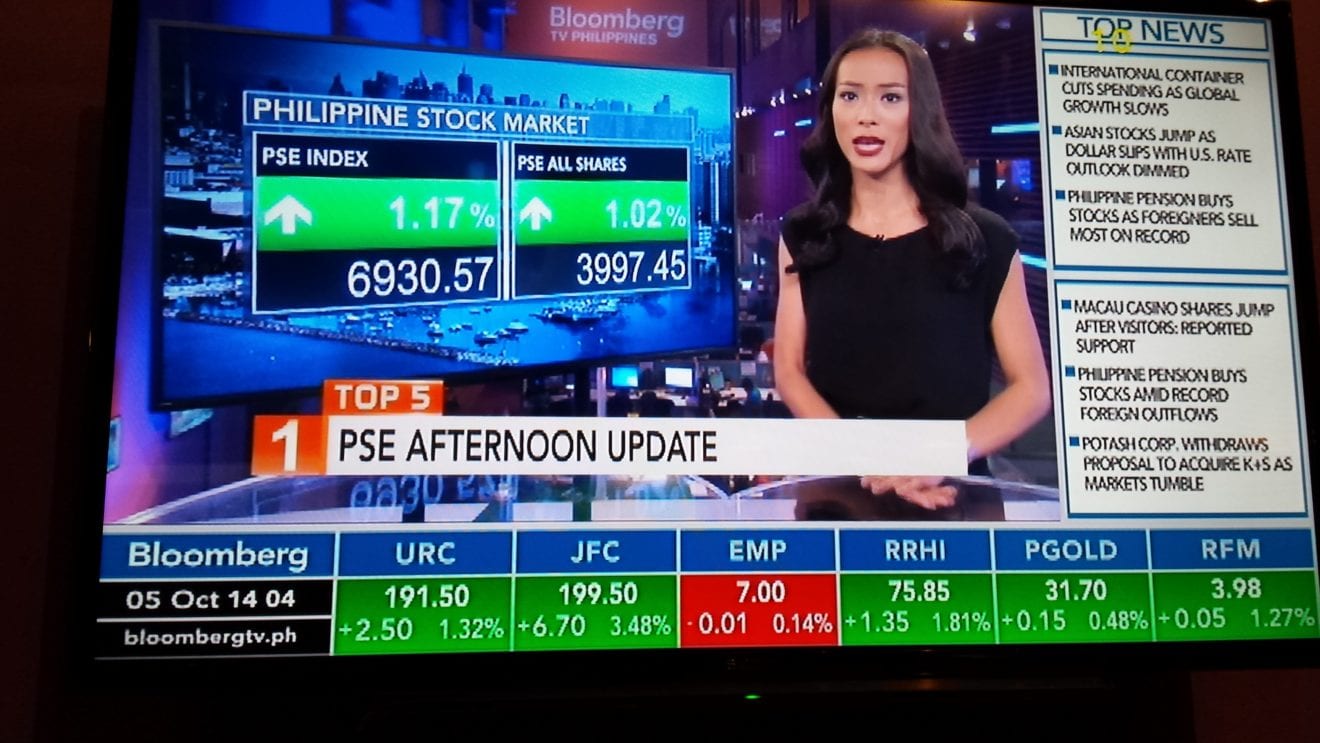
  • Bloomberg TV Indonesia pressed for severance payment

    Bloomberg TV Indonesia pressed for severance payment

    The Legal Aid Center for the Press ( LBH Pers ) and the Manpower Ministry have called on the owner of now defunct station Bloomberg TV Indonesia Rosan Roeslani to pay compensation to its former workers in accordance with the company’s layoff agreement.

    LBH Pers executive director Nawawi Bahrudin said Rosan, who is also chairman of the Chamber of Commerce and Industry ( KADIN ), must comply with the legal agreement.

    “I strongly urge the employer to comply with its legal obligations,” Nawawi told  recently.

    Bloomberg TV Indonesia has failed to pay the compensation by the time stated in the payment agreement attached to the termination of employment letter issued on July 8, 2015.

    Manpower Ministry special staff Dita Indah Sari said as a leader of Indonesia’s industrialists, Rosan should be more sensitive in dealing with labor issues and attentive in treating employees properly.

    “The Manpower Ministry warns the shareholders not to neglect employees’ rights. Otherwise, our legal division will call and examine them,” Dita asserted.

    She added the ministry would continue to supervise the dispute process between the ex- employees of Bloomberg TV Indonesia and the employers until everything was settled, adding that the department’s legal division is ready to help if necessary.

    “I fully support the ex-workers’ struggle,” asserted Dita, a former labor activist who was jailed by President Soeharto’s government.

    The coordinator of ex-Bloomberg TV Indonesia workers Arif Budiman said the former employees had chosen LBH Pers as their representative to submit the lawsuit to the Industrial Relations Court ( PHI ) in the event of a deadlock in the mediation between ex-employees and employers.

    “We urge ex-CEO Adhitya Chandra Wardhana and the owner Rosan Roeslani to cooperate with us and meet the terms of the agreement,” Arif said.

    Bloomberg TV Indonesia owner Rosan Roeslani responded to the demands by saying that his party would settle everything related to the company’s obligation to the workers as soon as possible.

    Rosan established the economic and business focused Bloomberg TV Indonesia, which was operated under holding company PT Idea Karya Indonesia in 2013, and officially closed two years later due to financial concerns.

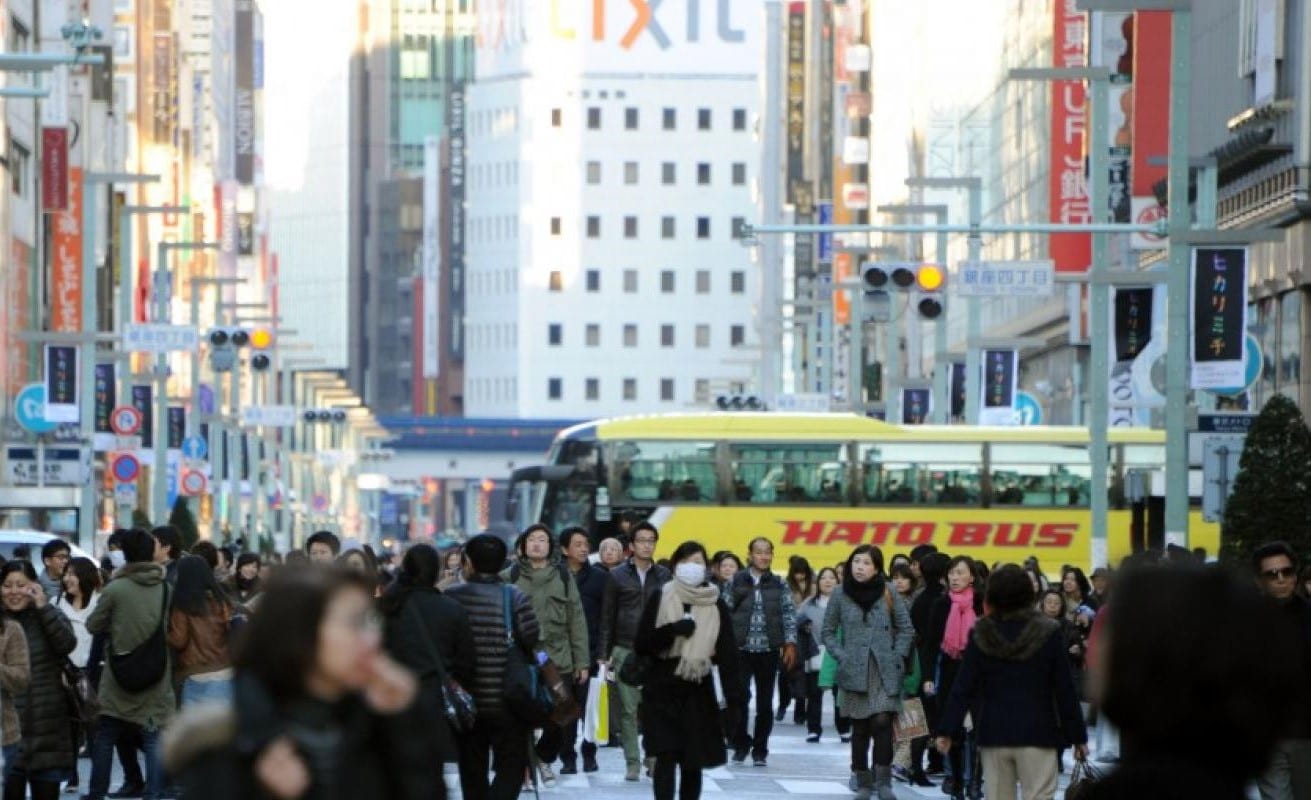
  • Tourists invisible to Hong Kong retailers

    Tourists invisible to Hong Kong retailers

    While more tourists have been crossing the border for the ongoing Golden Week, there has not been much gold in it for Hong Kong retailers.

    Visitor numbers jumped more than 14.1 per cent on Saturday, the start of the holiday, according to the Hong Kong Immigration Department (IMMD).

    This has mainly been attributed to visitors from the neighbouring Guangdong province, with cheaper hotel rooms and convenient travel making Hong Kong an accessible choice, says the South China Morning Post.

    Statistics show that more than 200,000 visitors arrived on the first day of the national holiday, a jump from last year’s 177,000. But despite the rise, the visitors have been spending less – hardly good news for Hong Kong retailers, who have already been feeling the pinch. With Hong Kong no longer riding the wave as the first port of call for Chinese tourists, retailers were warned last month that they need to discount or die.

    For the new influx of visitors, their travel and buying patterns differ from previous mainland tourists as they are familiar with Hong Kong and tend to visit relatives, go sightseeing and buy from stores in residential areas. Family visitors and Shenzhen residents spiked more than 40 per cent on the first day of the holiday, while those crossing the border on the “L visa” dropped 5 per cent.

    Hong Kong retailers are already branding this the worst-ever Golden Week, with many reporting lower numbers of mainland tourists, fewer tour buses and less spending.

    However, Travel Industry Council executive director Joseph Tung Yao-chung says the divergence between tourist numbers and luxury sales is a “good sign”.

    “The city’s tourism sector is normalising,” he says, with high-quality individual tourists compensating for the loss in mainland tour groups, which have long been criticised for forcing visitors to buy high-priced products at designated shops.

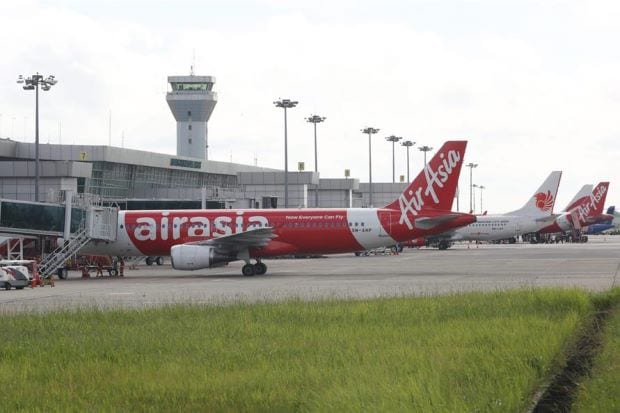
  • AirAsia Indonesia to end Bali-Kota Kinabalu services

    AirAsia Indonesia to end Bali-Kota Kinabalu services

    AirAsia Indonesia will end its thrice weekly Bali-Kota Kinabalu services, effective June 23.

    In a statement, AirAsia Bhd chief executive officer, Aireen Omar, said this was due to the stagnant market growth and insufficient revenues to offset the costs.

    “The operational costs have also increased quite substantially for AirAsia’s operations at Terminal 1 Kota Kinabalu International Airport,” she said.

    Following the termination of the services, the low-cost carrier said it would offer three options for the affected customers.

    The passengers could reschedule their journey with the latest flight on June 21, 2016, depending the availability of seats, it said.

    “They could also opt for creditshells which can be used as payment towards any AirAsia tickets or products and they are valid for six months or 180 days from the date of issuance,” it said.

    AirAsia said it would also offer a full refund of the amount equivalent to customer’s booking.

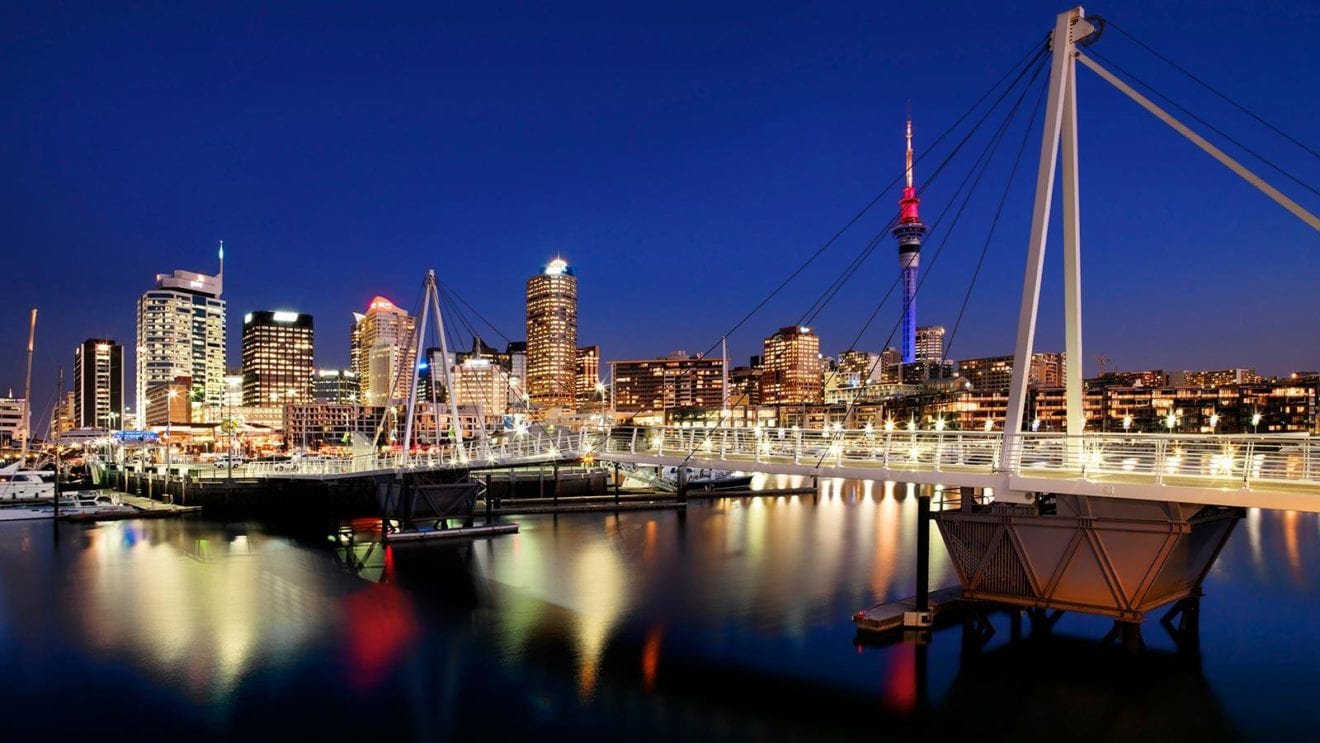
  • New Zealand Eyes More Investment in Indonesia

    New Zealand Eyes More Investment in Indonesia

    Franky Sibarani, Chairman of the Indonesia Investment Coordinating Board (BKPM) met with Indonesian Ambassador to New Zealand Joze Tavares in Auckland last Wednesday, May 4, 2016. The meeting was held to coordinate New Zealand’s plan to increase its investment in Indonesia.

    “To attract more investment, the BKPM will [cooperate] with the Indonesian honorary consul in Auckland, which is also the President of the ASEAN Business Consul,” Franky said after the meeting.

    Franky added that the BKPM will continue to coordinate with Indonesian representative in New Zealand to follow up potential investments.

    Jose Tavarez welcomed the Indonesian government initiative to market possible investments in New Zealand.

    “New Zealand has large potential related to the development of renewable energy, specifically geothermal [energy],” Tavares said.

  • Bali’s exports to Europe decline

    Bali’s exports to Europe decline

    Balis exports of various handicraft and small industrial products to European countries declined in the first three moths this year because the economic growth in Europe has not yet recovered well.

    “Importers from Europe still demanded for various handicraft, garments and furniture products but the volume was not as big as that last year,” exporter Made Parwata said here on Saturday.

    He said that importers from Spain still maintained stable demand and delivery was still smooth.

    Other European importers were those from Italy, France and Germany. These countries are included as the big ten importers of Balis products.

    However, the Central Bureau of Statistics (BPS) data showed that imports of these products by France, Spain, Italy and Germany declined from US$19 million in the January-March 2015 to US$17 million in the same period this year.

  • Indonesia to take part in Beijing Tourism Expo

    Indonesia to take part in Beijing Tourism Expo

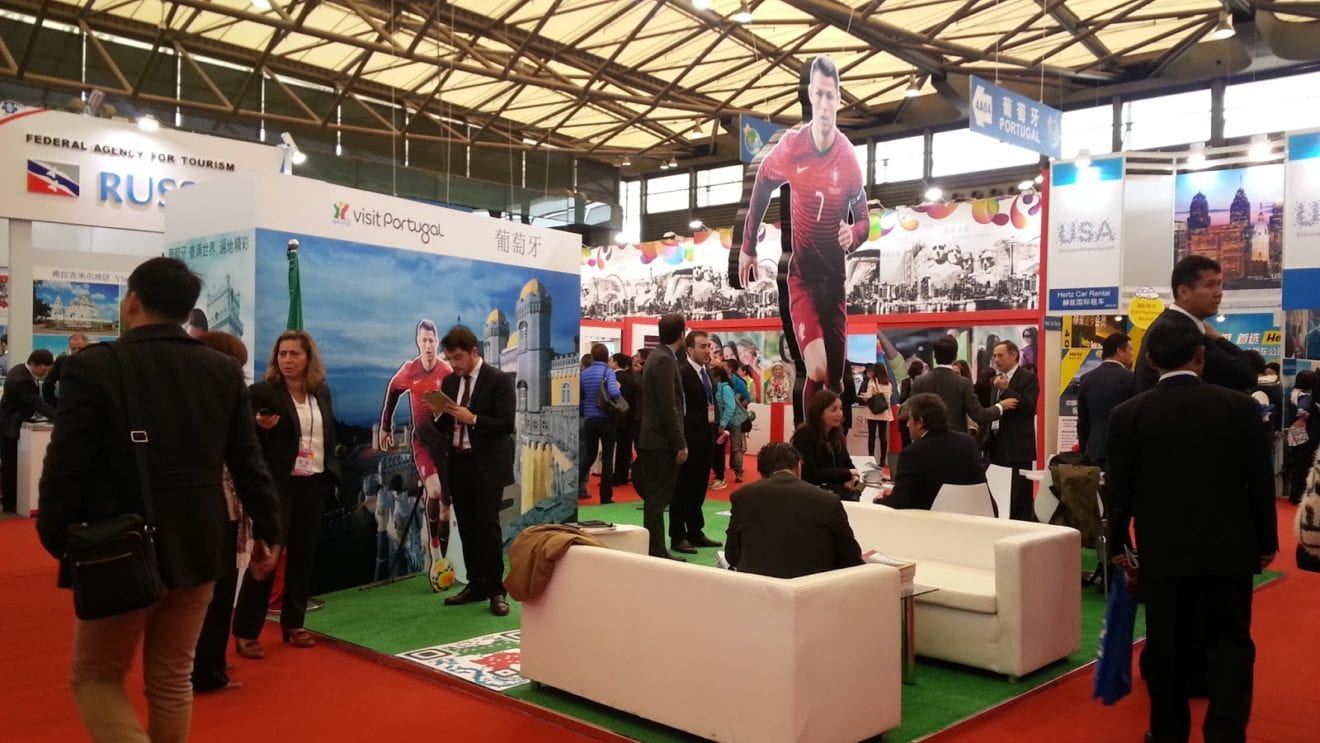
    The Indonesian government will participate in the Beijing International Tourism Expo (BITE) to be held on May 20-22 to realize its target of attracting two million Chinese tourists this year.

    The Indonesian Tourism Ministry would be one of the main sponsors of the expo, Deputy Tourism Minister in charge of International Tourism Marketing Development I Gede Pitana stated here, Friday.

    The ministry was optimistic that Indonesia would be able to attract Chinese tourists during the long holiday from October 1 to 7 this year, he noted.

    China has become Indonesias main tourist contributor, according to Tourism Minister Arief Yahya.

    Last year, some 987 participants from 81 countries took part in BITE, which was visited by some 120 thousand people.

    BITE has been organized annually for the past 13 years, and Indonesia has taken part in the expo twice.

    Other countries expected to participate in BITE this year are the United States, the Maldives, Seychelles, Thailand, Sri Lanka, Japan, Taiwan, South Korea, Malaysia, India, and some European countries, among others.

    Indonesia has set a target of attracting 20 million foreign tourists by 2019, from 9.7 million last year.

    This year, Indonesia hopes to lure some 12 million foreign tourists.

  • Apkasi to prepare online app system to ease investors

    Apkasi to prepare online app system to ease investors

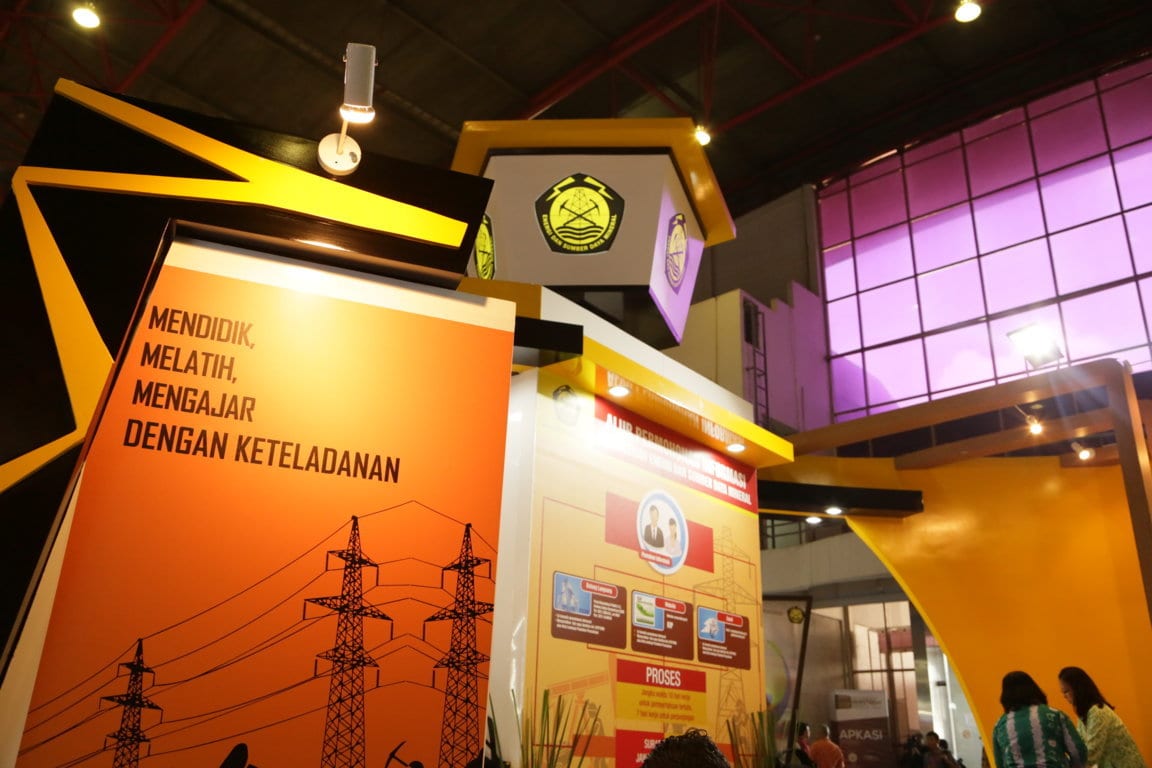
    The All Indonesia District Administrations Association (Apkasi) will set up an online application system to make it easier for those seeking to invest in the countrys regions, its chairman Mardani H Maming said here on Saturday.

    “The online application system will help investors wishing to know about potential of any region,” he said, adding the system is planned to be launched in 2017.

    Mardani, who is also the district head of Tanah Bumbu, South Kalimantan province, stated that he hoped the new system would make importers able to buy commodities directly from producers.

    Also, the same system could be used as a mechanism for distributing subsidy to regions in need, he explained.

    Citing an example, he said a region that did not produce rice could obtain the produce from other regions to ensure it remained well stocked.

    Apkasi organized Investment and Trade International Summit 2016 at JIExpo Kemayoran in Central Jakarta from May 5-7 in an effort to attract investment.

    Mardani informed that a number of investment and trade related transactions were made during the event, including in plantation, animal husbandry, infrastructure and tourism sectors.

    “Memorandums of understanding have also been signed with foreign parties, including those from Japan and China,” he said.

    In the speech marking the events conclusion on Saturday, President Joko Widodo urged the regional governments in the country to develop their respective regions potential.

    He called on them to focus on a certain area for efficiency and to also ease control.

    He cited the example of a region that only provided golfing facilities and grew as a result.

    “It is not impossible for regions here to develop only sugar or fish. If they do so, these will become known as sugar or fish regions,” he said.

    He also asked the regional governments to speed up the licensing process.

    “If BKPM (capital investment coordinating board) could finish the process of giving eight licenses within an hour, the regional governments must also be able to do the same,” he stated.

    The government is continuing to make efforts to improve ease of doing business in the country, he said.

    “Several years ago, we were ranked 120th in ease of doing business index. Last year, we were at 109th out of 189 countries, far below the list topper Singapore, or Malaysia at 18th and Thailand at 49th,” he elaborated.

    He said he has ordered the Coordinating Minister for Economic Affairs to ensure that the country achieves the 40th rank this year, he said.

    “Breakthroughs must be made to achieve it. This is our common task. It is not impossible to achieve it, but we need to work hard. We must not be at ranks lower than 100 or so forever,” he urged.

    The president again reminded that Indonesia has now entered a competitive era, and said, “If we are unable to change ourselves, we will be run over. We must win the competition if we wish to become a victorious nation.”

  • Hong Kong consumers favour saving over fun

    Hong Kong consumers favour saving over fun

    Hong Kong consumers lead the world for their saving and investment mindset, while savers outnumber fun-lovers overall in Asia Pacific.

    Market research company GFK has found that 54 per cent of online consumers in Hong Kong “disagree completely” or “disagree somewhat” with the notion of enjoying life today and worrying about savings and investments later.

    At the other end of the scale, China has the highest proportion of consumers of the APAC countries surveyed (38 per cent) who favour having fun now, followed by Australians at 32 per cent.

    GFK polled more than 27,000 internet users across 22 countries, including Australia, China, Hong Kong, Korea and Japan, to find how strongly they agree or disagree with the statement “I want to enjoy life today and will worry about savings and investments later”.

    Internationally, people in favour of saving slightly outnumber the “have fun now” respondents – but the numbers are very close. Hong Kong stands out as the only state where more than half of the online population puts up its hand for saving.

    Though 33 per cent of women internationally are happy to worry about financial security later, 40 per cent disagree. Men, however, are more evenly split with 36 per cent agreeing and 35 per cent disagreeing.

    Respondents in their 20s are the highest percentage of fun-lovers of any age group, with 41 per cent happy to worry about saving later. Teenagers (15 to 19 years old) and those in their 30s come next, almost equal at 37 and 36 per cent respectively. Of respondents in their 50s and older, 26 per cent also agree with living for today.

    Meanwhile, the numbers with a “save now” attitude increase fairly steadily with each age group, starting at 34 per cent for both teenagers and those in their 20s, and peaks at 43 per cent of those in their 50s, and 42 per cent of those older.

    “These findings give financial service brands a useful, top-level picture of the differences in attitude toward the concept of savings and investments across countries, age groups and genders,” says GFK APAC chief commercial officer Frans Janssen.