Category: General

Retail News Asia is committed to providing both local and global retailers with the latest General Retail news throughout the Asian market. This on a daily base.

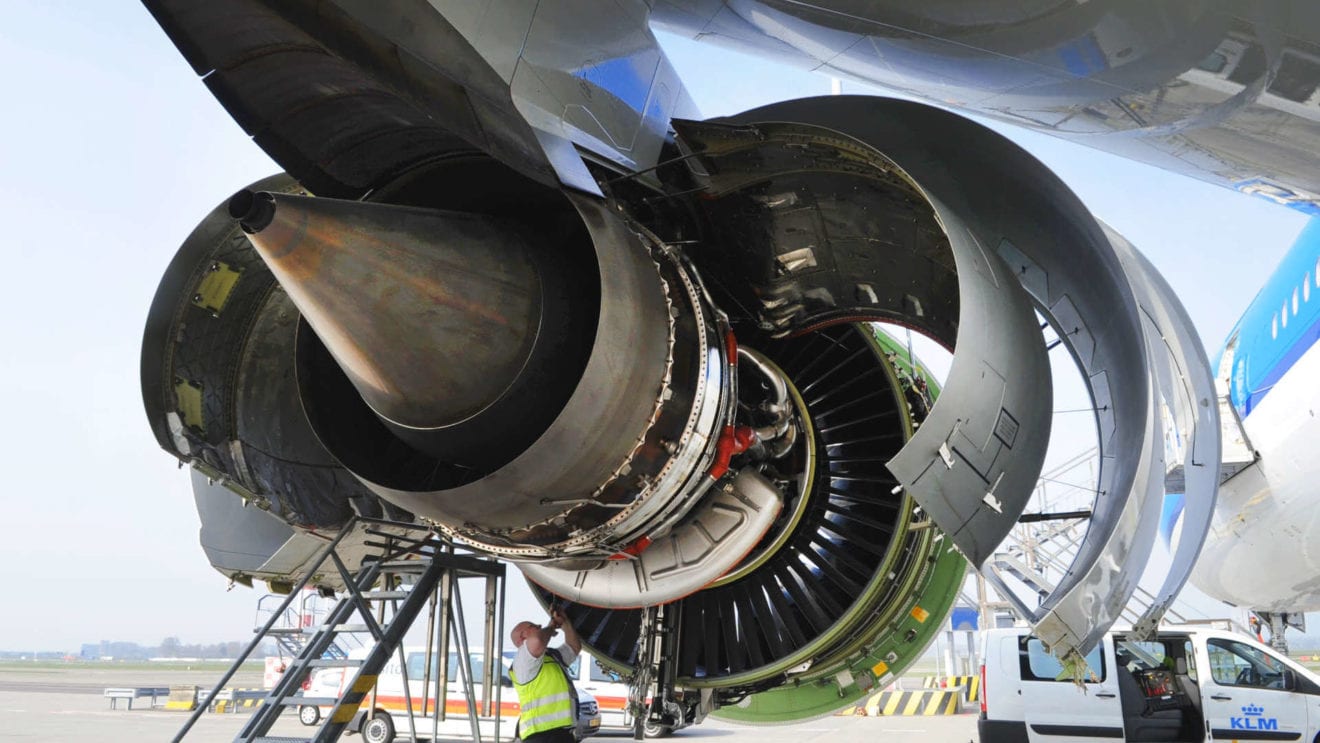
  • Garuda signs 1 billion pound deal with Roll Roys

    Garuda signs 1 billion pound deal with Roll Roys

    The nations flag carrier PT Garuda Indonesia and British aircraft engine maker Roll Roys signed a 1 billion pound cooperation agreement here on Tuesday.

    “The results of the meeting between President Jokowi (Joko Widodo) and Prime Minister David Cameron included the agreement between Garuda and Roll Roys worth 1 billion poundsterling,” British Ambassador to Indonesia Moazzam Malik said here on Tuesday.

    Garuda would buy 14 units of aircraft produced in Britain and other European countries, Moazzam said after the meeting between Jokowi and Cameron.

    The units to be produced in Britain will use Roll Roys engines, he said.

    Under the agreement, Garuda would send mechanics and technicians for training in Roll Roys.

    The ambassador said that Jokowi and Cameron also discussed issue of extremism, adding that Cameron asked Indonesia to play a greater international role in controlling radicalism.

  • Vice President Opens Inacraft 2016

    Vice President Opens Inacraft 2016

    Vice President Jusuf Kalla has opened Indonesian handicraft expo Inacraft 2016 held from today to April 24, 2016 in Jakarta Convention Center, Senayan, Jakarta.

    The largest Indonesian handicraft expo is participated by over 1,400 handicraft companies, consist of both manufacturers and exporters from 34 provinces in Indonesia that occupy 1,333 stands.

    The expo has seen an increase in individual participants with 849 stands. There are also 359 agency stands, 117 SOE stands and eight foreign participant stands from Singapore, Japan, Pakistan, Nepal, India and Syria.

    Adopting the theme “From Smart Village to Global Market”, Inacraft tries to facilitate Indonesian handicraft products to step up the level and standard of Indonesian handicraft products.

    The handicrafts being exhibited among others are various textile handicrafts such as batik, weaves, embroideries, songket, ikat weaving and various accessories, wooden handicrafts such as statues, carved furnitures, educational toys, jewelries from gold, silver and gem stones.

    This year, Inacraft provides free shuttle buses from a number of shopping malls and airport to the expo site, among others, Margocity, Mal Taman Anggrek and Sumarecon Mall Bekasi.

  • TFWA Singapore: conference programme revealed

    TFWA Singapore: conference programme revealed

    TFWA Workshop imageOff-airport duty free developments, millennial travellers and legislative threats to travel retail’s growth will be focal points for discussion at this year’s TFWA Asia Pacific Exhibition & Conference, 8-12 May.

    The trio of workshops will provide delegates with the vital insight they require to meet the challenges facing their industry.

    Workshop A will look at ambitious off-airport duty free developments, which have gained particular traction in Asia.

    Speakers include Amos Xu of Haikou Meilan Airport Duty Free Shop, Hyunah Ahn from Korea duty free operator Hanwha Galleria Timeworld and Peter Mohn from M1nd-set.

    Workshop B will delve into the hopes and expectations of the ambitious millennial traveller, with speakers including Singapore-based bloggers Uli Chan and Christabel Chua, Grant Fleming from Lagardère Travel Retail and Cheryl Lim from McKinsey who co-authored a report on capturing the Asian millennial traveller.

    Workshop C will pinpoint and discuss current legislative and regulatory threats, packaging regulations and carry-on board rules and specific categories such as alcohol and tobacco to establish ways of safeguarding the industry.

    Speakers include Sarah Branquinho, ETRC president; Andrew Gardiner, Asia Pacific Travel Retail Association board member and chief of retail & Launceston, Australia Pacific Airports (Melbourne); Duty Free World Council president Frank O’Connell and GfK global head of travel & hospitality Laurens van den Oever.

    “With three sessions running simultaneously, there will be plenty of food for thought during what promises to be a highly informative and constructive afternoon,” says TFWA vice president, conferences and research Thom Rankin.


  • Singapore retail sales defy predictions, fall 3.2% in February

    Singapore retail sales defy predictions, fall 3.2% in February

    Retail sales in Singapore dropped 3.2 per cent in February from the same month a year ago, defying economists’ predictions for an expansion in consumer spending and providing more evidence of a slowing economy.

    The retail sales contraction followed the revised 7.6 per cent growth in January, said the Department of Statistics yesterday, and was in contrast to the 3.4 per cent increase forecast by 12 economists in a Bloomberg poll. Excluding motor vehicles, retail sales slumped by 9.6 per cent as all but three out of 13 segments that make up the index fell.

    Apart from motor vehicles, higher sales were seen only at mini-marts and convenience stores, as well as for medical goods and toiletries. The total retail sales value in February was estimated at S$3.4 billion. The data came a day after the Monetary Authority of Singapore unexpectedly eased its policy, guiding the local currency to a zero appreciation stance against the currencies of its major trading partners, as the economy registered no growth in the first quarter.

    From the previous month, retail sales rose 1.7 per cent in February; excluding motor vehicles, they fell 1.1 per cent, showed the Department of Statistics data.

  • China first quarter GDP growth slowest since 2009

    China first quarter GDP growth slowest since 2009

    The pace of China’s economic growth decreased to its lowest since the global financial crisis in the January to March period, official figures show. Gross domestic product expanded 6.7% from the same period a year ago, in line with market expectations but the slowest pace of growth recorded since the first quarter of 2009.

    The world’s second largest economy grew 6.9% last year – its weakest expansion in a quarter century – falling short of Beijing’s target of 7%. But the first quarter number falls within the range of Beijing’s growth target of 6.5% to 7% for 2016.

    Other data for March released by the National Bureau of Statistics suggested that the Chinese economy was stabilising, with industrial output, retail sales and urban fixed-asset investment all beating analyst forecasts.

    Industrial production rose 6.8% from a year earlier following a 5.4% increase in January-February, while retail sales jumped 10.5%. Fixed-asset investment expanded 10.7% in the three months to March period compared to the same period a year ago, beating expectations for a 10.5% rise.

    ‘Robust growth’

    The GDP data comes two days after China’s customs agency said exports increased 11.5% from a year earlier in March, the first positive growth in overseas shipments in nine months. Imports were down a less-than-expected 7.6% following a 13.8% drop in the previous month, while the trade surplus came in at $29.9bn (£21bn; €26.3bn).

    Yuan Banknotes
    China’s central bank says it will target stability in the yuan exchange rateReuters

    Meanwhile, a Chinese deputy central bank governor said the economy had performed robustly in the first quarter but admitted that it faced several headwinds.

    “I’m pretty confident that we are going to have between 6.5% to 7% growth this year,” Yi Gang said. He reiterated that the central bank would target stability in the yuan and not allow the currency to “overshoot” its exchange rate by too much.

  • Unilever Indonesia set to enjoy stronger performance

    Unilever Indonesia set to enjoy stronger performance

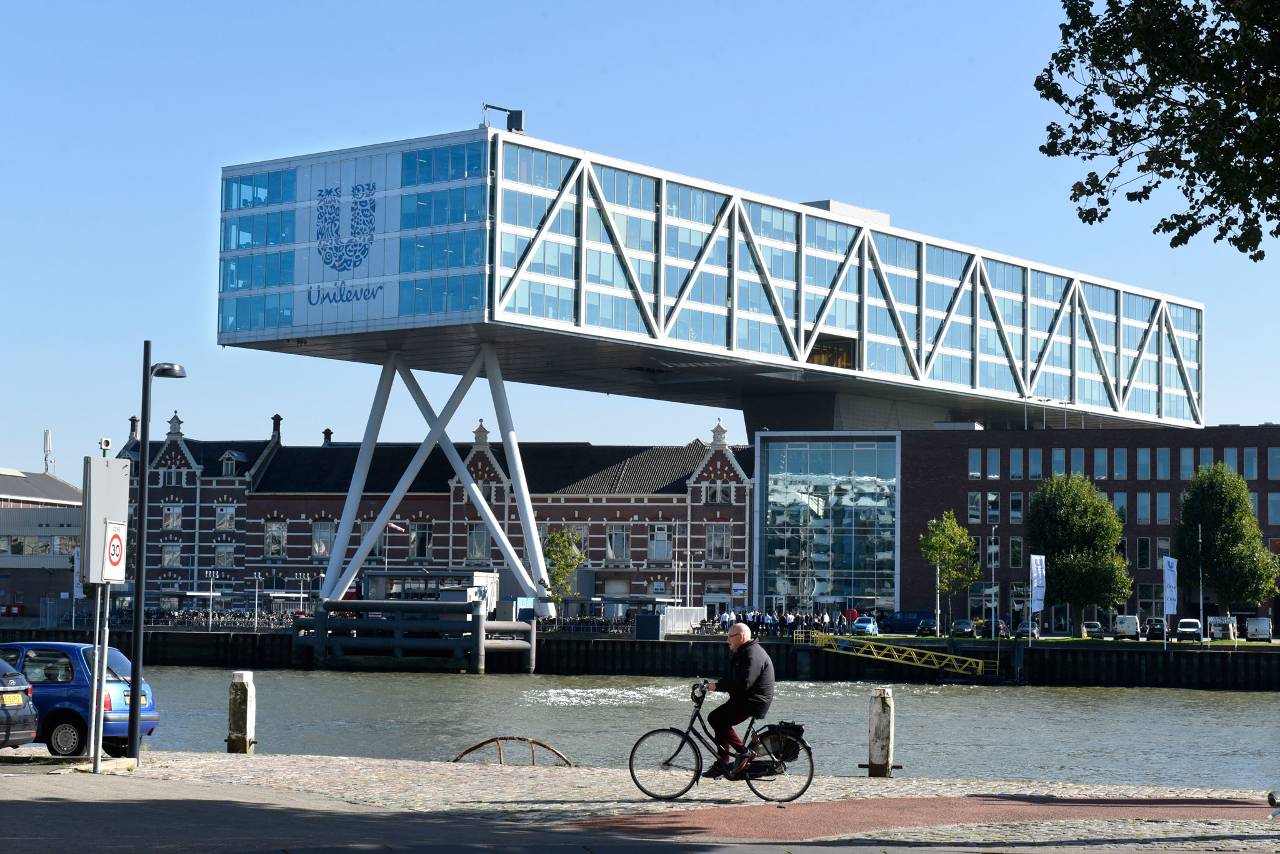
    Unilever Indonesia’s net profit fell 1.2%; however, the media outlet predicts that as the economy now picks up, so too will the multinational’s performance in the country.

    Unilever is the “undisputed leader in bath and shower” in Indonesia, according to market research firm Euromonitor International, and it looks set to maintain and strengthen this position.

    “In addition to heavy investment in new variant launches and promotions, Unilever benefits from its brands also having a good reputation in the marketplace, and the company has an extensive distribution network to also reach consumers in rural areas,” Euromonitor observed in its most recent report on the country.

    Seeking opportunities

    According to Euromonitor, the bath and shower category in Indonesia is currently saturated, so innovation will be key to driving future growth for Unilever.

    “New and creative approaches by manufacturers are crucial to retain customers and develop the consumer base, especially in products with more potential to grow such as body wash/shower gel,” the firm asserts.

    It singles out additional formulation benefits and novel packaging formats as key areas for development in the category up ahead.

    Tackling deforestation

    Indonesia is also one of Unilever’s key regions for its focus on reducing its environmental footprint, which forms a central part of its ongoing Sustainable Living Plan.

    Last year, the company announced that along with Brazil, Indonesia would form the key focus of an ongoing, year-long partnership with WWF International to tackle deforestation.

    These two countries have historically had the highest rates of deforestation in the world and have some of the largest areas of intact forest globally.

    “Stopping deforestation is an urgent priority in tackling climate change. Forests are second only to the oceans as the largest global store of carbon and support 80 percent of terrestrial biodiversity across the globe,” says Paul Polman, CEO of Unilever.

  • Asian retail leaders in Forbes most powerful businesswomen

    Asian retail leaders in Forbes most powerful businesswomen

    Two Asian retail leaders have been added to Forbes magazine’s annual list of 50 most powerful businesswomen in Asia – in The Philippines and Vietnam.

    They are Robina Gokongwei-Pe, the president and COO of Robinsons Retail Holdings, the second-largest multi-format retailer in The Philippines, and chairman/general director Cao Thi Ngoc Dung of Vietnam’s largest jewellery brand, PNJ, which she founded in 1998.

    Robinsons started as a department store in Manila in 1980, expanding into the supermarket business five years later. It entered the DIY business in 1994, the convenience store and specialty store businesses in 2000, and the drug store business in 2012.

    There are six business segments: supermarkets (Robinsons Supermarket and its two new subformats, Robinsons Easymart and Robinsons Selections); department stores (Robinsons Department Store); DIY stores (Handyman Do it Best, True Value, True Home by True Value, and the newly acquired big-box hardware subformat A.M. Builders’ Depot); convenience stores (Ministop); drugstores (South Star Drug and Manson Drug); and specialty stores (from consumer electronics and appliance retailer Robinsons Appliances and Savers Appliances to toys retailer Toys ’R’ Us, one-price-point retailer Daiso Japan, coffee chain Costa Coffee and international fashion brands such as Dorothy Perkins, Topman and Topshop, and international cosmetics brands such as Shiseido).

    Robina Gokongwei-Pe is also a director of Cebu Air, JG Summit Holdings, Robinsons Bank Corporation and Robinsons Land Corporation. She is a trustee of the Gokongwei Brothers Foundation, Immaculate Conception Academy Scholarship Fund and the Ramon Magsaysay Awards Foundation, and is also a member of the University of the Philippines Centennial Commission.

    After attending the University of the Philippines-Diliman, she obtained a Bachelor of Arts degree, majoring in journalism, from New York University in 1984. Pe joined the Robinsons group in 1984 as a management trainee. She is the daughter of the chairman and CEO of the company, John L Gokongwei Jr.

    Cao Thi Ngoc Dung founded PNJ as a store in 1998, and now has a 17 per cent stake of the company, which has more than 3000 employees in 200 stores. The group grossed $350 million in revenue and made a profit of $23 million in its latest trading year.

    Based in Ho Chi Minh City, PNJ opened its own jewellery factory in October 2012. A VND120 billion (US$ 5.38 million) investment, the factory has the capacity to produce 4 million items a year. PNJ’s national expansion started in 1994 with the establishment of a branch in Hanoi.

    This year’s Asia’s Power Businesswomen list represented 14 countries, with China and Hong Kong dominating (14 women), followed by India (8), Thailand (5) and Japan (4). Australia, Indonesia, Singapore and Vietnam each had three, while South Korea and The Philippines each had two. Macau, New Zealand and Taiwan had one each. There were 27 newcomers, about a quarter of them from the tech sector.

  • China’s Century 2017 to be hosted in Guangzhou

    China’s Century 2017 to be hosted in Guangzhou

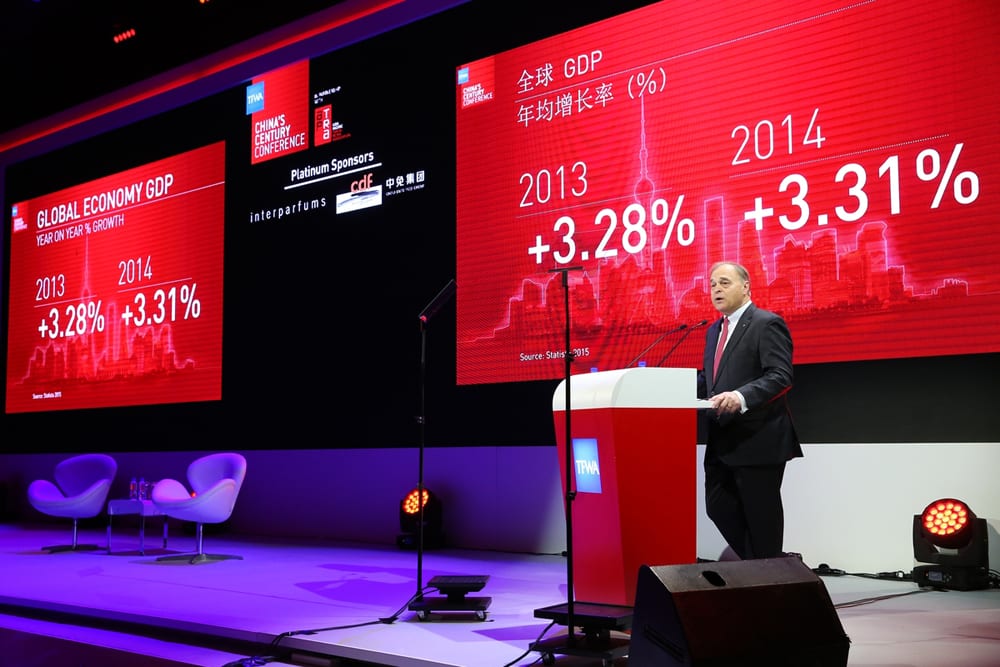
    Erik-Juul-Mortensen-China's-Century-lead The TFWA China’s Century Conference will take place from 7-9th March 2017 in Guangzhou, at the port city’s Four Seasons Hotel. The official host of the event will be Guangzhou Baiyun International Airport Co.

    Erik Juul-Mortensen, president TFWA said: “TFWA China’s Century Conference is an essential diary date for anyone interested in the considerable commercial opportunities the Chinese market presents, as well as all those who want to gain a deeper understanding of the Chinese traveller both at home and outside China.”

    The city of Guangzhou – northwest of Hong Kong on the Pearl River – is the third largest city in China and is said to have played ‘a pivotal role in the country’s economic development.’

    CENTRAL BUSINESS DISTRICT

    Its Central Business District, where the event will be located, underwent a major renovation in preparation for the Asian Games of 2010. The city now boasts a rapidly developing international airport, which is home to China Southern Airlines, and connects Guangzhou to the rest of China, Europe, Asia Pacific and beyond.

    A spokesperson from Guangzhou Baiyun International Airport Co said: “Guangzhou Baiyun International Airport Co is delighted to be the Official Host for next year’s TFWA China’s Century Conference.

    “As the premier event for the duty free and travel retail industry in China, the conference brings together all the major companies involved in the market, and we believe Guangzhou is the perfect venue for such a gathering.

    “Our city is one of the historic centres of trade in China and is attracting increasing numbers of business and leisure travellers, partly thanks to the efforts we are making to develop Guangzhou Baiyun as an international hub airport. We are confident this conference will be a big success and we look forward to welcoming delegates to our airport and to this vibrant city.”

    SHANGHAI CONFERENCE DRAWS ALMOST 400 DELEGATES

    The Four Seasons is located in the centre of Guangzhou’s Central Business District, close to the famous landmark Canton Tower. Occupying the top third of the 103-storey Guangzhou International Finance Center, which is one of the world’s tallest skyscrapers, it can truly claim to offer visitors ‘a room with a view’.

    The first TFWA China’s Century Conference took place in 2013 in Beijing. The second conference, which was held in Shanghai in 2015, welcomed 388 delegates including senior executives from numerous airlines, airports and duty free and travel retail operators.

    Over the two days, 120 meetings took place between the industry’s airports, concessionaires and brands. TFWA China’s Century Conferences have featured speakers from leading airports, airlines and retailers, as well as high profile researchers, academics, authors, editors and specialist consultancies.

    TFWA’s unique ONE2ONE meeting service has played a key role in the event’s continuing success, while an exciting social programme with a range of glittering events held in the most impressive venues ensures that there is plenty of opportunity for more informal networking.


  • Dubai retail sales to beat global cities in 5 years

    Dubai retail sales to beat global cities in 5 years

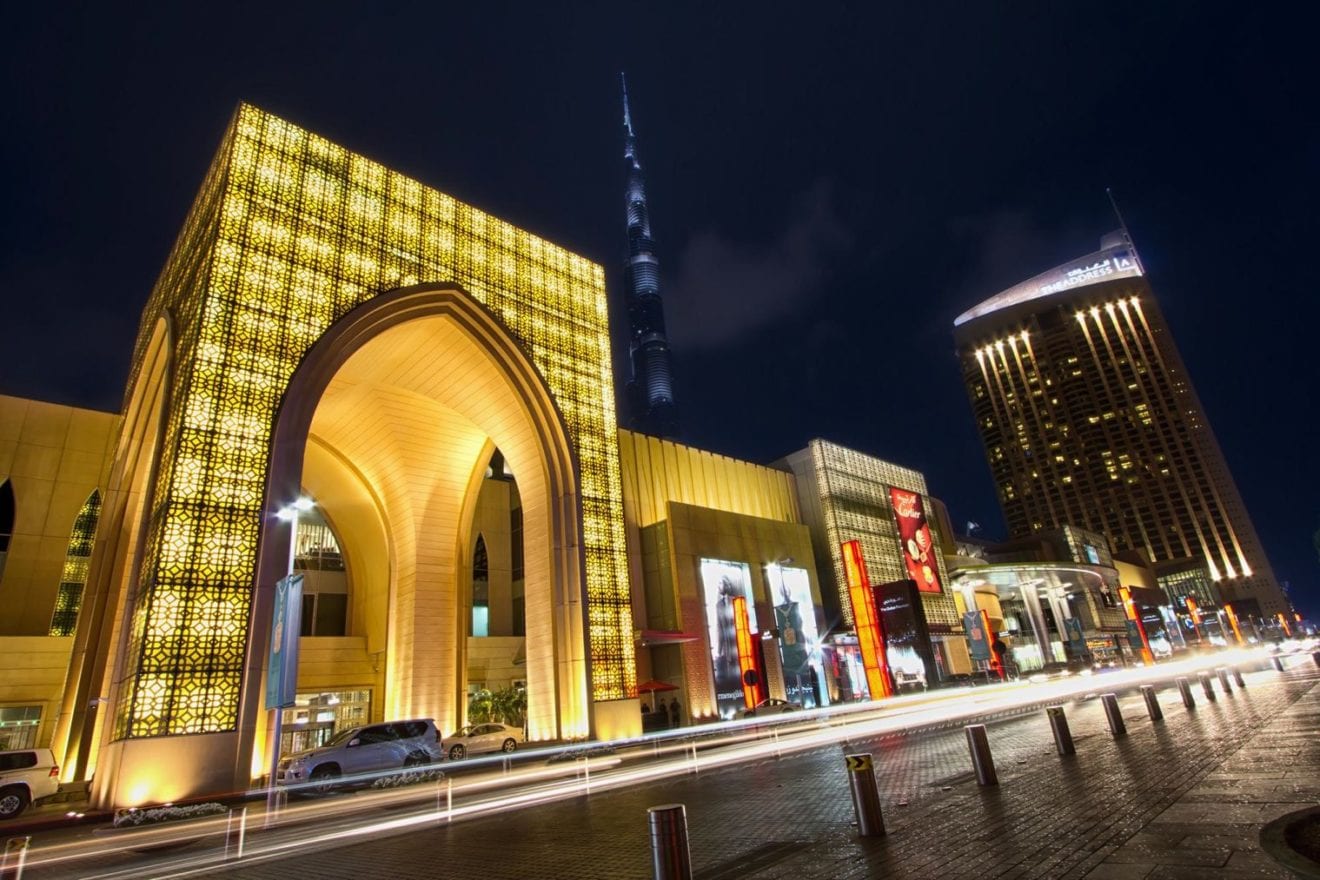
    The Dubai Mall ranks higher than London’s Regent Street and New York’s Fifth Avenue in the overall quality of its retail offerings. It’s also ahead of the Champs-Elysees in Paris, according to the latest Global Retail Destination from Savills, a UK consultancy.

    In terms of city rankings, New York leads the way, ahead of London and Hong Kong (tied in second place) and followed by Dubai.

    “Dubai is forecast to report the strongest growth in retail sales over the next five years of the seven global cities examined, potentially challenging London’s West End’s current global position,” the Savills report says.

    According to a survey in the report, 88.4 per cent of people said Dubai has the best choice and quality of shops in the world.

    The number of overnight visitors to Dubai, between 2016 and 2020, is expected to increase by 9.7 per cent.

    Mastercard’s Global Destination Cities Index 2015 estimates there were 14.3 million overnight visitors to Dubai last year, who spent $11.7 billion at an average of $819 per person. This is behind New York’s average spend of $1,416.

    “Dubai is now perceived as a top global retail destination,” said David Godchaux, who heads Core which is the local partner of Savills. “But this is only the tip of the iceberg as we now start seeing developers trying to improve the shopping experience not only for tourists as in the past 15 years, but also for residents.

    “This trend of moving away from the ‘bigger is better’ approach, to more user and resident friendly retail developments, bringing a real city experience and European-style shopping to areas of Dubai similar to those found in London, Paris and Milan.”

  • Hong Kong faces ghosts of Asian financial crisis

    Hong Kong faces ghosts of Asian financial crisis

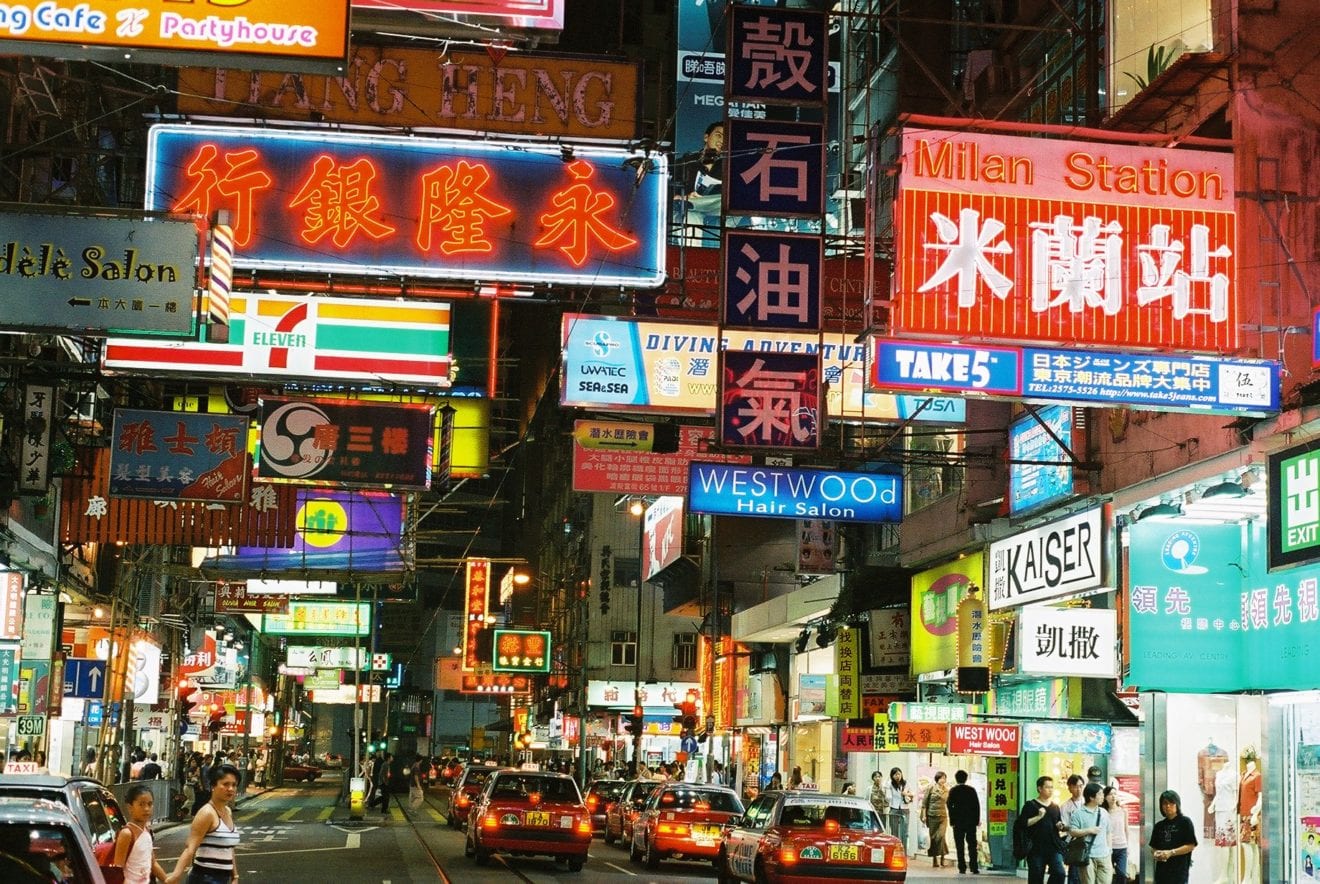
    Hong Kong, which for years rode a wave of cheap capital and China’s economic boom, is as vulnerable now as it was before the 1990s Asian financial crisis as those drivers reverse, according to analysis by Daiwa Capital Markets.

    In a bearish take on the financial hub, Daiwa forecasts “enormous stress” ahead as money heads out amid a global US dollar debt deleveraging, China’s economy slows and currency weakens, US interest rates increase, and domestic property prices slump.

    “If the Asian financial crisis was preceded by a classic credit and housing bubble, we see another one now of a bigger scale,” the Daiwa analysts led by Kevin Lai, chief economist for Asia excluding Japan, wrote in a note. “Money inflows have been unprecedented; we expect this money to leave eventually on the back of global dollar debt deleveraging.”

    Daiwa flagged six metrics to gauge Hong Kong’s strength:

    Net money inflows: Inflated in recent years by easy US monetary settings and bullish bets on China’s economy and currency.

    Total credit expansion: Estimated at about 320% of gross domestic product.

    China or regional credit exposure: With an estimated $750bn in loan and bond exposure to China.

    Real estate lending: With more lending exposure and a longer and quicker period of house price inflation this time around than in the late 1990s.

    The direction of US monetary policy as policymakers consider further tightening Hong Kong dollar’s valuation after an estimated 30% appreciation on a broad, real-effective rate over the past four years Of those, the first four are flashing danger, Daiwa says.

    “Measures of macro and financial vulnerability indicate things are no better now than they were just before the Asian financial crisis,” the brokerage said. It isn’t the first time that Lai has warned on Hong Kong. In recent months, the Daiwa economist has highlighted vulnerabilities as the Fed keeps open the option of further rate increases after hiking in December for the first time since 2006.

    Because Hong Kong’s currency is pegged to the dollar, the former British colony effectively imports US monetary policy. Rising US interest rates increase the cost of servicing loans taken out in Hong Kong.

    Hong Kong was hit hard by the Asian financial crisis that started in Thailand in 1997 and spread across the region, forcing the Hong Kong Monetary Authority to spend HK$120bn buying up Hong Kong stocks and to use its foreign-currency reserves to defend the dollar peg. House prices tumbled 70%.

    This time around, Daiwa assumes the HKMA would “defend the peg at all costs,” eroding the monetary base and setting the stage for debt-deflation. In contrast to orthodox thinking, Lai says Hong Kong’s “sizeable reserves” are actually an indication of weakness, and the fact that the currency is pegged prevents a natural currency mechanism.

    Hong Kong’s outlook has dimmed as exports fall and big-spending Chinese tourists stay away, prompting an increasing number of analysts to turn cautious on the $300bn economy because of its exposure to China’s slowdown. Moody’s Investors Service last month lowered Hong Kong’s long-term debt outlook. Retail sales in February plunged the most since 1999 as fewer Chinese tourists visited the city during the Lunar New Year holiday. Chinese visitors are projected to fall 3.2% for the year, according to the Hong Kong Tourism Board, with average spending dropping 4%.

    Lai’s forecast for gross domestic product to slip towards recession territory this year is an outlier. A median forecast of economists surveyed by Bloomberg tips growth of 1.7% this year and 2.1% in 2017.

    And after an initial slump at the start of the year, the Hang Sang Index has rallied, the city’s dollar has rebounded from the weak end of its trading range, and interbank borrowing costs have tumbled after spiking in January.

    But that calm may not last long. According to Daiwa’s analysis, the global deleveraging process “has probably started, or at least could be about to begin,” and the first “real test” for Hong Kong could come in the second half, with pressure set to build next year, according to Lai.

  • Checkpoint Systems to Showcase Intelligent RFID-based Merchandise Visibility Solutions at Retail Technology Show Asia 2016

    Checkpoint Systems to Showcase Intelligent RFID-based Merchandise Visibility Solutions at Retail Technology Show Asia 2016

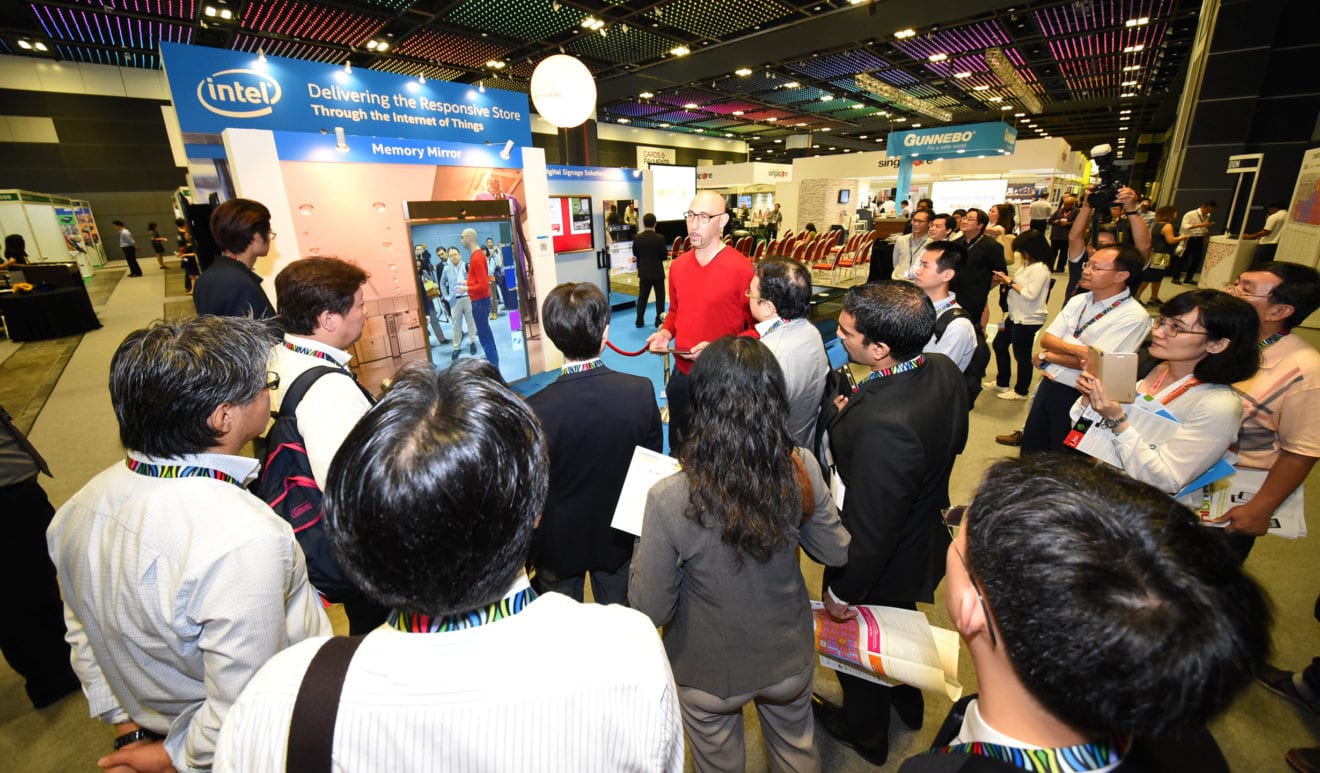
    Visitors to Retail Technology Show Asia 2016, being held from 20-21 April in Singapore will have the opportunity to hear from  Checkpoint Systems, Inc. (NYSE: CKP) and see first-hand the latest merchandise visibility solutions that can help retailers reduce out-of-stocks and on-hand inventory throughout the supply chain all the way from the manufacturer to the store.

    Checkpoint System’s enhanced merchandise visibility solution with new labeling and RFID (radio frequency identification) technology enable manufacturers to apply RFID-based tags at the point of manufacture cost-effectively.  These RFID tags can be read throughout the supply chain, and enable each product to be tracked or located individually. Information about the product’s location is automatically captured and verified against expected quantities in real time at the manufacturing facility, warehouse or store. This information is used to optimize inventory levels and shelf availability, enabling retailers to meet customer demand, improve operations, enhance customer experience, cut costs and increase sales.

    Exhibiting at booth T05 at the Suntec Convention Centre, Checkpoint Systems will showcase its latest solutions, including:

    –          range of RFID-based tags and labels;

    –          S3i ShelfNet™, a scalable, wireless network that provides critical data and analytic intelligence such as inventory quantity in real time that enable retailers to gain new insights into shelf activity and understand customer demand;

    –          EVOLVE-Store series, involving a real-time app that provides real-time visibility on merchandise and shopper numbers by managing response times to alarm events;

    –          MetalPoint™ HyperGuard™ solution, a digital based software solution that can detect foil-lined clothing or bags used by organized retail crime operations and prevent theft by alerting staff. It can be seamlessly integrated into Checkpoint’s EVOLVE family of antenna.

    Mark Gentle, Vice President – Merchandise Availability Solutions, Asia Pacific at Checkpoint Systems, will deliver a speech titled “It’s all about the data – how Sensor Data Drives Responsive Retail” at the event. Speaking on 20 April, he will discuss how critical merchandise-related data that is collected from RFID sensors can be analyzed and used to enhance supply chain visibility and improve business processes for retailers.


  • LinkedIn opens data center in Singapore

    LinkedIn opens data center in Singapore

    LinkedIn has opened its first data center in Singapore, spanning 23,500 square feet in Jurong. This is one of six data centers for LinkedIn globally, and the first outside the United States.

    LinkedIn has invested S$80 million ($587.4 million) so far in the new data center, which was established to enhance the experience for the fast-growing base of LinkedIn members and clients across the Asia-Pacific region.

    With the facility the enterprise social media company aims to imrpove speed and reliability of APAC members’ access to LinkedIn’s services as they connect to professional opportunities on the network.

    Since January 2013, the number of LinkedIn members in APAC more than doubled to reach over 85 million members at the end of 2015. This includes more than 1 million members in Southeast Asia (of which more than 1 million are in Singapore), 34 million in India and 7 million in Australia.

    LinkedIn also counts prominent leaders as its influencers, including Narendra Modi (Prime Minister of India), Piyush Gupta (CEO of DBS Bank), Tony Fernandes (Group CEO of AirAsia), Shinzo Abe (Prime Minister of Japan) and Andrew Penn (CEO of Telstra). Over the same period, LinkedIn’s revenue in the region more than tripled.

    The new data center in Singapore processes all of LinkedIn’s online traffic in the Asia Pacific region and will also handle about a third of global traffic. It will also complement the continuing growth in LinkedIn’s storage and processing needs globally – in 2015, this growth was 34%.

    The smart design features are also expected to reduce the annual energy consumption of the data centre by a magnitude that is equivalent to powering about 100 private homes in Singapore. For more information about the data centre, please click here.

    “Asia Pacific is our fastest growing region in terms of member base outside of the US,” said Olivier Legrand, managing director of LinkedIn in Asia Pacific. “Singapore is the natural choice for us to locate this new data center, as it is already our Asia Pacific headquarters, and it offers the cutting-edge infrastructure and talent we need,” said Legrand.

  • Pertamina cooperates with state firms to develop solar power stations

    Pertamina cooperates with state firms to develop solar power stations

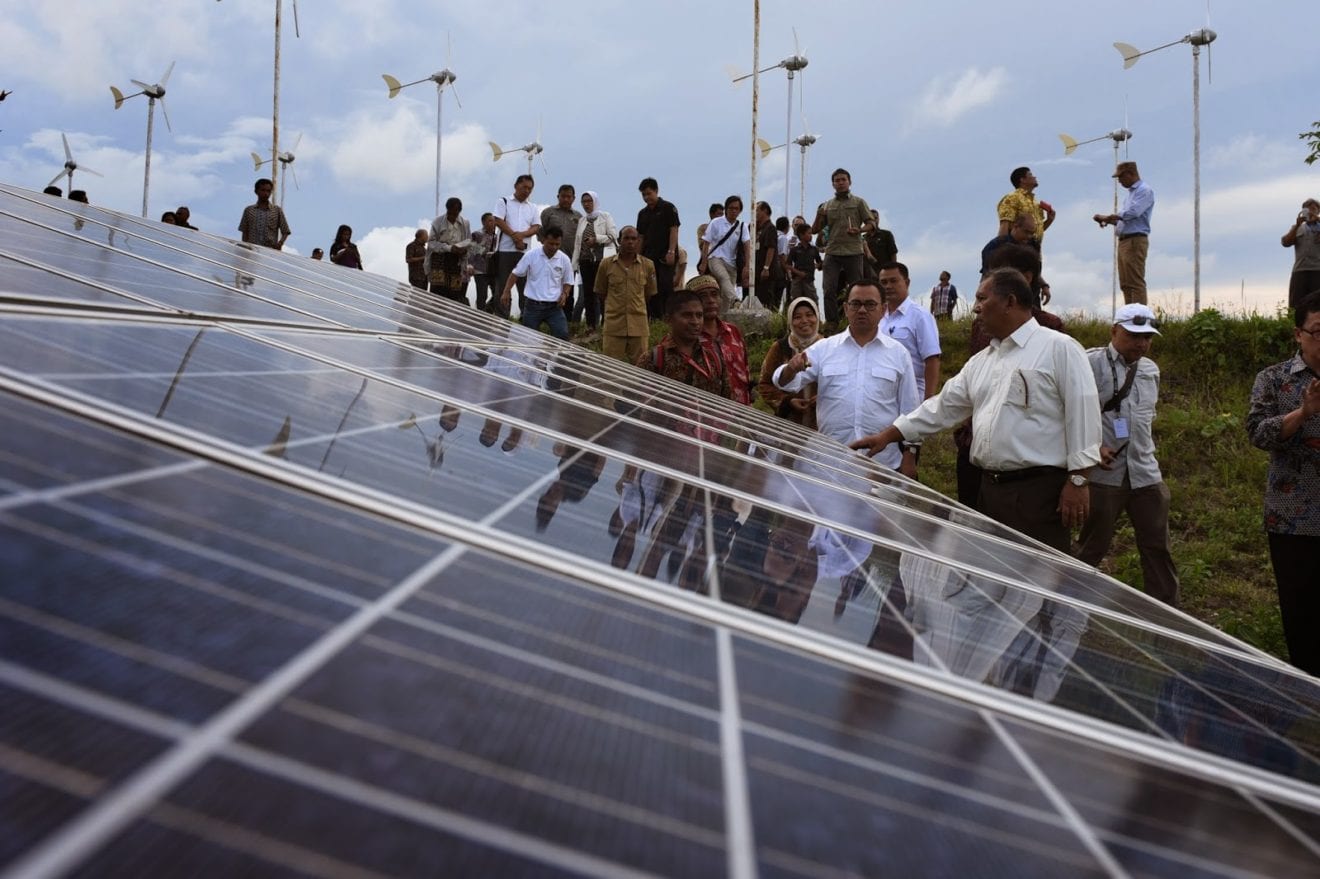
    State oil and gas company PT Pertamina is teaming up with three other state firms in developing solar power generating stations (PLTS), a Pertamina spokesperson said.

    The development of new and renewable energy projects will use the idle land owned by Pertamina and the other state firms, Pertamina Vice President for Corporate Communication Wianda Pusponegoro said here Friday.

    The three state firms are PT LEN Industri, PT Energi Management Indonesia and PT Sarana Multi Infrastruktur.

    The cooperation between Pertamina and the firms is relevant to the governments target of developing 35 gigawatt capacity power plants by 2019.

    Hopefully, 25 percent or 8.8 gigawatts of the electrical power will come from renewable energy sources, he said.

    The government has set itself the target of developing power plants with an installed capacity of 5 gigawatts or 5,000 megawatts by 2020. Pertamina has committed itself to building solar power stations with a combined capacity of 1,000 megawatts.

    “The synergy among the state owned companies can hopefully encourage the realization of new and renewable energy projects in Indonesia, which will be started in North Sumatra with a target of up to 60 megawatts in 2017. The projects will be continued in the next three years to reach the target of 200 megawatts by using the idle land owned by Pertamina in several parts of Indonesia,” he said.

  • Indonesia Best eMark Award 2015 goes for Hypermart

    Indonesia Best eMark Award 2015 goes for Hypermart

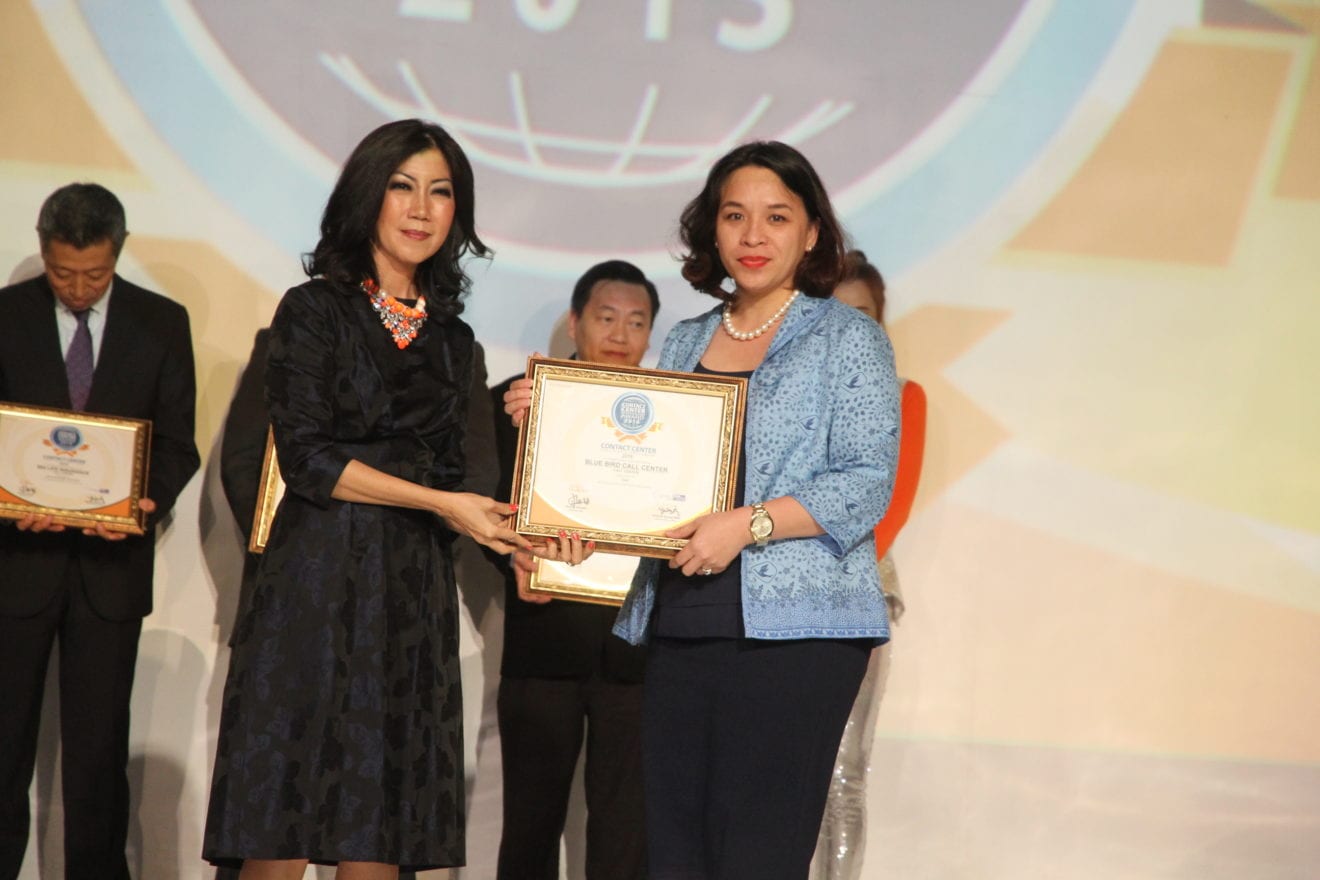
    SWA-Business Digest Magazine and Telkom University hold the Indonesia Best eMark Award 2015 to celebrate the 2nd Anniversary of Telkom University on September 10, 2015. During the ceremony, Hypermart as the core modern retail business of PT Matahari Putra Prima Tbk, received the prestigious award at the main event of “Bandung ICT Expo 2015” which was awarded by the Rector of Telkom University, Prof. Mohamad Ashari in Telkom University Campus.

    Director of Communications and Public Relations MPPA, Danny Kojongian stated “We are honored to receive this prestigious award from SWA Magazine and Telkom University, which show positive feedback from our valued customers toward our Hypermart’s services and operation, related in particular to the appropriate utilization of information technology toward our marketing and sales activities.”

    “This Award not only reflects an important milestone for MPPA, but more importantly confirms that our modern retail business strategy has been performing in the right direction and received splendid recognition from customers and other industry practitioners. Going forward, we will ensure that our service quality will be enhanced and strengthened to give the best practices of world-class standards to the growing markets and consumers in Indonesia,” he continued.

    Indonesia Best eMarK Award 2015 was awarded to Hypermart since it successfully managed to become one of the companies with improved business performance from the management and utilization of information and communication technology (ICT) in a right, smart and efficient way in the marketing and sales fields.

    Hypermart is expected to become an inspired role model for other companies in using the application and utilization of ICT systems in the marketing and sales area which are getting better over the time.

  • Jakarta hits airlines with restrictions

    Jakarta hits airlines with restrictions

    Indonesia has banned Thai-registered airlines from increasing their flights or changing the types of aircraft that fly into the country, Transport Minister Prajin Juntong said Monday.

    The Transport Ministry received the notification from its Indonesian counterpart on June 16, ACM Prajin said.

    ACM Prajin said the measures will not impede Thai Airways International(THAI) as the Thai-flagged carrier has no plans to increase flights toIndonesia.

    THAI currently operates seven flights out of Suvarnabhumi airport to Baliper week and 10 flights out of the airport to Jakarta per week.

    The Indonesian Transport Ministry said it would also ask to check airlines’ operation certifications for chartered flights to see if they are in line with required standards, ACM Prajin said.

    The minister said no Thai carrier currently operates chartered flights toIndonesia.

    He said the move by Indonesia came after an audit by the International Civil Aviation Organisation (ICAO), which on June 18 red-flaggedThailand over its failure to fix shortcomings in the Department of Civil Aviation (DCA).

    The shortcomings identified by the ICAO centred on failures to meet aviation safety standards in regards to regulating aviation businesses and granting air operator certificates.

    The safety concerns showed a lack of sufficient oversight to ensure implementation of ICAO standards, the organisation said after its audit.

    ACM Prajin said the Indonesian authorities will conduct frequent checks on Thai-registered airlines, but this should not be a cause for concern as the measure is also applied to flights to Japan.

    DCA director-general Parichart Khotcharat yesterday said Indonesia’srestrictions started on May 29, but it took time for the notification to be relayed from the Foreign Affairs Ministry to the Transport Ministry.