Category: General

Retail News Asia is committed to providing both local and global retailers with the latest General Retail news throughout the Asian market. This on a daily base.

  • Wal-Mart to open 60 new stores by 2017

    Wal-Mart to open 60 new stores by 2017

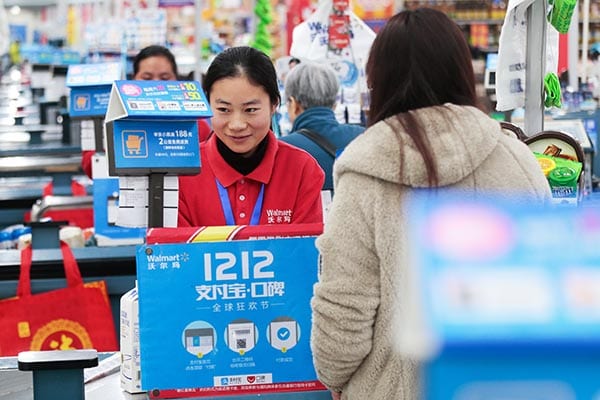
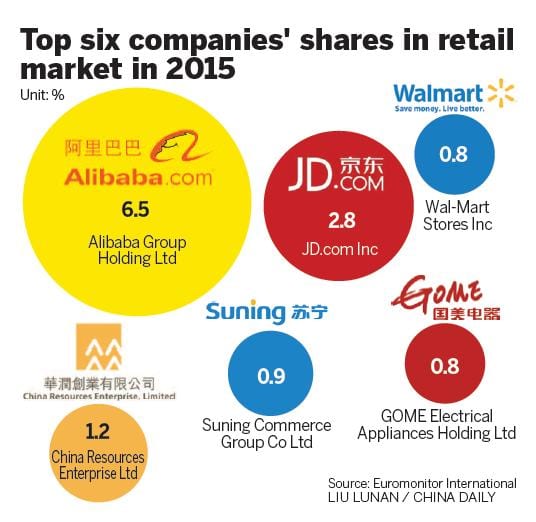
    Wal-Mart China is opening 60 new stores in the country by 2017 as part of its efforts to integrate its hypermarkets, membership stores and online platform to offer customers more convenience and quality products in a highly-competitive retail market, the company’s top executive said.

    Greg Penner, chairman of the Wal-Mart board of directors, said in an exclusive interview with China Daily in Shanghai on Wednesday that the company has already opened more than 50 new stores since a plan to add 115 stores in three years was announced in 2015.

    “China has amazing growth opportunities which in the next five years will surpass the US market in retail potential,” said Penner, who visited two Wal-Mart stores in Shanghai on Tuesday.

    In addition to growing its physical presence, Wal-Mart is also focusing on enhancing its online stores and building stronger digital relations with Chinese customers, he said.

    Penner was elected to lead the board in 2015.

    “Customers want their products from stores and also from online platforms and now have a choice of getting them delivered to their homes or picking up in the stores,” Penner said, referring to the increasing importance of online shopping convenience to customers.
    Wal-Mart to open 60 new stores by 2017

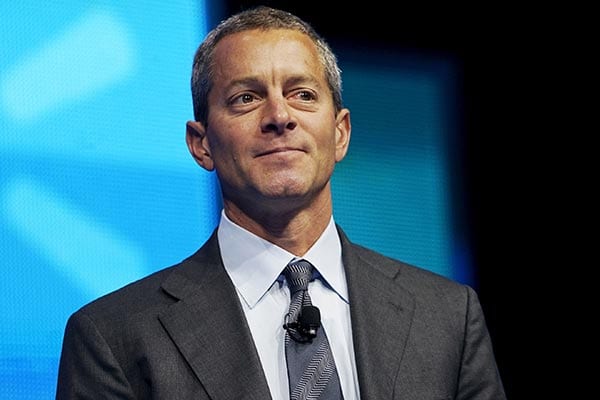
    Greg Penner, chairman of Wal-Mart board of directors.

    He added: “The food safety is critical in China and is a big part of our focus here.”

    Penner said, in 20 years in China, Wal-Mart has built three brands-Wal-Mart hypermarket, the Sam’s Club membership store and Yihaodian, the retailer’s Chinese online offering-all playing important roles in the company’s growing business.

    Wal-Mart China operates 432 stores including 12 Sam’s Clubs in 174 cities and municipalities. And registered users of Yihaodian have reached 130 million.

    Wal-Mart is the second-largest retail banner just behind RT-mart in modern trade (including hypermarkets, supermarkets and convenience stores), according to Jason Yu, general manager of Kantar Worldpanel China. This sector of retail business has continued to experience sluggish growth in 2015, only growing by 3.3 percent from 2014.

    Hypermarkets declined in key cities and provincial capitals by 1.5 percent, but it managed to grow at 4.1 percent at national level as a result of more store openings in the lower-tier cities. Kantar Worldpanel expects to see continued development in the hypermarket format in lower-tier cities in the coming years.

    “The group presented clear strength in terms of hypermarket geographic coverage (more cities than anyone else) but also established its leadership in membership club format and e-commerce through acquisition of Yihaodian,” said Yu.

    According to Kantar, Wal-Mart leads the modern trade sector in southern and western China. It started to embrace more O2O opportunities by launching a mobile shopping app and introducing Alipay to drive efficiency and customer experience, said Yu.

    Wal-Mart has recently launched its Global Shop, a cross border e-commerce platform, offering more than 200 imported items on Wal-Mart App.

    Wal-Mart to open 60 new stores by 2017

  • Ban on Leonardo DiCaprio’s Indonesia visit after Rain Forests comment?

    Ban on Leonardo DiCaprio’s Indonesia visit after Rain Forests comment?

    Seems doors of Indonesia have been closed for Leonardo DiCaprio permenantly.This came after the 41-year-old Oscar winning actor and environmental activist’s visit to the Indonesian island of Sumatra last month where he posted to Instagram that the palm oil industry was threatening such wildlife in the Leuser Ecosystem as Sumatran elephants, tigers and orangutans, reports Us magazine.

    “The expansion of palm oil plantations is fragmenting the forest and cutting off key elephant migration corridors, making it more difficult for elephant families to find adequate sources of food and water,” DiCaprio wrote. “A world-class biodiversity hotspot …

    But Palm Oil expansion is destroying this unique place. Now is the time to save the Leuser Ecosystem,” read his Instagram post.Heru Santoso, a spokesperson for the Indonesian government, responded to the post by threatening to prevent the Wolf of Wall Street actor from visiting the Southeast Asian country again.”We support his concern to save the Leuser ecosystem. But we can blacklist him from returning to Indonesia at any time if he keeps posting incitement or provocative statements in his social media,” he said.

  • Filipino Business Community in Indonesia Launches Business Club

    Filipino Business Community in Indonesia Launches Business Club

    The Filipino business community in Indonesia has launched the Philippine Business Club Indonesia (PBCI), a business association representing private sector interests to promote and strengthen business, economic, and socio-cultural ties between the Philippines and Indonesia.

    “I am very optimistic about the potential of this business association, and we look forward to the activities and projects that the PBCI will undertake this year and in the coming years to ensure that its members can take advantage of new avenues for trade, investment, and economic cooperation between the Philippines and Indonesia,” Deputy Chief of Mission of the Philippine Embassy in Jakarta Robert Manalo stated at the launch here recently.

    The initiative signals the Filipino communitys greater commitment to building a stronger and strategic relationship with Indonesia.

    “Indonesia is the largest market in the ASEAN, representing almost half of its population. With the implementation of the ASEAN Economic Community, we are facing a historic opportunity to support a vital and growing Philippine private sector, one whose expanding interests show a more global outlook amid the economic integration in the region,” remarked Antonio Capati, chairman of the PBCI.

    The PBCI will endeavor to promote, strengthen, and foster cooperation and collaboration among its members in pursuing the commercial and social interactions of companies, individuals, and organizations dedicated to the development of trade, investments, and people-to-people cooperation between the Philippines and Indonesia.

    The PBCI will work closely with the Philippine Embassy and the Philippine Trade and Investment Center in Jakarta, business chambers, respective public and private sectors, and other key stakeholders in the Philippines and Indonesia to realize its objectives. The club will host seminars, conferences, trade & investment briefings, trade missions, matchmaking, and networking events.

    Additionally, the club will undertake special projects to contribute to business and social development in the Philippines and the ASEAN.

  • Indonesia’s Visi Media says to remain controlling shareholder of Intermedia

    Indonesia’s Visi Media says to remain controlling shareholder of Intermedia

    Indonesia’s PT Visi Media Asia Tbk on Wednesday said it plans to remain a controlling shareholder of PT Intermedia Capital Tbk, and is considering options such as replacing foreign-denominated debt with rupiah debt.

    The media company, part of the Bakrie Group conglomerate, made the statement after the Indonesia Stock Exchange asked it to address reports in local media that said Visi Media planned to sell part of its stake in Intermedia Capital.

    On Monday, Bisnis Indonesia quoted Visi Media President Director Anindya Bakrie as saying the company plans to sell a stake of less than 10 percent in Intermedia Capital to repay debt and raise funds for expansion.

    Visi Media owned 90 percent of Intermedia Capital, which operates the ANTV television channel, as of November 2015, Thomson Reuters data showed.

  • Samsonite profits up in 2015 but outlook ‘uncertain’

    Samsonite profits up in 2015 but outlook ‘uncertain’

    Luggage giant Samsonite on Thursday warned its outlook for this year was “uncertain” owing to the growth slowdown in key market China and a stronger US dollar.

    The firm said in a filing with the Hong Kong Stock Exchange that despite a tough trading year, it saw net profit rise 6.1 percent to $197.6 million last year thanks to record revenues of $2.43 billion.

    “Our business has emerged stronger from 2015… despite various headwinds around the globe,” chairman Timothy Charles Parker said in the statement.

    However, chief executive Ramesh Dungarmal Tainwala said the outlook for 2016 “remains uncertain, with challenging trading conditions expected in a number of our key markets including China, and the negative currency translation impacts from the strong US dollar expected to continue affecting our business”.

    The world’s second-largest economy expanded 6.9 percent in 2015, the worst performance in a quarter century and a far cry from the years of double-digit increases. The country’s luxury market also took a hit from a years-long corruption crackdown.

    “It is undoubtedly the case that the days of 20-30 percent growth in China are over,” Parker said.

    Shares in the company ended the morning session 1.54 percent up at HK$26.30 Thursday.

    The warning comes after Samsonite earlier this month said it would buy US luxury bag maker Tumi in a deal worth $1.8 billion, which analysts said would provide a foothold in the still-lucrative high-end market in China.

    The move follows the purchase last year of airport retailer Rolling Luggage and Italian accessories seller Chic Accent.

    Parker said the Tumi deal is expected to close in the second half of the year subject to shareholder and regulatory approval.

    “Tumi is a perfect complement for our business… We believe we are buying a strong, profitable and well-run business, with considerable flair and success behind it in the American market,” he said.

    Samsonite raised $1.25 billion in an initial public offering in Hong Kong in June 2011, one of several Western brands — including Prada and Esprit — seeking to use the city to boost their presence in fast-growing Asian markets, particularly China.

  • Carl Cruz assumes duties as Chairman of Unilever Sri Lanka

    Carl Cruz assumes duties as Chairman of Unilever Sri Lanka

    With effect from March 1, 2016, Carl Cruz assumed duties as Chairman of Unilever Sri Lanka, taking the helm from his predecessor, Shazia Syed who has returned to Pakistan to assume her duties as the Chief Executive Officer of Unilever Pakistan.

    Carl arrived in Sri Lanka from the Philippines, where he last served as the Vice President of Customer Development for Unilever Philippines. Under his leadership, the function was transformed into an execution and talent powerhouse for the business, while simultaneously achieving sustainable double digit growth.

    Joining Unilever immediately after graduating from university in 1992, Carl began his career in General Trade before eventually becoming the company’s first General Trade Development Manager. In 1999 as the Sales Development and Trade Marketing Manager, he setup Unilever’s Category Management and Retail Solutions capability which was critical in attaining thought leadership in the Philippines Retail Trade Industry. In his 24 years with the organization Carl has gained an extensive breadth and depth of experience in Customer Development and Marketing in the Philippines, Thailand and India.

    Speaking about the business he has inherited, Cruz said, “Sri Lanka is an important market for us and these are exciting times for the country. Over the last two years, the Unilever Sri Lanka teamhas worked diligently to ensure the growth of the business and delivered exceptional results. We have the right mindset and ambition to capitalize on the current situation. I look forward to energizing our team, building on the gains we have made and bringing to life our vision of improving the lives of Sri Lankan consumers.”

  • Smiggle’s global expansion accelerates

    Smiggle’s global expansion accelerates

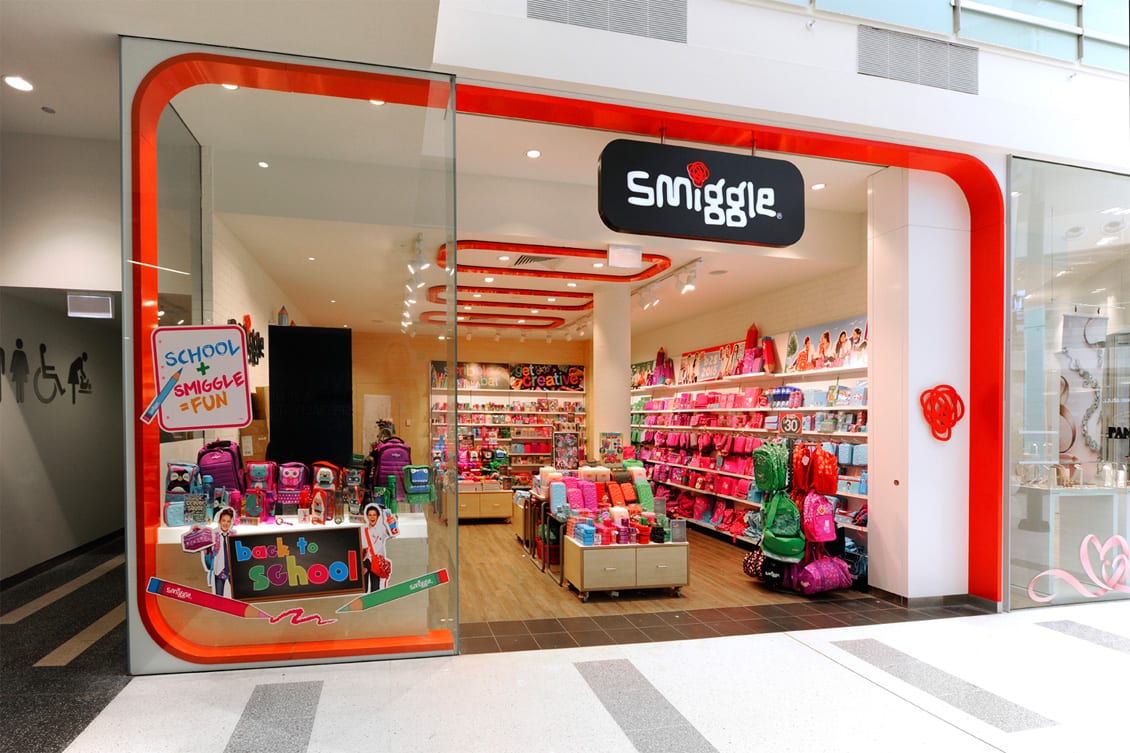
    Billionaire businessman Solomon Lew has unveiled a new target of 100 new Smiggle UK stores by Christmas.

    A further 40 to 60 of the popular stationery stores are planned to open in the UK each calendar year from 2017 to 2019.

    Smiggle is the highlight of Mr Lew’s retail investment arm Premier Investments which owns seven brands, including its other core brand, designer sleepwear Peter Alexander.

    Mr Lew, the chairman of Premier Investments, said he was confident Smiggle would conquer the world.

    “This brand will be successful in every country in the world where there are children,” he said.

    “This market is going to grow and grow and become a world brand.”

    Smiggle’s global sales rose 46.5 per cent in the six months to January 30 with strong like-for-like sales in all four countries it trades in, including Australia, New Zealand and Singapore.

    Mr Lew said the standout was Smiggle UK which continued to trade ahead of expectations.

    The UK business had 42 stores by the end of the half and is on track to achieve 200 stores and $200 million in sales within five years.

    Smiggle’s rollout in Asia is also on track with its first Malaysian store to open in April and its first Hong Kong store set to open in May.

    Malaysia and Hong Kong is expected to have a total of 50 stores in five years.

    All of Premier Investments’ brands, including Just Jeans, Dotti, Portmans, Jacqui-E and Jay-Jays, recorded like-for-like sales growth in the first half.

    Peter Alexander’s sales grew 22.5 per cent, with eight new store openings in Australia and New Zealand during the half.

    Total group sales rose 15.1 per cent to $565 million and net profit climbed 26 per cent to $71.5 million in the half.

    Mr Lew said the company’s balance sheet was strong and the group remained open to potential future acquisitions.

    Premier’s shares closed 60 cents, or 4.1 per cent, higher at $15.31.

    PREMIER’S PROFIT JUMPS ON STRONG SALES:

    * Net profit up 26pct to $71.5m

    * Revenue up 15.1pct to $565m

    * Fully franked interim dividend up two cents to 23 cents

    SMIGGLE STORE COUNT IN FIRST HALF:

    * 126 in Australia

    * 23 in NZ

    * 18 in Singapore

    * 42 in the UK

  • Campaign encourages more Japanese SMEs to invest in the Philippines

    Campaign encourages more Japanese SMEs to invest in the Philippines

    Japanese SMEs are being enticed to invest in the Philippines, where labor cost is competitive and a majority of workers are English-speaking.

    Spearheading the campaign are Rizal Commercial Banking Corp. (RCBC) and Resona Bank, a bank for small and medium enterprises in Japan’s Kansai and Osaka areas. To date, 55 Japanese firms have established their facilities in the Philippines following the tie-up agreement they entered into in 2012.

    Japanese companies which have established their facilities in Philippines affirmed the advantage of the competitive cost of Philippine labor with the added benefit of Engish-speaking skills that enable easier training and work atmosphere.

    In their latest campaign, RCBC’s Japanese Business Relationship Office first senior vice president Yasuhiro Matsumoto recently accompanied Trade Secretary Adrian Cristobal Jr.  to a Philippine Investment Opportunities Forum in Osaka, Japan.

    Attended by 350 corporate clients, the forum was organized by the Resona Foundation for Asia and Oceania with co-organizers Osaka Prefecture Government, the Osaka Municipal Government, the Kansai Economic Federation, the Osaka Foundation for Trade and Industry, and the Osaka Chamber of Commerce Industry. This was also supported by JETRO, Resona Bank and the Kinki Osaka Bank.

    Matsumoto highlighted the success secrets of companies operating in the Philippines. As RCBC’s key senior officer focused on Japanese clients, Matsumoto had seen and supported the entry and growth of Japanese companies, specially in export processing zones.

    Matsumoto further cited the growing spending power of the Filipino consumer as shown by the surge in business by a range of consumer-focused companies in food, beverage, and middle-end retail outlets that are supplanting the formerly ubiquitous low-end sari-sari stores in the urban centers. With the second largest population in ASEAN, with a young average age, the Philippine potential for investments is huge, he said.


  • Economy Hong Kong’s retail sales drop hardest in 17 years

    Economy Hong Kong’s retail sales drop hardest in 17 years

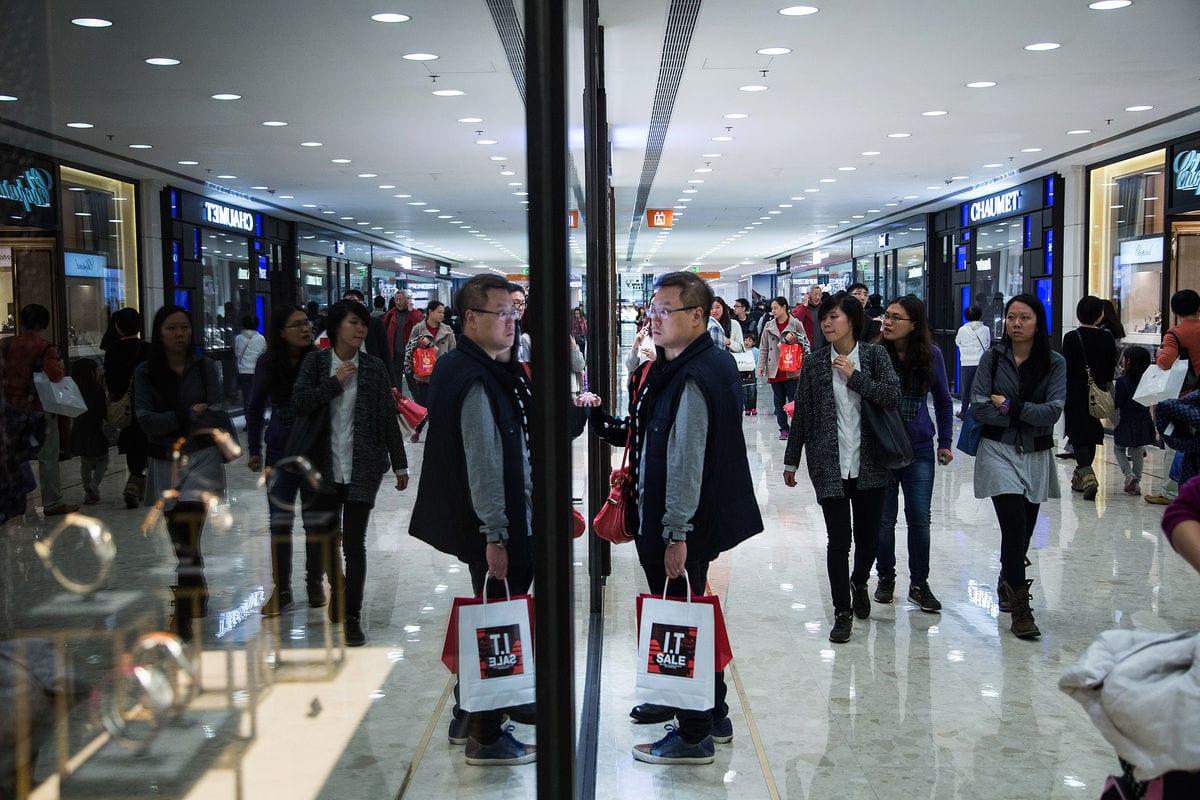
    Hong Kong’s retail sales plunged in February, as the economic slowdown in China prompted fewer visits from the mainland.

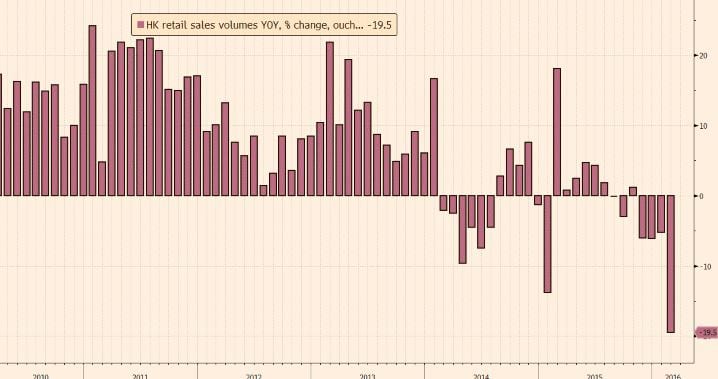
    On an annual basis, the total value of retail sales in February dropped by 20.6 per cent to HK$37bn, from January’s 6.6 per cent drop. The drop in February was the worst since January of 1999.

    After stripping out price changes, the total volume of retail sales decreased by 19.5 per cent, the worst since September of 1998.

    Combining January and February figures, the value of sales of luxury goods like jewellery, watches and clocks, which mainland Chinese tourists often visit Hong Kong to buy, decreased by 24.2 per cent. This was followed by 11.4 per cent decrease in clothes, a 12.3 per cent decline in commodities in department stores, and 7.7 per cent decrease in medicines and cosmetics.

    In a statement, Hong Kong’s Census and Statistics Department said:

    Apart from the severe drag from the protracted slowdown in inbound tourism, the asset market consolidation might also have weighed on local consumption sentiment.

    The near-term outlook for retail sales will still be constrained by the weak inbound tourism performance and uncertain economic prospects. The Government will continue to monitor closely the retail sales performance and its repercussions on the wider economy and job market.

    With Chinese consumers unwilling to spend on luxury goods, Swiss watchmakers, known for their luxury watches, are having a hard time, with UBS cutting earnings forecast.

  • Adidas Sets Goal For 3,000 More Chinese Stores

    Adidas Sets Goal For 3,000 More Chinese Stores

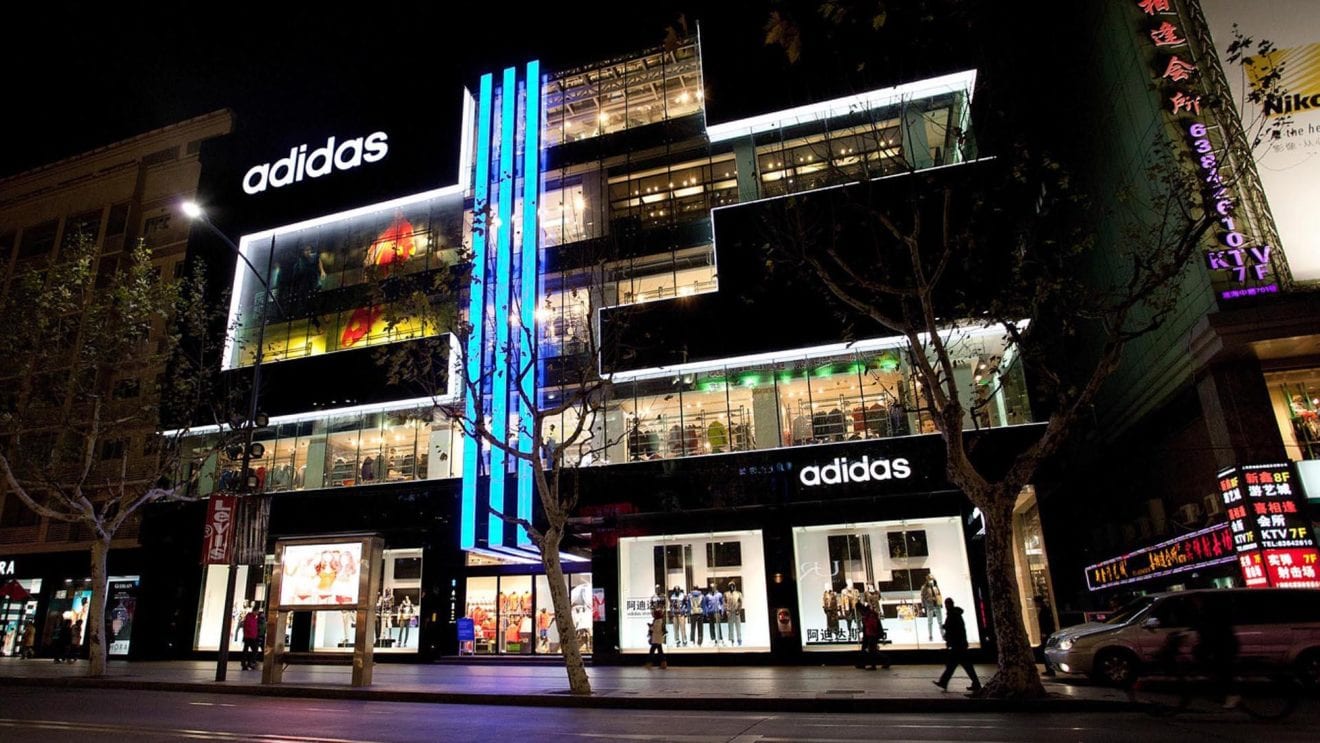
    Colin Currie, head of Adidas’ China operations, announced in a press conference that the sportswear company would be adding 3,000 more storefronts to the 9,000 it already operates inside the People’s Republic. Currie emphasized that these new stores wouldn’t just be rehashes of existing designs but targeted implementations of locations that focus on running, soccer and tennis equipment and apparel.

    It’s details like these that Currie hopes can help Adidas find revenue, even when the Chinese economy doesn’t seem to be making it any easier.

    “We are cautiously optimistic, but we’re far more on the optimistic side,” Currie said during the briefing.

    It’s one thing to say that Adidas is confident but another thing to actually mean it. A pledge to open 3,000 stores certainly seems like an earnest statement that can’t be easily walked back, explained that changing demographics might be why Adidas is so ready to hitch its wagon to the down-right-now Chinese economy. As more and more Chinese consumers enter the middle class, Adidas has planned, since at least 2010, to take advantage of the growing desire for sportswear, not just for fitness but as everyday dress as well.

    “We expect two-thirds of our growth to be from consumers in the lower-tier cities as they become attracted to sportswear — not just for fitness but for easy casual wear,” Currie said at an event in 2010.

    If it’s any consolation for Adidas and the Chinese economy at large, odds are both parties will succeed or fail together.

  • Lotte opens 2nd duty-free store in Tokyo

    Lotte opens 2nd duty-free store in Tokyo

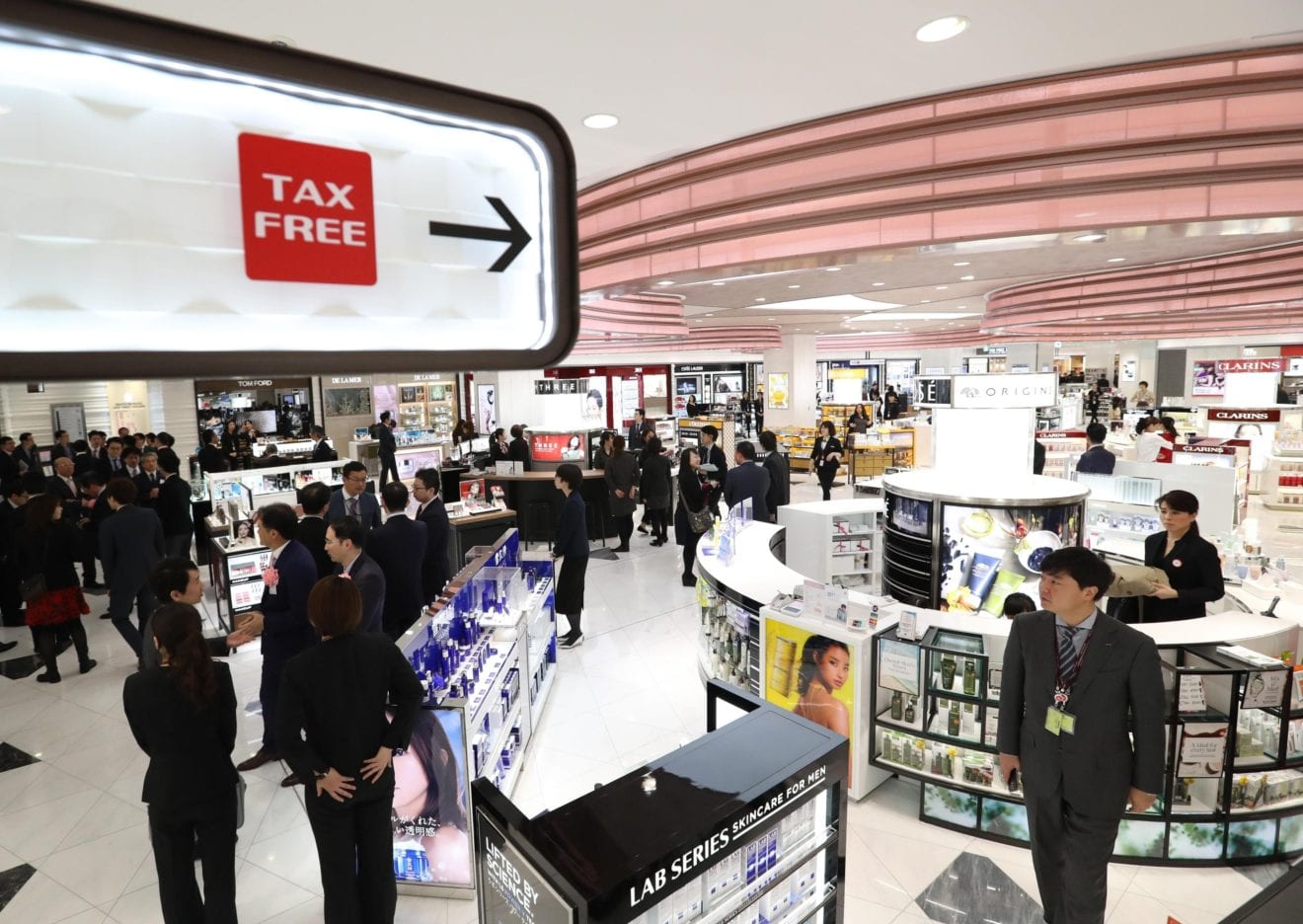
    Lotte Duty Free, South Korea’s No. 1 duty-free operator, opened a duty-free store in Tokyo on Thursday to target rising travelers, as part of efforts to expand its global presence.

    The duty-free store opened in the upscale shopping district of Ginza, the second following one in the Japanese capital in late January.

    Lotte, the world’s No. 3 duty-free operator, said it will strengthen its brand competitiveness in Japan, which attracted a huge influx of Chinese travelers last year.

    Lotte chairman Shin Dong-bin and his family, including his mother, wife and son, attended the opening ceremony. His father and corporate founder Kyuk-ho and his elder brother and former vice president Dong-joo did not attend.

    The rare family gathering at a public event was seen as an effort to show internal unity as Lotte has been trying to improve its tarnished corporate image following a prolonged succession feud between the founder’s two brothers.

    “The duty-free business has created some noise in South Korea, but I hope it to do well,” Shin told Yonhap News Agency during the ceremony. “I think this store is better than I expected.”

    Lotte lost its duty-free license in Lotte World Tower in southern Seoul in a November bid, amid the family succession feud and criticism for its dominance in the domestic market.

    Shin said his company will open a new tax-free store in Thailand in June, and two more in Japan — Osaka in early 2017 and Fukuoka later that year.

    Lotte, the retail giant who runs businesses in Korea and Japan, said the new duty-free shop is targeting 150 billion won (US$131 million) in sales this year and it plans to open additional shops in Japan over the next decade.

    Foreign visitors to Japan hit a record high of 19.69 million in 2015, marking the first time since 1970 that inbound travelers surpassed those who headed abroad, according to the Japan National Tourism Organization. Koreans were the biggest tourist group to Japan by nationality, followed by Chinese with 3.78 million.

  • Myanmar rushes through masses of investments

    Myanmar rushes through masses of investments

    The Myanmar Investment Commission (MIC) has approved an unusually large number of projects in its final meeting before the new government takes office, including luxury resorts, office towers, port developments, factories and roads.

    The commission, which answers directly to the President’s Office, meets several times a month to approve foreign, joint-venture and local investments.

    According to MIC information dating back to January 2015, the average number of investments approved at each meeting is just under 10. No more than 20 projects have been approved at any previous meeting.

    Bucking the trend, the MIC approved 48 new investments on March 25, according to a document published on the Directorate of Investment and Company Administration website.

    Asked about the unusually high number of approvals, a spokesperson directed requests to secretary Aung Naing Oo, who was not available for comment on Tuesday.

    Notably, the MIC has approved a number of major projects at Yangon’s ports.

    Kaung Myanmar Aung Shipping Co, owned by well-known tycoon Khin Maung Aye, received consent to build a wharf and supporting facilities in Seikkan township after winning a government tender just over a week ago.

    New Downtown Development Public Co has approval to build a shopping mall and office complex in the Myanma Port Authority-owned Nanthida compound and New Strand Development Co has permission to build commercial, office and retail space, hotels and serviced apartments at Ahlone international port in Ahlone township.

    Several port-related investments have also been approved at Thilawa. Khaing Oo Co has been given the green light to build a jetty and buildings, and Myanmar Edible Oil Industrial Public Co is allowed to build and operate a multi-purpose international wharf in the Thilawa port area.

    The MIC also approved a number of hotels and resorts in its most recent meeting, including H&Co Platinum Pathein Co’s 15-acre project in Ayeyarwady region comprising a hotel, shopping mall and villas.

    Pongpipat Development, known for operating the Heinda tin mine in Tanintharyi region, has been given permission to build a resort in Htee Khee village in Myitta, Dawei township, while a company called K Future secured approval to build a hotel on Bo Net Kyaw island in Kawthoung district.

    In Yangon, KT Development Co has approval to build a hotel, office space, retail, serviced apartments and other commercial businesses and long-term leasehold units on an 11.753-acre site in Yankin township.

    New City Development Public, which also has links to tycoon Khin Maung Aye, has approval to build a light industrial park in Yangon region’s East Dagon township. Another of his companies, Kaytumadi Development Public, has approval to build two further industrial parks in Bago region’s Taungoo.

    Also in Bago, Hantharwady Development Public has approval to build an improbably large eco-resort and high-end housing project on 2455.77 acres, and Thiri Multi Agricultural Co has permission to build a hotel in Taungoo.

    A number of roads were also approved, and more than a dozen manufacturing ventures. Three companies – Mya Kan Engineering, Htoo Naing Lin and Linn Shwe Sin – received a green light to produce and distribute crushed stones.

    Sembcorp Myingyan Power Co has received the go-ahead to build a 225-megawatt gas-fired plant near Mandalay, which will eventually transmit more power to the national grid than any other independent gas-fired plant in the country.

    Malaysian firm OCK Yangon has been approved to build telecoms infrastructure and Asian Blue Aviation to run an international air transport service. The company is a tie-up between Japan’s ANA Holdings and Shwe Than Lwin-owned Golden Sky World, and plans to offer services between Yangon and Tokyo.

    The MIC approval does not necessarily guarantee a project will go ahead, as Hong Kong-based developer Marga Landmark and a number of local companies discovered when their real estate projects beside Shwedagon Pagoda were cancelled by the President’s Office early last year.

    Many of these projects will also require approvals from other government departments. Nevertheless, once approval has been granted it is difficult to undo.

    Han Thar Myint, who chaired the National League for Democracy’s (NLD) economic committee until it was dissolved last week, said the incoming government had not been warned that such a large number of investments would be approved.

    “Since respective ministerial offices do not have to inform us of their decisions, we had no knowledge of this. We cannot criticise or object to the outgoing government permitting a lot of new investments, or whatever the case is,” he said.

    “Only after the new ministers have taken office can these things possibly be done.”

    Last month the NLD called for an investigation into a wave of lucrative business deals that had seemingly been fast-tracked by officials in the outgoing government during the period between the election and the power transfer.

    Military MPs reacted to the motion with disapproval, standing up in unison to demonstrate their objection. The debate infuriated the outgoing government and prompted presidential spokesperson Ye Htut to suggest that it does not need to be accountable to parliament.

    “Whether the incumbent Union government should be accountable to the second parliament or not is an issue to be reviewed according to the constitution,” he said, adding that the government had decided to “suspend” its cooperation with parliament on responding to questions and proposals.

  • Singapore start-up betting on more luxury consumption

    Singapore start-up betting on more luxury consumption

    The global economic chill may have helped cool the runaway growth in luxury brands as consumers start to think twice before splurging. One e-commerce player, however, is hoping for an Indian summer.

    Daniel Lim, one of the co-founders of Reebonz, said the “aspirational middle class” – particularly in Asia – will underpin demand for personal luxury products.

    Reebonz sells new and pre-owned designer bags, shoes and other personal luxury items on its website and mobile app. It has a service, Reebonz Closet, available in selected markets, that lets users buy and sell directly to one another.

    Merchants from around the world are also able to list their items on Reebonz Marketplace, creating variety in selection. The company also has in-store presence in Australia and pop-up stores in Singapore.

    Aspiring toward luxury

    Lim’s forecasts come at a somewhat challenging time for personal luxury goods. A study by management consulting firm Bain & Company released in December showed the real growth in the global personal luxury, at constant exchange rates, was only 1 to 2 percent in 2015. This compared with a 3 percent growth in 2014 and 7 percent in 2013.

    Bain said in the report that a combination of currency fluctuations, contracted local spending, government reforms against graft, and tourist arrivals influenced regional performances in 2015.

    “Macroeconomic factors will always be there,” said Lim in an exclusive interview with CNBC. However, “luxury is one of the few classes of products, where people aspire to constantly upgrade,” he said.

    Erwan Rambourg, global co-head of consumer and retail research at HSBC echoed the sentiment, telling CNBC that luxury demand is “often driven by social, cultural and fashion trends rather than by mere financial means.”

    Unlike other purchases, luxury items have great resale value, the Reebonz co-founder added.

    Online shopping has seen rapid growth over the last several years, underpinned by emergence of e-commerce giants such as Amazon and Alibaba. Euromonitor data showed in 2015, internet retailing totaled $990.7 billion worldwide, up from $851.20 billion in 2014.

    Luxury players have been relatively slow to adopt e-commerce due to fear among brands of not being able to replicate the experience of in-store buying, according to Lim.

    Data from Bain showed online shopping currently comprises only 7 percent of the luxury market, with 93 percent of market share still resting with brick-and-mortar stores.

    But Lim expects more innovation to take place as more players explore online options and models to sell to customers. “We have only touched the tip of the iceberg,” he said.

    Since its foundation in 2009, Reebonz has expanded into several developed and developing markets in Asia Pacific, including Australia and Indonesia among others. While the company is still focused on Asia Pacific, it delivers to 30 countries worldwide, including the United States.

    Tackling China

    Last April, Reebonz entered Asia’s largest luxury consumption market: China.

    Lim said Reebonz’s decision to enter China was influenced by favorable cross border e-commerce tax policies, the huge market for luxury, and strong local partnerships the company has forged.

    Even though some of the tax policies that attracted his company to China are now being reversed, Lim remains unfazed.

    Last week, China announced it will charge imported retail items purchased online in the same way as any other imported goods, scrapping a provision that enabled e-commerce companies to import goods more cheaply, reported China’s Xinhua news agency. The changes will be effective from April 8, said Xinhua.

    The move will see many e-commerce retailers experience a cost increase through higher taxes, according to Yating Xu, an economist at IHS Global Insight. Xu told CNBC the tax reform is designed to level the playing field for traditional retailers, who have, in recent years, been hurt by the tax benefits enjoyed by e-commerce players.

    He acknowledged, however, the steep competition Reebonz faces from local players in China.

    Many luxury brands, such as Burberry, Estee Lauder, and Calvin Klein, have launched e-boutiques on Alibaba’s Tmall platform to penetrate broader areas of China, according to Hui Wan, research team lead at Euromonitor International.

    Other brands such as Alexander McQueen and Balenciaga have established official websites “to present their brand image, launch their new collections and sell products as well,” she said.

    Wan told CNBC, currently “Chinese consumers prefer to browse online but buy at the stores, especially for luxury goods purchases.”

    Lim is banking on Reebonz’s strong reputation for selling authentic products, wide range of options and good customer service to make headway into the biggest luxury market in Asia Pacific.

    “Penetrating China obviously will take a bit of time but I think we see a great opportunity there.”

  • Hong Kong’s retail sales plunge most in 17 years

    Hong Kong’s retail sales plunge most in 17 years

    Hong Kong’s retail sales in February plunged the most since 1999 as fewer Chinese tourists visited the territory during the Lunar New Year holiday.

    Retail sales dropped 21 percent in February to HK$37 billion (US$4.8 billion) year-on-year, according to a statement from the Hong Kong’s Department of Statistics.

    Combining January and February, sales fell 14 percent. The monthly decline is the worst since January 1999 when sales were also down 21 percent.

    “Apart from the severe drag from the protracted slowdown in inbound tourism, the asset market consolidation might also have weighed on local consumption sentiment,” the Hong Kong government said in a statement yesterday. “The near-term outlook for retail sales will still be constrained by the weak inbound tourism performance and uncertain economic prospects.”

    The government will monitor closely its repercussions on the wider economy and job market, it said.

    Chow Tai Fook Jewellery Group, the world’s largest listed jewelry chain, and Sa Sa International Holdings reported slumping sales over the holiday from Feb. 7 to Feb. 13 when Chinese tourists to the territory dropped 12 percent.

    The stock market rout and a slowing Chinese economy have affected consumer sentiment for luxury goods, Chow Tai Fook has said.

    Mainland China tourists “are unlikely to come back in the short term,” CCB International Securities analyst Forrest Chan said.

    Hong Kong residents are also consuming less due to stagnant property values and the weak stock market, he said.

    “Hong Kong’s retail market will continue to fall for the rest of 2016 as all the negative factors won’t be solved in the near term,” Chan said in a telephone interview.

    Chinese visitors are projected to fall 3.2 percent for the year, according to the Hong Kong Tourism Board, with average spending dropping 4 percent to HK$6,948.

    Sales of jewelry, watches and clocks, and valuable gifts dropped 24 percent, while those of electrical goods and photographic equipment plunged 27 percent, according to yesterday’s statement.

  • Sanrio and Universal Parks & Resorts Open New Hello Kitty Retail Store Concept

    Sanrio and Universal Parks & Resorts Open New Hello Kitty Retail Store Concept

    Sanrio, the global lifestyle brand best known for beloved pop iconHello Kitty, and Universal Parks & Resorts have opened the Hello Kitty Shop Featuring Hello Kitty and Friends at Universal Orlando Resort.

    The Hello Kitty Shop at Universal Studios Florida marks Sanrio’s official retail debut and Hello Kitty’s first appearance at a theme park in North America. The supercute retail experience, located along Hollywood Boulevard in the theme park, offers specialty merchandise including stationery, home goods, apparel, accessories, collectibles and confectionery treats. The majority of product will be exclusive to the park. Additional Sanrio characters including Chococat, My Melody, Badtz-Maru,Pompompurin and Keroppi will also be featured.

    “As Sanrio’s first official retail debut at a theme park in North America, the Hello Kitty Shop offers a new retail experience for fans of all ages,” said Jill Koch, Sr. Vice President of Brand Management and Marketing at Sanrio, Inc. “Our partnership with Universal delivers a new touch point for the brand through special products, unique merchandising and a fully branded store experience that incorporates many of our beloved characters.”

    The Hello Kitty Shop at Universal Studios Florida offers a supercute, immersive environment that fans of all ages will love. Customers can shop for exclusive merchandise, enjoy photo opportunities, create souvenir versions of Hello Kitty’s signature bow, mail letters and receive small gifts. With four specially themed areas within the Hello Kitty Shop, fans can find treats at the “Hello Kitty Sweet Yummy Shop,” loungewear and home goods in the “Hello Kitty Lounge” area, multi-character accessories, stationery and gifts in the “Hello Kitty and Friends Town” area, and collectibles featuring Sanrio characters reimagined with classic Universal properties in the “Hello Kitty at the Movies” area. New products and designs will be released regularly so fans will always find something new.

    Beginning March 31st, guests can also say hello to Hello Kitty herself. Hello Kitty will make regular appearances, greet fans and take photos.