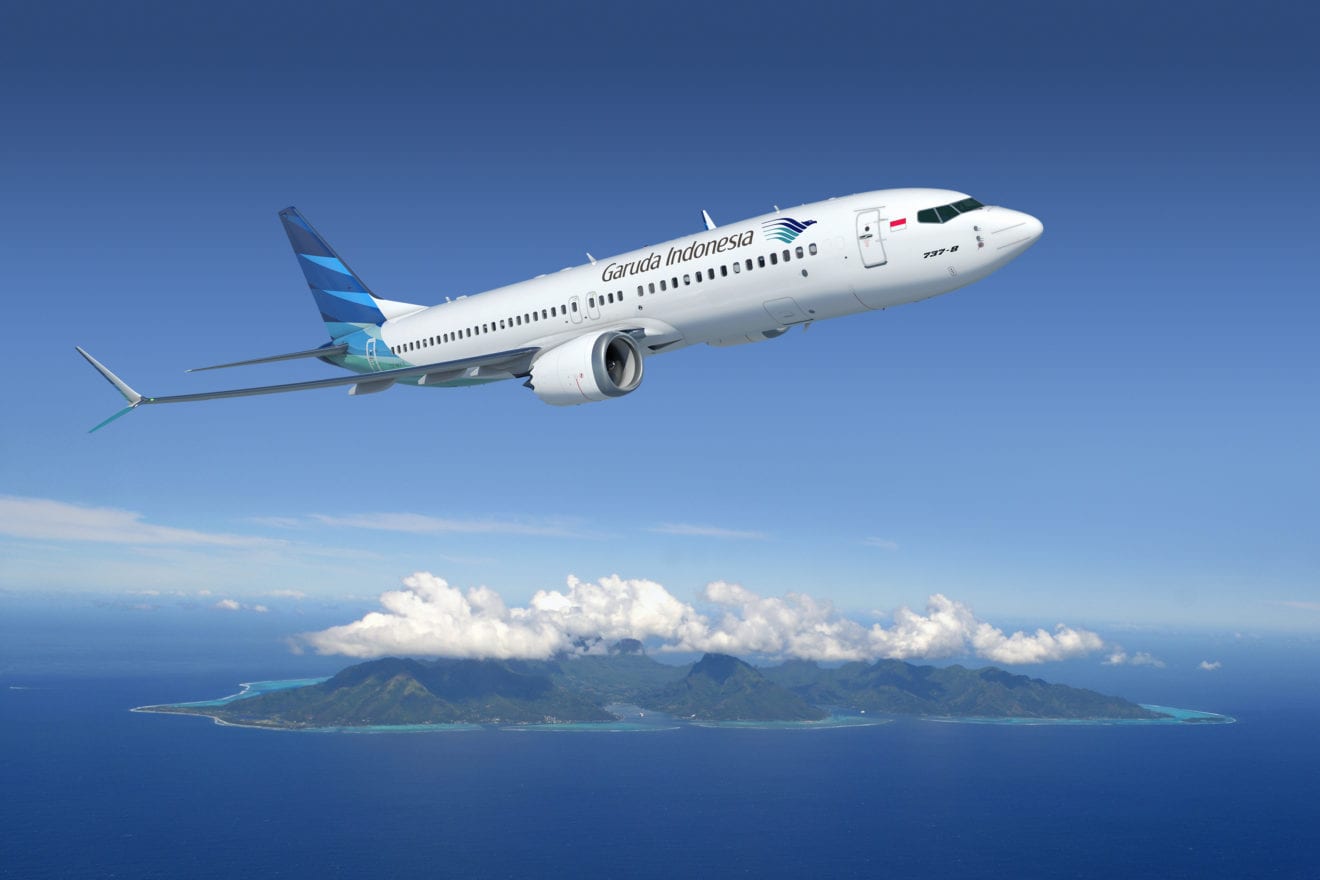
Category: General

Retail News Asia is committed to providing both local and global retailers with the latest General Retail news throughout the Asian market. This on a daily base.

  • Indonesia AirAsia to Go Public

    Indonesia AirAsia to Go Public

    Budget airliner PT Indonesia AirAsia—the subsidiary of Malaysian AirAsia Berhad—is preparing to hold an initial public offering on the Indonesia Stock Exchange in late 2017 or early 2018. Before going public, the airline will seek to improve its finances.

    “We are improving our financial performance. We cannot say yet what the improvements are,” president director Sunu Widyatmoko told yesterday.

    He did say that the IPO proceeds will be used to increase AirAsia’s number of fleet and flights.

    Based on the financial statements of AirAsia Berhad, which owns 49 percent stake in Indonesia AirAsia, the subsidiary posted negative performances last year with revenues dropping 37 percent to Rp5.02 trillion.

    The main reason for the income decline was a decrease in passengers’ volume by 22 percent.

    In December 2015, Indonesia AirAsia recorded a loss of Rp885.2 billion and a net loss of Rp2.33 trillion. It was an even bigger loss compared to 2014, when the company noted a loss of Rp635.8 billion and a net loss of Rp883.5 billion.

    The airliner also recorded a foreign exchange loss of Rp1.27 trillion last year, which prompted its Malaysian parent company to inject an additional capital of Rp2.05 trillion in quarter three, in the form of perpetual capital securities.

    Sunu said that another cause for last year’s major loss was the Flight QZ8501 disaster. The plane crashed while en route from Surabaya to Singapore, claiming the lives of 155 passengers and seven crew members.

    AirAsia Berhad CEO Tony Fernandes said the two main reasons why Indonesia AirAsia needs to become a listed company is to improve transparency and corporate management, and to allow Indonesian investors to own the airliner’s shares.

    Fernandes also said in Jakarta earlier this week that Indonesia AirAsia had gone through rough times last year, but the company now aims to leave that past behind and focus on business expansion.

    In mid-2015, Indonesia AirAsia is one of 13 airlines ordered by the Transportation Ministry to raise capital due to its negative equity. At that time, Indonesia AirAsia’s equity was minus Rp1.32 trillion, with liabilities amounting to Rp6.15 trillion and an assets value total of Rp4.83 trillion.

  • Garuda Indonesia Urged to Strengthen Domestic Market

    Garuda Indonesia Urged to Strengthen Domestic Market

    Indonesian Tourism Minister Arief Yahya has told national carrier PT Garuda Indonesia to continue strengthening domestic market due to its huge potentials.

    “Our domestic market is very strong. Last year, there were 255 million visits by domestic tourists. This year, the target is 260 million visits. If that amount is multiplied by Rp. 1 million, it means Rp260 trillion circulated,” Arief said in Jakarta on Friday (29/4).

    Arief added that once the domestic market is strengthened, it would be easy to develop international market.

    In comparison with domestic market of neighboring countries, Aried added, Indonesia is much bigger. He cited Singapore, which does not have domestic market or domestic market in Malaysia that is not too big.

    The Minister added that that the Government is gearing up to meet the target of 20 million tourists visiting Indonesia in 2019.

  • SIA to support Indonesia’s tourism campaign under new partnership

    SIA to support Indonesia’s tourism campaign under new partnership

    National carrier Singapore Airlines and Indonesia’s Ministry of Tourism on Thursday (Apr 28) announced a partnership to boost foreign tourist arrivals into Indonesia.

    Both parties signed a memorandum of understanding at the National Coordination Tourism Meeting in Jakarta on Thursday, and they will work to finalise details of the partnership in a memorandum of cooperation at a “later date”, the joint press release said.

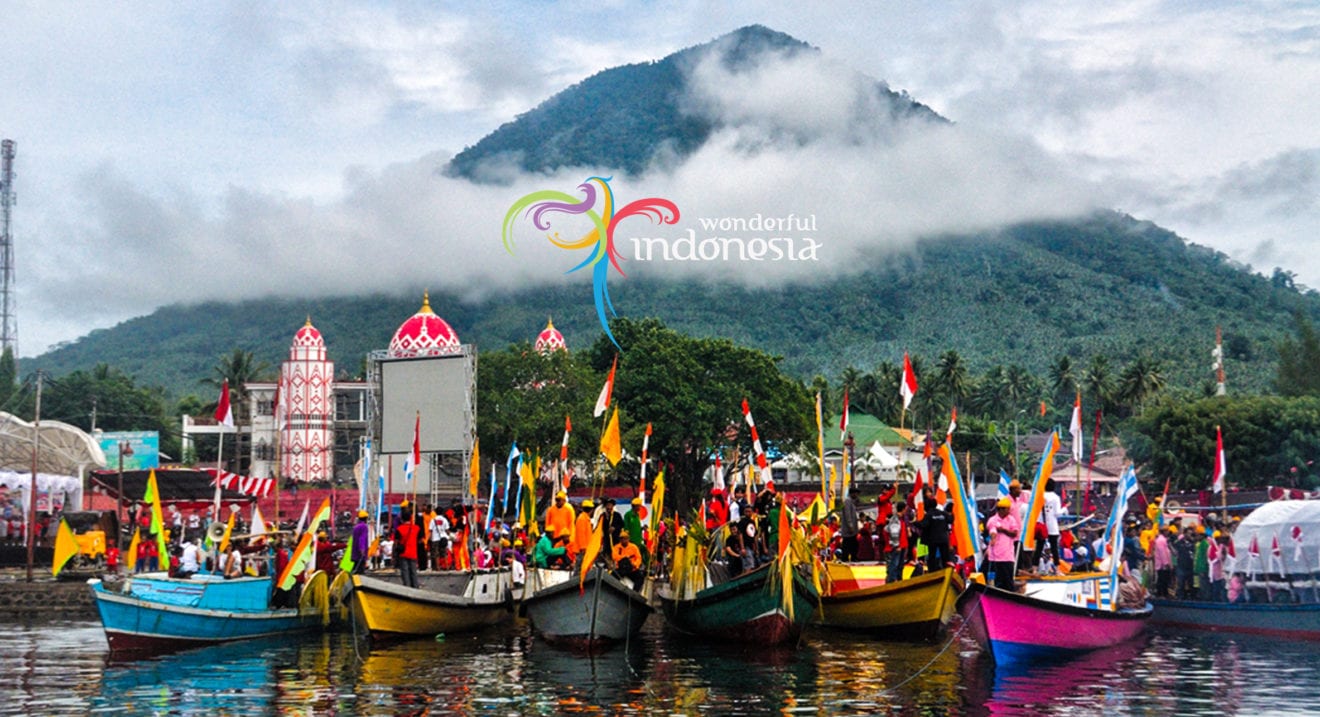
    Under the three-year partnership, SIA will support the ministry’s tourism campaign “Wonderful Indonesia”, which aims to attract 20 million foreign tourist arrivals annually by 2019.

    Joint activities will include advertising and other campaigns to promote travel to Indonesia via Singapore from key source markets, which include China and India for the first year of collaboration, the press release said.

    SIA, together with its subsidiary SilkAir, serve 13 cities in Indonesia with more than 150 weekly flights, the airline said.

  • Gieves & Hawkes exploring RFID route

    Gieves & Hawkes exploring RFID route

    The new Gieves & Hawkes store in The Mailbox, Birmingham is using RFID technology to help the retailer gain a clearer view of stock inventory and to aid the business’s loss prevention strategy.

    Further installations of the technology are being discussed with solutions provider Catalyst, but for now the menswear retailer is solely monitoring results in the West Midlands store, which opened last summer.

    Sam Thompson, regional IT manager for Gieves & Hawkes parent company Trinity Group, said: “The technology has been easy to deploy and the store appreciates the benefits it offers.

    “The data generated is useful in managing store stock levels.”

    Catalyst, which is owned by global supply chain organisation Li & Fung, operates a cloud-based data platform and is providing Hawes & Curtis with handheld readers for scanning products and overhead readers, which are invisible to the customer but offer the company’s staff item level intelligence. The tech range is showcased in the company’s London, New York and Hong Kong showrooms, allowing retailers to walk in and see the solutions in action in a mock-up store scenario.

    We visited the Catalyst London showroom in 2014 and witnessed how the readers can be combined with other technology such as smart changing room systems or digital screens, to boost the customer’s in-store experience.

    Catalyst works alongside Smartrac for the Gieves & Hawes project, with the latter’s UCode 7 Web RFID tags printed, encoded and applied to all garments delivered to the store. The tags are deactivated using Catalyst’s ePay readers at the till point, with the information fed straight into the retailer’s point of sale system, giving the business a real-time view of stock inventory.

    The RFID solution also provides an alternative to electronic article surveillance in the fight against theft.


  • Hong Kong Gifts & Premium Fair Attract 64000+ Visitors

    Hong Kong Gifts & Premium Fair Attract 64000+ Visitors

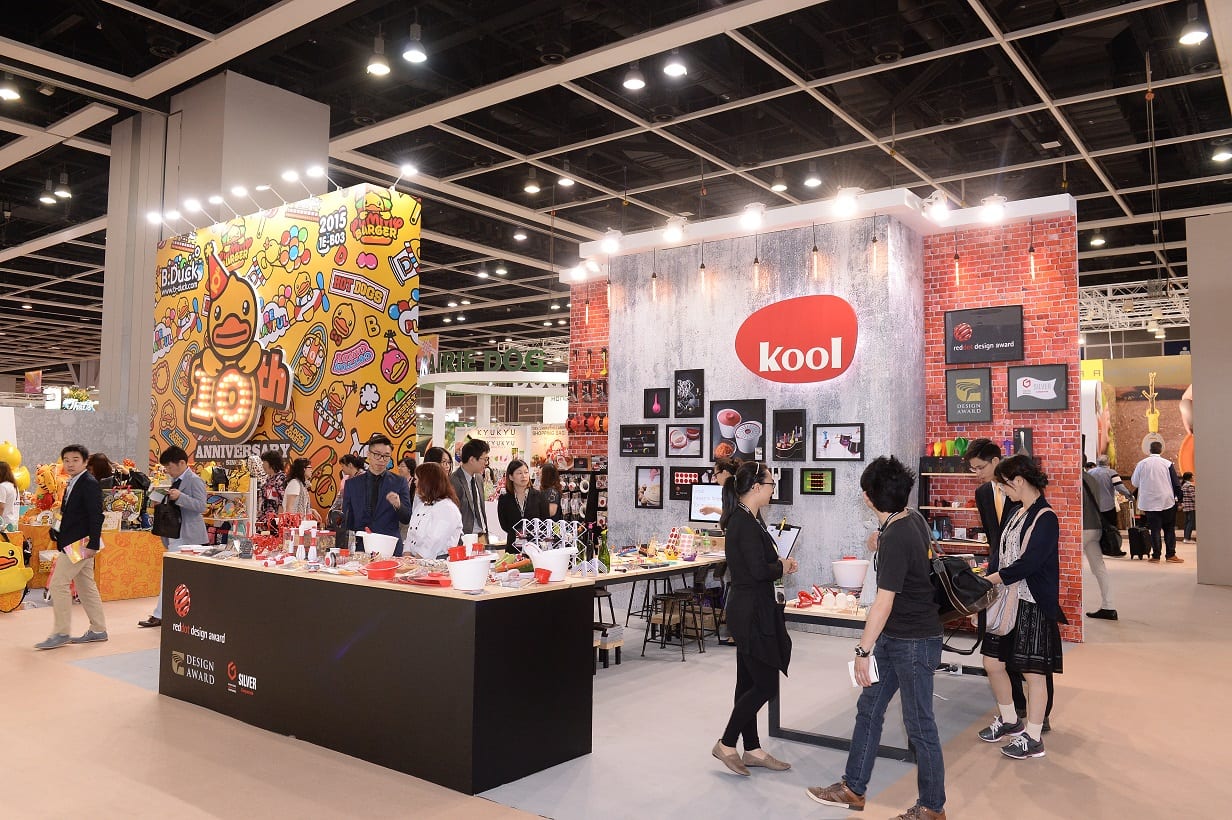
    Organised by the Hong Kong Trade Development Council (HKTDC), the 31st Hong Kong Gifts & Premium Fair concluded today at the Hong Kong Convention and Exhibition Centre (HKCEC). The concurrent 11th Hong Kong International Printing & Packaging Fair (27-30 April) also came to a close at AsiaWorld-Expo. The twin fairs together attracted more than 64,000 buyers from 134 countries and regions. Around 50,000 buyers visited the Gifts Fair, while over 14,000 buyers attended the Printing & Packaging Fair. Markets such as the Chinese mainland, Malaysia, the Philippines, Italy and Indonesia saw growth.

    “In the face of a fluctuating global market, suppliers should promote their brands and products even more proactively, while distributors and retailers should seek out new competitive products,” said Benjamin Chau, HKTDC Deputy Executive Director. “Showcasing top-quality items and providing a diverse range of choices, the two fairs are the ideal platform for both promoting and sourcing products.”

    The HKTDC organised a total of 171 buying missions from 75 countries and regions for the two fairs, comprising more than 13,200 buyers. At the fairground, business matching services were also provided to foster business opportunities and partnership-building. Moreover, in view of the keen demand for small order sourcing, the hktdc.com Small Orders display at the Gifts Fair featured over 360 showcases offering more than 2,500 products available for orders of between five and 1,000 units. A total of 23,000 business connections were generated during the four-day fair.

    Mr Chau also noted that, during the Gifts Fair the HKTDC signed a memorandum of understanding (MoU) with Thailand, a key ASEAN country, to strengthen business promotion and cooperation between Hong Kong and Thailand. This includes offering a top-quality promotion platform for Thai products through the HKTDC’s fairs and online promotion services, covering sectors such as garments, fashion accessories, textiles, food and agricultural products.

    Cautiously optimistic on sales prospects; decorative gifts & figurines to lead market growth

    The HKTDC commissioned an independent onsite survey during the Gifts Fair, interviewing some 920 buyers and exhibitors about their views on market prospects and product trends. The survey found that the industry is cautiously optimistic about the gifts market this year. Close to half of the respondents expect overall sales to remain the same in the coming year with 20 per cent expecting sales to improve. Thirty-seven per cent of respondents expect production costs and sourcing costs to increase. More than 60 per cent of respondents, however, do not expect to raise FOB selling prices or retail prices, suggesting that they will not transfer increasing costs to customers. As for the market with the highest growth potential, most respondents pointed to the Chinese mainland, followed by Hong Kong and Korea.

    The survey also analysed product trends in the gifts and premium market. Most respondents said they expect decorative gifts and figurines to have the strongest growth potential this year, followed by tech gifts and advertising gifts and premium. As for products, the industry generally believes that consumers are increasingly focused on product practicality and quality, followed by their pricing and cosmetic design.

    Ideal platform for exploring business opportunities & promotion

    Tian Guofeng, Director, Exhibition Department, China International Center for Economic & Technical Exchanges, Ministry of Commerce, said this was the first time that the Ministry had organised a delegation to the Gifts Fair, comprising 10 companies from Yunnan Province. “As the Hong Kong fair is not only the world’s largest gifts and premium fair but also the most influential show of its kind, it will help Yunnan manufacturers develop overseas markets,” said Mr Tian. “Exhibitors from Yunnan Province are showcasing a wide variety of high-end products such as metal ware, silverware, wooden gifts, pottery, stone carvings and gunny handbags. Responses from buyers have been very encouraging.”

    Shosuke Fukushima, Director of Japan Pavilion, Business Guide-Sha, Inc., said that Japanese exhibitors achieved very good results at last year’s fair, so they returned this year with 17 companies joining the Japan Pavilion, the largest-ever such delegation. “Japanese exhibitors are here showcasing all kinds of trendy products such as cosmetics, garments, stationery, toys and video games. The Hong Kong fair is an international trade fair where Japanese exhibitors can talk to many buyers and learn more about the market needs. More importantly, Hong Kong is a key gateway for Japanese companies to look for distributors and retailers from all over the world. We’ll continue to organise the Japan Pavilion next year.”

    Hong Kong exhibitor Phoebe Wong, Director of Eco Concepts, said it was their fifth time to participate in the fair. The company produces various green products with PLA (polylactic acid). “Through business matching services provided by the HKTDC, we have met with more buyers from Europe, probably because our products can meet their strict requirements in terms of environmental protection. On the first day of the fair, we have already got an order worth US$9,000 from a Thai buyer,” said Ms Wong.

    Another Hong Kong exhibitor, Gianna Company Ltd., strives to inject new design elements into products. The company’s Managing Director Lawrence Tong said the market trend towards innovative designs is prevalent. “We received onsite orders worth over HK$2 million in total from long-time clients. We have also established contacts with many potential buyers from various countries at the fair,” said Mr Tong.

    Meanwhile, at the Printing & Packaging Fair, Hong Kong exhibitor Tommy Yu, Senior Manager of VersaTech Energy Innovation Limited, and Environmental Consultant of The Hong Kong Printers Association, noted cleaner production is the way forward amid growing environmental concerns. The Hong Kong Printers Association made good use of the Hong Kong International Printing & Packaging Fair to promote new technology for cleaner production. “Many large-sized printers have taken the task seriously and we want to encourage more SMEs to join the wave through the exhibition. In the first few hours of exhibition, about 50 visitors including printing-related companies from Hong Kong, the Chinese mainland, the Philippines and Taiwan approached us. They showed keen interest in how new technology in cleaner production can work for printers.”

    New products and onsite orders

    Sia Yew Ming, Senior Corporate and Trade Marketing Manager, Mediacorp TV Singapore Pte Ltd, was a first-time visitor to the Gifts Fair. She came looking to develop products that are related to their TV programmes with a view to selling them to consumers through convenience stores and book shops in Singapore. She said that, with so many suppliers at the fair, there was a great variety of products at competitive prices. She said she placed an order of 500 units of USBs and 500 units of power banks on the second day of the fair. “I have found a lot of new ideas and new products here. I have found 10 potential suppliers and will follow up after the show,” she said.

    Barama is an importer and wholesaler of stationery, paper products, school bags and toys in Argentina. This year was their seventh visit to the Hong Kong Gifts & Premium Fair. Alex Leibovich, Manager of Barama, said they were looking for school products and new suppliers. “So far, we have identified three new suppliers of paper products and punchers at the fair, and we have already placed onsite orders for US$20,000 worth of paper products and US$13,000 worth of punchers.”

    B. Food Product International from Thailand sells food products domestically as well as to different markets worldwide including Asia and Europe under two major brands S-Pure and BETAGRO. Sakhorn Jullarat, the company’s Product and Process Development Director, said, “We put strong emphasis on the quality and safety of the food we produce every day. This is our first visit to the Hong Kong International Printing & Packaging Fair. We’ve already found five potential suppliers for packaging items that will be used for our frozen and chilled food products. We can find a lot of interesting packaging products and ideas here. We would like to visit the fair again next year.”

  • Local retail sector seen growing 4% this year

    Local retail sector seen growing 4% this year

    Retail Group Malaysia (RGM) is projecting a 4% growth rate for the local retail sector this year, as it believes that consumers will still continue to spend in spite of the global economic uncertainty.

    RGM managing director Tan Hai Hsin said while consumers are cautious, they will continue to spend on goods and services that are important and relevant to them.

    “People are still spending on their children’s education even though it is not cheap. The MATTA Fair is also still doing well as people are still traveling,” he said in a talk in conjunction with the StarProperty.my Fair 2016 i-City edition yesterday.

    Tan said the outlook for the local retail sector this year is expected to be challenging.

    “There is no major stimulus. It’s also not an election year, this year. Right now, we’re relying on the global economy and if it’s down, it will affect us.”

    According to RGM’s Malaysia Retail Industry Report last month, the local retail industry recorded a measly year-on-year sales growth of 1.3% in the fourth quarter of last year.

    RGM said the year-end school holiday and festive season did not lift the buying spirit of Malaysian consumers, adding that the higher cost of overseas travelling due to weaker ringgit did not encourage more domestic spending.

    “The weak ringgit performance during the last quarter of 2015 had resulted in higher import costs. Higher import costs led to increased retail prices. Increased retail prices had further deteriorated the purchasing power of Malaysian consumers.

    “Despite heavy price discounts and aggressive promotions, retailers could not raise the consumers’ spending.

    “During this latest quarter, they suffered further decline in profit margin growth,” he added.

    For the full-year 2015, RGM said the Malaysian retail industry grew by a mere 1.4% as compared to the same period a year ago. The total retail sales turnover for 2015 was RM96.2bil.

    “Last year was the worst annual retail growth rate since 2010. In 2009, the retail industry growth rate was 0.8%,” RGM said.

    According to National Property Information Centre’s (Napic) 2015 Property Market Report, the retail sub-sector recorded a slight improvement in occupancy to 82.4% in 2015 from 81.8% in 2014, with a take-up rate amounting to more than 780,000 sq meters.

    The StarProperty.my Fair 2016 i-City edition, which is being held at i-City from April 22 to 24, will feature projects including i-Soho, i-Suite, Liber­ty Tower and Parisien Tower in i-City, and 8Kia Peng at Kuala Lumpur city centre.

    Besides talks and fun activities, 1,000 visitors will receive complimentary theme park tickets given daily.

  • How smaller retailers can win market share and drive growth

    How smaller retailers can win market share and drive growth

    I’m always interested in the small business owners I meet across the world, many running generations-old businesses that offer one-of-a-kind treasures. These shop owners, with their time-honored craftsmanship, quickly win over even the most casual window shopper, effortlessly converting passersby into loyal customers.

    Creating this sort of memorable customer experience is one of the keys to success for small retailers in the fashion and luxury goods sector.

    However, as the worlds of fashion, luxury and media descend upon New York for Fashion Week, these experiences and transactions seem increasingly quaint and inconsequential; one could be forgiven for thinking that high fashion remains the exclusive preserve of global retailers and big-name luxury brands.

    While that may once have been true, it’s no longer the case. Remarkably, more and more fashion retailers are starting to embrace being ‘small’ as a strategy for success and growth. Increasingly user-friendly technology tools are helping smaller retailers to speak and deliver to their niche customer sets across all channels with the same voice as they would in a shop in Hong Kong.  So what is driving their success?

    Tech-savvy

    According to research from eMarketer, e-commerce growth is projected to double the retail industry average at least until 2017. Half of all shoppers discover new products when searching with smartphones, and 82 percent of smartphone owners look online for product information when shopping. Smartphones already account for over 40 percent of ecommerce transactions in Japan and South Korea, so it is no wonder that small retailers are realizing that they need to be as tech-savvy and flexible as their customers. That means engaging and delighting shoppers on mobiles, social media and online channels.

    Highly personal

    Technological advancements and the democratizing power of the Internet have allowed retailers to scale up without sacrificing intimacy and personal service. As customers no longer think about retailers’ brands in a silo, neither does the small retailer. They analyze insights from website visitor traffic, social media interactions, and newsletter click-through rates to better understand their customers. Any retailer with a Facebook page can now easily discover that their average customer is, for example, female, aged between 16 and 24, listens to Adele, and by using this data to precisely tailor their sales and marketing strategy, they can more effectively engage and delight their customers.

    Cultivate and engage a community

    It is much more profitable to sell to loyal customers than to constantly look for new ones. A Bain study showed that just a five percent growth in customer retention could boost profitability by 75 percent.

    Small retailers are starting to use this insight to build loyal online communities, which do the selling for them. No wonder a brief Google search on the words ‘e-commerce’ and ‘social media’ turns out 101 million results, with articles such as ’12 Social Media Tactics to Drive Traffic to your E-commerce Site’ being the most visited. Another way is through loyalty programs, which 30 percent of independent retailers are planning to implement in 2016. This is on top of the quarter of independent retailers who already have a loyalty program in place.

  • Hong Kong leads Asia retail expansion

    Hong Kong leads Asia retail expansion

    Asia Pacific remains retail industry’s growth engine – with Hong Kong at the top of the Asia retail cross-border expansion rankings.

    Despite the sharp decline in Hong Kong retail sales during the last 18 months or so, Hong Kong is the second most favoured destination for global retailers entering new markets – top in Asia and second only to London internationally.

    JLL’s Destination Retail report, which looks at the top cities worldwide for retailing, reveals 50 major global cities which have risen to the top of the list for mainstream, premium and luxury retailers’ expansions. While the list is dominated by cities in Asia Pacific, those in the Middle East are coming on strong, propelled by an ever-increasing array of international retailers. In a battle between historic, established markets versus modern newcomers, JLL indexed the global cross-border retailer activity and attractiveness of 50 meccas and found:

    • London stands at the forefront of international retailing as a global retail powerhouse, and the Number 1 retail market.
    • One-third of the top 15 global retail cities are located in the Middle East (Dubai 4th, Kuwait City 9th, Abu Dhabi 11th and Jeddah and Riyadh tied for 12th.).
    • Asia Pacific outranks all regions with 18 cities making the cut driven by sheer market size.
    • Cities in the United States make up just over one-quarter of the top 50 cities, with only one city (New York 5th) in the top 15.

    “Structural change is sweeping the retail industry as technology and eCommerce platforms become more sophisticated; however, demand for the right physical space, in the right location, is stronger than ever,” said James Brown, director of global retail research for JLL.

    “Borders are becoming less of an issue for retailers pursuing opportunities overseas and we’re seeing the global retail landscape shifting fast to accommodate the change.”

    JLL’s report examines the presence of 240 international retail brands and 140 international cities, including the drivers of their growth, opportunity and barriers, and also ranks and assesses the vitality and attractiveness of cities.

    The top 10 ranked cities on the list are:

    Size matters

    The sheer size of Asia Pacific’s leading cities – in terms of population and economic might – is one of the most compelling drivers for retailers’ expansion into the region.

    “Many Asian markets benefit from a burgeoning middle class and growing levels of affluence, which are attractive in particular to a wide-range of retailers,” the report concludes.

    “The cities also benefit from large amounts of new, fit-for-purpose modern retail space.”

    Hong Kong remains Asia’s leading shopping destination, with top brands from luxury to fast fashion competing for prime locations. Across the region, cities are catching up to modern retail markets in Europe and the US.

    China is the second largest economy in the world, and its key cities, Shanghai and Beijing, have undergone a transformation in the last two decades driven by a swelling middle class and high concentration of high-net-worth individuals. Both are now firmly on international retailers’ maps as key locales for tremendous brand exposure and test markets. Key cities outside of Greater China that are also gaining attention from international retailers include Tokyo, Singapore, Seoul, Osaka and Bangkok.

    Europe’s retail powerhouse

    London has the highest presence of international retailers compared to its global peers, and edges out Hong Kong in terms of international luxury brand presence. London continues to be a magnet for new brands thanks to its unique blend of market size, maturity and high degree of transparency. The UK capital has a long history of success, driven by a diverse base of locals and tourists, and many retailers regard London as the entry point to Europe, including recent entrants J.Crew, Arc’teryx, Club Monaco, Kit and Ace, and John Varvatos.

    Middle East hotbed

    The Middle East’s top cities, including Dubai, Kuwait City, Abu Dhabi, Jeddah and Riyadh are emerging as business and travel hubs, and are increasingly catching the eye of global retail brands. The cities’ strong in-place tourism plays an important role in increasing the flow of foreign money, a key driver for retail spend. The markets each have large quantities of affordable retail space, supported by franchise structures, which present viable options for international retailers and reduce their operational risk at entry. Additionally, the domestic retail market in the Middle East is not as mature as other regions, allowing international brands to enter without too much competition from domestic brands. JLL’s report found that pent up shopping demand across the region has spurred some of the highest sales volumes for retailers.

    Stars, stripes and strong sales

    While the Americas region only captures one-quarter of the top 50 cities for attractiveness, 15 out of the 16 cities identified are located in one country, the US. The ‘Land of Opportunity’ has more retail space than any other country with 12.8 billion sqft, and presents retailers with several options for entry, either in malls, shopping centers, power centers or general retail space. While the US remains one of the most advanced retail markets globally, with significant amounts of retail spend, the market overall is daunting to international retailers. The portal cities of New York, San Francisco, Miami, Chicago and Los Angeles remain robust with global brands, but the 137 remaining key markets are largely untapped by international retailers.

    Looking forward

    “Expansion into new markets is catching on quicker than ever, but not without risk. International retailers that are focused on measured and balanced growth will find that the world’s mega-retail cities are a productive opportunity,” said David Zoba, chairman of JLL’s Global Retail Leasing Board.

    The acceleration of international brand expansion across the world’s best and most attractive cities in the next decade will continue, driven by fast-growing middle classes, new powerhouse economies and rising tourism.

    “Retailers who succeed in acquiring the right space and at the right time are expected to benefit from successful and profitable growth.”

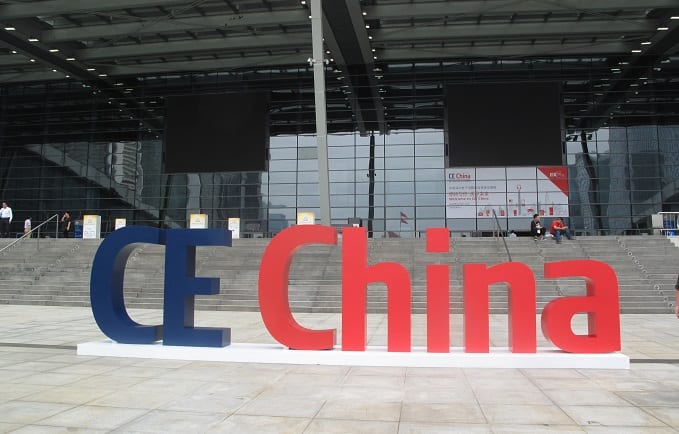
  • CE China makes debut

    CE China makes debut

    Brings together local and international retailers and suppliers.

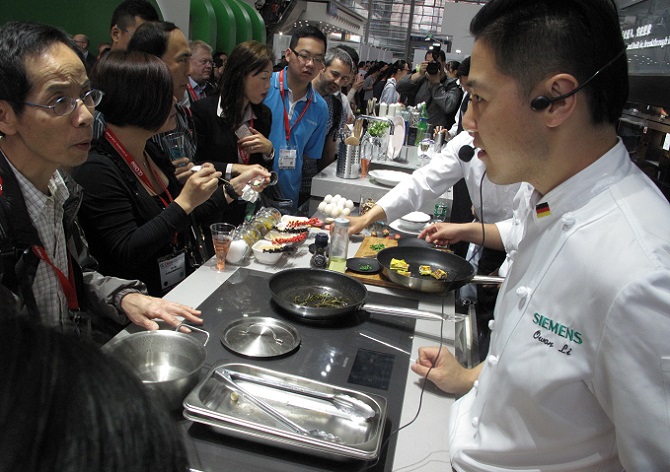
    The CE China exhibition launched in Shenzhen this week, created by the organisers of the annual IFA Berlin exhibition, has brought together retailers including Alibaba and Amazon China with leading Chinese and international manufacturers for a unique exhibition concept.

    There were over 150 exhibitors for the three-day event, concluding today (April 22) across an exhibition area of over 15,000 square metres at the Shenzhen Convention and Exhibition Center.

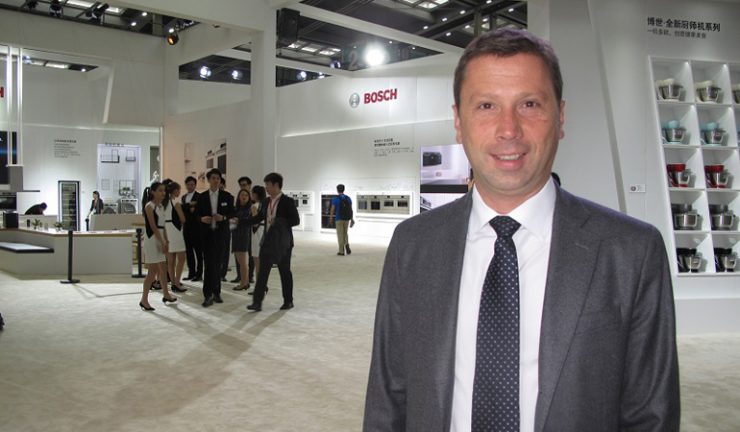
    According to Jens Heithecker (pictured below), the executive director of IFA at Messe Berlin, this new exhibition is designed to provide Chinese consumers and members of the trade with a local and international experience.

    Jens-Heithecker

    “Welcome to the very first edition of the new CE China trade show and you can see it is a retail brand show – this means we have Chinese retailers as well as Chinese brands and global brands from around the world here in one place. This is the newest show for the Chinese market, but with clear influence to the Asian markets as well.

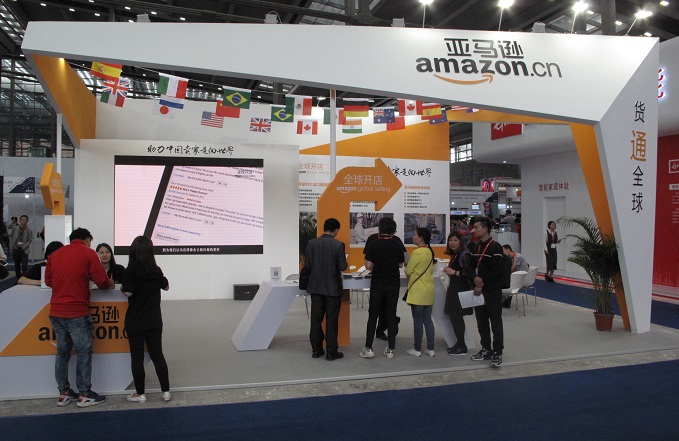
    “We are proud that some of our largest exhibitors the very first year of the show are retailers such as Alibaba, Suning, Gome and Amazon China. In addition to this, from the industry side the dominating booths are from Bosch, Siemens, Karcher, Onkyo emphasising that this is an international show. It is not a trade show with a lot of small booths, it is a brand show that China has not seen so frequently in the past.

    CE China Amazon

    “It is a step for IFA to conquer the Asian market with our own show, but we have also realised in the last couple of months what influence this show has to Berlin. We have much better contact with the Chinese retailers and manufacturers who are better informed about IFA in Berlin.

    “We have also brought the Euronics and Expert buying groups from Europe and they will inform the industry in China that they act differently to other retailers worldwide, the influence is both ways. We bring over international and niche brands that is what the new Chinese middle class is looking for and of course the leading brands worldwide.

    “We have two kinds of trade visitors – the traditional Chinese retailers with central buyers who spread out the products through the shops, but also in this competitive environment of rising online retailers, it is clear that you have to train staff in a better way so the retail shops have better chance to survive.

    “The consumer experience in-store has to be an experience and not only a place to pick up products. And the manufacturers feel as though they need much more brand experience in the retail stores, bringing retailers and manufacturers together to train each other with the newest products for the best sales outcome. That is the basic idea here in China and we look forward to demonstrating how we do it in Europe.

    CE China Siemens

    “The other point, is that here in the region of Shenzhen is the world’s largest hub for the electronics industry which means for all these companies developing, manufacturing and marketing these products they need to understand in a better way to work with international brands and international markets and this is the chance for them to see and learn about at CE China.”

    Dr. Christian Göke, CEO of Messe Berlin added: “As the Asian counterpart of the global IFA trade show, CE China is consciously aligned to the needs of Chinese distributors, and existing retail structures in particular. These distributors are interested in products manufactured by well-known international brands. It will be our task to successfully bring together these companies and distributors at CE China.”

  • Belgian King praises Indonesia`s economic development

    Belgian King praises Indonesia`s economic development

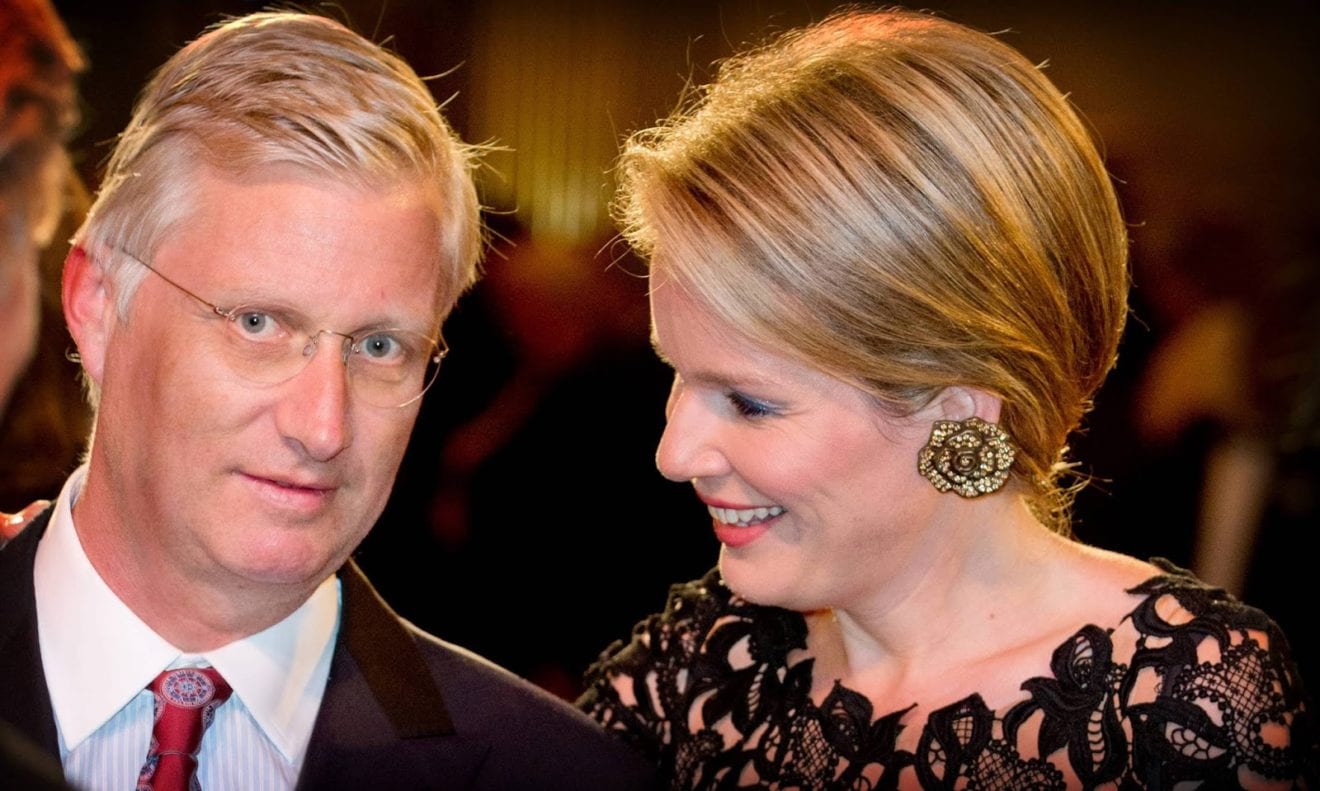
    “Indonesias economy is remarkable,” King of Belgium Philippe told President Joko Widodo (Jokowi) when they met at the Royal Palace in Brussels, the Belgian capital on April 21, 2016.

    He has followed the economic development of Indonesia closely, and he gave high credit to the progress, King Philippe claimed.

    He particularly expressed his support to the economic deregulation measures carried out by President Jokowi, who is expected to reveal his 12th economic stimulus package aimed at boosting investment and trade, in the very near future.

    Belgium is Indonesias key partner, in terms of trade and investment.

    Total trade between Indonesia and Belgium in 2015 reached US$1.67 billion, while investments amounted to US$7 million.

    The European countrys investments in Indonesia include those in diverse fields, ranging from power generation to the cocoa processing industry.

    Last March, the Belgian government sent a high-profile delegation to Indonesia, headed by Princess Astrid to strengthen bilateral economic relations, particularly in the fields of trade and investment.

    Princess Astrid, as representative of King Philippe, headed a 301-member delegation to Indonesia from March 12 to 18, 2016.

    In total, 127 companies and at least four ministers participated in the economic mission.

    The delegation is the largest-ever Belgian mission to come to Indonesia, and this is a landmark in the growing ties between the two nations, the Belgian government said on its official website.

    Some 25 Memoranda of Understanding (MoUs) and business contracts between business associations of both countries were signed during Princess Astrids visit to Jakarta.

    Jokowi and Princess Astrid, during their meeting at the Merdeka Palace in Jakarta, on March 15, 2016, agreed that the two nations should step up economic cooperation.

    The President expressed his optimism that Belgiums largest economic mission to Indonesia would help strengthen bilateral relations between both countries.

    The Head of State also called for expanding interactions between the business communities of both nations, and for expanding market access for Indonesian products, such as footwear, rubber, textiles, electronics and furniture, to enter Belgium.

    He also invited Belgian investors to start businesses in strategic sectors in Indonesia, such as infrastructure, telecommunications, the film industry, and raw materials.

    However, in the meeting with the Belgian King in Brussels, President Jokowi conveyed Indonesias worries on several discriminative measures from EU countries to Indonesian Crude Palm Oil products.

    “I believe Belgium will not take those discriminatory measures,” the President said.

    He also expressed his appreciation and gratitude for the decision to select Indonesia as the guest country for the 2017 Europalia Festival, as well as for the invitation to attend the inauguration of the festival.

    “The festival is an opportunity for Indonesia to show the richness of its culture. I hope Your Majesty will support us for the success of the event,” President Jokowi, who was accompanied by Coordinating Minister for the Economy Darmin Nasution, Minister of Foreign Affairs Retno L.P. Marsudi, Minister of Trade Thomas Lembong, and Cabinet Secretary Pramono Anung, said.

    Coinciding with the Presidents visit, a round-table meeting was organized and attended by CEOs of 15 Belgian companies in Brussels on April 21.

    Many people in the audience expressed interest in gaining insights into infrastructure development in Indonesia.

    Head of the Indonesian Investment Coordinating Board (BKPM) Franky Sibarani and Chairman of the Indonesian Chamber of Commerce and Industry (Kadin) Roesan Roslani briefed them on the progress of infrastructure development projects, such as seaports, toll roads, and airports.

    Most of the participating companies have invested in Indonesia and planned to expand their investments.

    “For instance, a company that produces steel fiber expanded its investment worth US$50 million in Karawang; a knife manufacturing company has planned to open a new plant in Bekasi; and a retail company has planned to expand its network,” Sibarani revealed.

    Belgiums investment in the country reached $132 million during the 2010-2015 period, placing the nation in the 27th position on the list of Indonesias foreign investors, according to the BKPM data.

    The European countrys investment commitment during the same period was recorded at $213.5 million comprising 64 projects.

    Furthermore, the BKPM identified a Belgian firm, which is keen to invest US$574.5 million, or some Rp7.1 trillion, in seaport development.

    The Belgian company had contacted a state-owned seaport operator to express its interest, Sibarani stated.

    “The company has also urged the investment board to facilitate its plan, including coordinating with other related ministries or institutions,” he remarked.

    Meanwhile, Trade Minister Thomas Lembong stated that a series of economic policy packages issued by the government had made Indonesia a favorite investment destination.

    “The policy packages have made Indonesia more attractive to foreign investors,” Thomas Lembong, accompanying President Jokowi on a European tour that covers Germany, Britain, Belgium, and the Netherlands, said.

    The policy packages had boosted trade cooperation between Indonesia and European countries, the minister believed.

    The Indonesian government has issued 11 economic policy packages over the past several months marked by massive deregulation.

  • Prince Albert of Monaco appreciates Wonderful indonesia

    Prince Albert of Monaco appreciates Wonderful indonesia

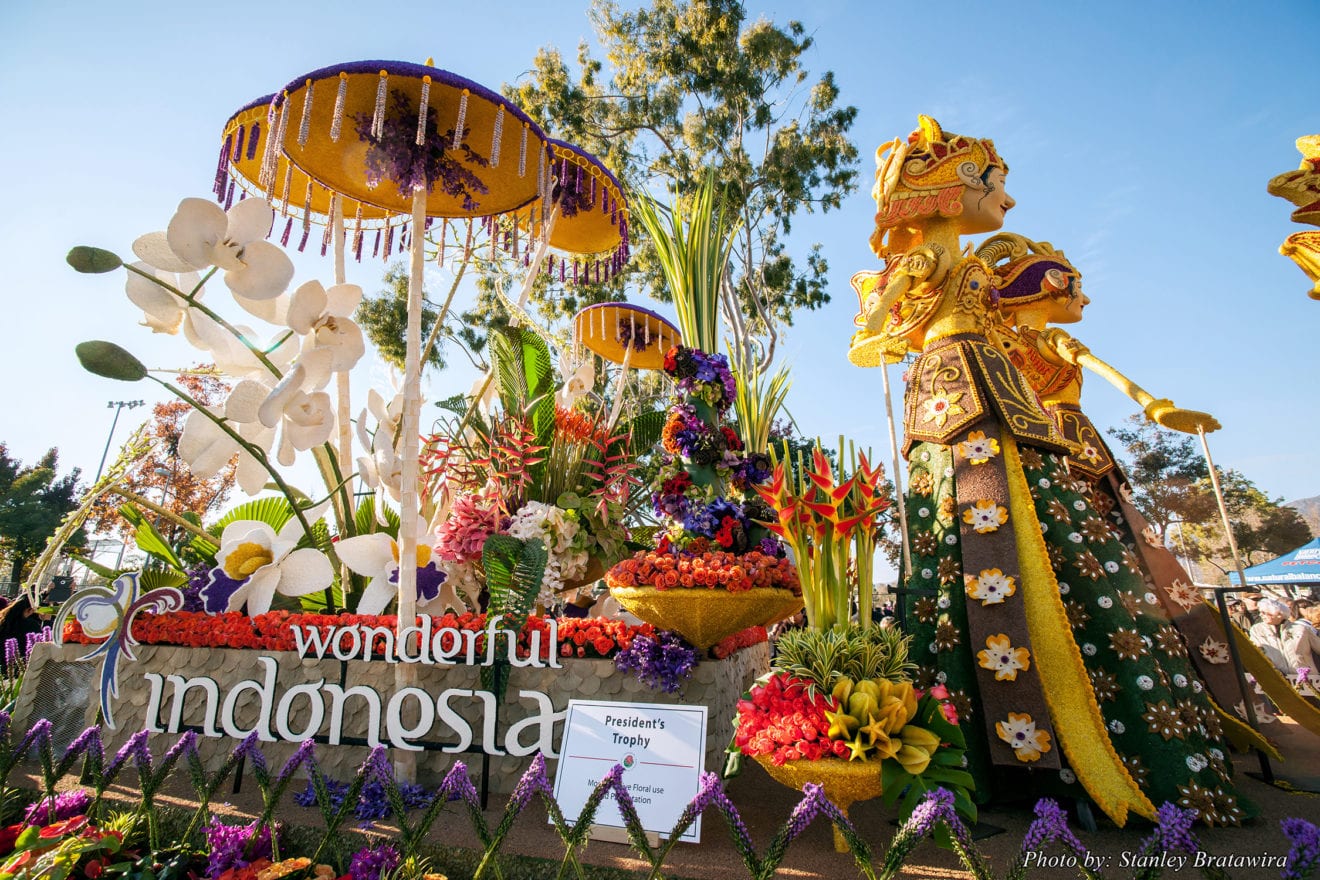
    Prince Albert II of Monaco appreciated Wonderful Indonesia, Indonesia’s tourism promotion branding initiative, during an Indonesia-Monaco Friendship Night in Monte Carlo on April 20.

    The Tourism Ministry Secretary, Ukus Kuswara, said in Monaco on Saturday that Monaco’s head of state expressed his appreciation for the campaign when he attended the friendship night, where cultural and arts performances were the highlight.

    Apart from Prince Albert II, the friendship night, an initiative of the Indonesian tourism ministry and the Indonesian Embassy in Paris, was also attended by government officials, the head of state palace, the head of Monaco Economic Agency, industrialists and tourism business players of the kingdom state.

    The tourism ministry presented the Paulus Surya Orchestra & Vocalia from Semarang, Central Java, featuring 10 musicians and five dancers. Dressed in Bali’s exotic costumes, they danced to traditional music as audiences joined the revelries, shaking their heads, their bodies jiving to keep up with the tempo.

    A medley of European songs, including the O Bambino Caro, a favorite of the mother of Prince Albert II, mesmerized the audience. Besides the orchestra, Indonesian textiles were also displayed by noted designer Oscar Lawalata.

    Oscar Lawalata displayed 60 personal classic textile collections from various regions in Indonesia.

    After the Wonderful Indonesia program, the event continued with a business meeting between the two countries.

    The Indonesian delegation was led by Kuswara, accompanied by Hirmansyah Sambudhy Thaib, the chairman of the working group for development acceleration of 10 national tourism destinations.

    On the Monaco side, the event was attended by the country’s businessmen and industrialists who were offered investment cooperation and a chance to visit Indonesia. They were offered investment opportunities in Indonesia’s Tourism Special Economic Zone, now being developed in 10 tourism destinations.

  • Why Retailers Should Care About Google’s Eddystone Beacon Upgrade

    Why Retailers Should Care About Google’s Eddystone Beacon Upgrade

    Beacons have been mired in a no man’s land of emerging technologies ever since they came onto the scene, and their lethargic progress can’t be chalked up to any single deficiency. Developers don’t know all their use cases; retailers aren’t quite sure how to deploy them; shoppers can’t trust that the push notifications aren’t collecting information that’s only sent back to the merchant in question.

    At the very least, Google’s latest upgrade to its Eddystone platform promises to address that last one.

    Google — or Alphabet as the kids say these days — announced a new security protocol for its beacon format on Thursday (April 14) that goes by the name of Ephemeral IDs (EID). While that’s not a very sexy sentence for merchants on the hunt for new ways to create sticky experiences for in-store customers, the technology behind the EID protocol might.

    Instead of previously available security standards that variously had sensors and devices automatically and periodically scan their environments for all potential communicable nodes, EID uses a more targeted and personal approach. Sensors on the platform broadcast encrypted keys that autonomously change as frequently as every other second, depending on the owner’s preference, and only devices with access to that same platform can decrypt the key. Without proper access, there’s no way to unscramble the eight-bit identifier code and no way for snoopers to eavesdrop on digital conversations.

    Best of all, since the EID changes so often, Google says that there’s little to no chance it can be falsely reproduced or the signal tracked over time.

    While this still might not be enough to get retailers’ motors going, it’s important to note that EID protocols don’t require consumers to authorize apps or verify that the inanimate beacon is communicating the right information to the right users; during installation, retailers set the access parameters themselves. Yossi Matias, vice president of engineering at Google, told Wired that this EID update achieves something in beacon technology that’s eluded researchers from the outset: enhanced security without increased friction.

    “It’s very easy to provide security layers which compromise the user experience,” Matias said. “These are very easy to deploy from a technology point of view and are very bad experiences. The real challenge from a technology perspective is how to keep things simple but also add a security layer on top of everything.”

    The Eddystone EID protocol is already seeing some real-world use. Google touted how in Hong Kong, the part-art studio, part-retail mall K11 is employing EID-upgraded beacons to deliver information on installations and targeted promotions as soon as customers come within a certain range of sensors. Stateside, Washington, D.C.-based Monumental Sports has rolled out Eddystone’s newest update to sensors all over the Verizon Center, allowing personalized updates on seat upgrades and secure transactions within a crowded (both physically and digitally) 18,000-seat stadium.

    Matias himself has seen success with a somewhat new use case for beacons: personal belongings tracking.

    “As we started this project, my favorite use case was the suitcase, since I travel so much,” he told Wired. “You can think about many benefits; my favorite one was getting a notification once it’s near the carousel, so I don’t need to waste time watching other bags … But the question is: How can I do that knowing that I’m the only one that can recognize my suitcase and that it’s not recognized by anyone else’s mobile device?”

    It’ll likely take time to build up confidence in both consumers and retailers that a technology they can’t see is actually doing a better job of securing their data than all the previous architectures that have promised the same thing. But if beacons are ever going to work in the brick-and-mortar world, EID doesn’t seem like such a bad place to start.

    Or, in the case of beacons: a place to start again.

  • Garuda Indonesia to receive 14 Airbus A330neo jets

    Garuda Indonesia to receive 14 Airbus A330neo jets

    Garuda Indonesia has confirmed an order with Airbus for the purchase of 14 A330-900neo, the new re-engined version of the best-selling A330 widebody airliner, to support the company’s growth and business expansion in the future.

    The deal was signed at a ceremony in London in the presence of the President of Indonesia, His Excellency Joko Widodo and British Prime Minister, the Rt. Hon. David Cameron MP.

    Garuda Indonesia plans to use the A330neo to develop its medium and long haul network, with the aircraft offering cutting edge technology along with more efficient operations. The order replaces and extends an existing order for seven A330-300 aircraft, and the A330neo will be delivered from 2019 onwards.

    “We are pleased to announce that we continue our long-standing relationship with Airbus. Both Garuda Indonesia and Airbus fully understand the aim of the deal as a long-term strategy to win the global challenge,” said Arif Wibowo, CEO of Garuda Indonesia.

    Arif explained, “The A330neo represents a more-efficient future for Garuda Indonesia. This order restructuring is believed to support our continued commitment to deliver the most modern, comfortable and excellent air travel service to all customers as well as to strengthen the sustained positive growth and business expansion of the company.

    “Furthermore, we are confident that this latest technology aircraft will support us to compete better in the industry.”

    Prime Minister David Cameron said: “This deal underlines the increasing importance of our ties with Indonesia – a fast growing economy and set to become the seventh largest in the world by 2030.

    “We are the fifth biggest investor in Indonesia and our relationship has more untapped potential. We want to encourage more British businesses to seize on these opportunities and we will continue to support them by banging the drum for British skills and expertise.”
    Airbus Chief Operating Officer Tom Williams said: “We are delighted to welcome Garuda Indonesia as a new customer for the A330neo.

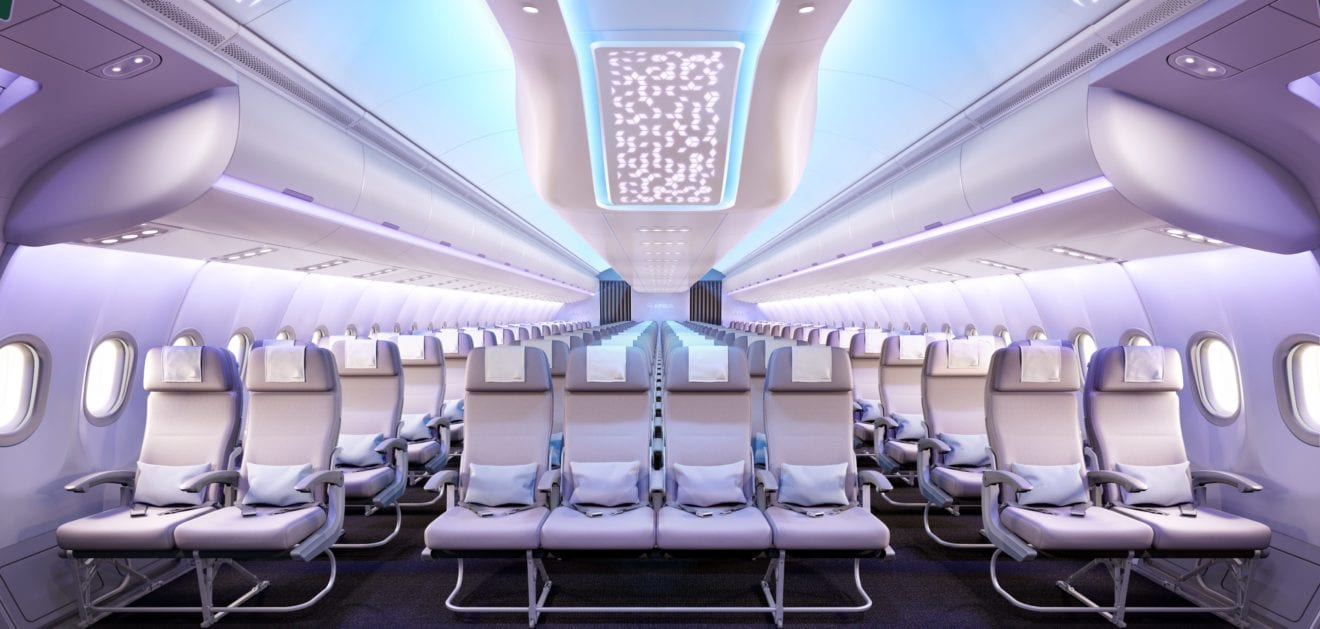
    “The A330neo will bring a range of benefits from unbeatable operating economics including significant reductions in fuel consumption, lower maintenance costs and extended range capability. The aircraft will have Airbus’ all new Airspace cabin which will ensure the A330 continues to be a benchmark for passengers and airlines alike.”

    The deal is the latest milestone in a long standing partnership dating back more than 30 years, when the airline took delivery of its first Airbus A300.

    The A330-800neo and the A330-900neo are two new members of the Airbus Widebody Family with first deliveries scheduled to start in Q4 2017. The A330neo incorporates latest generation Rolls-Royce Trent 7000 engines, aerodynamic enhancements and new cabin features. Benefitting from the unbeatable economics, versatility and high reliability of the A330, the A330neo reduces fuel consumption by 14% per seat, making it the most cost efficient, long range widebody aircraft on the market.

    In addition to greater fuel savings, A330neo operators will also benefit from a range increase of up to 400 nautical miles and all the operational commonality advantages of the Airbus Family.

  • Garuda Indonesia Denpasar Aims for 10% Growth

    Garuda Indonesia Denpasar Aims for 10% Growth

    PT Garuda Indonesia (Persero) Tbk. Denpasar Branch Office has targeted a 10 percent growth this year compared to 2015.

    Micky Irfandi, General Manager of Garuda Indonesia Denpasar Branch Office, said he is optimistic of achieving the target through a wide range of efforts, though he admitted that Q1 2016 sales has yet to show any positive signal.

    “In Q1 2016, we actually saw a decrease of 14 percent compared to the same period last year. One of the factor that affected the decrease was unstable global economy, which has made people and companies or agencies to be more efficient,” Micky said, Monday, April 18, 2016.

    Based on the data of Bali Statistic Agency, the number international departure from I Gusti Ngurah Rai airport in February 2016 was 2,423 flight departures. The figure was down by 2.73 from previous month of 2,491 flights.

    For domestic flights, the number of aircraft departed from I Gusti Ngurah Rai airport in February 2016 was 3,067 flight departures, or fell by 7.15 percent compared to the previous month of 3,303 flight departures.

    Moreover, Micky went on, another factor which has affected the growth figure was fuel price decrease which has forced his company to readjust ticket prices.

    “Fuel price decrease has resulted in lower ticket prices and it has reduced our revenue compared to previous figure,” Micky said.

    Garuda continues to launch various promotional efforts to attract foreigners to travel to Bali in line with the company’s support for the government program of 20 foreign tourist visits by 2019.

    “We continue to carry out various efforts to support the government programs also by opening new routes recently and increasing the number of seats for Denpasar-Hong Kong route. The route was previously using 737-800 aircraft with a capacity of 162 seats; we replaced it with A333 aircraft with 251 seats and adding 89 seats,” he explained.

    Micky added that Garuda is also mulling on increasing flight frequency of Denpasar-Beijing and Denpasar-Shanghai routes from three flights per week to four or five flights.

  • LFC sponsor Garuda in 14-plane order with Airbus

    LFC sponsor Garuda in 14-plane order with Airbus

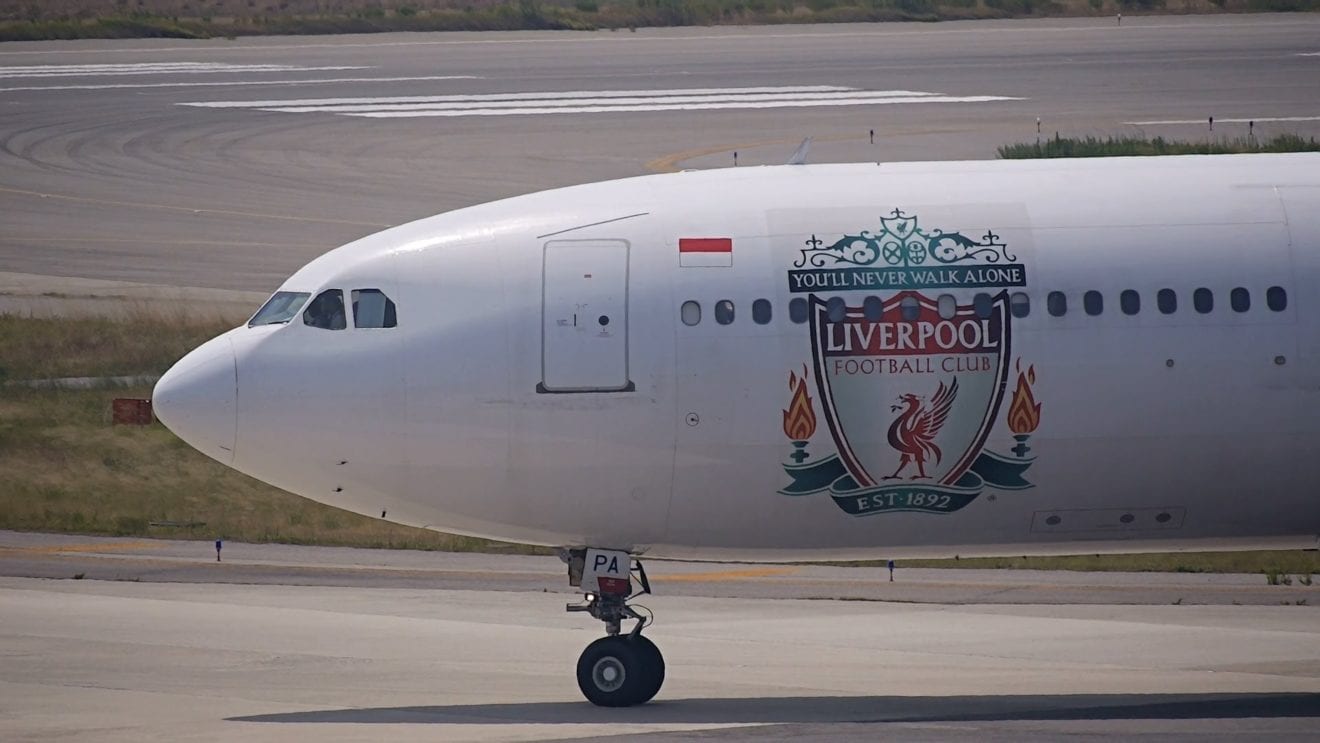
    Liverpool FC training kit sponsor Garuda Indonesia has confirmed an order with Airbus for 14 A330-900 aircraft.

    The planes, the new re-engined version of the best-selling A330 widebody airliner, will support growth and business expansion for the Indonesian airline.

    The deal was signed at a ceremony in London in the presence of the President of Indonesia, His Excellency Joko Widodo, and British Prime Minister, David Cameron MP.

    Garuda Indonesia plans to use the aircraft to develop its medium and long haul network, with the planes offering cutting edge technology along with more efficient operations.

    Airbus employs more than 6,000 staff at its Broughton plant, near Chester, making wings for all its commercial aircraft .

    The order replaces and extends an existing order for seven A330-300 aircraft, and the A330neo (new engine option) will be delivered from 2019 onwards.

    “We are pleased to announce that we continue our long-standing relationship with Airbus. Both Garuda Indonesia and Airbus fully understand the aim of the deal as a long-term strategy to win the global challenge,” said Arif Wibowo, chief executive of Garuda Indonesia.

    He explained, “The A330neo represents a more-efficient future for Garuda Indonesia. This order restructuring is believed to support our continued commitment to deliver the most modern, comfortable and excellent air travel service to all customers as well as to strengthen the sustained positive growth and business expansion of the company.

    “Furthermore, we are confident that this latest technology aircraft will support us to compete better in the industry.”

    Prime Minister David Cameron said: “This deal underlines the increasing importance of our ties with Indonesia – a fast growing economy and set to become the seventh largest in the world by 2030.

    “We are the fifth biggest investor in Indonesia and our relationship has more untapped potential. We want to encourage more British businesses to seize on these opportunities and we will continue to support them by banging the drum for British skills and expertise.”

    Airbus chief operating officer Tom Williams said: “We are delighted to welcome Garuda Indonesia as a new customer for the A330neo.

    “The A330neo will bring a range of benefits from unbeatable operating economics including significant reductions in fuel consumption, lower maintenance costs and extended range capability.

    “The aircraft will have Airbus’ all new Airspace cabin which will ensure the A330 continues to be a benchmark for passengers and airlines alike.”

    The deal is the latest milestone in a long-standing partnership dating back more than 30 years, when the airline took delivery of its first Airbus A300.

    The A330-800neo and the A330-900neo are two new members of the Airbus widebody family with first deliveries scheduled to start in the fourth quarter of 2017.

    The A330neo incorporates latest generation Rolls-Royce Trent 7000 engines, aerodynamic enhancements and new cabin features.

    It reduces fuel consumption by 14% per seat, making it the most cost-efficient, long range widebody aircraft on the market.

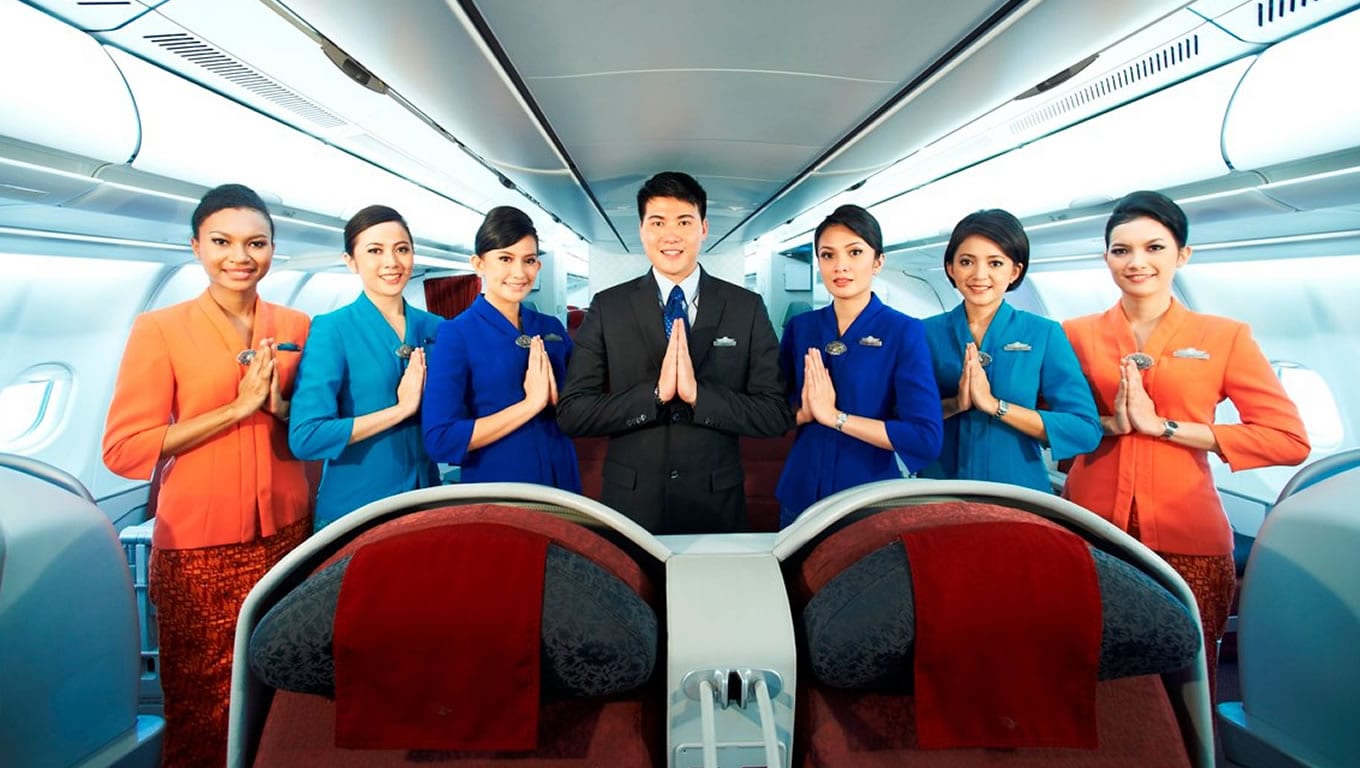
    Garuda Indonesia is already rated a five star airline in terms of comfort and passenger services.