Category: General

Retail News Asia is committed to providing both local and global retailers with the latest General Retail news throughout the Asian market. This on a daily base.

  • China to cut import tax on some online retail purchases

    China to cut import tax on some online retail purchases

    China will cut import taxes on some online retail purchases starting April 8, the finance ministry said on its website on Thursday.

    Goods with a value of 20,000 yuan (US$3,070) or less bought online and shipped into China would no longer be subject to customs duty, the ministry said.

    Imports of goods bought online had previously been subject to customs duty, consumer tax and value-added tax, according to the ministry’s statement. The tax due will now also be capped at 70 percent of the applicable consumer tax and VAT.

    Goods worth more than 20,000 yuan would be liable for the current general trade tax, the ministry said.


  • Fuji keen to intensify cooperation with Indonesia

    Fuji keen to intensify cooperation with Indonesia

    Fijian Minister for Agriculture, Rural, and Maritime Development and National Disaster Management Ina Seruiratu has expressed his countrys keenness to expand cooperation with Indonesia in various fields.

    “We have expanded our cooperation with Indonesia in areas such as agriculture, which is paramount for the two countries as well as in the field of residential development,” Seruiratu noted in a press statement of the Indonesian Coordinating Minister for Political, Legal and Security Affairs Luhut Binsar Pandjaitan released on Thursday.

    He made the remarks after receiving assistance worth US$5 million from the Indonesian government through Minister Pandjaitan to help alleviate the financial burden of the victims of Cyclone Winston, which left 19 people dead and affected part of the country.

    He expressed hope that the Indonesian assistance would strengthen relations between the two nations.

    Pandjaitan also said his country was looking forward to taking a cue from Indonesia in mitigating natural disasters as it was also a disaster-prone nation.

    “Besides learning from Indonesias experiences, we also want to gain a deeper understanding of disaster mitigation technology from the country,” he revealed.

    During his visit to Fiji, Minister Luhut also met Prime Minister Josaia Bainimarama to extend his condolences over the disaster that affected the South Pacific country.

    Luhut praised the Fijian premier for his swift action in addressing the disaster.

    “I believe that under the leadership of Prime Minister Bainimarama, Fiji would soon recover and rebuild itself,” he added.

  • Garuda Indonesia Inaugurates Flight to London Heathrow

    Garuda Indonesia Inaugurates Flight to London Heathrow

    In a bid to strengthen its business expansion and nation branding in Europe, Garuda Indonesia today has inaugurated flight service to Heathrow Airport, London. Earlier, since September 2014, Garuda Indonesia has opened flight service to Gatwick Airport, London.

    “London Heathrow is the world’s 6th busiest airport with high passenger traffic. Garuda Indonesia’s service in the airport is expected to expand passenger connectivity in European market, particularly England, mainly through SkyTeam network to various world destinations,” said President Director of Garuda Indonesia M. Arif Wibowo in a press release as quoted by Bisnis.com, Thursday, March 31, 2016.

    Garuda Indonesia will offer flights from Jakarta to London Heathrow through Singapore (transit), whereas from London Heathrow to Jakarta, Garuda will operate five times weekly nonstop flight service (every Tuesday, Wednesday, Thursday, Saturday and Sunday), using Boeing 777-300ER aircraft with First Class service, with a capacity of 314 passengers, with 8 seats configuration for First Class, 38 seats for business class and 268 seats for economy class.

    Meanwhile, Deputy for Financial Service Business, Survey and Consulting Division of SOE Minister, Gatot Trihargo, in his speech representing Indonesia’s SEO Minister has expressed his appreciation on Garuda Indonesia’s effort who has continuously provides the best services to its users.

    “As a the nation’s flag carrier who also carries a five star rating, Garuda Indonesia’s presence, wherever it is, will carry the state’s name. Flight services to London Heathrow is expected to strengthen Garuda’s flight network, which can certainly help boost Indonesia’s economic, business and tourism growth,” Gatot added.

  • Is this the city of the future?

    Is this the city of the future?

    Today, more than half of our planet’s population live in urban areas, with millions of people migrating from the countryside to towns and cities in search of prosperity to a point where the world’s urban population has rocketed from 746 million in 1950 to 3.9 billion in 2014, according to the United Nations.

    As urban populations balloon, the strain on cities – many of them hundreds of years old – increases, with everything from transport to living space, healthcare and security put under pressure.

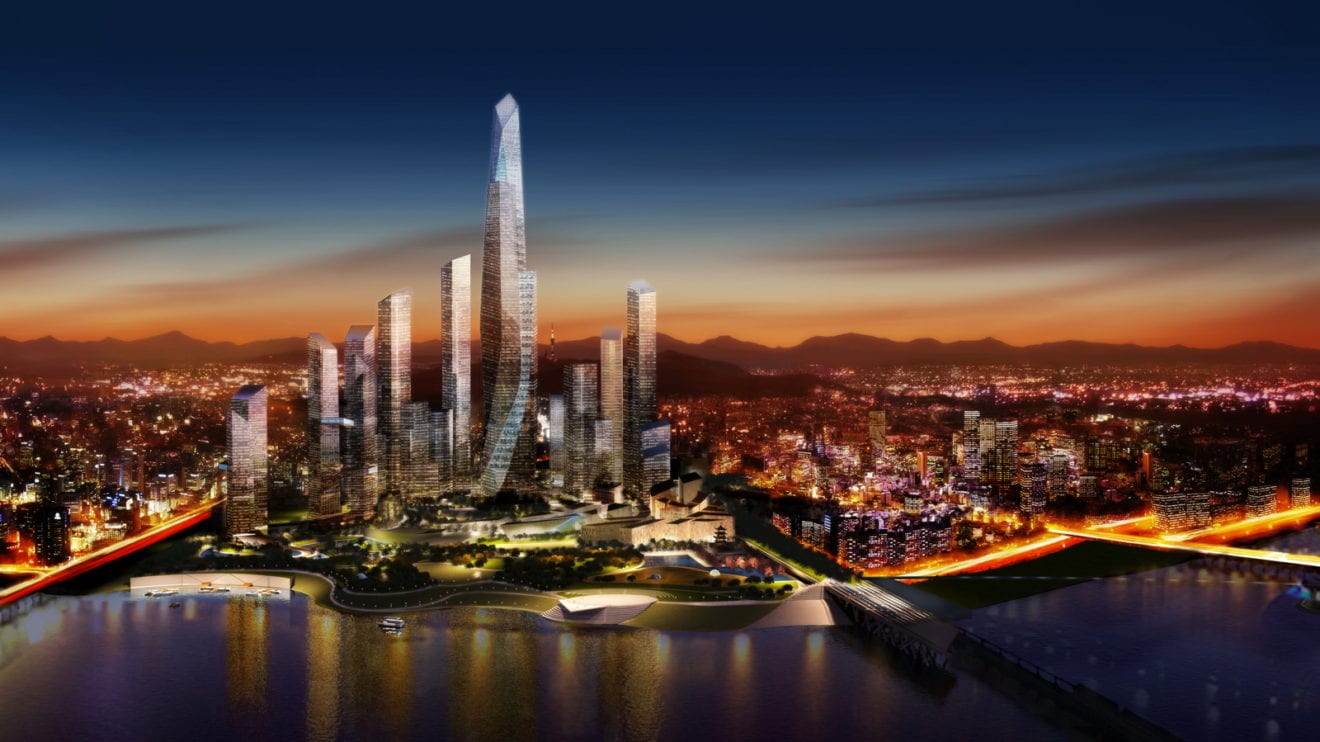
    In South Korea, the Songdo International Business District (Songdo IBD) is offering one vision of how cities might look in the future. A $35 billion project, Songdo has been developed across more than 1,000 acres of reclaimed land.

    “The original concept of Songdo was as a gateway city to the Korean mainland from Incheon International Airport, where basically all the uses – be they residential, retail, work, educational or cultural – would… all be within a 15 minute walking time of one another,” Jonathan Thorpe, senior EVP and chief investment officer at Gale International, part of the public-private partnership behind Songdo, told CNBC’s Sustainable Energy.

    As well as being technologically advanced, there is a heavy emphasis placed on sustainability. Forty percent of the city has been designated as “green public space” while the city is also home to 20 million square feet of LEED – Leadership in Energy and Environmental Design – certified space.

    “The residents can… control their lighting, their heating, ventilation, air conditioning usage, all within a single panel,” Thorpe said.

    “Moreover, they can track the actual consumption of energy that they individually are consuming, compare that to the use of their neighbours and this helps, really, greatly increase efficiency,” he added.

    The importance of technology is crucial, according to renowned British architect Norman Foster.

    “In many ways technology has been a constant throughout civilization,” Foster told Sustainable Energy.

    “It’s always been maximizing the materials to transform the climate and create a more comfortable environment in an age before cheap energy,” he said.

    “We have to relearn those traditional lessons and apply that with the technology of our time. You have to look at all the elements within the building – the materials, the way in which it responds to climate – to reduce the amount of energy and ideally move to buildings which harvest energy.”

  • Hong Kong International Airport officially opens Midfield Concourse

    Hong Kong International Airport officially opens Midfield Concourse

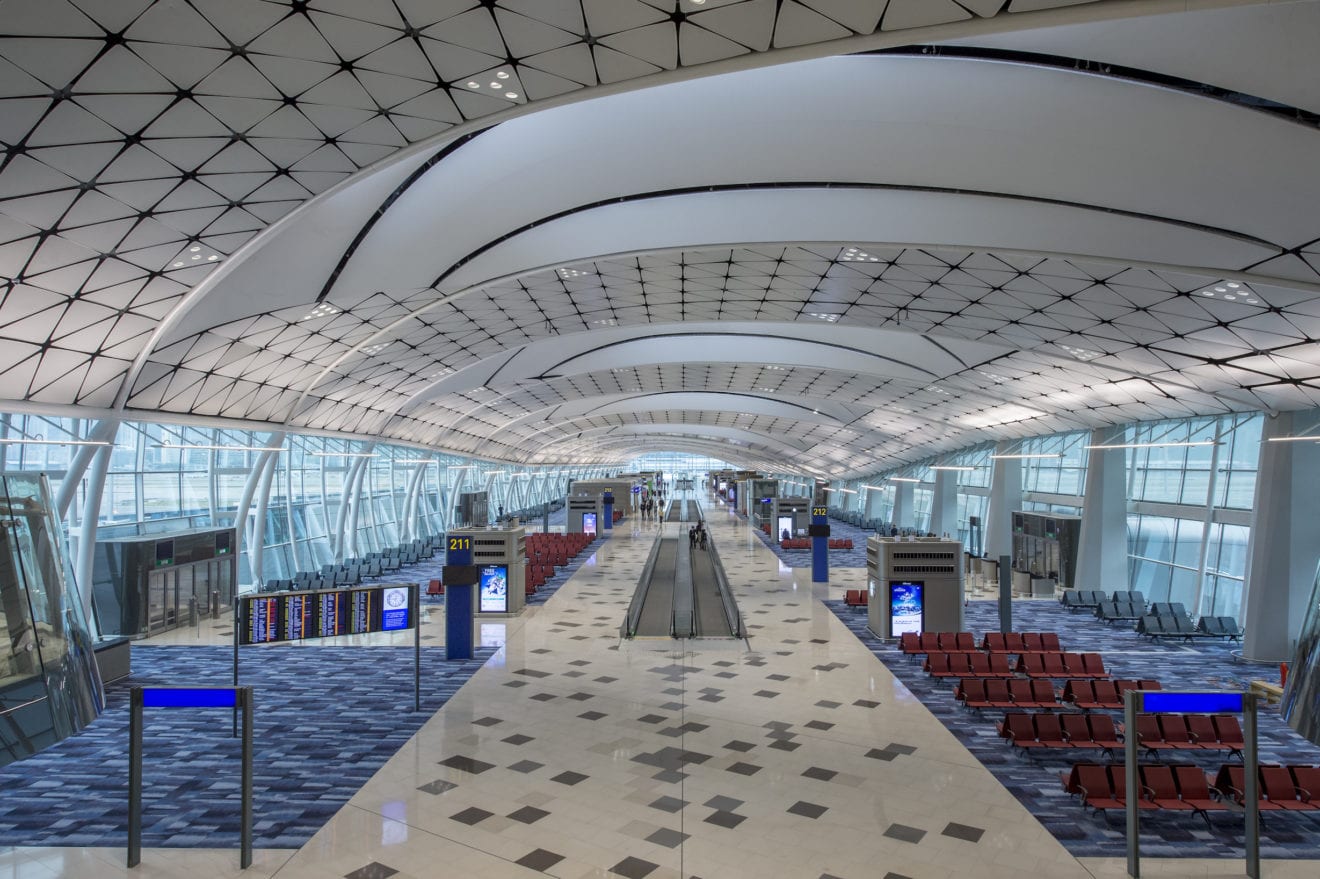
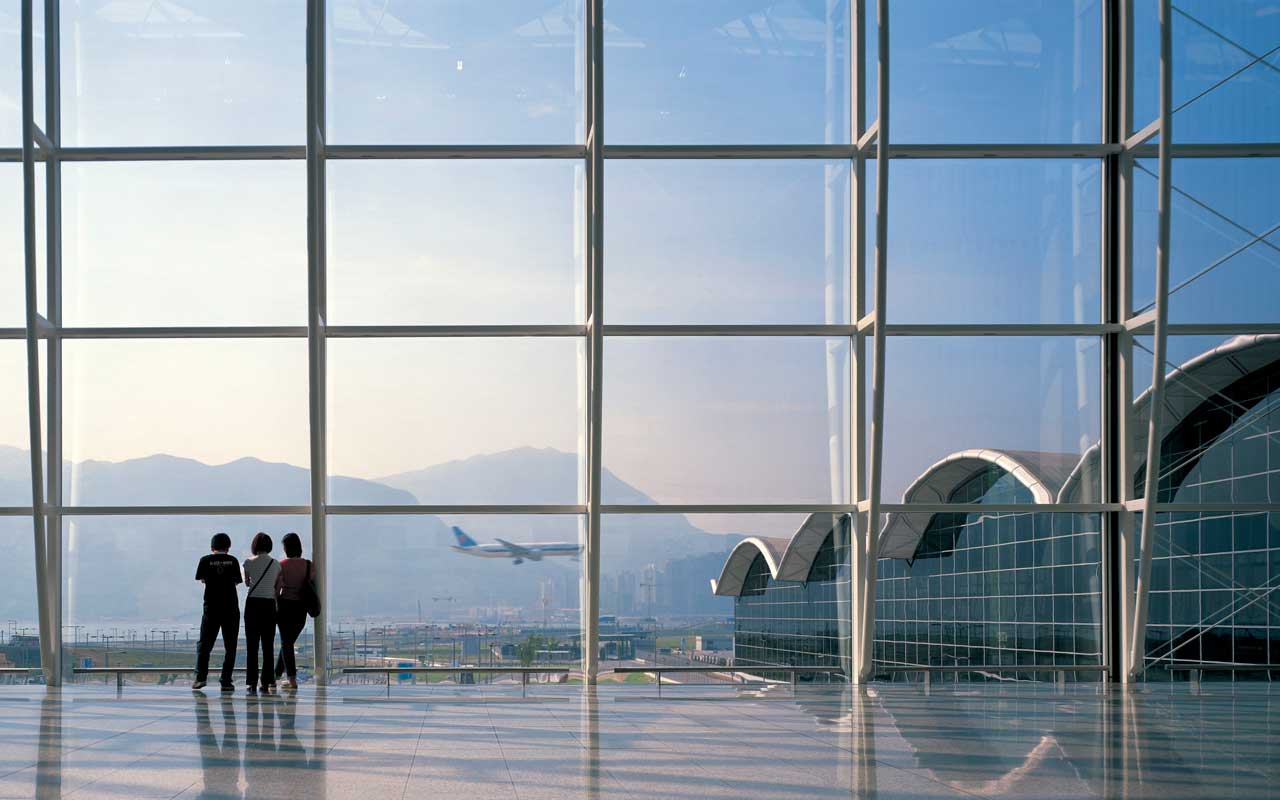
    Airport Authority Hong Kong (AA) held a Grand Opening Ceremony at the Midfield Concourse (MFC) of Hong Kong International Airport (HKIA) today to celebrate the full operation of the facility.

    The ceremony was officiated by Jack So Chak-kwong, Chairman of the AA, he said: “The concourse is an important development project that will help HKIA meet increasing traffic demand in the medium term, as we work towards completion of the three-runway system.”

    Located to the west of Terminal 1 between HKIA’s two existing runways, the 105,000sqm five-storey concourse provides 20 parking positions. AA says the new concourse and has increased the ratio of passengers boarding and disembarking aircraft using airbridges, enhancing the overall airport experience. Passengers can reach the MFC by an extension of the Automated People Mover system from Terminal 1.

    “HKIA, connecting Hong Kong to about 190 cities in the Mainland and overseas, is the most important transport infrastructure maintaining Hong Kong’s external connections, as well as an engine for our city’s economic growth. The outstanding achievement of HKIA today is attributable to the collective efforts of HKIA’s business partners, the aviation services sector, the relevant government departments and every stakeholder in society. My congratulations on the full operation of the MFC and I wish the business of our airport will continue to prosper,” said Carrie Lam Cheng Yuet-ngor, Chief Secretary for Administration.

    Last month Airport Authority Hong Kong (AA) opened nine new retail shops and a café at the MFC. Additionally, eight retail and three catering outlets are soon to be opened at the concourse, including a new multi-category store concept from DFS. The catering outlets will offer café and casual-dining options to departing passengers who have limited time before boarding.

    The concourse also features various ancillary facilities, including newly designed seats with power sockets, deck chairs along the glass facade, as well as free Wi-Fi connections and internet-enabled computer stations.

    HKIA has also just launched a range of promotions for travellers, including an instant rebate of up to HK$5,000 worth of cash coupons and a free delivery service.

  • IOC bids for fuel marketing and retail rights in Myanmar

    IOC bids for fuel marketing and retail rights in Myanmar

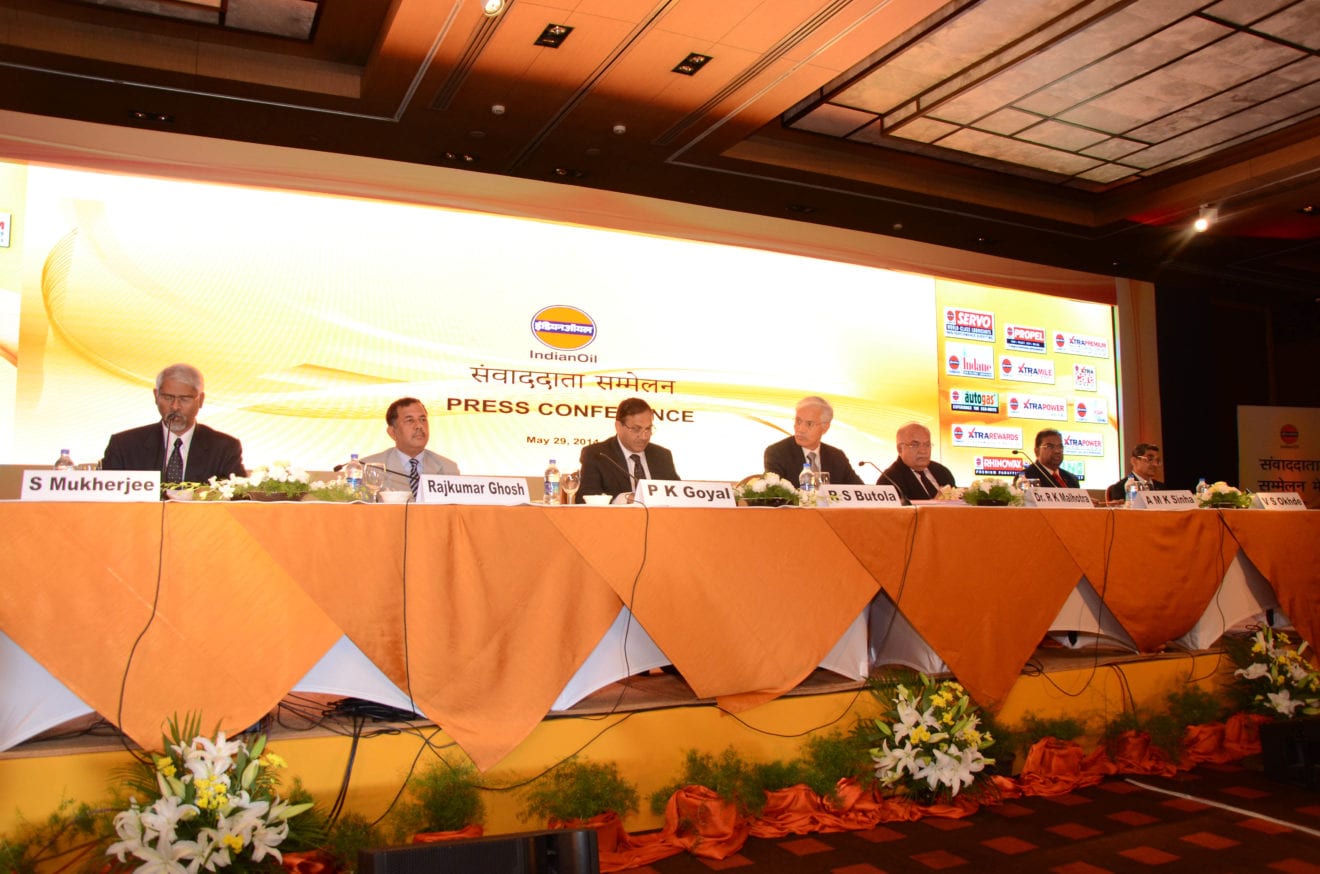
    State-run Indian Oil Corp (IOC) has bid for rights to import, store and distribute petroleum products in Myanmar.

    “We have put in a bid to enter fuel marketing and retail business in Myanmar,” a senior company official said.

    Myanma Petroleum Products Enterprise (MPPE) last year invited companies to form a joint venture for import, storage, distribution and sale of all petroleum products except liquefied petroleum gas (LPG) and liquefied natural gas (LNG).

    A separate tender for cooking gas LPG was floated. IOC had bid for that tender too, the official said.

    MPPE left the fuel distribution business when it was privatised in 2010, but is planning a re-entry into the fast-growing business sector that is marred by widespread dissatisfaction over service standards and fuel quality.

    In 2010, MPPE transferred 216 filling stations to private companies across the country but it still runs 12 pumps which supply fuel to state-owned vehicles.

    It also owns four main fuel terminals and 24 sub-fuel terminals. Around 70 private companies run the country’s 1163 petrol stations, but few have storage facilities or an import licence.

    MPPE now wants to tie up with foreign companies to expand the business and rehabilitate existing facilities. MPPE will hold 51 per cent of equity while the foreign company will hold the rest.

    The joint venture will be for a maximum of 30 years, extendable two 10-year periods.

    The official said IOC wants to use its just commissioned Paradip refinery in Odisha to ship fuel a short distance across the Bay of Bengal to get to Myanmar.

    Being the country’s largest fuel retailer, it also has experience of setting up fuel stations and managing logistics, which would be helpful in the nascent market.

    IOC is among the 11 to have bid for the separate tender to build a new liquefied petroleum gas (LPG) terminal and supply chain business for the distribution and marketing of the cooking and heating fuel.

    Winner of this tender will have to upgrade eight storage containers each with a capacity of 5550 metric tonnes of LPG for Ministry of Energy-owned No 1 Refinery (Thanlyin), and build a wharf with the capacity to load and unload 2000 metric tonnes of LPG.

    This is the first time foreign companies will be allowed to distribute LPG in Myanmar.

    Besides IOC, Singaporean firms Puma Energy Group and BB Energy (Asia) and a consortium of Japan’s Marubeni Corporation and Tokai Holdings has also bid.

  • Retail sector woes continue despite New Year festivities

    Retail sector woes continue despite New Year festivities

    Hong Kong’s retail sector woes continued in the second month of this year when sales tumbled by more than 20 percent during the period when the Lunar New Year is celebrated. The value of total retail sales in February, provisionally estimated at HK$37 billion, was down by 20.6 percent compared with the same month in 2015. The revised estimate of the value of total retail sales in January dropp…

    Hong Kong’s retail sector woes continued in the second month of this year when sales tumbled by more than 20 percent during the period when the Lunar New Year is celebrated. The value of total retail sales in February, provisionally estimated at HK$37 billion, was down by 20.6 percent compared with the same month in 2015.

    The revised estimate of the value of total retail sales in January dropped by 6.6 percent compared with a year earlier. For the first two months of this year, retail sales fell by 13.6 percent compared with the same period in 2015.

    January and February retail sales of jewelry, watches and clocks, and valuable gifts dropped by 24.2 percent, the government said.

    Apparel sales fell by 11.4 percent, while commodities in department stores fell by 12.3 percent.
    Sales of electrical goods and photographic equipment were down by 26.7 percent and miscellaneous consumer durable goods dropped by 31.9 percent. Motor vehicles and parts sales tumbled by 21.2 percent.

  • Will Hong Kong retail market, like Jesus, rise from the dead?

    Will Hong Kong retail market, like Jesus, rise from the dead?

    Spring is here, but our struggling retailers have yet to notice its arrival.

    Last week Li Ka-shing said the economy this year is the worst in 20 years, especially in the case of the retail market, which is facing a situation that is worse than SARS in 2003.

    It’s nice to know, though, that while Cheung Kong is grumbling, rival Sun Hung Kai Properties has come up with a way to cope with the situation.

    At its trendy shopping mall APM in Kwun Tong, Hong Kong’s No. 1 landlord is introducing short-term tenancy.

    Six shops of between 100 square feet and 300 square feet will be coming on stream for tenancy of no more than six months, says Maureen Fung Sau-yim, general manager (leasing) of Sun Hung Kai Real Estate Agency.

    Fung says the tenancy will involve a new profit-sharing system, in which 10 to 12 percent of the sales will be taken as rental.

    This new deal is breaking away from the traditional three-year lease where retailers have to pay 20 percent of their sales to the landlord.

    Landlords are adjusting their leasing strategies in the wake of the poor retail sentiment brought about by slowing tourist arrivals.

    Swire Properties, for example, is terminating the leases of underperforming tenants such as Dan Ryan and Grappa’s (and before that, the beloved of the middle class Marks & Spencer) as part of efforts to transform Pacific Place in Admiralty.

    From the tenants’ side, gold, jewelry and luxury watch shops, along with pharmacies or cosmetics outlets, are giving their spaces back to food stalls and other small operators who previously could not afford the high rent.

    Kowloon Watch, for example, has just closed its store at a shopping mall near my residence, its fifth closure in the past 12 months, leaving only seven shops in operation.

    The short-term tenancy seems the most logical strategy in the new business climate. Some trendy retailers, such as Bathing Ape, which used to draw long queues for its limited edition products, will be perfectly suited for this flexible scheme.

    In the first three months, visitors to APM surged over 10 percent to 27 million with sales topping HK$900 million, according to Fung.

    This coming Easter, the mall will be spending an advertising budget of HK$2.3 million, up 10 percent from the previous year, in anticipation of a huge wave of visitors, especially those coming from the Kai Tak Cruise Terminal.

    Hopes are high that the local retail market, like Jesus Christ, can rise from the dead after its extended crucifixion.

  • Lotte seeks calm waters after family turbulence

    Lotte seeks calm waters after family turbulence

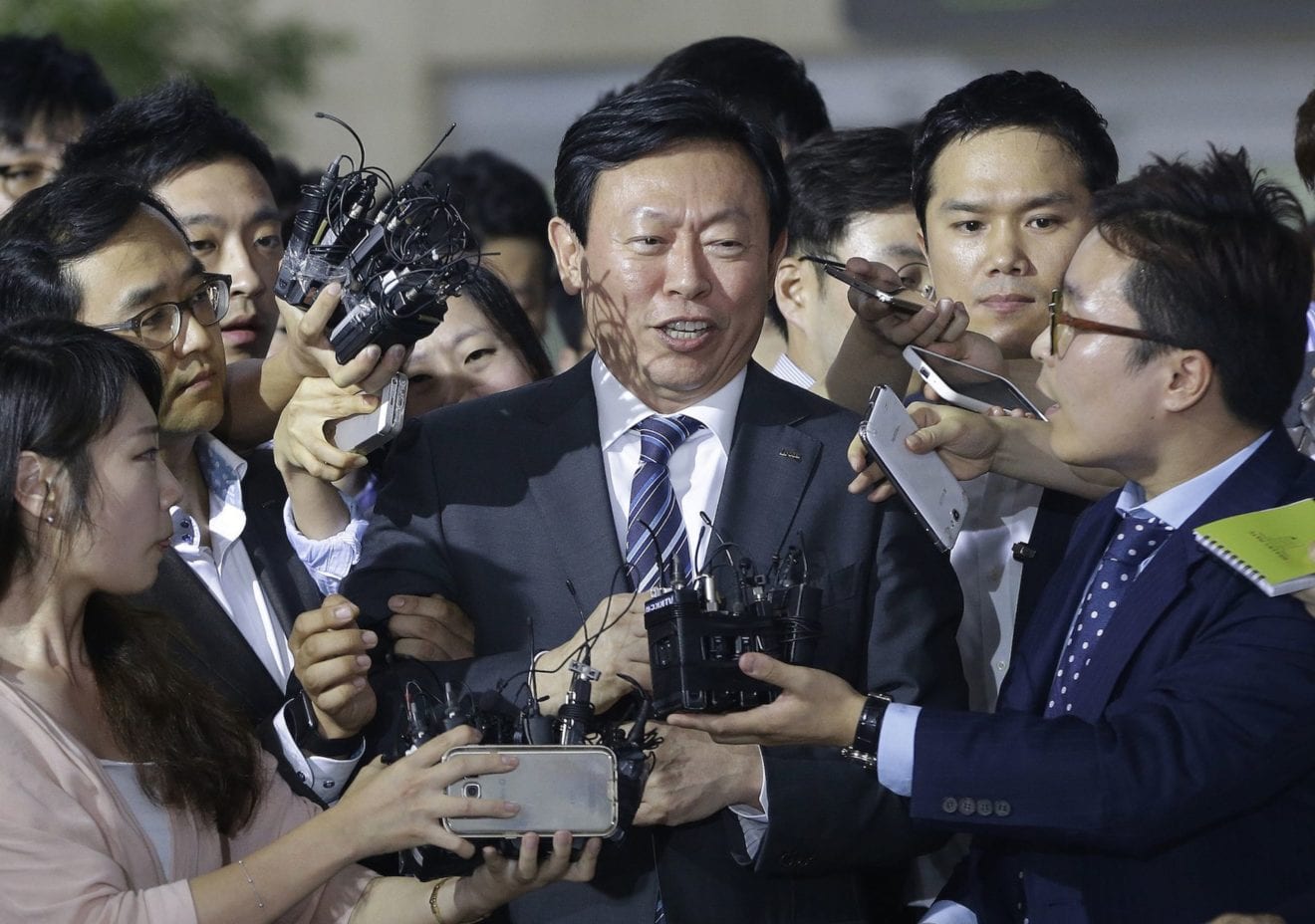
    The fate of Lotte Group hung in the balance several months ago, as the fraternal battle over control of the retail giant reached its peak.

    However, a year into the family battle, Chairman Shin Dong-bin managed to settle the dispute and strengthened his grip over the country’s fifth-largest conglomerate, which has operations in Korea and Japan.

    Most shareholders of Lotte Holdings in Japan voted in support of the younger son, who heads both the Japanese and Korean operations, despite efforts by his older brother, Shin Dong-joo, to oust the chairman as CEO of the Japan-based unit.

    In the second shareholders meeting on March 6, Shin Dong-joo even suggested that he would give 2.7 billion won ($2.3 million) worth of shares to members of the association of Lotte Holdings workers – the second-largest shareholder after Kojyunsya, with a 27.8 percent stake – should he win the vote. But the agenda failed to win a majority of shareholders’ votes, and the meeting finished only in about 30 minutes.

    “We figured that the meeting’s result shows firm support for the chairman, and the succession battle has actually ended,” a Lotte Group spokesperson said.

    Shin Dong-joo may have used up most of his maneuvers to nullify the leadership of Shin Dong-bin, though the result of a lawsuit to determine the legitimacy of Shin Dong-bin’s reign at Lotte Holdings has yet to come.

    As the highly publicized feud appears to be coming to an end, Chairman Shin Dong-bin is seeking to revamp the group through three key initiatives: corporate restructuring, global expansion through mergers and acquisitions, and empowering female executives.

    Cleaning up the corporate structure

    Of all things, the chairman placed the improvement of Lotte’s corporate structure high on the agenda since the fraternal battle exposed an opaque governance structure and the founding family’s strong hold over the group.

    Founded in 1948 in Japan, Lotte has gone from a small chewing-gum maker to a major business unit with interests encompassing retail, chemical and car rental services. Today, Lotte Group has a total of 86 affiliates with annual sales hitting 81 trillion won. Still, only eight affiliates, or 9.9 percent, are listed on the Kospi market, making credible information on the unlisted units hard to come by. This type of backward system is linked with founder Shin Kyuk-ho’s business principle that keeps most of the businesses unlisted.

    The feud and ensuing investigation revealed that a handful of unlisted units based in Japan – with obscure functions and business areas – are at the top of the corporate governance structure.

    Chairman Shin Dong-bin is trying to fix the system through the listing of key Lotte affiliates.

    The first target is Hotel Lotte, the de facto holding company of Korean Lotte affiliates. Lotte Group said last year that it will take the hospitality operator public in the first half of this year. The hotel unit passed a preliminary screening for its planned initial public offering (IPO) in January, according to the Korea Exchange.

    After the group’s core affiliate goes public, more affiliates, including some of the Japan-based Lotte units, as well as Lotte Data Communication Company, Korea Seven and Lotteria, are expected to go public, according to the Korea Exchange.

    Alongside the IPO efforts, the business tycoon has sought to ease the group’s complex cross-shareholding system by purchasing shares of key Lotte units at the center of the cross-holding web.

    Last year, the chairman acquired a 1.3 percent share in Lotte Confectionery, which was held by Lotte Construction & Engineering.

    The move cut Lotte’s cross-shareholding links by 34 percent from 416 to 276, and the number has since been further reduced to 67, according to Lotte Group and a report from the Fair Trade Commission.

    To speed up structural governance reforms promised by the chairman, the group launched a task force last year that will be entirely focused on a structural overhaul. Lee Bong-chul, head of the group’s support department, leads the team.

    Another area of focus by the chairman is business expansion through different mergers and acquisitions. When he took the helm at Lotte Group, Shin Dong-bin clinched a number of big deals to acquire different units, including electronics store chain Hi-Mart, car rental service operator KT Rental and a liquor unit of Doosan Group.Global expansion

    Most recently, he has set his sights on the global market beyond the Asian continent.

    Last May, Hotel Lotte bought the New York Palace Hotel in Manhattan for $805 million from real estate management firm Northwood Investors.

    But the purchase of the landmark hotel was only part of Hotel Lotte’s broader efforts to extend its properties.

    Song Yong-dok, CEO of Hotel Lotte, said last year that the hospitality chain will acquire 33 more hotels outside of Korea by 2020, a move to become an international hotel chain.

    The CEO specifically cited hotels in Los Angeles, Chicago, London, Paris and Frankfurt as potential bases for new hotels in the coming years.

    The CEO’s interest reflects the hotel operator’s intention to further move into European and U.S. markets, since the unit’s global operations currently center on Asian countries such as Vietnam and Uzbekistan and other regions such as Russia and Guam.

    Five months after the hotel purchase, Lotte announced the largest acquisition deal to date in the conglomerate’s history.

    Lotte Group agreed to buy a sizable stake in Samsung’s petrochemical units for around 3 trillion won, extending its business beyond retail and hotels.

    Under the deal, Lotte Chemical will absorb the businesses of the new units.

    “Lotte Chemical, which specializes in basic petrochemical materials and synthetic fibers, has been on the lookout to include future-oriented chemical businesses and products to create synergies with existing products,” the group said.

    When the deal is completed in the first half of this year, the Lotte affiliate is expected to boost its competitiveness in plastic materials such as polycarbonate, acrylonitrile butadiene styrene and polystyrene, where Samsung’s chemical units are strong.

    Lotte expected the deal to raise Lotte Chemical’s total annual sales to 20 trillion won from 14.9 trillion won in 2014.

    The group also looks to bolster its presence, with the surging population in high-growth markets in Southeast Asia, including Vietnam and Indonesia.

    Earlier this month, Lotte Group submitted a bid to buy retail chain Big C in Vietnam from French retailer Groupe Casino.

    Big C is the second-largest supermarket chain in Vietnam, and also operates in Thailand and Laos with 600 stores. The extensive retail network of the discount chain will help Lotte cement its position in the Southeast Asian market.

    Groupe Casino’s sale of its Vietnam units attracted multiple bids in Asia, including offers from Thai tycoon Charoen Sirivadhanabhakdi and Japan’s Aeon as well as Lotte.

    The value of the deal is estimated to be over $ 1 billion.

    Also joining the bid are Central Group, Thailand’s biggest retailer, and Vietnamese companies Co.opmart and Masan Group, according to reports in the Wall Street Journal.

    Another region that draws Lotte’s interests is Russia, with its enormous potential in untapped natural resources and land.

    The group recently established farming and logistics networks along the Black Sea and Maritime Province.

    The move is expected to create synergies with the existing Lotte Confectionery plant in Kazakhstan.

    “The chairman pays attention to the region because the current economic slowdown in Russia could translate into benefits for those interested in investment in the region,” said a source at Lotte Group who declined to be named.

    Empowering female leaders

    Chairman Shin Dong-bin has reiterated that increasing the number of female workers and executives is one of his priorities.

    The group openly said that its affiliates should hire more women to enhance gender diversity.

    Now, the proportion of new female workers accounts for 35 percent, and the company plans to increase the ratio to 40 percent.

    The chairman also acknowledged that generally perceived characteristics of women, such as sensitivity, fit Lotte’s major business areas centered on shopping and retail segments.

    “We have many customers who are women,” Chairman Shin Dong-bin said during a meeting with female executives at Lotte affiliates last year. “And I am sure that women know best what women really want, so hiring more women workers and putting them in executive posts is one of the most important tasks for Lotte.”

    Empowering women workers has emerged as a major social issue, as few women are found at the senior level of big companies.

    In Korea, women represent a miniscule 1.9 percent of board directors, according to a GMI Ratings survey.

    The ratio puts South Korea at the bottom of the ranking out of 45 countries surveyed.

    The chairman has set the target of filling 30 percent of its executive posts with women.

    “Following the direction of Chairman Shin Dong-bin, we have been focused on hiring women since 2006,” a representative of Lotte Group said. “Now, 11 percent of senior workers, whose rank is above senior manager, consist of women. But we will expand the proportion to 30 percent by 2020.”

    Lotte’s efforts are reflected in major personnel changes that saw more women promoted to the executive level.

    At the end of last year, Lotte announced the promotion of two women to executive positions.

    At the time, the company appointed its first female executive to have risen through the ranks from an entry-level employee and also the first non-Korean female executive.

    “We don’t want to just say that we want more women,” the representative said. “Our efforts will be shown in numbers by hiring and promoting more women.”

    Chairman Shin Dong-bin, left, describes the 123-story Lotte World Tower to Hugh Trenchard, a member of the British Parliament, last July ;The Lotte World Tower, built by Lotte Group, is the tallest building in Korea. [LOTTE GROUP,JOINT PRESS CORPS]President Park Geun-hye, center, and Lotte Chairman Shin Dong-bin, left, tour the Busan Center for Creative Economy and Innovation run by the group in March;CEO Song Yong-dok of Hotel Lotte, second from right, poses outside the New York Palace Hotel in Manhattan after Lotte acquired the American hotel last May.

  • Eight steps for riding out the economic storm

    Eight steps for riding out the economic storm

    In a few days it will be one year since the implementation of the Goods and Services Tax. Although the GST has been widely unpopular, many economists consider GST as the most efficient way of widening Malaysia’s tax base. Currently, almost everyone pay taxes.

    The Malaysia Consumers Movements commend the Ministry of Domestic Trade, Cooperatives and Consumerism and the Royal Customs Department, who have worked extremely hard in curbing profiteering activity and ensuring that price increases were not excessive. Enforcement officers have acted promptly on complaints lodged against unethical businesses for unfairly increasing prices, while prosecuting a few for related offences.

    The Customs Department has reportedly collected RM51 billion since April last year, as compared to only RM37.2 billion before the GST.

    It is therefore clear that the GST has indeed provided a lifeline to the government but this has come at an expense. Consumers today are grappling with high cost of living issues while business complain of high cost of operating, forcing consumers to tighten their belt and businesses to retrench staff.

    It is important to note that the amount of taxes collected through GST will be highly dependent on the strength of domestic private consumption, which is influenced by consumer confidence in the economy.

    According to industry report compiled by the Retail Group Malaysia, Malaysian retailers are not too optimistic on the growth for the sector in the first quarter of 2016 and expect a negative year-on-year growth of 0.4%. Consumers are fearful of high prices and are increasingly reluctant to spend.

    Bank Negara in its report has projected 4.0-4.5% growth rate in 2016, compared with 5% last year. The Statistics Department indicated that the consumer price index in February rose to a seven-year high at 4.2% from a year earlier. The inflation rate is highest since December 2008 when it hit 4.4%. This rise was attributed to higher costs for food and consumer goods.

    These not very convincing statistics calls for us to review, rethink and refine solutions for riding the projected storm ahead.

    1. Stop the Bickering

    Negative news will have an impact on consumer and investor confidence. What we say and do backfires on us in negatively portraying our country’s image. We must collectively demonstrate political stability, a key factor for investors and consumers. Malaysia practices parliamentary democracy where leaders are elected every 5 years. It therefore ignites sheer concerns when attempts are made to dislodge sitting elected government by force. Street demonstration is not our culture, and it shouldn’t be!

    2. Corruption is Detrimental

    The government must demonstrate political and administrative will when implementing austerity measures and fighting corruption. There is a big time need to plug leakages and tackle corruption. The recent report of misappropriation totalling RM107 million by a senior government official surely sends a wrong message to consumers. Questions surface if there are more of such cases?

    3. Promote Healthy Competition

    It is important for the government to promote competition and speed up further liberalisation of key economic sectors. Monopolies are detrimental and must be dismantled as it harms consumers. There is a need to reassess the approved permit policy. Improve business efficiency by eliminating bureaucratic red tape which significantly increases cost of doing business.

    4. Transparency in Action

    Implementation of policies must be openly deliberated. Stakeholders at all levels must be consulted and their expectations adequately managed. Unilateral decisions must be stopped immediately. The era of government knows best is over. The point being, whenever there is any price revision announcement, it distorts cost elements throughout the supply chain, and more often than not, negatively impacting consumers.

    5. Halt Price Increments

    The government and businesses must pledge not announce any more price increases. Consumers are still grappling to deal with what was announced in 2015 and any new increases will definitely not be of any help.

    6. Ethical Trade Practices

    Businesses must demonstrate integrity in action across the value chain. Profit should not be derived at the expense of consumer suffering. Business leaders must uphold high standards of social responsibility which must go beyond mere CSR or brand-building gimmicks. There is only so much that the government can do to audit. Businesses must own up!

    7. Prudent Consumption Patterns

    Consumers should re-examine our consumption patterns and make adjustments. The era of cheap goods and services is over. Malaysia practices a competitive open market economy and it is therefore unfair to completely shift blame on the government for failing to reduce prices.

    We must avoid wastage and over-consumption, where we purchase things.

    8. Ramp Up Enforcement

    It is commendable that the ministry has done very well in monitoring, tracking and acting against errant businesses which unfairly raise prices. But why only expect the regulators to do the auditing. In the era of social media, we are all empowered to highlight real time issues and ensure they are addressed in a timely manner.

    Name and shame those manipulating the system, why must we keep silent?

    It is time to close ranks and face the storm together as one team. We hold the trump card, in charting the destiny of our nation.

  • HKG offers instant ‘cash’ to airport shoppers

    HKG offers instant ‘cash’ to airport shoppers

    Hong Kong International Airport (HKG) is running a double promotion to travellers, which includes instant rebates in the form of coupons worth up to HK$5,000/$645, as well as a free delivery service.

    From 1-11 April travellers spending more than HK$20,000 and HK$50,000 by electronic payment on the same day at the 68.5m-passenger hub can receive an instant rebate of HK$1,200 and HK$5,000 respectively in the form of HKG cash coupons. These must be spent at airport outlets, TRBusiness has confirmed.

    Separately, travellers who spend more than HK$1,000/$129 in a single transaction at HKG airport benefit from complimentary local delivery. Free delivery service to mainland China, Macau and Taiwan is also offered to travellers who spend more than HK$2,500 on clothing, bags and accessories in a single transaction.

    SHOPPING AND DINING OFFERS

    As well as these offers, during the promotion period, HKG is collaborating with its retailers to provide travellers with a series of other shopping and dining offers, as well as a selection of complimentary gifts. Travellers can get more details by scanning the QR code on the promotion materials.

    HKG was the fifth most important duty free and travel retail sales location in the world in 2015.

  • Indonesian shoppers flock to Singapore as rupiah surges

    Indonesian shoppers flock to Singapore as rupiah surges

    Tourist arrivals will spike this year.

    Buoyed by the resurgent rupiah, Indonesian holidaymakers are once again trooping to Singapore to shop and splurge, according to a report by Bloomberg.

    The rupiah has surged 9.9 percent against the U.S. dollar over the past six months, second only to Malaysia’s ringgit among emerging markets, as slowing inflation and a nascent commodity-price recovery lured money to the nation’s assets.

    “The rupiah has done really well this year and it makes things look cheaper elsewhere for Indonesians,” said Nizam Idris, head of foreign-exchange and fixed-income strategy at Macquarie Bank Ltd. in Singapore. “The currency will find support from decent yields and bottoming commodity prices.

  • Bison Consolidated debuts with small discount, but picks up momentum

    Bison Consolidated debuts with small discount, but picks up momentum

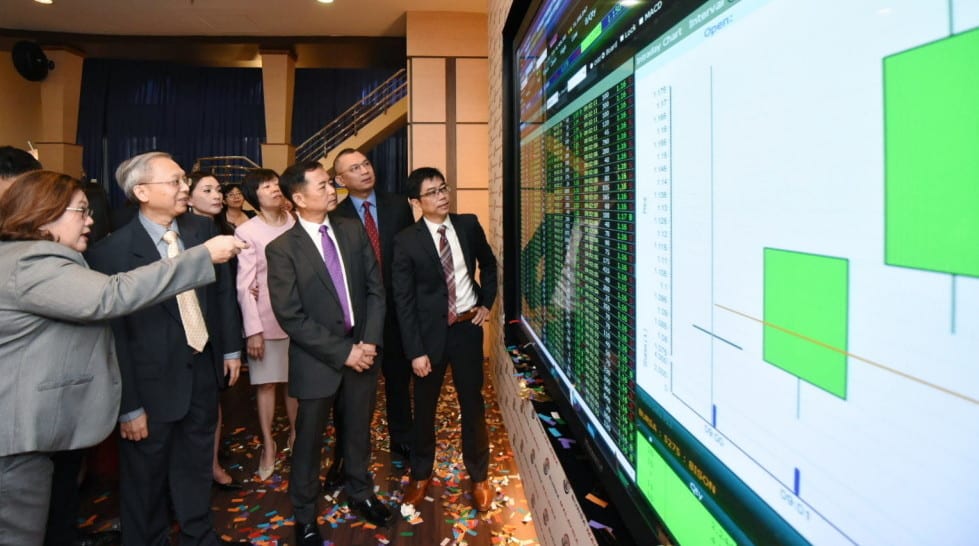
    Save for the first initial public offering (IPO) this year on the Malaysian market, corporate debuts on Bursa Malaysia has seen dampened openings thus far. Convenience retail chain store operator Bison Consolidated Bhd listed on the Main Market of Bursa Malaysia on Tuesday, opening at MYR1.09 on a volume of 2.2 million shares, a small discount to its IPO price of MYR1.10. This was despite encouraging reception prior, where the 15.5 million new public shares offered had been 6.94 times oversubscribed. The counter closed its first trading day positively, however, at MYR1.17, marking a 6.36 per cent premium to the opening price. 68,480,900 shares traded hands.

    Bison is the third Malaysian IPO in 2016, and the last for this first quarter period. The first two had been building materials supplier Chin Hin Group Bhd earlier this month, and Ranhill Holdings Bhd mid-March. Bison is an investment holding company, and through its subsidiaries, it is involved in the business of press and convenience retailing under its main trade name of “myNEWS.com”.

    It also operates eight outlets of WHSmith, under its equal joint venture with UK retailer WHSmith Travel. Managing director Dang Tai Luk told reporters after the listing ceremony that the group intends to open another 115 stores with the IPO proceeds over the next 36 months. It has already opened 20 stores, with another 50 targeted to be opened within 2016. “Our target for 2016 is achievable; we have already identified 30 locations, and are considering another 30 locations. From those numbers, I would say we are targeting to open 70 stores a year,” he said, adding that a key criteria is the population density in the selected locations. Bison seeks to build its network of stores in high-street locations, departing from its old strategy of setting up in commercial buildings and various types of shopping malls.

    Its IPO prospectus noted that the group has 255 outlets, as at February 10, which carry a range of print media, convenience retail products and offer consumer services like electronic payment services and money remittance services. According to Smith Zander International Sdn Bhd, Bison owns an estimated market share of 8.6 per cent in outlet numbers, and 6.6 per cent in terms of revenue for the year 2015. The company is also looking to establish another distribution centre either in the north or south of Peninsular Malaysia, looking at either Penang or Johor states.

    It currently has one 125,000-sq ft warehouse facility in central Peninsular, and Dang noted that the new warehouse will not be bigger than the existing one. “We have always managed our own distribution, and we want to improve and make it more efficient,” he said.

    The management has no plans to expand beyond Malaysia at the moment, as it believes there are more opportunities to tap onto in the domestic market. Bison raised MYR88.68 million ($22.19 million) from the IPO, of which MYR35.55 million or 40.1 per cent will be utilised for the purpose of outlet expansion and enhancing the group’s existing outlets; and MYR14.45 million or 16.3 per cent will be used to improve its nationwide logistics and IT capabilities to support its growing network and product base, the establishment of an additional distribution centre, food preparation and packaging facility and acquiring additional transport equipment. Another MYR32.23 million or 36.3 per cent will be utilised to finance inventory stocking for new and existing outlets as well as other working capital requirements. The proceeds will be utilised for these purposes over the next 36 months. The remaining portion will fund listing expenses.

    CIMB Investment Bank was the principal adviser, managing underwriter and sole bookrunner for the IPO.

  • Shell seeking new upstream growth

    Shell seeking new upstream growth

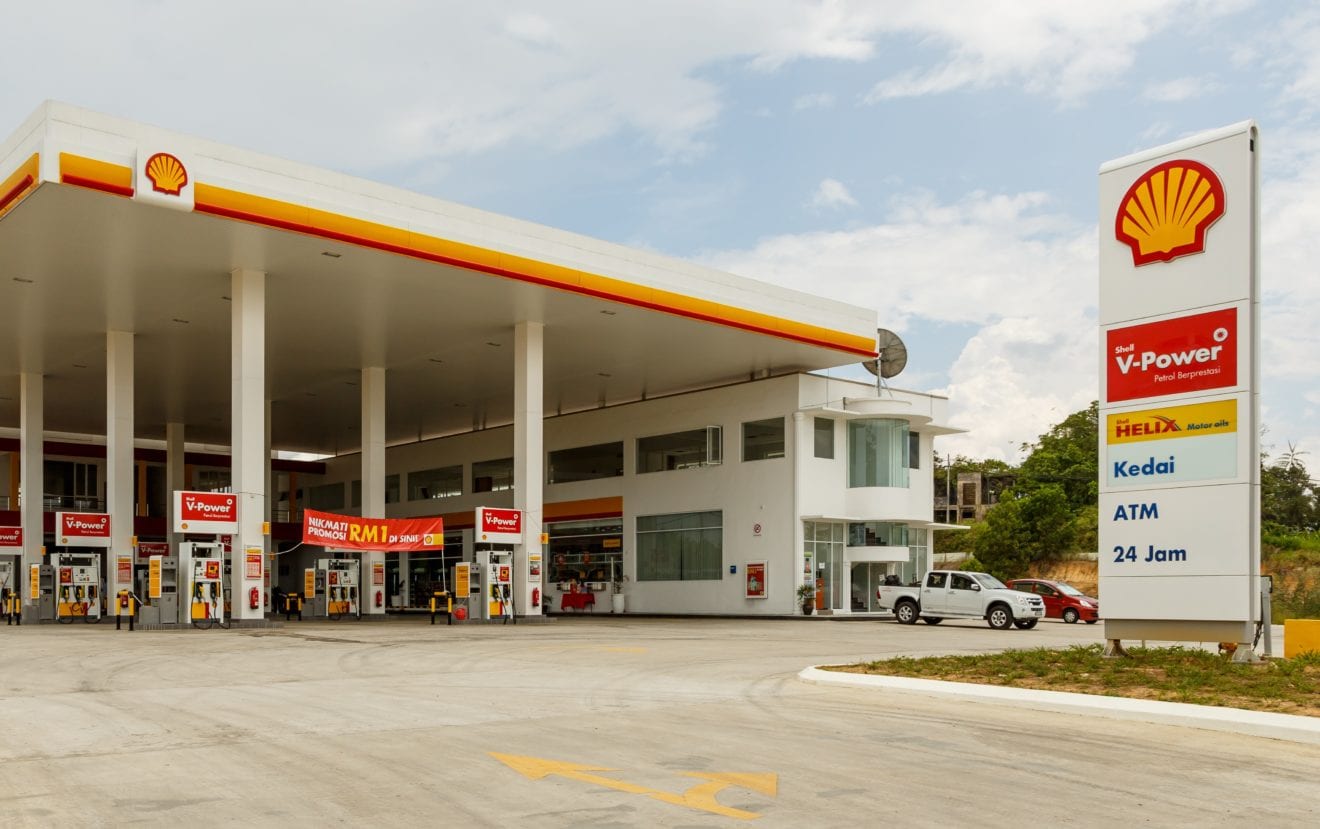
    Following the sale of its shares in Shell Refining Company (federation of Malaya) Bhd (SRC) to a Chinese company, Royal Dutch Shell plc is seeking new opportunities for further growth in its upstream portfolio in Malaysia and to reinforce its joint ventures here with Petroliam Nasional Bhd (Petronas), besides strengthening its position in the retail segment.

    In a press conference held in conjunction with the Offshore Technology Conference Asia 2016 yesterday, its upstream director Andy Brown reaffirmed the oil and gas (O&G) major’s commitment in growing in the exploration, development and production side of the industry in Malaysia.

    “If I look at Shell in Malaysia, over the last two years, we have made 11 gas discoveries. We are very focused on our upstream business in Malaysia, seeking new opportunities for further growth, but also reinforcing our joint ventures, like the Baram Delta Offshore that we have [with Petronas].

    “I think it is not the time to be spending a lot of money, but we are demonstrating that we are here to stay, that Malaysia is an important part of Shell’s upstream business,” said Brown. Shell is the second-largest oil and gas producer in Malaysia after state-owned Petronas.

    On Feb 1, Shell Overseas Holdings Ltd entered into a conditional sale and purchase agreement with Malaysia Hengyuan International Ltd for the disposal of its 51% stake in SRC for US$66.3 million (RM265.2 million).

    The disposal sparked rumours that Shell might look at selling off some of its stakes in its O&G fields in Malaysia. However, Shell dispelled any connection between the disposals of the refinery with its upstream business in Malaysia.

    In a press release dated Feb 17, Shell explained that the sale of the stake in SRC should be seen in context with the oil major’s global strategy and portfolio activities. It said a refinery of SRC’s scale is not a strategic fit for its portfolio and that it would find it difficult to compete for new capital.

    Yesterday, Shell Malaysia Ltd chairman Datuk Iain Lo said the sale of the refinery is actually to ensure the stability and continuation of fuel supply in the country, as there was a concern that the SRC is a weak link in the supply chain.

    “We were concerned, [that] perhaps this is a very weak link in the supply chain of fuel supply in Malaysia. That is why we decided to find somebody who is prepared to invest in it, because it is not strategic for Shell to invest in it,” said Lo.

    In the upstream sector, Shell has been pioneering deepwater field developments in Malaysia, through the Gumusut-Kakap and Malikai fields, both offshore Sabah, and the Central Luconia and Baram Delta projects off Sarawak.

    According to Brown, Gumusut-Kakap has a peak production capacity of 135,000 barrels of oil equivalent per day (boepd). About 20% of Malaysia’s average oil production of around 650,000 boepd, comes from Gumusut-Kakap. Malikai will also be coming online soon.

    “When it comes to Malaysia, we’ve been here over 100 years, starting with Miri in 1910, and we’ve grown from that position. Last year for instance, we produced half the gas in Malaysia.

    “We have built in Malaysia a business that has the key elements of integrated gas, deepwater, and our fundamental fuel retail and lubricants, which really kind of mirrors the key focus areas for Shell now and going forward. We continue to look at ways we can partner with Petronas to continue to build that position,” said Brown.

  • Hong Kong Retailers Seek to Keep Strength

    Hong Kong Retailers Seek to Keep Strength

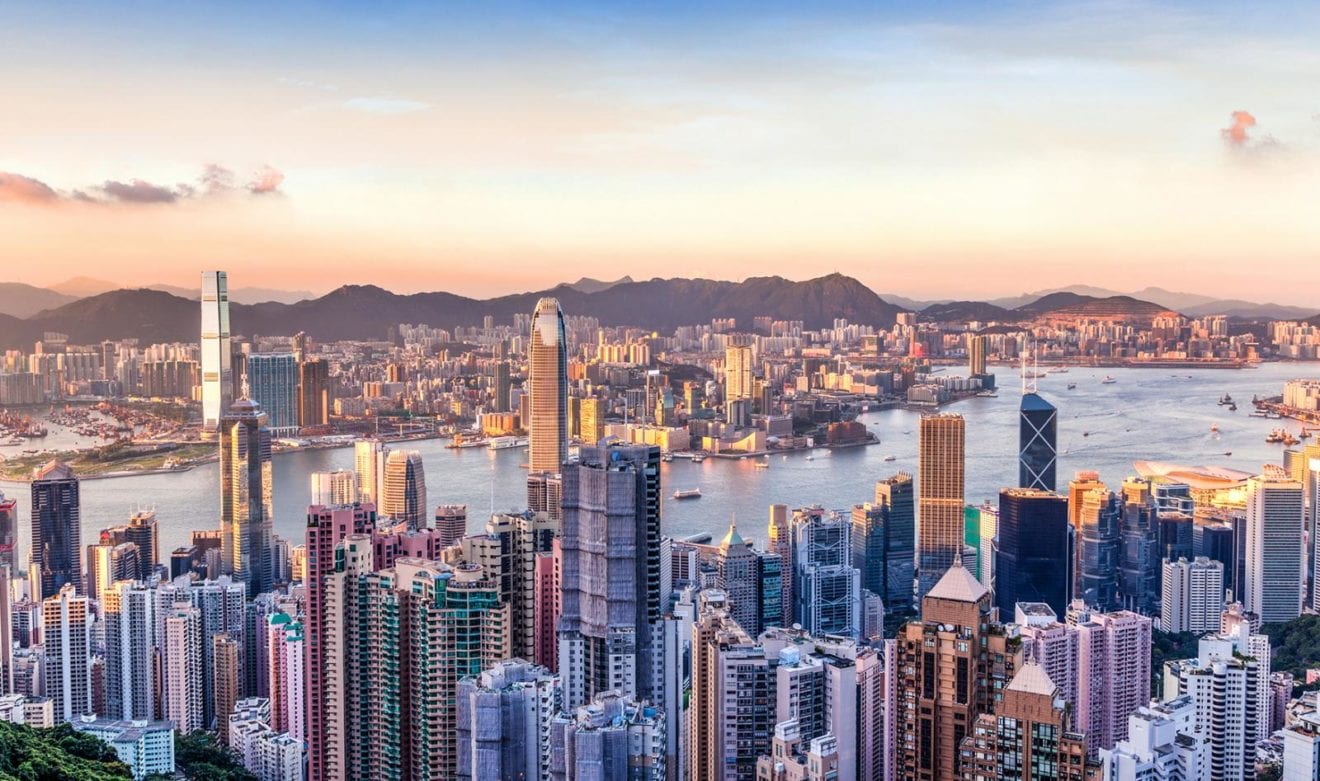
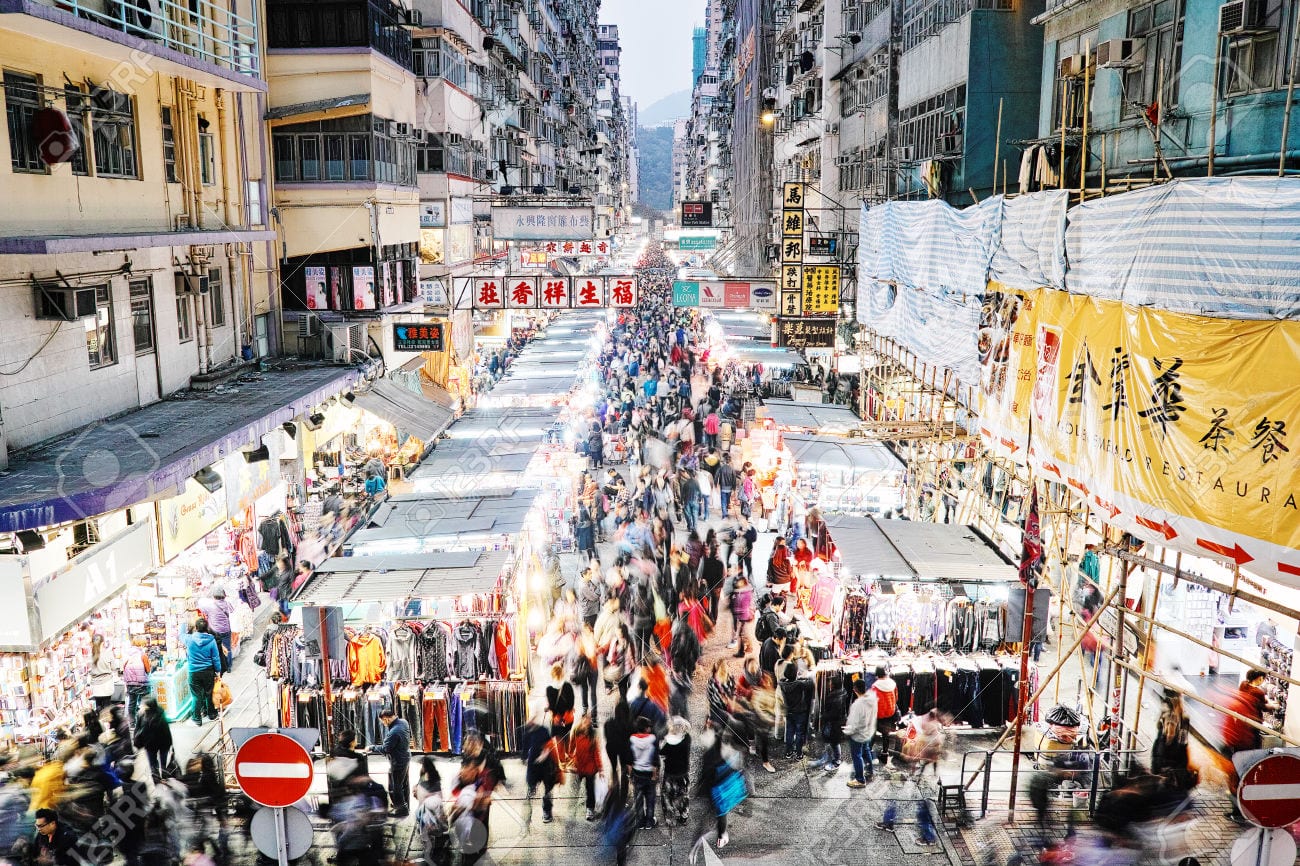
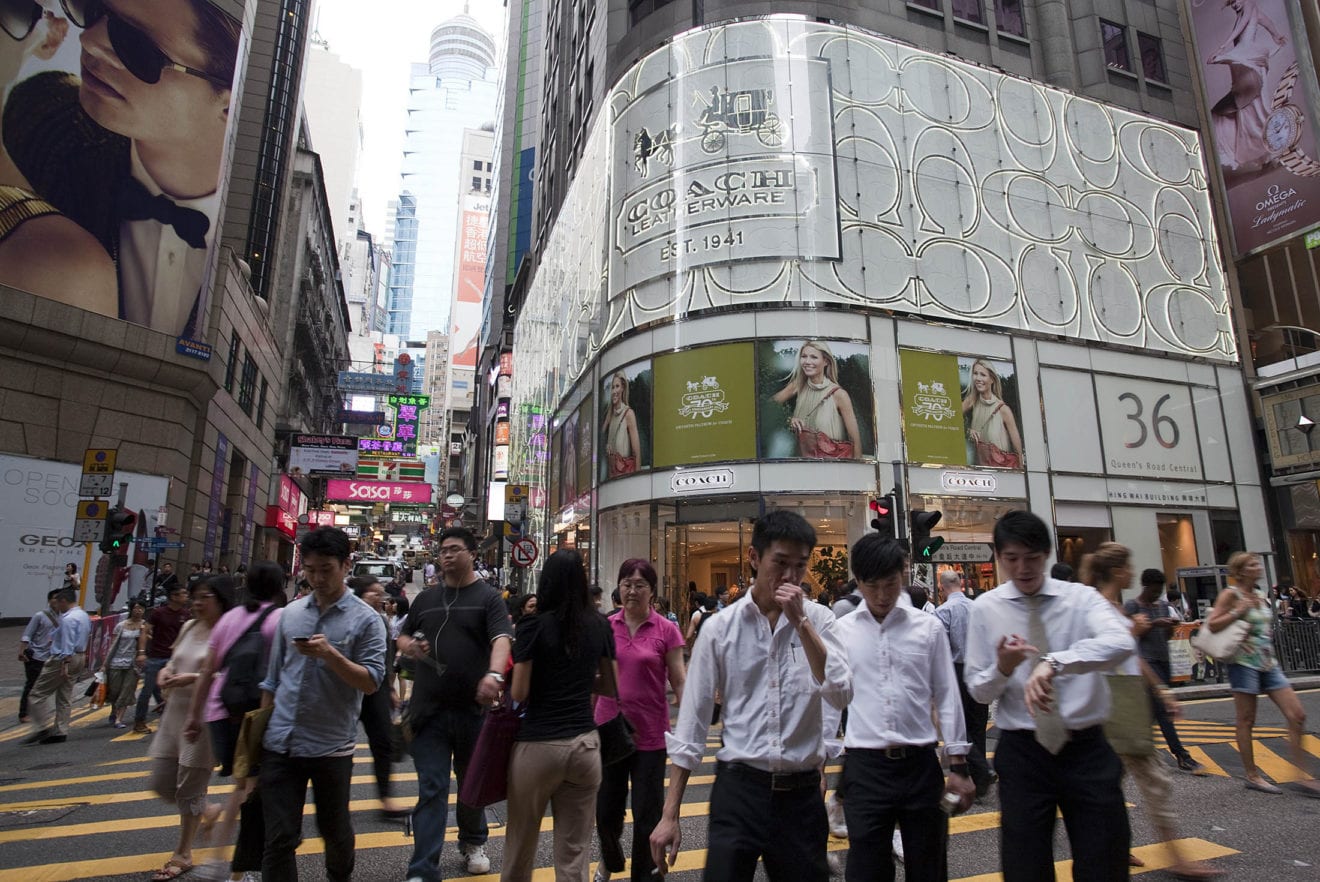
    Hong Kong has been branded as “shopping paradise” to many for a long time, but the city seems to have lost its attractiveness in recent years, as retail sales have been dragged down by a significant drop in tourist numbers.

    Retail sales have declined for 11 consecutive months as of January this year in Hong Kong, while the unemployment rate in the sector is on the rise. Signs of improvement are not in sight at the moment.

    Rents in Russell Street, once the most expensive shopping place in the world, has been slashed by half now. Hong Kong General Chamber of Commerce Chairman Y K Pang says it seems that less cost would benefit shop owners as well as customers, but as of now it appears that is not the case.

    “The competition is really fierce. Other regions are so eager to share a slice of cake from us. No matter how low the cost is, without customers, there is no money to make. So we should welcome all visitors regardless of where they are from.”

    Currently, there are less than 50 mainland cities allowing their residents to visit Hong Kong on an individual basis. Some are suggesting expanding the Individual Visit Scheme to boost Hong Kong’s tourism as well as its retail industry, but C K Chao, Founding Chairman of Federation of Hong Kong brands, has another view.

    “When tax lowers on the mainland, and people are better off, they could buy the same products there without paying more, or even less than in Hong Kong, why would they come? Hong Kong should establish our own brands, so visitors are here to buy watches, jewelry, and clothes made in Hong Kong. ”

    Chao is hoping the government can establish a specialized department to regulate as well as guide the retail sector for further growth.

    At the same time, Dr. Szetu Chi Man with the Institute for Entrepreneurship at Polytechnic University of Hong Kong, says local companies should get fully prepared to embrace technology to expand business.

    “Small companies in Hong Kong still think that they can make money through traditional channels, so they are not ready to use technology yet. I hope the government could help them improve their service to stay competitive in the market. ”

    Raymond Tang is the Managing Director of Kingvic International Limited, a footwear company in Hong Kong. He says manpower is vital to retailers, and more people should have the access to professional training and courses.

    “The turnover rate is high. Many young people take retail jobs before they get a formal one, and they only stay for a couple of months. So we are always short of hands and they have no experience to offer good service.”

    He admits that it is not easy to transform the business model, and Hong Kong should waste no time to act to save the retail sector; otherwise, this “shopping paradise” could soon lose its glamour.