Category: General

Retail News Asia is committed to providing both local and global retailers with the latest General Retail news throughout the Asian market. This on a daily base.

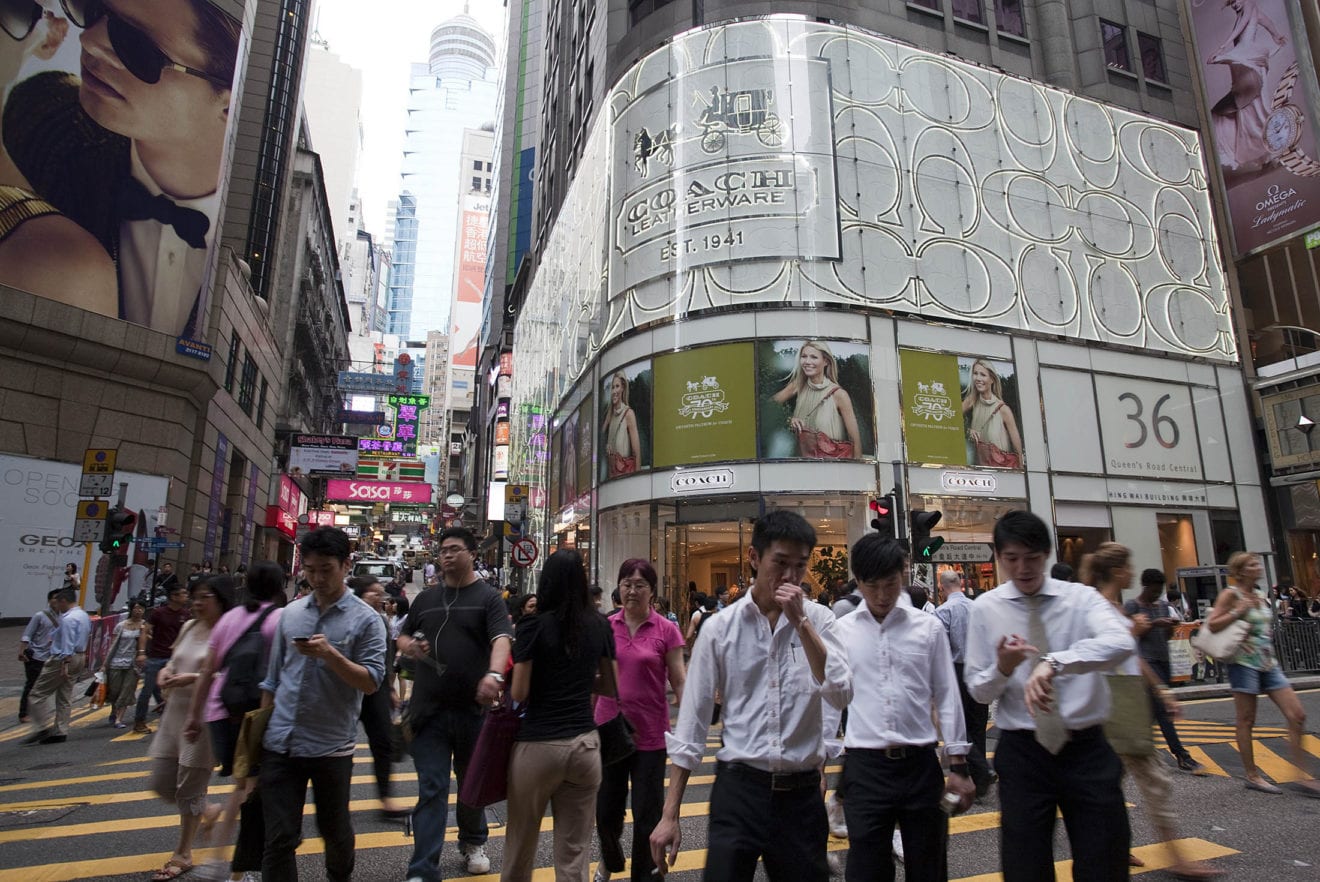
  • China retail sales growth slows further

    China retail sales growth slows further

    Official retail sales data from the mainland shows a continuation of slowing growth this year.

    According to the National Bureau of Statistics (NBS) China retail sales of consumer goods rose 10.2 per cent in January and February combined.

    That follows growth of 11.7 per cent in December and 10.7 per cent for the entire 2015 calendar year.

    According to the NBS, Chinese consumers bought 5.29 trillion yuan (US$815.2 billion) worth of consumer goods in the first two months of 2016.

    Urban areas accounted for nearly 86 per cent of China retail sales, rural areas 14 per cent. Sales in rural areas rose by 10.9 per cent – faster than the 10.1 per cent in the cities.

    Online sales also continue to rise sharply, soaring 27.2 per cent year-on-year for the first two months of this year, to 636.1 billion yuan. Online now accounts for about 12 per cent of China’s total retail market.

  • Philippine retail sales surge

    Philippine retail sales surge

    Philippine retail sales soared 6.3 per cent in the last quarter of 2015 – more than three times faster than the same period a year earlier.

    According to data from the Philippine Statistics Authority, the retail trade growth was more than three times the rate of the same period of 2014, when sales rose 1.9 per cent.

    Thus, the retail sector has significantly contributed to the growth of overall trade in the country.

    Wholesale trade also accelerated to 9.0 per cent compared with the 8.9 per cent growth a year ago.

    The industry group that includes wholesale and retail trade accelerated to 7.0 per cent growth in the fourth quarter of 2015 from the 3.4 per cent posted in 2014.

  • Thai BJC shareholders approve $6.2 billion Big C buy

    Thai BJC shareholders approve $6.2 billion Big C buy

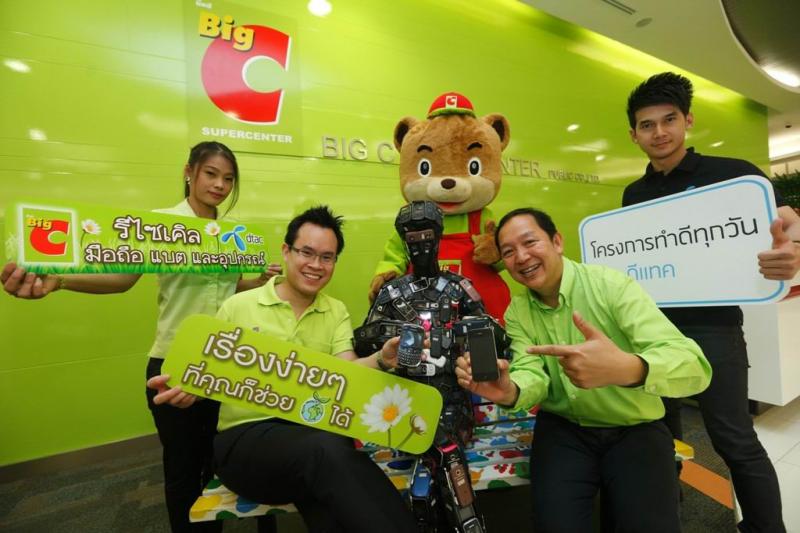
    Thailand’s Berli Jucker shareholders have voted in favor of a $6.2 billion acquisition of hypermarket operator Big C Supercenter Pcl (BIGC.BK) from France’s Casino Group.

    Some 99.99 percent of voters approved the plan at Monday’s meeting, two financial sources who attended it said.

    Berli, the core retail business of Thai tycoon Charoan Sirivadhanabhakdi’s TCC group, won a hotly contested auction for Casino’s 58.6 percent stake in Big C.

    Earlier, Casino said it was on track to reduce debt as promised after Standard & Poor’s cut the French retailer’s credit rating to junk, citing falling profits, weakness in Brazil and competition at home.

    The Thai group secured $6.2 billion short-term financing deal with 15 banks to fund the Big C acquisition on Wednesday.

    Berli is expected to pay Casino by the end of March and the company will buy the remaining shares from minority shareholders in a tender offer, to be completed by May, one source said.

  • Women now running the stores at Lotte Mart

    Women now running the stores at Lotte Mart

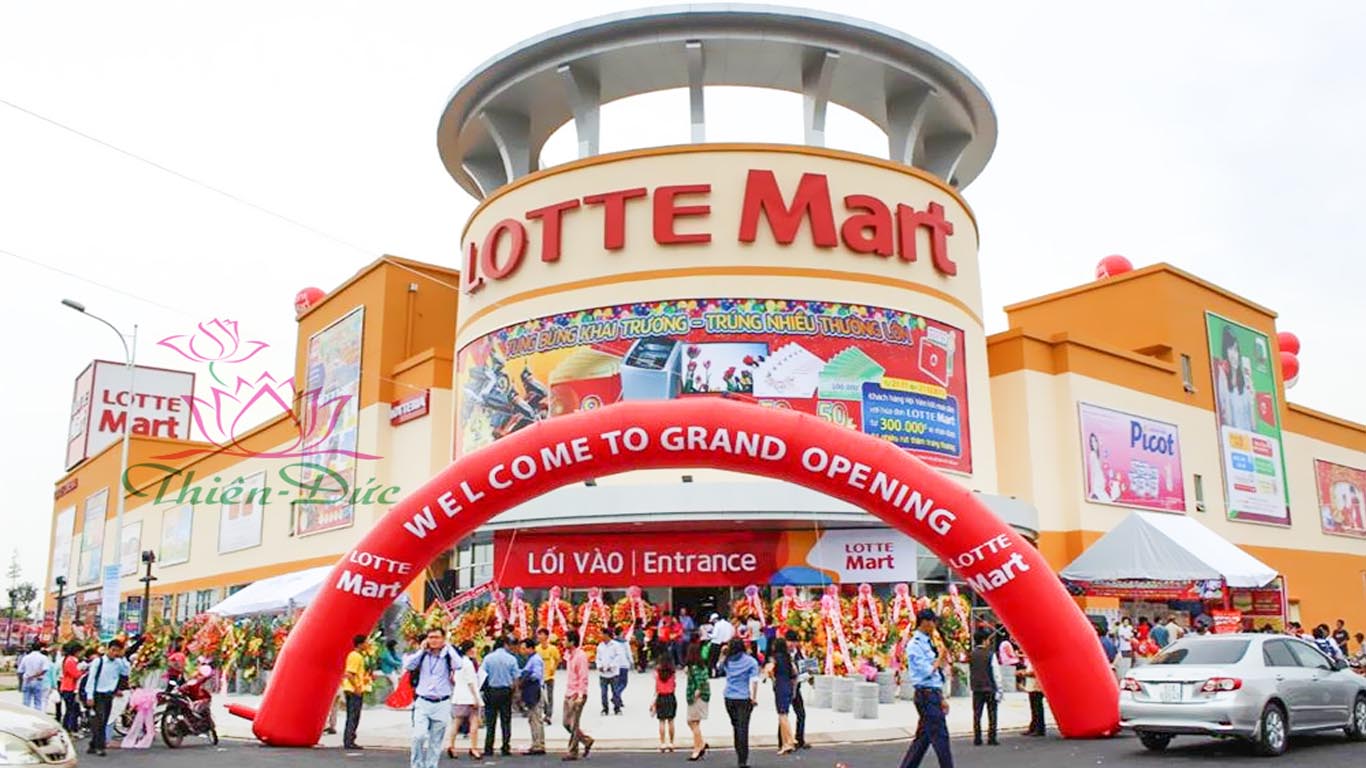
    Lotte Group believes that women know what women want. As a result, it’s moving more women into executive positions.In fact, its retail arm, Lotte Mart, has the largest number – six – which is 30 percent of the 19 women executives in the group: Julia Han, head of the home furnishing division; Kate Song, head of the babies and kids division; Kim Yoon-kyung, head of the marketing division; Seo Hyun-sun of the space merchandising innovation division; Jeong Seon-mee, head of the human resources development division; and Kim Hee-kyoung, head the Gyeonggi Nambu sales division.There’s more “women power” at Lotte Mart than at any other company in the industry, the company said Sunday.

    Decision makers from the beginning of the whole retail process to the end – product selection, marketing, consumer management and on-site sales – are women.

    The idea is that of 53-year-old Lotte Mart CEO Kim Jong-in, who was looking for a unique way to grow sales and profits. While most hypermarkets compete by opening more stores or slashing prices, Kim felt he could bring the level of competition to a new level and ultimately outperform E-Mart and Homeplus.

    “It’s true that we weren’t concerned enough about the major customers of our stores, which are women in their 30s and 40s,” Kim said. “By having women in charge at our company, we will transform from a place people go to for cheaper food products to a place where all sorts of things related to a more enjoyable life await shoppers.”

    The women executives hold a brainstorming session twice a month, dubbed Women’s Pick Cafe, a speedy discussion that deal with more than 10 topics at a time. Conclusions reached at the meeting are implemented in all stores.

    Here are the kind of ideas they come up with:

    Han (Home furnishing) – “When we publish product information on flyers, we should focus on showing actual ‘scenes’ rather than the product itself, so that customers can associate the advertisement with their own homes. Let’s show them a dinner table with food than showing them the food itself.”

    Kim (Marketing) – “When we visited neighbors 10 years ago, we used to bring canned tuna or ham products, but now we bring aromatic candles, wine or flowers. We have to bring that change in custom into our mart as well.”

    Seo (Merchandising innovation) – “What people want these days is not a luxury lifestyle but rather, a cool one. That means the supermarket has to carry a more diversified set of products.”

    Song (Babies and kids) – “For busy working moms, we opened an online version of Toys ‘R’ Us, and in the future, there will be more multibrand shops for men, because these days, men are very lonely.”

    Kim (Sales) – “When I was a store manager, I created separate rest areas for men, and they were really popular. Let’s listen to what employees are having difficulty with and figure out solutions.”

    Jeong (Human resources) – “A leader that works with the passion of a mother can change corporate culture. If more suggestions are conveyed from the bottom up, customer service can only get better.”

    The change to a more women-centered management at Lotte Mart is only three months old, but the impact is already visible. The biggest change is how products are arranged in the store. The layout is transforming as specialized brands are clustered together. Room by Home (home interior shop), Yorihada (home meal solution), Toys ‘R’ Us and Pet Garden (pet shop) are examples of such clusters.

    Even in the fresh food areas, which are pretty much the same at all hypermarkets, Lotte Mart is using lighting to differentiate product displays.

    The flow of people is also being improved in stores. Displays are raised to a height of 30 to 60 centimeters (1 to 2 feet) so customers don’t have to bend over.

    Following suggestions that too much information disturbs customers’ shopping, various advertisements that once filled the walls have been cleared out.

    The Yangdeok branch of Lotte Mart in South Gyeongsang, which opened last December and implemented all the listed changes described above, actually saw 40 percent more revenue in home furnishing and 47 percent in fashion accessories through February compared to the Guro branch in Seoul, which is of a similar size.

    Stores in Gunsan, Pangyo and Yeongjong Island have all jumped in sales by 10 to 20 percent year on year after remodeling.

    Lotte Mart plans to renew an additional 30 branches this year. It is also planning to train more than 100 female store managers and actively solicit female customers’ suggestions.


  • The 11th Edition of Eco Expo Asia set for October in Hong Kong

    The 11th Edition of Eco Expo Asia set for October in Hong Kong

    Celebrating its 11th edition this year, Eco Expo Asia, the preeminent trading platform for green businesses in Asia, will gather industry experts and leading-edge products and solutions at AsiaWorld-Expo in Hong Kong from 26 to 29 October 2016. The annual show is organised by the Hong Kong Trade Development Council (HKTDC) and Messe Frankfurt (HK) Ltd, and co-organised with the Environment Bureau of the Hong Kong Special Administrative Region (HKSAR) Government.

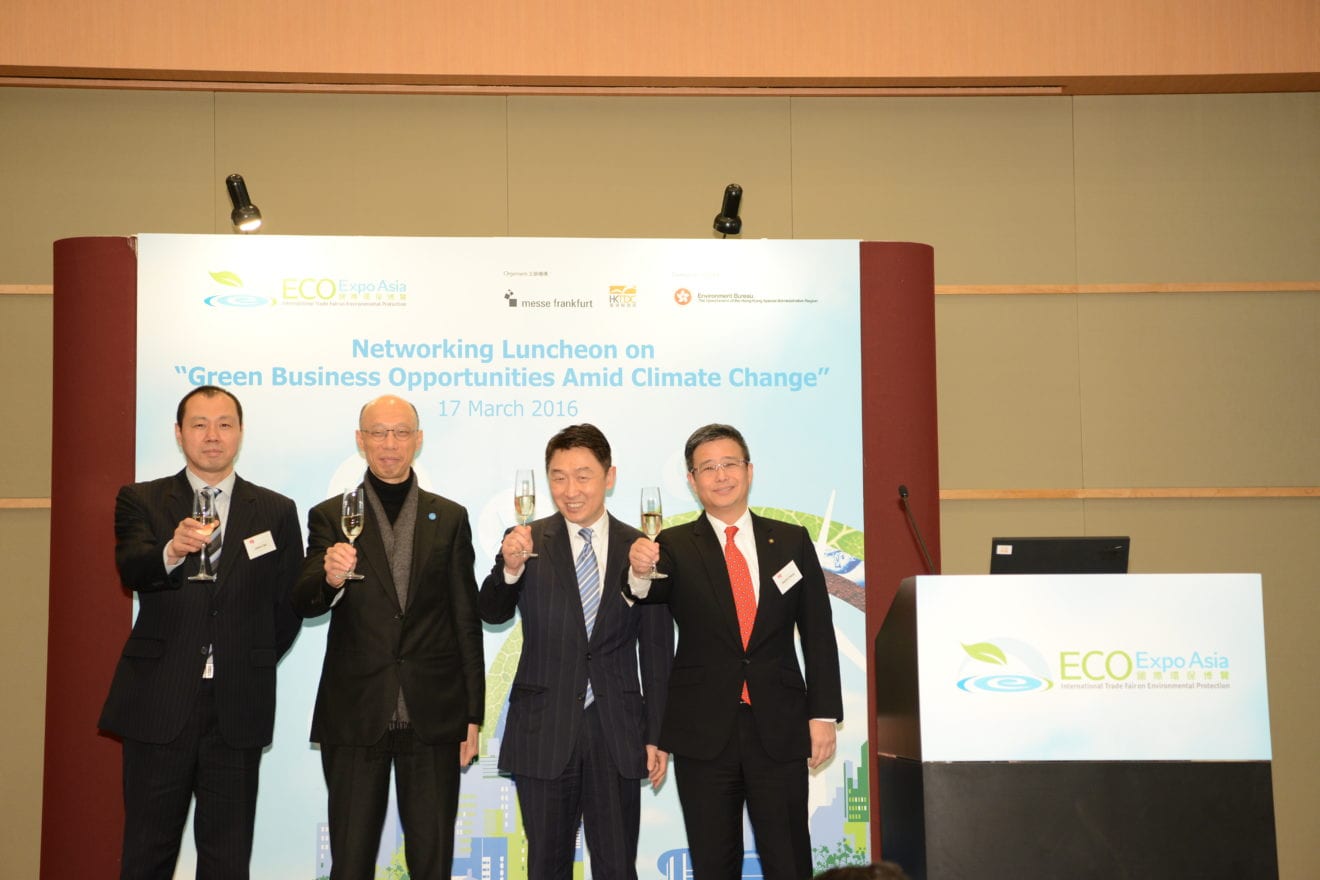
    A networking luncheon for the show was held on 17 March at the Hong Kong Convention and Exhibition Centre, which welcomed representatives from the international government and business sectors. These guests shared insights into the emerging green market in different countries.

    Four key focuses for Hong Kong environmental protection policies

    Wong Kam-sing, Secretary for the Environment of the HKSAR Government, delivered the keynote luncheon speech. Mr Wong praised Eco Expo Asia as an exceptional platform for promoting environment protection in Hong Kong as well as for representatives from different countries to exchange their views and set common objectives.

    Mr Wong highlighted the achievements Hong Kong had made in environmental protection in recent years. For example, in July 2015, the government introduced a new regulation which requires all ocean-going vessels to switch to low-sulphur marine fuel for berthing in the port of Hong Kong. Hong Kong is the first Asian city to implement such a measure, and it has improved the air quality around the Kwai Tsing Container Terminals and surrounding berths significantly.

    He added that the government will also set up an inter-departmental committee on climate change to formulate more progressive policies towards meeting emission reduction targets.

    Mr Wong elaborated: “Hong Kong has identified four key focuses for its environmental protection policies, including cleaner air supply, building energy efficiency, green transportation and waste-to-energy conversion. Related measures will be taken to address the major pollution issues of Hong Kong and to transform the city into a low-carbon, low-waste and energy-efficient one.”

    Green solutions to seize market opportunities

    Benjamin Chau, Deputy Executive Director of the HKTDC, noted that the theme of this year’s Eco Expo Asia, “Green Solutions for a Changing Climate”, echoed the mission of the government’s environmental protection policies.

    He not only pinpointed that business viability and environmental awareness are equally significant in promoting green technology in Asia, but also stressed the importance of having the local community’s support. He said: “The community’s involvement is an essential part of promoting sustainable development and environmental protection measures. As with previous years, we will extend the invitation to participate from trade professionals (on the first three days of the fair) to the general public on the last day, free of charge.”

    Ir Prof Daniel M Cheng, Chairman of the Federation of Hong Kong Industries and President of the Hong Kong Environmental Industry Association, pointed out that, since the inaugural Eco Expo Asia, which featured 128 exhibitors and drew close to 5,000 buyers, the fair has grown considerably and attracted 320 exhibitors and more than 12,000 buyers in 2015.

    Prof Cheng further explained that many major environmental protection projects have been launched in Hong Kong over the past 10 years, including the establishment of sludge treatment facilities, the EcoPark WEEE Recycling Centre and integrated waste management facilities. Apart from these large-scale projects, the Environmental Industries Council also encouraged small- and medium-sized enterprises to bring innovative ideas into the environmental protection space, and to capitalise on market opportunities. He said: “Climate change is not necessarily a challenge that is impossible to handle. We need to understand its impact and be flexible in our strategies in order to seize various market opportunities.”

    World-class expo promoting international cooperation

    Wilfred Mohr, Consul General of the Consulate General of the Kingdom of the Netherlands, also complimented Eco Expo Asia for being an excellent platform for green businesses. For the past two years, the Netherlands Consulate General has organised a national booth at the expo. It not only facilitated exchange between companies from the Netherlands and Hong Kong, but it also promoted cooperation with the Chinese mainland. From this came the establishment of sewage treatment plants by the Government of the Netherlands, in Guangdong Province. In view of this, the Netherlands Consulate General has arranged for several more Dutch enterprises from different sectors of the green industry to exhibit at the 2016 Eco Expo Asia.

    Also speaking at the luncheon, Jason Cao, Senior General Manager of Messe Frankfurt (HK) Ltd, thanked all the guests for their support for Eco Expo Asia. He encouraged the cooperation of more organisations from around the world that are interested in promoting geen development in Hong Kong and throughout Asia to capture valuable opportunities available in the Asian markets.

  • HK’s Li & Fung 2015 profit down, but beats forecast

    HK’s Li & Fung 2015 profit down, but beats forecast

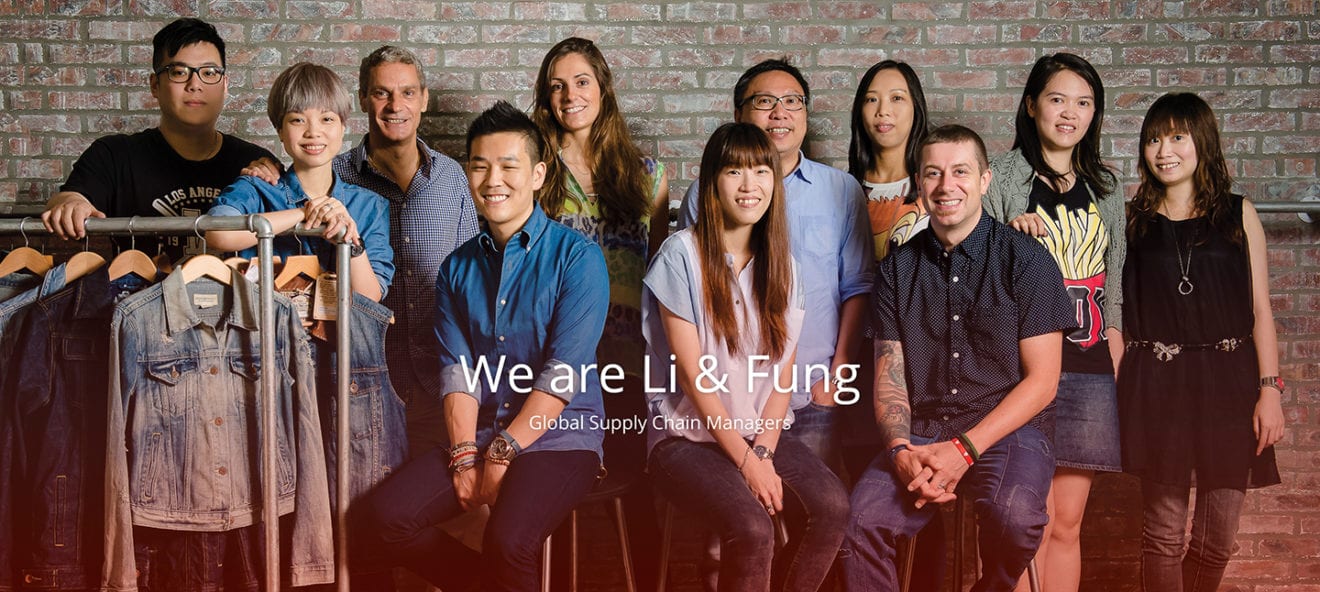
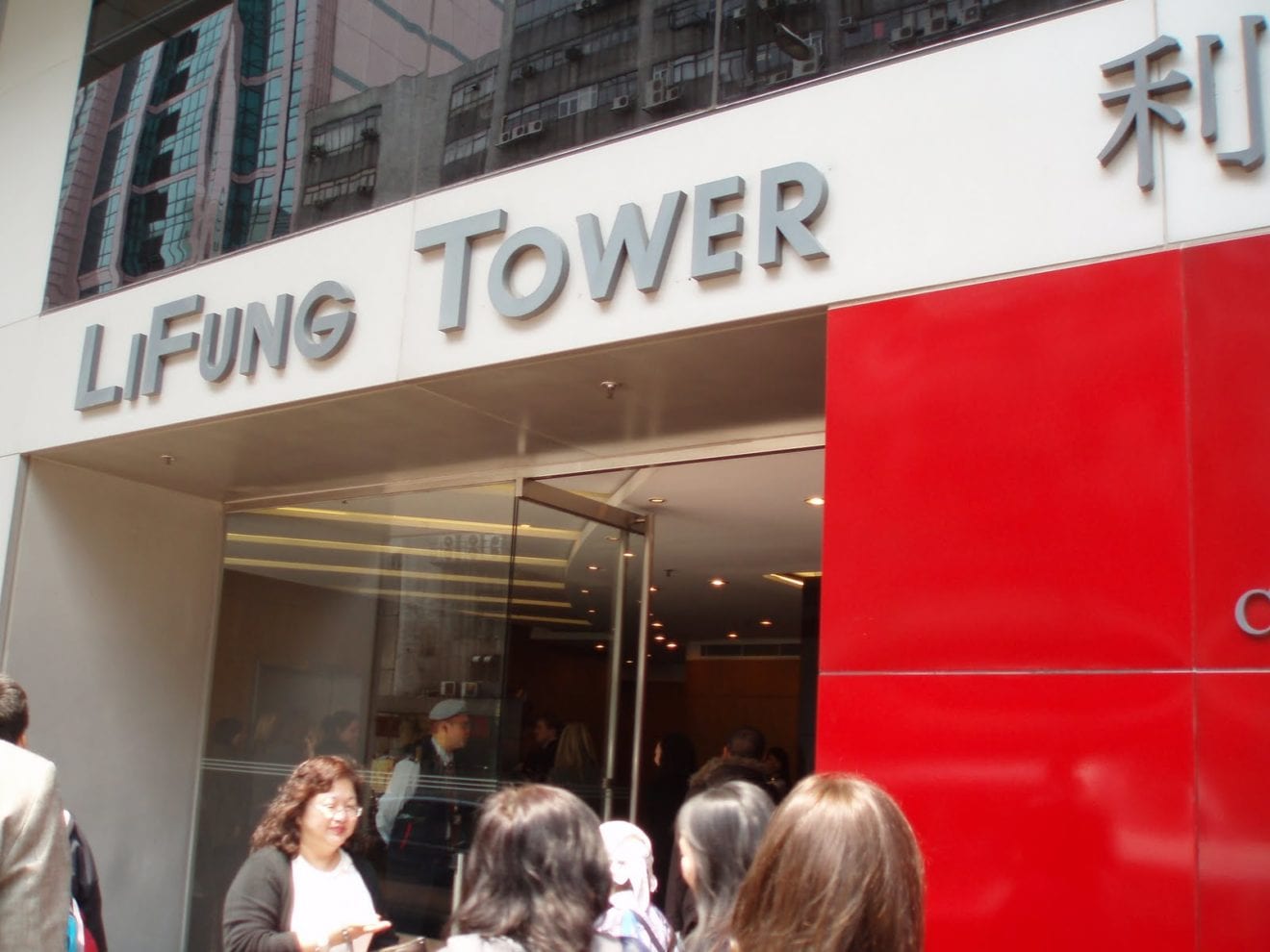
    Global exporter Li & Fung Ltd’s full-year profit fell 4.6 percent but beat analysts’ estimates, as growth in its logistics and vendor support services business helped overcome headwinds from global retail disruption and macro environment.

    The Hong Kong-based company, which grew to prominence by making clothing and toys in Asia for Western retailers, said on Thursday its net profit for the year ended Dec. 31 fell to $421 million from $441 million a year earlier.

    That compared with an average forecast of $413.2 million by 10 analysts polled by Reuters. Li & Fung, which supplies to companies like Kohl’s Corp and Wal-Mart Stores Inc, said core operating
    profit fell 15.2 percent to $512 million.

    Revenue fell to $18.8 billion from $19.3 billion a year ago, which was the biggest company by revenue for 2014 in Asia pacific in “Textiles & Apparel” industry.

    Textile companies in China are expected to post a 12-month forward revenue growth of 23 percent, the highest expected increase in the Asia-Pacific region in the “Textile & Apparel”
    sector, according to Thomson Reuters StarMine SmartEstimates, which emphasizes on recent forecasts by top-rated analysts.

    Li & Fung has refocused on its core asset-light supply-chain business following the sale of its loss-making brand-licensing and distribution business in 2014, helping it boost free cash flow and better control operating costs.

    The company, with a market value of about $5.3 billion, posted a 34 percent rise in January-June profit last year at $149 million.

    Analysts were concerned about inventory build-up at retailer level as inventories grew faster than sales growth in recent quarters. They worried that Li & Fung’s turnover would be affected as U.S. retailers focus on resolving high inventory levels.

  • Hengdeli Achieves Sustainable Growth for 2015

    Hengdeli Achieves Sustainable Growth for 2015

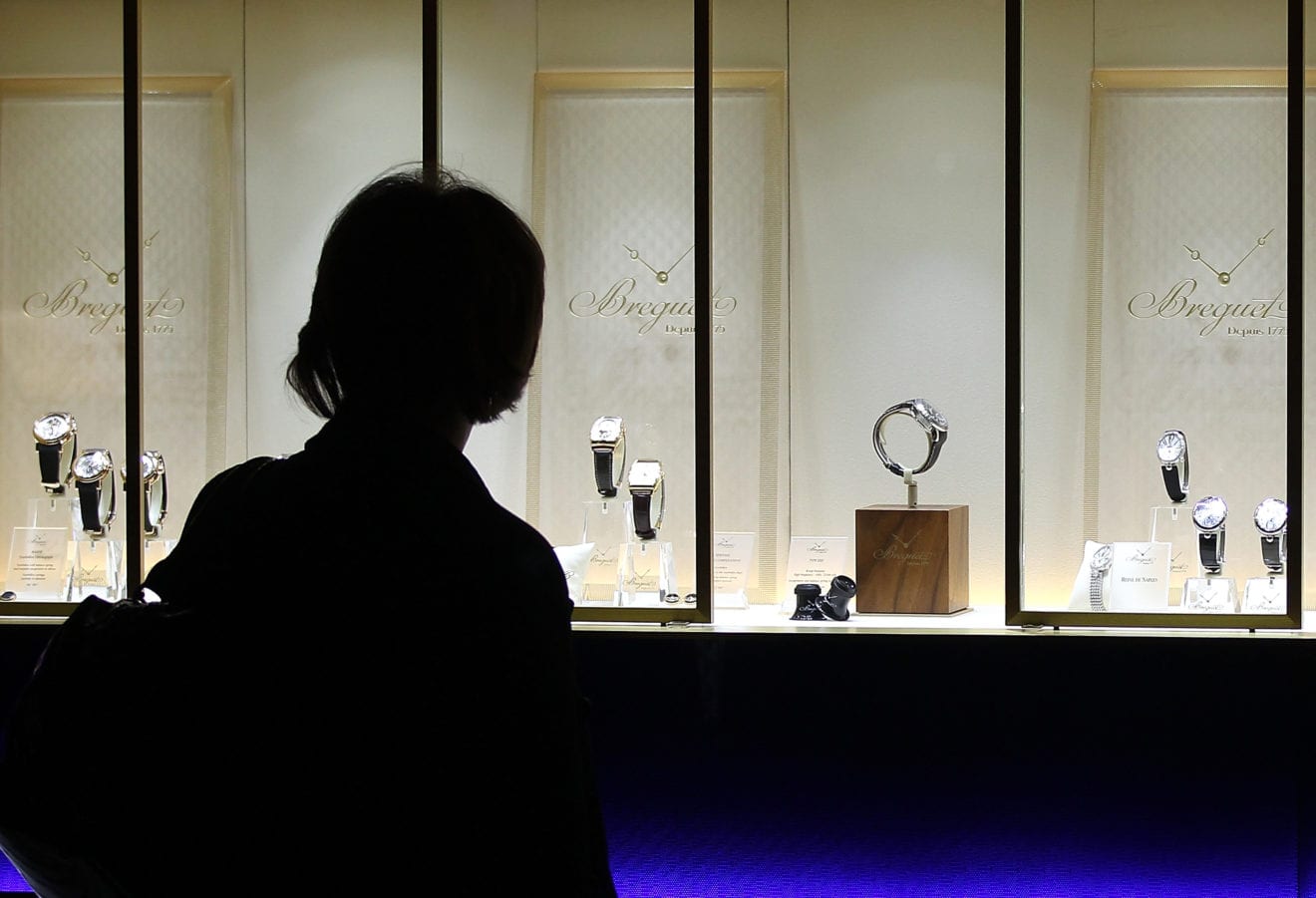
    Hengdeli Holdings Limited, a world-leading retailer of internationally renowned brand watches, announced its annual results for the year ended 31 December 2015 (the “year under review”).

    In 2015, the overall operating environment was very challenging and negatively impacted on the business development of the Group, resulting in weak sales of internationally renowned brand watches. Despite this, the Group’s industrial sector achieved relatively good results due to a series of reforms and innovations. During the year under review, the Group recorded revenues of RMB13,302,724,000, representing a year-on-year decrease of 9.9%. Retail sales amounted to RMB9,373,354,000, a year-on-year decrease of 11.6%. Revenue from industrial sector and others amounted to RMB539,991,000, a year-on-year increase of 25.9%. The Group recorded net profit of RMB190,164,000, a year-on-year decrease of 67.4%. Profit attributable to equity shareholders amounted to RMB144,868,000, a year-on-year decrease of 71.3%. This decrease in profits was mainly due to one-off revenue from the disposal of properties, which was included in the profit for the year of 2014, as well as a drop in sales and gross profit and impairment of goodwill and available-for-sale securities.

    Mr. Zhang Yuping, Chairman and the Executive Director of Hengdeli, said, “In 2015, the overall business environment remained unstable. The increasingly diversified shopping locations and consumption patterns of Mainland Chinese consumers aggravated the harsh environment for product sales as a whole in the Greater China region, especially in Hong Kong. Businesses are faced with a loss of customers and a rise in labor costs. Despite these highly challenging business circumstances, the Group held fast to its operating principle of “healthy and sustainability” to ensure business stability and to better safeguard the interest of shareholders.”

    During the year under review, the Group continued to be guided by the principle of “healthy and sustainability” along with “aiming for optimizing inventory and guaranteeing profits.” The Group also insisted on keeping in place a policy of mutual complementary and interactive operations across the Greater China region, including Mainland and Hong Kong, with mid-end brands serving as the mainstay in its brand mix in order to meet the affordability demands of the general public, and second, third and fourth tier cities as the main sales regions. The Group also continued to adjust the layout of retail network, constantly improving store quality and optimizing the inventory mix. The Group carefully steered business forward through strengthened scientific management and prudent operations. Despite the Group’s various efforts, it was unable to stem the decline in sales as affected by adverse macro condition and subdued consumer demand. Retail sales from Mainland China decreased 7.4% as compared with that of the previous year. Under dismal overall conditions, sales of Elegant Hong Kong decreased 26.8% year-on-year along in line with the overall market trends. As at 31st December 2015, after adjustments and optimization, the Group operated a total of 482 retail outlets across Mainland China, Hong Kong, Macau and Taiwan.

    The industrial sector which is engaged in the manufacture of watch accessories made substantial progress during the year under review. Based on a previously launched marketing strategy and after more than one year of re-alignment and integration, the industrial sector has established a new business model comprising upstream and downstream operations of the watch industrial chain, spanning watchcase manufacturing, packaging products and commercial space design, to production and decoration as well as self-development of brands. A number of companies in the sector have earned goodwill in their respective markets, while a wide customer base covering China, Switzerland, the U.S. and other nations in the Asia-Pacific region was established. Co-operation with brand suppliers has been increasing and a close collaborative relationship with mutual trust and interest sharing was formed. Benefiting from quality management and bold innovations, overall performance of the industrial sector improved remarkably with sales increasing by approximately 35% year-on-year, reflecting a healthy uptrend and promising growth potential. The industrial sector is seen as becoming a strong driving force for the Group’s overall development and turning into an important business arm of the Group in the foreseeable future.

    Following highly focused preparations and various enhancements , “censh.com” (www.censh.com), a new consumption model that merges the “Internet + Hengdeli”, was officially launched online during the year under review. “censh.com” is a media-based e-commerce cross-platform within the Group that operates its major flagship – “censh.com” (www.censh.com), drawing together a number of popular mobile internet software platforms, including WeChat, Weibo and other mobile communication applications. It provides a one-stop solution for six major functions, namely: e-commerce, ERP, product data management, customer resources management, call center and messaging. It offers a comprehensive online to offline service experience to watch lovers. The Group believes that with the successful online operation of “censh.com”, the online and offline resources will become highly synergistic, and will contribute significantly to the overall development of the Group.

    The Group’s customer service network and maintenance business, renowned as a top-notch, retail group leader for internationally renowned watch brands, has been fully integrated and comprehensively covers the Greater China region. During the year under review, the Group added the CK brand into its comprehensive customer services arrangements with brand suppliers, including: Tissot, Mido, and Certina from the SWATCH Group, as well as others. The Group also entered into exclusive watch maintenance agent agreements with: Movado, Milus, Blita, LOCMAN, Million Horn and others. To date, the Group has become the maintenance agent for 74 international brands such as those from the SWATCH Group and LVMH Group and also serves as the exclusive maintenance agent for 45 of those brands.

    In the brand distribution business, the Group has always maintained a sound co-operative relationship with numerous brand suppliers and brand retailers, and has received active general support from them. The Group has about 400 wholesale customers in over one hundred cities across China, distributing and exclusively distributing world-famous watch brands. For the coming year, the Group will continue to maintain and deepen its relationships with suppliers and retailers, while exploring new measures under the “new normal” economic climate to achieve harmonious growth and win-win situation.

    In the coming year, the Group will hold on to a stable and healthy growth policy, while at the same time harboring a pragmatic view and fostering an innovative spirit in the search for a new development model to benefit the Group. We will also continue to make structural adjustments while ensuring healthy growth and seeking business sustainability. The Group will maintain a healthy and stable level of sale and inventory on the one hand while investing more resources in our industrial sector to help bolster faster development. The overall aim is to open up a road of continuous development for the Group amid today’s “new normal” economic climate and generate higher value for shareholders and the community at large.

    Mr. Zhang concluded, “In 2016, as the road to full global economic recovery is still long and winding, China’s economy will also be faced with significant downward pressures. For this reason, the Group believes that under the new normal economic climate, the growth in sales for watches in the Greater China region will continue to lose steam. However, the long-term economic trend in China remains fundamentally favorable, which will offer unprecedented opportunities and challenges. By leveraging our core competitiveness, the Group will identify and take advantage of any and all new opportunities to achieve business breakthroughs and expand business despite the current headwinds and challenges. Ultimately we remain cautiously optimistic about the future prospects of the Group.”


  • Billionaire Li Ka-shing sounds alarm over Hong Kong’s economy

    Billionaire Li Ka-shing sounds alarm over Hong Kong’s economy

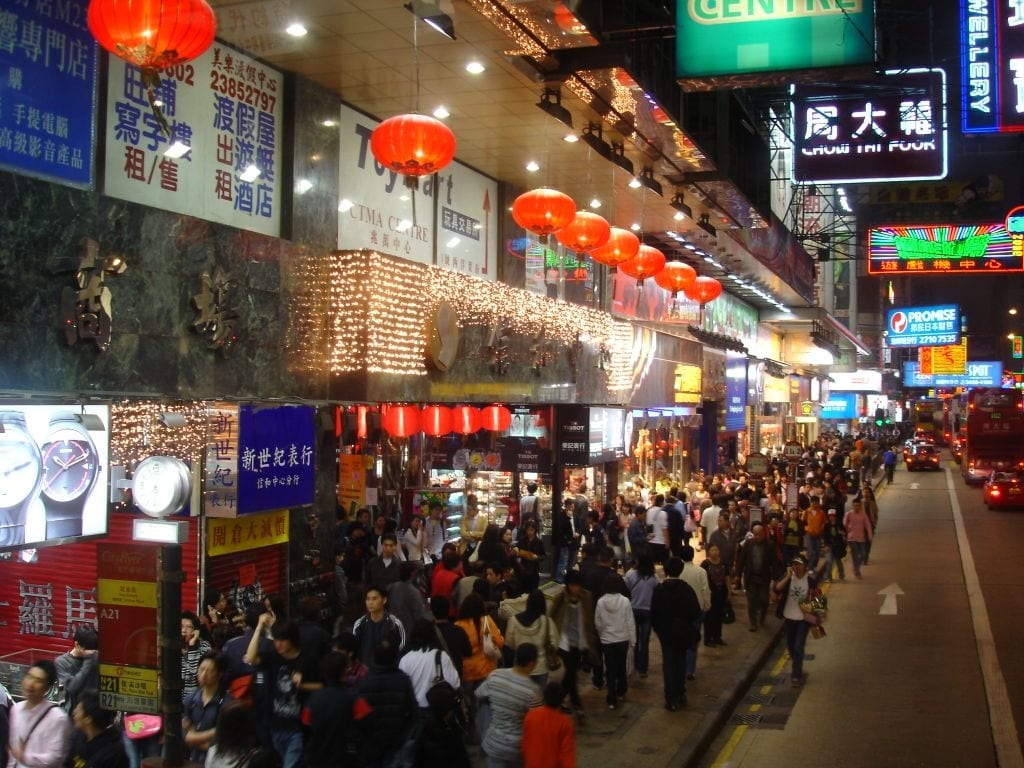
    Hong Kong’s economy is at its worst in 20 years, billionaire Li Ka-shing said on Thursday, warning that the city’s stock market could fall by more than half if the financial hub does not get backing from mainland China.

    Li, who held court and joked with reporters for more than an hour during an earnings news conference, is the latest person to sound the alarm after Moody’s downgraded Hong Kong’s sovereign credit rating at the weekend, citing its links to China’s economic slowdown.

    “Today’s Hong Kong is getting worse, the worst I’ve seen in 20 years,” said Li, 88, referring to the Asia financial crisis in the late 1990s. Our home sales and retail now is worse than the SARS period. During SARS (the effect) was short-lived but now it is long,” he said, in a reference to the Severe Acute Respiratory Syndrome that crippled the city in 2003.

    Hong Kong retail sales, which suffered their worst decline in 13 years in 2015, have been hit by a slump in tourist from the mainland which has been blamed in part on increasing cross-border tensions and political unease on both sides.

    “If we respect tourists, no matter where they’re from, today our retail, hotels would not be this bad. So everyone has to reflect on themselves, there are a lot of issues the politicians need to reflect on how they can do better,” Li said.

    In February, Hong Kong’s Financial Secretary John Tsang said “political volatility” was threatening to undermine the economy and warned disputes would intensify ahead of this year’s elections which pit the city’s democratic opposition against pro-Beijing parties.

    A former British territory, Hong Kong is ruled under a “one country, two systems” formula that allows wide-ranging autonomy and freedoms not enjoyed in mainland China, but many in the city have voiced concern over what they see as increasing interference by Beijing in its affairs.

    Li, known as Superman for his deal-making savvy, said he does not think Hong Kong people want independence and urged residents to allow the city to be stable and prosperous.

    Earlier on Thursday, Li’s ports-to-telecoms conglomerate CK Hutchison reported a net profit of HK$31.17 billion ($4 billion) for 2015, in its first full-year earnings report after a reorganisation last year.

    Li continued to take questions from the packed conference even as company officials tried to usher him out, saying finally with a smile: “You guys are just expecting me to slip out something wrong.”


  • ASEAN tourism to launch Visit ASEAN@50 Golden Celebration in 2017

    ASEAN tourism to launch Visit ASEAN@50 Golden Celebration in 2017

    Member countries of ASEAN will celebrate the groupings 50th Anniversary in 2017 by holding a joint tourism programme under the theme “Visit ASEAN@50: Golden Celebration” with the objective of embracing ASEAN as a single and united tourism destination.

    “Visit ASEAN@50: Golden Celebration will highlight ASEANs best 50 festivals and 50 most unforgettable travel experiences, whereby visitors will enjoy a wide range of ASEAN tourism products through diverse destinations, culinary, events, and engagements with local communities,” the ASEAN Secretariat said in a statement.

    Special offers and travel promotions with affiliated partners will be rolled out for travellers to enjoy the richness of cultural, heritage, nature, and to feel the warmth of ASEAN hospitality.

    Targeting major regional and long-haul source markets, such as: China, Japan, Korea, India, Australia, UK, Germany, Russia, the UAE, USA and Canada, Visit ASEAN@50: Golden Celebration is expected to achieve 121 million international visitor arrivals to the region by the end of 2017.

    Also increase tourism receipts to USD 83 billion; and extend tourist visitations average length of stay to 6-7 days, and to more than 2 ASEAN countries.

    The official pre-launch of the Visit ASEAN@50: Golden Celebration campaign was spearheaded by ASEAN Tourism Ministers and Leaders at the ITB Berlin on 10 March 2016.

    The pre-launch was followed by two days of ASEAN cultural performances for ITB Berlin’s public audiences on 12 and 13 March at Thailand pavilion.

  • Hong Kong economy in worst shape in 20 years

    Hong Kong economy in worst shape in 20 years

    Billionaire Li Ka Shing said yesterday that Hong Kong’s economy is at its worst in 20 years, and warned that the city’s stock market could fall by more than half if the financial hub does not get backing from mainland China.

    Mr Li, who held court with reporters for over an hour at an earnings news conference, is the latest person to sound the alarm after Moody’s downgraded Hong Kong’s sovereign credit rating at the weekend, citing its links to China’s economic slowdown.

    “Today’s Hong Kong is getting worse… the worst I’ve seen in 20 years,” said Mr Li, 88, referring to the Asian financial crisis in the late 1990s. “Our home sales and retail now is worse than in the Sars period. During Sars, (the effect) was short-lived but now it is long,” he said, in a reference to the severe acute respiratory syndrome that crippled the city in 2003.

    Hong Kong retail sales, which suffered their worst decline in 13 years last year, have been hit by a slump in tourists from the mainland which has been blamed in part on increasing cross-border tensions.

    “If we respect tourists, no matter where they’re from, today our retail, hotels would not be this bad. So everyone has to reflect on themselves, there are a lot of issues the politicians need to reflect on how they can do better,” Mr Li said.

    Last month, Hong Kong’s Financial Secretary John Tsang said”political volatility” was threatening to undermine the economy and warned disputes would intensify ahead of this year’s elections.

    A former British territory, Hong Kong is ruled under a “one country, two systems” formula, but many in the city have voiced concern over what they see as increasing interference by Beijing. Mr Li, known as Superman for his deal-making savvy, said he does not think Hong Kong people want independence and urged residents to allow the city to be stable and prosperous.

    Earlier, Mr Li’s ports-to-telecoms conglomerate CK Hutchison reported a net profit of HK$31.17 billion (S$5.4 billion) for last year, in its first full-year earnings report after a reorganisation last year. The company also announced a full-year dividend of HK$2.55 a share, while analysts estimated HK$2.71.

    CK Hutchison shares dropped 0.3 per cent to close at HK$98.85 before it announced earnings, extending this year’s decline to 5.5 per cent. The benchmark Hang Seng Index fell 6.4 per cent last year.

  • Retail regulations failing to make a big impact

    Retail regulations failing to make a big impact

    Since June 6, 2012, a local government regulation has required large discount supermarkets like Lotte Mart and E-Mart to be closed every second and fourth Sunday of the month in a bid to boost merchants at traditional markets who have seen dwindling customers.

    But more than three years since the regulation was put into place, its effects have been tepid. In interviews with merchants at traditional markets, most said they could not sense a big difference after the regulation, but they did not want the regulation to stop, either.

    Many said they hope for more practical measures to stop the decrease in their annual customer numbers. Some complained most traditional markets do not offer parking.

    In fact, parking facilities was one of the biggest reasons why customers said they preferred big supermarkets over traditional markets. Customers also cited the wide variety of items they can buy at a supermarket under one roof as another advantage.

    On top of that, according to market research firm TNS, big supermarkets typically contain 50,000 stock keeping units, while traditional markets only have 2,000, limiting their supply.

    In a TNS survey, when asked what they usually do when big supermarkets are closed, three out of 10 customers said they would postpone shopping until the supermarkets are open again. Seven out of 10 said that they would shop elsewhere, such as at convenience stores or online shopping sites; only 20 percent of those people said they would go to traditional markets instead.

    “The regulation on big supermarkets goes against the retail market’s modernization and hinders its gradual development,” said Ahn Seung-ho, a business professor at Soongsil University, during hearings on the regulation in September 2015.

    “The cause of small retailers going downhill is not the big supermarkets but the competition and competitiveness problems between similar local business conditions. The policy should be written to elevate the competitiveness of local commerce.”

    The regulation has effects not only on big supermarkets but also goods suppliers and supermarket workers. With the stores closed two days a month, goods suppliers suffer a direct economic loss, while supermarket employees, because most of them are non-regular workers, suffer employment instability.

    Supporters of small traditional markets, though, insist the regulation is necessary.

    “From 2013, the monthly business profits of micro-enterprises have decreased 25.5 percent compared to 2010,” said the head of the survey study department at the Nohwabong Micro-enterprise Promotion Foundation. “This is evidence that the regulation was appropriate.”

    Local government and micro-enterprise organizations say the regulation is preventing polarization. They argue that if big market regulations disappear, chances are high that large retailers will monopolize the market, and customers might suffer loss due to price increases.


  • Li & Fung cautions on weak outlook for global retail

    Li & Fung cautions on weak outlook for global retail

    Hong Kong-listed Li & Fung, which supplies products from China for international groups including Walmart, has warned that the global retail market will remain weak this year as deflation continues to weigh on Chinese factories.

    The world’s largest sourcing company by revenue is a barometer for the state of global trade and the Chinese manufacturing industry and has had its profits and turnover squeezed in recent years amid tough market conditions.

    “The global economy looks challenging,” Spencer Fung, chief executive of the family-led company, said on Thursday as the group reported another drop in profits and revenue last year. “For 2016, the consumer sector is likely to remain weak and factory deflation will continue.”

    Revenue fell 2.4 per cent to $18.8bn in the year to December 31, while net profit attributable to shareholders shrank 4.6 per cent to $421m, marginally ahead of analysts’ expectations.

    Mr Fung, who is the great-grandson of the company’s founder, said 2015 had been another difficult year for the business. Li & Fung’s traditional role as a middleman between factories and retailers has been disrupted by the growth of ecommerce and fast-changing consumer tastes.

    “Our major markets in the US, Europe and Asia all experienced strong headwinds,” he said, noting that the price of shipping a container from China had fallen as much as 75 per cent in some cases because of lower demand.

    Shares in Li & Fung have fallen 36 per cent in the past year as investors remain concerned about its ability to overcome the structural changes in the retail and manufacturing industries at a time when the global economy is struggling.

    Mr Fung said the company managed to increase the volume of products it shipped last year, but that falling factory-gate prices in China meant revenues fell in value terms.

    He said that this deflation, which is of concern to the Chinese government, was likely to continue this year because of sluggish consumer demand in the US and Europe, and low commodity prices.

    Facing a difficult environment in its core sourcing business, Li & Fung has been expanding into areas such as ecommerce logistics.

    Revenue at its logistics arm rose 6.7 per cent last year, as it capitalised on the rapid growth of ecommerce in China, where cheap smartphones and convenient online payments systems have helped retailers expand their internet business.

    With sourcing still accounting for 95 per cent of the company’s turnover, the logistics business was unlikely to provide much respite for Li & Fung in the next few years.

    But Mr Fung said the company’s efforts to move into logistics would pay dividends in the longer term, given Li & Fung’s broad global footprint in manufacturing nations such as China, Vietnam and Bangladesh, as well as key end markets such as the US and Europe.

    “The changes happening [in] retail are impacting everyone along the value chain,” he said. “Our customers are looking to us to help them navigate these changes with innovative products and increased speed to market.”

  • Korea has potential to top Singapore in MICE

    Korea has potential to top Singapore in MICE

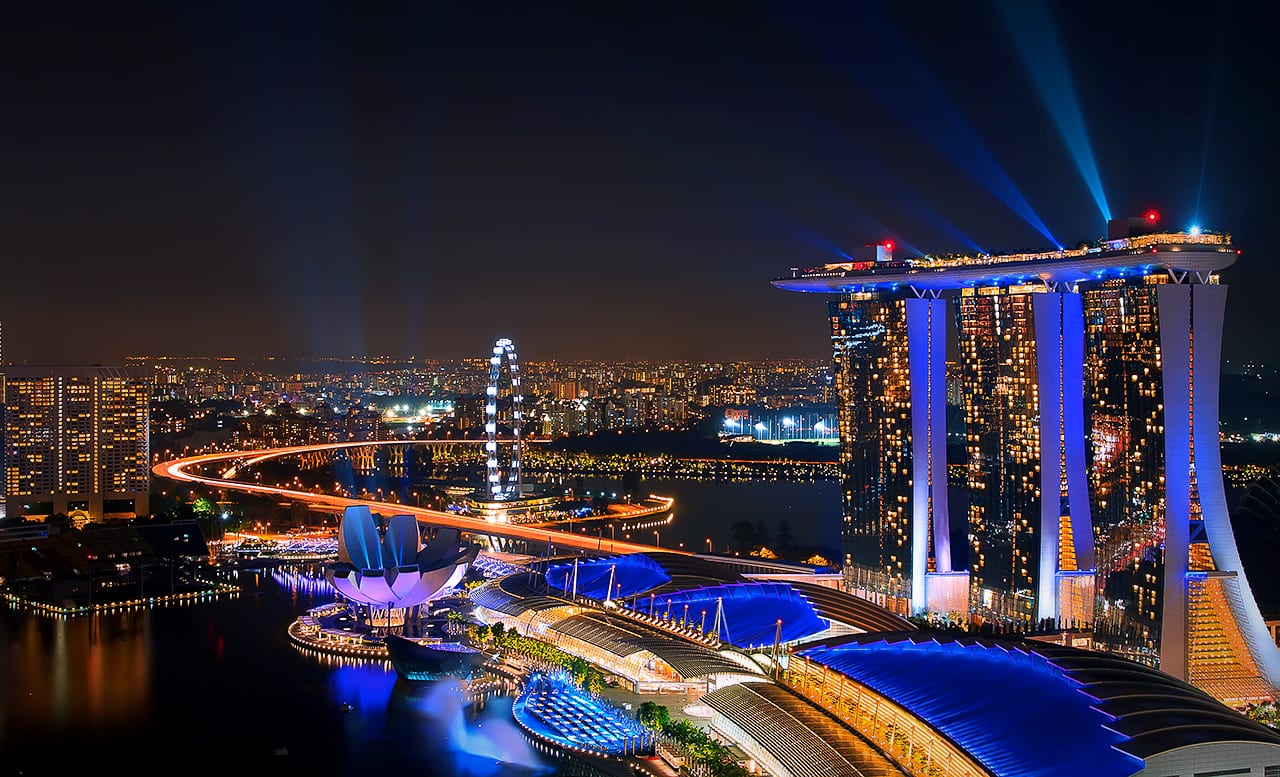
    South Korea has the potential to become the world’s top MICE (meeting, incentive tour, convention and exhibition) destination once it upgrades its tourism infrastructure, Marina Bay Sands (MBS) CEO George Tanasijevich said.By Kim Jae-kyoung

    He added that a large-scale integrated resort similar to MBS in Singapore will not only help Korea revitalize its infrastructure but also serve as a marketing tool to attract more business and leisure tourists from abroad.

    “Korea has a greater opportunity to lift its MICE industry even higher (than Singapore),” Tanasijevich said in an interview with The Korea Times at the MBS Hotel overlooking a panoramic view of Singapore.

    He pointed out that Korea has many advantages over competitors such as Singapore, because it has both rich cultural assets and advanced technology.

    “You have wonderful cultural, historical attractions that the tourism industry leverages very effectively. Where I think it is lacking is in more modern tourism infrastructure. The integrated resort is something that would be a huge positive effect on tourism in Korea,” he said.

    “Korea has a well-established international airport, a highly skilled workforce, and high connectivity. It also has a network of small firms that can support a large-scale resort and at the same time benefit from it. And Korea is very innovative in technology and pop culture.”

    However, the CEO said that there are infrastructure limitations, or even an outright lack of infrastructure within the MICE industry in Korea. He believes that an integrated resort will relieve many such constraints.

    One limitation he cites is that the largest ballroom in Seoul can only serve dinner to around 700 people at once, compared to MBS that can serve dinners to 6,600 people at the same time.

    “That’s an example of an infrastructure constraint in terms of facilities that MICE industry offers in Korea. You can’t have the world’s biggest event because the world’s biggest event wants to have dinners that are bigger than 700 people,” he said.

    Another example of limitation or constraint in the market is entertainment facilities.

    Tanasijevich, who is managing director of Global Development for Las Vegas Sands Corp., said that Korean entertainment is sweeping across the globe but venues are inadequate to really promote the industry within Korea.

    “If we are given the opportunity to develop the resort in Korea, what we would do is create major entertainment components included in it,” he said.

    “It can serve as a home of K-pop, home of Korean entertainment so that you can use it as a marketing tool to draw high-value tourists into Korea who would contribute significantly to your economy.”

    The Singapore-based CEO said that Sands is not interested in investing in building a resort allowing only foreigners to gamble.

    “That’s not our business model. That’s not what interests us in Korea so we are not moving forward with that kind of project. What we are looking to do is to create a MICE-focused resort that is more substantial than MBS.”

    The following is an excerpt from the interview.

    Q: Sands has had tremendous success with MBS in Singapore. What do you think are the key success factors?

    A: We are pleased that in our seven years of operations, we are still partnering with the government to deliver its promises of tourism, jobs and growth to Singapore. I would say the biggest contributor is our unique MICE-focused resort business model, which is a strong fit for a city like Singapore, a top destination for tourism as well as MICE business.

    We did not just bring a replica of what we have developed in other parts of the world. We proposed a very strong MICE element, which would fulfill Singapore’s aspirations as a MICE destination.

    Then we added celebrity chef restaurants, theaters, nightclubs, a sizeable retail mall and a museum to add excitement to Singapore as an entertainment and dining attraction. To alleviate the problem of insufficient hotel rooms, we constructed 2,500 rooms. We then added an iconic SkyPark and architecture that would make a stunning skyline for Singapore, given that we were awarded the focal site in Marina Bay.

    Likewise, we will study the Korean market carefully and develop an integrated resort that will fulfill the aspirations and objectives of the Korean people if we have the opportunity to be in Korea.

    Q: MBS is now a symbol of Singapore and considered a successful integrated resort model. Korea is different from Singapore in many aspects. Do you think the same model can be applied to Korea?

    A: On the flip side, Korea is also similar to Singapore in many ways. It is a developed country with a strong economy, its workforce is highly skilled and its people have the same aspirations for better jobs, better lives and growth for the country. We will adapt our model to Korea, which like Singapore, is a very strong MICE contender among the world’s top business destinations.

    Q: Do you think an integrated resort can contribute to economic growth by creating more jobs and bolstering the tourism industry?

    A: Today, MBS is one of the largest job creators in Singapore. We hire over 9,500 team members for our daily operations and house another 3,000 staffers under the employment of various tenants in our retail mall.

    By 2015, MBS had created 46,000 direct, indirect and induced jobs in the Singapore economy, according to economists. Since we opened in 2010, we have offered thousands of Singaporeans unprecedented opportunities to work alongside the world’s biggest celebrity chefs, stage the biggest entertainment events and learn new skills and trade in gaming, conventions and more.

    If we have an opportunity to open an integrated resort in Korea, we will create similar opportunities for the Korean people, especially for young Koreans who want good careers in a multinational company.

    In MBS, Singaporeans make up 60 percent of senior management, and account for 80 percent of the supervisory and managerial positions. The numbers illustrate that we can provide not only employment, but good jobs for Koreans if we have the opportunity to open in Korea.

    Q: The biggest hurdle to opening an IR in Korea is the public’s negative sentiment against casinos. What is your view on Koreans’ concerns?

    A: We believe many Koreans associate the word casino with gambling dens, which is not what our type of integrated resort like MBS is. Our proposal for Korea is an entertainment complex with theaters, celebrity chef restaurants, a mall, hotel, convention facilities, attractions, and even arenas and parks. The casino is less than 5 percent of the total footprint, making it possible for millions of visitors to enjoy our resort without taking a step into the casino.

    We will work closely with the government to inform and educate the Korean public about our type of integrated resorts we intend to invest in Korea if the government allows us the opportunity to do so.

    Q: What is your bottom line in investment in Korea?

    A: We do not believe that a foreigners-only casino will accomplish the goals of the Korean people. Korea already has 16 of them. It will neither warrant the type of investments we intend to make nor achieve the economic impact that the Korean government wants to achieve. We believe a restricted-entry casino that allows Koreans, subject to social safeguards and barriers to entry in place — no bigger than 5 percent of the total integrated resort footprint, will do so.

    Q: Do you have preferred places to build an integrated resort in Korea?

    A: We think that Seoul and Busan are ideal locations for our type of business model and the size of investment we are prepared to make.

    As you can note from MBS in Singapore, because we have such substantial elements for MICE facilities we need to be in a downtown location that is accessible to major international airports and a place where we can provide opportunities for companies and business people.
  • Singapore Retail sales up 7.5% in January as car sales surge

    Singapore Retail sales up 7.5% in January as car sales surge

    Singapore’s retail sales increased 7.5 percent in January on a year-on-year basis, mainly due to a spike in sales of motor vehicles, said the Department of Statistics Singapore (SingStat) on Tuesday.

    On a month-on-month basis, retail sales dropped 1.2 percent in January. Excluding motor vehicles, retail sales decreased 0.5 percent.

    The total retail sales value in January was estimated at 4.1 billion Singapore dollars (3 billion U.S. dollars), higher than 3.8 billion Singapore dollars (2.8 billion U.S. dollars) in January in 2015.

    Compared to January 2015, retailers of motor vehicles, medical goods and toiletries and department stores recorded increases of between 11.9 percent and 50.9 percent in sales in January 2016. Similarly, retail sales of supermarkets, mini-marts and convenience stores, wearing apparel and footwear and optical goods and books rose between 1.4 percent and 7.9 percent.

    In contrast, retail sales of telecommunications apparatus and computers decreased 30.5 percent in January 2016 over January 2015. Retail sales of watches and jewellery, food and beverages, petrol service stations, recreational goods and furniture and household equipment also declined between 0.8 percent and 8.4 percent over the same period.

    The total sales value of food and beverage services in January 2016 was estimated at 685 million Singapore dollars (500 million U.S. dollars), lower than the 689 million Singapore dollars (503 million U.S. dollars) in January 2015.

    The Retail Sales Index and the Food and Beverage Services Index measure the short-term performance of retail and Food and Beverage service industries based on their sales records. The sales figures exclude taxes.

  • Le Lumiere joins WDM Authorised Diamond Dealer programme

    Le Lumiere joins WDM Authorised Diamond Dealer programme

    Joining the list of retail jewellers who are part of the WDM Authorised Diamond Dealer programme is Le Lumiere owned by Tomei, a leading Malaysian retail jewellery chain. Le Lumiere has become the first Malaysian retail jewellery to be part of the program.

    An agreement to this effect was signed between Datuk Ng Yih Pyng, Managing Director at Le Lumiere’s parent company and WDM Chairman Alex Popov.

    Datuk Ng added appreciated Le Lumiere achieving the status of the pioneer retail jeweller in order to acquire the title of WDM Authorised Diamond Dealer in Malaysia. This furthers the company’s efforts to ‘sustain the retailer’s image, contribute to the improvement of consumer confidence in diamonds and diamond jewellery, and thereby increase sales of diamonds and diamond jewellery.’