Category: General

Retail News Asia is committed to providing both local and global retailers with the latest General Retail news throughout the Asian market. This on a daily base.

  • Tech innovations for retail industry on show at A*Star event at Biopolis

    Tech innovations for retail industry on show at A*Star event at Biopolis

    More than 60 ICT-based solutions for the retail industry are on show at the Media Exploits event at Biopolis on Wednesday and Thursday (Nov 4 and 5).

    Now in its fifth year, the annual event is organised by Exploit Technologies (ETPL), the commercialisation arm of the Agency for Science, Technology and Research (A*Star). While targeted at industry professionals, the event at the Matrix Building is also open to the public from 9am to 5.30pm.

    The innovations on show include an augmented reality application, developed by A*Star researchers, that allows consumers to visualise how a piece of furniture would look in their homes.

    There is also a web application that enables customers to try on different hairstyles at hair salons. This was developed by local start-up Gamurai, based on 3D-modelling technology licensed from A*Star.

    Other projects in various stages of development also propose solutions in the areas of healthcare, robotics, home care and interactive digital media.

    Mr Philip Lim, chief executive officer of ETPL, said a major objective of the event was to bring people from different communities together, particularly those who understand markets and consumer demand.

    He said: “You need to bring teams of people and talent forward to where the technology has been groomed, maybe even to the point where they can influence the technology.

    “They can tell the researchers – why are you doing this? Isn’t this a better way of doing things, because this is what people need out there.”


  • Saturation hits luxury retail, but new trends provide hope

    Saturation hits luxury retail, but new trends provide hope

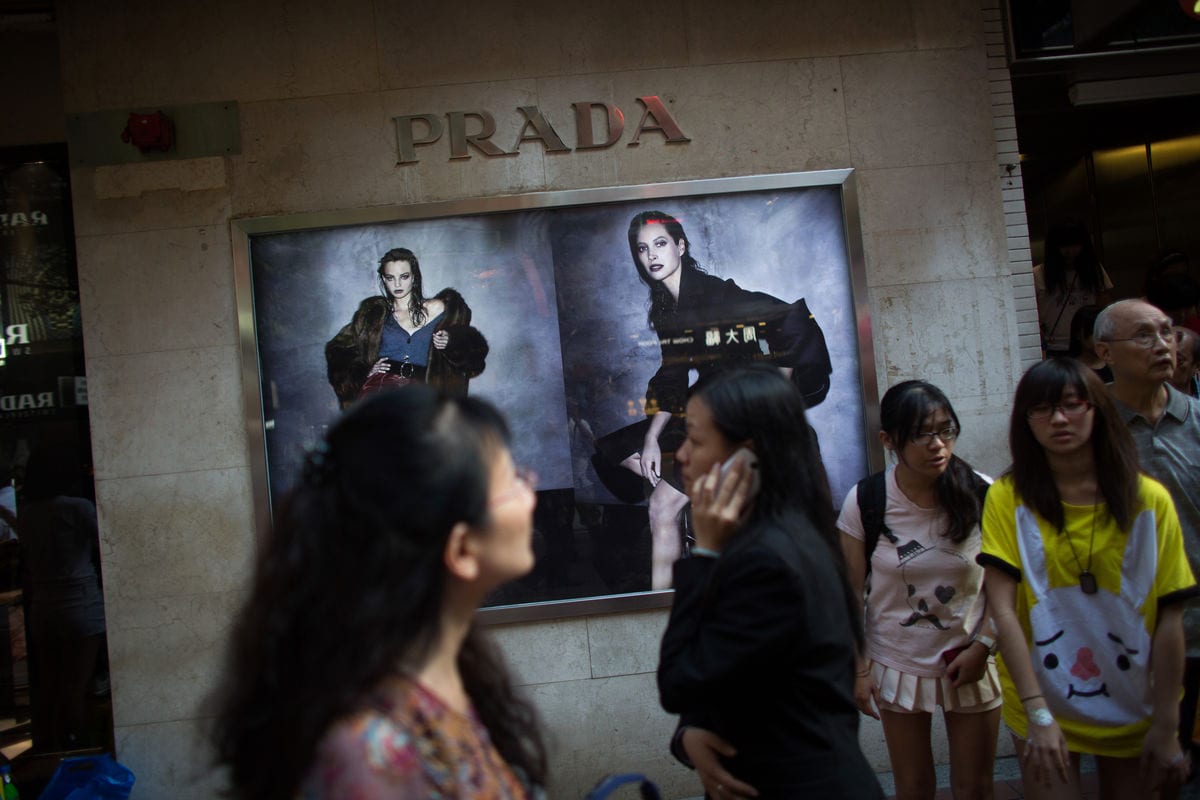
    The Asia Pacific region is experiencing a slowdown in the luxury retail sector, but new emerging trends are set to provide the retail sector with a solid new stimulus for demand in the coming years, according to the CBRE’s special report, ‘The Future of Luxury Retail in Asia Pacific: New Demand Drivers and Shifting Occupier Requirements’.

    Most major luxury retailers are now well established in Asia Pacific with China and Hong Kong being two of the most penetrated markets at 89 per cent and 81 per cent, respectively. However, following several years of rapid expansion, these markets are approaching saturation point.

    “Accounting for one-third of personal luxury goods sales globally in 2014, Asia Pacific is a key region for international luxury brands with key markets including China, Hong Kong, Japan, Singapore, South Korea and Taiwan. However, the high growth period for luxury retailers in the region is gradually coming to an end,” said Dr Henry Chin, Head of Research, CBRE Asia Pacific.

    ”Over-saturation, surging operational costs and weaker retail sales – especially in Hong Kong due to the slowing mainland China economy – have prompted retailers to consolidate their existing store networks and slow their rate of entry into new markets focusing on operational efficiency,” said Dr Chin.

    CBRE has identified three emerging trends which will partially offset some of the negative effects arising from the slowdown and compensate for the loss of demand: Emergence of Affordable Luxury, Inclusion of F&B and Growth of Luxury Childrenswear.

    “With the momentum behind these trends, this will account for a bigger slice of leasing demand for prime retail space,” says Joel Stephen, Senior Director, Head of Retailer Representation, CBRE Asia. “Retailers and landlords can benefit from the projected growth in these market segments,” he adds.

    Emerging retail trends are already impacting luxury retailers’ real estate requirements, resulting in new, and in some cases, weaker demand for different types of retail property, the report said.

    Some of the key trends that CBRE have identified include weaker interest in department stores despite continued interest in prime locations; stronger focus on flagship stores; increased popularity in short-term opportunities for brands to set up exhibitions, pop-up and concept stores, and workshops, to generate greater consumer awareness; affordable luxury brands continuing to drive demand; and more interest in upper floor retail space, but limited to top-tier malls and driven by F&B and childrenswear segments.

  • Foreign operators threaten Korea’s duty free shops

    Foreign operators threaten Korea’s duty free shops

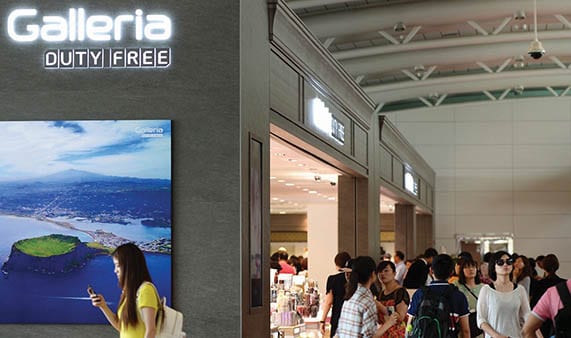
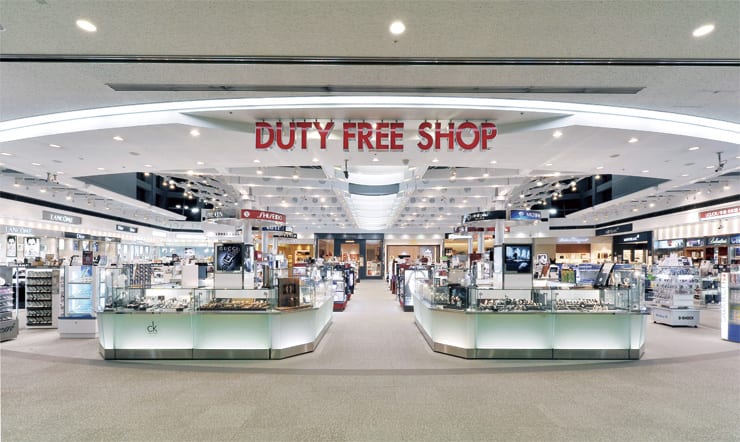
    Korea’s duty free stores are sensing a crisis because of increasingly tougher challenges from their competitors in China, Japan and Thailand, industry sources said Tuesday.

    According to the Korea Duty-Free Association (KDFA) and distribution industry sources, the nation’s duty free retail market grew to 8.3 trillion won ($7.24 billion) last year, up 21.6 percent from 2013. There were still wide gaps with the neighboring markets of China (5.6 trillion won), Thailand (2.1 trillion won) and Japan (1 trillion won).

    But these regional competitors are rapidly expanding their markets, going all out to draw Chinese tourists to erode Korea’s lead.

    And this year has provided good opportunities for foreign operators, as the number of Chinese visitors to Korea sharply declined to 4.36 million in the first nine months, compared with 6.13 million last year, affected by the breakout of Middle East Respiratory Syndrome in April. But the number of Chinese people who visited Japan and Thailand in the first nine months rose from 2.41 million and 4.62 million to 3.83 million and 6 million, respectively, from a year ago.

    Foreign analysts also saw it as serious. “The Korean duty free retail market may appear to be a golden goose because of the influx of Chinese tourists,” said Martin Moody, chairman of Moody Report, a British distribution magazine. “Those golden eggs could prove to be quite fragile, however, because of unpredictable factors as seen in the MERS crisis.”

    Industry experts stress the need for enhancing the global competitiveness of domestic operators by expanding their store sizes and developing specialized services. Amid the ever-toughening competition, running duty free stores is no longer a preferential business, they said, adding that the government and industry should cooperate to create more competitive operators.

  • Courts Retail to open second  megastore by year-end

    Courts Retail to open second megastore by year-end

    PT Courts Retail Indonesia, a subsidiary of Singaporean retailer Courts Asia Ltd., will open a new megastore in Bumi Serpong Damai (BSD) City, South Tangerang, Banten, in December as part of the company’s Indonesian expansion.

    Courts Retail Indonesia CEO Roy Santoso said the 24,000-square-meter megastore was currently under construction on a 2.2-hectare plot of land in BSD, a growing township in the southwest of Jakarta with direct toll road access to South and West Jakarta.

    He said the construction of the retailer’s second megastore was 80 percent complete. The store would sell at least 12,000 items from 200 local and international brands. All the electronics and home appliances were local products, while the furniture would comprise 70 percent local and 30 percent imported brands, mostly from Malaysia and China, Roy added.

    “The store spaces will be grouped into four segments: ‘Play’ for electronics, ‘Live’ for home appliances and accessories, ‘Sleep’ for beds and ‘Relax’ for furniture,” he said in a press briefing last week.

    Currently the company has three operating stores: one megastore in Kota Harapan Indah, Bekasi, West Java, and two smaller ones in Bekasi and Bogor, both West Java. It only began active operations in Indonesia in 2014.

    Roy said that Courts Retail would open a maximum of seven stores in total within two years and 10 to 12 stores by 2019 in Greater Jakarta.

    “In these kind of economic conditions, we have to have a sustainable development plan. To reach breakeven, we plan to open two to three smaller-sized stores within two years,” Roy said.

    “Our initial plan had been to have one megastore in each western and eastern part of Greater Jakarta. The eastern part is Bekasi and the western part is BSD. We can still have vast area to build a megastore in BSD,” Roy said.

    “Courts also targets various classes of income groups. In our stores we segment our products into good, better and best so that people can choose. And BSD is easily accessible for people with different income who live in Bintaro and Pondok Indah in South Jakarta and Karawaci in Tangerang, other satellite cities with high numbers of population,” Roy added.

    The company has invested between US$3 million and $5 million for each megastore and $500,000 to $1 million for each smaller store of 2,000 sqm. In total, it has invested around $8 million so far, Roy said.

    The megastore to be launched in BSD will absorb some 300 employees, alongside overall management personnel placed there, too, as the company plans to move its headquarters from South Jakarta to the new outlet by December.

    Amid present competitors in the area, such as Kawan Lama Group’s Ace Hardware and Informa that serve similar product segments, Courts remains optimistic as it offers different product models and promotions.

    Courts Retail promotion strategy includes a flexible credit scheme and cooperation with major credit card issuers, including exclusively with BRI.

    “Other new things offered by Courts include a free delivery service, made-to-order furniture, installation, repair and cleansing services. Our e-shopping website will be ready by the end of this month,” Roy said.

  • DFASS Group to be official partner for ARC Singapore

    DFASS Group to be official partner for ARC Singapore

    Inflight concessionaire Duty Free Air and Ship Supply (DFASS) will be official partner for the 2016 Airline Retail Conference (ARC) Asia/Pacific showpiece, event organiser Memphis Media has confirmed.

    Memphis Media has made efforts to restructure all ARC events since its acquisition mid-March and last month announced it will reduce entry tickets for exhibitors and delegates to all ARC events.

    “We are delighted to be participating in the ARC Asia event again,” said DFASS Group deputy chairman John Garner.

    “The last Asia exhibition held in Hong Kong was very well attended and we see this as a great opportunity to build on our business in the region.  Singapore Airlines, SilkAir, and Scoot have all renewed their agreements with us, and we are pleased to be starting our new business on board Tianjin Airlines and Vietnam Airlines later this month. We look forward to meeting existing and new clients at the show in Singapore.”

    Memphis Media managing director Karim Halwagi added: “I couldn’t be happier to be working once again with DFASS. As a true leader in the market, I am delighted DFASS Group is supporting the upcoming ARC Asia-Pacific event.”

    DFASS manages 27 inflight retail concession airline partners globally covering duty-free shopping and buy-on-board programmes, with over 150 million international and domestic passengers per year.

  • BNP Paribas Quits Hong Kong Private Trading Platform

    BNP Paribas Quits Hong Kong Private Trading Platform

    BNP Paribas is shutting down a private trading platform in Hong Kong, according to a note sent by the French bank to its clients. The platform was what’s called a dark pool – a place where institutional investors can engage in private securities trades.

    December Will See Tougher Legislation, Higher Costs

    The move by BNP is believed to be a result of tougher financial market regulation in Hong Kong, which should come into effect from December and will substantially increase the costs and risks associated with running dark pools, as the local regulator, like its counterparts across the world, strive for greater transparency in the industry.

    BNP is studying alternative solutions for its clients

    In the note to clients, obtained by Bloomberg, the French lender explained: “In view of the changing client needs and the evolving regulatory environment, BNP Paribas Securities (Asia) Ltd. in Hong Kong decided to stop running the internal dark liquidity pool trading services, BNP Internal Exchange (BIX), from December 2015.” It added that it is considering alternative solutions for its dark pool clients but all current orders will be transferred to the Hong Kong exchange, it said in the note.

    It seems that the new regulation is the final blow to BNP’s dark pool in Hong Kong, after the bank was fined almost $2 million by the local regulator, the Securities and Futures Commission, in August for failing to comply with dark pool operating rules. The violation consisted of BNP assigning equal priority to all orders processed in the pool over the three years between 2009 and 2011, when operations were suspended.

    Watchdog Wants Transparency

    The new Hong Kong regulation has stipulated a ban on retail orders in dark pools, a requirement that will see dark pool operators treat priority client trades over proprietary orders, plus a host administrative regulatory and administrative controls aimed to cast some light on these non-transparent platforms. As a result, such businesses are likely to become uneconomical.

    There are 16 dark pool operators in Hong Kong at the moment, accounting for 2 percent of the market, according to Reuters. In comparison, in Europe and the US, these platforms account for around 10 percent of trade turnover.

  • Amazon Building New Data Centers in South Korea for Cloud Unit

    Amazon Building New Data Centers in South Korea for Cloud Unit

    Amazon.com Inc. in 2016 will open a new cluster of data centers in South Korea, as the Web retailer pushes deeper into Asia to compete with other cloud-computing providers such as Microsoft Corp. and Google.

    The facilities are for the machines that power Amazon Web Services, the business that rents data storage and computing power to other companies, rather than its online retail operations. They are being built in response to requests from customers, including Samsung Electronics Co. and various gaming companies, Seattle-based Amazon announced Wednesday. The data centers will also let Amazon serve new clients, including government agencies and large enterprises that need to keep data exclusively in South Korea.

    Some nations mandate that certain data, such as health records, can’t leave their country of origin, prohibiting cloud providers without data centers located in those countries from certain kinds of business. Proximity to customers also decreases response times for those running Internet-based cloud applications.

    Amazon’s cloud-computing division serves customers such as Pinterest Inc. and Netflix Inc. South Korea will be the fifth AWS region in Asia, and Amazon has committed to building a second cluster of data centers in China and is also planning one in India. The company will have 12 data regions worldwide when South Korea is built in early 2016.

    Amazon didn’t disclose the size of its investment.

  • Fintech group ayondo launches first product in Singapore

    Fintech group ayondo launches first product in Singapore

    Financial technology group ayondo has partnered with KGI Fraser Securities, a Taiwanese-owned brokerage in Singapore to launch KGI Contrax, which uses ayondo’s platform TradeHub.

    The platform, under a white-label arrangement, allows investors to buy and sell Contract for Difference (CFD). With CFDs, an investor can participate in the future market movements of an underlying asset without actually owning or taking physical delivery of the asset.

    Edwin Lee, Head of Wealth Management, KGI Fraser said: “We are excited about the partnership with ayondo, who brings with them extensive expertise as leaders and pioneers in innovative financial technology. CFDs are well known in Singapore and we believe that KGI Contrax may appeal to many investors because of its ease of use and innovative features.”

    Robert Lempka, CEO and co-founder of ayondo, said: “ayondo’s mission is to revolutionise trading and investing for individual investors. We are already a pioneer and leader in our core markets in Europe and we want to expand into Asia, and in particular in Singapore where you have very tech-savvy people who may be looking for a faster and more transparent way of executing their trades.”

    In addition to the launch of KGI Contrax, ayondo is introducing the concept of social trading to investors in Asia. Social trading is one of the latest growth industries that tap innovative technology to change the way trading and investment services are traditionally provided. This modern way to invest allows retail investors to copy the trading strategies of successful experts at the click of a mouse or a few touches on their mobile devices.

    Those who do not have sufficient time or expertise to trade on their own can automatically copy the performance of the “Leading Traders,”, who share their trading strategy on ayondo and can generate additional revenues from their trading skills.

    ayondo ranks traders over five different career stages, from Street Trader up to Institutional Trader, based on their risk and return profiles. Better risk management and performance will get the trader to the next ayondo career levels.

    Mr Lempka explained: “There have been a lot of discussions about online trading threatening the livelihood of remisiers. We see social trading as a possible way in which remisiers can have a profitable future by signing up to become Leading Traders and even increasing the number of clients or followers they have.

    “ayondo is very well positioned with its business model and scalable solutions. The group already covers a broad spectrum of services in the Finance 2.0 field covering both retail and institutional sectors.”

    Currently, investors who wish to use ayondo’s social trading platform will have to open an account with its London office. ayondo has way over 100,000 users from 123 different countries.

  • Shenzhen Tong launches NFC transport and payment service in China

    Shenzhen Tong launches NFC transport and payment service in China

    ZTE Nubia Z9 and Z9 Max owners across the Chinese city of Shenzhen can now use a service launched by transportation operator Shenzhen Tong to make NFC mobile payments for public transportation and for purchases in retail stores.

    The company is making use of Oberthur Technologies’ (OT) Pearl secure elements embedded in the ZTE NFC devices for the service.

    “OT provides the Shenzhen Tong applet enabling the service, available from both Shenzhen Tong and Nubia mobile wallets, as well as the connection between the transport operator and the handset manufacturer through OT’s China Secure Hub,” OT says. “Nubia Z9 and Z9 Max owners are now able not only to securely access all public transportation services in Shenzhen, but also pay in retail stores.

    “All they need to do is download the Shenzhen Tong Dianshang application or the Nubia application and Nubia OTA (over the air) service upgrade. Once the corresponding applet is remotely installed on Pearl by OT, users simply have to hold their smartphone near the contactless reader in the bus or the subway or near the contactless payment terminal in stores.”

    “With the Shenzhen Tong smartphone NFC application, we expect to further enhance the experience of our customers in public transportation and in retail shops,” says Wang Dongjun, general manager at Shenzhen Tong.

    “OT is supporting several Chinese public transport operators in major megalopolis like Shenzhen for the deployment of their services on flagship smartphones of various brands equipped with our eSE,” adds Marek Juda, managing director of OT’s connected device makers business.

  • SM named Philippines’ Top Retailer

    SM named Philippines’ Top Retailer

    In October 1958, SM, then known as Shoemart, was nothing but a lone store along Rizal Avenue in downtown Manila. Fifty-seven years later, it has become a part of the lives of millions of Filipinos across the country and abroad. And with more than half a century of retail experience under its belt, SM Retail once again received the Gold Award as the Philippines’ Top Retailer at the recently held Retail Asia-Pacific Top 500 Awards.

    Each year, Retail Asia Publishing recognizes the largest and most outstanding retail companies in the 14 Asia-Pacific economies. Three retailers stand our from the pack and receive Gold, Silver and Bronze awards. SM Retail has consistently been a Gold recipient, while Puregold Price Club and Mercury Drug Corporation received the Silver and Bronze Awards, respectively.

    Two other companies affiliated with the SM Group, Watsons Philippines and Ace Hardware also received Certificates of Distinction during the awarding ceremony.

    SM Retail received the Gold Award as the Philippines’ Top Retailer during the recent Retail Asia-Pacific Top 500 Awards held recently at the Solaire Resort and Casino. Photo shows SM Retail Chairman Tessie Sy Coson receiving the award from Mr. Douglas Lawson, UnionPay International Southeast Asia’s Head of Regional Products. Each year, three top companies in 14 Asia Pacific economies receive Gold, Silver, and Bronze top retailing awards, with SM Retail consistently a Gold recipient. Two other companies affiliated with the SM Group, Watsons Philippines and ACE Hardware also received Certificates of Distinction during the evening.

    Retail Asia Publisher Andrew Yeo commended the retailers that made it in the Retail Asia-Pacific Top 500 list for having “risen to the many challenges confronting the industry, reviewing and revamping their operation to provide seamless shopping experiences for today’s highly connected shoppers.”

    Since its establishment, SM Store has undergone major transformations to serve a new generation of customers. SM Makati introduced the shop-in-shop concept wherein each category is designed and conceptualized like an individual boutique with its own look and feel.

    Here, elements work together to create a bolder, more innovative kind of retail environment, which highlights and defines the merchandise, engaging the elite customer to experience a new sense of space.

    Apart from the SM Store, SM’s Retail Group also has specialty store formats that serve niche markets by focusing on a wide selection of merchandise for each category. Part of this is the Food Retail Group, which recently unified its three formats – SM Supermarket, SM Hypermarket, and Savemore – under one brand name known as SM Markets to emphasize the group’s commitment to bring the same friendly service, wide selection, and great value across all its stores.

    The Non-Food Group, on the other hand, has store formats including appliance stores, fashion discount and toy superstores, as well as Kultura Filipino, a showcase of the best Filipino products.

    “You have not only proven yourselves to be adaptable and versatile, but also able to win and maintain the critical core value that all retailers must nurture in their drive to win and retain their customers – trust,” said Yeo.

  • Apple’s ‘best year ever”

    Apple’s ‘best year ever”

    Tech giant Apple has reported its fourth quarter results – and concluded its “best year ever”.

    In the three months to September 26, the company achieved sales of $51.5 billion and a quarterly net profit of $11.1 billion. That compares to sales of $42.1 billion and a net profit of $8.5 billion, in the same quarter last year.

    The company’s gross margin was 39.9 per cent compared to 38 per cent a year ago. International sales accounted for 62 per cent of the quarter’s revenue.

    Apples says its growth was fuelled by record fourth quarter sales of iPhones, the expanded availability of the Apple Watch, and all-time records for Mac sales and revenue from services.

    “Fiscal 2015 was Apple’s most successful year ever, with revenue growing 28 per cent to nearly $234 billion,” said CEO Tim Cook.

    “This continued success is the result of our commitment to making the best, most innovative products on earth, and it’s a testament to the tremendous execution by our teams,” he said.

    “We are heading into the holidays with our strongest product lineup yet, including iPhone 6s and iPhone 6s Plus, Apple Watch with an expanded lineup of cases and bands, the new iPad Pro and the all-new Apple TV which begins shipping this week.”

    Luca Maestri, Apple’s CFO, said the company’s record September quarter results drove earnings per share growth of 38 per cent and operating cash flow of $13.5 billion.

    “We returned $17 billion to our investors during the quarter through share repurchases and dividends, and we have now completed over $143 billion of our $200 billion capital return program.”

    In the quarter ahead, Apple is predicting revenue of between $75.5 billion and $77.5 billion and a gross margin which could reach 40 per cent.

  • Vietnam’s Vingroup snaps up local grocery chain

    Vietnam’s Vingroup snaps up local grocery chain

    Vietnam’s largest retail group has snapped up local supermarket chain Maximark.

    Vingroup, whose assets already include 12 Vincom shopping centres with a raft of its own retail brands inside, and 125 VinMart grocery stores, will rebrand the nine Maximark hypermarkets under the VinMart+ name.

    “The acquisition aims at expanding Vingroup’s retail network reinforcing the status of Vietnamese brands to create a counterweight to international brands that are coming into Vietnam,” Vingroup said in a statement.

    The seller is Hanoi-based An Phong JSC which developed the chain from scratch.

    “The nationwide expansion will assist the spread of Vietnamese product brands and help retain their market share, contributing to building the competitiveness of local manufacturers amid an influx of global companies into Vietnam,” Vingroup’s vice chairman Le Khac Hiep said.

    Vingroup plans to operate 40 shopping centres across the nation by the end of 2016 and 100 by 2020.

    In June, Vingroup Retail received a US$100 million private equity capital investment led by Warburg Pincus, to help fund its ambitious retail expansion plans.

    Vingroup Joint Stock Company is Vietnam’s largest publicly-traded real estate operator and one of its largest companies by market capitalisation.

    The Vincom Retail malls are home to more than 700 domestic and international brands, with major tenants such as Robins Department Store, Marks & Spencer, CJ CGV, Mango, DKNY, French Connection, BCBGMaxazria, Karen Millen, GAP, Lacoste, Nike, Adidas, Emigo, VinMart, VinPro and Vinpearl Land.

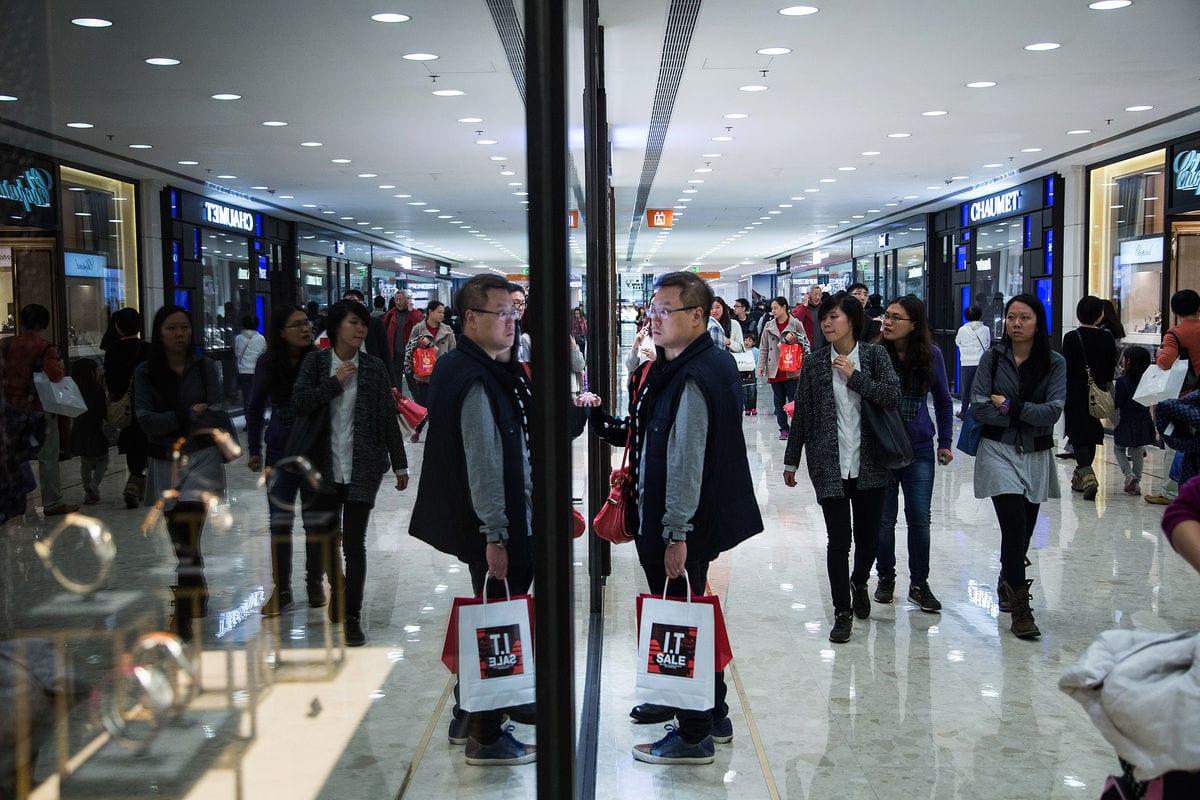
  • Allan Zeman calls for overhaul of retail tenant ratio

    Allan Zeman calls for overhaul of retail tenant ratio

    Online sales are contributing to the struggles of the traditional retail industry as much as the slowing economy, Lan Kwai Fong Group chairman Allan Zeman says.

    He said the trend led to the practice of landlords supporting food and beverage retailers with rents from other tenants, the Hong Kong Economic Journal reports.

    As a result, rents have tripled for the latter, Zeman said.

    He blamed the problem on a tenant ratio heavily skewed toward food and beverage tenants — seven for every three other types of retailers.

    Zeman said the ratio should be reversed.

    Zeman has launched LKF Capital, a private equity fund that invests in lifestyle, entertainment and food and beverage brands.

    Meanwhile, he said investors should not be overly concerned about China’s policies, saying these are mostly meant to maintain stability.

    Zeman is frequently invited by Chinese cities to share his experience in turning Lan Kwai Fong, a once rundown pocket of Central, into a success story.

  • 20 Lotte affiliates meet IPO requirements

    20 Lotte affiliates meet IPO requirements

    The conglomerate has pledged to simplify its governance structure and boost its managerial transparency through a set of measures, including initial public offerings (IPOs), after a bitter family feud over control of the retail conglomerate. Currently, Lotte has eight publicly traded affiliates here, with the key units being linked through unlisted Japanese units.

    According to the data compiled by the Korea Exchange, a total of 20 out of 73 Lotte subsidiaries are eligible for IPOs in the country. The candidates include Hotel Lotte, Lotte Card Co., Lotteria and Lotte Capital.

    Under local regulations, a firm seeking to be listed is required to have a capital base of more than 30 billion won (US$26.5 million), average annual sales exceeding 70 billion won for the previous three consecutive years and a return on equity surpassing 5 percent.

    After the squabble over control of the sprawling business empire, which has a cobweb-like governance structure, Lotte chairman Shin Dong-bin in August expressed his desire to push for the listing of Hotel Lotte, a key affiliate, as part of its reform plan.

    The listing on the local stock market requires stricter regulatory filings while allowing it to seek capital increases, issue more non-voting stocks and reap other benefits that translate into greater business opportunities.

    “As a South Korean company, we will have more of our affiliates go public with a strong will to contribute to the Korean economy,” a Lotte official said.


  • Worldhotels Expands the Frontier of Luxury with Sokha Phnom Penh Hotel & Residence

    Worldhotels Expands the Frontier of Luxury with Sokha Phnom Penh Hotel & Residence

    Occupying a luscious spot on the confluence of the Mekong, the Bassac and TonléSap, Phnom Penh is a city that has witnessed extreme ups and downs. Discover an enigmatic kingdom of fabled pagodas, thriving local markets, sweeping French boulevards and eclectic natural beauty with Sokha Phnom Penh Hotel & Residence, the newest addition to Worldhotels’ exclusive collection of 450 independent hotels worldwide.

    Strategically located on Chroy Changvar peninsula opposite the Royal Palace and an estimated 13km from Phnom Penh International Airport, Sokha Phnom Penh Hotel & Residence is an antidote to the chaotic cacophony of the city. With a host of top-notch amenities and exemplary service standards that expand the frontier of luxury, the hotel represents a new standard for five-star hospitality in Cambodia’s capital city. 

    Doorway to a bygone era

    Opportunities for cultural and historical discovery await travellers on Phnom Penh’s centuries-old attraction sites where strains of history combine in a vivid montage of French and Cambodian influences.

    Nearby sites of interest include Wat Phnom, the main temple perched on a grassy hilltop that marks the legendary founding place of Phnom Penh, accessible via a six-minute drive from the hotel. A resplendent symbol of the Kingdom, Phnom Penh’s Royal Palace is a nine-minute drive away. Located just north of the Royal Palace is the National Museum which houses the world’s earliest and rarest archaeological, religious and artistic Khmer artefacts from the fourth to the 13th century.

    From traditional souvenirs to fresh produces, shoppers can purchase a diverse range of merchandise at Phsar Thmey, or Central Market, a unique colonial-style building just a stone’s throw from the hotel. Guests may also embark on historical sunset cruises along the riverfront and contemplate the footprints of different generations that shaped Phnom Penh’s colonial era.

    Commodious accommodations fit for royalty

    Contemporary and bright; airy and inviting, guests will feel perfectly at ease in one of 523 tastefully appointed guest rooms and suites offered across eight categories, including the largest Deluxe room in Phnom Penh. The luxury of space extends to an expansive bathroom with freestanding bathtub and a separate walk-in rain shower.

    Bedecked in a soothing palette of cream and warm tones, most guest rooms afford views of the spectacular Chaktomuk River, or verdant greens that invigorate the senses. Each of these spacious havens features hardwood floors and elegant period furnishings that evoke a timeless refinement, replete with contemporary conveniences including Wi-Fi access, Japanese high-tech washlet, and flat screen LCD TV with international satellite channels. 

    Top-class meeting venues and recreational amenities

    An excellent venue for hosting a year-round calendar of conferences, meetings, private functions and dream weddings, Sokha Phnom Penh Hotel & Residence offers an extensive range of event spaces and meeting facilities including a 2,728 square-metre grand ballroom with a capacity of 3,100, arguably the kingdom’s largest ballroom.

    Eight highly-versatile function rooms – a combination of close to 900 square metres – can accommodate up to a total of 1,050 attendees. Coupled with leading edge audiovisual and modern translation equipment as well as high-speed internet access, the hotel prides itself on putting together events that engage and inspire.

    Sized at 1,650 square metres, the hotel also houses thelargest swimming pool in Phnom Penh that provides stunning views of the river. Among other offerings is a KTV Studio featuring 36 private karaoke rooms and an established night club on the 19th floor overlooking Tonlé Sap and Mekong River, perfect for a sundowner or after-dark entertainment.

    Guests may pick from a complete range of therapies and treatments at Jasmine’s Spawith 17 private treatment rooms for hours of uninterrupted escapism.

    An eclectic mix of international dining

    Sokha Phnom Penh Hotel & Residence invites guests to embark on a diverse gastronomic journey.

    Lotus is an all-day dining restaurant offering a selection of international buffet amidst scenic river views. The China House presents regional Chinese specialties from Guangdong, Sichuan, Hunan and Beijing; while The Bel Cibofeatures culinary presentations inspired by Tuscany and the northern regions in Italy. Also perched on the 19th floor is Takezono, the only “sky-high” Japanese restaurant in Phnom Penh that dishes up authentically prepared and immaculately presented signature Japanese favourites.

    “We are truly honoured to be represented by yet another outstanding property in Sokha Phnom Penh Hotel & Residence. This affiliation will reaffirm the positioning of Worldhotels at the forefront of curating some of the world’s finest hotels and underscore the commitment to growing our portfolio in the Indochina market with surging international interest,” remarks Roland Jegge, Worldhotels Executive Vice President Asia Pacific.

    “We look forward to harnessing our in-depth market knowledge and stellar reputation to win over more travellers with the quality accommodation and personalised service that our collection of hotels have become trusted to deliver – and Sokha Phnom Penh being the answer to the rising demand of today’s travellers’ desire for alluring luxury travel experience.”