Retail News Asia is committed to providing both local and global retailers with the latest General Retail news throughout the Asian market. This on a daily base.
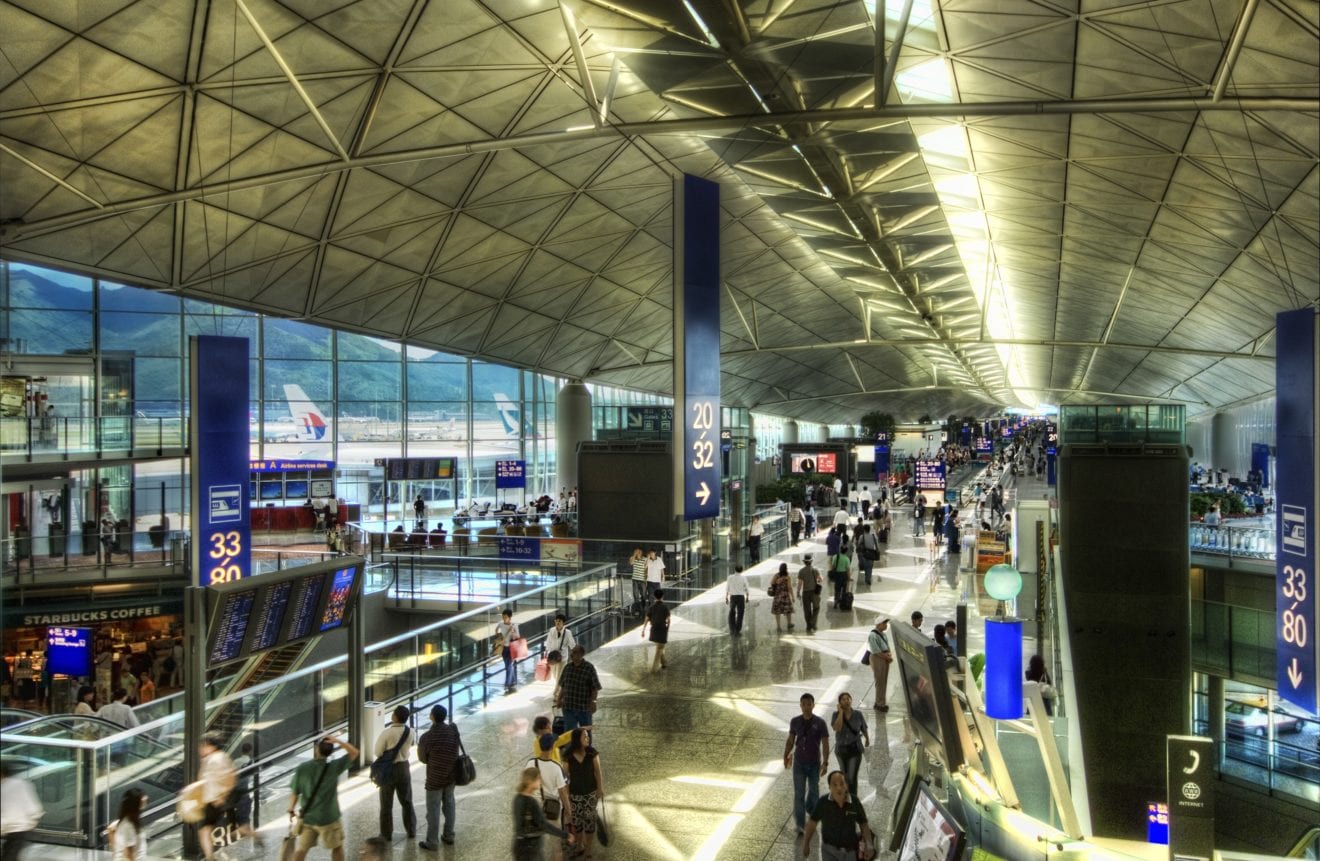
Airport Authority Hong Kong has issued audio/visual/electronics, fashion and fashion accessories and gifts/souvenir/toys tenders at Hong Kong International airport.
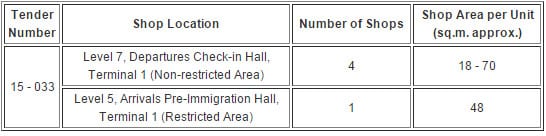
Five consumer technology retail store concessions are available with a submission deadline of December 10. Four stores are located in terminal one departures check-in level seven and one in arrivals pre-immigration level five.
The four T1 departure stores range from 18-70sq m with the arrivals store spanning 48sq m.
The airport, which serves over 100 airlines and handled 63.3 million passengers in 2014, an annual growth of 5.8%, said the stores represented an enticing opportunity to attract brands catering for HKIA’s “affluent mix of passengers which come from all over the world, with over 45% being executives, professionals and proprietors.”
Fashion and toys and gifts retailers have also been invited to bid for concessions. The deadline for submissions for the 50sq m fashion store in the north satellite concourse departures area is December 3, while interested parties have until November 5 to submit bids for a 48sqm toys and gifts store.
Philippine firms are on an unprecedented global shopping spree spending billions on everything from vineyards to food manufacturers and casinos reflecting the nation’s recent economic rise.
A combination of strong domestic growth bargain prices in retreating economies abroad and rock-bottom borrowing rates have fuelled the acquisitions analysts said.
The Southeast Asian nation has for years exported shopping malls and junk food to the region but cashed-up Filipino firms have diversified in recent years with acquisitions around the world and in many sectors.
“It has not happened in this rapid succession. It’s like a colonial mentality in reverse” said Luis Limlingan research head at Manila stock brokerage Regina Capital.
The pace of the acquisitions has startled both local and foreign investors according to BDO Unibank chief market strategist Jonathan Ravelas.
“Filipino companies are moving into the global space and it’s not limited to just one sector. The opportunities abound” he said.
In one of the most-recent big-ticket acquisitions local instant noodle firm Monde Nissin said last month it was buying British meat substitute manufacturer Quorn for 550 million pounds (833 million).
In the last two years the private company also snapped up popular fruit juice brand Nudie and chilled dips manufacturer Black Swan both from Australia for undisclosed amounts.
Monde Nissin is owned by Betty Ang who started her company 30 years ago and is now the nation’s 19th richest person with a net worth of 900 million according to Forbes.
Meanwhile Emperador a company controlled by the Philippines’ fourth richest man Andrew Tan and which specialises in cheap brandy at home is looking to spend more than one billion dollars on diversifying in Europe.
In May the company said it would bid to acquire French cognac maker Louis Royer SAS.
There has been no resolution in that attempt yet but last year it paid 430 million pounds (726 million) for Scottish whisky maker Whyte and Mackay.
Emperador also spent 60 million euros (82 million) last year for half of Spanish brandy producer Bodega Las Copas.
The Philippines’ third-richest man Enrique Razon has made headlines by expanding on the port operator business that has made him his fortune by setting his sights on the Asian gaming market.
He opened a billion-dollar casino in Manila in 2013 and then in March this year his Bloombery Resorts firm announced it was buying AN island and part of another one in South Korea for his first overseas gaming foray.
Analysts said these were some of the highest-profile acquisitions overseas but there were many others in a wide range of sectors including telecommunications power fast food and oil.
Awash with cash
Filipino firms are leveraging their earnings from a robust local economy to snap up bargains in countries where growth has slowed analysts said.
“These companies have huge stashes of cash and they are maximising it to compliment their existing businesses” said Astro del Castillo managing director at Manila stock brokerage First Grade Holdings.
The Philippines had for decades endured low economic growth compared with other Asian tiger economies partly due to crippling corruption and red tape.
But in recent years the economy has been one of the strongest in Asia averaging growth of 6.3 percent between 2010 and 2014.
President Benigno Aquino whose six-year term ends in 2016 has been widely credited overseas for the economic gains due to his efforts to tackle graft and stifling government bureaucracy.
This year the economy has slowed but still expanded by 5.3 percent in the first half.
But many of the enduring problems remain at home and these are forcing the local firms to look elsewhere according to Victor Abola an economist at the University of Asia and the Pacific.
“It’s not so much a lack of growth opportunities (locally)” Abola said explaining why Filipino companies were investing abroad.
“It’s about the government changing the rules of the game midstream… and slow action on proposals.”
The Philippines ranks 95th out of 189 economies based on ease of doing business according to The World Bank’s International Finance Group.
But that is a huge improvement: under Aquino’s reign the Philippines has moved up 53 spots in the last four years.
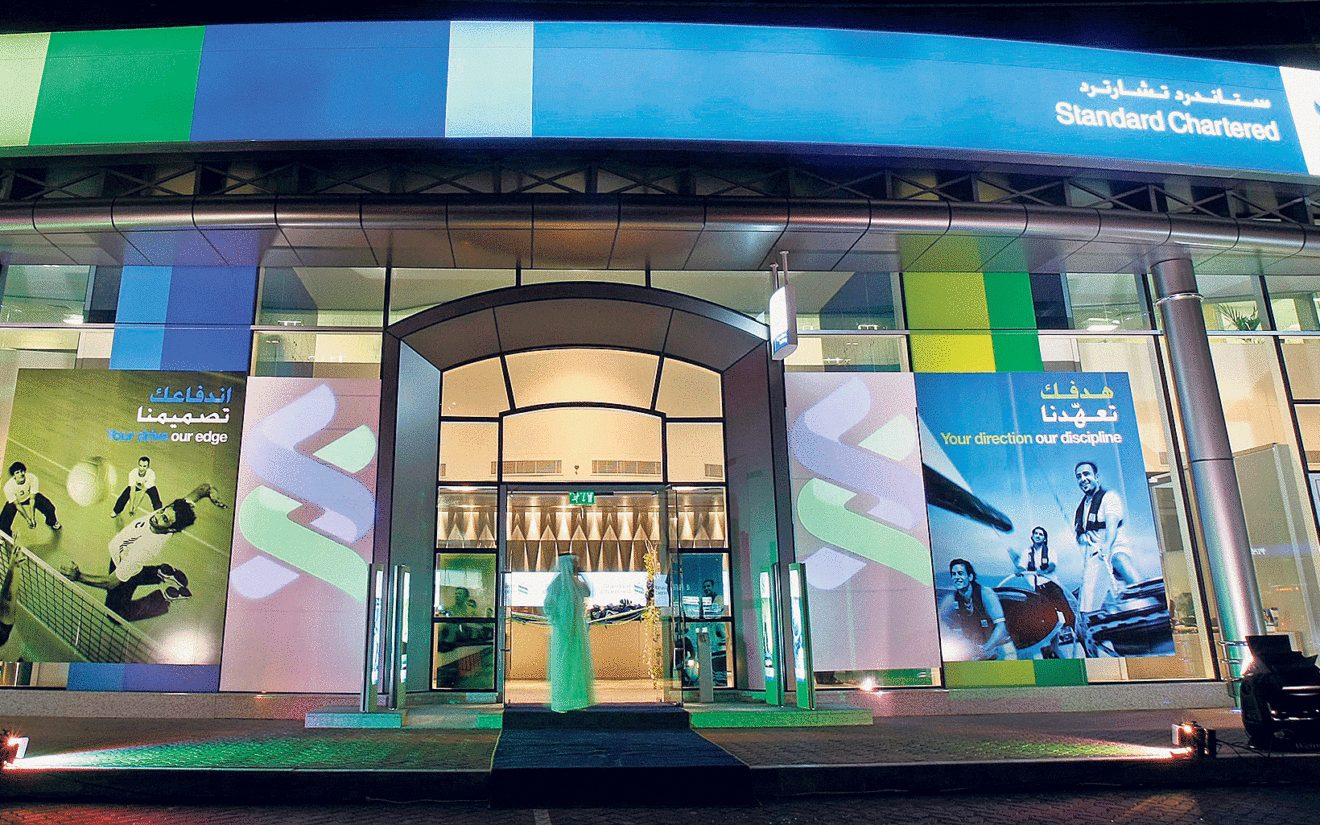
The woes besetting British lender Standard Chartered over the past three years have left their mark on Singapore.
As one of the bank’s regional hubs with operations spanning commercial, retail and private banking and wealth management, Singapore has had to bear some job cuts and the restructuring of some business units.
Nonetheless, a strategy update unveiled yesterday by chief executive Bill Winters provides some hopeful indications that the operations here will continue to play an important role in StanChart’s future. With indications that more power will be given to regional bases like Singapore, it is undoubtedly the case that Singapore remains one of the strongest franchises in the group.
And even amid cost-cutting and restructuring across the bank, StanChart has made large investments here in the past couple of years. In fact, Singapore will be a key recipient of the increased investments in key growth areas that StanChart plans to make over the next few years.
Two of the areas that StanChart plans to invest significantly in over the next few years are private banking and wealth management, and yuan internationalisation – both businesses for which Singapore is a key hub.
In fact, the bank said its yuan deposits in Singapore have tripled since June last year.
Its yuan assets, such as trade loans and working capital loans, have doubled in the same period.
Singapore is also the hub to be in for banks that want to manage Asean’s rapidly growing wealth.
The latest earnings figures for the Singapore business are not available, but Singapore chief executive officer Judy Hsu, said the operation here is still the second-largest contributor to the group, while also providing a strong base for StanChart to grow its regional businesses.
To be sure, things have not been all rosy here. One sign of trouble could have been the sudden departure of former long-time Singapore chief executive Ray Ferguson to a Bahrain bank early last year with little explanation.
His exit came as a surprise not least because he had become a Singapore citizen in 2010, a move he said reflected his commitment to a country that had been home to him and his family for a long time.
His replacement, Mr Neeraj Swaroop, lasted only about a year before wealth management head Judy Hsu took over on Oct 1.
A former senior executive told The Straits Times that there has been a series of departures of senior managers, from private and consumer banking and retail banking, since 2013.
That was the year the bank first reported a drop in earnings after 10 straight years of delivering record profits. In the first six months of this year, net profit plunged 36.7 per cent compared with the same period a year ago.
The stock has fallen more than 30 per cent this year.
StanChart Singapore employees told The Straits Times that there have been some senior departures in the past few months and that some staff are thinking about leaving now in order to avoid a sudden loss of their jobs.
But it is understood that the impact of the bank’s latest restructuring exercise will be minimal in Singapore.
Even as Singapore’s position remains strong, analysts say the biggest challenge remains: What will StanChart’s future income stream look like?
“It’s not just China slowing down, but that the overall bank’s income-generating power that’s under huge pressure,” added the former StanChart executive.
And neither is it a simple decision to just move the headquarters out of London, as there are various complex issues such as regulation.
The consensus seems to be that StanChart Singapore will have to sit tight to see how it rides out the turmoil, but there is a reasonable chance that it will emerge in a stronger position than before.
Customers eyeing a piece of furniture often hesitate to buy it because they do not know how it would look in their homes.
But now, an application by a team of researchers from Dimension 5, a spin-off from the Agency for Science, Technology and Research (A*Star), lets users see how an item would look in a specific room. The 3D visualisations are modelled to scale, and users would be able to drag and drop a design from a furniture company’s online catalogue onto their mobile screens for a look before they buy it.
The team has already secured a contract with a furniture company and is planning to launch the iOS version of the app at the end of the month, with an Android version to come in two to three months.
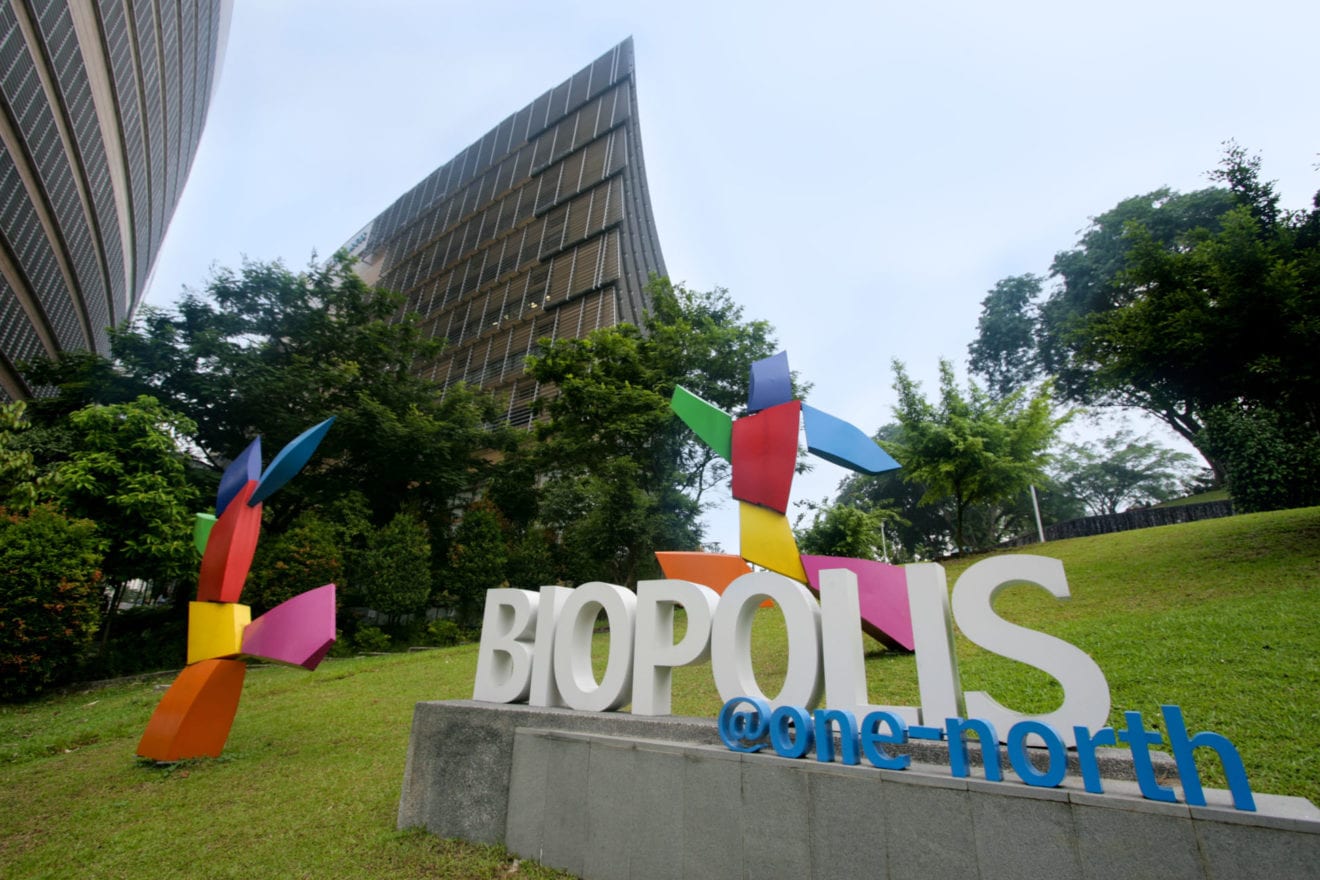
More than 60 of such infocomm technology-based solutions for the retail industry are on show at the two-day Media Exploits event, organised by A*Star, which ends today. While targeted at industry professionals, the event at the Bio-polis is also open to the public from 9am to 5.30pm.
Other projects showcased are in varying stages of development. These include SoundEye, a monitoring device that detects screams or shouts so that caregivers can be alerted when elderly residents fall.
Mr Philip Lim, chief executive officer of Exploit Technologies, A*Star’s commercialisation arm, said a major objective of the event is to bring together people from different communities, particularly those who understand markets and consumer demand.
“You need to take teams of people and talent forward to where the technology has been groomed, maybe even to the point where they can influence the technology.
“They can suggest better ways of doing things to researchers, based on what people need out there,” he added.
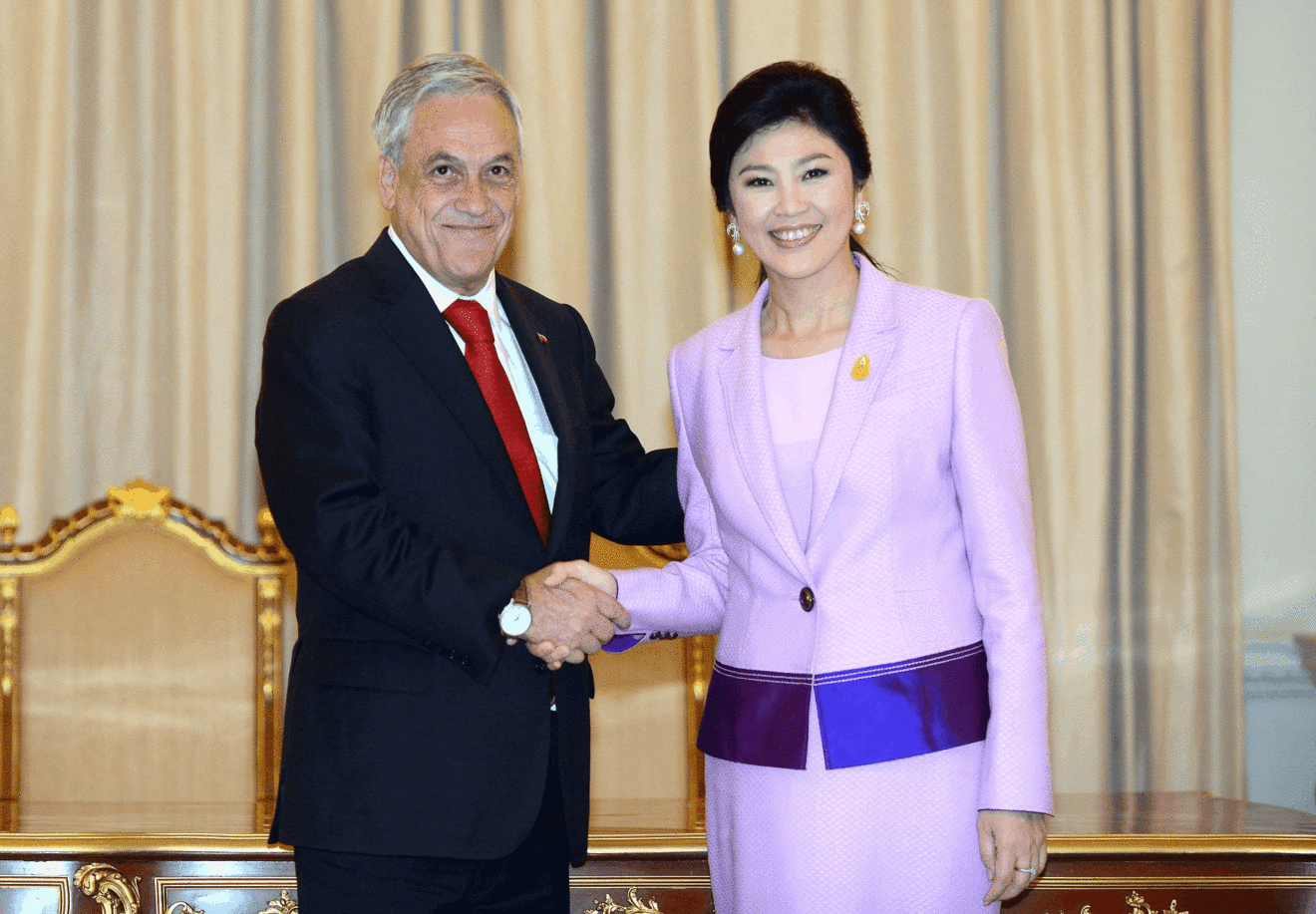
ANNUAL trade between Thailand and Chile should double to US$2 billion (Bt71 billion) in the next three to five years, thanks to the free-trade agreement (FTA) between the countries, which comes into force today.
“Bilateral trade and investment should grow after the liberalisation of both markets, since Chile can be a gateway for Thailand to penetrate Latin American countries.
“While it will help Thailand open opportunity to be part of the Trans-Pacific Partnership in the future, as Chile is already part of this, the world’s largest trade bloc,” Commerce Minister |Apiradi Tantraporn said yesterday.
The free-trade pact with Chile is Thailand’s second bilateral FTA with a Latin American country – the other being with Peru – and the seventh overall, after the agreements with China, India, Japan, Australia and New Zealand.
The pact should also help increase the Kingdom’s trading competitiveness with key rivals, including China and Vietnam, as Thailand has negotiated better benefits than those contained in Chile’s FTAs with those two countries, she said.
Thai rice should also gain greater market access to Chile, as import tariffs for the produce will be reduced to zero within five years, she added.
Besides the trade in goods, the FTA will also cover service-sector liberalisation, while negotiations between Thailand and Chile on investment liberalisation will be held within the next two years.
Under the pact, tariffs for 90 per cent of trade in goods – 7,129 out of a total of 7,855 items – are being cut to zero immediately. For another 296 items, tariffs will gradually be reduced to zero over a three-year period, while those on a further 283 items will fall to zero in five |years.
For the remaining 147 items, which are regarded as sensitive goods, import duties will be brought down to zero in eight years’ |time.
Under service-sector liberalisation, Thai enterprises will be able to hold 100-per-cent ownership in service businesses in Chile, in sectors such as legal services, consultancy, engineering, computer services, retail and wholesale, and services related to the production sector.
Apiradi said that Thai massage, Thai kick-boxing and other recreational services in which Thais have high expertise, should be able to open up more to businesses in Chile, thanks to the pact.
She also suggested that Thai businesses and investors urgently explore the Chilean market, as the country is rich in natural resources and is a trading centre in South America.
High potential goods
Thai goods with the highest export potential to Chile are pickup trucks, cement, electrical appliances, plastic pellets, rubber products, as well as canned and processed foods.
Service businesses with opportunities to grow in Chile are engineering, logistics, energy, mining and retail, hotels and hospitality, sports and recreation.
Chile is Thailand’s third-largest trading partner in Latin America, after Brazil and Argentina, while the Kingdom is Chile’s largest trading partner among Asean countries.
Bilateral trade was worth about $960 million last year, with Thailand enjoying a surplus of about $300 million.
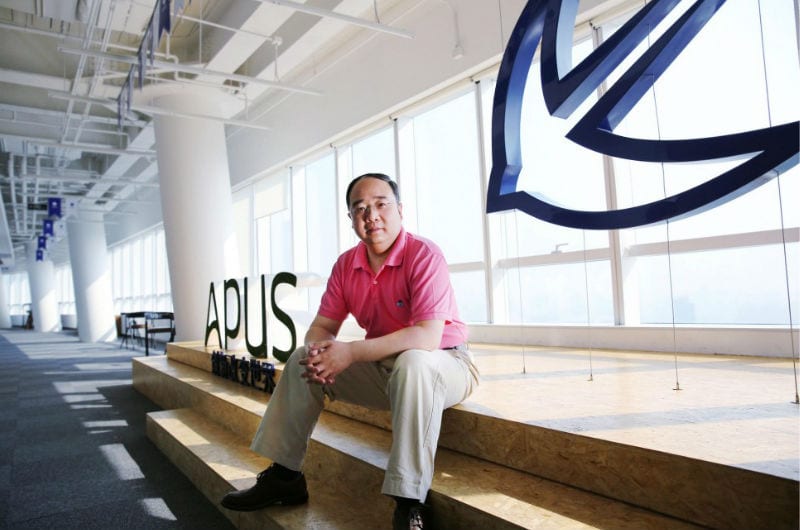
China’s Apus group plans to invest an initial amount of Rs 100 crore in Indian startups as part of its aim to build a positive ecosystem for the ever growing startup community in the country.
Apus group was founded in 2014 and is among the top 10 developers on Google Play. Apus Launcher is the group’s flagship app with more than 200 million downloads.
“The group will offer support to these companies via programmes focussed on developing and building a positive ecosystem for their growth. These programmes will range from providing incubation to free Apus traffic,” the company said in a statement.
The company will offer an open platform to all startups and will aim to deliver the right guidance and resources till the time they gain enough exposure in their targeted markets.
“Startups shortlisted under this programme will also have access to tools and experts helping them to enhance decision making capabilities,” it said.
The company said it has over 25 million users from India and targets 80 million users by 2016 by setting up a local operation centre and also by providing more localised service and experience to Indian users and augment India specific content.
Founder and CEO of Apus Group Li Tao said as an emerging market, India’s market potential is great and it offers one of the greatest ecosystems for startups.
“We had similar situation in China three to five years ago and India represents an important market for us. We are looking to further strengthen our presence as we evaluate more partnership opportunities with more firms as we look to strengthen our relationship with India,” Tao said.
Chinese gymnast Li Ning wowed the world with one of the highest double pikes in Olympic history to clinch a third gold medal at the 1984 Los Angeles Games. Now a sporting goods retailer, he is counting on another tactic to win over shoppers.
Li is enticing customers to his namesake Li Ning Co stores, where they can look at and try on the latest range of Xiaoqiang basketball shoes, and Furious Rider and Rouge Rabbit runners-but not take them home. Instead, buyers are directed to the Internet to make purchases online.
The Web-only strategy, which has generated 22 million yuan ($3.5 million) in sales during the first month, may help it reverse three straight years of losses.
Companies from home appliance maker Haier Electronics Group Co to clothing purveyor Grana have also introduced the showroom model. Li sees it improving inventory management, a complex exercise in China, where there are about 140 cities with more than 1 million people.
“In the past, we’d sell flagship products in physical stores,” Li, who founded his retail business in 1990, two years after retiring from gymnastics, said. “Even when we sell them online now, we have thousands of shops to promote the products, with only one warehouse behind us.”
Distributing goods to online customers from a single warehouse cuts storage and handling costs, resulting in savings that can be passed to customers.
It can also improve stock management, something the company has been working on to boost profitability.
“The showroom approach might be a good way to boost sales in China in the face of rising rental and labor costs, ongoing logistics issues, and the boom in Internet retailing,” Sun Fangting, a senior analyst with market researcher Euromonitor International, said.
The tactic may be especially helpful in penetrating smaller cities and urban areas. Online retail sales reached $165 billion in China last year, accounting for almost a fifth of the global total, according to Euromonitor.
Haier Electronics plans to progressively strip inventory from 3,000 of its 38,000 stores across China, with 125 of these targeted to have display-only merchandise by the end of the year, the company said.
The changes mean future shops will feature interactive, computer-simulated household models that enable customers to visualize how products will look and fit in their homes.
In reformatted stores, sales staff assist customers to make purchases online and facilitate their interaction with designers. Goods such as refrigerators and washing machines can also be paid with cash, and delivered the same way as online-purchased products.
Reformatted stores have recorded a 7 percent to 8 percent increase in sales, Chairman and CEO Zhou Yunjie said.
In comparison, revenue from shops yet to be converted to online-only has declined as much as 20 percent, weighed down by an industry-wide slowdown in home appliance sales.
Zhou said he expects the transformation of physical stores to lower inventory and staff costs by about 30 percent.
“Integrating conventional shops with Haier’s online retail business will provide a better customer experience,” Zhou said. “Customers need to feel and see the products.”
Showrooms make that integration possible.
“The future is not a lot of stores,” Bruce Rockowitz, CEO of Global Brands Group Holding Ltd, said. “It’s going to be a future of showrooms in key places, and stores that showcase the brands and build the image.”
Grana, a Hong Kong-based online clothing retailer, opened a permanent showroom in the special administrative region last month, enabling customers to try clothes on before buying them.
The company, which ships its brand of garments to eight countries, plans to open showrooms in Singapore, Australia and the United States next year.
“It’s really mixing the best of online and offline into one showroom concept,” CEO Luke Grana said. “Coming in, they can have fresh lemonade and we can talk to them. We can suggest styles and they can get their fits right. It’s what you can’t get from just pure online shopping.”
The showroom approach may also suit other areas of retail, including home-wares, furniture and personal beauty care.
“The whole nature of stores as we know it will change,” Tim Parker, chairman of Samsonite International SA, said. “(The showroom strategy) adds more value to businesses that have to keep very large inventories in the stores.”
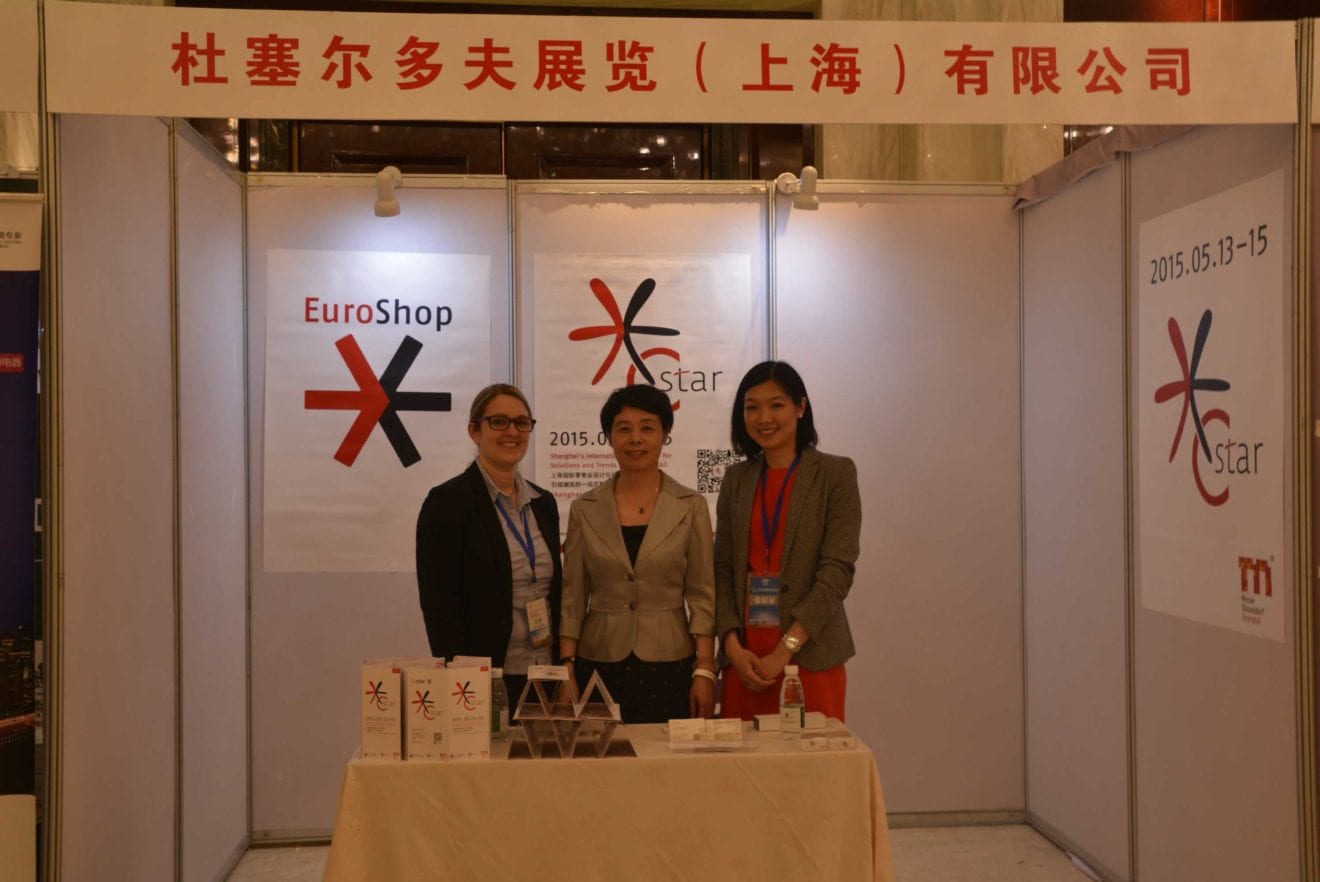
After its successful premiere in 2015, C-star, Shanghai’s International Trade Fair for Solutions and Trends all about Retail, will return to the Shanghai New International Expo Centre from May 18 – 20, 2016. Next year, C-star will occupy two halls in order to give exhibitors more space to present their latest innovations and solutions for the retail sector.
C-star will again be organized by Messe Düsseldorf Shanghai, a subsidiary of Messe Düsseldorf located in Germany. Messe Düsseldorf is renowned as the organizer of EuroShop (The World’s Leading Retail Trade Fair) held every three years in Düsseldorf, Germany,
C-star 2016 will be clearly divided into four segments:
Store fitting and design, lighting, refrigeration
Retail technology
Visual merchandising and marketing
Stand design
Hall N5 will be dedicated to POP marketing, expo and event marketing, store fitting and design with a strong focus on non-food retailing, while hall N4 will complete the exhibition range with food technology and equipment, energy management and retail technology.
A new special area will be the Retail Technology Village. Modeled after the EuroCIS trade fair in Düsseldorf, the Village is a response to the fast-growing demand for state-of-the-art technology especially for the retail market, ranging from innovative payment systems and sophisticated security systems to complex IT solutions.
Another highlight will be the Designer Village where leading design agencies will present their latest holistic solutions in visual merchandising and store design.
An extensive supporting program will complement the C-star 2016 exhibits. One of the show’s highlights will be the C-star Retail Conference, a 2-day event with international retail experts sharing their exclusive industry insights. The conference topic will be “Local Heroes” and will focus on innovative retail concepts of both Chinese and international industry players. With conference chairman Prof. Dr. Helmut Merkel – former CEO of Karstadt, former President of the International Group of Department Stores and Chairman of Eurasia – as well as the strong support of associations such as the EHI Retail Institute and Mall China, the C-star Retail Conference will be an important meeting point of retail industry leaders.
Another highlight will be the annual EuroShop Retail Design Award (ERDA) ceremony. At this renowned gala event, the best store concepts worldwide are rewarded by the EHI Retail Institute together with Messe Düsseldorf.
The C-star experience will be rounded off by the in-hall C-star Forum and the C-star Retail Tour. At the Forum, leading international industry peers will talk about their experiences with the Chinese retail market. The 1-day C-star Retail Tour will visit Shanghai’s most innovative and sophisticated shopping malls.
Despite a recent slowdown in the Chinese economy, China’s retail market is still of key importance to international retailers and has kept posting impressive year over year growth numbers of more than 10% throughout 2014 and 2015. Innovative retail solutions are in high demand on the Chinese market. With its clear structure and a unique show concept, C-star is geared to the needs of the Chinese retail sector. C-star’s international exhibitor structure will meet the demand of Chinese retailers for innovative solutions and products from international suppliers. With the extensive ancillary program, the trade fair will also cater to international retailers looking for information about the Chinese retail market.
The first staging of C-star in 2015 attracted 162 exhibitors from 23 countries and more than 5,700 trade visitors.
For further information on visiting or exhibiting at C-star 2016, contact Messe Düsseldorf North America, 150 North Michigan Avenue, Suite 2920, Chicago, IL 60601. Telephone: (312) 781-5180; Fax: (312) 781-5188; or visit our web site www.mdna.com.
Breaking with their traditional role as mutual fund managers or short-term profit seekers, homegrown PEFs have now transformed into strategic investors to spearhead the recent boom of mega-sized M&As. And leading the pack is Seoul-based MBK Partners Ltd.
Beating global big-name PEFs like KKR & Co. and Affinity Equity Partners, MBK Partners clinched a 7.2 trillion won (US$6.37 billion) deal last month to acquire U.K. retail giant Tesco Plc’s Korean unit Homeplus, South Korea’s second-largest supermarket chain with 8.6 trillion won in sales last year. It is the country’s largest takeover deal in size.
Last year, Hahn & Co., the second-largest PEF based in South Korea, bought a controlling 70 percent stake in Hanon Systems, formerly Halla Visteon Climate Control Corp., a leading automotive thermal management solutions provider, for about 4 trillion won.
Taihan Electric Wire Co., South Korea’s second-largest electrical materials manufacturers, was sold to No. 3 IMM Private Equity last month for 300 billion won.
Local PEFs’ aggressive investments have spiced up the long-slumped local M&A market as they have registered huge returns from leveraged company buyout deals amid a low interest rate trend.
Many well known brands are owned by PEFs, ranging from Burger King and KFC to NEPA Co., an outdoor apparel manufacturer, and Coway Co., a leading water purifier firm.
PEF managers offer a series of distinct private equity funds to make investments in various equity securities after raising capital from cash-rich individuals and institutional investors such as public pension plans, insurance companies and foundations.
South Korea opened the PEF market in 2004 to encourage corporate takeovers and investment to provide capital to venture start-ups.
According to data compiled by the Financial Supervisory Service (FSS), a total of 51.2 trillion won in assets were under management by 277 PEFs at the end of 2014, compared with 400 billion won tallied in 2004 when two PEFs were floated for the first time in the country.
They have attracted more than 5 trillion won every year since 2008 and collected 9.8 trillion won in investment last year alone.
PEFs have started to draw attention from institutional investors, including the National Pension Service, as the South Korean economy has seemingly entered a low-growth cycle and the benchmark KOSPI has moved in a narrow box range since the 2008 global financial crisis.
Recently, the South Korean government relaxed regulations in a bid to fuel the M&A market by luring PEFs. It has loosened the so-called double reviewing process by the state anti-trust agency and stakeholder filing requirements.
MBK Partners is in the forefront to explore the PEF-led M&A market.
Founded by former Carlyle managers in 2005, MBK Partners has grown into one of the biggest Asian buyout funds with about 14 trillion won in assets under management, with a focus on South Korea and other Asian regions.
It has invested in 23 companies including Coway, cable TV operator C&M Co., NEPA Co. and Homeplus. Its total assets amount to that of Dongbu Group, the 20th largest conglomerate, with 14.6 trillion won.
Hahn & Co. has assets of 3.3 trillion won with 12 businesses including Hanon Systems, Daehan Cement and Woongjin Foods Co. under management. No. 3 IMM Private Equity operates 100 firms worth 2.8 trillion won in total assets, followed by Mirae Asset Global Investments Co. with 2.2 trillion won and Vogo Investment with 1.9 trillion won.
“In the beginning, most PEFs were founded by retired government officials and fund managers with a career in global PEFs. They were financial investors, who bought stakes and sold them to lock in profits,” said Kim Kyung-young from the Asset Management Supervision Office at the FSS.
“Now they are changing into strategic investors, or buyout investors, playing a major role in acquiring large companies and carrying out corporate restructuring.”
Although such PEFs have successfully made their presence felt in the local M&A market, South Korean investors are wary of such buyout funds as many PEFs have still disappeared from the market due to worse-than-expected profitability in a takeover deal.
“PEF-led M&As are not always successful,” said Koo Kyung-hoe, a senior analyst at Hyundai Securities Research Center. “About 66 percent of PEFs reach target profit rates, but we have to bear in mind that the rest, 34 percent, end up in vain.”
For example, MBK Partners, regarded as having the Midas touch in the financial market, took over C&M in 2008 for about 2 trillion won, but its plan to resell the company has been stalled due to a long slump in the cable TV industry.
He said they have to expand the range of investors as nearly all local PEF clients are institutions like pension funds and financial firms.
“In advanced countries, PEFs collect money from universities, foundations and even cash-rich individuals,” said Koo. “They need to draw up plans to lure them as they can serve as an effective, appropriate alternative investment tool in the future.”
Experts also noted that local PEFs have to overcome the negative public perception in South Korea that they clash with labor unions over restructuring after a takeover.
U.S. Lone Star Funds’ purchase and resale of Korea Exchange Bank has deepened such negative perceptions toward PEFs among South Koreans, according to experts. Lone Star bought KEB in 2003 for 1.38 trillion won and then sold it to Hana Financial Group Inc. in 2012, pocketing a profit of 4.5 trillion won.
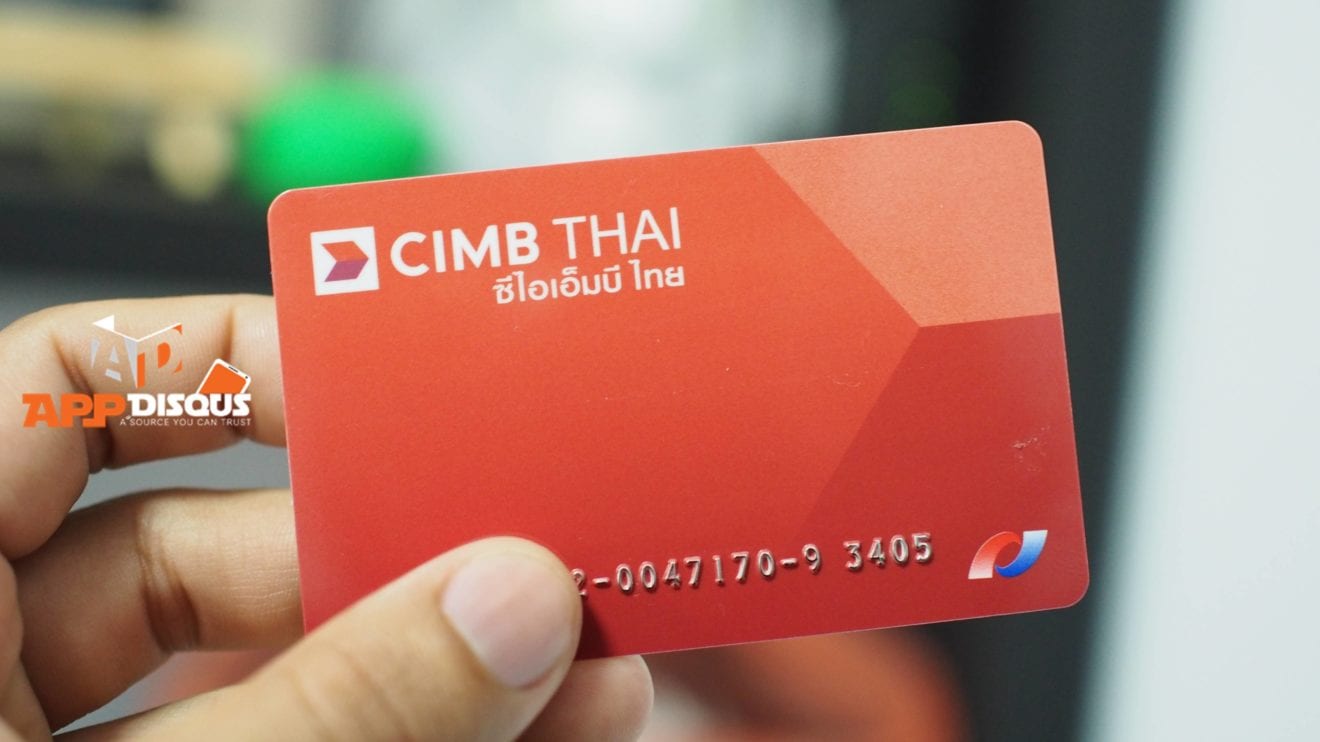
For the past five years, CIMB Thai Bank has accelerated its loan growth, especially in retail banking, to comply with Malaysia-based CIMB Group’s policy.
This has been achieved via housing loans in the retail – or individual – segment in order to build up the bank’s customer base, he said.
The strategy has resulted in a housing-loan portfolio of Bt50 billion to Bt60 billion, against less than Bt10 billion five years ago, giving CIMB Thai Bank a total retail-banking portfolio of nearly Bt100 billion.
During this period, the bank targeted overall annual loan growth of above 20 per cent, but this was only achieved in 2013, when lending expanded by 23.2 per cent.
Last year’s loan growth came in at 11 per cent, with growth of just 4.7 per cent being achieved in the first nine months of this year, against a target of 15-20 per cent, said the CEO.
In terms of asset size, CIMB Thai Bank’s Bt300 billion gives it a ranking of eighth out of the 11 listed banks in Thailand.
“Singapore-based United Overseas Bank (Thai) has an asset size of Bt350 billion, and they are okay with this size, as well. With the current scale of CIMB Thai Bank, we should not be aggressive and we should keep to [loan] growth of 10 per cent per year,” Subhak said
“We discussed this with the group in Malaysia and they agreed with our way. The economic slowdown of the past two years [in Thailand] has impacted on retail lending, causing the bank to spend much more time than expected on expanding business to retail clients and resulting in our return on equity being lower than the target of 5 to 6 per cent,” he said.
CIMB Thai Bank reported a return on equity of 9.58 per cent for 2012, followed by 7.18 per cent for 2013 and 4.44 per cent for last year, while net profit came in at Bt1.58 billion, Bt1.49 billion and Bt988.8 million, respectively.
For the first nine months of this year, the bank posted net earnings of Bt847 million, down 6 per cent from Bt900 million in the same period last year.
Subhak said he expected full-year net profit to be similar to or a little higher than last year’s level, because even though it had posted the highest third-quarter percentage growth among its peers, the sum needed to be put aside as additional provisioning, especially during the current economic environment.
CIMB Thai Bank recorded a year-on-year rise of 81 per cent in third-quarter net profit to Bt498 million.
However, the Thai unit of CIMB Group hopes to achieve a return on equity of 10-12 per cent in the next three years, by focusing on non-interest income from areas such as investment banking, treasury products, bancassurance and mutual funds, Subhak said.
While non-interest income at present contributes 30-35 per cent of the bank’s income, it will not overtake interest income as the main contributor despite the planned shift to a lower gear for loan growth in the coming years, he said.
In the next two to three years, non-interest income should reach 40 per cent, he added.
CIMB Group is strongly committed to its investment in Thailand, as reflected in its approval of the local bank’s capital increase of Bt3.68 billion via the issuance of new shares, he stressed.
CIMB Thai Bank will increase its registered capital from Bt10.54 billion to Bt13.7 billion by issuing 6.325 billion new shares.
The subscription period is October 26-30 and, after the additional funds are mobilised, its capital-adequacy ratio will rise to 15 per cent, from the current 13.7 per cent.
CIMB Group is happy with the bank’s performance because of the quarterly profit contribution of 8-10 per cent that it makes to the group, he said.
Furthermore, the Thai unit has a substantial role in strengthening cross-border deals for the Malaysian banking group.
The bank is one of four institutions mandated as lead arrangers for a syndicated term loan of US$1.25 billion (Bt44.25 billion) to Charoen Pokphand Group, with CIMB Labuan – part of CIMB Group’s Malaysian operations – lending $250 million as part of the deal.
CIMB Thai Bank, meanwhile, is the onshore security agent for a $400-million loan to Maxtop Management Corp, a TCC Group company.
CIMB Labuan is the lender and arranger and offshore security agent, while CIMB SG – CIMB Group’s Singaporean arm – provides the bank account for the deal.
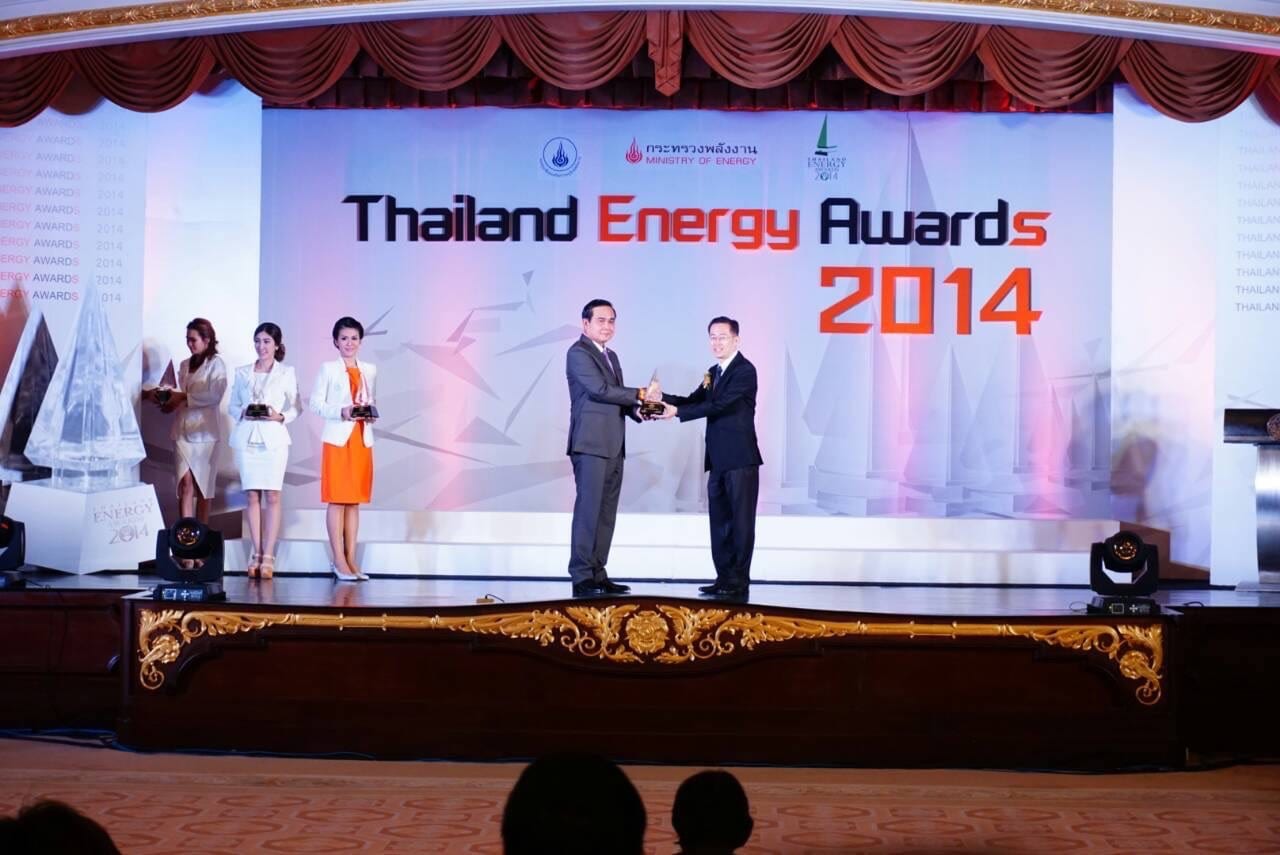
Thailand was the big winner at the Asean Energy Awards, reflecting growing awareness on energy efficiency.
The awards were presented as part of the 33rd Asean Energy Ministers Meeting in Kuala Lumpur. Thailand submitted 30 projects for the 64 available awards and 26 of them won, said Energy Minister General Anantaporn Kanjanarat after returning from the meeting.
The projects were selected through a national-level competition called the Thailand Energy Awards, which encouraged private companies to embark on energy-efficiency programmes.
Of the 26 winning projects, one from Tip Sukhothai Bio Energy Co, a sugar manufacturer, was the most outstanding. The project, requiring an investment of Bt1.6 billion, uses molasses to generate electricity and steam and more than 90 per cent of the output is sold.
Indorama Ventures issues overseas bond
Indorama Ventures has successfully issued its first overseas senior unsecured bond to the amount of $195 million Singapore dollar (Bt4.95 billion) to institutional investors in Singapore through its wholly-owned subsidiary, IVL Singapore, according to its filing to the Stock Exchange of Thailand yesterday.
The Bond has been rated AA (Stable) by Standard and Poor’s and has a tenor of 10 years with an interest rate of 3.73 per cent per annum. It is guaranteed by Credit Guarantee & Investment Facility (CGIF), a trust fund of the Asian Development Bank and listed on the SGX-ST. The proceeds from this issuance will be used for working capital and general corporate purposes within the group.
Latest partner
TMB Bank has added Manulife Asset Management as latest partners in helping strengthen its “TMB Open Architecture” mutual funds offerings.
TMB Open Architecture allows all of TMB’s customers to invest in funds from different asset management firms, offering wider investment choices with the benefit of potentially higher returns from more quality funds. The bank expects Assets Under Management this year to rise by 30 per cent from the year before, said Marie Ramlie, TMB Bank’s Head of Retail Products.
TMB is the only commercial Thai bank that offers Open Architecture service to all of its customers. This service responds to customer needs, simplifying their life, as quality mutual funds from leading asset management firms are centralised at one single-service point exclusively for TMB customers.
The project has received an overwhelming response since its launch in the middle of 2014 with the number of mutual funds unit-holders rising by close to 20 per cent to 220,000.
MPC gains new member
Apichai Boontherawara was appointed to the Monetary Policy Committee at a special Bank of Thailand meeting on Monday, the BOT announced.
He resigned as vice chairman of the executive board of Southeast Insurance and Finance Group and as director of the Export-Import Bank of Thailand in order to accept the MPC post.
The appointment came into effect yesterday. Apichai replaces Veerathai Santiprabhob, who resigned from the MPC on October 1 taking over as governor of the central bank.
ANZ has officially opened a branch in Myanmar after receiving final regulatory approval from the south-east Asian nation’s central bank.
The branch has been established to service multinational and joint venture companies with a presence in Myanmar, as well as international companies looking to enter the country from ANZ’s network countries.
ANZ said the Myanmar branch provides comprehensive solutions covering a full range of banking products including payments and cash management, electronic banking, lending, foreign exchange, and fund-based and non-fund-based trade finance.
The branch also offers specialist banking services for natural resources, utilities and infrastructure, telecommunication, consumer goods and other global diversified sectors that are expanding in Myanmar.
Andrew Géczy, ANZ’s chief executive for international and institutional banking, said the licence approval is the final step in the bank’s plans to deepen its presence in the Greater Mekong, following its recent branch opening in Thailand.
“As one of the only international banks with a presence in all five Greater Mekong countries, ANZ is uniquely placed to play a leading role for customers wanting to enter Myanmar,” he said.
Singapore-based publication The Asian Banker sees the Philippines leading the strong growth in the retail financial services market in Asia Pacific on the back of increasing consumption and improved access.
A study conducted by Asian Banker Research showed the income of commercial banks from retail financial services in Asia Pacific growing 77.5 percent to $824 billion by 2020 from the projected $464 billion this year.
“Asia Pacific’s retail financial services market will be worth $824 billion by 2020. Increasing consumption and improved access to financial services in combination with mobile banking technologies, will be key catalysts in driving retail banking income between 2015 and 2020,” The Asian Banker said.
Retail banking income was defined as business from retail deposits, mortgages, credit cards/unsecured lending, wealth management and, wherever possible, small and medium enterprises banking.
“The ability to generate gross income in any given market is regarded as a key indicator of wallet share and a determinant of a bank’s bench strength in retail financial services,” said Mobasher Zein Kazmi, head of research at The Asian Banker.
The study showed the Philippines is expected to book the highest compound annual growth rate and total income generated among emerging markets between 2015 and 2020 with 18 percent followed by Indonesia with a little over 15 percent, and Thailand with 15 percent.
Malaysia is seen to post the slowest income growth with a growth rate of six percent for the five-year period.
“Since 2014, the Philippines has outpaced China and Thailand and is becoming one of the key growth engines in the Asia Pacific,” The Asian Banker said.
However, China would continue to generate higher earnings by 2020.
“Currently, China’s retail financial services industry alone generates 48 percent to total regional income, followed by India with 12 percent and Australia with nine percent,” it added.
The Asian Banker sees income from retail financial services of commercial banks in Asia posting a CAGR of 12 percent from 2015 to 2020.
“There are, however, stark variances in growth rates between the mature markets of Korea, Hong Kong, Australia, Japan, Taiwan and Singapore and developing markets,” it said.
On the other hand, income growth in mature markets is lower and expected to grow by an average of five percent this year and by the same amount in subsequent years until 2020.
Developing markets have grown on average by 13 percent annually to 2015. However there have been dramatic changes since 2014.
The fastest growing markets up to 2013 were Thailand and China after having grown by more than 20 percent annually. Both markets, however, have been slowing down due to economic woes.
The Asian Banker noted that retail banking income is shifting focus on high yield businesses but sees tightening of consumer banking regulations as a key threat.
The greatest change in regulations is a shift away from a principle-based regulatory framework to a rule-based framework. As a result regulators have much more power to intervene.
In particular, in emerging markets, financial authorities often want to control everything down to the product level, including loan pricing and fee income.
Commercial banks have managed the impact of new regulations imposed on banks’ wealth management businesses in the aftermath of the global financial crisis, but a second wave of regulatory scrutiny, initiated in 2012, into interest rates and fee structures, compounded by recent macro-economic weaknesses, continues to pose ongoing threats to income expansion.
“Regulators are increasingly worried about rising consumer debt so they have resorted to tightening unsecured lending, credit cards and home loans. In addition, consumer protection and optionality, which requires banks to seek a customer’s consent to opt in or out of services, are becoming key agenda items for financial regulators in this region,” Kazmi said.
According to The Asian Banker, the most profitable banks in Asia include Bank of Mandiri in Indonesia, Union Bank of the Philippines, and Siam Commercial Bank in Thailand.
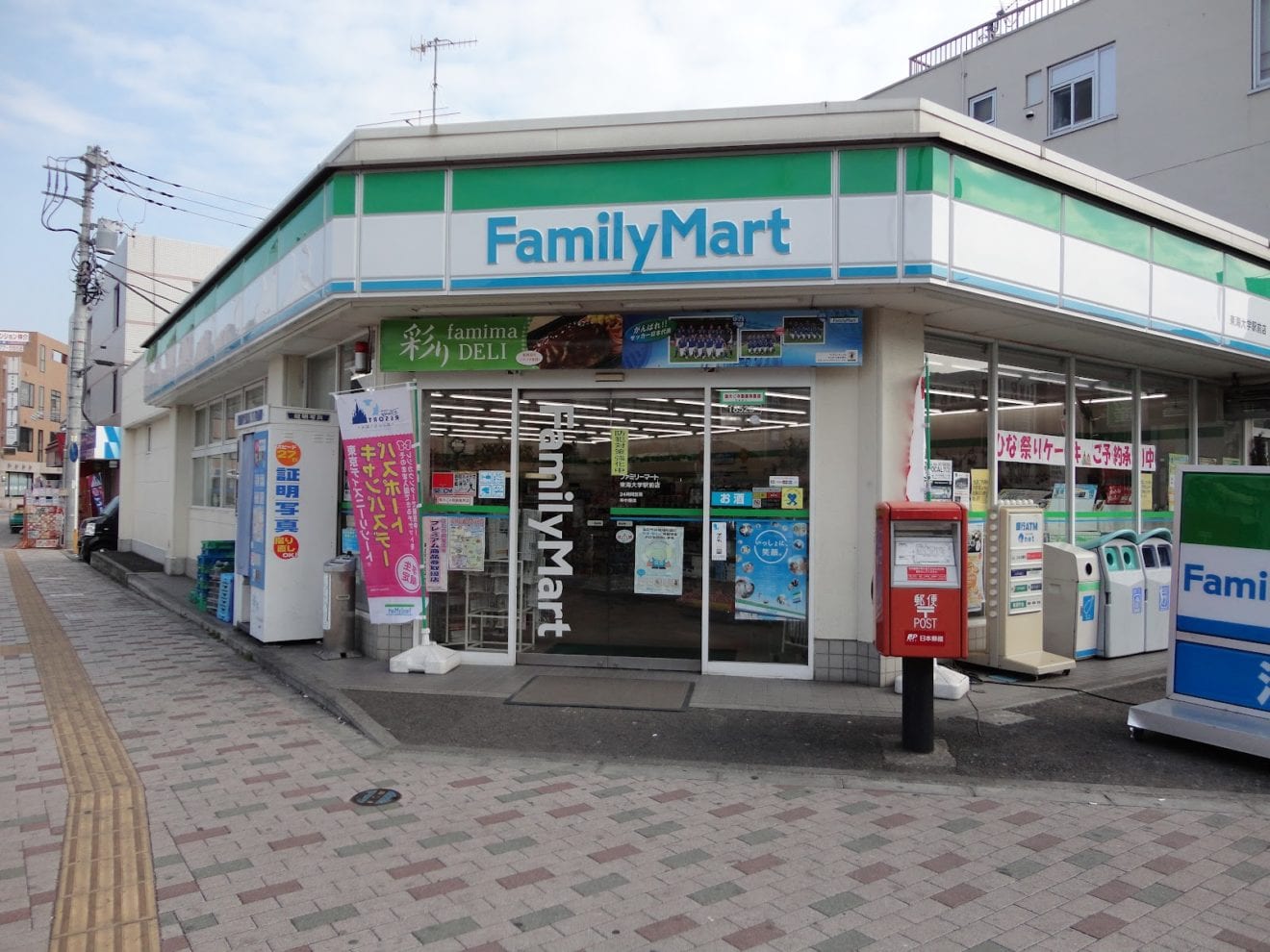
A merger of Japan’s third and fourth-ranked convenience store operators is set to create a “third force” in Japanese retailing behind Seven & I and Aeon.
The FamilyMart-Uny merger terms have now been agreed and the two companies are now working towards an implementation date of September 2016.
FamilyMart will soak up smaller Uny, which operates the Circle K Sunkus convenience store network in Japan. A new holding company will be created, 30 per cent owned by Japanese trading house Itochu, which currently owns three per cent of Uny and is FamilyMart’s single largest shareholder.
Once merged, the new business will turn over around US$42.2 billion from some 18,000 stores, a network larger than current second placed Lawson and on a par with Seven Eleven Japan.
The merger has already taken some eight years to negotiate making it nine years by the time the merged entity begins trading. It was back in 2007 when FamilyMart first approached Uny, an offer initially rebuffed.
Some details have yet to be finalised – or announced – such as the future of Uny’s 230 or so general merchandise stores in what will essentially become a convenience store operator.
Uny president Norio Sako says there will be some store closures, decided “on their individual merits”.
There is also no final agreement yet on whether a single operating brand will be adopted.
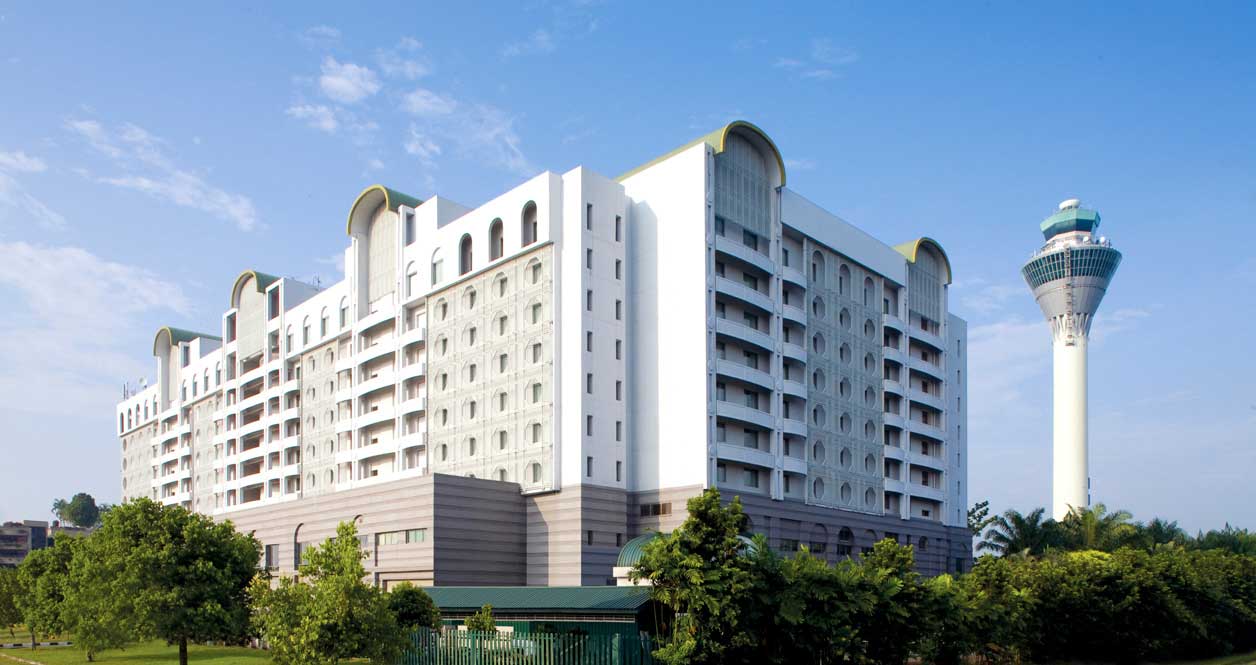
Well-poised to take contemporary convenience and comfort to greater heights, Sama-Sama Hotel has joined the ranks of 450 independent hotels worldwide to fly the Worldhotels’ flag. Occupying a strategic location adjacent to the Kuala Lumpur International Airport, the award-winning hotel epitomises unsurpassed Asian hospitality that complements the best in proximity, convenience and comfort, perfectly suited for the needs of discerning travellers with business and leisure pursuits alike.
Sama-Sama Hotel is connected by a sheltered sky bridge to the main terminal building of the Kuala Lumpur International Airport (KLIA) which houses the Arrival and Departure Halls. A dedicated check-in counter at the airport ensures a hassle-free and quick check-in for visitors right from their arrival, making the hotel a perfect base for transit air travellers with long hours in between flights and those with early morning departures or late night arrivals. The hotel also operates a complimentary 24-hour buggy shuttle service that runs between the airport and the hotel for added convenience.
Service philosophy rooted in warm Malaysian hospitality
Service at Sama-Sama Hotel is inspired by the melding of Malaysia’s rich tapestry of cultures into a harmonious collective. The name “Sama-Sama”, meaning “togetherness” in the Malay language, is a testament to the hotel’s commitment in delivering warm, personalised and memorable Sama-Sama experience to its guests – a guiding philosophy deeply rooted in the works of the team. The hotel’s logo aptly illustrates two hands coming together, a symbol of the inclusiveness of the nation’s diverse people and cultural heritage.
Designed for the ultimate in comfort and peace of mind
Guests visiting the capital city can touch down in five-star comfort and retreat into any of 442 non-smoking accommodations, including four types of suites.
Designed for a revitalising stay and a comfortable work environment, the elegantly styled and soundproofed rooms and suites feature perspectives of lush greenery, along with thoughtful, contemporary amenities including high-speed Internet connectivity, touch-screen control panels, LCD televisions, video-on-demand, and a spacious work desk, among others.
Guests staying in the suite categories enjoy exclusive access to the hotel’s Premier Lounge which offers a host of additional privileges.
Elite functions space meets leading edge technology
Totaling almost 2,800 square metres of function space, Sama-Sama Hotel boasts excellent facilities for conferences and events, including 10 superbly-appointed multifunctional rooms that accommodate up to 1,700 delegates, as well as an auditorium with a capacity of 180. Alongside a spacious foyer, high-speed Internet access and leading edge audiovisual equipment, the hotel plays host to a wide range of international conferences, seminars, exhibitions and gala dinners.
First-class facilities reinvigorate weary minds and souls
Enjoy quiet sanctuaries to relax at Sama-Sama Hotel with its comprehensive wellness facilities. Sweat it out at the tennis court or shape up at any time of the day and night at the 24-hour health club comprising gymnasium, jacuzzi, steam room and sauna. Relax with a refreshing dip in the outdoor pool, or pamper oneself at Tamara Spa, where a range of indulgent treatments and therapies beckons.
Three dining establishments invite guests to savour delectable dining options including scrumptious buffet of Asian, International and Fushion specialties at Degrees, the hotel’s all-day dining restaurant; unwinding with a cocktail amid soothing music while staying up-to-date with flight information at Palmz Lounge; or gather for a good game of darts and snooker with delightful appetisers and entréesprepared in an open bar kitchen at Travellers’ Bar & Grill.
“As an organisation which represents a curated collection of unique hotels, Worldhotels connects today’s more independently minded travellers to the world’s finest hotels, and we are thrilled at the addition of yet another remarkable affiliate in Sama-Sama Hotel,” remarks Roland Jegge, Worldhotels Executive Vice President Asia Pacific.
“This addition illustrates the strategic importance we attach to our continual expansion across the Asia Pacific region. With 45 years of experience in the global field, we look forward to realising the full potential of Sama-Sama Hotel’s unique resources and positioning.”