Category: General

Retail News Asia is committed to providing both local and global retailers with the latest General Retail news throughout the Asian market. This on a daily base.

  • How to achieve the ‘perfect store’ visit every time

    How to achieve the ‘perfect store’ visit every time

    Many consumer goods companies are seeking out the perfect store.

    Those setting themselves up for success are defining the strategic vision for the perfect store at the senior leadership level – defining what it means for the organisation.

    No matter how well you define your vision of the perfect store, you will not realise the worth to the business without flawless execution – from senior management at head office down to the individual reps in store.  You must avoid common pitfalls like misalignment of internal departments and team goals, failure to clarify sales team member roles and who takes responsibility for which tasks.

    Here are some key considerations to help deliver the perfect store visits for your organisation:

    1. Invest in the right processes, tools and technology.

    Make sure you have invested in a technology solution that can generate a continuous flow of real-time, store specific data and close the loop between your head office and your field teams. Make the most of today’s mobile devices and give your reps access to the most up to date insights while out in the field.

    1. Communicate the perfect store vision to your field teams.

    Reps must know what they are aiming for in store and what they will be measured against (KPI’s). Provide specific plans, task lists and objectives by store for merchandising activities as well as getting the perfect order. Motivate and compensate your reps for achieving perfect store status.

    1. Engage and consult the retailer.

    Allow your reps to take a consultative, data driven approach with retailers improving operational efficiency and fostering meaningful relationships with store managers and owners. Part of this means providing reps with the right mobile tools and devices. A visual, fact based pitch will more likely win over a busy store manager resulting in an in store sale or promotion and display activity.

    1. Take measures to improve productivity.

    A more productive field force will unlock opportunities to focus on value adding activities in store and getting to more stores. By reducing driving time, administration and data processing time with route optimisation and better systems and technology in the field your reps can deliver additional results above the productivity gains themselves.

    1. Measure, improve and repeat.

    Implement ongoing checks and balances to evaluate and measure activity. Adjust KPI’s accordingly, make better business decisions, and target high yield territories and stores. And always look to course correct if necessary with visibility generated by a closed loop system.

    Perfect Store visits executed correctly offer more productive field teams, visibility into lost sales opportunities such as OOS & promotional non compliance, and the ability to identify new opportunities with the store manager, take orders and sell more in the store.

    Bring your company’s “perfect store” to life – invest in today’s latest technology and tools, communicate, motivate and compensate your field teams and actively consult to store managers by sharing store specific data. This will result in increased sales – a win for you, your sales teams, the retailer and your end consumer.
  • aCommerce aims to pocket $30M series B for ecommerce logistics battle

    aCommerce aims to pocket $30M series B for ecommerce logistics battle

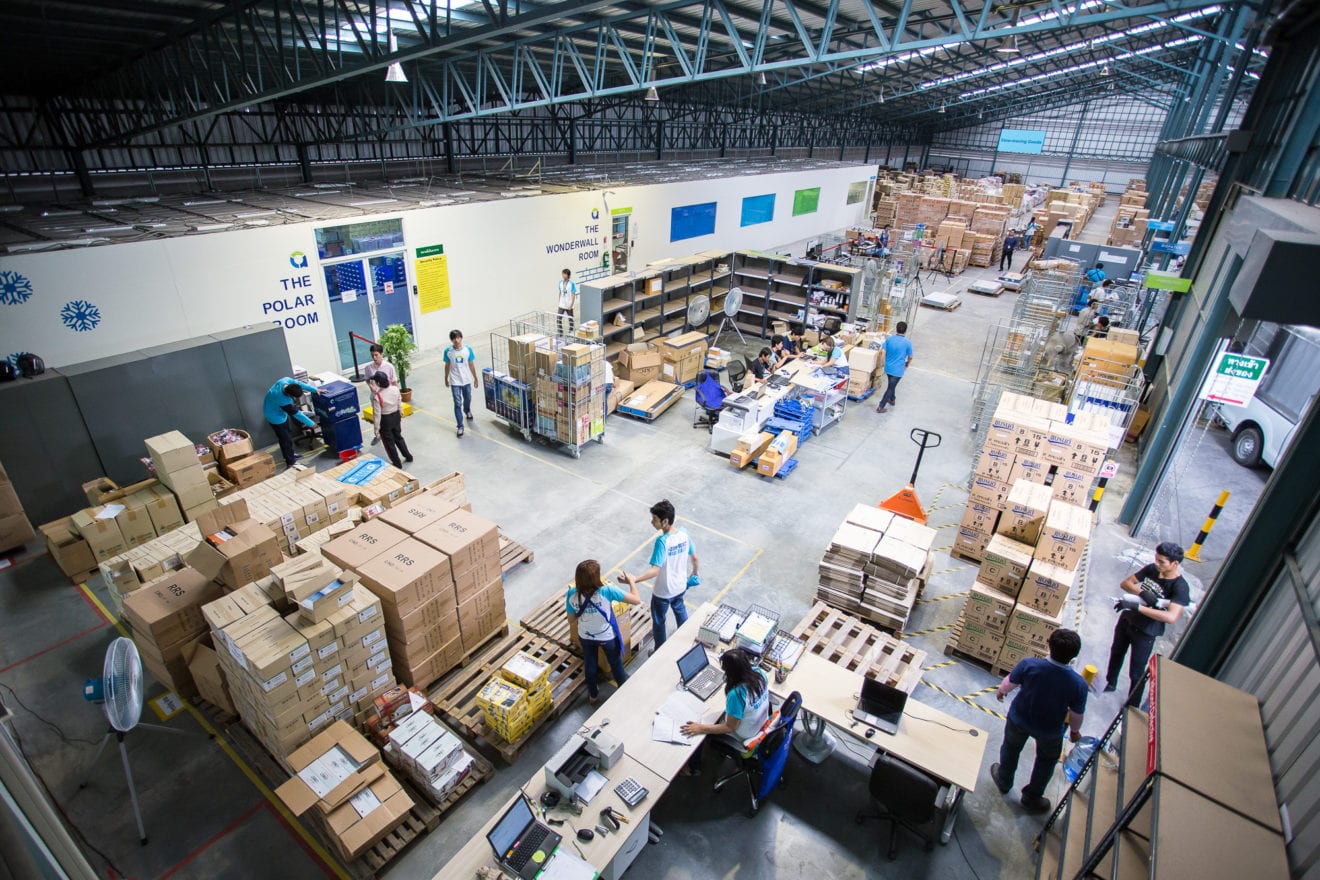
    After breaking records for a series A round in Southeast Asia, ecommerce logistics startup aCommerce is gearing up for a new milestone. The targeted deal size for the series B is US$30 million, group CEO Paul Srivorakul tells Tech in Asia.

    “We’re getting good interest from investors due to the strong team, [the] market opportunity, [our] ‘arms dealer’ business model, and the size of the funding round. US$30 million is a big enough size for private equity guys and attractive to a variety of venture capital firms,” Paul says.

    The Thailand-based startup nabbed US$10.7 million for series A followed by a bridge round of US$5 million.

    “Indonesia recently became aCommerce’s biggest regional operation, this month hitting 360 employees,” Paul says. He also hinted at further expansion in the country in the form of warehouses and an office space, depending on client needs.

    Asia Leaders Summit Paul Srivorakul

    Paul Srivorakul (standing up), co-founder and CEO of aCommerce Group and co-founder and executive chairman of Ardent Capital, at the Asia Leaders Summit in 2014

    aCommerce has been able to secure some of Indonesia’s hottest ecommerce brands as clients. Next to MatahariMall, which launched in August, aCommerce is also the fulfillment partner for MAPeMall (the ecommerce arm of Indonesia’s largest retailer, Mitra Adiperkasa), online fashion store Berrybenka, and several other brands like HP and L’Oreal.

    Ecommerce automation

    The startup offers end-to-end services for ecommerce clients. It doesn’t only handle warehousing and fulfillment – if necessary, it can assist the retailer in customer service, marketing, and building custom tech solutions. It comes as ecommerce booms across Southeast Asia. A 2013 study estimated the retail ecommerce market size in the top 6 ASEAN countries to be worth US$7 billion, while online sales still only represent less than one percent of the total retail market.

    Traditional retailers often choose to partner with companies like aCommerce because of complexities they face as they migrate their businesses online. Ecommerce sales opportunities are abundant but tricky, and retailers need to be aware of and manage multiple channels. At the same time, customer expectations are on the rise, creating demand for same-day deliveries and real-time support.

    aCommerce’s software solutions allow it to automate and optimize aspects of these processes. According to Snorre Larstad, who recently joined aCommerce Indonesia as its new CEO, the firm can even help clients make decisions on things like pricing and promotions, and help with fraud detection.

    The service also helps with cash-on-delivery (COD) payments. Though COD carries risk for the retailer and delivery company, Snorre believes it’s necessary to offer COD in Indonesia because buyers don’t trust online payments yet, and credit card penetration is low.

    Snorre Larstadt aCommerce

    Snorre Larstad, aCommerce Indonesia’s recently appointed CEO

    “Latest research shows credit card penetration at 3.2 percent of the 250 million population,” he says. “We expect that offering COD is going to be a precondition for future growth of ecommerce, and thereby our business volume, at least for the next two years.”

    No consolidation in sight

    Being an “arms dealer” in the growing online retail industry holds promise, but also requires patience, since growth is tied to the pace of the industry as a whole. That’s why it’s no surprise aCommerce plans to fill up its own war chest with a new round of funding.

    In the meantime, new startups are emerging to capture their slice of the market, often settling on specific niches and as such being more nimble than end-to-end solutions like aCommerce.

    One of them is Singaporean startup Ninja Van, which specializes in next day deliveries and parcel tracking and is getting ready to enter neighboring markets. It looks like Go-Jek, Indonesia’s Uber for motorbikes, has plans to offer a package delivery service of its own. It is already partnering with online marketplace Tokopedia for deliveries within the Jakarta area.

    Traditional logistics companies are also reacting to the opportunity. SingPost has established its own end-to-end ecommerce services provider, SPecommerce. At this point, it’s probably the only company in the region offering a similarly broad spectrum of ecommerce services as aCommerce.

    The support system for ecommerce is currently undergoing a similar diversification and fragmentation stage as the ecommerce industry itself. That’s normal in a growing industry, says Snorre.

    “With this boom [come] many more startups and a continued fragmented industry where multiple players will seek to position themselves for future growth. […] As the industry is growing and blooming, I don’t expect ecommerce in Indonesia to see significant consolidation or merger-and-acquisition processes over the next one or two years,” he adds.

    The real challenge for the industry may come from an unexpected place: established internet companies.

    “Google and Facebook are entering ecommerce. As such, [they] are likely to be real ecosystem game changers because they are massive in our markets and already control majority shares of the marketing spend and consumer time spent on mobile,” Snorre says.

    aCommerce offers end-to-end e-commerce solutions for startups, retailers, brands, and manufacturers in South East Asia.

  • UAE retail look to local consumers as Chinese and Russian tourists drop

    UAE retail look to local consumers as Chinese and Russian tourists drop

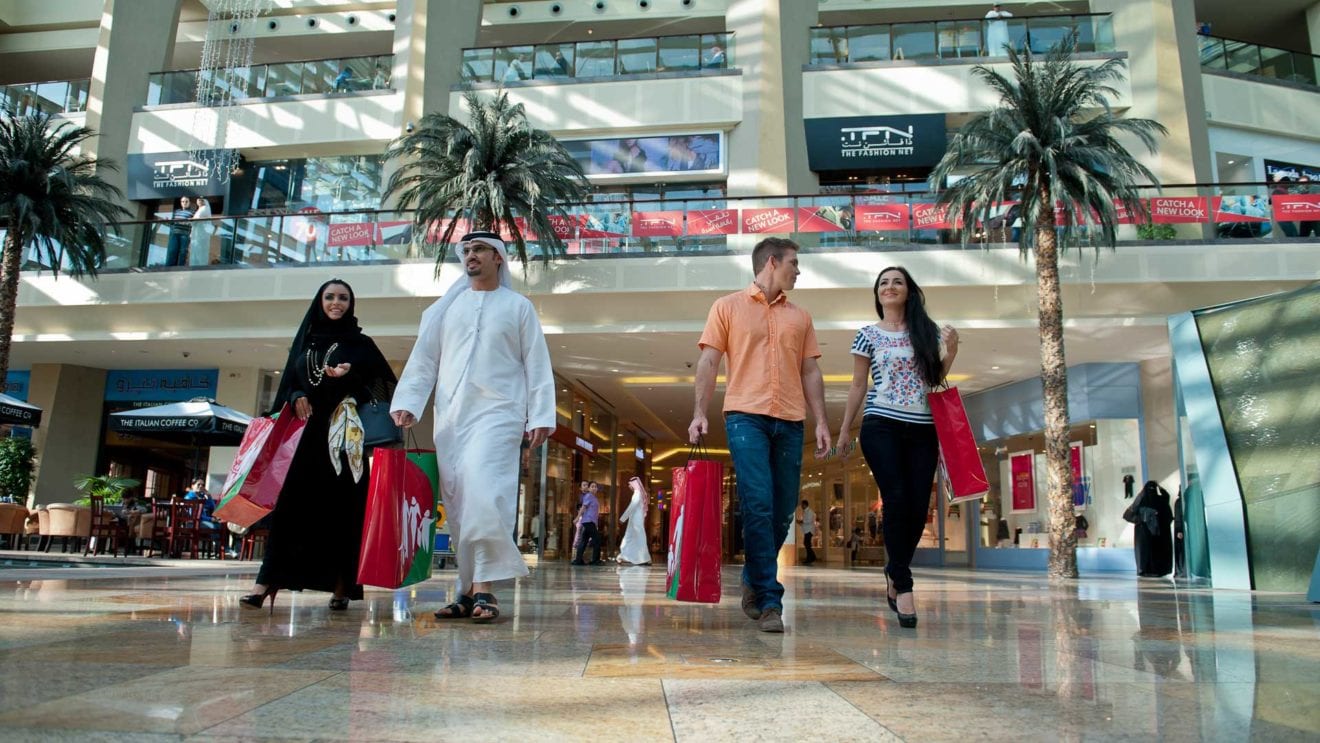
    Spending by Russian and Chinese tourists traveling to the UAE has declined recently and it is hurting not just the luxury shops in Dubai’s sprawling malls but other businesses as well.

    Nasir Mansoor, who manages vehicle rental service company Fast Rent A Car in Dubai, said that this year has been very challenging for them because the number of customers from the two countries has dropped significantly.

    During the peak period, around seven or ten Fast cars would be taken out for a drive by Russian tourists, while Chinese visitors would fill ten tourist buses a week. These days, the rental company is able to rent out, on average, only one car to a Russian customer, while Chinese tourists have dropped to two busloads a week.

    “The Russian tourists play a vital role in [our] car rental [business]. In the past six months, we have seen a noticeable decline in Russian customers who would benefit mostly from our daily and weekly rental services,” Mansoor told Gulf News.

    “Chinese tourists used to bring in business of up to ten bus tours weekly, while today, that number would approximately stand at around two tour trips,” he added.

    The national currency in Russia has been showing its weakness since last year, losing half of its value against the US dollar. The decline has made traveling abroad more expensive for Russians who earn in roubles. At the same time, the economic slowdown in China, coupled with the recent devaluation of the yuan, is not playing well with outbound tourism.

    According to Network International, overall credit or debit card spending by Russian and Chinese shoppers in the UAE dropped by 30 per cent and 22 per cent, respectively, during Ramadan compared to the same period last year. Jones Lang LaSalle noted in its latest report that retail sales in the UAE have slowed down, particularly in the luxury segment, as tourist spending from Russia has declined.

    More visitors are still traveling to the UAE, but arrivals from Russia and the Commonwealth of Independent States (CIS) has been weak. The number of Russian passengers arriving in Dubai dropped by 31.7 per cent in March, while those entering via Abu Dhabi declined by 10 per cent in June.

    Dubai Airports attributed the downtrend to the “continuing economic and social concerns in the region, with most major cities including Moscow, Kiev and St Petersburg recording fewer passengers.”

    “[This is] due to the factor that the rouble’s value has gone down in Russia and there is an economic downturn in China due to export slowdown,” noted Karan Patel, marketing manager for Middle East at 2GIS UAE, a map service comprising detailed business listings and public transport guide.

    The app developer provides map downloads to visitors in the UAE and used to attract huge customer traffic from Russian and Chinese travelers. Recently, however,  “application downloads” are on a decline, owing to the slump in tourist numbers.

    Russian and Chinese foot traffic is also declining at Shoexpress shops in the UAE. Jithan Harichand, the company’s retail operations manager, said that, given the rising cost of living in the UAE, domestic spending isn’t enough to make up for the drop in tourist spending.

    “The past year has been tough economically across the Middle East, Europe, especially Russia and China, thus tourism [has slowed down]. Tourists tend to spend cash in value retailers, thus with the [downtrend], we are dependent on UAE residents,” said Harichand.

    “[But] with inflation in UAE, residents have limited disposable income to spend locally.”

    Anuraag Sinha, managing director of Liali Jewellery in Dubai, said they used to get a lot of business from Russian tourists,  but with the decline in visitor numbers,  sales at their outlets in premium locations have slowed down.

    “The actual drop in the sales value in our sector is high because the tourists that have replaced some of the Russian and other high-spending tourists are not spending as much as the Russians did,” Sinha said.

    “While our stores in certain five and seven-star locations and resorts have suffered, our overall sales have grown as our main focus has been on brand building.”


  • Store’s e-receipts pay off with cash-saving extras

    Store’s e-receipts pay off with cash-saving extras

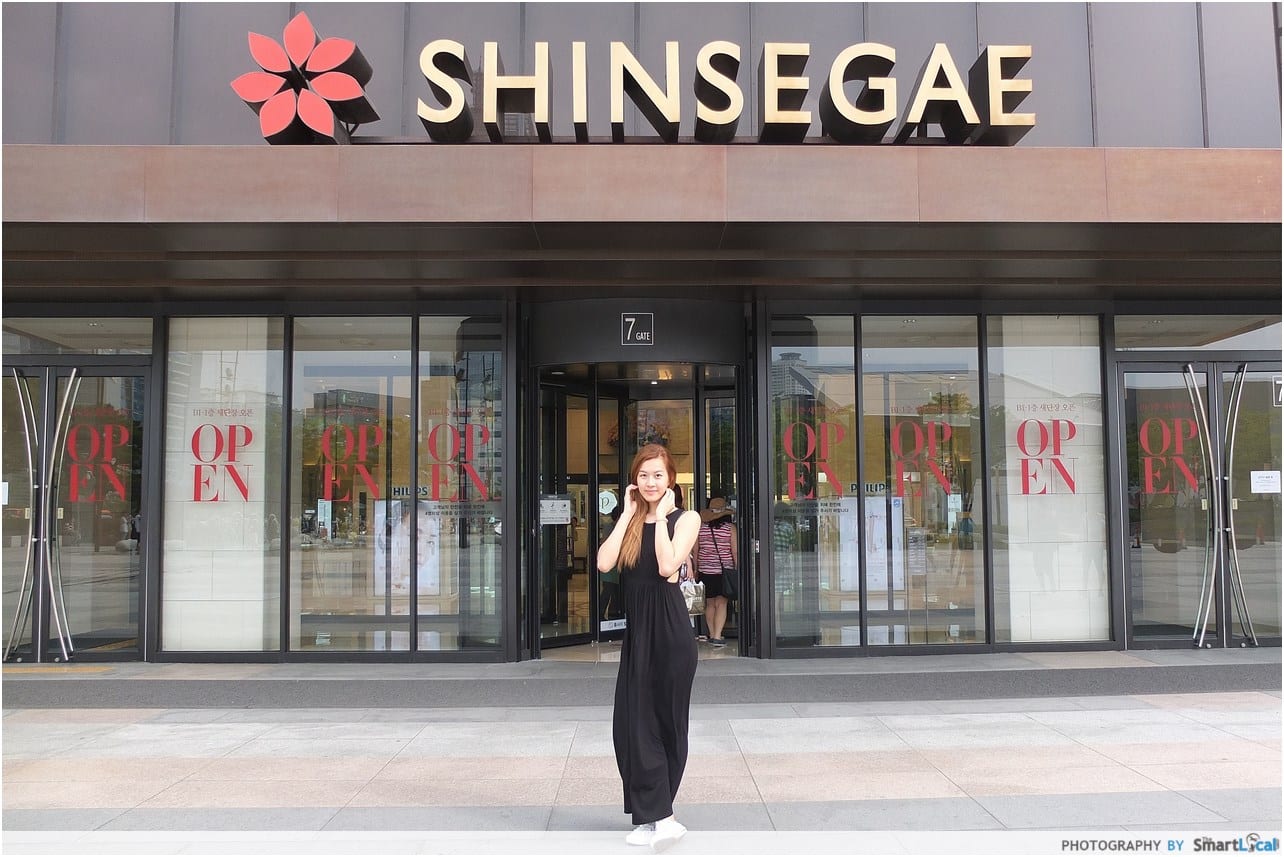
    Shinsegae Department Store is set to launch a new smartphone app that offers online and offline shoppers e-receipts with extras.

    While the electronic receipt app avoids the hassle of scraps of paper receipts, it can also provide discount coupons and make it easier for customers to park cars.

    Scheduled to launch on Friday, the retailer said the app will help it engage with customers and potentially learn consumer shopping habits from the digital records, and make exchanges or returns easier.

    Retailers outside of Korea have already adopted e-receipts, but local shops have been slow to utilize the system.

    Global marketing company Epsilon International said the e-receipt is “an innovative communications vehicle for retailers that offer limitless marketing possibilities, providing deeper insight into consumer shopping habits, which can lead to more targeted advertising mailers, promotions and emails.”

    On top of offering e-receipts, the platform will provide information about different sales events and discount coupons, the department store chain said.

    The Shinsegae app will also help the store’s parking service. If a customer registers a car number, they can check the length of time they have spent in the parking lot.

    In the Gangnam and Incheon branch, customers can confirm their parking locations on the app and also get their parking ticket validated for free parking.

    The company said that users are allowed to log in with cell phone numbers instead of having to create IDs and passwords.

    Starting in September, users of the app can also receive a list of bestselling products. In addition to the new features – an upgrade to the old app which gave basic store information – Shinsegae said it will add other services to the platform.

    The retailer also unveiled a pickup service that allows online users to pick up their orders at Shinsegae Department Store.

    The new service is part of “omni-channel retailing” which is used by retail giant Amazon, which is a marketing strategy aimed at bridging the gap between online and offline stores.

    “The boundary between online and offline shopping is getting blurry,” said Hong Jeong-pyo, director at the marketing strategy division at Shinsegae. “Shinsegae launched the services that combine the advantages of online and offline shopping.”

    The release is the latest digital service offered by Shinsegae. The group introduced a new mobile payment system called SSG Pay, where consumers can pay with the app at Shinsegae affiliates, including Shinsegae Department Store and E-Mart, WithMe convenience stores, Starbucks, Premium Outlet and SSG.com.


  • China business confidence soars

    China business confidence soars

    Confidence among executives at China’s largest companies bounced back to a one-year high in August, implying that the fall in July was driven by temporary factors related to stock market volatility.

    According to the latest MNI China Business Sentiment Survey, a gauge of current business sentiment, China business confidence surged back into expansion, rising 17 per cent to 57.1 in August – a big leap from 48.8 in July.

    Discounting last month’s plunge, which looks to have been driven more by animal spirits than a tangible lull in activity, sentiment has been increasing since May alongside the stabilisation in official data, said MNI Indicators in a statement.

    “However, it’s still too early to tell whether the latest improvement will be sustained over the following months or if it was a normal bounce after a very weak outcome in the month before.”

    Firms also revised up their expectations for the future, with the Future Expectations Indicator up 12.6 per cent to 60.9 in August, the highest reading since the same month a year earlier.

    Both Production and New Orders picked up strongly in August following a setback in July, leaving both at the highest so far this year. Companies expected increased activity to continue over the next three months, with the Future Expectations Indicators for both measures regaining the ground lost in the previous month.

    In a further sign of increased demand, both Input Prices and Prices Received rose in August, with the latter jumping just above the 50 breakeven level after 12 months in contraction. The hike in Prices Received is an indication that CPI inflation may continue to push higher over the coming months.

    The sharp devaluation of the yuan following the PBOC’s introduction of new guidelines for the exchange rate fix came just before the survey period ended and will therefore not be fully captured until the September survey. The August survey showed most companies were dissatisfied with the impact of the exchange rate on their business with the Effect of the Yuan Exchange Rate Indicator dipping below 50 for the first time in five months.

    “Last month we noted that the impact of the stock market turmoil on business confidence would be difficult to gauge. For now businesses have shrugged it off, with key activity measures in the August survey increasing sharply and the stimulus policies of the authorities seemingly having a significant positive impact,” said Philip Uglow, chief economist with MNI Indicators.

    MNI China Business Sentiment is a monthly poll of Chinese business executives at companies listed on either the Shanghai or Shenzhen stock exchanges. Companies are a mix of manufacturing and service sector firms.

  • Chinese shoppers feel safer online

    Consumers across Southeast Asia and Greater China feel safer paying in a brick and mortar environment as opposed to online; sole exception is China

    According to the inaugural MasterCard Safety and Security Index, consumers across Southeast Asia and Greater China cited identity theft and ATM-related fraud as the top two security concerns when it comes to electronic payments.

    Some 42 per cent of consumers in Southeast Asia (Indonesia, Malaysia, Philippines, Singapore Thailand, and Vietnam) were most concerned with ATM-related fraud such as a stolen card, card cloning or skimming. In the Greater China markets (China, Hong Kong and Taiwan), this figure was 31 per cent.

    But the biggest surprise was in confidence in shopping online. The Index showed that in general, consumers across Southeast Asia, and the markets of Taiwan and Hong Kong still feel safer paying in a bricks and mortar environment than buying online. China differed, being the only market where consumers felt paying online was safer than in a physical store; even more so than in Singapore.

    Almost every consumer polled in the Greater China markets had made an online payment in the past year. Consumers in China (62 per cent) particularly favored the use of digital wallets in online electronic payments over those in Hong Kong (14 per cent) and Taiwan (29 per cent).

    Consumers across Southeast Asia (35 per cent) and Greater China (32 per cent) were almost as equally concerned about identity theft in relation to data breaches. This includes personal data such as bank details, personal IDs, addresses, and signatures that are stolen or compromised through websites. In both regions however, it appears that these concerns do not directly stem from consumers’ own personal experiences but rather, as a result of the perceived severity of fraud based on what was reported in the media.

    MasterCard chart1

    Meanwhile, the Index also reinforced that banks continue to play a critical role in ensuring payment safety and security for consumers in Southeast Asia. This is both, because of the high levels of trust consumers place in banks as well as the reliance that consumers have on banks to help them resolve issues that crop up in this area.  Banks are often the first line of defense and recourse for the affected consumer – nearly half of all consumers in Southeast Asia who experienced ATM fraud first approached their card-issuing banks for advice.

    “The fact that most cardholders have a primary relationship with their banks, has an obvious and deep-rooted correlation to their sentiment, around who they trust most when it comes to ensuring the safety and security of electronic payments,” said Ari Sarker, oo-president, Asia/Pacific, with MasterCard.

    “This was emphatically reflected in the feedback from all the markets in Southeast Asia and Greater China. However, in Singapore in particular, in addition to banks, consumers also placed significant trust in the government, which is a natural outcome given the country’s strong regulatory environment and overall reputation around safety and security.”

    None of the respondents surveyed in Southeast Asia placed any trust in local websites, suggesting that there is still a lot of work to be done by local eCommerce merchants to ensure that they meet global security standards for payments and build consumer confidence on this front.

    In Greater China, aside from banks and governments, merchants were also seen to have a growing responsibility in ensuring payment safety and security, with 28 per cent of consumers in these markets going to merchants as their first recourse in seeking resolution for payment safety and security issues. Furthermore, merchants in these markets were instrumental in solving 40 per cent of all online electronic payment disputes.

    These and other key findings of the MasterCard Safety and Security Index will be discussed at the MasterCard Global Risk Leadership conference in Singapore on August 26 – 27. The 20th edition of this conference will gather global payment risk leaders to share best practices in fighting fraud together, as an industry. The conference demonstrates MasterCard’s commitment in helping partners and customers fight fraud using the latest tools, processes, and technologies so there is no one weak link in the payments ecosystem.

    The survey was carried out across in six markets in Southeast Asia (Indonesia, Malaysia, Philippines, Singapore, Thailand, and Vietnam) as well as three markets in Greater China (China, Hong Kong, and Taiwan). A total of 6600 consumers and 100 merchants were polled online and face-to-face between January and May 2015 on questions relating to the payments security landscape, payments in brick and mortar and online, safety and security payment concerns and experience with payment fraud, among others.

  • Defining the ‘perfect store’

    Defining the ‘perfect store’

    The ultimate goal of the “perfect store” is to enhance a customer’s shopping experience to maximise your sales opportunities.

    Many consumer goods companies operate on a one “perfect” size fits all principle. But we know treating all stores the same does not work. There are marked differences that exist not only by region, but also by market, channel and retailer.

    A better way to define your “perfect store” is to acknowledge that every store is different and break your business down to the individual store level defining in-store objectives by store.

    Consider factors like:

    1. What is the perfect assortment for this store?
    1. What are the perfect pricing and promotion strategies for this store?
    1. What is the perfect location for your product in this store?
    1. What are the perfect displays for this store?
    1. How to take the perfect order in this store?

    To understand what “perfect” translates to in each case, use information like point of sale, distribution and inventory data to help you define the specific goals around assortment, price and promotion and placement. The use of shopper insight data, consumer demographics and spend data and scan sales data will also help provide a rich understanding of what the perfect store looks like.

    For example:

    Company A has a large seasonal promotion upcoming with major TV and supporting media advertising.

    Company A negotiates with a major grocery chain with tight control over store ranging a certain promotional position and in store plan.

    o Store A has a very high scan sales for this type of product. Perfection in Store A means convincing the store to place two additional touch points through a large secondary floor display along with an upgraded aisle end position, and ensuring the manager has enough additional stock available to refill the display and prevent stock outs.

    o Store B has low scan sales for this type of product. Perfection in Store B means ensuring the upcoming promotion will be implemented correctly, avoiding any downgrading of position or placement Company A also looks for incremental opportunities in other types of retail outlets (independent retail, pharmacy, HORECA, route trade or others).

    o Store C has high sales potential for this type of product (for example based on consumer demographics in surrounding areas), and uses distributors to get products into store. Perfection in Store C is the same as Store A, however securing additional facings on shelf to increase product visibility during and after the promotional period is required. Plus taking a turn in order that is sent back to the retailer’s distributor for fulfilment to avoid stock outs.

    o Store D trades directly with Company A. Perfection in Store D means aligning the store to Company A’s view on the ideal product assortment on shelf and the ideal position, while ensuring that the perfect amount of stock is ordered based on ordering history and upcoming promotion expectations.

    Finally, whose responsibility is it to define the perfect store and set the goals?

    To succeed it must be the senior leadership team. Company leaders need to be engaged at the outset. It is easy to view this as an execution task rather than a strategic one – however it is both. The Perfect store has to be a pillar for your brand(s) and considered one of the company’s strategic goals. Then it can be brought to life through in-store execution.

    Using the right processes, tools and technology will help; so make sure this is part of your discussions. The end goal is well worth it – winning over your competitors, at the shelf, every time.

  • AirAsia bags gold at Putra Brand Awards 2015 for 6th consecutive year

    AirAsia bags gold at Putra Brand Awards 2015 for 6th consecutive year

    AirAsia Bhd emerged the gold recipient for the “Transportation, Travel & Tourism” category for the sixth consecutive year at the Putra Brand Awards 2015.

    The award was given to AirAsia for the airline’s continued presence as the country and the region’s leading and largest low-cost carrier.

    Elated at having bagged the award, chief executive officer Aireen Omar said AirAsia was committed to further grow its route network as the airline moves from being just a low-cost carrier to a value-carrier.

    The Putra Brand Awards was launched in 2010 by the Association of Accredited Advertising Agents Malaysia to recognise brand building as an integral business investment.

  • JCB and Bank BRI Sign for a New Partnership

    JCB and Bank BRI Sign for a New Partnership

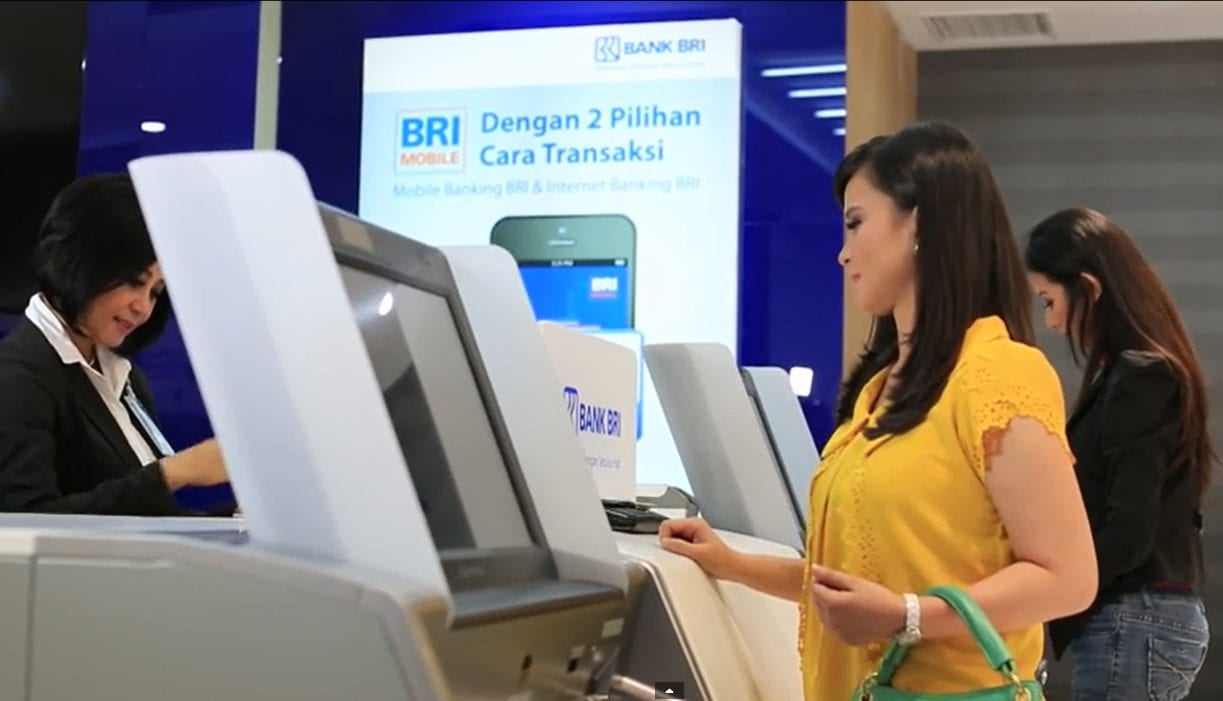
    PT JCB International Indonesia, subsidiary of JCB International Co. Ltd. the international operations arm of JCB Co. Ltd., and PT. Bank Rakyat Indonesia (Persero) Tbk (“BRI”), one of the Indonesia’s largest state owned commercial banks, with specialties in small medium enterprise or small scale & microfinance, are pleased to announce a new partnership for card payment business. This partnership starts from the acceptance of JCB cards at BRI’s acceptance locations, and payment card issuing with JCB brand is also in scope.

    BRI is expanding its consumer business and celebrated the opening of its new branch in Singapore along with the signing ceremony with JCB on 21 August 2015, taking place in front of government official and business owners. Also in attendance were Mr. Asmawi Syam as President Director and Mr A. Toni Soetirto as Managing Director of Bank BRI, as well as Mr. Kimihisa Imada as Deputy President of JCB International Co. Ltd.

    BRI owns a large card acceptance network with over 21,215 ATMs and more than 153,786 EDC terminals (merchants) spread all over Indonesia as of the end of June 2015, and plans to grow a minimum of 85,000 EDC each year. BRI also wants to grow its credit card issuing business a minimum of 25% for issuing model over the 841,000 cards from last year with their unique selling proposition.

    The first phase of the partnership, enabling JCB cards, whose number exceeded 89 million, to be accepted at all of BRI’s 175,001 ATMs and EDC terminals. For ATM acceptance this phase has been in progress since early 2015, while for EDC acceptance, it expected to be launched by the end of this year, followed by phase 2, JCB credit card issuing, which is now being discussed and targeted for 2016.

    Managing Director BRI, A. Toni Soetirto said, “We believe that this partnership would bring a wider network of card acceptance in all of ATMs and EDCs network of Bank BRI throughout Indonesia.”

    Deputy President of JCB International, Kimihisa Imada said, “We are pleased that BRI, as one of the largest commercial banks in Indonesia in term of networks and coverage, has become our partner. This partnership will considerably improve convenience of JCB card usage across Indonesia by adding more than 153,786 acceptance locations. BRI’s broad nationwide network can fulfill the need of local JCB card members who reside in Indonesia as well as those who travel from outside Indonesia, especially in the travel spots and tourist destinations. I am looking forward to extending this partnership to issuing JCB card, whose strength is the quality of service based on the expertise we have gained from experiences providing to customers in Japan for over 50 years. I am sure that the new card product with both reputable brand names will bring new value to the market.”

    About JCB

    JCB is a major global payment brand and a leading credit card issuer and acquirer in Japan. JCB launched its card business in Japan in 1961 and began expanding worldwide in 1981. Its acceptance network includes about 29 million merchants and over a million cash advance locations in 190 countries and territories. JCB cards are now issued in 19 countries and territories, with more than 89 million card members. As part of its international growth strategy, JCB has formed alliances with more than 350 leading banks and financial institutions globally to increase merchant coverage and card member base. As a comprehensive payment solution provider, JCB commits to provide responsive and high-quality service and products to all customers worldwide.

    Note: JCB statistics included in About JCB are as of the end of March 2015. For more information, visit: www.jcbcorporate.com/english

    About Bank Rakyat Indonesia

    Bank Rakyat Indonesia (Bank BRI) was established on December 16, 1895, which marks BRI’s anniversary ever since. Since August 1, 1992, under the Banking Law No. 7 year 1992 and Regulation of the Government of the Republic of Indonesia No. 21 year 1992, Bank BRI’s status has changed into a limited liabilities company. At that time, Bank BRI’s ownership was still in the hand of the Government of the Republic of Indonesia for 100%. In 2003, the Indonesian Government decided to sell 30% of the bank’s shares, marking BRI a public company under the official name of PT. Bank Rakyat Indonesia (Persero) Tbk., which is still used until now.

    Bank BRI is one of Indonesia’s state owned bank with a consistent focus on SMEs business. With more than 10,551 offices including mobile services (e-BUZZ, Teras Keliling and the newly launched Teras Kapal), supported by over 21,215 ATMs and more than 153,786 EDCs (merchant and BRILink), Bank BRI is the largest Bank with the widest network in Indonesia.

    In order to constantly provide the best services to customers and to be the frontrunner in creating financial inclusion by focusing on supporting SMEs business reach all over Indonesia, on 28th April of 2014, Bank BRI signed a contract to purchase and launch a fully owned satellite called BRIsat. Targeted to orbit on 2016, the purchase of BRIsat has made Bank BRI the first and only Bank in the world to own and operate its own satellite.

  • Shinhan Card to buy Indonesia’s Salim Group unit

    Shinhan Card to buy Indonesia’s Salim Group unit

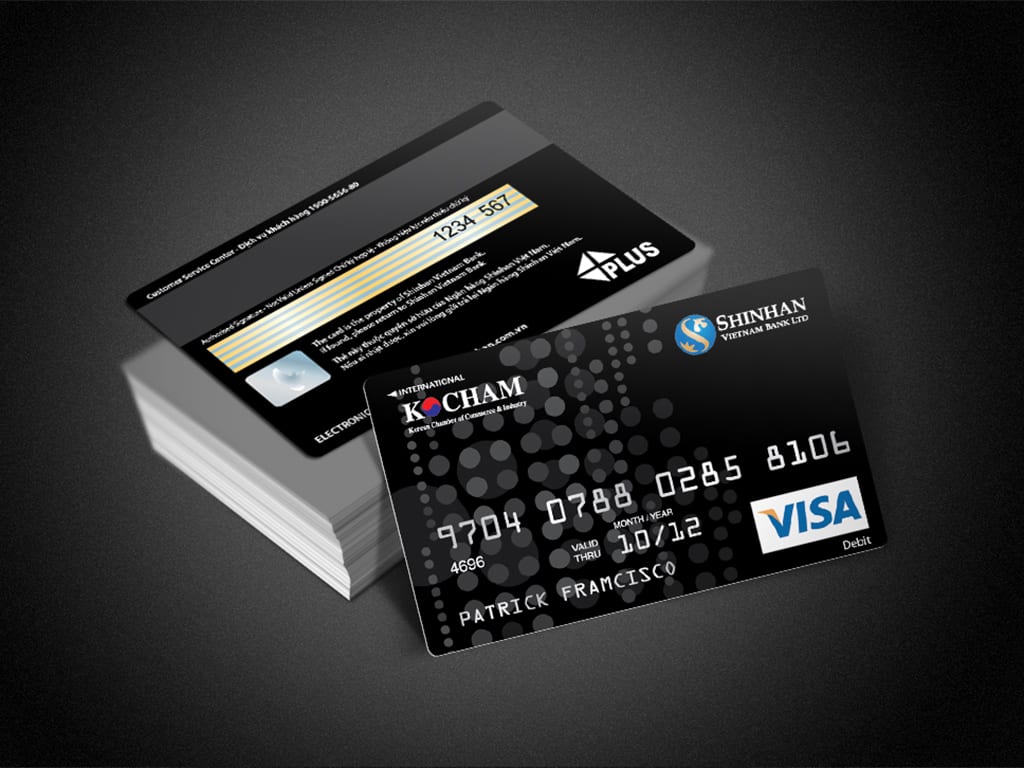
    Shinhan Card will acquire a controlling stake in an Indonesian financial company as part of its expansion strategy into emerging markets, the credit card company said Thursday.

    “We will sign a deal next week in Jakarta to buy a 50 percent stake plus a share in Swadharma Indotama Finance from Indonesia’s Salim Group for a bit more than 10 billion won ($8.4 million),” a Shinhan Card spokesman said.

    Shinhan Card plans to hold a board meeting on Aug. 21 to approve the acquisition, with a signing ceremony scheduled on Aug. 26. It aims to launch a joint venture with a new name in Indonesia in November after receiving approval from financial authorities in the two countries in September, the company said.

    Shinhan’s local venture partner will be the existing shareholders who own the remaining stake in Swadharma Indotama Finance, the spokesman explained.

    The exact acquisition price will be decided at Shinhan Card’s board meeting next week, he said.

    “The acquisition is aimed at maximizing synergies between Shinhan Card’s 30 years of credit card business know-how and Salim Group’s nationwide retail networks,” the statement said.

    Salim Group’s businesses include telecommunications, automobiles, leasing, mining energy and foods. Salim Food is Indonesia’s largest food manufacturing company, it said.

    On top of strengthening Swadharma Indotama Finance’s existing businesses, Shinhan Card will seek an approval in Indonesia to enter the local credit card market late next year, the spokesman said.

    If everything goes as planned, Shinhan Card will be the first Korean credit card firm to sell its products and services to Indonesian customers. In fact, it is risky for a credit card company to begin business in foreign countries without accumulated customer data, it said.

    “We will beef up our overseas operations by making a presence in Indonesia following our recent advance to Kazakhstan. Particularly, we will focus on the credit card business in Indonesia in coming years,” Shinhan Card Chief Executive and President Wi Sung-ho said in the statement.

    In July, Shinhan Card opened its first overseas business entity, Shinhan Finance, in Almaty, Kazakhstan, initially to handle auto financing. It plans to sell small loans to individuals from September and introduce lease products from 2017, the spokesman said.

    In Kazakhstan, only banks are allowed to get into the credit card business. So Shinhan Card has to acquire a local bank if it wants to jump into the local credit card market, he said.

    Shinhan Card said it will continue to enter other emerging markets in Southeast Asia based on its experiences in Vietnam, Kazakhstan and Malaysia.

    In the January-June period, Shinhan Card posted a net profit of 352 billion won, up 11 percent from 318 billion won a year earlier, according to a regulatory filing.

  • Korea on sale

    Korea on sale

    In a bid to revitalise the national tourist market and domestic economy, withering in the wake of the Middle East Respiratory Syndrome (MERS) outbreak, Korea will go on sale.

    Branded the ‘Korea Grand Sale’, the 10 week long promotion will run from August 14 to October 31.
    Officials say that the sale will be the largest in scale since the event started.

    “We advanced the date of the Grand Sale, which usually took place in winter, out of desperation. We hope the sale can continue to bring tourists back to Korea instead of ending as a one-time event.”

    Criticised for offering discounts only to foreigners, officials said they are persuading participating companies to give discounts to local consumers as well.

    “Businesses in traditional markets and some convenience stores are showing positive responses towards the idea.”

    Benefits such as discounts for transportation and free WiFi modem rental services will be provided. In addition, the Korea Grand Sale Event Center located at Doota Square in Dongdaemun will provide translation services, information about tourism, beverages and special events.

    Han Kyung-ah, the executive secretary of the Visit Korea Committee, explained the intentions of the Korea on sale event: “We intend to attract tourists headed to Hong Kong and Japan towards Korea by providing abundant benefits.”

    Various promotions introducing Hallyu content and traditional culture will also occur.

  • London retailers revel in Chinese influx

    London retailers revel in Chinese influx

    Hong Kong retailers wondering where those cashed up, big spending Mainland Chinese tourists have been unzipping their wallets… here is your answer: London.

    According to the Retail Gazette, spending by Chinese Visa card holders rose 44.5 per cent in the UK in July – outstripping spending by tourists from France and Australia.

    Inbound tourists from China now account for more spending than those from any country except the US which retains top spot.

    Retail Gazette reports the growth in Chinese spending was strongest in supermarkets (up 79 per cent) and in high street stores (up 40 per cent).

    Shopping accounted for 40 per cent of Chinese tourists’ spending in the UK

    “China is one of the fastest growing sources of tourism income for the UK and it looks set to become an important driver of growth for the sector,” said Kevin Jenkins, UK & Ireland MD with Visa Europe.

    “Spending on cards has seen a significant boost as Chinese tourists travel to the UK, confident in the use of plastic overseas.

    “With shopping a top attraction for Chinese travellers, UK retailers are likely to consider additional ways to appeal specifically to this audience,” Jenkins said.

    “Pre-travel marketing, multilingual staff and new product lines in store may be three things we see more of.”

  • Robinsons Retail eyes new global brands to bring to PH

    Robinsons Retail eyes new global brands to bring to PH

    Gokongwei-owned Robinsons Retail Holdings, Inc. is in talks with other global brand owners as it continues to be on the lookout for other retail names it could bring to the Philippines.

    The company has set aside P6 billion to open up to 300 new stores and bring its current networks of 1,356 stores to 1,600 by yearend, said Robinsons president and chief operating officer Robina Gokongwei-Pe.

    “We may bring in other brands…we are still talking (with brand owners). “We will continue to be on the look out for potential acquisitions that could add value to the company,” she said.

    Robinsons Retail last month successfully brought to the country specialty coffee brand Costa Coffee, United Kingdom’s number one coffee chain.

    “We also expanded into the specialty coffee business with the recent opening of our first Costa Coffee store in Eastwood city last June 29. Costa Coffee is the number one coffee chain in the UK with 3,000 stores across 31 countries including the Philippines. Reception has been positive,” Gokongwei-Pe said.

    As such, Robinsons Retail is targeting to open four Costa Coffee stores this year.

    To fast track expansion, Robinsons Retail has also developed community malls dubbed as Robinsons Townsville with Robinsons Supermarket as the main anchor tenant.

    Jody Gadia, general manager of Robinsons Supermarket, said the size of these innovative community malls would range from 5,000 square meters to a hectare and that around 60 to 70 percent of leasable space would be occupied by Robinsons Retail’s various formats.

    The balance, he said, would be leased out to other tenants and establishments.

    “The whole idea is to get closer to targeted markets and provide them accessibility and convenience and meet their basic shopping needs. The choice of location is densely populated areas that cannot be served by other malls,” Gokongwei-Pe said.

    The group is aiming to open two of these community malls a year in the next five years but depending on the opportunities, the expansion target could increase to three to four a year.

    “The value proposition is you won’t get stuck in traffic. We opened one in Cavite and we’re also opening one in West Fairview this year,” Gadia said.

    Moving forward, Robinsons Retail may explore other formats such as e-commerce and possibly more food brands once it masters the coffee business.

    As of the first quarter of the year, Robinsons Retail had a total of 1,356 stores broken down as follows: supermarkets, 113; department stores, 42; DIY stores, 159; convenience stores, 473; drug stores, 330 and specialty stores, 239.

    In the first quarter of 2015, net sales grew to P19.7 billion, up 13.1 percent from P17.4 billion recorded in the same period last year.

    Sales from supermarkets accounted for bulk or 49.1 percent of total sales during the quarter. Department stores’ sales followed with a 15.1 percent share, DIY stores, with 11.2 percent, drug stores with 9.5 percent, specialty stores with 8.7 percent and convenience stores with 6.4 percent.

    Robinsons Retail is the second largest multi-formal retailer in the Philippines. It operates a wide spectrum of formats and brands — supermarket, department, convenience store, hardware and home improvement, convenience store, drugstore, consumer electronics and appliances store, international fashion specialty and beauty brands, toy store and one-price concept store.


  • Gold futures maintain losses after retail sales data

    Gold futures maintain losses after retail sales data

    Gold prices managed to trade above the psychological resistance of $1,100 per Oz on US day session Monday.

    Platinum for October delivery dropped Dollars (90.49 percent) to close at USD 995.00 per ounce. Spot prices earlier reached a three-week high of $1,126.31, 4.5% above last month’s low. Bullion rose in the previous five days.

    The rebound that began at the start of this week broke out above a prolonged consolidation pattern just above late July’s new 5-year intraday low of 1077. So far, there’s no telling how the Fed will react to China’s surprising currency devaluation, after some positive economic news earlier today.

    “Transparency is always better than having to guess what is happening in the market“, Michael Widmer, head of metal markets research at Bank of America Corp.in London, said by phone. Asian stocks turned mixed as investors weighed the implications of the surprise move, which seemed to end months of officially sanctioned yuan strength. “So some haven seekers have been returning”.

    Gold is ripping higher on Wednesday. It was likely a combination of a temporary slump in the US dollar as market players took profit of long USD trades, and a positivity that the lower renminbi and upcoming stimulus would revive China’s exports growth and subsequently commodity demand. There is also some market conjecture that perhaps this week’s events will cause the Federal Reserve to hold off starting its expected tightening of interest rates yet this year. “I think the point of “liftoff” is close”, Lockhart said in a speech to the Atlanta Press Club. That, however, was predicated on the assumption that the Fed would defer the interest rate hike beyond September.

    The dollar’s moves in U.S. trading were subdued, which meant the PBOC could set Friday’s reference below Thursday’s 6.4010, at around 6.39, said Sean Callow, senior currency strategist at Westpac. On Wednesday, the U.S. Department of Energy will release its own more closely watched figures on the same stockpiles. If the metal were as valueless as a pet rock, as one Wall Street Journal op-ed recently claimed, why would they bother to do this? “This is an act of desperation by the Chinese….”

    US central bankers could raise rates for the first time in almost a decade at a September 16-17 meeting.

    To the extent that the Chinese devaluation reflects economic weakness in China, this will be negative for large U.S. multinationals that do business in that country (and others affected by the currency wars). The government is scheduled to report both weekly jobless claims and July retail sales at 8:30 a.m. EDT.

  • Philippines records 27% hike in Indian tourists from Jan-May 2015

    Philippines records 27% hike in Indian tourists from Jan-May 2015

    The Department of Tourism (DOT), Philippines has welcomed about 31,245 Indian tourists during the first five months of this year, recording an increase of 27.40 per cent, compared with 24,525 tourist arrivals from India from January to May 2014. The destination also plans to welcome tourists to the Philippine Shopping Festival 2015 which will be held from October 23 to November 8, in association with the Philippine Retailers Association (PRA). This was informed by Verna Covar-Buensuceso, Director and Officer-in-charge, Market Development Group, Tourism Development Sector, Department of Tourism (DOT), Philippines, while speaking to the press at the recently concluded multi-city roadshow in New Delhi post travelling to Nagpur, Chandigarh and Lucknow.

    Comprising 11 trade partners from Philippines, this sixth roadshow by DOT Philippines was the biggest-ever delegation to India. The roadshows included interactive B2B sessions, education programmes and workshops and saw participation of over 300 key tour operators, MICE and up-market leisure operators.

    “We aim to achieve 100,000 Indian tourist arrivals by 2017,” said Glen Agustin, Chief Tourism Operations Officer, Market Development Group, DOT, Philippines. He elaborated that they conducted a familiarisation trip for Kolkata-based tour operators wherein participants interacted with their B2B counterparts in Philippines. This has yielded excellent results and the tourism has been booming from the Kolkata since then, he said. Moreover, about 600 tour operators and counting have been certified under the Philippines Specialist Program (PSP) which has indeed assisted tour operators to lure tourists from Tier-II cities as well. As per the trend this year, Indians are staying for seven days on an average and spending about USD 120 a day. Though the length of stay has increased, we look forward to increase the tourism spend as well, highlighted Agustin.

    Agustin felt that the progress has been quite impressive and DOT Philippines will continue to remain bullish on the Indian market. “India ranked as the 13th top source market for Philippines Tourism, and we firmly believe that it has a huge potential to up its ranking. Weddings, MICE and Film Tourism are some products which we are aggressively promoting in the Indian market as of now. More than half of the tourist arrivals in 2014 comprised MICE travellers, especially incentive. In the year going forward, we plan to participate in PATA Travel Mart from September 6-8 in Bengaluru, Karnataka and thereafter in the Outbound Travel Mart 2016 from February 18-20 in Mumbai,” revealed Agustin.

    Elaborating on the Philippine Shopping Festival 2015, Covar-Buensuceso, said, “It will be a two week-long sale where shopping malls and retailers in the Philippines will offer different discounts and promotions to entice people to shop and offer a unique shopping experience. In line with DOT’s ‘Visit the Philippines 2015’ campaign and PRA’s efforts in the development of the Philippine’s retail industry, the Philippine Shopping Festival aims to make the destination a new shopping hub in the Asia Pacific region,” added Buensuceso. She added that India is among the top 10 source markets to travel to newer destinations in Philippines such as Cebu, Davao, Palawan and Bohal along with the preferred ones such as Manila and Boracay.