Category: General

Retail News Asia is committed to providing both local and global retailers with the latest General Retail news throughout the Asian market. This on a daily base.

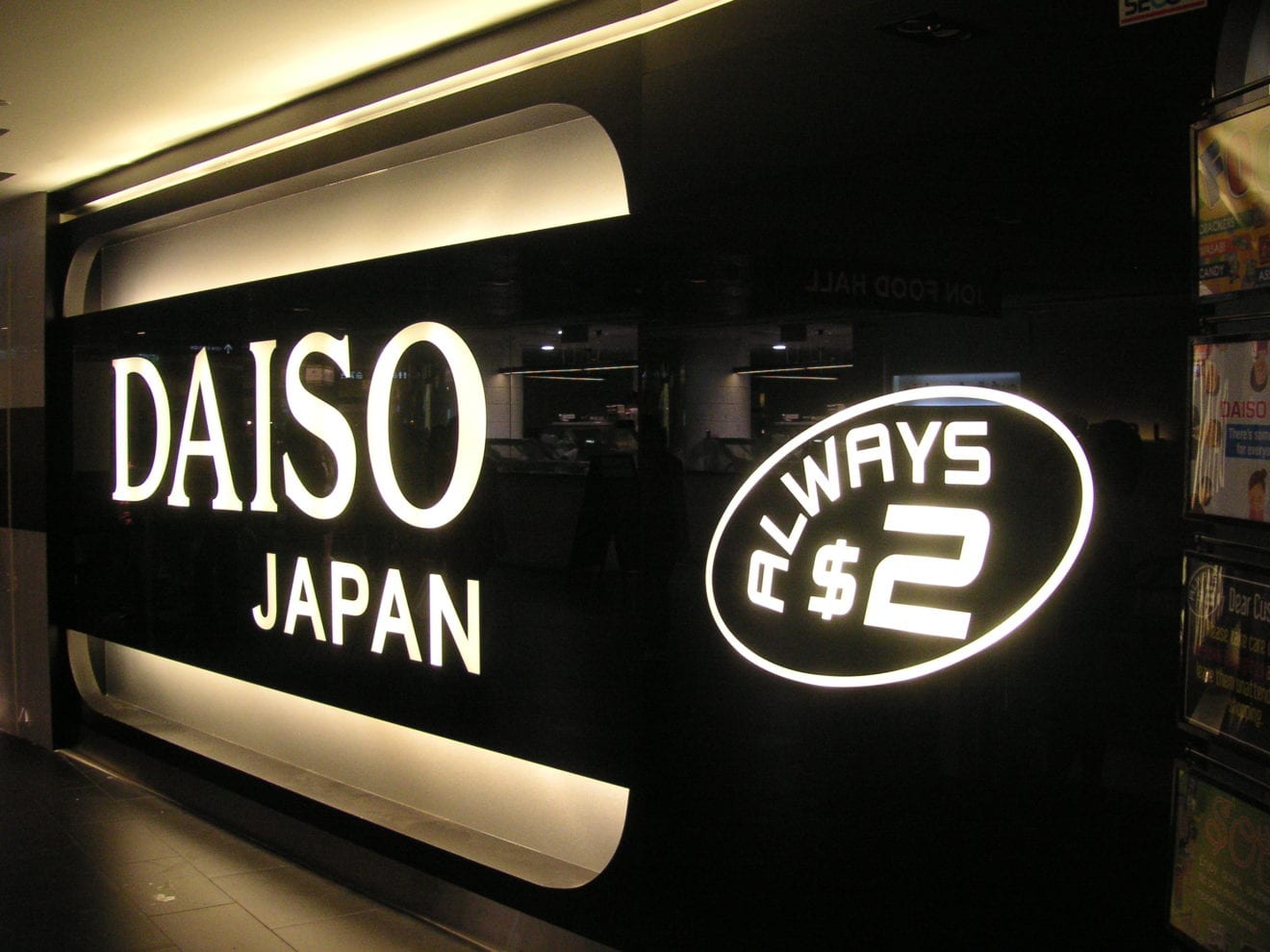
  • Daiso wins Manila court battle

    Daiso wins Manila court battle

    Japanese discount retailer Daiso has won the right to use its name in the Philippines after a hearing in the Supreme Court.

    In a final ruling just issued, the court has blocked Filipino company Japan Home Center from using the trademark Daiso, confirming an earlier ruling by the Court of Appeals.

    The judges ruled that Japan Home Center had registered the name in “bad faith” in 2005 – largely to prevent the Japanese Daiso or its local franchisee from using it.

    Daiso Industries of Japan first filed a complaint with the Intellectual Property Office back in 2009 after it appointed Robinsons Retail Holdings as its local distributor and retail partner. Daiso Industries owns the brand name.

    This week’s Supreme Court decision thus ends a six year long legal battle to give Daiso and Robinson the legal right to use the brand.

    Robinsons currently operates 38 Daison stores in the Philippines.

    In another case in January this year, the Intellectual Property Office blocked MySmart One-Shop Daiso from using the brand name.

  • Affluent Asians spending on status

    Affluent Asians spending on status

    Goods and experiences which provide “a sense of status, exclusivity and uniqueness” are key considerations when shopping for luxury items for Asia Pacific’s elite, according to the Visa Affluent Study 2015.

    In other words, affluent Asians are prepared to spend on status.

    According to the study, a significant percentage of Asia Pacific affluents describe themselves as “status seekers”, with more than one third of the affluent in China (38 per cent), Hong Kong (36 per cent) and Korea and Japan (31 per cent each) are motivated to purchase luxury goods to display their social standing. Affluent in India (29 per cent) and in Singapore (27 per cent) also report taking pleasure in the attention that luxury goods attract.

    “What drives Asia Pacific’s affluent in making luxury purchase decisions varies across the region, but the common factor is the search for unique products and services that give a sense of status and exclusivity,” said Ruben Salazar, VP, products with Visa Asia Pacific.

    “While quality remains important for most consumers, Asia Pacific’s affluent are continuously looking to go beyond quality guarantee to find that special product or experience that stands out from the crowd and that gives a sense of self-satisfaction.”

    Only the affluent from Indonesia and Australia described themselves as being more driven by other considerations, with almost a quarter of Indonesian affluent (23 per cent) surveyed also valuing quality alongside social status (24 per cent) and exclusivity (28 per cent).

    Some 500 respondents from each of Australia, China, Hong Kong, India, Indonesia, Japan, Singapore and South Korea were interviewed online and in face-to-face surveys for the study. Respondents have an average household income of US$73,000 per annum and are aged between 18 and 55 years old.

  • Tag Heuer Hong Kong to close store

    Tag Heuer Hong Kong to close store

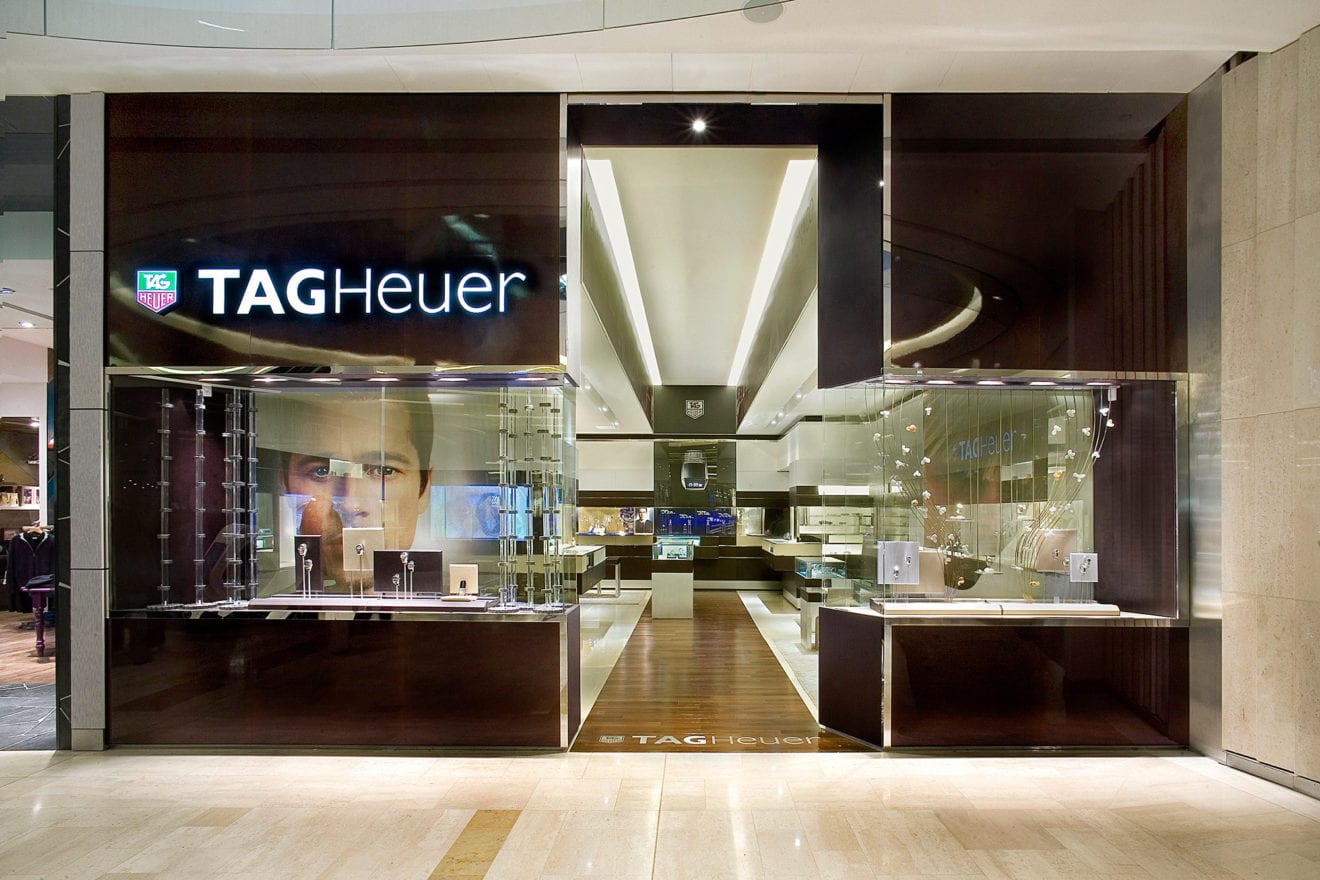
    Tag Heuer is to close one of its Hong Kong stores as it battles high rents and falling sales.

    Tag Heuer Hong Kong’s Causeway Bay store on Russell St will close soon, according to Jean-Claude Biver, the head of Tag Heuer’s parent LVMH’s watch unit.

    While local watch and jewellery retail chains have been adjusting their store networks in the wake of plummeting sales to Chinese tourists over the last 12 months, this is the first significant closure announced by a global luxury player. Rival luxury retail group Kering has hinted it may close some stores, but has not announced firm plans as yet.

    However, the Tag Heuer plan itself is vague.

    “I am not sure if the shop will be closed this year or next but for sure I want to close it because of high rental costs and a drop in traffic,” Jean-Claude Biver told Reuters.

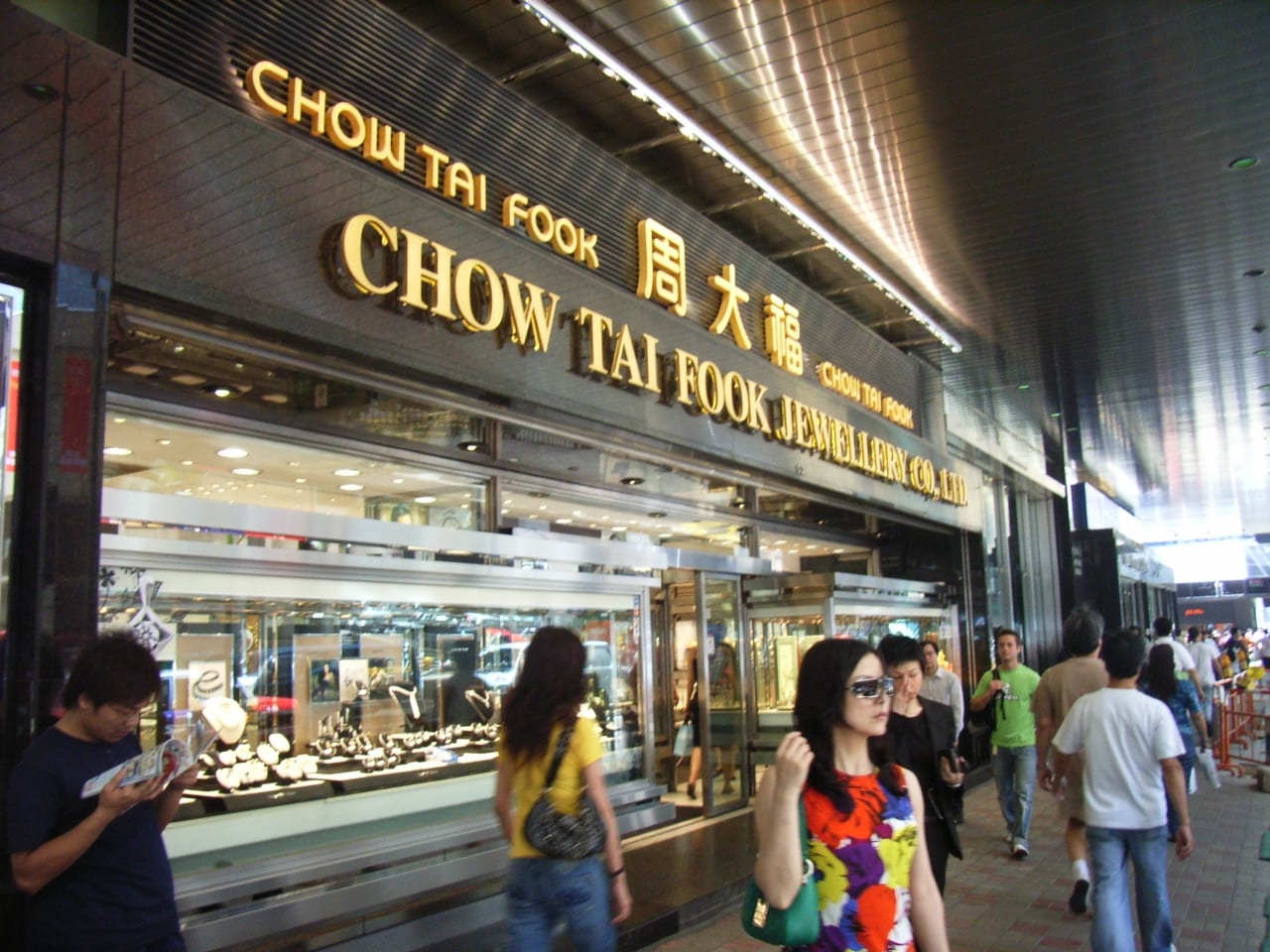
    Local jewellery retailers like Luk Fook and Chow Tai Fook have been renegotiating rents as they come up for renewal, and reporting reductions  of between 10 per cent and 20 per cent.

  • AirAsia India Announces Flurry of Offers, Reintroduces Fares at Rs 990

    AirAsia India Announces Flurry of Offers, Reintroduces Fares at Rs 990

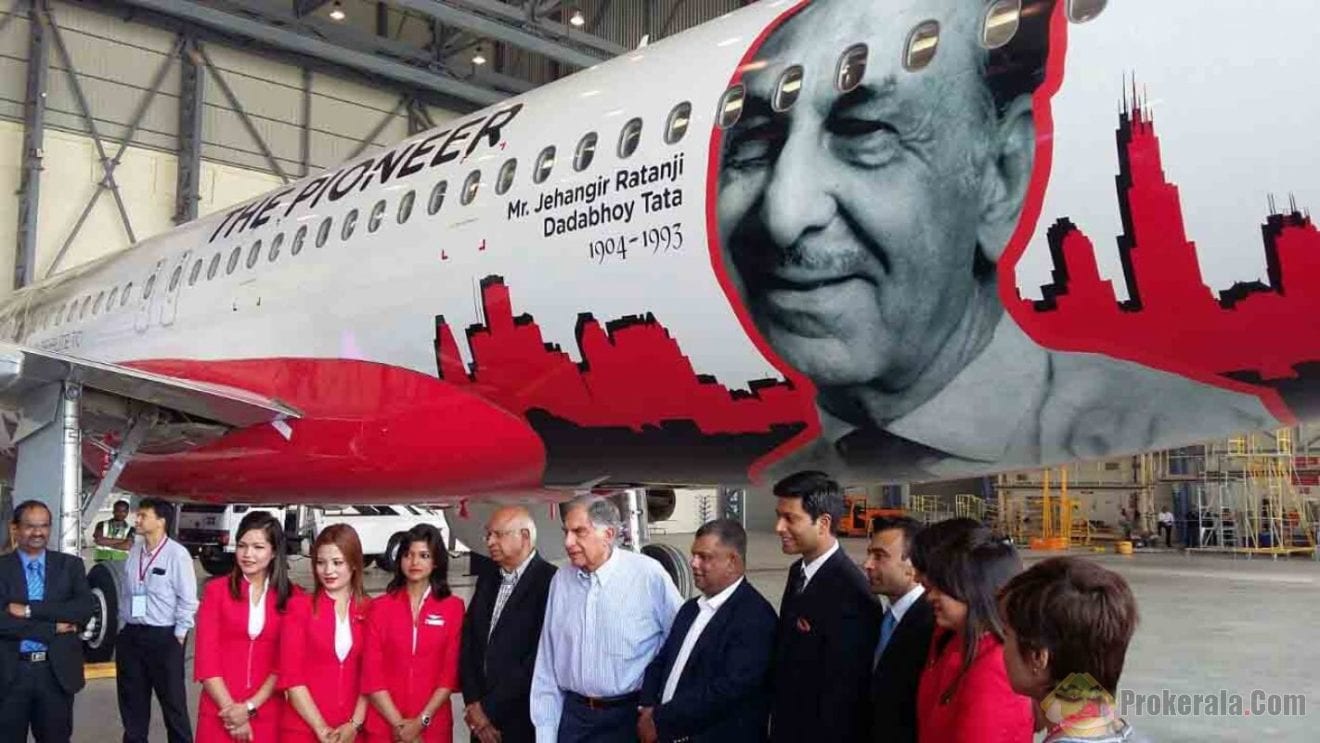
    AirAsia India on Monday introduced a flurry of offers both for domestic as well as international routes, to mark the group’s milestone of flying 300 million travellers.

    AirAsia had announced last week that it would come up with something ‘big’ to mark the occasion.

    On domestic routes, AirAsia has reintroduced its Rs 990- fare (all-inclusive) offer. This offer is valid for travel period of 15 February-31 August 2016 and to avail it tickets should be booked between August 10 and August 16.

    Under the AirAsia scheme, while tickets from Bengaluru to Kochi are priced at Rs 990, Bengaluru to Goa tickets would cost Rs 1190, and New Delhi to Guwahati tickets are available at Rs 2990.

    On overseas routes, AirAsia has put on block 3 million seats and is offering all-inclusive fare as low as Rs 3,999 for traveling to Kuala Lumpur from cities like Kochi, Visakhapatnam and Hyderabad.

    AirAsia has also introduced discounts for travel on overseas routes like Bangkok, Melborune, Sydney, Perth etc.

    Jet Airways also introduced a discount offer on Monday. Jet Airways announced a promotional scheme offering a flat 30 per cent discount on base fares of domestic flights and travel from India to international destinations.

    Fare wars between airlines have turned intense in Indian skies and carriers have been coming up with offers every other week to woo flyers.

    The promotional schemes offered by different airlines have helped spur strong passenger growth. The number of passengers carried by domestic airlines during January-June this year rose to 388 lakh, as against 324 lakh during the corresponding period of previous year – an increase of nearly 20 per cent.

  • Sogo ‘resilient’ in tough market

    Sogo ‘resilient’ in tough market

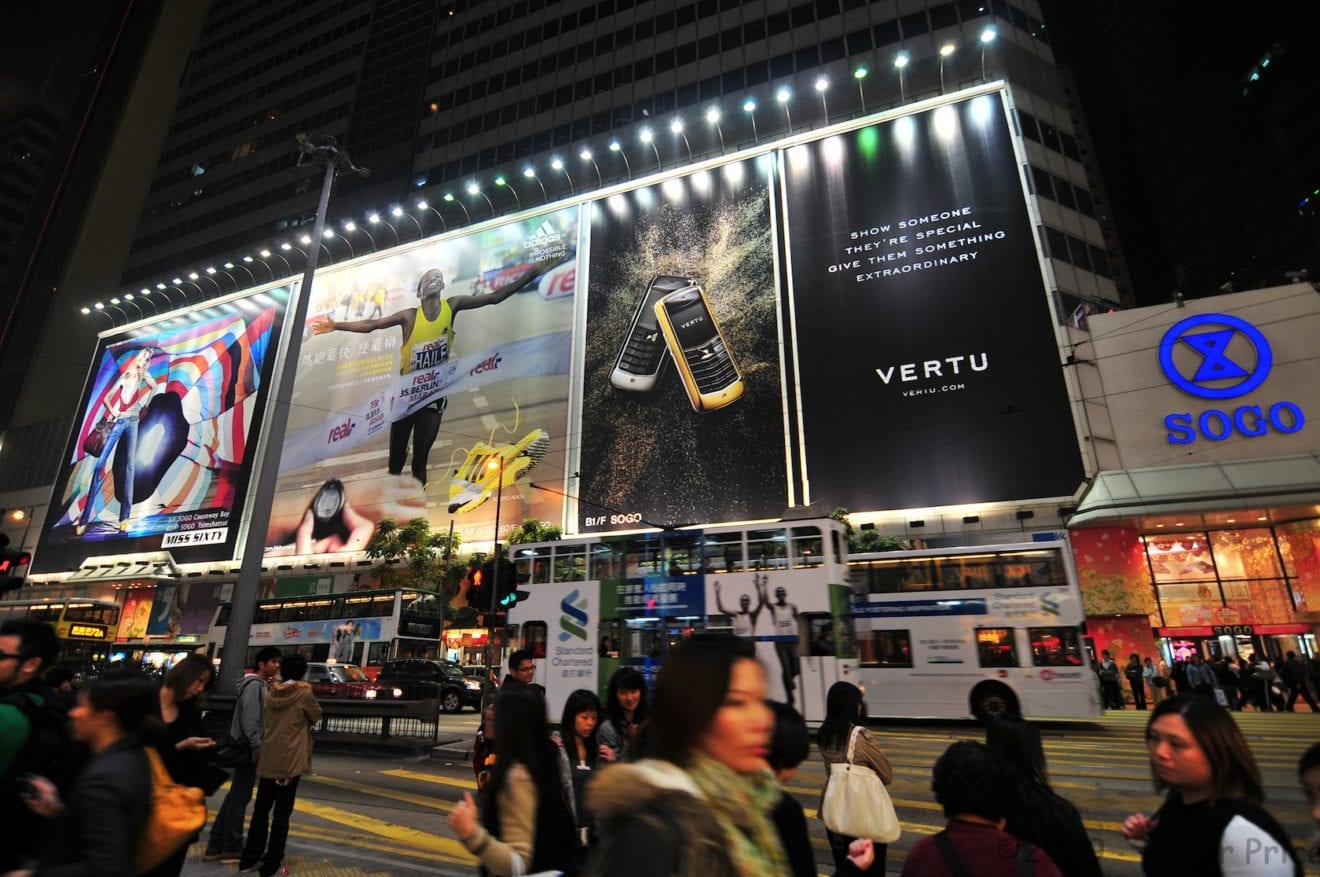
    Department store operator Lifestyle International says its Sogo department stores in Causeway Bay and Tsim Sha Tsui helped it achieve a 15.1 per cent boost in first half year profit.

    In the six months to June 30, group turnover increased 6.6 per cent to HK$3.07 billion and profit attributable to owners of the company to $1.17 billion “The Sogo Causeway Bay store proved resilient,” the company said in its half year report.

    “It put in a steady and solid performance during the review period and delivered a healthy set of business results. The store generated HK$4.493 billion in total sales revenue, representing a slight decrease of 1.4 per cent from the same period last year, largely in line with the market as a whole. As with previous years, the store remained the biggest contributor to the group’s revenue, accounting for 64.4 per cent.”

    That trading result was achieved despite a renovation program and during a period of “relatively weak market sentiment”, which caused a decline in traffic footfall.

    “Notwithstanding the drop in traffic footfall, the store saw an increase in the stay-and-buy ratio that went up by 2.3 percentage points from the same period last year, which reflected customer loyalty for the store.”

    Across the harbour, the Sogo Tsim Sha Tsui store, which moved to a new location in November, has quickly attracted a significant amount of old and new customers, thus enabling it to grow steadily and deliver a better-than-expected performance, the company said.

    “The stay-and-buy ratio, average ticket size and the traffic footfall all performed well above the expectation of the management. During the period, continuous efforts had been made to adjust and refine the brand portfolio and merchandise of the boutique-style store, in reference to customers’ reception and the group’s market research. To enrich the product selection, SOGO TST opened in May the Freshmart in the previously unfilled area of the store, which houses a wine cellar and offers a vast array of food and confectionery items.”

    In Mainland China, Lifestyle’s operations delivered “encouraging results” in spite of the prevailing weak sentiment in the retail market.

    “The performance of operations in bigger cities was relatively more positive, as the decline in consumer confidence showed signs of bottoming out. The larger middle-class population with stronger spending power also enhanced the resilience of operations in big cities. Nonetheless, intensifying market competition remained a challenge. On balance, the generally healthy results of the mainland operations attest the Group’s core competency and its ability to drive operational efficiencies in good or bad times.”

    Shanghai Jiuguang performed strongly throughout the review period, with sales revenue up 9.7 per cent from the same period last year. The group said it had made an extensive effort to adjust the store’s brand and merchandise portfolio over the past years, which was now starting to pay off, and the store is now believed to own the strongest portfolio of cosmetic brands in its locality.

    “While Shanghai Jiuguang’s total traffic footfall fell 10 per cent during the period, the average ticket size was up 5.7 per cent and the stay-and-buy ratio improved by 6.2 percentage points, which again points to strong customer loyalty. In May, the store kicked off its renovation program, which is to be carried out in phases and is scheduled for completion in 2016.

    “Suzhou Jiuguang, which has established itself as a sought-after shopping destination in Suzhou, stayed firmly on a growth trajectory. It turned profitable in 2013 and has remained so since then. For the first half of the year, it reported a 5.1 per cent growth in sales revenue. The traffic footfall and ticket size was up 10.5 per cent and 1.7 per cent respectively, while the stay-and-buy ratio was largely stable at 38 per cent,” Lifestyle reported.

    “Of late, competition in the local department store sector has grown increasingly fierce. Being one of the first department stores to have secured a solid market position in the city, Suzhou Jiuguang enjoys first-mover advantage and has developed a loyal clientele that is still growing. Nevertheless, the group will continue to monitor closely the market situation in order to devise sound and sensible marketing and business strategies to respond promptly to new development in the market.”

    However, Dalian Jiuguang in Northeast China performed “largely in line with the local market situation”, recording a 13.2 per cent negative growth in sales revenue.

    “The results were within expectation of the management, in light of the fragile business environment and weak consumer sentiment of the city over the past few years. However, the group has been realigning the product range and tenant mix to widen the appeal of the store.”

    Shenyang Jiuguang, which opened in October 2013 as the Group’s fourth Jiuguang establishment in mainland China, continued to face a sluggish retail environment, with weak consumer sentiment and restrained economic activity.

    “With persistent efforts to enhance its product mix and to promote a wide range of local and imported products catering to a broad customer base, Shenyang Jiuguang managed to keep its business on a stable footing. For the first half of the year, sales revenue was stable when compared with the corresponding period in 2014. The traffic footfall showed signs of improvement, indicating the group’s marketing strategy is in the right direction. The management is aware that under the current economic climate, it would take notably more time for a young department store like Shenyang Jiuguang to turn profitable.”

    And Beiren Group, an established Shijiazhuang-based retailer in which the Group has strategic investment, continued to deliver “stable performance despite slack demand” in the highly competitive local market. For the first six months of the year, the investment contributed about HK$179.7 million in profit (including profit attributable to non-controlling interest) to Lifestyle International, compared with HK$142.7 million in the same period last year. The significant improvement in share of results was mainly due to the fact that its results in the previous year were negatively impacted by an audit adjustment.

    Beiren Group operates approximately 1.2 million sqm of retail space encompassing 17 department stores, 37 supermarkets and various outlets specialising in electrical appliances, consumer electronics and gold and jewellery. Most of the operations are located in Shijiazhuang.

    Nearly two years since its opening in July 2013, the group’s standalone “Freshmart” store in

    Changning, Shanghai, continued to deliver consistently and satisfactory results. Sales revenue for the first six months of the year saw a year-on-year growth of 11.6 per cent.

  • Lotte China loses a trillion

    Lotte China loses a trillion

    Reports from Korea suggest Lotte Group has lost more than 1 trillion won (US$853 million) in China in just three years.

    Data assembled by CEO Score shows Lotte China made heavy losses between 2011 and 2014 as South Korea’s fifth largest company struggled to understand the Chinese consumer and build market share.

    Last month, Lotte said it would close four loss-making stores in its Mainland China network – all in in East China’s Shandong Province.

    Lotte is said to be losing market share in Mainland China unable to differentiate itself in the middle ground between local retail chains and the growing power of online retailers such as Alibaba and JD.com.

    CEO Score’s data shows the losses are growing, not narrowing. It started with 92.7 billion won in 2011, reached 250.8 billion won in 2012 and a massive 580.8 billion won in 2014.

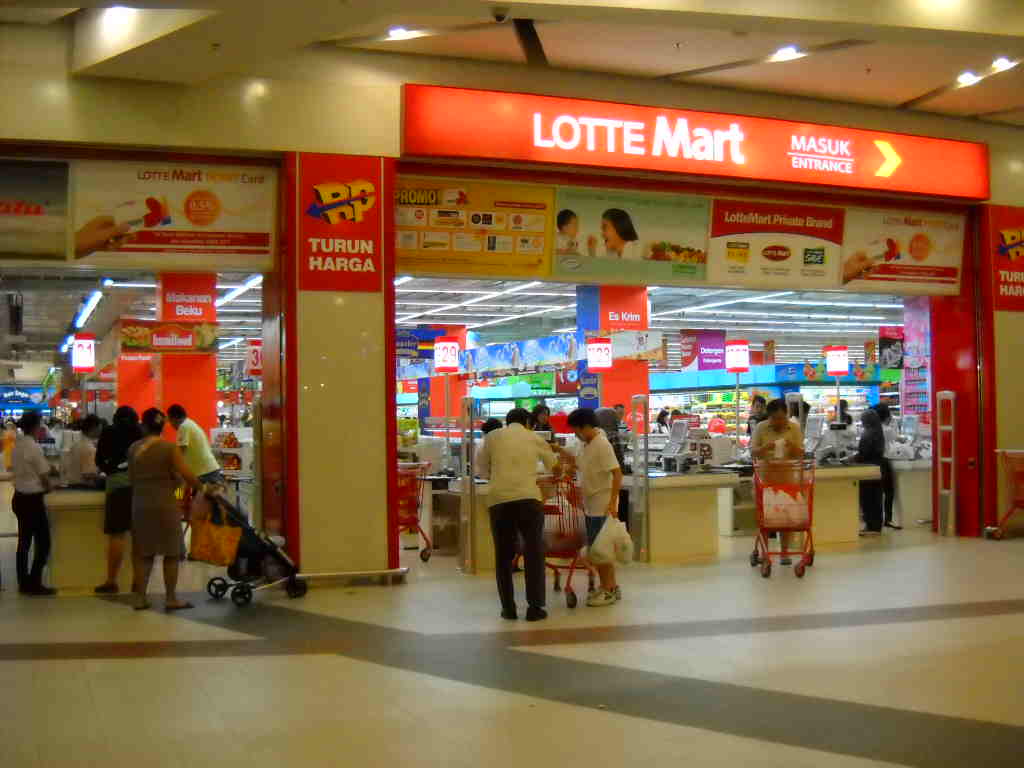
    Lotte Mart has 120 stores in China, 116 in Korea, 39 in Indonesia and 10 in Vietnam.

    The company is family owned with the leadership locked in a bitter power struggle and two brothers compete to take control from their 93 year old father.

  • Dairy Farm reports modest growth

    Dairy Farm reports modest growth

    Dairy Farm says it achieved “modest” like-for-like sales growth in most of its major markets in the first half of this year.

    However, underlying profit fell 14 per cent to US$193 million, largely due to margin pressures in the food businesses and a disappointing half for its Guardian health & beauty group in Malaysia.

    With the early completion of the acquisitions of the San Miu supermarket business in Macau and the Yonghui stake (20 per cent) in China, both in April, sales for the period rose 27 per cent to US$8 billion. But like for like sales rose a more modest three per cent to $6.5 billion, or by seven per cent on a constant exchange rate basis.

    Dairy Farm International says that despite solid sales growth, cost pressures and food price deflation on certain commodities combined to squeeze margins in the first six months for the group’s Food businesses.

    “In Hong Kong, there were higher rental and labour costs. In Singapore profits were significantly lower due to competitive pressures, higher rents and a weaker Singapore dollar. Sales were buoyant in Malaysia, but there was continued margin investment to attract customers,” said chairman Ben Keswick in his half yearly report.

    “There was good like for like sales growth in Indonesia, but profitability declined materially due to higher labour costs following a further increase in the minimum wage, a rise in shrinkage costs associated with greater fresh sales and more rigorous stock management, and store rationalisation.

    “In the Philippines, the upscale and community supermarkets enjoyed sales growth, but the hypermarkets struggled.”

    Dairy Farm’s convenience store businesses in Hong Kong and Macau performed satisfactorily. Sales in Singapore, however, were weaker due to a reduction in the number of stores and the impact of recently introduced regulations restricting late night sale of alcohol.

    The Health & Beauty division produced higher sales. Hong Kong and Macau performed well despite some impact from a decline in tourist arrivals. In mainland China, there was further growth in the store base and an improvement in results. In Malaysia, profitability was lower following the introduction of GST on 1st April. In Indonesia, the results were impacted by wage and rent increases, while sales growth remained good. In the Philippines progress was made on the integration of Rose Pharmacy.

    In Home Furnishings, the IKEA stores in both Hong Kong and Taiwan traded well, and the new IKEA store in Indonesia continues to perform in line with expectations.

    In the Restaurant division, Maxim’s maintained its consistent performance with increased sales and profits in Hong Kong and mainland China. The group is growing its presence in Mainland China and continuing to expand its Starbucks network in Vietnam.

    At the end of June, Dairy Farm operated over 6400 outlets across all formats, including the newly added San Miu and Yonghui stores, and employed in excess of 170,000 colleagues.

  • Hong Kong retail sales stable

    Hong Kong retail sales stable

    Hong Kong retail sales are not as depressing as many luxury retailers would have us believe.

    Figures for June released unusually late in the day on Friday show a year on year decrease of just 0.4 per cent, a figure low enough to adjust the first half year’s sales slippage to just 1.6 per cent – from the 2.3 per cent for the first four months.

    But take the effect of inflation out of the equation, and the territory’s retail sales increased by 4.4 per cent in June 2015. In volume terms, sales rose 4.7 per cent in the month, and for the first half of the calendar year are up by 4.7 per cent.

    Basically, it is the luxury sector – high end fashion, watches and jewellery – which is suffering the most. For most other retailers, there’s nowhere near the same level of decline.

    A Census and Statistics Department (C&SD) spokesman indicated that retail sales volume grew moderately further in June over a year earlier.

    “The fall in the sales of jewellery, watches and clocks, and valuable gifts narrowed, while retail outlets selling certain consumer durable goods registered visible growth in sales.”

    But the C&SD spokesman maintained a conservative outlook for the remainder of the year.

    “Looking ahead, the near-term performance of retail sales is still subject to uncertainties, depending on inbound tourism growth and any spillover to consumption sentiment from the recent stock market volatility.

    “Nevertheless, the stable job and income conditions should provide some support. The Government will monitor closely how these factors, as well as the various uncertainties in the external environment, would affect the retail business going forward,” he said.

    By broad retail category, and in descending order of value of sales, the value of sales of jewellery, watches and clocks, and valuable gifts decreased by 10.4 per cent in June 2015 compared with a year earlier.

    This was followed by sales of commodities in supermarkets (down 0.5 per cent), wearing apparel (down 3.8 per cent), commodities in department stores (down 3.3 per cent), medicines and cosmetics (down 4.2 per cent), footwear, allied products and other clothing accessories (down 8.4 per cent), furniture and fixtures (down 3.7 per cent), books, newspapers, stationery and gifts (down 9.5 per cent) and Chinese drugs and herbs (down 4.2 per cent).

    On the other hand, the value of sales of electrical goods and photographic equipment increased by 21.4 per cent in June 2015 compared with a year earlier. This was followed by sales of food, alcoholic drinks and tobacco (up 3.6 per cent) and optical shops (up 0.4 per cent).

    Based on the seasonally adjusted series, the value of total retail sales decreased by 4.4 per cent in the second quarter of 2015 compared with the preceding quarter, while the volume of total retail sales decreased by three per cent.

  • SM Investments Corporation bags five awards from Alpha Southeast Asia magazine

    SM Investments Corporation bags five awards from Alpha Southeast Asia magazine

    SM Investments Corporation (SM) bagged five awards from Alpha Southeast Asia magazine based on a poll of investors.

    SM topped four categories under the 5th Annual Southeast Asia’s Institutional Investor Awards for Corporates. These are Most Organised Investor Relations for the fifth year in a row; Best Senior Management Investor Relations Support; Best Strategic Corporate Social Responsibility. SM was also named among the companies with the Most Consistent Dividend Policy.

    SM’s Executive Vice President and Chief Financial Officer Mr. Jose T. Sio was likewise named Best Chief Finance Officer (CFO) in the Philippines for the fourth time in a row. Mr. Sio is known for his financial prudence while strongly supporting the phenomenal growth of the SM group of companies.

    Mr. Sio is a certified public accountant with a master’s degree in Business Administration from New York University. He was a senior partner at Sycip Gorres Velayo & Co. prior to joining SM in November 1990.

    “We are grateful for this recognition by Alpha Southeast Asia which continues to inspire us to strive for excellence. We also thank our investors who continue to put their trust in the company,” SM EVP and CFO Jose T. Sio said.

    The awards presentation for the Philippine winners will be held on September 1, 2015 at the Makati Shangri-La.

    The poll is based on tallied votes among 520 investors and analysts across the region as well as the US and Europe. These included fund managers with investment interests in Southeast Asia, large institutional investors, insurance companies, pension funds, funds of hedge funds, private banks, equity and fixed income brokers as well as buy and sell-side analysts.

    Alpha Southeast Asia is a monthly magazine primarily written for institutional investors, asset and fund management companies in Hong Kong, Singapore, other parts of Asia, US, Europe and the Middle East. The magazine also has a strong following among the region’s largest local corporates.

  • China Finance Online Announces New Office in Beijing

    China Finance Online Announces New Office in Beijing

    China Finance Online Co. Limited (“China Finance Online”, or the “Company”, “we”, “us” or “our”), a leading web-based financial services company that provides Chinese retail investors with online access to securities and commodities trading, wealth management products, investment advisory services, as well as financial database and analytics services to institutional customers, announced that the Company has moved into a new office in 17th floor of Fuzhuo Plaza A, No.28 Xuanwai Street, Xicheng District, Beijing 100052, P.R.China.

    The office move would result in a substantial reduction to the Company’s current office rental expenses. It is also part of the efforts on team integration in order to improve product offerings and user conversion for iTouGu, the Company’s one-stop mobile platform for retail investors in China.

    About China Finance Online

    China Finance Online Co. Limited is a leading web-based financial services company that provides Chinese retail investors with online access to securities and commodities trading services, wealth management products, securities investment advisory services. The Company’s two prominent flagship portal sites, www.jrj.com and www.stockstar.com, are ranked among the top financial websites in China. In addition to the web-based securities trading platform, the Company offers basic financial software, information services and securities investment advisory services to retail investors in China. Through its subsidiary, Shenzhen Genius Information Technology Co. Ltd., the Company provides financial database and analytics to institutional customers including domestic financial, research, academic and regulatory institutions. China Finance Online also provides brokerage services in Hong Kong.

  • British brands invading Philippines

    British brands invading Philippines

    Asif Ahmad, the UK ambassador to the Philippines, is one of the busiest diplomats in the country, as he leads, almost on a weekly basis, the opening of new outlets put up by dozens of British companies which are taking advantage of the rapidly growing consumer market and improved purchasing power of Filipinos.

    Ahmad, the 59-year-old diplomat who has been assigned in the Philippines since July 2013, says while several British companies have established their presence in the country for several decades now, more are expected to land in the Philippines soon.

    “We have done it in fashion.  We have done it in cars. We have done it in films and music.  The next story is eating and drinking,” says Ahmad, during the opening of the second outlet of Costa Coffee in the Philippines at Robinsons Place in Ermita, Manila.

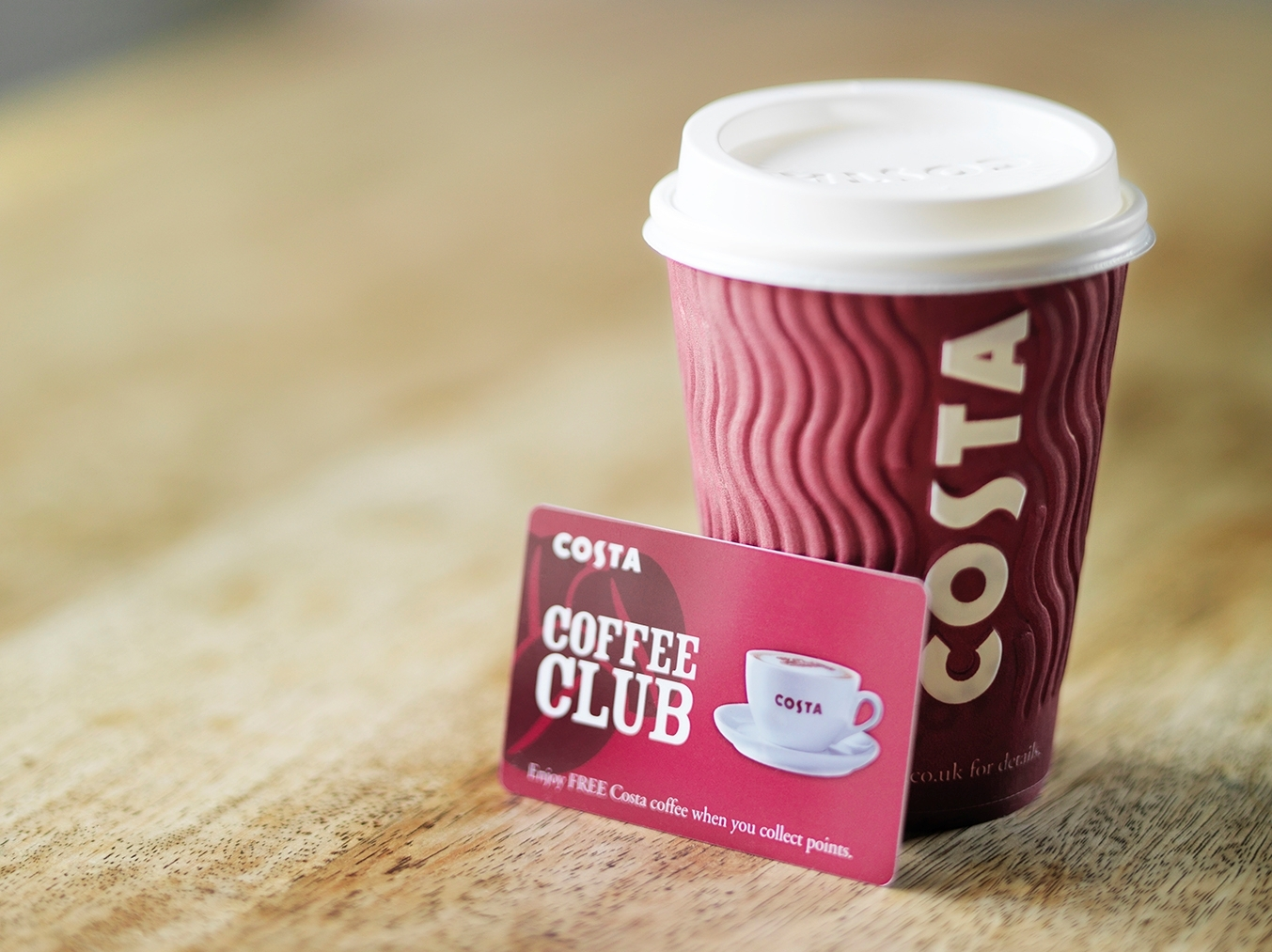
    Costa Coffee, the leading coffee chain in the United Kingdom, is the latest British brand setting its sights on the Philippine market, which Ahmad says offers a lot of opportunities for foreign companies.

    The ambassador says the expansion of British firms in the country is a part of a deliberate effort of the London government to triple its exports to the world to 1 trillion pounds by 2020.

    Unilever, an Anglo-Dutch company, is one of the biggest distributors of consumer products in the Philippines while Royal Dutch Shell Plc. is one of the three largest petroleum players in the country.

    The last couple of years saw dozens of UK firms opening outlets or expanding their presence in the Philippines.  In November 2013, London opened its airspace to Philippine Airlines via Heathrow Airport, with the help of Ahmad.  This has triggered a faster movement of people, including investors and tourists, between the two countries.

    British financial giants HSBC, Standard & Chartered, Barclays and Pru Life UK have strong presence in the Philippines while UK companies that are expanding in the country include Pearson Plc., Ashmore Group, British American Tobacco, British Petroleum, ECR Minerals Plc., CRH Plc., Arup, Nectar Group Ltd., MacKay Green Energy Inc., Forum Energy, Pitkin Petroleum Plc., Eaton Corp. Plc. and Weir Engineering Services Ltd.

    Top British brands opening or adding outlets in the Philippines include Rolls Royce, Range Rover, Jaguar, Mini Cooper, Morgan Motors, Tesco, The Body Shop, Fitness First, Toni & Guy, Remington UK, Marks & Spencer, Debenhams, Lee Cooper, F&F, John Lewis, Burton, Reiss, Speedo, Hamleys, Burberry, Topshop, Topman, Dorothy Perkins, Mitre Sports, Berghaus, Kangaroos, Superdry, Warehouse, Clarks Shoes, Paul Smith, Mothercare, Hackett London, Lush, TM Lewin, River Island, Cath Kidston, Pepe Jeans London, Savile Row, Lyle & Scott,  Whyte & Mackay, Twinings, Diageo, Union Jack Tavern, Wolf & Fox, Chuck’s Grub, Waitrose and Yummy Organics.

    Ahmad says more brands will expand in the Philippines soon. “We have a strong presence of British brands that is gonna grow.  My government, the UK, has said that we must triple exports to 1 trillion [pounds]. My mission here is to grow three times more than before.  That is a very strong target to have,” he says.

    The UK is already the largest investor among European countries in the Philippines.  “The easy target that we have met is being the number one investor in the Philippines from the European Union. We have achieved that already,” he says.

    “In terms of trade, we have a long way to go.  If we added it both ways, it [bilateral trade] adds up to $2 billion.  We have to make it $6 billion,” says Ahmad.

    He says the UK embassy is working with the British Chamber of Commerce to help more companies navigate the Philippine market.  British investors are looking at infrastructure, public-private partnership projects, water, healthcare, education, information technology and defense sectors, he says.

    The British Chamber of Commerce is arranging more trade missions to bring more British brands in the Philippines this year to look at opportunities, given the country’s improving economy.

    “What we are seeing is that the government has more money.  The infrastructure projects are now speeding up, after a difficult start.  We are seeing people consuming more, spending money more, not just in houses and cars, but also in their lifestyle,” Ahmad says.

    Ahmad says Filipinos can afford to buy British brands.  “It [local market] has been ready for quite some time.  That’s why we have been very successful here.  If you go back, they [British companies] have been here for a long time and they are expanding still.  New ones are coming onboard.  What Costa Coffee does is something different.  It is in food and beverage segment, which has much more to offer,” he says.

    Costa Coffee opened its first outlet at Eastwood Citywalk 1 in Libis, Quezon City in June and plans to open three more branches this year at Tera Towers in Fort Bonifacio, E. Rodriguez Jr. Ave. in Quezon City and Robinsons Antipolo in Rizal.

    “We plan to open 70 Costa Coffee branches in the Philippines over the next five years,” says Costa Coffee Philippines general manager Corinne Milagan, who heads a new unit of Robinsons Retail Holdings Inc. to guide the expansion of the Costa brand in the country.

    Among those who attended the opening of the Costa Coffee branch at Robinsons Place Manila are Ahmad, Milagan, Robinsons Retail Holdings president and chief operating officer Robina Gokongwei-Pe, Costa Coffee International managing director Chris Rogers, Robinsons Land Corp. president and chief operating officer Frederick Go and Costa Coffee franchise manager for Southeast Asia and India Matt Kenley.

    RRHI formed a new company called Robinsons Gourmet Food and Beverage Inc. to operate the Costa Coffee chain in the country. Robinsons Gourmet teamed up with Whitbread Plc. of the United Kingdom to bring the British coffee brand to the Philippines.

    “The Philippines has fantastic opportunity for the Costa brand.  It brings something different to the market. A different coffee, a different environment and a great people.  And it brings a little taste of London to the Philippines,” says Rogers.

    “We have been looking forward to the next 20 to 30 years. The Philippines is an exciting place to be, because of the potential growth.  The economy is growing strongly. The consumer population is growing. There are good dynamics,” says Rogers, who joined Whitbread eight years ago.

    Rogers has been leading the international expansion of the Costa Coffee brand since July 2012.

    Robinsons Retail plans to open 70 Costa Coffee stores in the Philippines over the next five years, with an average cost of P10 million per outlet.

    Rogers says Costa Coffee has found its niche in the competitive coffee market.  “Our difference is our coffee.  We have the Mocha Italian blend.  We are very particular with the beans we choose–high-quality beans with a particular taste. The environment is also very different,” he says.

    Milagan says the Philippine coffee market is now prepared for a British brand.  She says coffee lovers, including British expatriates, were lining up hours prior to the opening of the Costa Coffee branch at Robinsons Place Manila on July 31.

    “The [coffee] market is not yet saturated. The Philippine market has matured in terms of  food and drinking preference. We are graduating now from instant coffee and we are now shifting to coffee made in a hand crafted way,” says Milagan.

    Milagan says “the Filipino taste has become discriminating, as they travel abroad.”

    Costa Coffee was founded by Italian immigrants Sergio and Bruno Costa in 1971 in Lambeth, London. The Costa brothers were known for creating their unique blend of coffee, a combination of Arabica and Robusta beans. They called it Mocha Italia, a blend that is a closely guarded secret to this day.

    The brand was acquired by Whitbread Plc. in 1995.  The UK firm continues to serve the original Mocha Italia recipe, which is slowly roasted in the Old Paradise Street Roastery in London.

    Milagan says Costa coffees are all handcrafted and espresso-based.

    Costa Coffee now has 3,000 stores in more than 30 countries. Costa employs Master Genarro Peliccia as the official coffee master who ensures that the taste remains consistent to the original blend.

    Gokongwei-Pe says Costa Coffee is the second British brand brought to the Philippines by Robinsons Retail, the first being the fashion brand Topshop.  She says her company will bring more foreign brands, depending on the performance of Costa Coffee.

    “We have to make sure this works first,” she says, adding that the outlook for the Costa brand in the Philippines is promising.

    “I believe in good luck.  I believe in good vibrations,” she says.
     

  • Aqua Fair Asia Sets the Future Trend for the Aquarium Industry in Guangzhou

    Aqua Fair Asia Sets the Future Trend for the Aquarium Industry in Guangzhou

    Boosted by recent innovations, the aquarium industry is experiencing a period of rapid development in China both for export and the domestic market, urging the need for a modern, reliable trade platform that listens to the professionals and understands the changing dynamics of our industry.

    Aqua Fair Asia (AFA), is created by industry professionals and held in Guangzhou, at the heart of the global aquarium industry. It meets these needs and brings the business to the next level. Designed to be not only an exhibition but a comprehensive business accelerator ecosystem, Aqua Fair Asia combines high level conferences, business talks, trade match-making, factory tours and educational programs.

    Aquarium industry leaders, including HAILEA, Minjiang Aquarium, BOYU, RESUN, SUNSUN, Chuangxing Electric, JEBO, Lenyo Aquatics, have expressed strong support. Many more will exhibit at AFA, after many years away from any exhibition in China. The president of the Guangdong Aquarium Industry Association, Yang Qinquan, recently declared: “The existing aquarium trade platforms were relying on old models that failed to modernize and do not fit our industry any more. Let us seize the opportunity of this modern trade event to revitalize the aquarium industry, promote better practices and develop a sustainable and healthy global aquarium industry.”

    Aqua Fair Asia makes business happen. Its modern approach to trade breathes new life into the aquarium industry and brings three key elements to the equation that professionals expect from a trade show: the right audience, forward-thinking content and high level of service. For overseas buyers, it’s the chance to discover the new face of the Chinese aquarium industry, better identify their future suppliers and develop their business with innovative and affordable solutions. Major buyers are encouraged to contact the organizer to learn about the programs (hosted buyers, factory tours, etc.)

    Jointly hosted by VNU Exhibitions Asia and the Guangdong Aquarium Industry Association, Aqua Fair Asia will take place on October 8-11, 2015 at Guangzhou Poly World Trade Center Expo (PTWC – Next to the Canton Fair Pazhou Complex). The show is expected to attract 300 exhibitors and over 12000 aquarium professional visitors from China and overseas.

  • BRI eyes syndicated loans as it opens Singapore branch

    BRI eyes syndicated loans as it opens Singapore branch

    State-owned Bank Rakyat Indonesia (BRI) will provide syndicated loans as part of a strategy to attract Indonesian companies following the opening of the lender’s branch office in Singapore.

    The lender will allocate at least US$100 million in the first year to Indonesian companies that are seeking offshore funding, an executive says.

    “We are aiming to lend at least $100 million of syndicated loans in the next 12 months. We already have some prospective loans in the pipeline, but the process will not be instant,” Azizatun Azhimah, general manager for BRI’s Singapore branch, said on the sidelines of the branch opening on Wednesday.

    Loans for any projects would be assessed based on their potential value, feasibility and compliance to the lender’s requirements, Azizatun said.

    BRI president director Asmawi Syam said the bank saw syndicated loans as a prospective type of lending to help boost its international business as well as finance infrastructure developments in Indonesia.

    “We can learn much about that type of loan in Singapore and collaborate with local and international banks here to grab opportunities.”

    According to Asmawi, demand for infrastructure financing will increase as more Singaporean investors get attracted to start investing in Indonesia’s infrastructure and other sectors following President Joko “Jokowi” Widodo’s visit to the city-state on Tuesday, saying that “the launch of BRI Singapore branch is well timed with the state visit”.

    “President Jokowi has invited Singaporean investors to help develop our infrastructure, so that BRI hopes to build a bridge between them and Singaporean and international banks as BRI is more experienced in financing infrastructure projects in Indonesia, such as power plants, seaports, airports and toll roads,” Asmawi said.

    President Jokowi met over 150 Singapore business leaders at a dialogue on Tuesday to discuss Indonesia’s economic priorities, foreign investments and partnerships in conjunction with his state visit to meet Singapore’s Prime Minister Lee Hsien Loong.

    Indonesia, Southeast Asia’s largest economy, needs to boost its infrastructure development and revitalize its manufacturing sector so as to achieve 7 percent economic growth by 2019.

    Asmawi said BRI was prepared to join the competition in the international banking business as it would ensure the competitiveness of the pricing offered by its services, adding that “our overall services will cover funding and lending facilities for corporate customers, including treasury, priority banking and trade finance”.

    “The Singapore market has big potential, so that we hope to break even in revenue in the second year, which is faster than the average overseas branches of banks,” Asmawi said while refusing to mention the revenue target.

    The new Rp 30 billion (US$2.2 million) Singapore offshore branch adds to BRI’s four existing overseas offices — BRI New York Agency, BRI Cayman Island Branch, BRI Hong Kong Representative Office and BRI Remittance Office.

    The Singapore branch will be able to provide wholesale banking services, such as trade finance and remittance as well as wholesale fund management.

    The branch, which is categorized as an “offshore branch” according to Monetary Authority of Singapore’s (MAS) regulation, has limited operation in wholesale or corporate banking services. Meanwhile, foreign banks under the “full branch” category in Singapore are allowed to operate wholesale and retail banking services as well.

    MAS granted the license to BRI in June after the bank applied in 2013 to be one of the players in Singapore’s foreign bank market in preparation for the ASEAN Economic Community’s (AEC) financial and banking integration in 2020, when certain grades of banks and financial companies will be allowed to operate freely across the region.

    On the sidelines of the launch, Coordinating Economic Minister Sofyan Djalil said the government applauded BRI’s move in entering Singapore’s banking market as the city-state was famous for being difficult to penetrate due to tight restrictions and requirements for foreign banks.

    “This action is positive because we are entering the AEC, so that our banks should prepare themselves to operate regionally. By being exposed more to the international market, BRI is expected to tap more resources to improve itself and its customers as well as to contribute to Indonesia’s economy.”


  • Government thanks retail stores for maintaining prices of goods

    Government thanks retail stores for maintaining prices of goods

    The Thai government has expressed its gratitude toward store owners for keeping prices of every item at an affordable level until November this year.

    Deputy Spokesperson to the Prime Minister’s Office, Major General Sansern Keawkamnerd has revealed that the Ministry of Commerce has received cooperation from 205 retail stores across Thailand in not raising the prices of household goods and fresh food before November.

    Many food vendors have also been asked to sell at least one ready to eat meal at a maximum price of 25 baht until September this year.

    The Deputy Spokesperson said this is to help shoulder the cost of living for Thai people. He also added that stable fuel prices at present would continue to help keep commodity prices at a reasonable level.

  • Hong Kong retail sales fall for fourth month as tourism slows

    Hong Kong retail sales fall for fourth month as tourism slows

    Hong Kong retail sales fell for the fourth straight month in June as a drop in tourist arrivals continued to hit sales of big-ticket items such as jewellery and watches.

    Retail sale slipped 0.4 per cent from a year earlier in value terms to HK$37 billion ($4.8 billion) in June. That followed a revised 0.1 per cent decline in May, 2.1 per cent drop in April and 2.9 per cent slide in March. In volume terms, sales rose 4.4 per cent in June, against revised growth of 4.7 per cent in May.

    The city’s retailers have been hammered by slowing mainland tourist arrivals and high operating costs in rent and labour.

    “The near-term performance of retail sales is still subject to uncertainties, depending on inbound tourism growth and any spillover to consumption sentiment from the recent stock market volatility,” the government said in a statement.

    For the first six months, the value of retail sales fell 1.6 per cent from a year earlier, while volume was up 1.7 per cent.

    China’s slowing economy and volatile stock markets have hit retail spending and tourism.

    The Hong Kong Retail Management Association said the majority of its members forecast that the declining trend in retail sales will continue in the third quarter with no particularly favourable factors in sight.

    Visitor numbers to Hong Kong fell 2.9 per cent in June on the year, compared with year-earlier growth of 6.9 per cent, Hong Kong Tourism Board data showed. Mainland tourist numbers in June slid 1.8 per cent, against 7.8 per cent growth a year earlier.

    In June, sales of jewellery and watches fell 10.4 per cent by value, compared to a 14.9 per cent fall in May. Medicines and cosmetics declined 4.2 per cent, against 1.9 per cent fall in May.

    Last week, luxury retailer Emperor Watch warned of turning in a loss for the first half as foot traffic dropped due to a strong Hong Kong dollar and unfavourable tourism environment after protracted political unrest last year.

    The world’s biggest jewellery retailer Chow Tai Fook Jewellery saw its retail sales fall in the April-to-June quarter, while cosmetic chain Sa Sa saw a dip in its turnover for the quarter ended June. .

    Like rivals Burberry and Gucci’s parent Kering , the world’s No.1 luxury goods group LVMH said it was in talks with mall owners in Hong Kong to renegotiate prices amid falling sales.