Category: General

Retail News Asia is committed to providing both local and global retailers with the latest General Retail news throughout the Asian market. This on a daily base.

  • Changi continues with new T4 leasing process

    Changi continues with new T4 leasing process

    The Changi Airport Group (CAG) has received its first expressions of interest from ‘established travel retail companies as well as popular international and local brands’ interested in concessions at its new 195,000sq m Terminal 4, which is due to open in 2017.

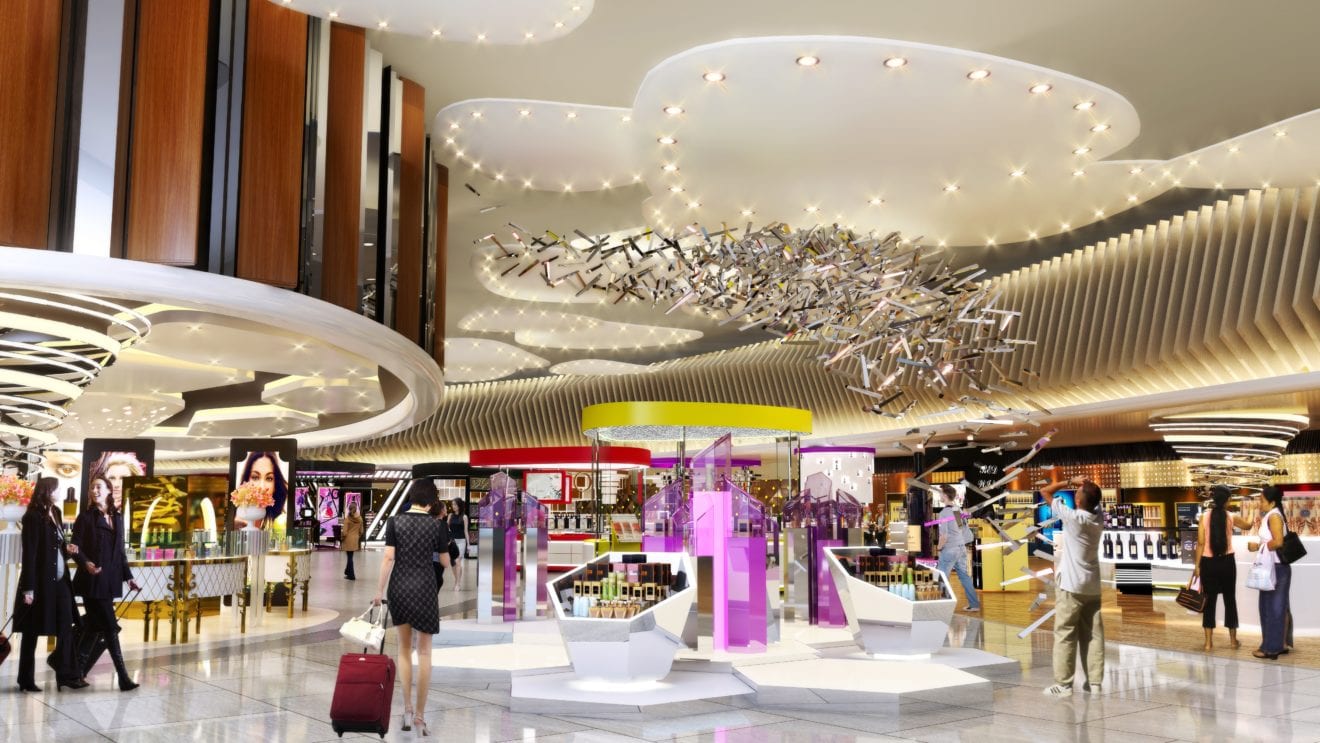
    As reported, the S$985m ($741m) terminal with a planned annual 16m passenger capacity will comprise 17,000sq m of retail and F&B space for more than 80 outlets, with expectations that the overall quality standards will be at least comparable to those offered in Changi’s other terminals.

    Interestingly, airport management added: “In another Changi first, passengers will have a unique walk-through experience shopping for Liquor & Tobacco and Cosmetics & Perfumes. There will also be a cluster of double-volume retail shop fronts, as well as innovative design concepts for a differentiated shopping experience.

    Meanwhile, Changi reports ‘good progress’ with its T4 project development and construction works, which started last year. The terminal building is now reported to be more than 70% complete, with the main superstructure now recognisably visible. The actual completion of the superstructure is now expected before the end of this year.

    This will then trigger the next phase, which will include the installation and testing of key airport systems such as kiosks for check-in and bag-drop, plus the baggage handling system, as well as the preparation of Terminal 4’s commercial spaces.

    It has also been confirmed that five more airlines – AirAsia Berhad, Indonesia AirAsia, Thai AirAsia, Korean Air and Vietnam Airlines – will all operate at T4, joining with Cathay Pacific.

    CAG said: “In total, these six airlines currently operate almost 800 flights every week at Changi Airport and collectively accounted for close to 7m passenger movements in 2014. With T4’s breakthrough terminal design and innovative concepts, passengers of these airlines can expect enhanced travel experiences at T4.”

    Airport management adds that it expects a few other airlines will also operate at T4 when it opens and it is forecasting between 8m and 10 m passenger movements in the initial period of operations.

    Changi Airport Group (CAG) Executive Vice President Commercial, Lim Peck Hoon underlined the high expectations that the airport’s commercial team has for its new retail and F&B offerings at T4.

    She said: “We want to inspire our partners to dream big with us, to think up show-stopping store designs and innovative retailing concepts to delight and surprise our passengers and airport visitors and create an airport shopping and dining experience like no other.”

  • China’s Multi-Level Marketing ban: a workaround?

    China’s Multi-Level Marketing ban: a workaround?

    Multi-Level Marketing (MLM), a type of Direct Selling System, is a marketing strategy where the company’s sales force is highly dependent on the salesmen they have hired in different tiers of selling.

    This is a marketing strategy in which the sales force is compensated not only for sales they generate, but also for the sales of the other salespeople that they recruit. This recruited sales force is referred to as the participant’s “down-line”, and can provide multiple levels of compensation.

    This type of organisational structure can be quite enticing as it has the opportunity to build up a big networking distribution without investing a considerable and consistent amount of money.

    The main features followed by Multi-Level Marketing organisations are:

    • Organisers, or operators, who take in new members calculate and pay salaries to a member on a different level according to the number of new members they have introduced either directly or indirectly, as well as the sales performance of the member.
    • Organisers request new members to hand in a sum of money as a precondition to joining.
    • The organisers, or the operators, encourage members to invite more people join, forming a multi-level relationship.
    • The salaries of members at a certain level are based on the sales of members at a lower level.

    The main factors that needed to be taken into account before setting up any networking and marketing plan for an enterprise are the size of the market, high quality products to sell and efficient internal training. The base concept of these activities is that the salesman’s gain is in proportion to the quantity and quality of the products that he, or she, is able to sell to potential clients.

    However, with the MLM Pyramidal Structure, the highest position always gets a percentage of the sales from those who are in the bottom positions. Some companies that wish to set up this type of structure want to incorporate a five or more level system.

    From our experience, a large number of foreign companies have expressed interest in entering into the Chinese market through this Multi-Level Marketing structure. However, they are going to be disappointed. In 2005, Chinese Government enacted a law called “Regulation of Direct Sales and Regulation on Prohibition of Chuanxiao” (where Chuanxiao stands for MLM). With this regulation China makes clear that while Direct Sales is permitted in the mainland, Multi-Level Marketing is not.

    Even if allowed, Direct Sales must follow several rules. The company is required to: have a business license, can only pay out one level of commission, the sellers have to follow an advanced training course offered by the company and by the end of the course they have to get a license and the direct sellers must wear a badge to prove their status.

    In addition, the personal seller’s commission it set at 30 per cent of the sales, including bonuses, commission, and other benefits. Because of the multi-level payment structure, the organisers and the members at top level obtain interest illegally and, according to the Chinese Government, disturb normal economic order, and affect social stability.

    On the contrary, in Taiwan and Hong Kong MLM is legal. It is common to see salesmen from these regions selling in the mainland using Taiwanese or Hong Kong addresses and banks to become sales reps in these jurisdictions while at all times living and working in China. The legality of this is questionable.

    Even after the application of “Regulation of Direct Sales and Regulation on Prohibition of Chuanxiao”, many companies are still operating under the MLM structure and this does not seem to be changing. Nu Skin Enterprise, for example, was under investigation for its illegal pyramid scheme. They were accused of relying more on signing up new salespeople than actually selling products to customers. Nonetheless they still play an important role in China’s marketplace.

    They are not the only company who is following this sales model, other such enterprises all act within the Chinese market with MLM structures.

  • Hamleys Singapore opens its doors

    Hamleys Singapore opens its doors

    The world’s oldest toy store is now open in Singapore.

    Hamleys is now trading in Plaza Singapura on the city state’s prime shopping strip Orchard Rd.

    Occupying 12,000 sqft across two floors of Plaza Singapura, the Hamleys store boasts prominent street frontage along Orchard Rd.

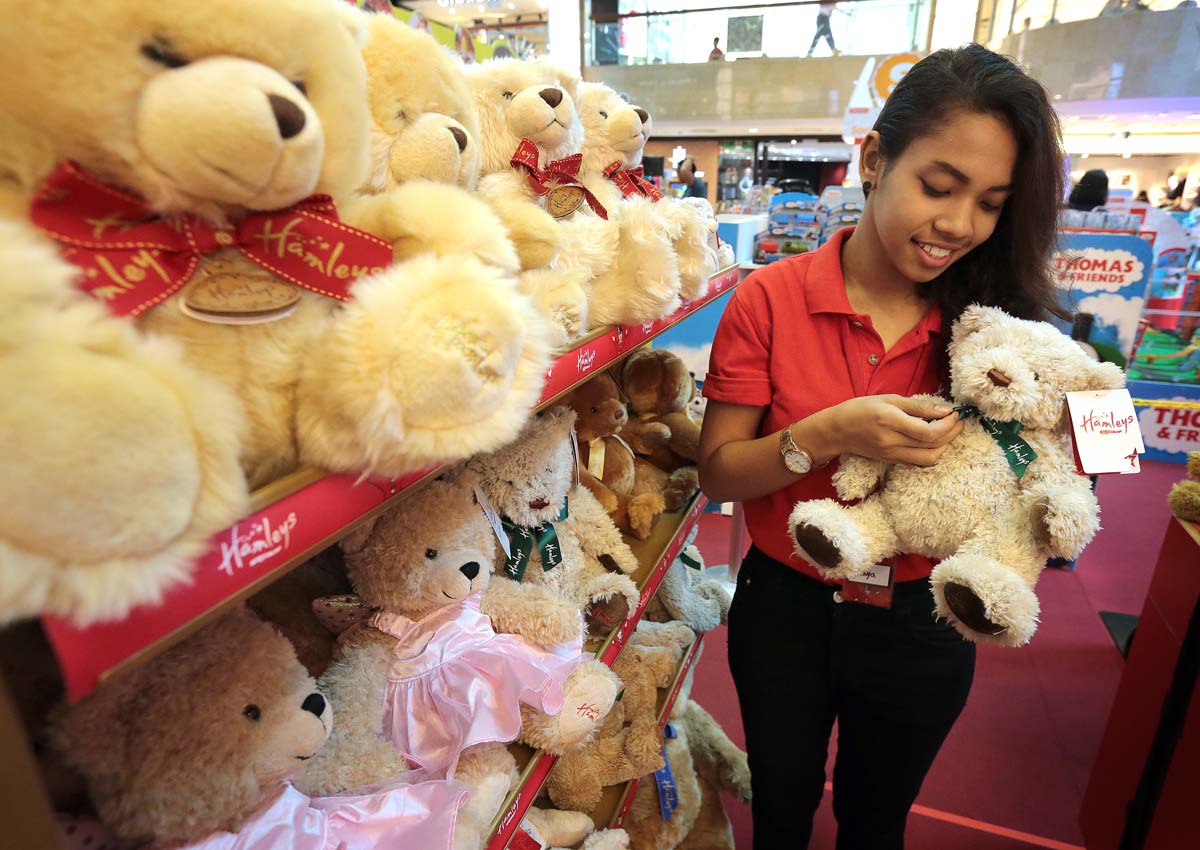
    Dubbed ‘The Finest Toy Shop in the World’ the new store promises an exciting in-store concept where playing is encouraged. Shoppers will find themselves immersed in a magical toy wonderland stocked with more than 10,000 toys, ranging from the traditional to the high-tech, as well as games and puzzles, arts and crafts, magic props, the Luvley Boutique – where girls will find an exciting selection of hair and nail products – and the iconic Hamleys Teddy Bear.

    Hamleys’ unique approach focuses on ‘bringing toys to life’ for children and families by actively encouraging children to play with the toys in store or by engaging with expert toy demonstrators. Understanding that memories underpin the essence of the Hamleys brand, the toy store will arrange for shoppers to meet the Hamleys Bear and popular characters such as  Barbie, Peppa Pig and the Teenage Mutant Ninja Turtles on special occasions.

    Ong Kee Leng, GM of Plaza Singapura, said that when introducing new-to-market brands, the centre looks for those with an established international track record.

    “The addition of Hamleys to Plaza Singapura will further enhance our position as a one-stop destination mall for families and friends, centrally located on Orchard Rd. We are confident that children will build lasting memories of unbridled joy and unforgettable fun times while adults will relive wonderful childhood years at Hamleys.”Plaza Singapura, also known as PS, is one of the oldest and largest malls on Orchard Rd. Established in 1974, it was the first to pioneer the all-in-one shopping concept, introduce anchor tenants and multi-storey parking.  The nine-storey mall which was recently revamped features over 300 stores and a 170m frontage along Orchard Rd.

  • Walmart China takes full control of online JV

    Walmart China takes full control of online JV

    Walmart China has taken full ownership of its Chinese eCommerce joint venture Yihaodian.com, buying out the 49 per cent stake held by local owners.

    In addition to seeking a higher profile in eCommerce, Walmart said it plans to create a “seamless experience” for customers across online, mobile and stores.

    Three years ago Walmart China took control of Yihaodian by bumping up its stake to 51 per cent. While the company pales in size compared to local eCommerce rivals Alibaba and JD.com, the world’s biggest retailer has been building up its online business in the wake of mediocre sales in the US, in a direct challenge to online competitor, Amazon.

    The investment will help Walmart target China’s fast-growing online market at a time when largely bricks and mortar retailers are feeling the pinch of competition from online rivals and a slowing of the world’s second-largest economy.

    Wal-Mart’s Asia head, Scott Price, said earlier this year that online retail was important to help tap China’s younger generations and that the firm would increasingly look to weave together its online and offline presence in the market.

    Walmart, France’s Carrefour and Britain’s Tesco have all seen sales or sales growth slip over the past five years in China, losing market share to local rivals.

    Yihaodian will be headed by Wang Lu, president and CEO of Walmart Global eCommerce in Asia.

    Walmart’s move also comes after China said last month it will allow full foreign ownership of some eCommerce businesses, with the goal of encouraging foreign investment and the development and competitiveness of the sector.

    “Yihaodian has excelled as one of China’s top eCommerce businesses. We’re excited about the team at Yihaodian and their strong local e-commerce experience,” said Neil Ashe, president and CEO of Walmart Global eCommerce.

    “This local experience, combined with Walmart’s global sourcing and our strong local retail presence and supply chain will allow us to deliver low prices on the products customers need in new and exciting ways,” he said.

    “Our investment in Yihaodian is part of our long-term commitment to grow in China and we look forward to continuing to play a positive role in the development of the eCommerce industry,” said Ashe.

    Walmart China acquired the remaining shares from Ping An of China, a financial services group, and the co-founders, former Chairman Gang Yu and former CEO Junling Liu.

  • The Hotelier Awards China Returns

    The Hotelier Awards China Returns

    The Hotelier Awards China 2015 is now accepting applications from hotels across mainland China, Hong Kong and Macau to celebrate their finest employees. The Awards, that took place for the first time in 2014 with over 300 applications from some 100 properties and 44 brands, are going from strength-to-strength with double the amount of applications expected in 2015.

    The Awards are unique in the fact that they are independently run, judged by an esteemed panel of global players from the industry and celebrate the individuals that make the booming Chinese hotel industry tick rather than just the hotel properties. It is an opportunity to celebrate the outstanding achievements of individuals who are the best in their field and often fly under the radar and may shy away from the limelight.

    Award categories cover the entire industry from Chef, Sales and Hotel Manager of the Year to IT, CSR and Spa Manager of the year. This year’s awards will see 19 separate categories in total with three categories added including Corporate Hotelier of the Year, Owner Representative of the Year and Engineering Hotelier of the Year.

    “The Hotelier Awards China is a celebration of brilliance – the pinnacle of appreciation of the people bringing life to a hotel,” says Stephane DeMontgros, Co-Founder of The Hotelier Awards China. “A hotel’s brilliance is not just attributed to a luxury interior; peel back the lavish fixtures and fittings and a group of people stand before you. It is these individuals who breathe life into a hotel.”

    “We launched the awards as China is experiencing explosive growth in the hospitality industry and this is set to continue unabated in the next few years. With the wide variety of luxury and boutique hotels, among some of the world’s finest, the Awards offer a fantastic opportunity to give something back to the people who are really making the industry boom.”

    Hotels nominate their finest staff and the nominations are then put to the global judging panel of five experts from the travel and hospitality industry. This year’s panel includes Yona He from Forbes Travel Guide, Alison Gilmore who heads the International Luxury Travel Market (ILTM) worldwide portfolio, the CEO and Board member of Edipresse Media Asia – Zita Ong, Sacha Stocklin from the hospitality college Les Roches Jinjiang, Shanghai, and Jingsheng Xu – the General Secretary of National Hotel Association, China.

    A shortlist of six candidates in each category will then be created by the end of September followed by phone interviews with all shortlisted nominees to help support the judges’ final decisions ahead of the big announcement in December. The final awards are announced among the glitz and the glamor of The Hotelier Awards China 2015 black tie dinner on December 10 with more than 300 of the Top Hoteliers from across the region in attendance.

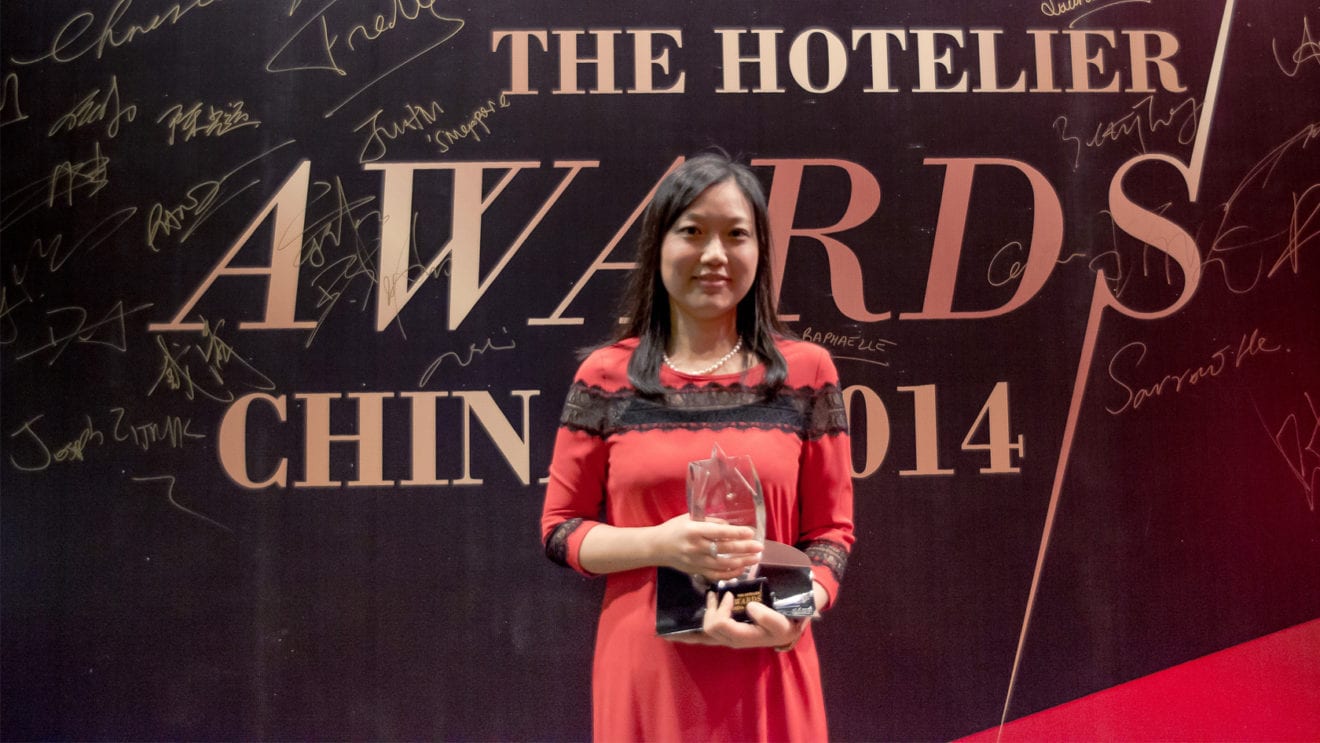
    2014 winners include Brian Tan from Fairmont Yangcheng Lake as Hotel Manager of the Year, Apple Wang from The Portman Ritz-Carlton, Shanghai as Concierge of the Year, Ada leng Chio de la Cruz from Mandarin Oriental, Macau as Marketing & Communications Hotelier of the Year and Bahram Sepahi from Four Seasons Guangzhou as General Manager of the year.

    “I am honored to be given this award,” says Ada leng Chio de la Cruz from Mandarin Oriental, Macau. “It is great recognition to the past decade of commitment to my job… The process that I have gone through in the Hotelier Awards China application has made me even more proud as it is a very fair and detailed judgement from top professionals and influencers in tourism and hospitality industry.”

    “Receiving the title of ‘The General Manager of 2014’ at The Hotelier Awards China was a distinct honor. I feel tremendous pride to be given such an award and recognition,” says Bahram Sepahi from Four Seasons Guangzhou. “I would advise all hoteliers to be involved and consider their application… I believe it is truly the right thing to do and I encourage everyone to participate in The Hotelier Awards China program.”

    The application procedure is now open until August 21 2015 for all hotels across Mainland China, Hong Kong and Macau through www.hotelierawards.com/awards-2015/applications/.

  • From shopper marketing to retail experience

    From shopper marketing to retail experience

    Global industry association Point of Purchase Advertising International (POPAI) will be holding the POPAI Asia Summit on 1st to 2nd September 2015 at Marina Bay Sands Hotel in Singapore. Titled “From Shopper Marketing to Retail Experience”, the two-day event aims to equip participants as they discuss key trends, new insights and success stories from global leaders in retailing and shopper marketing through a series of presentations, workshops and panel discussions led by influential personalities in the field.

    This year’s Asia Summit features a notable line-up of guest speakers from the industry who will share their extensive experience and market insights, including:

    • Richard Nicoll, Chief Shopper Marketing Officer at Saatchi & Saatchi Greater China
    • Adriano di Dia, Head of Innovation Acceleration Team at Nestle Greater China Region
    • Bob Neville, Global Retail Creative Director & Head of Retail at New Balance
    •  James Damian, Board Leader of Buffalo Wild Wings
    • Michelle Adams, Founder & President of Marketing Brainology
    • Christopher Brace, Founder & CEO of Shopper Intelligence
    • Gianni Cossar, Global Director at GfK
    • Brian Dyches, Director of Experience Design + Strategy & Partner at Openeye Labs
    • Jake Sheperd, Regional Director of Retail at Gfk
    • Leo van de Polder, Global Education Manager at POPAI & General Manager at POPAI Benelux

    “We have gathered the best brains in the industry to address challenges faced by retailers and brands as they navigate an ever-evolving consumer behaviour landscape,” said Massimo Volpe, Vice President of Global Memberships at POPAI. “Through this, we hope that attendees will leave the POPAI Asia Summit armed with updated field knowledge and confidence in overcoming any obstacles that lie ahead.”

    Notable industry figures such as Adriano di Dia who heads Nestle Greater China Region’s Innovation Acceleration team as well as Buffalo Wild Wings board leader James Damian will be present at the Asia Summit to speak on identifying growth opportunities in a modern retail environment and the importance of design thinking in the retail marketplace respectively.

    Some additional highlights of the POPAI Asia Summit include:

    • The Retail Marketplace: Why and How it Has Changed so Much
    • Retail Design and Virtual Merchandising: Indispensable Disciplines for Any Retail Strategy
    • Reshape the World: How a New Era of Retail Concepts is Changing the Shopper Experience Forever 
    • Changing Shopper Behaviour in the Omnichannel Shopping Environment
    • The Retail Revolution: How Neuromarketing is Connecting New Tools & Insights to the Marketplace

    Workshops will also be conducted by Leo van de Polder, Global Education Manager at POPAI. Titled “How to Build an In-Store Communication Plan From Strategy to Execution” and “How to Create a Compelling Shopper Marketing Strategy” respectively, these sessions will enrich professionals looking to understand how they can best reach out to consumers and turn every prospect into a convert, resulting in brilliant returns on investment. To conclude the conference, a retail tour has been organized to provide participants a prime opportunity to discover new ideas and draw inspiration from myriad concept stores in Singapore.

    A complete POPAI Asia Summit Agenda can be found at:

    https://www.popai.com/asiasummit

    To register for the event, go to:

    https://popai.ps.membersuite.com/events/ViewEvent.aspx?contextID=bf876caf-0078-cd3a-762f-0b3a22893645

  • Wumart Stores sales surge

    Wumart Stores sales surge

    Wumart Stores, the Beijing-based, Hong Kong-listed grocery retailing giant, has today reported an 11.9 per cent increase in sales in the first six months of the year.

    Total revenue topped RMB11.6796 billion at a time when foreign box box food and hypermarket retailers are feeling the pressure. Lotte Mart this week said it was closing four China stores, and Walmart and Carrefour are both struggling to achieve growth and profitability.

    The company says its continuing growth is being driven by new store openings, same store sales increases, higher revenue from suppliers and increased rental income.

    During the Reporting Period, comparable store sales of the Group increased by approximately

    4.2 per cent, recording an increase of approximately 3.3 percentage points in growth as compared to the corresponding period of last year.

    The group’s consolidated gross profit amounted to about RMB2,265 billion, up about 6.8 per cent on the same period of 2014. Consolidated gross profit margin was 19.4 per cent.

    Wumart says it will prioritise its business expansion in Beijing, Tianjin, Hebei and Zhejiang.

    As at June 30, Wumart had 586 stores – 42 more than at the same time last year.

  • Harvey Nichols is closing in Baku

    Harvey Nichols is closing in Baku

    British luxury department store operator Harvey Nichols has pulled out of its first store in Azerbaijan just four months after  a high profile opening in March.

    The seven-storey Harvey Nichols store opened in the oil rich nation’s fast-growing capital city of Baku offering 110,000 sqft of space selling more than 500 labels in men’s, women’s, children’s and bridalwear; a cosmetics hall, perfumery, cafe, restaurant, lounge and club. It was its largest store outside London.

    Stacey Cartwright, group CEO of Harvey Nichols, said in an interview at the time that Azerbaijanis were showing an increasing demand for luxury goods and the market was “fast becoming one of the top luxury retail destinations in the world”.

    But Harvey Nichols has parted ways with joint venture partner in the store, Perfomans, a subsidiary of a Baku investment company.

    The reasons aren’t clear and appear to be subject to legal proceedings: “Harvey Nichols has terminated its licence agreement with the operator of the Baku store. Consequently, the Baku store no longer operates under the Harvey Nichols brand,” the retail company said in a statement. It said further comment was not possible due to “legal reasons”.

    Harvey Nichols already has stores in London, Hong Kong, Saudi Arabia, Turkey, Dubai and Kuwait.

  • Shin calls for fresh goals for entire Lotte group

    Shin calls for fresh goals for entire Lotte group

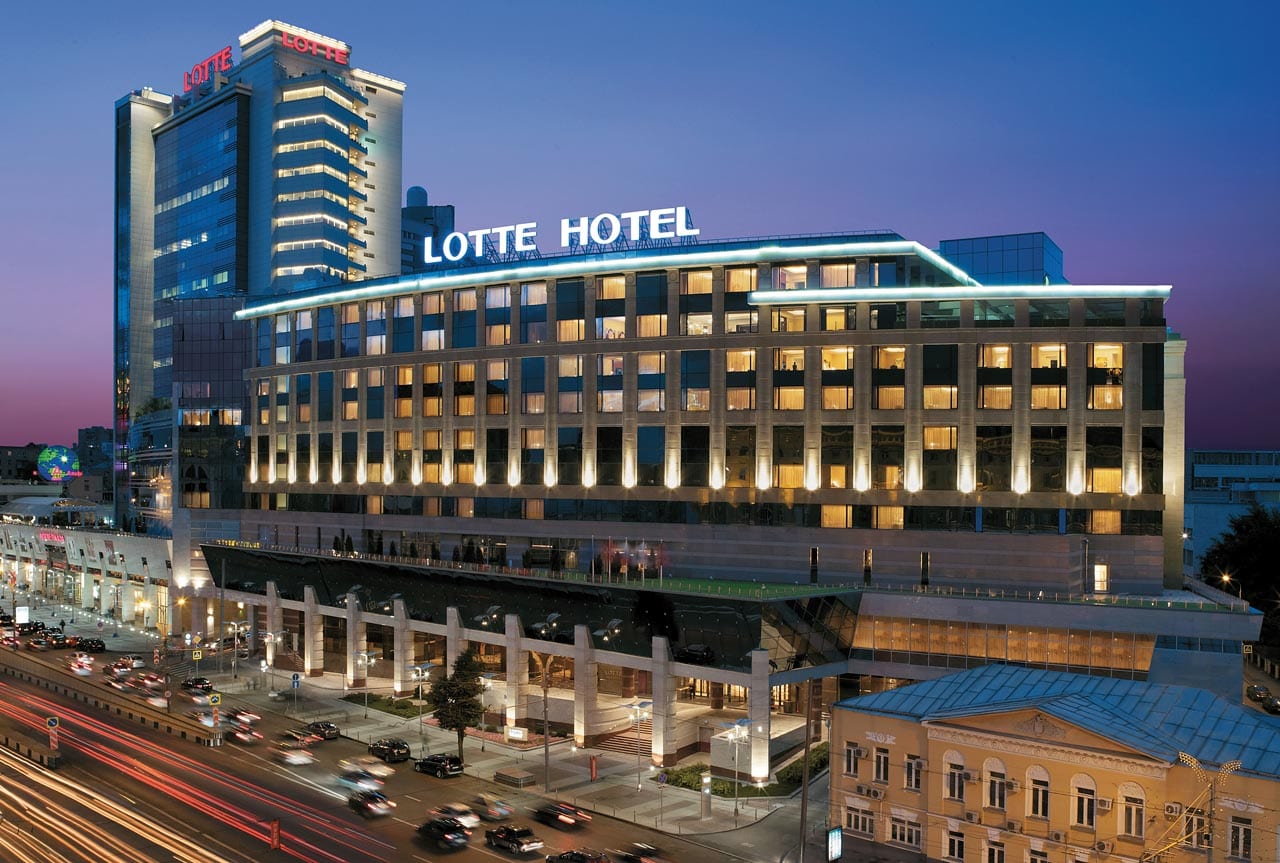
    The 60-year-old chairman on Thursday became chairman of Lotte Holdings, the holding company of the Lotte Group in Japan, which was previously held by his brother Shin Dong-joo. This sealed his control of Lotte operations in both Korea and Japan. It is believed to be the first step in uniting the businesses in both countries.

    According to industry sources, Hwang Gak-kyu, president of policy coordination at Lotte Group, is already making adjustments to the chairman’s Vision 2018.

    In 2009, Shin teamed up with the Boston Consulting Group to devise long-term goals for the Korean retail giant to expand into a conglomerate that would be 10th-largest in Asia with annual revenues of 200 trillion won ($173 billion).

    “It seems that Chairman Shin has come to the conclusion that the vision needs to be readjusted, as the leadership has changed and the retail industry is also changing rapidly,” said a high ranking official at Lotte.

    Lotte Japan has far smaller revenues than Lotte Korea. In 2013, Lotte Korea generated 83 trillion won in revenue from 74 affiliates. On the contrary, the Japanese businesses only generated 5.7 trillion won in revenue from 37 affiliates.

    The biggest change in the vision is said to be “select and focus” and “synergy management.”

    Lotte said it is looking into the idea of choosing duty free shopping, hotels, chemicals and finance as core businesses and focus its resources on enhancing those businesses. Additionally, since food and beverages are key businesses in Lotte Japan, it plans to generate synergy with Lotte Shopping and Lotte Confectionery.

    For new growth engines, the retail conglomerate is likely to inject large amounts of investment, but the affiliates that are not picked will likely undergo heavy restructuring, and some will probably shut down.

    One of the key areas for Lotte is chemicals.

    On Friday, the day after Shin was officially made the head of Lotte Japan, he visited Lotte Chemical’s headquarters in Sindaebang-dong, southwestern Seoul, where he was briefed on business.

    On the contrary, investments in department stores and supermarkets is expected to decline. Lotte Group is expected to pursue merger and acquisitions in channels that combine offline and online shopping in order to raise synergy with existing branches and businesses.

    “Considering the size of changes that Lotte will undergo, we can’t say the funding we have is sufficient,” a Lotte official said. “Our investments will likely focus on quality more than on quantity.”

  • Faces in new places Raffles, Fairmont and Swissotel

    Faces in new places Raffles, Fairmont and Swissotel

    FRHI Hotels & Resorts, the leading operator of Raffles Hotels & Resorts, Fairmont Hotels & Resorts and Swissôtel Hotels & Resorts, is pleased to announce several management-level appointments at its properties and locations worldwide. Recent appointments include:

    FRHI Hotels & Resorts promotes FrankNaboulsitothe role of regional vice president, Egypt and general manager, Fairmont Nile City. Naboulsi brings over 30 years of hospitality experience to this position with over 25 years of experience at Fairmont Hotels & Resorts worldwide. Over the course of his career,Naboulsi has held numerous general manager positions including stints at Fairmont Dallas, Fairmont Palliser and Delta Calgary Airport Hotel.

    FRHI Hotels & Resorts appoints Michael Moeckingas regional vice president, Western Europe and general manager of Swissôtel Berlin. Moecking brings 30 years of upscale international hospitality experience to this role, working with large brands including Kempinski and InterContinental. Moecking has been with FRHI for the last 10 years, spending six years as general manager ofSwissôtelBerlin and most recently, four years as general manager at Fairmont Dubai.

    Jimmy Kam joins Swissôtel Foshan as general manager.Kam brings over 20 years of hospitality experience to this position, most recently joining the property from Wanda Vista Dongguan & Wanda Realm Guangzhou Zengcheng as director of sales & marketing. Over the span of his career, Kam has held progressive positions at leading hospitality brands throughout China.

    Fairmont Pittsburgh welcomes Simon Boden as director of sales & marketing. Boden brings 16 years of management experience to this position, joining the company in 1999 at the Hamilton Princess & Beach Club as a sales manager, business travel. Boden later transferred to Fairmont Orchid as director of revenue management. Most recently, Boden held the position of director, sales & revenue, Fairmont Southampton.

    Victoria Dyson joinsFairmont Olympic Hotel, Seattle as director of sales & marketing. Dyson brings over 25 years of sales and marketing experience to this position, beginning her career in 1990 with The Delta Lodge at Kananaskis, Alberta where she held several progressive positions. Dyson joined Fairmont Chateau Whistler in 1997 as a sales manager and later transferred to Washington D.C as director, global sales. In 2007, Dyson returned to Fairmont Chateau Whistler as director, group sales, and held that position until 2008 when she was appointed to her most recent position as director, sales & marketing, Fairmont Chateau Whistler.

    Fairmont Mayakoba welcomes Eric de Maeyer as executive chef. De Maeyer joins the hotel with over 24 years of experience as an executive chef, beginning hiscareer at Club Lounge “Zuider Terras”, Antwerp, Belgium. In 1992 de Maeyer relocated to Mexico as executive chef at Hotel Marquis Reforma in Mexico City.  De Maeyer continued to work as executive chef managing multiple F&B outlets at other hotels & resorts throughout Mexico until his most recent position as executive chef at Grand Velas at Riviera Maya.

    Fairmont Peace Hotel appoints Jeremy Harris as executive chef. Harris joins the team from Marriottwhere he was most recently the executive chef of the Shanghai Marriott City Centre Hotel. Harris brings 14 years of international experience to this new role, beginning his career in Washington D.C.In 2011,Harrisjoined his first property in China as executive chef at Renaissance Shanghai Zhongshan Park Hotel. 

    Beil Wang joins Swissôtel Kunshan as executivechef.Wang has over 20 years of rich culinary experience and joins the property from Swatch Art Peace Hotel Shanghai where he was executive sous chef. Prior to this, Wang was the executive sous chef at the Renaissance Caohejing Shanghai and has held several other sous chef positions at leading brands throughout China.


  • Wal-Mart eyes China growth with Yihaodian buy

    Wal-Mart eyes China growth with Yihaodian buy

    Wal-Mart Stores Inc stock is now trading 20.29% below its 52-week-high, 3.06% above its 52-week-low.

    Wal-Mart Stores CEO Doug McMillon has already increased starting wages and cut a layer of management in stores to try to tackle the situation at the stores. Wal-Mart Stores Inc (WMT) reported last quarter earnings on May 19.

    However, the company has strived to adopt the local culture in China and the consumers’ buying patterns. In an update, Walmart said today that Yihaodian now has over 100 million registered customers, and more than eight million products on offer.

    Wal-Mart, France’s Carrefour SA and Britain’s Tesco PLC have all seen sales growth slip over the last five years in China, losing market share to local rivals, according to consumer analytics firm Kantar Worldpanel. It has decreased by 1% from the same period of last month. With fiscal year 2015 revenue of $486 billion, Walmart employs more than 2 million associates worldwide.

    Walmart is cutting its hours in dozens of its stores.

    We reached out to Wal-Mart for a comment. That kind of integration is often referred to as online-to-offline (O2O), and has been a focus recently for Chinese Internet companies that are forging growing alliances with traditional retailers like department and convenience stores. State-owned China Resources controls 13.9%, while Wal-Mart lags behind both with 10.6%. Analysts at Morgan Stanley lowered their price target on shares of Wal-Mart Stores from $82.00 to $80.00 and set an “equal weight” rating on the stock in a research note on Monday, June 8th. Wal-Mart did not, however, disclose the size of the shareholding held by each party. US online retailing giant Amazon has tried a similar strategy in China, but so far has met with limited success and is still a relatively small player.

    The road aheadTo keep up with Sun Art, Wal-Mart plans to open 33 more stores and clubs this year, especially in the southern regions, where it enjoys a stronger market presence. Later this quarter, it will launch a mobile app which will let Chinese customers order products online and select in-store pickup or home delivery. Prior to joining Walmart Global eCommerce, Wang Lu was responsible for managing CBS Interactive in China, including the IT group, Auto group, Women & Fashion group and Lifestyle group.

    The retail juggernaut previously bought a 51% stake in the e-commerce retail enterprise back in 2012 in an aggressive push to benefit from the Asian country’s booming e-commerce space.

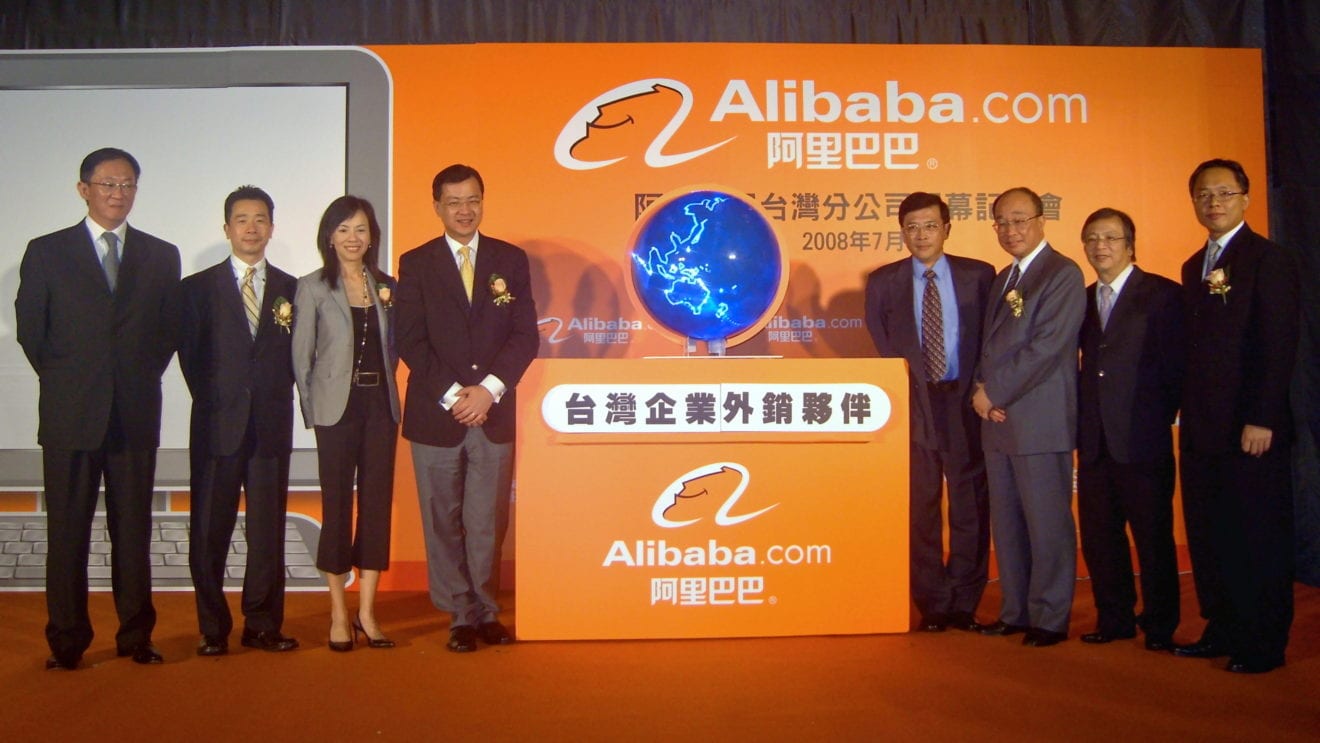
  • Unilever expands Alibaba partnership

    Unilever expands Alibaba partnership

    The partnership began in 2011 when Unilever opened a virtual store on Alibaba’s Tmall.com online shopping portal. Last year it opened a store on Tmall Global, a cross-border solution that allows overseas retailers to sell and deliver goods directly to Chinese consumers online via government-backed FTZs and PRC bonded warehouses.

    Alibaba’s e-commerce “ecosystem” includes China’s retail marketplaces Tmall and Taobao Marketplace as well as logistics and online payment solutions, cloud computing, and a marketing technology platform called Alimama that provides retailers with extensive data analytics.

    Daniel Zhang, Alibaba CEO said the two companies “will jointly innovate in Big Data analytics application, cross-border e-commerce, and supply chain management”. The company will also protect Unilever’s brands by tagging each product with a unique QR code that allows the consumer to verify its authenticity and origin.

    Last year Alibaba began a three to five-year US$1.6 billion program to build 1,000 county-level and 100,000 villaAlibaba Cainiaoge-level Taobao service centers in order to provide e-commerce and logistics services to underdeveloped parts of China.

    The company said its cross-border system gives international retailers greater merchandising flexibility because shipments are made only on demand, reducing the need for sales forecasts and warehouse space in China.

    Online shopping accounted for 10.7 percent of total retail sales in China in 2014, according to the country’s National Bureau of Statistics.

    For the first six months of 2015 Unilever has reported a 12 percent increase in turnover to €27 billion. The operating profit fell 13 percent to €3.8 billion and net profit fell 11 percent to €2.7 billion.

    Unilever CEO Paul Polman noted: “The first half demonstrates again the progress we have made in the transformation of Unilever to deliver consistent, competitive, profitable and responsible growth, now in the seventh year. We plan for another year of volume growth ahead of our markets, steady improvement in core operating margin and strong cash flow,” he added.

    The company has also announced a one-year partnership with the WWF to raise public awareness against deforestation. The program will help protect a million trees by supporting forest protection programs in Brazil and Indonesia. The two countries historically have had the highest rates of deforestation in the world and have some of the largest areas of intact forest globally.

    Polman commented: “Stopping deforestation is an urgent priority in tackling climate change. Forests are second only to the oceans as the largest global store of carbon and support 80 percent of terrestrial biodiversity across the globe. As a business it is crucial that we operate sustainably and take action to help consumers live sustainably. It’s a moral imperative and a business one – to be here for the long term.”

  • S. Korea opens mini-sized derivatives market

    S. Korea opens mini-sized derivatives market

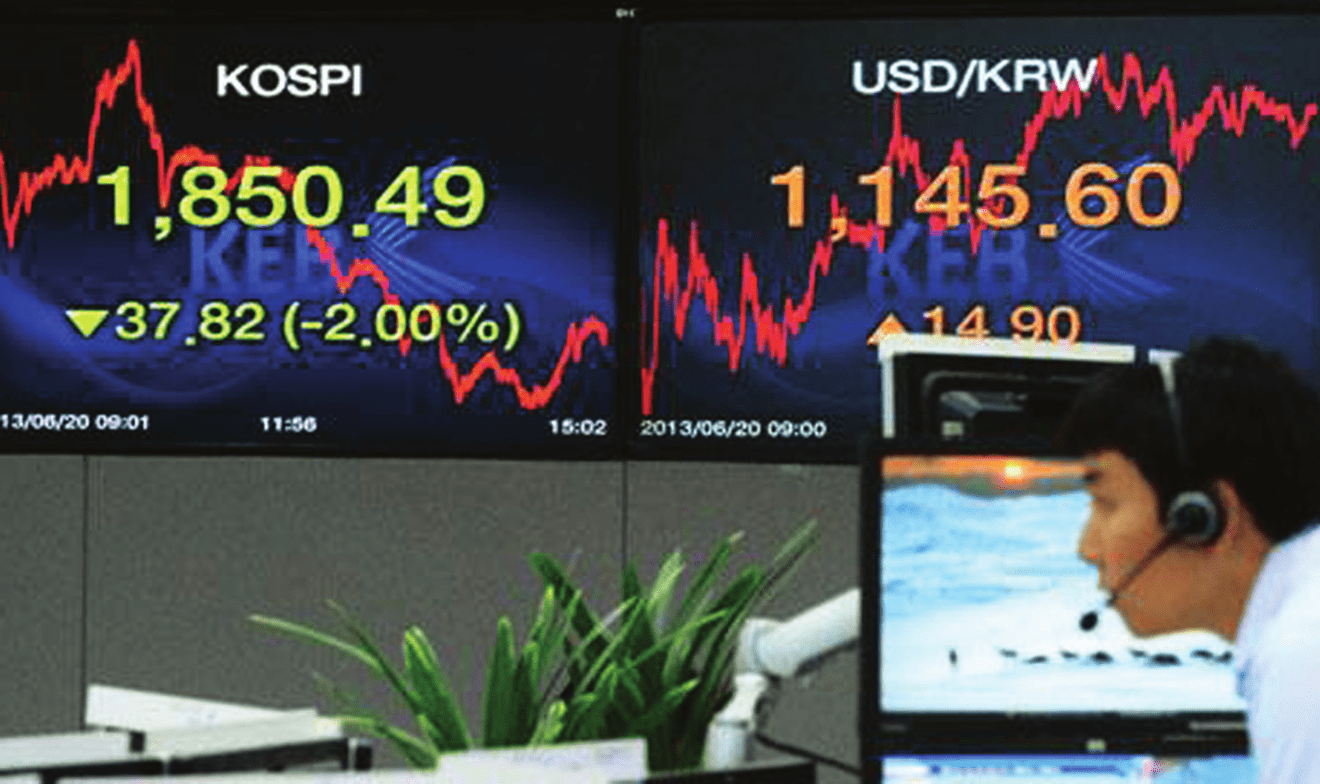
    South Korea opened a mini-sized futures and options market on Monday to offer investors wider choices for hedging and trading, hoping to revitalize the once-vibrant derivatives market with robust liquidity.

    The Korea Exchange currently operates futures and options trading based on the KOSPI 200 index, a flagship index composed of the top 200 stocks by market capitalization. The new system offers contracts for as little as 25 million won ($21,900) and 5 million won for KOSPI 200 futures and KOSPI 200 options, respectively, one-fifth of the minimum price for the current contracts. On the first day of trading, 3,132 contracts of mini KOSPI 200 futures were traded. Retail investors and institutions each held 43.2 percent and 38.9 percent, while foreigners held 17.9 percent, the KRX said.

    Mini KOSPI 200 options registered 6,814 contracts, with half of them traded by foreigners. Institutions and retail investors accounted for 26.8 percent and 22.7 percent of the turnover, respectively. The bourse operator expected the low-cost entry will attract more investors to the derivatives market to boost liquidity and improve the pricing mechanism.

    The latest measure comes as the nation’s derivatives market has suffered a sharp downfall in its trading volume since stricter regulations were adopted in 2011 to limit small speculators in response to calls to cool the highly speculative market.  South Korea was the world’s leading derivatives market in 2011, but it fell to 12th place last year as tight access rules have driven investors to other markets, including the United States and Japan, according to the KRX.

  • China Bank set to open 50 more branches

    China Bank set to open 50 more branches

    CHINA Banking Corp., (China Bank) is planning to open 50 branches this year, on the back of the strong economic fundamentals of the country.

    Of the target branch expansion, three to four banks are set to open in Cebu to strengthen the bank’s foothold in the province.

    Cebu is home to China Bank’s first provincial branch—Cebu Magallanes, which opened in 1948.

    According to China Bank president and chief executive officer Ricardo Chua, Cebu is an important market, contributing 30 percent growth. He said the bank’s planned expansion in Cebu signifies their continued optimism to the strong growth story of Cebu, citing the province’s flourishing industries.

    “We are actually making a big bet in Cebu forward,” said Chua, citing the numerous developments around Cebu such as malls, infrastructure development and tourism, among others.

    Last week, the group opened its BPO tower—China Bank Corporate Center in Cebu Business Park.

    At present, China Bank has about 24 branches in Cebu.

    Alexander Escuchua, senior vice president and head of investor and corporate relations at China Bank, said they foresee growth in all of the bank’s products in retail, corporate and SME.

    Earnings

    “China Bank’s subsidiaries China Bank Savings (CBS) and Plantersbank have various programs, all meant to improve the banks’s performance this year at the same time meet all the customer needs,” Escuchua told Sun.Star Cebu.

    China Bank posted a consolidated net income of P1.21 billion for the first three months of the year, four percent higher than the earnings for the same period in 2014, on the back of strong growth of its core businesses.

    Its net interest income grew 23 percent to P3.71 billion, driven by a robust 31 percent jump in interest revenues from loans. Non-interest income increased six percent to P1.07 billion, boosted by higher trading gains and branch-based fees.

    In the first quarter, one China Bank and seven CBS branches were opened, all part of the planned 50 new branches for the year.

    Network

    Founded in 1920, China Bank is the country’s first privately-owned local commercial bank and now the fifth largest privately-owned universal bank in terms of assets. It serves the banking needs of the corporate, commercial, and retail markets.

    With the acquisition of Plantersbank in 2014 and its eventual merger with CBS, China Bank plans on building a stronger platform for SME finance. The China Bank Group now has 482 branches to date with 318 China Bank, 86 CBS, and 78 Plantersbank branches.

  • Five trends in Vietnam retailing

    Five trends in Vietnam retailing

    Vietnam’s retail market is set to grow by 8.4 per cent annually until 2020, making it one of the fastest-growing markets in south-east Asia.

    Against a backdrop of increased disposable income, rapid urbanisation and an appetite for change among younger shoppers, we take a look at five trends defining the marketplace for pan-Asian retailers right now.

    Confident investment

    January 2015 marked the first time non-domestic retailers could take full ownership of commercial property in Vietnam, following commitments made to the World Trade Organisation. Now, new trade agreements with Japan, Korea and the countries that make up the Association of South-East Asian Nations (ASEAN) look set to support further growth for international retailers in Vietnam:

    Tailoring the best of international retail

    Domestic retailers may have the advantage when it comes to local shopper knowledge but
    international retailers are drawing on their own strengths to help them compete.

    Dairy Farm, FamilyMart and Aeon have brought their expertise in loyalty schemes, private label and innovative marketing to their stores in the region.

    Other points of difference include appealing to busy office workers with a fast food to go counter (seen at Family Mart and B Mart) and bringing an international flavour to the in-store hot food offer (Aeon Mall).

    Alternative store concepts

    Many retailers have established themselves in Vietnam with a hypermarket presence in one of the major retail hotspots like Hanoi or Ho Chi Minh City.

    Lotte and hypermarket chain Aeon are appealing to families and experimental shoppers with department store formats that act as wider shopping and entertainment destinations. Aeon is also making its mark with a loyalty scheme that includes tailored offers for mums – such as birthday treats or discounts on baby care.

    In the convenience channel, Guardian is the first combined-format health, beauty and drugstore in Vietnam. The store is making waves with its clean layout, colourful signage, bold promotional activity and sales assistants offering a superior level of service.

    Product innovation for a changing market

    A new concept in Vietnam, private label is appealing to young, experimental shoppers thanks to its lower prices and alternative products.

    Aeon has introduced its TopValu private label range, which taps into the popularity of Japanese culture by offering authentic Japanese ingredients and home cooking kits. The retailer is now working with local suppliers to explore domestic production.

    An increasingly affluent middle class is also supporting demand for exclusive and imported novelties. Dairy Farm is well-known for attracting these shoppers with its packaged food, household, health and beauty ranges.

    Expanding to national coverage

    A priority for most retailers is to create a nationwide presence. Lotte has built a network of ten hypermarkets spanning six big cities across Vietnam, making them the first pan-Asian retailer to achieve such a spread of coverage. Meanwhile, Ministop (Aeon), Guardian (Dairy Farm) and Shop&Go are pushing their convenience format in retail hotspots.

    Major retailers are seeing good growth from their franchise models, making partnerships, mergers and acquisitions hot topics.

    Aeon has partnered with local retailers Citimart in the south of the country and Fivimart in the north. The domestic chains are helping Aeon speed up its expansion plans by using their existing store networks. In return, their own customers are benefitting from the retail giant’s private label ranges and investment in infrastructure.