Category: General

Retail News Asia is committed to providing both local and global retailers with the latest General Retail news throughout the Asian market. This on a daily base.

  • Jetstar Asia celebrates 2.5 mln passengers between KL to Singapore

    Jetstar Asia celebrates 2.5 mln passengers between KL to Singapore

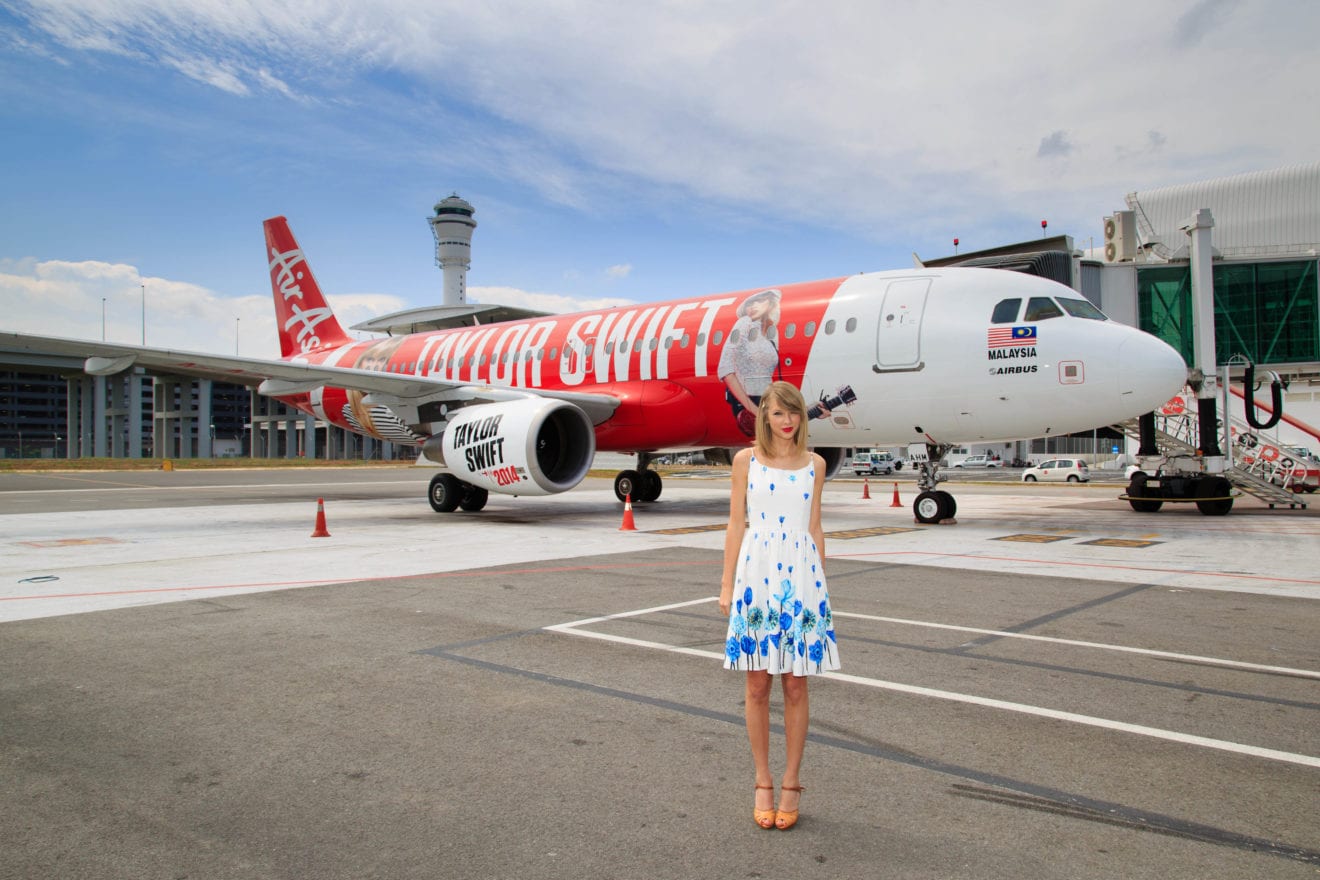
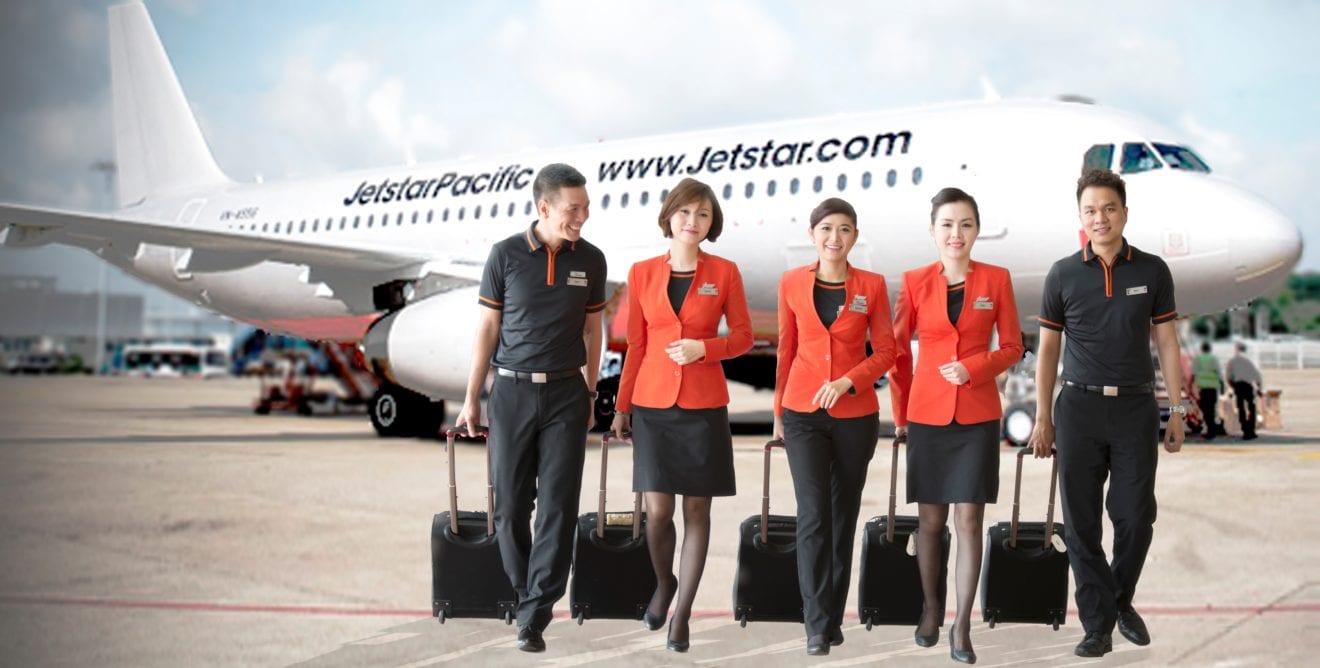
    Jetstar Asia is celebratings its two and a half millionth passenger on the Singapore and Kuala Lumpur route, one of the busiest on the airline’s network.

    In a statement, the low-cost carrier said the milestone coincides with Jetstar Asia’s move of its operations to the klia2 terminal in Kuala Lumpur on July 8.

    Chan Kim Wah, a Malaysian national who works in Singapore, has won himself a RM1,000 flight voucher for being the 2.5 millionth passenger to travel between Singapore and Kuala Lumpur.

    After launching with one daily service in 2008, Jetstar Asia now operates up to 30 weekly services and continues to enhance the travel experience for thousands of passengers who fly between Singapore and the Malaysian capital each year.

    Marking the celebration in Kuala Lumpur, Jetstar Asia Chief Eexecutive Officer Bara Pasupathi said that demand for the route has continued to grow due to the strong business and cultural ties between the two countries.

    “Singapore travellers love visiting Kuala Lumpur, and our commitment to low fares has made more frequent trips for business meetings as well as great food and shopping more affordable.

    “The recent opening of Southeast Asia’s largest factory outlet malls less than two kilometres from the klia2 terminals will serve as new attractions for shopping-savvy Singaporean travellers to visit Kuala Lumpur more often,” he said.

    The malls are part of the KLIA Aeropolis, also known as Malaysia Airports’ airport city master plan.

    Meanwhile, Malaysia Airports Senior General Manager of Operations Services, Datuk Azmi Murad, said: “Airports are no longer just transit points but a destination in their own right.

    “klia2 is a shopping destination with a total of 225 retail and FB outlets throughout the terminal and nearly 200 retail and F&B outlets at gateway@klia2, a shopping annexe to the terminal which aims to cater not only to travellers but to the surrounding community as well.

    “We are delighted to welcome Jetstar Asia to the klia2 terminal today.

    They are joining an increasing number of airlines that recognise klia2 as an exciting, vibrant and convenient terminal especially in terms of its seamless connectivity and world-class facilities.” There are no changes to Jetstar Asia’s schedule and check-in facilities and timings as a result of the move to klia2, and customers can continue to use the enhanced web check-in service straight-to-gate in Kuala Lumpur.

    “The move to klia2, a purpose-built LCC terminal, is an exciting development for Jetstar Asia as our investment in self-service options like straight-to-gate will follow our customers to the new terminal,” Pasupathi noted.

  • Brutal retail market awaits buyer of Tesco South Korea business

    Brutal retail market awaits buyer of Tesco South Korea business

    Any buyer of Tesco’s $6 billion South Korea unit will need a strategy to boost returns in a lethargic and saturated market for traditional retailers, likely involving real estate sales and a greater focus on Internet shopping.

    Britain’s Tesco has hired HSBC to advise on a potential sale of its South Korean unit, Homeplus, Reuters reported this month, in what could be Asia-Pacific’s largest private equity deal and the No. 2 merger in the Asian consumer sector.

    Given the scarcity of big buyout targets in Asia, the sale is generating strong interest among buyout firms including KKR & Co and Carlyle Group CG.N, sources with knowledge of the sale process said. That’s despite difficulties posed by South Korea’s crowded retail sector, a sluggish and fast-aging economy, plus regulatory and labor challenges.

    “Anyone going with the view of closing unprofitable shops, cutting work force, will be in for a surprise,” a senior Hong Kong-based investment banker familiar with the process said, citing likely opposition from labor unions.

    “It’s a tough market but there are some low-hanging fruits in terms of stripping property assets,” said the banker, who declined to be identified as the discussions are confidential.

    Homeplus Co Ltd’s property holdings, consisting mainly of stores, had a book value of 3.09 trillion won ($2.77 billion) as of the end of February, according to a regulatory filing.

    With about 400 stores including 140 hypermarkets, 88 of which it owns, Homeplus has raised about 1.2 trillion won since 2012 by selling and leasing back eight of its biggest-selling stores, according to South Korean deal website Invest Chosun.

    Its prime real estate holdings include a hypermarket in densely populated Seoul suburb Euijeongbu, which frequently ranks among its top 5 stores by sales.

    But it’s a crowded field. South Korea has nearly 500 hypermarkets for a population of 50 million, or twice what the industry considers optimal. The difficulties prompted Carrefour and Wal-Mart to quit the country in 2006.

    In a nod to a fiercely competitive market, Homeplus earlier this year sacrificed an equivalent of about 100 billion won in annual profit, or almost half of last year’s earnings, by cutting prices on some 500 kinds of fresh produce.

    “Competing by undercutting price has become the norm and is expected to continue in future,” said Lee Kyoung-hee, principal researcher at Shinsegae Research Institute.

    ONLINE GROWTH

    As the population ages faster than in any other developed economy and households shrink, retail sales in South Korea grew just 1.4 percent in each of the past two years, lagging broader economic growth.

    E-commerce, however, jumped 17 percent last year to 45.2 trillion won, or 14 percent of total retail sales, and hypermarkets have been scrambling to build share in a fragmented online segment where most players lose money.

    Homeplus’ share of South Korea’s online retail market has risen steadily but was still just 645 billion won last year, according to Euromonitor data in a CLSA report, for market share of just 2 percent, in line with larger rival E-Mart.

    “Hypermarket chains like Homeplus have been bolstering online sales as a possible growth solution, among admittedly few options,” said Kim Tae-hong, analyst at Yuanta Securities Korea.

    Lower priced warehouses have been another bright spot for Korean retailers, but while both E-Mart and Lotte Shopping’s (023530.KS) third-placed Lotte Mart have warehouse brands, Homeplus does not.

    Meanwhile total revenues for existing hypermarket stores have declined since 2012 when new rules required them to close for two Sundays a month to protect traditional markets. Homeplus saw a drop in same-store sales for two straight years.

  • Cognizant Partners with supermarket retailer NTUC FairPrice Singapore

    Cognizant Partners with supermarket retailer NTUC FairPrice Singapore

    Cognizant  has partnered NTUC FairPrice (FairPrice), a major supermarket retailer in Singapore, to digitally transform its business and provide customers with a seamless multi-channel shopping experience.

    By bringing together its consulting, industry and technology expertise, Cognizant reengineered FairPrice’s business processes, and implemented a digital e-commerce platform for the multi-format retailer to provide integrated, consistent and personalised customer service across multiple touch points, enhancing customer satisfaction, loyalty and brand perception.

    The digital transformation programme has also enabled FairPrice to improve real-time product and inventory visibility, make retail management more efficient, and gain a better understanding of customer preferences and purchase history. As a result of cross-channel integration, FairPrice has been able to roll out innovative services for shoppers, including its “Click&Collect” online delivery service the option to buy online and pick up the purchase from a store, a first in Singapore.

    With superior insights into customer and staff behaviour, FairPrice can further strengthen its supply chain, site and store operations, marketing, and merchandising to drive growth and differentiation. Cognizant is also creating a mobile channel for FairPrice to engage better with its existing customers and attract new ones.

    “Mobile and online retail is crucial to addressing heightened expectations of today’s digitally-enabled shoppers, and digital technology has enormous potential to enhance their shopping experience,” said Seah Kian Peng, CEO, NTUC FairPrice. “This digital transformation programme underscores our commitment to our customers and represents a strategic advantage in that we can now leverage inventory across multiple locations and streamline fulfilment processes to not just delight our customers, but also increase sales and reduce operational costs. Cognizant’s experience and capabilities have complemented our digital commerce vision and helped to reinforce our reputation as a retailer with a heart.”

    “A unified multi-channel customer experience is increasingly a brand differentiator in the world of retail,” said Jayajyoti Sengupta, Vice President and Head of APAC, Cognizant. “This digital initiative is a trend-setter in the region for customer-focused transformation. A single view of the customer, sales and inventory will enable FairPrice to rise to the needs of the next generation of shoppers and define innovative models. We are pleased to have helped FairPrice execute on its digital commerce strategy and utilise multi-channel retailing to drive customer engagement, competitive advantage, market leadership, and growth.”

  • ICBC Singapore launches USD/SGD dual currency card

    ICBC Singapore launches USD/SGD dual currency card

    Industrial and Commercial Bank of China (ICBC) Singapore has launched a US dollar and Singapore dollar dual currency credit card as it seeks to expand its retail banking presence here.

    The ICBC Visa USD/SGD dual currency credit card will have zero administrative fees for all US dollar transactions, the bank said in a press release on Monday. This would ease “additional costs that customers tend to bear, which can be as high as 2.5 per cent”, ICBC Singapore’s general manager Zhang Weiwu added in the statement.

    It is “the first dual currency card in Singapore to combine both USD and SGD customer accounts in one credit card”.

    Credit card providers typically charge an administrative fee for currency conversions on credit card purchases made in foreign currencies. This fee is usually a percentage of the transaction cost, and depends on the rate set by the bank and by the credit card network, such as Visa or MasterCard. This fee is usually not explicitly given in the cardholder’s monthly statement.

    Banks in Singapore have rolled out a few new credit cards since the start of the year in a bid to grow their slice of the market, where growth momentum is slowing. OCBC, which has set its sights on 30 per cent growth in card spending this year, launched its Voyage air miles card in March targeted at high net worth and affluent customers. ANZ also launched in March a credit card that lets cardholders choose what rebates they get.

    ICBC Singapore, designated as the yuan clearing bank here, also came up with Singapore’s first yuan and Sing dollar dual currency credit card in 2011 – the RMB(renminbi)/SGD UnionPay dual currency credit card.

    On the launch of its latest credit card, the bank said that its promotion incentives include “cashbacks on every new application and activation, and additional rewards for online applicants”. It has retail branches in Raffles Place, Orchard, Chinatown, Paya Lebar and Jurong East.

  • Indonesia eyes return to OPEC as oil crisis looms

    Indonesia eyes return to OPEC as oil crisis looms

    Indonesia is seeking to rejoin OPEC to get access to cheaper oil supplies as demand soars and domestic production falls, but critics say the move is an unwelcome distraction from efforts to overhaul the country’s troubled energy sector.

    Resource-rich Indonesia, Southeast Asia’s largest economy, was part of the Organization of the Petroleum Exporting Countries (OPEC) for almost 50 years until suspending its membership in 2009 after becoming a net oil importer.

    The switch to becoming an importer came as domestic demand soared and output dropped due to a lack of investment from foreign companies, put off by complex regulations, corruption and growing economic nationalism.

    With oil imports surging as the economy booms and the energy sector still in urgent need of reform, the government is looking for cheaper supplies and has taken the unusual step for an oil importer of requesting to rejoin the 12-member exporting cartel.

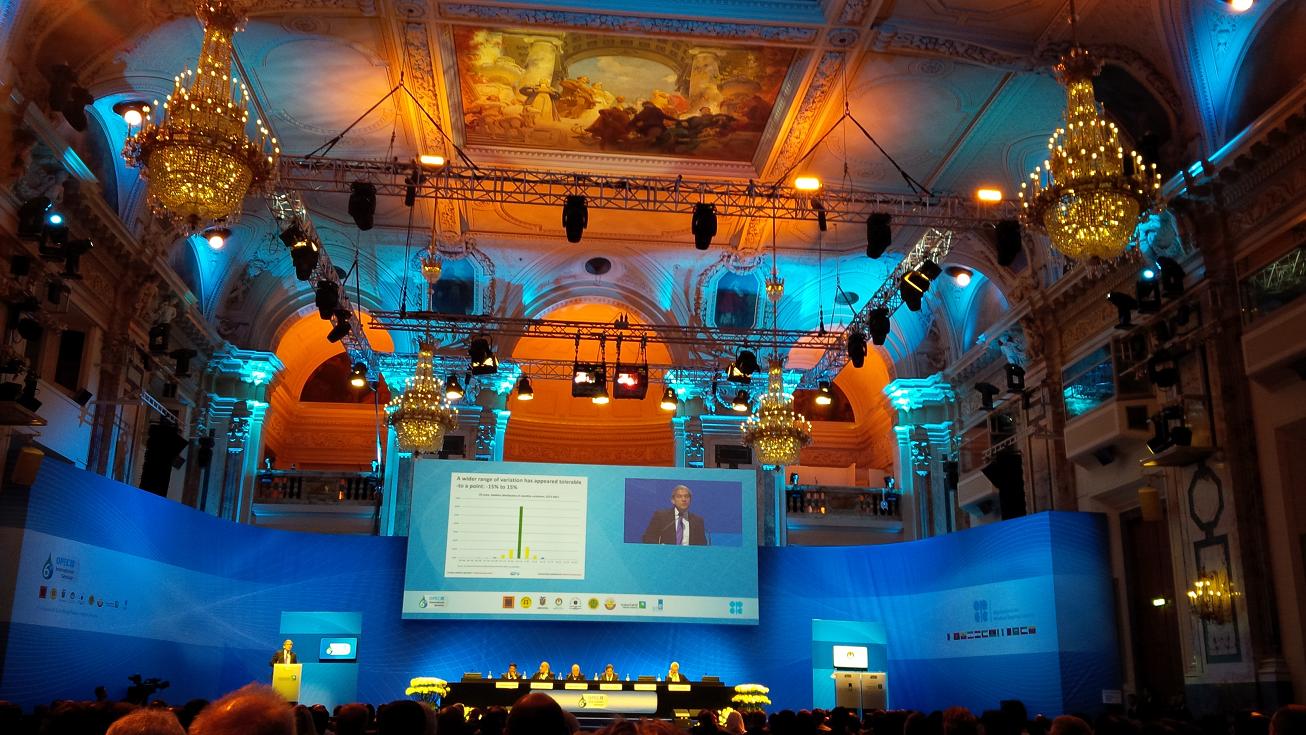
    “It is only natural that we should build relations with exporters,” Energy Minister Sudirman Said said before heading to an OPEC meeting at the organisation’s headquarters in Vienna last month, where he was seeking to have the suspension lifted.

    After the meeting, the energy ministry said that some OPEC members had backed Indonesia rejoining.

    OPEC has refused to comment but analysts said the group, which has members from the Middle East, Latin America and Africa, is likely to welcome an applicant from Asia.

    “We understand the application is viewed favourably because Indonesia would again provide OPEC with a member nation in Asia and thus broaden the geopolitical base of the group,” Ann-Louise Hittle, vice president of Macro Oils research at Wood Mackenzie, told AFP.

    The OPEC statute states that “any country with a substantial net export of crude petroleum” can become a full member. But it also says associate membership is possible for countries who do no qualify as full members, the course Indonesia is likely to pursue, analysts believe.

    Observers also say Ecuador has set a precedent for Indonesia, by suspending its membership in 1992 and rejoining in 2007.

    But some observers questioned the wisdom of the move, suggesting that trying to rejoin OPEC and source cheaper supplies from outside Indonesia could slow the momentum of the government’s attempts to reform the corruption-tainted, domestic oil and gas sector.

    When reform-minded President Joko Widodo took power last year, he set up a team to look at overhauling the sector, which critics have said is plagued by a shadowy “oil mafia” who skim off huge, illicit profits.

    Some progress has been made. In May, state-owned energy company Pertamina said it would disband its oil-trading arm Petral, which supplies one third of the country’s daily oil needs but has been dogged for years by concerns about a lack of transparency.

    But the reform team, which undertook a six-month assignment to assess the sector, made other recommendations, such as shifting to a newer type of cleaner burning, more efficient petrol, and there are fears such efforts could be stymied by the new focus on OPEC.

    “What is the use of Indonesia approaching OPEC, even if only as an observer?” wrote Faisal Basri, the former head of the government’s reform team, on his blog, and added the country appeared to be “just giving up”.

    Reform is seen as urgent. During its heyday in the 1990s Indonesia produced close to 1.6 million barrels of oil per day, which easily covered demand and left plenty more for export.

    But by last year, Indonesia was importing 689,000 barrels a day to cover its domestic needs, the bulk of which was for transport, Benjamin Tang, a senior analyst for Wood Mackenzie’s Asia Pacific Refining research service, told AFP.

    Some have called for Indonesia to wean itself off oil to help ease the looming supply crisis — but there seems little chance of that, with many new cars and motorbikes hitting the roads every day as the middle class rapidly expands.

    To make matters worse, decades of generous government subsidies have made Indonesians used to cheap fuel.

    The payouts were slashed almost entirely this year, as low global oil prices naturally helped to keep pump prices down, but there are already suspicions the government is quietly reintroducing small subsidies as oil prices creep back up.

    While some fear the move towards OPEC could hamper reforms, others believe it simply makes no sense for a net oil importer.

    “If you want to join a car club,” said Komaidi Notonegoro, head of energy research group ReforMiner Institute, “You have to have a car.”

  • Puregold moves into remittances

    Puregold moves into remittances

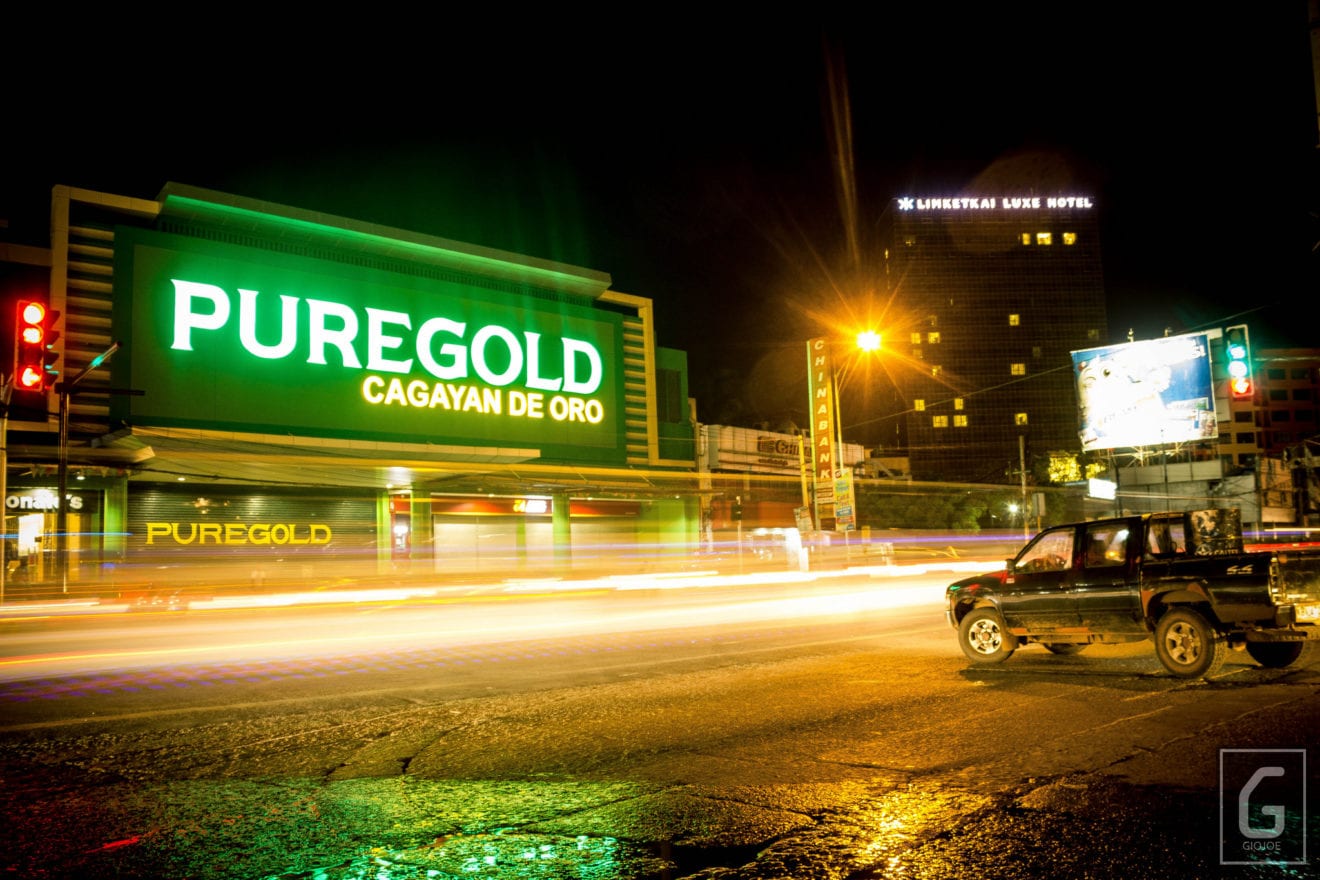
    Philippines grocery retailer Puregold Price Club says it is expanding into the remittances business.

    The company says the move will increase foot traffic and sales in its 239 stores across the nation.

    The remittance business allows local Filipinos to collect funds transferred from overseas foreign workers. Manpower is the Philippines’ single largest source of export income.

    Puregold president Vincent Co unveiled the initiative at a press conference, revealing the remittance business will be branded PurePadala.

    Co said Puregold’s remittance solution will be unique, allowing those sending cash to stipulate where it is spent.

    “Most of the time, around 25 to 30 per cent of the money sent by Filipinos abroad is spent irresponsibly. The money that is supposed to go to essentials is sometimes spent on vices,” Co said.

    “This innovation will allow senders to automatically choose where to allocate the funds such as for groceries, utilities or education. For example, the money will have to be spent in Puregold if it is allocated for groceries, instead of getting it as cash.”

    Senders of cash will also be able to stipulate it is not spent on alcohol or tobacco products.

    Co said Puregold will partner with 57 remittance partners across 27 countries for the new venture, which formally launches on July 12.

    Transaction fees will be waived for the first three months and after that will be lower than the standard rate of 10 pesos.

  • Indonesia retail sales continue to soar

    Indonesia retail sales continue to soar

    Indonesia retail sales soared 19.8 per cent May on May, according to bank of Indonesia data.

    While that is slower than the revised rate of 23.1 per cent in April (the bank had earlier estimated 22.4 per cent), it remains a figure developed economies can but dream about.

    Sales rose a healthy 19.7 per cent in March.

    The figure is based on data collected from 650 retailers in 10 major cities who are also quizzed on sentiment in the months ahead.

    Despite the healthy rates of April and May retailers expressed sales growth will slow in June and soften further in August after the end of the Ramadan fasting month, largely over July.

    They also expect inclement weather to disrupt distribution of stock during the next six months.

    But consider this: Last month, the retailers surveyed said they expected sales growth to slow in May, weakened by the vehicle fuel, spare parts and accessories categories. They said they expect inflationary pressure in July to soften due to retail discount programs linked to Ramadan.

  • Reprieve for AirAsia

    Reprieve for AirAsia

    No further risk to IAA’s licence but bigger re-rating depends on ability to become sustainably profitable

    IT has been a topsy-turvy time for AirAsia Group Bhd’s share price.

    After investor sentiment was rocked by a damaging report by GMT Research report on June 10 that questioned the financials of the low-cost airline, AirAsia’s share price came under pressure when Indonesia threatened to pull back its licence in its 49% owned unit, Indonesia AirAsia (IAA), if its finances and that of 12 other airlines are not improved by July 31.

    Indonesia’s Transport Ministry wants the 13 airlines to shore up their shareholders’ equity to 500 billion rupiah if they operated 70 seater planes by July 31 or face being stripped of their licence.

    That punitive measures were later softened with the ministry changing its mind.

    On Thursday, the ministry issued a statement saying it would “assist and support” the 13 airlines with negative shareholders’ equity to improve their equity positions if they were unable to meet the July 31 deadline.

    “The wording suggests that the ministry has performed a gentle face-saving U-turn and the airlines’ licences will not be at risk after all. With no further risk to IAA’s licence, the recent share price sell-off may partially reverse, although a bigger re-rating depends on IAA’s ability to become sustainably profitable,’’ says CIMB Research senior analyst Raymond Yap.

    AirAsia share price has thus far rebounded and closed on Friday at RM1.34, marginally up from Wednesday’s close of RM1.30, which was the recent low.

    From the beginning of this year, it has lost RM4.11bil in market capitalisation and both the GMT report and the Indonesian directive were much of the culprits for the drop.

    Maybank Investment Bank senior analyst Mohshin Aziz described the ruling as “unexpected surprise.’’

    “About half of the airlines globally have negative equity and anyone in the airline industry knows that safety is not about negative equity. It is about discipline, cashflow and enforcement,’’ he adds.

    An airline executive felt that the ruling was not enforceable, adding that “do you honestly think Indonesia will close an airline which hires 2,000 people and brings in most tourists?’’

    According to World Bank data, international tourism receipts totalled US$10bil for Indonesia for the 2010-2014 period.

    But Shukor Yusof, the founder of Endau Analytics, felt that the Indonesian Transport Minister is making a concerted effort to overhaul and clean up the domestic aviation.

    “A good number of Indonesian carriers can barely stay solvent, with the exception of the major ones like Lion Air group and Garuda. But it is unlikely they will shut them (the 13 players) down though.’’

    Apart from IAA and Rusdi Kirana’s Batik Air (a unit of Lion Air Group), the others affected by the new ruling are Cardig Air, Trans Wisata Prima Aviation, Istindo Services, Survei Udara Penas, Air Pasifik Utama, John Lin Air Transport, Asialink Cargo Airline, Ersa Eastern Aviation, Tri MG Intra, Nusantara Buana and Manunggal Air.

    Indonesia is the world’s fourth most populous nation with demand for air travel growing every quarter. From 2010 to 2014, about 95 million passengers took to the skies. There are 65 domestic airlines in the country.

    AirAsia has a 49% stake in IAA and its share of the Indonesian market is below 10%, though IAA has the largest market share in international air travel segment in Indonesia. The market is controlled by Garuda and Rusdi Kirana’s Lion Air group.

    Despite the threat of suspension, AirAsia boss Tan Sri Tony Fernandes says the airline is not pulling out of Indonesia.

    This can be explained as the market potential is huge and an initial public offering (IPO) is being planned for IAA, which operates with 29 planes in Indonesia.

    According the International Air Transport Association (IATA), by 2034, Indonesia is expected to be the sixth largest market for air travel. By then, some 270 million passengers are expected to fly to, from and within the country. That’s three times the size of today’s market.

    Short-term reprieve

    Though IAA got a reprieve, affected airlines in Indonesia will still have to improve their balance sheet if they want new routes. New routes are important for low-cost carriers as growth in traffic comes with more destinations.

    All the 13 players also need to submit their business plan by month end.

    Fernandes was reported to have said that “We were going to comply anyway. We have already set that process in motion.”

    As at end March this year, IAA had a negative equity position of 3 trillion rupiah (RM860mil) and paid-up capital of 180 billion rupiah. Hong Leong Research estimates that IAA needs at least RM1bil injection and this includes the additional paid-up capital of 320 billion rupiah or RM90mil.

    Yap of CIMB points out that the fundamental issue of IAA’s long-term future will still weigh heavily on investors minds.

    “At the moment, IAA is still some distance away from securing the subscribers for its proposed US$100mil-US$150mil convertible bonds.”

    Even if those are secured, most likely with a guarantee issued by AirAsia, it would only buy AirAsia two years of time. IAA will need to be reasonably and sustainably profitable before AirAsia’s share price can recover convincingly.

    But Fernandes told that “we have resolved and have no worries about our licences and we are confident of a profitable airline in Indonesia.’’

  • Asia shares fall led by Shanghai as investors eye safety ahead of Greece

    Asia shares fall led by Shanghai as investors eye safety ahead of Greece

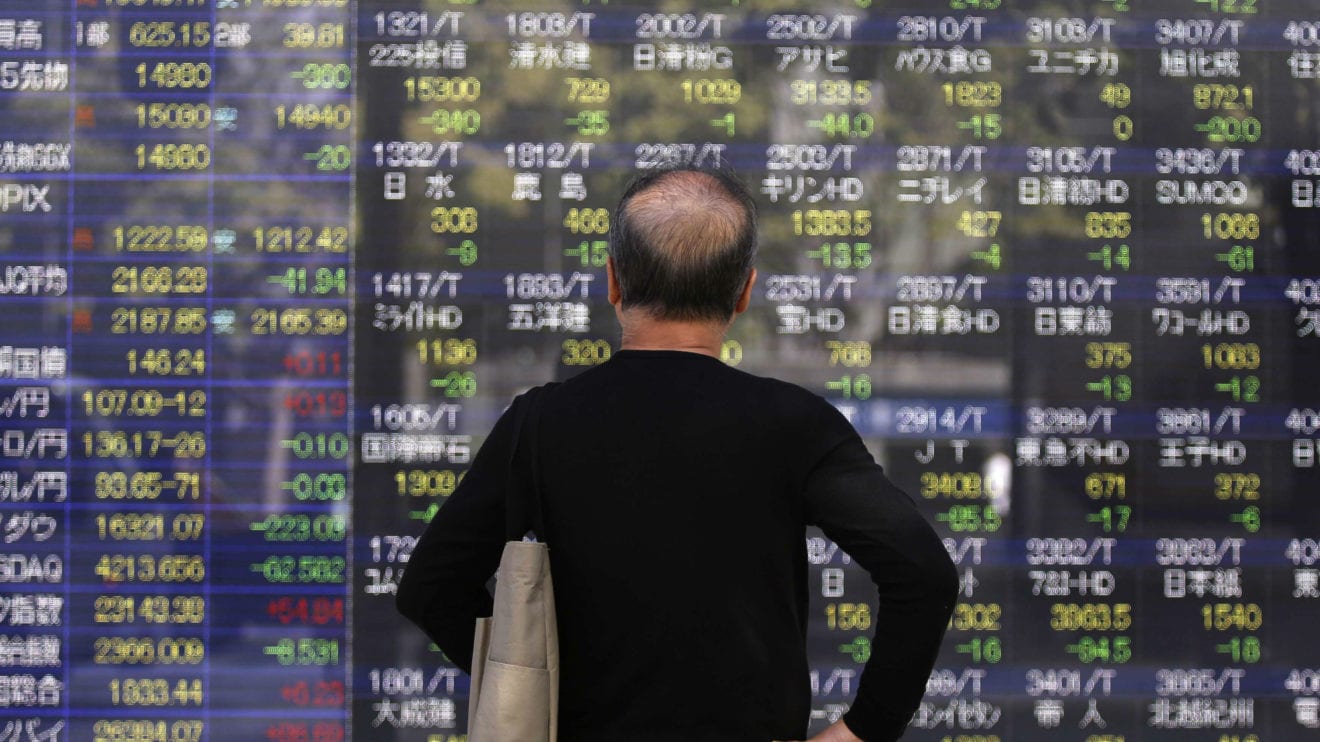
    Shares in Shanghai slumped on Friday, leading other Asian markets lower as investors headed for safety ahead of a weekend referendum that could decide whether Greece stays in the euro zone that is now too close to call.

    The Shanghai Composite fell 5.57% before the break, while the Hang Seng index eased 0.55% and the S&P/ASX 200 was down 1.78%. The Nikkei 225 was down 0.44%.

    Prime Minister Alexis Tsipras on Wednesday urged Greeks to reject an international bailout deal in a referendum due to be held on July 5, souring hopes of any breakthrough.

    Less than 24 hours before, Tsipras had written a conciliatory letter to creditors asking for a new bailout that would accept many of their terms.

    On Wednesday Greece became the first developed country to default on the International Monetary Fund after its second bailout program expired late Tuesday. The IMF confirmed that the Greek government failed to make a scheduled €1.6 billion loan repayment.

    In Australia, May retail sales data showed a 0.3% increase month-on-month, below a forecast for retail sales up 0.5% month-on-month.

    Earlier in Australia, the June AIGroup services index rose 1.6 points to 51.2.

    “The improvement in services-industry conditions so far this year has been concentrated in consumer services,” AI Group Chief Executive Innes Willox said.

    “Increased housing-market activity and very low interest rates are now assisting retail and personal and recreational services – although consumer-confidence and household-income growth are still below par. For the more business-oriented services subsectors weak business confidence, an uncertain outlook and low private and public investment are still weighing on demand across a range of design, consulting, personnel and administrative services.”

    U.S. markets are shut on Friday.

    Overnight, U.S. stocks were lower after the close on Thursday, as losses in the Financials, Healthcare and Basic Materials sectors led shares lower.

    At the close in New York, the Dow Jones Industrial Average lost 0.16%, while the S&P 500 index declined 0.03%, and the NASDAQ Composite index declined 0.08%.

    The best performers of the session on the Dow Jones Industrial Average were Intel Corporation (NASDAQ:NASDAQ:INTC), which rose 1.24% or 0.38 points to trade at 30.55 at the close. Meanwhile, Exxon Mobil Corporation (NYSE:NYSE:XOM) added 0.93% or 0.77 points to end at 83.14 and Visa Inc (NYSE:NYSE:V) was up 0.57% or 0.39 points to 68.24 in late trade.

  • HKIA retail growth halves to 10.8% but still flies high

    HKIA retail growth halves to 10.8% but still flies high

    The retail licences and advertising revenue segment at Hong Kong International Airport (HKIA) rose by a respectable +10.8% to HK$6,820m/$880m in 2014/15, with an upswing that was lower than the year before when it shot up by +23%, largely reflecting a full year of contributions from DFS Group as its anchor tenant.

    The segment now represents 41.7% of turnover – a marginal share increase on the previous year. Retail was a key component that allowed operator Airport Authority Hong Kong (AAHK) to generate record revenue of HK$16,367m/$2,111m (+10.5%) and rocketing profit of HK$7,254/$936m – a rise of +12.4% (see chart below and click to enlarge).

    Retail licences and advertising contributed nearly half of the rise in AAHK’s turnover for the year and the authority specifically highlights higher retail concession revenue as a major contributor to the above figures.

    AAHK does not split out its retail and advertising income, but from its comments it seems that the shopping units – in particular its well-trodden high-end boutiques – have delivered good gains. They have also been more of a focus in FY2014/15.

    STILL SEEING GOOD LUXURY DEMAND
    AAHK says: “This increase (of +10.8%) was a result of the commencement of new luxury retail licences; better sales performance for luxury brands, liquor and tobacco, perfumes and cosmetics, commercial catering and financial services categories; higher advertising revenue from new clients and categories; and joint promotional initiatives with major brands and China UnionPay.”

    Other terminal commercial revenue grew +5.2%, to HK$1,160m/$150m and mainly represents income from leasing offices and airport lounges to airlines and other tenants.

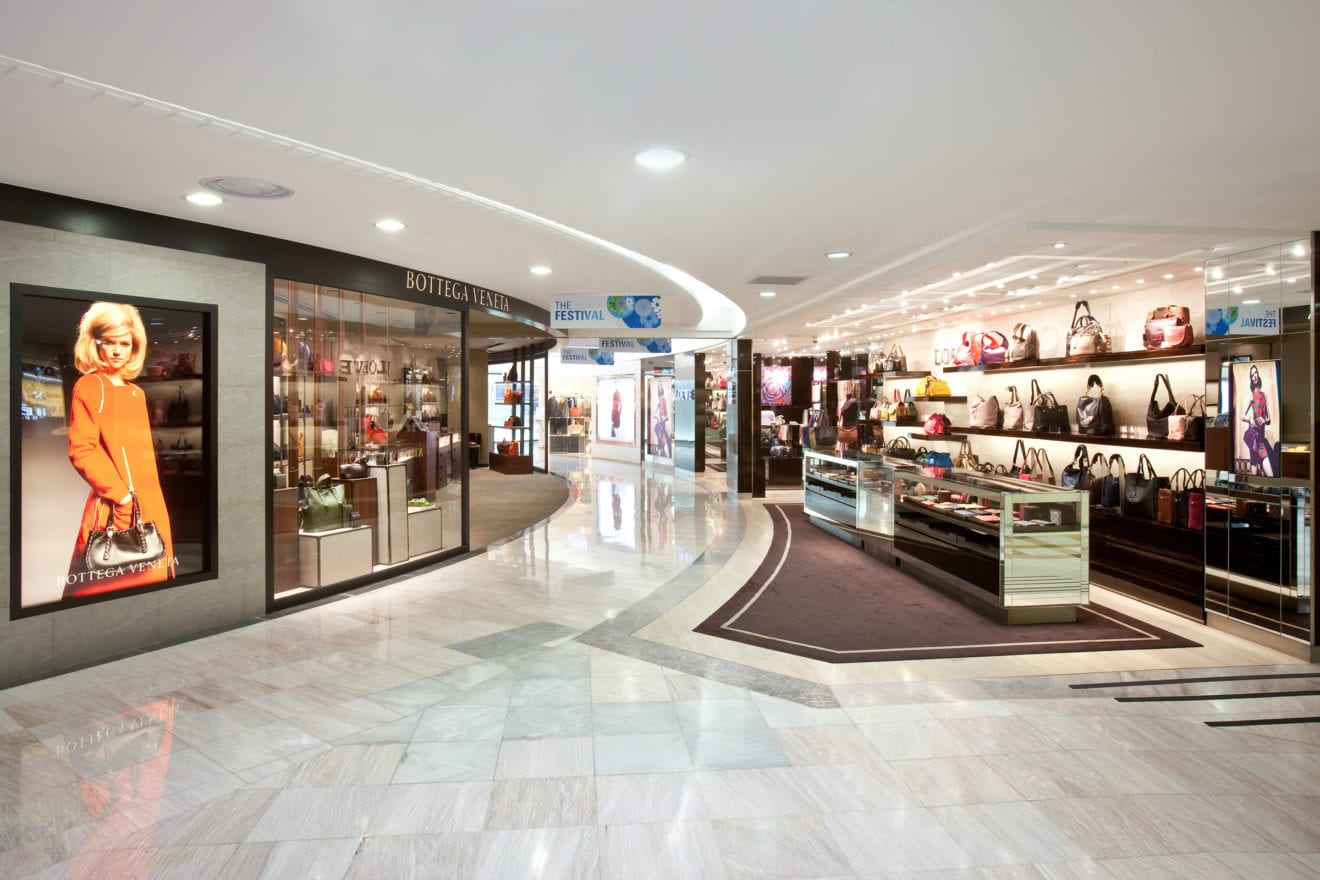
    HKIA enhanced its shopping experience in 2014/15 with the opening of 33 new luxury boutiques, with 10 new brands making an entry at T1.This latest luxury cluster includes the first Harrods store in Hong Kong, plus Balenciaga, Blancpain, Bulgari, Christian Dior, Givenchy, Jaeger Le Coultre, Miu Miu, Moncler and Tory Burch.

    HKIA is still attracting Chinese passengers in big numbers

    With a strong Chinese PRC mix at the airport and numbers in the last fiscal year up +22% (bettered only by passengers from southeast Asia) HKIA has, so far, managed to leverage high-end sales to this group. Whether the authority can maintain that successfully this year, in the light of the luxury downturn being seen in the local Hong Kong market, remains to be seen.

    Looking ahead, AAHK believes that traffic demand will continue to grow, but at a slower pace. “As a result, some of HKIA’s facilities, such as aircraft parking stands and other terminal facilities will soon reach capacity in the existing two-runway system,” it warns.

    MIDFIELD TO THE RESCUE

    To meet immediate needs, the expanded west apron is now fully operational with 28 aircraft parking stands. The Midfield development, which includes a five-level concourse and 20 aircraft parking stands, will provide added capacity when it enters service later this year for up to 10m passengers.

    AAHK expect profits to grow at a slower pace this year largely due to its current capacity constraints. Nevertheless, it has its eye firmly fixed on increasing non-aeronautical revenue “by optimising HKIA’s retail space, revamping the overall retail experience for our passengers, introducing innovative marketing, and supporting our business partners while they expand their operations”.

    HKIA is the world’s third busiest international hub after Dubai International and London Heathrow – and in FY 2014/15 it handled 64.7m passengers, up +6.6%.

  • Walmart Opens the Phase II of Tianjin Distribution Centre

    Walmart Opens the Phase II of Tianjin Distribution Centre

    Walmart, a leading international retailer, held an opening ceremony today where they announced the completion of Phase II of the Walmart Tianjin Distribution Centre in Beichen District, Tianjin.

    This speculative distribution centre of four Grade A logistics warehouses totalling GFA 80,000 sqm (860,800 sqft) is located in the Beichen Hi-Tech Industrial Park of Tianjin’s Binhai New Development Zone, a premises chosen by Walmart based on its strategic location with proximity to the regional seaport, road and rail network.

    Walmart is developing this distribution centre into its largest logistics park in North China with its global supply chain partners including global brands such as Nestle and Unilever having moved in. A few other international companies such as ABB are also planning to relocate to this logistics park in the near future.

    The buildings are equipped with a series of cutting-edge technology and sustainable facilities including highly efficient fluorescent T5 lighting systems in the warehouse and offices, slab under international standards of flatness and levelness, clear floor height of 10m and floor loading capacity of 5T/sqm, etc.

    “As an important part of Walmart China’s long-term strategy, the development of supply chain is given high priority in the business. Walmart has been optimizing and improving its distribution network in China.” said Peter Sharp, Leader of Walmart Asia Realty, “The development of such an international logistics park also mirrors Walmart’s endeavor to achieve win-win for the government, suppliers and retailer by building a strong supply chain network and system, to ultimately achieve our goal of saving people money so they can live better by lowering the cost.”

    The phase II development is managed by IDI Gazeley (Brookfield Logistics Properties), one of the world’s leading investors and developers of logistics warehouses and distribution parks. As Walmart’s long-term strategic partner, IDI Gazeley has successfully delivered 3 major projects in China since 2007.

    Speaking at the opening ceremony, IDI Gazeley China Country Director, Sally Lin commented: “We are delighted to have been chosen by Walmart again to play such a key role in supporting the growth of their fast expanding operations in China. The delivery of Phase II of the Tianjin Distribution Centre represents another significant milestone in IDI Gazeley’s plan to serve a growing base of international companies in China by delivering them a consistent level of excellence across our global platform by leveraging our local market expertise and international best practices to provide a world class logistics facility for our customer in China. We are also committed to growing our presence in the local market as well to serve the growing needs of our customers in China.”

  • Orion is out in bidding for Tesco’s Korea operations

    Orion is out in bidding for Tesco’s Korea operations

    Private-equity firms such as MBK Partners and the Carlyle Group are among the short-listed bidders for Homeplus, a local discount retailer owned by the U.K. grocery chain Tesco, according to people with knowledge of the matter.

    Affinity Equity Partners and Goldman Sachs’ private equity arm have also been short-listed, while the local snack maker Orion, which had submitted a bid, failed to move to the next round after a bid at the lower end of the bidders’ range. Orion’s bid was said to have been between 4 and 5 trillion won ($3.6 billion to $4.4 billion).

    Orion shares jumped 5.7 percent on Thursday after the news of its withdrawal. “Homeplus was probably too big of a prize for Orion to handle. Its failure has been expected,” a brokerage analyst said.

    Hyundai Department Store, which had earlier shown interest in bidding, decided not to, the retail company said. The chain is currently focused on getting a license for a duty-free business in Seoul.

    The Homeplus sale is expected to fetch around $6 billion for the troubled U.K. grocery chain Tesco, which is dealing globally with massive losses and huge outstanding debts. The sale of its Korean operations is part of its efforts to secure cash as it tries to stay afloat.

    Tesco entered the Korean retail market jointly with Samsung C&T in 1999, initially controlling 81 percent stake in Homeplus but gradually buying out Samsung’s stake.

    Homeplus operates 107 hypermarkets and 828 express stores across Korea, and is the third-largest discount retailer, after E-Mart and Lotte Mart, according to regulatory filings.

    Korea’s discount retailing market is estimated to be worth 34.9 trillion won as of the third quarter of 2014, down from 45.1 trillion won a year earlier. The sector has been hurt by an economic slump and government regulations that restrict operations during weekends to protect mom-and-pop stores.

    Homeplus saw a net loss of 299 billion won last year. Homeplus Tesco reported a net loss of 48.8 billion won and Homeplus Bakery contributed a net loss of 6.7 billion won.

  • Foreign visitors giving Hong Kong’s ‘shopping paradise’ a miss

    Foreign visitors giving Hong Kong’s ‘shopping paradise’ a miss

    The days of double-digit sales growth seem like a mirage now.

    Not long ago retailers were blasé about such numbers when mainland visitor arrivals were at their peak. Now, of the 10-odd shops in a prime stretch of Yee Wo Street in the Causeway Bay shopping district, three premises lie vacant. Prime outlets are also a lot less affordable because of Hong Kong’s rising dollar.

    High-spending tourists are disappearing in droves. Retail bosses and hoteliers are feeling the effects of weak demand and fear the challenging business environment will weigh on them even more in the months ahead.

    Many say that the tourism and retail sectors are affected inevitably by external factors. But few in either industry can predict when the downturn will end. As they wait for the next boom, an increasing number of companies are trying to identify their weaknesses and problems and shift their business focus to adapt to the changing environment.

    Chow Tai Fook Jewellery, the world’s largest jewellery retailer, says in its annual results announcement that relatively weak consumer sentiment in Hong Kong and Macau is reflected in decreasing customer traffic.

    In the financial year ending March 31, customer traffic at its outlets in tourist areas shrank by around one-third year on year.

    It says mainland tourists may be opting for other destinations, and the possible change in inbound tourism from mainlanders “may pose structural changes to the retail industry in Hong Kong and Macau and arouse uncertainty” over its business.

    To adjust to the changes, the retailer will focus on enhancing the operational efficiency of its outlets and consolidate them.

    Cosmetics chain SaSa says the average spending per head mainland tourist customers dropped about 11 per cent in the past fiscal year owing to the weaker purchasing power of tourists from lower-tier cities.

    Another reason was the increasing demand for cheaper products, such as Korean goods, which dilutes sales growth even though it may drive store traffic, the company says.

    It rues the appreciation of the US dollar and the ensuing difference in the relative strength of the yuan and Hong Kong dollar, saying it is encouraging more mainland tourists to travel to markets with weaker currencies, such as Europe and South Korea.

    “The ongoing anti-corruption campaign on the mainland is impacting demand for high-priced items and gift sets,” SaSa adds.

    But the group has identified some new opportunities, such as cross-border e-commerce facilitated by the development of free trade zones on the mainland.

    Oriental Watch, a leading retailer in the city, notes the impact of rising social tensions and conflicts between Hong Kong and mainland China, saying these social events have further dragged down Hong Kong’s sluggish luxury sector.

    The company says it has opted for stringent cost-control measures to prepare itself for the challenges that lie ahead.

    “By closing down non-performing retail stores on their lease expiry, resources could be better allocated in fine-tuning our existing retail network,” says Oriental Watch.

    It points out that the pace of rent increases in Hong Kong has slowed down in the past few months, given the fragile economic outlook.

    “This positive sign suggests a perfect juncture for the group to negotiate for a reasonable rental rate,” it adds. It says rental costs for the year ending March 31 accounted for 39 per cent of the group’s operating expenses.

    Many retailers have long blamed high rents for pushing up the cost of doing business in Hong Kong.

    CBRE, a real estate services company, points out in a research report that Hong Kong was still the world’s most expensive retail market in terms of rent in the first quarter of the year. The average annual rent reached US$4,334 per sq ft. But rents are softening.

    Daniel Wong Hon-shing, chief executive at commercial property agency Midland IC&I, says shop rents are under pressure as sales of consumer goods continue to decline.

    He says rents at prime locations in major shopping districts such as Causeway Bay and Tsim Sha Tsui have fallen as much as 25 per cent year on year.

    “Cosmetics chains and jewellers have started consolidating business and stopped expansion,” Wong says. “The vacancy rates are rising.”

    He says even international brands are less willing to pay a high premium for shops in key retail areas, given the sluggish growth in the number of high-spending mainland visitors coming to the city.

    Neither are Hongkongers in a mood to go shopping.

    Caroline Mak Sui-king, chairwoman of the Retail Management Association, says an increasing number of high-earning Hongkongers are more likely to holiday in cheaper neighbouring destinations, such as Japan and South Korea.

    “It’s good value to travel to such places and have fun as the Hong Kong dollar remains strong,” she explains. “Hong Kong’s reputation as a shopping paradise has been put to the test.”

    CLSA, a brokerage and investment group, says in a research report that shopping is a key reason for mainlanders to visit Hong Kong.

    It believes the mainland’s decision to cut import tariffs will also hit Hong Kong’s retail sector, because the price gap between the two markets is narrowing.

    Its study found that 70 per cent of experienced mainland travellers surveyed said they would prefer to buy domestically if prices were lowered by 25 per cent.

    The firm says import tariffs and consumption taxes on the mainland add up to as much as 40 per cent for cosmetics and 25 per cent for apparel, adding that a reduction of taxes in such times would narrow the price gap between the mainland and Hong Kong markets and discount the city’s price advantage.

    The total value of Hong Kong’s retail sales in May, provisionally estimated at HK$39 billion, was down 0.1 per cent compared with the same month last year. It was the third monthly decline in a row, despite a smaller drop than the revised decrease of 2.1 per cent in April.

    The jewellery, watches and valuable gifts category continued to record a double-digit fall, with sales value declining 14.9 per cent to HK$6.7 billion.

    Mariana Kou, senior investment analyst at CLSA, says the retail sector in Hong Kong is facing “a structural decline”. She says the city lacks new tourist attractions and anti-mainland sentiment is hurting tourist spending.

    “Even luxury brands are struggling,” she says. She expects some retailers to cut costs by closing shops and laying off staff in the coming months.

    Meanwhile, the Hong Kong Tourism Board, in reply to queries from the Post, says it “continues to focus its resources on 20 key markets” in promoting the city as a tourist destination.

    A spokesman says the board “is investing most of its marketing budget in the international markets, especially short-haul ones. One hundred per cent of our marketing budget in international markets is used to draw overnight arrivals”.

    It has joined hands with hotels, airlines and other trade partners to roll out tourism products and accommodation offers.

    For the rest of the year, the board plans to stage a number of mega events to highlight Hong Kong’s tourism strengths. They include the “Hong Kong Wine & Dine Festival” in late October and “Hong Kong WinterFest” in December.

    “Through staging a series of mega events, the [board] hopes to uphold Hong Kong’s image as the events capital of Asia, enrich the visitor experience, and provide a business platform for the travel and related trade,” the spokesman says.

    The numbers will tell soon enough if the strategies work. If not, a rough ride lies ahead for Hong Kong’s much vaunted tourism and retail scene.

    This article appeared in the South China Morning Post print edition as They’re not buying it
  • Mitsubishi UFJ considers buying Asian bank similar to Thai unit

    Mitsubishi UFJ considers buying Asian bank similar to Thai unit

    Go Watanabe, CEO, Asia-Oceania at Mitsubishi UFJ said that we’re looking for a bank that is very strong in both corporate and retail consumer finance akin to Bangkok-based Bank of Ayudhya Pcl. Photo: Bloomberg

    Singapore: Two years after spending about $5 billion buying a Thai bank, Mitsubishi UFJ Financial Group Inc. is looking for a similar Asian investment.

    Japan’s biggest lender is considering acquiring a bank in Indonesia, the Philippines or India that has expertise in consumer banking, said Go Watanabe, chief executive officer (CEO) of the main lending unit’s Asia-Oceania arm.

    “We’re looking for a bank that is very strong in both corporate and retail consumer finance” akin to Bangkok-based Bank of Ayudhya Pcl, Watanabe, 56, said in an interview on Monday in Singapore. The company ideally wants a majority stake in a “relatively big-sized bank,” he said.

    Mitsubishi UFJ has been the most aggressive of Japan’s banks in seeking to tap Asia’s consumers as sluggish growth and shrinking loan margins hamper prospects at home. Regulators in Indonesia, the Philippines and India are at various stages of easing rules on ownership of their banks by foreign lenders.

    “Doing business with corporates isn’t enough,” Watanabe said. “Having a retail business is something we want, to capture the high growth of the Asian economy.”

    Asia excluding Japan is poised to expand 6.2% this year, compared with 0.9% in Japan, according to economist estimates compiled by Bloomberg.

    That growth is reflected in Bank of Tokyo-Mitsubishi UFJ Ltd’s loan book. Average loans outstanding in Asia to non-Japanese borrowers climbed 10% from a year earlier to ¥7.6 trillion ($62 billion) in the six months ended March, company data show. That excludes Bank of Ayudhya’s loans.

    Ownership rules

    Loosening of bank ownership restrictions may favour Watanabe’s aspirations to obtain a majority stake in one of the target countries.

    India now allows overseas holdings of as much as 74%, up from 49% previously. Indonesian regulators in June allowed South Korea’s Shinhan Bank to buy two lenders and merge them, providing an exception to a 40% foreign-ownership limit. The Philippines eased its rules last year to let international companies fully own a domestic bank.

    While Watanabe has spoken to relevant authorities, he said there is no discussion of specific targets. The acquisition plan, while part of the bank’s three-year strategy, may materialize after the period, he said.

    Mitsubishi UFJ is among 12 firms that expressed interest in buying United Coconut Planters Bank from the Philippine government, which is seeking more than $350 million for its 74% stake, people with knowledge of the matter said in June. Watanabe declined to comment on the sale.

    Long-term commitment

    The Japanese company is investing in foreign banks for the long term, Watanabe said. In Thailand, it gave up its banking license and merged its local unit into Bank of Ayudhya, the nation’s fourth-biggest bank by market value, to gain the central bank’s endorsement.

    “We are already committed,” he said. “There is no return.”

    Bank of Tokyo-Mitsubishi UFJ now owns 77% of Bank of Ayudhya, whose net income grew 19% last fiscal year to THB14.2 billion ($420 million). It bought a 20% stake in state-owned Vietnamese lender VietinBank in 2013.

    Watanabe moved to Singapore in July 2013 to take up his current role, reflecting a strategic shift at the Japanese bank, which previously ran all its Asian units from Tokyo. Singapore is now the regional headquarters for the 12 countries under Watanabe’s supervision, from Australia to India.

    Bank of Tokyo-Mitsubishi UFJ now has 1,200 employees in Singapore, 200 of whom are Japanese, Watanabe said. While the company is unlikely to add headcount in the city-state, it’s seeking to boost the number of local hires to cater for an increasingly international client base, he said.

    “The growth is now with non-Japanese companies, like European and US multinational companies that are growing in Asia,” he said. “That’s the business we’d like to expand.”

  • Crowdo enters Indonesia market

    Crowdo enters Indonesia market

    Crowdo enters Indonesia market

    Home-grown crowdfunding portal Crowdo has expanded to Indonesia to offer peer-to-peer lending to businesses there.

    Crowdo will use its platform to match Indonesian investors with companies there which need loans for working capital.

    Borrowers repay the principal sum with interest.

    Since Crowdo will offer only collateralised loans, the interest borrowers pay is expected to be lower.

    In a pilot run over recent months, 200 companies were successfully funded and recorded no defaults on payments, said a statement from Crowdo.

    The site will go public later this year.

    Crowdo is inviting select investors seeking higher yields with new investment opportunities to participate in these deals.

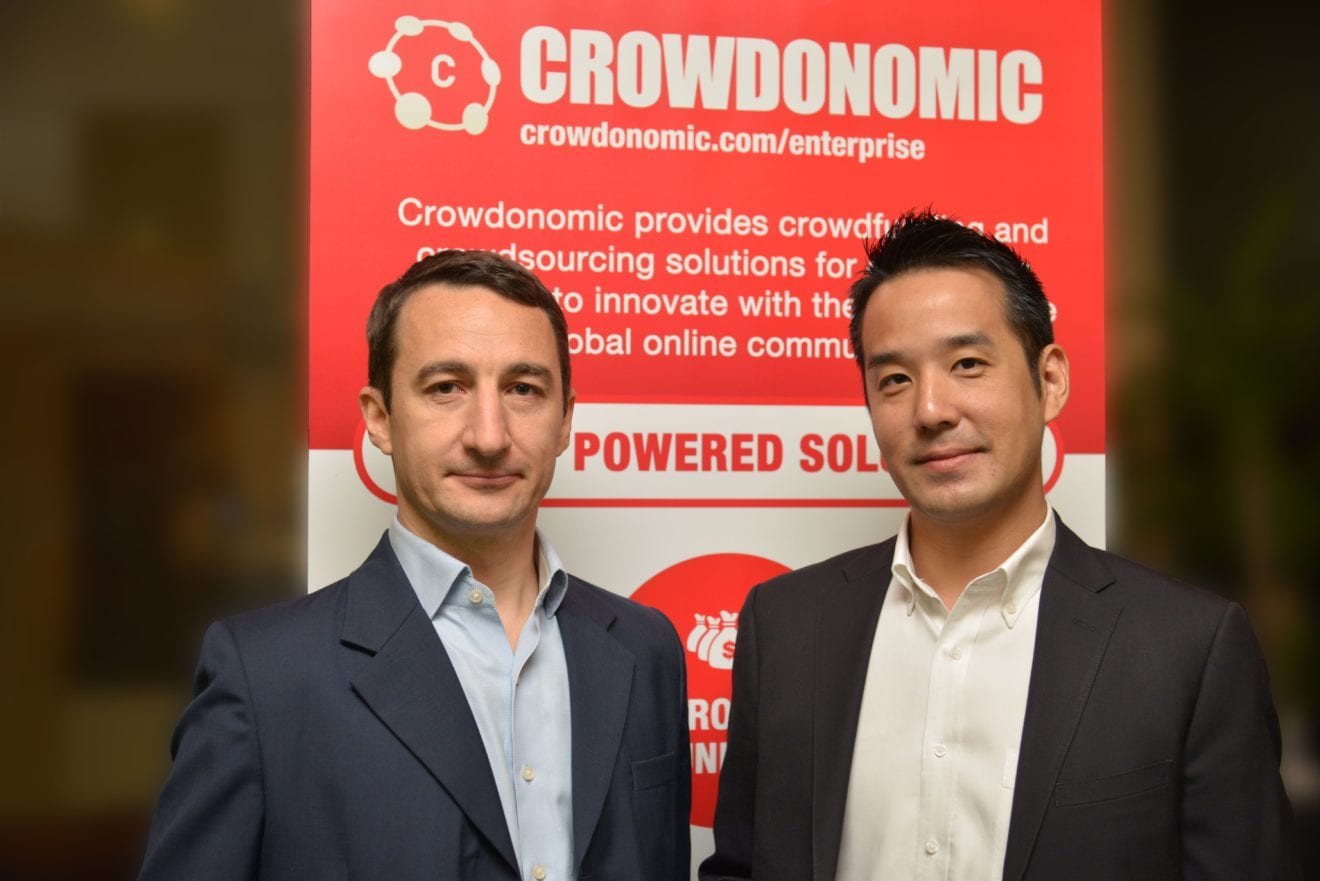
    Co-founder Leo Shimada said: “Our clients have robust businesses with sound repayment capabilities but are unable to access traditional financing systems due to the lack of existing relationships with financial institutions.”

    It is a multibillion-dollar market, he said, as small and medium-sized Indonesian companies are underserved by banks. Last month, Crowdo was licensed by the Malaysian authorities to run an equity-based crowdfunding platform there.

    With its expansion to these two countries, Crowdo, formerly known as Crowdonomic, is the first South-east Asian crowdfunding operator to offer debt-based and equity-based crowdfunding.