Category: General

Retail News Asia is committed to providing both local and global retailers with the latest General Retail news throughout the Asian market. This on a daily base.

  • iBox opens new outlet in Indonesia

    iBox opens new outlet in Indonesia

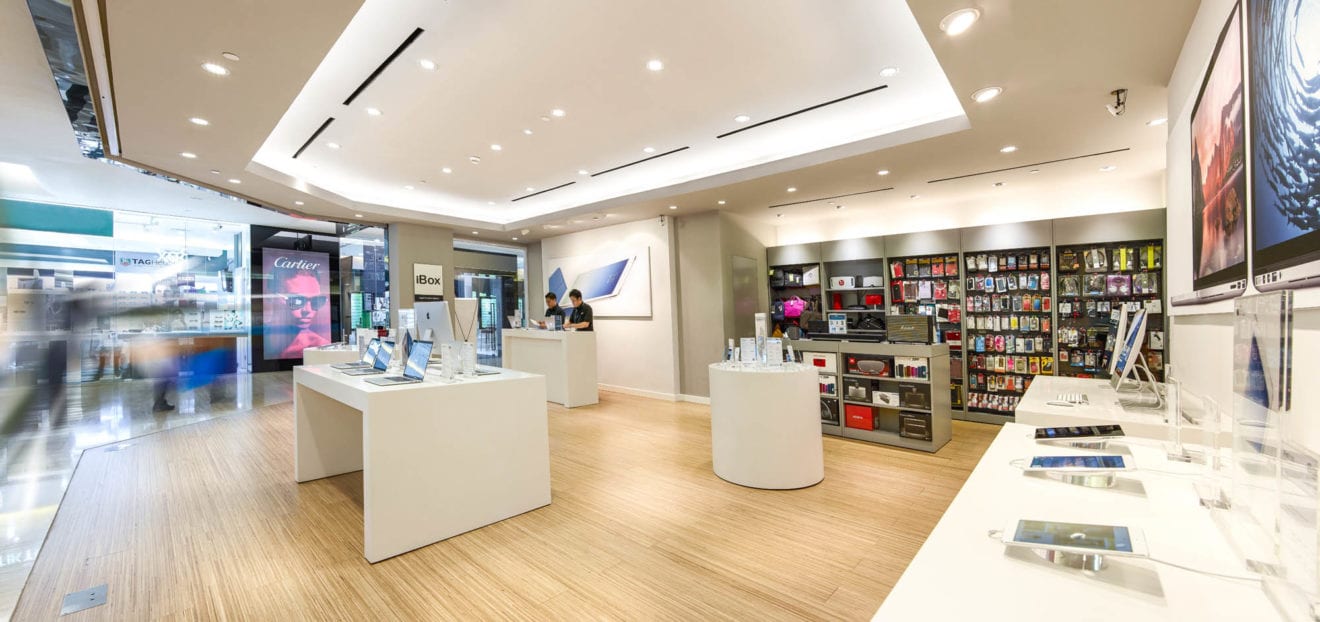
    iBox, the leading Apple Premium Reseller (APR) in Indonesia, recently opened a new store in Bandung, West Java. The new store, located in Bandung Electronic Centre (BEC), is the third iBox in the city, joining existing branches in Dago and Palace Plaza. In total, iBox operates more than 40 outlets across Indonesia as well as multiple Apple service centres. iBox is a business unit of Erajaya Group.

    iBox outlets offer a wide range of Apple products, plus software and accessories, delivering a one-stop-shop digital lifestyle retail experience, according to the company. iBox was the Apple partner in Indonesia to become a premium service and provider and is the country’s only Apple authorised training centre.

    The new iBox BEC Bandung will demonstrate a full range of Apple products with trained staff on hand to explain how the products can enrich consumer lives. iBox positions itself as the local Apple expert for consumers across Indonesia.

    Erajaya Group was established in 1996 and has grown to become a major distributor and retailer of mobile devices, accessories, computers and consumer electronics. Erajaya Group’s mission is to position itself as a leading distributor with direct integrated access to consumers and retailers, and to provide a complete range of mobile products and solutions.

  • Tesco Asia carve up likely

    Tesco Asia carve up likely

    A carve-up of Tesco Asia operations seems increasingly likely with credible reports in three different nations now of serious expressions of interest.

    While markets await firm news of progress of HSBC’s quest to find a buyer for the Tesco Korea business, the latest news is that Japan’s Aeon has expressed interest in buying Tesco Malaysia, reportedly valued in the region of £900 million.

    That follows an approach from Thai billionaire Dhanin Chearavanont late last year who prepared a speculative bid by his company Charoen Pokphand Group (CP) to buy back the troubled Tesco Plc’s Thai business, which he sold during the Asian financial crisis. That bid was initially rejected but if Tesco is selling its Korean and Malaysian operations it is likely to let Thailand go as well if it can gain a fair price.

    If all three sales were to proceed, it would almost certainly see the Tesco Asia operations rebranded under new owners – in Thailand, most likely under the Lotus brand, in Malaysia stores would be merged into Aeon’s existing network and in Korea – that would entirely depend on the successful bidder.

    Reuters has reported reliable sources confirming Aeon’s interest in Tesco Malaysia. Aeon is cashed up, has a heavy focus on expanding across Southeast Asia and a merger of its network with Tesco’s would give it 29 stores, making it a formidable competitor to local hypermarket operator Giant, which has a lower market positioning to Aeon’s more premium offer.

    The Japanese retail and property giant entered Malaysia by acquiring the Carrefour operation in 2012 for €250 million.

    Meanwhile, KKR has reportedly rejoined the race to buy Tesco Korea’s Homeplus network which is estimated to be worth US$6 billion, after sweetening its preliminary offer. All the prospective shortlisted buyers reported by the UK and Korean financial press are private equity companies, including Affinity Equity Partners, Goldman Sachs, Carlyle Group and MBK Partners.

    However in a market as complex as Korea, it is highly likely any of those bidders would want to partner with a local retail operator for the business connections and local market knowledge.

  • Alibaba boosts stake in SingPost

    Alibaba boosts stake in SingPost

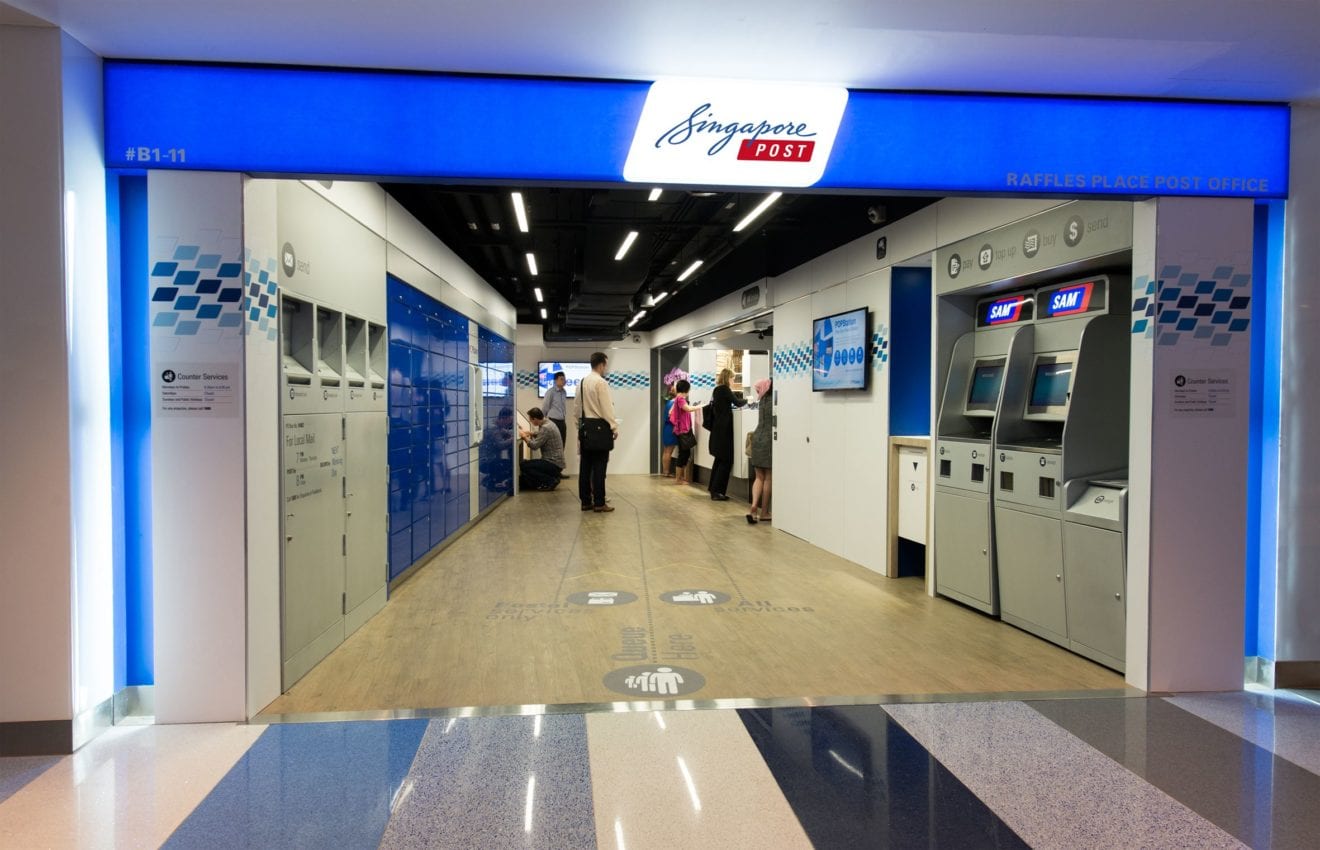
    Alibaba Group has agreed to take a larger stake in Singapore Post and invest in a subsidiary of the publicly traded post office to strengthen their joint development of eCommerce logistics services in the Asia Pacific region.

    The deal, announced today, calls for Alibaba Group to buy an additional five per cent of SingPost shares for $138.6 million, increasing its ownership position in the mail and parcel carrier to 14.51 per cent. Alibaba will also invest $67.85 million in SingPost’s Quantium Solutions International (QSI), which runs a logistics and fulfilment network in more than 10 Asia Pacific countries.

    Alibaba, China’s largest eCommerce company, has been aggressively courting businesses outside the mainland in order to promote cross-border e-commerce, working with companies such as SingPost to reduce some of the barriers to efficient worldwide delivery of small parcels ordered online-impediments such as relatively high shipping costs, lengthy delivery times and complications in getting orders through customs.

    Cross-border online shopping – consumers buying products directly from overseas retailers via the Web – will see compound annual growth of 27 perc ent over the next five years, double the rate of worldwide B2C shopping as a whole, according to a recent report from Accenture and AliResearch, Alibaba’s research arm.  While Alibaba Group currently makes less than five per cent of its revenue outside of China, Jack Ma, the company’s executive chairman, said his goal is for overseas eCommerce to eventually make up half of company revenue.

    Alibaba and SingPost began collaborating last year when Alibaba, through an investment vehicle, acquired an initial stake in SingPost. The deal announced today deepens their relationship, the companies said, with Alibaba taking a 34 per cent stake in QSI, while SingPost will hold 66 per cent.

    Under the agreement, QSI, which offers eCommerce logistics and warehousing across Asia Pacific, will be reorganised as a joint venture between SingPost and Alibaba Group. In addition, QSI will also become a platform for both parties to increase collaboration, with QSI providing eCommerce warehousing, last-mile delivery and other end-to-end eCommerce solutions. Alibaba and SingPost also entered into a joint strategic business development framework to further improve efficiency and integration between the companies, according to a press release.

    Alibaba “started as our customer and then last year became our shareholder and business partner,” said SingPost group executive officer Wolfgang Baier.

    “We are now taking the next step by building a regional e-commerce logistics platform and infrastructure for e-commerce players across Asia Pacific, based on Quantium Solutions.”

    Confronted with dwindling revenue in the digital era, national mail carriers such as SingPost have been increasingly trying to adapt by expanding services into the high-growth e-commerce arena.

    “The pace of transformation at SingPost has been accelerating steadily,” said SingPost chairman Lim Ho Kee. “As a postal service provider, we are on a burning platform, facing a global decline in mail revenue with trends like e-substitution and lifestyle changes.”

    Lim called the partnership with Alibaba “a win-win situation for both of us because we share similar goals and have a natural fit between our operations across Asia”.

    Alibaba Group CEO Daniel Zhang said his company and SingPost have in the past year “devised a series of customized logistics solutions in various markets. With these new initiatives, we hope to further drive synergies to help global brands and merchants with convenient access to China and at the same time help Chinese businesses sell and ship easily around the world.”

    The investment agreement, which must be approved by SingPost shareholders and regulators, calls for Alibaba Group to purchase 107,553,907 existing shares in SingPost, which trades on the Singapore’s stock exchange. Upon completion of the deal, Alibaba’s deemed interest on a fully diluted basis in SingPost will rise from 10.23 percent to 14.51 percent.
    Alibaba Group has agreed to take a larger stake in Singapore Post and invest in a subsidiary of the publicly traded post office to strengthen their joint development of eCommerce logistics services in the Asia Pacific region.

    The deal, announced today, calls for Alibaba Group to buy an additional five per cent of SingPost shares for $138.6 million, increasing its ownership position in the mail and parcel carrier to 14.51 per cent. Alibaba will also invest $67.85 million in SingPost’s Quantium Solutions International (QSI), which runs a logistics and fulfilment network in more than 10 Asia Pacific countries.

    Alibaba, China’s largest eCommerce company, has been aggressively courting businesses outside the mainland in order to promote cross-border e-commerce, working with companies such as SingPost to reduce some of the barriers to efficient worldwide delivery of small parcels ordered online-impediments such as relatively high shipping costs, lengthy delivery times and complications in getting orders through customs.

    Cross-border online shopping – consumers buying products directly from overseas retailers via the Web – will see compound annual growth of 27 perc ent over the next five years, double the rate of worldwide B2C shopping as a whole, according to a recent report from Accenture and AliResearch, Alibaba’s research arm.  While Alibaba Group currently makes less than five per cent of its revenue outside of China, Jack Ma, the company’s executive chairman, said his goal is for overseas eCommerce to eventually make up half of company revenue.

    Alibaba and SingPost began collaborating last year when Alibaba, through an investment vehicle, acquired an initial stake in SingPost. The deal announced today deepens their relationship, the companies said, with Alibaba taking a 34 per cent stake in QSI, while SingPost will hold 66 per cent.

    Under the agreement, QSI, which offers eCommerce logistics and warehousing across Asia Pacific, will be reorganised as a joint venture between SingPost and Alibaba Group. In addition, QSI will also become a platform for both parties to increase collaboration, with QSI providing eCommerce warehousing, last-mile delivery and other end-to-end eCommerce solutions. Alibaba and SingPost also entered into a joint strategic business development framework to further improve efficiency and integration between the companies, according to a press release.

    Alibaba “started as our customer and then last year became our shareholder and business partner,” said SingPost group executive officer Wolfgang Baier.

    “We are now taking the next step by building a regional e-commerce logistics platform and infrastructure for e-commerce players across Asia Pacific, based on Quantium Solutions.”

    Confronted with dwindling revenue in the digital era, national mail carriers such as SingPost have been increasingly trying to adapt by expanding services into the high-growth e-commerce arena.

    “The pace of transformation at SingPost has been accelerating steadily,” said SingPost chairman Lim Ho Kee. “As a postal service provider, we are on a burning platform, facing a global decline in mail revenue with trends like e-substitution and lifestyle changes.”

    Lim called the partnership with Alibaba “a win-win situation for both of us because we share similar goals and have a natural fit between our operations across Asia”.

    Alibaba Group CEO Daniel Zhang said his company and SingPost have in the past year “devised a series of customized logistics solutions in various markets. With these new initiatives, we hope to further drive synergies to help global brands and merchants with convenient access to China and at the same time help Chinese businesses sell and ship easily around the world.”

    The investment agreement, which must be approved by SingPost shareholders and regulators, calls for Alibaba Group to purchase 107,553,907 existing shares in SingPost, which trades on the Singapore’s stock exchange. Upon completion of the deal, Alibaba’s deemed interest on a fully diluted basis in SingPost will rise from 10.23 percent to 14.51 percent.
  • Indonesia AirAsia gets letter on positive equity position

    Indonesia AirAsia gets letter on positive equity position

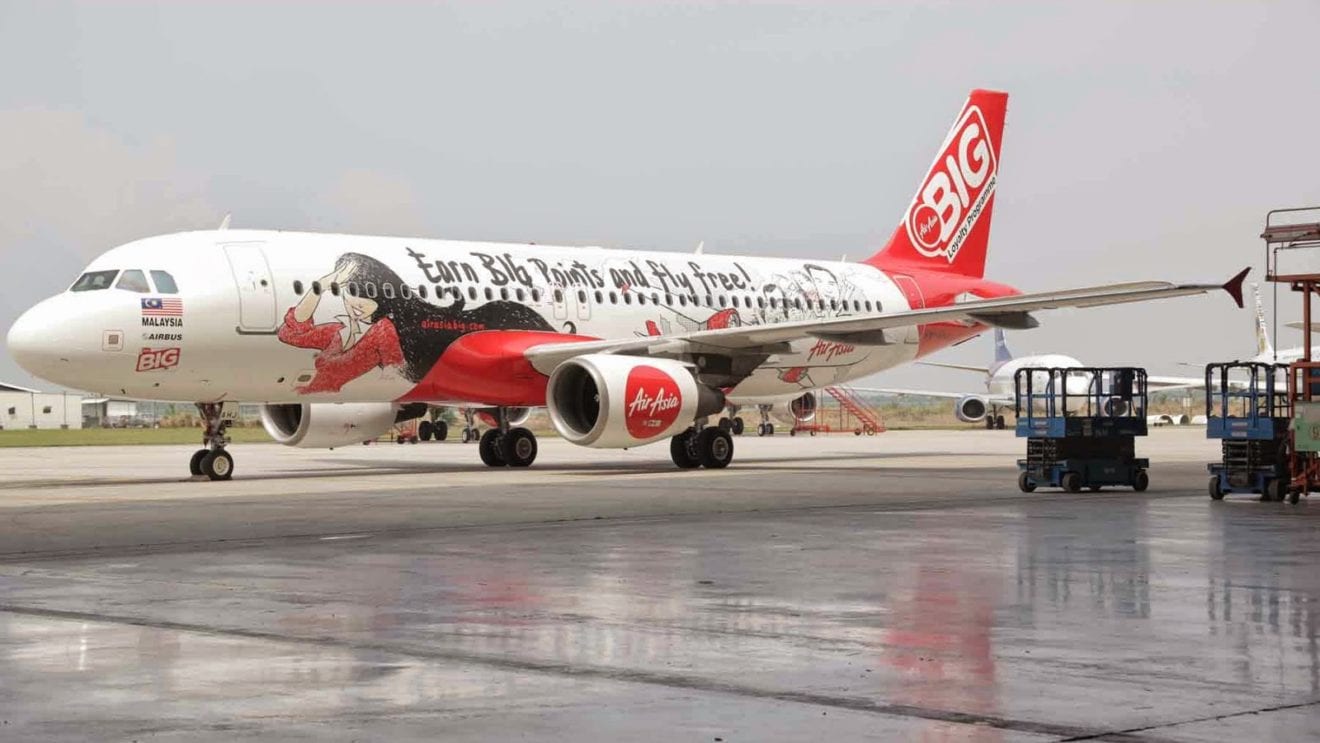
    AirAsia Bhd’s 49% affiliate PT Indonesia AirAsia (IAA) has received a letter from Indonesia’s Transport Ministry laying out terms for it to ensure a positive equity position by July 31.

    In a filing with Bursa Malaysia yesterday, the low-cost carrier said it was going through the letter and intended to meet with the ministry.

    It said the letter had no immediate effect on the Indonesian operations and that the airline would at all times continue to operate within the ambit of Indonesian laws.

    A recent report by The Jakarta Post said 13 airlines in Indonesia had until July 31 to move their balance sheets into positive figures, in order to avoid having their operating permits suspended.

    The ministry discovered that these airlines had negative equity, which occurred when the value of an asset used to secure a loan was less than the outstanding balance on the loan.

    Indonesia’s Transportation Minister Ignasius Jonan was reported recently as saying it was important for airlines to maintain positive equity, as it affected an airline’s financial ability to maintain safety standards.

    Under the new regulations, planes with a capacity of 70 seats or more must have a paid-up capital of 500 billion rupiah (RM143.4mil).

    Credit Suisse aviation analyst Muzhafar Mukhtar said this development would raise the local capital injection into IAA by 25%, and limit the potential forms in which it may come.

    “AirAsia has been working on raising for IAA US$86mil in equity from local partners and US$100mil in convertible bonds from new investors. IAA’s negative equity is US$230mil. The convertible bonds can be replaced with convertible preference shares.

    “AirAsia could also convert amounts owed to it into equity; locals need to stump up the remaining to maintain majority local ownership. Either way, capital required from locals is higher than previously thought,” said Muzhafar in a report.

    He also warned that if IAA’s operating permit was suspended, it might mean the closure of the airline.

    However, Muzhafar opined that a closure of IAA should be very positive for AirAsia shareholders in the longer run, although there would be a period of transition – keeping sentiment negative (up to 75 sen per share of amount due from IAA could be written off; reported profits would decline as lease income from IAA disappeared).

    Maybank Kim Eng Research analyst Mohshin Aziz said it was unlikely that Indonesian regulators would force abrupt compliance with the equity regulation, and cause the loss of thousands of jobs.

    “Which government wants to do this (cut thousands of jobs)? Out of the 13 affected airlines, I believe more than half would find it very difficult to comply. The Indonesian regulators are likely to give some concessions with regards to compliance,” said Mohshin, who also opined that equity should have no bearing on airline safety.

    “Of course, an equity positive company would give a better feeling of comfort. But in reality, safety rather depends on the airline’s discipline, procedures, etc, etc.”

    Another bank-backed aviation analyst said he believed IAA had a good chance of fulfilling the Indonesian regulation on positive equity.

    “It is just a question of pumping in money, and IAA management has been optimistic.”

    However, the analyst was less certain about IAA’s plans on its financial turnaround.

    “The Indonesian market is unique – there is relatively much less access for consumers via the Internet, and it is not easy to manage seats,” said the analyst.

    AirAsia closed unchanged at RM1.49 yesterday, with a market capitalisation RM4.15bil.

  • ‘Team Singapore one for all’ $15m tourism spend

    ‘Team Singapore one for all’ $15m tourism spend

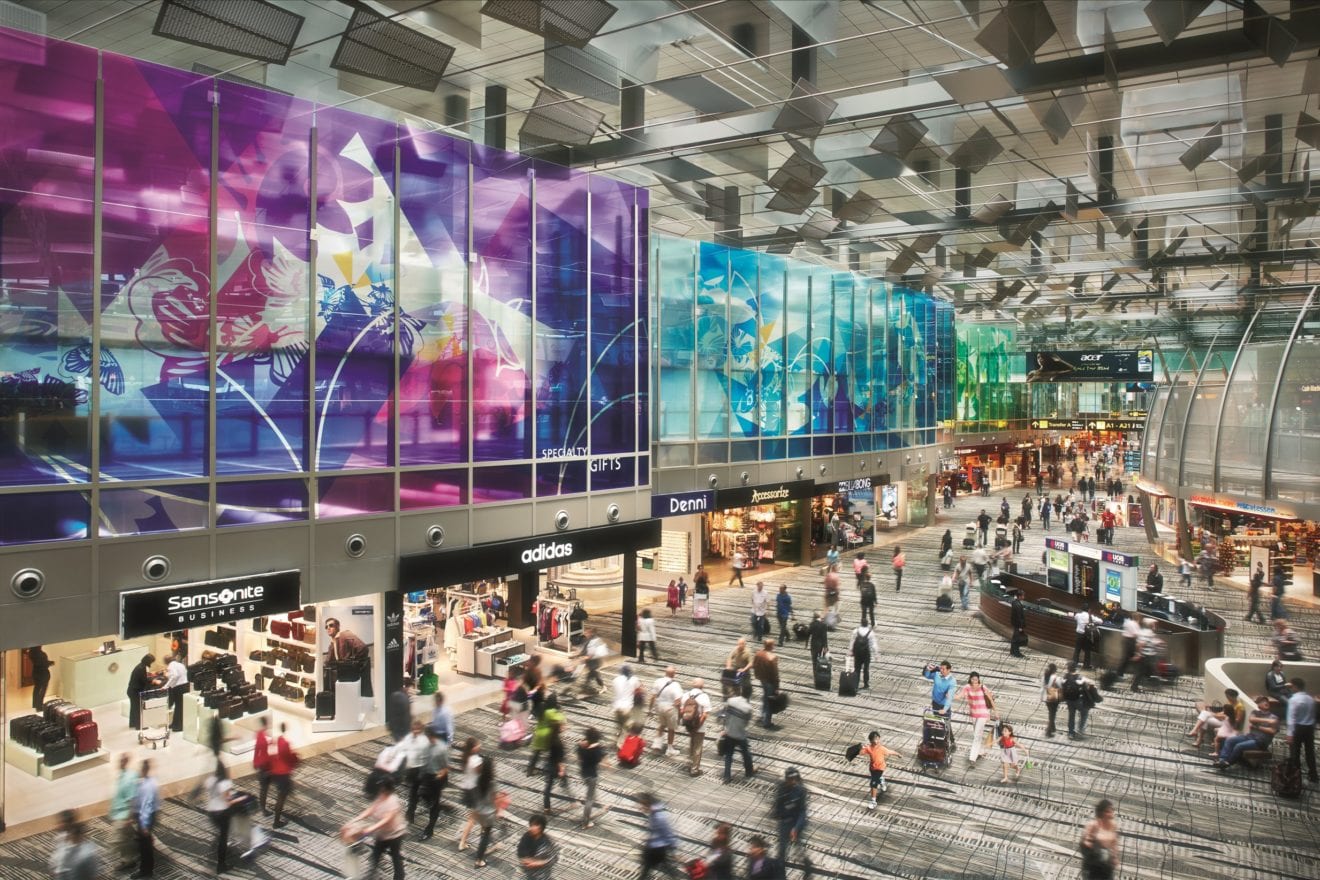
    Singapore Changi Airport, Singapore Airlines and the Singapore Tourism Board are to invest S$20m ($14.8m) on a coordinated effort to encourage more visitors to engage in leisure, business and MICE activities.

    All three parties have agreed a two-year partnership aimed at enriching Singapore’s appeal to more visitors through an enhanced and coordinated approach, involving the country’s national airline, its leading airport and the destination as a whole.

    The 15 ‘visitor markets’ that are initially being targeted with this new ‘one for all’ approach include Australia; China; Germany, Hong Kong; India; Indonesia; Japan; Korea; New Zealand; the Philippines; Taiwan; Thailand; Vietnam; the US; and the UK.

    In a joint statement, the trio say that they hope to refine the Singapore experience to leisure visitors coming to and through Singapore and Changi Airport, along with intensified direct marketing efforts to consumers and through trade partnerships.

    In addition, the partnership is also investing some of its money to increase marketing investment aimed at business travellers and MICE (Meetings, Incentives, Conventions and Exhibitions).

    Singapore Airlines CEO, Goh Choon Phong said: “This partnership demonstrates our commitment to further developing our home base as a travel hub and promoting Singapore as a destination of choice. We are pleased to continue working closely with STB and CAG and draw on our respective strengths, to promote sustainable growth of inbound travel to and through Singapore.”

    Lee Seow Hiang, CEO of the Changi Airport Group added: “One of the key initiatives in this collaboration is developing and enhancing joint programmes that will contribute towards strengthening the global mindshare and perceptions of both Singapore and Changi Airport.

    “We look forward to working together to leverage our collective strengths and insights and to amplify our efforts to promote the Singapore experience.”

    Adding his comments, Lionel Yeo, CEO of the Singapore Tourism Board said: “Our airline and airport are an integral part of the Singapore experience. The new product offerings demonstrate SIA, CAG and STB’s commitment to provide today’s discerning travellers with a more seamless and in-depth experience.

    “To constantly refresh and add value to the visitor experience, it is essential for the industry to rally together; STB looks forward to more partnerships with the industry.”

    The three partners says that one of the ‘key highlights’ of this new initiative is the introduction of the Stopover Premium package which is an upgraded version of the Singapore Stopover Holiday. They say this is the latest in the three partners’ ongoing efforts to create more distinctively targeted experiences for travellers with different needs to enjoy Singapore more fully as a destination.

    This is being aimed at both premium leisure and business travellers and includes stays in selected five-star hotels with breakfast and Wi-Fi, priority hotel check-in services and private transfers (for ‘Club’ room stays).

    Other exclusive ‘privileges’ include spa discounts or shopping vouchers and access to a variety of premium leisure experiences across the island (first and business class passengers only).

    The partnership is also offering a ‘refreshed’ and enhanced Free Singapore Tour, aimed at taking transit passengers on a free guided tour of Singapore’s heritage attractions and city skyline.

    The new programme now boasts longer itineraries, more iconic landmark sights, photo stops and additional tour timings. The Singapore Tour has proved hugely popular over nearly three decades, with more than one million visitors taking advantage of the offering since it was first introduced 28 years ago in 1987.

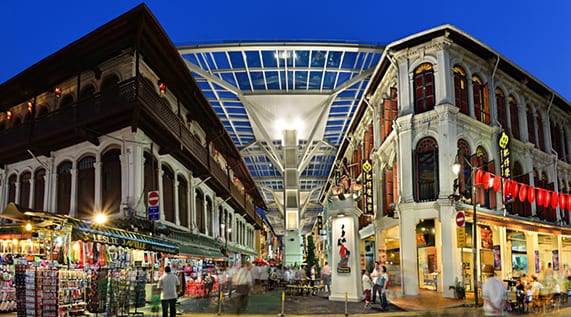
    It currently includes several attractions (see below) including Little India, Chinatown, the Colonial District, the main business district and many other attraction.

  • HSBC aims to be the leading international bank in Singapore

    HSBC aims to be the leading international bank in Singapore

    As HSBC moves to reduce costs and reverse declining profits, it says Singapore will remain one of the group’s priority markets in its pivot to Asia.

    The banking giant says it plans to cut about 50,000 jobs, sell its operations in Brazil and Turkey, and have a return on equity of more than 10 per cent by 2017.

    In its Tuesday investor update for 2015, HSBC also outlines a strategy to increase its presence in South-east Asia and China’s Pearl River Delta within the next 10 years.

    The bank notes that Singapore is a leading financial centre in Asia. HSBC aims to “become the leading international financial services provider in Singapore” in the long term, with emphasis on Financial Institutions Group (FIG) clients and large regional and global corporates. It will locally incorporate the retail business here, focus on the affluent segment and expand its private banking business to capture cross-border wealth flows.

    HSBC was one of the seven banks named by the Monetary Authority of Singapore last month as being “systemically important”, but has yet to locally incorporate its retail operations as required under the additional supervisory measures.

    The bank’s Asean strategy recognises the significant growth in loans and advances in the region between 2009 and 2014. HSBC saw this rise by 15 per cent in Singapore, reaching US$32 billion last year. This is more than twice the amount in Malaysia, and compares relatively well with mainland China, which had US$38 billion.

    Hong Kong loans and advances grew 17 per cent to reach US$214 billion.

    HSBC is among the top five banks in Singapore, based on market share in deposits and loans and advances to customers, with a loan market share of 3.6 per cent. In the past year, it opened two local branches in a bid to boost its retail business, bringing the total count to 11.

    HSBC would have to compete with other banking leaders, including DBS and Standard Chartered, as it also aspires to be one of the top five banks in South-east Asia.

    The bank highlighted its “unique position” in Asean, noting that it is the world’s third fastest-growing trade zone, and home to a large emerging middle class and some of the fastest-growing cities. HSBC has more than 180 branches in Singapore, Malaysia and Indonesia combined, and sees itself as one of the “leading foreign banks” in these priority markets.

    The bank expects “significant growth opportunity” in South-east Asia, with wealth creation to grow 3.6 times by 2030.

  • Swissotel to Enter Indonesian Market; Signs New 170-Room Resort in Bali

    Swissotel to Enter Indonesian Market; Signs New 170-Room Resort in Bali

    Swissotel Hotels & Resorts, a leading brand in the FRHI Hotels & Resorts (FRHI) portfolio, today announced that it has entered into an agreement with resort developer PT. Bali Ragawisata to manage Swissotel Bali, a new 170-room resort scheduled to open in late 2017.

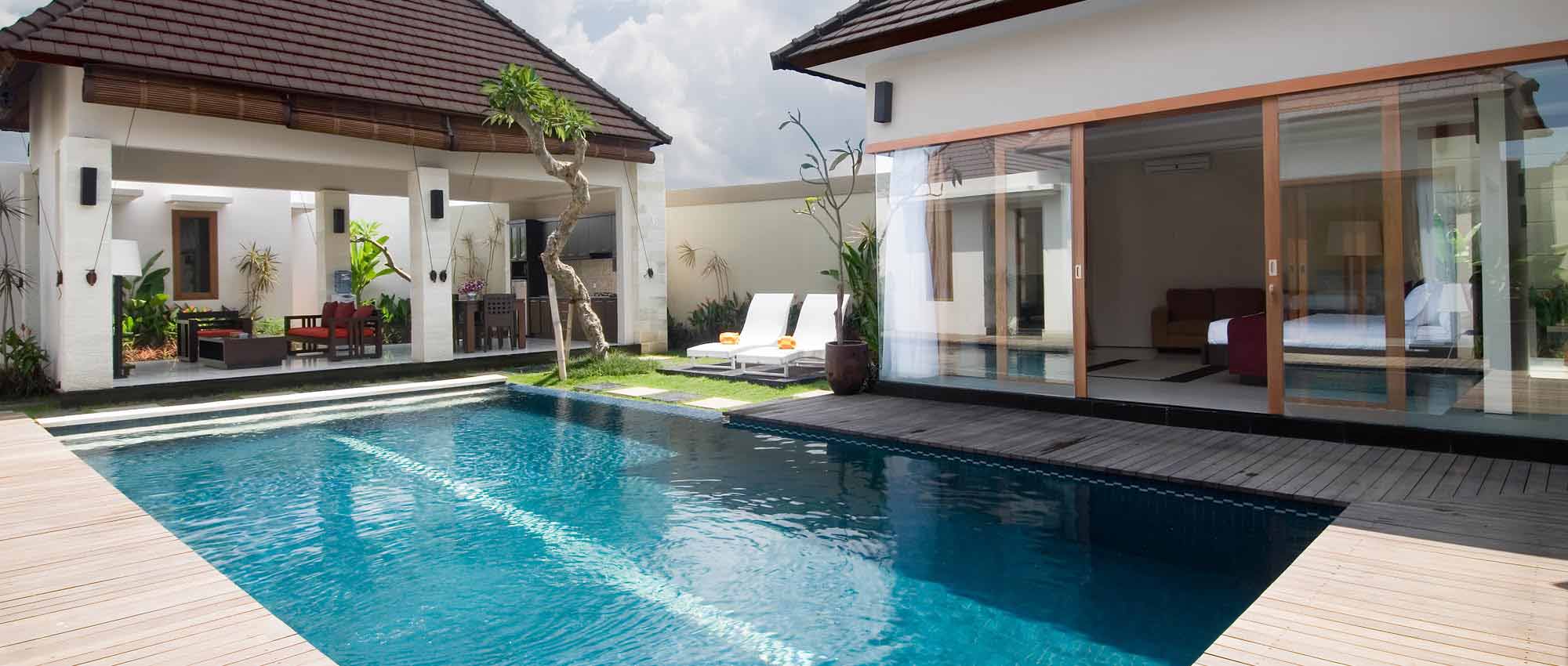
    Situated on a striking cliff top in Bukit Pandawa, an expansive and upscale master-planned resort development, Swissotel Bali will enjoy an enviable location on the island, mere minutes from top attractions favoured by international jet-setters and a short drive from the Ngurah Rai (Denpasar) International Airport.

    Designed by TONTON Studio, a leading design firm with extensive experience in high-end hotel development across Indonesia, the resort will offer scenic views of the Indian Ocean from stunning guestrooms featuring spacious outdoor balconies. Completing the guest experience will be a private beach club, four exquisite dining outlets including a spectacular bar, the brand’s signature Purovel Spa & Sport, and 400 square metres (4,300 square feet) of indoor meeting space with outdoor function areas.

    “This is an exciting new addition for the Swissotel brand and a perfect complement to our company’s growing portfolio of city and resort destinations throughout Asia and worldwide,” said Wayne Buckingham, senior vice president, Asia Pacific, FRHI Hotels & Resorts. “In keeping with Swissotel’s brand promise of promoting quality in life, the resort will offer a very inspiring atmosphere which will be bolstered with local attributes authentic to the locale. To be pairing an unbelievable resort product with the natural paradise that is Bali is nothing short of magic.”

    “We are extremely pleased to be partnering with FRHI on this new Swissotel resort project and look forward to working with them to create a truly world-class property,” said Djie Tjian An, PT. Bali Ragawisata. “Bali is a thriving holiday destination popular with travellers from all over the world who are looking for the ultimate mix of relaxation, adventure and cultural flair; Swissotel will deliver against this and more.”

    Located between Java and Lombok, Bali is an island with a population of 3.9 million. It is one of Asia’s leading vacation hotspots and the largest tourist destination in the country, recording more international arrivals than Jakarta, the capital city of Indonesia. In addition to its world-famous beaches, Bali is renowned for its highly developed arts, including traditional and modern dance, sculpture, painting, leather, metalworking, and music.

    Swissotel Hotels & Resorts, renowned for its Swiss inspired hospitality, is extending its international reach with plans to open a number of new developments in the coming years. Projects are slated for China, India, Russia and Turkey as well as other exciting destinations globally.

    About Swissotel Hotels & Resorts

    Conveniently located where travellers want to be, Swissotel Hotels & Resorts provides guests with the opportunity to stay in the heart of more than 30 top locations worldwide, where they can confidently explore the very best each destination has to offer. Synonymous with all there is to love about Switzerland, the brand remains true to its roots, successfully combining genuine Swiss hospitality with intelligent design and local flair. With social responsibility at the forefront and a genuine commitment to positively impact the destinations it calls home, every Swissotel upholds industry-leading sustainability standards and is committed to treating guests, colleagues, and the environment with equal respect. This all comes together to provide guests with peace of mind that is authentically Swiss. Part of FRHI Hotels & Resorts, a leading global hotel company that also operates the Fairmont and Raffles brands, the Swissotel portfolio offers business and leisure guests an authentic and local travel experience that is full of energy, passion and vitality. For more information or reservations, please visit swissotel.com.

  • Tesco’s South Korea empire draws interest from private equity giants

    Tesco’s South Korea empire draws interest from private equity giants

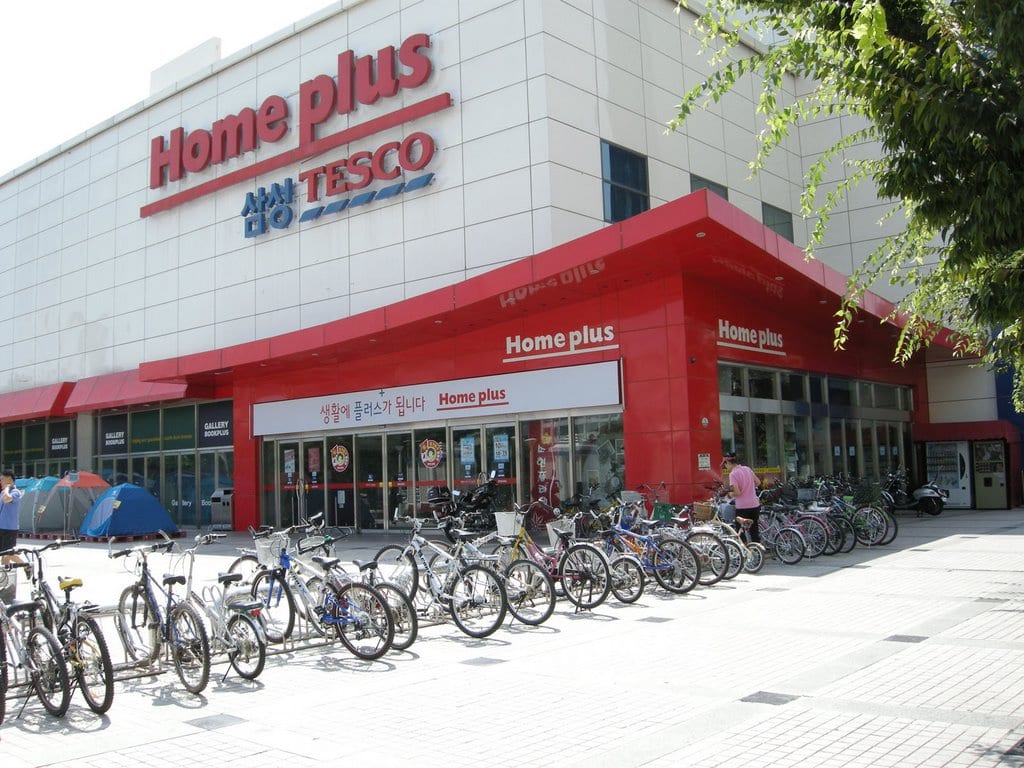
    KKR and Carlyle, the US private equity firms, have been invited to bid for the Asian business, which trades as Homeplus, while London-based CVC Capital Partners has also been asked to bid.

    The decision to sell the South Korean stores comes as the retail giant’s chief executive Dave Lewis looks to streamline the business, to concentrate on its core UK shops and raise cash.

    After two decades of uninterrupted growth, Tesco has been struggling after it became distracted by overseas expansion and failed to spot the threat of discounters like Aldi and Lidl.

    The retailer is now looking to slash capital spending, as well as fund a vicious supermarket price war and put more people on the shop floor.

    Hong Kong-based Affinity Equity Partners and Asia-focused MBK Partners were also invited to bid, and Hyundai Department Store, which is separate from the car maker, said today that it was considering bidding.

    Tesco, advised by HSBC, has asked for indicative bids later this month.

    If the sale is achieved it would be Asia’s biggest private equity deal and the region’s second biggest consumer deal ever. Sovereign wealth funds could be involved in the financing of it, given the size of the sale.

    Homeplus is Tesco’s largest business outside Britain, with more than 400 stores, 500 franchise stores and over six million customers a week.

    But the business has been under some pressure, with falling like-for-like sales for the last two years.

    Tesco is also selling its £1 billion Dunnhumby data business, and has already sold its Blinkbox digital entertainment service and Tesco Broadband to TalkTalk for an undisclosed sum.

  • Matahari Hypermart marks 111

    Matahari Hypermart marks 111

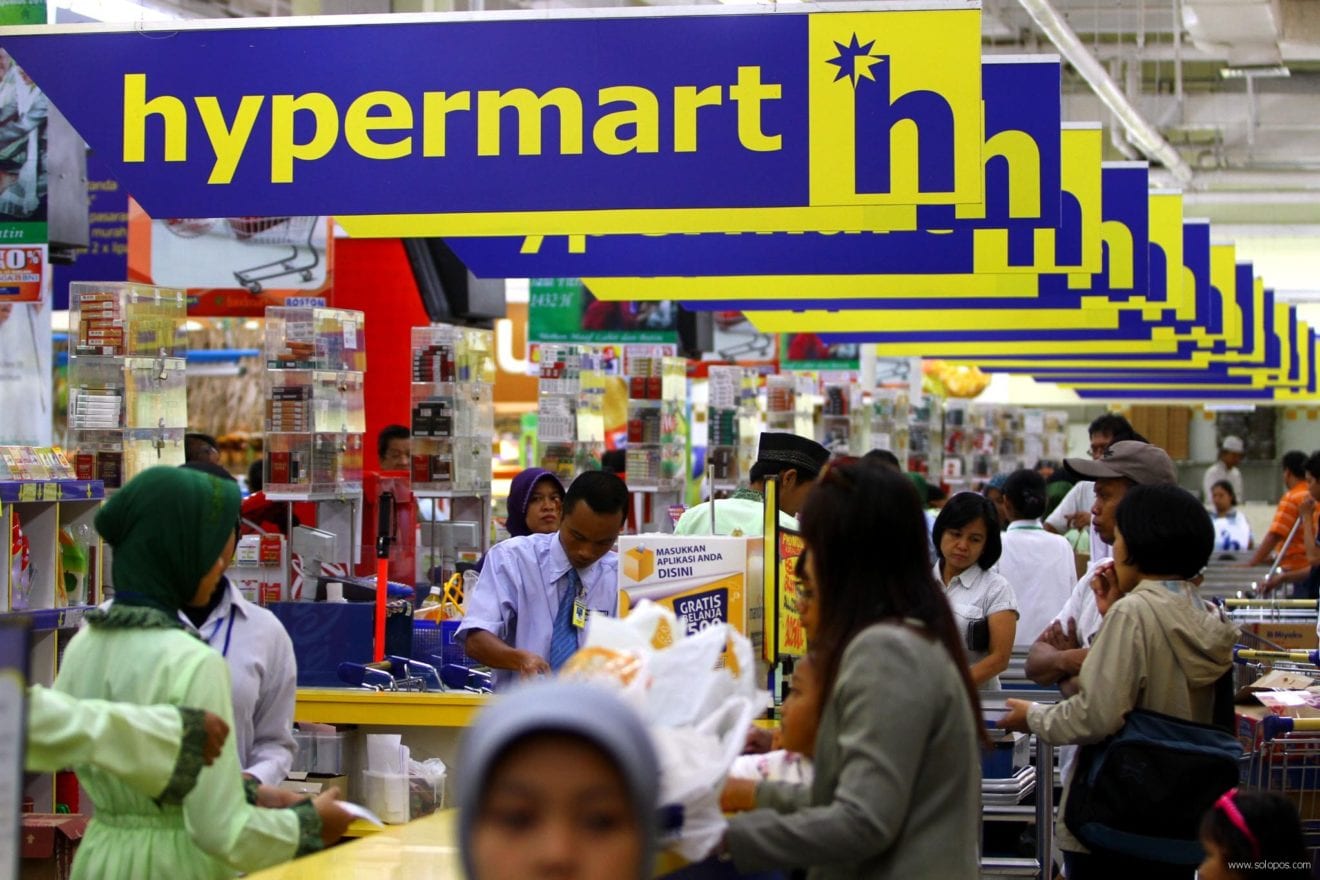
    Matahari Putra Prima has opened its 111th hypermarket, at Lombok Epicentrum Mall, Mataram

    Director of communications and PR, Danny Kojongian, says the new Matahari Hypermart features the new G7 design concept the company is rolling out across its hypermarkets in Indonesia.

    The decision to open in Lombok is due to rising consumer spending in Indonesia’s east.

    “This outlet is expected to follow the success of the previous Hypermart outlet which is also located in Mataram, Lombok,” he said in a statement.

    “With the development of tourism and infrastructure projects underway, Lombok has a huge potential to grow rapidly.

    “With the latest G7 concept, this Hypermart store expected to be a main shopping destination for daily and monthly needs that offers comfort and leading-edge services to customers.”

    Matahari is a multi-format modern retailer in Indonesia which operates Hypermart, Foodmart and Boston Health & Beauty branded stores.

    In line with the G7 concept, the new store features a new style of gondola shelving with wider aisles to allow easier navigation for customers, and a larger fresh area than previous stores. The fashion and beauty departments are upgraded and expanded to fit the evolving consumers’ lifestyles. Bakery, Ready to Eat, Fresh Food, Bulk Food, Home and Living categories are all also expanded and offer a wider range of products with modern concepts. In the operation, the outlet is engaged with the concept of environmentally friendly by using LED technology.

    Today (July 2) Matahari will also reopen its outlet in Bali Galeria. Hypermart Bali Galeria will adopt the latest concept of G7 to follow the modern lifestyle of the locals and tourists.

  • Sanrio Partners with Universal Parks & Resorts for New Hello Kitty® Retail Store Concept

    Sanrio Partners with Universal Parks & Resorts for New Hello Kitty® Retail Store Concept

    Sanrio, the global lifestyle brand best known for beloved pop icon Hello Kitty, and Universal Parks & Resorts have announced their partnership to develop Hello Kitty interactive retail experiences
    scheduled to open later this year at Universal Orlando Resort and in the future at Universal Studios Hollywood.

    This will mark Hello Kitty‘s official retail debut at theme parks in North America and offer specialty merchandise including stationery, home goods, apparel, accessories and collectibles. The majority of merchandise will be devoted to Hello Kitty; Sanrio properties Chococat®, My Melody®, Badtz-Maru®, Purin™ and Keroppi® will also have a presence. Hello Kitty confectionery and specialty co-branded Hello Kitty Universal park-exclusive products will also be available.

    The Hello Kitty stores at Universal Studios will also offer enhanced interactive retail experiences. Customers can shop for custom designed merchandise, enjoy photo opportunities with Sanrio properties, create souvenir versions of Hello Kitty‘s signature bow, and even meet Hello Kitty herself.

    “Our partnership with Universal brings Sanrio’s experiential entertainment presence to a new level,” said Janet Hsu, President and COO of Sanrio, Inc. “We look forward to this introduction into Universal theme parks to offer new connection points to Sanrio fans of all ages.”

    Sanrio’s partnership with Universal Parks & Resorts highlights the brand’s continued expansion into lifestyle entertainment. Recent projects include the successfully unprecedented ‘Hello Kitty Con’ fan convention and ‘Hello! Exploring the Supercute World of Hello Kitty’, a record-breaking museum exhibition at the Japanese American National Museum in Los Angeles. Hello Kitty’s Supercute Friendship Festival, a live entertainment show and interactive fan festival that has reinvented the concept of a live character show, is currently touring select cities in the U.S. and Canada. Sanrio’s unique approach to lifestyle entertainment has proven to be a highly effective way of connecting with their legions of fans of all ages across the country.

    About Sanrio
    Sanrio is the global lifestyle brand best known for pop icon Hello Kitty, who recently celebrated her 40th Anniversary.  Home to many endearing characters including Chococat, My Melody, Badtz-Maru and Keroppi, Sanrio was founded on the ‘small gift, big smile’ philosophy – that a small gift can bring happiness and friendship to people of all ages. Since 1960, this philosophy has served as the inspiration for the broad spectrum of unique products and experiences.  Today, more than 50,000 Sanrio-branded items are available in over 130 countries and upwards of 15,000 U.S. retail locations including department, specialty, national chain stores and over 80 Sanrio boutiques. For more information please visit www.sanrio.com and www.facebook.com/hellokitty.

    About Universal Parks & Resorts
    Universal Parks & Resorts, a unit of Comcast NBCUniversal, offers guests around the globe today’s most relevant and popular entertainment experiences. With three-time Academy Award winner Steven Spielberg as creative consultant, its theme parks are known for immersive experiences that feature some of the world’s most thrilling and technologically advanced film- and television-based attractions. Comcast NBCUniversal is a global media and technology company that owns and operates a valuable portfolio of news, sports and entertainment networks; Universal Pictures, a premier motion picture company; significant television production operations; a leading television stations group; and world-renowned theme parks.

    Comcast NBCUniversal wholly owns Universal Studios Hollywood, which includes Universal CityWalk Hollywood. It also owns Universal Orlando Resort, a world-class destination resort featuring two theme parks (Universal Studios Florida and Universal’s Islands of Adventure), four resort hotels, and Universal CityWalk Orlando.  Comcast NBCUniversal also has license agreements with Universal Studios Japan in Osaka, Japan and Universal Studios Singapore at Resorts World Sentosa, Singapore.  In addition, Comcast NBCUniversal has recently announced plans for a theme park in Beijing and an indoor theme park to be developed as part of the Galactica Park project in Moscow.

  • Strong Visitor Figures for Regional Duty Free and Travel Retail Event

    Strong Visitor Figures for Regional Duty Free and Travel Retail Event

    TFWA Asia Pacific Exhibition & Conference 2015, the 20th event for the duty free & travel retail industry in Asia Pacific, closed on 14th May in Singapore after a very successful week.

    With occupied exhibition space topping previous years at 9,118 m2 – up 9% on 2014 – and 292 exhibiting companies present (+12%), of which 73 were new to the show, there was a huge variety of products on display for the benefit of visiting buyers and agents.

    Visitor numbers were considered satisfactory by organisers TFWA in a year which has been challenging for the duty free and travel retail industry, with aviation accidents, a new approach to gift giving and luxury consumption among the all-important Chinese travellers, financial instability and political tension in several countries and the resulting slowdown in the growth of air passenger traffic.

    A total of 2,655 trade visitors attended the show, equivalent to last year, from 1,053 companies (+3%) of which more than a third were “key buyers” – duty free & travel retail operators and landlords from airports, airlines, ferry and cruise companies, cross-border and downtown duty free stores.

    “I was very impressed by the quality of the stands, the assortment of products on display and the energy around the show,” said Erik Juul-Mortensen, President TFWA. “This year has not been easy for the industry in this region and, in light of that, we are really very satisfied with the number of companies present and the quality of the visitors.”

    Duty free & travel retail sales in the Asia Pacific region in 2014 totalled US$23.6 billion, up 5.5% on the previous year, according to provisional figures from independent analysts Generation Research, which ranks the region top in the global industry with 38% of total sales. The second largest region is Europe, followed by Americas, Middle East and Africa.

    Forthcoming events organised by TFWA include TFWA World Exhibition & Conference from 18th to 23rdOctober 2015 in the Palais des Festivals, Cannes and the Middle East & Africa Duty Free Association Conference from 22nd to 24thNovember 2015 at the King Hussein Bin Talal Convention Centre, Dead Sea, Jordan. Details of these events can be found at https://www.tfwa.com.


  • China cuts retail oil prices

    China cuts retail oil prices

    The prices of gasoline and diesel in China will respectively be cut by 110 yuan and 105 yuan (18 U.S. dollars) per tonne, the National Development and Reform Commission (NDRC), China’s top economic planner, said in a statement Monday.

    The adjustment will come into effect Tuesday. The benchmark retail price of gasoline will drop by 0.08 yuan per liter and that of diesel by 0.09 yuan.

    Prices of refined oil products in China are adjusted when international crude prices translate into a change of more than 50 yuan per tonne for 10 working days.

    Crude prices fell last week, weighed on concerns of oversupply after the Organization of the Petroleum Exporting Countries (OPEC) decided to keep its daily output at 30 million barrels for the next six months.

    The NDRC has reduced oil prices for four times and raised them five times this year, tracking changes in international crude oil prices.

  • Retail Sales Hit Hard by MERS

    Retail Sales Hit Hard by MERS

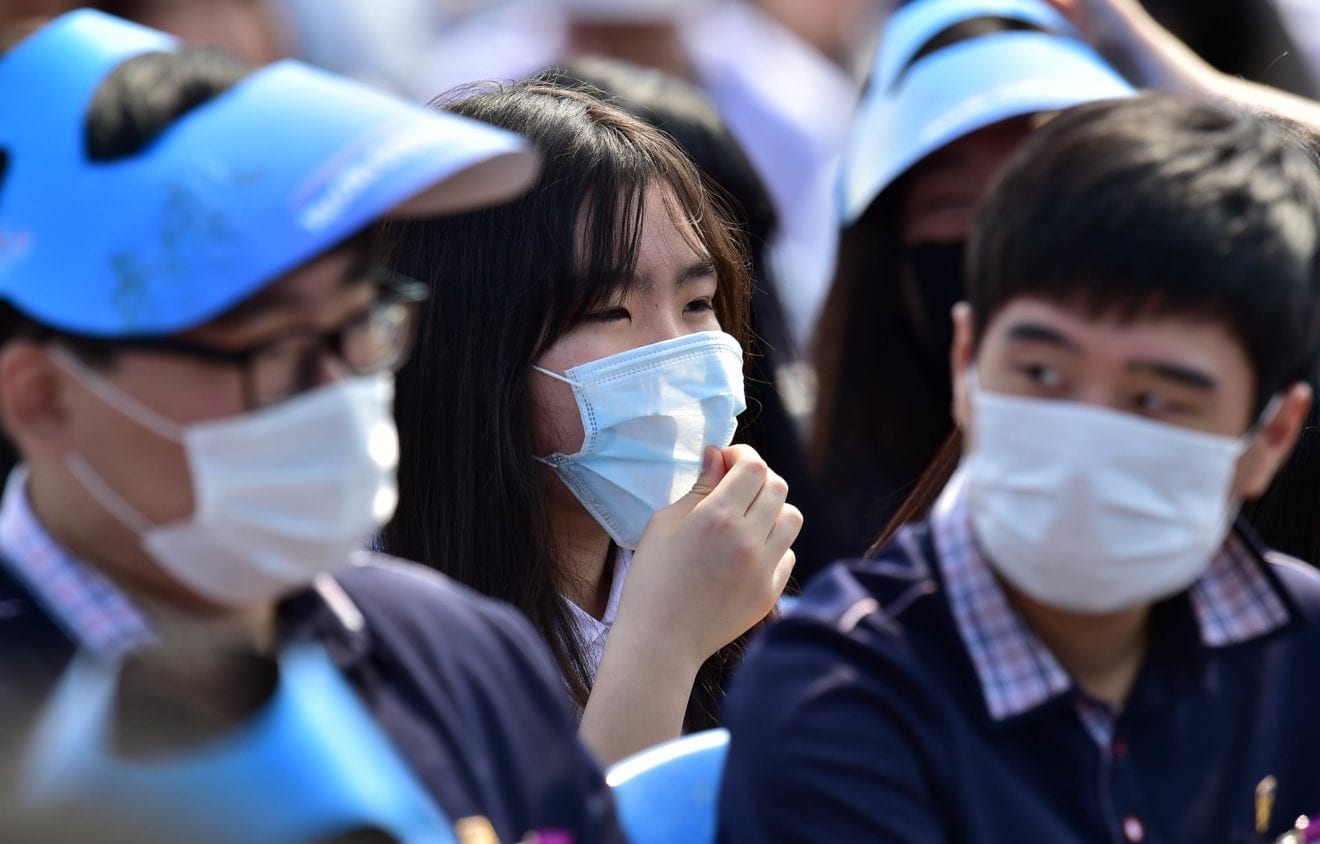
    The ripple effect of the Middle East respiratory syndrome (MERS) is spreading throughout Korea’s retail industry, including department stores, discount stores, restaurants, and cosmetic shops.

    Amid rising concerns about possible infection by the MERS virus, an increasing number of consumers are avoiding crowded places, dealing a blow against the sales of offline stores, including department stores.

    As the MERS crisis prolongs, the number of foreign tourists, including Chinese ones, declines, giving a negative impact on the cosmetics industry. According to industry sources on June 5, Lotte Department Store suffered an 8.4-percent decline in sales during the period from June 1 to 4, compared to a year ago.

    Shinsegae Department Store also suffered a 3.7-percent decline in sales during the same period. E-Mart, the largest discount store in Korea, recorded a 7.8-percent plunge in sales during the period. In particular, its outlet in Dongtan and Pyeongtaek, in southern Gyeonggi Province where the highest number of MERS cases were reported, suffered a 19.7-percent and a 16.2-percent plunge in sales during the period.

  • Qantas still positive about Jetstar’s Asian growth plans

    Qantas still positive about Jetstar’s Asian growth plans

    Jetstar’s Asian division reported an underlying loss before interest and tax of $33 million in the first half of the financial year.

    Qantas Airways has no plans of abandoning its investment in Jetstar’s Asian arms despite disappointing returns to date because the growth potential is so big, says Qantas chief executive Alan Joyce.

    All of the airline’s other divisions are expected to report returns exceeding their cost of capital this financial year, amid forecasts the carrier could report an underlying pre-tax profit approaching $1 billion. But Jetstar’s Asian division, including businesses in Singapore, Japan, Vietnam and Hong Kong, reported an underlying loss before interest and tax of $33 million in the first half of the financial year.

    “What we are investing in Asia for the group, it is a very small amount of capital,” Mr Joyce said on Sunday on the sidelines of the International Air Transport Association annual meeting in Miami. “It is done in a very capital-light way. So for the group to get its cost of capital, this year as an example, [Jetstar in Asia] won’t return its cost of capital but the overall group will. For us these are low capital cost investments for huge growth potential.””For us these are low capital cost investments for huge growth potential.”: Qantas boss Alan Joyce.

    Mr Joyce noted the Asian market is the fastest-growing aviation market in the world, and said he believed it would eventually become the most profitable aviation market in the world. Qantas has invested in Jetstar’s Asian arms through joint ventures with local shareholders.

    Jetstar Group chief executive Jayne Hrdlicka said Singapore-based Jetstar Asia an Vietnam-based Jetstar Pacific are expected to be profitable in the second half of the financial year.

    “Significant capacity has come out of the [Singapore] market post the FY14 results,” she said. “Everybody did it tough with too much capacity coming into the market. So that has rationalised. A little bit of it is starting to come back in because the Singapore dollar is so strong. But we are very confident that the outlook will improve.

    In the meantime, Jetstar Japan remains loss-making and Jetstar Hong Kong has yet to receive long-delayed government approvals to begin flying and it has sold all but one of its original nine aircraft.

    Ms Hrdlicka admitted Jetstar had misjudged the ease of gaining regulatory approvals in Hong Kong.

    “Our expectations were not lined up with the reality of the way this government is making decisions in Hong Kong,” she said.

    But she said fellow Jetstar Hong Kong shareholders China Eastern and Shun Tak Holdings were more “patient and longminded”, especially now that the Hong Kong government has committed to a third runway at the busy Hong Kong International Airport.

    “The other aspect that is brewing confidence in our shareholders is the Hong Kong economy needs the tourism flows into Hong Kong,” she said. “Chinese tourism is significantly down. For some retail sectors in Hong Kong, they are off by 30 per cent. So that flow of customers who need low fares to make Hong Kong affordable, to have the Hong Kong experience is really important to the Hong Kong economy and supports the Hong Kong people.”

  • Zooming in on market niches lets Maybank flourish

    Zooming in on market niches lets Maybank flourish

    Navigating Singapore’s crowded banking landscape is not easy, and Maybank’s retail banking unit says it needs to be nimble by zooming in on market niches.

    The bank last month launched a Maybank Save Up programme tailored for young workers in Singapore after noticing that many are increasingly keen on financial planning.

    And, noting that young children are often neglected by lenders, it launched last September the Maybank Family Plus programme to encourage parents to help kids save.

    Maybank is also focusing on long-term relationships and on catering to customers’ needs at every stage of their lives.

    “I think (Singapore) is probably one of the most highly- banked markets, even for retail,” said Mr Choong Wai Hong, the bank’s head of community financial services. “But that said, I find the Singaporean consumers, the account holders, they are quite savvy.”

    In an interview with The Straits Times on Thursday, he said consumers are often willing to snap up new products and services. “Their sensitivity to change, to go for a product, is quite high. So if you can find the right market niche for them, the willingness to move is quite high”.

    What Maybank does in Singapore is closely-watched by rival lenders as it is one of the very few foreign banks with a large retail presence here.

    Its three entities in Singapore – Maybank, Maybank Kim Eng brokerage and Etiqa Insurance – employ 2,400 staff.

    Singapore’s central bank last month named Maybank one of the inaugural seven “domestic systemically important banks” in the Republic.

    The seven each has a significant impact on the financial system’s stability and proper functioning of the broader economy, the Monetary Authority of Singapore said.

    The three domestic lenders in the list are DBS Bank, OCBC Bank and United Overseas Bank. And apart from Maybank, the other foreign banks are Citibank, Standard Chartered and HSBC.

    Maybank has 22 full-service branches in Singapore – the largest for a foreign bank here, but nowhere near the hundreds of branches operated by the three local lenders.

    It is sometimes known as the “time deposit bank”, owing to its competitive retail deposit rates. Mr Choong said Maybank has 10 per cent to 11 per cent share of the time deposit market in Singapore.

    Its other strength is in the vehicle loan market where it has a 22 per cent market share.

    The Maybank group in Singapore last week reported profit before tax for the first quarter of $93.75 million, down from $110.9 million a year earlier.

    Asked about its retail lending profile, Mr Choong said the major segments are about 45 per cent in mortgages, 18 per cent in auto loans, 22 per cent in retail small and medium enterprises and commercial loans. Other consumer loans make up the other 15 per cent.

    Maybank, he said, has an advantage that other foreign banks here might not have – the group offers the full spectrum of services including retail banking, Maybank Kim Eng brokerage, Etiqa Insurance and Maybank Private Wealth.