Category: General

Retail News Asia is committed to providing both local and global retailers with the latest General Retail news throughout the Asian market. This on a daily base.

  • Singapore retail sales remain subdued, but show signs of recovery

    Singapore retail sales remain subdued, but show signs of recovery

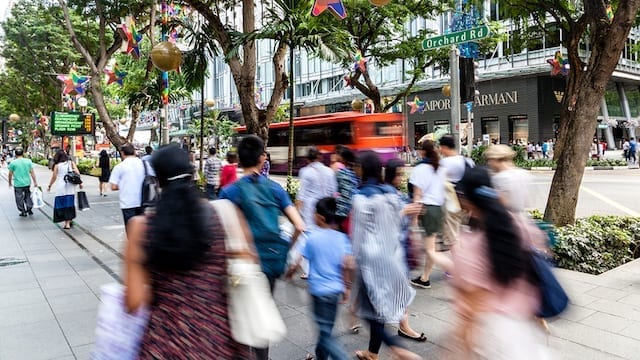
    Singapore retail sales – excluding motor vehicles – continued to decrease in August, but at a slower pace compared to the previous months.

    The city-state saw a 1.5 percent drop in retail sales for the month, a slight improvement from the 2.3 percent reduction in July and 3.1 percent decline in June.

    According to the Department of Statistics, the total value of retail sales was about SG$3.5 billion (US$2.7 billion), of which 14.1 percent were from online retail sales.

    Within the retail trade sector, wearing apparel & footwear reported the biggest drop in sales – at 6.7 per cent, followed by department stores with a 6.2 per cent decrease. The remaining majority also saw poorer results, such as petrol service stations, optical goods & books, and recreational goods.

    The food and alcohol sector swung against the trend with an 8.1 percent increase. Retailers of cosmetics, toiletries, and medical goods and supermarkets and hypermarkets also enjoyed improvements of 3.1 percent and 2.2 percent, respectively.

  • Gmail revamps summary cards to streamline email organization

    Gmail revamps summary cards to streamline email organization

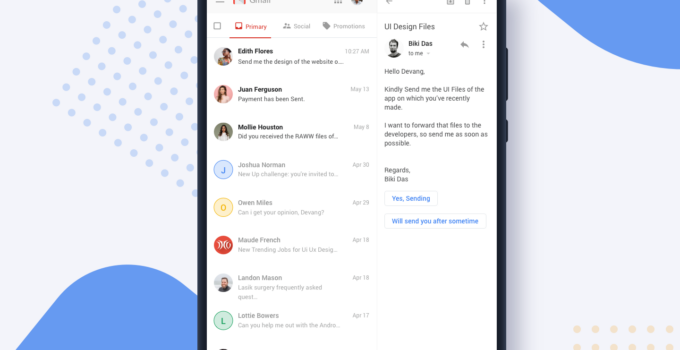
    Google is making significant changes to its Gmail summary cards, aiming to make it easier for users to manage the constant flow of information that arrives in their inboxes. These updates are designed to provide a more streamlined and efficient way to access crucial details from emails related to purchases, events, bills, and travel.

    For many years, Gmail has used summary cards to display essential information at the top of emails. These cards have provided a quick snapshot of the content, but with the evolving nature of how people use email, Google recognized the need for a more dynamic and interactive system.

    The redesigned summary cards will feature a fresh look and offer more actionable functionalities. Users can now add events to their Google Calendar directly from the card, invite others, or set reminders for bill payments. The cards will also become more intelligent, organizing key information from related emails and providing real-time updates. This means users can track packages, see the latest status of their orders, and know precisely when to expect deliveries.

    In addition to the updated summary cards within individual emails, Gmail is introducing a new “Happening soon” section at the top of the inbox. This section will initially display purchase summary cards, particularly when a delivery is imminent. For instance, if an estimated delivery date is two days away, the “Happening soon” section will prominently show the purchase summary card, allowing users to see when their package is expected to arrive quickly. If multiple deliveries are scheduled around the same timeframe, the cards will be stacked, and users can expand, dismiss, or click on them to go directly to the corresponding email.

    The updated summary cards will be rolled out in phases. Initially, users will see the new purchase summary cards in individual emails on both Android and iOS devices. In the following months, event, bill, and travel summary cards, along with the “Happening soon” section, will be gradually introduced. Eventually, all four card categories will be available across individual emails, the “Happening soon” section, and Gmail search, ensuring that users can easily find the information they need regardless of how they use Gmail.

    As someone who relies heavily on email for both personal and professional communication, I find these updates to be quite promising. The ability to quickly access crucial information without having to sift through multiple emails is a welcome improvement. I’m particularly interested in the “Happening soon” section, as it seems like a convenient way to stay on top of upcoming deliveries and events. I believe these changes will make Gmail an even more valuable tool for managing my daily tasks and staying organized.

  • WhatsApp might finally allow users to protect themselves from spam

    WhatsApp might finally allow users to protect themselves from spam

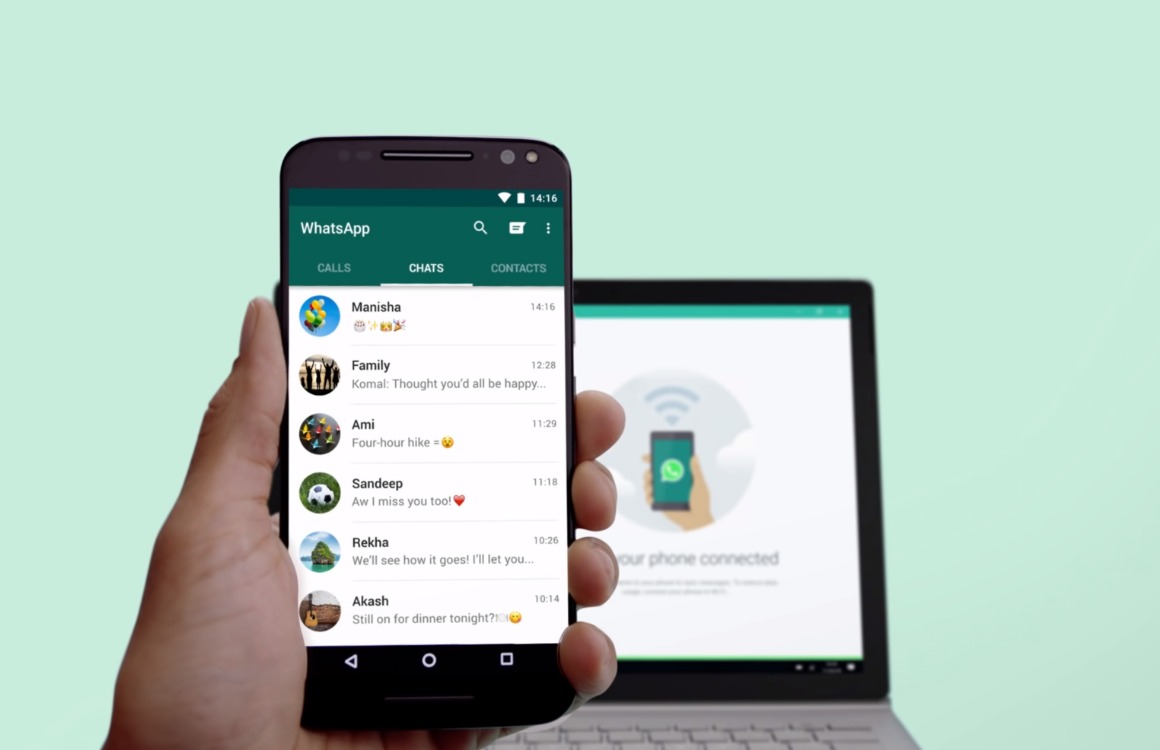
    WhatsApp has been working on a new feature allowing users to prevent unknown accounts from sending them messages. This has been in development for quite some time, but WhatsApp seems to be confident in the end result and is now making the feature available to beta testers.

    The fine folks at WABetaInfo report that WhatsApp is now rolling out a new update on Android devices that introduces the ability to block messages from unknown accounts.

    The new security feature is hidden in the Advanced tab under the Privacy Settings menu and comes in the form of a simple toggle, which allows users to turn it off and on whenever they wish. While having the option to block messages coming from unknown accounts certainly keeps spam to a minimum, the way WhatsApp is implementing it isn’t as we would’ve expected.

    Apparently, WhatsApp will only block messages from unknown accounts if they exceed a certain volume. It was implemented that way in order to allow business accounts or other accounts that you haven’t interacted with to still be able to send you messages that might prove to be important. Not only that, but WhatsApp will lift the block once the messaging volume returns to normal, which seems like a rather bad decision. In any case, the security feature is still being tested, so the final version might work slightly differently than it is now.

    If you’re enrolled in the beta program, you should be looking for WhatsApp beta for Android 2.24.20.16. Keep in mind though that the feature seems to be available only to a select number of users, although WhatsApp is expected to expand its availability to even more users in the coming weeks.

    Those who want to check out the new security feature but aren’t yet enrolled in the beta can do so via the Google Play Beta Program link.

  • Vietnam rubber exports hit $1.7B in 8 months

    Vietnam rubber exports hit $1.7B in 8 months

    Vietnam exported 1.12 million tons of rubber worth US$1.76 billion in the first eight months of 2024, customs data show.

    This marked a 7.2% year-on-year decline in volume but a 8.4% growth in value from the same period last year, according to the General Department of Customs.

    Vietnam shipped out 209,726 tons of rubber worth nearly $345 million in August alone, up 12.7% in volume and 12% in value from the previous month.

    The average export price was $1,637 per ton, a 1.1% month-on-month decrease but up 26.8% from a year ago.

    Rubber exports are forecast to reach $3-3.5 billion this year, a $200-400 million increase from 2023.

    The country currently has a latex output of 1.3 million tons per year from 910,000 hectares of rubber plantations, according to the Vietnam Rubber Association.

    Every year, more than 300,000 tons of rubber are used in processing and manufacturing, leaving a large amount of raw material for export. This has opened up considerable export potential for the local industry, especially in the context of potential global supply shortages in the 2024 – 2025 period.

  • Google Drive update adds new option to restrict access to folders

    Google Drive update adds new option to restrict access to folders

    Google announced this week that its Drive app is getting an important update that adds the ability to restrict access to folders. Normally, Google reveals new changes to its apps when these changes are rolled out to everyone, but this seems to be an exception.

    This particular update comes as a beta, but it can still be accessed by admins managing Google Drive. But what exactly this update does? According to Google, the latest version of Drive allows shared drive managers to restrict folders to specific users within a shared drive.

    The new feature is meant to offer shared drive managers more flexibility when it comes to keeping relevant content within a single shared drive, while restricting access to shared folders that might contain sensitive information.

    Once the update lands, admins can turn limit access to specific folders. The folders with “limited access” can only be opened by people who have been added to it directly. This means that Google Drive users with general access to the shared drive or shared folder will be able to see the restricted folder in Drive, but they will not be able to open it.

    As mentioned earlier, this feature is only available in beta. However, admins who want to start using it before it reaches “stable” status, can use the form that Google made available in order to express interest in the beta.

    Google says that all eligible customers will receive an email confirmation prior to the feature being enabled in their specified domain. The search giant will start accepting domains into the program in the coming weeks.

    It’s also worth noting that folders with limited access are available in both shared drives and My Drive. This means that shared drive managers will always be able to access folders with limited-access, while folder owners will always be able to access limited-access folders in their My Drive.

    As far as availability goes, this feature is eligible for Google Workspace customers with Business Standard / Plus, Enterprise Standard / Plus, Essentials Starter / Enterprise Essentials / Enterprise Essentials Plus, Education Fundamentals / Standard / Plus / the Teaching & Learning upgrade, and Nonprofits.

  • Meta receives permission to train AI on your Facebook and Instagram posts

    Meta receives permission to train AI on your Facebook and Instagram posts

    Meta has received permission from authorities to begin training its AI models on public Facebook and Instagram posts in the U.K. This follows the company’s initial suspension of AI across the region when concerns were raised about how it planned to harvest data.

    Of course, modern AI models today were basically entirely trained on public data from the internet. After these models started gaining popularity the internet has become a lot more strict about what data it is willing to share. Many big websites now block AI from accessing their data unless they’re paid for it. Hence, using public data from Meta’s own social media platforms seems like an easy choice to make.

    But, much like how the EU has been a thorn in Apple’s side, authorities weren’t convinced about letting Meta train its models. After dialog with the U.K.’s ICO (Information Commissioner’s Office) Meta now has official permission. The ICO claims Meta will now make it easier for users to opt out of having their data used to train AI.

    The entire thing stands on unstable moral ground, however. Large parts of the internet are, understandably, very concerned about having their data scraped to train an AI model. Furthermore, the stigma against AI continues to grow as some people lose their jobs to it and others just find it annoying.

    That hasn’t stopped almost every major company today from investing heavily in it, though. Meta AI, for example, is now present in some of Meta’s services like WhatsApp. The company is also working on AI-powered AR smart glasses, something it deems the future of computing.

    Then we’ve also got Google’s Gemini, Samsung’s Galaxy AI and Apple Intelligence. Suffice it to say, AI is here to stay, and that means a lot of your data is going to be used to train it.

    AI definitely has the potential to revolutionize the world but I don’t think people will ever be fully comfortable with being used as data points. I won’t be surprised if some regions outright ban AI models from scraping data from the local population.

  • Singapore retail sales see softer decline in July

    Singapore retail sales see softer decline in July

    Singapore retail sales dropped 2.3 percent in July after motor vehicles were excluded from the data, compared with the 3.1 percent decline in June.

    According to the Department of Statistics, the estimated total retail sales value in July was SG$3.4 billion (US$2.6 billion), of which 14 per cent came from online.

    On a seasonally adjusted basis, retail sales increased 0.5 percent month on month.

    The department stores and wearing apparel and footwear industries led the decline, with sales down 11.2 percent and 10.3 percent, respectively. Sales of optical goods and books fell 8.7 percent, mainly due to lower book demand.

    Meanwhile, the petrol service stations, food and alcohol, supermarkets and hypermarkets, and watches and jewelry industries recorded sales growths of between 0.8 percent and 4.7 percent.

    Sales of food and beverage services edged up 0.2 percent in July following a 1.9 percent increase in June.

    The total sales value of F&B services in July was SG$989 million, of which 23.8 per cent were from online.

  • Miniso opens the world’s largest store in Indonesia

    Miniso opens the world’s largest store in Indonesia

    Chinese lifestyle brand Miniso has launched its flagship store in Jakarta, Indonesia, marking the brand’s largest store globally.

    Located inside the Central Park Mall, the 2941sqm store is designed with the concept of a Dream Castle Park. There are eight product categories with three IP zones: Harry Potter, Sanrio, and Disney.

    “With the opening of the Jakarta Central Park flagship store, Miniso takes another solid step towards realizing its vision of becoming the world’s leading IP design retail group,” said Bella Tu, VP and GM of Miniso for overseas directly operated markets.

    “We hope to continue leading the trend of interest-based consumption through our Super Stores, providing consumers worldwide with emotional value and an exceptional shopping experience.”

    In addition, Miniso organised a perfume event with a seven-metre-tall perfume model as the visual highlight. The brand offers a collection of seven perfume series.

    According to Miniso, Indonesia, which currently has more than 300 Miniso stores, is a crucial directly controlled market for the brand and a popular household name.

    “The launch of our largest global store in Indonesia further cements this market’s importance,” added Tu.

    “From core cities like Jakarta, Surabaya, and Bandung to regions such as Bali, Sulawesi, and Papua, Miniso’s presence is felt throughout Indonesia. Through store development, product innovation, and localization strategies, we have continuously enhanced our brand influence, successfully establishing Miniso as one of the most sought-after brands among local consumers.”

    The Jakarta launch coincides with the 200th store opening in the US, demonstrating the brand’s expansion in the market. Miniso has opened stores in strategic locations across the US, including Times Square and Tangram in New York and the American Dream Mall in New Jersey.


  • Cathay Pacific cancels 90 flights over aircraft engine issue

    Cathay Pacific cancels 90 flights over aircraft engine issue

    Hong Kong-based airline Cathay Pacific Airways has canceled 90 flights this week due to an engine component issue affecting its Airbus A350 fleet.

    The firm initially canceled 48 flights on Tuesday and 20 on Wednesday before axing another 22 from Thursday to Saturday.

    All the flights canceled this week are for regional destinations except for one long-haul flight on Monday, the airline said.

    The canceled flights on Tuesday and Wednesday included routes between Hong Kong and cities such as Sydney, Osaka, Tokyo, Taipei, Bangkok, and Singapore.

    The airline announced on Tuesday that all affected travelers had been notified and provided with alternative travel options.

    To help passengers adjust their travel plans, Cathay Pacific waived ticket change fees, including charges for rebooking and rerouting.

    The flight cancelations followed a component failure on Monday that led Cathay Pacific to ground and inspect its entire Airbus A350 fleet.

    The inspection found that 15 planes required fuel line repairs, six of which have been fixed and cleared to operate as of Wednesday.

    Cathay Pacific said no further flight cancelations were expected, and all affected aircraft are anticipated to resume operations by Saturday.

    The cancelations have caused confusion and frustration among customers, many of whom had to make last-minute travel rearrangements.

    Lim and his family from Singapore were looking forward to their five-day trip to Hong Kong when their Tuesday flight was delayed and then canceled.

    They were later rebooked on a flight departing 12 hours later than originally scheduled.

    “We’re very disappointed in the way Cathay has handled this issue,” Lim said. “Until now, no one has come to let us know the cause of the delays and cancelations. I had to google media reports to find out what happened. They don’t even have a statement on Facebook.”

    Complaints about canceled flights have also surfaced on the Chinese social media platform Xiaohongshu, where users traveling from Hong Kong to Singapore and other cities voiced their frustration over disrupted travel plans.
  • Bluesky user base soars to two million new members in just one week

    Bluesky user base soars to two million new members in just one week

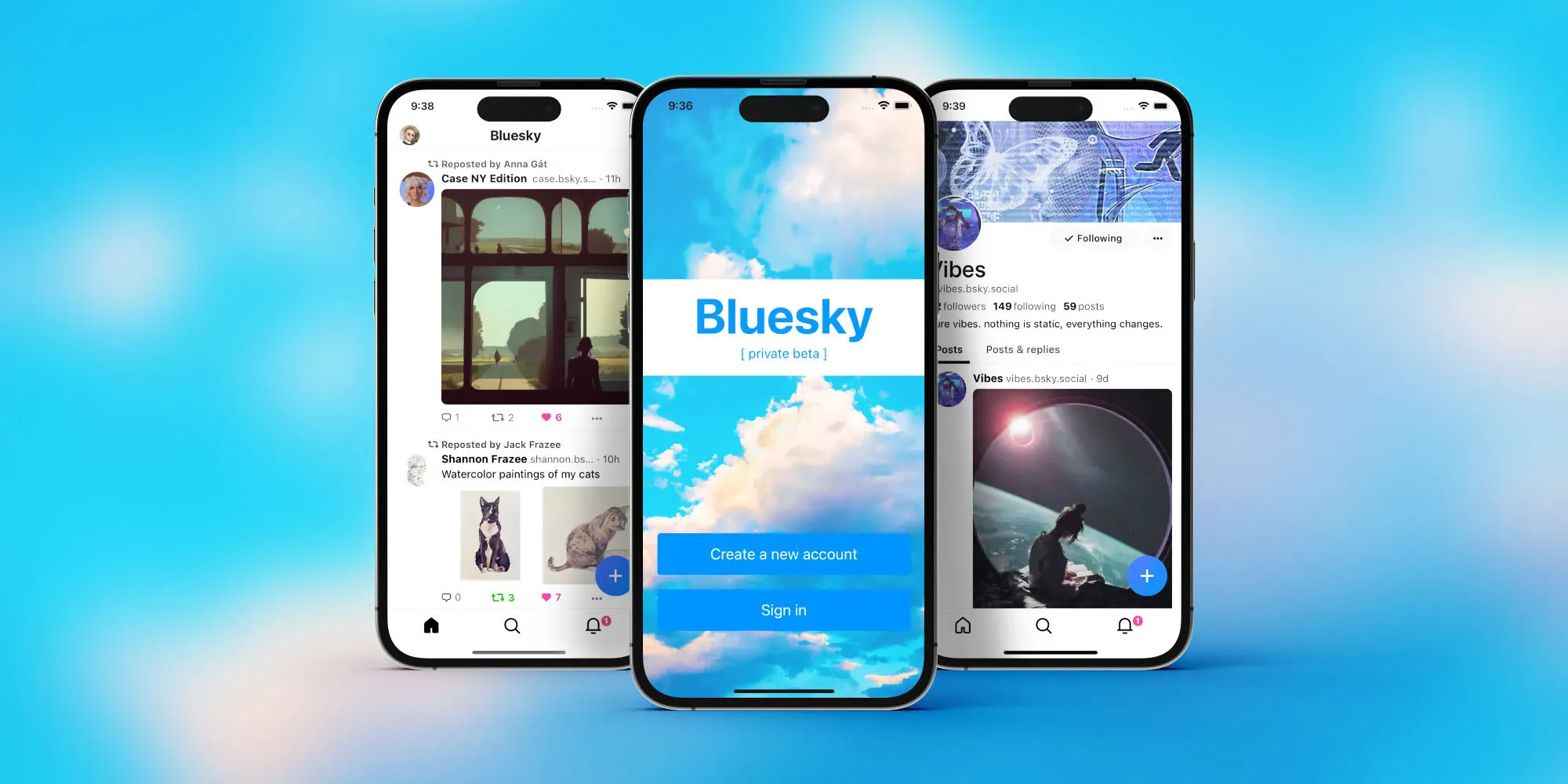
    Bluesky, the decentralized social network, has recently announced a remarkable surge in its user base, adding an impressive two million new members in just one week. This significant growth brings the platform’s total user count to around 8.4 million, marking a substantial increase in a short period. The announcement, which was also translated into Portuguese, suggests that a considerable portion of these new users might be from Brazil.

    Bluesky’s growth can be attributed to several factors. The platform has been actively introducing features that users seek, such as direct messaging, with plans for group messaging, media support, and end-to-end encryption in the pipeline. Additionally, Bluesky’s decentralized nature and focus on user control might be appealing to individuals looking for alternatives to traditional social media platforms.

    Of course, the elephant in the room is this: Is this incredible and sudden growth attributed to X’s ban in Brazil? Speculation seems to agree with this, considering the recent post on the platform’s blog in the country’s native language.

    While Bluesky may not yet match the feature set of more established platforms, it plans to introduce video functionalities in its next major update, which could further enhance its appeal and help retain its growing user base. The platform, founded in 2019 by Twitter’s Jack Dorsey, initially launched as an invite-only network but opened to the public earlier this year.

    Interestingly, Dorsey, who left Bluesky’s board in May, has since expressed concerns about the platform “repeating the mistakes” he made while running Twitter. Despite this, Bluesky’s recent surge demonstrates its growing popularity and potential to become a significant player in the social media landscape.

    Bluesky’s rapid growth points to a broader trend of users seeking alternative social media platforms that prioritize user control, privacy, and innovative features. As the platform continues to evolve and expand its offerings, it will be exciting to see how it shapes the future of social networking and whether it can sustain its current momentum.

  • Instagram Stories adds comments with anti-troll measures

    Instagram Stories adds comments with anti-troll measures

    Instagram Stories is rolling out a major change – comments are finally here! This means you’ll be able to publicly interact with your friends’ Stories, adding a new layer of engagement beyond just reactions and direct messages. However, Instagram has taken steps to make sure this new feature doesn’t become a haven for trolls.

    In an effort to maintain a positive atmosphere, Instagram has introduced two key restrictions on story comments:

    • Visibility: Only your followers will be able to see the comments on your stories.
    • Commenting: Only people you follow back (mutual follows) can leave comments.
    These limitations are designed to prevent unwanted interactions and keep the comment section focused on genuine engagement from people you actually connect with.
    Instagram has generally been a more positive social media platform compared to others, and these new comment restrictions aim to keep it that way. By limiting visibility and commenting to trusted connections, the chances of encountering trolls or negative comments should be significantly reduced.
    Just like Stories themselves, comments will also vanish after 24 hours. So, if you want to preserve any particularly meaningful interactions, you’ll need to screenshot them before they disappear.

    If you prefer to have complete control, you can also disable comments on a story-by-story basis. This gives you the flexibility to choose when and how you want to engage with your audience.

    The addition of comments to Instagram Stories is a significant step in enhancing interaction and engagement within the app. By implementing thoughtful restrictions, Instagram is clearly prioritizing a positive and safe environment for its users. As the feature rolls out to everyone, it will be interesting to see how it impacts the way we connect and share on Stories.

  • WhatsApp is working on a voice chat mode for Meta AI

    WhatsApp is working on a voice chat mode for Meta AI

    WhatsApp, the popular messaging platform, is rolling out a new beta update for Android users that hints at an interesting feature in development – voice chat mode for interacting with Meta AI.

    This new feature will enable users to engage in real-time conversations with Meta AI using voice commands, providing a hands-free and potentially more efficient way to interact with the AI chatbot.

    According to the findings, in addition to voice commands, users will be able to personalize their experience by choosing from a selection of voices for Meta AI’s responses. This feature will likely be available in a future update, allowing users to customize the AI’s voice to their liking.

    WhatsApp is also testing a shortcut to activate Meta AI’s voice chat mode directly from the chats list. This will allow users to quickly and easily start voice interactions with the chatbot without having to navigate through multiple menus.

    While Meta AI will continuously listen to voice commands in voice chat mode, users will have the ability to stop the mode at any time by leaving the chat or switching to text mode. This ensures that users maintain control over their privacy and interactions with the AI. Additionally, a visual indicator provided by the Android OS will inform users when Meta AI is actively listening, offering further transparency and control.

    This latest development affirms Meta’s commitment to incorporating AI chatbots across its platforms. It’s part of a broader strategy to make their apps more interactive and engaging, and ultimately keep users coming back for more.

    Although the voice chat mode feature for Meta AI is still in development, it represents yet another step forward in the integration of AI with everyday communication platforms. While the potential benefits are clear, it remains to be seen how widely adopted and truly useful this feature will be in practice. Will users embrace voice interactions with AI chatbots, or will concerns about privacy and the accuracy of voice recognition technology limit its appeal? As AI continues to evolve, the future of communication on platforms like WhatsApp may be shaped by our willingness to engage with these increasingly sophisticated AI companions.

  • WhatsApp working on allowing you to choose which contacts to sync on Android

    WhatsApp working on allowing you to choose which contacts to sync on Android

    WhatsApp is consistently working on introducing new features to its platform, and we hear about them quite often. Some are still in development, others are in beta testing. Now, the latest WhatsApp beta for Android, version 2.24.18.14 was discovered by the folks at WABetaInfo to have a very useful new feature: managing contact syncing. I’d honestly think this would be a feature by now, though.

    The feature is compatible with the ability to use multiple WhatsApp accounts on the same phone. It will basically let you have separate contacts for each account, which is very useful. I mean, why would you have separate accounts if everything has to be the same in them, including the contacts?

    The new feature allows you to choose which contacts to sync to your phone, and you can manage WhatsApp contacts from your linked devices.  So basically, if you want to, you will be able to disable syncing to your phone from your secondary WhatsApp account.

    Additionally, if you disable contact syncing for an account, you will still be able to manually sync each contact with an upcoming beta release of the popular chat app. If you sync a contact manually, it will be available across all linked devices. You’ll also be getting a new contact backup option, which is there to help you restore your contacts if you reinstall the app. All the features are quite useful, it seems.

    Keep in mind that these WhatsApp features are still in development. This pretty much means that we will have to wait for a few months before these features become globally available. And it’s always possible (although it happens somewhat rarely) that WhatsApp will decide to ditch the feature altogether.

    Recently, WhatsApp was discovered to work on a feature that allows you to have a Passkey for enhanced backup security. This is a passkey authentication feature for end-to-end encrypted backups. Passkey authentication is already available for account verification, but it will be available for backups too in the future.

    In my opinion, WhatsApp’s new features in the works are more of a quality-of-life type of feature rather than something overly dramatic. Little improvements matter just as details matter, so I’m all for that.

  • YouTube now offers QR codes for channel sharing

    YouTube now offers QR codes for channel sharing

    YouTube is now offering its creators another convenient way to share their channels with their audience, via QR codes. This feature is being rolled out to all creators globally and can be accessed easily from the YouTube app itself.

    If you’re a creator, here’s how you can grab your QR code:

    1. Open the YouTube app on your phone (Android or iOS).
    2. Tap on the “You” tab at the bottom.
    3. You’ll see a little button under your channel name that says “Share channel”. Tap it.
    4. In the menu that pops up, tap “QR code”.
    This will generate a full-screen QR code that you can save to your camera roll or take a screenshot of. This QR code prominently features your channel logo, making it visually identifiable.

    This update from YouTube is more than just a cool feature. It’s a smart move that benefits both creators and viewers. For creators, it’s a simple and effective way to promote their channels and gain new subscribers. For viewers, it’s a hassle-free way to find and follow the channels they love. For viewers, it simplifies the process of finding and subscribing to channels, as all they need to do is scan the QR code with their phone’s camera, and they’ll be taken directly to the channel.

    In the past, creators had to rely on third-party apps to generate QR codes for their channels. This often meant dealing with ads or limited customization options. Now, YouTube has built this feature right into their app, making it seamless and user-friendly.
    Ultimately, YouTube’s new QR code feature is a win-win for everyone involved. It’s a small but impactful change that makes the platform even more accessible and engaging. Whether you’re a creator looking to grow your audience or a viewer looking for great content, QR codes are a handy tool to have in your back pocket.
  • Philippines’ Cebu Pacific fuels recovery with relaunched routes, aircraft orders

    Philippines’ Cebu Pacific fuels recovery with relaunched routes, aircraft orders

    Philippine budget airline Cebu Pacific has been relaunching routes to international destinations and ordering new jets to fuel its post-pandemic recovery.

    The country’s biggest airline this month relaunched routes to Taiwan, Hong Kong, Singapore, and opened a new direct route between Manila and Thailand’s Chiang Mai.

    This year it has received 10 new aircraft, including three Airbus NEOs which were added to its fleet this month. It now operates 70 Airbus aircraft and 15 ATR turboprop planes.

    In July the airline signed a memorandum of understanding with Airbus to purchase up to 152 aircraft in a $24 billion deal, the biggest order in Philippines aviation history.

    “As the demand for air travel to continues to rise, we are confident that we will be able to cater to more passengers looking to connect with other people or discover new destinations with Cebu Pacific,” president and chief commercial officer Xander Lao said in a press release.

    It now operates in 35 domestic and 26 international destinations spread across Asia, Australia, and the Middle East.

    Cebu Pacific is also considering acquiring AirSWIFT, another Philippines aviation company which mostly operates short-range flights to and from resorts.

    Leaders of the two airlines aim to reach an agreement in the upcoming months, according to local media.

    With strong discounts such as zero-fare flights and limited offers, the company served 20.86 million passengers last year, while its competitor Philippines Airlines recorded only 14.7 million.

    The Philippines saw the number of passengers on international flights more than doubled last year to 24.81 million, nearly 80% of 2019 levels, according to the Civil Aeronautics Board.