Category: General

Retail News Asia is committed to providing both local and global retailers with the latest General Retail news throughout the Asian market. This on a daily base.

  • Google Messages to receive a much-needed update to improve RCS media quality

    Google Messages to receive a much-needed update to improve RCS media quality

    Google has been working on improving communication between Android and iPhone users, and it looks like they’re making some great strides. The latest Google Messages beta reveals a new feature that allows Android users to send high-quality media to iPhone users over RCS.

    Currently, Google Messages compresses media heavily before sending it, which means that iPhone users often receive blurry or pixelated images and videos, even on RCS. This is a major pain point, especially when trying to share important memories or documents. Now that iOS will soon have RCS support, this is an issue that must be remedied as soon as possible.

    Fortunately, as discovered in the latest beta version of the Messages app, Google is finally addressing this issue by giving users the option to send media in its original quality. In the latest beta, users will be prompted to choose between two options when sending media:

    • Optimized for chat: Send faster with reduced quality
    • Original quality: Send with no changes to quality, uses more date

    Once you make your selection, this option will apply to all current and future chats.

    This update is a big deal for a couple of reasons. First, it means that Android and iPhone users will finally be able to share high-quality media with each other seamlessly. No more blurry photos or pixelated videos. Second, it shows that Google is committed to improving the RCS experience. They’re listening to user feedback and making the necessary changes to make RCS a viable alternative to traditional SMS.

    It’s also worth noting that this update is just one of many that Google has made to Google Messages in recent months. The company has been working hard to improve the app’s overall experience, and it’s clear that they’re committed to making it the best messaging app on the market.

    That said, there are still a few unknowns. We don’t know when this feature will roll out to all users, and we don’t know when Apple will fully enable RCS support on all iPhones, as it is still in beta. However, it’s likely that both of these things will happen in the near future.

  • Google Maps rolls out redesigned pins and new colors

    Google Maps rolls out redesigned pins and new colors

    Last week, Google Maps rolled out a simplified bottom bar on mobile. Now, we’re getting an update that brings new pin colors and shapes.

    The iconic pin shape with a sharper point at the bottom is now gone. However, it’s still in the app icon. Instead of it, with this new update, we’re getting something shorter and more rounded with a white background. The icon that shows the category is housed in an inner circle. This matches the existing icon design for starts, flags, and hearts.

    Most pins have remained the same while some have changed. For example, the one for museums is now purple instead of teal. Other color tweaks with the update are more subtle like the zoo icon going lighter. The change is also applied to text.

    The new pin design makes the icons smaller which might allow Google to show more per map view. This server-side update is now rolling out for Android, iOS, and the web version.

    I like the new design for the pins as it really does seem to allow for a more simple map, and can fit more information in it. The smaller pins give a cleaner look, and I’m all for that.

  • WestJet Cargo expands pet transportation services to major European destinations on International Dog Day

    WestJet Cargo expands pet transportation services to major European destinations on International Dog Day

    As the world marks International Dog Day on August 26, WestJet Cargo is pleased to announce the expansion of its pet transportation services to three major European airports: London Gatwick (LGW), London Heathrow (LHR), and Edinburgh (EDI). This expansion comes in response to the growing demand for secure and reliable international pet travel between Canada and Europe, reinforcing WestJet Cargo’s commitment to providing specialized care for pets during their journey.

    “At WestJet Cargo, we recognize that pets are beloved members of the family, and their safety and comfort during travel are our utmost priorities. By extending our pet transportation service to LGW, LHR, and EDI, we are enhancing connectivity for pet owners and ensuring that their pets receive the highest standard of care throughout their journey,” said Kirsten de Bruijn, Executive Vice President of WestJet Cargo.

    WestJet Cargo’s pet transportation service is tailored to meet the specific needs of all pets, including brachycephalic breeds, which require special attention during air travel. The airline strictly adheres to IATA’s Live Animals Regulations, and all pet transport occurs in pressurized, temperature-controlled cargo holds to ensure a safe and comfortable environment. Pet owners are provided with comprehensive pre-flight preparation guidelines, and WestJet Cargo maintains open communication throughout the journey, offering support in the event of any unexpected changes.

    Pet owners and specialized freight forwarders can easily arrange transportation through WestJet Cargo’s customer service or online booking system. The service is designed to comply with European regulations, accommodating the specific requirements of international pet travel.

    In addition to the new routes, WestJet Cargo has been operating year-round pet transportation services to Paris Charles de Gaulle (CDG) since this year. In response to continued strong demand, some of the routes scheduled to pause later this year will resume next year. Looking forward, WestJet Cargo plans to leverage its strong passenger network to expand its pet transportation services across Europe further.

  • Vietnam’s economy projected to grow 6.1% this year

    Vietnam’s economy projected to grow 6.1% this year

    Vietnam’s economic growth is expected to pick up in 2024, driven by a rebound in manufactured exports and tourism, and recovering consumption and business investment, the World Bank (WB) said on August 26 in a new report.

    The economy is forecast to grow 6.1% in 2024, and 6.5% in both 2025 and 2026, up from 5% last year, according to the bank’s latest bi-annual economic report on the country Taking Stock.

    The report, “Reaching New Heights in Capital Markets,” highlights the resilience of the Vietnamese economy despite rising global challenges. However, it notes that the economy is not yet back on its pre-pandemic growth path.

    Enhanced public investment would provide short-term stimulus while also addressing emerging infrastructure gaps – for example in energy, transport, and logistics – which are becoming a growing constraint on growth, it said. Bank asset quality remains a concern given rising non-performing loans and should be closely monitored by the authorities.

    “During the first half of the year, Vietnam’s economy benefited from the rebound in export demand,” said WB East Asia and Pacific Practice Manager for Macroeconomics, Trade, and Investment Sebastian Eckardt. “To sustain growth momentum not only for the rest of the year but over the medium-term, the authorities should deepen structural reforms, step up public investment while carefully managing emerging financial risks.”

    A special chapter of the report finds that development of capital markets would provide a vital source of long-term funding for Vietnam’s economy and help the country achieve its goal of becoming a high-income nation by 2045. The report highlights key challenges, including underdevelopment of the institutional investor base and underutilization of the Vietnam Social Security fund (VSS).

    The report recommends a stronger policy framework, in which VSS could be a force in driving capital market development. Policies that would allow markets to reclassify Vietnam from Frontier Market status to Emerging Market status would help attract more foreign investors, as would reforms to enhance market transparency and investor protection. Effective coordination among financial regulators is crucial for achieving these goals.

  • Google launches new quick reply experience for Gmail users on Android

    Google launches new quick reply experience for Gmail users on Android

    Google is adding a new quick reply experience to Gmail on Android devices, which will allow users to skip a few steps when they want to reply to emails. The new quick reply experience is available starting today on Android only, Google announced.

    Up until now, Gmail offered Android users multiple options such as Reply, Reply all or Forward a message when in the conversation view of an email. Once the users selected one of the options, they would be directed to a full screen compose view to send their reply.

    Thanks to the updated quick reply experience, users can reply to emails directly from the bottom of the conversation, without having to open a new screen. This option has been specifically designed for quick, lightweight replies, so for longer responses, users can expand the text box to access more formatting options.

    Although Google announced that the new quick reply experience is only available on Android device, the search giant confirmed iOS users will get it too sometime later this year.

    To start using the quick reply experience, simply open an email, click into the text box at the bottom, type your reply, and then tap the send icon. As mentioned earlier, for more formal replies, you can tap the “Expand to full screen” icon to switch to the full screen compose view.

    The new feature is available to all Google Workspace customers, Google Workspace Individual subscribers, and users with personal Google accounts.

    As far as availability goes, Google announced that Workspace customers will get it in the next two weeks, while Google accounts and Workspace Individual subscribers already benefit from the new quick reply experience.

  • Chrome on Android now vibrates when you pull to refresh

    Chrome on Android now vibrates when you pull to refresh

    Chrome 128 for Android now has a small but useful feature: a subtle vibration when you pull-to-refresh a page. This adds a tactile element to the usual visual cues, like the spinning icon and loading bar. It’s a small detail that could make refreshing pages feel a bit more responsive.

    The vibration only happens when you pull down from the very top of the page, not when you use the refresh button in the three-dot menu. This seems like a good choice, as it helps distinguish between the two actions.

    So far, this feature has been spotted on Pixel and Samsung Galaxy phones. It’s not clear if other Android devices will get it too, but it seems likely.

    Besides the vibration feedback, Chrome is also expected to replace the Chrome Sync option with a simple Google Account sign-in. This will simplify the process of syncing all of your personal data, such as browsing history, cookies, passwords, or bookmarks and tabs, from your desktop to your Android device

    While the addition of haptic feedback for page refreshes might seem like a minor update, it’s part of a larger trend towards making our digital interactions more engaging and intuitive. Subtle cues like vibrations can provide valuable feedback and enhance the overall user experience.

    Chrome 128 itself is currently rolling out gradually through the Play Store. If you don’t have it yet, you might need to wait a bit. But it’s worth keeping an eye out for, especially if you’re the type who refreshes pages a lot.

    Of course, Chrome 128 is just one update in a long line. There’s always something new on the horizon, and it’ll be interesting to see what Google has in store for us next. For now, though, let’s enjoy the little things, like a gentle vibration when we refresh a page. It’s a small reminder that our phones are getting smarter and more intuitive all the time.

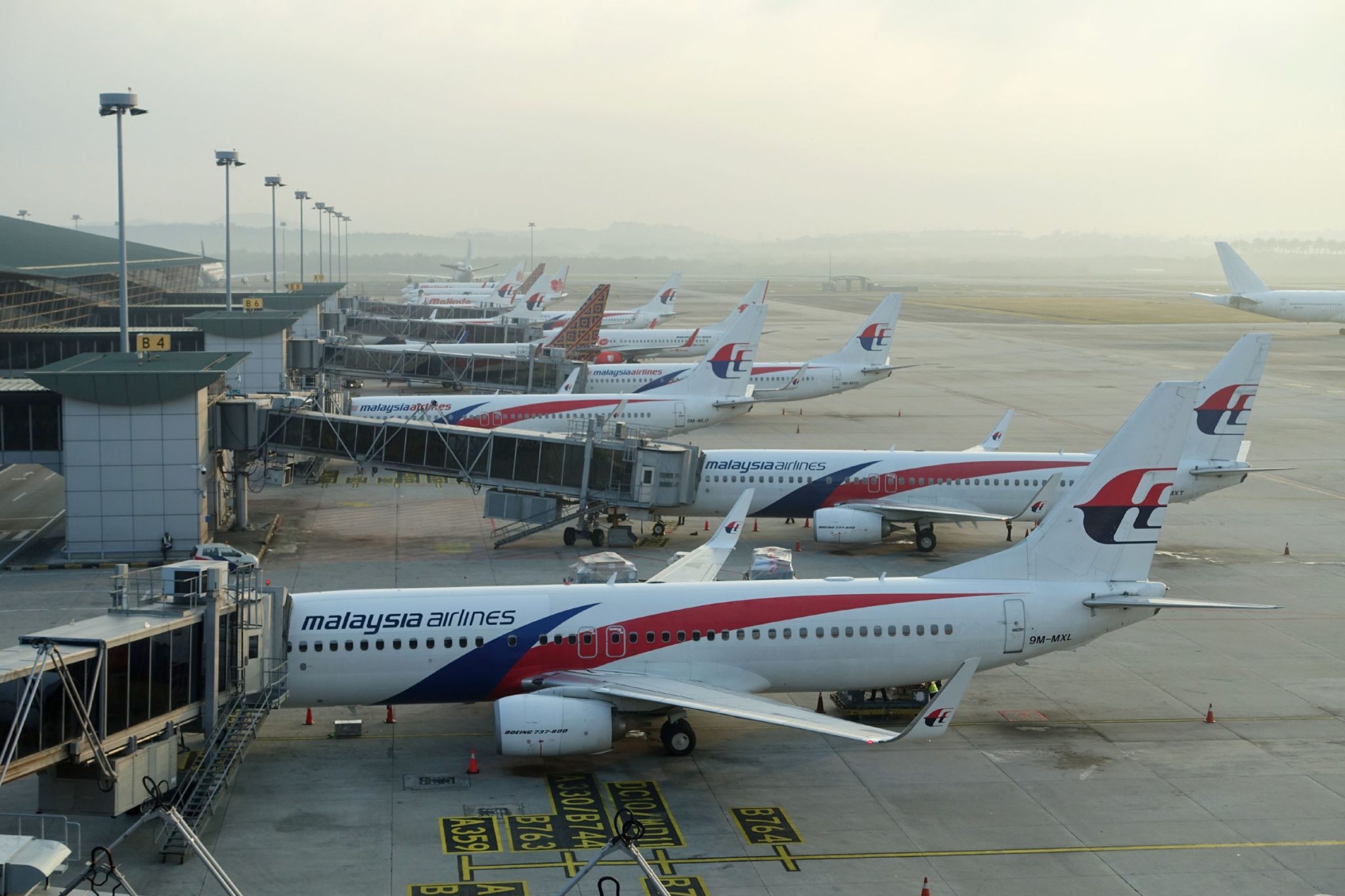
  • Malaysia’s flight operators announce flight reductions until December following technical troubles

    Malaysia’s flight operators announce flight reductions until December following technical troubles

    “This is to ensure the long-term reliability of our fleet and robustness of our operations and enhance our ability to ensure our customers on Malaysia Airlines, Firefly and Amal services face minimal disruptions and have the best experience possible flying with us,” Izham Ismail, Managing Director of MAG, explained in a statement released on Aug. 24.

    “I personally apologize for the disruption to passenger travel plans and the inconvenience this has caused,” he added.

    Ismail stated the group has been working to tackle supply chain issues, manpower challenges, and “other external factors as part of the continuing normalization of global aviation operations post-pandemic.” He also noted that delays in the delivery of new aircraft this year have resulted in a reduced number of planes available for flights.

    “We are working closely with our aircraft and engine manufacturers, and a wide range of suppliers to comprehensively address supply chain and technical issues,” he said.

    The urgency of the decision was underscored by several recent incidents involving Malaysia Airlines flights. On Aug. 20, a Melbourne-Kuala Lumpur flight from the same operator made an emergency stop in Alice Springs, Australia, due to a technical problem.

    Later that same day, a Malaysia Airlines flight from Kuala Lumpur to Shanghai encountered a cabin pressure issue and had to return to the departure airport.

    Two days later, another Malaysia Airlines flight bound for Medina from Kuala Lumpur was forced to return to its origin, marking the third such incident for the Malaysian national carrier that week.

    The series of disruptions has led former Malaysian transport minister Wee Ka Siong to urge the government to investigate and assist the country’s flag carrier.

    “Due to the frequent incidents of emergency landings and technical issues involving Malaysia Airlines, the public is questioning: ‘What has happened to Malaysia Airlines? Is it safe to fly with Malaysia Airlines?’” he said in a Facebook post.

    “This seems to be a crisis of confidence among passengers in Malaysia Airlines, which is likely to damage the country’s reputation and potentially lead to losses for MAG if these incidents continue, which will ultimately affect the country’s economy.”

    Public reaction has been similarly critical. Khatijah Khaur, a member of the True Malaysia Airlines Fans Group on Facebook, criticized what she described as a “tidak apa” attitude among the staff.

    “Our tidak apa attitude has come back to bite us,” she noted. “There is no motivation to be better, to do better. At the end of the day, we have nothing to be proud of.”

    In response, Malaysia’s Minister of Transport Anthony Loke has announced that a special audit conducted by the Civil Aviation Authority of Malaysia (CAAM) into Malaysia Aviation Group (MAG) and the recent technical issues affecting Malaysia Airlines will be presented to the Cabinet on Wednesday.

    “Follow-up action will be taken by CAAM and we view what is happening seriously,” he told in a press conference on Monday.

  • WeTransfer on mobile now lets you extend link expiration dates

    WeTransfer on mobile now lets you extend link expiration dates

    If you often send files online, you’ve likely heard of WeTransfer, a go-to platform for sending large files. And if you’ve used it, you probably know that the expiry dates for files can be a hassle. If you don’t download the files right away, it is easy to forget before the link expires, leading to the annoying need to ask for a resend. But here is some good news: a new feature for the mobile app is set to change this.

    WeTransfer has rolled out a new feature that lets you tweak the expiry date of files right from the mobile app. With the new “Save for Later” option, you can now hang onto a transfer for up to 30 extra days. This gives you more time to check out or download files on your mobile or even send them to yourself to access later on your desktop.

    Your saved transfers will be sorted in a special section of the WeTransfer app, so you can quickly grab what you need. You will also have the freedom to decide how long you want to keep access to your files (well, within 30 days), which means no more awkward follow-ups for resends. Curious about trying out this new feature? Here is how to get started:

    1. Download and launch: Grab the WeTransfer app from the App Store or Google Play, then open it and log in to your account.
    2. Receive a transfer: Whenever you get a new transfer, just open the WeTransfer app.
    3. Save for later: Tap on the transfer you want to keep, then hit “Save for Later.”
    4. Extend expiry dates: Need more time? You can extend the file’s expiry date up to 30 days right from the saved transfers section. Just select the file and choose a new date.
    5. Quick access: Access your saved files whenever you need them. The app stores everything in one easy-to-find section, so your files are always within reach.
    Actually, WeTransfer kicked things off with a bit of a mix-up on its X account. It announced that users could extend link expiration for up to 30 days in the mobile app and claimed that “WeTransfer links will no longer expire.” But let’s be real – 30 days isn’t exactly forever, right? To make things even trickier, a shared image  on the company’s blog showed an option for extending to 60 days, while the blog post stuck with the 30-day claim.

    Eventually, the company clarified that how long users can extend the expiry really depends on their plan and that if you don’t use that save option, your links can still vanish, so they can expire after all.

    While you still have to take steps to keep the link from expiring in just three days, I think this new feature is a welcomed addition. It is perfect for those times when you can’t download files right away but want to grab them later without digging through your email.

  • Austrian Airlines takes off with sharkskin

    Austrian Airlines takes off with sharkskin

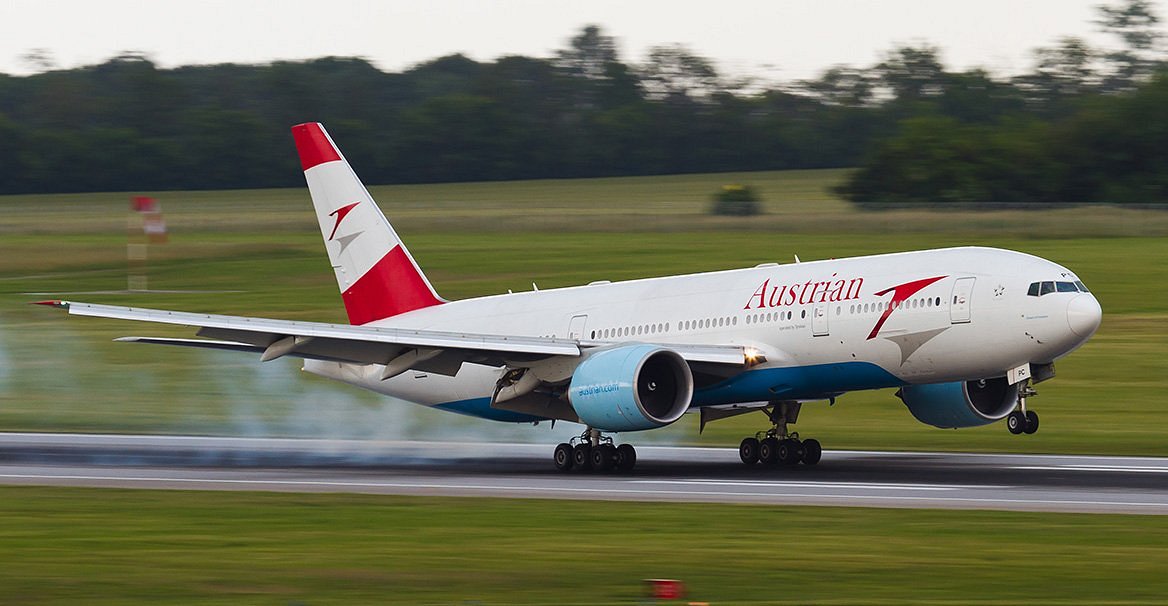
    Austrian Airlines will be the first airline globally to equip their Boeing 777-200ER aircraft with innovative “AeroSHARK” surface technology. On a total of four Boeing 777-200ERs the fuselage and engine nacelles will be covered with the “sharkskin” film developed by Lufthansa Technik and the company BASF. The significantly reduced frictional resistance resulting from the film will reduce the CO2 emissions of Austrian Airlines’ long-haul fleet and fuel consumption.

    By applying a total of 830 square meters of Riblet film per aircraft to the surface of the fuselage and engine nacelles, a saving of around one percent of the total fuel consumption per flight can be achieved. Applied to four B777s, the technology can achieve savings of around 2,650 tons of fuel and over 8,300 tons of CO2. This corresponds to around 46 flights from Vienna to New York.

    “We take our responsibility seriously and take every possible step to reduce CO2 emissions within our flight operations. At one percent, the sharkskin’s efficiency potential may not sound like much, but in total it will save thousands of tons of CO2 per year on long-haul flights,” says Austrian COO Francesco Sciortino. “Even though our B777s are in their final years of service, we take this investment to get one step closer to our CO2 reduction targets.”

    “The fact that we are rolling out the fuel-saving sharkskin technology on another aircraft type with Austrian Airlines is also good news for other Boeing 777-200ER operators,” emphasizes Harald Gloy, COO at Lufthansa Technik. “These are the first of hopefully many more aircraft of this type that will have lower fuel consumption and an improved carbon footprint thanks to AeroSHARK.”

    AeroSHARK is a surface technology jointly developed by Lufthansa Technik and BASF, which consists of transparent ribs around 50 micrometers in size – the so-called riblets. It imitates the properties of particularly aerodynamic sharkskin and thus optimizes aerodynamics in relevant areas of the aircraft.

    Austrian Airlines will successively equip four of its six Boeing 777-200ER long-haul aircraft with surface technology from December 2024. The application to all four aircraft will be completed by March 2025.

    The sharkskin technology is another important building block on Austrian Airlines’ CO2 reduction path. Together with the Lufthansa Group, Austrian aims to reduce its CO2 emissions by 30.6% by 2030 compared to 2019.

  • WhatsApp working on a feature to block messages from unknown accounts

    WhatsApp working on a feature to block messages from unknown accounts

    WhatsApp’s latest beta update for Android is focused on bolstering privacy for its users. This includes a forthcoming feature that will block messages from unknown accounts, enhancing user control and potentially improving device performance.

    WhatsApp is actively developing a feature to block messages from unfamiliar accounts. This feature, slated for a future update, aims to protect users from unwanted or even harmful communications. Users will be empowered to set a limit on the number of messages they’re willing to receive from unknown contacts within a given time frame. Once that limit is surpassed, the app will automatically block any further messages from those accounts.

    This update has a performance angle as well. Spam and unwanted messages can overload the app and slow down your device. By enabling this blocking feature, users can significantly decrease the volume of data the app needs to handle. This reduction in processing load should translate to a smoother and more responsive app experience.

    WhatsApp is no stranger to the battle against malicious activity. They already use automated tools to detect and filter out bad actors while maintaining user privacy. These tools include algorithms designed to spot suspicious behavior and bulk messaging. This new blocking feature adds another layer of user control, allowing people to protect their accounts from spam and potentially harmful content proactively.

    The feature aims to minimize the risks of phishing attempts and malicious content that can compromise both device performance and storage. By filtering out messages from unknown sources, WhatsApp is taking another step towards creating a safer and more secure messaging environment.

    The feature to block messages from unknown accounts is still under development. It’s important to remember that features seen in beta versions might change or even be removed entirely before reaching the final release. However, it’s encouraging to see WhatsApp actively working on new ways to protect its users.

  • Foreign businesses step up investment, recruitment in Vietnam amid global shift

    Foreign businesses step up investment, recruitment in Vietnam amid global shift

    Foreign companies, especially Chinese, are investing and hiring more staff in Vietnam to shift their production to the country or expand.

    In the first half of the year recruitment and payroll services provider Adecco saw a 10% year-on-year jump in demand for personnel in manufacturing.

    The positions included specialists and senior quality assurance and supply chain managers with a common requirement being moderate proficiency in Chinese.

    “As Vietnam is attracting lots of foreign investment, there is increasing demand for workers proficient in English and other languages, particularly Chinese, to strengthen connections with international partners,” Adecco said.

    Headhunter Navigos Search reported that manufacturing companies with Chinese investment are shifting to or expanding their operations in Vietnam.

    They require a diverse workforce, with 68.3% preferring experienced personnel and nearly 22% seeking management skills.

    Navigos Search added that demand has increased in the high-tech, components, electronics, and automobile sectors.

    According to recruitment firms, the recent surge in labor demand in the manufacturing sector indicates that foreign companies are embracing the supply chain shift to Vietnam.

    The world’s second largest economy has been one of the top investors this year, with Hong Kong and mainland China accounting for $2.53 billion or 23.4% of new FDI.

    More Chinese companies are relocating due to the China Plus One strategy, which involves diversifying production.

    FDI disbursement hit a four-year high of $12.55 billion, with most of the money going into industrial zones in the north.

    In the second quarter Bac Ninh Province attracted several new investments such as Taiwanese electronics giant Foxconn’s 14.26-hectare circuit board plant worth $383 million in its Nam Son – Hap Linh Industrial Park.

    This month industrial real estate developer KCN Vietnam began work on the second phase of a project that will add over 80,000 square meters of mixed-use warehousing and high-quality storage space in the DEEP C Industrial Zone in Hai Phong City.

    It is launching more projects in anticipation of higher demand from foreign clients as Hai Phong is one of three localities attracting the most FDI in the country.

    In fact, the demand is so high that foreign firms are even considering industrial zones that have yet to be completed.

    Kinh Bac City, another industrial real estate developer, said it has received inquiries for a 20-hectare battery plant from a South Korean investor and a 60-hectare induction cooktop and oven manufacturing factory from a Chinese enterprise, both in Trang Due 3 Industrial Park in Hai Phong. The zone is set to open once it gets approval from authoritie.

    According to HSBC’s July report, Vietnam is a “top FDI destination, surpassing other Southeast Asian countries” amid the global production shift due to its competitive costs and labor.

    Over the past 20 years the country has emerged as a major manufacturing hub and integrated into the global supply chain. Its exports have grown at over 13% annually since 2007, primarily driven by foreign enterprises.

    Its wages for manufacturing workers are lower than in China while other costs, such as energy prices, are also competitive.

    The country has the second lowest electricity rates for production in Southeast Asia and relatively inexpensive diesel, a fuel widely used in industrial manufacturing.

    Another appealing factor is the active support from the government through the tax system.

    The corporate income tax rate is 20% and the government offers tax waivers, deferrals and cuts to aid businesses.

    “Vietnam’s integration into the global value chain has significantly increased over the years and is now comparable to that of Singapore.”

    To sustain the strong investment flow, Vietnam needs to advance further up the manufacturing chain and increase the use of local inputs in production.

    A shortage of skilled labor could pose a challenge to developing high-tech sectors such as semiconductors, logistics and maritime transport. The country’s infrastructure quality, ability to digitalize, streamline trade processes, and energy supply are also factors.


  • WhatsApp testing new duration feature for community group chat events

    WhatsApp testing new duration feature for community group chat events

    WhatsApp, the popular and global messaging app, is now testing a new feature that will let users set a start and end time for events created in community announcement groups. This feature, which is currently available to some beta testers, will make it easier for people to plan their schedules and avoid conflicts.

    The new duration feature will appear when creating an event in a community announcement group. Users will be able to select a start time and an end time for the event, and this information will be displayed to all members of the group. This will help people to see at a glance when an event is happening and how long it will last, so they can plan their time accordingly.

    The duration feature is particularly useful for large communities where multiple events might be scheduled. By having clear start and end times for each event, members can avoid scheduling conflicts and ensure that they are able to attend all the events that they are interested in.

    In addition to helping people to plan their schedules, the duration feature can also help to keep events structured and timely. By setting an end time for an event, organizers can ensure that it doesn’t drag on too long and that people are able to leave when they need to. This can be especially helpful for events that require preparation or follow-up, as participants can allocate appropriate time for these tasks.

    The duration feature is still in beta testing, but it is expected to be rolled out to all users in the near future. Providing tools that make it easier to create and manage events, is just one of many new features that WhatsApp is working on, as the company continues to improve its platform and make it more useful for its users.

  • Decathlon Singapore opens new outlet, revamps Kallang store

    Decathlon Singapore opens new outlet, revamps Kallang store

    Decathlon has completed two developments in Singapore: renovating the Decathlon Lab in Kallang and opening a new outlet at Lot One Shoppers’ Mall in the Northwest region.

    The Singapore Lab now features a modern layout with immersive alcoves, offering customers a more interactive and personalised shopping experience. Its new design leads through different sports areas in a circular path, making it easier to find related products.

    In addition, the store introduces digital solutions like a Safe Size digital foot scan, which uses 3D tech to help shoppers find their perfect shoe fit; the Zwift Cycling Turbo Challenge; and watersports testing zones for the Stand-Up Paddle and Kayak.

    Meanwhile, the new Lot One outlet is Decathlon’s 11th click-and-collect outlet in the country and its first in the Northwest. It will offer a range of items, including hiking, fitness, running, and water sports gear.

    The company plans to refresh all its experience stores with similar features over the next two years.

  • China Airlines’ new contract extends its partnership with Frankfurt Cargo Services (FCS) beyond 25 years

    China Airlines’ new contract extends its partnership with Frankfurt Cargo Services (FCS) beyond 25 years

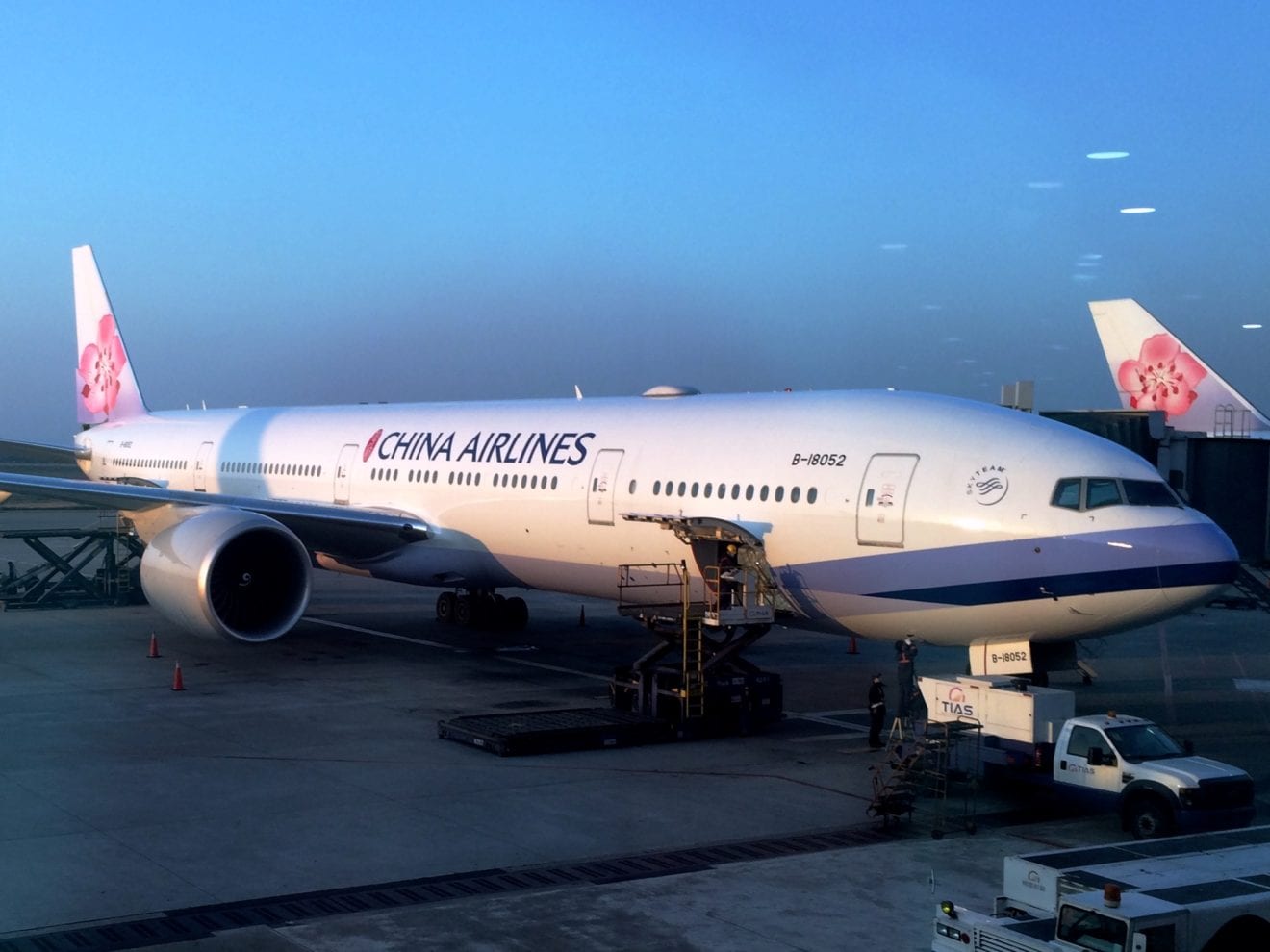
    Frankfurt Cargo Services (FCS) has earned a new multi-year cargo handling contract with China Airlines, extending their partnership at Frankfurt Airport, Germany’s biggest air cargo gateway, to more than 25 years.

    China Airlines signed its first cargo handling agreement in 2000 with FCS, a subsidiary of Worldwide Flight Services (WFS), part of the SATS Group. Today, it is the most longstanding airline customer of FCS, transporting some 25,000 tons of cargo annually on its Boeing 777 flights connecting Frankfurt and Taipei.

    The new contract commences in August 2024. It also further extends China Airlines’ partnership with WFS, which provides cargo handling for the airline in Belgium, Denmark, France, Germany, Ireland, Spain, and the United Kingdom as well as in India, Thailand, and North America.

    “Over two decades, we have established a strong collaboration and partnership with China Airlines and its team in Germany. We are proud of the reliable flight operations we jointly deliver and appreciative of the airline’s long-term commitment to FCS. Our success in winning this most recent tender in a very competitive commercial environment is driven by our constant focus on providing high quality service levels and competitive advantages for China Airlines and its customers,” said Claus Wagner, Managing Director of FCS.

    FCS is the largest airline-independent cargo handler at Frankfurt Airport, Europe’s largest cargo airport. With a 48,000 square metres warehouse offering direct access to the airport apron, FCS serves some 50 international airline customers and handles about 600,000 tons per annum. This includes growing volumes of temperature-controlled pharma shipments in its dedicated Good Distribution Practice (GDP) and IATA CEIV Pharma-certified facility.

    FCS also provides solutions for e-commerce and special handling and storage for vulnerable cargo and Dangerous Goods shipments, including radioactive material.

  • Carriers struggle to ease aircraft shortage

    Carriers struggle to ease aircraft shortage

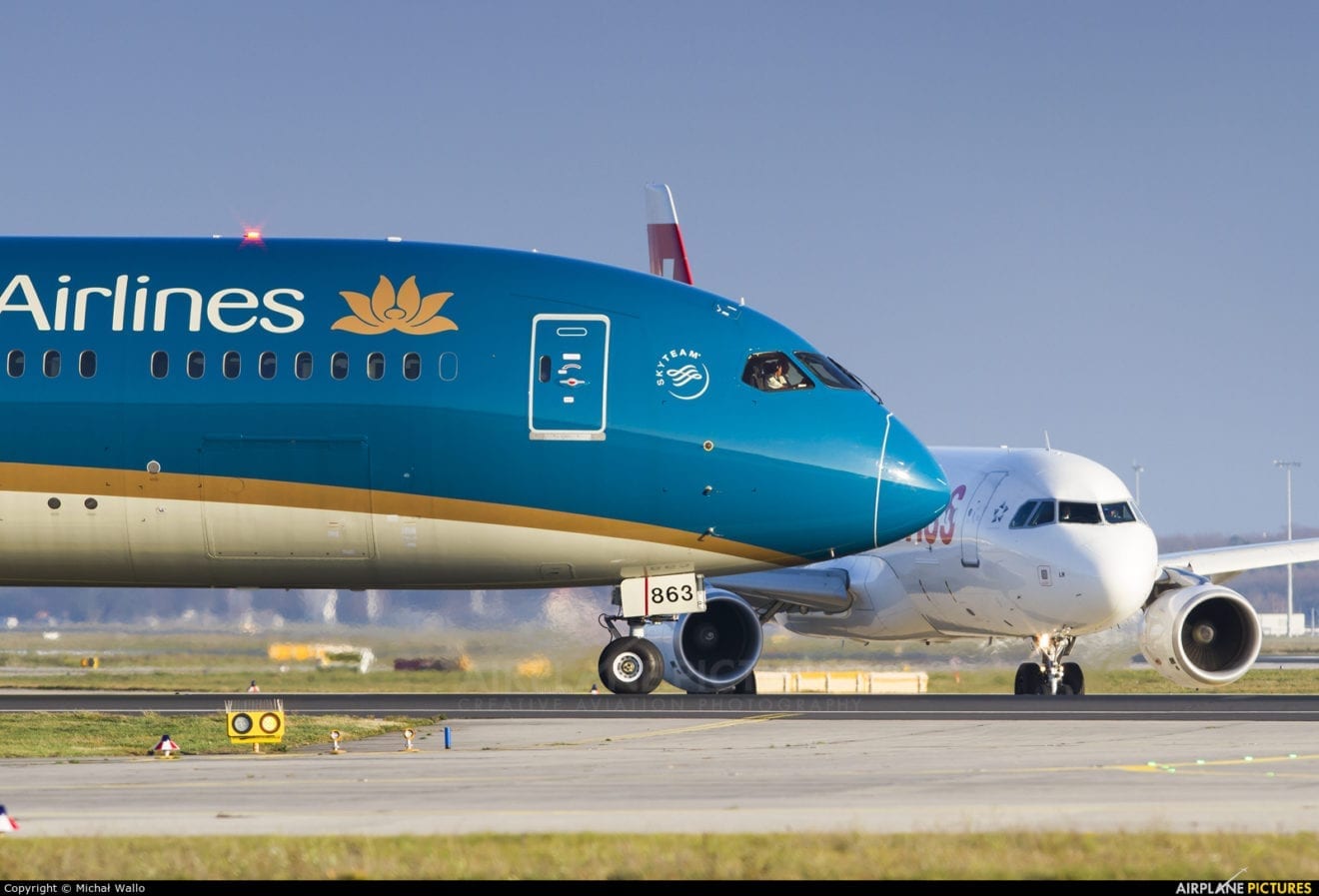
    Vietnamese airlines have been taking various measures in the face of a fleet contraction triggered by the manufacturer’s engine recall, including adding and replacing aircraft.

    As of July, 195 aircraft of Vietnamese carriers had been granted air operator certificates (AOC), 36 less than a year earlier. According to the Civil Aviation Authority of Vietnam (CAAV), an average of 167 planes were operated during the period, down 51.

    Meanwhile, the CAAV forecast the air transport market in 2024 will record approximately 78.3 million passengers and 1.21 million tonnes of cargo, respectively increasing 7.7% and 13.4% from last year.

    Facing that fact, domestic carriers have continually leased aircraft. So far this year, Bamboo Airways has conducted wet-leasing, also known as ACMI (aircraft, crew, maintenance, and insurance) leasing, of three planes to fly on in-demand routes in the summer travel season like those connecting with Nha Trang, Da Nang, and Quy Nhon.

    General Director of Bamboo Airways Luong Hoai Nam said the firm has strived to add more aircraft to its fleet to serve the domestic market by seeking and negotiating with partners worldwide. It plans to lease another aircraft between now and the year’s end to open some new domestic routes such as Ho Chi Minh City – Da Lat, HCMC – Thanh Hoa, and HCMC – Phu Quoc.

    Le Hong Ha, General Director of Vietnam Airlines, predicted that the aircraft shortage may linger on to 2025. He noted the national flag carrier has devised many solutions, including suspending or reducing the frequency of some routes in off-peak times or inefficient ones, increasing the operational time of each aircraft, and wet-leasing some planes.

    The airline is also boosting flights with attractive ticket prices in early mornings and late evenings. Occupancy rates of the flights to tourist magnets like Hanoi, HCMC, Da Nang, Nha Trang, Da Lat, Quy Nhon, and Phu Quoc that took off after 9 p.m. and before 5 a.m. in May and June were high, reaching 75 – 94%, Ha added.

    For its part, Vietjet plans to receive 10 planes between now and the end of 2024, including eight A321Neos and two E190s. It is scheduled to add more A321Neo, A330-300, E190, and Boeing 737 Max to its fleet in 2025.

    However, CAAV Deputy Director Do Hong Cam pointed out that it is still hard for carriers to lease aircraft due to rising rental, increasing fuel prices, and foreign exchange rate differences. These factors have affected supply and are among the reasons behind airfare fluctuations on domestic routes.

    Sharing the view, Deputy Minister of Transport Le Anh Tuan said the aviation sector will still encounter numerous difficulties in the coming time, including the aircraft shortage, carriers’ restructuring, route rearrangement, higher fuel costs, and foreign exchange differences.

    During the first half of 2024, Vietnamese airlines served nearly 37.5 million passengers, up 3.7% year on year and equivalent to 96% of the figure in the same period of 2019, when the aviation market was enjoying good growth.

    Vietnam’s aviation safety index was rated at 77.1%, up 11.54% from 2016 and well above the Asia-Pacific average of 65.31% and the global average of 68.81%, according to the Universal Safety Oversight Audit Programme of the International Civil Aviation Organization (ICAO).