Category: General

Retail News Asia is committed to providing both local and global retailers with the latest General Retail news throughout the Asian market. This on a daily base.

  • Snapchat’s parent company Snap loses 30% of its value after releasing its Q4 report

    Snapchat’s parent company Snap loses 30% of its value after releasing its Q4 report

    The parent company of social-media platform Snapchat, Snap Inc., lost over 30% of its valuation this afternoon after releasing its fourth-quarter earnings release. The company reported revenue of $1.36 billion for the fourth quarter of 2023 slightly topping the year-earlier figure of $1.30 billion. But the $1.38 billion in Q4 gross did not meet Wall Street expectations of $1.38 billion. And at $4.61 billion, 2023 revenue barely topped the $4.60 billion Snap generated in 2022.

    In a letter to stockholders, Snap said that its flat 2023 revenue was “reflecting a challenging operating environment.” Just yesterday, Snap said that it will lay off 10% of its workforce or approximately 500 employees. Back in 2022, Snap eliminated 20% of its headcount. Heavily reliant on advertising income, Snapchat has been unable to recover from Apple’s App Tracking Transparency feature which allows iPhone users to choose whether they want to block advertisers from tracking them when using an app.

    In the letter to stockholders, Snap said that it was “encouraged by the progress we are making with our ad platform,” but noted that it is battling a headwind with the conflict in the Middle East. According to the company, violence in the region cost Snap about two percentage points in growth. Snapchat had 414 million active daily users during the fourth quarter of 2023, up 10% year-over-year. 800 million users worldwide visit Snapchat every month the company said.

    Half of the users are in North America and Europe, indicating that the social media platform will no longer focus on gaining users in emerging markets who mostly use Android phones. The company did note that the number of Daily Active Users DAUs rose both sequentially and year-over-year on both iOS and Android.

    CEO Evan Spiegel wrote in the stockholder’s letter, “We are shifting more of our focus toward user growth and deepening engagement in our most highly monetizable geographies. Focusing on these initiatives will help us increase daily active usage of Snapchat, deepen content engagement, improve performance for advertisers, and ultimately accelerate revenue growth and drive increased free cash flow.”

    Snapchat incurred a loss of $248.7 million for the fourth quarter, an improvement from the $288 million in red ink Snap spilled during Q4 of 2022. For the three months, Snap lost 15 cents per share compared with an 18 cents per share loss during the same quarter in 2022. For all of 2023, Snap lost $1.32 billion which was a 7% improvement from the $1.43 billion it lost the preceding year. 2023 saw the company lose 82 cents per share, 8% lower than the 89 cents per share loss Snap suffered in 2022.

    During the regular trading day, Snap shares rose 70 cents or 4.18% to $17.45 right near the 52-week high of $17.90. But that peak now seems very far away after the stock tumbled $5.45 to $12 in after-hours trading following the report’s release. That is a decline of 31.23%.

  • Google Maps update finally adds weather information on Android

    Google Maps update finally adds weather information on Android

    Google’s apps don’t always offer the same features on iOS and Android, but the Mountain View company is trying to not keep any important functionality exclusive to just one platform for too long.

    In that regard, one of the Google Maps features that were only available for iOS users was the weather and AQI widget overlay that provided much-needed information in real-time.

    Now the feature is finally making its way to Android, 9to5 Google reports. The update is rolling out in waves, so you’ll know you got the feature if you see a small rectangular box in the app’s top-left corner.

    It’s a very small box that only shows the temperature and AQI (air quality index). However, you can tap on the box for more detailed weather information, including a 12-hour forecast. The AQI part of the small widget shows the existing Air Quality map layer if you tap on it.

    Keep in mind that if you select anything else in the app, the weather box will disappear. Apparently, this update has started rolling out to Android users for a few weeks now, but it’s only been recently that Google decided to expand its availability, so expect it to arrive very soon if you don’t have it yet.

  • WhatsApp is working on a pinning feature for its Android app

    WhatsApp is working on a pinning feature for its Android app

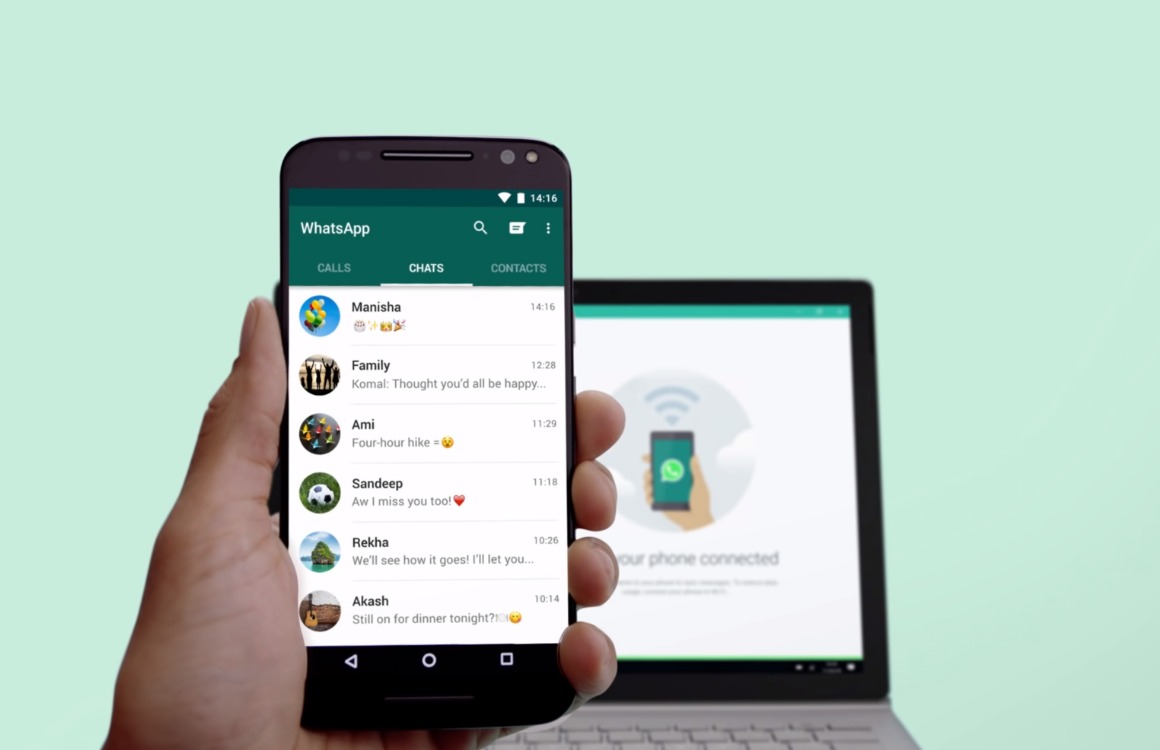
    WhatsApp’s next feature will allow users to pin channels. After gaining Channels a while ago, WhatsApp desperately needs a way to declutter the long list some users have joined.

    The ability to pin channels in WhatsApp is now in the works, WABetaInfo reports. The new feature popped up in version 2.24.4.3 of WhatsApp for Android, which means it’s actively being tested and should be rolled out to everyone if developers decide to give it the green light.

    As noted in the report, the new feature will probably be implemented with a slightly different interface for channels, which will reportedly look like the interface of the chats tab.

    Naturally, there’s no guarantee that this feature will make it in the stable version of WhatsApp, although chances are that it will be available in some form in the not-so-distant future. Stay tuned for more info about WhatsApp’s upcoming features.

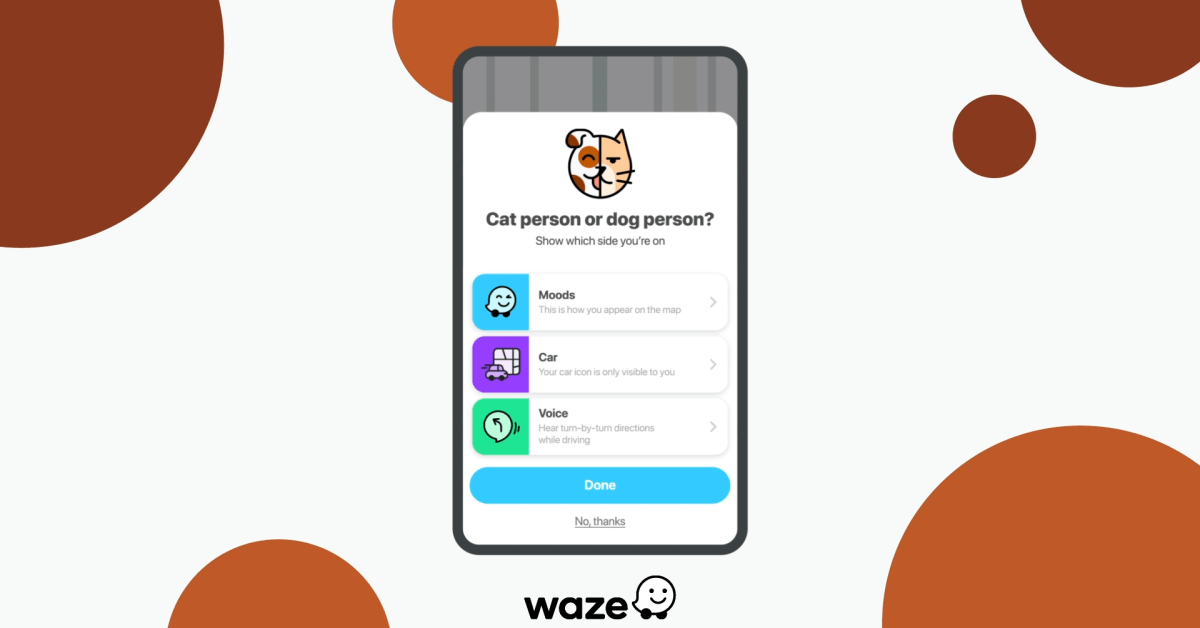
  • Waze for iOS gets update that fixes one issue but fails to exterminate two key bugs

    Waze for iOS gets update that fixes one issue but fails to exterminate two key bugs

    Waze for iOS received an update in the App Store as January ended. Version 4.101 of the crowdsourced navigation app was supposed to fix an issue that incorrectly showed railroad crossings on the app. You don’t have to be Snidely Whiplash to want to know where the tracks are located and the railroad crossing warnings prevent accidents from occurring. Most times when train meets automobile, fatalities ensue.

    The update, according to Autoevolution, was the first for the iOS version of the Waze app since version 4.100 was dropped on December 14th. And Waze users are a bit peeved considering that other issues need to be addressed. In Android Auto and CarPlay, some users are upset to see the icon representing their vehicle randomly disappear from the display whether navigation is on the screen or not.

    Autoevolution’s Bogdan Popa notes that his icon vanishes on CarPlay when turn-by-turn guidance is running. As you might have figured out already, you can’t find the location of your vehicle on the map. Users also complain that the app sends them on alternate routes that don’t make sense. But this could be due to the app’s goal which is to get drivers to their destination using the fastest route even if it is not an easy one for the driver to navigate. As long as you have certain navigation settings disabled, such as the one that will “Avoid tolls,” and the one that will “avoid freeways,” Waze will suggest the fastest route.

    Another issue is that the voice command feature for the iOS version of Waze is not working and it hasn’t been for a few weeks. This prevents users from telling Waze where they want to go by using their voice. For example, when I tapped the microphone icon on the “Where to?” field in the Waze app and said “navigate to Madison Square Garden,” the app said “Got it” and repeated my request but did not act on it. In other words, it did not show me how to get to the venue. I was using Waze for iOS on my iPhone 15 Pro Max.

    Doing the same thing using the Android version of Waze on my Pixel 6 Pro resulted in the app showing me the directions to the world’s most famous arena from my location. So yes, this is a problem for iPhone users although navigation will work if you type in the name of the destination. This could be a big issue if you’re driving and want to change your destination by voice command. Since this is not working, what you have to do is pull over to the side of the road and type in the name of the new destination.

    Even though Google owns both Google Maps and Waze, the latter is focused on navigation and getting you to your destination quickly and safely. Waze is also about getting traffic updates and road conditions from your fellow drivers who can help you avoid some issues on your journey. Google Maps is about getting you to your destination quickly and safely, but that app also shows recommendations from Google Local Guides showing you places to dine, places to spend the night, and things to do when you get to your destination.

    Of course, having the icon that represents your vehicle disappear from the display is a hardship as is the broken voice command. These are just as important, if not more important, than incorrectly placed railroad crossings. Waze decided to fix only the latter in the latest update to its iOS app and that is a good reason why some users are upset.

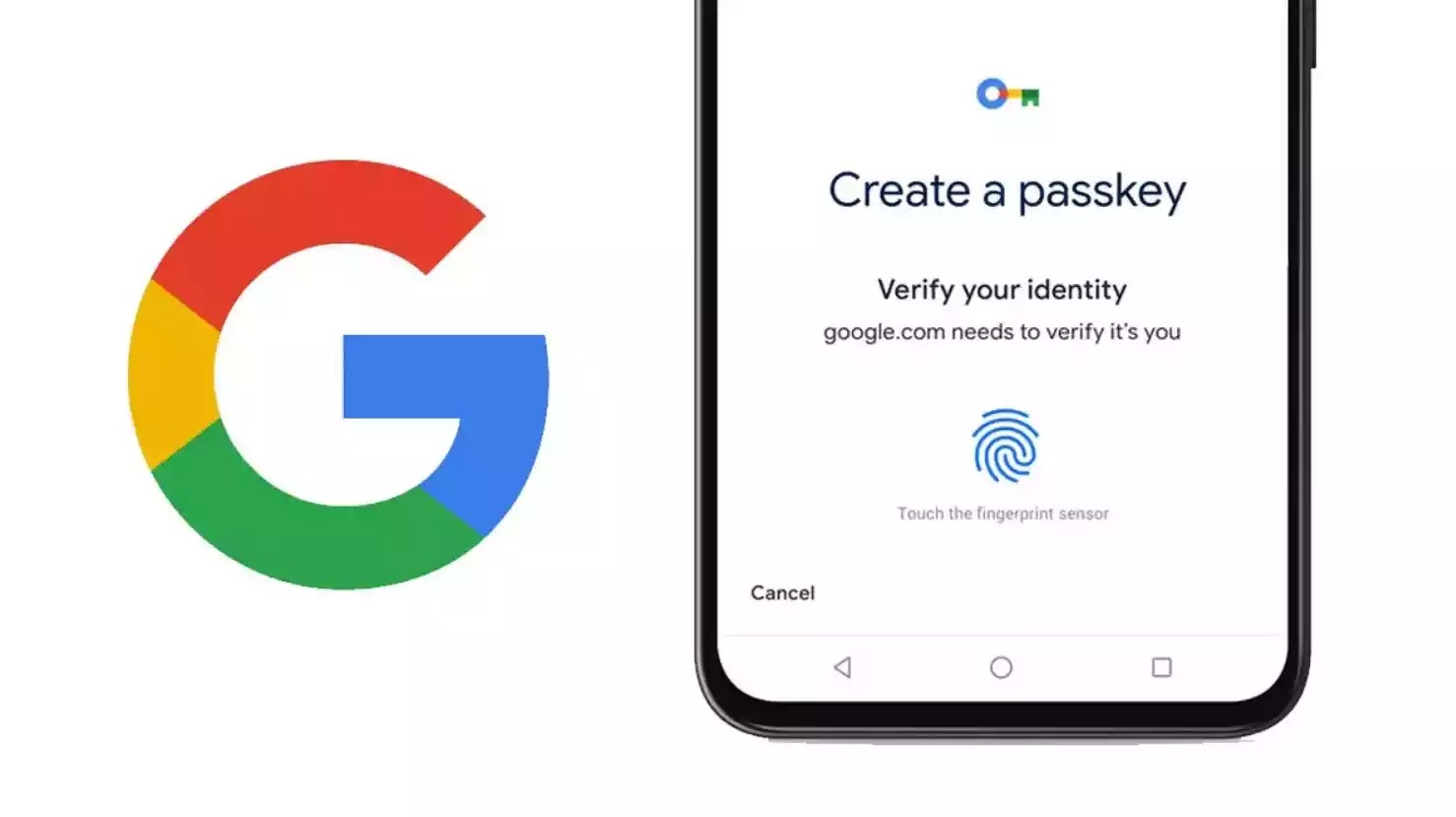
  • Google expands passkey support to more devices with new partners in tow

    Google expands passkey support to more devices with new partners in tow

    Logging into internet accounts can be quite a challenge, especially when you have to keep track of multiple passwords. This is why Passkeys, the sign-in method that is touted as the safer alternative to passwords, have become Google’s preferred authentication method for personal accounts.

    Last year, Google made a concerted effort to encourage more people to use passkeys, going as far as working with industry partners to ensure that passkeys are easily accessible on various websites and apps. However, there is still work to be done.

    As part of the December Pixel Feature Drop, Google introduced a new feature to Google Password Manager, allowing users to easily identify which of their accounts support passkeys and upgrade to them with just a few taps. This feature is currently accessible on the Pixel 5a and newer as well as the Pixel tablet, with plans to expand its availability to other platforms shortly.

    However, in a blog post today, Google announced that it has partnered with several companies, such as Adobe, Best Buy, DocuSign, eBay, Kayak, Money Forward, Nintendo, PayPal, Uber, and Yahoo! Japan, to enhance the passkey update process for more users. For users who are already signed up with one of the early launch partners, Google Password Manager for Pixel will assist in locating the precise location on the website or app where users can easily upgrade to a passkey, essentially eliminating the need for manual searching in account settings.

    Passkeys provide an added layer of security as they are unique to each account, making them more resistant to phishing attacks compared to regular passwords. They are also more user-friendly since users don’t have to remember a complicated password, and can instead have the option to sign in using their fingerprint, face recognition, or PIN. With the increasing adoption of passkeys by websites and apps, they seem to be on their way to becoming the standard for online authentication.

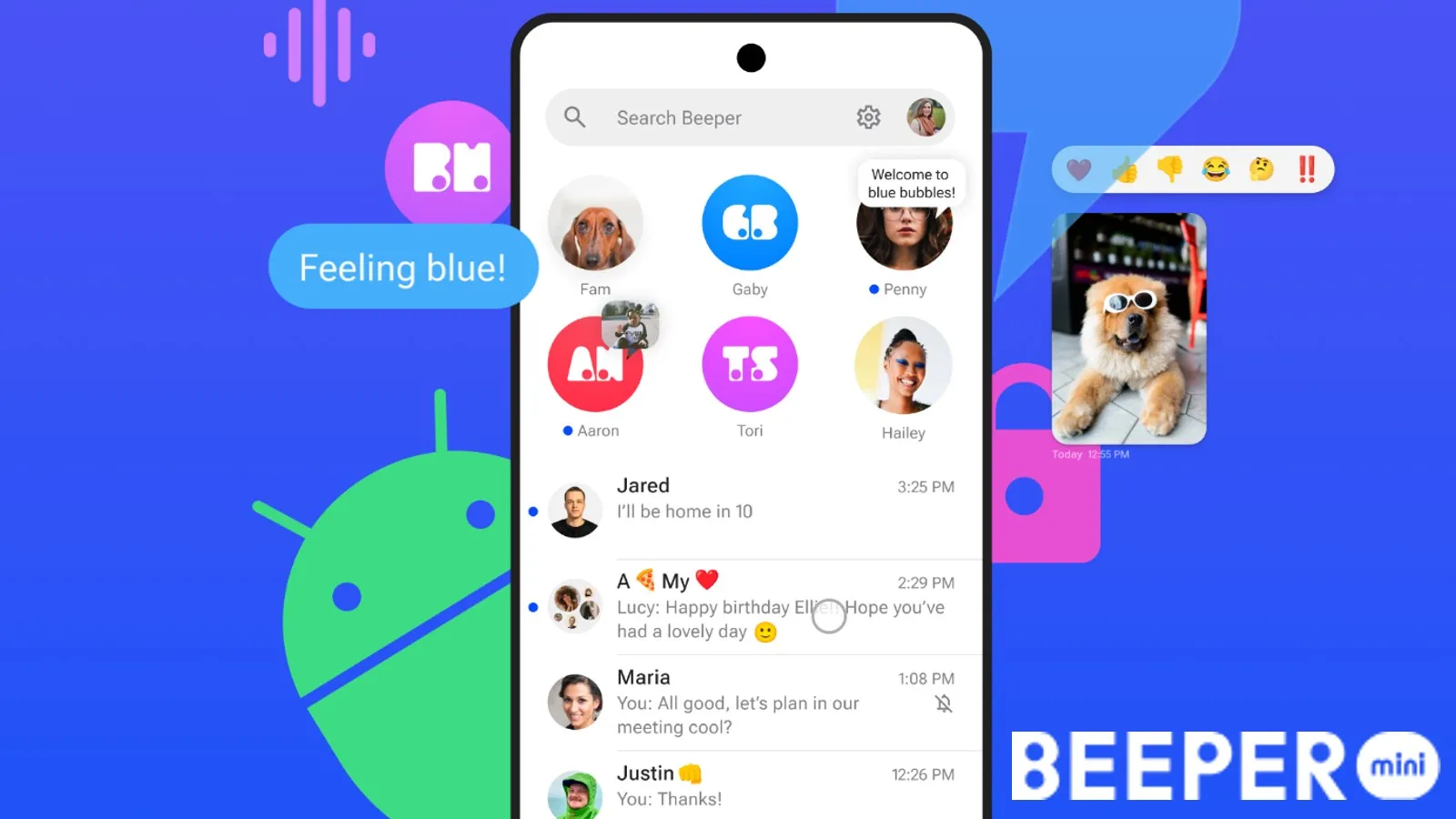
  • Beeper halts iMessage integration after reported user bans on Macs

    Beeper halts iMessage integration after reported user bans on Macs

    In its ongoing dispute with Apple for access to iMessages, Beeper, the universal messaging app, appears to have given up. In a recent announcement, the company revealed their decision to disable new iMessage connections on their main app, Beeper Cloud. This move effectively marks the complete shutdown of the service, at least for now.

    Following user reports, it came to light that Beeper users that were using the workaround method of the connecting the “Cloud” or “Mini” app to iMessage via their Mac computers, were somehow being banned from using iMessage altogether. Despite this only affecting a minority of Beeper users (about 30 out of 3,500), the bans were enough to spark worries about Apple’s aggressive approach when it comes to unauthorized third-party access to its messaging service.

    According to Beeper, the bans began shortly after the app pushed an update last month, which coincided with the company’s transition from relying on its own servers and instead having users seek authorization using their owned Macs. This worked for a little while, but apparently Apple eventually caught on and reportedly banned some of these connections.

    Beeper effectively reached out to Apple directly, but never received a response or any explanation for the bans. Nevertheless, after receiving media attention from The New York Times, Apple seemingly quickly resolved the issue and lifted the ban on affected users within a span of two days. This was documented in great detail on an X/Twitter post the company published.

    Apple claimed that the bans were due to “spam,” but Beeper and the affected users argue that they did not receive any warnings or notice any suspicious behavior. As a result, Beeper has decided to disable new iMessage connections on its platform completely. While the company does not completely rule out the possibility of reactivating iMessage accessibility through Beeper in the future, the current situation effectively puts an end to it.

    Beeper had previously announced its intentions to refocus its efforts into improving their desktop and mobile apps, as well as adding support for more messaging services down the line. Beeper’s desktop and mobile apps (except Beeper Mini) remain fully operational, offering a convenient solution for multiple messaging services, and currently supporting an impressive range of 14 different platforms. This is what Beeper will become from now on, a universal messaging app, without iMessage, of course.

  • Why are Moissanite Stackable Bands the Best Choice for Gifting Your Friend?

    Why are Moissanite Stackable Bands the Best Choice for Gifting Your Friend?

    You can dress up an outfit easily if you have a collection that works well for formal and informal settings. That is what jewelry made of moissanite gives. Because of their versatility and everlasting beauty, moissanite jewels are indispensable accessories for any event. Not only does moissanite make excellent engagement rings, but it’s also far more reasonably priced than diamonds, making it a wonderful gift for anniversaries, holidays, or birthdays.  It’s always lovely when someone grins sparkles tend to have that effect. Just in case you’re seeking a significant character moment. Who doesn’t adore Moissanite rings and jewelry? It shines brilliantly and lasts forever. Regardless of the occasion for giving, this is a hit when you factor in its incredible cost.

    Symbolism of Friendship

    Stackable bands, with their interlocking design, symbolize the interconnectedness and strength of friendships. Each band can represent a different aspect or make it a profoundly personal and meaningful gift. Moissanite, known for its brilliance and durability, further adds to this symbolism, representing the enduring and radiant nature of your bond.

    A good giver of gifts

    All set to dominate the gift-giving scene? A gorgeous present, moissanite rings may make a big impression with their dazzling little—or not so little—stone. As patient with any current, choose how much to give and proceed. Prioritize your budget before making purchases. You can choose your perfect design or go a little bigger if you’re feeling adventurous with moissanite since it’s far less expensive than a diamond.

    Moissanite is a terrific place to start searching for excellent present ideas. Especially if you wish to add something a little extra or not into necklaces.

    A Gift That Grows With Your Friendship

    The beauty of stackable bands lies in their ability to add over time. You can start with a single moissanite band and, on future occasions, add more rounds to the collection. This way, the gift evolves and grows like your friendship, marking milestones and special moments shared between you and your friend.

    Timeless Elegance

    Moissanite is renowned for its sparkling brilliance and clarity, rivaling that of diamonds. This timeless elegance makes moissanite stackable bands a gift that will never go out of style. They can be cherished for years to come, serving as a constant reminder of your enduring friendship.

    Personalization Options

    Moissanite stackable bands offer numerous customization options. From choosing the cut and size of the moissanite to selecting the metal for the band (like gold, silver, or platinum), these bands can be tailored to your friend’s taste. Engravings can add an extra personal touch, whether a significant date, initials, or a short message.

    Moissanite jewelry’s portability and adaptability are further benefits.

    Having Moissanite rings and jewelry portable, strong, and lightweight is essential when you’re on the go. The ideal material is moissanite. A few essential parts may create various designs because their versatility and durability guarantee that they will resist demands to travel. Stow a pendant necklace, a stackable ring, and a pair of moissanite stud earrings in your luggage for an easy transition from day trips to fancy dinners.

    Moissanite’s features and quality

    Understanding a moissanite engagement ring’s quality and beauty is crucial when contemplating one. You can choose from a range of colors for moissanite, including fancy-colored alternatives, greenish-yellow, black, and colorless stones, to fit your taste and style. Moissanite exhibits fewer defects than most natural diamonds, making it a highly sought-after material in terms of clarity. Your engagement ring will dazzle brilliantly and strikingly because of the gemstone’s extraordinary clarity.

    Double Your Sparkle

    While two to three carats may be considered a mid-sized moissanite, they are particularly sparkly. And use Kristen’s 10x multiplier if you can’t get enough of that gorgeous shine. The ring moves a lot thanks to the marquise and round diamonds set in the band. The added brilliance of the moissanite is greatly enhanced by two bright stones. We wish to live there full-time since it’s a “shining city.” A space rock weighing two carats is quite substantial and purchased for a minuscule portion of the cost of a diamond.

    Factor Chonk

    What is the ideal moissanite size? Avoid going overboard to avoid turning the entire neighborhood two primary criteria determine the size of a rock.

    Budget.

    What is your desired spending amount? You may be pleasantly surprised at how much you can get by if you first determine your price point.

    Style.

    Her style strongly influences the appropriate size. Go big or go home if she likes dramatic outfits and heroic events. You might choose something more subdued if she prefers a classic, modern, or minimalist look. Ultimately, it all comes down to money and arrogance. A moissanite ring can give off a hint of glimmer or even turn on like a Christmas tree. The mood is everything.

  • Apple announces big changes coming in March to iOS, Safari, and the App Store in the EU

    Apple announces big changes coming in March to iOS, Safari, and the App Store in the EU

    Apple is making big changes in the European Union, which will allow, among other things, iPhone users to sideload apps from third-party app stores. From the start, the late Steve Jobs intended to prevent iPhone users from sideloading apps on the iPhone for security reasons. Apps from third-party app stores are installed without Apple checking them out to see if they are security risks; apps downloaded from the App Store have been vetted for malware and other malicious behavior, although sometimes developers with evil intentions can get an app through.

    Developers will also be able to choose alternative payment platforms to handle in-app transactions in the EU across all of Apple’s operating systems including, including iOS, iPadOS, macOS, watchOS, and tvOS. The commission that Apple will take on in-app purchases that it processes through its own in-app payment platform, the so-called Apple Tax, will be reduced in the EU from the 15%-30% range seen in the rest of the world, to 10%-17%. Apple won’t see a dime from in-app transactions completed through alternative payment platforms.

    The 27 member countries of the EU benefit from the EU’s Digital Markets Act (DMA) which forces Apple to make these changes in this market. Another change being made by Apple will show users a new “choice screen” the first time they open Safari in iOS 17.4 or later. While EU iPhone users can already change their default browser away from Safari, the new “choice page” will bring to their attention that they can choose a default browser and include a list of third-party browsers to help them make that change immediately.

    Apple makes it clear that it doesn’t like being forced to put up the “choice screen” because it means “that EU users will be confronted with a list of default browsers before they have the opportunity to understand the options available to them. The screen also interrupts EU users’ experience the first time they open Safari intending to navigate to a webpage.”

    The company also said, “Inevitably, the new options for developers’ EU apps create new risks to Apple users and their devices. Apple can’t eliminate those risks, but within the DMA’s constraints, the company will take steps to reduce them. These safeguards will be in place when users download iOS 17.4 or later, beginning in March…” One of the changes Apple is making in the EU will bring additional malware protections that will prevent iOS apps from launching if they are discovered to contain malware after being installed on a user’s device.

    Changes are coming to iOS in the EU as well. EU iPhone users can choose a third-party contactless payment app to replace Apple Pay and select an alternative app marketplace as their default to replace the App Store.

    Apple Fellow Phil Schiller said, “The changes we’re announcing today comply with the Digital Markets Act’s requirements in the European Union, while helping to protect EU users from the unavoidable increased privacy and security threats this regulation brings. Our priority remains creating the best, most secure possible experience for our users in the EU and worldwide. Developers can now learn about the new tools and terms available for alternative app distribution and alternative payment processing, new capabilities for alternative browser engines and contactless payments, and more. Importantly, developers can choose to remain on the same business terms in place today if they prefer.”

    Apple says that all of these changes will take place in March with the release of iOS 17.4 in the region.

  • Meta launches much stricter message setting for teens on Facebook and Instagram

    Meta launches much stricter message setting for teens on Facebook and Instagram

    Following its recent changes to the teen experience on its social apps, Meta announced a harsher change intended to protect teens from unwanted contact.

    After limiting teens’ ability to see sensitive content on Instagram and Facebook, Meta introduced today a stricter message setting for teens who are using these two social apps.

    Until now, Meta restricted adults over 19 from messaging teens who don’t follow them. Also, the company limits the type and number of DMs people will be able to send to someone who doesn’t follow them to one text-only message.

    The new setting announced today makes it possible to turn off teens’ ability to receive DMs from anyone they don’t follow or aren’t connected to on Instagram, including other teens, by default.

    When the new setting is toggled on, teens will only receive messages from people they already follow or are connected to. According to Meta, teens in “supervised accounts” must get their parents’ permission to change this setting.

    The new default setting will apply to all teens under the age of 16 (or under 18 in certain countries). Those affected will receive a notification about the new changes on Instagram at the top of their Feed.

    Apart from Instagram, Meta revealed that it’s also changing teens’ default settings on Messenger, so those under 16 (or 18 in certain countries) will only receive messages from Facebook friends, or people they’re connected to through phone contacts.

    Finally, Meta plans to launch another feature that will help protect teens from seeing unwanted and potentially inappropriate images in their message from people they’re already connected to.

  • iOS 17.4 beta released with App sideloading and alternative browser engines in the EU

    iOS 17.4 beta released with App sideloading and alternative browser engines in the EU

    Apple has just released the iOS 17.4 beta developer beta 1. Following the wide public release of iOS 17.3 just a few days ago, the writing was on the wall for a new developer build. And it’s here for all those adventurous enough to test out a developer beta, which are these days free to test-drive.

    An earlier beta of iOS 17.3 served as a stark reminder that betas are nothing to scoff at and shouldn’t be used on daily drivers without an adequately recent backup. In particular, that ill-fated beta caused some iPhones with the Back Tap feature enabled to get stuck in a bootloop, which is never a good thing to experience.

    What’s major here, however, is Apple complying with the EU’s Digital Markets Act (DMA) and adopting tons of changes to Safari, the App Store, and iOS itself. The directive, which essentially allows iPhone users in the EU to benefit from sideloading apps from third-party app stores, enjoy non-WebKit-based browsers, and additional safeguards to tone down risks for users will arrive with the public release of iOS 17.4.

    Essentially, iOS 17.4 will allow users in the EU to:

    • sideload apps from third-party app stores (currently only developers can sideload apps)
    • use browsers based on another engine (all iOS browsers right now rely on Apple’s WebKit engine)
    • choose their default browsers the first time they launch Safari after iOS 17.4 (currently not available in the beta)

    Apple says that it has included more than 600 new APIs as well as expanded app analytics but doesn’t miss the opportunity to once again voice concerns about “new avenues for malware, fraud and scams, illicit and harmful content, and other privacy and security threats.” One way to combat this is a new safeguard protection dubbed Notarization for iOS apps, which aims to reduce risks by authorizing marketplace developers can peddle apps or take alternative payments.

    Still, the word “risk” appears some 22 times in the press release, revealing that Apple is adopting this EU-mandated change very casually.

    Some developer-intended new iOS features that will arrive with iOS 17.4 but aren’t necessarily part of the newest beta include:

    • New options for distributing iOS apps from alternative app marketplaces
    • New framework and APIs for creating alternative app marketplaces
    • New frameworks and APIs for alternative browser engines
    • Interoperability request form
    • Notarization for iOS apps
    • App installation sheets
    • Authorization for marketplace developers
    • Additional malware protections

    When sideloading, iOS users in the EU won’t be able to benefit from some of the regular perks. For example, purchases of app ouside of the App Store won’t be detailed in the latter and Apple won’t be able to issue a refund. Family Purchase Sharing and Ask to Buy also won’t be compatible with apps downloaded and/or purchased outside of the App Store.

    However, App Tracking Transparency will still work with apps coming from alternative stores, so users will be able to forbid apps from sharing tracking their data and sending it to the respective app developer.

    Apple says that all of these changes will come into effect in March, so we should most certainly expect iOS 17.4 to go out of beta and arrive as a public release to all iPhone users before March. Of course, non-EU iOS users needn’t worry as seemingly nothing will change for them. No sideloading and no alternative app stores and browser engines are to be expected in the US.

  • Comparing Malaysia’s Gambling Scene to the Rest of Southeast Asia

    Comparing Malaysia’s Gambling Scene to the Rest of Southeast Asia

    Southeast Asia is home to many traditional, conservative countries, meaning their stances toward gambling are a bit sterner than those of most countries in the Western hemisphere. However, this region is far from homogenous. The situation differs from country to country, while online and offshore gambling are a story of their own. 

    Still, where does Malaysia fit into all this? Perhaps even more importantly, how does it fare against some of its neighbors regarding the gambling scene?

    What form of gambling is legal in Malaysia?

    The only legal forms of gambling in Malaysia are betting on horse races (since 1961) and playing lotteries (since 1952). Sports betting, however, is illegal (both retail and online).

    Now, while online sites are illegal as long as they’re hosted in Malaysia, locals are not prohibited from offshore betting. For instance, a Malaysian can choose some of the apps in this list and legally play one of many typical casino games online or bet on their favourite sporting events. 

    The same thing goes for the majority of countries in Southeast Asia, with a few exceptions. For instance, in Singapore, there’s a sort of state monopoly on online betting, while in the Philippines, everything is legal.

    Overall, online betting is hard to regulate, so local authorities usually ignore offshore betting, making it a very popular option.  

    Casinos

    While betting is mostly illegal in Malaysia, casinos are regulated (under some rules that we’ll discuss later). So, it’s home to Genting Resort Malaysia. Sure, it’s just this one casino, but it’s a behemoth with over 3,000 slot machines and over 400 gaming tables. 

    In fact, in the whole of South East Asia, there are only three countries that directly ban casinos:

    • Thailand
    • Indonesia
    • Brunei

    Given the royal family’s proclivity for gambling, some find the last part particularly interesting. 

    In Laos, casinos are legal in special economic zones only. Still, locals are not accepted. The same thing goes for betting, in general.

    Also, remember that Southeast Asia is relatively close to Macau (the Vegas of the East). Needless to say, it’s hard for anyone to deal with such competition in gambling.

    Is Malaysia a popular destination for gamblers?

    Not exactly!

    As we’ve already explained, outside of one casino (albeit gigantic) and the national lottery, there’s not much legal gambling in Malaysia.

    Tourists who are interested in gambling destinations in Southeast Asia are more likely to visit:

    • Sihanoukville in Cambodia
    • Entertainment City in the Philippines

    While it’s hard to pinpoint the exact numbers (due to flawed methodology), it’s widely believed that these two countries have the region’s highest number of gamblers per capita. Now, there’s a reason why this is so hard to determine. Namely, in most countries in Southeast Asia, gambling is illegal for locals either way. So, it’s hard to find someone who openly admits (even anonymously) that they’ve partaken in this activity.

    For instance, in Cambodia, while casinos are regulated, all other forms of gambling are illegal. Moreover, betting in these casinos is only legal for visitors, while locals are not accepted.Most countries in Southeast Asia have similar rules where they regulate casinos but don’t allow locals. In Malaysia, for instance, while casinos are regulated, Muslims are prohibited from participating. In this scenario, the prohibition is based on one’s religion, not regionality.

  • Pernod Ricard launches zero alcohol Beefeater 0.0%

    Pernod Ricard launches zero alcohol Beefeater 0.0%

    Liquor company Pernod Ricard has launched Beefeater 0.0% to join its zero alcohol portfolio.

    Beefeater 0.0% is produced by adding the essence of Beefeater London Dry Gin’s recipe to the base, keeping the latter’s taste – minus the alcohol.

    “Beefeater 0.0% is our very first zero alcohol expression, which captures the energy of our timeless London classic but without the alcohol,” said Murielle Dessenis, global VP for marketing gins at The Absolut Group, a company under Pernod Ricard.

    “We are proud to introduce an elevated option to the non-alcohol category, removing the need for consumers to compromise or miss out on the occasion.”

    Pernod Ricard will initially launch Beefeater 0.0% in Spain, complementing Beefeater’s existing moderated drinking range.

    Last year, the company opened a production line in Thuir, France, for the production of non-alcoholic drinks, research and development, and innovation.

  • Viber launches a unique Business Calls service

    Viber launches a unique Business Calls service

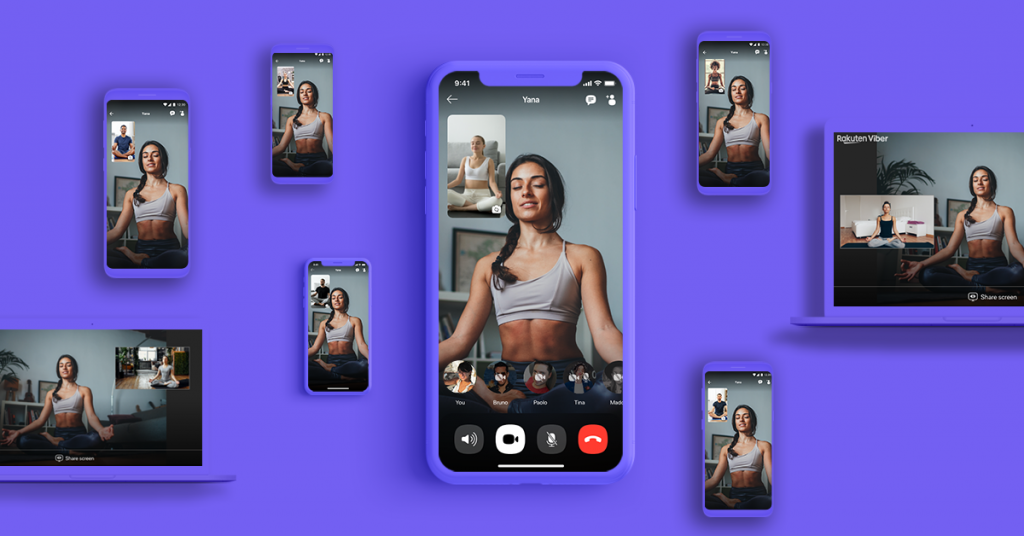
    Viber announced a unique service that allows users to make free international calls to landline numbers directly through its Business Calls app. The new tool makes it easier for Viber users to track their orders, get support in the retail and delivery sectors, or simply assist them with product inquiries.

    Specifically designed for businesses, the new service allows early adopters to create searchable business accounts with an embedded Viber Business Call button or add the tool to their existing accounts in the app.

    “Nine years ago, Rakuten Viber was the first messaging app to offer business messaging, revolutionizing how businesses communicate with their customers. Since then, we have developed a robust business messaging ecosystem and are now taking a significant step forward by introducing in-app Business Calls, a distinctive offering in the market,” says Cristina Constandache, Chief Revenue Officer at Rakuten Viber.

    Additionally, users can initiate a call directly from a chat with a business. At the same time, brands can include a Viber call link on their websites to make it easier for customers to get in touch with them.

    More importantly, all business calls will be free for customers, regardless of where they’re calling from. It’s also important to add that businesses can designate a specific number for Viber or continue using their regular call center number.

    According to Viber, the new Business Calls service is now available globally. If you’re a business, you’re advised to contact the Viber team to learn how to get started.

  • AirAsia launches new route to Ahmedabad

    AirAsia launches new route to Ahmedabad

    AirAsia is set to launch a new route from Kuala Lumpur to Ahmedabad, India’s first UNESCO World Heritage City.

    This move, scheduled for 1 May 2024, expands AirAsia’s network and solidifies its presence in South Asia.

    The latest network addition will become the airline’s eleventh route to India and the third new route in 2024 alone.

    Ahmedabad, also known as Amdavad, has a rich tapestry of history and culture. Home to one of India’s largest cotton textile hubs, serene lakes, and ancient mosques dating back to the 15th century, the city attracts history enthusiasts and travelers alike.

    Its vibrant streets offer some of the world’s best street food, and it stands as a hub for sought-after jewellery markets.

    To celebrate this milestone, AirAsia is extending a special promotional fare. Travel enthusiasts can book flights from Kuala Lumpur to Ahmedabad starting at just RM209 and from Ahmedabad to Kuala Lumpur from only INR7,999.

    This exclusive offer is available for booking until 28 January 2024, with travel valid from 1 May 2024 to 19 March 2025. You can secure seats through the airasia Superapp or the website.

    He highlighted the significance of this expansion, considering the recent Malaysian government initiative for visa-free entry into Malaysia for Indian nationals.

    Lingam shared, “When we launched our very first flight into India in 2008, our vision and mission had always been to enhance affordable connectivity between our two nations.”

  • Meta will soon allow users to unlink their Facebook, Instagram, and Messenger accounts

    Meta will soon allow users to unlink their Facebook, Instagram, and Messenger accounts

    Meta made a lot of concessions to be allowed to continue to function across the European continent, such as adding the ability to use Instagram and Facebook for free with ads, or subscribe to stop seeing ads.

    Starting this month, Instagram and Facebook users in the EU, EEA and Switzerland will be offered additional choices about managing their accounts across Meta’s social apps.

    These new choices are offered “to address the requirements of the DMA, which enter into force in March 2024,” Meta states in a press release. In the next few weeks, those who use Meta’s social apps, specifically Facebook, Instagram, and Messenger, will be notified about their ability to choose whether they would like to share information between apps in case they have multiple accounts.

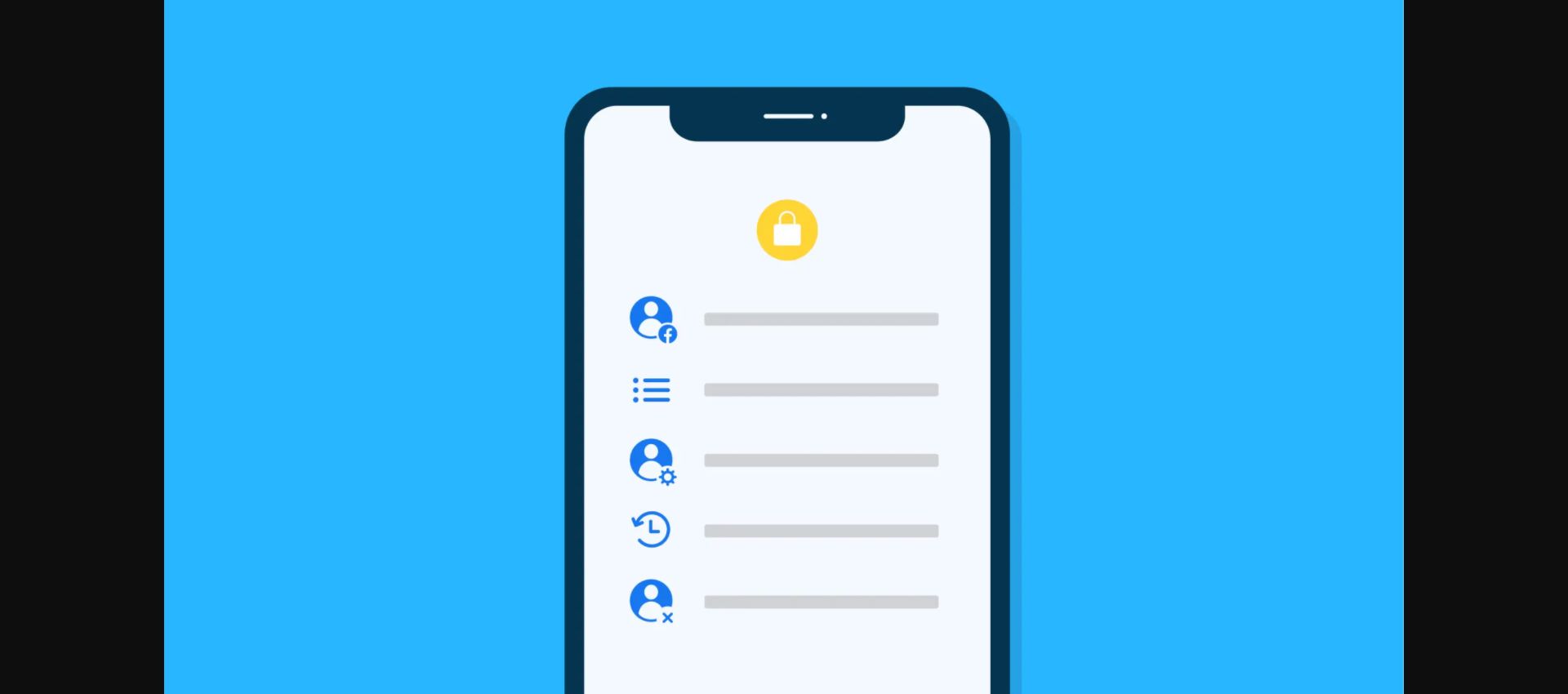
    For example, users who linked their Instagram and Facebook accounts will be able to unlink and manage them separately, or they may choose to continue to connect their accounts through Meta’s Accounts Center so that their info will be used across both their accounts.

    Also, Messenger users can choose whether they wish to continue using the app with their Facebook accounts, or if they want to create a stand-alone new Messenger account. Those who choose the latter can use the app’s core service, including private messaging and chat, voice and video calling.

    Meta revealed that those who play games on Facebook can choose between a gaming experience using their Facebook information or one without. While the former will get the full experience of multiplayer games, in-game purchases, and personalized game suggestions, the latter will only get to play some single-player games.