Retail News Asia is committed to providing both local and global retailers with the latest Living news throughout the Asian market. This on a daily base.
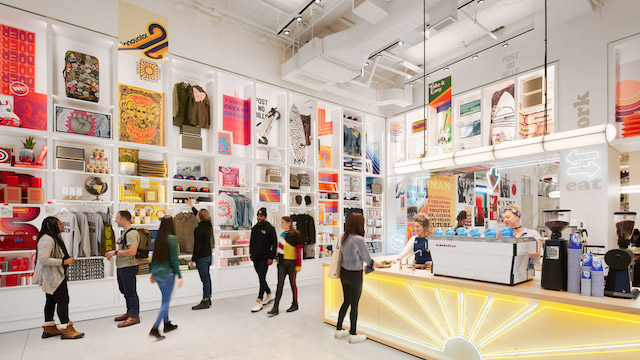
Co-working firm The We Company (previously WeWork) has opened a retail venture and public workspace in New York. The Made by We retail space, cafe and workplace can be used by anyone without the need for a membership, with workstations and meeting rooms available for rent by the minute. The work space features products made by current WeWork member companies available for sale, from apparel to snacks to audiotech gear. It also houses a Bluestone Lane cafe.
While headquartered in New York City, The We Company has WeWork shared office spaces in major cities across Mainland China, Japan and India, as well as in Ho Chi Minh City, Singapore, Jakarta, Kuala Lumpur, Manila, Busan, Seoul and Bangkok.
“Made by We was launched with a vision to connect the We community with the rest of the world, and provide people with the best on-demand workspace, services and products, no membership required”, said company partner Julie Rice.
“Everything we do at The We Company, from the spaces we curate to the service offerings we provide, is intended to create meaningful human connections.”
View the gallery below for pictures (7 images) :
made by we wework news retail new york city usa 4
made by we wework news retail new york city usa 2364 col 7
made by we wework news retail new york city usa 2
made by we wework news retail new york city usa 2364 col 8
made by we wework news retail new york city usa 2364 col 2
made by we wework news retail new york city usa 2364 col 4
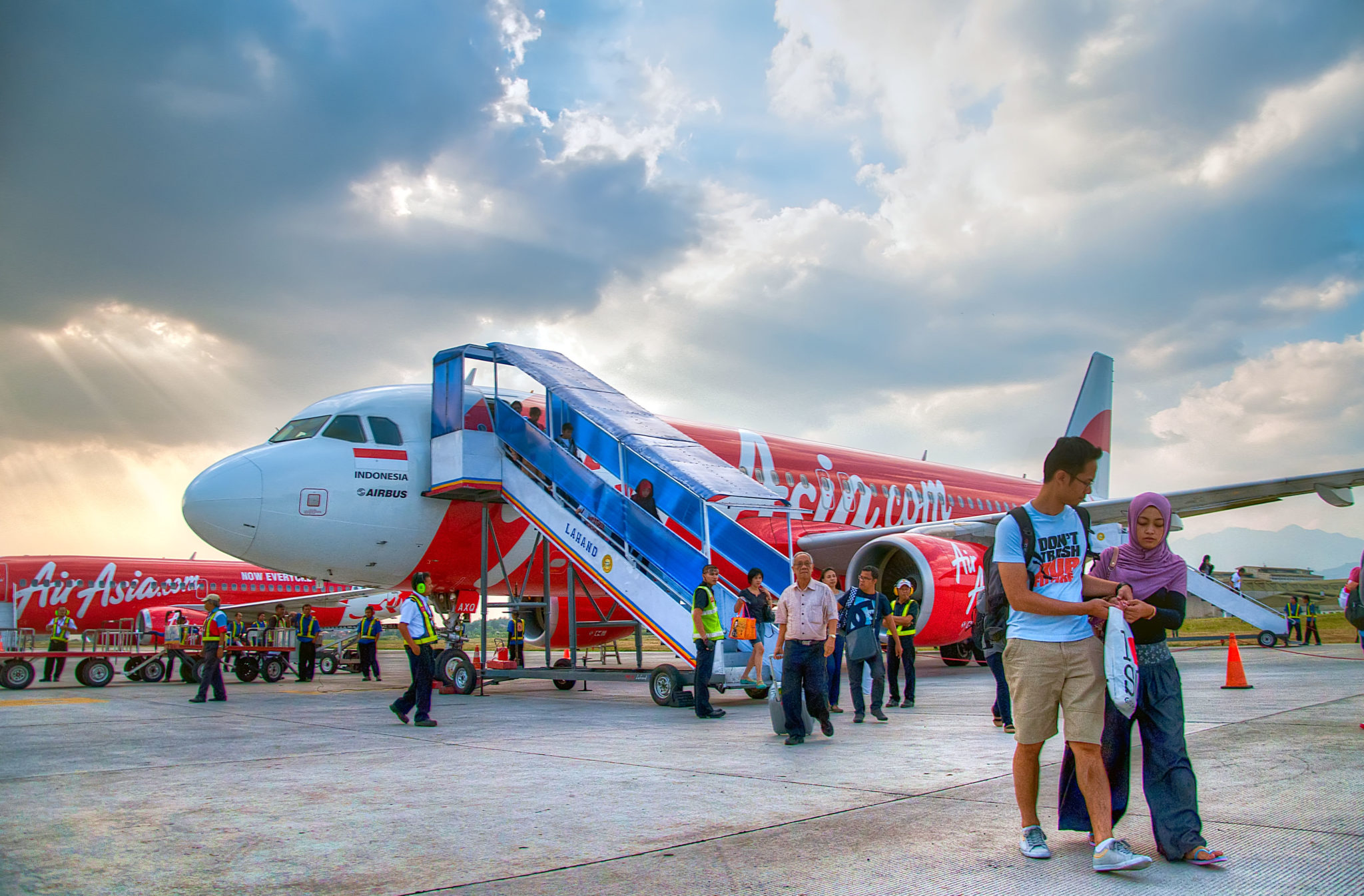
AirAsia Group Bhd Consolidated AOCs carried a total of 12.1 million passengers in the fourth quarter ended Dec 31, 2018 (4Q18), reflecting a 16% growth from 10.4 million passengers carried a year ago. During the quarter, load factor was 4 percentage points lower at 84% from 88% a year ago, due to significant increase in capacity, which rose 21% to 14.3 million from 11.9 million a year ago.
The group said in a statement that its available seat kilometres (ASK) grew 14% year-on-year, in line with the group’s strategy to grow its market share.
For the full financial year ended Dec 31, 2018 (FY18), the group carried a total of 44.4 million, an increase of 14% from 39.0 million passengers carried a year ago.
Capacity grew 18% to 52.5 million from 44.4 million a year ago while load factor fell 3 percentage points to 85% from 88% a year ago. ASK for the period grew 14%.
The consolidated AOCs refers to AOCs whose financial and operational results are consolidated for financial reporting purposes, namely the Malaysian, Indonesian and Philippines AOCs.
In 4Q18, Malaysia AirAsia carried a total of 8.5 million passengers, reflecting a 9% increase from 7.7 million passengers carried a year ago. Load factor fell 5 percentage points to 84% from 89% a year ago.
The Malaysian operations saw a 16% increase in capacity to 10.2 million from 8.8 million a year ago while ASK rose 9% year-on-year.
For FY18, Malaysia AirAsia carried 32.3 million passengers, 11% higher than 29.1 million passengers carried a year ago while load factor fell 4 percentage points to 85% from 89% a year ago.
Capacity grew 16% to 38.0 million from 32.8 million a year ago while ASK rose 12% year-on-year.
Overall, the group carried a total of 74.8 million passengers in FY18, which is an increase of 14% year-on-year. This includes all operations in Malaysia, Indonesia, Philippines, Thailand, India and Japan.
The group also expanded its capacity during the year, with ASK up by 15% and load factor of 85%. The group’s total fleet size closed at 224.
Sam’s Club China plans 40 more stores across China by the end of the year – with online sales anticipated to account for 13–15 per cent of its income throughout the territory by that time. The company says it will shortly launch a Sam’s Club store in Shanghai’s Qingpu, the second in Shanghai for the brand, which first opened in the city eight years ago in Pudong.
Sam’s Club operates as a members-only retail chain with a 2 million-strong membership.
“As we expand our business across China we also want to control quality and to make sure shoppers enjoy the shopping experience”, said president of Sam’s Club China Andrew Miles.
Sam’s Club’s existing Shanghai store underwent renovations that were completed last month, adding a wine tasting space, pharmacy, jewellery counter and optical center for eyewear.
“The remodelling of existing storefronts doesn’t just reflect a newer format but the way we treat our members and how we recruit members and introduce Sam’s Club” said Miles.
Membership of Sam’s Club China costs CNY260 (US$39) per annum, with premium memberships available at CNY680 ($100) annually. The majority of members join via WeChat.
Eka Tjipta Widjaja, founder of the Sinar Mas Group, one of Indonesia’s largest conglomerates, passed away on Saturday, one month short of his 98th birthday. Eka, born Oei Ek Tjhong in Quanzhou in China’s Fujian Province on Feb. 27, 1921, was known as a tough and proven entrepreneur, which saw him become one of Indonesia’s richest tycoons, despite his humble origins.
“He will be buried in his family’s cemetery in Marga Mulya village, Karawang district, West Java,” Sinar Mas managing director Gandi Sulistiyanto Soeherman said in a statement on Sunday.
Eka passed away at his home in Menteng, Central Jakarta, at 7.43 p.m. His body was taken to the Gatot Soebroto Army Hospital in Senen, Central Jakarta, for a funeral service.
Gandi said colleagues, relatives and friends were expected to express their condolences on Sunday, starting from 7 p.m., after the funeral service.
The statement did not specify the cause of death, but Gandi mentioned in another statement to local media that Eka’s health had been deteriorating due to his advanced age.
Eka’s family controls a widely diversified business through the Sinar Mas Group, which he founded in 1962. The group’s interests span palm oil, pulp and paper, real estate, financial services, agribusiness, telecommunications and mining, represented by various entities listed on the Indonesian and Singaporean stock exchanges.
GlobeAsia’s 2018 Rich List estimated Eka’s net worth at $13.9 billion.
Moved to Indonesia
Eka and his mother migrated to Indonesia in 1931, during the Dutch colonial era, to join his father who had already settled in Makassar, South Sulawesi. There he helped his father run a small shop.
Eka, who according to his biography only had an elementary school education, became a door-to-door salesman, peddling various goods, including candies, biscuits and various products from his father’s shop.
He experienced both success and failure in various businesses, which included sales of coconut oil, biscuits and sesame oil, during the Japanese occupation, the early period of Indonesia’s independence and the rule of the country’s first two presidents, Sukarno and Suharto.
King of Copra
His business empire started in 1955 when he became a copra trader in North Sulawesi, which earned him the title, “king of copra.”
Through the Sinar Mas Group, which he founded in 1968, Eka managed to expand his business into various areas, including banking, vegetable oil and real estate. He became well known after the establishment in 1969 of Bitung Manado Oil, which catered to up to 50 percent of demand in the Indonesian cooking oil market at the time.
In 1972, Eka acquired caustic soda producer Tjiwi Kimia, which he transformed into the Sinar Mas Group’s first pulp and paper manufacturer. In the same year, he started Duta Pertiwi, a property developer and real estate business, and 10 years later, Sinar Mas Multiartha, an integrated financial services company.
The group started operating its own industrial forest in 1986 through Sinar Mas Forestry, while it also has interests in communications and technology, including mobile phone operator Smartfren.
Eka overcame many downturns during his nine decades in business, with the largest being the $14 billion default by his crown jewel, Asia Pulp and Paper, due to the 1998 Asian financial crisis. The crisis also forced him to relinquish control of many of his businesses to the government, including his flagship lender, Bank Internasional Indonesia, now known as Maybank Indonesia.
However, Eka bounced back and his Singapore-listed Golden-Agri Resources has since become the world’s second-largest palm oil producer.
“Despite only having completed elementary school, there was no hope or ambition too high for him,” Gandi said in the statement. “The philosophy of being honest, credible and responsible, toward family, work and social affairs, became his life’s compass.”
The tycoon spent millions in scholarships to Indonesian students over the past decade through the Eka Tjipta Foundation and also distributed necessities to disaster-affected areas across the archipelago.
The patriarch is survived by six children and dozens of grandchildren, who now run the family businesses.
International news and convenience retailer WHSmith has opened two new stores at Mactan-Cebu International Airport. The new branches under local franchise partner Regent Distributor Philippines join three existing stores at Mactan-Cebu and Manila Ninoy Aquino International Airports showcasing the retailer’s latest fascia, fixtures and fittings. The move is part of the brand’s overall strategy to bolster its presence in Asian markets.
“We are very pleased to add an additional two stores to our growing portfolio in the Philippines”, said Phil McNally, MD international WHSmith. “With a fresh and modern look, we look forward to welcoming customers to the new stores to enjoy a full range of news, books, travel and convenience items.”
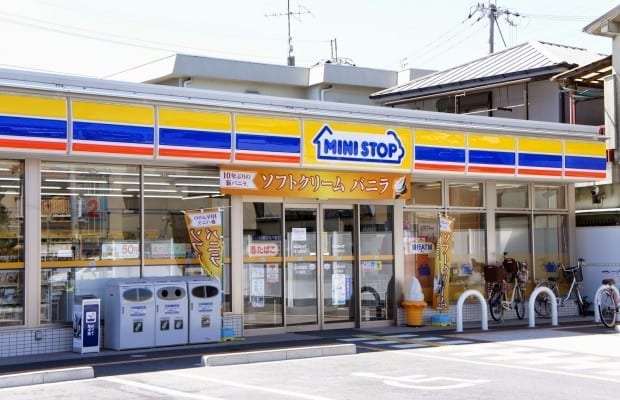
The sale of convenience store chain Ministop fell apart as potential bidder Lotte and the Japan-based convenience franchise failed to agree on a price. The AEON Group of Japan, the largest shareholder of Ministop Korea, filed a notice on Monday that it has suspended the sale process to sell its full stake in the unit. The AEON Group owns a 76.06 percent share while Daesang Group, a Korean food conglomerate, has a 20 percent stake. Japan’s Mitsubishi holds 3.94 percent.
Ministop Korea also notified its workers of the suspension, vowing to keep searching for a potential suitor.
Executives from AEON and Ministop visited Seoul over the weekend to meet Shin Dong-bin, chairman of Lotte Group, which also owns 7-Eleven in Korea.
The retail giant has been considered the likeliest buyer since it reportedly offered the highest price of around 400 billion won ($357.3 million).
Other competitors include Shinsegae, which owns convenience store franchise Emart24, and Glenwood Private Equity, a local private equity firm.
Ministop opened a bidding process back in November, but delayed selecting a preferred bidder.
The introduction of a government regulation banning the opening of convenience stores within 80 meters (262 feet) of another store led to Ministop requesting a higher price, according to local media outlets.
Ministop’s sale garnered attention from the beginning because it could impact the highly-competitive convenience store chain market in Korea.
Ministop operates 2,500 stores across the country. If Lotte had succeeded in acquiring Ministop, it could have increased its number of stores from 9,500 to 12,000.
CU runs the most stores, at 13,109, while the second player is GS25 with 13,018.
Senai International Airport handled 3.52 million passengers last year, a 13% increase from the number of passengers recorded in 2017. Md Derick Basir, CEO of Senai Airport Terminal Services Sdn Bhd (SATSSB), the airport operator, said growth was mainly driven by domestic passengers with an increase of 234,650 passengers while international passenger traffic rose by 37% to 600,000 in 2018.
“Growth was fuelled by the southern region’s rigorous economic activities, escalating demand for business and corporate travel, as well as the leisure sector,” he said in a statement.
Commercial aircraft movement grew 8% with a total of 32,574 landings and takeoffs compared with 2017.
“The rise in total passenger traffic in 2018 was mainly attributed by the introduction of new routes including Seoul by Jin Air, Sanya and Haikou by Malindo Air, as well as Alor Star and Ipoh by AirAsia.
“In addition, the increase in flight frequencies to existing sectors such as Kuala Lumpur, Penang, Kota Kinabalu, Langkawi and Bangkok had also contributed to the growth,” he said.
Md Derick added that SATSSB had also collaborated with industry players including tourism bodies and airlines to promote Johor as a destination, ultimately to encourage the demand for more air connectivity.
“For 2019, Senai International Airport aims to handle 3.76 million passengers,” he added.
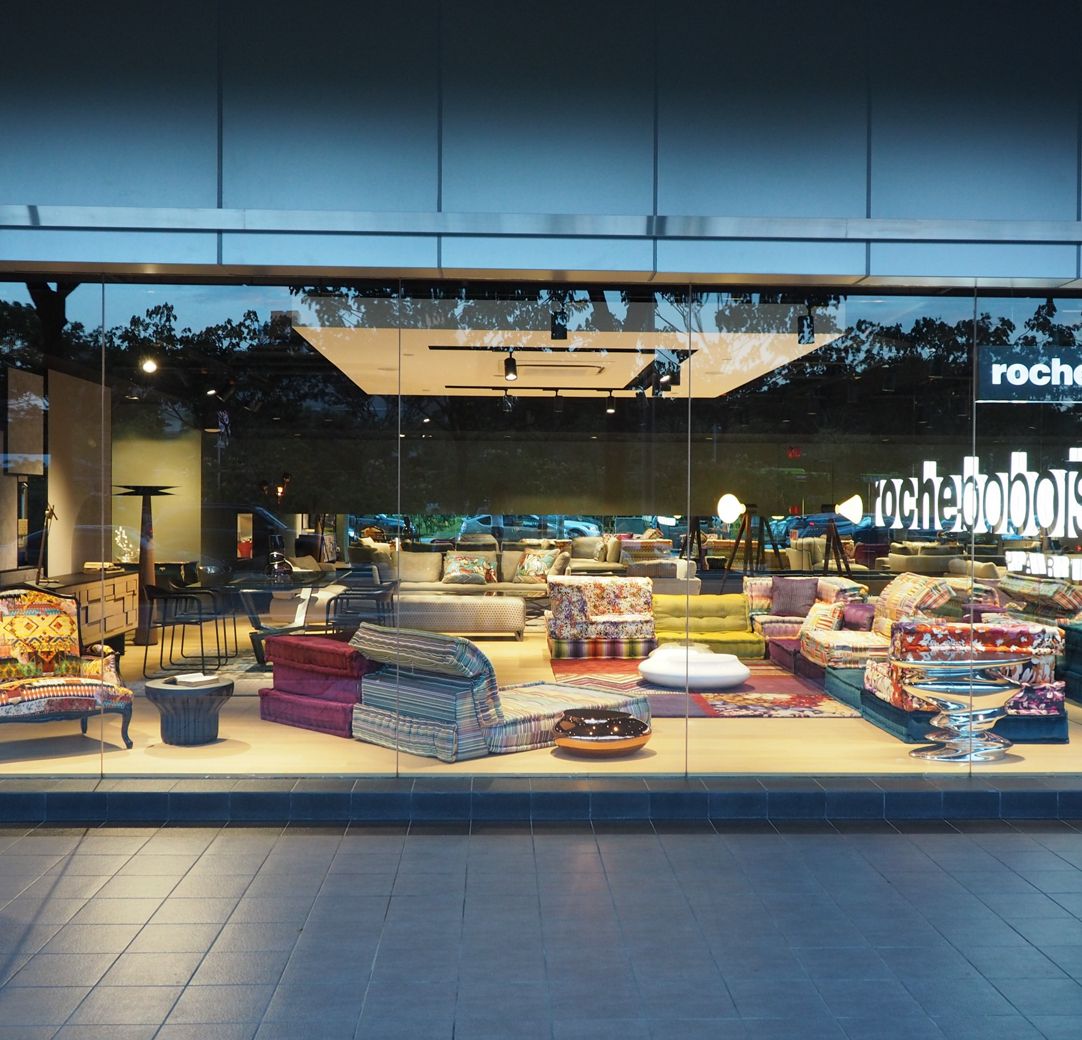
French high-end furniture brand Roche Bobois has announced the opening of its Singapore showroom with a brand new design concept. The 5300sqft Roche Bobois Singapore showroom is located in the Boon Siew Building on Bukit Timah Road features an expansive floor-to-ceiling window to frame the brand’s collections, designed to resemble a jewel box from a distance.
“Singapore is a city known for its appreciation of modernity and open-mindedness and these ideals are central to the Roche Bobois brand”, said company CEO Gilles Bonan.
“This opening demonstrates the brand’s ambitions in Asia; we are already present in China, Hong Kong, South Korea, the Philippines, Japan, Vietnam and India and we intend to increase our presence in this strategic part of the world.”
Roche Bobois operates more than 265 showrooms in more than 55 countries. After 17 new stores opened in 2017, it continued its growth last year in cities such as Hanoi, Washington, Tokyo and San Diego, with the Roche Bobois Singapore showroom its latest globally.
Thailand’s King Power Duty Free has won the world’s ultimate accolade for travel, tourism and hospitality industry excellence, voted ‘World’s Leading Airport Duty Free Operator 2018 in the 25th World Travel Awards. King Power Duty Free triumphed ahead of than a hundred duty free operators worldwide including shortlisted finalists China Duty Free Group, Hong Kong’s DFS, Dubai Duty Free, Swiss-based Dufry, Duty Free Americas, Germany’s Heinemann Duty Free, France’s Lagardere Travel Retail, and South Korea’s Lotte Duty Free and The Shilla Duty Free.
“The award strengthens Thailand’s tourism image as a world class destination while underlining the outstanding capability of a Thai company,” said King Power Group CEO, Mr Aiyawatt Srivaddhanaprabha. “King Power is proud to be Thai and committed to the national travel retail business, setting a new benchmark for world-class duty free shopping experience.”
Operated by King Power International, King Power Duty Free was earlier voted Asia’s Leading Airport Duty Free Operator 2018 in the regional finals of the World Travel Awards.
World Travel Award was established in 1993 to annually acknowledge, reward, and celebrate excellence across key sectors of the travel, tourism and hospitality industries. Today the brand is recognized globally as the ultimate hallmark of industry excellence, voted by travel, tourism and consumer trade executives.
Hybrid showroom, restobar, retail space and gallery Siri House has opened in Dempsey Hill as a taste test for a planned flagship in Thailand.
The venue combines multiple concepts into a single interconnected area, including mock interiors for Bangkok apartments, display spaces for Thai artists, and discrete retail corners focusing on Thai culture and designer items, with jewellery, apparel, accessories and various collectibles available for purchase.
The store is currently trading seven labels, ranging from homeware and souvenirs to crafts and ceramics. Most products on sale have a quirky or artistic vibe.
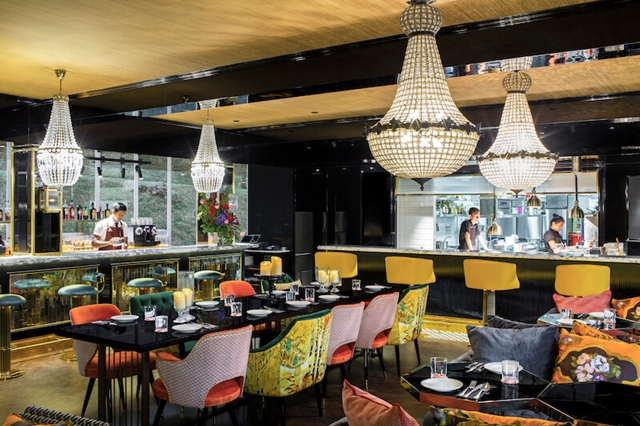
The venue also houses a 48-seat restaurant with art deco stylings, serving a colourful Asian-influenced menu alongside a selection of wines and cocktails.
The Siri House flagship is scheduled to open in Bangkok by March.
Local IT giant Naver announced plans Thursday to make its Naver TV service an open platform where anybody can freely upload videos, pitting it in direct competition with YouTube. The company said it would apply the change during this year’s first half. Originally, only people with more than 300 subscribers on other video platforms were permitted to create a channel on Naver TV.
Unlike YouTube, considered the playground of individual creators, most traffic at Naver TV is to come from short videos from TV shows uploaded by broadcasting or cable channels, like TvN or JTBC. Lowering the bar is intended to draw in the legions of individual creators who have begun to emerge in Korea over the last two years.
“Naver TV was originally focused on offering video from TV for users that flow in via our search engine,” said a company spokesperson.
“We gradually had small- or mid-sized studios upload web dramas or famous beauty creators joining our platform and by that experience we learned the patterns of how original content is consumed. Now we want to make it accessible to more creators.”
Last week, Naver lowered the bar to 100 subscribers and simplified the process required to set up a channel, as a first step to earn feedback and find areas that need improvement before fully opening the door to everyone.
As a strategy to boost users, Naver is devising a compensation system to reward creators according to their performance. Channels with more than 300 subscribers and whose videos were played for more than 300 hours will be offered the choice to roll advertisements.
Naver CEO Han Seong-sook publicly stressed the importance of online videos multiple times last year, expressing a will to develop that sector.
“The internet market is rapidly restructuring to be centered on videos – Naver will also invest more in line with this change,” she said in a conference call in July, pointing out how the younger generation no longer spends time on portal sites or social networks, but on video platforms.
Naver’s traditional strengths are not in video but other services, such as its search engine, blogs and online communities. Regardless, the company has invested in its video services. Apart from Naver TV, its other main video service is V LIVE – a platform via which K-pop idols can host live streamed videos with fans. Around 70 to 80 percent of users at V LIVE are based overseas.
“Instead of running a single platform like YouTube, our direction at the moment is to divide platforms according to usage and optimize the service that fits their respective purposes – V LIVE for fans and Naver TV for general creators,” said the Naver spokesman.
Ahead of the launch of Netflix’s first original Korean drama series today, executives from the streaming giant expressed confidence in the global popularity of Korean content at a press briefing in Seoul, Thursday. Kim Min-young, the director of content at Netflix in Korea, said that she expected to win over fans with the company’s first-ever original Korean drama series “Kingdom,” a highly-anticipated zombie series that launches on the streaming platform.
“‘Kingdom’ will launch in 190 countries in 27 languages at the same time, with dubbing provided in 12 different languages,” Kim said.
“We expect many users will want to watch it, as it can appeal to both people who like zombie thrillers or just Korean content … I believe in our creators and [the popularity] of Korean media, which is also the reason why Netflix launched Korea’s own content team in the country last year.”
Before last May, the team that produced and licensed content to Netflix for the Korean market worked from Singapore at the company’s Asia-Pacific headquarters. Following the relocation, the Korean content team has been pursuing licensing and production activities more actively, working with domestic content producers like JTBC and Studio Dragon.
Regarding original production in Korea, Kim said she benchmarks successful foreign Netflix original dramas like Spanish title “Elite” and Turkey’s “The Protector” that became huge hits with users across the world.
“Our ultimate goal is to present entertainment to consumers, and from our experience, we found it necessary to give creators the freedom to tell the story they want to share,” said Kim.
“As you can see with ‘Black Mirror: Bandersnatch,’ we will help producers to not be hindered from doing what they want because of technological limits.”
“Black Mirror: Bandersnatch” is a choose-your-own-adventure film by Netflix that allows users to choose one of many action courses for the characters throughout the movie to determine how the plot progresses. Kim hinted that the impressive technological feats as shown via the interactive video could also be made possible in Netflix’s Korean programs.
“We were also satisfied with the performance of our original entertainment program ‘Busted!,’ as reflected by our decision to produce a second season,” she said.
The Netflix team also addressed concerns that Netflix provided limited service offerings and imposed unfair deals on its Korean partners.
“Although we can’t provide all content available out there, we conduct analyses to discover what content users want,” Kim said. “But we have contents like ‘Friends,’ ‘Walking Dead’ and ‘Kim’s Convenience’ which users can’t access elsewhere.”
In response to a rumored nine-to-one profit division between Netflix and Korean distributors like IPTV operator LG U+, Nigel Baptiste, director of partner engagement at Netflix, said that he could not “go into the specifics of what the deals are with our partners,” but the goal was to help “everyone in the ecosystem benefit.”
The team did reassure users that subscription fees will not rise anytime soon in Korea.
“We did increase prices in the U.S. … but we don’t have plans to do so right now [in Korea],” said the vice president of Asia-Pacific communications, Jessica Lee.
Netflix is planning to release several new series in Korea this year – the first seasons of “Love Alarm,” “My First First Love,” “School Nurse Ahn Eun Young” and the second season of “Busted!”
Mobile app research company WiseApp reported that some 900,000 Koreans used the Netflix mobile app on Android phones alone last September.
Oil prices declined on Thursday amid lingering concerns over slowing global economic growth that may limit fuel demand and after a surprise build in U.S. crude inventories. International Brent crude oil futures were at $60.89 a barrel at 0352 GMT, down 25 cents, or 0.4 percent, from their last settlement, having closed down 0.6 percent in the previous session.
U.S. West Texas Intermediate (WTI) crude futures were at $52.40 per barrel, 22 cents lower from their last settlement.
“Crude oil came under further pressure as concerns of faltering global growth remained at the forefront in investor’s minds,” ANZ Bank said.
The prospects of future oil demand are getting clouded by the global growth worries, analysts said.
“With the IMF downgrading 2019/20 and the continued rhetoric from Davos reiterating that they expect global growth to slow down over the next two years, is providing selling pressure in oil,” said Hue Frame, portfolio manager at Frame Funds in Sydney.
Earlier this week, the International Monetary Fund (IMF) cut its world economic growth forecasts for 2019 and 2020, due to weakness in Europe and some emerging markets.
Meanwhile, world leaders and top executives are meeting in Davos, Switzerland, this week to discuss how to steer policy amid worries of slowing economic growth, damaging trade wars and Brexit.
Oil market sentiment was also weakened by an increase in U.S. crude inventories after refineries cut output, data from industry group the American Petroleum Institute showed on Wednesday.
Crude inventories rose by 6.6 million barrels in the week ended Jan. 18 to 443.6 million, compared with analysts’ expectations for a decrease of 42,000 barrels, the API said. Refinery runs fell by 152,000 barrels per day.
“Sharp production cuts by OPEC+ have kept crude oil futures supported however as market reports indicate for a marked output reduction in Dec 2018,” said Benjamin Lu, analyst at Phillip Futures.
“Though oil prices have demonstrated for higher upside potential in the first quarter of 2019, mounting economic challenges will continue to impede exponential gains in the longer term,” Lu added.
A lot of Hong Kong retailers are talking about technology right now, but before they even started, Pricerite founder and chairman Bankee Kwan was already embracing it. Now home to the first Pepper robot on customer service duty in a Hong Kong store and leading-edge online apps allowing shoppers to virtually place furniture in their home, Pricerite’s technology journey started way back in 1999.
The furniture retailer is part of Celestial Asia Securities Holdings (Cash Group) which was the first Hong Kong company to launch an online brokerage in 1999. Nowadays, trading shares online is an indispensable part of any brokerage business. Five years later, Cash Group was the first to introduce mobile trading for brokerages.
The company began developing a broader New Retail Concept back in 2012 and in 2014 became the first home furnishings retailer to launch an omnichannel business model.
“So we have always had the mindset to embrace technology to help the business become more competitive and to serve the customers better,” Kwan said.
“That’s why during the Sars epidemic (2003), Pricerite was the first company to introduce online shopping so that our customers could purchase necessities and have them delivered to them. That was 13 years ago, and now online shopping has become popular and common place for housewives to purchase goods.
“So I can actually say we go back a little bit regarding our group philosophy on technology. We always treat our customers’ concerns and feelings as our number one priority.
“New retail concepts will become much more popular. That’s why were are moving ahead with Pepper, with Augmented Reality (AR) and Virtual Reality (VR) to create an impact.”
Concept store
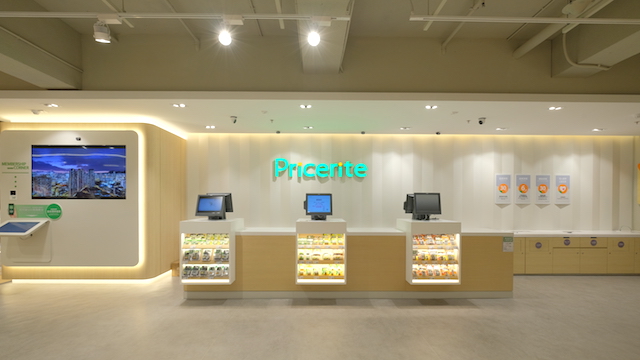
Pricerite’s two-story 20,000sqft New Retail Concept Store in Mong Kok’s Chong Hing Square has been trading for about a year now, a testbed for apps and in-store technology that is constantly being revised, enhanced and added to.
Pepper, the smiling robot with the female Cantonese voice, is probably the most visible execution Pricerite’s customer-centric digital transformation journey. To the delight of children it can dance on request and answer customer questions about the company’s loyalty program from its workspace outside the membership counter.
But it is the less visible execution of Pricerite’s digital strategy that is the most breathtaking: an innovative app which allows you to place furniture items in your own apartment virtually – and order direct from your phone or tablet, from in store or home. It is a great solution for Hongkongers facing shrinking apartment footprints, which make planning a layout that suits one’s lifestyle a challenging task.
The made-to-order zone on the Mong Kok concept store’s level B2 is equipped with a large display screen for app users to preview their selected product from all angles. Using VR technology, the system also provides customised furnishing solutions for medium and small-sized apartments. Guests can take a virtual tour of homes to gain an accurate glimpse of products in situ and see a product’s intelligent functions in action – for example, tables that convert to sleeping spaces and furniture with storage space built in. The AR mode uses cutting-edge mobile 3D Space-Tracking technology, including Apple’s iOS ARKit, which cuts out the hassle of product scanning while generating an “actual” 1:1 preview of an item, allowing simple and easy mix-and-matching for different home styles.
“Technology advances have transformed consumer behaviour and shopping patterns while e-commerce has changed the consumption value chain, creating a complementary retail channel to bricks-and-mortar stores,” observes Kwan.
“Using leading-edge retail technologies to combine online and offline shopping experiences, coupled with a modern supply chain, and big data and artificial intelligence innovations, we have created a pioneering all-round omnichannel retail network for home furnishing.”
The concept store also features multiple digital kiosks and touch-screens around the store augmenting the customer service roles of floor staff by suggesting alternative or complementary products, and providing specifications. AR features in several innovations in store, including creating 3D images of items in the company’s catalogue.
Centres of experience
Kwan says the company’s long-term investment in new technologies has been driven by asking how the company can serve its customers better in terms of information and engagement.
“It’s my experience that the physical store remains the centre of experiences and engagement.” Technology, he says, can make purchasing decisions easier.
“Many traditional retailers are still unsure about whether the innovations will take on, whether they should invest in the technology. But it is essential if we are to remain competitive, especially when we look at millennials and how they shop and interact online.”
Kwan believes that despite the slow uptake of online shopping in Hong Kong, online and mobile shopping will be significant in the future. He cites the Hong Kong government’s Smart City initiative to boost wi-fi connectivity and encourage e-payments as a major driver in years to come.
“With all those facilities established and enabled, fast retailing through mobile is the trend. It is gaining momentum in Hong Kong and we have everything quite well developed, but the market will dictate the change and if you do not accept that [as a retailer], you will fade out and become history.
“So I say, wait another three years and you’ll see the landscape of the retail market will change a lot. I was at a retail summit in Hong Kong recently where we had Facebook and Google and online marketers joining. We were all coming to roughly the same conclusion: technology is a must to keep you competitive.”
Kwan can only guess what percentage of Pricerite’s sales are online versus in-store now – and for good reason. So many transactions begin online and end offline – or the other way around – that it is no longer possible to attribute a sale to either channel. Perhaps retailers who do are missing the whole point of omnichannel. If pushed to nominate a figure he’d say 20 per cent online, 80 per cent offline and he expects that ratio to change to 40/60 within a year or two.
Pricerite’s customers do not make a distinction between online or offline, so it stands to reason the company should not do so either.
“This is whole model is an O2O model, so our customer can shop online, understand we have a promotion, understand the product meets their requirements and then they will come down to the store for the physical experience and to touch the products, then maybe go back home and place an order. So you cannot say this is offline or online,” says Kwan.
“But I believe application of technology to enhance the customer’s experience and engagement, is definitely the road to go and to develop together with more applications and technology, just like Pepper so as to reduce the customer service burden on store staff.”
Kwan stresses Pepper and any other technology implemented at Pricerite must integrate with human staff, not replace them, what he describes as “a balanced fusion of technology and people”.
“Pepper I believe will become popular to provide instant information and master data about product features, etc. That will allow our people to migrate into higher added-value areas.” Kwan says customer response to the AR and VR technology to date has been “really good” and it is driving sales of goods after people look at them either online or instore. “It boosts their confidence buying because they have seen on a screen how a sofa will look in one part of a room and a rug in another.
“The technology is constantly improving and getting much easier to use. I understand our competitors also shop at our stores on and off and they are now also developing the same sort of technology. That, together with efforts by the Hong Kong Government to encourage startups working to develop technology for the service and retail sectors will help drive its adoption in years to come.”
Pricerite’s technology quest is ongoing. The apps will continue to be refined and upgraded with more features and made as user-friendly as possible. Other initiatives are under development but not yet ready to be revealed publicly just yet. And more Peppers are on order, with expanded functions – most of them will speak English, too.
View the gallery below for full images (5 images) :
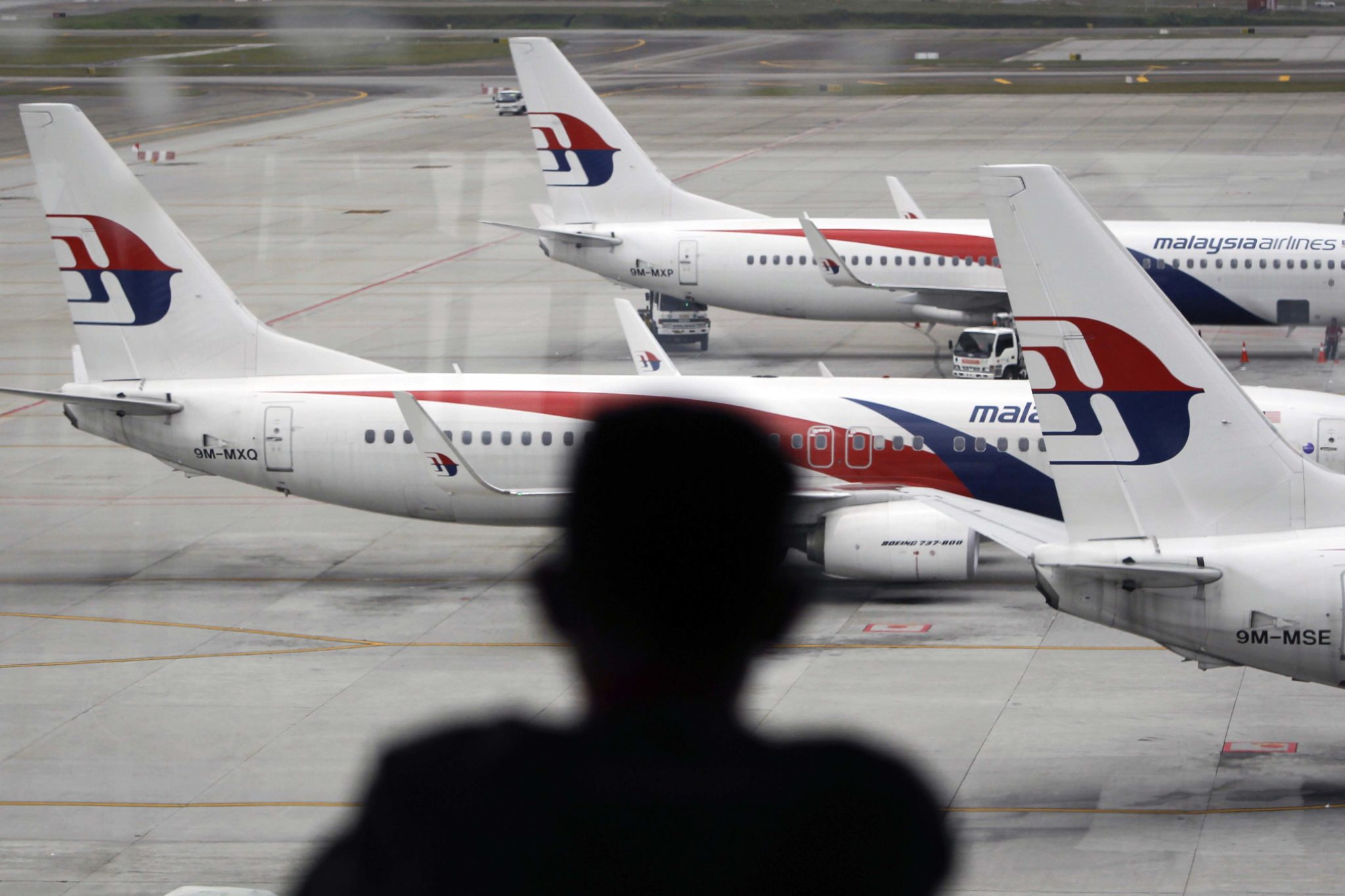
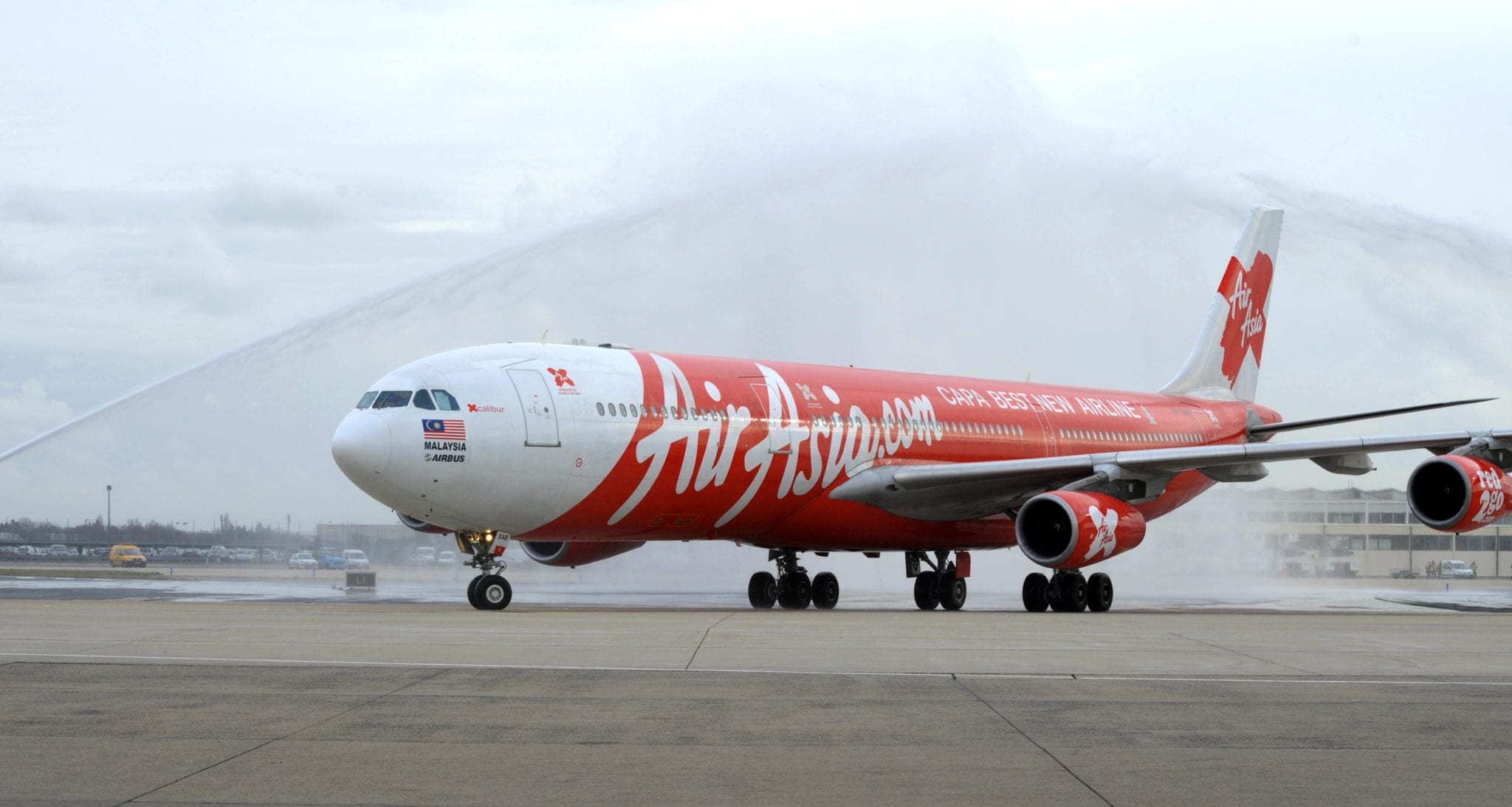
AirAsia Group Bhd and its affiliate AirAsia X Bhd are seeking over RM400 million in counterclaims against Malaysia Airport Holdings Bhd (MAHB) in relation to the suit filed against them over the passenger service charges (PSC) collection. AirAsia and AirAsia X told Bursa Malaysia that they had filed a statement of defence against Malaysia Airports (Sepang) Sdn Bhd (MASSB), a wholly-owned subsidiary of Malaysia Airport Holdings Bhd (MAHB).
“In the statement of defence, AirAsia Bhd (AAB) contended, amongst others, that the claim by MASSB is misconceived, invalid and/or premature as MASSB has not complied with and/or availed itself of the statutory provisions for dispute resolution within the Malaysian Aviation Commission Act 2015 (Mavcom Act). Accordingly, AAB has filed an application to strike out the suit on the above grounds,“ said AirAsia.
“Further, AAB together with its affiliate AirAsia X Bhd (AAX), will be availing themselves of the statutory provisions for dispute resolution within the Mavcom Act to seek more than RM400 million in counter-claims against MASSB and/or MAHB for losses and damages experienced by AAB and AAX due to operational disruptions at klia2,” it added.
Last month, AirAsia was being sued for refusing to collect the additional RM23 PSC per passenger at klia2.
AAB was served with an unsealed copy of a writ of summons in the sum of RM9.4 million by MASSB pertaining to PSC that AAB has not collected and refuses to collect from traveling passengers. Meanwhile, AAX was served with an unsealed copy of a writ of summons in the sum of RM26.7 million for alleged PSC arrears.
AirAsia yesterday closed up 1.33% to RM3.05 with 5.17 million shares done; while AAX closed 1.72% lower at 28.5 sen with 12.17 million shares traded. MAHB was up 0.25% at RM8.12 with 3.33 million shares changing hands.