Category: Living

Retail News Asia is committed to providing both local and global retailers with the latest Living news throughout the Asian market. This on a daily base.

  • Walmart China to boost offline, online integration

    Walmart China to boost offline, online integration

    Walmart China has pledged to further its online/offline integration strategy with increased focus on fresh food distribution, private brands and membership services. The firm’s president and CEO Tan Wern-Yuen said the business will focus on “consolidating its upstream resources and to further improve product quality”. The firm is set to invest more than RMB700 million (US$103.7 million) in its first perishable food distribution centre in Dongguan this March, its largest investment in its 22 years of operations in China. The centre will serve its South Chinese stores.

    Walmart plans to build or renovate around a dozen such centers within the next 20 years, with fresh food now taking up a quarter of Walmart’s overall sales. Tan added that Walmart’s e-commerce transactions have now hit a consistent 150 per cent year-on-year growth rate. Its WeChat mini program “Scan and Go” counted more than 20 million users by the end of last year.

  • Incheon Airport breaks record with 2018 sales

    Incheon Airport breaks record with 2018 sales

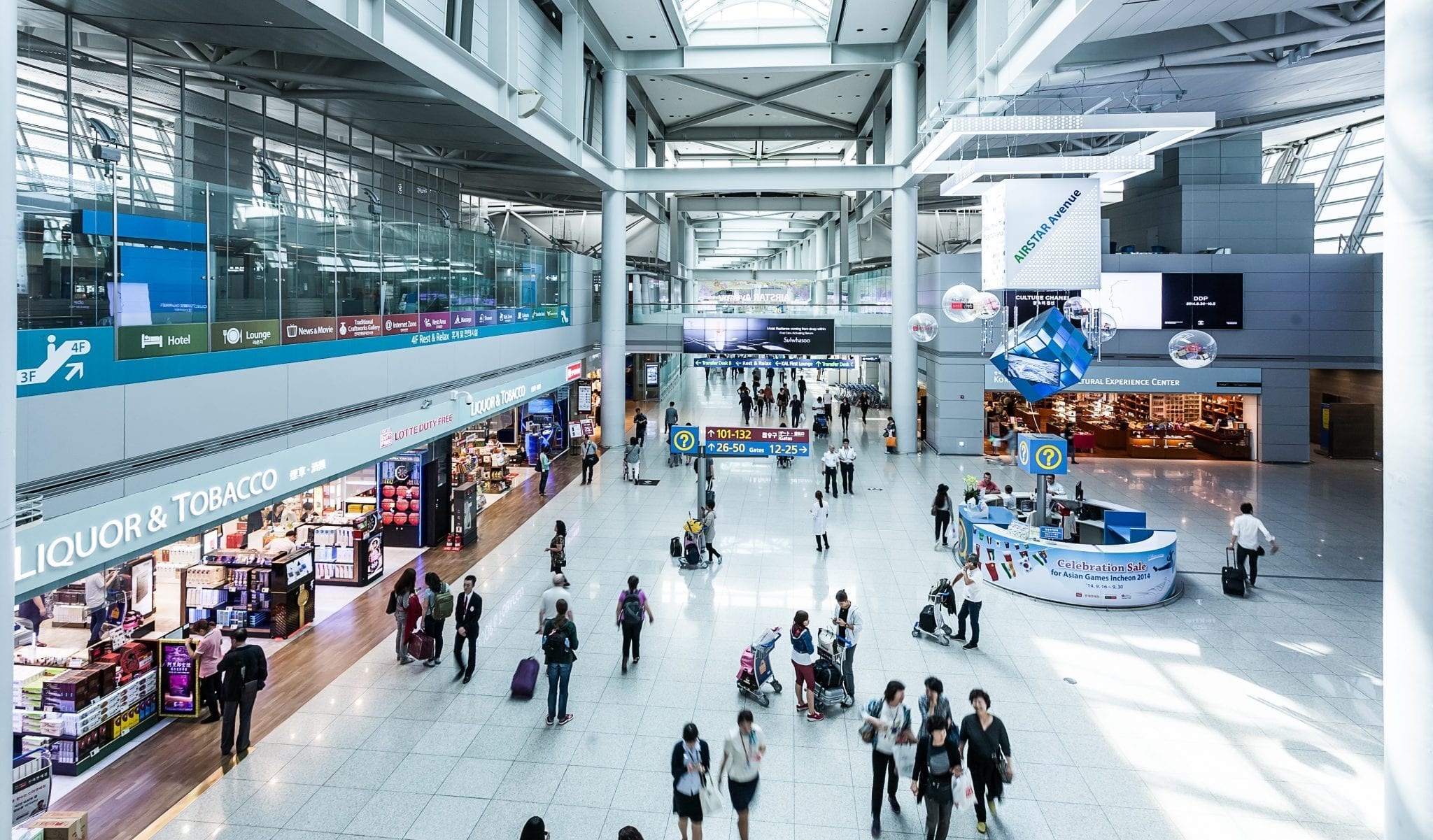
    Incheon International Airport announced record annual sales of US$2.4 billion for 2018, beating the previous record set in 2017. The performance ranks Incheon as the world’s number one airport for duty free sales in 2018, ahead of Dubai International. The latter’s anchor retailer, Dubai Duty Free, posted 2018 sales of US$2.015 billion. Sales rose 14.8% year-on-year, driven by the successful opening of Terminal 2 in 2018 and increased passenger traffic from the 2018 PyeongChang Winter Olympics. Departing passenger traffic rose 9.9% in the year, Incheon International Airport Corporation told The Moodie Davitt Report. A total of 67.7 million passengers used the airport in 2018, including 33.9 million arriving and 33.8 million departing.

    Cosmetics & perfumes continued as the leading product category with a 40% share of the mix and US$953 million in sales. Liquor and tobacco combined took second place with US$540 million (23%).

    Incheon International Airport Corporation (IIAC) said that the 2019 introduction of arrivals duty free shopping will boost the shopping offer.

    “With the introduction of the first arrival duty free in Korea, Incheon Airport will strengthen its competitiveness as the leading airport of the industry, satisfying customers through an advanced shopping environment,” IAAC commented.

    IIAC noted the retail performance of T2, which opened in January 2018. The terminal boasts outstanding beauty, liquor and tobacco flagship stores that feature exceptional design and digital and experiential components, the corporation said. Luxury boutiques such as Chanel and Valentino also played a role in the record-breaking performance.

    T1 performance was boosted by the addition of new retailers, Shinsegae Duty Free and Grand Duty Free. Both had minimised store closure periods during their respective handovers, IIAC said.

    Despite the collapse in Chinese tourism to South Korea from March 2017 driven by the THAAD row with China, duty free sales have maintained their upward curve throughout the ensuing period. Even in 2017, the nadir of the crisis, Incheon posted a 4.1% rise in duty free sales (admittedly well behind a 7.6% passenger increase).

    While Chinese tourism numbers are still well short of 2016 levels (-41.6% for the first 11 months of 2018), spending by daigou traders spurred the Korean duty free market to new heights last year. Incheon, while having a more balanced passenger spending profile than the overwhelmingly Chinese-dominated downtown stores, still benefited from that trend.

    What happens in 2019 following China’s introduction this month of a new e-commerce designed to crack down on daigou imports? That’s the question on everyone’s lips in Korean (and Asian) travel retail. Incheon International Airport Corporation will hope that a combination of a steady recovery in traditional Chinese tourism, daigou ingenuity in getting around the rules, and strong Japanese and Korean business will maintain the upward trajectory. The imminent introduction of the country’s first arrivals shops will help too.

    Higher sales in 2018 did not, of course, equate to higher profitability for the country’s duty free retailers, hurt by the high costs of attracting daigou shoppers. For Incheon International Airport, however, safely wrapped up in the safe haven of steep minimum annual guarantees, 2018 will go down as a stellar year.

  • Vietnam digital media giant acquires US network

    Vietnam digital media giant acquires US network

    Media giant Yeah1 Group has acquired ScaleLab, a U.S. Youtube multi-channel network, for $20 million. ScaleLab is expected to receive $12 million upfront and another $8 million later if business targets are achieved two years after the merger. ScaleLab executives have said the company agreed to the sale because it requires an infusion of funds to expand operations and desired to integrate with Yeah1’s media ecosystem.

    ScaleLab plans to expand into Asia, where Yeah1 connects Asian talents and influencers with the international market.

    Tri Dao Phuc, CEO of Yeah1, said the strategy over the next three years is to “acquire premium social media brands, optimize our existing channels to boost viewership and performance.”

    Headquartered in Hollywood, the U.S., ScaleLab is best known as the Youtube partner of Jake Paul, Jimmy Donaldson, Mariale Marrero, Erika Costell, Katie Angel, and many other YouTube stars.

    It has a roster of 1,750 influencers and 400 million subscribers, and gets three billion Youtube views a month.

    The five-year-old company was recognized as the fastest-growing media company in the U.S. by Inc. Magazine last September.

    This is not Yeah1’s first acquisition in the social media field. Last year it had bought two multi-channel network (MCN) companies, SPRINGme of Thailand and Something Big of France.

    Founded in 2006 it is Vietnam’s largest multi-channel media ecosystem, operating TV channels, movie studios, Youtube networks, and digital news.

    It was also the first media company to list when it got into the Ho Chi Minh Stock Exchange (HOSE) last June.

  • Bamboo Airways to begin flying next week

    Bamboo Airways to begin flying next week

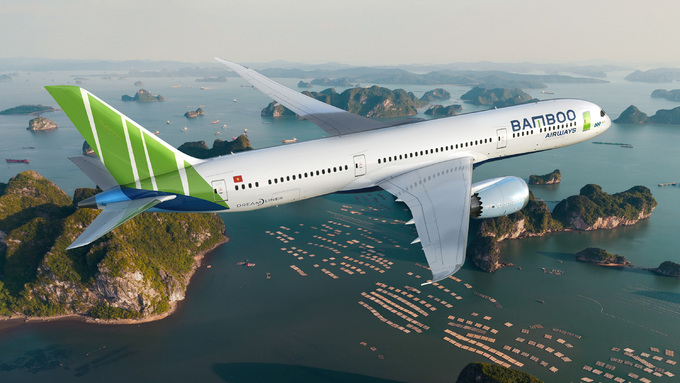
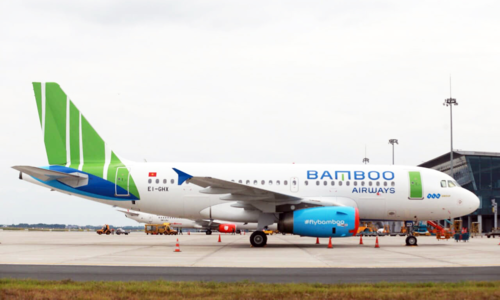
    Bamboo Airways, Vietnam’s newest airline, has begun ticket sales and its first flight is scheduled to take off next Wednesday. The airline has just officially opened ticket sales on Saturday. It has three ticket classes, Economy, Flexible Economy and Business Class, and unlike other low-cost carriers like VietJet and Jetstar Pacific, all passengers will be served hot meals or snacks.

    The carrier has announced a slew of promotions such as combining air tickets with hotel rooms at resorts owned by FLC Group, its parent company, and golfing.

    The airline’s vice president, said the first flights would be to Hanoi, HCMC, Danang and popular tourist destinations such as the central provinces of Quy Nhon, Quang Binh and Thanh Hoa and the northern province of Quang Ninh.

    Bamboo Airways start off with 60 domestic flights a day. Later this year it will fly to Japan, Korea and Singapore.

    Bamboo Airways was founded in mid-2017 with a charter capital of VND700 billion ($30 million), which it increased to VND1.3 trillion ($55.68 million) recently.

    The airline has signed deals to buy 24 Airbus A320neo and 20 Boeing B787-9 Dreamliner aircraft for around $8.6 billion.

    The four other carriers currently in Vietnam are Vietnam Airlines, Vietjet Air, Jetstar Pacific, and VASCO.

  • Grab appeals $208,000 Vinasun compensation ruling

    Grab appeals $208,000 Vinasun compensation ruling

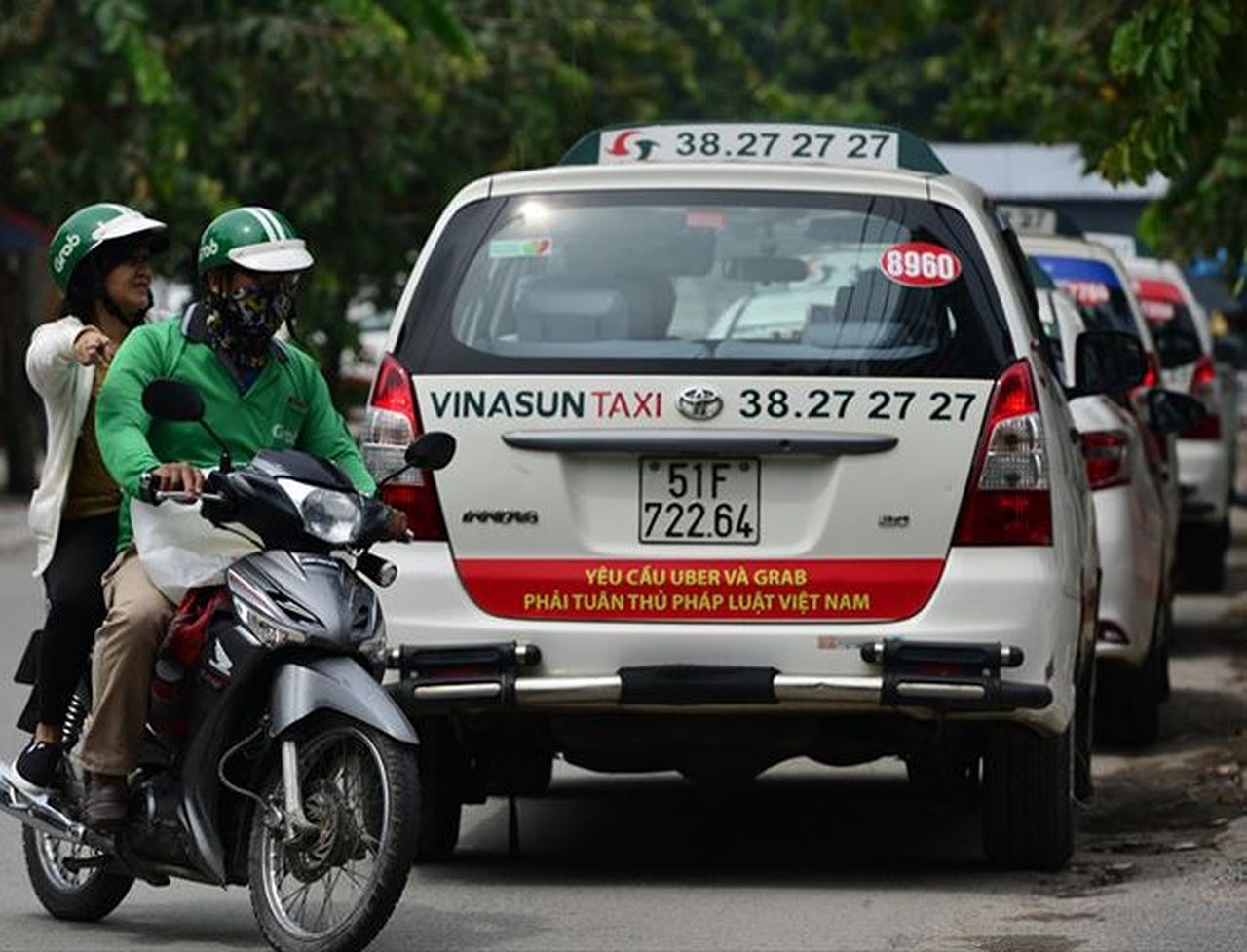
    Grab has appealed a verdict by a Vietnamese court to pay compensation to domestic taxi firm Vinasun for causing it losses. Arguing that the order to pay VND4.8 billion ($208,000) by the first instance court was unlawful, the Singapore-headquartered Grab has asked the appellate court to quash the case. It wants the court to quash the verdict on the ground that the HCMC People’s Court had seriously violated procedures and dismiss the case. The court had no jurisdiction to hear the case, handed a verdict that exceeded the scope of the lawsuit and did not summon the witnesses it had sought, the company said.

    The ride-hailing firm maintained it did not commit any wrong against Vinasun. If the appellate court is not willing to dismiss the case, it should at least amend the earlier ruling, ruling that Grab does not carry on a transportation business and has not violated any laws, and dismissing Vinasun’s claims.

    Grab said the court did not fully and objectively evaluate the facts and evidence of the case, but instead relied on biased information based on an inaccurate assessment of losses done by a court-appointed inspection company.

    “Vinasun could not prove its actual damages and/or the causal link between any of Grab’s alleged violations and Vinasun’s alleged damages,” Grab said in the statement.

    The court verdict came after an 18-month battle between Grab and Vinasun since last June when Vinasun filed a suit saying Grab’s illegal activities had caused it nearly VND42 billion ($1.8 million) in losses.

    The latest draft of a Ministry of Transport decree requires firms offering taxi services to register as taxi firms before they can apply ride-hailing technology.

    This means Grab and other ride-hailing firms have to register afresh as taxi businesses and comply with legal requirements related to operating licenses, drivers’ profiles and taxes.

  • Watsons Vietnam opens first store this month

    Watsons Vietnam opens first store this month

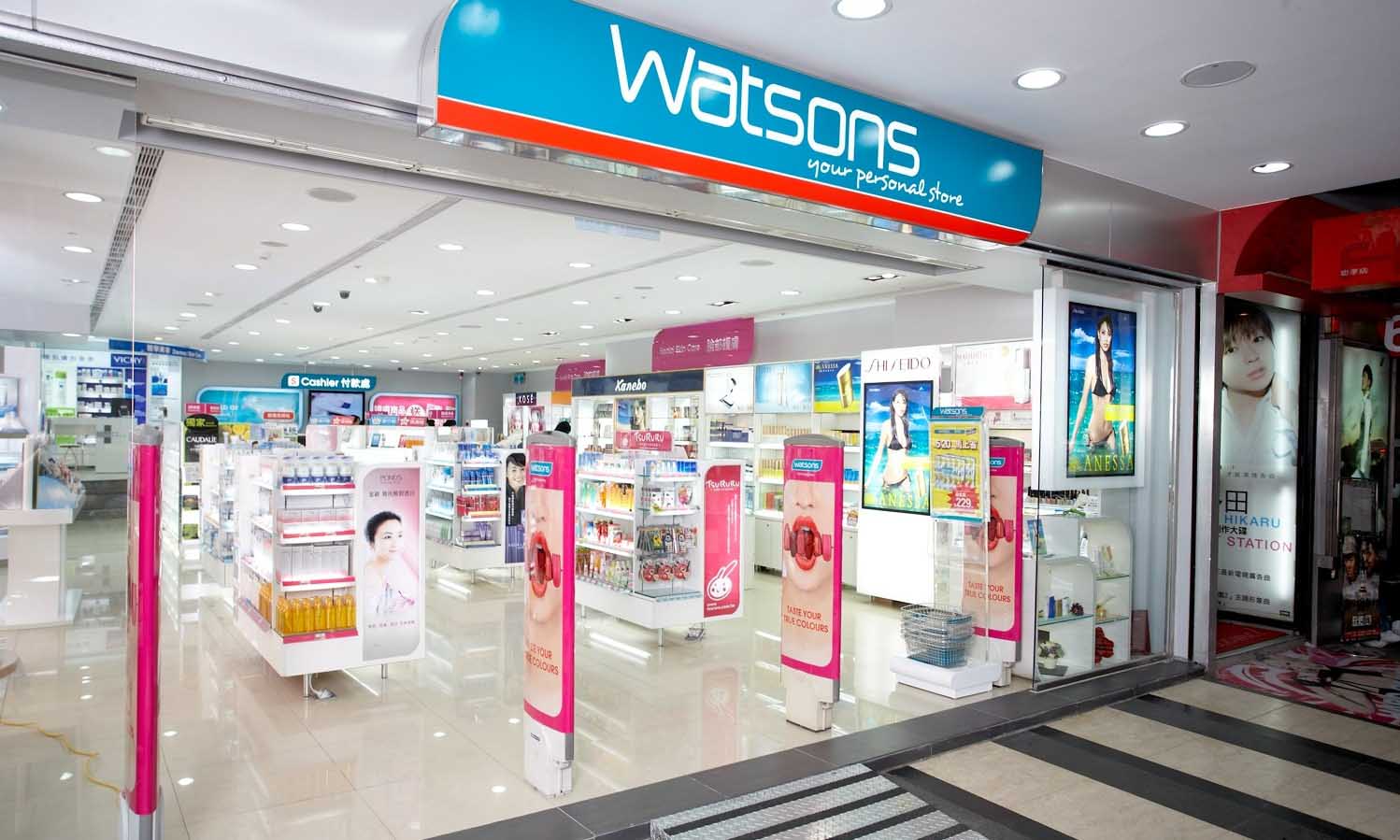
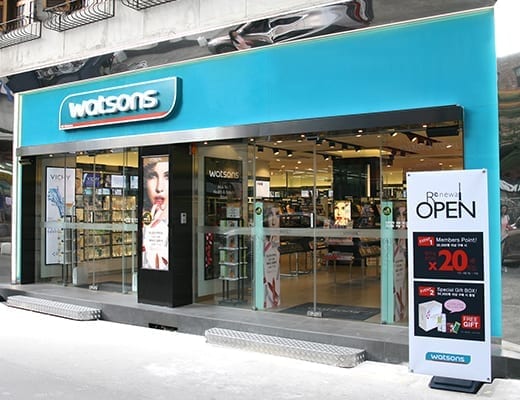
    Hong Kong-headquartered healthcare and beauty retailer Watsons is to launch in Vietnam. The first Watsons Vietnam store will open on January 17, in the lower floors of the high-profile Bitexco tower in downtown Ho Chi Minh City. The store will take up at least one floor of a two-storey space recently vacated by Topshop. Teasing the launch, a huge backdrop with the slogan “Look good, Feel great” has been built outside the space, attracting many Vietnamese youngsters to take selfies and check in on social media.

    On its LinkedIn page, Watsons Vietnam has been recruiting staff for the store and featuring the same artwork as on the Bitexco backdrop.

    Watsons Vietnam will compete with rival Hong Kong healthcare and beauty chain Guardian, owned by Dairy Farm International, which launched in Ho Chi Minh City in 2011 and now claims to have more than 60 stores in four cities.

    Watsons is operated by AS Watson, a subsidiary of retail and telecommunications giant CK Hutchison which is quarter-owned by Singapore sovereign investment fund Temasek Holdings. AS Watson has some 6800 Watsons health and beauty stores in 12 markets in Asia and Europe, including Hong Kong, Mainland China, Taiwan, Macau, Thailand, Singapore, Malaysia, the Philippines and Indonesia. The broader AS Watson group has 14,500 stores, including electrical retailers and grocery stores.

    Watsons has just celebrated the opening of its 500th store in Bangkok, Thailand. The store photo accompanying this story is of Watson’s new-generation store at IconSiam in Bangkok.

  • Indonesia’s Go-Jek rejected in the Philippines

    Indonesia’s Go-Jek rejected in the Philippines

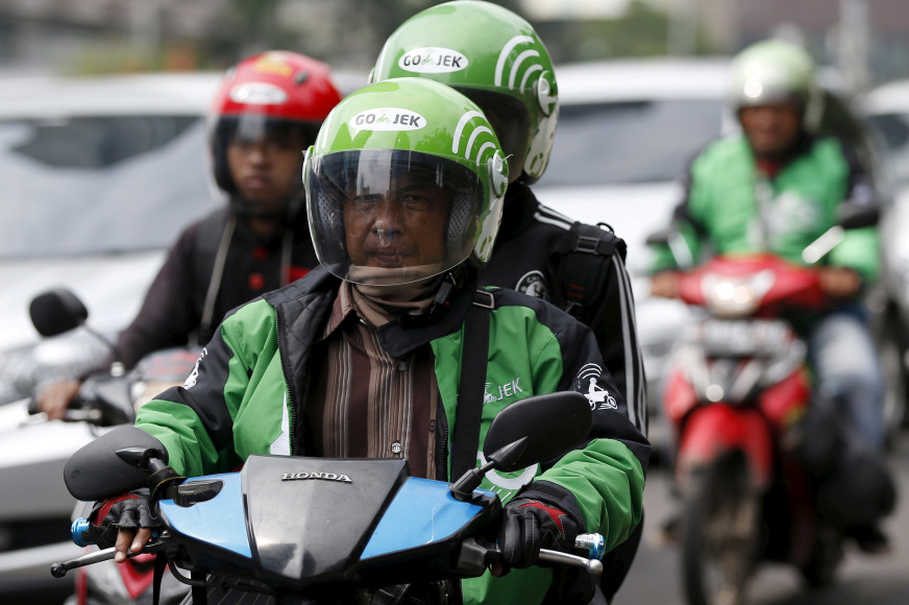
    Indonesia’s Go-Jek suffered a setback to its expansion plans on Wednesday after the transportation regulator in the Philippines rejected its application to launch a ride-hailing service, saying its domestic unit did not meet local ownership criteria. However, the setback may only be temporary as the firm, whose backers include Google, could appeal the decision or team up with Philippine investors.

    “Go-Jek can get a local partner that will own at least 60 percent of the ride-hailing entity to comply with the law,” said January Sabale, head of communications at the Land Transportation Franchising and Regulatory Board (LTFRB).

    The decision comes as Go-Jek seeks to expand in Southeast Asia, having evolved from a ride-hailing service founded in 2011 to provide a one-stop app through which users can order food and services such as massages and make payments online.

    The firm has raised billions of dollars from investors such as Tencent Holdings, JD.com and Temasek Holdings to challenge market leader Grab.

    Several Philippine ride-hailing firms have been operating in the capital Manila and in major provinces since March 2017, but have had limited success in wresting domestic market share away from Singapore-based Grab, which stands at over 90 percent.

    “Homegrown firms are not making a dent on early player Grab, because the cars they can enroll now have to go through the LTFRB’s filtering hurdles,” said Rene Santiago, a transportation expert and president of Bellwether Advisory in Manila.

    Go-Jek applied for a license to operate in Manila in August through wholly owned subsidiary Velox Technology Philippines. Later the same month, ride-hailing was added to a list of industries where foreign ownership is limited to 40 percent.

    Velox “did not meet the citizenship requirement and the application was not verified in accordance with our rules,” regulator chairman Martin Delgra said

    A spokesman for Go-Jek said: “We continue to engage positively with the LTFRB and other government agencies, as we seek to provide a much-needed transportation solution for the people of the Philippines.”

    There are around 37,000 registered ride-hailing vehicles across eight accredited firms, Delgra said. The Department of Transportation has capped the total at 65,000.

  • More Chinese seniors embrace WeChat

    More Chinese seniors embrace WeChat

    The ubiquitous WeChat is continuing to expand its reach across all age groups – especially among people aged 55 and above. According to the 2018 WeChat Data Report released at the WeChat Open Class Pro 2019 event in Guangzhou this week, seniors recorded the fastest growth of any age group last year. WeChat says more people are sharing more content on the platform: users are sending more messages, making more voice and video calls, and posting more frequently on their WeChat Moments timelines.

    Figures for September show WeChat had 1.082 billion monthly active users and 45 billion messages were sent daily on the app, up 18 per cent on the previous year. The number of calls daily – 410 million – was double the previous year’s number. From 2015 to last year, the volume of text messages rose 110 per cent, voice messages rose 212 per cent, image volume by 255 per cent and videos by a massive 1900 per cent.

    WeChat Pay is taking an increasing share of payments at retailers, with monthly transactions up 150 per cent in September, compared with the previous year. Transactions by consumers aged 55 and above in department stores rose by 320 per cent year on year.

    More people are using WeChat for work and more businesses are using WeChat to connect with customers and staff, according to the report.

    The company said WeChat Mini Programs, launched two years ago, has been widely adopted by users and businesses with more than 600 million people using Mini Programs at least once a week on services or products from more than 200 industry segments. The number of transactions (by volume) increased sixfold last year.

    In a statement, WeChat said it would continue to create more advanced tools, open APIs and enhanced cloud services so developers can help businesses build Mini Programs more efficiently.

    During the past year, WeChat has introduced features such as Scan-to-Buy enabling users to pay without queueing at cashiers and Smart Recommendations based on users’ past purchases to help merchants increase conversion and operational efficiency, grow their membership programs, reduce manpower costs and deliver more personalised services to customers.

    The WeChat Open Class Pro event is for merchants and developers. The photos accompanying this story are from the event.

  • Temasek plans to sell AS Watson stake

    Temasek plans to sell AS Watson stake

    Singapore’s Temasek Holdings is reportedly looking to quit its stake in Hong Kong-headquartered beauty products retailer AS Watson. Temasek spent US$5.6 billion to acquire a 25 per cent share of AS Watson in 2014 from Hong Kong’s CK Hutchison, which retains the majority stake. According to report, Temasek made the investment expecting the business to be listed within three years. But softening investor sentiment towards retail sector listings has weakened since that plan was first envisaged. Investors are spooked by the demise of a slew of brick-and-mortar-focused brands across developed markets.

    AS Watson has some 14,500 stores in 24 markets around the world, and has market leadership in 15 of those. That could make the business an attractive target for private equity funds, despite the company appearing to be focused more on opening new stores than migrating online, where consumers are buying more beauty and healthcare products.

    Bloomberg says in an analysis published online, that a private equity business would be among the more likely buyers for the Temasek stake, given the amount of industry money that’s sitting idle.

    “That said, any acquirer will still be in a minority position, even if the entire 25 per cent is sold. Along with the business’s poor growth prospects, the absence of control is likely to be reflected in the valuation. This is one retail sale that will need a discount to be attractive.”

  • Bamboo Airways cleared to take to the skies

    Bamboo Airways cleared to take to the skies

    Vietnam’s newest airline, Bamboo Airways, has received a certificate that allows it to operate aircraft for commercial purposes. The Vietnam Civil Aviation Authority Tuesday granted the Aircraft Operator Certificate (AOC) to Bamboo Airways. The AOC is a certificate approved by a regulatory authority that allows a carrier to operate aircraft for commercial purposes within a specified scope of activities. As such, the FLC Group’s startup airline has completed all necessary regulatory procedures for commencing commercial operations in Vietnam’s aviation market.

    “This AOC certification is a result of 4 years of effort, I believe it is an important first step for Bamboo Airways to serve passengers and devote themselves to the Vietnam aviation industry,” said Dang Tat Thang, CEO Bamboo Airways.

    After many delays, Bamboo Airways expects to start operating domestic flights with Airbus A321 NEO aircraft by mid-January. Bamboo Airways will prepare 20 planes for flight in the first quarter of 2019 and increase their fleet size to 40-50 aircraft by the end of the year.

    Thang said that at the moment, Bamboo Airways has fully prepared their personnel, technical and material assets and affirmed its fitness for operation through many activities including test runs, maintenance, engineering and other commercial transport activities.

    Bamboo Airways will operate 37 routes connecting all major cities and popular tourist destinations in Vietnam, as well as some international routes in 2019.

    The first routes of the country’s fifth carrier would connect Hanoi and HCMC, and from Hanoi and HCMC to central provinces of Quy Nhon and Quang Binh, and northern Quang Ninh Province.

    The new carrier plans start off with 60 domestic flights a day. Later this year, the company also plans to open international flights to Japan, Korea and Singapore.

    Bamboo Airways was founded in mid-2017 with a charter capital of VND700 billion ($30 million), which it increased to VND1.3 trillion ($55.68 million) recently.

    The airline has signed deals to buy 24 Airbus A320neo and 20 Boeing B787-9 Dreamliner aircraft worth a total of about $8.6 billion.

    The other four carriers in Vietnam currently are Vietnam Airlines, Vietjet Air, Jetstar Pacific and VASCO.

  • Lotte Duty Free sales hit all-time high of US$6.7 billion in 2018

    Lotte Duty Free sales hit all-time high of US$6.7 billion in 2018

    South Korea’s top travel retailer Lotte Duty Free reported best-ever sales of 7.5 trillion won (US$6.7 billion) last year on a surge in online sales and mass purchases by Chinese merchants seeking trade in shuttling goods to China. Lotte Duty Free said its annual sales last year hit a record high of 7.5 trillion won, up 25 percent from a year-ago period. In particular, sales from the online business soared 50 percent on year to 2 trillion won, contributing 25 percent to its total domestic sales thanks to successful upgrades of its online and mobile platforms and various promotional perks like online-only products and discount options.

    Lotte Duty Free’s main store in the bustling shopping district of Myeongdong in downtown Seoul remained the world’s single-largest revenue earner for three years in a row last year with annual sales up 35 percent at 4 trillion won and daily revenue at about 11 billion won as of Dec. 14.

    The Myeongdong store that opened in 1980 has kept on growth with sales reaching over 1 trillion won in 2011, 2 trillion won in 2015 and 3 trillion won in 2016 on increasing demand from individual merchants from the mainland who buy popular Korean duty-free goods in bulk to profit from reselling them in China.

    Lotte Duty Free has expanded its investment in domestic stores to draw more consumers. Its Myeongdong store was expanded in August 2016, and spent 10 billion won to add the Star Lounge for VIP customers in April 2018. The World-Tower store in the affluent Gangnam area of southern Seoul also posted 1 trillion won in sales last year, becoming the largest earner to reach the threshold in the district.

    Meanwhile, Lotte Duty Free World Tower also posted sales of more than 1 trillion won (US$895.4 million), joining what the retailer dubbed the “One Trillion Club” on 23 December.

    That represents an 80 percent increase year-on-year for the Jamsil, Seoul store, which reopened on 5 January 2017, 193 days after it was forced to close on 26 June 2016 due to the loss of its licence in an open tender.

    “Even in the midst of rapid market changes, Lotte Duty Free has been able to achieve a record-breaking year, reflecting 38 years of operational expertise,” said newly appointed Lotte Duty Free CEO Lee Kap. “As a leader in the industry, we will endeavour constantly to improve our performance.”

    Lotte Duty Free said that the World Tower store’s excellent tourist services and differentiated luxury brand offer had generated “remarkable achievements” in 2018. This was despite the proliferation of new duty free stores in the Gangnam area [notably the new Shinsegae Duty Free store opened on 18 July], the retailer commented.

    Despite industry difficulties posed by the THAAD dispute between South Korea and China, sales of small and medium enterprise SME Korean brands at the World Tower store increased by 300 percent year-on-year. This contributed to a “win-win relationship” with SMEs, Lotte said.

    Increased demand by daigou shoppers “greatly influenced” sales said Lotte. The retailer noted that such travellers had compensated for the “stagnation” of conventional Chinese tourism since the THAAD dispute erupted in March 2017. However, Korean travel retail executives and observers are closely monitoring the impact of China’s new e-commerce law, introduced on 1 January 2019, which is expected to hit the daigou business hard

  • L’Oreal Korea seeks Brandstorm 2019 contest participants

    L’Oreal Korea seeks Brandstorm 2019 contest participants

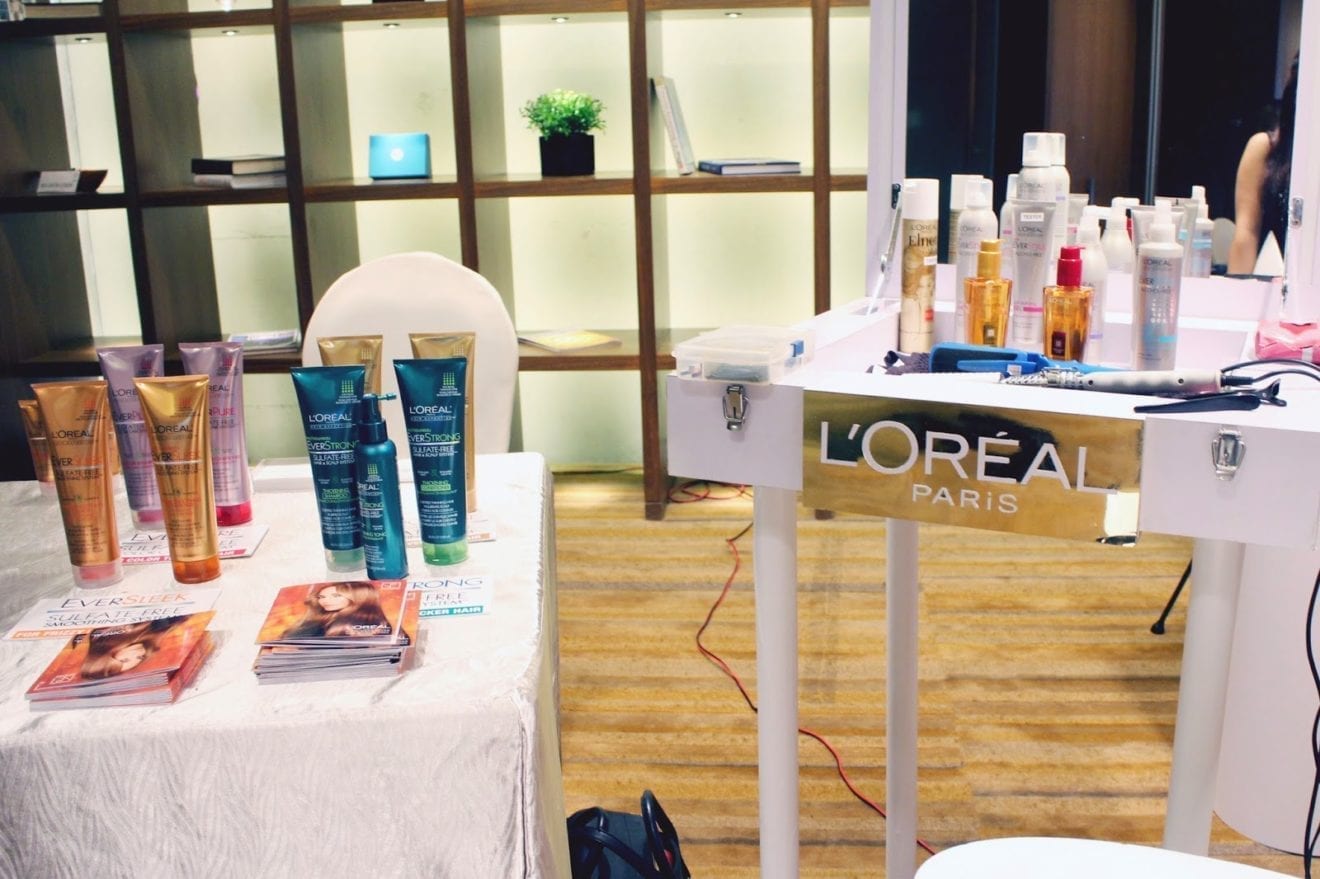
    L’Oreal is now accepting applications from students in Korea for its annual global marketing competition “L’Oreal Brandstorm 2019.” The mission for this year’s competition is to “invent the future skin care experience for health-conscious consumers.” Contestants need to choose one brand from L’Oreal’s Active Cosmetics division, such as Vichy or La Roche-Posay, and propose a new service or technology to enhance the consumer experience.

    Undergraduates in their third or fourth year of study and graduates can apply in teams of three. The application deadline is Feb. 28.

    After a final round in March, the winning Korean team will get a chance to represent the country and pitch its idea during the finals at L’Oreal headquarters in Paris.

    The winning Korea team members will also qualify for a chance to intern at L’Oreal Korea.

    The team that wins the global final round will get to test their idea at French start-up campus Station F for three months.

    The first competition was held in 1992. Since then, over 34,000 students have participated.

  • Amway forays into the herbal oral care segment

    Amway forays into the herbal oral care segment

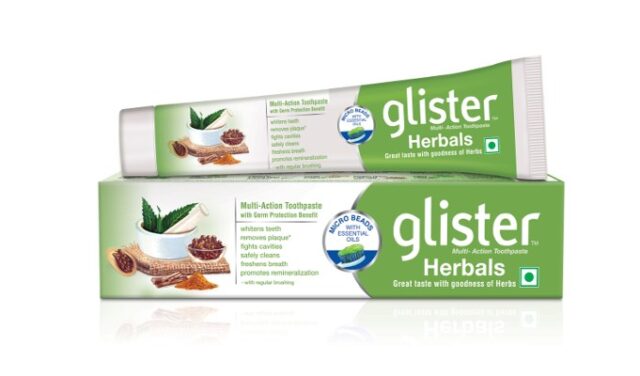
    Amway India, the country’s largest FMCG direct selling company has announced the launch of its latest innovation – ‘Glister Herbals Toothpaste’, to mark its entry into the herbal oral care market. Building on the success of its globally popular Rs 100 crore brand – Glister, the new herbal oral care product is a seamless blend of numerous herbal ingredients with appealing taste and pleasing color to suit everyone’s palate. With this new and advanced product, Amway aims to target the flourishing Rs 1,980 crores oral care segment in India.

    Announcing the launch of Glister Herbals, Sundip Shah, Chief Marketing Officer, Amway India, said, “Glister has been one of our most popular global brands. A bestseller for over five decades, it has won the trust of millions of consumers worldwide and has been an integral part of their oral hygiene routine. Keeping with our commitment of offering highest quality products and addressing the increasing demand for natural and herbal alternatives for long-term healthy living, Glister Herbals is an expansion of our flagship brand and indigenously developed for our Indian consumers.”

    He further added, “The industry for herbal oral care products has grown significantly in recent years, fueled by consumers’ preference for herbal solutions and trust in their long-term benefits. However, our research empirically highlights the need for likeable sensorials – a gap that exists in the available offerings in the market currently. This often leads to consumers shifting to regular and non-herbal products. Glister Herbals’ has the goodness of herbs with great taste and appealing colour. With this powerful mix, we aim to transform the product usage experience and long-term adoption of herbal toothpastes in the market and I am confident in our latest innovation and its potential to transform the category”

    Anisha Sharma, Category Head, Beauty & Personal Care, Amway India, added, “Glister Herbals is best defined as the herbal oral care solution from Amway offering great taste with the goodness of herbs. This multi-action toothpaste is enriched with 11 ingredients such as spearmint, clove, ginger, neem, mulethi, among others, which are known for their benefits and great taste. It also has biodegradable microbeads of essential oils comprising clove and tea tree to ensure maximum efficacy of the constituents. The goodness of herbs promises 12-hour germ protection and fresh breath benefits along with remineralization and teeth whitening.”

    She further added, “We are excited with the business opportunity offered by the market. In order to ensure national wide reach and to engage consumers, we are introducing digital activations across platforms and organizing dental camps in key markets. As ingredient story and taste is key to the success of our new herbal offering, we have begun taste challenges for our direct sellers for which we have received an overwhelming response. We are sure that the Glister Herbals will receive favorable response from the consumers.”

    Glister Herbals follows the thriving success of Amway’s Nutrilite Traditional Herbs in its Nutrition and Attitude Be Bright Herbals in beauty categories last year.

    Amway Glister Herbals is sold exclusively by Amway Direct Sellers across India and can be easily ordered on the company’s website.

  • Mattel to launch BTS doll this summer

    Mattel to launch BTS doll this summer

    Toy retailer Mattel has announced a comprehensive, worldwide licensing agreement with popular South Korean boy band BTS. The creative collaboration will debut the first-ever line of BTS fashion dolls this summer. Under a multi-category license with BTS under its label, Big Hit Entertainment, Mattel will create dolls, collectible figures, games, and more. The collaboration will launch with a toy line created to resemble the band’s seven members – RM, Jin, Suga, J-hope, Jimin, V and Jung Kook – styled after their looks from the YouTube record-breaking “Idol” music video.

    “BTS is a pop-culture music phenomenon that transcends age, culture and language, and through this partnership, Mattel will offer a new way for millions across the world to engage with the band,” said Mattel’s SVP & global brand GM Sejal Shah Miller.

    “Partnering with established franchises that have global appeal is a cornerstone of our strategy and given our creative expertise, we are perfectly suited to create products celebrating BTS”.

    The BTS fashion dolls were unveiled at this week’s Hong Kong Toys & Games Fair.

  • Mothercare Malaysia retailer seeks IPO

    Mothercare Malaysia retailer seeks IPO

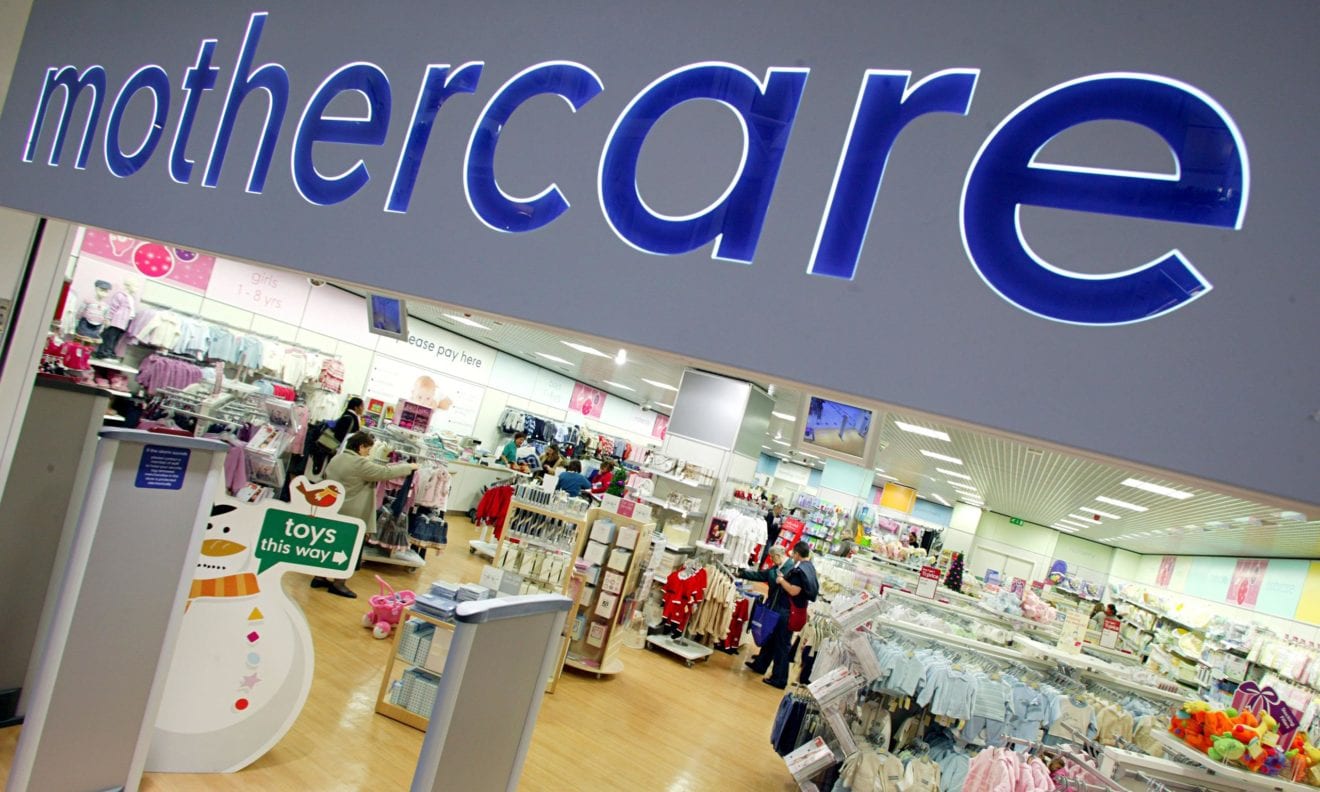
    Kim Hin Joo, operator of ELC and Mothercare Malaysia, is preparing for an IPO on Bursa Malaysia’s ACE Market. The move, expected to generate funding for the group’s further expansion and expenditure, will see a public issue of 76 million new shares (20 per cent of its enlarged share capital) and an offer of 57 million existing shares (15 per cent of its enlarged capital). Of those shares, 47 million will be reserved for selected investors. Pricing has yet to be decided.

    The firm’s non-executive chairman Pang Kim Hin will see his personal stake reduced to 62.3 per cent after the IPO from his current 90.3 per cent.

    Kim Hin Joo has 16 Mothercare locations and 11 ELC SIS in several major Malaysian centers, with 599 distribution points nationwide and 10 overseas. It plans to open four to five new Mothercare stores within the next three years in Kuala Lumpur, Johor Bahru, and outside the Klang Valley area.

    “We are in the midst of finalising a development agreement with toy retailer The Entertainer UK which will grant us the exclusive rights to open and operate The Entertainer toy outlets, and sell a broad range of toys,” the company said in a statement.

    “We target to conclude the discussions and sign the development agreement by the first half of 2019.”

    The group is also planning to concurrently revamp and upgrade its e-commerce platform by replacing its back-end IT infrastructure system and to expand its distribution portfolio.