Category: Living

Retail News Asia is committed to providing both local and global retailers with the latest Living news throughout the Asian market. This on a daily base.

  • Vietnamese banks report solid profits, employees hopeful of high bonuses

    Vietnamese banks report solid profits, employees hopeful of high bonuses

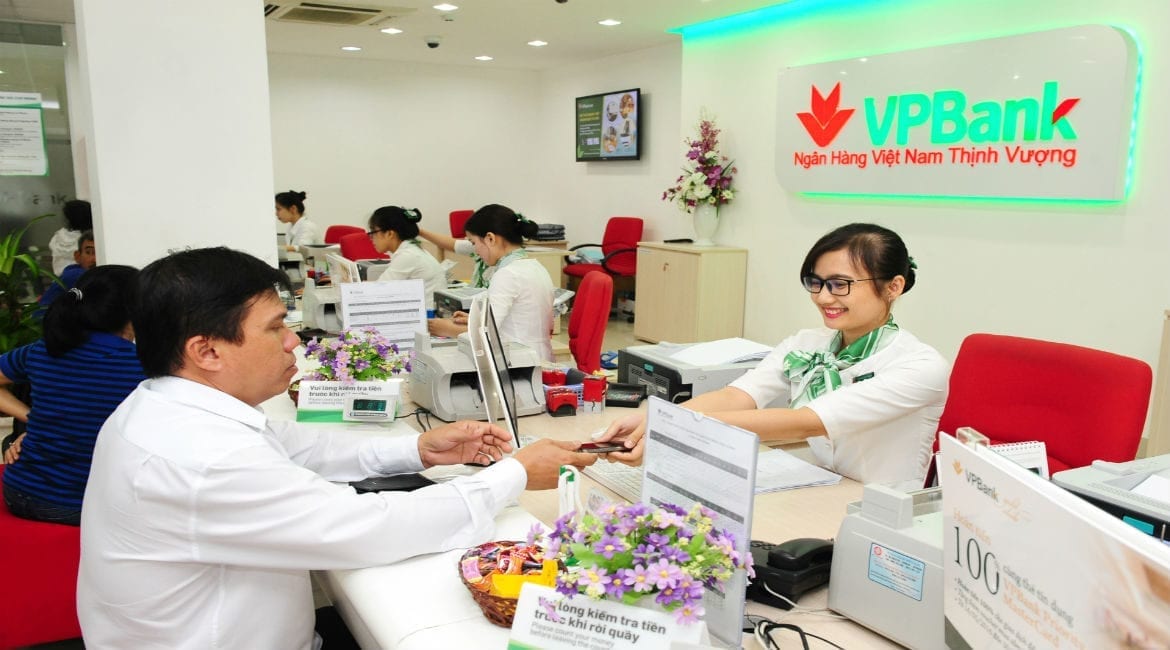
    With Vietnamese banks reporting substantial profits last year many of their employees are expecting higher Lunar New Year bonuses. The banking sector’s overall profit before tax increased by 40 percent year-on-year, according to the National Financial Supervisory Commission. Vietcombank, the largest bank by market capitalization, said in a recent report that its consolidated pre-tax profit was up 62 percent to VND18.3 trillion ($789.55 million).

    TPBank said pre-tax profit doubled to VND2.26 trillion ($97.5 million), exceeding its target of VND2.2 trillion ($94.93 million). The lender’s profit has almost quadrupled against 2015.

    Sacombank’s profit before tax of VND2.2 trillion ($94.93 million) was 20 percent higher than its target.

    Bank employees are thrilled by the performance ahead of Tet, Vietnam’s Lunar New Year, which falls on February 5 this year.

    Mai, a Sacombank worker who asked to be identified only by her given name, said: “Our bank’s profit is a few times that of 2017, so we hope to have a higher bonus.”

    Minh Nhat of Orient Commercial Bank, said his bank determines Tet bonuses based on the performance of each branch and individual. Last year his most productive colleagues had received a five-month bonus, while everyone got at least a month’s salary as bonus. He hopes this year it would be even higher.

    Le Minh Tan, director of the Ho Chi Minh City Department of Labor, Invalids and Social Affairs, told VnExpress that the highest Tet bonus this year is by a HCMC-based bank — VND1.17 billion ($50,493) for an employee.

    Companies plan to pay VND3.4 million ($147) on average, 30 percent higher than last year, he added.

    Three bank leaders said they are still calculating the rewards.

    “We calculate rewards using personal KPI (key performance indicator) and branch productivity, so the bonus will vary between individuals,” one CEO said, adding that some employees would receive a three- or four-month bonus or even higher, while some would get nothing.
  • Tablez to launch Build-A-Bear in India

    Tablez to launch Build-A-Bear in India

    To meet an ever-increasing demand for an engaging retail environment, Tablez India announces the partnership with Build-A-Bear, a global experiential retailer. U.S.-based, customized stuffed-animal retail-entertainment brand Build-A-Bear aims to reach as many as 9 million households in the top 15 cities in India by 2025. Besides standalone stores, shop-in-shop formats of Build-A-Bear would be launched within Toys“R”Us as part of Tablez, the retail arm of LuLu Group International.

    Adeeb Ahamed, MD, Tablez said, “The Build-A-Bear concept is a one-of-a-kind retail experience, and we are thrilled to bring it to India. We believe that children who come to our stores will be able to enjoy a different shopping experience that includes participation in creating stuffed animals of their own choice.”

    He also added, “At Tablez, we are continuously striving to meet the increasing demand for high-quality specialty toys, and we look forward to opening more Build-A-Bear and Toys”R”Us stores across India, as our company continues to grow.”

    On this occasion, Dorrie Krueger, Build-A-Bear Workshop Chief Strategy Officer, said, “We look forward to embarking on this new partnership with Tablez India and helping establish and grow the Build-A-Bear brand in this important global market. As our international franchise portfolio continues to expand, we are further assured that the hug of a teddy bear is understood in any language.”

    Established in 1997, Build-A-Bear has helped millions find their own meaning in a new furry friend. The brand has nearly 500 stores worldwide, and more than 175 million furry friends have been made globally in its 21-year history. Build-A-Bear helps guests mark special occasions, start friendships, and inspires people to make their own adventures. At Build-A-Bear, one is empowered to feel that anything is possible.

    The ‘Choose Me’ wall at every Build-A-Bear store is where the empowerment journey begins as each guest chooses an unstuffed animal to bring to life. Accessories give customers the reins to customize their creation. The heart ceremony is where one can add special wishes to their friend. During the stuffing process, a heart is placed in the bear along with special wishes, and the guests promises to care for their new furry friend. This signature ceremony brings each stuffed animal to life in a personal way, further ensuring a greater attachment. Guests find meaning in each of the animals designed – they are friends, playmates, heroes, look-a-likes and evidence of special memories. Dogs, cats, bunnies and even unicorns complement the timeless teddy bear to ensure there’s a furry friend for everyone.

    Tablez launched the first Toys“R”Us store in Bangalore in 2017. Before end of 2018, 4 stores will be operational, and another 20 stores are expected to be launched in 2019. In February 2019, Build-A-Bear will be launched as part of Toys“R”Us in Phoenix Marketcity, Bangalore. Further, a Build-A-Bear shop-in-shop format will follow in Vega City Mall, Bangalore; City Centre Mall, Mangalore and Phoenix Marketcity, Pune. The 20 additional standalone stores of Toys”R”Us are expected to be launched in major locations starting January 2019. Build-A-Bear plans to expand to as many as 65 shop-in-shop format stores and 20 standalone stores in India over the next 10 years.

  • Nestlé launches Workplace by Facebook

    Nestlé launches Workplace by Facebook

    Nestlé has adopted Workplace by Facebook as its global internal communication tool, to connect its workforce and better serve consumers.  The announcement comes as the latest and largest wave of staff join the platform, part of a process that began only nine months ago. Today, around 210,000 of its employees worldwide use the platform to connect and collaborate. Nestlé has pledged to move quicker to turn good ideas into great products to meet fast-changing consumer demand. With the majority of its employees active on the platform, Workplace is already making a difference. Internal engagement is higher and responses faster. People are experimenting and collaborating more, as well as sharing information and ideas.

    Workplace offers familiar Facebook features such as News Feed, Groups, Chat, events and live streams, as well as seamless mobile integration.  Because Workplace is easy to use, it can connect everyone and reach employees where they are.

    The first wave of market adoption including Mexico, Brazil, the Middle East and South Africa saw 25 times higher engagement per post and very high rate of use on mobile devices. Amongst other advantages, managers can use Live video to connect directly with employees at different locations. Sales teams can also use Workplace for daily check-ins and to share information and best practice.

    Commenting on the move to Workplace, Nestlé Executive Vice President Chris Johnson, said: “Nestlé is a people-first environment. We really rely on our talented teams to manage more than 2,000 Nestlé brands worldwide. We help our employees develop and we give them the right tools, so Workplace is a perfect fit.”

    The move to Workplace is part of Nestlé’s commitment to empower people and sustain a high-performance culture. The company is moving more and more to offer open office configurations and more flexible working environments.

    Workplace is also a great example of Nestlé constantly embracing the best technology and systems. Filippo Catalano, Chief Information Officer at Nestlé: “Today, using Workplace by Facebook we are able to give our employees across the globe a platform to build connections, enabling faster and more engaging sharing of information.”

    Julien Codorniou, vice president of Workplace by Facebook said, “As the global work landscape continues to change and the demand for better collaboration, best-of-breed IT and mobile-first work increases, we are honored to partner with a company like Nestlé to help employees work together to allow for limitless innovation.”

    While a large majority of users has now joined the Workplace platform, the rollout will continue throughout 2019.

  • No More Free Checked Baggage on Lion Air Indonesia

    No More Free Checked Baggage on Lion Air Indonesia

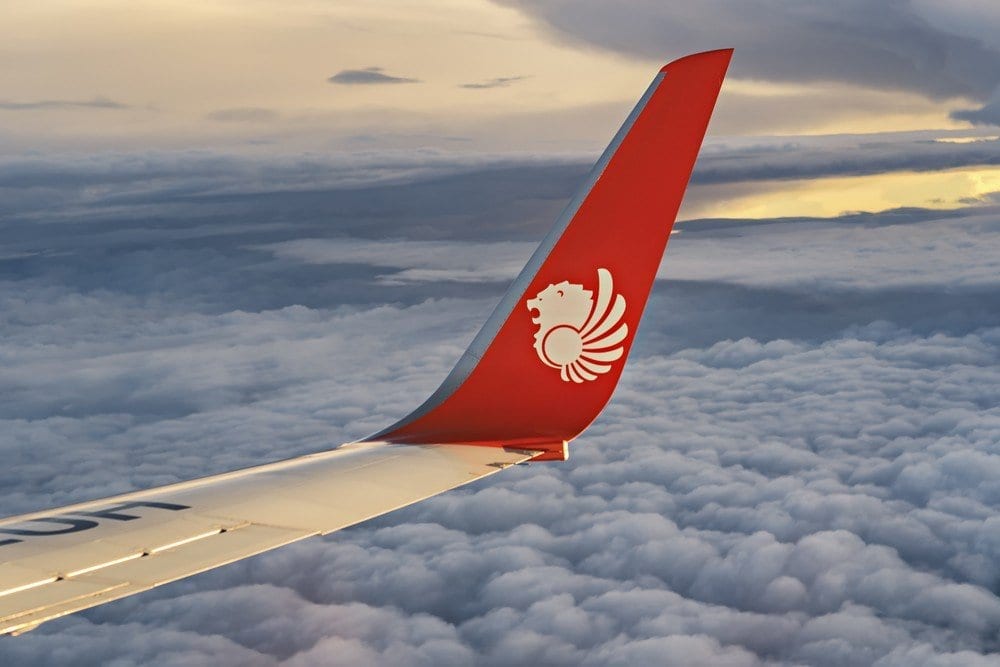
    Flying cheap will soon also mean flying light for many Indonesians after the country’s largest airline, Lion Air, and its subsidiary, Wings Air, decided to start charging for checked baggage on all their domestic flights from today. The airlines, which together served around half of the archipelago’s air travelers last year, will only allow one piece of cabin baggage, such as a suitcase of no larger than 40 x 30 x 20 centimeters, weighing less than 7 kilograms, and one personal item, such as reading material, a handbag, or laptop bag.

    “Both Lion Air and Wings Air, which will enforce the new regulation until further notice, will no longer accept free checked baggage of up to 20 kilograms and 10 kg, respectively,” Lion Air Group spokesman Danang Mandala Prihantoro said in a statement on Friday.

    Checked baggage exceeding 7 kg will be subject to an excess baggage fee based on the rate for the day. Carriers will further no longer allow passengers to bring several items tied together with rope or string into the cabin as these will also be subject to additional fees.

    Passengers will be able to purchase prepaid baggage vouchers through tour and travel agencies, the airlines’ websites, or at their ticket sales offices.

    The carriers have advised passengers to prepay for baggage when they buy their tickets, or alternatively, pay for it up to six hours before departure.

    Power banks with capacities of more than 160 watt-hours (Wh), or 32,000 milliamp-hours (mAh), will no longer be allowed on aircraft, while those with capacities of between 100 and 160 Wh will require special permission by airline staff.

    Passengers will still be permitted to take power banks with a maximum capacity of 100 Wh into the cabin after notifying the ground crew. However, these may no longer be used onboard.

    Passengers who have purchased Lion Air and Wings Air tickets before Jan. 8 would still able to enjoy the respective 20 kg and 10 kg free baggage allowances.

  • Knows deeper Japanese lifestyle guru Marie Kondo

    Knows deeper Japanese lifestyle guru Marie Kondo

    Marie Kondo is the queen of organization. Her book, “The Life-Changing Magic of Tidying Up: The Japanese Art of Decluttering and Organizing,” reveals her instructions for organizing your space in one sitting, and then never having to do it again. Her methods have garnered a significant social media following with the hashtag #konmarimethod, and also landed her a spot on Time’s 2015 “Top 100 Influential People” list.

    Marie Kondo is a Japanese organizing consultant and author. She has written four books on organizing, which have collectively sold millions of copies and have been translated from Japanese into languages including Korean, Chinese, Spanish, Indonesian, French, German, Swedish and English.

    Ever since Netflix released Tidying Up With Marie Kondo on New Year’s Day, Twitter has been awash with Kondo memes.

    Marie follows the the Japanese way of living based on minimalism, and she applies to all objects in house.

    Marie is growing popularity on the web; however, some of her statements divide the internet.

    In the digital age, while experts maintain that influencer marketing is fading out, and some others opt for micro-influencers, Marie seems to belong to a complete new category that aims to make people’s life better through reducing possessions instead of accumulating goods.

    We are looking forward to see what’s next for influencer marketing.

  • Korea to ban single-use plastic bags

    Korea to ban single-use plastic bags

    South Korea is to ban big-time supermarkets and retailers nationwide from selling single-use plastic bags in an attempt to conserve natural resources and reduce recyclable waste. The ban will come into effect on Tuesday as part of a revised law on conserving resources and encouraging the reuse of recyclable waste. Subject to the ban are 2000 outlets of major discount chains and 11,000 supermarkets with sales floor spaces of 165sqm or more where handing out free plastic bags are currently prohibited.

    Stores that violate the ban could face fines of up to 3 million won (around US$2683). Instead, those shops are required to offer customers recyclable containers, cloth shopping bags or paper bags.

    Plastic containers for wet goods, such as meat and fish, will still be used.

    Under the revised law, 18,000 bakeries nationwide will be barred from handing out free disposable plastic bags.

    In cooperation with local governments, the Environment Ministry plans to encourage the affected stores to observe the ban from January through March.

    The ministry is also pushing ahead with a plan to reduce the use of plastic garment bags at laundry shops.

  • Vietnam’s PV Power to list with billion-dollar market cap

    Vietnam’s PV Power to list with billion-dollar market cap

    PV Power, the country’s second largest power producer, will list on the Ho Chi Minh bourse this month with a market capitalization of $1.5 billion. The Ho Chi Minh Stock Exchange (HoSE) has approved that the firm lists 2.34 billion shares (trading code POW) on January 14 at VND14,900 (64 cents) per share. This would bring the market capitalization of PV Power to VND34.9 trillion ($1.5 billion).

    PV Power finished its last transaction on UPCoM, the market for unlisted public companies, on December 27 at VND16,000 (69 cents) per share.

    PV Power was established in 2007 with 100 percent capital from the state. The company finished equitization in the middle of last year with a charter capital of VND23.42 trillion ($1 billion).

    State-owned oil and gas giant PetroVietnam remains PV Power’s largest stakeholder, with 79.94 percent of its charter capital. Foreign investors currently own 14.3 percent. The company is subject to a foreign ownership cap of 49 percent.

    PV Power produces and sells electricity. It also imports and distributes coal and operates five electricity plants. It is the second largest power producer in the country after national utility Vietnam Electricity.

    In the 2016-2018 period, PV Power’s revenues were VND28-30 trillion ($1.2-1.29 billion), 96 percent of which came from selling electricity.

    As of September 30, 2018, its total asset value was VND61.4 trillion ($2.64 billion) and its equity was VND26.55 trillion ($1.14 billion).

    Its dividend rate for last year is expected to be 3 percent and is set at 6 percent this year.

  • Mr DIY mulls US$362 million float

    Mr DIY mulls US$362 million float

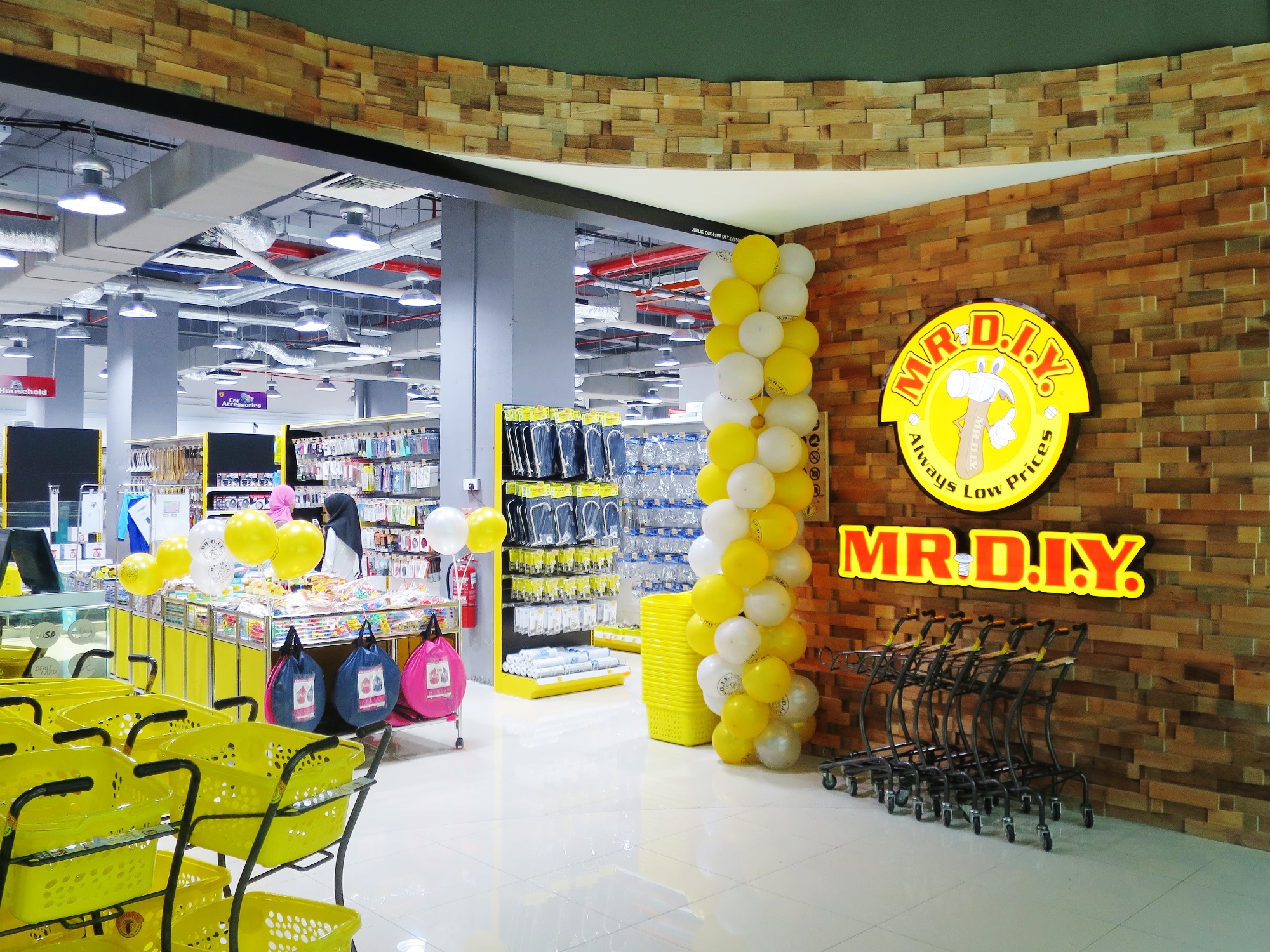
    Malaysian home improvement brand Mr DIY is considering an IPO to raise about MYR1.5 billion (US$362 million). An industry source has revealed that the firm intends to list its domestic operations later this year on either the Malaysian or Hong Kong exchange with backing from Malaysian private equity firm Creador, which invested in the brand over two years ago.

    A report stated the IPO could bring Mr DIY to a market value of MYR10 billion (US$2.426 billion).

    Mr DIY operates around 600 locations in Southeast Asia. Last October, the company revealed plans to open at least 1000 branches by 2020.

    Head of marketing Andy Chin said then: “We feel that our home improvement retail business model, offering a variety of goods at affordable prices, is suitable for better business growth in the country as well as the Asean market. At the end of this year, we target 700 global branches, and the number may reach 1000 or more by 2020. These will be based on an organic growth.”

    He added that the company’s prospect of Asean-level expansion will be focused on Indonesia, Thailand and the Philippines”.

    Mr DIY is the largest home appliance retailer in Malaysia with more than 20,000 SKUs.

  • AirAsia abolishes KLIA 2 fee

    AirAsia abolishes KLIA 2 fee

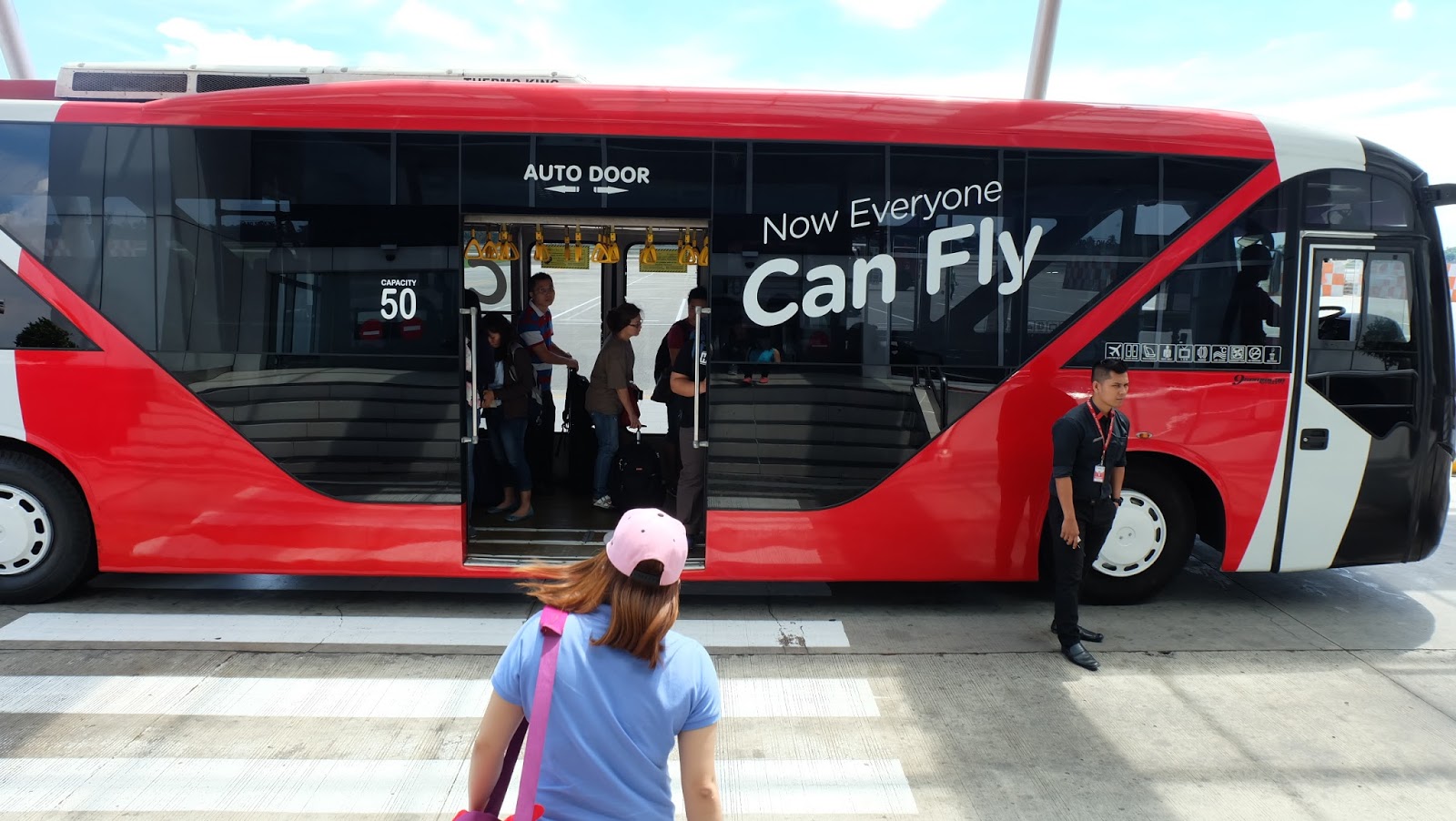
    AirAsia Group Bhd will cease charging the RM3 klia2 fee for all flights departing from Kuala Lumpur International Airport 2 (klia2) starting today. The klia2 fee was introduced in May 2014 to cover the additional cost created at klia2 due to the use of mandatory facilities imposed by Malaysia Airports Holdings Bhd (MAHB) such as aerobridges and SITA check-in and boarding systems, compared to the low-cost carrier terminal previously.

    “Following our announcement last week, we have removed the klia2 fee. We have said from the very beginning that klia2 is not fit for low-cost carrier operations, and we will be going directly to MAHB for all the extra costs they’re costing us,” AirAsia Malaysia CEO Riad Asmat said in a statement.

  • Vietnam eyes green power, not to sacrifice environment for growth

    Vietnam eyes green power, not to sacrifice environment for growth

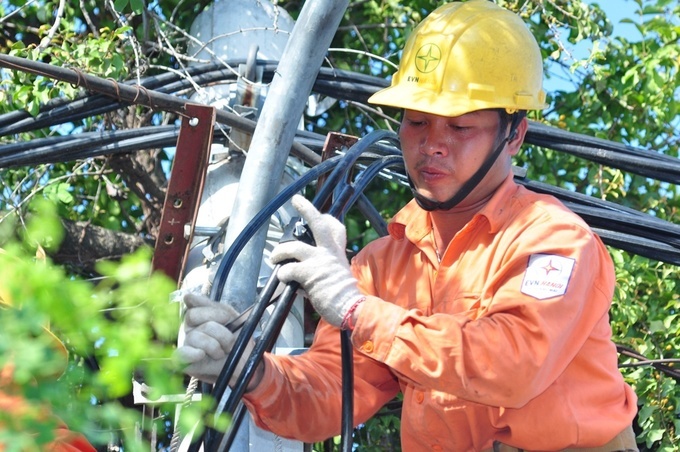
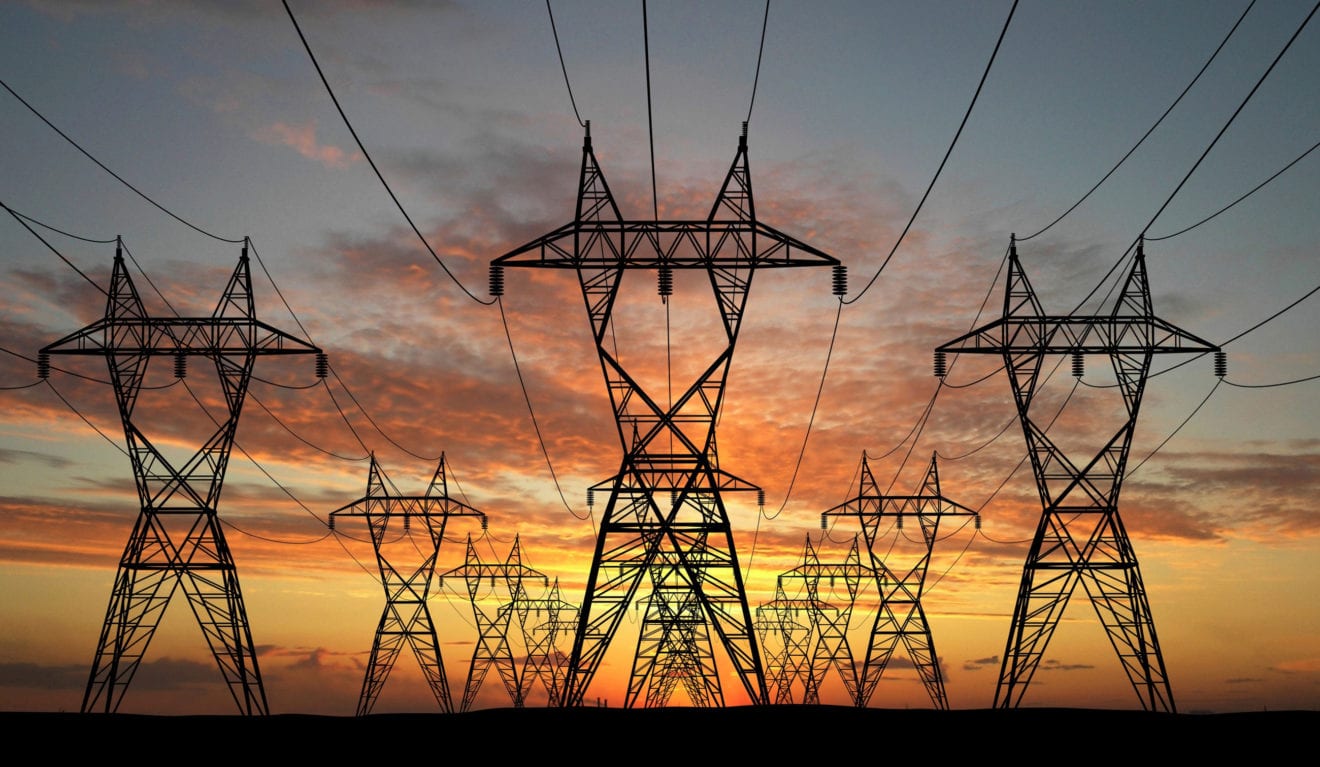
    The government Thursday reaffirmed Vietnam’s desire for a greener energy mix amid the risk of a power deficiency. Environment-friendly coal- and gas-fueled and renewable power plants would make up the mix. While Vietnam faces “obvious risks of an energy shortage in the coming years … it will not sacrifice the environment for economic growth,” Deputy Prime Minister Trinh Dinh Dung said in a meeting with the state-run Vietnam Electricity (EVN), the country’s largest power producer and monopoly distributor.

    Coal-fired power is vital to energy security, but “it must be clean,” he noted. Dung asked EVN to pioneer the use of modern technologies to reduce the environmental footprint of new coal-fired plants and handle the cinder and ash at existing plants.

    The country faces difficulty in increasing power generation since it has decided to put nuclear power on hold, many coal-fired plants are behind schedule and renewables could not be developed on a large scale due to “high costs” and transmission limitations.

    “Hydro power currently meets 40 percent of the country’s demand, but additional supply is almost impossible.

    “Our hydro power plant reservoirs, especially in the central region, are facing a serious water shortage, supply of coal for power development is erratic and gas supply is waning while power station projects for new supplies are being implemented slowly,” the deputy prime minister said.

    Dung said “EVN must also focus on investing in transmission systems to bolster the development of renewables.”

    The inadequate transmission system is now a bottleneck slowing down wind and power projects though a dramatically rising number of investors have shown interest in such projects following the recent increase in feed-in-tariffs (FITs).

    Dung also instructed the Ministry of Industry and Trade to hasten studies for the country’s investment in coal transshipment ports and regasification terminals to support development of gas-fuelled power, and quickly complete negotiations to buy power from overseas.

    He also asked EVN and other investors to speed up the delayed construction of major projects like Nhon Trach 3-4, O Mon 3-4, Tan Phuoc, Long Phuc 2-3, Quang Trach, and Quynh Lap.

    Vietnamese firms lack the resources for major projects while foreign loans are difficult to get due to government guarantee-related issues.

    The regional imbalance in power supply and demand is also a challenge. While the southern region accounts for more than half the demand (the north nearly 40 percent and the central region nearly 10 percent), power is being generated mainly in the north and central region (about 60 percent).

    To make it worse, the installation of transmission lines, both the main grid and branches, has been slow and failed to keep up with the pace of power generation, while negotiations to buy electricity from other countries have been going at a snail’s pace.

    The installed power capacity is around 48,000 MW. Under the revised Power Development Plan VII, a total of 60,000 MW is expected to be generated by 2020, with coal-fired plants accounting for 42.7 percent followed by hydropower (30.1 percent), gas-fired plants (14.9 percent), and renewables (9.9 percent).

    By 2030, the capacity will jump to 129,500 MW, with the ratios of coal and gas-fired power remaining almost unchanged, but renewables doubling to 21 percent.

  • Slime found to contain toxic levels of boron

    Slime found to contain toxic levels of boron

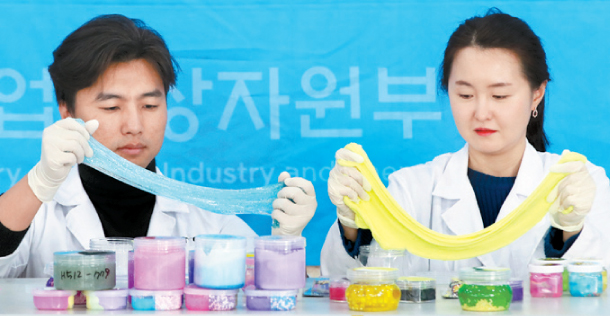
    Scientists have discovered potentially dangerous levels of boron in children’s slime. On Wednesday, Seoul National University scientists from the school’s Institute of Health & Environment wrote in a scientific journal that 25 out of 30 slime toys they analyzed were found to contain boron levels that exceeded the European Union limit of 300 milligrams per kilogram (2.2 pounds).

    The 25 products were found to contain around 1,000 milligrams per kilogram on average, while one product was found to exceed the limit by seven times.

    While boron, which gives slime its gooey consistency, is naturally found in food like nuts and used in medicine, high doses or exposure may lead to possible disruptions in metabolism, stunted development and infertility.

    There are currently no domestic regulations on boron limits in toys.

    The new findings are throwing parents into a panic, given slime’s massive popularity. Videos of Korean YouTubers playing with slime have garnered millions of views, while over 100 slime cafes have also popped up.

    “My kids are already obsessed with slime toys,” wrote one mother in a blog on Thursday. “We need regulations quickly, but nothing is being done.”

    “I banned slime from our home some time ago,” wrote another. “Though my kids like them, the slime toys are just balls of germs that my kids touch over and over again, absorbing the bad chemicals into their hands.”

    This is not the first time that slime has been under fire for containing hazardous substances. Last year, the Korean Agency for Technology and Standards found that 76 of 190 slime products it tested contained unsafe substances including methylisothiazolinone and chloromethylisothiazolinone, which can cause respiratory issues.

    The agency has since ordered a recall for the unsafe products.

  • Culture complexes blooms in Asia

    Culture complexes blooms in Asia

    In recent years, the term “culture complex” has often been seen on social media. Postings showing people spending time at these spaces are shared often, attached with hashtags that read “culture life,” “leisure time” and “relaxation.” Culture complexes have risen as popular city destinations for young Seoulites. Buildings housing exhibition halls, cafes, restaurants and design shops bill themselves as culture complexes.

    According to last year’s “Where to Live,” a book by Yoo Hyun-joon, an architect and professor, the younger generation has been exhibiting their identities on social media by sharing the kind of clothes that they wear and the kind of food that they eat. Now, it is about the space — the kind of spaces where you spend your time.

    To satisfy such desires, culture complexes compete to house the trendiest tenants. What also matters is how well such culture complexes go with the neighborhoods they inhabit.

    The Wooran Foundation building in Seongsu-dong, eastern Seoul, is a case in point. The neighborhood is often referred to as the Brooklyn of Seoul, as young artists and hipsters have flocked to the old abandoned factories in the area.

    The new 12-story building stands out in the generally low-rise neighborhood. But the architectural design shares the Brooklyn mood with layers of gray concrete and an industrial mood.

    Cafe Dorrell, a Jeju Island import, on the first floor is one of the trendiest coffee franchises of 2018. The interior is decorated with skateboards, matching the young and hip atmosphere of the area.

    The culture complex has five halls for exhibitions and performances, ready to host all genres of artistic activities.

    Founded in 2014, the Wooran Foundation, is a cultural foundation that aims to create sustainable arts and culture ecosystem. President Chey Ki-Won is the younger sister of SK Group Chairman Chey Tae-Won.

    Some culture complexes serve as showrooms for companies. For example, Simmons Terrace showcases Simmons mattresses while the Monami Concept Store displays the brand’s stationery products.

    Flask Namsan in central Seoul is operated by Market m, a lifestyle design select shop. Located near Myeongdong, the first floor space features design products from interior decorations to furniture. Upstairs, visitors can relax with a cup of Moonshine Coffee from Australia.

    The cafe lounge on the third floor is a culture space for lectures, seminars and mentoring sessions. The yet-to-open upper part of the building, from the fourth to sixth floor rooftop, will house more showrooms and restaurants.

    “In Korea, we usually meet people at cafes and restaurants. While meeting friends, we can visit these shops and share our lifestyles. I get to know more about what others like and what I like, too,” Kim Ji-hye, an office worker her mid-20s in Seoul, said.

    “On the other hand, I sometimes wonder why these places call themselves culture complexes, when they are just spaces for businesses,” Kim said. “I feel like they should have something more than just sales.”

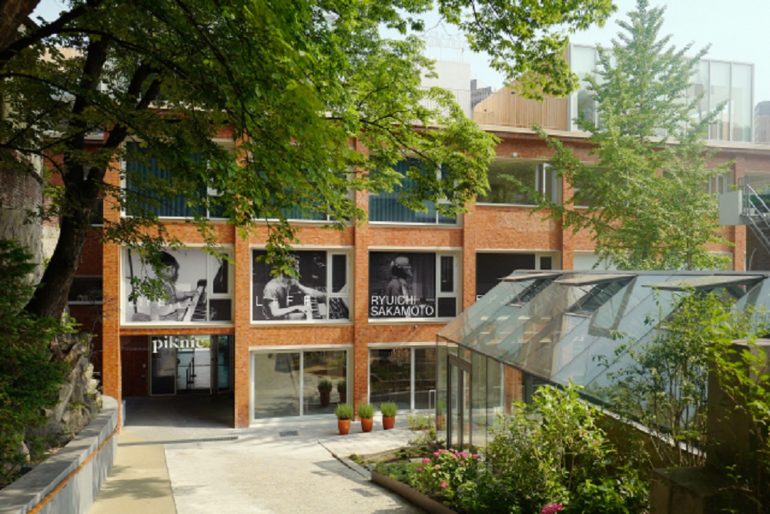
    Originally a pharmaceutical company building from the 1970s, Piknic, a culture complex in Hoehyeon-dong, central Seoul, houses Kafe Piknic, a cafe by day and tapas bar by night. Michelin-starred french restaurant Zero Complex is on the third floor.
    However, what has made Piknic a popularly recognized name is the exhibition space. Designer brand SJYP held a runway show here during the last Seoul Fashion Week. The space also hosted “Ryuichi Sakamoto: Life Life,” a media art exhibition of the life of the Japanese composer and musician.

    The culture space is currently holding “Jasper Morrison: Thingness,” an exhibition of work by the famed British industrial designer. After enjoying the exhibition, visitors can dine at the Kafe Piknic, sitting on a chair designed by Morrison.

  • Four Korean firms join forces to fight Netflix

    Four Korean firms join forces to fight Netflix

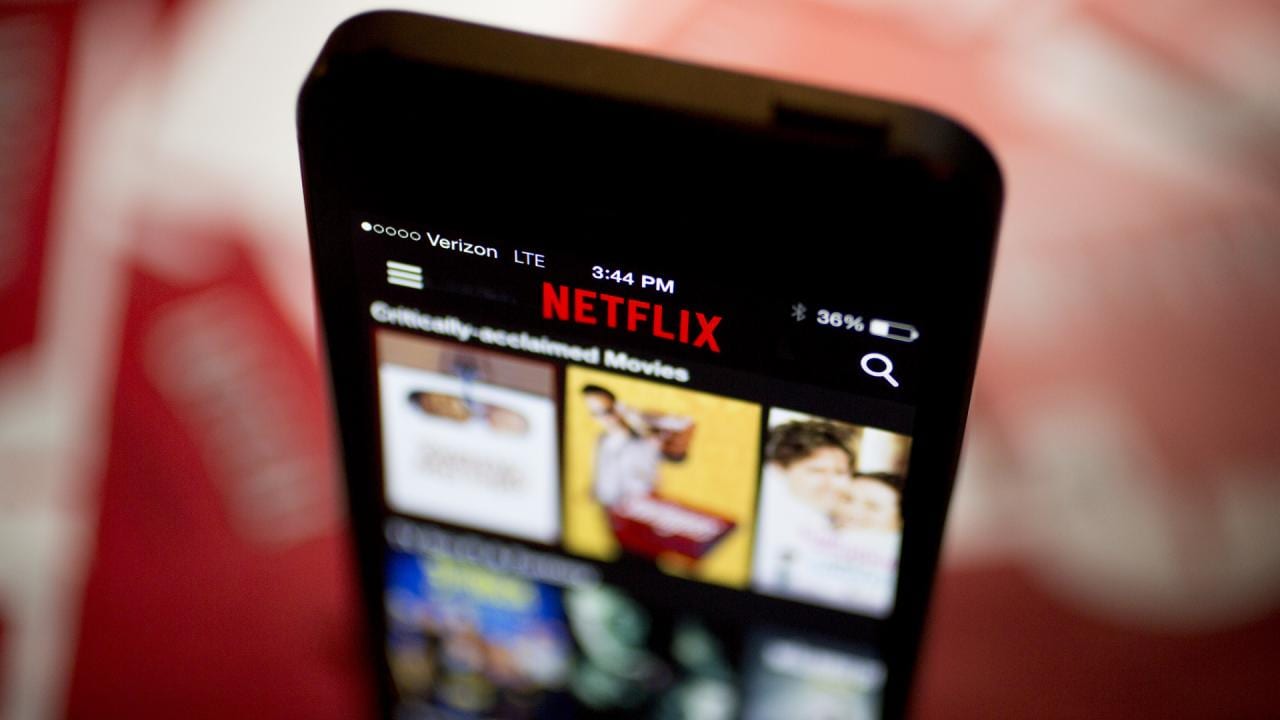
    SK Telecom is teaming up with three major broadcasters to launch a new video content service in a bid to challenge the popularity of foreign services like Netflix. On Thursday, SK Telecom and broadcasters KBS, MBC and SBS signed an MOU to combine their current over-the-top (OTT) media service businesses and launch a new and improved service by the first half of this year. OTT refers to content that is delivered directly to users over the internet without going through intermediaries like television.

    The four companies will also establish a joint venture that combines the OTT operations of each party. SK Telecom CEO and President Park Jung-ho said he is seeking around 200 billion won ($177.9 million) in investment for the new firm.

    SK Telecom’s subsidiary SK Broadband currently operates Oksusu, a television and movie platform released in 2016. The three broadcasters have Pooq, a joint venture that MBC and SBS both have a 40 percent stake in, while KBS holds 20 percent.

    Videos from over 70 channels are available on Pooq, including drama series from the 1990s and early 2000s.

    All four companies are expected to benefit from the partnership. Pooq has already established ties with Southeast Asian companies, having partners in Hong Kong’s Viu, Malaysia’s iflix and China’s iQiyi.

    During the MOU signing, SK Telecom CEO Park said he hoped to see the new strengthened service launch in Southeast Asia by June.

    In return, the three TV channels will have access to SK Telecom’s financial resources, which can be invested in original content production.

    The partnership is seen as an effort by the domestic companies to combine forces to fend off growing foreign competition, especially that posed by Netflix.

    Oksusu has 9.46 million registered users while Pooq has 3.7 million. Netflix is estimated to have around 900,000 domestic registered accounts, still trailing far behind the local companies.

    These figures only tell half the story, however.

    While Oksusu is the No. 1 OTT service in Korea in the number of accounts, its number of monthly active users is only estimated to be two-thirds of registered users. OTT services from competing mobile carriers like KT’s Olleh TV and LG U+’s Video Portal are also catching up quickly in total users.

    Also, very few original videos produced by Korean OTT service providers have enjoyed success.

    Netflix, on the other hand, saw tremendous growth in the three years it has been operating in Korea.

    As of last September, users spent a total of 283 million minutes a month on Netflix’s mobile app on Android according to WiseApp, which analyzes mobile app usage. Just two years ago, users had spent 14 million minutes a month on Netflix, or 20 times less.

    During the same period, the time that Oksusu and Pooq users spent on the apps increased less than twofold.

    Users spent a total of around 600 million minutes a month on both apps as of last September.

    Experts believe that the content budget is largely to explain for the differences in growth.

    Netflix is estimated to have spent around $8 billion on content production and licensing last year. Oksusu spent only around 10 billion won in content investment, however, a fraction of Netflix levels.

    “Through this partnership, Korean OTT service providers can strengthen the competitiveness of their content, which has been their weakest point,” said Jung Ji-soo, an analyst at Meritz Securities. “[The companies’] goal of becoming Korea’s Netflix will also help in energizing the domestic media ecosystem.”

  • Malaysian mall introduces metal straws for shoppers

    Malaysian mall introduces metal straws for shoppers

    Malaysia’s Sunway Malls is introducing metal straws in a move to help eliminate single-use plastic straws from its property. The decision, made in alignment with the United Nations’ Sustainable Development Goals and the government’s decision to ban plastic straws in the Federal Territories in Malaysia, has introduced metal straws. Many of Sunway’s tenants are moving forward with alternative straw materials too – biodegradable paper straws are available at some outlets, while others have decided to remove plastic straws altogether and some are also rewarding customers who bring their own straws.

    Sunway shoppers who spend RM100 (US$24) in two receipts will be eligible to collect their personal metal straws from the concierge counters of each participating mall.

    “At Sunway Malls, we are excited to introduce metal straws, which will be available to shoppers with a very minimal spend,” said Sunway Malls COO Kevin Tan. “We were one of the first malls to introduce the Bring Your Own Bag (BYOB) campaign in 2017. With metal straws, we hope to instill a greater sense of responsibility and sustainability towards the environment through a conscious effort of reducing daily plastic consumption in our shoppers lives,” he said.

    “As a landmark mall in our community, this is part of our continuous effort for the betterment of the future and hope that our shoppers will also see the value in this campaign. A little change goes a long way.”

  • Korean gaming firm could go up for sale at $7 billion

    Korean gaming firm could go up for sale at $7 billion

    The founder of Korea’s top gaming company Nexon has put the company up for sale, according to a local media outlet, in what could be the biggest such deal in Korean history. According to a report, Kim Jung-ju, chairman of NXC, the de facto holding company of Nexon, will sell a 98.64 percent stake in NXC worth around 8 trillion won ($7.1 billion). NXC owns a 47.98 percent stake in Nexon, worth about 6 trillion won.

    The shares include Kim’s holdings, at 67.49 percent, and those held by his wife, at 29.43 percent, as well as 1.72 percent held by Wise Kids, a software company Kim owns.

    Deutsche Bank and Morgan Stanley have been selected to oversee the sale, according to the report.

    A spokesperson for NXC responded to the report, saying that the company is in the process of confirming the news.

    “We are checking whether the report is true,” the spokesperson said, “It takes some time because of [the rules concerning] electronic disclosure. The official announcement will be unable to come out today.”

    As for the rationale behind the decision to sell, some media reports citing anonymous sources at Nexon point to Kim’s reluctance to deal with the government’s hefty regulations on the gaming industry.

    NXC, however, said that the reports are groundless, adding that “Chairman Kim hasn’t complained about government regulations.”

    While it is immediately hard to verify Kim’s motivations, financial reasons are unlikely to be the cause. Nexon, which trades on the Tokyo Stock Exchange, has shown strong earnings performance. Sales rose 18.7 percent in 2017 on year to 234.9 billion yen ($2.2 billion). Entering 2018, the company maintained steady growth with the third quarter seeing a 15 percent jump in revenue compared to the same month last year.

    Local media reports suspect that the potential buyer could be China’s Tencent Holdings or U.S. video game publisher Electronic Arts, given the massive size of the sale. Tencent already stands as the sole local publishing partner in China for Dungeon Fighter Online, a multiplayer video game developed by Nexon subsidiary Neople. The Chinese internet giant holds a sizable stake in Korea’s major game and entertainment units, including Netmarble and Kakao.

    Another focus of the deal is how NXC will process the sale of non-gaming affiliates.

    Non-gaming holdings owned by both NXC and Nexon span a wide range of industries.

    A Nexon affiliate took over Stokke, a Norwegian company famous for baby strollers, in 2013. NXC acquired a 65 percent stake in Korean cryptocurrency exchange Korbit for 91.3 billion won more recently in 2017 and Bitstamp, a Europe-based cryptocurrency exchange, last year.

    The founder could either split them from the sale or bundle them together.

    Built in 1994, Nexon made its name known with The Kingdom of the Winds, a 2-D fantasy massively multiplayer online role-playing game (Mmorpg). The game was recognized as the longest-running commercial graphical Mmorpg by the “Guinness World Records” in 2011.