Category: Living

Retail News Asia is committed to providing both local and global retailers with the latest Living news throughout the Asian market. This on a daily base.

  • State tobacco to suffer first time loss in history

    State tobacco to suffer first time loss in history

    Thailand Tobacco Monopoly (TTM) says it is expected to suffer it’s first time loss in history of a tremendous amount of 5 billion baht this year from the government’s recent excise tax increase.

    TTM managing director Daonoi Suthinipaphan said the expected huge loss stemmed from the new excise tax law which became effective on September 16 last year.

    She said the new excise tax resulted in higher retail prices of cigarettes produced by TTM by 3-20 baht per pack.

    But on the contrary, prices of imported or foreign cigarettes which have lower production cost adjusted retail prices slightly, or some brands even lowered retail prices, she said.

    This situation, she said, has affected TTM’s market share falling from 80% to 55-60% in February this year, she said.

    She said the new excise tax has enabled sellers to reduce retail price for foreign cigarette to 60 baht per pack, while Thai cigarette which was earlier sold at 35-40 baht per pack instead has gone up to 60 baht, or same as foreign cigarettes.

    She said TTM’s production this year was expected to be 18,000 million cigarettes a year from its full production capacity of 65,000 million cigarettes after its new factory has officially started operations.

    With its huge machinery cost of over 16 billion baht, TTM therefore has to allocate it’s annual profit to pay for the machines with now has 7 billion remainder still unpaid.

    She said this year TTM was committed by its contract to pay 2.9 billion baht.

    Apart from the machinery cost, TTM still has to pay for the relocation of factory from Rama 4 road in Bangkok to new factory in Ayutthaya, take care of its own hospital’s expenses, buy tobacco leaves 22 baht higher than market price from farmers under the state’s subsidy programme, and 1.5 billion baht renovation for Benjakitti park, she said.

    In total, initial estimate of loss was expected to be 5 billion baht this year, she said.

    This would be the first time loss of the TTM’s history since it was established and began operation in 1948 or 70 years ago, she said.

  • Vietjet announces route expansion plan with  direct flights and Bangkok – Krabi route

    Vietjet announces route expansion plan with direct flights and Bangkok – Krabi route

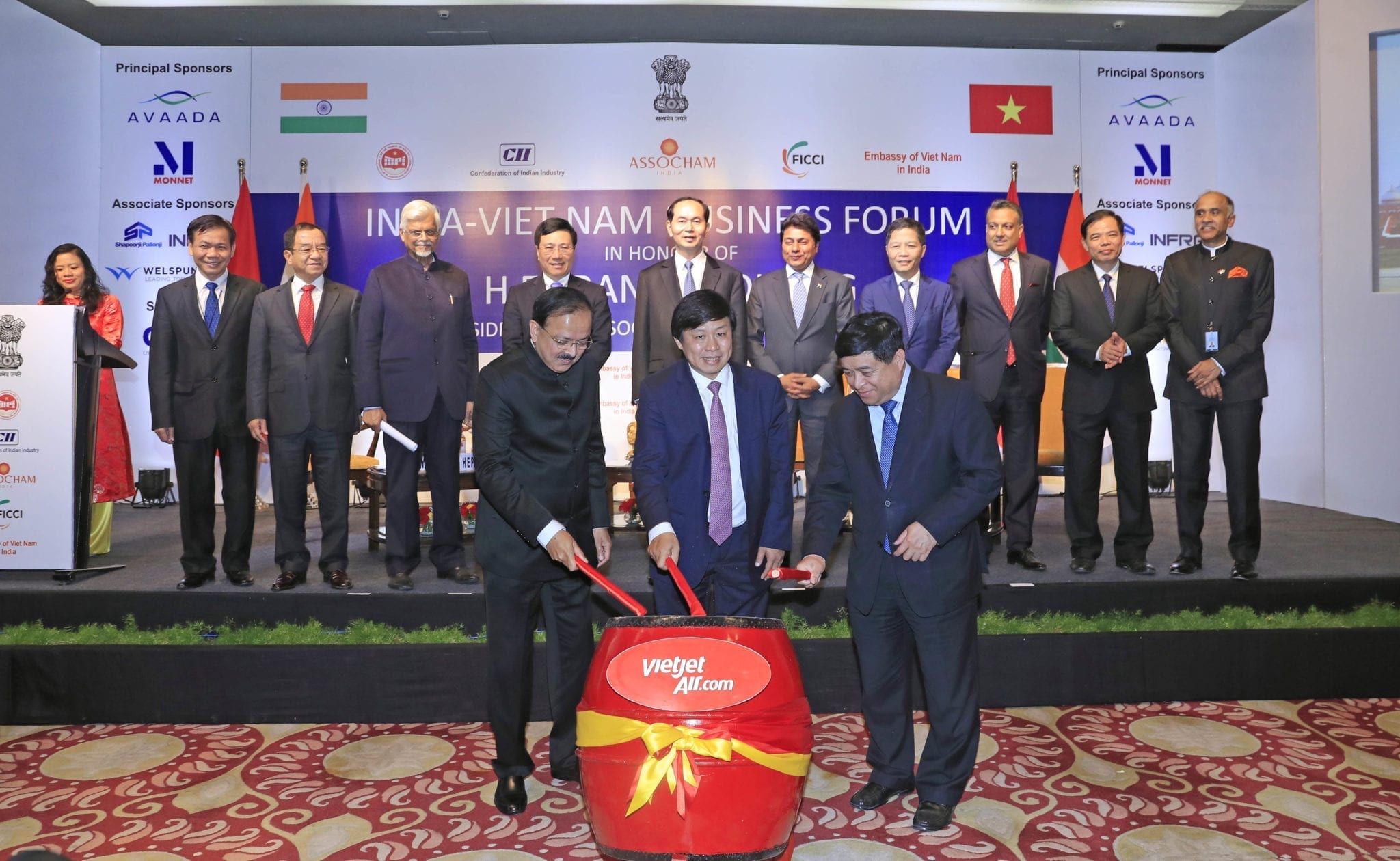
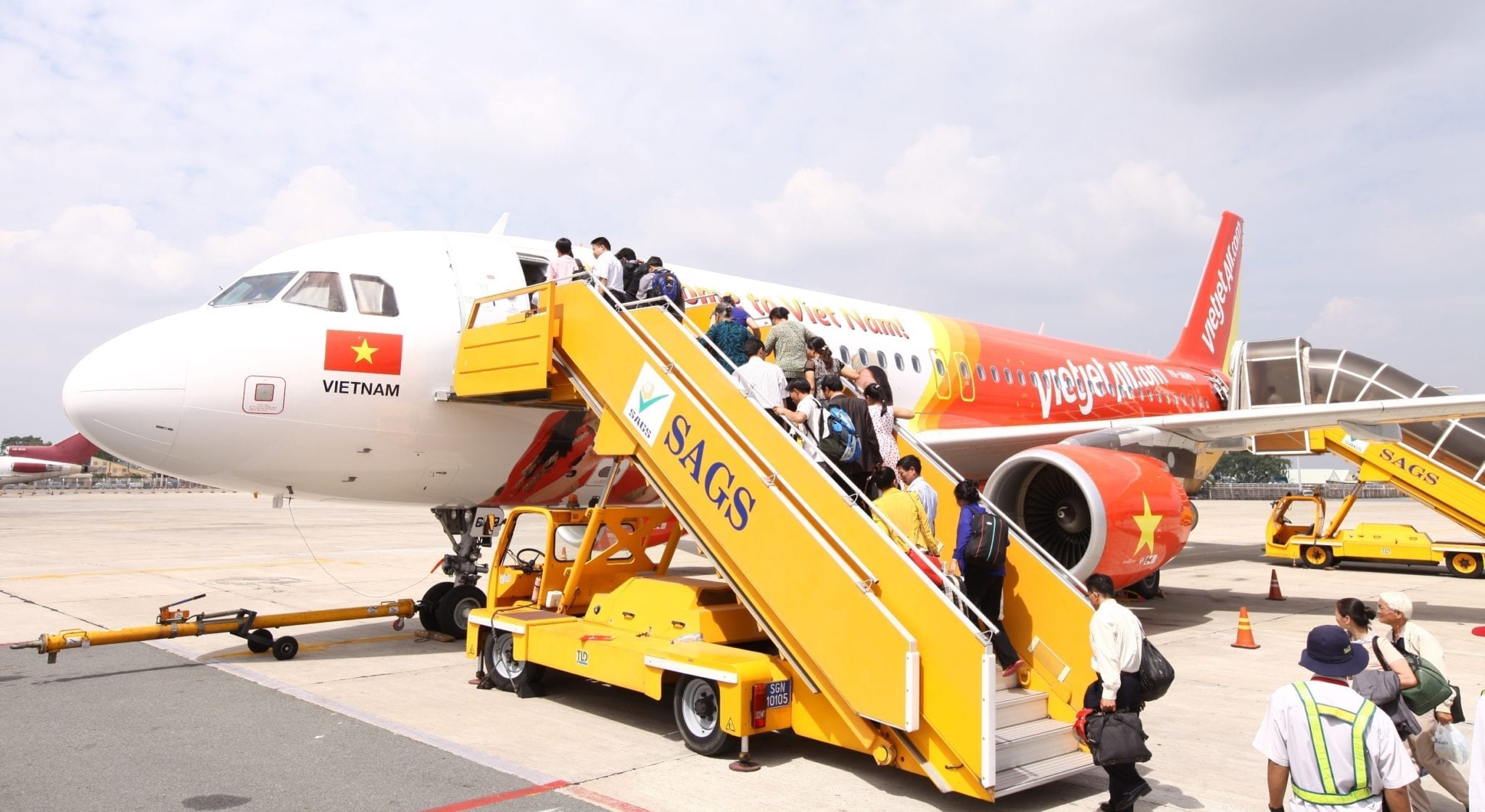
    Vietjet has announced its plan to operate direct flights connecting Vietnam and India, while its subsidiary, Thai Vietjet, is to launch a new direct domestic service between Bangkok and Krabi from April 5, 2018. Both plans are designed to become part of Vietjet’s long term development program to be a “Consumer Airline” that serves all demands of its customers.

    The India route will connect Ho Chi Minh City with New Delhi with four flights a week, serving the growing travel demands of the two peoples and contributing to the region’s integration and trade exchange. The announcement was made at the Vietnam – India Business Forum which was witnessed by Vietnam President Tran Dai Quang and senior leaders of Vietnam and India. It also came as a highlight of the 45th anniversary of the establishment of Vietnam – India diplomatic relationship and the 10th anniversary of strategic partnership between Vietnam and India.

    India, the country with the world’s second largest population, is famous for its diversified culture, religions, cuisine and tourism. Also, the country is well-known for its marvelous nature and grand architectures that are certified as world heritages. Among them are the Valley of Flowers National Park (Uttarakhand), Lotus Temple (New Delhi), Taj Mahal (Uttar Pradesh), Red Fort (New Delhi), etc.

    For the Thailand route, Thai Vietjet will launch a new direct domestic service between Bangkok (Suvarnabhumi) and Krabi, starting from April 5, 2018. The service will operate with two daily return flights and a flight duration of one hour twenty minutes per leg. Departure times from Bangkok (Suvarnabhumi) are 07:10, 19:25 and departure times from Krabi are 09:05, 21:20. Thai Vietjet will deploy an A320 aircraft with 180 seats for the route, representing the airline’s determination to meet passenger demand for popular routes. Krabi is an eternally popular holiday destination, offering great beaches, clean air, beautiful temples, stunning views of both lush mountains and stunning coastlines. It is also a getaway for Bangkok residents to escape the city smog for some clean coastal relaxation. Krabi is also renowned for its world class seafood, beach barbeques and popular nightlife attractions in Krabi Town. With the new Bangkok (Suvarnabhumi) to Krabi flight addition, the airline will be flying five Thailand domestic routes, including Bangkok (Suvarnabhumi) to Chiang Mai, Chiang Rai, Phuket, Krabi and a daily direct flight connecting Phuket and Chiang Rai.

  • Vietjet entices more B-leisure travellers into Vietnam with its expanding flight routes

    Vietjet entices more B-leisure travellers into Vietnam with its expanding flight routes

    When it comes to the MICE (Meetings, Incentives, Conferences and Events) sector, Singapore and Malaysia are widely regarded as the “MICE tigers” of the Southeast Asian region. Hot on their heels is another rapidly-rising economy in this region, Vietnam, which envisions emerging as a serious threat in the coming years.

    According to the Vietnam National Administration of Tourism (VNAT), MICE tourism brings in up to four or five times more than other types of tourism, because this segment of travellers tend to spend more. This has made MICE a catalyst for development in countries like Singapore, Malaysia and Thailand.

    Vietnam has also cast its eyes on this lucrative pie having played host to many big events such as APEC (Asia Pacific Economic Cooperation) 2017, ASEAN Summit 2010, and ASEAN Tourism Forum-ATF 2009.

    The International Congress and Convention Association (ICCA) has stated that Vietnam is emerging as a safe destination in the world and an attractive place for foreign investors. The country’s tourism sector is also actively looking into refining their infrastructure and services to improve their ability to host large-scale MICE events.

    While the major cities of Hanoi and Ho Chi Minh have been the obvious go-to destinations for corporate companies and business travellers to Vietnam in the past, cities in the central region such as Danang, Hoi An and Nha Trang are becoming increasingly affable choices.

    In 2016, Vietnamese cities like Hanoi, Danang, Nha Trang and Ho Chi Minh added to their array of 4 and 5-star international hotels. Nha Trang’s airport was also recently expanded to include more regional and international flights.

    “Business travellers typically outspend the holiday traveller by four or fivefold. So we see plenty of opportunities in MICE tourism, and with the world economy getting back on its feet, there is a renewed demand for exhibitions, meetings and events. Vietnam has great potential in MICE tourism which we have to actively and strategically explore, in order to entice more international organisations to host their events on our shores,” said Vietjet founder and CEO, Nguyen Thi Phuong Thao.

    One way to do this, she adds, is to improve accessibility into Vietnam’s major cities apart from Hanoi and Ho Chi Minh City, which offer greater unexplored natural beauty and cultural experiences for travellers seeking more authentic experiences in business and leisure (B-leisure).

    In hopes to entice more travellers to visit the less-explored cities of Vietnam, Vietjet continues to expand its wings within the country and internationally. The airline currently operates over 350 flights per day connecting passengers to 38 local destinations including Nha Trang, Danang, Hanoi and Ho Chi Minh City, among others, as well as 35 international routes including Kuala Lumpur. In the coming months, Vietjet will continue adding new routes to its ever-expanding list of destinations, connecting passengers to even more destinations across the globe.

    Its innovative in-flight activities and seamless travel experience has garnered many fans across the region, making Vietjet one of Southeast Asia’s increasingly popular airlines for business and leisure.

    There is no denying the vast potential of Vietnam’s MICE industry. The country’s ancient, traditional culture, friendly and hospitable people, safe environment, rich natural resources and beach resorts certainly offer great opportunities for the country to tap into, as it surges ahead to take its place as a favourite MICE destination in this region.

  • The Biggest MUJI Flagship Store in Korea Opens

    The Biggest MUJI Flagship Store in Korea Opens

    Muji Korea has opened its largest store in Seoul’s Seodaemun district.

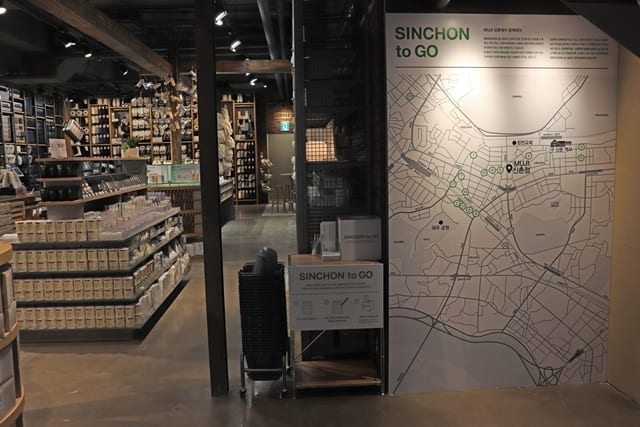
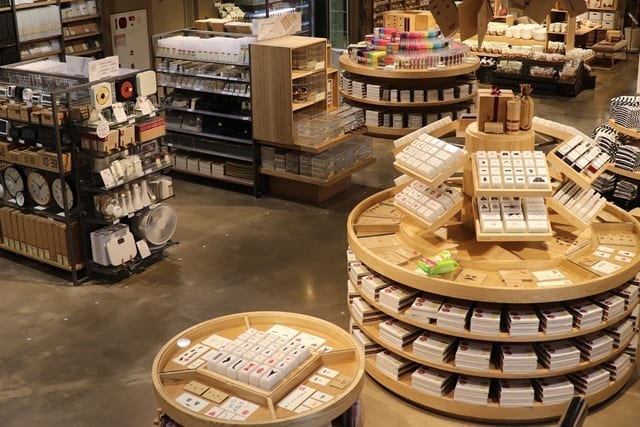
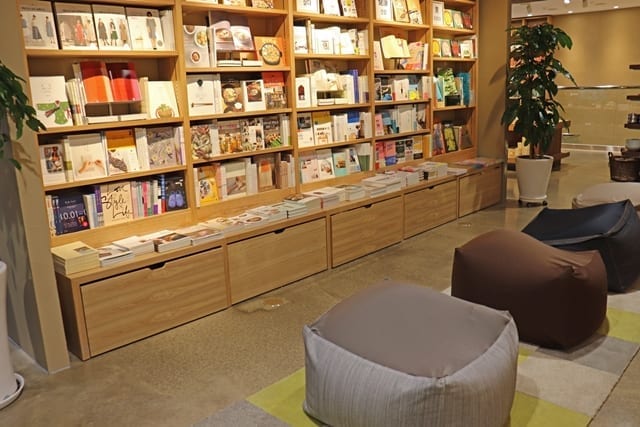
    Called Muji Sinchon, the five-storey store offers new items and services, including Open Muji, Sinchon to Go, a cafe and a books department.

    On first floor, Sinchon to Go shares information of Sinchon area and recommends famous places and shops, which aims to connect tourists and Sinchon area.

    Bathroom and aroma goods are displayed in a Health and Beauty section while travel goods and backpacks are available in Muji to Go area.

    There is also a coffee outlet on that floor.

    One level up, customers can experience a custom embroidery service, having words or motifs applied to purchases.

    Apparels and accessories are displayed in women and men categories in Muji Labo.

    On third floor, Muji Yourself offers stationery products as well as the Muji signature Stamp It! service, which allows customers to create their own stamps and notebooks.

    Books are sold for the first time at Muji Korea on the fourth floor.

    The fifth floor is mainly for communications with a multi-purpose hall suitable for conferences, events, lectures, and workshops.

  • AirAsia shares down on news of special dividend

    AirAsia shares down on news of special dividend

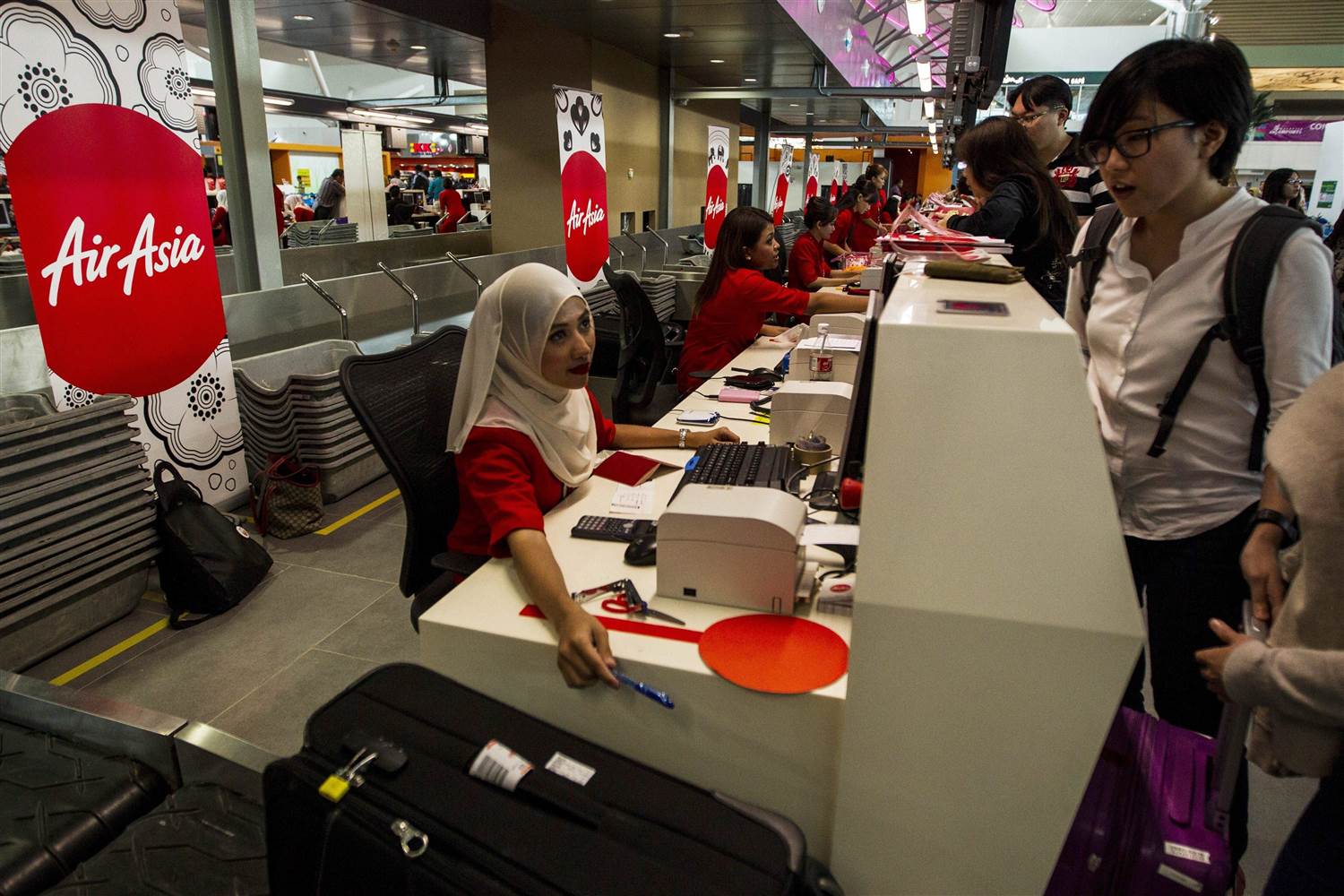
    AirAsia Malaysia share price fell 1.52% at mid day after it plans to use the bulk of the cash proceeds from the sale of its aircraft leasing operations Asia Aviation Capital Ltd to pay out a special dividend to shareholders and settle bank borrowings to improve its financial leverage.

    At 12pm today, AAB’s share price stood at RM4.53 with 13.49 million shares changing hands.

    AAB will sell Asia Aviation Capital Ltd for US$1.18 billion to BBAM Limited Partnership (BBAM) managed entities.

    Under the terms of the agreements, FLY Leasing Limited (FLY), Incline B Aviation Limited Partnership (Incline), Nomura Babcock and Brown (NBB) will acquire a portfolio of 84 aircraft and 14 engines of which 79 Aircraft and 14 engines will be leased back to AirAsia and its affiliates.

    FLY and Incline have also entered into agreements to acquire 48 aircraft to be delivered to AAB and an option to acquire a further 50 aircraft to be delivered.

  • Malaysia Airlines sees decline in Q4 load factor, passengers carried

    Malaysia Airlines sees decline in Q4 load factor, passengers carried

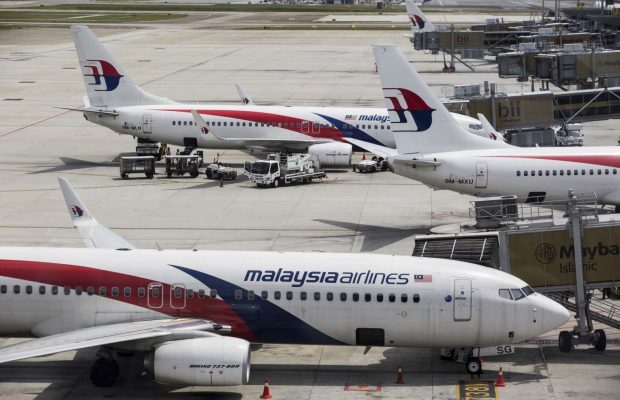
    Malaysia Airlines Bhd’s (MAB) passenger load factor for the fourth quarter (Q4) ended Dec 31, 2017 dipped to 77% from 81% a year ago with a 10.5% drop in the number of passengers carried from 3.8 million to 3.4 million.

    Despite that, Q4 passenger yield was the highest during the year at 23.6 sen, which offset the slight reduction in load factor and also resulted in a 2% improvement in revenue per available seat kilometre (RASK) from 21.6 sen to 22.1 sen.

    Domestic and international passenger load factor stood at 70.5% and 78%, respectively.

    Malaysia Airlines Group (MAG) CEO Izham Ismail said in a statement that the group is firmly anchored to the MAS Recovery Plan and he is happy to see steady progress continue in the fourth quarter.

    “A concerted focus on yield in the second half of the year has seen an overall improvement in yield and RASK bucking the general downward trend of other regional players.”

    Overall he said the airline underperformed against budget compared to the previous year, due to a weaker first half impacted by a weak pricing strategy as well as the hike in exchange rates and fuel.

    “MAB did recover in the second half with closer oversight on yield management and ended the year in a stronger position. Moving forward, we will continue to focus on and drive yield to cushion the group from rising fuel costs and forex volatility,” he added.

    On outlook, Izham said Southeast Asia has strong traffic growth, but overcapacity remains a challenge, pressuring yields.

    “MAB maintains its cautious outlook in the fiscal year of 2018. While the economy is anticipated to be resilient, MAG anticipates that supply and capacity pressure will continue to put a stress on yields although the effect for 2018 is expected to be moderate. The group will continue to be prudent and agile in controlling capacity and has already scaled back on domestic route frequencies allocating aircraft where the best potential returns are seen.”

  • Hong Kong Bans Trade In Ivory

    Hong Kong Bans Trade In Ivory

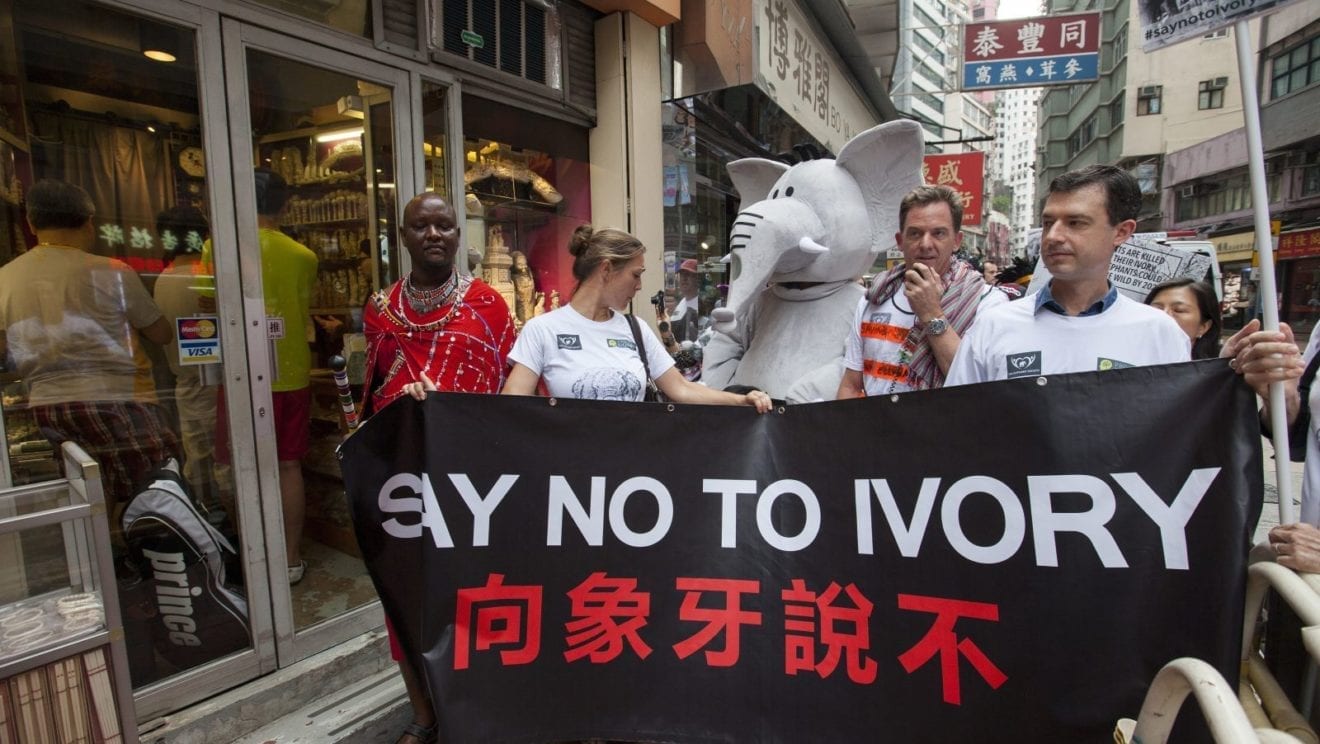
    Hong Kong has voted to ban ivory sales in a landmark move to end the infamous trade in the city.

    Lawmakers overwhelmingly voted for Wednesday’s bill, which will abolish the trade by 2021, following China’s complete ban on ivory sales that went into effect at the end of last year.

    “Shutting down this massive ivory market has thrown a lifeline to elephants,” said Bert Wander of global advocacy group Avaaz.

    “Today is a great day for elephants. Hong Kong has always been the ‘heart of darkness’ of the ivory trade with a 670-tonne stockpile when international trade was banned in 1989,” said Alex Hofford of WildAid Hong Kong.

    The amendment will phase out the trade in three stages, a time period some conservationists say could be exploited as a loophole and too late for African elephants which continue to be killed in huge numbers.

    The steps include a ban on trade in hunting trophies and ivory dating from after 1975, when a global treaty regulating the trade took effect. It would later extend to ivory acquired before 1975, and finally traders would have to dispose of their stock by 2021.

    Penalties for offenders will be increased to a maximum fine of HK$10m ($1.3m) and 10 years’ imprisonment.

    Dozens of demonstrators including schoolchildren gathered outside the city’s legislature to protest against ivory sales holding up signs that read: “Do you really need ivory chopsticks?”

    Angry ivory traders have said they will be forced to close down their businesses and demanded the government compensate them for their stock – which the new ordinance rejected.

    Despite the planned ban, the trade was still flourishing in Hong Kong, which saw its biggest ivory bust in three decades last July when more than seven tonnes of tusks worth more than $9m were seized.

    In the months ahead of Wednesday’s vote, the legislature heard tales of murder and suffering involving African park rangers who were shot dead while protecting elephants and others drowned or set on fire.

    African ivory is highly sought after in China, where it is seen as a status symbol, and used to fetch as much as $1,100 a kilogram.

    Poaching in Africa has seen the elephant population fall by 110,000 over the last 10 years to just 415,000, according to the International Union for Conservation of Nature.

    Despite an overall fall in poaching, Africa’s elephant population has declined in part because of continued illegal killing, said a report last year by the Convention on International Trade in Endangered Species.

  • Toys ‘R’ Us is said in talks to sell Asia unit to Fung Group

    Toys ‘R’ Us is said in talks to sell Asia unit to Fung Group

    Toys ‘R’ Us Asia may be taken over by to its local partner, the Fung Group.

    A deal could give Toys ‘R’ Us Asia a valuation of at least US$1 billion. The private holding company of Hong Kong’s billionaire Fung brothers is considering finding partners to join it in the purchase, and if a deal is reached the group may seek an IPO after one to two years, according to the source.

    The US company and some of its North American subsidiaries filed for bankruptcy in September, the Asian unit being excluded. Growth in Asia Pacific helped offset weak sales in the US and Europe in the quarter ended October 28. The company combined its Japanese business with the broader Asia venture last year, which now has more than 400 outlets throughout the region.

    Representatives for Toys ‘R’ Us and Fung Group have declined to comment on the possibility of the Asia business being offloaded.

    Separately, the UK arm of Toys ‘R’ Us is likely to start a court-led administration process this week after failing to secure new financing to meet a tax liability due this month. The business faces a £15 million ($21 million) value-added tax bill, and talks with potential buyers have fallen through in the past few weeks.

    Toys ‘R’Us Asia was set up in 1986. Fung Group is also the biggest shareholder in Li & Fung, a supplier to Wal-Mart Stores and other US retailers. KKR, Bain Capital and Vornado acquired New Jersey-based Toys ‘R’ Us in a $7.5 billion leveraged buyout in 2005. The company has more than 1600 stores and nearly 65,000 employees worldwide.

  • Korea’s job market going through major changes

    Korea’s labor market is undergoing a major change, dogged by a lack of quality and secure jobs. Coupled with rising living costs and longer life spans, these problems prompt more Koreans across a broader range of age groups in particular the elder to enter the workforce.

    The jobs however are not necessarily the traditional lifetime careers Koreans prefer, which are also hard to come by since the labor market shifted to irregular, part-time or contract jobs that entail discrimination in job stability, pay and welfare.

    But with the minimum wage having increased to 7,530 won an hour beginning this year, part-time jobs have never been more popular.

    Retail workers in Seoul reveal this trend. For nearly two years, Choi Seung-bo, 66, has been working at the cash register of a 7-Eleven convenience store in Gangnam, southern Seoul, eight hours a day.

    “My children have left the nest, so what’s there for me and my husband to do but stare at each other?” Choi said.

    “Also, I feel more energetic and look forward to coming to work.”

    Choi may well be among the beneficiaries that Democratic Party of Korea Chairperson Choo Mi-ae mentioned in January as the ruling party’s New Year plans were disclosed.

    Choo had said the higher minimum wage would benefit the young, women and seniors. Choo had said it was the “last hope” to prompt the youth to seek employment, enable people — usually women — to afford their children’s private education fees and living expenses, and help seniors avoid poverty.

    Choi’s reasons for working seem a mixture of social and personal, but she stressed how lucky she is to be in the labor market at her age. Asked if the work at the convenience store is physically rigorous, she said she does not find it so.

    In fact, Choi said even her children notice the uptick in her energy and thus reluctantly accepted her return to the workforce.

    She does not yet worry about automated cashiers replacing her but is aware of younger workers who may compete for her job.

    “I think I am lucky in that my employer prefers older folks, who stay (with the company) for a long time. He said young workers tend to stay only for several months and then leave. I plan to stay healthy and work until 70 and beyond,” she said.

    “There is a growing shift among workers toward part-time work, such as working part-time or on an hourly basis for a few months through one or more years,” said Ahn So-jeong, a senior manager at JobKorea.

    “Age, previous job experience and current economic status vary, but we are seeing those from their teens through their older years working to secure a continuous income flow,” Ahn said.

    Invariably, the shift of Korea’s labor market toward irregular work in particular after the 1998 Asian financial crisis — those working part-time or on contracts instead of the traditional lifetime employment —is attributable to the market’s greater acceptance of workers from a wider range of age groups.

    While Choi works at the convenience store to earn extra cash for occasional meals or small gifts for her children and grandchildren, she said she is aware of the higher life expectancy and the relatively high rate of elderly poverty in Korea.

    An OECD report last year showed 42.7 percent of Koreans aged 66 to 75 live in relative poverty, and 60.2 percent of those aged 76 and older do. Both figures are about four times higher than the OECD average.

    The retail sector was traditionally dominated by young workers, like 20-something Park In-seo, who has been working at a GS25 convenience store near Myeong-dong for a year.

    “I work eight hours a day, and as the minimum wage has gone up, it is manageable to maintain a decent quality of living with only this job,” Park said.

    “The higher minimum wage definitely makes a difference.”

    He said he does not work other jobs, and during his time off, he rests and studies.

    “I don’t necessarily think working part-time jobs is that bad anymore. My parents support me, saying it’s good that I bring in income rather than remain unemployed at home,” Park said.

    A trend in increasing workforce participation across a broader range of age groups may well continue, even though the job market prospects continue to look bleak.

    Over the last weekend of February, Statistics Korea said the household led by people in their 40s in Korea earned on average a little over 3.4 million won ($3,150) from October to December, down by 3.1 percent from the same period of the previous year.

    Considered one of the most economically active for a long time, the high unemployment among the youth against Korea’s sluggish economic growth has brought about the drop.

  • Toys ‘R’ Us planning to close more stores

    Toys ‘R’ Us planning to close more stores

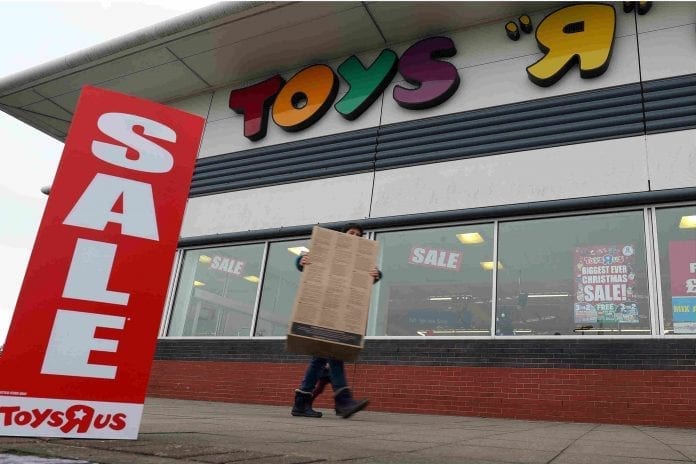
    Toys “R” Us, the beleaguered chain under pressure from Amazon and bigger toy sellers, may close dozens more stores as it struggles to find a path out of bankruptcy and return to financial viability.

    The toy retailer has not recovered from a dismal holiday selling season, making the company’s difficult situation even worse. Now, it is under pressure to demonstrate to its lenders that it has a realistic strategy for flourishing in the ultracompetitive toy industry.

    One plan under discussion includes shutting down close to 200 stores, and possibly more, according to people briefed on the matter, who were not authorized to speak publicly.

    While the planning is fluid and far from completion, the possible store closings, reflect the serious challenges that Toys “R” Us faces.

    “If you look at the numbers, it doesn’t look good,” said Richard Gottlieb, an analyst and the publisher of Global Toy News. “And it appears that some dramatic action is going to have to take place.’’

    Toys “R” Us has already been taking steps to stabilize its business. Last month, the company said it was shutting down 182 stores, affecting 4,500 workers.

    It is not clear whether any additional closings would occur in the United States, or overseas. The company operates about 800 stores in the United States.

    Even as other retailers experienced strong holiday sales, Toys “R” Us cited undisclosed “operational missteps” in explaining its poor performance.

    Analysts say that a primarily bricks-and-mortar toy retailer can succeed, but that its stores have to be smaller, unlike the hulking Toys “R” Us facilities that dot suburban strip malls.

    “A toy store needs to be fun and engaging and interactive,” said Mr. Silver. “Toys “R” Us has been talking about better customer service and experiences, but they never really transpired.”

  • Vietjet to Operate International Flights at Terminal 4, Changi International Airport

    Vietjet to Operate International Flights at Terminal 4, Changi International Airport

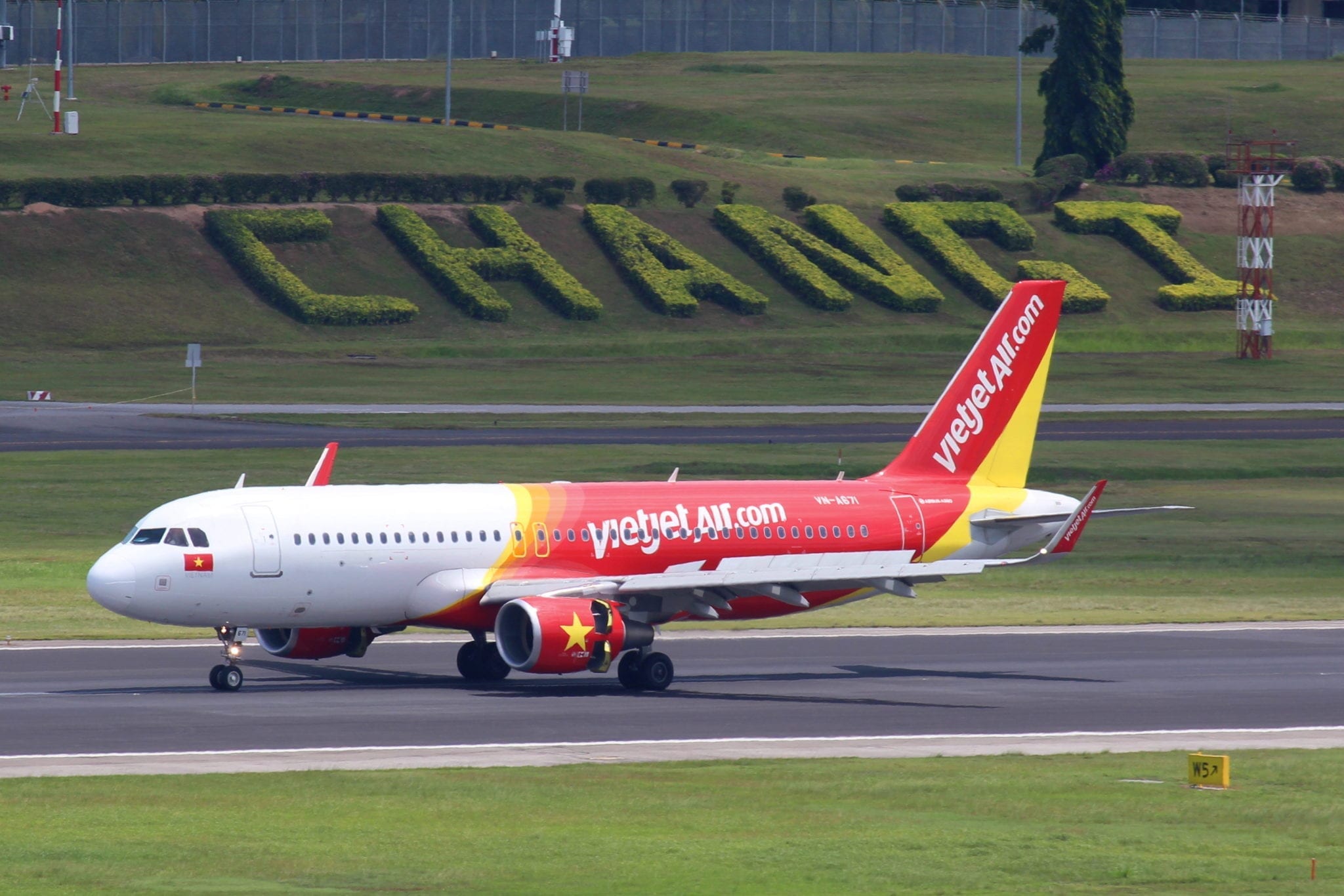
    Vietjet will soon shift its operation of international flights from Terminal 3 to Terminal 4 (T4) of Changi International Airport, Singapore beginning 6 March 2018.

    The forthcoming shift in operation marks the expansion and growth of Vietjet in Singapore’s Changi Airport – the world’s best 5-star international airport in the five consecutive years and also helps to reduce travel time by bus from the aircraft parking area to the terminal.

    Since launching its first flights from Ho Chi Minh City in 2014, Vietjet has continually increased its frequency and launched new routes from Hanoi to Changi, serving the rapidly growing travel demands between the two countries which contributes to promoting regional trade and intergration.

    Officially launched on 31 October 2017, T4 – Changi International Airport has since received over 1.6 million passengers and covered more than 9,400 flights.

    The areas serving Vietjet’s inbound and outbound flights are synchronously designed, equipped with modern equipment and prominent branding signs. Vietjet’s check-in counters are located in the same area making ticket counters accessible and convenient for passengers. The opening time of check-in counters for international flights remains at 3 hours before departure time and the closing time is 50 minutes before departure time. Passengers should be aware of the operational change to the new terminal to ensure all travel formalities including check-in, immigration, customs clearance and security procedures are cleared on time.

    Modeling itself as a ‘Consumer Airline’, Vietjet continues to open new routes, expand its fleet, invest in modern technology and offer more value-added products and services to serve the demands of customers. The airline also offers diverse promotional programs on tickets and entertainment especially during the festive seasons.

  • Mr DIY opens door in Mid Valley Megamall Malaysia

    Mr DIY opens door in Mid Valley Megamall Malaysia

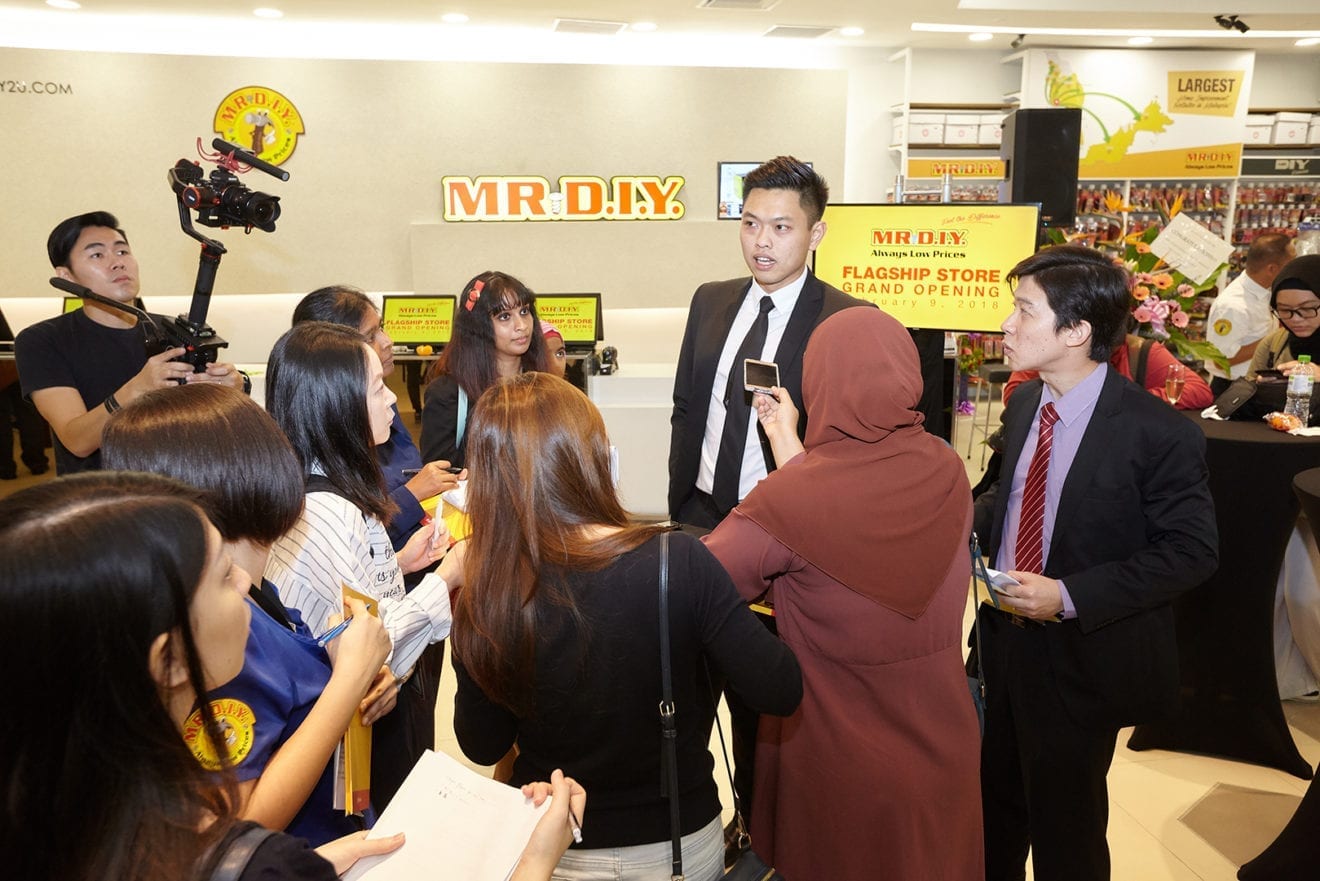
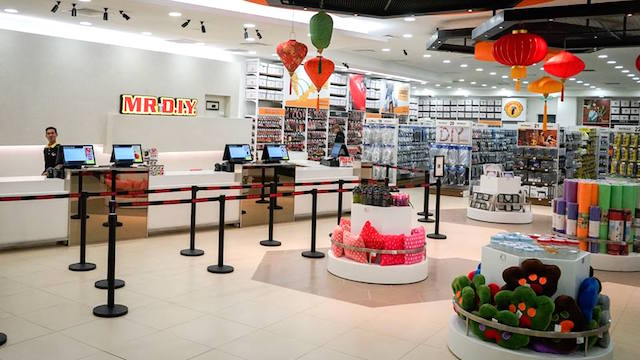
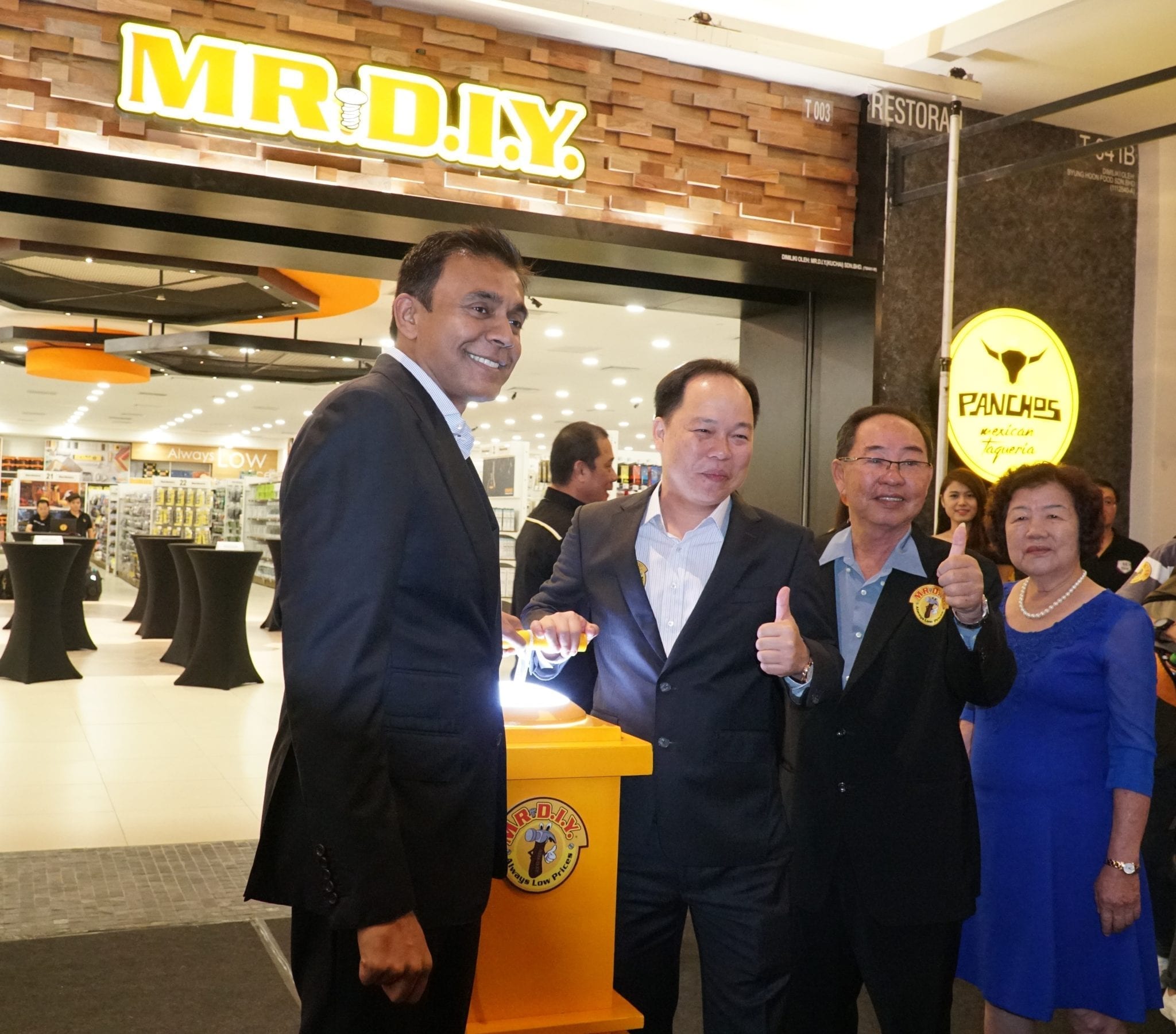
    Malaysian home improvement retailer Mr DIY has launched its first flagship store, at Mid Valley Megamall in Kuala Lumpur.

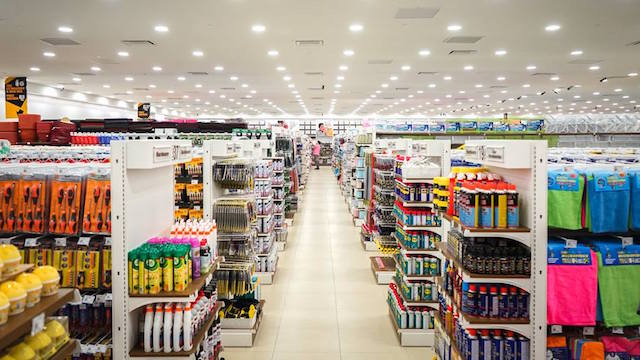
    The chain’s 360th store covers 1393sqm on the mall’s third-floor mezzanine, offering 20,000 product varieties across nine departments – household, hardware, electrical, car accessories, toys, stationery, gifts, sports, and jewellery and cosmetics.

    “This is an important milestone for Mr DIY’s growth in the region as we strive toward our vision of becoming the largest home-improvement retailer in Asia Pacific,” says Mr DIY Trading marketing head Andy Chin.

    With fresh concepts, the flagship store features a ceiling designed like a hexagon nut, plus there are walkways to make it easy for shoppers to navigate the store.

    Chin says RM2 million (US$511,000) was invested in the store, which is expected to drive a monthly footfall of 200,000 customers.

    He says it is an exciting year for the company. “We are targeting a total of 300 new stores across Asia Pacific, with 150 in Malaysia alone. Next, we are looking at expanding our reach into two new countries, Singapore and the Philippines, within the second half of the year while we are set to launch the Mr DIY e-commerce platform in the third quarter.”

    The retail chain last year recorded more than RM1 billion in revenue, serving 110 million customers. It started as a hardware store in Jalan Tuanku Abdul Rahman, Kuala Lumpur, in 2005 and now has more than 450 outlets throughout Malaysia and Asia Pacific, including Thailand, Indonesia and Brunei.

  • Bali ready to welcome more tourists

    Bali ready to welcome more tourists

    Indonesian private-sector company Bandara Internasional Bali Utara plans to build a new international airport in northern Bali to accommodate growth in foreign tourist arrivals.

    The airport will be built offshore to avoid interference with rice fields, temples and villages.

    Bali receives around 6 million foreign tourists annually, with most visiting the southern part of the island where the only international airport is located.

    Bali Governor I Made Mangku Pastika has met with President Joko “Jokowi” Widodo on several occasions and they have agreed to build a new airport in Bali on a reclaimed island off Buleleng district.

    “One advantage of building an airport offshore is that we do not need to waste time on land acquisition, which is often very expensive,” Freddy Numberi, a former environment minister and now strategic advisor to Bandara Internasional Bali Utara (BIBU), said at a press conference in Jakarta on Thursday (22/02).

    The project is currently awaiting approval by the Ministry of Transportation.

    BIBU is partnering with Airports Kinesis, a Canada-based airport development consulting company, which also helped design Kertajati Airport in West Java.

    “Bali’s northern airport will be funded privately by investors from Canada and the Middle East, involving a total investment of $2 billion,” said Shad Serroune, chief technical officer at Airports Kinesis.

    Beside opening opportunities for overseas investors, BIBU also hopes to attract local investors who may be interested in the project.

    “Basically, we’re open to anyone who wants to inject money into this project, even the regional government,” BIBU operations director Tulus Pranowo said.

    “But at the moment, we’re purely a privately owned company,” he said, confirming that they plan to build the airport without funding from the state budget.

    Responding to a question of when the airport construction project will break ground, Tulus said BIBU was still waiting for the Transportation Ministry to stipulate the exact location before the company will proceed to the next step.

    According to the Transportation Ministry, Bali’s Ngurah Rai International Airport can only accommodate 17 million arrivals per year, while the provincial government hopes to attract 35 million to boost tourism development.

  • Vietnam focuses on divestment in oil and gas sector

    Vietnam focuses on divestment in oil and gas sector

    Vietnam Oil and Gas Group (Petro Vietnam or PVN) plans to reduce its ownership of Petro Vietnam Gas Joint Stock Company (PV Gas) from the current 97 per cent to 65 per cent.

    The divestment, scheduled for 2018-20, follows Government instructions for the company to pare its stakes in three State-owned companies to a minimum of 51 per cent by 2020, the other two being Petro Việt Nam Fertiliser and Chemicals Corporation (DPM) and Petro Vietnam Cà Mau Fertiliser Joint Stock Company (DCM).

    The PV Gas divestment is expected to attract many large investors who would be eager to buy into a company that reportedly contribute 30 per cent of PVN’s profits.

    PetroVietnam, established in 1977, through its various companies including wholly-owned subsidiaries, now covers the entire gamut from oil and gas exploration and production to storage, processing, transportation, distribution, and services.

    At an interaction with the media in late January PV Gas chairman Lê Như Linh said the divestment would be done very carefully to identify appropriate strategic shareholders.

    A detailed plan would be submitted to PVN and then to the Government for approval, he said.

    He expected the stake sale to not only be hugely profitable for the Government but also secure access to advanced technologies and modern management from strategic investors from the west, Japan and South Korea.

    By 2019 PVN will also have to entirely divest its stake in PVI Holdings, Phước An Port Investment and Exploitation Oil and Gas JSC, Green Indochina Development JSC, SSG Real Estate JSC, Petro Vietnam Trade Union Finance JSC, Petro Vietnam Construction joint Stock Corporation, and Petro Vietnam Maintenance and Repair JSC.

    In the first quarter of this year PVN successfully equitised three of its companies, Petrol Vietnam Oil Corporation (PV Oil), Bình Sơn Refining and Petrochemical Co Ltd (BSR) and Petro Vietnam Power Corporation (PV Power), reducing its ownership to below 50 per cent.

    The three companies made successful initial public offerings.

    In fact, the BSR IPO netted the Government 60 per cent more money than it had expected.

    BSR had expected to sell 241.6 million shares, or 7.79 per cent of its chartered capital, to the public at VNĐ14,600 per share ($0.64).

    At this price, BSR would have been valued at almost $2 billion, making it the largest firm ever to hold an IPO.

    A maximum of 49 per cent is expected to be sold to strategic investors three months after the IPO, with PetroVietnam retaining 43 per cent. Some 0.21 per cent of the shares will be offered to the company’s employees.

    But to return to the IPO, the Government earned VNĐ5.5 trillion ($244.5 million) through the sale. The highest bid was VNĐ35,000 per share, the lowest was VNĐ14,600 per share and the average was VNĐ23,043, 56 per cent higher than the reserve price.

    The auction saw 3,964 individuals and 115 organisations register to buy 652 million shares.

    The Government raised VNĐ6.99 trillion ($307.8 million) from selling 468.37 million shares of PV Power, or 20 per cent of its chartered capital through an IPO on January 31.

    The average price was VNĐ14,938, with the highest and lowest successful bids being VNĐ28,000 ($1.23) and VNĐ14,500 ($0.64).

    The company is now valued at $1.48 billion.

    PV Power’s success came as no surprise because it has been reporting profitable operations year after year, and the offer price was thought to be attractive.

    Established in 2007, the company operates one coal-fired thermal power plant, three gas-powered plants and three hydropower plants. Its annual output is more than 4,208 MW, or 10 per cent of the country’s entire capacity.

    Last year it reported net revenues of VNĐ31.5 trillion, an increase of 12 per cent, and post-tax profit of VNĐ1.9 trillion, a 25 per cent increase.

    In PV Oil’s IPO on January 25 all 207 million shares, or 20 per cent of its chartered capital, were snapped up for a total of $190 million. The average successful bid was VNĐ20,196 ($0.89) per share. The lowest was VNĐ19,200, VNĐ5,800 higher than the reserve price.

    Foreign investors only bought 68.47 million shares.

    The Government has instructed PVN to retain its current ownership in some other subsidiaries and associate companies such as Petro Vietnam Technical Services Corporation, the Vietnam Russia Joint Venture Vietsopetro and Petro Vietnam Drilling and Well Services Corporation.

    PVN owns respectively 51.4 per cent, 51 per cent and 50.4 per cent stakes in them.

    But despite all this, analysts said the PVN’s divestment and privatisation remain lower than expected due to several factors.

    For one, its subsidiaries are too large for strategic shareholders.

    For another, foreign investors expect transparent financial reports, which is lacking at many Vietnamese firms including oil companies.

    Thus, for many, valuation is a difficult and slow process.

    Oil companies have difficulty identifying the ideal management model after their IPO.

    Central bank wary of lending to high-risk sectors

    In late January the State Bank of Việt Nam (SBV) instructed banks to limit lending to the real estate, securities and consumer sectors amid reports of alarming credit growth rates.

    It told them to constantly monitor the progress of property projects and their developers’ financial health, and have measures in place to handle any defaults.

    It said the pace of their stock market lending investment should be curtailed to mitigate risk.

    As for consumer credit, banks have been told to evaluate and process loan applications carefully and ensure borrowers refrain from using the loans to invest in property or stocks.

    Market observers said while it is not new for the central bank to instruct lenders to tighten credit for real estate and stocks, this is the first time it has told banks to monitor consumer credit quality.

    Why?

    Though consumer lending yields big profits to banks, the central bank is definitely worried about the high risks it involves.

    According to data from the National Financial Supervision Committee, consumer lending has been expanding rapidly since 2015. Last year growth was a whopping 65 per cent, up from 50.2 per cent in 2016, and these loans accounted for 18 per cent of the total lending for the year.

    Lending for house renovation and repairs accounted for 53.8 per cent of the total consumer credit, loans for buying home appliances for 15.3, and vehicle loans for 8.3 per cent.

    VP Bank reported recently that its 2017 pre-tax profit of VNĐ8.1 trillion included a full 50 per cent from FE Credit, its finance arm.

    The latter’s credit growth was 39 percent.

    VP Bank CEO Nguyễn Đức Vinh said consumer credit would keep expanding in the next 10 years.

    According to Rồng Việt Securities banks had accounted for $23.27 billion, or 87.6 percent, of consumer loans in 2016. Finance companies had provided the rest.

    VDSC analysts, while believing consumer credit would have a positive impact on economic growth, still warn against risks.

    The biggest risk is people borrowing beyond their means. After analysing consumer behaviour trends, VDSC said many consumers had excessive optimism about their future income.

    A deputy director of a bank in Hà Nội, who asked not to be named, agreed with VDSC experts, adding that many borrowers use consumer loans for buying property, which often requires long-term funds.

    Besides, consumer loans often have interest rates that that could be three times the rates on other loans.

    A VP Bank official said the high growth rates in consumer credit are associated with increased risks of default.

    In a report on VP Bank, HSC Securities has forecast that FE Credit has to make 20.82 percent higher provision for risks.

    Nguyễn Quốc Hùng, director of the central bank’s credit department, said lending in 2017 had mainly focused on priority sectors related to production and distribution.

    The central bank sought to closely monitor lending to high-risk sectors like real estate and stocks and consumer credit, and advised banks to focus on genuine consumer lending to ensure effective and sustainable credit growth and support economic development.


     

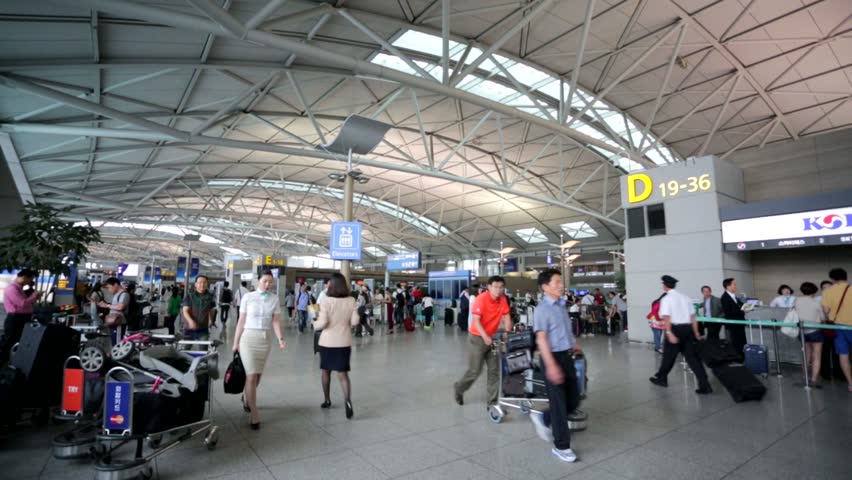
  • Korea’s air passenger traffic hits record 109 million

    Korea’s air passenger traffic hits record 109 million

    Korea’s air passenger traffic reached a new record high last year on growing travel demand, while flight delays declined due to improved schedule management, the Transport Ministry said Sunday.

    In 2017, the country’s passenger traffic on domestic and international routes stood at 109.36 million, up 5.2 percent from a year earlier, the Ministry of Land, Infrastructure and Transport said in a statement.

    The rate of overall flight delays fell 3.8 percentage points to 9.5 percent last year compared to the year before. On domestic routes, the rate dropped to 12 percent from 18.6 percent over the same period, while the rate on international routes edged up to 5.9 percent from 5.2 percent, it said.

    Foreign airlines that offer services through Korean airports posted a delay rate of 6.5 percent last year, down from the previous year’s 6.8 percent, the statement said.

    Korea has two full-service airlines – Korean Air and Asiana Airlines. It also has six low-cost carriers, which are Jin Air, Jeju Air, Air Busan, Air Seoul, Eastar Jet and T’way Air.