Category: Living

Retail News Asia is committed to providing both local and global retailers with the latest Living news throughout the Asian market. This on a daily base.

  • Qualtrics Announces Online Community Connecting Experience Management Platform Users

    Qualtrics Announces Online Community Connecting Experience Management Platform Users

    Qualtrics, the leader in research and experience management, today announced the Qualtrics Community, a new, online forum to bring together users of the Qualtrics Experience Management PlatformTM. The Qualtrics Community allows users to share best practices, tips and advice about using the Qualtrics Experience Management Platform, the world’s only unified experience management platform, utilised by over 8,500 enterprises worldwide to manage the core experiences they provide across their businesses—including customer, product, employee and brand experiences.

    The Qualtrics Community members include some of the most prolific Qualtrics users in their fields, compiling thousands of years of combined expertise across business, technology, and academic industries, to name a few. The community is open to expert and novice users alike, and is a forum to discuss the projects that drive them, trade tips and tricks, and to enable networking with other users.

    The Qualtrics Community aims to facilitate education and collaboration, allowing users to ask for advice on how best to build their projects using the Qualtrics Experience Management Platform. Experts are available across many domains, including customer experience, employee experience, product experience, brand experience and market research domains. Members can comment and tag the responses they find to be the most helpful. The Qualtrics Community Team is also present to help foster meaningful connections and keep community members on their toes by running competitions and challenges where they can earn points and badges to move up in rank in the community.

    “I love being able to quickly ask questions of other users of the Qualtrics platform to find alternative solutions, or even have a discussion on best practices. This exchange of knowledge has saved me hours across projects,” said Rachel Cvetkovski, an Associate at THREE. “I’ve never had a community of people outside my own company to use as a resource, so I’m very grateful for the collaboration.”

    “Everything we do at Qualtrics is focused on building amazing software for our customers and then helping them to best utilise those tools to create amazing experience programs,” said Paul Sheets, Head of Global Operations at Qualtrics. “While we offer world-class training and support programmes, sometimes users just want to quickly bounce an idea or problem off another user who has been in their shoes. We created the Qualtrics Community as part of our ongoing commitment to helping our customers learn, collaborate and succeed. It’s a place where novice users can connect with experts, obtain high quality information and create new professional connections, or even friends, along the way.”

    To join the Qualtrics Community, go to Qualtrics website and sign in with your Qualtrics account credentials. Other resources for Qualtrics users include a library of support topics, formal certification programmes and 24/7 support via chat, email or phone.

    Meet other users of the Qualtrics Community in person at the X4 Summit™, a three-day master class in experience management, on March 6-9, 2018, in Salt Lake City, Utah.

  • Uber cars to become mobile convenience stores

    Uber cars to become mobile convenience stores

    Cargo, a startup intimately tied to Uber, just closed a $5.5 million seed round for its venture that lets drivers sell products to their riders.

    While PSFK has covered Cargo before, the funding represents a significant step forward for the idea and came with more details on how the whole system will work after applied tests of the concept.

    The startup sends drivers a high-tech tray and a monthly supply of goods for free. For every item sold, drivers get a $1 base commission plus 25% of the sale.

    According to Cargo, Uber drivers can earn a $100 more with its service, and some of its top drivers earn up to $300 every month.

    The startup does not exactly work like a store. Many of its products are given by brands like Kellogg’s as freebies to riders. Brands get consumer data from Cargo while Cargo charges brands for access to its distribution network.

    reAccording the startup, the actual sales alone are not even the big source of revenue yet. The startup plans to send out its hardware to 20,000 cars and open in one new city each month for the next six months.

  • FAO Schwarz Sets Its Sights on China

    FAO Schwarz Sets Its Sights on China

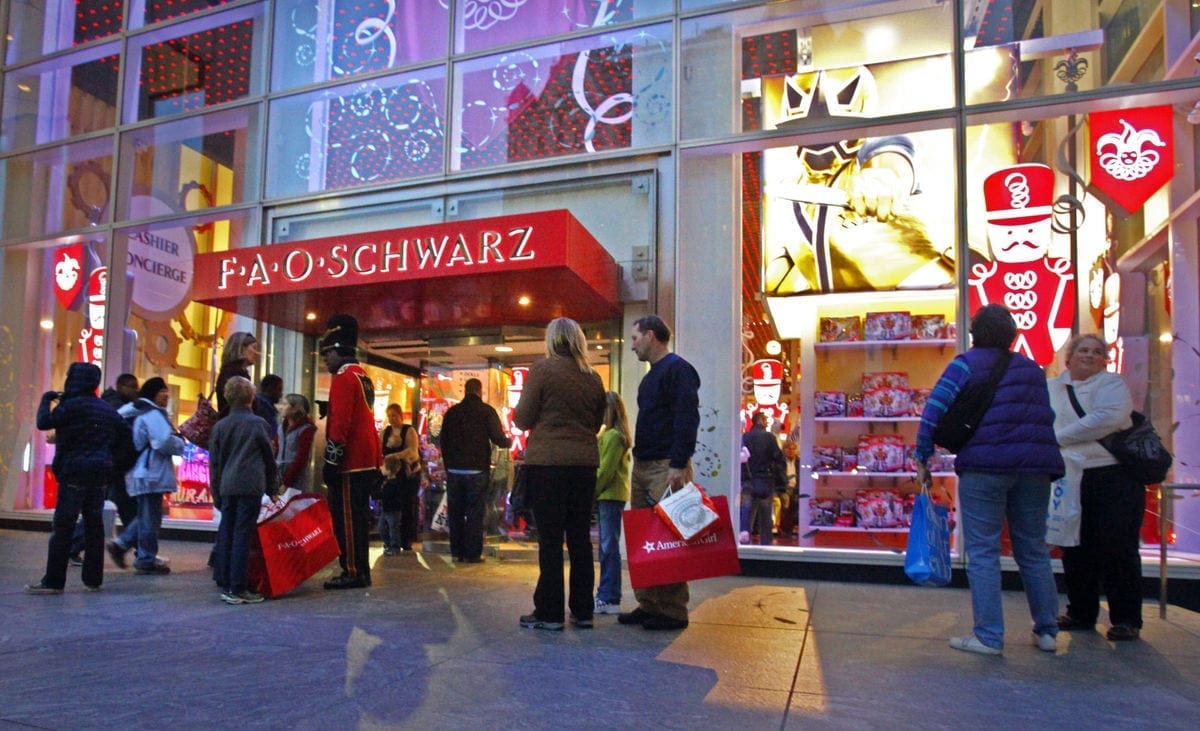
    As it continues its revival, US retail toy giant FAO Schwarz has set its sights on China.

    It plans to open stores in Beijing and Shanghai this year through a collaboration with China toy distributor Kidsland.

    Kidsland will also open 30 FAO Schwarz shops in 200 department stores across China over the next five years.

    “With customers looking for authentic brands and memorable encounters, we believe the brand will become a game changer in China’s toy industry,” says Kidsland International chairman/CEO Lee Ching Yiu.

    Founded in 1862, FAO Schwarz was the oldest toy store in the US when its sole remaining outlet, a flagship on Manhattan’s Fifth Avenue, closed in 2015. But its branded products continued to live on at Toys R Us, which bought the brand in 2009. In October 2016, Toys R Us sold FAO Schwarz to ThreeSixty Group, which designs, makes and distributes toys and other consumer products under a portfolio of owned and licensed brands.

    Meanwhile, FAO Schwarz has signed a licence agreement with Wild and Wolf, which designs and makes wooden toys, puzzles and games.

  • IKEA to open stores in Philippines, looking for designer

    IKEA to open stores in Philippines, looking for designer

    Swedish furniture-maker IKEA will open stores in the Philippines after it found a local partner, a spokesman for its worldwide franchisor said.

    Inter IKEA Systems B.V. has awarded the franchise right in the Philippines to a company called Ikano, according to its spokesperson, Josefin Thorell.

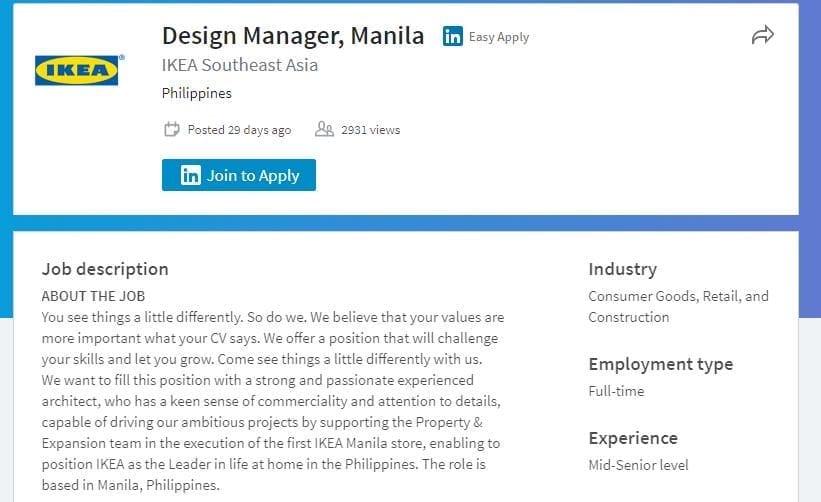
    Singapore-based IKEA Southeast Asia also posted a job opening on recruitment website LinkedIn for a Manila-based design manager in late January.

    IKEA’s simple but sturdy designs and self-assembly products are now familiar in homes around the globe and the retailer is aiming to generate 50 billion euros ($62 billion) in annual revenues by 2020.

    Reports of its impending arrival has in recent years stirred excitement on social media.

    “We are very happy to confirm that Inter IKEA Systems has taken the decision to open IKEA stores in the Philippines and that the franchise right for the Philippine market has been allocated to Ikano,” Thorell said in an email to ABS CBN News.

    The Manila designer will “work close together with the design team and play a decisive role in planning, executing and planning our first IKEA store in the Philippines,” according to the LinkedIn post, which expires on Feb. 28.

    Ikano Group is engaged in finance, real estate and retail. It’s marketing manager, Jasmin Cruz, said the company had been registered with the Board of Investments for 2 years.

    Ikano Pte Ltd, the Southeast Asian franchisor of IKEA, pre-qualified as a foreign retailer in the Philippines in December 2016, according to a list from the BOI.

  • Sydney Airport reports 12.7% retail revenue rise in 2017

    Sydney Airport reports 12.7% retail revenue rise in 2017

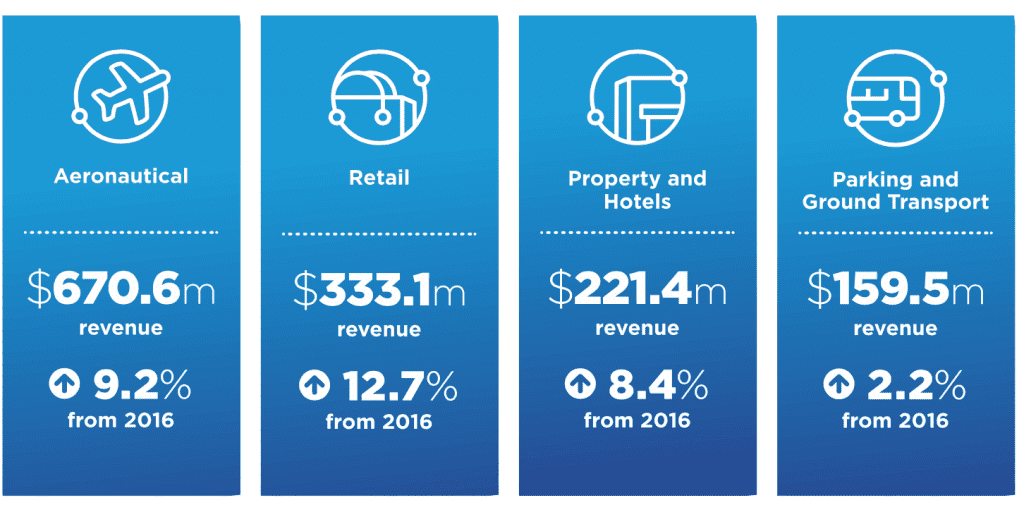
    International Airport has reported a retail revenue increase of 12.7% to A$331.m ($260m) in its full year 2017 results.

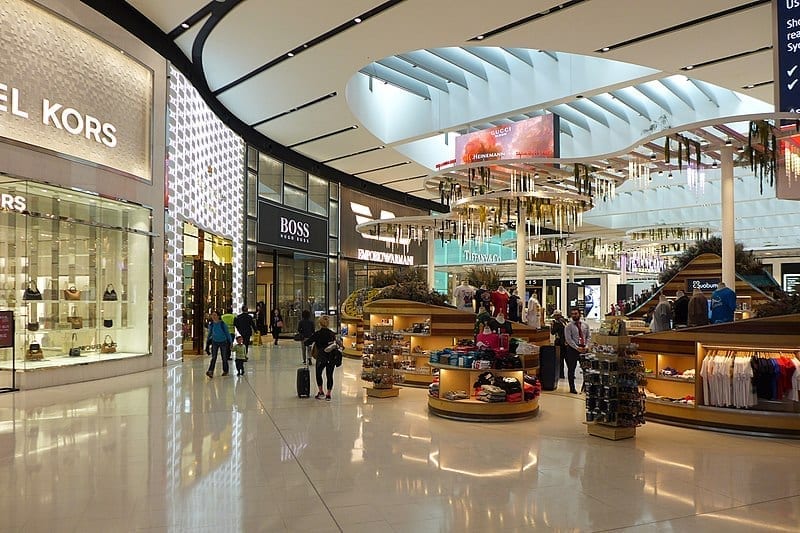
    The strong retail performance reflected the Terminal One International luxury precinct’s (which offers luxury lifestyle speciality retail concepts) first full year of operations and completion of the new Marketplace area and Domestic food court.

    The consistent performance of the airport’s domestic terminals was also a factor. The transformation of Domestic Terminal Two continued in 2017 with first to Australia concepts and a mix of local and international brands including Desigual and Joe & The Juice.

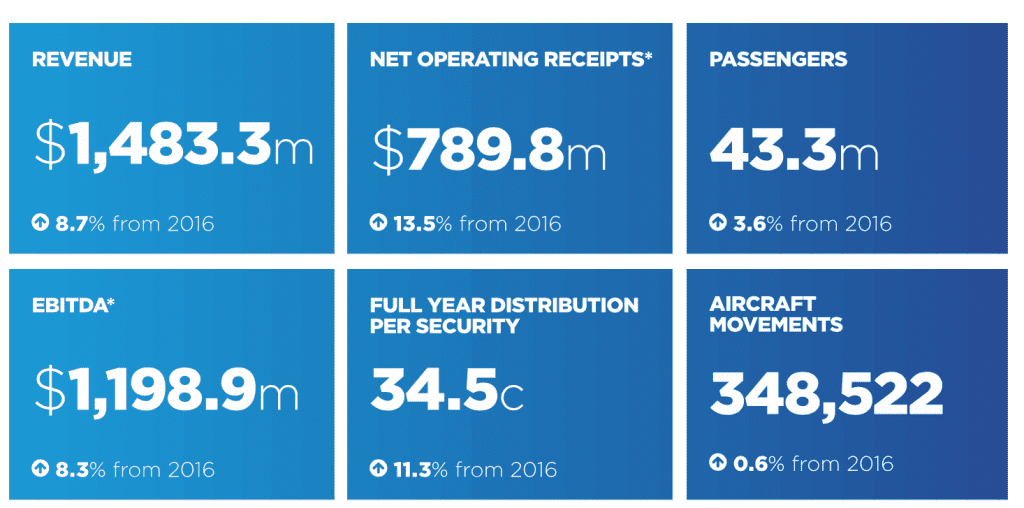
    In 2017, the airport handled 43.3m passengers, up 3.6% from 2016. This is due to the fact it has has “successfully competed internationally to attract airlines and grow inbound tourism.”

    Overall revenue increased 8.7% from 2016 to A$1.5bn while EBITDA was A$1.2bn, a rise of 8.3% on the previous year.

    RETAIL PERFORMANCE

    Retail as a business contributed 23% of total group revenue in the period with duty free delivering strong growth. The standout core category performers were liquor, perfume and cosmetics. Currently, the airport has 244 retail outlets, 127 in Terminal One, 65 in Terminal Two and 52 in Terminal Three.

    In addition, all three terminals were fully leased with continued strong retailer demand for space. According to the airport, the retail offering  is delivering a superior passenger experience with continued focus on value, range and choice. The is proven via strong retail sales, passenger satisfaction scores and “positive sentiment.”

    The airport is focusing on providing high quality retail space in shopping areas and creating an “exciting and vibrant” retail environment. It is also continuing to develop a product and merchandise mix to meet the retail experiences of passengers and to identify appropriate retailers who can meet the airport’s service, operational and financial objectives. Enhancing its understanding of customer trends and behaviour is also a priority.

    Reflecting on the airport’s retail transformation, a statement in its annual 2017 results presentation said: “We’re proud to offer our customers more choice and value with the best of global, local, luxury and high street brands as part of our world-class shopping and dining offering.

    “The completion of our Terminal One International luxury fashion precinct [tailored to meet a diverse international passenger base] was a major milestone in our retail transformation this year. The precinct continued to perform strongly as passengers responded to a retail offering tailored to meet the unique needs of our 16.0 million international travellers.

    “Swiss watchmaker Rolex and Gucci completed the precinct, complementing a streetscape of global designer brands to suit all tastes, including Tumi, Michael Kors, Kate Spade New York, Hugo Boss, Emporio Armani, Tiffany & Co., Hermès, Burberry, Max Mara and Coach.”

    STRONG DUTY FREE OFFERING

    Heinemann Tax & Duty Free, which won the Sydney duty free contract in 2014 and operates the world’s largest standalone airport duty free, spanning 5,750sq m continued delivering a “strong contemporary offering” across its core products of liquor, skincare and fragrance.

    “Exclusive limited editions created a unique value proposition for international travellers,” the airport said.

    The travel essentials and Australian experience categories also continued to perform well, with larger store footprints proving successful following a number of openings.”

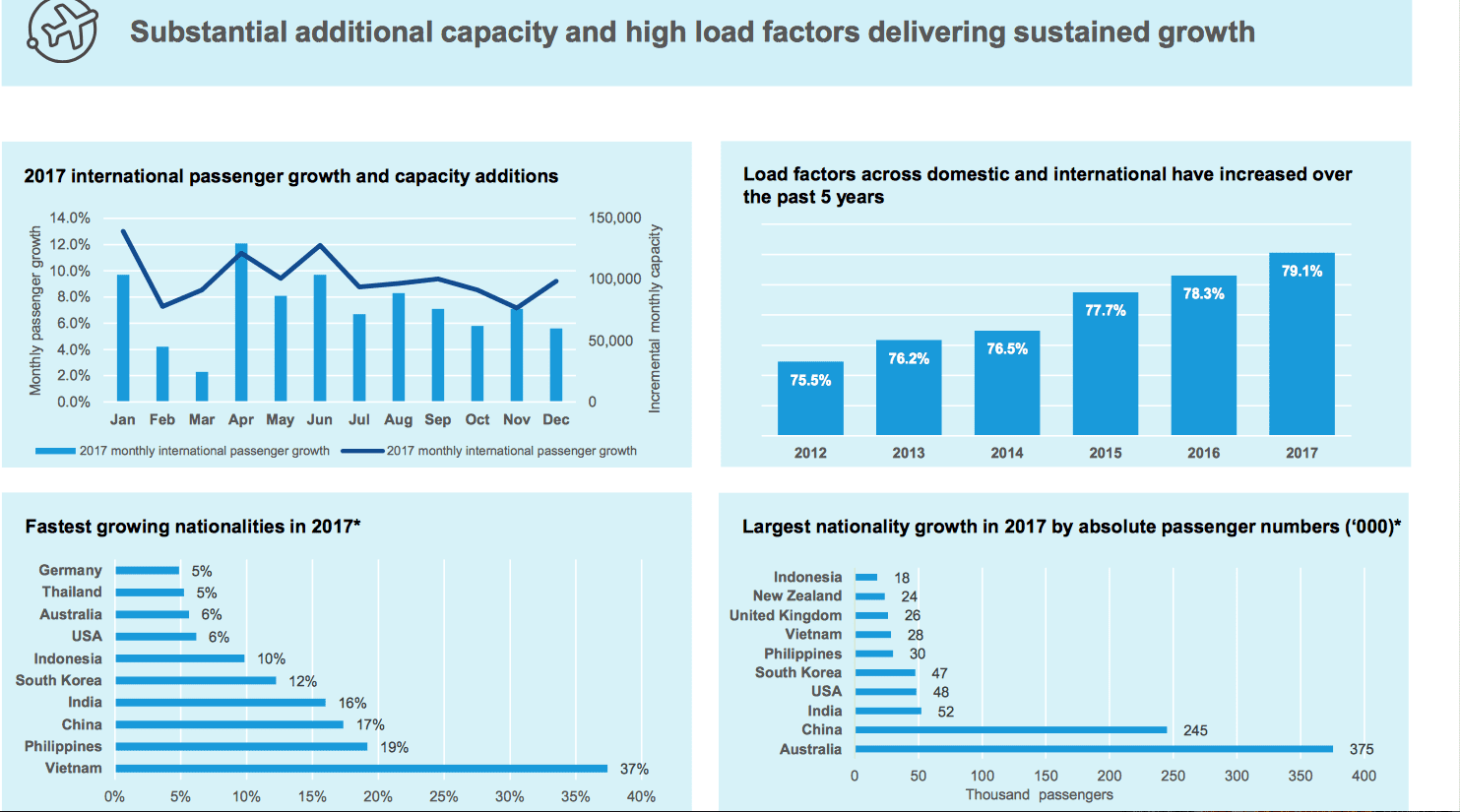
    CEO Geoff Culbert, who replaced former CEO and Managing Director Kerrie Mather in January after the former retired said: “2017 was an excellent year for the airport in which we welcomed a record 43.3m passengers. This increase of 3.6% was driven primarily by strong international passenger growth resulting from increases in airline seat capacity and load factors. We also continued to expand the number of direct services and frequencies from a wide range of destinations.

    “Highlights for the year include solid growth in aviation services, resulting in part from successful and proactive marketing initiatives and long-term collaboration with tourism partners.”

    He concluded: “We are looking ahead to another year of opportunity for our industry. We are committed to the successful operation of Sydney Airport as a dynamic and diverse business that benefits our customers, investors, community and broader stakeholders, now and for the long term.”


  • Rewarding airport shoppers

    Rewarding airport shoppers

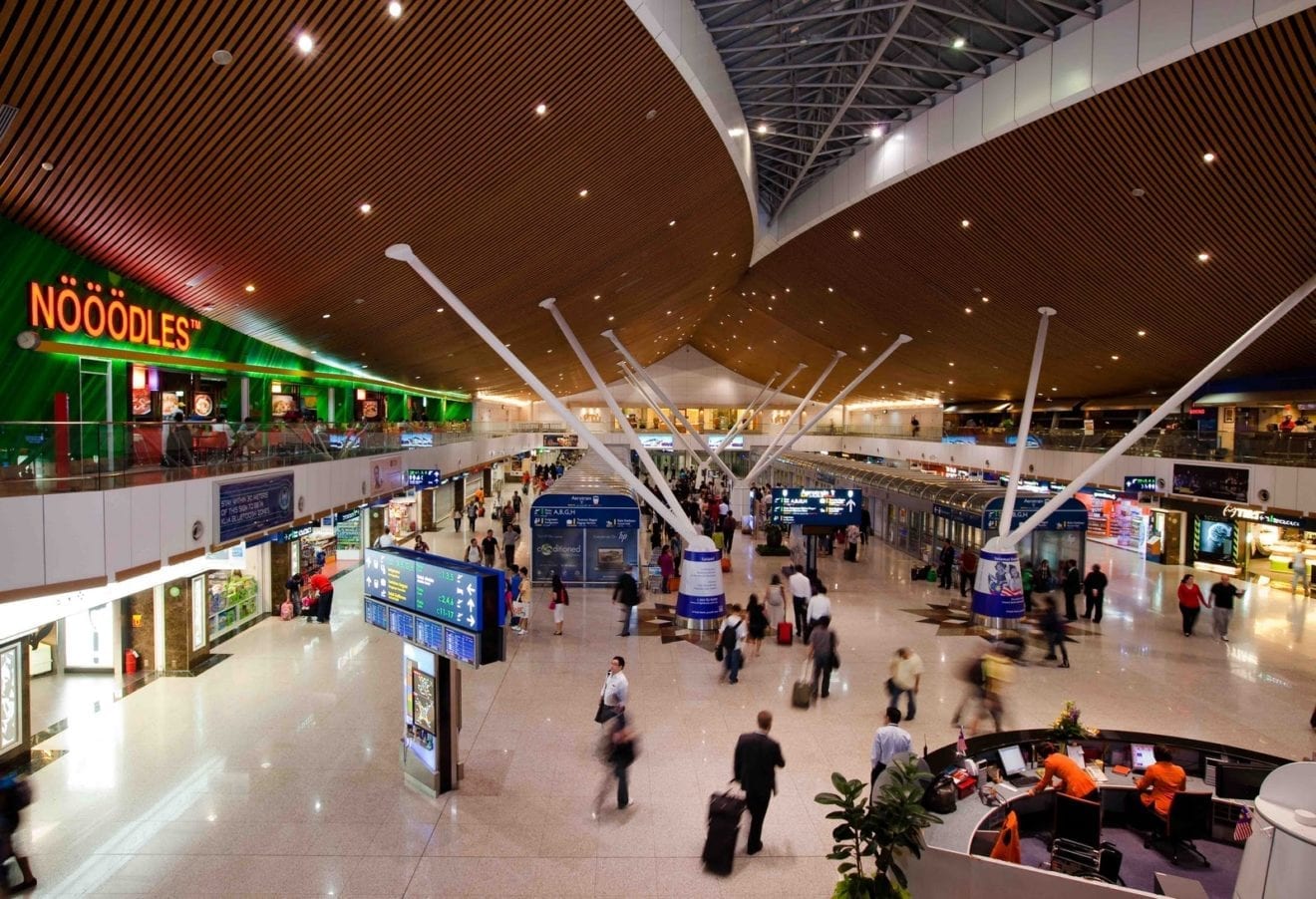
    Malaysia Airports (Niaga) Sdn Bhd, also known as Eraman, presented prizes to the winners of two contests during a ceremony held at Express, Level 3, Domestic Arrival, KL International Airport.

    The two contests, Shop & Stay and Dining Contest, launched in September and October respectively, are part of Eraman’s way to reward customers.

    The Shop & Stay Contest attracted thousands of entries.

    Malaysia Airports (Niaga) Sdn Bhd general manager Zulhikam Ahmad presented the prizes to all the lucky winners.

    He also expressed his delight over the good response both contests received.

    “It is great to see that Eraman has so many loyal customers and I would like to take this opportunity to thank everyone for their support.

    “These contests are our way of expressing our thanks to our loyal customers.

    “We hope that with these exclusive prizes, our customers will spend more at Eraman,” said Zulhikam.

    During the Shop & Stay Contest period, Eraman customers who spend a minimum of RM40 in a single receipt at Express are entitled to join the contest and win luxury hotel stays in Malaysia.

    These customers are also entitled to receive a RM10 cash voucher which can be redeemed at Chocolate Shop KLIA and the Duty Free Emporium International Arrival Hall, klia2.

    So far, two winners from each cycle – September-October, October-November and November-December – were presented with an exclusive holiday package of 4D3N stay at Shangri La Rasa Sayang Resort & Spa Penang, Tanjong Jara Resort, Terengganu and Hyatt Regency Sabah respectively, while consolation winners received RM100 worth of Eraman cash vouchers each.

    The six-month Shop & Stay Contest ends on March 14.

    One of the winners, Asmara Mansor from Kuching, Sarawak, said: “I feel very happy and blessed. I cannot believe I have won a holiday trip to Shangri-La Rasa Sayang, Penang.

    “I purchased some bread and buns at Express before my flight back to Kuching.

    “This is my second time winning a prize through Eraman. I won RM500 worth of Eraman shopping vouchers a few years ago. I guess I am lucky,” she said.

    Meanwhile, the Dining Contest which took place from Oct 1 to Dec 31 at Food Garden, rewarded three grand prize winners with two return flight tickets each to Krabi, Thailand (October winner), Bandung, Indonesia (November winner) and Hanoi, Vietnam (December winner).

    Three first prize winners received P10 Huawei smartphones while nine consolation winners were given Eraman cash vouchers worth RM100.

    “The Dining Contest managed to deliver what it set out to achieve.

    “This contest, a first for Food Garden, got the airport community and travellers to dine at Food Garden and create awareness of the many offerings that are available at Food Garden.

    “With the increase in passengers and new tenants such as Nasi Kandar and Alamin Food Empire, sales performance has increased overall, said Zulhikam.

    October grand prize winner Didayatul Adha Mohd Ros from Nilai, Negri Sembilan, said: “I plan to go to Krabi with my family during the school holidays in March. Thank you Eraman, for organising this contest,” she said.

    In conjunction with the Chinese New Year celebration, Eraman is also having Combo Deals for its customers.

    In addition to participating in the Shop & Stay Contest, customers can enjoy a combo of a drink and bun for RM2.50.

    On top of that, purchases of RM25 and above at Express as well as Eraman’s food and beverage eateries will entitle customers to a complimentary ang pow.

    Read more at https://www.thestar.com.my/metro/metro-news/2018/02/20/rewarding-airport-shoppers-retail-brand-gives-out-hotel-stays-and-flight-tickets-to-lucky-winners/#mIZBemyEtkF6WDPs.99

  • Thai low-cost carrier Nok Air pins turnaround on more China, India flights

    Thai low-cost carrier Nok Air pins turnaround on more China, India flights

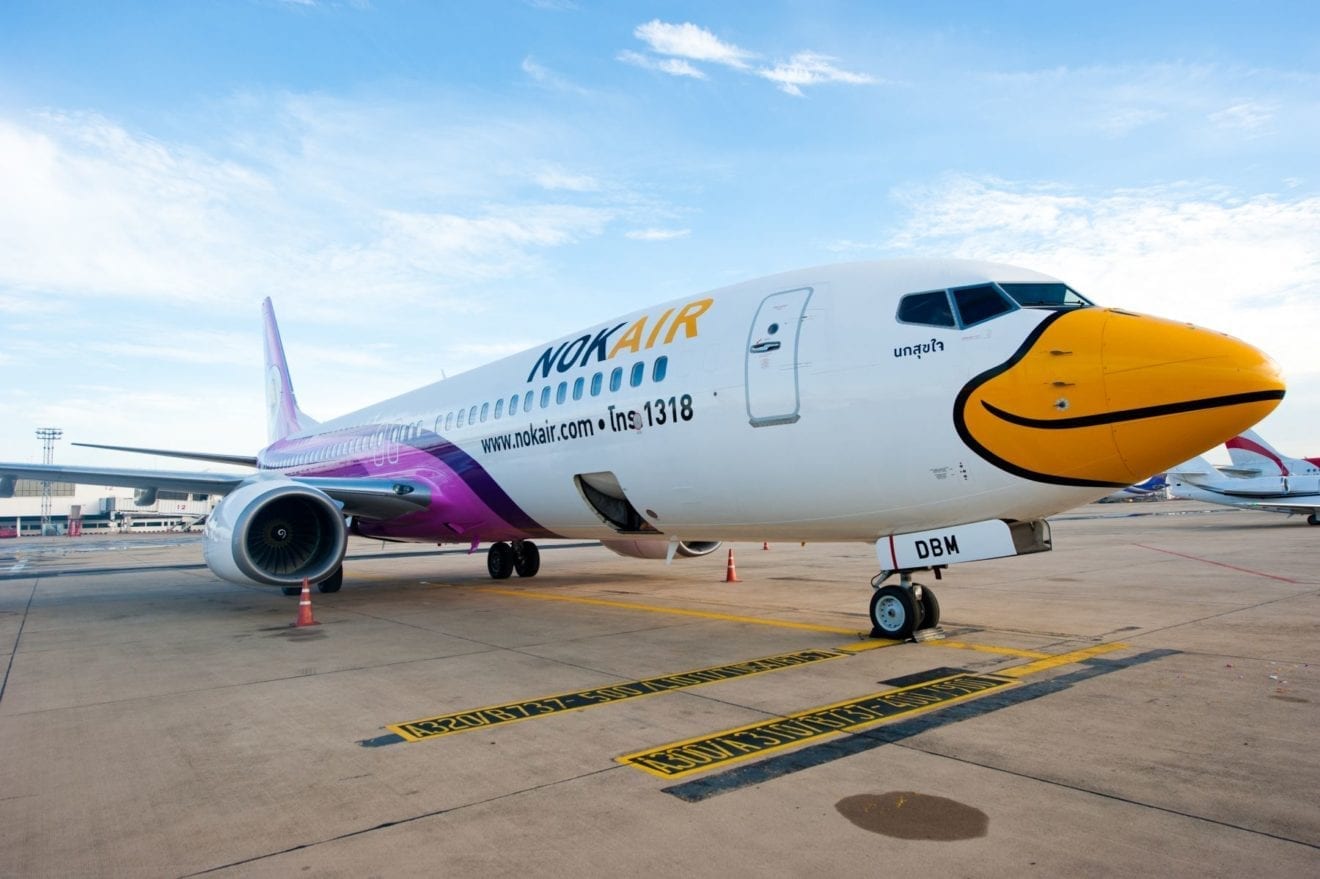
    Nok Airlines Pcl, the struggling low-cost subsidiary of Thai Airway International Pcl, aims to turn around operations by growing international revenue with more flights to China and India, a top executive said on Monday.

    The carrier, which posted a loss of 1.85 billion baht ($58.95 million) last year, aims to increase revenue by 3 billion baht this year from 20.4 billion baht in 2017, by carrying 9 million passengers, 4 percent more than a year prior, Chief Executive Piya Yodmani said.

    He also said the carrier aims to increase revenue from international operations to 40 percent of its total from 20 percent a year earlier.

    Piya, who took over as CEO in September after the resignation of Patee Sarasin, said Nok targets aircraft utilization of 12 hours, up from 10.4 hours in 2017, with more red-eye flights and routes in China to boost earnings as Chinese tourist arrivals surge in Thailand.

    “We are waiting for approval to fly into three cities in India with the possibility of increasing routes there,” Piya said.

    Hotel and retail groups are among the main beneficiaries of a Thai tourism boom, while Thai airlines struggle with competition and fuel costs.

    Nok is deferring delivery of 8 Boeing Co 737-MAXs to next year through 2021 due to a “red ocean of competition,” Vice President Surachart Angkasuwan said.

    Tourism accounts for about 12 percent of Southeast Asia’s second-largest economy, with the country expecting 37.55 million arrivals this year, up 6.1 percent from 2017.

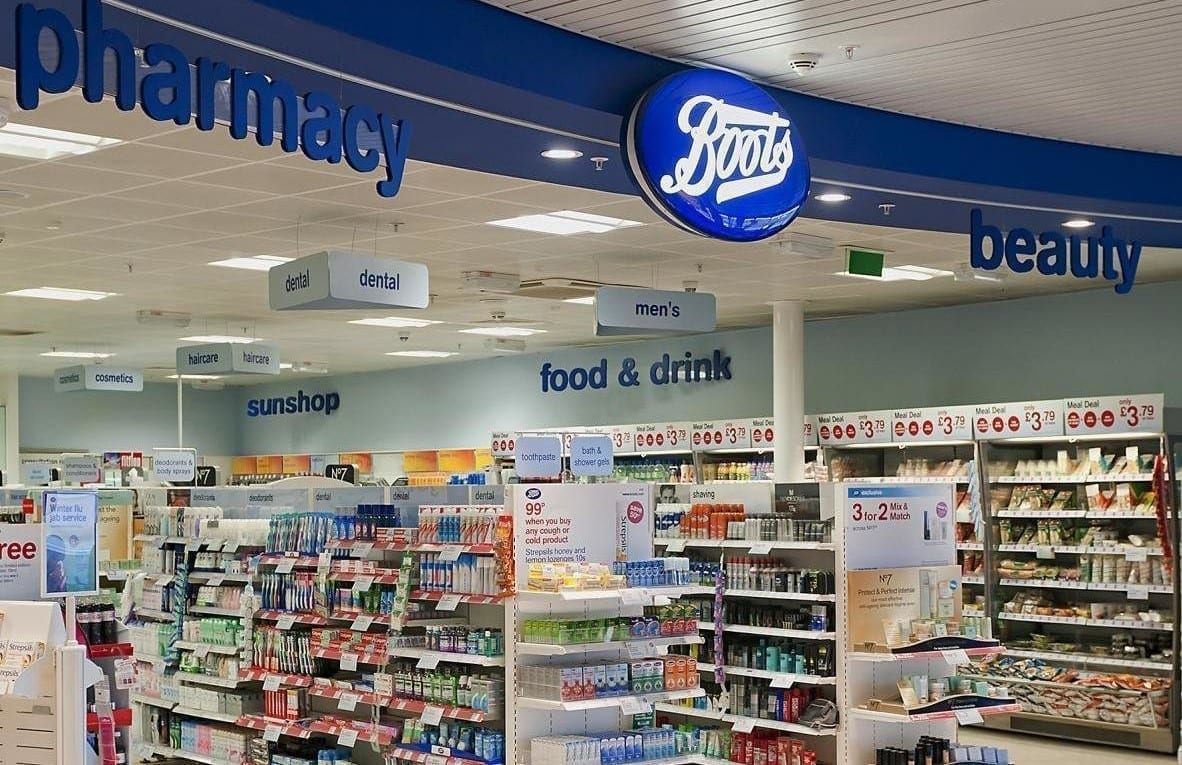
  • Boots’ owner accused of hiking medication prices

    Boots’ owner accused of hiking medication prices

    A supplier then owned by Walgreen Boots Alliance, BCM Specials, charged extortionate amounts to the health service for 500ml tubs of skin cream in 2016.

    A swathe of similar cases has been revealed whereby the NHS has been charged excessive prices for drugs dubbed “specials” which are often available elsewhere for a fraction of the price.

    Specials are custom-made treatments for patients requiring non-standard medications, and their prices are unregulated, allowing the supplier to dictate their price.

    This leads to the NHS paying varying prices for the same products from different suppliers.

    In October 2016, it allegedly paid £45.47 for preservative-free eye drops to Unichem, another wholesaler owned by Boots.

    A larger quantity of the same product was reportedly bought for £1 at a different time, though Boots disputed this figure.

    These are reportedly a drop in the ocean and the exploitation of the loophole in price regulation is understood to be rife.

    Walgreen Boots Alliance has denied the allegations, stating that it complied with all regulations.

    A spokeswoman said: “Specials are unique items ordered at short notice. They are made by highly trained technicians in dedicated laboratories in the UK that source ingredients, produce and quality-check often on the same day, and as a single item.

    “This process incurs high overheads, reflected in the final cost, which is set in line with the sector to reflect the bespoke nature of the products.”

    The British Association of Dermatologists chairwoman Deirdre Buckley said: “For many dermatology specials the ingredients aren’t expensive and it’s inexplicable why they cost so much.

    “It is not right. We have a duty to conserve the resources of the taxpayer so that the money is used to actually care for patients.”

    The Department of Health and Social Care said that from April the law will be changed to put suppliers and pharmacies under greater scrutiny.

  • Malaysia’s 2017 exports up 18.9%, highest jump in 12 years

    Malaysia’s 2017 exports up 18.9%, highest jump in 12 years

    Malaysia’s total exports saw an increase of 18.9% to RM935.4 billion in 2017, the highest growth since 2005, official data showed.

    Total imports rose 19.9% to RM838.1 billion, lifting the 2017 trade surplus 10.3% to RM97.25 billion, the highest surplus recorded since 2012. Total trade surpassed RM1.7 trillion in 2017.

    MIDF Research projects export growth to average 9.3% in 2018, underpinned by continuous buoyant momentum in global trade activities, further recovery in commodities prices and receding protectionism threat.

    “Similar to 2017, we foresee upbeat momentum in global trade activities will continue and supported with gradual rise in commodity prices as well as receding of protectionism threat. Hence, we are optimistic that Malaysia’s external trade performance will continue expanding at steady pace in 2018.”

    In December 2017, Malaysia’s export growth moderated to 4.7% to RM79.3 billion, while imports expanded 7.9% to RM72.1 billion. Total trade stood at RM151.4 billion, representing a 6.2% growth compared with the same month in 2016. However, it posted a decrease 3.6% compared with the previous month.

    The trade surplus for December 2017 declined 19.% to RM7.3 billion against December 2016. It dropped 27.2% compared with November 2017.

    The value of electrical and electronic products, which accounted for 36.2% of total exports, increased 6.2% to RM28.7 billion, while liquefied natural gas and crude petroleum rose 4.8% and 6.9% to RM4.1 billion and RM2.7 billion, respectively.

    However, decreases were registered in refined petroleum products (-6.2%), timber and timber-based products (-11.4%), natural rubber (-24.4%), and palm oil and palm oil-based products (-0.4%).

    Geographically, export growth was supported by expansion in shipments to Hong Kong (+RM1.6 billion), China (+RM1.3 billion), European Union (+RM853.0 million), Vietnam (+RM589.7 million) and South Korea (+RM512.5 million).

  • All International Flights From Jakarta Move to Soekarno-Hatta’s Terminal 3

    All International Flights From Jakarta Move to Soekarno-Hatta’s Terminal 3

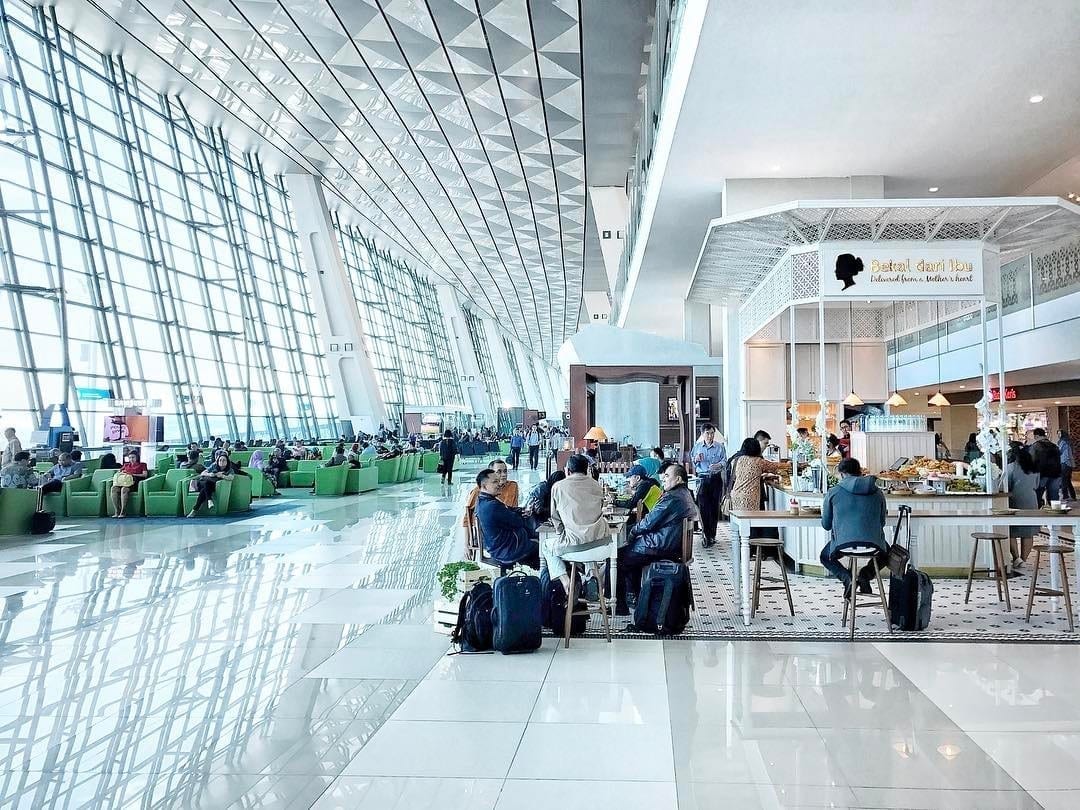
    Soekarno-Hatta International Airport, Indonesia’s largest and busiest hub near Jakarta, by June will move all international flights to Terminal 3.

    The terminal was opened in August, after three years of construction works to expand it, which cost Rp 7 trillion ($516 million). It is now significantly bigger than the other two terminals.

    It can serve up to 25 million flights a year, spans 420,000 square meters and is 2.4 kilometers long.

    “We’re are going to have all international flights moved to Terminal 3 by June,” Yado Yarismano, vice president of the airport’s operator Angkasa Pura II (AP II), said on Wednesday (14/02).

    He added that now, when all expansion works are complete, the terminal needs to be assessed by the Transportation Ministry’s directorate general of civil aviation to serve all international flights.

    Revamp of Terminal 1 and Terminal 2

    The airport’s Terminal 1 and Terminal 2 will also be expanded to accommodate together 36 million passengers a year — twice more than before.

    Contractors will soon be invited to bid to partake in the Rp 3.2 trillion project.

    “The bidding for Terminal 1 starts in March, while for Terminal 2 in May, so construction works at the first one will start sooner,” AP II president director Muhammad Awaluddin said.

    He added that both terminals will be finished by August 2019.

    “The revamp won’t disrupt our operations, as it will be done in sections, so the terminals will still serve passengers. We also won’t change their architecture, we will just add more room,” Awaluddin added.

    AP II is now also preparing to build Terminal 4 of the size and capacity of Terminal 3.

  • Disney And Alibaba’s Youku Sign Licensing Deal For Animation Shows

    Disney And Alibaba’s Youku Sign Licensing Deal For Animation Shows

    Chinese online retail giant Alibaba and U.S. media and entertainment giant Walt Disney have inked a licensing deal which will see animation series from the latter become available on the Youku online video streaming service owned by the former. The multi-year agreement was signed by a unit of Disney, Buena Vista International, and Alibaba Digital Media and Entertainment Group.

    Besides subscribers of the Youku streaming service, Chinese households numbering nearly 30 million who use the set-top boxes of Alibaba as well as SmartTV platforms will access the Disney content. Episodes numbering over 1,000 are expected to be streamed on Youku. Besides the television shows Disney films such as Mulan, Frozen, Beauty and the Beast, and Pirates of the Caribbean are also part of the deal.

    More international content

    “We look forward to further cooperation with global entertainment companies, which will help increase our penetration in the family entertainment segment and strengthen Youku’s position as a leading multi-screen entertainment and media platform in China,” Youku’s president, Yang Weidong, said in a statement.

    Other U.S. entertainment companies that Youku has previously struck licensing deals with include NBCUniversal, Fox, Paramount and Warner Bros. Youku also has a licensing deal with Sony Pictures Television. Last year in November Youku inked a licensing agreement with Netflix allowing its subscribers to view the show Day and Night on its platform. Per Alibaba, about 580 devices are reached by Youku daily and this translates to about 1.2 billion views.

    Joint venture

    Two years ago Walt Disney and Alibaba launched a joint venture known as DisneyLife which gave the Chinese online access to content from the media and entertainment giant. However regulators shut down DisneyLife after months after launch. Last year in May Walt Disney set up an online store on the Alibaba-owned e-commerce website, Tmall, to sell its merchandise in China.

    The deal with Youku comes at a time when Walt Disney is preparing to unveil an online video streaming service in the United States as consumers increasingly abandon traditional cable and satellite services for platforms such as Netflix. The chief executive officer of Walt Disney, Bob Iger, has indicated that the planned online streaming platform won’t be expensive to start since the media and entertainment giant already has lots of existing content.

    Alibaba’s licensing agreement with Disney coincides with the Chinese online retail giant acquiring a 15% in retail firm Easyhome as it expands on its ‘click and mortar’ retailing strategy. Easyhome has a total of 223 brick and mortar stores in China.

  • Further steps needed to thwart EU’s move to ban palm oil in biofuels

    Further steps needed to thwart EU’s move to ban palm oil in biofuels

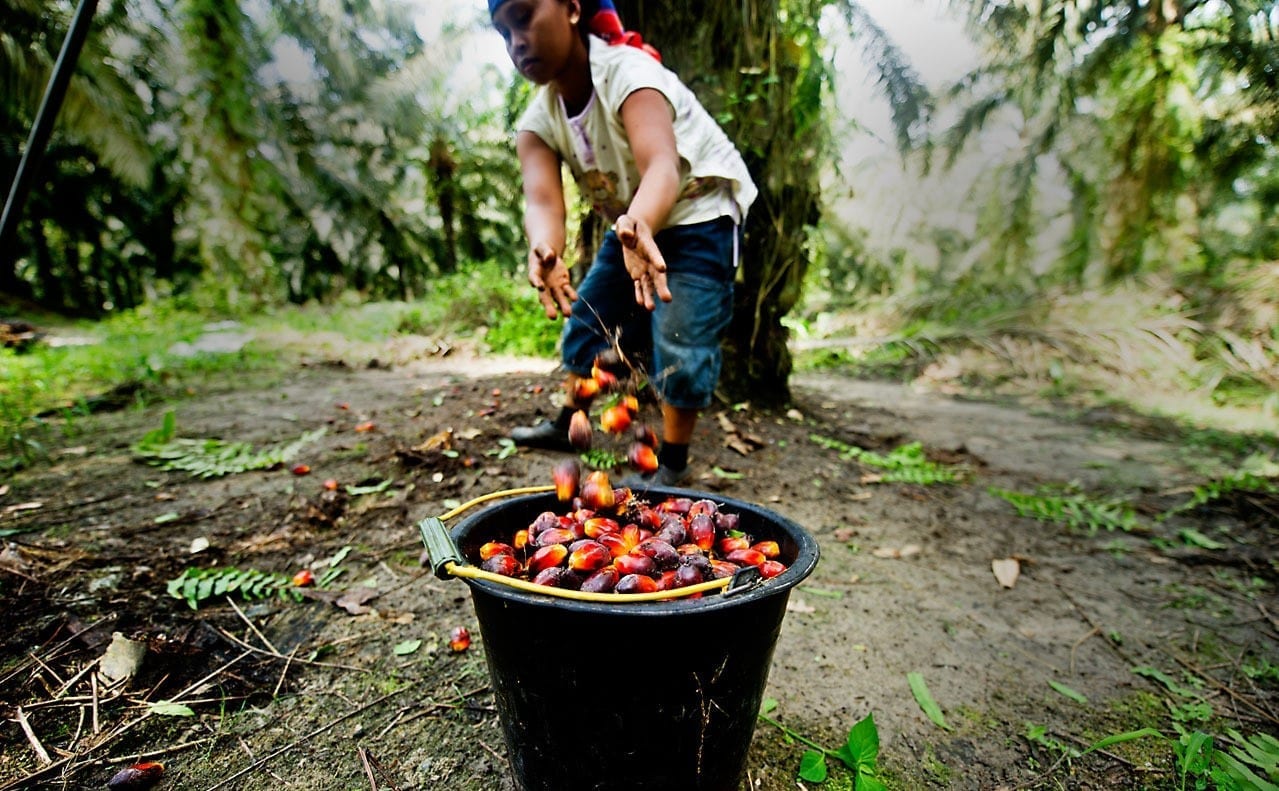
    More engagements, consultations and follow-up actions are needed to remove the European Union’s (EU) threat to ban palm oil use in biofuels, said industry veteran Tan Sri Dr Yusof Basiron.

    The former Malaysian Palm Oil Council CEO said Malaysia’s stance was still not being heeded by the EU Parliament, despite various talks and engagements being undertaken and conducted at the government-to-government level.

    “There have been clear statements by the governments of major palm oil-producing countries to oppose the ban and even those hinting at possible trade actions or retaliation, including consulting the World Trade Organisation, to deter the EU from implementing the discriminatory ban on palm oil for biofuels,” he said.

    Yusof said the MPOC and the Malaysian Palm Oil Board representative offices in the EU recognised the need to counter the ban when the threat first emerged.

    As a result, many initiatives had been taken, including continuous talks with the EU countries, to oppose the proposed ban by the trading bloc.

    The EU Parliament voted on Jan 17, 2018, to ban palm oil-based biofuels by 2021, while other vegetable oil-based biofuels such as those from soya oil and rapeseed oil can continue to be used until 2030.

    Spain was the latest EU country to speak out against the resolution after France, Sweden, the United Kingdom (Conservative MPs who are part of the governing party of Prime Minister Theresa May), Germany and the Netherlands.

    Yusof said palm oil-producing countries had reacted to this singling out of palm biofuels for the ban as a trade discrimination that would affect the imports into the EU, because locally-produced soya and rapeseed oils were not similarly subjected to the ban.

    “There are also Members of the European Parliament (MEPs) who are sympathetic to maintaining good trade relations with palm oil-producing countries.

    “This is reflected in an amendment submitted by 57 MEPs to drop the ban on palm biofuels. Nevertheless, 492 MEPs voted in favour of the ban, although the number was far less than the 640 who had voted for it in April 2017,” he said.

    However, he said, it was common for the EU Parliament to vote based on popularity trends, knowing that the next round of scrutiny for approving the Renewable Energy Directive (RED) Bill would be done at the tripartite meeting or trilogue, where the council would discuss and recommend the final version of the RED Bill.

    The trilogue to be held soon will consist of government representatives of EU member countries, the Commission and Parliament.

    “It is already envisaged that the Council and Commission, being technically competent with the legal, economic and scientific ramifications of the proposed discriminatory ban on palm oil, are not supportive of the ban.

    “We are hopeful that any future ban on the use of biofuels to be approved in the RED Bill will not be discriminatory towards palm oil,” Yusof said.

  • Lotte Group Chairman jailed for duty free licence bribery

    Lotte Group Chairman jailed for duty free licence bribery

    Lotte Group, parent of the country’s leading travel retailer Lotte Duty Free, is reeling from the shock jailing of its Chairman Shin Dong-bin on 13 February 2018.

    Following a Seoul Court’s guilty verdict and simultaneous sentencing of 2 1/2 years in jail to Lotte Chairman Shin Dong-bin for bribery, Lotte Group voiced concerns over its future business plans.

    In an official statement, Lotte Group said the outcome was “unexpected” and it was “regretful” about the jail term, and insisted that Shin was innocent.

    “As soon as we receive the written judgement, the group will discuss with its attorneys for further process,” the group said.

    “But what worries us is not being able to achieve our promise with customers, such as listing our hotel business, completing the establishment of the holding company, as well as investment and employment expansion plans,” the group added.

    The group said it would activate its emergency management system to reassure employees, customers and shareholders.

    With Shin’s sentence, the business license for Lotte Duty Free branch in World Tower in southern Seoul may be at risk, according to industry watchers.

    The National Tax Service said it has launched a review of the licensing process upon the sentencing.

    In what is now referred to as the “duty free war” in 2015, Lotte had lost its duty free business right in the license screening process in November of that year. Then in 2016, the government announced a plan to dole out an additional duty free license in Seoul, for which Lotte won in December of the same year. The court found the duty free business as one of the management issues for Shin.

    The company will continue to support the ongoing 2018 PyeongChang Winter Olympic Games as an official partner with help of the vice president of Korea Ski Association, it added.

    Shin became the president of the Korean Ski Association in 2014 and has been supporting the Korean ski team since then. He is also a member of the 2018 PyeongChang Organizing Committee’s governing board and has been a member of the International Ski Federation since 2016.

  • Blockchain revolution comes to world of humanitarian aid

    Blockchain revolution comes to world of humanitarian aid

    Blockchain, the technology behind the cryptocurrency Bitcoin, is taking root in a sector far from finance: the world of humanitarian aid.

    By offering refugees a virtual identity, reassuring donors that their money is being well spent, or rushing funds where they are needed most, aid charities are experimenting with the technology in the hope that it can improve their work.

    “We are at the very beginning. There is a lot of hype,” said Christopher Fabian, leader of Unicef’s Ventures Fund, which invests in open source technology solutions.

    At the end of 2017, Unicef – the UN agency dedicated to protecting children – brought together Russian-speaking blockchain experts in a meeting in Kazakhstan.

    The goal? To develop a “smart contract” that would facilitate transactions between the organisation and its numerous partners for deliveries and payments, if certain conditions were met.

    “It totally failed, but we learned a lot from that and will do the same challenge this year in Mexico,” Fabian admitted, adding that he could envision a host of future projects using blockchain for the “social good” – even if most of them will fail.

    But the UN gency is thirsty for innovation.

    Its French office has also launched an operation dubbed “Game Chaingers” (for blockchain), which challenges tech geeks and gaming enthusiasts to install on their computers software aimed at creating Ethereum, a virtual currency, to help Syrian children.

    Blockchain allows users to create and spread information across a large network of computers, which its proponents say lends it both transparency and security. And the applications for the technology are multiplying quickly.

    For aid and development groups, blockchain can come in all shapes and sizes.

    Aid donors could, for example, trace their contributions as they spread across an organisation. The platform Disberse, supported by a network of 42 humanitarian groups, already road-tested this application by tracking money sent by a British association to four schools in Swaziland.

    In theory, the technique can reduce transaction costs, fight corruption by making everything transparent, and allow a better record of where food aid is directed, or make sure that medicines are not counterfeited.

    Those in charge of programmes that directly send money to people in need also see it as a way of more easily controlling the disbursement of funds or avoiding use of financial intermediaries such as banks, which might also take a cut.

    “In the old days, we were delivering aid at the back of the truck,” said Alex Sloan, a consultant at the World Food Programme’s Innovation Accelerator, which works with startups and others to help fight hunger.

    “Now, we are moving towards distributing cash to our beneficiaries, in the form of actual cash, through vouchers, e-cards, etc.”

  • Chinese tourists take over the world

    Chinese tourists take over the world

    A rising tide of travelers from China is spreading out across the region, out-shopping, outspending and out-eating every other nation.

    They are filling hotels, tour buses and cruise ships. They are overwhelming airports and train stations, and they are sending home petabytes of pictures that encourage their compatriots to join the global invasion.

    Their ranks are being swollen by millions of others from around Asia, a generation who would rather raise their status with a foreign adventure than with a luxury bag.

    “People’s personal brands are being defined by the places they visit,” said Simon Russell, chief executive officer of London-based luxury travel group Scott Dunn, which last month bought rival Country Holidays Travel from Singapore to expand its Asian clientele.

    China already accounts for more than a fifth of the money spent by outbound tourists, twice as much as the next-biggest spender, the U.S., according to the United Nations World Tourism Organization. And the Chinese have barely started — only around 5 percent of them even have passports, and the government is issuing about 10 million new travel documents every year.

    As with Japan in the 1980s, citizens of nations that get rich, go places. The emerging nations of Asia-Pacific will add more than 50 million new outbound travelers in the five years ending in 2021, according to Mastercard Inc.

    Overwhelmingly, they come from a smartphone-addicted generation that is rewriting the rules. The ubiquitous flag-following Chinese tour groups are giving way to what the industry calls FITs — free, independent travelers — who are using the internet to plan itineraries, book flights, translate signs and chronicle their exploits.

    The shift is transforming the region, unleashing more than $100 billion in infrastructure spending for bigger airports and jet fleets, new railways, hotels and theme parks. The effects of this boom include soaring property prices, stress on the environment and an avalanche of apps and innovations that reimagine the way we experience the world.

    By 2021, Chinese tourists will spend $429 billion abroad, according to a report by CLSA. And they are spreading out. Weekend jaunts to the shops in Hong Kong or the casinos in Macau are being usurped by new favorite destinations. During the next three years, Japan, Thailand, the U.S. and Australia top the must-visit list, according to the report, with other destinations in Southeast Asia — especially Singapore, Indonesia, Malaysia and the Philippines — following close behind.

    For developing nations, that is putting a strain on infrastructure, underpinning the biggest airport-building program in the region’s history.

    Thailand does not have a single international airport that isn’t way over its designed capacity, and long lines at immigration are common. At least 178 new airports are planned in Asia-Pacific, according to Visa Inc., and hundreds of existing facilities are being expanded or upgraded.

    The result is a second revolution in tourism in the region — one that is being fueled by social media: the opening up of more islands, cities and remote locales to divert vacationers from the overcrowded and increasingly jaded tourist hotspots of the 1990s and 2000s.

    Indonesia has a plan to create “10 Balis,” targeting places like the former World War II battleground of Morotai Island for new holiday destinations. Thailand, which heavily promotes tourism under the banner “Amazing Thailand,” has teamed up with Japan to build a high-speed railway that would open up places along the route to the north of the country. Neighbor Malaysia is countering with its own cross-country rail project to the coasts of Kelantan and Terengganu, states promoted this year in the capital’s international airport under a “Joyful Malaysia” campaign.

    At the heart of the changes transforming the industry is the nexus of internet, smartphone and big data.

    The link is the smartphone, the tourist’s connection with the web, a fact that has drawn dozens of startups to join the fray in Asia.

    With visitors wielding tablets and smartphones, hotels and airlines are realizing they do not need to fill planes and rooms with technology and content – they just need to give the customer control. The phone becomes the room key, the menu, the bill.

    “There is absolutely no point in providing what people already have,” said Hubert Viriot, chief executive officer of Yotel Ltd., which opened its first Asian hotel in Singapore in November. “Everybody has a smartphone.” The London-based chain runs city-center properties with hundreds of small, high-tech, budget rooms that include features such as mood lighting and app-based electronic keys.

    Viriot sums up the attitude of the new generation of traveler: “I don’t need 10 guys on the ground floor with the gold keys to tell me how to travel. I’ve got a smartphone. I’ve got apps, social media. I know how to travel.”

    The ubiquity of the technology means it is now embedded into every strata of the market, from Yotel’s high-density hubs to luxury island eco-lodges that you need a seaplane to reach.

    Asia has long been on the map for well-heeled travelers. Hotelier Adrian Zecha started the first Aman Resort in 1988 in Phuket, Thailand, for an elite club of jetsetters. Four Seasons Holdings Inc. officially opened its first ultra-small boutique resort in Chiang Rai in Thailand in 2006.

    Zecha, who left Aman Resorts Group Ltd. in 2015, is looking to exploit a new niche he calls “affordable” luxury through his Azerai brand, which opened its first property in Luang Prabang, Laos, last year.

    “I noticed a new generation of younger people that is growing in numbers for whom taking holidays signifies an aspect of their lifestyle,” Zecha said. “They might not be as wealthy as my Aman junkies, so my challenge is affordability.”

    From spa clinics like The Farm at San Benito in the Philippines to exclusive eco-resorts like Bawah Island in Indonesia, Asia offers hundreds of possibilities for super-luxury globetrotters. And developers are eyeing hundreds more. There are more than 13,000 uninhabited tropical islands in Indonesia and the Philippines alone, almost twice as many as all the islands in the Caribbean. Some, like Siroktabe, can be rented as a private desert island for a true Robinson Crusoe experience.

    But the biggest money is to be made in drawing hordes of tourists together to one location, whether it be a casino resort in Singapore, an ancient temple in Cambodia, a giant theme park in China or the latest super-cruise ships like Royal Caribbean Cruises Ltd.’s Ovation of the Seas, which can cater to more than 4,000 passengers as it sails the seas around China each summer.

    retailThat is when the real power of all the collected data comes into its own.  By knowing where a traveler is, how they like to eat, what they like to buy, which hotels they prefer and so on, travel platforms can begin to move beyond providing a passive service and start actively influencing your holiday.

    A passenger whose flight has been delayed and who has not bought a meal since they left home three hours ago might get a phone notification offering a 10 percent discount at the restaurant they are about to walk past after going through immigration. An airline could raise fares on a particular route after learning that pictures of that destination are suddenly trending on social media.