Category: Living

Retail News Asia is committed to providing both local and global retailers with the latest Living news throughout the Asian market. This on a daily base.

  • Siam Piwat lighted up Lunar New Year with performances

    Siam Piwat lighted up Lunar New Year with performances

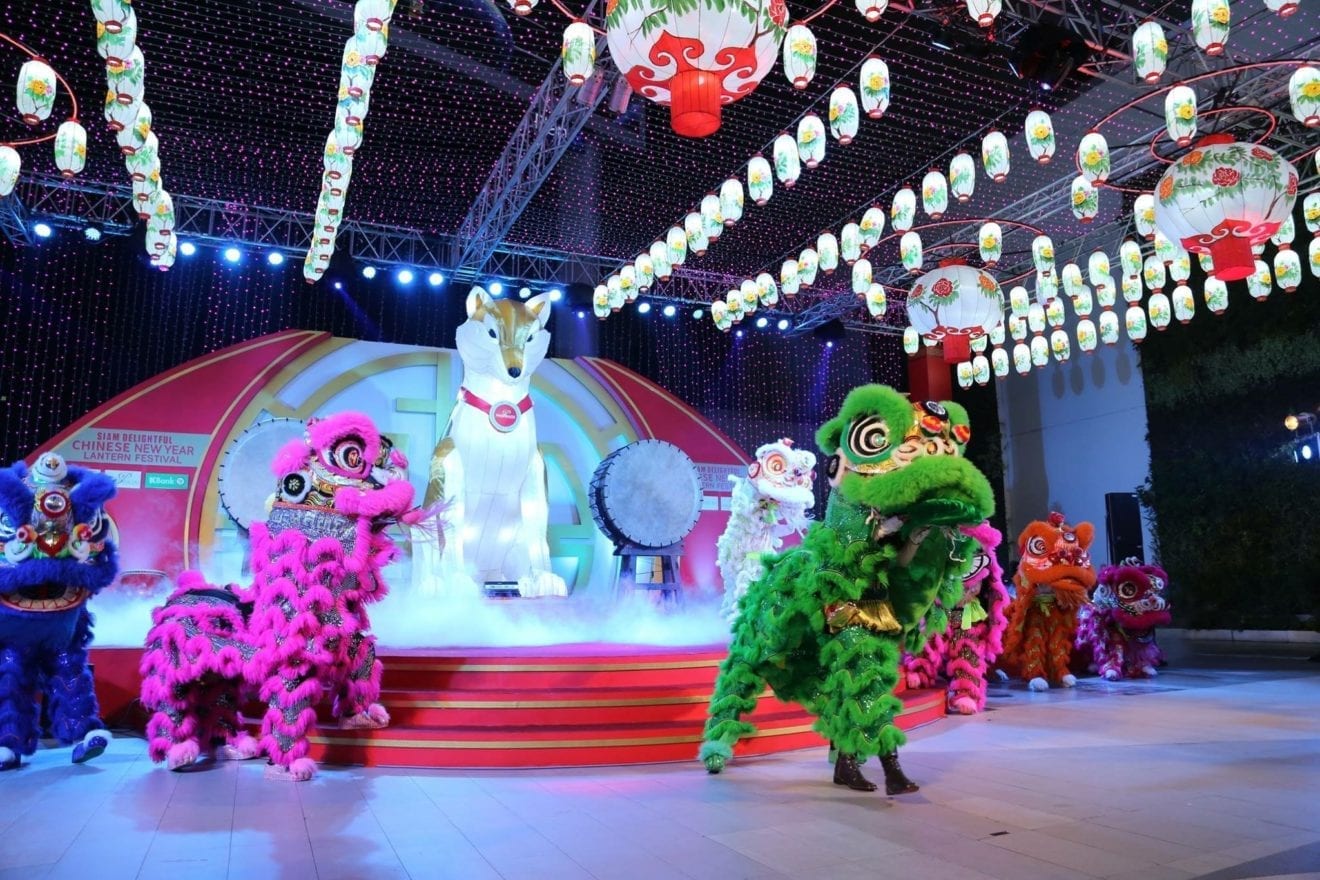
    Siam Piwat Co., Ltd., owner and operator of Siam Paragon, Siam Center, and Siam Discovery, unites the three shopping centers under the banner of “One Siam” to host “Siam Delightful Chinese New Year” with a generous budget of 50 million Baht. On the theme of “Lantern Festival”, the event has illuminated with 999 dazzling sculpted lanterns that symbolize prosperity to welcome the Chinese New Year. The grand spectacles from China and fortune-enhancing activities are in the line-up to promote Chinese art and culture and further strengthen Sino-Thai relations. Also featured on the occasion are special offers, co-sponsored by Kbank Credit Card, for Thai and Chinese visitors during the Chinese New Year. The festivities are slated to run from today to 18 February 2018 at Siam Paragon, Siam Center, and Siam Discovery.
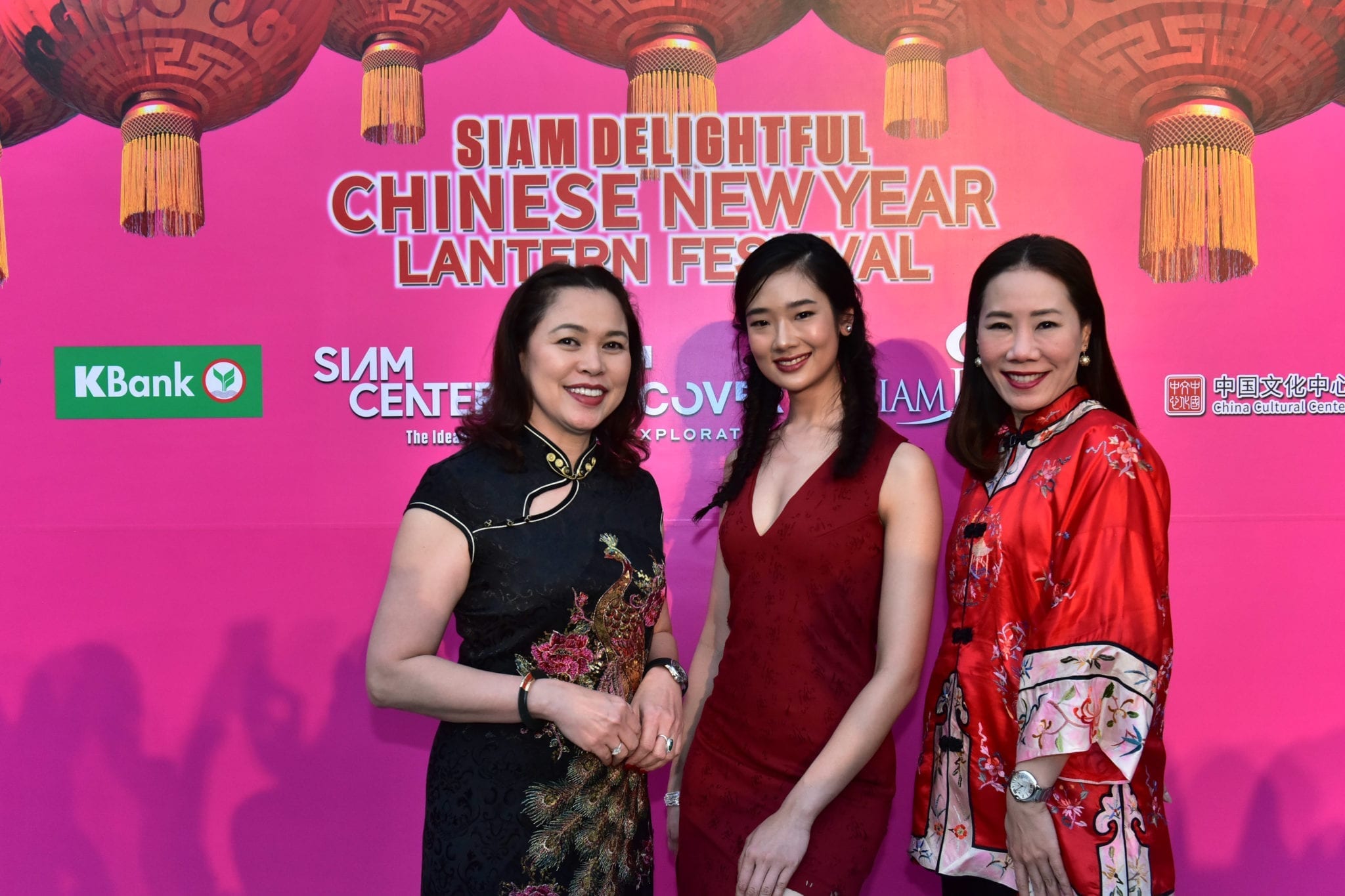
    Mayuree Chaipromprasith, Senior Executive Vice President – Marketing of Siam Piwat Co., Ltd. reveals “To promote the tourism sector during the Chinese New Year which is a festival of joy for both Thais of Chinese descent and Chinese tourists visiting Thailand, the three shopping centers at Siam area, consisting of Siam Paragon, Siam Center, and Siam Discovery, unites under the banner of “One Siam” to hold “Siam Delightful Chinese New Year”. Each venue promises a motley range of lively activities, highlighting the image of One Siam as a popular destination for holidaymakers from all over the world. This year, we bring to you a special treat of “Digital Angpao (Red Envelope)” so that you can give your blessings away via such platforms as Facebook and our website. A variety of prizes including gift cards and discounts are also up for grabs. Another way to join in the fun is by downloading our AR application called Flash Venture to find and catch all of the 12 Chinese zodiac animals scattered throughout the three shopping centers.

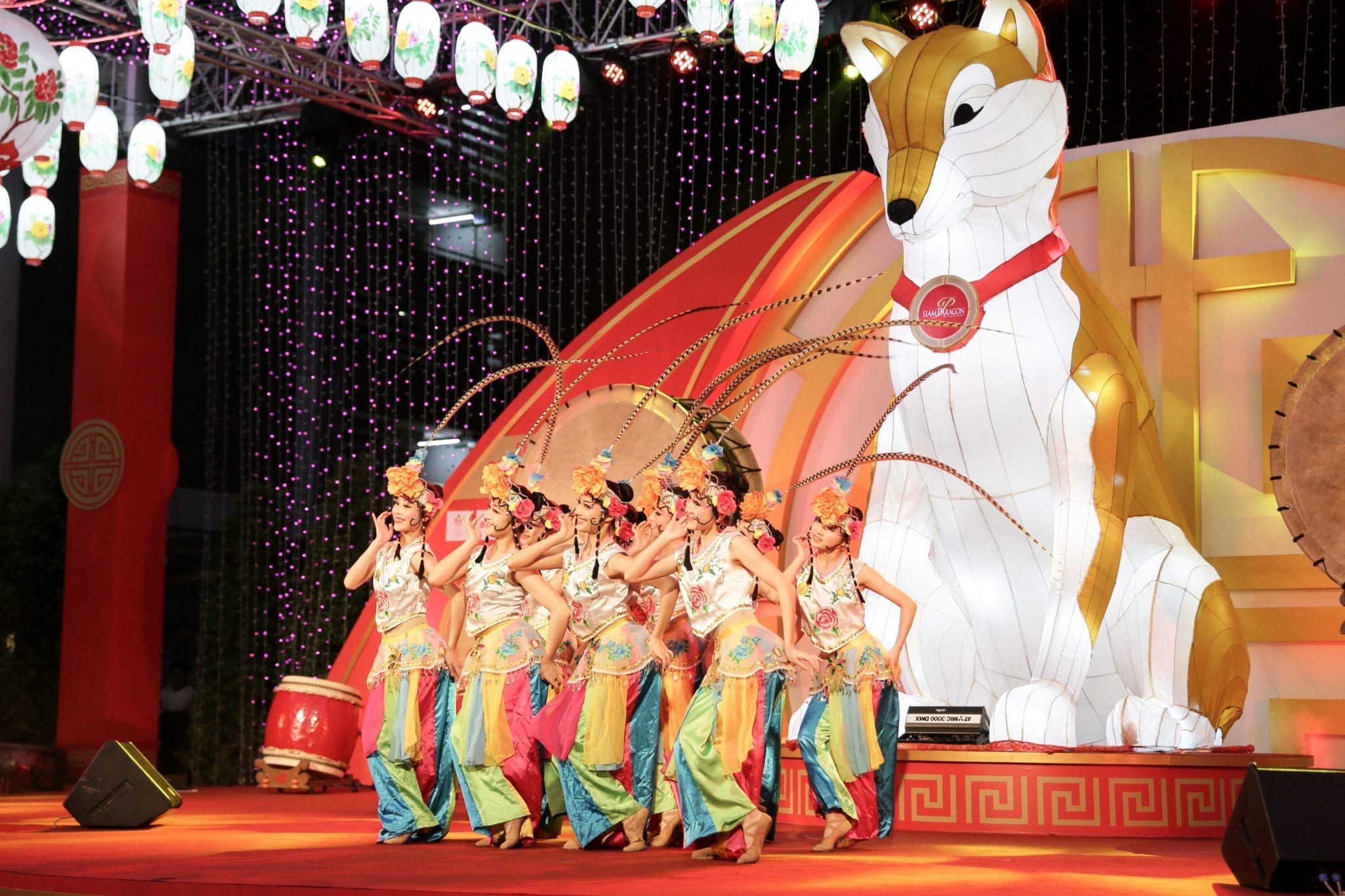
    On the opening day 15 February 2018, Her Royal Highness Princess Ubolratana Rajakanya Siri Vadhana Phannavadi personally graciously visited the festivity and watched the show welcoming by Pasinee Limatibul, Board of Director of Siam Piwat Co.,Ltd and executives of the company. The event was also joined by celebrities such as Kleddao Panichsamai, Sopitnapa Chumpanee, MR Chanladda Yukol, Prakarn Raiva, Wantita Liewchalermwong, Lina Leenutaphong, Pimpisa Chamanan, and Chutimon Chuengcharoensukying. Moreover, there were a phenomenal line-up of spectacles such as Chinese New Year Drum, a drum show fronted by starlet Nicha Nattanicha, interspersed with a graceful dance performed by native Chinese dancers and a Chinese lion dance featuring Mario Maurer, the biggest Thai heartthrob for Chinese fans. We are committed to bringing you joy and happiness over the Chinese New Year and this is our New Year gift for you.
    From today until 18 February 2018, at Parc Paragon of Siam Paragon, you will be impressed with 999 colored sculpted lanterns symbolizing prosperity and wealth. The installations in the shape of 12 Chinese zodiac animals measuring 2.5m in height dot the open space dwarfed by the 5-meter-tall dog-shaped centrepiece marking the Year of the Dog. Meanwhile, the Chinese Cultural Center of Thailand has joined hands to bring in a host of unforgettable productions involving an exuberant blending of China’s unique ethnic culture with Han Chinese influences. The shows, delivered by over 100 members of performance crews from the city of Hangzhou, in Zhejiang Province, China, include a graceful style of various dances, the jaw-dropping Kongzu acrobatics, and displays of ancient Chinese magic. The festival will also present a showcase for music played with Suona, a Chinese traditional musical instrument.

    Explore Chinese culture and dive into a whole heap of immersive experiences by sitting back and relaxing in our reproduction teahouse or ornamenting yourself with ancient Chinese outfits topped with Chinese makeup looks brought to you by professional makeup artists. Feel free to take as many pictures as you like to remind you of your fond memories with us. The M Floor of Siam Paragon is adorned throughout with good luck symbols such as red dogs, plum blossoms, and bamboo twigs in the hope that every customer is blessed with wealth, health, and happiness all year round. Don’t miss the giant lantern that stands bright in the Hall of Fame section on the M Floor. Revel in music rendered with Guzheng, Erhu and Xiao. Keep your peepers peeled for demonstrations of rope braiding, courtesy of Huachiew Chalermprakiat University. Admire the lit-up plum blossom-decorated arches spotting the entire area of Parc Paragon.

    As for the cutting-edge Siam Center, it is home to a massive selection of high-end fashion brands and creative artworks. No doubt it is tasked with mounting an exhibition of sculptures, designed by up-and-coming collage artist Nakrob Moonmanas, on the theme of All We Need is Love. All kinds of love, be it familial or romantic, are beautiful and make the world a better place. In celebration of the power of equal love, we are proud to present a collection of lantern-mounted photographs. The pictures interconnected with Chinese-inspired chinoiserie patterns feature couples of various nationalities from all walks of life dressed in red, the symbolic color of good fortune.

    Come experience the wonderful “Siam Delightful Chinese New Year” festival where many vibrant activities are in action. Special offers are up for grabs from today to 11 March 2018. In the meantime, from today until 18 February 2018, keep your eye out for a Chinese lion parade giving out red envelopes loaded with 9 million Baht’s worth of discount coupons and gift cards, courtesy of over 500 popular shops in the three shopping centers.

  • Three Centara resorts are the best hotels for families say TripAdvisor users

    Three Centara resorts are the best hotels for families say TripAdvisor users

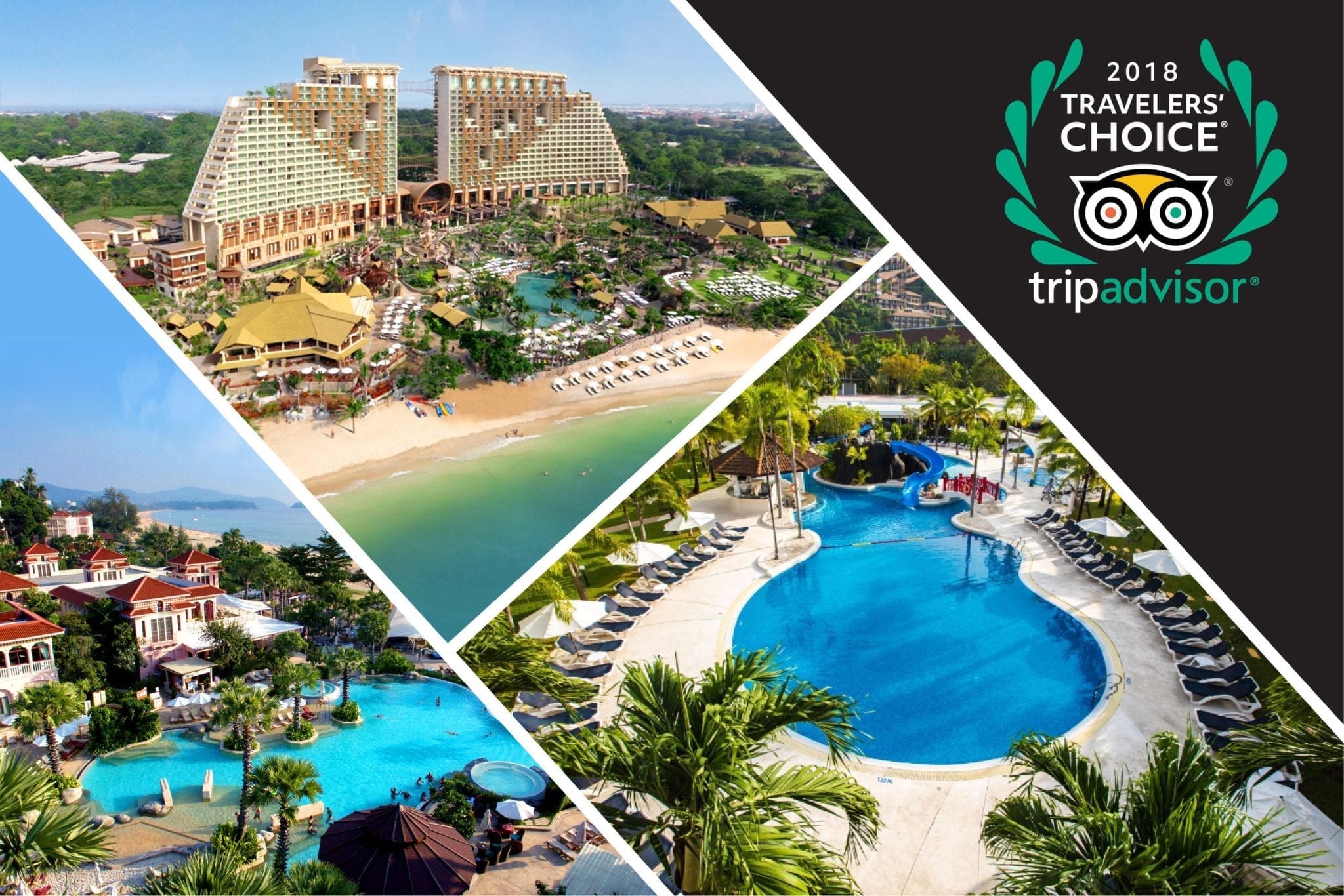
    TripAdvisor, the world’s largest travel website, just released its prestigious Travelers’ Choice Awards for their users’ favourite hotels. In the family category, Centara Grand Mirage Beach Resort in Pattaya was ranked #1 in Thailand. Centara Grand Beach Resort in Phuket was #4 and Centara Karon Beach Resort, also in Phuket, was #7.

    “Being family-friendly is part of our company DNA,” said Thirayuth Chirathivat, Centara’s CEO. “We work hard to welcome families with children and offer them a superior holiday experience. It starts with the design of the hotel and continues through family amenities, activity programmes, and service attitude. These awards are evidence we’re succeeding.”

    TripAdvisor gives the awards annually, based on the reviews and opinions of millions of its users. The rankings are based on people who have stayed at each hotel during the past year.

    Centara Grand Mirage Beach Resort was the first true themed resort in Thailand. Its Lost World motif features several swimming pools, waterslides, giant sculptures and palm trees towering over a lazy river and Monsoon Island. Children enjoy the Kids’ Club, E-zone, and organised activities supervised by hotel staff. The resort even has a family version of club level: its Zulu Family Club has a play area for toddlers while their parents enjoy an afternoon refreshment. The resort lies along a 230-metre stretch of sandy beach.

    Like Centara Grand Mirage in Pattaya, Centara Grand Beach Resort Phuket is a 5-star resort built around a waterpark with multiple pools, river, and waterslides. Its Kids’ Club and Camp Safari are complemented by a cliff jumping platform, and water sports in the Andaman Sea including kayaking, sailing, windsurfing and snorkelling. The resort features Sino-Portuguese style and has direct access to Karon Beach.

    Centara Karon Resort is a unique concept for Phuket, featuring four distinct zones so guests can find the perfect match for their needs. Family amenities include rooms that easily accommodate four; three large swimming pools, including the Lagoon pool with two waterslides; and a Kids’ Club, Camp Safari, and E-Zone to keep children and teens entertained.

    This year marks the third time Centara Grand Mirage Beach Resort has won TripAdvisor’s Travelers’ Choice award for family-friendly accommodations. Other Centara resorts in Thailand have received the recognition from TripAdvisor users each year since 2014. Centara was also recently listed among Smart Travel Asia’s Hot 25 Family Hotels.

  • China to have 100 Commune store

    China to have 100 Commune store

    Singapore furniture designer/manufacturer/retailer Koda’s in-house brand Commune plans to open more than 100 outlets in China by 2020.

    Commune’s sales from the market hit nearly S$7 million (US$5.3 million) last year, accounting for 64 per cent of its total revenue. This helped push half-year profit for Koda.

    For its next stage of growth, Commune will partner with International Enterprise (IE) Singapore to adopt an omnichannel strategy for China.

    Within its three years in the market, Commune has opened more than 42 stores across tier-one and -two cities using a dealership model.

    “With the support of IE Singapore, we intend to increase sales and knowledge of our customers through digital marketing and analytics, while ensuring a seamless shopping experience online,” says Commune sales and marketing director Gan Shee Wen.

    Already the company is equipping its stores in China with VR capabilities so in-house designers can turn customers’ floor plans into a VR environment and so provide recommendations on design concepts.

    Its co-operation with IE Singapore involves building a long-term e-commerce strategy and a seamless online and offline brand.

    Commune plans to subsequently implement its omnichannel strategy in Singapore and other markets. IE Singapore is also working with Commune to expand to Indonesia, Taiwan and Thailand by connecting it to mall owners and dealers.

    Spring Singapore has also been supporting Commune in the development of its VR software, customer-service training and mobile training platforms.

    Meanwhile, Koda’s net profit was up 26.2 per cent to US$2.4 million for its half-year to the end of December.

    Commune’s higher profit margins lifted the group’s gross profit margin to 34.7 per cent for the half from 29.1 per cent.

    Overall revenue for the period declined by 4.2 per cent to $24.2 million because of delays in shipments to key export markets in the second quarter. Revenue contributions from Commune in the second quarter partly offset the decline to take total revenue for the quarter to $11.9 million, a difference of 11.8 per cent compared to the same period a year
    earlier. Most of the delayed shipments were cleared in January.

    Koda turned in a net profit of $1 million in the second quarter, down from $1.05 million for the same quarter in 2017.

  • Hong Kong International Airport Chinese New Year to start Reward Event

    Hong Kong International Airport Chinese New Year to start Reward Event

    To welcome the Year of the Dog, Hong Kong International Airport (HKIA) is launching a series of shopping promotions, including great rewards of HKIA cash coupons worth up to HK$15,000. Instant Rewards Promotion From 9 to 25 February 2018, travellers can redeem and enjoy rewards of cash coupons worth up to HK$15,000 when making purchases by electronic payment at HKIA. Passengers making purchases with their UnionPay cards can enjoy additional rewards.

    To liven up the festive spirit, HKIA’s mascot will tour around in full Chinese New Year costume to meet, greet and take snapshots with travellers. In addition, a lion dance extravaganza will be held on 20 February at retail and catering outlets at HKIA, featuring lion dances and lucky lettuce rituals to celebrate the festivity with travellers.

    Shopping and Dining Offers

    During the promotional period, HKIA will also collaborate with retailers to provide a whole host of fantastic shopping and dining offers.

    Free Delivery Service

    Travellers spending HK$1,000 or more in a single transaction at HKIA can enjoy complimentary local delivery service. Free delivery service to China (for clothing, bags and accessories only), Indonesia, Japan, Macao, Malaysia, the Philippines, Singapore, South Korea, Taiwan, Thailand and Vietnam is also offered to travellers who spend HK$2,500 or more in a single transaction. For details, please check with the staff at the retail outlets.

  • AirAsia Opens 3 New Routes in Indonesia

    AirAsia Opens 3 New Routes in Indonesia

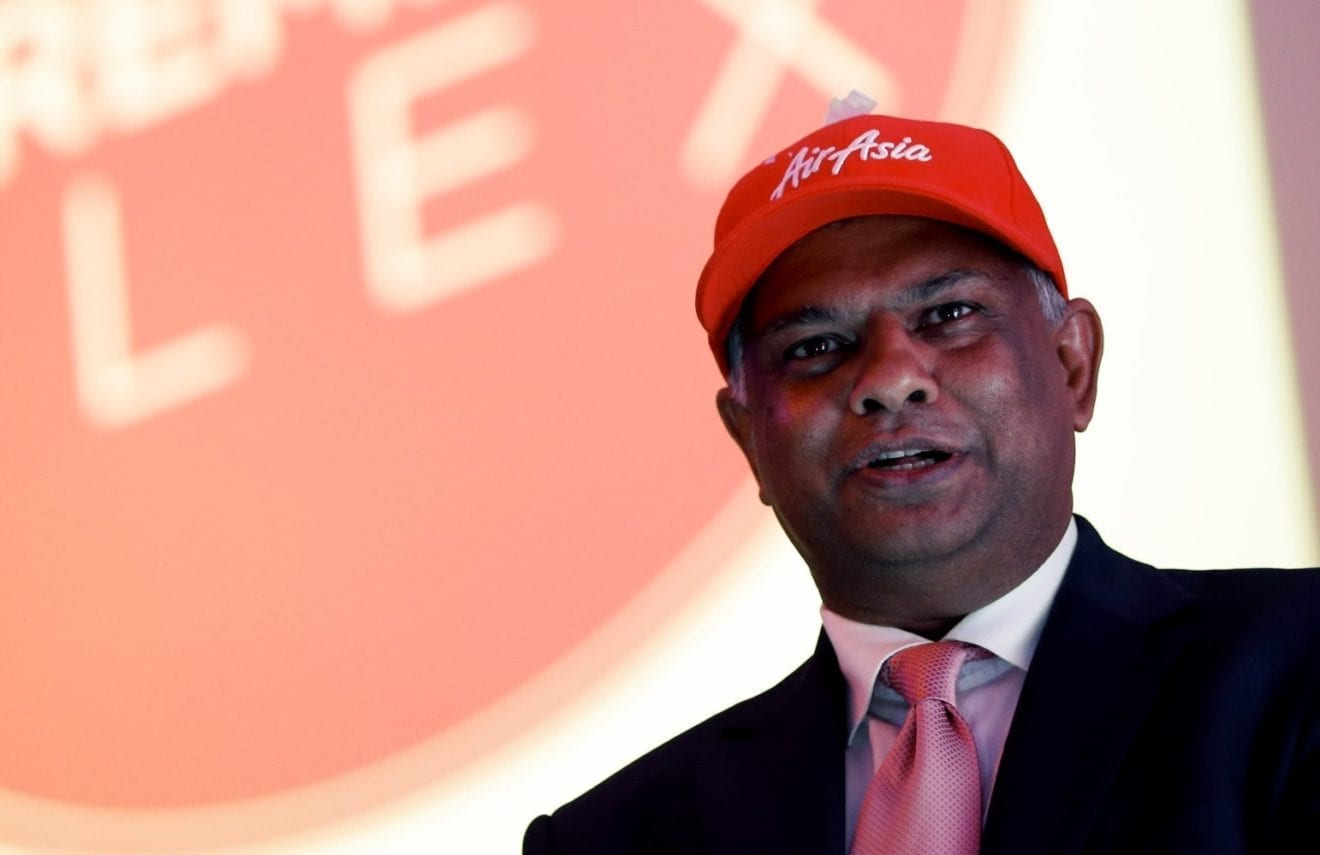
    AirAsia Indonesia, a budget carrier based in Tangerang, Banten, announced on Friday (09/02) it has opened three new routes, two international and one domestic, to tap into the increasing demand for air travels.

    The carrier, an affiliate of Southeast Asian low-cost airline AirAsia, opened new routes to Singapore from Medan, North Sumatra, and Padang, West Sumatra, and from Jakarta to Medan.

    The flights are served on Airbus A320 airchraft with 180 seats.

    “The opening of the new routes from Padang and Medan showed that AirAsia’s network expansion in Indonesia is not centered in Jakarta and Bali only,” AirAsia Indonesia Dendy Kurniawan chief executive said in a statement.

    Dendy said AirAsia Indonesia expects that the direct flights to Singapore from the capitals of two provinces of the Sumatra island, coupled with low-cost tickets, will attract more visitors from the city-state.

  • New mattress and bedding start up from San Francisco launches in Hong Kong

    New mattress and bedding start up from San Francisco launches in Hong Kong

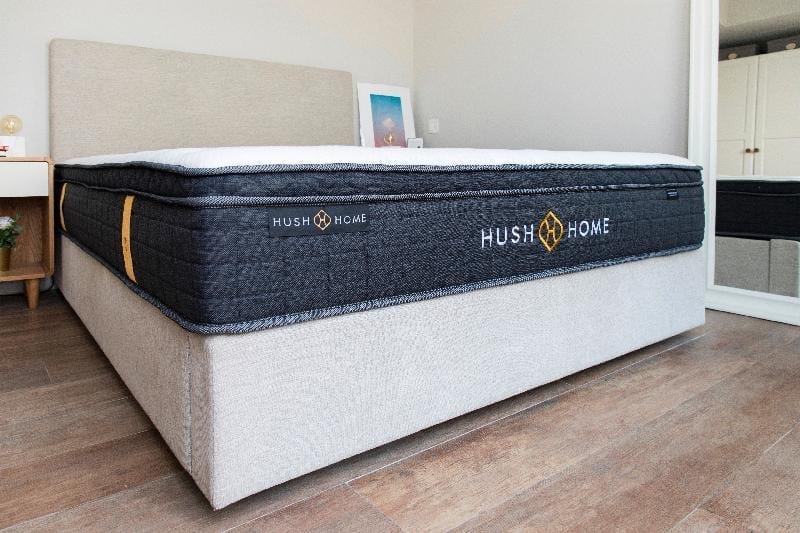
    US start-up Hush Home has opened an office in Hong Kong as a regional base to market its mattresses, pillows and other bedding products.

    Hush Home designs and tests its products in San Francisco, and the company’s mission is to offer bedding at affordable prices to hotels and individual customers through its online platform.

    The company also promotes its products through partners such as a new hotel in Osaka which has more than 700 guests daily, many from Hong Kong. This helped Hush Home discover that Hong Kong travellers generally prefer firmer mattresses and supportive memory-foam pillows, and the company has tailored its products accordingly.

    Hush Home founder/head of operations Rick Chen says the company is attracted by Hong Kong’s prime location, as well as its duty- and VAT-free advantage.

    “We plan to develop the Hong Kong market this year, then extend our product offering to other Asian markets using Hong Kong as a base.”

    The company has been helped with its set-up by Invest Hong Kong.

  • Alibaba buys US$866 million stake in Chinese furniture retailer Easyhome

    Alibaba buys US$866 million stake in Chinese furniture retailer Easyhome

    Alibaba Group Holding will pay about 5.45 billion yuan (US$866 million) for a 15 per cent stake in Beijing Easyhome Furnishing Chain Store, the operator of China’s second largest home improvement supplies and furniture chain.

    It is the latest move in the e-commerce titan’s online-to-offline strategy, following its US$2.9 billion investment in Sun Art Retail, which runs one of China’s largest hypermarket chains, in November.

    Alibaba said on Sunday it will support the digital transformation of Easyhome’s 223 stores in 29 Chinese provinces, autonomous regions and municipalities, through its cloud and enterprise systems, and logistics platform. It will also be able to provide “consumer insights”.

    “From home design to refurbishment projects, the two parties will provide customers with end-to-end home improvement solutions,” it added.

    Beijing Easyhome said in a separate statement it has received a combined 13 billion yuan from a group of investors, including Alibaba, Chinese insurer Taikang Group, Yunfeng Capital – which is backed by Alibaba’s founder Jack Ma – and Beijing Harvest Capital.

    The retailer said it plans to fully integrate its online and offline operations by 2022. By then it aims to have over 600 stores nationwide and gross merchandise volume – total sales through its platforms – of more than 100 billion yuan.

    Alibaba has prioritised its efforts to expand into physical retail in recent years, investing billions in grocery chains and shopping malls. Part of the “New Retail” strategy is to attract customers to its online platform by bringing enhanced digital capabilities to the brick-and-mortar stores.

    The transformation echoes that of US e-commerce behemoth Amazon.com, which in June surprised shoppers with its US$13.7 billion acquisition of high-end American grocery store Whole Foods.

    “We want to redefine the physical retail experience and transform from physical to digital, ” said Alibaba CEO Daniel Zhang after last year’s Sun Art Retail acquisition.

    In January 2017, the company led a US$2.5 billion bid to buy out Chinese department store chain Intime Retail.

    In 2015, it bought a 20 per cent stake in Chinese electronics retailer Sunning Commerce Group for US$4.6 billion.


  • Coal buyers spooked by Indonesia’s new shipping rules

    Coal buyers spooked by Indonesia’s new shipping rules

    Buyers of Indonesian coal are holding back orders of the fuel after the government issued new shipping rules for coal and crude palm oil that would restrict exports to Indonesian vessels, an industry association said today.

    Jakarta issued rules in October requiring coal and palm oil exporters to use Indonesian-flagged vessels and Indonesian insurance companies, to boost the role of the archipelago’s shipping industry in its export market.

    However, guidelines on implementing the rules and possible exemptions have not been released, raising concerns among shippers in Indonesia, the world’s top thermal coal exporter and palm oil producer.

    The regulation will take effect at the end of April.

    “There was some information, several potential buyers from abroad put on hold making any new contracts,” Hendra Sinadia, executive director of the Indonesia Coal Mining Association said.

    Describing the new rules as “dangerous”, Sinadia said they could affect export volumes and state revenues if shipping contracts had to be renegotiated to shift to so-called cost,
    insurance and freight (CIF) contracts from free-on-board (FOB) contracts.

    Under CIF contracts, the seller is responsible for the shipping arrangements and must buy insurance to protect the cargo against losses during the voyage. Under FOB contracts, the buyer procures the vessel and is responsible for all shipping costs.

    The industry is worried that time is running out to make adjustments before the rules come into effect, Sinadia said, noting that it would be difficult to do so without the
    guidelines.

    Indonesia Palm Oil Association secretary-general Togar Sitanggang said in an interview on Jan 24 that there were several problems with the new rules, noting there were not enough Indonesian-flagged food-grade tankers, and that Indonesian insurers may lack capacity.

    “If we’re selling CPO (crude palm oil), free-on-board at Belawan port, does this mean our buyer has to use Indonesian vessel? That is ridiculous.”

    The palm oil industry is awaiting guidance on when foreign vessels can be used if local vessels are unavailable, he said. “There should be no obstacles, but if we must do this and that, it could hold up exports.”

    The new rules could add to freight costs, Sitanggang said, if shipping companies were unable to find cargo for their return trips to Asia. “If their ships are empty, of course they’ll ask for a higher price from us.”

    According to Oke Nurwan, director-general of foreign trade at the Ministry of Trade, while most domestic shipping uses Indonesian-flagged vessels very little is exported on Indonesian ships.

    “It can’t be like that any more,” Nurwan said on Jan 25, adding that the government wanted the domestic shipping sector to compete more with multinationals.

    “If (the government) didn’t intervene there would be no trigger, so we made it mandatory,” he added.

  • Miniso to launch in Colombia

    Miniso to launch in Colombia

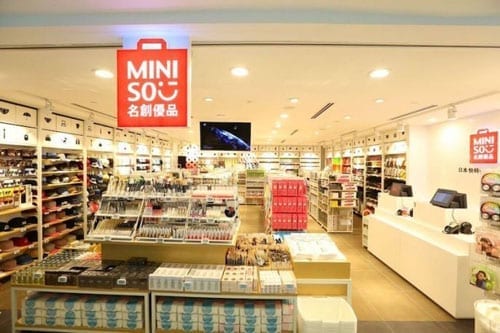
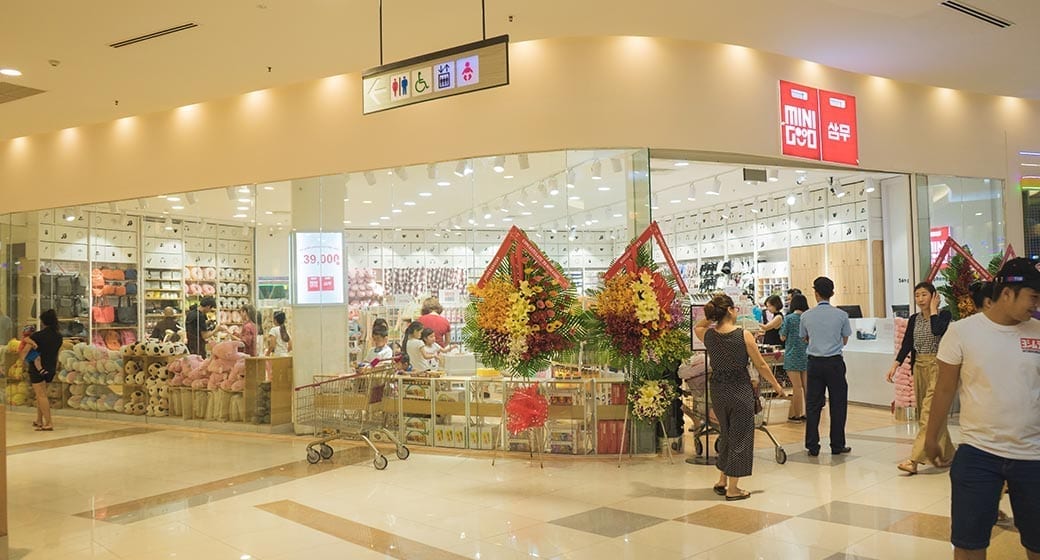
    Chinese low-cost retailer Miniso has reached a strategic agreement to launch its stores in Colombia.

    A signing ceremony has been held with Miniso Colombia in Miniso Industrial Park attended by global co-founder/CEO Ye Guofu and Miniso Colombia representatives Eduardo Tishman and Enrique Smolensky.

    Ye Guofu says the agreement is an important step for the brand as it will enable it to reach co-operation with other Latin American countries such as Brazil and Mexico. Colombia’s neighbours are Venezuela in the east, Brazil in the southeast, Peru and Ecuador in the south, and Panama in the northwest.

    So far, more than 60 countries and regions have reached strategic co-operation agreements with Miniso.

    It has opened more than 2600 stores throughout Asia, North America, South America, Oceania, Europe and Africa.

  • Vietnam paper imports up last year

    Vietnam paper imports up last year

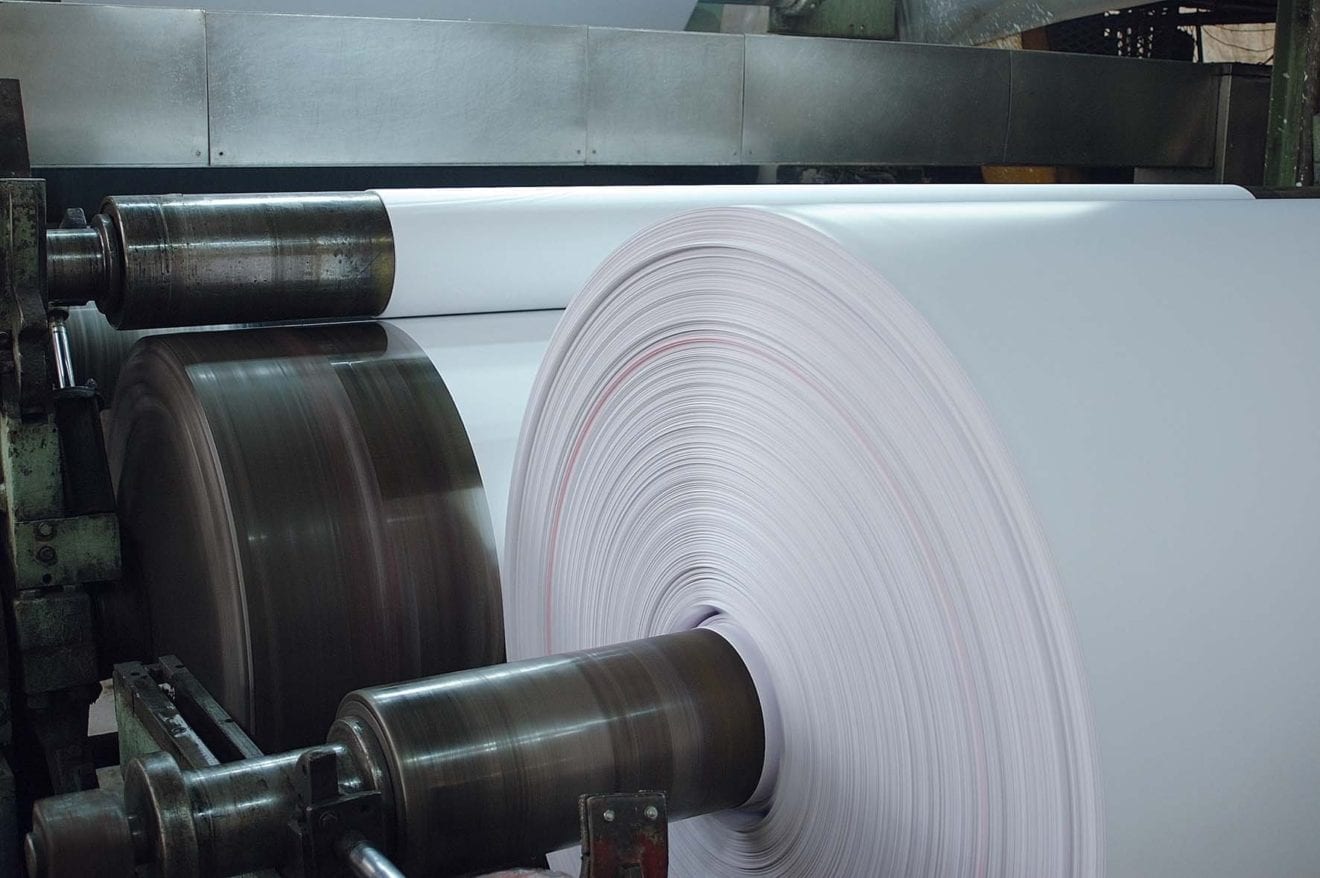
    Việt Nam imported US$682.1 million worth of paper products last year, a year-on-year increase of 10.86 per cent, reported the Việt Nam General Department of Customs.

    In December 2017 alone, Việt Nam imported $58.8 million worth of paper products, down 10 per cent compared to November, the first drop in three consecutive months.

    Vietnamese paper products are mainly imported from China, accounting for 42 per cent of total turnover, reaching $285 million in 2017 and increasing 19.95 per cent against 2016. The second largest import market was Thailand with $91.1 million, up 9.35 per cent compared to the previous year, followed by the Republic of Korea and Japan with $59.5 million and $50.3 million, respectively.

    In addition to these markets, Việt Nam also imports from other markets such as Hong Kong, Taiwan, Indonesia and Malaysia, as well the United States, Germany and Singapore.

    In general, last year, the import turnover of paper products from all markets grew significantly, compared to 2016 and accounted for 72.2 per cent.

    Particularly, imports from the German market increased sharply. Although Germany is not the main import market, it accounted for only 0.7 per cent of the country’s total import turnover; compared to 2016, this result increased 1.3 times. Besides, imports from Indonesia and Japan were also up sharply, rising by 33.16 per cent and 19.09 per cent, respectively.

    In contrast to markets with strong increases, imports from Singapore, Malaysia and Hong Kong decreased 12.01 per cent, 10.4 per cent and 1.26 per cent, respectively.


  • Rimowa unveils new brand identity for its 120th anniversary

    Rimowa unveils new brand identity for its 120th anniversary

    A worker intently studies an aluminium suitcase on the assembly line at the Rimowa factory in Cologne. He opens and closes it repeatedly, lays it flat, pounds a hinge with his mallet, stands it on its wheels and starts over again. Until this bag is perfectly balanced, it will not leave the factory. Such labour-intensive quality has been in Rimowa’s DNA since Paul Morszeck founded it in Cologne in 1898.

    With its immediately recognisable aluminium cases and grooved design, Rimowa is a cult brand, the type that bonds owners in a kind of unspoken club.

    The German company turns 120 this year, but there will be no one special event, says Alexandre Arnault, the new 25-year-old CEO, who finds the idea of a party ‘outdated’. Rather, it will be a whole year of celebration, of taking a fresh look at the suitcase brand that pioneered aluminium and polycarbonate, and finding ‘a cool way to remind people who we are’.

    Tall, poised and impeccably dressed, fluent in French, English and German, Arnault is the third child of LVMH CEO Bernard Arnault and it was his idea that the luxury goods conglomerate acquire Rimowa. He had been using a matte black ‘Salsa’ model since age 17 or 18, when he moved to New York for an internship.

    ‘My family was not too happy when I travelled with it,’ he recalls. ‘But when they looked at it carefully, they understood the beauty of the product, the craft behind it.’ The family operation has high-profile luggage brands of its own, of course, but when Louis Vuitton started to modernize its suitcase line with lighter and four-wheeled models, Rimowa’s particular set of skills became clear.

    LVMH bought Rimowa in January 2017, after two years of negotiation, and Arnault was appointed CEO alongside Dieter Morszeck. He has been actively shepherding the brand ever since, with collaborations, new stores, a pop-up, and no sign of slowing down.

    ‘What I have learned from growing up in my family and seeing other CEOs is that you have to be involved in the product on every single level,’ he says.

    In June he hired Hector Muelas, formerly of Apple and DKNY, as Rimowa’s chief brand officer. Early this year they unveiled a new visual identity, a collaboration with Munich-based Bureau Borsche and London-based Commission Studio.

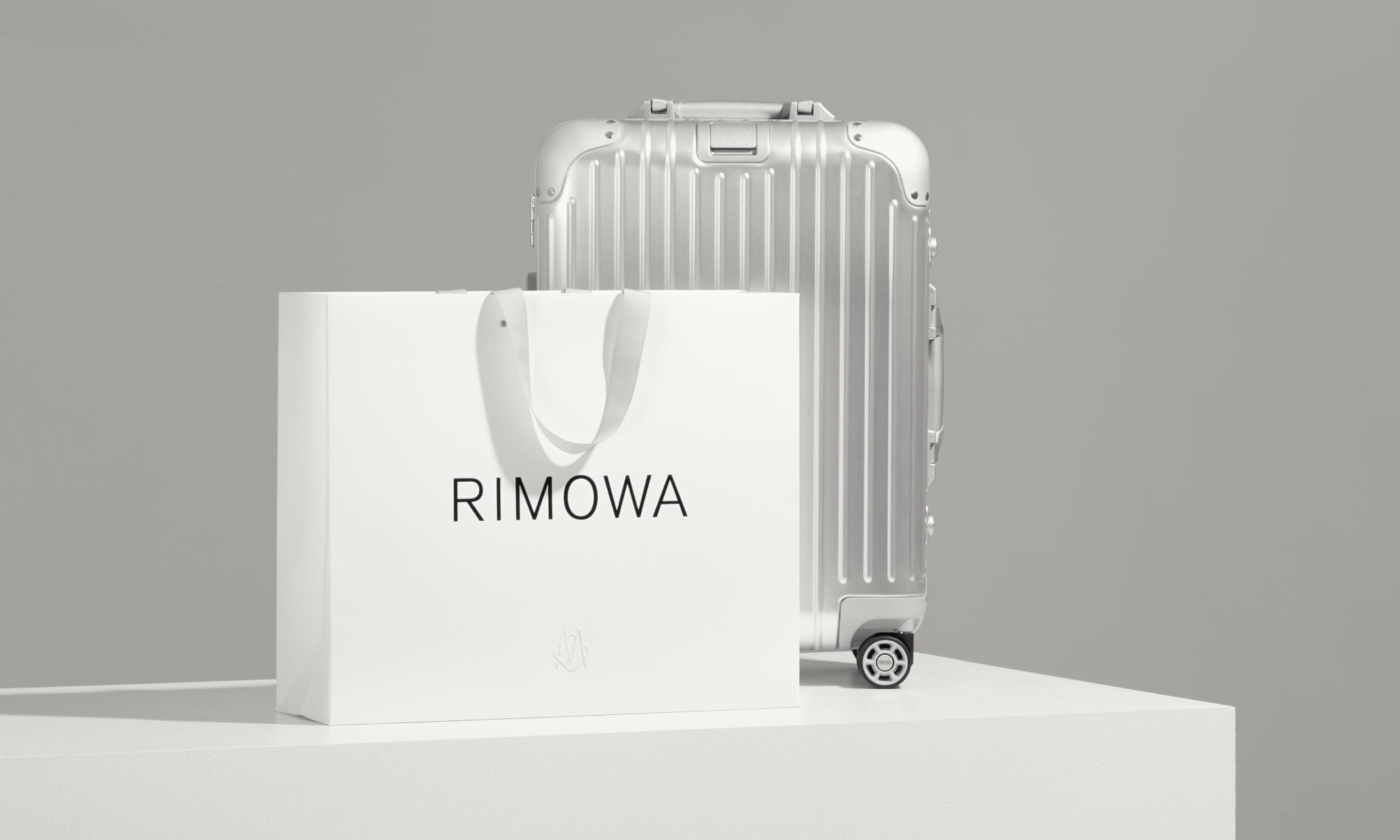
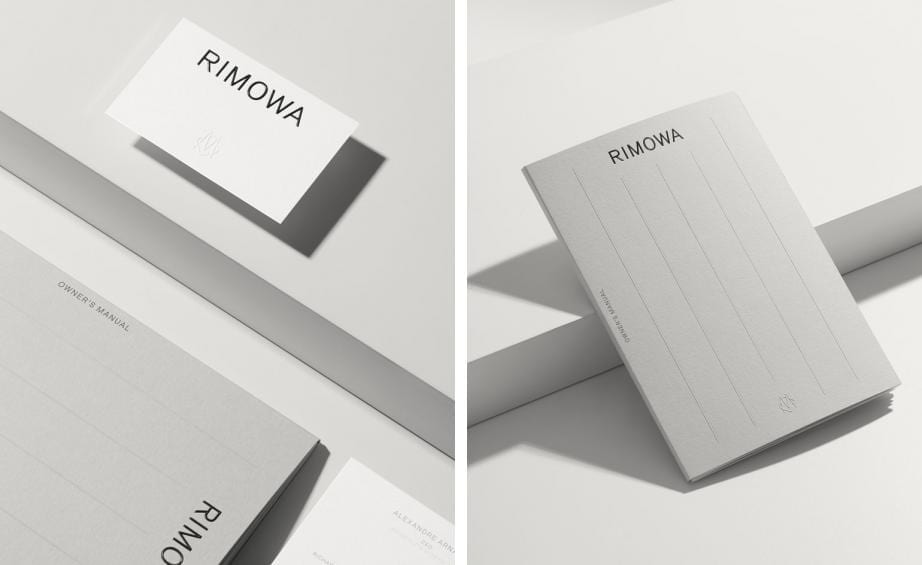
    The pill-shaped frame and rounded letters of the previous logo have been replaced with an understated design, with a refined sans serif font that ‘encapsulates the timeless and considered nature of the brand’, says Muelas. The colour blue has disappeared in favour of neutral shades – black, white and grey.

    The team also designed a new monogram inspired by Rimowa’s original from 1898. It features sharpened vertices like the spires of Cologne’s famous cathedral, intertwined with angular curves that mirror the industrial forms of contemporary Rimowa suitcases.

    Both the logo and monogram appear on a redesigned range of packaging. Once an afterthought, Rimowa’s packaging now aspires to be as pleasing as that of an iPhone.

    There are dust bags, shopping bags with straps held in place by rivets, and gift boxes for carry-ons. Demonstrating a price tag that slides out of a little folder, Muelas says, ‘With every single piece of design, we put a lot of consideration into how it would make people feel. When you buy Rimowa it’s a magic moment. It’s got to have a ritual.’

    Paper accessories such as an owner’s manual and notebooks are embossed with fine parallel lines to mirror the suitcases’ grooves. Geographic coordinates appear here and there, making oblique reference to meaningful locations for the company, such as the factory where each case was produced.

    The number of meaningful locations is increasing, as last year saw a slew of new store openings in cities such as Paris, Frankfurt and Tokyo. Arnault wants each one to give customers an experience, and he plans to hire in-country architects to design individual stores for different markets. Beyond suitcases, customers in larger cities will discover unique lifestyle products made by local talents especially for the brand. In Paris, for example, the new flagship is selling chocolate bars by Patrick Roger, available until mid-February.

    Arnault is also excited about the pop-up concept, having launched the company’s first in Beverly Hills last December, built to look like a luggage conveyor belt and selling products such as fresh juice and travel and design books, as well as aluminium pens by Kaweco and T-shirts by German brand Merz b Schwanen. ‘A pop-up in a new place for six months allows us to try a new store concept, a new design. If it works, great, we learn from it. If it doesn’t work, we also learn from it.’

    As for collaborations, Rimowa teamed up with Fendi for a limited-edition suitcase with a belt, leather handles and the double F logo melded onto the aluminium surface. Also launched last December, the cases came with a price tag of €1,700 and sold out within a week. While more such team-ups are on the horizon, Arnault is keeping the details to himself. What he does admit to is his dream collaboration, with Nasa. He plans to contact them soon.

    This goal reflects Arnault’s love of technology (he Is a graduate of Paris’ prestigious École Polytechnique). In 2016, Rimowa introduced electronic luggage tags, and the young CEO is considering what other digital innovations might add value for the customer. Nothing gimmicky, he insists. A suitcase with an integrated battery charger would be heavy and unnecessary, while one with its own scale seems practical.

    For the 80th anniversary of its signature aluminium suitcase last year, the house produced a fully digital campaign – portraits of Rimowa cases belonging to Karl Lagerfeld, Martha Stewart and the Italian chef Massimo Bottura, among others.

    Reached at his recent Gucci Garden restaurant opening in Florence, Bottura recalls, ‘I bought my first Rimowa after years of luggage envy, watching other travellers wheel their metal cases around with ease.

    In particular, I was fascinated by the Rimowa photography cases, these big aluminium boxes that protected fragile equipment. Finally, a wheel broke on a black plastic trolley I had and I bought a Rimowa silver bullet trolley at the airport to replace it. And that was the beginning of the obsession.’

    At a time when many brands talk about storytelling, suitcases are natural vehicles for it. ‘They’re travel companions,’ notes Muelas, witnesses to the experiences and memories that mark a journey. Indeed, when LVMH announced the acquisition, Arnault received notes from people around the world telling him their Rimowa stories.

    He says, ‘There’s an amount of love that exists out there for this product that I’ve rarely seen before, and I think it’s linked to this relationship of trust. Our suitcases are so robust that people trust us with their most personal belongings, their most valuable things.’

  • Korean Minigood retail chain to expand in Israel

    Korean Minigood retail chain to expand in Israel

    South Korea’s Minigood chain is heading for Israel, where an individual has signed a five-year exclusive franchise agreement.

    Daniel Pardilov from the Pardilov & Co law firm, which represents the franchise holder, says the plan is to open at least 10 outlets in the first two years, including three this year.

    This news comes on the heels of Japanese “dollar store” chain Daiso planning to enter the Israeli retail market through the Union Group, the franchise holder for Cos and H&M in Israel.

    Minigood stores have an average space of 80sqm, but the plan in Israel is for stores covering 120 to 150sqm.

    One of the conditions in the agreement with the Israeli franchise holder is for the manufacturing of special products for the Israeli market at the company’s plant in South Korea.

    Founded in Seoul by Mike Wu in 2013, Minigood makes and markets bags and clothing, household goods, personal care and cosmetic products, office equipment, digital products and toys. The company’s activity is projected to reach 2000 stores and a sales turnover of more than US$1 billion worldwide by 2020.

    Pardilov says the Israeli franchise holder is a businessperson with a real-estate background. He is also negotiating with larger retail groups in order to form a partnership for running the chain.

    Outside of South Korea, Minigood has branches in Malaysia and Singapore.

  • Bangladesh Signs Deal With Indonesia for LNG Imports

    Bangladesh Signs Deal With Indonesia for LNG Imports

    Bangladesh signed an agreement with Indonesia on Sunday (29/01) to open talks on imports of liquefied natural gas, as the South Asian country turns to the supercooled fuel to fill a shortfall of domestic natural gas.

    A letter of intent was signed between two state energy companies, Petrobangla and Pertamina, after a meeting between Bangladeshi Prime Minister Sheikh Hasina and President Joko “Jokowi” Widodo, who arrived in Dhaka on Saturday.

    Bangladesh, a country of more than 160 million people, may import 17.5 million tons of LNG a year by 2025, as its domestic gas reserves dwindle and demand grows.

    Petrobangla is finalizing several floating storage and regasification units, the first of which is expected to commence operations in April 2018.

    In September, Bangladesh signed its first ever LNG import deal with Qatar, underscoring the rise of South Asia as a new market for the fuel.

    Jokowi’s visit comes as Bangladesh is struggling to cope with an influx of around 688,000 Rohingya refugees who have fled an army crackdown in Myanmar’s Rakhine state since last August.

    “He reiterated his country’s support to the safe, dignified return of the displaced persons to the Rakhine State,” a joint statement said after Jokowi visited a refugee camp in the Cox’s Bazar region of southern Bangladesh.

    Hasina “appreciated Indonesia’s supportive role, including the humanitarian assistance for the displaced persons from Rakhine State sheltered in Bangladesh,” the statement said.

    Myanmar and Bangladesh agreed earlier this month to complete a voluntary repatriation of the refugees in two years.

    The plan has sparked fears in refugee camps in Bangladesh that people may be forced to return despite a lack of guarantees around their security. Witnesses have reported killings, looting and rape after the Myanmar army cracked down in response to militant attacks on security forces in Rakhine.

    Many in Buddhist-majority Myanmar regard the Rohingya community as illegal immigrants from Bangladesh. The United Nations has described the crackdown as ethnic cleansing, which Myanmar denies.

  • Garuda Indonesia Eyes $2.4b From Singapore Airshow

    Garuda Indonesia Eyes $2.4b From Singapore Airshow

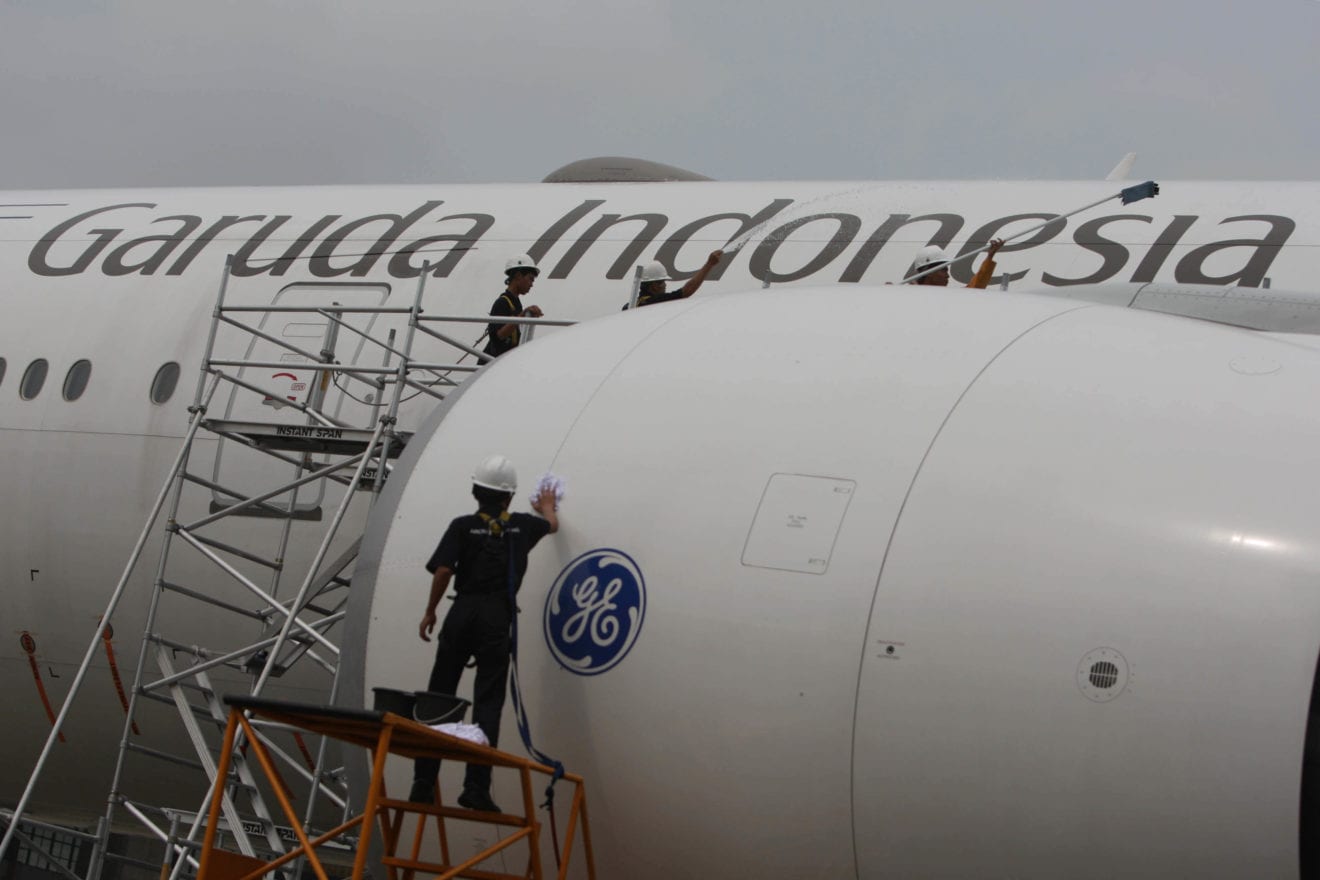
    National flag carrier Garuda Indonesia eyes $2.4 billion in transactions from the 2018 Singapore Airshow, which takes place at the Changi Exhibition Center on Feb. 6-11, the company said in a statement on Monday (05/02).

    The airshow, the biggest of its kind in Asia, gathers major stakeholders in the aviation industry.

    During last year’s edition, Garuda signed transactions worth $129 million. This year, it brings its subsidiaries, including maintenance, repair and operations (MRO) company GMF AeroAsia, budget airline Citilink Indonesia and operations support unit Aerowisata.

    “We’re trying to tell everyone that Garuda Indonesia is a giant in the aviation industry in region, and this event is the place for us to showcase our excellence,” Garuda Indonesia chief executive Pahala Mansury said in the statement.

    Pahala added that the group will be looking for partnerships to expand its business.

    “We’re aiming to penetrate the market this year,” GMF AeroAsia chief executive Iwan Joeniarto said.

    GMF AeroAsia says it has recorded significant growth in the past few years. Overseas investors have recently expressed interest in buying the company’s shares.

    In the third-quarter of 2017, GMF generated $310.5 million in revenue, which exceeded its initial projection by 102 percent, the company said on its website. Its net profit was $38.1 million, up 8.9 percent from the same period a year earlier.

    Meanwhile, Citilink Indonesia said it will take advantage of the event to open international routes. Last year, the company said it will inaugurate international flights in the Asean region in 2018.

    “With our participation in the Singapore Airshow, we try to prove that as a premium low-cost carrier we are ready to open international routes in the immediate future,” Citilink chief executive Juliandra Nurtjahjo said.

  • Vietnamese taxi company sues Grab for unfair business practices

    Vietnamese taxi company sues Grab for unfair business practices

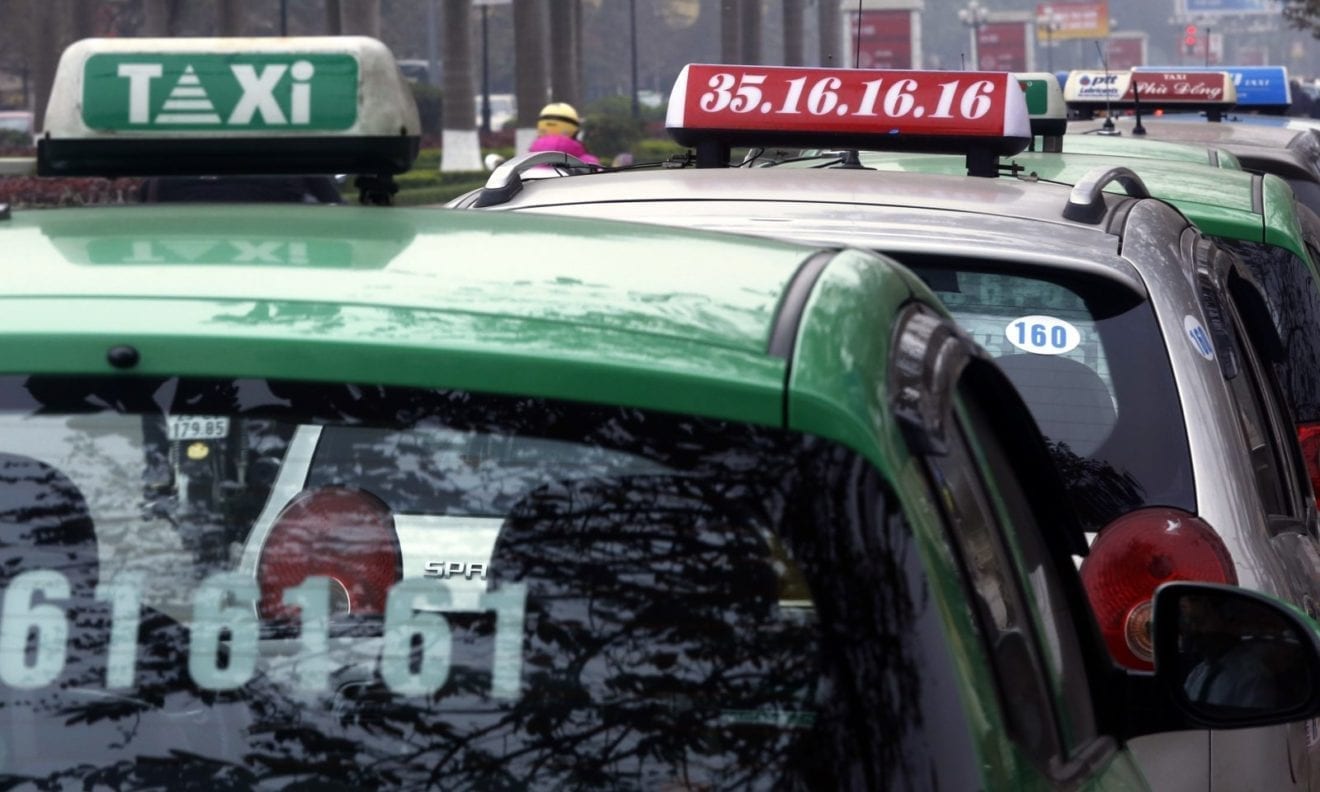
    HCM City People’s Court commenced trial looking into the suit initiated by the local domestic taxi operator Vinasun against the popular ride hailing service, Grab, on accusations of unfair business practices.

    Vinasun, once a dominant player in taxi transport in the southern region, has seen its market share gradually eaten away by Uber and Grab as they continue to gain popularity, especially as the number of smartphone users in the country rises.

    Vinasun claims the ‘illegal operations’ of Grab in Việt Nam are to blame for the company’s falling revenues in 2016 and 2017 – a VNĐ40 billion (US$1.756 million).

    Trương Đình Quý, deputy director-general of Vinasun, based their complaint on the trade law and government’s Decree 37 issued in 2006, which clearly states that the duration of total promotion deals in a year must not exceed 90 days and each promotion programme is not to last beyond 40 days. In addition, businesses that want to hold promotion events must register with the municipal or provincial commerce department.

    Quý alleged that in recent times, exploiting the pilot window that the transport ministry granted for software-based transport services, Grab has conducted “rampant” promotion deals and discounts, akin to the practice of “dumping” of manufactured goods.

    Vinasun also claimed that the company needs to observe 13 regulations, while Grab only has to follow three, creating unfair competition in the field of passenger transport.

    “Industry 4.0 apps are an inevitable trend. However, being just an app-based ride hailing service, Grab has disrupted the taxi transport sector, causing several implications to State management activities in tax collection and ensuring social security for those work for Grab,” Quý said.

    “In addition, Grab drivers themselves are encountering difficulties when the company collects up to 25-28 per cent from the taxi drivers’ earnings as commissions. Even more concerning, Grab Việt Nam reported charter capital of VNĐ40 billion while they claimed they turned a loss of VNĐ938 billion, which earned them special supervision by the finance ministry,” Quý said.

    Quý said that the company has prepared for the case over the last year and is ready to fight against Grab and Uber to the end in a “legally transparent” manner.

    Grab’s lawyers, on the other hand, contended that Vinasun’s allegations are baseless and that their software solution has actually created fair grounds for competition between conventional taxi operators. They also argued that Vinasun’s evidences and methods of loss calculations are all questionable. On these grounds, Grab asks the court to either suspend the lawsuit or reject Vinasun’s case entirely.

    The trial yesterday morning attracted a crowd of taxi drivers from Vinasun and Mai Linh, another well-known taxi company in the country, anxiously awaiting the outcome that could determine the course of their futures.

    Former supreme judge Phạm Công Hùng said that the outcome of the case depends on who has the weightier evidence in court.

    “With that being said, I fully support Vietnamese businesses’ wanting to take matters to court if they see their interests have been violated. This is a totally civilised way of settling business disputes,” Hùng said.

    This is the first time the increasing tension between conventional taxi operators and their app-based counterparts took to the fight to the courtroom, all while Vietnamese lawmakers seek to construct appropriate legal tools to effectively regulate these emerging services.

    A new draft decree is in the works, which would require Grab and Uber offices in Việt Nam to register for licences as an enterprise doing ‘electronic business’ and transport cars must have easily identifiable logos on both front and back windows.