Category: Living

Retail News Asia is committed to providing both local and global retailers with the latest Living news throughout the Asian market. This on a daily base.

  • UAE firm in deal to supply naptha to Lotte Chemical Titan

    UAE firm in deal to supply naptha to Lotte Chemical Titan

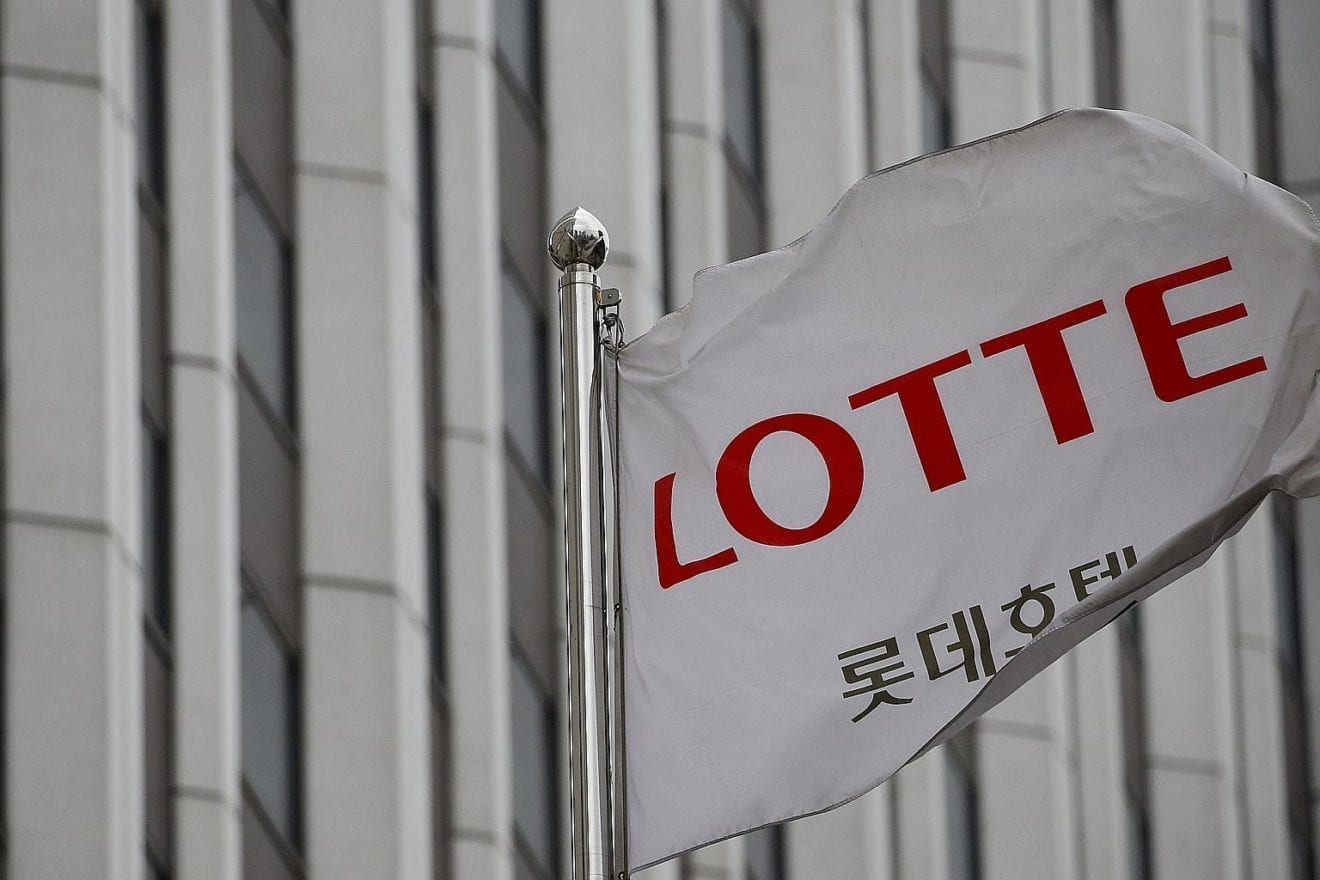
    Lotte Chemical Titan Holding Bhd’s wholly owned subsidiary Lotte Chemical Titan Sdn Bhd has entered into a three-year sales contract with United Arab Emirates-based Abu Dhabi National Oil Co  for the supply of refined products and paraffinic naphtha.

    The group announced in a stock exchange filing that the contract runs from Jan 1, 2018 to Dec 31, 2020.

    Pricing of the supplies will be based on the market price of the commodity during the loading month. The estimated quantity is between 600,000 tonnes and 1 million tonnes a year.

    ADNOC is a major feedstock supplier of naphtha to Lotte and had previously supplied the commodity in a one-year contract.

    Lotte’s shares gained 0.39% to close at RM5.18 with some 731,300 shares done.

  • Vietjet Offers 500,000 Promotional Tickets to International Destinations

    Vietjet Offers 500,000 Promotional Tickets to International Destinations

    In continuation of Vietjet’s biggest promotional program of the year – “Enjoy Sky Festival”, the airline is offering 500,000 tickets priced from only VND0 (*) for three golden days starting 24 to 26 January 2018.

    The promotion is applied for all international routes flying from Ho Chi Minh City to Kuala Lumpur (Malaysia); Seoul, Busan (South Korea); Hong Kong; Kaoshiung, Taipei, Taichung, Tainan (Taiwan); Singapore; Bangkok, Phuket, Chiang Mai (Thailand);  Yangon (Myanmar); Phnom Penh and Siem Reap (Cambodia) from 1 March to 31 December 2018 (**).

    Passengers flying with Vietjet from now until 28 February 2018 will stand a chance to win a host of attractive prizes with a total value of up to VND1 billion. Moreover, lucky passengers on board selected flights will also have a chance to participate in a lucky draw and walk away with special prizes such as free domestic return tickets, “lucky money” prizes worth VND10,000,000 as well as a special cash prize worth VND100,000,000.

    On top of that, from 30 January to 28 February 2018, passengers will also have an additional opportunity to win domestic and international return tickets via the “Vietjet Sky Fun” game which can be downloaded from the Apple App Store and Google Play Store.


  • Vietnamese tourism to be showcased in Thailand

    Vietnamese tourism to be showcased in Thailand

    Việt Nam will participate in an ASEAN Tourism Forum (ATF) in Chiang Mai, Thailand, from January 22-26 by hosting artistic performance to promote Việt Nam tourism.

    This will help promote Việt Nam’s integration into ASEAN, helping define its role as an active member state of the eastern community.

    The involvement also aims to promote Việt Nam as a safe, friendly and attractive destination to ASEAN countries and help prepare the country’s role in hosting ATF 2019.

    The Chiang Mai forum is also an opportunity for localities and Việt Nam tourism agencies to work with international tourism agencies and organisations.

    Việt Nam will join a series of activities, including a meeting of ASEAN national tourism organisations with China, Japan and South Korea, talking to ASEAN tourism ministers, and meeting with consultation teams from Russia and India.

    The Việt Nam Department of Tourism will co-operate with localities and businesses to organise a Việt Nam tourism booth in a Travel Exchange (TRAVEX) trade fair.

    Việt Nam will also host a press briefing on its tourism and services as well as promoting the Hà Nội – Ninh Bình – Hạ Long triangle. The event introduces Việt Nam as the host of the forum next year in Hạ Long city.

    The Ministry of Culture, Sports and Tourism will also host a Việt Nam Night for more than 700 people. Traditional arts performance and an áo dài catwalk show will be featured.

    ATF is hosted on a rotational basis among the ASEAN countries.


  • Phú Yên ready for an explosion of tourism

    Phú Yên ready for an explosion of tourism

    Investors should turn the potential of central coastal Phú Yên Province into money, Prime Minister Nguyễn Xuân Phúc said on Friday.

    Speaking at the largest investment promotion conference held in the province, Phúc asked the locality to continue to use tourism as its development momentum.

    “The province should attract big and prestigious investors while diversifying and improving tourism quality,” he said. “It should also enhance links with other localities inside and outside the country.”

    Phú Yên has a north-south road system, railway, airways and seaway. It also has diversified natural resources, including sea economic sectors, hi-tech agriculture, agro-forestry, minerals and renewable energies.

    Phúc highlighted the advantages of the province and its dynamic authorities in welcoming “sunrise” development.

    The PM said he valued the province’s efforts in developing economic infrastructure and improving the investment environment.

    “With its advantages and hard-working people, Phú Yên can surely achieve sustainable and rapid development in the central and Central Highlands regions,” he said.

    Phúc urged Phú Yên to ensure stability, transparency and equal competition in accessing resources and business opportunities. It should also pay attention to start-ups, especially by young people in the rural areas.

    “Phú Yên was requested to follow the country’s reform flow as well as taking advantages of the Fourth Industrial Revolution in management, building e-governance and removing bureaucracy,” he added.

    The province was asked to quickly resolve investment barriers, while improving its provincial competitiveness index (PCI) and public administrative performance index (PAPI) and become known as trustworthy.

    He said Phú Yên should enhance regional associations, especially with Bình Định, Khánh Hòa, Lâm Đồng and Đắk Lắk which could supplement advantages for the province.

    It could also mobilise social resources to attract investment of clean and hi-tech industries.

    He expected the province to develop seafood and prevent illegal exploitation. Businesses and investors should protect the environment and traditional culture.

    Secretary of the provincial Party Committee, Huỳnh Tấn Việt, said the province had strong commitments to helping investors.

    Between 2011-17, Phú Yên received 284 investment projects, including 19 foreign direct investments with total registered capital of US$6 billion.

    “The province will give priorities to sea eco-tourism, culture and building distinctive tourism products,” Việt said.

    “Phú Yên will also focus on key sectors of finance, logistics, information and telecommunications; support industries, energy and agro-forestry processing.”

    Việt added that the province would seek investment in urban infrastructure, housing and real estate and establish special cultivation areas with post-harvest and processing technologies.“Investors in the province are our citizens. Their success will be ours,” he added.

    At the event, the provincial People’s Committee approved 17 investment licences worth a total of  VNĐ12.4 trillion ($558 million) and signed memoranda of understanding with others.

    These have been big scale projects, contributing to the province’s development and providing jobs for local people.

    On the same day, PM Phúc attended the inauguration of the Đà Rằng- Sông Chùa Bridges to ease congestion at the south of Tuy Hòa City and expanding Phú Yên Urban Area.

    The Ministry of Culture, Sports and Tourism also announced the PM’s decision to approve development planning of Xuân Đài Bay National Tourism Area by 2030.

    Accordingly, Phú Yên will develop the area based on its advantages of the Gành Đá Đĩa (Sea Cliff of Stone Plates) to develop national tourism products.

    More than 500 delegates, including those from 260 domestic and international enterprises attended the conference.

     

  • MoF tightens casino supervision

    MoF tightens casino supervision

    Casino establishments in Việt Nam must soon equip their venues with features like a working camera system to aid the Ministry of Finance (MoF) in supervising the casinos’ operations, as part of the MoF’s plans to legalise casino activities for Vietnamese people.

    The MoF’s Decree No 03 will take effect starting February 12, 2018, with the purpose of ensuring that casinos are run properly and winnings are reported regularly for tax collection purposes. Accordingly, eligible casinos in the country must follow the decree’s regulations on management of money, conventional currency and organisation.

    The regulation stipulates that businesses are only allowed to exchange and return conventional currency at the cashier for players before they start playing. The management of foreign exchange for casino business activities shall comply with the guidance of the State Bank of Việt Nam.

    All transactions related to domestic, foreign and conventional currency must be monitored by computer software. The data from the software must be collected and put into revenue summaries. At the same time, any monetary transactions must be recorded and reported to the relevant State management agencies.

    Furthermore, the MoF instructed casinos to arrange specialised containers to hold cash or conventional currency, which will then be sealed immediately after being removed from the game tables and before being taken out of their vault.

    Casino businesses shall declare and pay taxes in accordance with the Law on Tax Administration, the Law on Value Added Tax, the Law on Special Consumption Tax, the Law on Corporate Income Tax and other sub-law documents guiding the implementation thereof.


  • Google to open e-suite office in Shenzhen

    Google to open e-suite office in Shenzhen

    A month after announcing plans to open its first AI lab in China, Google is expanding again through a move into Shenzhen.

    The U.S. tech giant has opened an office in the Chinese city, which borders Hong Kong and known for being a global hardware hub. This is not a fully-blown Google campus, instead the company has taken up space within a serviced office starting this week.

    “We have many important clients and partners in Shenzhen. We are setting up this e-suite office to be able to communicate and work with them better,” a spokesperson said in a statement confirming the news.

    Shenzhen is home to Tencent, the $500 billion firm behind WeChat, and mobile giants Huawei and ZTE, while the likes of Alibaba and Baidu are also present. The city has a thriving maker community, which includes global hardware accelerator program HAX.

    Google currently has offices in Shanghai and Beijing.

    There’s much to dig into around the search giant’s upcoming China-based AI lab, which taps into China’s growing AI talent pool and could signal a move to developing China-focused products. That, plus the re-launch of Google Translate app in China last year, gave fuel to the idea that the firm is ‘back’ in China. The Shenzhen presence is a more subtle development, a nod to the importance of the city for Google’s business.

    The Shenzhen office is likely to be used by a number of teams that already spend a lot of time in the city. Google decided that something more permanent was preferable to working out of hotels or public spaces. The firm’s China-based sales team, its hardware team and those in logistics, sourcing, supply are most likely to make use of it.

    Further down the line it seems possible that Google might opt for an office space that is more permanent — and more Googly — but for now we understand that there’s no timeline for that.

    The Shenzhen base also reflects Google’s position following its $1.1 billion deal to acquire a large chunk of HTC’s smartphone business. As a report from The Information recently noted, Google has also ramped up its hardware efforts in China. Its headcount for its Shanghai-based hardware engineering jumped to more than 100 from just 20 one year ago, the publication said.

    “I expect Google to make its Home products and more in Shenzhen. No doubt they have staff visiting frequently,” Benjamin Joffe, General Partner at HAX said.

    “Considering the push they had at CES and the fact that they are expanding the product line there will probably be more Googlers to join the ranks of Apple, Amazon and other companies’ staff in the watering holes and eateries of Shenzhen, in Nanshan or Futian,” he added.

  • RM1b contraband cigarettes seized by Customs in 2017

    RM1b contraband cigarettes seized by Customs in 2017

    The Royal Customs Department seized contraband cigarettes with RM1 billion worth of taxes last year as the authority intensified actions to curb the rise of illicit tobacco products and the government incurs billions in revenue lost.

    The high price of cigarettes makes Malaysia a haven for contraband smugglers and retailers who reap huge profits as locals seek cheaper alternatives. Malaysia’s long coastline makes monitoring of the entry of illicit cigarettes more difficult.

    Customs DG Datuk Seri Subromaniam Tholasy said the non-duty cigarettes were seized while they were being transported and retail shops. “For the whole of last year, we seized cigarettes with close to RM1 billion in duties and taxes,” he said.

    Subromaniam also said recently Selangor’s Customs confiscated contraband liquor and cigarettes valued almost RM500,000 with RM2.25 million of unpaid taxes.

    Confederation of Malaysian Tobacco Manufacturers had reported the sector would not be able to withstand a price rise for cigarettes due to the widespread sales of illegal tobacco products.

    Malaysia’s legal cigarette market has dwarfed to less than 50% over the last 13 years as illegal cigarette consumption rose to about 57.1%, or 10 billion, out of 18 billion sticks in 2016.

    Contraband cigarettes are sold between RM4 and RM5 per pack, almost 400% cheaper compared to RM17 for the famous brands. Cigarette taxes

    had increased 110% over the last five years.

    It is estimated the government lost billions in tax revenue due to the mushrooming of contraband cigarettes. Excise tax for each stick could be between 28 sen and 40 sen per stick, and with an estimated 10 billion sticks of unpaid taxes, the government is losing a fortune.

    Subromaniam said the Customs is taking a different approach to overcome the sale and distribution of contraband cigarettes.

    “Previously, we go from shop to shop and check, and conduct raids. But, these methods are time consuming and expensive.

    “Now what we are focusing on is stopping the supply of the products to the sellers. Basically, we want to cut the distribution at the roots,” he said, adding that the department was also taking actions against the sale of cigarettes boxes that carried fake “tax paid” stickers.

    Subromaniam said the department had suspended the services of 30 foreign agents who had been bringing liquor and cigarettes.

    “We found out that they made a false declaration and we have halted their services with immediate effect.

    “Show-cause letters will be sent to all 30 foreign agents by next week. So, if they don’t respond accordingly, we will take the necessary action,” he said.

    The Finance Ministry in the third quarter of 2017 (3Q17) said indirect tax collection dropped 7.3% to RM14.6 billion, from RM15.7 billion in 3Q16 due to lower excise duties collection, particularly from the locally manufactured cigarettes.

    Cigarette companies like British American Tobacco (M) Bhd had ceased its local manufacturing operation, citing high excise environment and the sharp rise of illegal cigarettes.

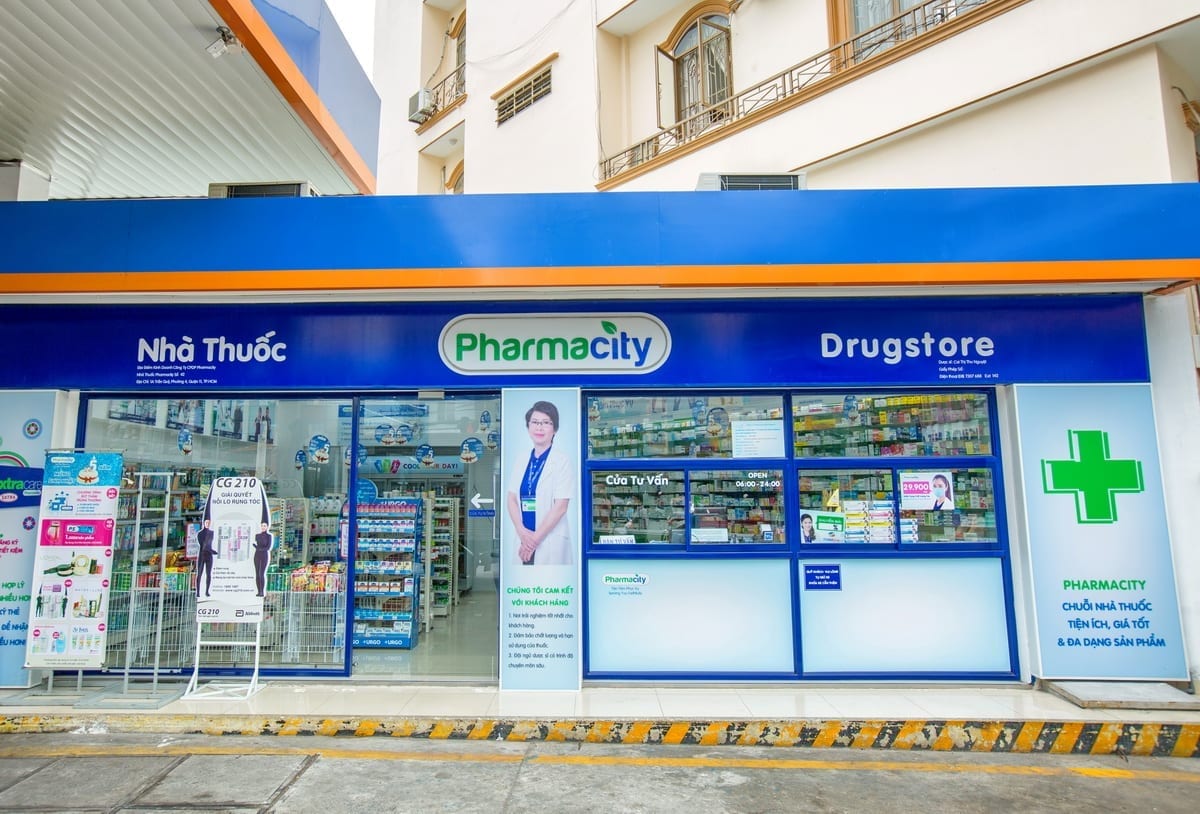
  • Pharmacity to open 500 more stores in Vietnam

    Pharmacity to open 500 more stores in Vietnam

    Vietnam’s retail drugstore chain Pharmacity plans to open 500 stores by 2023.

    It has opened six more stores in Ho Chi Minh City this month, expanding its network to 71 to become the largest pharmacy chain in Vietnam.

    Over the next two years, Pharmacity plans to boost its store numbers to 200. It also has an online store.

    Modern retail drugstores have become popular in Vietnam, according to a new report from VN Research. It says Phano Pharmacy is the second-largest chain with 60 stores, Medicare has 59 while Dairy Farm-owned Guardian has 49.

    Mobile device retail giant Mobile World (The Gioi Di Dong) last month acquired a 40 per cent stake in the Phuc An Khang pharmacy chain, changing the name to An Khang. Mobile World plans to raise its ownership to 60 per cent and open up to 500 stores nationwide.

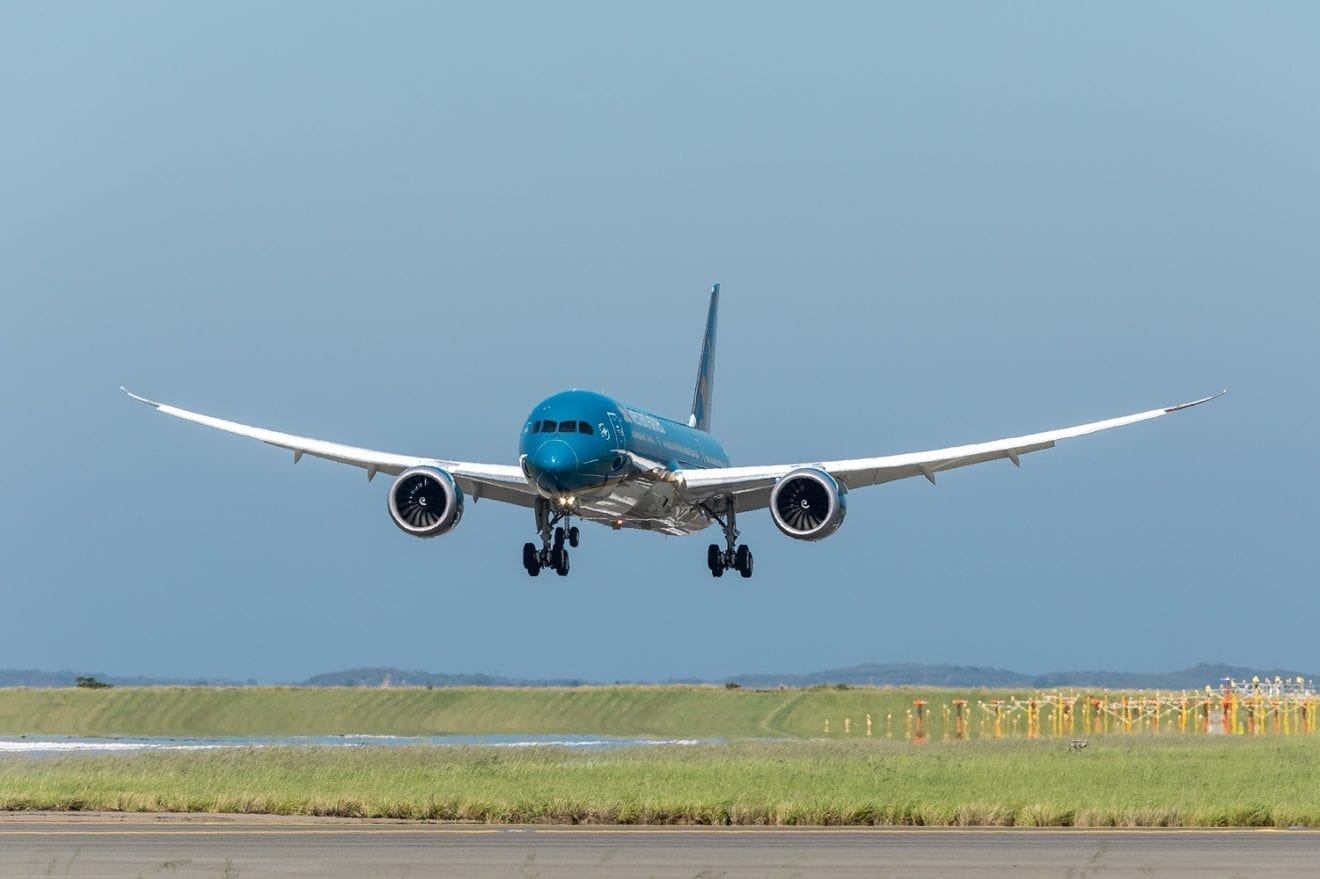
  • Vietnam Airlines concerned about US direct flights

    Vietnam Airlines concerned about US direct flights

    General Director of Vietnam Airlines Duong Tri Thanh said that it would take a long time to break even or make profit through direct flights to the US.

    He spoke about the opening the Vietnam-US direct air route which was approved by Prime Minister Nguyen Xuan Phuc.

    According to Thanh, it would not be easy to complete legal procedures for the air route. It was already quite difficult just to export dragon fruit and litchi into the US, so it would be much harder to open the flights to the country due to the strict security requirements.

    Federal Aviation Administration (FAA) worked with Vietnam Airlines for many times and said that the carrier has met requirements to open flights to the US. So, Thanh hoped FAA would approve the CAT1 aviation safety rating for Vietnam Airlines this year.

    However, Thanh added that, it would be impossible to launch Vietnam-US direct flights this year as many procedures need to be completed. He expected that the air route would be opened by late 2019 or early 2020.

    He also expressed the concerns about the loss possibility, noting that it would take five years to break even for the air route. “The national carrier flag would suffer from loss of USD30 million a year for the first five years of operation, so we need to figure out how to reduce the losses to below USD30 million annually.”

    This air route is very competitive with low-priced tickets but high costs, he explained. Thanh mentioned co-operation with other airlines to operate the route.

    Vietnam’s current Boeing 787 Dreamliner and Airbus A350-900 XWB can’t be used for direct flights to the US, and still require stops. In the coming time, it is expected that more modern airplanes will be produced to meet this demand.

    Regarding flight frequency, Thanh said that at least 3-4 flights a week on the route will be conducted and then will be raised.

    At present, dozens of airlines such as Singapore Airlines, Japan Airlines, Cathay Pacific, China Airlines, ANA and Eva are providing flights to the US, so tickets on this route are very competitive.

    The target passengers for the air route are American Vietnamese, Vietnamese people who work and study in the US, American tourists and business people.

    Thanh said that the American Vietnamese community know about Vietnam Airlines and the carrier is trying to develop brand recognition among other Americans.

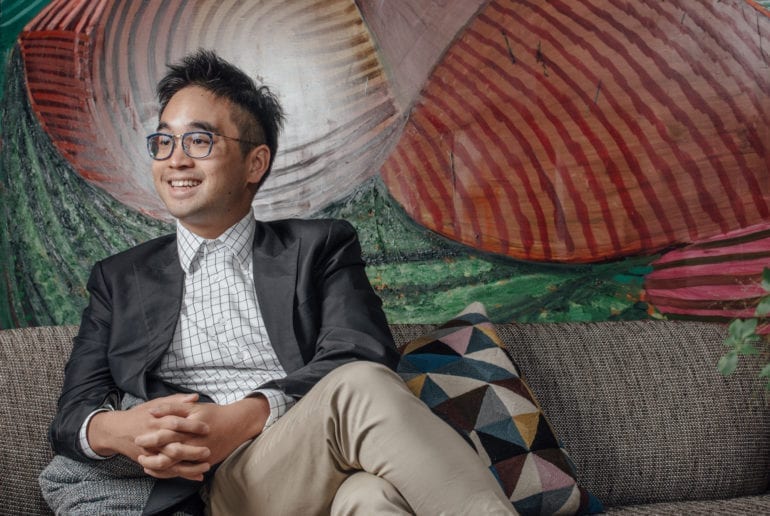
  • Adrian Cheng invests in AI for retail and hospitality

    Adrian Cheng invests in AI for retail and hospitality

    ObEN Inc., an artificial intelligence (AI) company that is building a decentralized AI platform for intelligent avatars, and announced that it has raised $10 million from K11, founded by entrepreneur Adrian Cheng.

    This strategic funding continues the growth of ObEN’s AI technology which enables users to quickly create a Personal AI, an intelligent 3D avatar that is authenticated and registered on the blockchain. This brings ObEN’s total funding to date to more than $23.7 million.

    The funding from K11 will drive product development, deployment on the blockchain, and will help ObEN integrate their technology in retail, real estate and hospitality applications.

    “ObEN is at the forefront of creating intelligent avatars that enhance the consumer experience,” says Nikhil Jain, co-founder and CEO of ObEN. “With this strategic investment from K11, we are able to reach millions of new customers and create experiences that will shape the future of retail.”

    K11, the brainchild of entrepreneur and business innovator Adrian Cheng, is a pioneering multi-faceted brand rooted in culture and interconnected by three core values: art, nature and people. Its ecosystem features the world’s first museum-retail concept, K11 Art Mall. Its Hong Kong and Shanghai flagships opened in 2009 and 2013 respectively. ObEN marks the first AI technology investment from the company.

    Motivated by the belief that the future of retail lives in the worlds of AI, AR and VR, the strategic alliance offers opportunities for intelligent avatars, personal concierge services and new virtual shopping experiences. ObEN’s Personal AI (PAI) quickly creates a 3D avatar that looks, sounds and behaves like the user, and can do things on their behalf. Furthermore, ObEN’s PAI is being deployed on the blockchain, which provides an unprecedented level of security.

    With a PAI concierge, customers are offered up to the moment information, retail guides and endless shopping tips to help keep each outing as fulfilling as possible. In addition, through projects like AI Stars, a joint venture between ObEN and S.M. Entertainment, celebrities will be able to create unique cross cultural experiences for consumers and retail outlets alike.

    “ObEN’s Personal Artificial Intelligence (PAI) platform simplifies the implementation of artificial intelligence technologies for real life applications,” said Adrian Cheng, founder of K11. “K11 is committed to localizing the PAI platform and bringing an immersive AI experience for visitors at all K11 projects.”

    ObEN’s Personal AI technology will be available in early 2018. Learn more at projectpai.com.

  • Japan sees investors flock to AI, big data funds

    Japan sees investors flock to AI, big data funds

    Funds that are oriented towards artificial intelligence (AI) and big data are attracting Japanese investors, according to the latest data compiled by QUICK Asset Management Research Center. This happens as popular monthly-distribution trusts are registering a net outflow of funds.

    The latest data on fund flows for investment trust management companies shows that individual investors are being lured to trusts that focus on AI and other cutting-edge technologies.

    Daiwa Asset Management, for example, registered a net inflow of JPY 370.1 billion in 2017, the largest among investment trust management companies. A fund for investment in robotics-related stocks, introduced by Daiwa at the end of 2015, continues to lure investors. Goldman Sachs Asset Management also recorded strong sales of a fund for global stock investments utilizing big data.

    Let’s recall that the latest Monex Global Retail Investor Survey conducted from November 27 to December 1, 2017, shows that “Technology” ranked at the top of the most attractive sectors among retail investors in Japan, U.S. and China (Hong Kong). There was no major change in the other sectors. However, while “Finance” was ranked high by retail investors in U.S and China (Hong Kong), “Banks” ranked low in Japan, and a difference in bias was apparent.

    This is in line with the results from the preceding investor survey, which also showed that technology was the most attractive sector for investors in all three regions covered by the survey. Monex explained back then that this interest is largely fueled by almost daily media coverage about advancements in AI and that expectations of technology companies among retail investors are extremely high.

    There has been, indeed, a plethora of news regarding investment into AI, especially in Japan. In November 2017, Xenodata Lab, a Tokyo-based firm that leverages the power of artificial intelligence to provide finance data analytics products to financial services companies, announced that it had secured JPY 250 million in funding from Japanese financial majors, such as Mitsubishi UFJ Financial Group Inc, SMBC, Mizuho, and Okasan Securities.

    And in December last year, Mitsui & Co Ltd (TYO:8031) announced an investment into Preferred Networks, Inc (PFN), a company that specializes in AI technology development and provision, with the focus being on deep learning.

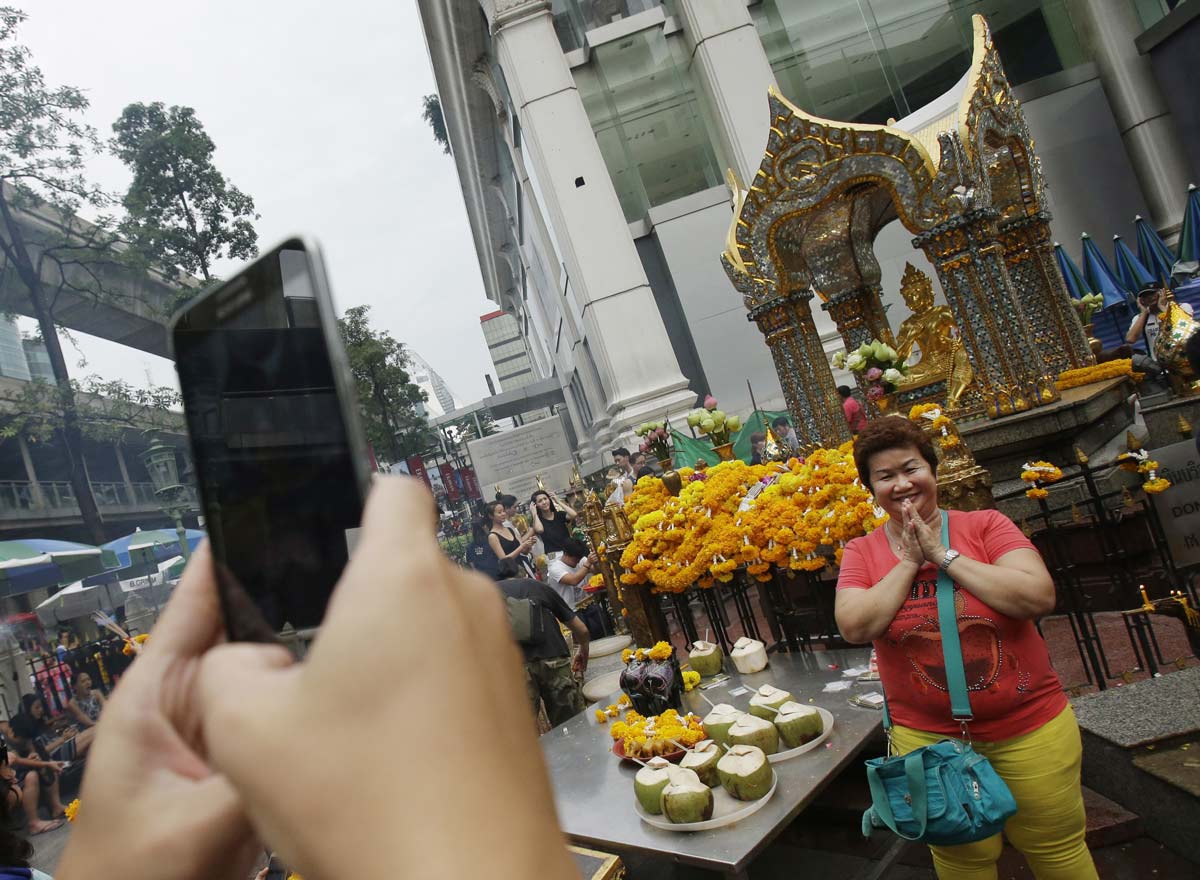
  • For Thailand, a ‘Go Local’ move to spread tourism benefits

    For Thailand, a ‘Go Local’ move to spread tourism benefits

    The Thai government has approved a series of tax deduction measures to promote seminars, leisure travel and MICE events in 55 second-tier tourist provinces nationwide all through 2018.

    These will support the Tourism Authority of Thailand (TAT)’s latest Go Local campaign, a landmark project to promote the kingdom’s secondary destinations, spread tourists between urban and rural areas, and even out traffic between peak and non-peak periods.

    Go Local targets to improve the ratio of visitors – both domestic and foreign – to main cities vs secondary cities from 64:36 to 60:40. The aim is also to bring 10 million tourist arrivals into secondary cities and communities, generating an estimated 10 billion baht (US$312 million) in tourism revenue in 2018.

    As part of the campaign, TAT will cooperate with domestic tour operators and travel agents to offer incentives such as discounted meals when buying local tour packages covering secondary destinations. Travellers will also be exempt from personal income tax for the amount paid out to tour operators, hotel operators or homestay operators for domestic tours to the 55 provinces, but not in excess of 15,000 baht.

    Moreover, TAT will target Stock Exchange of Thailand-listed companies with a corporate tax exemption on income equal to 100 per cent of expenses for seminars and accommodation rooms, transport and other expenses incurred for conducting staff training seminars in the 55 provinces.

    TAT will also introduce the TAT Plus discount card, which can be used in participating retail and dining merchants in secondary destinations as well as domestic airlines.

    Other efforts include cooperating the Thai Restaurants Association, chefs, credit card companies and provincial authorities to promote the consumption of local food and purchase of local raw materials; as well as partnering attractions such as museums and theme parks to organise activities that celebrate the local culture.

    Yuthasak Supasorn, TAT governor, said: “When local communities grow, the country grows. With travel and tourism now widely recognised as a major contributor to grassroots economies, job creation and income distribution, we are now taking specific measures to ensure that the benefits are better distributed across the breadth and depth of the entire kingdom.”

    A Go Local Directory will be launched to provide specific information on dining, travelling and accommodation for getting tax deductions.

  • Facebook updates News Feed to make friends a priority

    Facebook updates News Feed to make friends a priority

    Facebook on Thursday announced a major update that will put friends and family above pages or celebrities in a user’s news feed — and likely result in people spending less time on the leading social network.

    The change to the way Facebook ranks posts will put more weight on social interactions and relationships, according to News Feed product manager John Hegeman.

    “This is a big change,” Hegeman told.

    “People will actually spend less time on Facebook, but we feel good about that because it will make the time they do spend more valuable, and be good for our business in the end.”

    For example, a family video clip posted by a spouse will be deemed more worthy of attention than a snippet from a star or favorite restaurant.

    “We think people interaction is more important than passively consuming content,” Hegeman said.

    “This will be one of the more important updates that we have made.”

    Facebook co-founder and chief Mark Zuckerberg has said that bringing people together and strengthening communities in the real world are priorities.

    The news feed ranking update, which is set to roll out globally in the coming weeks, is expected to support that goal.

    “As we roll this out, you’ll see less public content like posts from businesses, brands, and media,” Zuckerberg said in a post at his Facebook page.

    “And the public content you see more will be held to the same standard — it should encourage meaningful interactions between people.”

    Google, Twitter and Facebook have come under fire for allowing the spread of bogus news — some of which was directed by Russia — ahead of the 2016 U.S. election and in other countries.

    Facebook has introduced a series of changes intended to address the problem.

    “We are doing a ton of work to reduce the frequency of bad content on Facebook,” Hegeman said.

    “This update is more about amplifying the things people value.”

    He cited academic research indicating that interacting with loved ones is crucial to a person’s wellbeing, while reading news articles or watching shared videos may not be.

    “There is really no silver bullet here to determine what is most meaningful, but we are trying to mine the signals to get the best representation that we can,” Hegeman said.

    Known for setting annual personal goals ranging from killing his own food to learning Mandarin, Zuckerberg’s stated mission for this year is to ‘fix’ the social network, including by targeting abuse and hate, and making sure visiting Facebook is time well spent.

    “I’m changing the goal I give our product teams from focusing on helping you find relevant content to helping you have more meaningful social interactions,” Zuckerberg said Thursday.

  • Asia Gold-Price gain keeps buyers at bay; market eyes China holiday boost

    Asia Gold-Price gain keeps buyers at bay; market eyes China holiday boost

    Demand for physical gold remained lacklustre across top Asian centres this week as buyers were put off by a rally in prices, but an approaching Chinese New Year could reignite appeal for the yellow metal.

    Gold prices rose for a third session on Friday to hit their highest since September, with a slump in the U.S. dollar helping drive bullion towards its fifth straight weekly gain.

    High prices are weighing on physical demand for gold, but demand is expected to rise ahead of the Chinese New Year, according to Brian Lan, managing director at dealer GoldSilver Central in Singapore.

    In top consumer China, the range for premiums broadened to about $5-$8 an ounce from $6-$7 last week.

    The Chinese New Year holiday will kick in by the middle of next month.

    There is not too much demand currently and if prices come down to the $1,300 level, demand and premiums will increase, said Ronald Leung, chief dealer at Lee Cheong Gold Dealers in Hong Kong.

    Premiums of 60-80 cents an ounce were being charged over the benchmark in Singapore this week, while in Hong Kong, premiums ranged between 60 cents and $1.20, against 70 cents previously.

    Demand remained subdued in India, the world’s second largest consumer of the metal, as well, since jewellers and retail buyers were postponing purchases due to a rally in local prices to the highest level in 1-1/2 months.

    Jewellers need to buy gold for the next month’s jewellery exhibition, but they are postponing purchases due to the price rise, said Mukesh Kothari, director at bullion dealer RiddiSiddhi Bullions in Mumbai.

    “They will wait for a week or so for price correction. Then they have to make purchases.”

    Local gold prices jumped to 29,550 rupees per 10 grams, the highest level since Nov. 20, 2017.

    Dealers in India were offering a discount of up to $2 an ounce this week over official domestic prices, unchanged from last week. The domestic price includes a 10 percent import tax.

    Jewellers were keeping a lower inventory as some people are speculating the government will reduce import duty in the budget on Feb. 1, said a Mumbai-based dealer with a private bank.

    India’s gold imports surged 67 percent in 2017 from the previous year to 855 tonnes, provisional data from precious metals consultancy GFMS showed.

    Meanwhile, in Japan, public selling volumes rose, causing sellers to keep offering discounts of 50 cents, unchanged from the previous week. (Reporting by Nithin Prasad in Bengaluru, editing by David Evans)r

  • IKEA Offers Discount to Pregnant Women

    IKEA Offers Discount to Pregnant Women

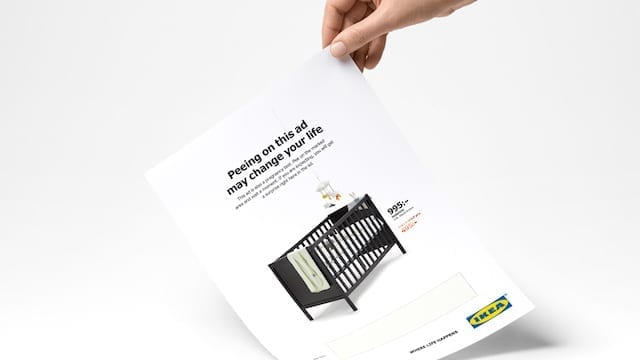
    Ikea Sweden is offering pregnant women a discount on cribs ‒ but a specimen is needed to qualify.

    Taking its cue from at-home pregnancy test kits, the furniture giant includes a swatch in its latest print advertisement. By adding urine to the special panel, a chemical reaction reveals a lower price for the crib being advertised, says Adweek.

    Devised by Stockholm advertising agency Akestam Holst, the technology was created by Marcene Labs and is being used in the advertisement in a Swedish women’s magazine. The agency even claims that technical advancements made during the work on the campaign “have the potential to improve medical diagnostics”.

    The crib in question, the Sundvik, is available online for US$119. For the discount price, available only in Sweden … mums-to-be know what to do. Or maybe they can just waddle in to the store if it is obvious they qualify.