Category: Living

Retail News Asia is committed to providing both local and global retailers with the latest Living news throughout the Asian market. This on a daily base.

  • Seaoil partners with Caltex Australia

    Seaoil partners with Caltex Australia

    Independent oil player Seaoil Philippines Inc. has taken in Caltex Australia Petroleum Pty Ltd. as long-term strategic partner for its expansion program.

    In a statement, Seaoil said it has signed a definitive agreement that forges a strategic partnership with Caltex Australia, which will acquire a 20 percent interest in the independent oil firm.

    “We have long sought for a strategic partner to complement our capabilities and competitive advantage, and we are optimistic that Caltex Australia, whose values we share and whose operations is like ours in complexity, can help accelerate our growth,” Seaoil chairman and founder Francis Yu said.

    The new strategic partnership will see Caltex Australia support Seaoil’s current growth strategy, which aims to double its retail network and terminal storage capacity over the next five years.

    Seaoil has over 400 stations nationwide located as far north as Aparri, all the way to the south in Sarangani.

    As part of the formation of the strategic partnership, Caltex Australia will supply fuel to Seaoil via Ampol, its fuel sourcing and shipping business in Singapore.

    Business ( Article MRec ), pagematch: 1, sectionmatch: 1

    “This is an exciting growth opportunity for Caltex Australia. The fact that Seaoil has chosen to enter this partnership with us is a testament to the skills and capabilities we have been building over many years in our company. It also demonstrates the value that can be created from our position as an independent fuel supplier in the Asia-Pacific region. We look forward to being part of Seaoil’s growth over the coming years,” Caltex Australia CEO Julian Segal said.

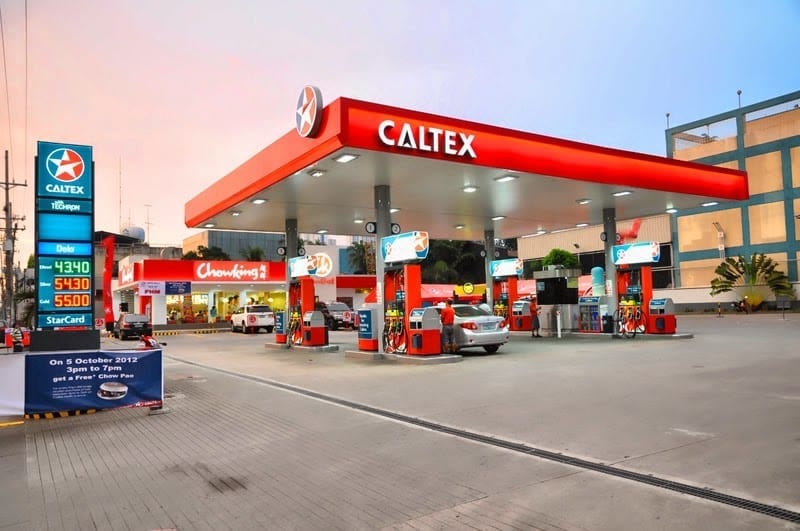
    Caltex Australia is a 100 percent publicly-owned company listed on the Australian Stock Exchange. It does not share any common ownership with the local Caltex brand, which is owned by Chevron Philippines Inc.

    In terms of size, Caltex Australia has a market capitalization of $6.5-7 billion, well above the combined market capitalization of Pilipinas Shell Petroleum Corp. and Petron Corp. by more than 70 percent.

    Caltex Australia supplies one-third of Australia’s transport fuel needs under the Caltex brand and has an extensive terminal and retail network including 76 depots, 12 terminals operated by Caltex, five major and bunker pipelines, nine airport jet fuel supply sites, and over 1,900 retail sites (including resellers and Australia’s largest retailer fuel network).

    In 2016, it sold over 16 billion liters of transport fuels and supply in excess of 70,000 commercial customers. It also has operations in New Zealand under the Gull brand and Singapore under the Ampol brand.

    In the Philippines, Seaoil has a six percent total market share and is a pioneer in alternative fuels like bioethanol gasoline and biodiesel.

    The company supplies approximately 1.5 billion liters annually through its vast network, its base fuels imported from select refineries in Japan, South Korea and Singapore and enhanced with STP additives. Seaoil conducts at least three daily checks on their fuels to check for consistency in purity and has experienced a 47 percent sales volume growth in the last three years.

    “This partnership will also mean exciting times for our employees, our franchisees, distributors and customers as we leverage our partner’s scale and expertise to provide high quality, affordable and accessible fuels and lubricants to the fast growing Philippine market.” Yu said.
  • Three hospitals to offer cheaper infant formula

    Three hospitals to offer cheaper infant formula

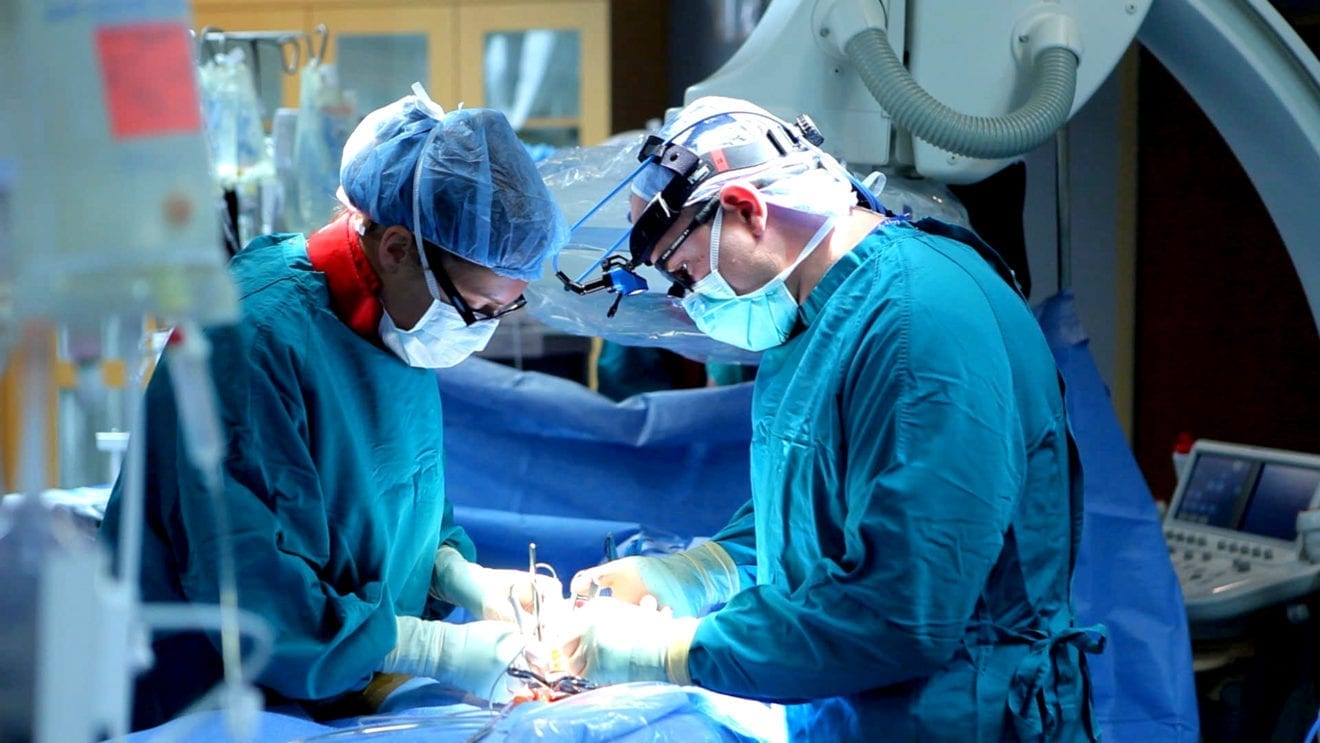
    Parents may soon find it cheaper to feed their newborn babies with a move by three public hospitals in Singapore to switch to cheaper milk powder. Those who feed their babies with infant formula could find their costs halved when the hospitals offer cheaper ready-to-feed (RTF) brands to infants in hospital from July 1.

    As most parents prefer to stick with the formula their infants had been fed while in hospital, this makes it easier for them to continue with the cheaper brands after their babies leave the hospital.

    The two brands to be offered by the hospitals are Nestle’s Lactogen and Danone’s Dulac. The companies clinched a tender against 10 others to supply the hospitals with RTF formula for a year from July 1, 2018, until the end of June 2019.

    The hospitals that will bulk-buy these brands are Singapore General Hospital (SGH), National University Hospital and KK Women’s and Children’s Hospital.

    The retail prices for Lactogen and Dulac are $2.20 and $2.50 per 100g respectively, much cheaper than the six brands now used at SGH, which cost between $5 and $7.50 per 100g.

    As a result of the bulk procurement, parents would pay between $17.30 and $20.90 per kg of formula if they choose to continue with the same brands after the hospital stay, said the Health Ministry. The prices would be maintained for the duration of the contract.

    The hospitals’ move was announced yesterday by Senior Minister of State for Health Amy Khor. It comes after a furore earlier this year over the high cost of infant formula, with prices of most brands more than doubling over the past decade.

    Under the tender agreement, the retail price of the two brands would not be raised during the year specified in the tender.

    Speaking on the sidelines of a tour of SGH’s maternity and labour wards, Dr Khor said there will be significant savings for parents who need to turn to infant formula.

    Breast milk still best

    She said all infant formulas sold here provide the necessary nutrition for babies. The two that won the tender are not necessarily the cheapest, she said, as one criterion is their ability to provide RTF formula for hospital use.

    Even with cheaper formula, Dr Khor stressed that breastfeeding remains the best option for both mother and baby.

    The proportion of mothers who exclusively breastfed at the time of discharge from the three public hospitals has risen from 76 per cent in 2013 to 86 per cent today, she noted. This was largely due to greater awareness of the benefits of breastfeeding, she added.

    Associate Professor Daisy Chan, a neonatologist at SGH, said breastfeeding lowers the mother’s risk of getting breast and ovarian cancers and helps her return to her previous weight faster.

    For babies, it is the “optimal nutrition, (and ) reduces their risk of getting infections, helps them bond with their mother and is free”, she said. Prof Chan said studies also show that babies who are breastfed have slightly higher intelligence.

    But she noted that some infants do require formula, either because their mothers are not able to breastfeed or are not producing enough milk for the baby.

    SGH uses six RTF brands, which are offered on rotation to babies who need them. It charges parents a standard $1 per feed.

    Ms Nabilla Hashim, 29, whose first child, a girl, was born at SGH on Wednesday, plans to breastfeed her daughter for the first two years.

    But the bank receptionist said she may need to supplement breast milk with formula in future.

    Civil servant Teo Ee Hong, 39, who was at SGH with his wife, Ms Chin Siew Mei, 34, who is expecting their fourth child, said his children took different brands of formula, depending on what they had been given in hospital, until age three or four. He said he was not too bothered by the prices.

  • Interviewing For A Career In Retail Management: Tips For Success

    Interviewing For A Career In Retail Management: Tips For Success

    Sitting through an interview is not easy. Coming up with the right questions is often a difficult process; you want to make a good impression and come across as intelligent, but you don’t want to accidentally offend anyone. If you need help, the information below should help.

    Retail Management: Is It Right For You?

    Retail management is a great career choice. Not only will it challenge you, but you’ll be faced with new situations on a regular basis, which means that you will never get bored. You’ll have a large amount of inventory to work with, plenty of coworkers, and a strategy to implement on a daily basis. Your hours may vary, but you can expect to be eligible for some great benefits. There is plenty of opportunity to move up the career ladder; you can start at the bottom and wind up on top one day if you work hard enough!

    Retail management is something that graduates should consider for a variety of reasons. For example, the salary can be very competitive. You may be able to travel, and depending on your job performance, you could move into a senior position over time.

    It is not easy to secure a position in retail management, however. If you want to do well, you’ll have to learn how to make your mark and stand out from the rest that are trying to secure the same positions that you are.

    A great resume is important, after all it’s the first thing people tend to look at when looking to hire someone. Ambitious people who showcase their drive on their CV are always going to be certs when it comes to getting as far as the interview stage. The character Jessica Pearson from suits is a good example of this, she’s driven, savvy and ambitious and there’s a lot that we can learn from the fictional character – you can see what can be garnered in this post about a resume makeover for tv hit “suits” character Jessica Pearson. Yes, she’s fictional, but there’s a lot to be learned from her. Yes, she’s fictional, but there’s a lot to be learned from her.

    To start, find out as much as you can about the company you are interviewing with. However, you should also take things a step further and also look into the industry as a whole. For example, check the news and trade magazines. Find out what the trends are in the industry at the moment. Form your own opinions and be ready to convey those opinions in an intelligent manner.

    If you truly want to stand out, asking well-thought out questions is the best way to do so. Many interviewers want to see that a graduate is invested in their potential new career, and asking questions is one way to show that you are serious about the job.

    By asking questions, you can also convey your enthusiasm for the retail sector. Many interviewees are hesitant to ask questions, but you shouldn’t be; it is important to do so.

    Types Of Questions

    As the interview draws to a close, the person in charge will normally ask you if you have any questions. This is your time to speak; take it seriously, because you have the opportunity to leave the interviewer with a positive impression of you.

    Remember, simply because the interview is winding down does not mean that the employer is paying any less attention to you. He or she wants you to ask intelligent questions. They want to see that you understand the business as a whole and have a firm grasp on what your job responsibilities might be.

    Determine what questions you want to ask ahead of the actual interview. It can be difficult to think of them while you are sitting in the interview chair.

    It is a good idea to have five questions prepared. You likely won’t get to ask that many; the interview will have to end some time, and if people are coming in after you, it can’t extend for too long. However, you should have extra questions ready because a few of the ones you prepared might get answered early in the conversation.

    When you are looking up the specifics of the job, the company and the industry, you can form your questions. However, some people still have a hard time coming up with questions to ask. There are a few questions you can fall back on. For example, ask how the position will help the company as a whole, as it relates to their goals and objections. That question will help you learn more about the mission of the company and what your responsibilities will be.

    You can also ask about current challenges. For instance, note something specific about the company (e.g., they are opening up several new stores) and then follow by asking what type of challenges may crop up as a result.

    Another good question involves the type of training or support you will receive if you get the job. A lot of retail management positions offer job training. Not only will it help you learn your role, but any type of training looks great on your resume. If no training is available, find out what type of support will be offered as you learn the position.

    Also, make sure to ask about career advancement. This question shows the employer that you want to do well in your role and have an eye on the future. You can learn a bit about the structure of the company as well. Another question to ask is how you can show early on that you are mastering your new role. You’ll find out more about what is expected of you.

    Finally, ask why the company is a great place to work for. Your interviewer may not be expecting this question, but it can help you learn more about the benefits involved and what the organization is like as a whole.

    When asking questions, make sure not to pose an inquiry that is easily answered through a bit of research. Don’t ask about money right away either; that is something you can talk about once the job is offered to you.


  • Findmenhair Proclaims The Online Retail Of An Array Of Human Hair Wigs

    Findmenhair Proclaims The Online Retail Of An Array Of Human Hair Wigs

    Findmenhair.com is a portal exclusively dedicated to listing and retailing a wide range of hair replacements products for both the genders including but not limited to wigs, toupees, hair toppers, and lace top closures.

    Alopecia, the medical term for baldness, as well as a thinning or receding hairline is a very widespread problem nowadays in both men and women. Today baldness is an endemic health issue that affects not only middle-aged individuals and senior citizens but also predominates in teenagers and young adults. Hair loss can happen for a variety of reasons, including diabetes, lupus, anemia, cosmetic procedures, autoimmune disease, stress, medications, burns, and childbirth to name a few. Needless to say baldness has an adverse bearing on the way one appears, potentially undermining an individual’s personality and self-confidence. However, bald persons and those with receding hairline can restore their original look by opting for a wig or toupee. Findmenhair.com is a premier online stockist and retailer of a myriad array of hair toppers, standardized and bespoke toupees, human hair wigs, wigs cap, and lace closures that are highly sought after.

    This men’s and women’s hair replacement web-based outlet has been inventorying and selling the aforementioned products for many years now. Findmenhair.com is an authorized website registered in Hong Kong that is extremely popular with numerous men and women who are inconvenienced owing to baldness or loss of hair on their foreheads. Anybody looking for a toupee or hair topper will find the best quality products on this site and that too at ex-factory prices. The online outfit always ensures that its customers not only receive quality items but excellent after sales service as well. The wigs and lace closures are available in a variety of lengths, styles, and colors implying that there is something for every prospect logging into its site. For instance, the Topaz hair toppers for women that have been fashioned out of virgin European human locks are available in 7 distinct lengths, two separate textures (wavy or straight) and wide range of colors

    Another item that enjoys a high level of demand is the half wig human hairs. The ‘long blonde top crown hair pieces human hair half wig clip in-hair extension for balding’ is a hit with women of all ages. One can either go for a stock version or place an online order for a customized wig. It’ll take at least 1 month to complete making the product according to the customer’s specifications. The strands of hair tethered to the wig are original human hairs and have been sourced from haircutting/hairdressing salons and other reliable sources.

    The human hair toppers for women with receding hairlines are available in straight, wavy, and curly styles. The site recommends customers to seek the help of a professional hair stylist or hairdresser for a perfect fit. In order to maintain the hair topper, it is advised to rest the same on a wig stand or mannequin and cleaning the toupee every fortnight.

  • Bangkok’s second IKEA branch opens

    Bangkok’s second IKEA branch opens

    No more taking the expressway across town to shop for affordable furniture at IKEA. The Swedish furniture and home accessories purveyor is opening its second branch in Bangkok in March 2018 in Bangyai, next to gigantic shopping center, Central Plaza WestGate.

    Encompassing more than 50,000 square meters of showroom and retail space, this branch promises to spoil shoppers with endless choices of sofas, chairs, tables and those pretty little things you don’t actually need but are too cute to resist. IKEA Bangyai is the first retail store in Thailand to receive the LEED Green Building certification. Plus, the canteen will offer menu items that are exclusive to this branch.

  • Thailand Tobacco cries foul on excises

    Thailand Tobacco cries foul on excises

    The overhaul in the excises, implemented in September, had put Thailand Tobacco at disadvantage, as its tax burden had risen disproportionately to that of the foreign producers, Daonoi Suttiniphapunt, Tobacco Monopoly’s managing director, told a press conference yesterday.

    She said the company had to increase its product prices while the big importers had even lowered their prices on some lines.

    She urged the Finance Ministry, which oversees the Excise Development, to review its law enforcement in the sector.

    “The problem concerns two areas – the loophole in related regulations issued by Finance Ministry and the biased law enforcement under the Excise Development,” she said.

    The new taxing structure is based on the suggested retail price of a product, instead of the ex- factory or CIF prices for the local producer and the foreign brands, respectively, that applied previously.

    The rate is 20 per cent for a cigarette pack worth no more than Bt60 and 40 per cent for higher priced packs. They also have to pay Bt 1.20 per each cigarette stick.

    The Excise Department earlier sought to reassure the industry that the new tax system would be fairer for everyone. Moreover, if any company sold cigarettes at cheaper prices to the previous level, without good reason, they would be subject to scrutiny. The department could force them to accept the suggested retail prices, which would result in higher tax payments.

    Daonoi complained that while TTM had followed the rules strictly, some of the biggest brands had failed to do so. They had taken advantage of the loopholes in the system and the lack of law enforcement to ramp up the presence of their products in the Thai market, she said.

    Within a month of the new taxing structure going into force in September, the market share of the Thailand Tobacco had dropped sharply from 80 per cent to 65.9 per cent, she said. The share held by the foreign brands rose to 32.5 per cent, at the expense of Thailand Tobacco, she said.

    Daonoi warned that TTM had started to lose money and it could lead to transfers to government coffers drying up next year. The government may lose revenue of Bt 8 billion for that year, she said.

    The company contributed Bt8.8 billion to the government this year. It also paid Bt68.6 billion in excises.

    The projected reduction in contributions would have a knock-on effect in diminished support for causes such as the Thai Health Promotion Foundation, Thai PBS television and a fund for the elderly, Daonoi warned.

    Looking ahead, the future of the company is bleak as the tax rate will go up to 40 per cent in the next two years.

    “To introduce new products to the market is not easy due to the strict laws and consumers may not welcome them, so the TTM would find it very hard to play the pricing game,” Daonoi said.

    “If the Finance Ministry and Excise Department do not thing, the company will go bankrupt,” she added.

    TTM is a state enterprise under the Finance Ministry’s supervision.

  • Asia’s Most Overworked Country Pushes For Right To Rest

    Asia’s Most Overworked Country Pushes For Right To Rest

    President Moon Jae-in’s drive to give South Koreans their “right to rest” by slashing work hours is making little headway as lawmakers haggle over pay rates for weekends.

    While the long hours were once considered necessary to fuel rapid economic growth, the grind is now seen as the source of the country’s social problems, including low birth rate and productivity. South Koreans work 2,069 hours a year, the second-most among Organisation for Economic Co-operation and Development members after Mexico.

    With the changing societal attitude toward work, Korea’s ruling and opposition party lawmakers reached a tentative agreement in November to cap weekly hours at 52, down from 68, and give an extra 50 percent in pay for weekends. Moon, who pledged to cut hours during his presidential campaign last spring, said the change “is a task that should not be delayed any more.”

    But the agreement failed to reach the plenary session as some lawmakers and labor unions argued for doubling the extra pay for weekend work to 100%. The Korean Confederation of Trade Unions said in a statement that doubling pay for weekend work is necessary to reduce working on weekends, and an appropriate level of compensation for those who must do so.

    If lawmakers fail to revise the labor law by Dec. 23, which seems likely, parliament may not be able to pick it up again until February at the earliest. A prolonged debate could put Moon’s “right to rest” initiative on a permanent holding pattern as was seen with much of former President Park Geun-hye’s legislative agenda.

    Improve Productivity

    As lawmakers argue over weekend wages, some employers say that while they agree with the need to shorten working hours, the changes should be more gradual. Kim Young-vae, vice chairman of the Korea Employers Federation, said at a forum on Dec. 14 that the change should first be applied to bigger companies with more than 1,000 employees, and that a 60-hour cap should be allowed at companies that have reached agreement with their employees.

    “Shorter working hours are necessary for the sake of happiness, but it needs to be discussed along with ways to improve labor productivity,” said Kim Tai-gi, a professor of economics at Dankook University in Jukjeon, South Korea. “Without better productivity, it would have side effects like a decline in income for workers and an increased cost burden for employers.”

    Labor productivity, as measured by total working hours and per capita GDP, was $33 per hour for Korea in 2016, compared with $24 for Chile, $41.5 for Japan, $60 for France, and $63 for the U.S., according to OECD data.

    Not all workers welcome the move toward fewer hours.

    Shinsegae Group, South Korea’s retail giant, has announced it will reduce regular weekday working hours to 35 per week from 40 with no cut in wages from 2018. But some labor unions for Shinsegae’s discount store unit, E-mart, say it will only increase the burden on workers because they will be required to complete the same workload in fewer hours. They said that by 2020, the employees could also be paid less than others who are working longer hours and receiving the minimum 10,000 won per hour promised by President Moon during the campaign.

  • PTT plans to double retail fuel margins

    PTT plans to double retail fuel margins

    PTT, the national oil and gas conglomerate, plans to double profit margin from fuel retailing business to 30% of total sales by 2022, says Auttapol Rerkpiboon, chief of operations for downstream petroleum business.

    To achieve the goal, the company has set aside a capital spending budget next year of 12.17 billion baht, with another 10 billion for each year until 2022 to expand its oil and non-oil businesses.

    Mr Auttapol said the executive board approved the increased spending last week.

    The board also gave the go-ahead to an increase in the number of petrol stations to 1,800 nationwide next year and to 2,560 by 2022. The company has 1,400 petrol stations now.

    “Competition in the retail fuel business should be fierce,” Mr Auttapol said.

    PTT hopes the spending plan will allow it to maintain its position as the top fuel retailer with a 41% market share.

    The company plans to focus on diesel consumers next year by adding two new diesel stations for trucks.

    Diesel consumers are expected to drop over the next several years because of rival projects from competitors, Mr Auttapol said.

    The focus on petrol should help offset a dip in gas sales, Mr Auttapol said. Natural gas demand is expected to drop substantially after the removal of universal government subsidies this year, making prices uncompetitive against other fuels.

    The capital spending plan calls for PTT to expand the number of Amazon Coffee Shops to 2,300 next year, up from 2,000. The shop total is expected to rise to 4,000 in 2022, Mr Auttapol said.

    Another expansion on the non-oil front will be new food and drink retailers at PTT petrol stations. Next year, PTT expects to have an additional four food franchise brands at its stations.

    Mr Auttapol said PTT is about to finalise a plan to develop budget hotels adjacent to its fuelling stations and could announce a partner for the project soon.

    He said PTT plans to expand its petrol station network in other Asean countries from 225 stations to 295 next year and to 600 by 2022.

    For lubricants, PTT also plans to increase the sale of lube products next year, particularly in overseas markets such as China, where demand for lube remains high.

    PTT expects sales of lube product in China to rise to 400 million litres by 2022, up from roughly 200 million litres this year.

    Mr Auttapol said PTT expects fuel demand next year to grow by 2-3%, which is close to growth seen this year, an assumption based on domestic economic growth of 3-4%.

    The company’s PTT Oil and Retail Co is expected to be fully spun off in 2018, he said.

    PTT Oil and Retail Co aims for a listing on the Stock Exchange of Thailand in 2019.

    PTT shares closed yesterday on the SET at 448 baht, up two baht, in heavy trade worth 1.96 billion baht.

  • Tezuka Shoten brings manga to Thailand

    Tezuka Shoten brings manga to Thailand

    Thailand’s first Japanese manga bookstore/cafe, Tezuka Shoten & Cafe, has just opened in Bangkok’s Paradise Park shopping centre.

    It has been brought to Thailand by MJ Service (Thailand), a company that helps Japanese companies set up in Thailand. MD Toru Sasaki co-presided at the store’s opening ceremony, which was attended by three Thai actresses.

    It has two zones: a bookstore featuring works by manga artist Tezuka Osamu, and a cafe serving snacks and drinks inspired by the artist’s work. There is also the Tezuka Spot where all his works can be read free in Thai on smart devices.

    The store plans family activities based on manga comic books.

  • Japanese kidult toy brands to open Korean stores

    Japanese kidult toy brands to open Korean stores

    Several popular Japanese kidult toy brands catering to adult consumers are set to open their first stores in South Korea.

    According to Hyundai I-Park Mall, the renovated kidult select shop Toys & Hobby at its Yongsan location will reopen tomorrow with some of the most representative Japanese toy brands including Tamashii Nations, Animate, Nintendo, and Good Smile Company.

    Tamashii Nations is a high-end line from famous toy brand Bandai, which produces action figures modeled after well-known characters from anime series such as Gundam, Dragon Ball, and Doraemon.

    Most of the items sold by Tamashii Nations are known for being limited editions, and many of the high-end models including super alloy collectible action figures have been sold out in the past, signaling noteworthy support from a devoted anime fan base in South Korea.

    In the past, South Korean fans were only able to get ahold of a narrow range of items at Gundam Base stores. However, with the introduction of Tamashii Nations, fans will now have access to a much wider range of action figures without having to travel to Japan.

    Animate, which is Japan’s biggest anime products retailer with over 150 stores across the country, will open its very store in South Korea.

    Animate stores have been hailed as must-visit places in Japan for South Korea anime fans, and the first South Korea store will hope to live up to expectations by offering products inspired by a variety of both game and anime characters.

    Hyundai I-Park Mall has also said that other ‘kidult’ Japanese brands such as Nintendo, Good Smile Company, and King Kong Studio will open boutiques at the renovated Toys & Hobby store, which will host a total of 18 brands in its spacious 1650sqm.

    In addition, K-pop brand WithDrama, German toy brand Playmobil, drone shop Helsel, and popup store Dotorisup, which specialises in Studio Ghibli characters like My Neighbor Totoro, will welcome fans of all stripes and cultures.

    “Despite having a market nearly 10 times larger, it seems Japan still couldn’t overlook the potential and the growth of the South Korean kidult market in recent years,” said Han Hee-kwon, an official at Hyundai I-Park Mall, commenting on the Japanese companies’ foray into South Korea.

    “With the rise of single-person households and the strong purchasing power of consumers in their 30s and 40s, the kidult market is expected to continue its growth for some time,” Han added.

  • Smart hospitals to boost cloud spending

    Smart hospitals to boost cloud spending

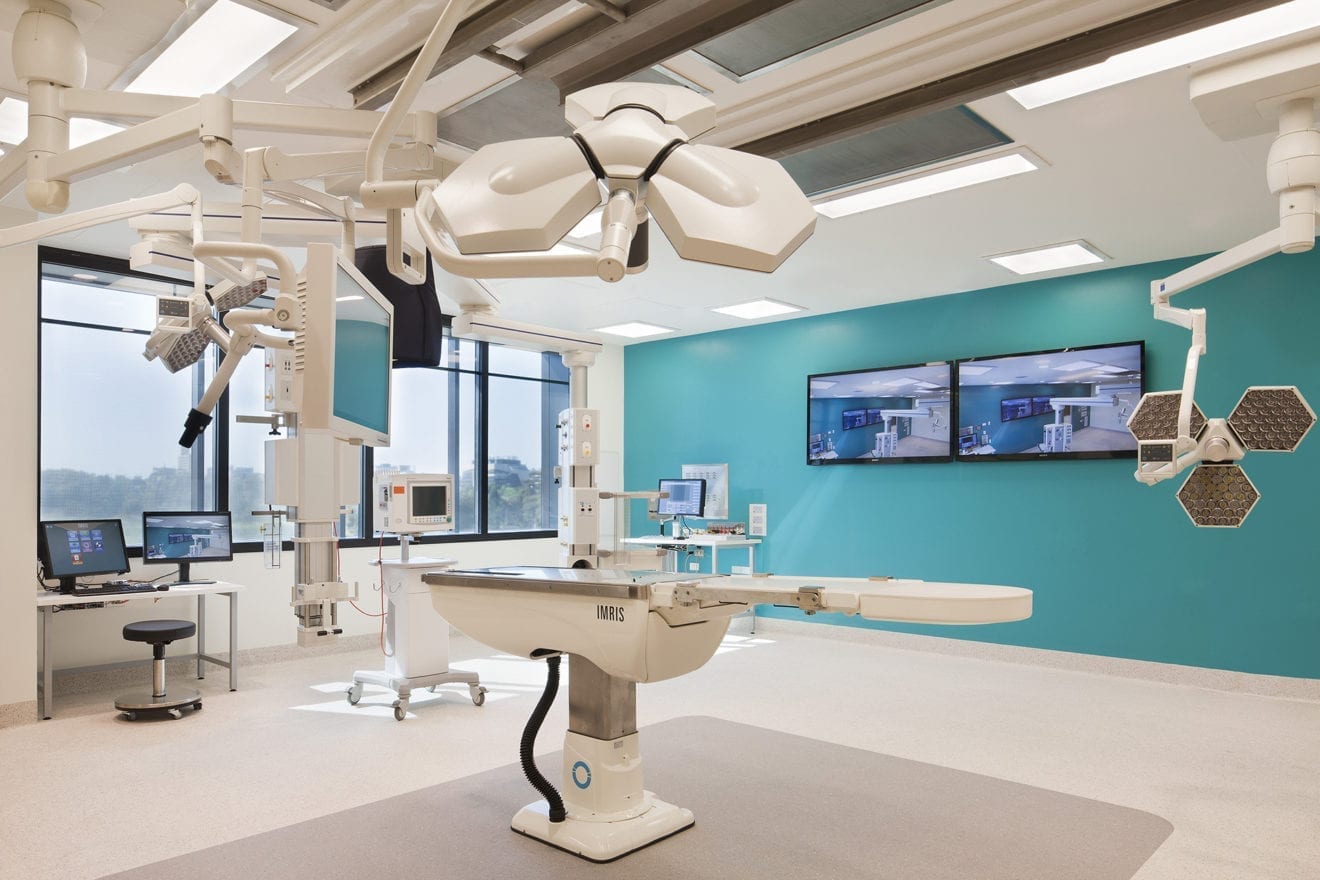
    Frost & Sullivan predicts that by 2025, 10% of hospitals globally will have completed or be in various stages of implementing smart hospital initiatives.

    The research firm projects significant market growth and billions of dollars in revenues for four key segments, including pharmacy automation, mobile asset tracking, data analytics, and cloud computing.

    Frost forecasts the market opportunity to reach about $11 billion with the data analytics market for smart hospitals reaching revenues of $5.9 billion in 2018. The cloud computing market is expected to hit revenues of $5.1 billion.

    There is currently ambiguity around the term “smart”. Transformational Health Industry Analyst Siddharth Shah says a true smart hospital acknowledges digitization as only the first step, and focuses on three major areas – operational efficiency, clinical excellence, and patient-centricity – with technological advances leveraged for these three areas to derive smart insights.

    “Not every hospital needs to become smart in a single step. Instead, the approach they need to take is to implement smart solutions, one by one, and then allow newer solutions to integrate with existing ones in the journey toward becoming smart,” said Shah.

    “This allows hospitals to implement solutions with limited financial investments, reap rewards and ROI, and then implement the next solution.”

    As for companies, some of the most advanced solution sets are being developed by GE Healthcare for patient flow, including its “Command Center” solution for the Johns Hopkins Hospital. Also noteworthy is the ThoughtWire Ambiant platform, which has customized features, such as the Code Blue events reduction solution developed for Hamilton Health Sciences in Canada.

    IBM is developing and now marketing the “SmartRoom” concept along with the University of Pittsburgh Medical Center. Omnicell has developed pharmacy automation solutions in use by thousands of hospitals and health systems around the world.

    In terms of regional readiness for the adoption of the smart hospital concept, North America leads, followed by Europe and Asia Pacific regarding technological sophistication, regulatory landscape, spending power, and end-user readiness.

    However, the hotspots for current smart hospitals are concentrated in the Asia Pacific region, including Dubai, South Korea, Singapore and Australia, some of which cater to the medical tourism industry as well. Canada and Finland are also hotspots.

    “The two largest challenges obstructing hospitals from achieving the smart hospital vision are interoperability and cybersecurity. To truly achieve a ‘smart’ status by deriving intelligent insights, various devices, systems and networks in the hospital must ‘talk’ to one another in ways that are coherent and complete for a holistic analysis,” observed Shah.

    “Digitization brings in additional vulnerabilities in a hospital for hackers to target, making cybersecurity a challenge.”

  • Eslite plans to open four new bookstores next year

    Eslite plans to open four new bookstores next year

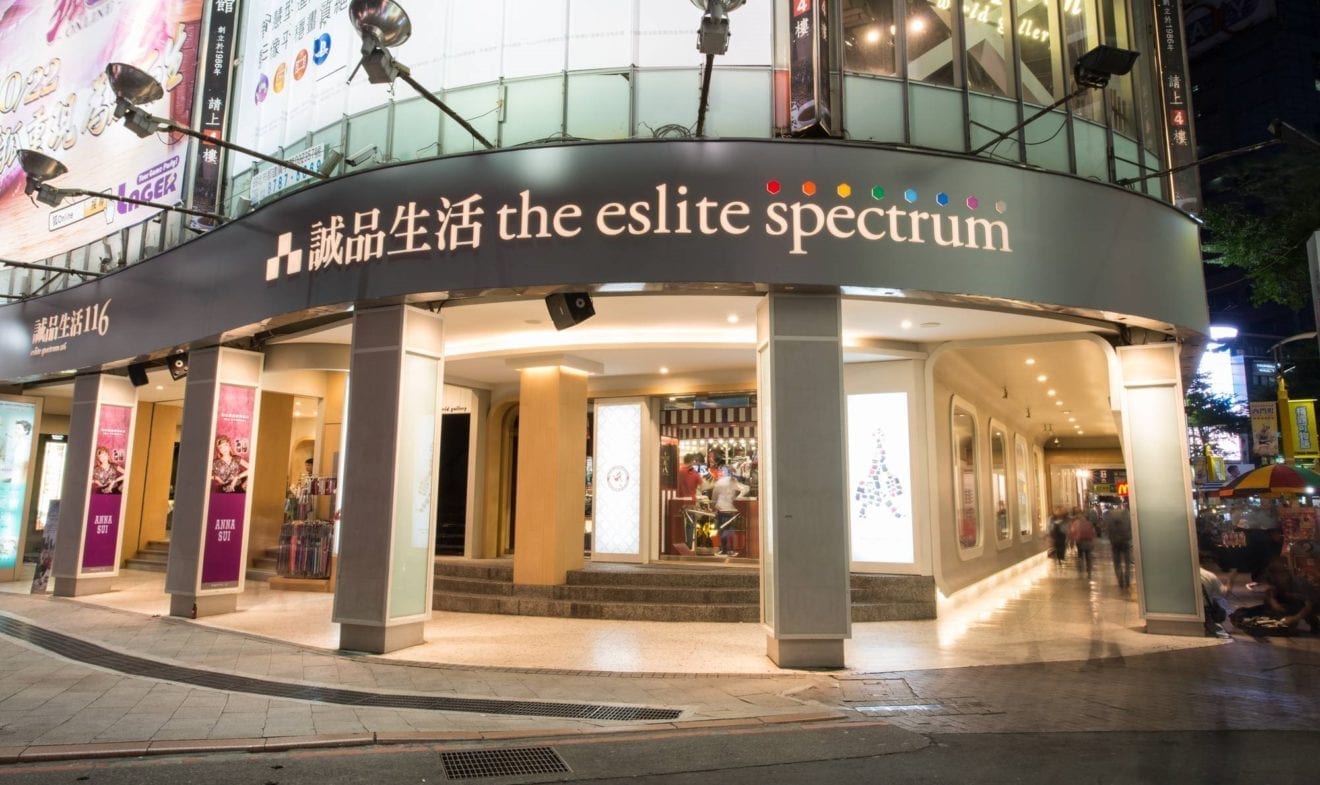
    Eslite Spectrum Corp, which runs bookstores, restaurants, hotels and commercial centres in Taiwan, aims to open four more bookstores next year.

    Launched in 2005, the company is 51 per cent owned by Eslite Corp, one of the largest retail bookstore chains in Taiwan.

    In the second quarter of next year, the company will unveil its first bookstore in Hualien county, says Eslite Spectrum VP Lin Wan-ju. This will be followed by a store in Taipei’s Shin Kong Mitsukoshi Department Store in the third quarter, and another in Kaohsiung in the fourth quarter.

    Lin says the company also plans an outlet in Taichung by the end of next year.

    While online bookstores have been gaining popularity, Lin says an Eslite survey has shown that nearly 60 per cent of readers in Taiwan still visit physical bookstores every month.

    Eslite will also use big-data analytics to understand consumer behaviour and provide better services, she says.

    The company says it has 44 bookstores in Taiwan, Hong Kong and Suzhou, with customer traffic of nearly 200 million people last year.

    Bookstores and commercial centres contribute nearly 78 per cent of the company’s total sales, while restaurants and hotels account for 18 and 4 per cent respectively.

  • Lotte chemical to expand polyethylene manufacturing unit in Malaysia

    Lotte chemical to expand polyethylene manufacturing unit in Malaysia

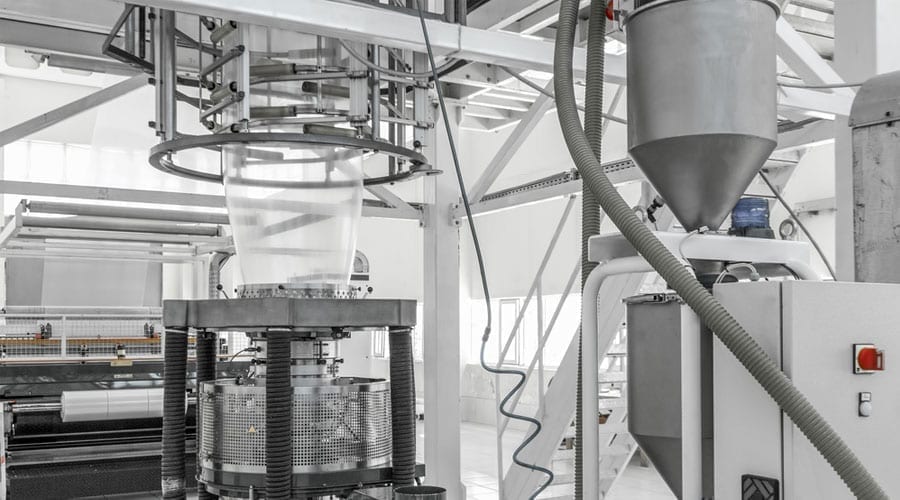
    Lotte Chemical Corp., the compound unit of Lotte Group, has extended its polyethylene plant in Malaysia to support deals in Southeast Asian markets, the organization said.

    Lotte Chemical has contributed 300 billion won (US$276 million) in growing the polyethylene production facility in Malaysia since 2015 and finished the extension venture in August, the organization said in an announcement.

    The Lotte Chemical Titan Holding Berhad plant now has a manufacturing limit of 810,000 tons of polyethylene, up 13 percent from the past limit of 720,000 tons, it said.

    Lotte Chemicalclaims a 74.87-percent stake in the plant which for the most part delivers polyethylene, the most widely recognized of plastic items. Lotte Property and Development holds a 31.27-percent stake in Lotte Chemical. The organizations are affiliates of Lotte Group, a retail-to-construction aggregate.

    Lotte Chemical intends to extend its manufacturing facilities in South Korea and the United States one year from now to have a consolidated polyethylene yield limit of 4.5 million tons globally, up from 3.3 million tons it is forecasting for the finish of 2017, the announcement said.


  • ItalianCreationGroup Plans Expansion Drive Along The Silk Road

    ItalianCreationGroup Plans Expansion Drive Along The Silk Road

    Milan-based ItalianCreationGroup, which owns Italian luxury furniture brands, plans to open 12 stores along the Silk Road over the next year.

    Co-founder/CEO Stefano Core says the aim of the company’s new retail strategy is to expand its global presence, especially in Asia.

    “We are opening stores from China to Iran, following the paths of the ancient Silk Road trading routes.”

    ItalianCreationGroup has just opened stores in Hong Kong and Mumbai, with Tokyo scheduled this week. Next years stores will open in Shanghai, Foshan and Shenzen in Mainland China, Ho Chi Minh City, Manila, Jakarta and Ahmedabad in India.

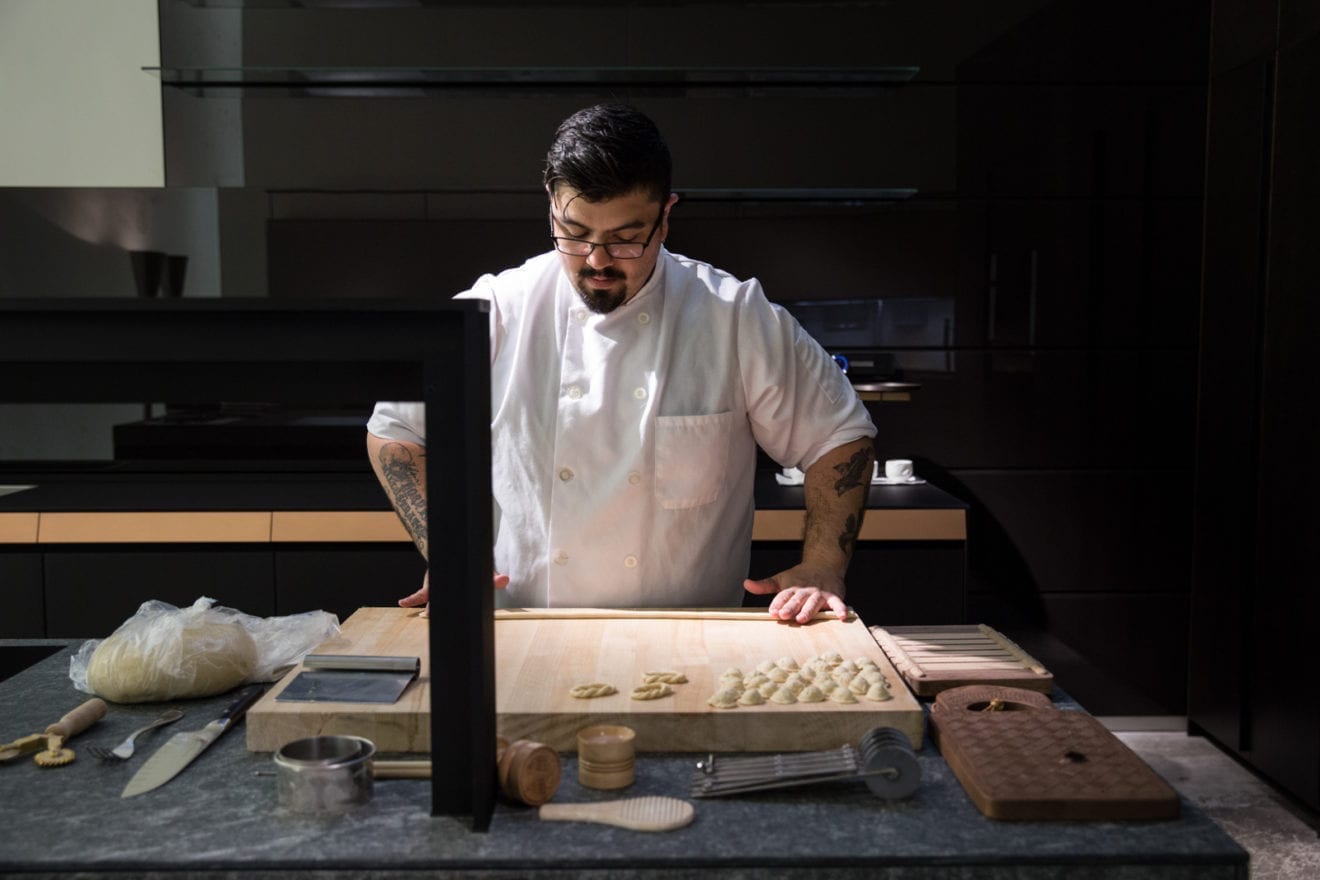
    “We believe in a new Italian renaissance,” says Core, whose company has over the past few years acquired Italian furniture brands including legendary Driade and FontanaArte, as well as boutique bathroom design firm Toscoquattro and luxury kitchen maker Valcucine (pictured).

    He says that bringing together design firms under one roof for the first time will allow ItalianCreationGroup to offer a range of Italian high-end products to the world.

    Already the company has opened flagship stores in London and New York.

  • Decathlon lands in Australia

    Decathlon lands in Australia

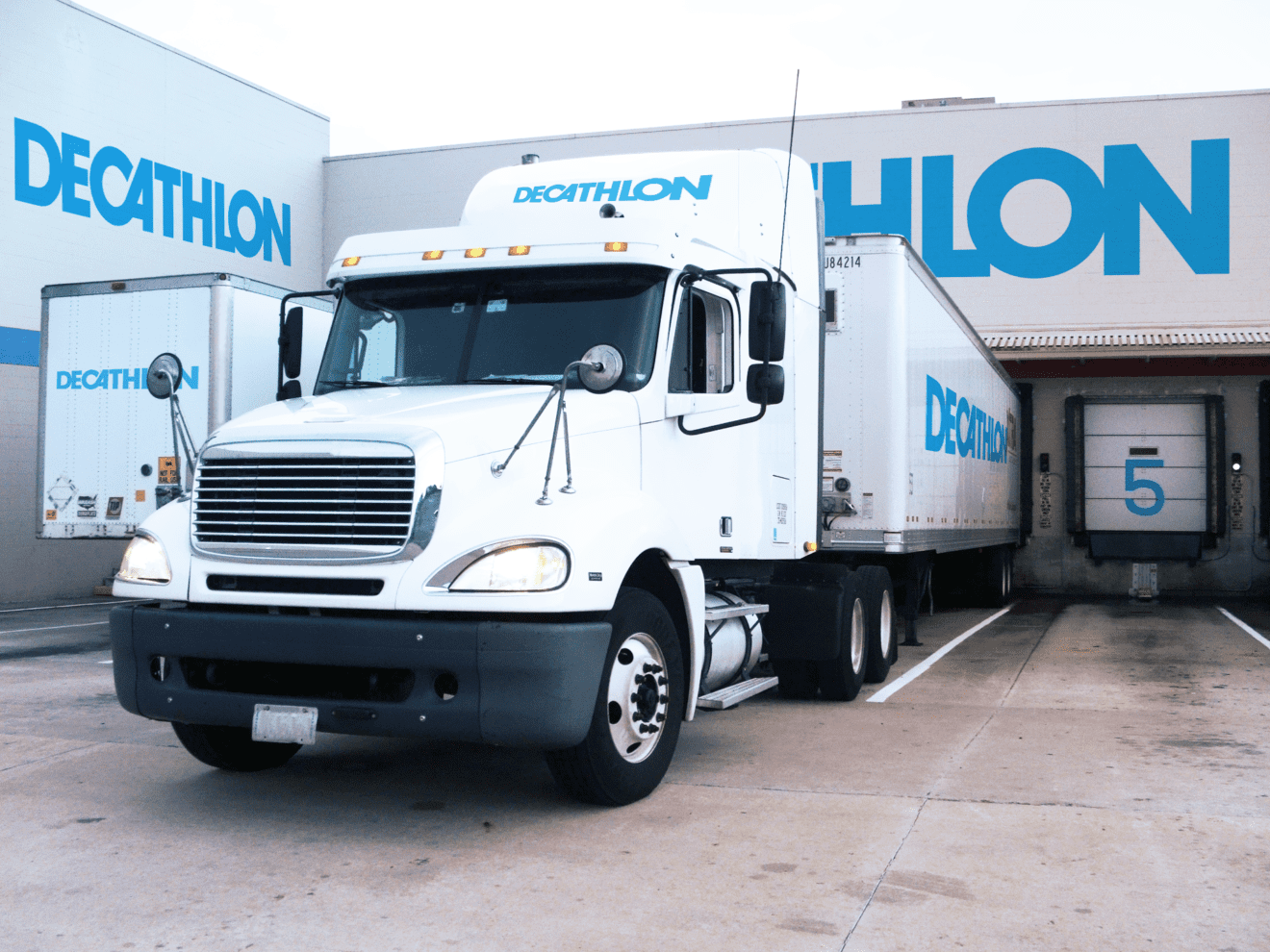
    Following its announcement in October 2017 of its intentions to open 100 Australian stores, French sporting goods retailer Decathlon have officially opened its first, which is also its flagship, store in Sydney’s Tempe.

    This marks the arrival of a disruptive force within the sporting goods retail sector, with the company attracting substantial consumer demand, generating about $100,000 in sales each month, according to IBISWorld.

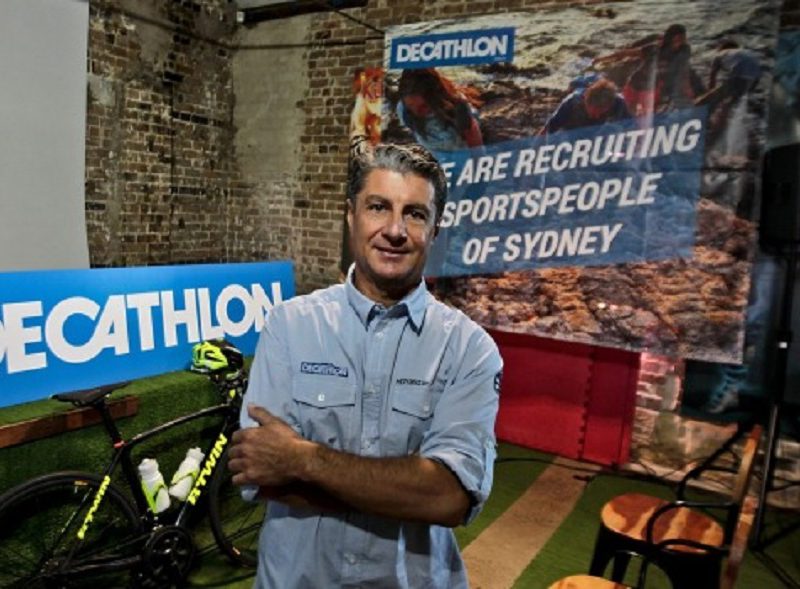
    Olivier Robinet,  the chief executive of the Australian arm of French sporting goods retailer Decathlon, promises a market disruption.

    Decathlon lands in Australia

    Decathlon has plans to open up to 100 stores in Australia, at a rate of about two to five stores per year. The price-savvy sports equipment retailer is expected to take market share from existing major players in the industry, including Rebel, Amart Sports, Kathmandu, BCF and Rays Outdoors, making it a major competitive force in years ahead.

    Decathlon primarily focuses on selling private label products at prices that are typically 50 to 70% cheaper than comparable branded goods, a model that has proven successful worldwide, with the company achieving annual sales of $15 billion across its e-commerce platforms and 1,200 physical stores in 30 countries, including the UK, Europe and Asia – and now Australia.

    Headquartered in France, Decathlon employs 80,000 staff globally and creates over 2,800 new sporting goods products and 40 patents every year.

    The Tempe store is over 3,800 square meters, with over 70 staff on hand, offering a range of more than 7,000 sharply-priced products across 70 sports and leisure categories, which is expected to attract strong demand from value-conscious consumers that enjoy activities such as camping, hiking, cycling and snorkelling.

    Camping and participation in outdoor and fitness activities have become more popular over the past five years, driving industry demand. However, demand has been somewhat constrained by negative consumer sentiment and sluggish discretionary income growth.

    Revenue for the sport and camping equipment industry is set to rise by almost 2% per annum over the next five years.