Category: Living

Retail News Asia is committed to providing both local and global retailers with the latest Living news throughout the Asian market. This on a daily base.

  • Hay pop-up by BWI Furniture launched in Jakarta

    Hay pop-up by BWI Furniture launched in Jakarta

    BWI Furniture has to introduced Danish designer furniture brand Hay to Indonesia.

    It launched a pop-up store in Pacific Place Jakarta today, running until December 10.

    Furniture such as chairs, sofas, tables, lamps and bookshelves are available at the pop-up along with accessories.

    Copenhagen couple Rolf and Mette Hay worked with businessman Troel Holch Povlsen to establish Hay in 2002. The following year they launched their first first collection at the international furniture trade show IMM Cologne.

    With a vision to create attractive furniture at an affordable price, Hay has also collaborated with such designers as Clara von Zweigbergk, Doshi Levien, Iskos-Berlin, Ronan and Erwan Bouroullec, Scholten & Baijing and Shane Schneck.

    With its main office in Copenhagen, Hay has a presence in 50 countries including 30 mini-markets.

  • Vietnam makes power price hike ahead of year-end production rush

    Vietnam makes power price hike ahead of year-end production rush

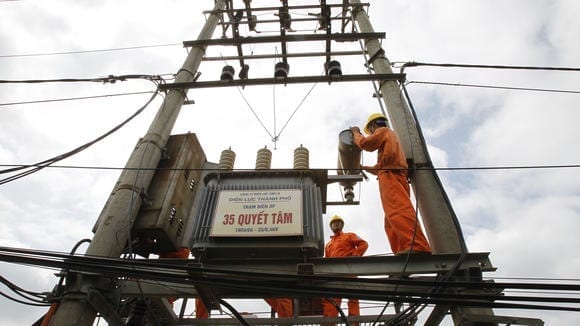
    Vietnam raised retail power prices by 6 percent on Friday, a decision that comes amid the peak year-end production season with little advanced notice.

    The Ministry of Industry of Trade issued an announcement late on Thursday that prices would be raised to VND1,721 (7.6 U.S. cents) per kWh. It said the first increase in three years was set based on “independent” audits of the power industry’s production costs and trade in 2016 and 2017.

    The ministry said earlier this year that the government would “carefully” consider any power price hikes because they could stand in the way of the country’s economic growth target of 6.7 percent this year.

    The decision has been described as a “surprise” by several media outlets, as no relevant plans or proposals have been reported in recent months.

    Vietnam Electricity (EVN), the state-owned power monopoly which also invests in power facilities, finance and labor training, reported a VND2.66 trillion ($117 million) profit in 2016, but said it lost nearly VND594 billion ($26 million) from electricity sales.

    EVN often claims losses when asking for permission to raise prices, and did so for the last increase of 7.5 percent to VND1,622 (currently 7.1 U.S. cents) per kWh in March 2015.

    Retail prices have stayed unchanged since then, but wholesale prices were lifted 2-5 percent in May last year.

    At a meeting in June, Vietnamese officials said that it’s not entirely convincing for EVN to keep justifying price hikes by claiming it is operating at a loss, given the fact that the company is also the country’s biggest debtor.

    It owed nearly VND487 trillion ($21.5 billion) at the end of last year, according to a government report issued in October.

    Deputy Minister of Home Affairs Nguyen Trong Thua has said the giant debt “definitely keeps prices high”.

  • Vietjet seeks shareholders opinion on dividend payout increase for 2017

    Vietjet seeks shareholders opinion on dividend payout increase for 2017

    he Board of Directors of Vietjet Aviation Joint Stock Company (stock code HoSE: VJC) approved on November 29, 2017 a resolution finalizing the shareholders list to collect shareholder opinion on increasing the 2017 estimated dividend payout ratio from 50% to 60%, including a maximum 40% cash dividend payment.

    If being approved, the 2017 estimated dividend payout ratio would be 60%, of which the cash dividend would rise from 30% to 40%. The purpose of this opinion collection exercise is to make necessary arrangements for the second dividend advanced payment in 2017.

    In addition, Vietjet will also collect the opinion of shareholders on the change of its business lines and the address of its headquarters to No. 302/3 Kim Ma Street, Ngoc Khanh Ward, Ba Dinh District, Hanoi City. The registration deadline for submitting opinion in writing is December 19, 2017.

    In mid-August this year, Vietjet advanced VND 645 billion (around USD 28.5 million) as 20% cash dividend payment for 2017. Before that, Vietjet also paid a 40% bonus share dividend and finalized the 2016 cash and bonus share dividend payment at the rate of 119%.

  • All about tourism in Asia

    All about tourism in Asia

    Leading insurance company, AIG brought together expert panelists from leading organisations Agoda, Hong Kong Airlines and Sunflower Travel to talk about the latest travel trends, habits and risks for travellers from Hong Kong.

    All of the panelists confirmed that their data shows the top destination for all generations of Hong Kong travellers is Japan.

    Meeting these demands, Hong Kong Airlines, has increased its flight departures to Japan and is now the carrier with the most flights from Hong Kong, providing 85 per week.

    Data analysis from Agoda, showed that over the last five years, the demand for Japan has dramatically increased with up to 40% of Hong Kongers choosing this as the number one holiday destination.

    Safety of a country is the main priority for people in Hong Kong. In the last two years, Eastern Europe and Russia have become popular destinations for travellers looking for safer and visa-free long-haul destinations.” Dennis Owen, General Manager of Branding and Social Media at Hong Kong Airlines added, “The top overseas destinations are Japan, Taiwan and Thailand. In 2018, we will see other up and coming destinations including the Maldives, which we have just launched direct routes to following the demand. Other popular destinations will include long-haul travel to the USA.”

    A recent survey by MoveHub, identified Hong Kong citizens as the world’s biggest travellers, taking over 10 holidays a year. According to ESD Life, people from Hong Kong spend 70% of their annual leave travelling overseas.

    Business Monitor International research showed that outbound departures from Hong Kong increased by an estimated 4.7% year-on-year and forecasts that this will keep increasing each year.

    “Social media is playing a huge role in helping the younger generation define their travel choices. People trust people, friends and families over brands. They see their friends posting on social media and want to go to those places. There has also been a significant increase in Hong Kong travellers booking their flights using their mobiles, especially since the screens have become larger and it is easier than ever to use the booking apps. Hong Kongers are price savvy and will book their trips overseas around airline promotions to secure a good deal. In 2018, we expect to see a growing trend for in-depth travel with people focusing on one place to visit rather than multiple destinations. Interest in visiting secondary cities will also increase, especially in countries like Japan,” added Dennis Owen, from Hong Kong Airlines.

    Peter Allen, Managing Director at Agoda Outside, commented, “A large proportion of our customers booking online are Millennials, aged between 31-40 years old. We have found that people in Hong Kong are planners and book their travel up to seven weeks in advance, earlier than any other market in the region. We can also see that they are booking traditional hotels, spending an average of HKD $1,000 per night for short-haul accommodation. Travellers are choosing mid-range hotels with 3 – 3.5 stars however, when travelling to longhaul destinations, they will choose to upgrade to 4 – 4.5-star properties. We are also beginning to see a rapid increase in Hong Kongers booking non-hotel accommodation, especially when visiting Japan during the summer holidays. One reason for this is visitors are wanting to experience how locals are living and will opt for an apartment instead.”

    According to Terrence Leung at Sunflower Travel, “The group travel sector in Hong Kong is dominated by people aged 40 plus with more disposable time and income. With the emerging trend for authentic experiences, retirees are looking for extraordinary journeys, including luxury river cruises along the Amazon and fly-cruises to Antarctica with an average travelling time of 9-12 days for long-haul trips. We also work closely with primary and secondary schools in Hong Kong, arranging educational student group trips to nearby destinations including Singapore, Taiwan, Korea and Japan. The Hong Kong Government is very passionate about this and supports students visiting and learning about other countries.”

    Commenting on new travel trends in the market, Catherine Mak from AIG added, “AIG is always adapting to the way people are travelling. Over the last year, we have noticed a demand for people looking to be protected when taking part in marathon-running holidays. In response to this growing trend, we have adjusted our Travel products.”

  • Kingsdown Celebrates 100th Branded Store in China

    Kingsdown Celebrates 100th Branded Store in China

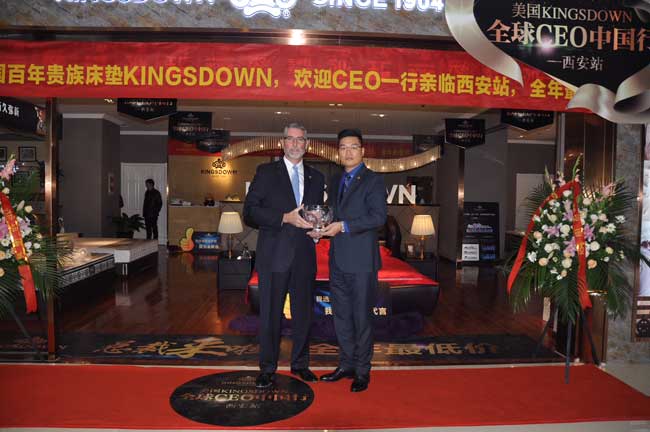
    Bedding manufacturer Kingsdown recently with the opening of its 100th store in Shijiazhuang, China. The store is part of Kingsdown’s ongoing licensing partnership with Asian-based bedding producer and retailer Roth Bedding Technology International Limited.

    The new 2,260-square-foot store, located in the capital and largest city of North China’s Hebei Province, puts Kingsdown on track to have a minimum of 135 stores open in China by the end of this year and solidifies the company’s strategy to have 500 branded stores open throughout China by 2020. Currently, Kingsdown branded stores are in 58 cities.

    Roth and Kingsdown joined forces in 2015. Since then, the partnership has increased the number of Kingsdown branded stores throughout China, capitalizing on the country’s appetite for the American brand’s luxurious style and handcraftsmanship.

    “Our business in China remains strong and continues to flourish, and we couldn’t be happier to hit this important milestone,” said Frank Hood, president and CEO of Kingsdown. “Our ongoing strategic partnership with Roth has been instrumental in the growth and success of the Kingsdown brand in China. The entire Roth team are experts in the market and their leadership and direction have been invaluable.”

    In addition to its continued growth in China, Kingsdown recently opened a second store in Ho Chi Minh, Vietnam, which is part of the company’s ambitious growth strategy throughout Asia. The company’s expansion in Asia coincides with Kingsdown’s continued growth in the U.S.

    Roth Bedding Technology International Limited is based in Hong Kong. The company is a leader in distribution platforms and retail, providing both their partners and Chinese consumers a full-service company that offers quality products.

  • Singapore’s Changi Airport Retains The Megahub Title In Asia

    Singapore’s Changi Airport Retains The Megahub Title In Asia

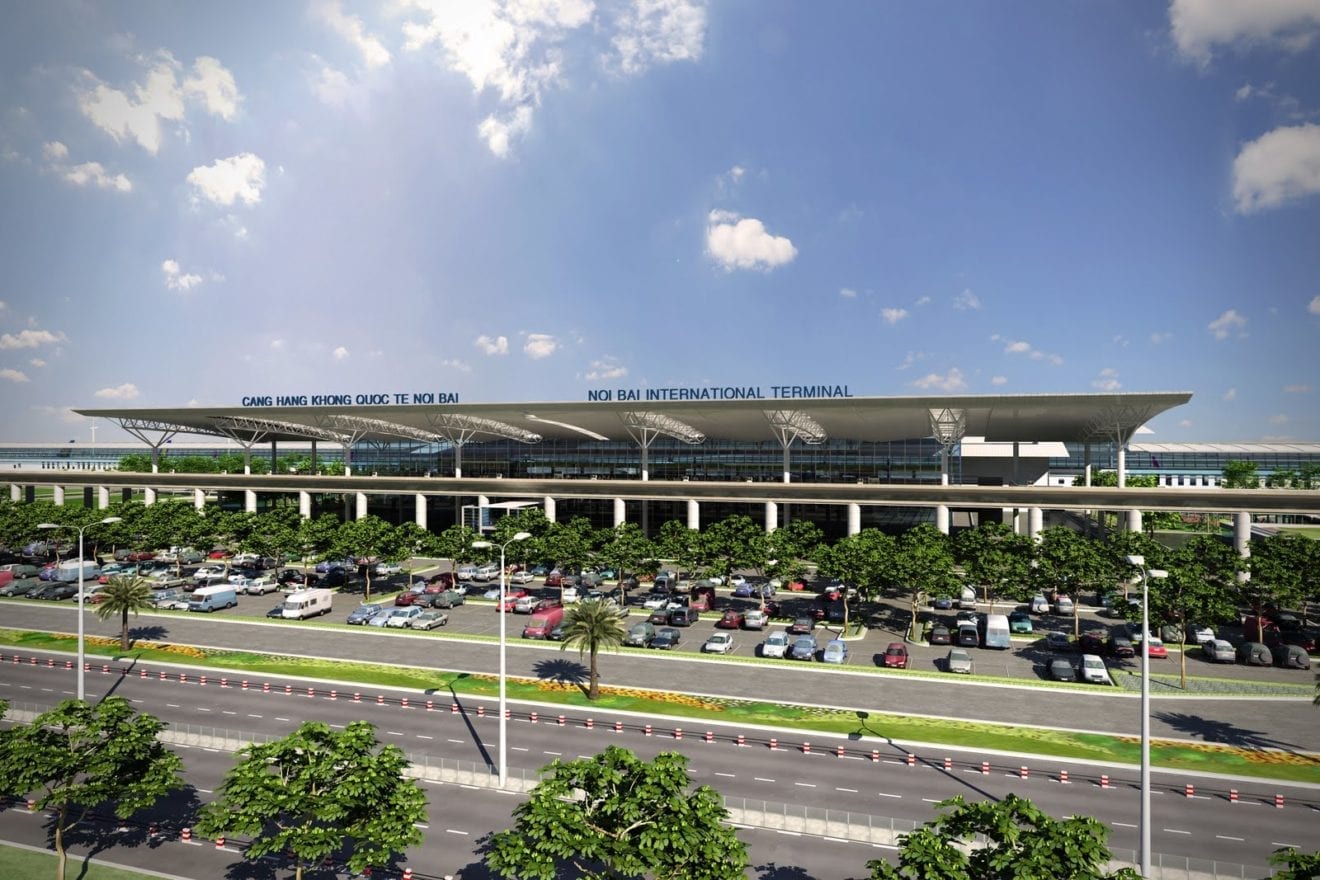
    Based on connections and destinations served, Singapore’s Changi gains the megahub title in Asia, according to the latest OAG Megahubs International Index 2017.

    If you are looking for an airport that offers the maximum connections and destinations, then of all the 16 airports in Asia that figured in the OAG top-50 annual index, Singapore led the way.

    Singapore was the top ranked Asian airport and in the global-50 list it was placed 6th with a connectivity index of 257.

    In the global rankings, London Heathrow (LHR) was the single most connected international megahub in the world by a clear margin. On a single day in July, there were over 72,000 possible international connections between flights arriving at LHR and flights departing within a six-hour window.

    Frankfurt Airport (FRA) and Amsterdam Airport (AMS) were ranked second and third, ensuring that the top three places went to European hub airports.

    There were some surprises in Asia.  Despite claims that Bangkok is the major aviation hub in the region, the rankings showed it trailed behind three other airports when connections and destinations were considered. Singapore ranked first in Asia, Jakarta second and Kuala Lumpur third.

    Bangkok was the fifth highest in Asia, with a connectivity index of 226, while globally it stood at 13th, trailing Hong Kong that came in at fourth regionally  ( 12th on the global list) with a connectivity index of 233.

  • Hej Home precedes Ikea Hyderabad store

    Hej Home precedes Ikea Hyderabad store

    Swedish home-furnishing retailer Ikea has opened a Hej Home experience centre in Hyderabad, where it will launch its first store for India next year.

    The centre will give visitors an idea of the type of products the store will offer when it opens next spring.

    Ikea country marketing manager Ulf Smedberg says the global retailer had also acquired land in Bengaluru and Gurgaon to establish stores in the coming months.

    Hyderabad’s store will cover 400,000sqft (37,160sqm) area in the city’s hi-tech area, and will display more than 7000 products, says manager John Achillea. “We’re still recruiting and also training young women to work in retail.”

    Smedberg says the company has been sourcing materials from India for 30 years. “For the Hyderabad store, we have local entrepreneurs who will help us with assembling and servicing.”

    He says Ikea. The company looked at more than 500 homes in India, and more than 100 in Hyderabad, over a range of demographics to decide on the final product line-up.

  • New Thai Vietjet route launches to bring more passenger traffic

    New Thai Vietjet route launches to bring more passenger traffic

    New route launches by Thai Vietjet is expected to bring significant increases in passenger traffic between Thailand and Vietnam starting next month. This follows the official announcement that Thai Vietjet has just received the recertified AOC (Air Operator Certificate) from the Civil Aviation Authority of Thailand (CAAT).

    The new certificate, bestowed to the airline by Transport Minister Arkhom Termpittayapaisit, is in line with ICAO (International Civil Aviation Organization) standards. It was presented to Vietjet during a special ceremony with the theme “Let’s Enjoy A New Journey” on November 8.

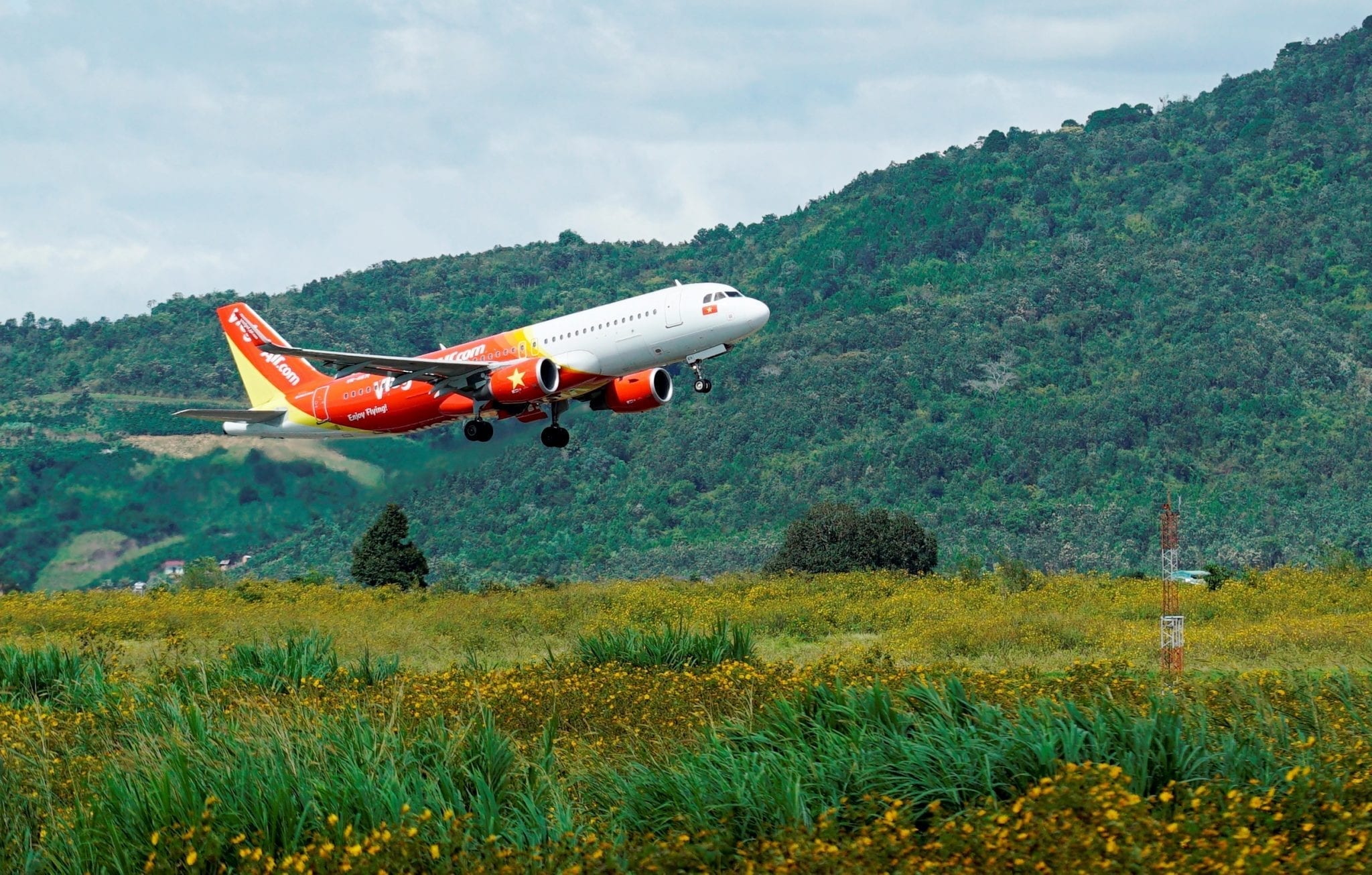
    The airline also announced a new international route from Bangkok to Dalat – known as the ‘City of Flowers’ and a much-loved mountainous retreat for local and international travelers, particularly from Thailand. Earlier, Thai Vietjet announced that it will introduce two new international routes connecting Phuket and Chiang Mai with Vietnam’s largest tourism and economic hub of Ho Chi Minh City.

    “We believe that the recertification will further reassure the confidence of travelers across the globe in our services and the Thai airline industry as well,” said Ms. Nguyen Thi Thuy Binh, Thai Vietjet’s management representative. “To further deliver our promise to contribute to the growth of Thai tourism, today I am also pleased to announce the opening of Thai Vietjet’s new international route from Bangkok to Dalat in the Central Highlands of Vietnam. The new flight will be launched just before the International Flower Festival of Dalat, which is held in December this year. I am delighted that people from these two countries can now enjoy their neighboring country even more through our expanding flight network.”

    The Transport Minister of Thailand, Mr. Arkhom Termpittayapaisit, said: “Thai Vietjet is the 12th carrier to pass the recertification process since CAAT started to recertify the AOC for airlines. I have witnessed the airline’s dedication on preparing and improving itself to successfully pass the overall operational standards of ICAO. And the new AOC, bestowed to Thai Vietjet today, is a remarkable milestone for the carrier to further prove its safety and services as it spreads its wings and continues to fly further and higher on this journey of sustainable development.”

    Commencing 18 December, 2017, the new Bangkok – Dalat route will be operated by an Airbus A320 with four return flights per week, flying every Monday, Wednesday, Friday and Sunday. The flight departs at 10:45am from Bangkok and returns at 12:45pm from Dalat with a flight time of one hour 45 minutes. One-way fares start from only THB 99 (HKD $23.33) (excluding tax and charges).

    Dalat is the capital city of Lam Dong province, located in the Lang Biang highlands – part of the Central Highlands region of Vietnam – 1,500 meters above sea level. Boasting thick pine forests and verdant valleys of postcard beauty as well charming old French villas, beautiful waterfalls and gorgeous lakes, the city of Dalat has become one of the most favorite destinations in the country and the region, particularly when it comes to winter where flowers blossom in full colors all over the city. Therefore, the city is known to Vietnamese by many lovely names such as Little Paris, the City of Love, the City of Poetry, the Green City.

    Following the newly-launched route to Dalat in December 2017, Thai Vietjet and Vietjet Group will operate a total of six direct routes between Thailand and Vietnam, including Bangkok to Hanoi/ Hai Phong/ Ho Chi Minh City and Dalat and Phuket/Chiang Mai to Ho Chi Minh City.

  • $1 billion plan taxis onto runway to upgrade int’l airports in Vietnam

    $1 billion plan taxis onto runway to upgrade int’l airports in Vietnam

    Vietnam’s aviation agency has proposed a plan to upgrade three international airports near popular tourist destinations Ha Long, Hoi An and Hue over the next three years.

    The project is expected to cost VND23.3 trillion (more than $1 billion) and includes new passenger and cargo terminals, buildings and runway upgrades, the Civil Aviation Authority of Vietnam (CAAV) said in its proposal to the transport ministry.

    It said the money would be spent at Cat Bi Airport, which is 70 kilometers (43 miles) from Ha Long Bay, Phu Bai Airport just outside the former royal capital Hue, and Chu Lai Airport, 77 kilometers south of Hoi An.

    The CAAV said Phu Bai and Chu Lai were operating far above capacity last year, while Cat Bi, which offers the shortest route to Hai Phong, is likely to be overloaded next year.

    Vietnam’s aviation market is growing at the third fastest pace in Asia-Pacific and the country is grappling with an acute dearth of airport capacity.

    Aviation authorities estimated that the number of passengers on domestic flights soared 35 percent to 28 million in 2016, accounting for more than half of the total air travel in the country.

    Airports across the country served more than 55 million passengers during the first seven months of this year, according to the CAAV. The number in July alone reached 9.1 million, up 12.2 percent against the same month last year.

    In March, the Airports Corporation of Vietnam asked for VND32 trillion ($1.4 billion) from the state budget to upgrade large airports across the country.

  • Casino investors counting on a full house in Vietnam’s fledgling gaming industry

    Casino investors counting on a full house in Vietnam’s fledgling gaming industry

    Macau’s biggest junket operator Suncity Group plans to pour billions of dollars into building a resort in Vietnam’s popular resort town of Hoi An, Bloomberg reported.

    The group has teamed up with Vietnam-based closed end fund VinaCapital and Hong Kong-based conglomerate Chow Tai Fook to build the $4 billion integrated resort and casino in the coastal town, which is scheduled to open in 2019.

    Suncity owns 34 percent of the coastal project through its Hong Kong-listed subsidiary and has a management contract to operate the casino.

    The group is one of a number of companies that have been eying Vietnam’s gaming business expansion, especially now the country has loosened regulations on gambling.

    Singaporean resort developer Banyan Tree Holdings has also asked the government to license a casino at the Laguna Lang Co resort development.

    The resort, located about an hour by road north of Da Nang International Airport, has more than 300 hotel rooms and villas plus a golf course, spas, residences and a conference center. The second phase of development at the complex will include more hotel rooms, residences and a casino, if permission is granted.

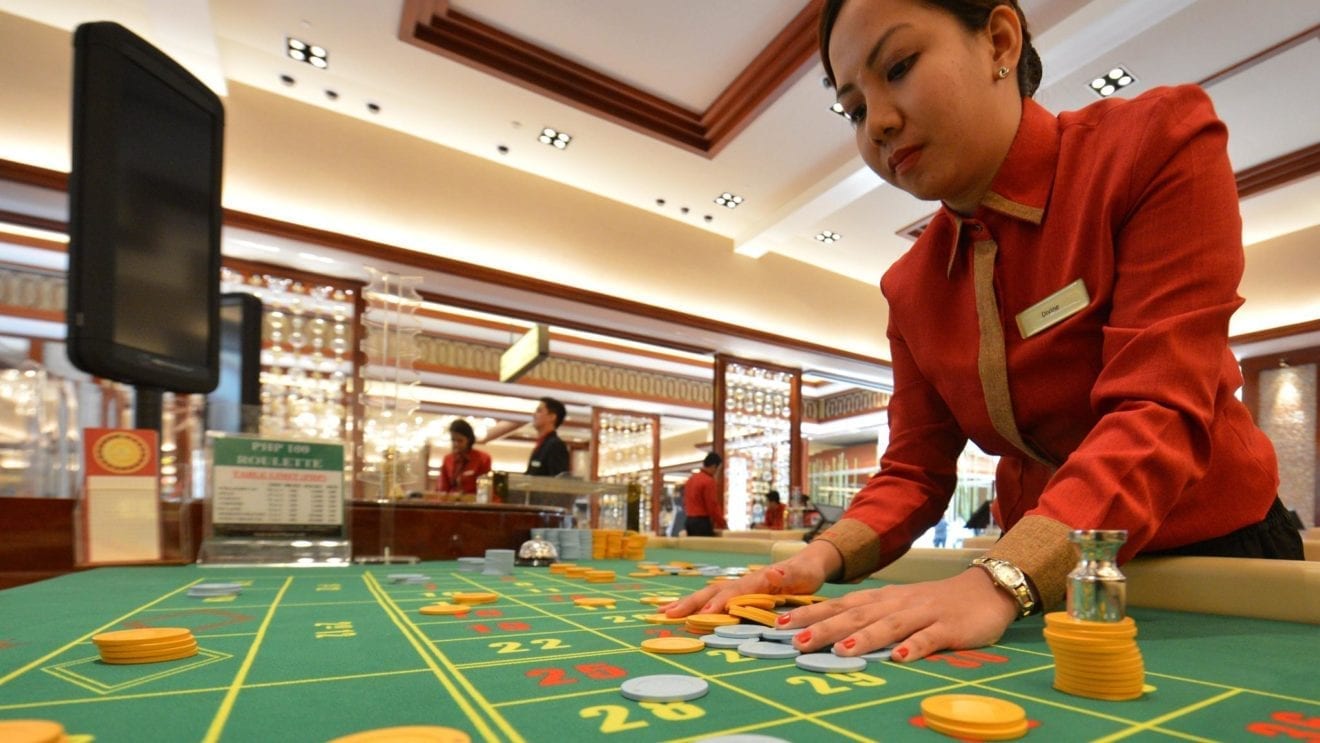
    Vietnam’s decision to allow locals to roll the dice in casinos for the first time is one of the reasons for the surge in gaming investment. Before the law was changed only foreigners were allowed in casinos.

    Earlier this year, the Vietnamese government announced that from mid-March and for a three-year trial period, citizens aged over 21 with a monthly income of at least VND10 million ($445) will be allowed to gamble in local casinos. Similar to rules governing gambling in Singapore, Vietnamese people are charged VND1 million per day or VND25 million per month as an entry fee.

    The country’s average annual income was around $2,200 last year.

    Vietnamese people are big fans of gambling, so the new regulation was expected to help casinos attract more customers.

    A study by Augustine Ha Ton Vinh, an academic who has researched Vietnam’s gaming industry extensively, showed Vietnamese spend an estimated $800 million each year gambling abroad in places such as Macau, Singapore and just across the border in Cambodia.

    Hoping to tap tourists and possibly domestic gamblers, local property conglomerate FLC Group has plans to build a casino resort in the Van Don Special Economic Zone in northern Vietnam. Quang Ninh Province’s People’s Committee has recently given the firm the go-ahead to build the 4,000-ha complex, including a casino, five-star hotel, convention center and golf course on the islands of Ngoc Vung and Van Canh at a cost of $2 billion.

    Gaming companies are interested in the casino business in Vietnam because the industry is still new and there’s little competition, said Nguyen Ngoc Thanh, vice chairman of the Vietnam Property Association.

    Those that arrive here first could easily dominate the market and maximize their profits, he added.

    In addition, the Vietnamese government has recently reduced obstacles for would-be casino developers. Hanoi used to require a minimum investment threshold of $4 billion, but that figure has been revised down to $2 billion as part of a recent decree.

    With about 30 gaming facilities, Vietnam could generate as much as $1.2 billion in gross gaming revenue each year, according to a Grant Govertsen, an analyst with Macau-based Union Gaming Securities Asia.

    Vietnam’s eight recently-licensed casinos, mostly small, generate an estimated $300 million in gaming revenue, according to Forbes magazine.

    Vietnam unwavering on casino ban for locals

    Motorists ride past a sign for Do Son Casino, made of images of playing cards, in Vietnam’s northern port city of Hai Phong.

    Not a surefire bet

    Despite investors’ eagerness to open casinos in Vietnam, it has not been that easy to attract gamblers, and many casinos have been performing below expectations.

    The Grand Ho Tram Strip is an example.

    In 2016, the Ba Ria-Vung Tau-based resort, which opened in July 2013 with 541 hotel rooms and a casino with 90 tables and about 500 gaming machines, was losing up to $3 million a month, Nikkei Asian Review quoted Ben Lee, who acted as a consultant for Ho Tram in its early stages, as saying.

    Former head of the Foreign Investment Agency under the Ministry of Planning and Investment Phan Huu Thang said casino complexes have failed to attract gamblers because of poor services.

    Most casino complexes in Vietnam are small-scale and only offer gaming. They do not provide entertainment or shopping services, he said.

    Meanwhile, some casino managers have blamed their losses for a lack of Chinese gamblers, the main clientele for most casinos in Vietnam, citing the case of the Royal International Corporation.

    The firm, which runs the only casino in Vietnam’s famous Ha Long Bay, said in a new financial report that its losses in the third quarter had jumped 23 times from a year ago to more than VND69 billion ($3.04 million).

    That added to a VND100 billion ($4.4 million) loss in the first nine months, a fourfold increase from 2016, the company said.

    Most of the losses were incurred by its casino operation, but its villa business also played a small part, it said.

    Some experts have warned that Vietnam needs to carefully consider licensing more new casinos as they could saturate the market.


  • Ikea Malaysia’s third store attracts more Singaporeans

    Ikea Malaysia’s third store attracts more Singaporeans

    Ikea Malaysia’s new third store in Johor Baru has attracted crowds of shoppers who hopped over the border from Singapore attracted by cheaper prices.

    Southeast Asia retail director Mike King says Ikea Tebrau is accessible to about 1.8 million Malaysians living within a 60-minute drive from the outlet. It is also 16km from the Woodlands Checkpoint, but some Singaporeans who drove across the causeway at the weekend faced congestion lasting up to two hours.

    Before too long, Ikea Tebrau’s 1771 parking bays were fully occupied, with some customers resorting to parking illegally along the main road outside the store, which is the largest in Southeast Asia at 46,730sqm.

    With 54 showrooms, the store offers more than 8000 home-furnishing products. It has a 750-seat restaurant featuring the brand’s signature Swedish meatballs, and this was packed on Sunday from 11am until 3pm, with some customers queueing two hours to enter.

    Meanwhile, in another Singapore connection, the BBH Singapore agency created a humorous campaign for the new store with the tagline “Now, there’s choice”.

    The campaign features four videos, supported by digital, TV, print, outdoor and radio.

    Capturing everyday domestic life, the films were shot by Argentinian director Augusto G Zapiola.

  • Koda is off to a flying start

    Koda is off to a flying start

    Expansion in China of its in-house brand Commune has kickstarted the latest fiscal year for Singapore furniture group Koda.

    With seven more Commune stores on the mainland, coupled with rising exports, Koda’s first-quarter net profit jumped 64 per cent to US$1.4 million while revenue rose 4.5 per cent to $12.3 million.

    This, coupled with lower production costs, improved economies of scale and more efficient supply chain, lifted the group’s gross profit margin by 6.1 points to 34.5 per cent.

    At the end of the quarter on September 30, Commune had 50 outlets across Singapore, China, Malaysia and Australia, and says it is on track to setting up 100 outlets in China by 2020. Over the next 12 months, Commune will be rolled out in fresh markets within Asia.

    In China, Commune is seen as being different, even avant-garde, says Commune CEO Joshua Koh. “Commune’s growing appeal among younger home-owners gives us confidence to roll out more stores in China and elsewhere in Asia.”

    Founded in Singapore in 1972, Koda is an original design manufacturer that has production and sourcing bases in China and Vietnam, plus a specialist manufacturing plant in Malaysia. Established in 2011, Commune Lifestyle is a wholly owned subsidiary managed by the third generation of the founding Koh family.

  • AEON Celebrate its 25th Anniversary with 250 Prize Giveaway

    AEON Celebrate its 25th Anniversary with 250 Prize Giveaway

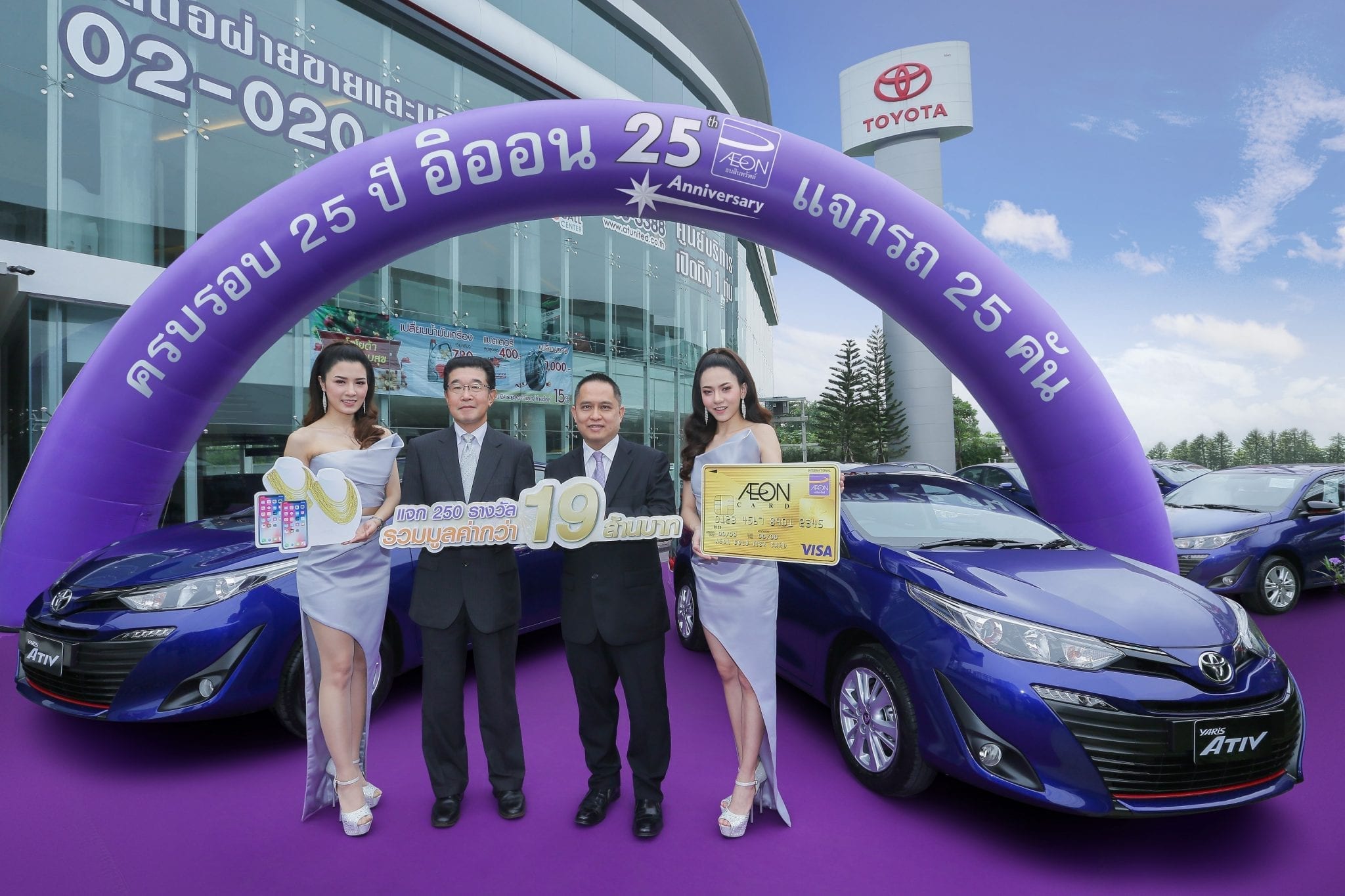
    Mr. Kiyoyasu Asanuma (2nd from left), Managing Director of AEON Thana Sinsap (Thailand) Public Company Limited, together with Mr. Nuntawat Chotvijit (2nd from right), Director of Marketing, AEON Thana Sinsap (Thailand) Public Company Limited, has announced a special campaign for its 25th Anniversary by giving away 25 Cars as prizes. To celebrate and thank to AEON cardholders for their support over 25 years, special prizes includes 25 Toyota Yaris ATIV 1.2 S, 25 iPhones X 256 GB, and 200 Fifty-Satang gold necklaces. There are a total of 250 prizes worth over 19 million baht.

    No register required, so customer eligible to join this campaign when AEON member card or credit cardholder spending, installment or cash withdrawal every 10,000 baht get 1 chance, new customer approved and active during promotion period or activate Your Cash function and withdraw cash as well as download and registration “AEON THAI MOBILE” application, will get X5 to win a prize. The special campaign will runs today until February 10th, 2018


  • AirAsia and Spotify team up to find ASEAN’s most promising music acts

    AirAsia and Spotify team up to find ASEAN’s most promising music acts

    AirAsia and Spotify are teaming up for a new nine-week campaign titled Dreams Come True with AirAsia. The campaign will pit 20 bands against each other over the course of nine weeks. At the end of the campaign, a single act will be chosen to perform with the legendary David Foster at one of his concerts next year.

    Foster, who is an AirAsia ambassador is also one of the biggest names in music production and composition, having worked with artists such as Michael Jackson, Madonna, Whitney Houston and many more. Foster has won 16 Grammy Awards for his efforts.

    The winning act will be selected via the number of streams it has garnered on Spotify over the nine weeks alone. Previous streaming numbers will not be counted.

    The 20 acts that will be partaking in the campaign are IV of Spades, Abirama, Airliftz, Axel Brizzy, Banna Harbera, Battle Bloom, BECKA, Ben Sihombing, Bil Musa, Jean Tan Li Juan, JinHo Bae, Keiko Necesario, Kuizz, Miss Lou, Reality Club, Rob and the Hitmen, Semenjana, Talitha Tan, The Façade and VVYND.

    In a statement released by AirAsia Group CEO Tony Fernandes, the mogul said “Music, Asean and making dreams come true are three big themes in my life, and it gives me great pleasure to be able to bring them all together in this way. Through this campaign, we hope to discover, hone and promote Asean’s next big musical sensation and to make a difference in their lives. I can think of no better mentor for this task than my good friend David Foster, who knows a thing or two about making hits.”

  • Global delivery service boosts investment in Central Asia hub

    Global delivery service boosts investment in Central Asia hub

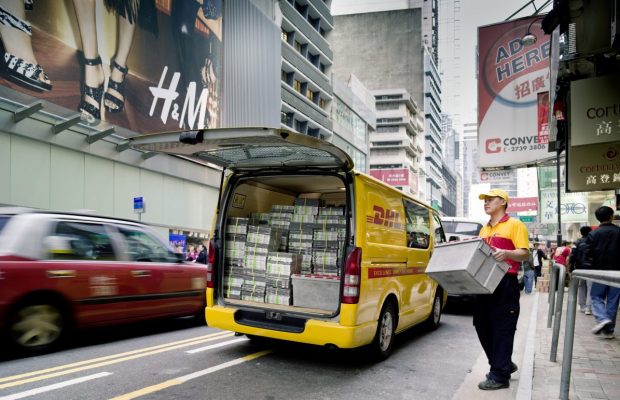
    DHL has announced a £300 million expansion of its strategic Central Asia Hub in Hong Kong to bolster regional trade. The expansion brings DHL’s commitment to this strategic hub to over £465 million, making it the largest infrastructural investment by DHL Express in Asia Pacific to date.

    Its announcement comes as the Central Asian Hub (CAH) recorded an average 12 per cent year-on-year growth in its shipping volume in the past decade. As one of three global hubs for DHL, the expanded CAH will continue to act as the core hub of the DHL Express global and Asia Pacific regional network, handling more than 40 per cent of its total Asia Pacific shipment volumes.

    Ken Allen, CEO of DHL Express, said: “Given the expected rise in international e-commerce and intra-Asian trade, DHL is committed to strengthening our global network and services. Based in a strategically important location to DHL, the expanded Central Asia Hub in Hong Kong will not only bolster our operational capacity in Asia Pacific, but also facilitate the rapidly-growing international trade demands in the region and around the world.”

    Webinar: Addressing the challenges of Total Airport Management

    During this webinar, we’ll be discussing the role data plays in airport ecosystems, how operators can connect disparate data sources and the importance of deriving truly actionable intelligence.

    The expanded CAH will be equipped with an enhanced material handling system that will improve productivity and increase the hub’s throughput capacity – from the current 75,000 pieces of shipments per hour to 125,000 pieces per hour. When operating at its full capacity, the annual throughput of the expanded CAH is expected to go up by 50 per cent to 1.06 million tonnes per annum. As a dedicated and purpose-built air express cargo facility at the Hong Kong International Airport, the expanded CAH will handle six times more in terms of shipment volume than when it was first established in 2004.

    Ken Lee, CEO of DHL Express Asia Pacific, said: “Connecting with more than 70 DHL Express gateways in the region, the Central Asia Hub plays a significant role in strengthening our existing network of hubs in Asia Pacific, including Shanghai, Singapore and Bangkok. The expansion will also help us capitalise the growth in intra-Asian trade lane that currently contributes to 40 per cent of our revenue in Asia Pacific. Equipped with fully automated X-ray inspection machines, it will increase the speed of our shipment inspection by three times – enabling us to expedite the processing speed of shipments that come through the CAH.”

    The expanded CAH is expected to begin operations in 2022, in time to capture strong demand in the Pan-Pearl River Delta (PPRD) region and completion of the Three Runway System for the Hong Kong International Airport in 2024. The expansion of the CAH will deliver about 50 per cent increase in warehouse space to 47,000m2.

    Already a TAPA Class A-certified facility, the expanded CAH will boast a state-of-the-art security system with a total of 520 CCTV cameras and an advanced access control system. The CAH also features a quality control centre (QCC) which monitors flight uplift/landing times in real time, reporting any irregularities on the spot, which in turn enables DHL to proactively notify customers in the event of flight delays or cancellations. The QCC is linked to the Asia Pacific Network Control Centre in Hong Kong and more than 70 gateways and over 500 service centres in over 40 cities in other Asian countries.

    Strategically located in Hong Kong, within a four-hour flight time to major cities in Asia Pacific and in the PPRD region, the CAH is complemented by a well-established Asia Air Network which is served by over 800 commercial daily flights.