Category: Living

Retail News Asia is committed to providing both local and global retailers with the latest Living news throughout the Asian market. This on a daily base.

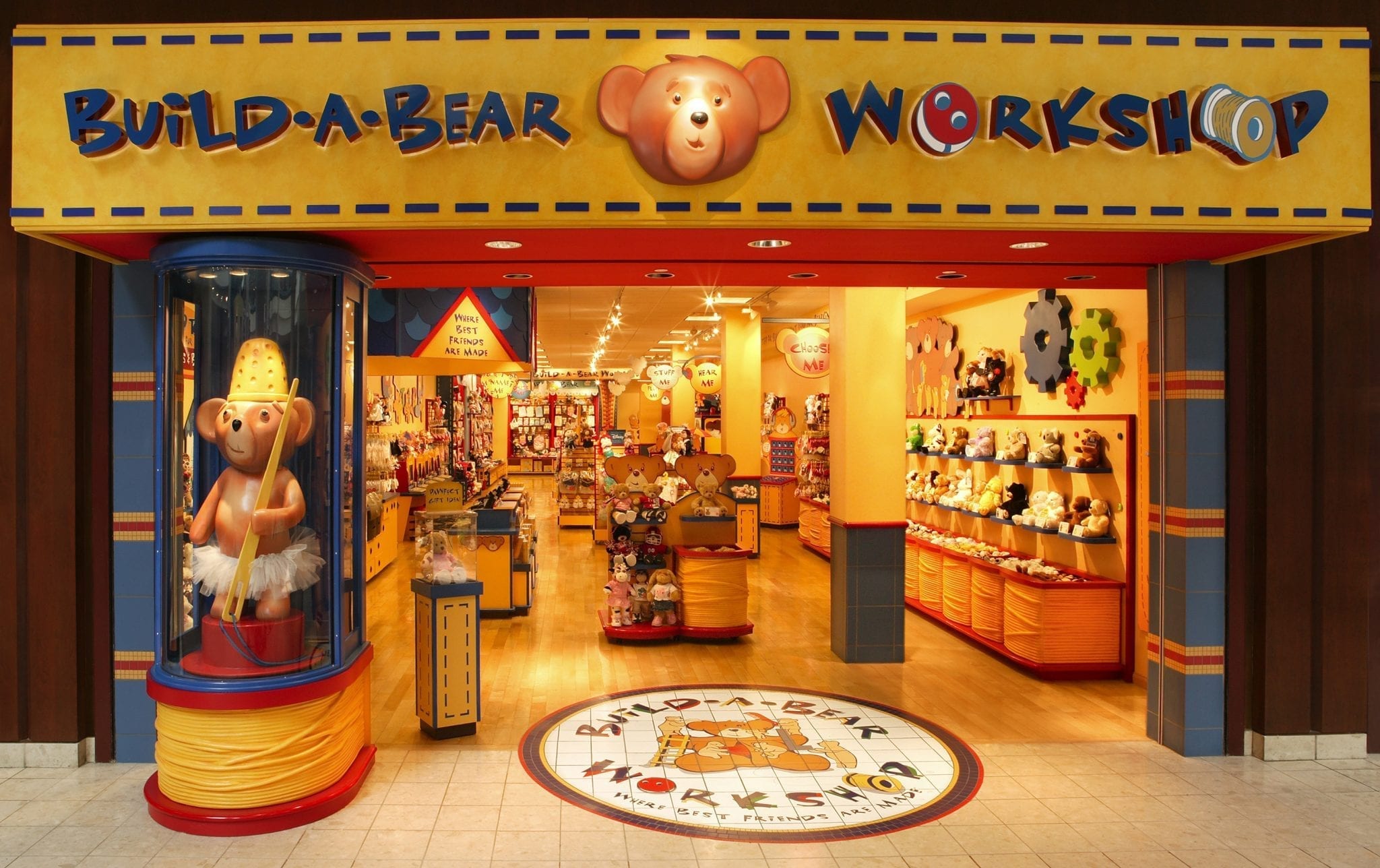
  • Build-a-Bear signs expansion deal for Asia

    Build-a-Bear signs expansion deal for Asia

    As sales fall, US experiential retailer Build-a-Bear has signed a franchise expansion deal covering China, Hong Kong and Macau.

    The new deal – with the local partner not yet revealed – will see the first store in Beijing in December. Hong Kong will follow with timing yet to be confirmed.

    At the end of September, Build-a-Bear had 353 company-owned stores, including one at the Shanghai Disney Resort in China. International franchise stores numbered 90 in 11 countries.

    With soft mall traffic in the US, both profit and sales fell in the third quarter for the company, which has relaunched its website and is planning to add more non-mall locations.

    Profit came in at US$1.4 million for the three months to September 30, while total revenue fell to $82.4 million, down from $83.7 million a year earlier. Consolidated comparable sales decreased 7.4 per cent, while for e-commerce sales the drop was 18.2 per cent.

    However, the company says its new web platform is expected to allow for improved performance in the holiday season and lead the way for increased omnichannel capabilities.

    Apart from the web transition and unexpected impact from weather, it was estimated total revenue would have been slightly positive, says president/CEO Sharon Price John. Its lapse follows three consecutive years of building profit levels.

    Build-A-Bear has been diversifying its portfolio beyond traditional stores, including a partnership with Carnival Cruise Line to introduce its retail/entertainment experience on its ships.

  • Vietnamese tech university to accept controversial Bitcoins for tuition fees

    Vietnamese tech university to accept controversial Bitcoins for tuition fees

    Experts say the decision is risky for both the school and its students as Vietnam has yet to legalize the crypto-currency.

    Vietnam’s top technology university FPT has raised eyebrows by announcing plans to allow students to use Bitcoins to pay for their tuition fees at a time when the country is still groping for ways to manage the virtual money.

    Le Truong Tung, the university chairman, has confirmed the plan, saying FPT University will allow foreign students to use Bitcoins first.

    Tung said in a Facebook comment following his post that the digital currency is a feasible solution for students from Africa because they always face difficulties transferring money out of their countries.

    But critics of the move say it may pit FPT against the government because Vietnam is yet to recognize Bitcoins as legal currency.In an interview with Tuoi Tre (Youth) newspaper on Friday, he said Bitcoin is a technology product and as a tech university in the age of Industry 4.0, FPT sees it necessary to try using the digital currency.

    Others were worried that the regulation will encourage FPT students to spend most of their time and efforts mining Bitcoins, a process that experts have warned is very risky.

    For now, Bitcoins will remain illegal in Vietnam, according to the central bank, but the government is looking to manage the virtual money through a new legal framework.

    Several government ministries and the central bank have been tasked with drawing up such framework by the end of next year, and tax policies for cryptocurrencies must be finalized by June 2019.

    Since news of this legal framework was released, Bitcoin has become more attractive in Vietnam, with computer component providers saying they have ran out of graphics cards due to the increasing demand for Bitcoin hardware.

    As explained by Business Insider and Investopedia, the process of mining Bitcoins involves miners solving complex mathematical problems, and the reward is more Bitcoins generated and awarded to them.

    Bitcoin’s value has been on the rise since early this year, hitting a new all-time high by breaking $6,000 last week.

    Yet financial expert Nguyen Tri Hieu told VnExpress earlier that investing in Bitcoins at this time is a bold move because miners may face legal action or risk going broke as it is possible that the latest price rise in Bitcoins is a speculative bubble.

    In late May, nearly $4 billion was wiped off of the value of Bitcoin in just four days after a correction that saw the cryptocurrency’s price fall almost 19 percent to $2,260.

    The central bank has warned organizations and individuals in Vietnam not to invest in Bitcoins or conduct transactions in the currency, saying they would be taking a huge risk with no legal protection.

  • Casino finds itself in royal mess at Vietnam’s top resort town

    Casino finds itself in royal mess at Vietnam’s top resort town

    The owners have reported multi-million dollar losses, blaming a drop in Chinese gamblers visiting Ha Long Bay.

    The company running the only casino in Vietnam’s famous Ha Long Bay appears to have been dealt a bad hand.

    The Royal International Corporation said in a new financial report that its losses in the third quarter had jumped 23 times from a year ago to more than VND69 billion ($3.04 million).

    That added to a VND100 billion ($4.4 million) loss in the first nine months, a fourfold increase from 2016, the company said.

    Most of the losses were incurred by its casino operation, but its villa business also played a small part, it said.

    The casino was opened in 2003 but the business has bled red ink since 2013. The company reported a VND154 billion loss in 2014.

    Managers said most gamblers come from Taiwan and mainland China, but fewer have been showing up of late.

    Vietnam has six casinos that open exclusively to foreigners, and four of them are reporting losses.

    Earlier this year the government lifted a long-time ban on Vietnamese nationals to allow them to gamble in two casinos – one on the southern resort island of Phu Quoc and the other at the Van Don Special Economic Zone in the northern province of Quang Ninh Province, close to the loss-making Ha Long casino.

    Both casinos are under construction.

  • Tigas Alliance opens innovative flagship pharmacy

    Tigas Alliance opens innovative flagship pharmacy

    Tigas Alliance, the pharmacy chain owned and run by Berjaya Pharmacy Retail, has opened a flagship at Plaza Berjaya in Kuala Lumpur.

    Farmasi Tigas Ekspres features an innovative service format that includes health advice.

    With the tagline “A pharmacy you can talk to”, Tigas Alliance focuses on providing consultation services with its own licensed pharmacists, termed #rockstarpharmacists.

    “We believe pharmacists are an essential stakeholder in the partnership with doctors to deliver holistic and effective patient care,” says Tigas Alliance pharmacist/senior manager Jennifer Tan.

    “Our mission is to promote excellence in preventive health consultations.”

    Tigas ensures its #rockstarpharmacists are kept informed of the latest industry guidelines through regular professional development sessions. No appointments are needed for customers at the store’s private consultation areas.

    Pharmacy services include health assessment and monitoring, medicine review, weight management, smoking cessation, family planning and dietary advice.

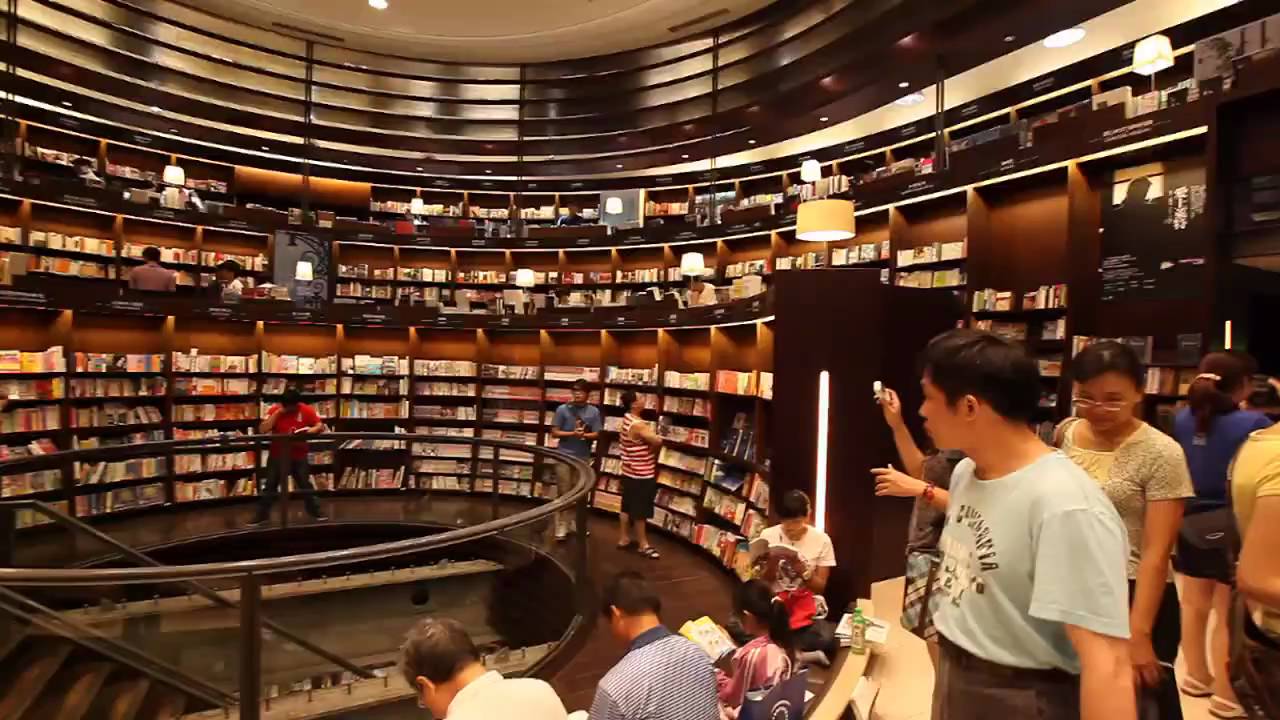
  • Yes24 testing robot to help out in bookstore

    Yes24 testing robot to help out in bookstore

    Bookseller Yes24 is trialling an autonomous robot, nicknamed Around, at its secondhand bookstore in Busan.

    Its prime job is to collect books that have been read by customers, but it is also helpful for staff members.

    Yes 24 collaborated with Naver Labs for a year on developing the robot as well as an “air cart”, an electric trolley to help staff members move books around more safely and easily. It is equipped with anti-collision features.

    More Arounds and carts will be rolled out before year’s end after the trial and follow-up software and hardware updates.

  • Ikea China pulls commercial after criticism

    Ikea China pulls commercial after criticism

    Furniture retailer Ikea China has apologised and retracted a commercial criticised for allegedly prejudice toward single people.

    Public backlash was aired on social media following the appearance of the 30-second advertisement, with the tagline “Celebrate every day in an easy way”, on Sina Weibo.

    It featured a woman harshly telling her daughter over dinner, “Don’t call me ‘mom’ anymore if you cannot bring a boyfriend home”.

    It then lightened up when the doorbell rang and a young man was revealed holding flowers. The daughter coyly introduced him as her boyfriend, and suddenly Ikea furniture popped up all over the living room. The dinner then turned into a welcome party.

  • 7-Eleven opens 500th fuel store

    7-Eleven opens 500th fuel store

    Convenience store chain, 7-Eleven, has opened its 500th fuel store at Burpengary in Queensland on Thursday, bringing its total network size to more than 670stores across Victoria, New South Wales, Australian Capital Territory, Queensland and Western Australia.

    Braeden Lord, 7-Eleven’s general manager retail operations, said that the new store was one of 40 new stores the company planned to open before the end of 2017, including 20 in Queensland.

    “We are experiencing solid growth in our network with 40 stores opening this calendar year, about half of those in Queensland,” Lord said.

    “We have another approximately 40 stores planned for 2018. The combination of our customer focused convenience offer, quality Mobil brand fuels, and the wonderful team members in our stores, positions us well to continue to grow our network.”

    Lord said the company continues to innovate to ensure it meets the needs of its customers and giving consumers choice was critical to achieving that.

    “As a business we are investing to develop new products and services, and we also look for opportunities to work with our suppliers to bring new offers and innovations to the channel,” he said. “It’s a real focus for us to not only offer the products and services consumers expect from us today, such as snacks, drinks and quality fuels, but also to be looking to what they might want from us in the future, such as food on the go including healthy options, and in-store services such as parcel lockers and digital products.”

    The new Burpengary store’s offer includes the 7-Eleven Iced Coffee which lets customers make their own drink with freshly ground coffee and fresh cold milk, and the new 7-Eleven sushi range.

    Customers will also be able to take advantage of the company’s fuel app to save when they fill up with Mobil brand fuels. The fully additised fuels include Supreme Plus 98, Extra 95, Special E10, Special Unleaded 91 and Special Diesel.

    Approximately 700,000 consumers have downloaded the 7-Eleven Fuel App and in the 18 months since its launch have saved more than $2 million.

  • Red Ant Asia brings toy-shop mascot to life

    Red Ant Asia brings toy-shop mascot to life

    UK toy retailer The Entertainer has teamed with Hong Kong retail technology company Red Ant Asia so its mascot can talk to online customers.

    They can ask the retailer’s mascot Jack (as in the jack-in-the-box toy), dressed as Santa for the occasion, about items available for the festive season. Jack, who can be addressed by either voice or text, also offers Christmas jokes and information.

    Jack also asks two profiling questions – age and price range – so he can provide an appropriate link to The Entertainer’s gift finder.

    Artificial intelligence via natural language processing identifies and classifies customer questions so Jack can give the most relevant response from his database of answers. Human helpers can continuously refine the process.

    “In many ways, Hong Kong is leading the way when it comes to the adoption of AI and conversational commerce, and it is expected to make a significant contribution to the economy over the coming years,” says Red Ant Asia regional director/co-founder Elisa Harca.

    The Entertainer head of online and digital Rob Wood says the company wanted to use Red Ant’s experience to deliver a virtual assistant that ticks all the boxes. “We wanted something fun, relevant and genuinely useful, and Santa Chat is all three. It also paves the way for future connected retail initiatives.”

    Founded in 1981 by husband-and-wife team Gary and Catherine Grant, The Entertainer has more than 130 stores in the UK and six internationally. Its e-commerce platform offers a 30-minute click-and-collect service.

  • Smiths City puts off capital return again

    Smiths City puts off capital return again

    Smiths City Group has delayed a planned $5.7 million capital return to shareholders a second time as increasingly tight trading conditions prompted the retail chain to downgrade its first-half earnings outlook.

    Christchurch-based Smiths City won’t consider the capital return until 2018 as stiff competition and the need for more investment in its transformation programme led the board to maintain a more conservative capital structure.

    The retailer already delayed plans to pay 72 cents per share in a compulsory acquisition and cancellation of three shares in every 20 over outstanding regulatory issues, having first floated the return in June.

    The retail environment has attracted strong competition, especially in consumer electronics, digital products, and whiteware.

    Smiths City said revenue will likely fall 3 per cent in the six months ending October 31 from the $113.9 million reported a year earlier, implying first-half sales of about $110.5 million.

    “We expect group profitability to be lower than the same six months last year, with a weaker retail performance partially offset by a strong performance from our finance operations,” chair Craig Boyce said in a statement.

    “In the face of these challenges, it is appropriate the company maintains a more conservative level of gearing. The Smiths City board has resolved to review the position during the 2018 calendar year.”

  • Ikea has transformed the modern design world

    Ikea has transformed the modern design world

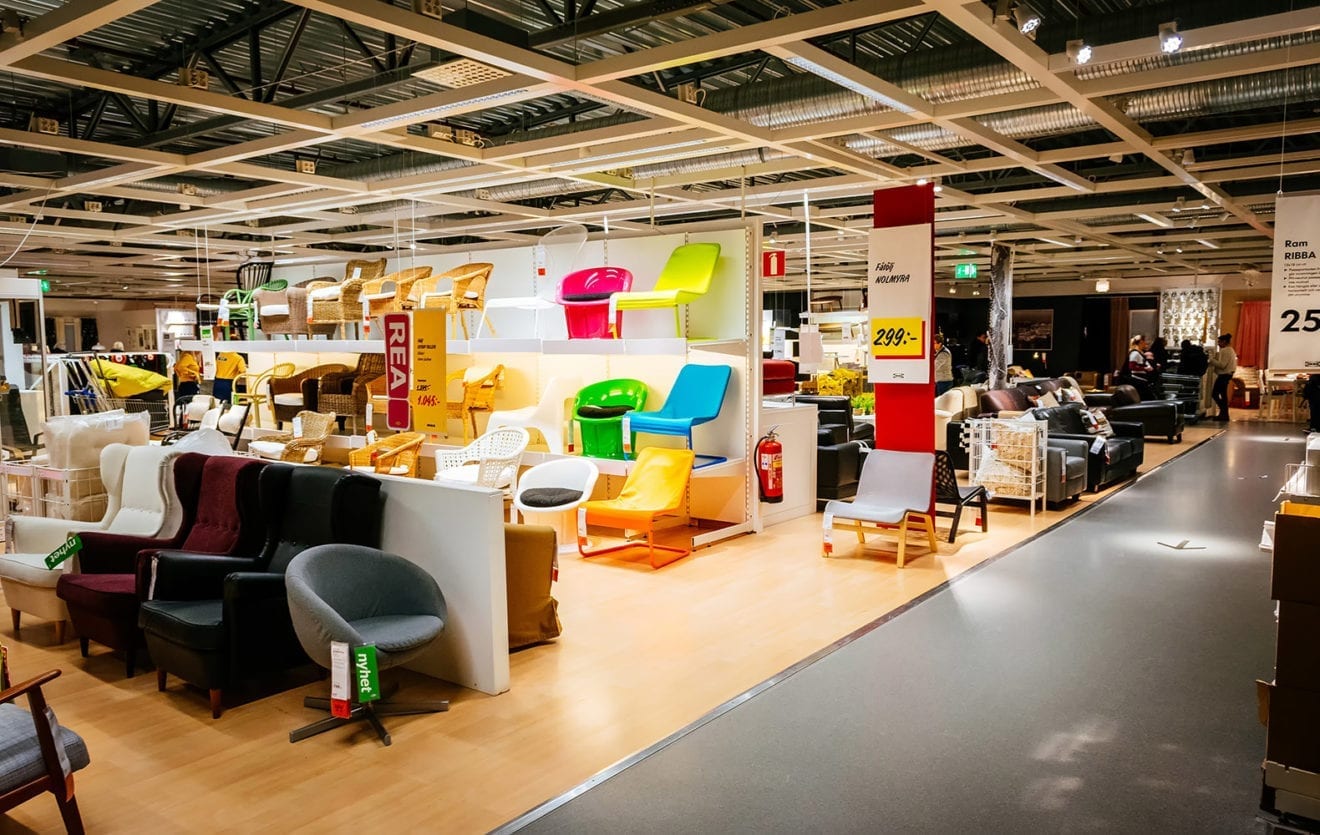
    For decades, Ikea has filled homes across the world with bookcases, beds, cardboard boxes and countless tea lights. The company’s business model, based on huge production runs of identical stock, allowed it to export Scandinavian style at an affordable price.

    Its products are so popular and so ubiquitous, that you might find yourself in a friend’s home sitting on a sofa that is very similar to your own, looking at a bookcase that matches yours and eating with very familiar looking cutlery. Ikea created a reasonably priced way for customers to express themselves at home, and while it may also have helped build a world of indentikit interiors, it opened consumers to what was otherwise expensive design.

    As a product design specialist I applaud Ikea for how they have developed their business and invested in design to bring great products to the masses, including the use of materials to drive down prices – look inside one of their coffee tables and you’ll find a hollow core supported with card.

    Ikea’s trades on the idea of family connections and aims for an emotional connection with customers. Instead of relying on numbers, for example, products are named after Scandinavian islands, names of people, birds and berries.

    They continue to innovate in materials and production techniques which drive prices lower and lower. When the first UK store opened in 1987 (the company is celebrating its 30th British birthday) the cost of a loaf of bread was around 40p, and the classic “Lack” coffee table retailed at £18. Today, three decades on, that same table costs £14.

    Ikea are widely considered as the “kings of flat pack furniture”, having cleverly exploited the potential of DIY assembly. Being able to visit a store, pick a wardrobe, chuck the cleverly packaged parts into the boot and drive home proved to a very popular approach, avoiding waiting weeks for delivery and simple – even if the accompanying instructions aren’t always as simple as they look. Social media is full of insights about Ikea-instigated arguments over how to construct furniture (or even just trying to navigate the stores’ pathways). But the company remains highly thought of.

    Scando-chic

    Ikea’s Scandinavian roots and design DNA made it stand out when it arrived in the UK (it was already well established in Germany, France, Japan and Australia). Along with Habitat, Ikea spearheaded a clear departure from chintz and overly decorative furniture and homeware. The new shopping experience of choosing from “rooms” set up with Ikea goods excited customers who came from far and wide to visit the distinctive blue and yellow box-like stores.

    Ikea’s range of products has expanded and evolved in the last 30 years but some items like the famous Billy bookcase, continue to sell as they have done for decades. The Billy is a beautifully simple product that can be transformed with hundreds of options, whether you want to change the colours, add doors, or expand the size of your collection.

    The popularity of Ikea means so many people have the same furniture, bedding and accessories in their homes. But it also means a lack of individualism in the very places we like to think most reflect our personalities. Nevertheless, some aim to customise: “Ikea hackers” turn colanders into lamps or shelves into headboards, producing unique pieces from mass produced products.

    Modern design

    Ikea itself has not become lazy or complacent when it comes to design. The PS 2014 pendant lamp, one of their most famous recent additions, is an engineering masterpiece.

    Closed, the lamp forms a white sphere with a jigsaw style pattern. But with the simple pull of a string the sphere opens, revealing its interior copper colour and increasing the brightness of the light emitted. It works beautifully and offers a great user experience. It is something to show off, and a real talking point.

    Other parts of its range demonstrate great Scandinavian design at a much higher price point.

    In my own home, I have a Malm bed, assorted cushions, candles, bedding and cutlery – simple, stylish and good quality. And they didn’t cost the earth. I don’t know anyone who doesn’t own at least one Ikea product. From its humble and fitting beginnings on a kitchen table in Sweden in 1943, Ikea has transformed the modern design world.

  • Philippines bans companies from forcing female workers to wear high heels

    Philippines bans companies from forcing female workers to wear high heels

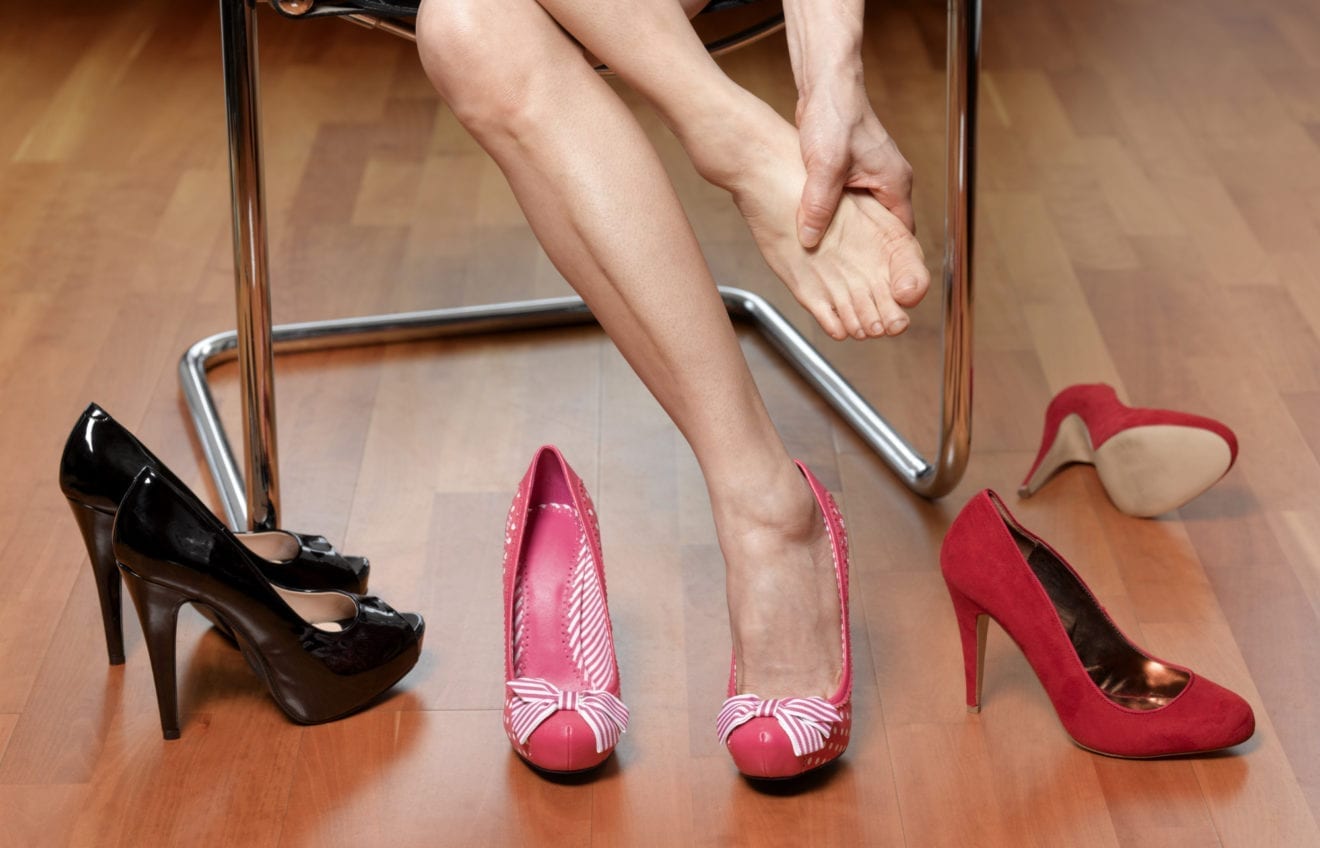
    The Philippines has banned companies from forcing women to wear high heels – a move that’s been hailed as a landmark victory against sexism by labour unions.

    The new government order, which came into effect on Sunday, dictates that employers should implement the use of “practical and comfortable footwear” and that workers must not wear heels that are higher than an inch, unless they choose to do so.

    The move will likely be especially welcomed by retail clerks, receptionists, security guards, flight attendants and other professionals who spend a large portion of their day on their feet.

    The government’s labour department said that wearing high heels while standing for prolonged periods of time may cause sore feet and aching muscles but also “hazardous” pressure on joints.

    “It’s a form of torture. It’s a form of oppression and slavery. Imagine having to endure that pain for eight to 10 hours a day,” Alan Tanjusay, spokesman for the Associated Labor Unions told.

    “It’s also a form of sexism because culturally employers say women wearing high heels look taller and sexier and are then more attractive, more effective in selling products. They don’t know the women are suffering,” Mr Tanjusay added.

    The government also said that companies must give workers who spend a long time on their feet rest periods or seats to reduce the time they spend standing or walking.

    In July, researchers at the University of Aberdeen published a study in which they argued that more needed to be done to address the problem of women being forced to wear high heels in certain jobs.

    The academics said that certain footwear increases the chances of developing certain damaging musculoskeletal conditions.

    Earlier in the year the UK Government rejected calls for a blanket ban on enforced high heel wearing.

  • Jardin Sacai capsule collection for Colette

    Jardin Sacai capsule collection for Colette

    Following a showcase at Colette in Paris, Japanese fashion label Jardin Sacai has bringing a capsule collection to Asia, starting at the Colette Hong Kong flagship store in Central.

    Available until November 6, the collection features collaboration projects with niche luxury brands such as Astier de Villatte, Be@rbrick, Fragment Design, Globe-Trotter, Lacoste and Zucca.

    Label creator Chitose Abe, previously with Comme des Garcons, has previously collaborated with Nike and The North Face on exclusive capsule collections.

    “Colette was one of the first retailers to start carrying the Sacai collection when I first started my line, and has always felt like home to me,” says Abe.

    Meanwhile, Colette plans to close its flagship Paris concept store on December 20, two decades after it was founded by Colette Roussaux, who is stepping down.

  • Toys R Us Asia mulls IPO

    Toys R Us Asia mulls IPO

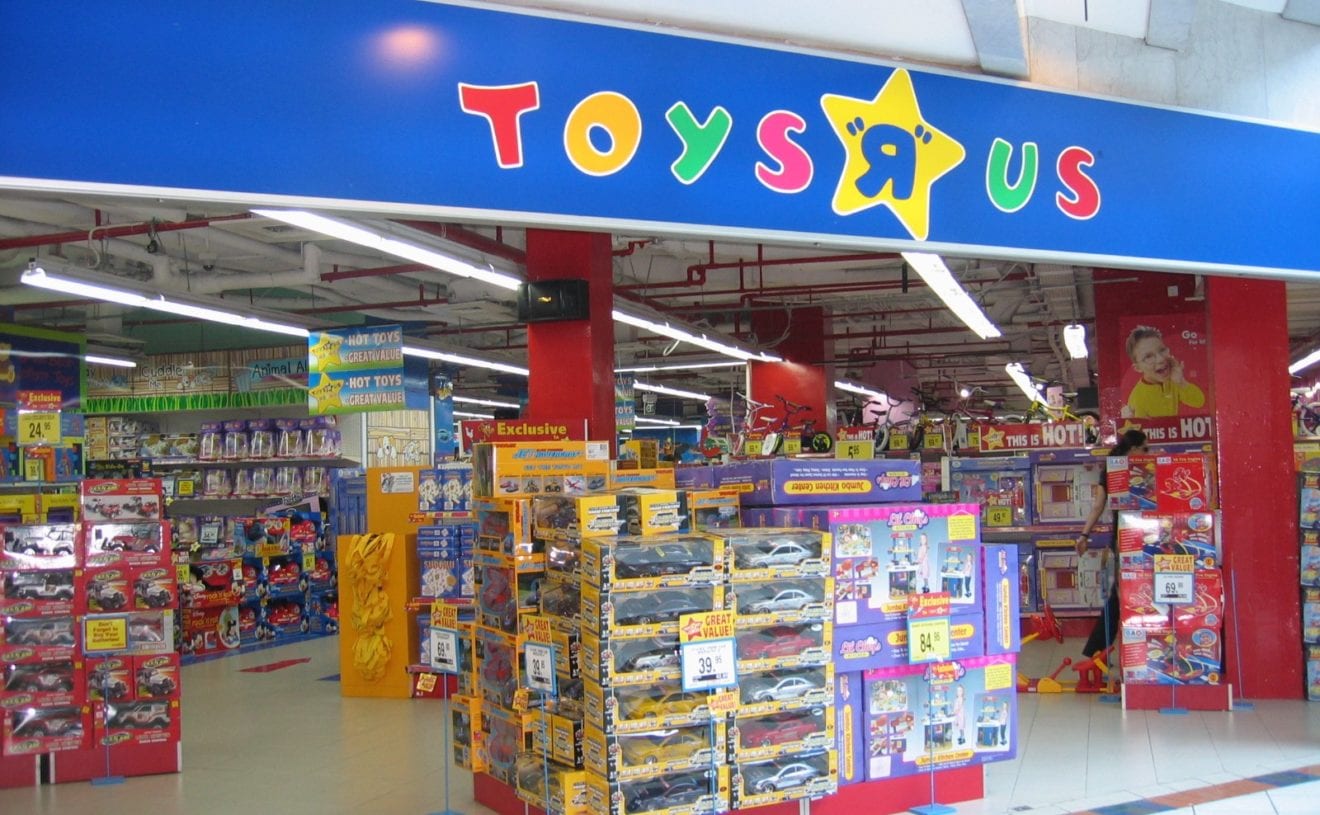
    Toys R Us Asia is investigating the feasibility of listing in Hong Kong.

    According to overseas media reports, funds raised from selling shares in the Hong Kong-headquartered joint venture with Fung Group could assist the crippled US parent company with its restructuring under bankruptcy protection.

    The Toys R Us Asia business is performing solidly and the company is in the process of expanding its store network.

    Toys R Us and Fung Group have been discussing the option with investment banks, reports Deal Street Asia. A deal could value the Asia unit – not included in the bankruptcy filing – at as much as US$2 billion.

    Toys R Us owns about 85 per cent of the Asian venture, with the balance held by the Fung Group, the private holding company of Hong Kong billionaire businessmen Victor and William Fung.

    Toys R Us dominates the $20.7 billion Asia Pacific market for traditional toys and games, according to Euromonitor International. It had a 20 per cent share last year of sales of dolls, action figures, puzzles and similar products. Its closest regional competitor had a 1.4 per cent share.

    Growth in Japan and the Asia Pacific helped offset weaker sales in Europe and the US in the quarter to April 29, Toys R Us reported in June. This followed the company combining its Japanese business with a JV running more than 400 stores in greater China and Southeast Asia.

    With 1600 stores internationally, the brand sought bankruptcy protection after being ravaged by online rivals and price wars.

    Toys R Us Asia was set up in 1986. The Fung Group is also the biggest shareholder in Li & Fung, a global supply chain with clients including Wal-Mart Stores.

  • Netflix adds 5 mln subscribers, doubles profit

    Netflix adds 5 mln subscribers, doubles profit

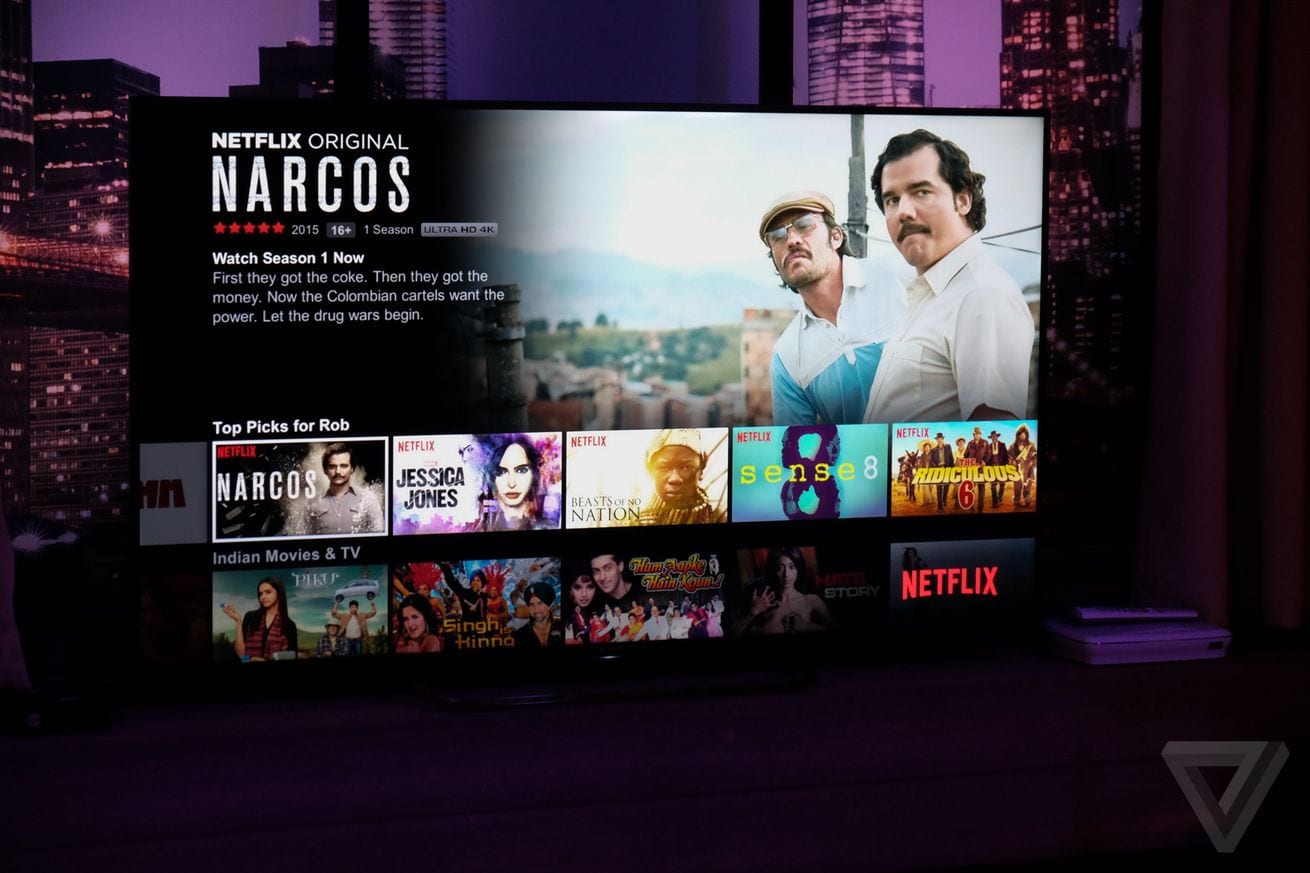
    Netflix said Monday it added some five million new subscribers over the past three months as profits doubled, in a quarterly update that sent shares of the streaming video giant higher.

    California-based Netflix ended the third quarter with more than 104 million paid subscribers, with international memberships hitting 52.7 million and overtaking the number of U.S. subscribers.

    Net profits meanwhile jumped to $129 million, more than double the figure from the same period a year ago for the video giant known for “House of Cards,” “The Crown” and other original shows that are part of its library.

    Revenues in the quarter rose 30 percent from a year ago to $2.98 billion, Netflix said.

    “We are growing nicely across the world and are on track to exceed $11 billion in revenue in 2017,” a letter to shareholders said.

    “Internet entertainment is delighting consumers, and we are staying at the forefront of this once-in-a-generation opportunity.”

    Netflix has been aggressively expanding around the world, and is now present in some 190 markets, making it the leading service for streaming or on-demand television.

    Shares in the company jumped 1.7 percent in after-hours trade on the stronger-than-expected results.

    Earlier this month Netflix said it was increasing prices for customers in the U.S. and parts of Europe to help fuel investments in original shows and boost expansion.

    “We spend disproportionately in the U.S. to generate media and influencer awareness for our programming which we believe, in turn, is an effective way to facilitate word of mouth globally,” Netflix’s letter said.

    “In our international segment, we are on track to generate positive contribution profit for the full year. As we move into 2018, we aim to achieve steady improvement in international profitability and a growing operating margin as our success in many large markets helps fund investments throughout Asia and the rest of the world.”

    Netflix said it remains aware of the competition in the segment and noted that new streaming options are available or in the works from CBS, Disney and others.

    “Since 2013, we’ve taken the long term view that we’re in the early stages of the worldwide, multi-decade transition from linear TV to internet entertainment,” the statement said.

    “We have a good head start but our job is to improve Netflix as rapidly as possible to please our members by earning their viewing time and to stay ahead of the competition in the decades to come.”

  • Mattress retailer launches in Japan

    Mattress retailer launches in Japan

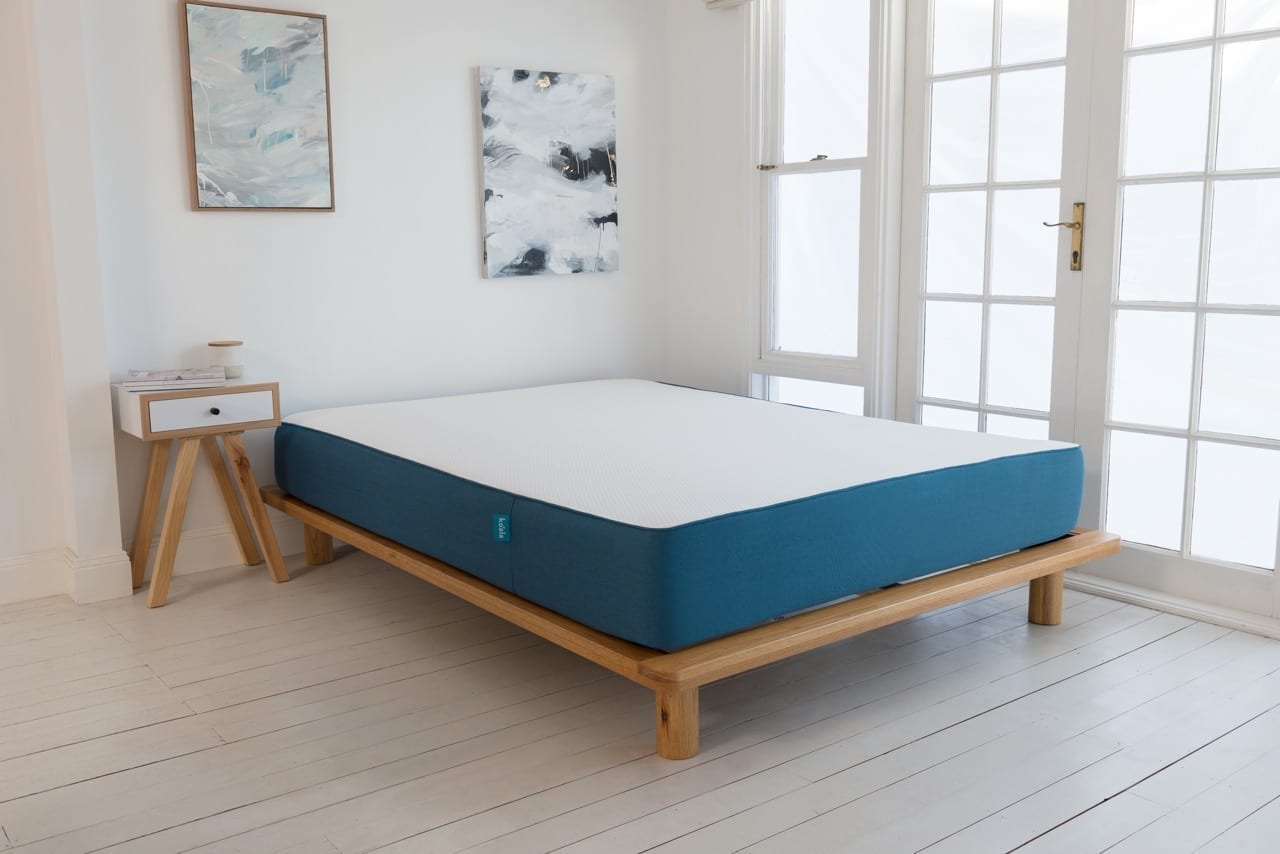
    Online-only mattress company, Koala, is making headway in Asia, with the company recently launching in Japan.

    This brings Koala’s global footprint up to three international markets, following the company’s launch in Hong Kong in February and New Zealand last year.

    Operations in Japan have been “up-and-running” for at least two weeks, according to Koala’s head of communications, Matthew Overington.

    “We launched the website, we’re making sales and fulfilling orders. The response has been positive so far,” he told.

    Overington said the Japanese site has almost the same volume of traffic – but not sales – as Koala’s other markets, including Australia.

    “It’s early days, so we’re ramping up,” he said.

    The company, which is led by a local country manager, currently offers next-day delivery to customers across Japan and is actively working to make faster delivery possible.

    Koala’s signature four-hour delivery service will likely launch in Tokyo to start, with expansion into other major cities later this year, according to Overington.

    The move was funded by a recent $10 million investment from Silicon Valley-based debt financier Partners for Growth.

    This marks the first outside investment in Koala, since Australia cricket captain Steve Smith provided an undisclosed amount of seed money in 2015.

    Besides growing the business in Japan, Koala plans to use the $10 million Series A funding round to enter new markets and expand the range of products it offers beyond mattresses and pillows, to include linens and furniture, such as bed bases.

    “Basically we’re looking for the next stage of growth for the business,” Overington said of the investment.

    “We solicit funding to accomplish the next round of business goals and it’s tested against our performance and vision for the future…[Funding] is off the back of strong confidence that we’re on the right track.”

    This is largely thanks to Koala’s data- and research-driven approach, according to Overington. For instance, the company didn’t just take the same mattress it sells in Australia to the Japanese market. It designed a new, slightly firmer mattress specifically to appeal to Japanese consumers’ sleep preferences.

    “Everything we do is research-led. We think very carefully about the nuances of each market,” he said.

    Some nuances, however, are hard to predict. Overington noted that consumers in Japan have made far fewer customer service calls than consumers in Australia did at launch.

    Perhaps it’s a cultural difference, or representative of the fact that we have all the information they’re looking for on the site,” he suggested.