Category: Living

Retail News Asia is committed to providing both local and global retailers with the latest Living news throughout the Asian market. This on a daily base.

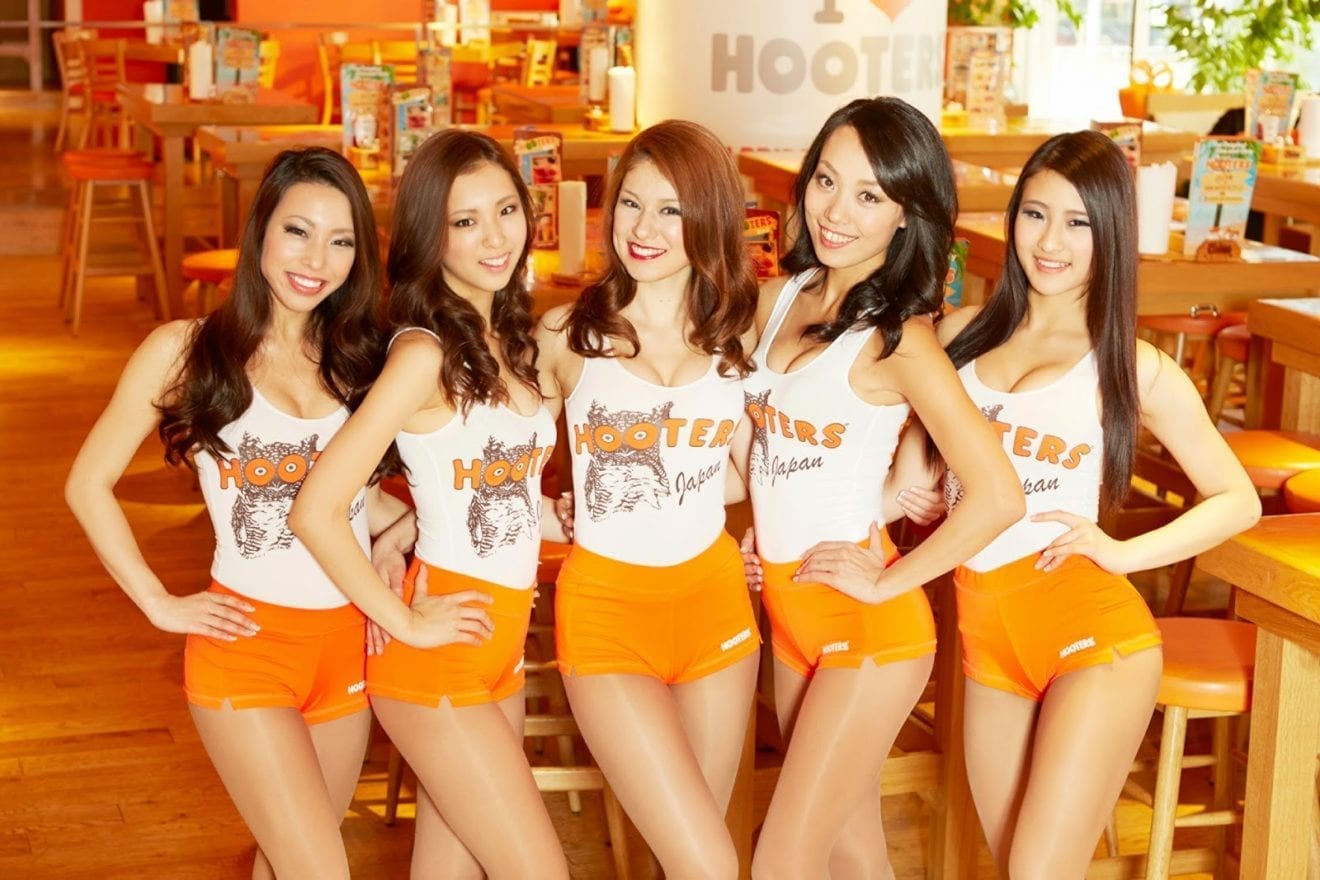
  • Hooters Hong Kong fronts up with rent

    Hooters Hong Kong fronts up with rent

    Paying off its HK$1 million (US$128,000) rent arrears, Hooters restaurant has staved off legal action and eviction from its Lan Kwai Fong premises.

    Hooters Asia president Daniel Yong says he paid off the debt, amounting to about three months’ rent, the day before the court deadline after lawyers issued a writ on behalf of the landlord, property company Dor Fook Company.

    Yong flew from his home in Singapore to reassure staff members that the restaurant was going to stay open, and says he still plans four more Hooters venues for Hong Kong.

    He says the problems stemmed from past management, with the business “in a bit of a mess” when he took over two months ago.

  • Miffy the bunny to pop up at Kumoya Singapore

    Miffy the bunny to pop up at Kumoya Singapore

    Following its success with Sanrio character Cinnamoroll, Japanese-French cafe Kumoya Singapore is again transforming for a pop-up collaboration, this time featuring Dutch artist Dick Bruna’s cartoon bunny Miffy.

    As well as character-themed decor the menu will feature mains, desserts and beverages designed by food artist Shirley Wong of Little Miss Bento. She and Kumoya owner say they will continue with the character theming, with Miffy in house from October 5 to 31.

    Already Wong has a Miffy-themed English cookbook on sale at the halal-certified cafe and at bookstores.

    Items on the Miffy menu, include You, Me & Miffy Makes 3 Chicken Katsu Burger; Splashing Good Fun Japanese Seafood Curry Rice; Wonderfully Waffles with Karaage Chicken; Awesome Miffy Orange Sponge Cake; Double-Take Salted Caramel Cake; and

    Miffy Original Orange Soda.

    There will be a minimum spend of S$10 (US$7) a person, and dining times may be limited to 90 minutes.

  • Hamleys China opens super store in Xuzhou

    Hamleys China opens super store in Xuzhou

    Hamleys China has opened its second store, covering three levels in Xuzhou Sanpower International Plaza.

    The UK retailer offers more than 1000 SKU in the store, with 80 types of toys from more than 50 brand suppliers. There are also several play zones.

    Covering 10,000sqm, the store can cater more than 50,000 customers a day. It surpasses in size it previous largest store, the Lubyanka Store in Moscow. Hamleys has 114 stores internationally.

    Founded in 1760 with a store on London’s Regent Street, Hamleys is the oldest toy retailer in the UK. It entered the Chinese market in 2015 with a flagship store at the Sanpower International Plaza in Nanjing, with a total floor space of about 7000sqm.

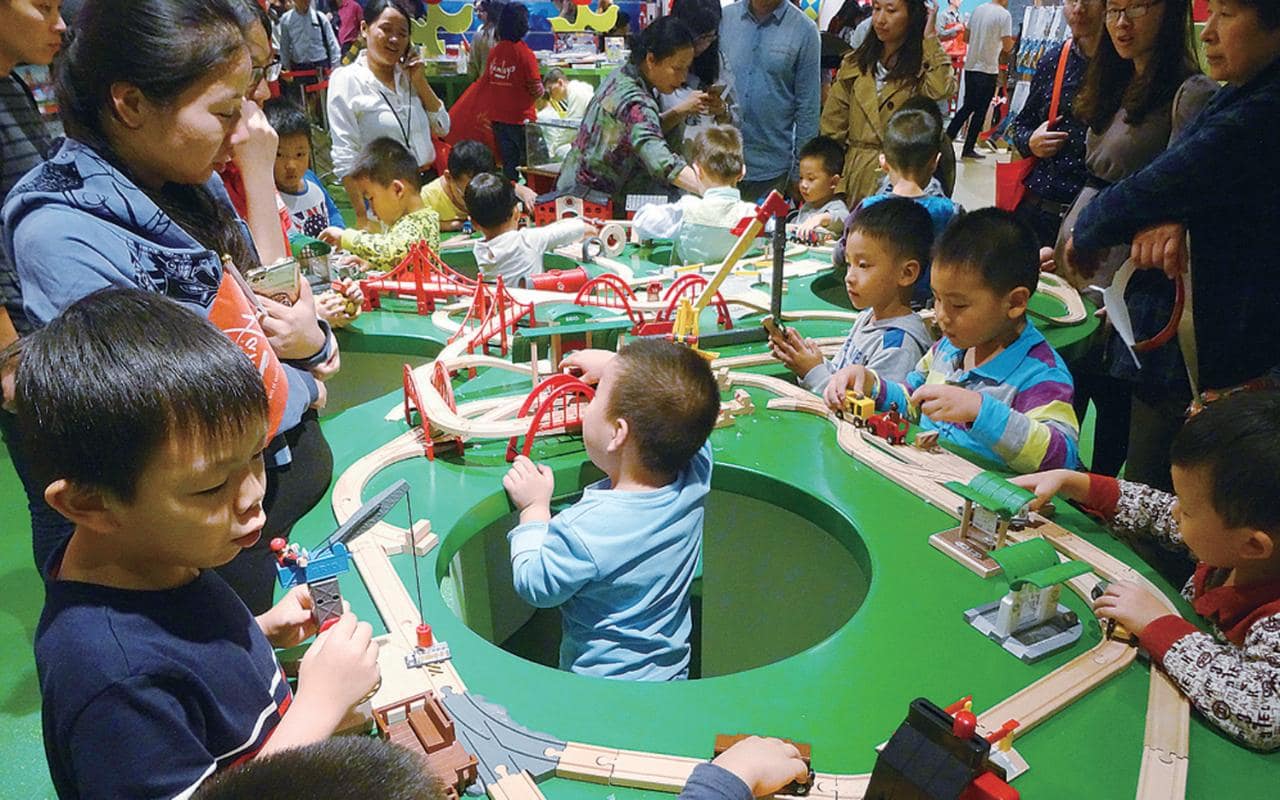
    Xuzhou Hamleys is styled differently, as a traditional British toy kingdom with a wider range of child-related products such as apparel. There are also family experience and entertainment activities.

    On the first floor, the retailer’s best sellers are on display as well as children’s apparel, fashion brands and products with such brands as Ape Kids, Balabala Kids and New Balance.

    Considered the command centre of the store is the Toys Playground on the second floor. It offers Hamleys’ classical brands such as Barbie, Disney Princess, Harry Potter, Lego, Peppa Pig and Transformers.

    On the third floor is the Infants and Creativity Zone. This features The Bath, a swimming area, with educational activities as well as family DIY workshops. There are also child-care services, educational robots, and a painting and baking workshop for children.

    Also on the third floor is a special venue for birthday parties.

    Other activities exclusive to the Xuzhou store include a spiral slide, the Ocean Ball Pool, Water World and a merry-go-round. Nanjing’s Nerf Zone is replicated at the store.

  • Hotels told to cough up for playing music on TV by Vietnam’s copyright watchdog

    Hotels told to cough up for playing music on TV by Vietnam’s copyright watchdog

    Collection of the controversial royalty fees will resume after a three-month break following a public backlash.Vietnam’s music copyright watchdog has announced that it will resume charging hotels across the country royalty fees for playing music on TV.

    The Vietnam Center for Protection of Music Copyright (VCPMC) will be charging all hotels VND25,000 ($1.1) per year for each room equipped with a TV.

    The amount is based on similar fees charged in other countries based on information provided by the International Confederation of Societies of Authors and Composers (CISAC) and adjusted to Vietnam’s economy, the center stated.

    At a press conference on Monday, the VCPMC cited Vietnam’s intellectual property law to reaffirm its right to collect royalty fees from hotels that play music.The culture ministry has asked the VCPMC to start collecting fees again after they were put on hold in May following a public backlash, according to Pho Duc Phuong, the center’s director.

    The center also said that 80 percent of the royalties would go to the copyright holders and it would only retain 20 percent to cover its operating costs, Tuoi Tre (Youth) newspaper reported.

    The collection process will be public and transparent, and the royalties will be paid to the copyright holders every three months, said Nguyen Hoang Giang, director of the VCPMC’s northern chapter.

    “The hotels will supply us with lists of songs they frequently play, and after subtracting administrative expenses, we will split the royalties equally among copyright holders,” Giang said.

    However, the VCPMC did not explain how the hotels will be able to compile these lists, or how it will verify them.

    In May, the center’s southern chapter started asking 1, 2 and 3-star hotels in Da Nang to pay music royalty fees and threatened to take legal action against those that refused to cooperate. Many hotel owners were surprised to learn about the new fees and were quick to protest, claiming most visitors don’t use their TVs to play music and not all hotels play music in their lounges.

    However, the VCPMC has been charging 4 and 5-star hotels music licensing fees for the last 10 years, and has been organizing conferences since 2013 to inform all hotel owners of copyright laws and regulations, Tuoi Tre quoted Dinh Trung Can, the VCPMC’s deputy director, as saying.

    Following the public backlash in May, the Copyright Office of Vietnam instructed the VCPMC to temporarily stop collecting music royalty fees until it could devise a more transparent and appropriate roadmap for the collection process.

    The VCPMC is a non-governmental and non-profit collective copyright management organization. It claims to represent nearly 4,000 songwriters and copyright holders of Vietnamese songs, and more than 4 million international writers.

  • Ikea ventures into augmented reality

    Ikea ventures into augmented reality

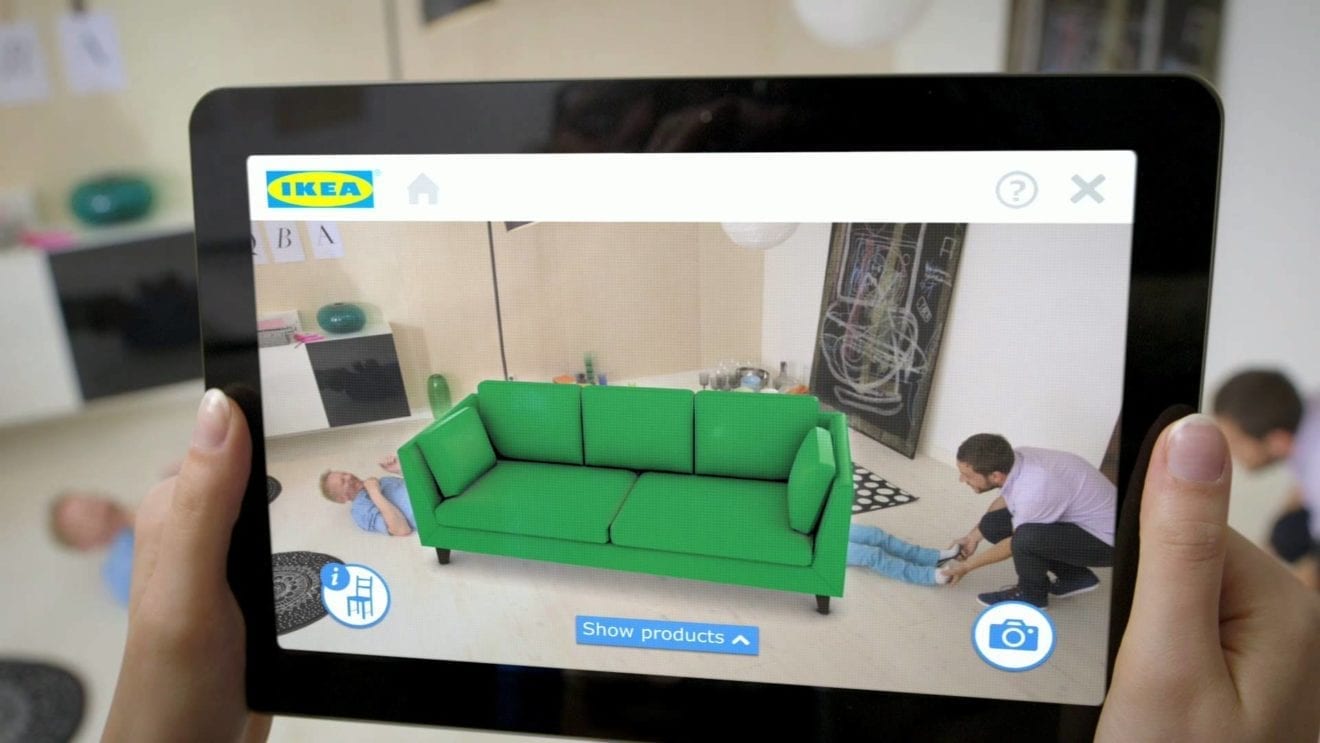
    Swedish furniture chain, Ikea, has launched an augmented reality application that allows consumers to experiment with products in situ at scale.

    The new app automatically scales products – based on room dimensions – with 98 per cent accuracy, with Ikea asserting the AR technology is so precise that textures of fabrics, as well as how light and shadows are hit furnishings, can be seen.

    “Ikea Place makes it easier to make buying decisions in your own place, to get inspired and try many different products, styles and colours in real-life settings with a swipe of your finger,” said Michael Valdsgaard, leader digital transformation at Inter Ikea Systems.

    “Augmented reality and virtual reality will be a total game changer for retail in the same way as the internet. Only this time, much faster. ARKit gives us the opportunity to help shape the development of AR as an accessible tool for real-life decision making,” said Valdsgaard.

    Ikea has built the app on Apple’s new ARKit technology, which Cass Hall, customer experience manager, Ikea Australia, said is an important innovation for the global company.

    “Ikea is one of the first home furnishing brands in the world to bring this technology to people, which will shift the way we purchase furniture in the future,” he said.

    Over 2,000 products are available in the app at launch, and in the future will play a “key role in the launch of new product lines”.

    Tiffany Buckins, head of interior design for Ikea Australia said the furniture retailer “understands that the world is changing and that technology is impacting the way we live at home, especially in the living room”.

    Ikea will present the new AR technology to the Australian Centre for the Moving Image (ACMI) in Melbourne in October launching the Make Room for Life exhibition.

    “Through the Make Room for Life Exhibition we will draw on our understanding of how people live at home, combining sensory elements, AR technology, inspiration and our home furnishing expertise to inspire people to design their living room for what’s most important to them”,” said Buckins.

    Ikea said the new app will be available to download from the App Store “soon”.
  • Ikea to revamp Melbourne location

    Ikea to revamp Melbourne location

    Swedish furniture retailer, Ikea, will give its Richmond store a multi-million-dollar facelift to upgrade the store’s layout with new entrance points and better lift accessibility.

    The project, which is expected to be completed by mid-2018, will expand the store’s showroom and a refreshed restaurant will be installed and serve cafe-style food including barista made coffee and cakes.

    The Swedish Food Market and Bistro will be upgraded to provide a better experience to customers, the retailer added.

    Chris Brown, Ikea Richmond store manager, said the investment will pave the way for a transformation at Ikea Richmond for it to be better equipped to meet the needs of its customers.

    “We are looking forward to opening a new and improved store and shopping experience for our customers that will continue to evolve,” Brown said. “Ikea Richmond will be more even inspiring and relevant for our customers, and even easier to access once the renovation is complete.”

    Ikea Richmond, which opened in 2003, currently employs over 350 co-workers, a figure which, according to the retailer, will grow by approximately 10 per cent through the store upgrade and expansion.

    The store will continue to trade as normal throughout construction.

    Earlier this week, the furniture retailer launched an augmented reality application, which it sees as a “total game changer for retail”.

  • iflix team with Fortumo for direct carrier billing

    iflix team with Fortumo for direct carrier billing

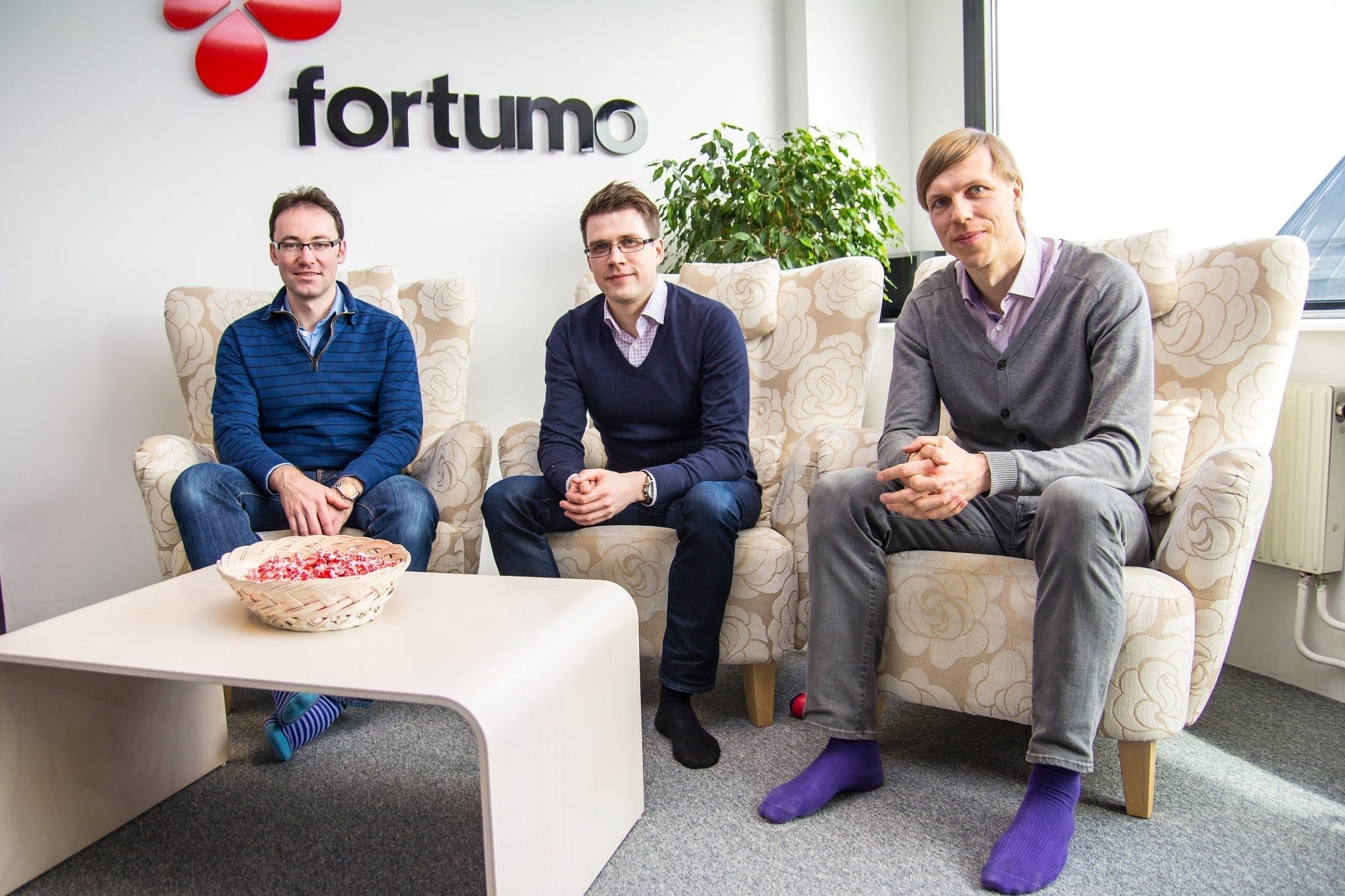
    iflix and mobile payments firm Fortumo have launched direct carrier billing for iflix users, which number about 620 million people across Indonesia, Pakistan, the Philippines and Thailand.

    Users can now subscribe to iflix and enjoy access to unlimited video entertainment by using their airtime balance or monthly phone bill to pay for the service.

    Carrier billing for iflix via Fortumo has been made available for subscribers of the mobile operators Smartfren and 3 (Indonesia), Telenor and Zong (Pakistan), Smartand Globe Telecom (the Philippines) and DTAC (Thailand).

    iflix and Fortumo expect to announce support for more carriers in Asia as well as the Middle Eastern & African region over the upcoming months.

    In the emerging markets where iflix operates, less than 10% of people own a credit card while smartphone ownership is already around 40% of the population. This means direct carrier billing allows a significantly larger portion of people the ability to pay for iflix subscriptions.

    “As we continue rapid expansion into emerging markets globally, we are confident that Fortumo will provide seamless payment integration in our markets”, said Tim Whelan, iflix global head of payments.

    iflix has leveraged Fortumo’s Payments API to expand its payment reach across its Asian markets, allowing iflix to roll out direct carrier billing for multiple mobile operators at once using Fortumo’s pre-existing integrations with the carriers.

    iflix can simultaneously use advanced features of direct carrier billing such as free trials dynamic pricing with a fully iflix-branded payment flow to increase user acquisition and payment conversion.

  • Ikea online stores planned for Singapore, Malaysia

    Ikea online stores planned for Singapore, Malaysia

    Ikea online stores are to be launched in Malaysia and Singapore.

    Ikea Southeast Asia MD Christian Rojkjaer says the Singapore site is currently in testing phase and will go live to the public within a fortnight.

    The Malaysian site is less advanced, with a vague launch date of next year.

    “For Malaysia, we are currently in the development stages and we look forward to sharing more when we enter the testing phase next year,” another spokesperson for Ikea said in a media interview.

    News of the much-awaited Ikea online debut in the two markets comes on the heels of a RM908 million (US$212 million) commitment to a regional logistics hub in Malaysia.

    The Swedish homewares and furniture company has recently launched an online store in Shanghai as the first step of a broader e-commerce strategy in China.

    Rojkjaer said in an interview that the brand’s Ikea Damansara store receives about 6 million visitors annually.

    Ikea plans to increase its ASEAN store network to 20 by 2026.

  • Hero Entertainment signs deal with K11 mall

    Hero Entertainment signs deal with K11 mall

    Hong Kong shopping mall K11 is expanding into the e-sports business by signing a deal to become the exclusive partner of video-gaming brand Hero Entertainment for 10 years.

    Under the partnership, the Hero Pro League mobile e-sports competition, and other animation, comic, game and novel franchises, will appear at K11 projects in at least nine cities, including Hong Kong, Beijing, Shanghai and Shenzhen.

    K11 founder Adrian Cheng Chi- kong says the e-sports sector is fast becoming the next big growth market. “Since being officially named by China’s General Administration of Sports as the country’s 99th sporting event, e-sports has in the past 15 years grown at an unprecedented pace.”

    Market intelligence company Newzoo estimates that e-sports is set to grow into a US$1.5 billion industry by 2020.

    Through the partnership, K11 Hong Kong will become the leading mobile-gaming venue to host large-scale, international e-sports competitions. The mall will also offer pop-up virtual-reality spaces and e-sports zones for the live broadcast of competitions.

    “City by city, project by project, K11 and Hero Entertainment will jointly promote the development of e-sports in China,” says Hero Entertainment chairman Dino Ying.

    Hero Entertainment has more than 400 million registered users.

  • Vietnam named most affordable country in the world for foreigners

    Vietnam named most affordable country in the world for foreigners

    Nearly one in five said they have far more money at their disposal than their lifestyles require.

    The Expat Insider 2017 survey released on Thursday has put Vietnam in the spotlight as the cheapest place to live for expats.

    The country has jumped five places from the previous year to top the 2017 table, confirming how affordable it is for foreigners to live and work here.

    The survey was developed by asking 12,519 respondents, representing 166 nationalities and living in 188 countries around the world, how they felt about their financial situation, and whether their disposable income was sufficient to cover their expenses.

    The cost of living in each country was compiled from the global cost of living database Numbeo. All amounts are in U.S. dollars and current as of September 2017.

    Mexico and Colombia round off the top three most affordable locations, while expats living in Switzerland and Israel find it the hardest to get by on the money they make

  • Second Jalan Jalan Japan for Kuala Lumpur

    Second Jalan Jalan Japan for Kuala Lumpur

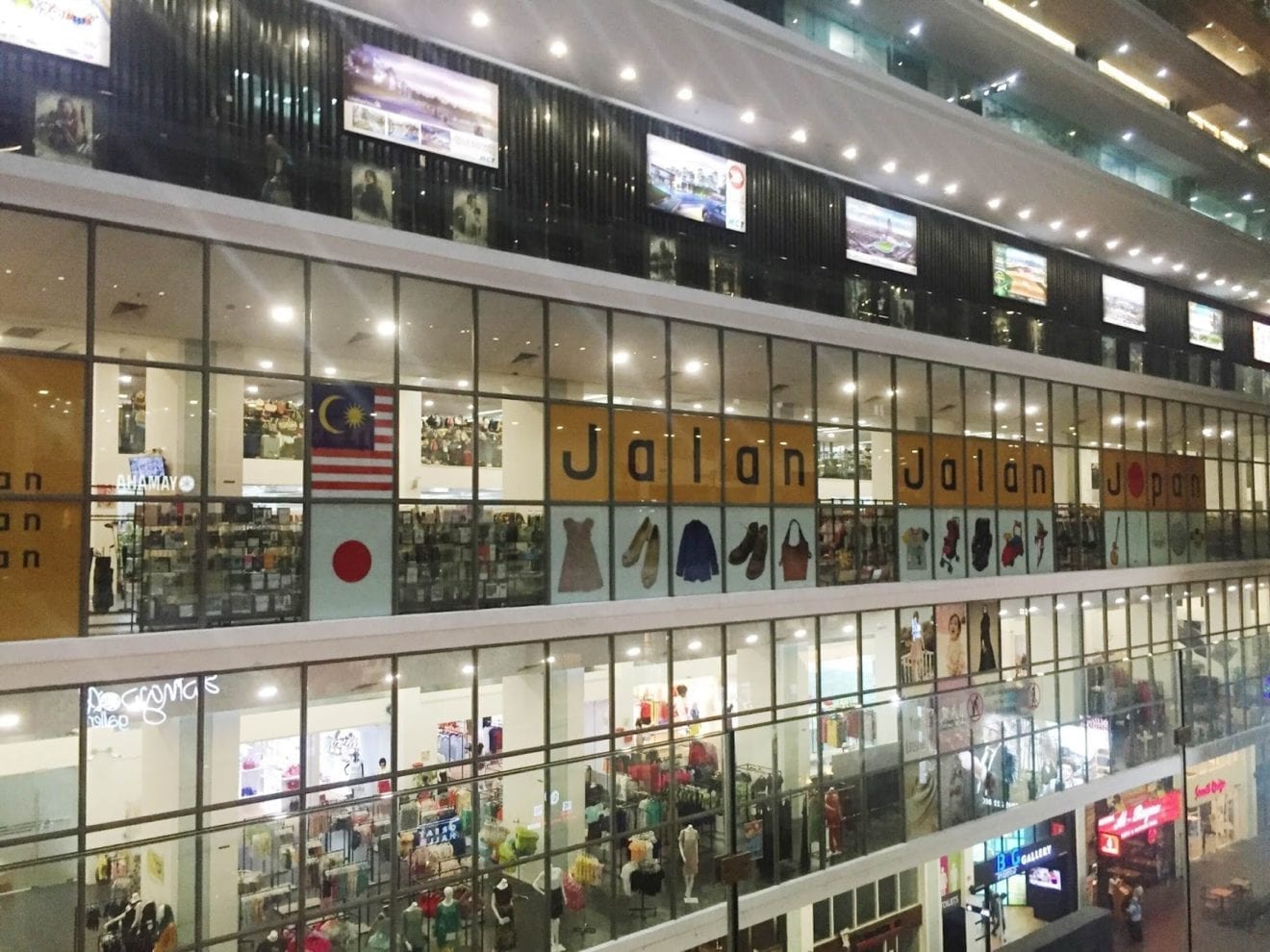
    Japanese used-book retailer Bookoff Corporation, through its subsidiary Bok Marketing, will open a second Jalan Jalan Japan outlet in Kuala Lumpur.

    Opening at 1 Shamelin Mall on September 30, it is the brand’s second Southeast Asia store.

    Also known as “JJJ”, the first Jalan Jalan Japan store opened at Skypark One City in Subang Jaya in November. It offers not only books, but also clothes, bags, shoes, household items, baby goods, toys, hobby items, sporting goods, instruments, furniture and accessories.

    Bookoff has more than 800 shops in Japan, buying more than 400 million items and selling more than 300 million pieces  annually. All JJJ goods are imported from Japan.

    Another two or three stores are planned for around Kuala Lumpur over the next few years.

  • Young men are driving skincare market in China

    Young men are driving skincare market in China

    The mainland Chinese male skincare and cosmetics market is expected to grow twice as fast as the global cosmetics market in the next two years, reaching CNY1.9 billion (US$300 million) in 2019, according to Euromonitor International.

    A report by Jing Daily stated that young Chinese men who are between 18 and 26, and have increasingly more disposable income, are becoming the new driving force for the male beauty market.

    According to a study released in April 2017 by the Hong Kong Trade Development Council, young men are beginning to build skincare habits early compared to their elders.

    Chinese men as young as high school age are already using basic facial cleansing products and by the time they begin university their skincare routine becomes more complex, said Jing Daily.

    Many factors are driving young Chinese men’s consumption in the skincare market, according to the study, with some respondents concerned about their skin health.

    “The air pollution in China now is very serious,” said one Weibo user. “It greatly affects the skin quality.” Some said their skincare habits formed as a result of the influence of their girlfriend or wife.

    The study also suggests that the introduction of exclusive product lines for men means that they are more likely to cultivate skincare habits, with demand increasing for products such as BB creams, eyebrow pencils and concealer.

    As consumers develop diverse needs, more varieties of male skincare products are emerging. According to a 2016 Beauty report released by Amazon China, L’Oréal and Nivea ranked highest on its top 100 skincare products of 2016 list, with professional men’s skincare brands like Biotherm and Lab Series favoured by the male consumer.

    Jing Daily noted that mainland consumers tend to form different perceptions towards skincare and cosmetics brands in different countries or regions.

    For example, consumers generally believe that Swiss brands focus on medical beauty, American brands tend to make more advanced formulas and Japanese brands feature whitening effects, which are more suitable for Asian skin.

    The per capita consumption gap between male and female buyers has reduced from CNY26.6 (US$4) in 2014 to CNY13.7 (US$2), according to research compiled by e-commerce giant JD.com on the consumption of beauty products in China in 2017.

    Even though male skincare products, cosmetics brands and product categories are far less diverse than those in the women’s market, the future growth of the men’s market is vast as there will be more foreign brands entering the mainland market, Jing Daily concluded.

  • Costa offers WeChat for duty free shopping on Chinese cruises

    Costa offers WeChat for duty free shopping on Chinese cruises

    Costa Cruises is launching a WeChat payment service onboard its fleet in China. It allows Chinese guests to use the online social communication platform to enjoy hassle-free mobile payment options, including duty free shopping – claimed to be a first for the global cruise industry.

    The WeChat service (also known as Weixin in China) launched on 2 September 2017 onboard Costa Atlantica. The integrated platform for instant messaging, commerce and payment services from Tencent Holdings, has over 963 million monthly active users.

    Chinese guests can use the online social communication platform to enjoy hassle-free mobile payment options, including duty free shopping.

    Costa – one of ten brands from Carnival Corporation – initially launched a WeChat Mini Program in August to book and pay for cruise itineraries. This latest addition extends payments to onboard duty free shopping, restaurants, spa, and other services through a complimentary intranet service.

    Costa Group Asia President Mario Zanetti said: “With China being one of the world’s leaders in mobile and digital advancements, we see great potential in leveraging WeChat’s leading position and technologies (and) also provide a more immersive and digitised onboard experience for our guests.”

    Costa Cruises claims it was the brand “that brought cruising to China in 2006” and is the leader in the Chinese cruise market today. Costa Cruises operates year-round in the Chinese market and has provided cruise vacations for over two million Chinese guests through four ships based across north, east and south China.

  • Ikea Korea launching second store

    Ikea Korea launching second store

    Ikea Korea’s second store will be in Goyang, opening on October 19.

    “We had heard from customers that they wanted us to come closer to them, and that sometimes our store is too crowded,” says Ikea Korea retail manager Andre Schmidtgall.

    He says the store is in the finishing stages of construction and is hiring 550 employees. Ikea hopes to have six stores in Korea by 2020.

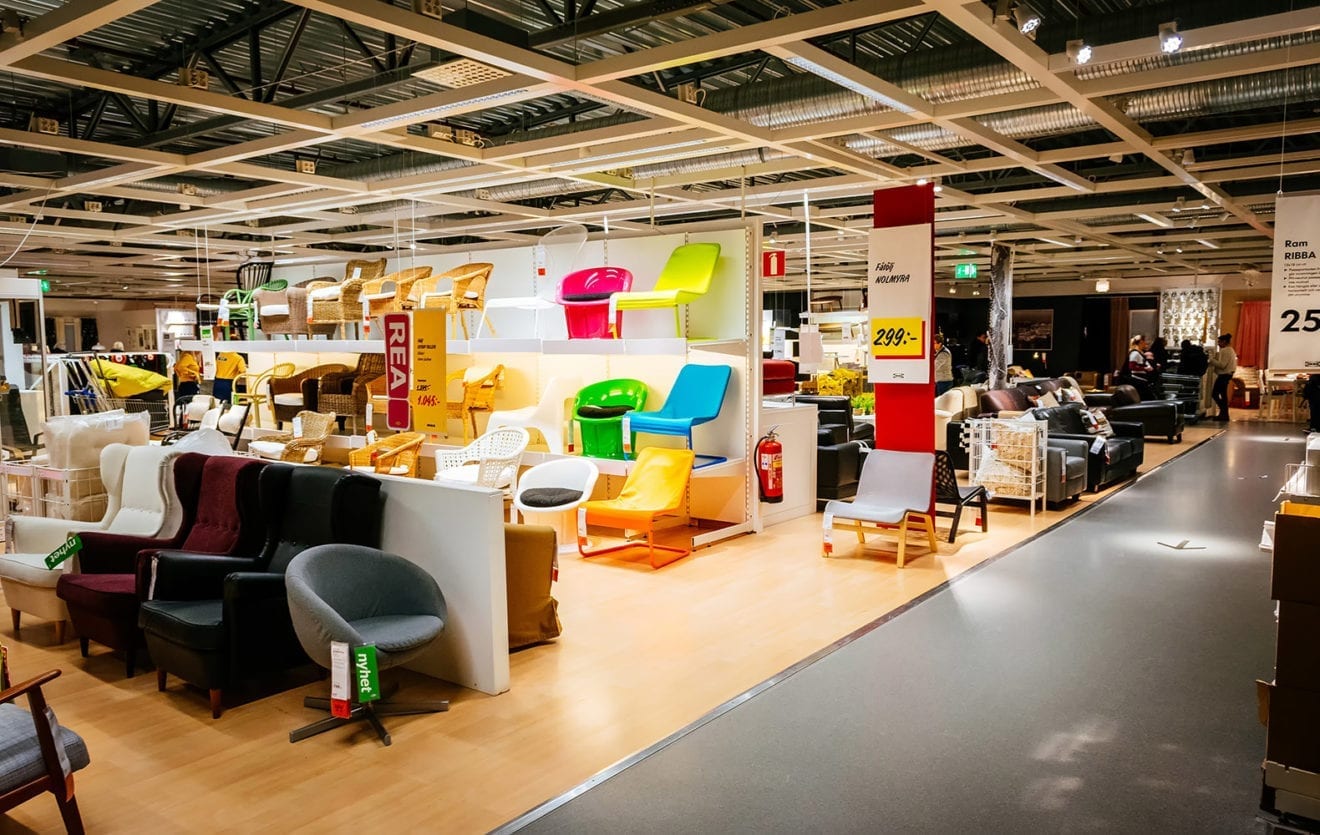
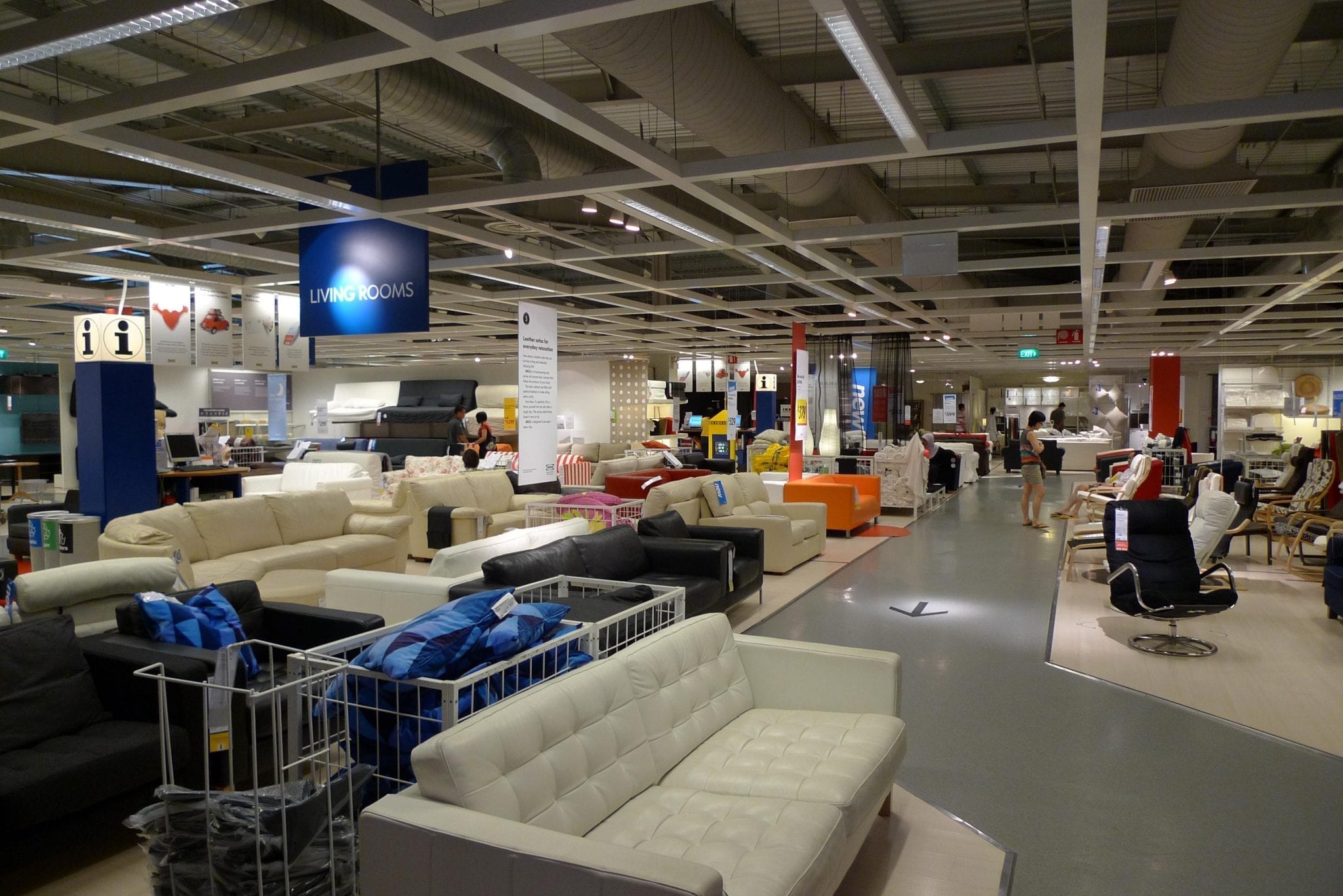
    Schmidtgall says Ikea’s Gwangmyeong store ( pictured), south of Seoul, is the largest in the world. In its latest fiscal year, Ikea Korea earned revenue of 365 billion won (US$323 million), representing a 6 per cent rise, with 6.49 million visitors to the store.

    There were also 38.8 million visitors to the Ikea website and mobile app, says Schmidtgall.

    Slightly smaller than the existing branch, the Goyang store will offer a similar range of products but with a different layout. It is in a shopping and entertainment hot spot in the previously underserved northern suburb of Seoul. Starfield Goyang, a shopping and entertainment complex owned by Shinsegae, opened last week following a Lotte mall.

    Ahead of the opening of the Goyang branch, Ikea is showcasing its new range of products for the coming year, focusing on the living room, at Bread Comma Cafe in Hongdae through to September 17.

  • Saigon calls for carpooling service ban to be revoked as city grinds to a halt

    Saigon calls for carpooling service ban to be revoked as city grinds to a halt

    Carpooling services are convenient because they cost less and reduce congestion, but the transport ministry says they put passengers at risk.

    Ho Chi Minh City’s government has asked the Ministry of Transport to overturn a ban on low-cost carpooling services that was issued in June.

    The ministry previously said it would not allow either Grab or Uber to offer their ridesharing services GrabShare and UberPOOL in Vietnam because sharing a car with a stranger puts passengers at risk

    The decision came a month after the two ride-hailing firms rolled out their services in the city.

    If Uber and Grab disobey the rule, they will be fined VND4-6 million ($175-260) per ride, the ministry said.

    But the ministry’s words seem to have been an empty threat because GrabTaxi is still offering the service, and has also asked for the ban to be lifted, local media reported.

    The ministry asked for the city’s opinion in July. In response the city said it said it is difficult to tell if a Grab or Uber driver is offering a ridesharing service, so it’s nearly impossible to stop them.

    It also said carpooling services are convenient for passengers because they cost less, and more importantly, reduce traffic congestion in the city.

    The city has asked the ministry to allow a carpooling service to be piloted for one year so that it can build regulations to manage it.

    As suggested by the city, only cars with less than nine seats will be allowed to operate the service, and each car can only accept two contracts at once. They must also have specific logos to distinguish them from those that do not offer the service.

    HCMC is looking at ways to limit the number of private vehicles entering the city center to ease congestion.

    Official data show that the city’s transport department had licensed 23,820 cars with under nine seats as of June 30 this year.

    By mid May, the city had more than 8 million private vehicles, an increase of 5.8 percent against the same period last year, including 646,400 private automobiles and 7.4 million motorbikes.

    The current number of autos in the city has nearly tripled the limit set for 2020 and is double the ceiling set for 2025.

    At a meeting with local residents in August, Mayor Nguyen Thanh Phong said the city would revisit a plan to change school and office hours in an attempt to stagger the amount of traffic hitting the city’s streets during rush hours.

    Research conducted by Associate Professor Pham Xuan Mai from the Ho Chi Minh City University of Technology released in March last year found that traffic congestion costs the southern metropolis more than VND18.3 trillion ($820 million) every year.