Category: Living

Retail News Asia is committed to providing both local and global retailers with the latest Living news throughout the Asian market. This on a daily base.

  • Toys R Us calls in restructuring advisors

    Toys R Us calls in restructuring advisors

    Toys R Us has appointed restructuring advisors as it struggles under a debt burden, suggesting it may be about to trim its store network.

    Neil Saunders says while the decision is not necessarily a sign of imminent bankruptcy, it is an indication the company is in “a very uncomfortable financial position”.

    “For a robust retailer, debt payments can be challenging. For a retailer struggling to generate sales growth while, at the same time, trying to invest to remain relevant – it can be the difference between success and failure.”

    Saunders says Toys R Us faces a pincer movement.

    “Firstly, it suffers competition from online and physical generalists who happily discount toys to drive customer traffic and sales for stores and websites. Toys R Us has little choice but to price match on some items but has no other categories with which it can balance out eroded margins. Where it fails to price match, it loses sales.

    “Secondly, Toys R Us has lost out in the digital space. Although recent digital investments have been made, the website and general e-commerce proposition are still below par. By our calculations, Toys R Us continues to lose online market share in toys.”

    A further complication for the toy giant is that it operates large and expensive stores.

    “These are increasingly unsuited to what consumers want and expect, and they are steadily becoming less productive and efficient,” says Saunders.

    “Against this backdrop, Toys R Us has to contend with the debt it accumulated as part of the leveraged buyout. In our view, this is an example of private equity damaging retailers by not running them as commercial trading entities but as ATMs.”

    Toys R Us in Asia is operated as a joint venture between the US parent and Fung Retailing. In April, it consolidated its operations in the region by merging the 160-strong Toys R Us Japan chain into the JV, which is 85 per cent owned by Toys R Us.
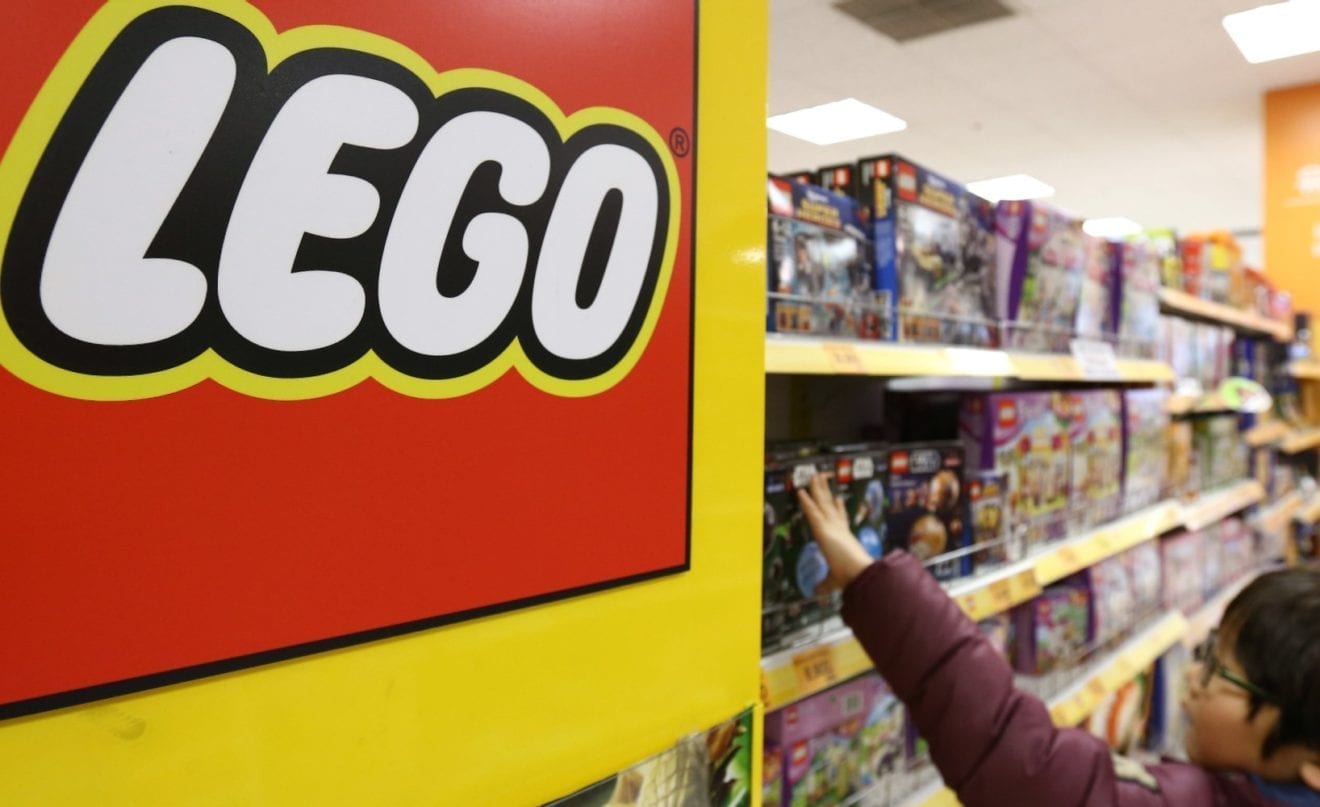

  • Lego to cut 1400 jobs after sales drop

    Lego to cut 1400 jobs after sales drop

    Danish toy maker Lego will cut 1400 jobs, or about eight per cent of its global workforce, after reporting a rare decline in sales and profits in the first half of 2017.

    Revenue dropped five per cent to 14.9 billion kroner (A$3 billion) in the first six months of the year, mainly as a result of weakness in core markets like the US and Europe. Profits slipped three per cent to 3.4 billion kroner.

    “We are disappointed by the decline in revenue in our established markets, and we have taken steps to address this,” said Chairman Joergen Vig Knudstorp.

    He said the long-term aim is to reach more children in Europe and the United States and added there were “strong growth opportunities in growing markets such as China”.

    The company, he said, needs to simplify its business model to reduce costs. Since 2012, the group has built an increasingly complex organisation to support global double-digit growth.

    He told Denmark’s TV2 station that staff cuts would mainly affect administration and sales, not production.

    Last month, the maker of the famous coloured building blocks appointed Niels B. Christiansen, who headed thermostat-maker Danfoss for nine years, as its chief executive to replace interim CEO Bali Padda. Christiansen will start October 1.

    Based in western Denmark, Lego does not release quarterly figures. The group currently has about 19,000 employees around the world.

    The privately held firm said on Tuesday it is now preparing to ‘reset the company,” aiming to simplify the business after years of high growth and expansion into new ventures like film.

    Knudstorp said that the toy company had built an increasingly complex organisation over the last five years to support global double-digit growth, and in doing so had made further growth harder to achieve.

    “As a result, we have now pressed the reset-button for the entire group,” he said.

    “This means we will build a smaller and less complex organisation than we have today, which will simplify our business model in order to reach more children. It will also impact our costs. Finally, in some markets the reset entails addressing a clean-up of inventories across the entire value chain. The work is well under way.”

  • Sigma looks to new year after rough half

    Sigma looks to new year after rough half

    Pharmacies and drug supplier Sigma Healthcare says the outlook for fiscal 2019 is more positive after a challenging first half in the current fiscal year.

    The operator of retail chains including Amcal and Discount Drug Stores has lifted its half-year net profit the six months to July 31 by 17.4 per cent to $27.8 million, but sales fell amid challenging industry conditions.

    Underlying earnings before interest and tax (EBIT) fell 8.7 per cent.

    Sigma said sales were impacted by a pull-back in sales of low-margin Hepatitis C medicines and softer consumer sentiment.

    Adjusting for the lower Hep C sales, sales revenue was down 1.4 per cent.

    Chief executive Mark Hooper says a number of factors point to a more positive outlook for fiscal 2019.

    “The signs are good that momentum is swinging back in our favour,” Hooper said in statement on Thursday.

    “This is supported by a combination of our pipeline of pharmacy brand members, service improvements and efficiency gains from Project Renew and the opening of our Berrinba distribution centre in Queensland, along with the ramp-up of new service contracts in hospitals and logistics.”

    Sigma confirmed its guidance, provided on August 11, of underlying EBIT of $90 million for the full 2018 fiscal year.

    It also has agreed to buy dose administration services provider Medication Packaging Systems (MPS) for $18.5 million.

    Hooper said the acquisition fits in with the company’s strategy of becoming a broader healthcare company and MPS provided another avenue of growth.

    “We have achieved a sustained period of above market growth over the past few years,” said Hooper. “So whilst the current year was influenced by some unexpected events, these are being addressed. This has intensified our focus on our strategy and business development pipeline, including today’s announcement of the acquisition of MPS. It also reinforces our belief that we are on the right track and can return to growth in FY19 and beyond.”

  • Cocona introduces Cliffside shop for climbers

    Cocona introduces Cliffside shop for climbers

    US advanced materials company Cocona has opened a shop 100m up a cliff – appropriately enough as it offers apparel for climbers.

    Suspended on Bastille Wall in Eldorado Canyon State Park, Colorado, the mini-shop provides clothing from Adidas, Point6 and Rab, all made with 37.5 Technology by Cocona that helps climbers maintain an ideal core temperature.

    “For more than a decade we’ve gone to the ends of the earth to create performance-enhancing materials for athletes,” says Cocona CEO Jeff Bowman. “Now we’ve gone to the ends of the earth to get it to them.”

    Apart from introducing the technology, Cocona is also raising awareness and support for its ongoing mission to provide access to public lands for climbing, donating $5000 to each of three bodies to replace aging anchors on climbing routes.

    Its 37.5 Technology can be found in such brands as Babolat, Bauer, Carhartt, Katusha, Kenneth Cole, Mission and Tommy Bahama.

    Cocona, headquartered in Boulder, Colorado, offers development, commercialisation and marketing of active-particle technologies, currently used to enhance comfort and performance of clothing, footwear and sleep systems.

  • Bedgear signs China deal with De Rucci

    Bedgear signs China deal with De Rucci

    US lifestyle bedding company Bedgear has signed a partnership with Chinese retailer De Rucci Beddings to open more than 500 shops in China over the next five years.

    The Bedgear Performance Sleep Shops will offer a personalised customer experience including interactive technology walls. One-on-one consultations will enable shoppers to build up their own individual sleep system starting with the Bedgear Pillow ID, technology that uses a proprietary algorithm to determine the most suitable pillow based on an individual’s sleep position, body type and mattress.

    Bedgear CEO Eugene Alletto says the move into China follows the company’s expansion in the US, Australia and Russia.

    “I was excited about the power of Bedgear’s performance brand,” says De Rucci president Wang Bingkun. He says he was intrigued by the company’s showrooms in the US with their new way to present bedding to young customers.

    Founded in 2009, Bedgear offers patented fabric technologies to deal with heat and moisture to help regulate body temperature and generate a cooler sleep environment.

    De Rucci launched in 2004 with a dedication to researching healthy sleep with a holistic offering of research, manufacturing and sales. It has more than 3000 flagship stores in 11 countries including Hong Kong.

  • Vietnam in talks to acquire rights to Finland’s education programs

    Vietnam in talks to acquire rights to Finland’s education programs

    Finnish high schools will also open their doors to students in Hanoi and Ho Chi Minh City in the near future.

    Education officials from Vietnam are in Finland to learn about the Scandinavian country’s education programs from elementary to undergraduate level.

    A delegation led by Minister of Education Phung Xuan Nha held talks with their Finnish counterparts on Monday about acquiring the rights to publish Finnish educational material in a variety of subjects, local media reported.

    During the meeting, Vietnamese universities, high schools and their partners signed 18 memorandums of understanding on education transfer.

    They also agreed on plans to open a Finnish high school in Hanoi to add to the one in Ho Chi Minh City that will open next year.

    Finland has one of the most successful education systems in the world, which focuses on early education and encourages research and experiment.

    The country is usually one of the best performers among developed countries on the Program for International Student Assessment (PISA) report, a guide used to measure education systems around the world.

    Its students ranked 12 out of 72 economies in the latest test results released last December, a drop compared to its dominance in 2000, 2003 and 2006.

    Vietnam ranked 21st last year.

  • Commune parent Koda boosts profit 156 per cent

    Commune parent Koda boosts profit 156 per cent

    Furniture retailer Commune parent Koda Ltd has boosted its annual profit by 155.6 per cent in the last year, largely due to expansion of its store network.

    In the year to June 30, the company achieved sales of US$4.1 million, up from $1.6 million last year.  Revenue rose by a more modest 33.4 per cent to $49.5 million, up from $37.1 million the previous year as strong export orders were received from key markets.

    Streamlined manufacturing operations in Malaysia and Vietnam helped gross profit margin rise from 27.7 per cent to 32.2 per cent.

    Koda’s MD James Koh said even better figures are to come, after the strategic review announced in July in which Koda will continue to improve manufacturing efficiencies, strengthen its supply chain and refine and expand its Commune retail store network, especially in China.

    Joshua Koh, Commune’s CEO, added: “Commune is gaining strong traction in China, especially among younger home-owners. We continue to build the brand and differentiate ourselves as we remain on schedule to open up to 100 stores in China by 2020.”

  • Indonesia focuses on attracting more Asia-Pacific tourists

    Indonesia focuses on attracting more Asia-Pacific tourists

    Indonesia is currently channeling its efforts to attract foreign tourists from Asia-Pacific countries. Deputy for Foreign Tourism Marketing Development of the Ministry of Tourism I Gde Pitana noted in a written statement in Jakarta on Friday that his office is focusing its foreign tourism marketing program this year on markets in the Asia-Pacific region.

    “Targeted countries include China, Australia, Japan, South Korea, India, and other markets,” he revealed.

    Several promotional initiatives have been prepared, for instance, by undertaking more activities in the form of exhibitions and sales missions.

    Pitana stated that from January to December 2017, his office has prepared 54 activities in the form of 30 exhibitions and 24 sales missions.

    Festivals will be promoted through 30 activities and familiarization trips of 51 activities.

    Meanwhile, promotional activities implemented in the Asia-Pacific markets until July 2017 include participation in the Incentive Travel Convention Meeting in China, Hanatour International Travel Show, International Travel Expo in Hong Kong, and ADEX Australia.

    Furthermore, in the second semester of 2017, Indonesia will participate in several important events, such as the PATA Travel Mart, JATA Tourism Expo, China International Travel Mart, and MATTA Fair.

    “The same activities were also held in the European, Middle East, American, and African markets to exploit their potential,” Pitana noted.

    It will participate in nine exhibition events, with one each in July, August, and September; as well as two exhibitions in October; and four in November 2017.

    Among the international exhibition events is the largest exhibition WTM London and World Halal Tourism Summit.

    Pitana expects to see an increase in participation and synergy among the local government, tourism business players, and other tourism stakeholders to support the international tourism marketing program in 2018.

    “Several activities involving collaboration with the local governments include with the Aceh government for the MATTA Fair and ITB in Berlin and with the Yogyakarta provincial government in the Vietnam Travel Mart. We hope that participation and synergy between the central and local governments would strengthen cooperation with associations and other elements, such as the media, academia, and community, in 2018 ” Pitana added.

  • Education key to more women in SE Asia workforce

    Education key to more women in SE Asia workforce

    Education is key to growing the participation of Southeast Asian women in the labor force, an Indonesian business leader said Tuesday.

    The Indonesia Business Coalition for Women Empowerment is pushing to extend the stay of girls in school to up to 12 years from 9 years so they won’t get forced into early marriage, said its executive director, Widiastuti.

    “If a family has to decide who to send to school, because they have a certain limited income, in the past especially, they will most likely give the son preferential treatment,” Widiastuti said.

    A lack of education makes women vulnerable to pay inequality, she said.

    In Indonesia, there is a 16-percent wage gap across the board between men and women. The inequality runs as high as 50 percent for low-skill jobs then narrows to 21 percent for those who finished high school and 6.2 percent in the tertiary level.

    “We need to push further not just government but the corporate sector, to open up for women to take up leadership positions to go from entry level, to middle manager level,” Widiastuti said.

  • Inflation in August estimated to be lower at 0.02 percent

    Inflation in August estimated to be lower at 0.02 percent

    The Central Java representative of Bank Indonesia (BI) predicted that the countrys inflation in August would be lower at 0.02 percent from 0.14 percent in July.

    “The decline in inflation was a result of a cut in the prices of a number of essential goods,” Rahmat Dwisaputra of the Central Java representative of the central bank said here on Tuesday.

    Rahmat said the inflation should be stable at a lower level, adding after Ied ul Fitr inflation would be as expected by the government.

    “In June and July inflation rates were quite high. That is the trend. We will stabilize the inflation that price hike is no longer high,” he said.

    In addition to the falling prices of essential goods especially volatile foods such as chili, garlic, and red onion, the cost of education is also expected to contribute to the decline in inflation in August.

    The time when the people have to pay extra for education has been over that there is less factors contributing to inflation.

    “In September, inflation is even expected to remain low with low consumption by the people,” Rahmat said.

    With the stability maintained the purchasing power of the people is expected to be unaffected, he added.

  • Pertamina boosts production with new technology

    Pertamina boosts production with new technology

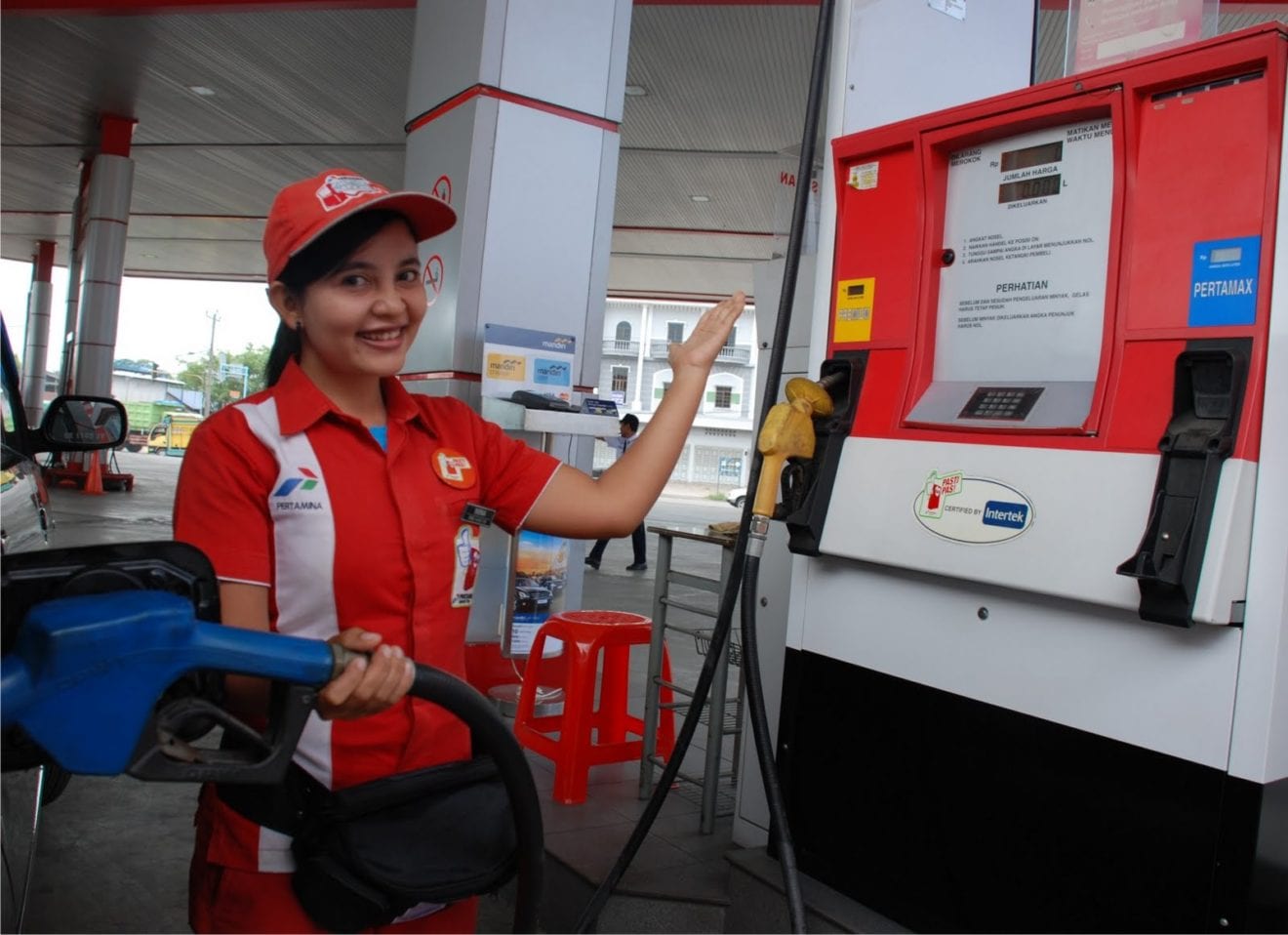
    State-owned oil company Pertamina EP (a subsidiary of Pertamina) is using the underbalance drilling new technology to boost its oil and gas production.

    The technology is being used as a new strategy and innovation to exploit production at the Jatibarang old oil field, which is being cultivated since 1972.

    The Jatibarang field includes both onshore and offshore fields, Jatibarang Oil Field Manager Herman Rachmadi said in Jatigarang, Friday.

    He revealed that the Jatibarang field was divided into nine structures, namely the Sindang, the Karangbaru, the Randegan, the Cemara, the Tugu Barat, the Gantar, the Waled Utara, the Kandanghaur and the X-ray structure for the offshore field.

    At the Jatibarang structure, the drilling work is done using the underbalance drilling technology. “The depth target of wells with this technology is 2,000 meters and will be done for a period of two months,” he affirmed.

    The other strategy and programs used in the Jatibarang field to increase oil and gas production is the repair program, fracturing, well maintenance, conversion lifting and stimulation.

    This year, Jatibarang is handling the maintenance of 30 wells, 59 intervention wells and 26 workover wells.

    PT Pertamina EP is also carrying out stimulation programs in wells that experience sedimentation and an increase in the water content.

    Currently, the average production of Jatibarang is 5,500 BOPD. The structure which significantly contributes to the production is the X-ray structure with a production of 2,100 BOPD, and the Jatibarang structure with a production of 1,000 BOPD.

  • Toys ‘R’ Us to open four new stores in Australia

    Toys ‘R’ Us to open four new stores in Australia

    Global toy retailer, Toys ‘R’ Us, will open four new stores across Victoria, Queensland and New South Wales between September and November.

    The four new stores will be located in Robina (Queensland), which will open on September 16 ; Rutherford (NSW), which will open on October 7 ; South Morang (Victoria), which will open on October 14 ; and North Lakes (Queensland). The retailer’s store in North Lakes will be its 15th store to open over a three-year period.

    Dianne Guerreiro, managing director of Toys ‘R’ Us Australia, said they believe the expansion will have a beneficial impact on the local communities.

    “We are committed to giving our customers access to the latest and most exciting toy and baby products in Australia, and with each new location, we can make sure we’re reaching even more toy fans across the country,” Guerreiro said.

    According to Guerreiro, they will be recruiting 60 to 80 new staff in each store.

    Toys ‘R’ Us currently has 39 stores across Australia, employing 2,300 staff members, which rises to 3,000 during the busy Christmas trading period.

    In May, the toy retailer combined its Japan, Greater China and Southeast Asia businesses as part of a joint venture with Hong Kong-based Fung Retailing Limited.

    Toys ‘R’ Us Asia Ltd, which currently operates 223 stores in China and the Southeast Asian markets, entered into an agreement with Fung Retailing Limited to consolidate Toys ‘R’ US Japan, which operates 160 stores in the country, into Toys ‘R’ Us Asia.

    The unified business will now be owned by about 85 per cent by Toys ‘R’ Us, with the remaining percentage held by Fung Retailing.

    Andre Javes, president of Toys ‘R’ Us Asia Pacific, said they have seen growth in expenditure on children’s products in recent years, driven primarily by Asia’s economic growth, rising middle class and rapid urbanisation.

  • Japan to make Olympic medals from old cellphones

    Japan to make Olympic medals from old cellphones

    Japan will make the medals for the 2020 Olympic Games using recycled consumer electronic devices such as cellphones and home appliances.

    “Japan is undertaking an interesting project,” Nakagawa Masaharu, Japan’s environment minister, said during an environmental ministers’ meeting for China, Japan and Korea in Suwon, south of Seoul, Friday. “This is very meaningful in that it recycles rare metals and makes people think about the environment.”

    The minister also showed interest in cooperation with Korea and China.

    “We recognize that collecting rare metals from used devices is a very important issue. In the future, we would like to think about possible cooperation between the three countries, Japan, Korea and China,” the minister said.

    Since the project was announced in February, the Japanese government set up collection boxes at local offices and retail shops across the country, according to news report. According to Japan’s environment ministry, by the end of May, it had collected 106 tons of electronic devices. In addition, 530,000 cell phones have been collected.

    Altogether, Japan needs 5,000 medals, gold, silver and bronze, and traditionally, the Olympic game host cities have purchased the metals from companies.

    Electronic devices are valuable sources of rare earth metals, including gold, silver, nickel and lithium.

    Gold and silver are found in mobile phones, tablet and laptop computers, CD players, DVD players, TV sets, microwaves and others.

    Efforts have been made to recycle recyclable electronics. Currently, some are dumped to be buried or burnt down, but also shipped to places such as China and India where the metals get separated by chemical processes and reused.

    Greenpeace, a global environmental NGO, was at the forefront of rare metal recycling campaigns, by pushing cell phone and tablet makers.

    The cooperation among China, Japan and Korea in making medals, if realized, will score a major positive point with their complex relations.

    Common history and North Korea have for long been sources of tensions among the three countries. Between Korea and Japan, the Dokdo islets and the former sex slavery of the Japanese military in WWII are thorny issues. Two Sino-Japan wars left the bilateral relations between Japan and China on the ice. Between China and Korea, the deployment of the U.S. anti-ballistic missile defense system is an unsettling problem.

    Environmentally speaking, yellow dust from Inner Mongolia and dust from fast-industrializing China has caused deep concerns for Koreans and Japanese, with some individuals and news media outlets demanding China apologize and compensate potential victims. The three ministers have met for 19 years now to discuss environmental issues and cooperation.

  • Flight Centre buys two New Zealand firms

    Flight Centre buys two New Zealand firms

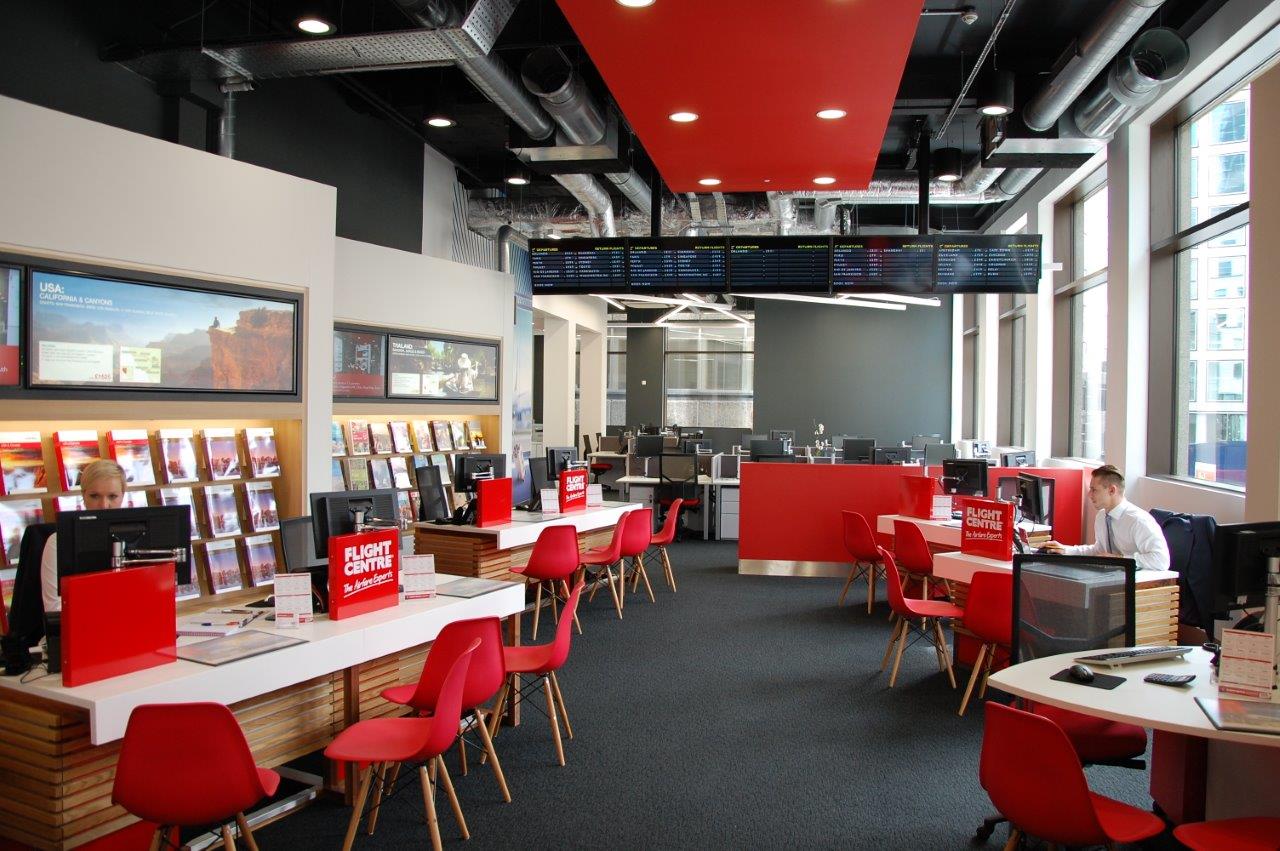
    ASX-listed Flight Centre Travel Group bought two local travel firms for a combined A$19.5 million as it seeks to expand its footprint in New Zealand, making it one of the country’s biggest travel management groups.

    In its annual earnings published to the ASX on Thursday morning, the Brisbane-based company said it has agreed to buy Travel Managers Group (TMG) for an initial A$8.37m and Executive Travel Group (ETG) for an initial A$11.17m, each with working capital adjustments to be made.

    TMG provides systems and support to a network of 180 travel brokers and operates a 22-shop franchise network including 12 TravelSmart shops and 10 other non-branded stores, while ETG is New Zealand’s biggest independent corporate travel manager.

    The Australian travel agent’s New Zealand business generated total transaction value of A$1.1 billion in the year ended June 30, 2017, up 10 per cent from a year earlier.

    Chief operating officer Melanie Waters-Ryan said the business was “successfully executing its key global strategies which include enhancing productivity in the short-term”.

    “The company has also strengthened its presence in the home-based/independent contractor sector, a rapidly growing part of the travel industry, by recently agreeing to buy established networks in both New Zealand (Travel Managers) and Australia,” she said.

    When it announced the deals at the beginning of August, Flight Centre said the purchases made New Zealand its fifth biggest business globally.

  • Ikea plans $212 million Malaysian distribution centre

    Ikea plans $212 million Malaysian distribution centre

    Swedish furniture retailer Ikea is to  open a regional distribution and supply chain centre for Asean in Malaysia.

    According to Malaysian media, the facility will cost about RM908 million (US$212 million), and serve the existing 12 stores in the Ikea Asean network – and seven more planned for construction by 2026.

    The 100,000 sqm warehouse will be one of Ikea’s largest worldwide and reflects the company’s growing focus on the fast-growing Asian market.

    Ikea currently has stores in Thailand, Malaysia, Singapore and Indonesia. More are planned for the Philippines and Vietnam, although launch dates have yet to be announced.

    It is unclear whether Ikea stores in Hong Kong and India will also source products from the new facility.

    Malaysia’s international trade and industry minister Datuk Seri Mustapa Mohamed said the project adds momentum towards making Malaysia a regional distribution hub and the preferred logistics gateway to Asia, as outlined in the National Logistics and Trade Facilitation Masterplan and National E-Commerce Strategic Roadmap.