Category: Living

Retail News Asia is committed to providing both local and global retailers with the latest Living news throughout the Asian market. This on a daily base.

  • Facebook makes new bid for TV viewers with expanded video

    Facebook makes new bid for TV viewers with expanded video

    Facebook had signed deals with news and entertainment creators Vox Media, BuzzFeed, ATTN, Group Nine Media and others to produce shows.

    Facebook on Wednesday made its biggest move to date to compete in the television market by expanding its video offerings with programming ranging from professional women’s basketball to a safari show and a parenting program.

    The redesigned product, called “Watch,” will be available initially to a limited group in the United States on Facebook’s mobile app, website and television apps, the company said.

    The world’s largest social network added a video tab last year, and it has been dropping hints for months that it wanted to become a source of original and well-produced videos, rather than just shows made by users.

    Reuters reported in May that Facebook had signed deals with millennial-focused news and entertainment creators Vox Media, BuzzFeed, ATTN, Group Nine Media and others to produce shows, both scripted and unscripted.

    “We’ve learned that people like the serendipity of discovering videos in News Feed, but they also want a dedicated place they can go to watch videos,” Daniel Danker, Facebook’s product director, said in a statement on Wednesday.

    Chief Executive Mark Zuckerberg said in a Facebook post that Watch would allow users to “chat and connect with people during an episode, and join groups with people who like the same shows afterwards to build community.”

    Facebook said the shows would include videos of the Women’s National Basketball Association, a parenting show from Time Inc and a safari show from National Geographic. Facebook is already broadcasting some Major League Baseball games and that would continue, the company said.

    ATTN said on Wednesday it had two original series coming to Facebook Watch: a health program with actress Jessica Alba and a relationship advice show.

    Eventually, the platform would be open to any show creator as a place to distribute video, Facebook said.

    The company, based in Menlo Park, California, faces a crowded market with not only traditional television networks but newer producers such as Netflix Inc and Alphabet Inc’s YouTube as well as Twitter Inc and Snap Inc .

  • Philippines set to be Asia’s fifth largest retail grocery market

    Philippines set to be Asia’s fifth largest retail grocery market

    The Philippines will soon be the Asia’s fifth largest retail grocery market, according to data released today.

    Speaking on the first day of NRCE, the 24th National Retail Conference in the Philippines, today, IGD Asia-Pacific program director Shirley Zhu said the market will grow by an average of 9.3 per cent year-on-year between 2016 and 2021.

    Grocery retail sales in the Philippines are set to amount to PHP7.08 trillion (US$149.99 billion) by 2021 from PHP4.53 trillion (US$95.98 billion) in 2016, the international grocery research organisation’s data concludes.

    Zhu says the growth will be driven by a growing population, strong domestic consumption and a buoyant economy, lifting it from sixth to fifth, behind China, India, Japan and Indonesia.

    “The Philippines is an exciting market to watch. Modern trade currently accounts for about 20 per cent of total grocery retail sales and is growing rapidly,” said Zhu.

    “We expect to see fast growth in both the number of outlets and sales for modern grocery retailers.”

    Domestic multi-format retailers dominate modern trade and have shown robust growth over the last five years, with SM Retail, Puregold and Robinsons the dominant grocery retailers in the country. SM Retail, for example, is focusing on expanding its mid-sized and small-format stores. In 2016, the retailer opened 144 stores, only one of which was a hypermarket, while 111 opened under the Alfamart minimarket fascia, through a joint venture with Indonesia-based PT Sumber Alfaria Trijaya. SM Retail continues to expand beyond Metro Manila; in 2016, 80 per cent of its store openings were outside this area. Meanwhile, Puregold and Robinsons share a similar ambition to expand further beyond the Luzon area with their multi-channel strategies. 7-Eleven, the fastest-growing retailer in the Philippines according to IGD data, is also expanding its stores into smaller towns across the nation.

    “Driven by more disposable income and increasingly urbanised lifestyles, Filipino shoppers are demanding more convenience in their grocery shopping. As a result, convenience and online are the hottest channels in the market,” said Zhu.

    “The number of c-stores in the country is set to increase as domestic retailers continue to drive this part of the market, bringing in more convenience banners to the country. One of the reasons that demand for convenience stores is so high is because of the rising number of business process outsourcing, or call centres, in the Philippines. These are centred mainly in urban areas, operate 24 hours a day and tend to employ young people with disposable income, who want to shop for their groceries as conveniently as possible.”

    Zhu said online grocery shopping in the Philippines is still in its infancy, but many bricks and mortar retailers have already been experimenting with their own ecommerce solutions.

    “Lazada, the leading ecommerce platform in Southeast Asia, has been operating in the Philippines since 2012 and now has 6 million users in the country. The ecommerce company reportedly plans to go into grocery in the next two years.”

    Looking into the future, Zhu predicts there will be fewer ‘mom and pop’ stores – locally known as sari-sari stores – and there is no doubt that the convenience and online channels will be on a fast growth trajectory over the next few years.

    “There is a wealth of opportunity for retailers and suppliers looking to grab a slice of the action in this rapidly evolving market.”

  • Furniture retailer’s share buyback delayed

    Furniture retailer’s share buyback delayed

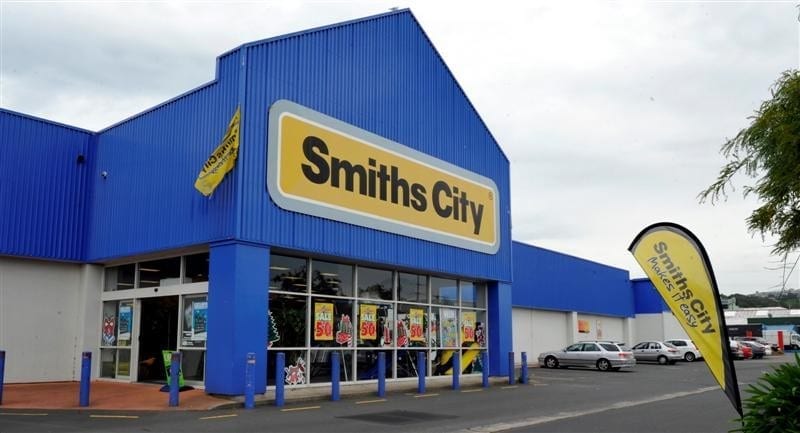
    Smiths City Group shareholders won’t vote on a $5.7 million capital return at this month’s annual meeting as the retail chain operator works through outstanding regulatory matters.

    The Christchurch-based company had planned to put forward a planned share buyback to investors at the August 21 annual meeting, but will now have to hold a special meeting later this year as it irons out the details of the deal.

    Smiths City plans to pay 72c a share in a compulsory acquisition and cancellation of three shares in every 20, provided it gets approval from the High Court, Inland Revenue, lender ASB Bank and shareholders.

    “The return of capital was not referred to in the notice of meeting as the company is still attending to some regulatory matters that need to be dealt with prior to putting the return of capital to the shareholders of the company for their approval,” chairman Craig Boyce said in a statement.

    “The company’s intention is to put the matter to shareholders for approval at an extraordinary general meeting later in the year.”

    The retailer is partway through a five-year transformation programme where it wants to quit low margin businesses and expand its Auckland presence.

    In June it reported a 54 per cent jump in underlying earnings to $2m on largely flat revenue $227.5m on a smaller restructuring bill.

    The shares recently traded at 71c and have increased 2.9 per cent so far this year.

  • Decathlon opens first store In Hong Kong

    Decathlon opens first store In Hong Kong

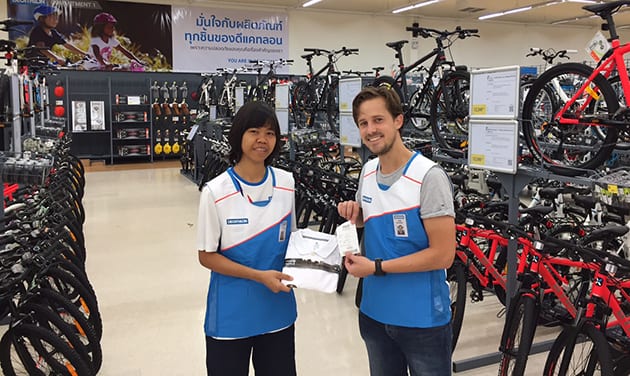
    French sports supplies retailer Decathlon has opened its first physical store in Hong Kong.

    Located in Grand Plaza, Mong Kok, the new Decathlon store will provide over 10,000 kinds of products for over 70 sports, including climbing, fitness, running, golf, diving, and skiing.

    Prior to this, Decathlon already operated businesses in Hong Kong as a manufacturer., but not as retailer, to the chagrin of Hong Kong shoppers.

    Google Maps often displayed Decathlon’s office in Kowloon as a retail outlet, and this caused confusion for shoppers who hoped to visit a Decathlon retail outlet.

    The best method for Hong Kong shoppers to purchase Decathlon goods was to either visit the nearby Chinese city of Shenzhen or order goods online via Decathlon’s Taobao.com e-commerce shop.

    In 2015, Chinese media reports that the French company officially launched its e-commerce store in Hong Kong by establishing a dedicated website and online sales platform, but the company appeared to provide poor communication to consumers about this store because many were unaware of its existence and had to instead purchase from Taobao.com.

    With the opening of this new physical store, Decathlon expects to offer its complete sports ideas and unique shopping experience to residents in Hong Kong.

    According to Decathlon’s report published in February 2017, the company realized global operating revenue of over EUR10 billion in 2016, representing a year-on-year increase of 4.4%. By the end of 2016, Decathlon had 1,176 physical stores in 28 countries and regions around the world.

    In the Asia Pacific region, Decathlon values the Chinese market the most. The company has a full industrial chain layout in China, covering product design, research and development, production, logistics, brand, and retail.

    Based on its experience in China, Decathlon also opened physical stores in Thailand, Malaysia, and the Philippines. The company plans to enter Australia in October 2017.

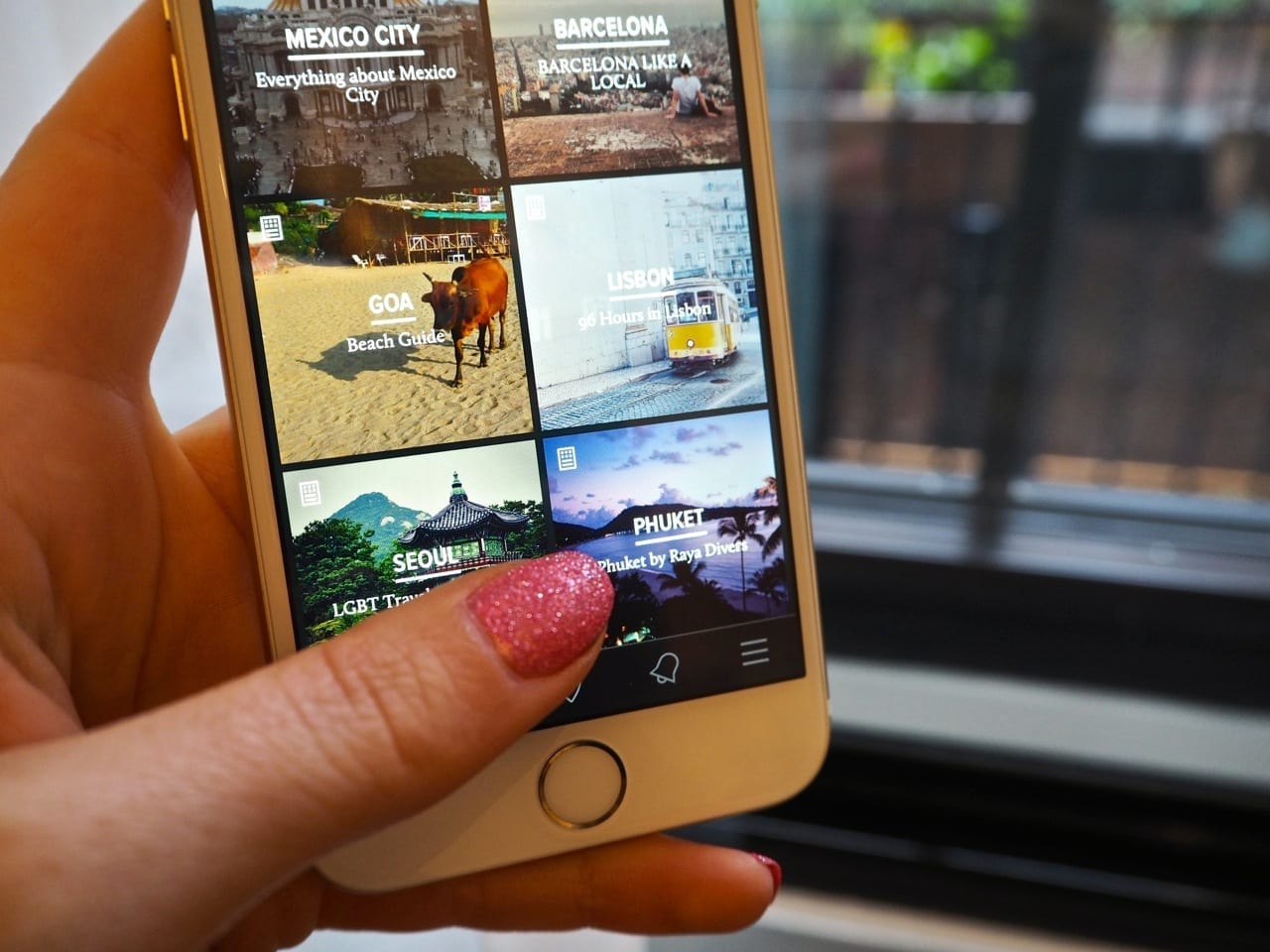
  • Vietnam develops an appetite for booking trips by phone

    Vietnam develops an appetite for booking trips by phone

    ‘Travel expenditure in Vietnam will rise rapidly due to increasing disposable incomes and growing middle-class affluence.’

    Mobile travel sales accounted for around 7 percent of total online sales in Vietnam in 2016.

    Over the past four years, mobile sales have witnessed strong growth of nearly 60 percent, a new report released by Criteo, an internet advertising company, revealed.

    “Travel expenditure in Vietnam will rise rapidly due to increasing disposable incomes and growing middle-class affluence,” said Alban Villani, general manager of Criteo Southeast Asia, Hong Kong and Taiwan.

    “Vietnam is a mobile-first society with a very high mobile penetration rate. Since the ubiquitous presence of internet, online and mobile traveling purchases become more commonplace. We expect digital traveling will become the new trend of traveling,” he added.

    In comparison to other countries, mobile travel sales in Vietnam contribute modestly to total online travel sales, but are expected to take up a bigger slice of online travel sales by the end of 2020, according to the report. During the next five years, the revenue generated from travel purchases via mobile is expected to grow by 22.4 percent.

    Travel remains an area that the Vietnamese are devoted to, according to the report. During 2016, Vietnamese people took 6.9 million outbound trips and 52.8 million domestic trips, said the report.

    On average, each Vietnamese person took 5.6 trips each in the last 12 months.

    Online and mobile strategies are crucial for retailers and online travel agents to engage with shoppers while they browse and book trips and ancillaries.

    The survey was conducted in February 2017 among 1,900 travelers from Australia, China, India, Indonesia, Japan, Singapore, South Korea, Taiwan and Vietnam who search or book travel products online.

  • Vinyl record pop-ups pay off for ‘stunned’ retailer

    Vinyl record pop-ups pay off for ‘stunned’ retailer

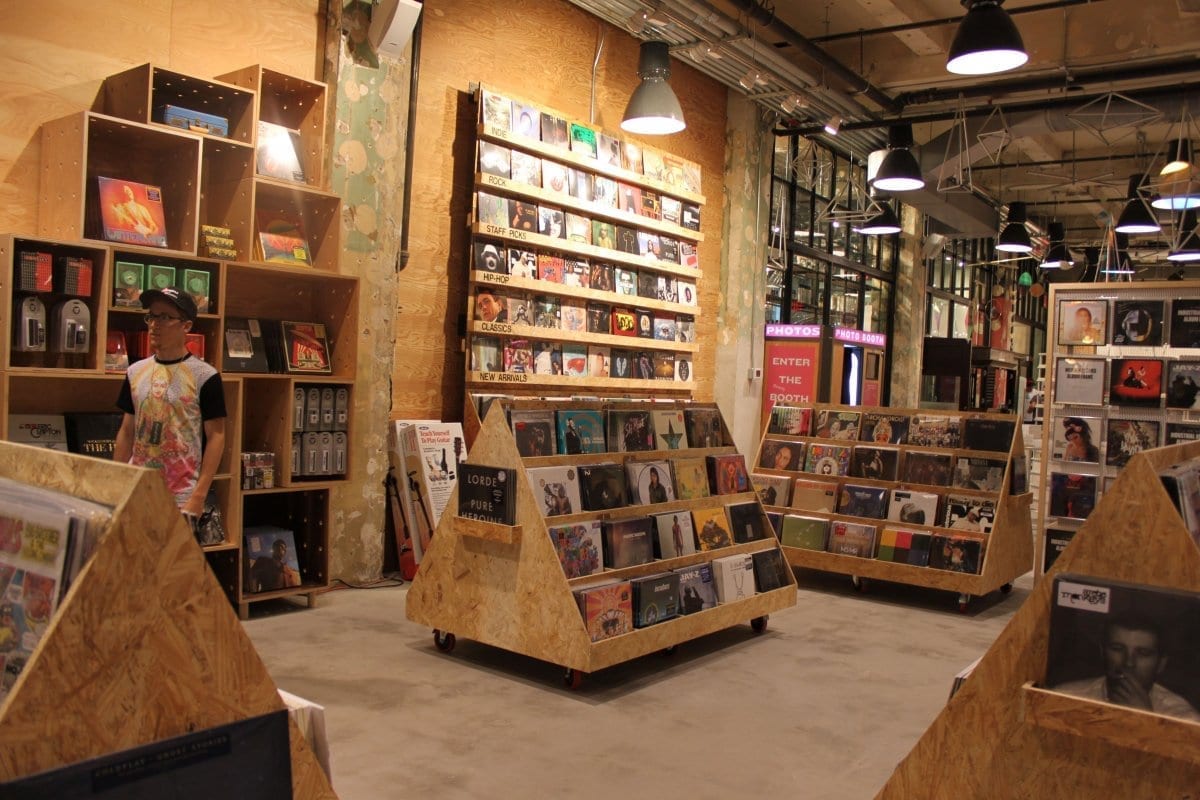
    Two years of vinyl record pop-ups for collectors have left retailer Nick Langford stunned by the level of interest in the vintage format.

    He started his business with a shipment of 10,000 LPs (long-playing records) in 2015.

    “It’s all about vinyl,” says Langford, who holds the pop-up events each month at SoHo’s Culture Club Gallery.

    “Every genre from the ’50s onward is covered, including new issues from Hong Kong artists like Blood Wine or Teenage Riot,” says the English expat, who describes the demand as “quite extraordinary”.

    A worldwide vinyl revival kicked off about 10 years ago, with sales are set to reach US$1 billion for the first time this year. Sony Music is launching a record-pressing plant in Japan to cope with demand, much of it driven by the Asian market.

    Langford started by buying a collection of 10,000 records which he had flown to Hong Kong in 95 boxes. “It took me four months to get them in order, and it cost a lot of money, but it was worth it,” he says.

    While organising a recent purchase of ’60s flexi-discs from China, he found a first pressing of a Beatles record that had been put back into the wrong sleeve. He says it is such discoveries that keep collectors hunting.

  • Flight Centre buys two New Zealand travel firms

    Flight Centre buys two New Zealand travel firms

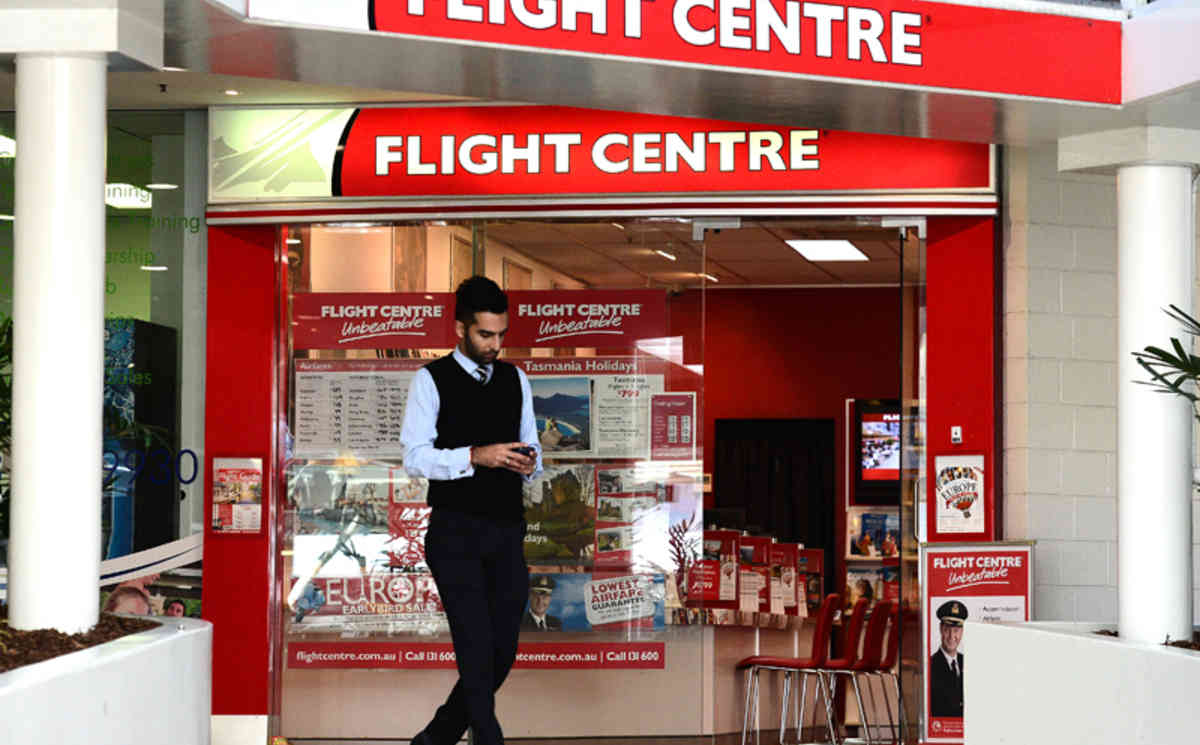
    ASX-listed Flight Centre Travel Group will buy two local travel firms for an undisclosed sum, expanding its footprint in New Zealand and making it one of the country’s biggest travel management groups.

    The Brisbane-based company on Monday said it had agreed to buy Travel Managers Group (TMG) and Executive Travel Group (ETG), without providing details of the transactions, making New Zealand the Australian firm’s fifth biggest business globally.

    The two businesses will add $3 million of annual earnings before interest, tax, depreciation and amortisation, and Flight Centre said their addition will boost the New Zealand business to almost $1.5 billion in annual sales in the 2018 financial year.

    “ETG will enhance our already strong corporate travel offering in New Zealand and will give the business additional scale and expertise,” Flight Centre managing director Graham Turner said in a statement to the ASX.

    TMG provides systems and support to a network of 180 travel brokers and operates a 22-shop franchise network including 12 TravelSmart shops and 10 other non-branded stores, while ETG is New Zealand’s biggest independent corporate travel manager.

    Former Flight Centre staffer Kevin Weston co-owns ETG, which was set up in 1978 and he and business partner Nicola Jamieson bought a 40 per cent stake in TMG in 2014.

    Weston, Jamieson and TMG shareholder David Wallace will keep running the two businesses, and report to Flight Centre New Zealand managing director David Coombes.

    Flight Centre will use company cash to pay for the acquisitions, which are expected to settle in the first quarter of the 2018 financial year. No price was disclosed, although Flight Centre said they were in line with normal multiples. The ETG purchase includes extra payments if certain earnings targets are met.

    The ASX-listed company’s shares last traded at $A43.50 ($NZ46.33) and have jumped 39 per cent so far this year.

  • Mirvac launches bespoke nanny service

    Mirvac launches bespoke nanny service

    Retail landlord, Mirvac, has launched a new nanny service across two of its shopping centres, with plans to roll the service out nation-wide by 2019.

    Mirvac’s Shopping Nanny allows customers at Rhodes Waterside NSW and Kawana Shoppingworld QLD to book up to two hours of complimentary childcare, as part of Mirvac’s national centre loyalty program Mums & Co.

    Parents can also choose whether the nanny accompanies them while they shop, or entertains the child in a designated play area on site. The company has recruited Lullaby Nanny Share which will provide the carers.

    The concept was designed by Mirvac’s program, Hatch, and was initially trialled at Rhodes Waterside. According to the retail landlord, customer feedback indicated that the ability to shop stress-free, try on clothes in the changing rooms and enjoy a coffee with friends were their top reasons for enjoying the service. Being able to have the nanny accompany them while they shopped was also a key benefit, with over 60 per cent choosing this option.

    Susan MacDonald, head of Mirvac Retail, said the service was testament to the company’s investment into creating more meaningful and engaging experiences for its customers beyond the realms of retail.

    “We are dedicated to creating value for our customers, and for us, this value is defined through experience – listening to customer needs and trends and responding with innovative solutions that in turn deliver evermore rewarding experiences in our centres,” said MacDonald. “Shopping Nanny is a great example of this ideation in process.”

    Group GM, innovation, Teresa Giuffrida, said Mirvac “actively sought feedback from our customers and extensively tested this concept before implementing, so we know this is a service our customers will love.”

  • Spotify builds streaming lead at 60 million subscribers

    Spotify builds streaming lead at 60 million subscribers

    The Swedish company has more than double the base of nearest competitor Apple Music.

    Spotify said Monday that it had 60 million paying subscribers, expanding its lead in the fast-growing world of music streaming.

    The Swedish company has more than double the base of nearest competitor Apple Music, which in early June said it had 27 million subscribers.

    Apple Music, however, achieved its growth rapidly as it was launched only two years ago by the tech giant.

    Spotify — started in 2008 and available in 60 countries — gave the figure in its first update since March, when it had announced that it had 50 million subscribers.

    The company said in June that it had more than 140 million overall users — meaning most people listen on its free, advertising-backed tier, which is controversial with many artists.

    The next competitor to Spotify is Paris-based Deezer, which is especially strong in continental Europe and said in January 2016 that it had six million paying subscribers.

    Other streaming sites include rap mogul Jay-Z’s Tidal, a service launched last year by retail giant Amazon and early streaming site Rhapsody, which has rebranded itself as Napster.

    Most music industry watchers expect streaming to keep growing sharply, with the subscriber numbers a small fraction of the potential global market.

    Streaming has helped the music business chart two years of bumper growth after long stagnation, although artists often question how much of the money comes back to them.

  • Alexander McQueen opens new store at Elements

    Alexander McQueen opens new store at Elements

    Alexander McQueen shows a world that is both classic and contemporary, familiar and subversive at its new retail store at Elements in Tsim sha Tsui.

    Creative director Sarah Burton partnered with David Collins Studio to design the store, which highlights nude and black colours with accents of aged and polished brass.

    Bookmatched Calacatta Oro marble is used to create a stunning marble feature wall in the shop front while pink onyx frames the collection with bold architectural backdrops.

    A selection of special commissions and mid-century-inspired furniture are curated within the store, including armchairs upholstered in antique blush and black.

    Alexander McQueen stores can also be found at Sogo Department Store in Causeway Bay and Landmark Atrium in Central.

  • Fall in Chinese tourists drags retail-sector sales in Taiwan

    Fall in Chinese tourists drags retail-sector sales in Taiwan

    Revenue generated by Taiwan‘s retail sector fell in the first half due to a fall in the number of Chinese visitors, who tend to buy expensive home appliances or luxury goods, the Ministry of Economic Affairs said.

    The number of Chinese visitors in the past six months fell about 40 percent from the same period last year, which had an adverse effect on local private consumption and retail sales, Department of Statistics Deputy Director-General Wang Shu-chuan said.

    Although the total number of foreign arrivals only fell 5.7 percent year-on-year, meaning that an increase in travelers from other countries offset the decline, they failed to make up for the reduced consumption generated by Chinese visitors, Wang said.

    Retail sales for the first half fell 0.4 percent year-on-year to about NT$2 trillion (US$65.88 billion), the ministry said.

    The local home appliances business sustained the most visible impact, with sales falling by NT$11.9 billion year-on-year for the six-month period, the ministry said.

    Meanwhile, sales generated by the local wholesale sector rose 5.7 percent from a year earlier to NT$851.9 billion last month on the back of strong demand for machinery, communications chips, memory chips and chemical materials, at a time when the global economy has been on the road to recovery, the ministry said.

    In the first half, sales in the wholesale sector rose 5.1 percent from a year earlier to NT$4.79 trillion, while revenue of the local food/beverage sector grew 2.7 percent to NT$224.9 billion.

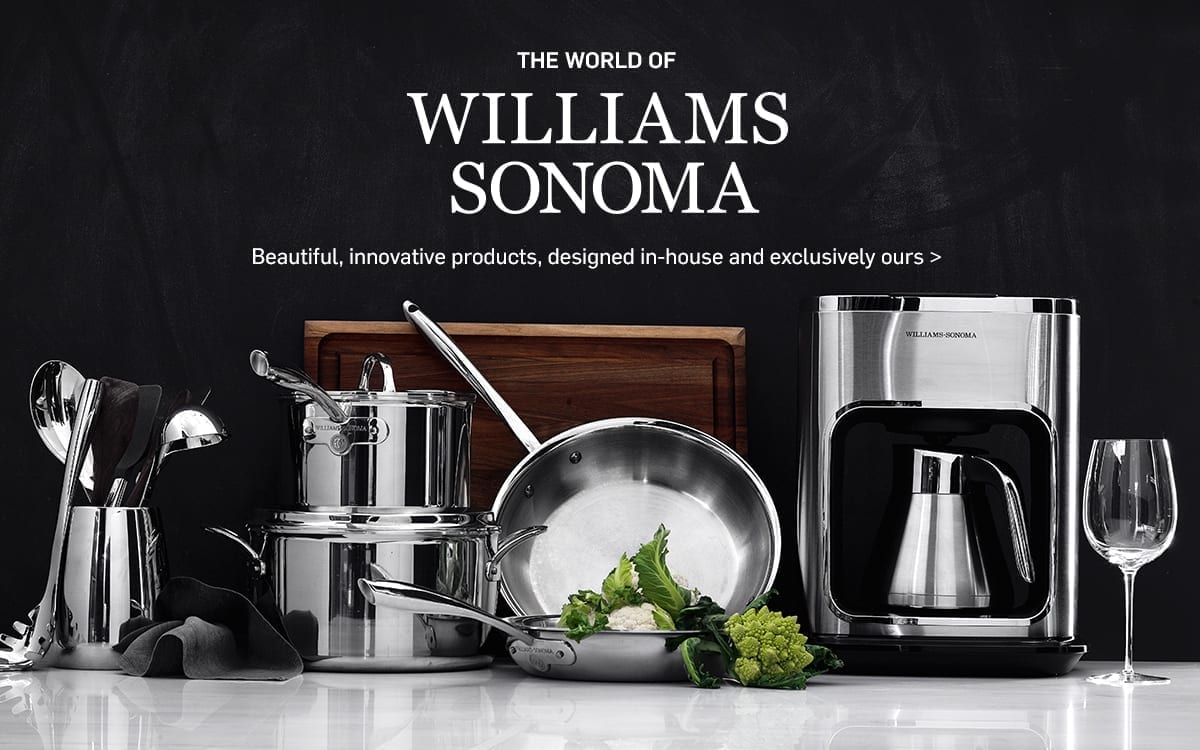
  • First Williams-Sonoma Korea stores open

    First Williams-Sonoma Korea stores open

    Williams-Sonoma has opened its first stores in Seoul, South Korea under its strategic franchise agreement with home goods retailer Hyundai Livart Furniture.

    Pottery Barn and Pottery Barn Kids opened a combined store and West Elm opened a store at Hyundai City Mall Garden 5. Williams Sonoma opened at Hyundai Department store Mokdong. These openings are the first of 30 stores from the Williams-Sonoma portfolio expected to open across South Korea over the next 10 years.

    “This is an exciting milestone in our global expansion,” said Laura Alber, Williams-Sonoma president and CEO.

    Hyundai Livart, an affiliate of Hyundai Department Store Group, operates Livart, Livart Neoce, Livart Ismine, Livart Kitchen, Livart Kids and H.Mondo.

    The Korean launch follows Williams-Sonoma’s overseas forays into Canada, Australia and the UK, and the franchise of its brands to third parties in the Middle East, the Philippines and Mexico.

    “By the end of this year Williams-Sonoma will be represented at more than 145 international retail locations,” said Ronald Young, executive VP, global of Williams–Sonoma. “As we begin our partnership with Livart opening our first four stores of many to come in South Korea, we look forward to the tremendous opportunity of continuing our global expansion.”

    Hwa-Eung Kim, representative director and CEO of Hyundai Livart Furniture, said the company was looking forward to opening additional stores in Seoul and in other major cities across South Korea soon.

    This October, the two companies will open a five-story flagship store in Nonhyun-dong, Seoul. The superstore will include Pottery Barn, Pottery Barn Kids, and West Elm, and will represent the first time three Williams-Sonoma brands are offered in a single standalone location. An additional Williams-Sonoma store will be opened in the Hyundai City Mall Daegu branch in the latter half of this year.

  • Tourism Ministry to Lure More Asia Pacific Tourists

    Tourism Ministry to Lure More Asia Pacific Tourists

    Tourism Ministry claimed that they will keep adding the number of international flight routes especially from Asia Pacific to Lombok, West Nusa Tenggara. One of the potential markets targeted is South Korean tourists.

    Tourism Ministry’s Asia Pacific deputy assistant Vincent Djemadu said that the potential tourists from Asia Pacific to Indonesia are high in number. They are mostly attracted to Indonesia’s nature and culture.

    Nationwide, in a year there are at least 350 thousand Korean tourists choose Indonesia to spend their holiday. Vincent mentioned that this year the figure will increase to 500 thousand tourists.

    “At present, nationally, the existing market is roughly 350 thousand tourists per year. It will most likely increase up to 500 thousand by the end of this year,” Vincent said in Praya on Saturday (29/7).

  • Vietnam’s fuel imports may drop as Dung Quat oil refinery tax cut finally felt

    Vietnam’s fuel imports may drop as Dung Quat oil refinery tax cut finally felt

    Lower tax will help boost 2017 Dung Quat output by 20 percent. Vietnam’s fuel imports may drop as the effects of a tax cut on sales of gasoline and diesel fuel from the country’s Dung Quat oil refinery start to be felt as earlier term contracts expire.

    Vietnam’s government allowed Dung Quat’s operator Binh Son Refining and Oil Co, starting on January 1, to lower its tariff on domestic gasoline sales to 10 percent from 20 percent while the tax on other oil products including diesel was lifted, Binh Son Chief Executive Officer Tran Ngoc Nguyen said on Monday.

    The reduction allowed Binh Son to match the current 10 percent tax on gasoline imports from South Korea established under a free-trade agreement (FTA) and the tax-free status for diesel sales from countries in the Association of Southeast Asian countries (ASEAN) under a different FTA.

    “Before January, taxes on Binh Son’s oil products are always … higher than imported products, making our product prices high and they cannot be sold,” Nguyen told.

    The lower taxes are expected to reduce imports of gasoline and diesel into Vietnam, denting overall profit margins for the oil products, four fuel traders told on Monday.

    While the tax reduction was effective from January, local importers had already agreed to long-term fuel contracts with Binh Son in December, meaning they missed the lower taxes, the four traders said.

    The tariff reductions were announced in September but would only apply to contracts signed in 2017, said Nguyen.

    Dung Quat’s full-year production this year is expected to reach 6.1 million tons per year, equivalent to about 122,000 barrels per day (bpd), nearly 20 percent higher than its initial target as a result of the lower taxes, said Nguyen.

    The refinery, currently Vietnam’s only operating refinery, has a total capacity of 6.5 million tons per year.

  • Vietnamese hospitality wins big

    Vietnamese hospitality wins big

    The government is allowing Vietnamese locals to gamble at two locations – the first in Van Don and the other on Phu Quoc Island – as part of a three-year pilot scheme. A third site in Ho Tram is expected to be added to the list.

    The news has evoked the interest of big international names such as Las Vegas Sands, along with local conglomerates like Sun Group, which is, so far, the only Vietnamese company approved to develop a casino in Van Don. More hotels across the country are installing electronic gaming to boost revenue, according to the real estate services firm’s latest report.

    “With Melco Crown Philippines being recognised as the best performing casino stock globally in 2017, it demonstrates that financial success can be achieved with the right planning, and has motivated investors to pursue such opportunities,” Frank Sorgiovanni, head of Research, Hotels and Hospitality JLL APAC, said on the appeal of casinos.

    “Viet Nam’s tourism industry’s renaissance has also driven corporate demand for hotels across the country, while visa exemptions, introduction of new direct air routes and improved marketing efforts have boosted appeal for leisure travellers,” Sorgiovanni said.

    Viet Nam’s gastronomical offerings are proving a further attraction for repeat visitors, especially from Asia, Sorgiovanni said. “The country is fast becoming a ‘foodie’ destination with a vastly improving food and beverage scene,” he added.

    “The outlook for the tourism and accommodation sector is bright with continued marketing efforts, improvements in infrastructure and further development of human resources and services,” Sorgiovanni said.

    “Foreign investors from across the region have shown significant interest in Viet Nam over the past 18 months and the country is becoming one of the most talked about markets in the Asia Pacific,” he added.