Category: Living

Retail News Asia is committed to providing both local and global retailers with the latest Living news throughout the Asian market. This on a daily base.

  • Google Earth to let users post stories, photos in coming years

    Google Earth to let users post stories, photos in coming years

    ‘The story of your family history, the story of your favorite hiking trip – it could be anything. It doesn’t have to be profound.’

    Alphabet Inc wants users to post millions of stories, video and photos on its Google Earth platform in the next few years, the program chief said on Tuesday at a launch event in Brazil for content focused on showcasing the Amazon rainforest.

    The “Voyager” tool allows internet surfers to take interactive tours of exotic destinations on Google Earth led by the likes of primatologist Jane Goodall, with photos, information and maps.

    However, regular users will be able to create their own unedited content for private or public use within two to three years, Google Earth Director Rebecca Moore told.

    “The story of your family history, the story of your favorite hiking trip – it could be anything. It doesn’t have to be profound,” she said at the event in Sao Paulo.

    Moore took the stage at an event in Sao Paulo to unveil the “I am the Amazon” project, which has mapped 11 sites to document the relationship between the rainforest and its people, touching on topics like food, water and cultural origins.

    To tell the stories of communities such as the Yanomami people, Cinta Larga and the Boa Vista Quilombola, Google and partners used tools like 3D cameras to accompany satellite images with videos and text.

    Moore did not reveal the budget for the project but she ruled out the idea of advertising on the platform and said it is not Google’s intention to turn a profit from the venture.

    “Google Earth is our gift to the world,” she told. “In terms of budget, Google has nice revenue from advertising, and not everything Google does has to make money.”

  • Molteni&C opens Osaka store

    Molteni&C opens Osaka store

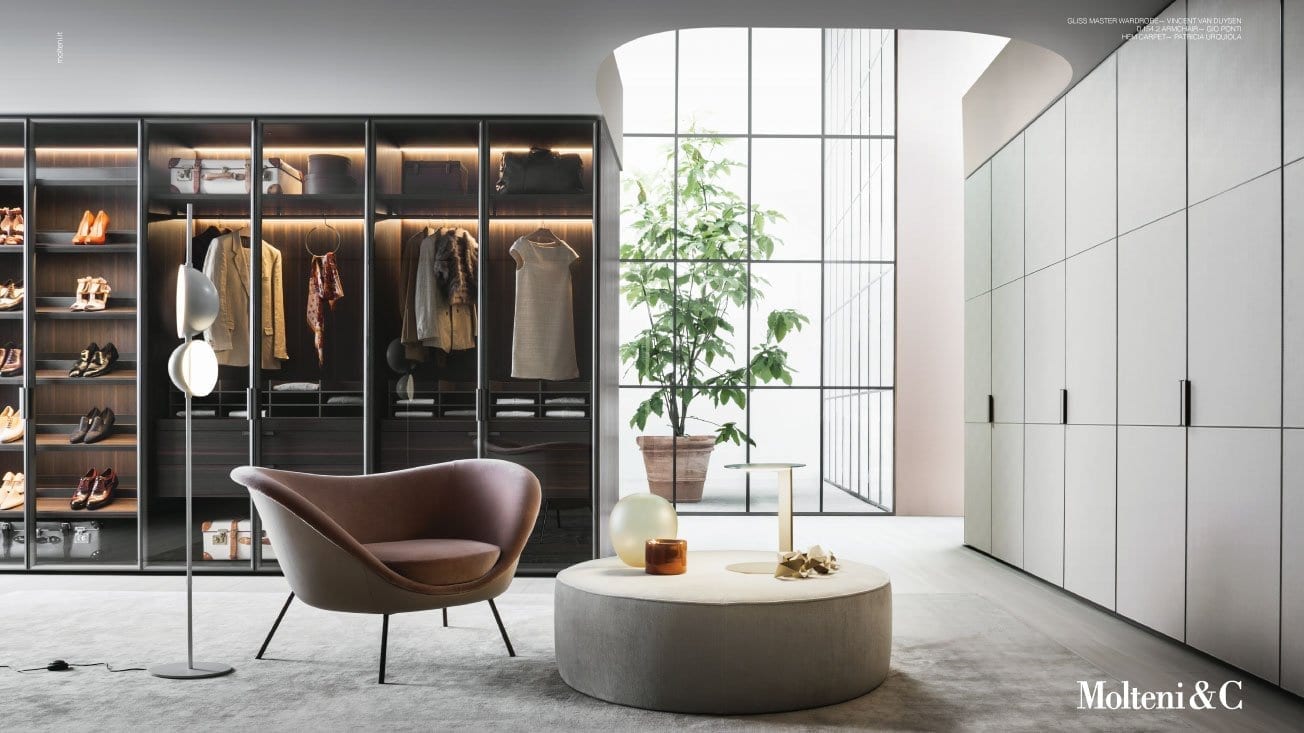
    Molteni&C has officially opened its new Japan flagship store in Osaka.

    Covering 400 square metres, the space is located in the fashionable Shinshaibashi shopping district. The high-end store comes inspired by western interior design, with an open feel, which features a broad terrace and chic lighting.

    Describing the store fit out, the Italian brand said the new boutiques boasts “sophisticated and natural materials, such as glass, oxidized wood and resin, Grès stone, the chiaroscuri of the sands and the warm greys alternate with luminous touches of colour.”

    Key elements on display are the latest Molteni&C collection and Dada’s VVD kitchen, which dominates the large terrace overlooking the main street.

    The Osaka store is the second in Japan after the first opened in Tokyo in 2016.

    The luxury Italian furniture designer continues its ten-year partnership with Arflex Japan, a well-established distribution company in the Asian nation.

  • Axiata, iflix sign non-binding MoU

    Axiata, iflix sign non-binding MoU

    Axiata Group and iflix, a subscription video on demand service provider, have inked a non-binding Memorandum of Understanding (MoU) relating to the expansion of their strategic collaboration to provide entertainment to Axiata’s more than 125 million customers in six countries.

    In a statement, Axiata said from two existing successful partnerships with Celcom in Malaysia and Dialog in Sri Lanka, the regional collaboration is intended to extend to Axiata’s customers at XL in Indonesia, Smart in Cambodia, Robi in Bangaldesh and Ncell in Nepal.

    “Axiata has always demonstrated a strong focus on customer experience and innovation, as we strengthen our position in new sources of value, specifically in digital entertainment products and digital content distribution platforms across the region.

    “The expansion of our collaboration with iflix is a testament to that commitment. We are thrilled to make iflix’s world-class service and content available to over 125 million customers in Malaysia, Indonesia, Bangladesh, Cambodia, Nepal and Sri Lanka,” Axiata group chief strategy and marketing officer Dominic Arena said.

    Axiata said the collaboration would further strengthen the group’s leading regional telecommunications position.

    Meanwhile, iflix group chief executive officer Mark Britt said it was committed to provide all Axiata customers with unlimited access to the world’s best TV shows and movies through an exceptional user experience and unparalleled service, already enjoyed by Celcom and Dialog customers.

    “Together with Axiata’s highly innovative and award winning Mobile Internet Fulfilment Exchange application platform and music service Yonder, we look forward to working with Axiata to further redefine media and entertainment for Axiata’s customers in Malaysia, Sri Lanka, Indonesia, Cambodia, Bangladesh and Nepal, over the coming months,” he said.

  • Adairs up on late year turnaround

    Adairs up on late year turnaround

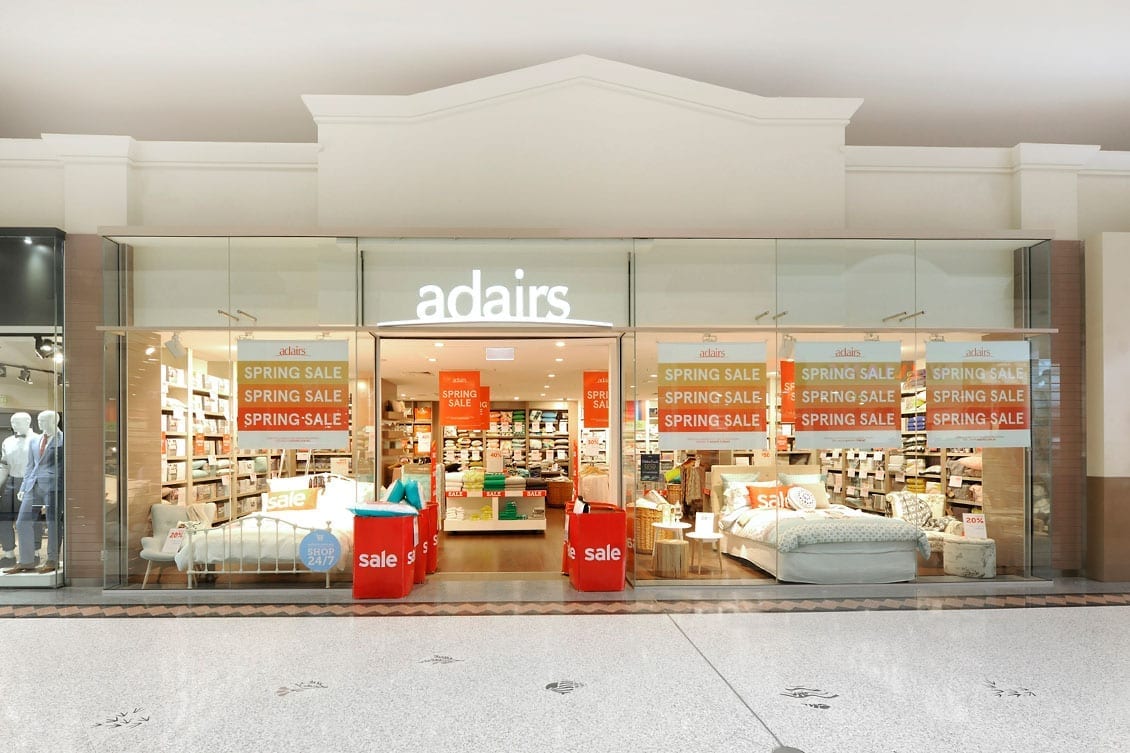
    Big-box bedding retailer Adairs has turned around a weak start to FY17, advising the market this morning that it expects total sales during the second-half to increase by 8.3 per cent to $140.4 million.

    CEO Mark Ronan now expects to reveal full year sales of $264.9 million next month, noting that a 3.8 per cent increase in sales during Q4 had saved the year.

    Second-half like for like sales increased by 1 per cent, crimping a 6.8 per cent decline during Q2 and a 2.4 per cent decline in Q3.

    Adair’s share price spiked in early Wednesday trading on the news, increasing by more than 26 per cent to $1.20, breaching the dollar mark for the first time since April.

    Ronan told shareholders that issues in its bed linin range identified in the first half have been “largely resolved”, with new products coming in to bring the core category back into black in the second half.

    “The business continues to make changes to address the issues that led to the disappointing first half results,” Ronan said.

    “While we are pleased to see sales in the bed linen category improve, we continued to see higher than usual sales variability across our store formats, centre types, product categories and geographies,” he continued.

    With full-year like for like sales still expected to decline by 1.4 per cent, in line with its previous guidance, Ronan outlined the well-noted “subdued retail environment” as a factor, also noting that there’s still room for improvement on product and store execution.

    The company is due to hand down its audited full-year results on August 28.

  • Indonesia to bring home tax money parked in Singapore

    Indonesia to bring home tax money parked in Singapore

    The government is to hunt down tax money from Indonesians who park their money in Singapore, following an offer from Singapore to allow Indonesia to access the financial data of Indonesians in the neighboring country.

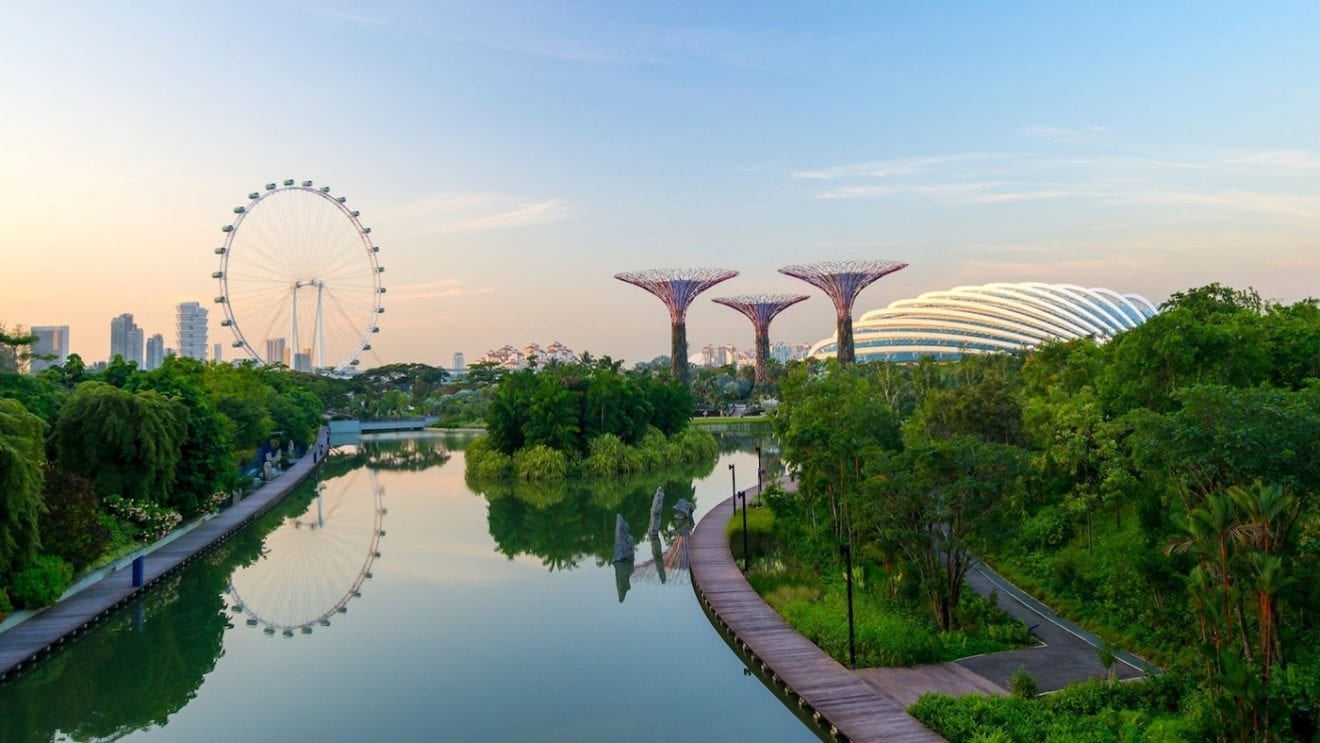
    Singapore and Indonesia are soon to sign a Bilateral Competent Authority Agreement (BCAA) to implement the Automatic Exchange of Information (AEoI) between the two countries.

    Finance Minister Sri Mulyani Indrawati received the offer from Singapore on the sidelines of the G20 Summit in Germany last week.

    “This is a positive. I will follow up so that we can benefit from the agreement,” said Sri Mulyani.

    Sri Mulyani estimated that Indonesian wealth parked overseas amounted to about Rp 1 quadrillion (US$74.68 billion), 60 percent of which was in Singapore.

    Meanwhile, the Finance Ministry’s tax compliance expert Suryo Utomo said that of the Rp 835.7 trillion parked in Singapore that was declared during the tax amnesty, only Rp 84.52 trillion had been repatriated.

    Taxation Directorate General spokesman Hestu Yoga Saksama said that Sri Mulyani and Director General of Taxation Ken Dwijugiasteadi would visit Singapore sometime this month to follow up on the agreement initiated by Singapore.

    Indonesia and Singapore has an open exchange of information, said Hestu. He added that Indonesia should also seek a BCAA with Hong Kong, as well as stipulate confidentiality and data safeguards.

  • Japan’s Nitori to open flagship store in Shanghai

    Japan’s Nitori to open flagship store in Shanghai

    Japanese furniture and home decoration brand Nitori will open a flagship store in Xujiahui, Shanghai.

    With an area of 8,000 square meters, this store is the old location of Best Buy. It is reportedly Nitori’s first flagship store in China after its brand re-design.

    Founded in 1967, Nitori is one of the largest home supplies chains in Japan. The company was listed on Tokyo Stock Exchange in 2002 and started fast expansion in the domestic Japanese market after that.

    In 2003, its number of stores was over 100 for the first time. At present, its main businesses include home decoration, house renovation and online shopping.

    Nitori entered China in 2004 by launching a logistics center in Shanghai and the company launched its online shopping business Nitori Net in September 2004. The company’s first Chinese physical store was opened in Wuhan, Hubei province in 2014, marking Nitori’s formal beginning of its Chinese business. So far, Nitori has over ten stores in cities like Shanghai, Hangzhou, and Ningbo.

    In regards to future expansion, Nitori plans to have 100 stores in China by 2020.

  • Indonesian embassy promotes Balinese culinary in Beijing

    Indonesian embassy promotes Balinese culinary in Beijing

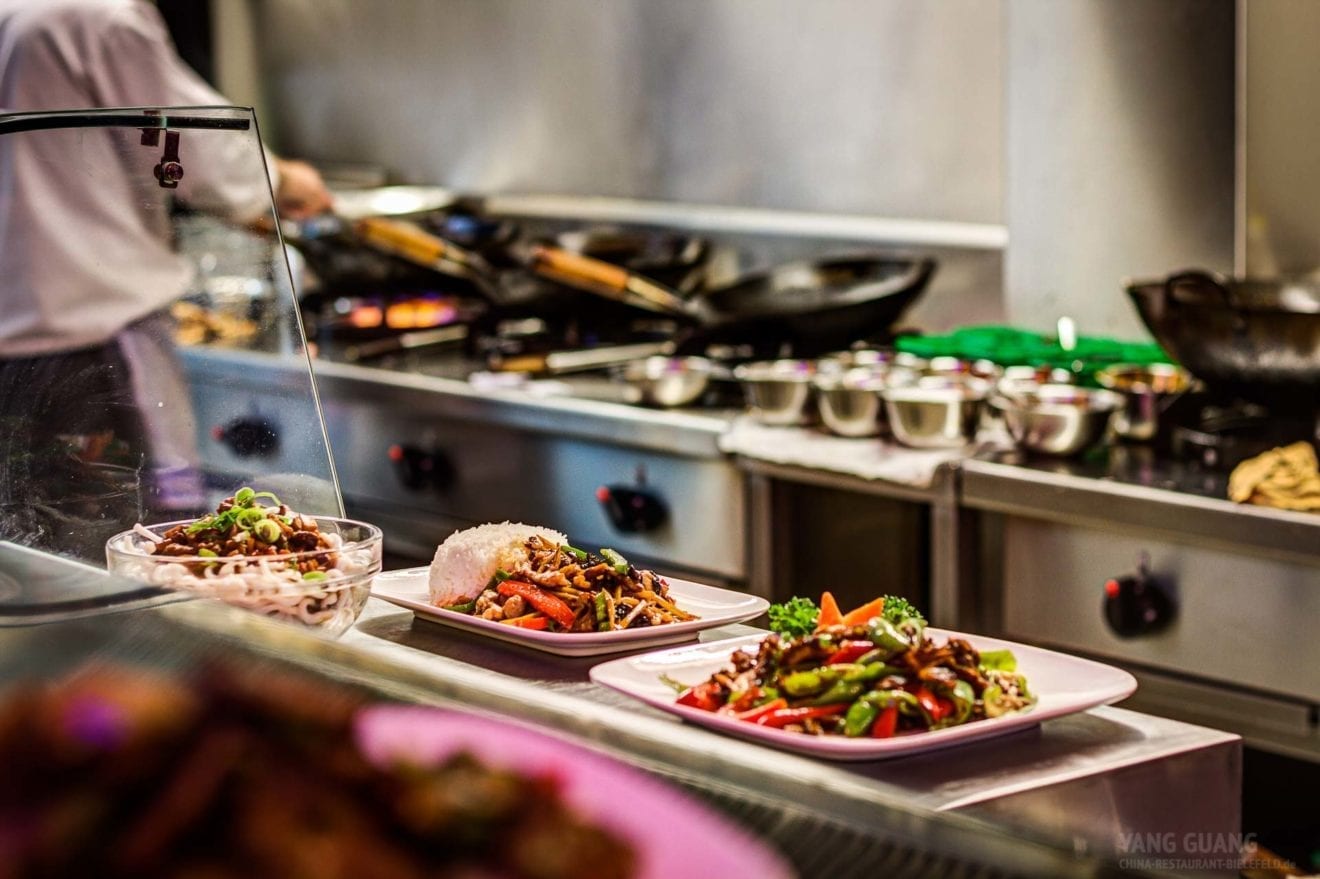
    The Embassy of the Republic of Indonesia in Beijing and Hotel Conrad has promoted Balinese cuisine to the guests staying at one of the five star hotels in the capital city of China from July 6 to 16, 2017.

    “This is the second event this year,” Indonesian Ambassador to China, Soegeng Rahardjo, stated in a press statement received by Antara here on Friday.

    To support the event titled A Taste of Indonesia, Conrad Beijing presented three chefs from Bali, namely I Made Semawan, Agus Feritude, and Agus Surya.

    They serve Balinese dishes of chicken, pork, fried rice, and satay, which tasted exactly the same as the ones found in the island.

    “With the growing recognition of Indonesias tradition, culinary taste, and beauty, it is expected that the number of foreign tourists visiting Indonesia will continue to increase,” the ambassador stated.

    The Embassy will continue to hold such culinary promotional events by involving several star hotels.

    Earlier, a similar event was also held by the Embassy in cooperation with Westin Beijing in mid-March.

    This year, the Ministry of Tourism expects 2.5 million tourists from China.

    In previous year, tourists from mainland China visiting Indonesia reached 1.5 million people. They still see Bali as a major tourist destination in the country.

    Garuda Indonesia has provided direct flights to Denpasar from Beijing, Shanghai, Guangzhou, and Chengdu. Several Chinese airlines also provide direct flights to Denpasar.

  • Restaurant industry starts 2017 on sour note

    Restaurant industry starts 2017 on sour note

    The restaurant industry in the three largest cities of Vietnam struggled with weak sales and traffic throughout the first quarter of 2017, according to a report by Decision Lab, a marketing research company based out of Ho Chi Minh City.

    The number of customer visits to restaurants in Hanoi, Ho Chi Minh City and Danang for the three month period dropped 9% with average spending per visit plummeting 12% when compared against the previous quarter’s figures, said Decision Lab.

    The quarter closed with 20% lower total sales for the three cities than reported for the fourth quarter of 2016.

    The data collected from the Decision Lab Foodservice Monitor indicates that both full-service restaurants and quick service restaurants experienced a decline in sales and visits in the three month period.

    Meanwhile, street food and convenience store sales managed to maintain their market size.

    Decision Lab didn’t have a solid explanation as to what caused the substantial drop. However, the company rationalized that it was due to a variety of seasonal factors, mostly involving the Lunar New Year holiday.

    During the Lunar New Year, said Decision Lab, consumers have a higher tendency to travel out of the cities to their homeland.  They also spend more time with family and eating at home during the country’s biggest holiday.

    As Vietnamese consumers began saving for the biggest celebration of the year, they cut down on going to restaurants for Breakfast, Lunch, and Dinner, both in terms of visits and spending.

    As the quarterly Foodservice Monitor report from Decision Lab shows, Delivery is the only type of consumption that enjoys stability in its market size in quarter 1. Vietnamese still highly value the convenience of placing a delivery order, having their meal cooked by professional chefs and delivered to their doorstep. Especially before, during and after Lunar New Year when everyone is swamped with work, holiday preparation, and traditional rituals, the comfort a delivery can bring is even more appreciated.

    Although not cutting down on delivery per se, consumers did spend less per order as they stayed committed to their saving plan. To tackle this lower spending per order, restaurants can offer promotions that encourage more frequent orders from consumers. Operators should also consider offering snacks/drinks at lower price point, and cooperate with third party order platforms that take care of the delivery to save themselves on delivery cost.

  • Over 1 million passengers travel through Bali airport

    Over 1 million passengers travel through Bali airport

    State-owned airport operator PT Angkasa I said that over 1 million passengers have traveled through Balis Ngurah Rai International Airport during the homecoming flow of post-fasting travelers since 10 days (D-10) before the Lebaran D-Day to D+4.

    Head of Public Relations of PT Angkasa Pura I at I Gusti Ngurah Rai International Airport, Arie Ahsanurrohim, stated in Denpasar on Saturday that the passengers recorded during the period were those for domestic and international routes.

    Arie added that the movement of passengers was calculated based on regular and unscheduled flights.

    He explained that the unscheduled flights were the ones used by former US president Barack Obama and Malaysian Prime Minister and family when they visited during the Lebaran holiday season.

    Meanwhile, related to the flow of Lebaran homecoming, Arie explained that the movement at the local airport was quite unique compared to other airports in Indonesia, which are mostly dominated by the flow of departing passengers.

    At Ngurah Rai Airport, the flow of departure and the arrival of passengers were high or only slightly different, considering Bali as a tourist destination where many tourists spend the long Lebaran holidays.

    Data from Integrated Monitoring Lebaran Command Post at the airport mentioned on H+4 or on Friday (June 30) that the number of domestic passenger arrivals reached 19,174 people, up 10.6 percent compared to the same period in 2016.

    Passengers departing from the airport reached 21,573 people, or jumped 14 percent compared to the same period in the previous year.

    The number of those arriving and departing through the international routes increased with arrivals recorded at 16.3 thousand, or up by 16 percent, and departure at 17.7 thousand, or up by 14 percent.

  • Davidoff’s Martin Kaufmann on the new cigar consumer

    Davidoff’s Martin Kaufmann on the new cigar consumer

    Cigars have been enjoying a revival in recent years, boosted by younger smokers and emerging cigar markets such as China. We spoke with Martin Kaufmann, Oettinger Davidoff’s Senior Vice president of Europe and Global Travel Retail, on his recent trip to Hong Kong to learn more about trends in the cigar industry and how Davidoff is taking on a new generation of consumers.

    How have Davidoff’s customers changed in recent years? Can you tell us about the new generation of cigar consumers?

    Cigars have typically been seen in the older days as something for the more established gentlemen. That has changed a lot. The majority of our new consumers are actually coming in the age bracket of 30-plus and they are from very different walks of life. For the younger generation, it’s not all about an origin—it’s more about discovering different taste experiences from different parts of the world.

    Do trends like social media and pop-up stores play a part in travel retail?

    Social media definitely plays an increasing role. We’re in a highly regulated environment, so it’s less of us talking about ourselves on social media, and more of aficionados and consumers talking about us. It’s very important that we provide the content and the experiences so that they have stories to tell.

    Pop-up stores is something we haven’t done yet, but we have a couple of projects coming up where we’re going to test this in Europe.

    What kind of experiences do you try to create for consumers so that they’ll talk about it on social media?

    Pairings are an important part of cigar tastings, and it’s not only about spirits or wine, but also pairings with fine food. So we do a lot of collaborations with gastronomic tours, with star chefs and special menus. We have the Chefs Edition, which was actually created by cuisine chefs. And that entire experience makes people talk—it’s really all a lifestyle, more than a product.

    How do multi-sensory experiences get translated with travel retail in airports?

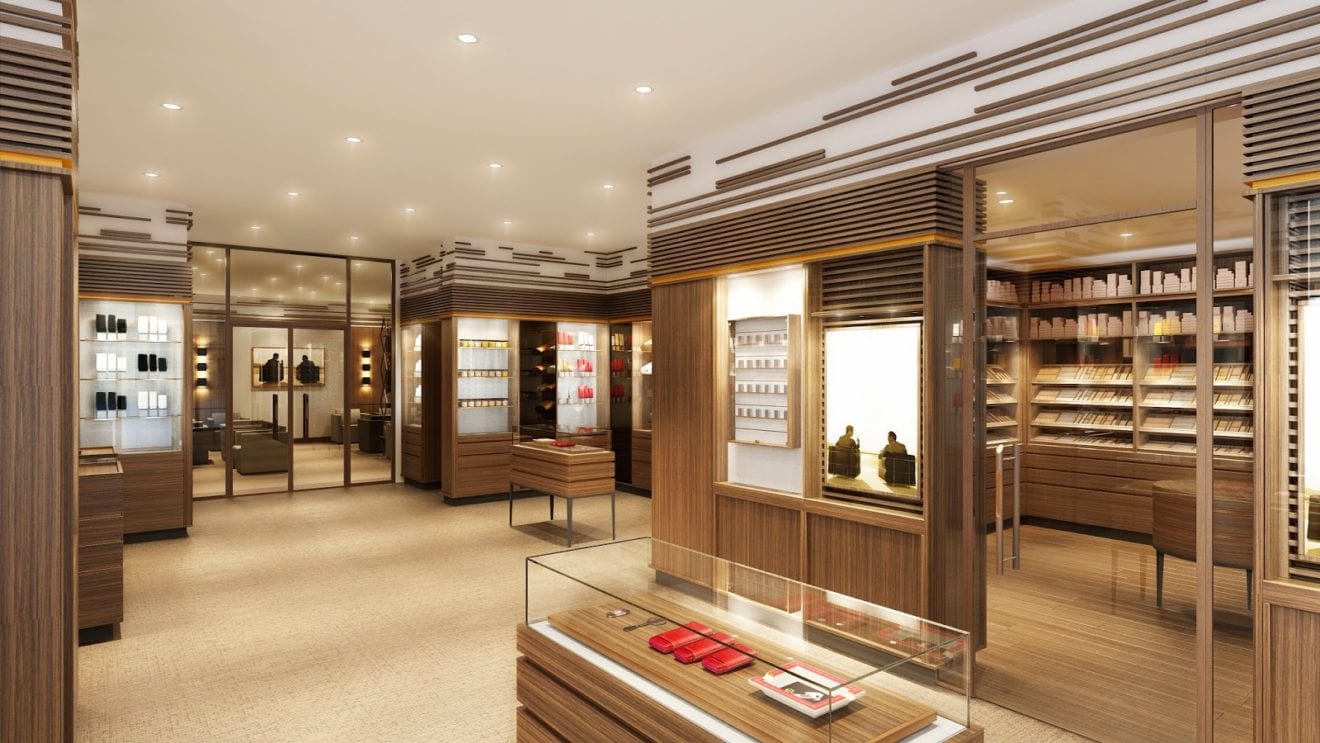
    It is quite dependent on the environment. For example, we might have the ingredients on display, such as pepper to show it’s spicy, and we often have leaves on the ceiling. In some locations we can provide a full fledged multi-sensory experience, like the new walk-in humidor we just opened in Paris.

    What cigar trends are you seeing worldwide?

    It really depends a lot on where you’re looking at. In the US, for example, very big formats are a trend. In other parts of the world, short smokes have been popular for a while, where you only have maybe 20 to 30 minutes [in a smoke], and that is something we don’t see so much in Asia. It has to do with the maturity of the market—whether you have a well established cigar culture, or a younger market where cigars are still developing.

    Which products are doing the best in Asia?

    A lot of Asians are traveling, so when we talk about travel retail, you would find, for example, Chinese travelers all over the world. Gifting remains very important for Chinese travelers. Over 50 percent of cigars that are bought by the Chinese are actually for gifting purposes. That would be way less if you look at the US or Europe, for example.

    How do you engage with Chinese customers?

    We try to educate about the category in customers’ home countries. That’s really where it starts. Ideally, we want people to have an idea of Davidoff and cigars already before they travel.

    We also do specific city and country special editions, such as our zodiac editions that come out every year. Being on WeChat is a breakthrough for us, and of course our brand ambassadors play a role—they can speak Chinese, but they also know how the Chinese shopper wants to be approached. We do a lot of research to understand how Chinese consumers think.

    Do you think that cigars should be grouped with other kinds of tobacco?

    I think that cigars couldn’t be more different from cigarettes. While it’s all tobacco, there’s a very different motivation as to why you smoke. Most cigar smokers don’t come from cigarettes. It’s more comparable with drinking wine or champagne. It’s very much a luxury good, and I don’t think cigarettes have anything to do with that type of market.

    Lastly, what is your personal favourite cigar blend?

    There are so many great cigars. I like the Winston Churchill very much, specifically when we relaunched it a little over two years ago. The Millennium blend I love a lot. My personal favourite, independent from those I’ve tried on testing panels, is the Davidoff Nicaragua Robusto format. That is definitely my favorite.

  • No smoking in public spaces along Orchard Road area from July 1 next year

    No smoking in public spaces along Orchard Road area from July 1 next year

    Smoking will be prohibited in all public spaces in the Orchard Road area — from Tanglin to Dhoby Ghaut — from July 1 next year, said the National Environment Agency (NEA) on Friday (June 30).

    The existing 16 smoking corners, which exist within food retail establishments in the area, will be removed by June 30 next year. That means smoking will be permitted only at designated smoking areas within the Orchard Road smoke-free precinct, which is bordered by Tanglin Road to the west, Dhoby Ghaut MRT station to the east, and Goodwood Park Hotel to the north.

    There are currently five Government-owned designated smoking areas, which are part of an ongoing study led by the Ministry of Environment and Water Resources.

    The NEA also announced on Friday that it will no longer accept applications for smoking corners in all food retail establishments islandwide. Existing smoking corners will be allowed to remain, unless the current licence is terminated or cancelled.

    For Orchard Road, an “advisory approach” will be taken in the first three months after the no smoking ban kicks in, said the NEA. Those caught smoking in public areas will receive only verbal warnings between July 1 and Sept 30.

    Enforcement action — a fine of up to S$1,0000 — will be  taken against errant smokers in the zone from Oct 1 next year.

    Building owners within the smoke-free zone in Orchard Road, however, have the option of building their own designated smoking areas, which must meet certain guidelines, like not being situated beside main thoroughfares, and come with cigarette butt canisters or litter bins with ash trays, and display smoking cessation messages.

  • Hong Kong’s millennials plan for retirement earlier than anybody else in Asia

    Hong Kong’s millennials plan for retirement earlier than anybody else in Asia

    Many see Hong Kong millennials as living from paycheck to paycheck and not committing to a long-term plan – but they actually lead their Asian peers in retirement planning, according to new research from BlackRock, the world’s biggest asset manager.

    Four out of five Hong Kong millennials (aged between 25 to 35) have already started preparing for retirement, the highest ratio across Asia-Pacific, with a majority of them betting their financial future on buying stocks, the study shows.

    The young Hongkongers’ high proclivity for retirement savings is against the backdrop of notoriously high living costs in the city and escalating global economic uncertainties, noted the report, which polled 28,000 investors across the world.

    “These findings are contrary to the common view that the city’s millennials would rather splurge on holidays and nice food than save for their long-term future,” said Julia Lee, BlackRock’s head of Hong Kong retail business.

    The study found that 81 per cent of Hongkongers aged between 25 to 35 said they had already begun retirement planning, compared with 69 per cent for their Asia-Pacific peers.

    They are also much more likely to take risks, with more than two thirds pouring money into equities in their investment portfolios, whereas only 42 per cent of their regional counterparts would do the same.

    Hong Kong runs a Mandatory Provident Fund (the MPF), a compulsory pension fund for residents with employees and employers required to contribute monthly.

    “The MPF scheme is good, while we also see local people’s need to achieve good returns from their personal financial investments,” Damien Mooney, BlackRock’s head of retail business for Asia-Pacific, said.

    Hongkongers have the world’s longest life expectancy, thanks to low smoking rates, with the average lifespan for women 87 years, and men 81 years, according to data released by Japan’s health and welfare ministry.

    The average retirement age is 58, meaning residents can be faced with over two decades relying on their savings, in what consistently ranks as one of the world’s most expensive cities to live.

    The BlackRock figures showed 86 per cent of Hong Kong investors, aged between 26-74, had managed to set money aside for retirement, and more are reducing their exposure to cash in the low interest rate environment. In spite of their high awareness, fewer than a half said they were confident in achieving their expected retirement income.

    The MPF delivered its best first-quarter results this year since 2013 with an average gain of 5.89 per cent, but it still lost out to pure stock market investment. For the same period, Hong Kong’s benchmark Hang Seng Index rose 10 per cent.

    That might help to explain why 49 per cent of Hong Kong investors polled by BlackRock said they preferred to buy dividend-bearing stocks, the most favourable asset class over real estate, government bonds and funds.

    When making investment decisions, the majority still rely on advice from online sources, including social media and websites of brokers and asset managers, instead of professional financial advisors that usually come with much higher charges.

  • Tourism plans in Mekong Delta called too ambitious

    Tourism plans in Mekong Delta called too ambitious

    Thirteen provinces and cities in Mekong Delta received 7.6 million travelers in 2016, including 900,000 foreign travelers, or 10 percent of total foreign travelers to Vietnam.

    Under the plan for Mekong Delta tourism development, the region would have turnover of VND25 trillion by 2020, or VND15.3 trillion higher than last year’s turnover.

    Some experts commented the plan is too ambitious, because the number of travelers to Mekong Delta has not increased sharply like other regions. With the overlap in tourism products, poor infrastructure and services, and bad marketing, Mekong Delta tourism agencies should not set a high target in the number of travelers.

    An analyst commented that there could be a ‘one for all’ tour, in which travelers visit one locality to experience all the products of the whole region.

    If travelers visit My Tho, they will not need to go to Can Tho, and if they visit Can Tho, they can go straight to Chau Doc or to Cambodia, and there would be no need to stop over in neighboring localities.

    My Tho and Ben Tre’s tourism has become nearly saturated as all tourism resources such as don ca tai tu (amateur music in southern Vietnam), hand rowing and craft villages.

    Travel firms report that travelers to Mekong Delta stay for 1-2 nights or go home within the day. While the central region can exploit its advantages to provide resort tourism or MICE, Mekong Delta has few large groups of 500-1,000 MICE travelers because of the lack of hotels and services.

    Nguyen Thi Hoa Le, CEO of Hoa Binh Tourism JSC, said that provinces and cities need to provide tourism products with ‘specific taste’.

    She has urged local authorities to make heavier investments in infrastructure and services. “All localities want to develop tourism, but how they can attract more tourists if they hesitate to make big investments?” she said.

    Some businesses think Mekong Delta has become less attractive because of rapid modernization. Many rural areas have lost the charm of the southern countryside.

    In Tien Giang and Can Tho provinces, for example, there are floating markets, an original characteristic of the southern region. However, the markets have become smaller as people now have other modern trade channels.

  • Pet breeding a popular business in Ben Tre Province

    Pet breeding a popular business in Ben Tre Province

    In recent years, professional systems that take care of breeding, veterinary services, and the buying and selling of pets have emerged in the province.

    Tran Tan Dat, a resident in Chau Thanh District’s Huu Dinh Commune, for example, invested in a pet-raising business after retirement.

    Initially, he had a couple of poodles but now has 20 poodles of different sizes, including teacup, toy, miniature and standard.

    He said that demand for poodles was high since the breed was friendly and easy to train.

    Nguyen Thanh Dong, a farmer in Ben Tre City’s Son Dong Commune, has raised a variety of breeds, including pugs, border collies, rottweilers, and Phu Quoc and berger dogs.

    Raising multiple breeds has allowed him to earn a profit from the most difficult buyers.

    Dong added that raising foreign dog breeds required more attention and resources compared to pure Vietnamese breeds.

    They need to be bathed regularly and given vaccinations to prevent disease, he said, emphasising that food sources must also be chosen carefully.

    If dogs are taken care of well, they can give birth three times per year, with four to six puppies each time.

    Besides the economic value, raising pets can bring joy and social connections, especially to retired workers like Dat.

    Last year, the Ben Tre Province’s Pet Association launched a dog-raising group with the aim of bringing together breeders and providing a platform to exchange ideas on the industry.

    The group has hosted several seminars and invited dog food companies to share their experience in raising quality pets.

    Le Van Huyen, director of the group, said that a thriving dog-breeding business required passion as well as thorough understanding.

    The group now has 40 official and about 60 unofficial members.

    Ben Tre, Tien Giang, HCM City and China are the most common destinations where locals sell their dogs, Huyen said.

    Nguyen Quoc Phuong, a resident who does not breed dogs, said that pet-raising was also an educational activity that helps children learn to love animals.

  • Hong Kong’s First Business Travel Mobile App Launched by TravelSky

    Hong Kong’s First Business Travel Mobile App Launched by TravelSky

    China TravelSky Holding Company today announced the launch of CozyGo, Hong Kong’s first business travel management mobile app. Tapping into cross-border corporate travel demand, especially among SMEs (small and medium-sized enterprises), the app – unlike anything currently in the market –  provides efficient business-ready travel service based on corporate travel policies. 

    In one of its first forays into international markets, TravelSky decided to launch a Traditional Chinese version of CozyGo in Hong Kong. The business travel management mobile application is designed to enhance the efficiency of the business travel booking process, and the autonomy of the traveler to manage his/her own booking and approval process within just a few clicks, without the need to spend extra time on internal communications for approval of the trip.

    Until now, full integration with users’ corporate travel policies and complete Traditional Chinese functionality have not been available together in one app in Hong Kong. Users of TravelSky partner companies will be able to use CozyGo for flight searching and booking, trip management, and order approval functions. It also stores frequent flyers’ information to provide convenience for repeated bookings.

    Business travel demand is strong and Hong Kong’s large SME sector in particular is known for frequent cross-border business travel. According to TravelSky, bookings with Chinese commercial airlines increased by almost 12% from around 449 million in 2015 to around 502 million in 2016. And in the first two months in 2017, domestic flight bookings with Chinese commercial airlines recorded a YOY increase of nearly 14%, to around 75 million.

    Mr. Peng Bo, General Manager of GDS (Global Distribution System) Business Unit, TravelSky Technology Limited said, “As a leading provider of information technology solutions for China’s aviation and travel industry, we are excited about extending our technology to Hong Kong. CozyGo is our flagship product for travel management companies in China, which achieved 120,000 downloads in 2016. We aim to capitalize on Hong Kong’s high-potential market to capture market share in the corporate travel sector here. Today’s launch aligns with our vision to become a world-class company, internationally competitive and stable in the Chinese market.”

    CozyGo features at a glance:

    1. Flight Booking – It offers the fastest bookings customized for each corporate client, aligned with the corporation’s travel policy.
    2. Approval – Users can submit orders online for trip approval; the app will send timely reminders to the approving manager.
    3. Flight Data – The large database offers comprehensive details for making flight selection decisions.
    4. Flight Status – Flight status is continuously updated on the homepage, users are informed of any change any time, anywhere.
    5. App Download – CozyGo is available for download on Apple App Store (for iPhone, iPad and iPod Touch), and on Google Play (for Android devices).
    6. Language – Users can select the preferred language to display on the interface, between English, Traditional Chinese and Simplified Chinese, catering to the needs of the international business environment in Hong Kong.