Category: Living

Retail News Asia is committed to providing both local and global retailers with the latest Living news throughout the Asian market. This on a daily base.

  • Muji opens its 423rd store in Singapore

    Muji opens its 423rd store in Singapore

    Muji has just opened its 423rd store outside of Japan, officially beating the number of stores it has in its domestic market.
    The milestone was reached as it cut the ribbon on its Southeast Asia regional flagship, in Singapore’s Plaza Singapura mall on key shopping street Orchard Road.

    The new store, its largest in Southeast Asia, carries a wider product offer than any of the other 10 Muji stores in Singapore, including the Labo clothing line, the Found Muji label (which features home items from around the world) and Idée.

    It also has the firm’s third the third Café&Meal dining café and covers 1,640 sq m.

    Parent company Ryohin Keikaku’s President Satoru Matsuzaki told the Nikkei Asian Review that the company aims to accelerate its expansion in South and Southeast Asia after some time spent focusing on the east of the continent (China, Hong Kong, Taiwan and South Korea).

    That acceleration will see it entering Vietnam next year as well as expanding in the Philippines after its debut there earlier this year in a joint venture deal.

    The company will also focus on driving overseas revenue higher because, while store numbers abroad now exceed those in Japan, at ¥32.4 billion, revenue from those foreign stores is roughly half of that in its domestic market.

    Much of that figure came from China where it has 200 stores.

    Singapore is key to this strategy as it’s a regional hub and Matsuzaki said it will also help the company get experience it can apply in India and the Middle East.

    The company’s customers outside of Japan tend to be much younger than the Japanese shoppers it sees in its stores.

    But while these shoppers often have lower income levels than those older consumers in Japan, they also represent a chance to win customers at a young age and build brand loyalty that could last for years, analysts said.

  • Staggering 32.8 million people playing online games in Vietnam

    Staggering 32.8 million people playing online games in Vietnam

    The gaming market is projected to make $365 million this year, making it the 28th largest in the world.

    More than a third of Vietnam’s population play online games and they are expected to spend $365 million on virtual entertainment this year, making it the 28th biggest market in the world, according to a games data site.

    The Amsterdam-based Newzoo, which surveyed online players in major cities, estimated that 32.8 million people will be playing online games in Vietnam this year. Players’ ages range from 10 to 50 years old, with more than half of them from 21-35 and usually with a paid job.

    The survey found 45 percent of gamers play across all platforms, from PC to mobile and console.

    Women account for 43 percent of “active” players on PC/laptop, defined by those who play more than once a month, the survey found.

    This new information is important for games producers in Vietnam given the small ratio of games designed for women.

    More than half of Vietnam’s population of nearly 92 million has access to the internet.

    A report this month from social media marketing and advertising agency We Are Social found Vietnamese Facebook users had jumped 40 percent from last year to around 64 million, making Vietnam the 7th most active country on the social network.

    Google statistics in April also showed that many Vietnamese people spend their summers searching on Google and watching YouTube.

    Trailers on the site got more than 500 million views across the country in summer 2016, up a staggering 136 percent from the previous year. Every day during that summer, 100 million mobile searches were made on Google in Vietnam, it said.

  • Vietnamese spending more money on travel

    Vietnamese spending more money on travel

    Vietnamese now tend to prefer outbound tours instead of domestic ones as it has become less costly to travel abroad and foreign agencies are more professional in promoting tours. Travel firms including Vietravel, Saigontourist, Du Lich Viet and Tugo have reported sharp increases in bookings for outbound tours.

    According to VITA, 6.5 million Vietnamese traveled abroad last year, an increase of 15 percent over 2015, and they spent $7-8 billion during the trips. Domestic travel has also been growing well. In the first six months of the year, the number of domestic travellers reached 40.7 million, up 25 percent compared with the same period last year (32.4 million).

    The improved income of Vietnamese is the major reason behind increased travel demand.

    However, analysts believe that internet development is also an important factor They said travel firms now are taking full advantage of the ‘addiction’ of Vietnamese to the internet and smartphones to stimulate demand for travel.

    Le Tu from Google Asia Pacific cited Google’s statistics that 90 percent of Vietnamese smartphone users are aged 30 and under and up to 40 percent use two smartphones.  Vietnamese check their mobile phones 150 times a day.

    The frequency of Vietnamese searching for travel information is even more surprising. At least 48 percent of smartphone users search for information about hotels, and 42 percent search for information about flights.  18 percent search for both.

    Vietnamese also spend more money. A report from Nielsen showed that tourism ranks fourth among the group of products on which Vietnamese spend money the most on e-commerce, after clothing, entertainment products and cosmetics.

  • Netflix shares jump as subscriptions top 100 million

    Netflix shares jump as subscriptions top 100 million

    Netflix ended the rencent quarter with 103.95 million subscribers.  Netflix on Monday reported that its number of subscribers climbed more than expected, topping 100 million worldwide and sending shares in the leading on-demand television service soaring.

    Netflix shares leapt more than 10 percent to $178.75 in after-market trades that followed release of earnings figures showing the Silicon Valley-based company added 5.2 million subscribers in the recently ended quarter to raise the total to 103.95 million for its streaming service.

    Most of the subscriber growth came from outside the U.S., where Netflix has invested heavily in establishing itself as a global television service.

    “That is what you want to see, subscriber growth,” said Silicon Valley analyst Rob Enderle. “Their international efforts are paying dividends right now.”

    Netflix ended the quarter with slightly more than half of subscriptions coming from outside the US, a first for the company.

    Profit was up 61 percent to $66 million, Netflix said. Revenue increased 32 percent to $2.78 billion from the same quarter last year.

    “We underestimated the popularity of our strong slate of content which led to higher-than-expected acquisition across all major territories,” Netflix said in a letter released along with the earnings figures.

    Culling content

    Netflix told investors that it was determined to balance boldness and financial discipline as it continued to bolster its programming slate.

    The company has cut shows that weren’t attracting sufficient numbers of viewers, taming costs as it boosted subscriber numbers in a combination that played well with investors, according to analyst Enderle.

    The company remained committed to investing in original programming. Netflix said it will release 40 feature productions this year ranging from “big-budget popcorn films to grassroots independent cinema.”

    Netflix and rival Amazon Prime have been pumping money into original shows to win fans and set themselves apart in an increasingly competitive bid for viewers’ time.

    “The competition for entertainment time is always intense, but the silver lining is that the market is vast and diverse,” Netflix said.

    More than a billion hours of video is viewed daily at Google-owned YouTube, while Netflix streams a similar amount of video to subscribers over the course of a typical week, according to the company.

    “The shift from linear TV to on-demand viewing is so big and there is so much leisure time, many internet TV services will be successful,” Netflix said.

    “The internet may not have been great for the music business due to piracy, but, wow, it is incredible for growing the video entertainment business around the world.”

    Netflix and Amazon have proven they can break into a market against intimidating entrenched positions of cable companies, according to Enderle.

    Netflix forecast that it would add 3.65 million more subscribers around the world in the current quarter.

    “We are making good progress with our international expansion as improving profitability in our earlier international markets helps fund significant investment in our newer territories,” Netflix said.

    Netflix reported a loss of $13 million outside the U.S. in the recently ended quarter, but said it expected to end this year with an overall profit in its international operations.

  • Tourism market offers opportunities for start-up businesses

    Tourism market offers opportunities for start-up businesses

    Vietnam’s tourism market offers huge opportunities for start-up companies if they promptly seize technological trends to create special and unique tourism products, heard a workshop in Ho Chi Minh City on July 20.

    A report delivered at the workshop, jointly organised by the Saigon Innovate Hub (SiHub) and the Start-up Vietnam Foundation (SVF), showed that tourism has been identified as a spearhead economic sector in the near future, with the target of luring 17-20 million international tourists and serving 82 domestic holidaymakers by 2020.

    Nguyen Quoc Ky, Director General of the Vietravel Company, underlined the need for research and development of start-up companies in tourism to secure domestic market share.

    Participants stressed that amid the technological boom, start-up companies need to grasp the market’s trends and continuously innovate to offer highly competitive products, otherwise they will be merged or closed.

    Sharing the view, SVF Managing Director Pham Duy Hieu said start-up companies should enable staff members to show their creativeness, thus offering products that can satisfy, even surprise customers.

    At the workshop, delegates discussed measures to develop Vietnam’s tourism, including incentives to lure tourists and investment in infrastructure, building overseas tourism promotion offices and promoting regional connection.

    In 2016, Vietnam’s tourism sector welcomed 10 million foreign arrivals and served 62 million domestic holidaymakers, representing 4.3-fold and 5.3-fold increases from the figures in 2001, respectively.

  • New RedMart executive aims to boost tech talent pool

    New RedMart executive aims to boost tech talent pool

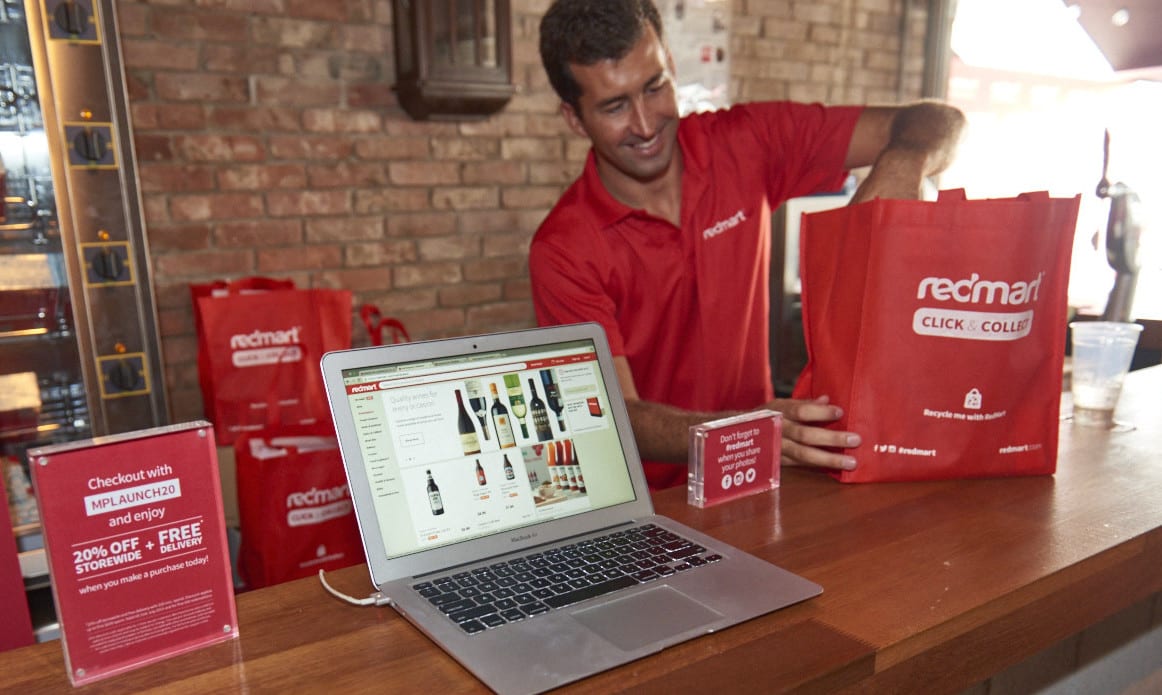
    Back home in Singapore to work for online supermarket RedMart, Silicon Valley veteran Patrick Teo says he has another job on his hands: attracting other talent back to boost the island city/state’s expanding tech hub.

    After gaining a PhD in Computer Science at Stanford University and holding senior positions at Amazon, Facebook and Shutterfly, he has been appointed chief product officer and executive VP for engineering at Lazada-owned RedMart.

    “As a Singaporean, I see the exciting developments taking place at home and want to contribute to building the tech ecosystem here,” he says. He is keen to work with the industry and government “to further cultivate the talented engineers coming out of Singapore’s universities and attract many living abroad to come back”.

    Teo started his Silicon Valley career at online retailer and manufacturer Shutterfly, where he led its engineering teams from start-up to its IPO.

    He then went on to build Amazon’s digital music technology as head of technology and site leader of the company’s San Francisco office. Most recently, he led multiple engineering teams at Facebook.

    Now he reports to RedMart president Vikram Rupani, who says Teo’s presence is “a stamp of validation for Singapore’s maturing tech ecosystem”.

    Teo says that with top e-commerce companies such as Alibaba and Lazada investing in Singapore, the nation “is on the path to become a truly world-class tech hub”.

  • Owndays Singapore targets 30 stores

    Owndays Singapore targets 30 stores

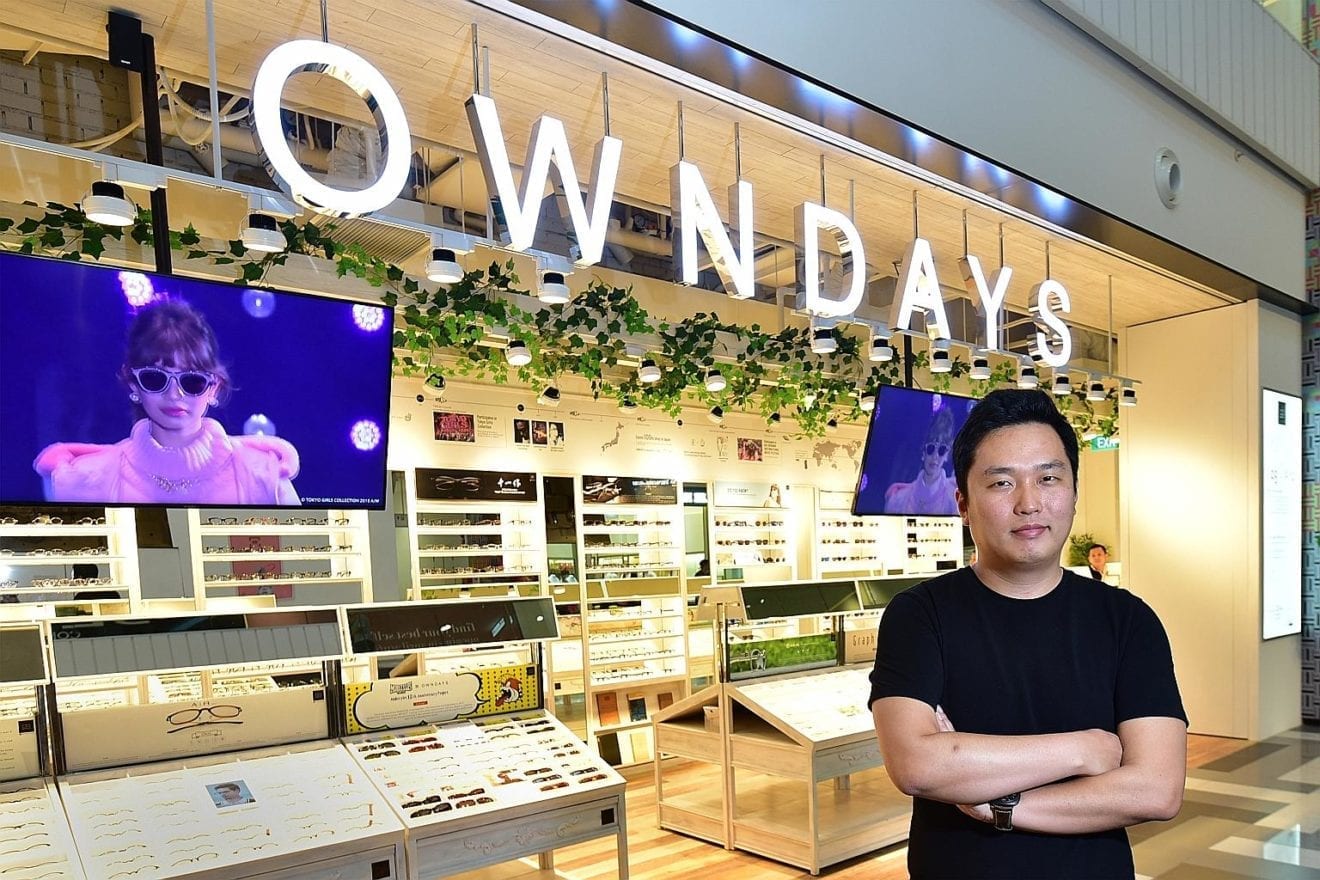
    Owndays Singapore is continuing its expansion and says it believes the city can sustain 30 of its stores. The Japanese eyewear retailer recently opened its 23rd Singapore store, inside Clementi Mall. The 1173 sqft store features a new element – a counter with high chairs where customers can evaluate frames.

    Owndays has shaken up the eyewear sector with a simplified pricing system and a 20-minute turnaround time for making most types of prescription glasses. Open shelves allow people to browse without waiting for an assistant to unlock glass cabinets.

    The photos show the Clementi Mall store’s interior.

  • Commune Lifestyle parent Koda reports solid rebuilding

    Commune Lifestyle parent Koda reports solid rebuilding

    Koda, the parent of furniture retailer Commune Lifestyle, has reported a net profit of US$2.2 million for the nine months to the end of March, a 66.9 per cent increase over the same period last year.

    And the group’s gross profit margin rose to 27.7 last year from 23.6 per cent in 2014, and reversing two years of losses, the group had a net profit of $1.6 million for the financial year to June 30 last year. It attributes this to marketing, revised business strategies and restructuring.

    Koda is an original design manufacturer specialising in design-intensive household furniture for the upper middle class. Commune Lifestyle, led by the third generation of the founding Koh family, is a wholly owned subsidiary of Koda that runs four stores in Singapore, three distributor-retail (DR) stores in Malaysia and 35 DR stores in China, as well as one brand-in-store presence in Australia. It is planning to expand its DR network and set up another hub in eastern China.

    During the year to June 30, Commune added 17 DR outlets in China. There are more than 40 outlets, mainly in China.

    Meanwhile, the group has been streamlining. It has consolidated its production units, relocated factories out of China, disposed of the loss-making retail business Rossano in Vietnam, and disposed of certain non-core assets for cash.

    Koda is headquartered in Singapore with manufacturing plants in Vietnam (Ho Chi Minh City) and Malaysia (Johor and Senai). It sells to more than 50 countries, mainly Asia and the US.

  • The Boom Is Here As Indonesia Tourism Tops Asean Growth

    The Boom Is Here As Indonesia Tourism Tops Asean Growth

    Yahya has overseen new strategies to increase tourism in established areas and welcome foreign visitors from new target markets and countries, developing infrastructure in outer regions and rebranding dry marketing.

    The improvement can be seen with a massive increase in foreign tourists visiting the archipelago this year. Data from the Central Statistics Agency (BPS) shows 4.2 million foreign tourists visited Indonesia from January to June, a 19.34 percent increase from the same period a year earlier which saw 3.52 million visitors.

    Tourist visits in April skyrocketed with a 26.75 percent increase on the same period in 2016. Indonesia welcomed 1.14 million visitors this April, up from 902,000 recorded the year earlier.

    Indonesia is outpacing regional players – including tourism giant Thailand – in growth.

    Data published by The Business Times found growth in Singapore’s incoming visitors from January to April this year increased only 4.4 percent on the previous year. The slowing in growth contributed to a 2 percent decline in revenue for the local hotel industry in the same period, reaching just SGD$1.06 million (US$766,837).

    According to a report from Chinese state news agency Xinhua, foreign arrival figures in Malaysia contracted 0.5 percent so far in 2017 on a year on year basis. The result follows a push into Chinese and Indian markets from the Malaysian tourism authority and a target of 31 million visitors for the year.

    Thailand, which has long been a favourite of tourists from around the world, has continued to grow. Data from the Thai Ministry of Tourism and Sports shows foreign arrivals increased by 2.91 percent in the first four months of the year compared to the same period a year earlier. This translates to 12.02 million visitors from January to April 2017, up from 11.68 million foreign tourists a year earlier.

    In Indonesia’s industry, recent data from BPS shows foreign visitors increased 26.66 percent in May this year from the same month a year earlier. This equates to 1.16 million visitors in 2017 compared to 905,000 a year earlier.

    Booming growth in Chinese tourism is the highest contributor, making up 13.19 percent of all foreign tourists. Visitors from Singapore made up the second largest group with 9.83 percent, followed by Australian tourists contributing 7.91 percent. Indian visitors made up 4.19 percent of visits.

    Tourism Minister Yahya said 40 percent of all foreign tourists in Indonesia visit Bali, while 30 percent head for the capital city of Jakarta, 20 percent visit the Riau Islands and the remaining 10 percent holiday elsewhere in the archipelago.

    Bali has long been a favourite, with tourists flocking to the island’s beaches, resorts and inland jungles. Visitors to Jakarta typically come for business or shopping purposes.

    Increasing foreign tourism has been significantly assisted by a renewed effort in developing infrastructure in several regions with high tourism potential which have previously been underappreciated.

    Support for these regions includes the construction of new railways and roads and developing airports into international facilities to offer better access.

    The Ministry of Tourism has also established fresh branding strategies for key locales, including Medan, Bandung, Yogyakarta, Surabaya, Banyuwangi, Raja Ampat, Makassar and Lombok.

    The ministry hopes to welcome 20 million foreign visitors to the country by 2019, using the ‘3A’ principle which focuses on attention, accessibility and amenities. This principle reflects the ministry’s efforts to improve three key aspects of the industry, to provide better access and convenience with sufficient facilities and accommodation while also boasting excellent attractions to ensure each visitor enjoys his or her trip to Indonesia.

  • 7-Eleven Singapore offers medicine service

    7-Eleven Singapore offers medicine service

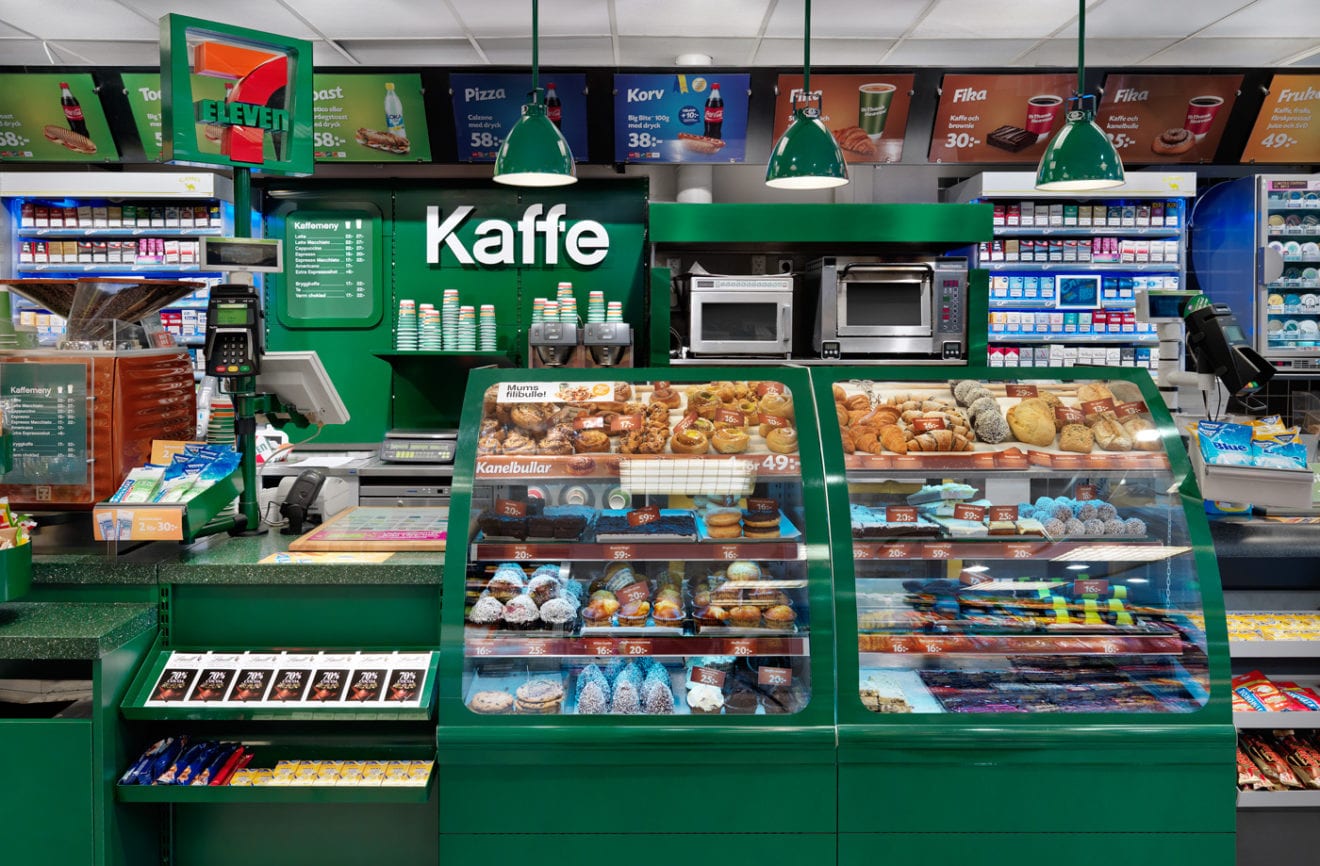
    Instead of visiting a polyclinic, select patients are now collecting their medicine at a 7-Eleven Singapore store.

    Available at 34 outlets, the service is being offered to chronic disease patients under the National Healthcare Group’s (NHG) chain of nine polyclinics, which pack the drugs for delivery to lockers in the patient’s preferred store.

    Patients receive a text message when their medicine has arrived, and access the lockers at any suitable time with a one-time code delivered to their mobile phones.

    Medicine is packed in tamper-proof bags, and if not picked up within 48 hours is sent back to the polyclinic.

    The 7-Eleven Singapore network is operated by Hong Kong-headquartered Dairy Farm International.

  • Hema supermarket offers new retail experience

    Hema supermarket offers new retail experience

    Hema supermarket is what you get when you imagine a seamless blend of the online and offline shopping experience, Alibaba Group CEO Daniel Zhang said Monday.

    Zhang toured one of the 10 neighborhood stores in Shanghai with Executive Chairman Jack Ma last week and held up the fresh-food focused Hema as an example of the “New Retail” model, which Alibaba has successfully incubated for the past two years. “New Retail” uses technology and data to merge online and offline shopping, offering consumers a more-efficient and more-flexible shopping experience.

    The Hema experience starts with a download of the mobile app. That links right up to a customer’s Taobao or Alipay account. Customers who don’t have accounts yet can easily sign up. And then the shopping begins, wherever the customer is.

    “Hema leverages data and smart logistics technology to seamlessly integrate online-offline systems, built to provide the unparalleled service of fresh food deliveries in 30 minutes,”  Zhang said.

    Since 2015, Alibaba has opened 13 Hema markets. Apart from the 10 in Shanghai, there are two in Beijing and one in Ningbo. Each aims to serve a customer base within a three-kilometer radius to ensure fast, high-level service. Hema stores are fully mobile-powered and allow customers to use Alipay. The stores’ sales per unit area are three-to-five times those of other supermarkets. They’ve also cracked a key problem of how to scale local deliveries, with each store able to fulfill thousands of orders a day.

    The hyper-local business allows customers to shop from the comfort of their homes, using a mobile app. They can order fresh food to cook it at home or have it prepared by the Hema chefs and delivered within 30 minutes. Customers who prefer the in-instore experience, can visit the supermarket to hand-select their fresh food, such as seafood, and can choose to have it cooked for carry-out, delivered to their nearby home or office, or they can eat it on the spot the store’s dining area.

    Hema’s game-changer, as far as Chinese consumers are concerned, is the fresh seafood section. Shoppers can pick out their own lobster or other shellfish, but it right away and have it cooked up and ready for them to eat in the restaurant area when they complete the rest of their shopping.

    The stores, themselves, look like normal neighborhood supermarkets, with a selection of packaged foods, produce, beverages and other goods. Every item has a scannable bar code, which yields price and product information, including origin and any backstory on the item, if there is one. Customers scan the code and complete their electronic purchase through Alipay at a checkout register before leaving the store.

    User experience is enhanced through big data. Because customers shop through the Hema mobile app, every purchase is logged, and preferences are saved. On the customer side, analytics offer up a personalized product page, and on the delivery side, machine algorithms plan delivery routes. The bar codes not only let customers trace product origin and track delivery, but are also a means for Hema to employ a smart supply-chain management system.

    Hema’s innovative fulfillment model is what allows it to deliver orders within a half-hour. The store doubles as warehouse, and order-fulfillment specialists can be seen moving up and down the aisles with a scanner, reusable shopping bag and a special bar code for each order. They scan and pack up goods, putting the bags on a conveyor belt that carries orders to a delivery center adjacent to the store. Hema aims to be a zero-waste company, recycling containers used for delivery.

    Zhang noted that Alibaba doesn’t intend to operate a large grocery chain. As with Alibaba’s investments in the Intime department store chain, the aim is to create showcases that demonstrate the benefits of “New Retail” to customers and other businesses that want to digitally transform themselves. E-commerce currently accounts for around 15% of total retail in China. Alibaba has said its goal is not to make incremental progress on that 15%, but to digitally transform the 85%.

    “We believe the future of New Retail will be a harmonious integration of online and offline, and Hema is a prime example of this evolution that’s taking place,” Zhang said. “Hema is a showcase of the new business opportunities that emerges from online-offline integration.”

    While it’s still early days for Hema, the first two years of store operations have yielded some promising results. Customers each make 4.5 purchases a month on average and 50 times a year.  Among users who open the Hema app, the conversion rate for making a purchase is as high as 35%. On average, online orders account for more than 50% of total orders. For mature stores like the one in Shanghai Jinqiao, online orders are as high as 70% of total orders.

    Hema is a membership-based shop, with customers registered the first time they pay for an order through the mobile app.

  • Mong Kok retailers raided in illegal pharmaceuticals hunt

    Mong Kok retailers raided in illegal pharmaceuticals hunt

    Three Mong Kok retailers were raided this week in a joint operation involving police and Department of Health officials.

    The stores were reported to health officials by a member of the public who suspected the illegal sale and possession of unregistered pharmaceutical products.

    “Preliminary investigation indicated that the external preparations seized during the operation contained controlled ingredients including hydrocortisone, prednisolone, triamcinolone acetonide and clindamycin,” a DoH spokesman said.

    “Hydrocortisone, prednisolone and triamcinolone acetonide are Part 1 poisons, which are steroidal drugs for treating inflammation. Inappropriate or excessive application of the drugs could cause skin problems.

    Clindamycin is an antibiotic used for treating bacterial infection and may cause side-effects such as hypersensitive reactions. Part 1 poisons and antibiotics should be used under the advice of medical practitioners,” the spokesman said.

    Investigations are ongoing.

    According to the Pharmacy and Poisons Ordinance, all pharmaceutical products must be registered with the Pharmacy and Poisons Board of Hong Kong before they can be sold legally in the market. Illegal sale and possession of unregistered pharmaceutical products and Part I poisons are criminal offences. The maximum penalty for each offence is a fine of $100,000 and two years’ imprisonment. In addition, the Antibiotics Ordinance also prohibits illegal sale and possession of antibiotics. Offenders are liable to a maximum penalty of a $30,000 fine and one year’s imprisonment for each offence.

    The DH strongly urged members of the public not to buy or use unregistered pharmaceutical products as their safety, efficacy and quality are not guaranteed. All registered pharmaceutical products should carry a Hong Kong registration number on the package in the format of “HK-XXXXX”.

    People who have purchased the above products should stop using them and consult healthcare professionals if they are in doubt or feeling unwell after use.They may submit the products to the DH’s Drug Office at Room 1856, Wu Chung House, 213 Queen’s Road East, Wan Chai, Hong Kong, during office hours for disposal.

  • Gucci Decor line to feature Richard Ginori porcelain

    Gucci Decor line to feature Richard Ginori porcelain

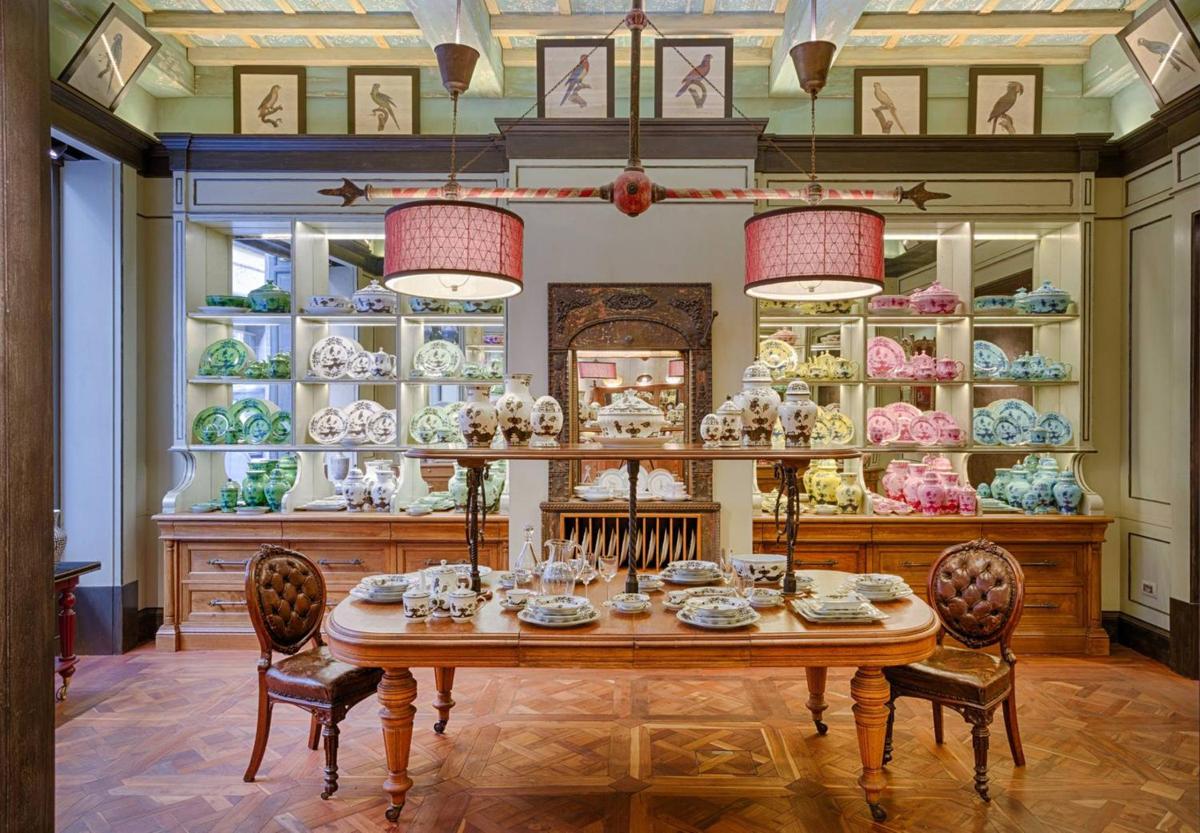
    A new Gucci Decor line to be launched in September will feature tableware and candle holders by Gucci-owned heritage porcelain brand Richard Ginori, upholstered dining chairs, metal trays and folding tables, folding screens and decorative cushions.

    Working with Florentine porcelain specialist Richard Ginori, founded in 1735, Gucci creative director Alessandro Michele has designed a range of patterned crockery featuring a green-and-white herbarium decoration. There are also idiosyncratic candle holders with Gucci patterns, such as geometric chevrons and the talismanic “eye” design. Animals from the Gucci Garden – bees, butterflies and cockerel heads – are rendered in porcelain in 3D topping the lids of pots. Small incense holders feature 3D stag beetles, and bees support incense sticks.

    The collection includes scents in the form of candles and incense: Inventum (ancient damask rose blended with Taif rose), Fumus (birch, orange leaves and beeswax), Herbosum (tomato leaves, aromatic plants, long grass, basil and lemongrass) and Esotericum (Seville oranges, jasmine, leather and salt).

    Gucci Decor will have a progressive global roll-out in Gucci flagship stores, online and at selected specialty stores. Prices start from $194 for a candle, rising to $29,760 for a screen.

  • Ikea Philippines debut imminent

    Ikea Philippines debut imminent

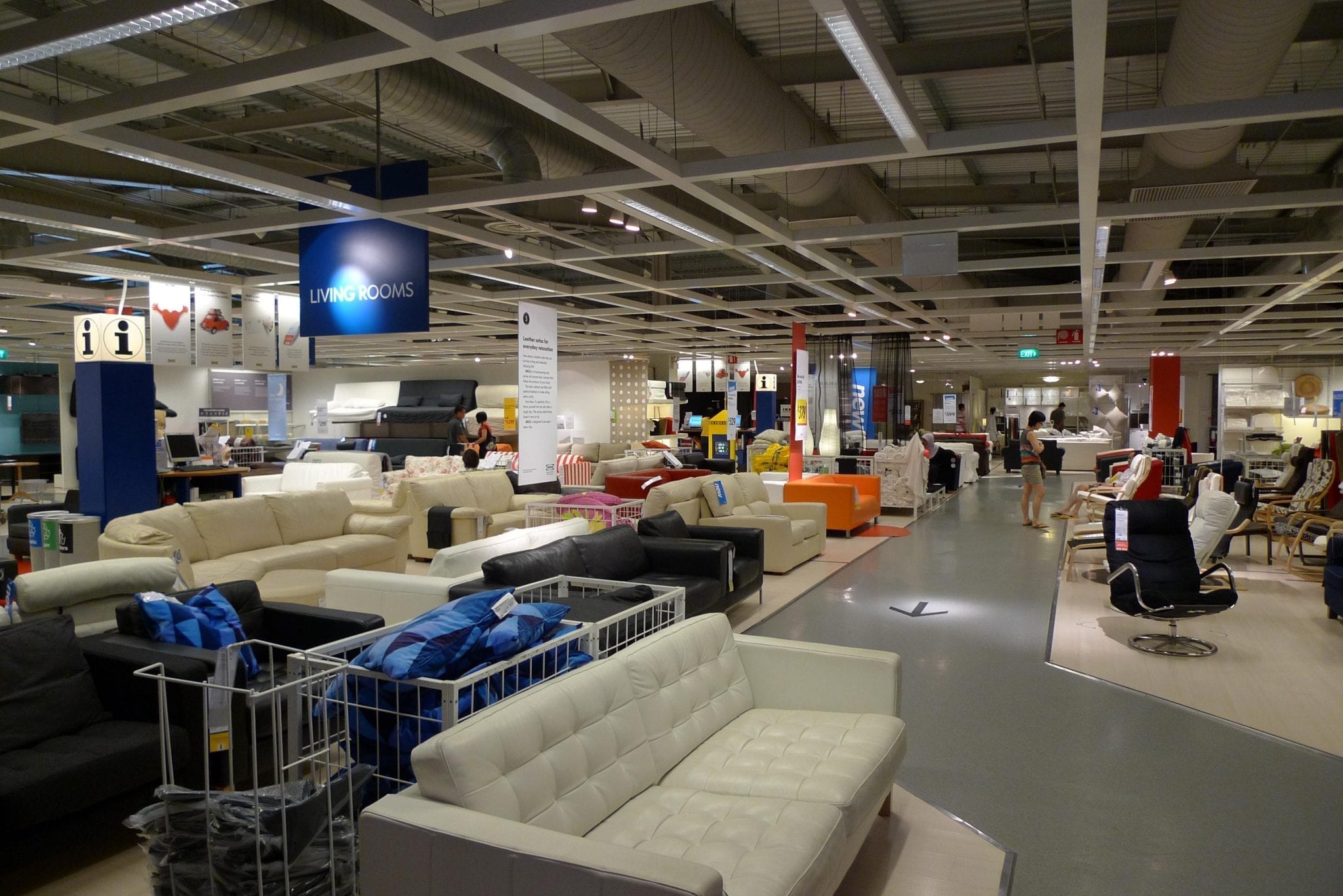
    The launch of Ikea Philippines is a major step closer after the Swedish furniture giant’s local partner won Board of Investment (BOI) approval to set up business.

    News of the BOI pre-approval of a bid by Ikano Pte Ltd, the operator and franchise-rights owner of Swedish furniture brand Ikea in key Asian markets, was broken by the Business Mirror, which cited BOI documents dated last November.

    Ikea has always wanted to establish a presence in the Philippines, especially Manila, and there have been reports of planning for a launch as far back as 2013.

    The Business Mirror points out that under current law, before engaging in retail trade business – or investing in an existing store in the Philippines – all foreign retailers must have a net worth of either US$200 million or $50 million, depending on its classification as a foreign retailer.

    “The foreign retailer must also have five operating retail branches or franchises in global locations, unless it owns at least one store worth $25 million, and a five-year track record in retailing,” the publication explained.

    Ikea is already operated in Hong Kong, Indonesia and Taiwan by a subsidiary of Hong Kong-headquartered Dairy Farm International, which also owns the Guardian chain of health and beauty shops, and pharmacies.

    It is run by a separate franchisor in Singapore, Thailand and Malaysia.

  • TripAdvisor China partners with Thai retailers

    TripAdvisor China partners with Thai retailers

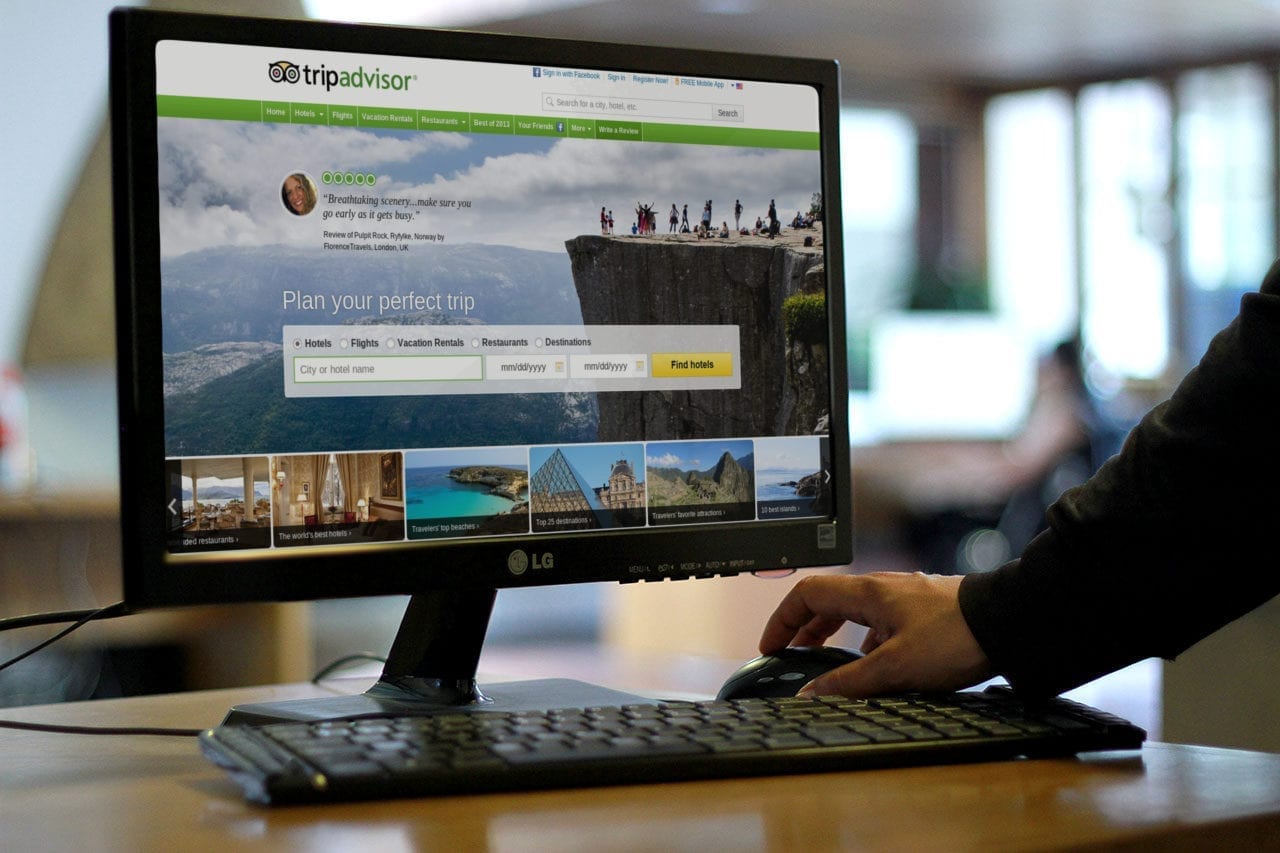
    Travel site TripAdvisor China has partnered with five retail groups in Thailand to further enhance the shopping experience for Chinese tourists in Bangkok.

    TripAdvisor says Chinese travellers show more interest in visiting Thailand than any other inbound market. Chinese users of its website continue to grow year-on-year by 56 per cent. During the June-to-August shopping period, the growth in inbound interest is growing year-on-year by 84 per cent, says TripAdvisor.

    Meanwhile, the retail partnership has been designed specifically for the free, independent traveller from China. With a tendency to seek information on their mobile devices while travelling, users of TripAdvisor’s Chinese domain are being offered a Bangkok shopping category via mobile web or app.

    As well as discounts and promotions, users can access floor maps, brand directories and curated shopping guides provided by the Central Group, King Power, Siam Piwat Group, Terminal 21 and The Mall Group.

    “Bangkok is one of the leading shopping capitals of the world and continues to be a top destination for the Chinese,” says TripAdvisor Asia Pacific senior director of partnerships Aaron Hung.

    “We’re pleased to extend our tourist promotions of special discounts and tax refunds to TripAdvisor’s Chinese users, and we hope to welcome more Chinese shoppers in our stores especially at Central Chidlom and Zen@Central World,” says Central marketing executive Piyawan Leelasompop.

    Promotions executive Jiraporn Srisa-an at Siam Piwat Group says the mall group is also offering TripAdvisor’s Chinese users with exclusive privileges such as a tourist platinum discount card for Siam Paragon Department Store and for participating brands in Siam Paragon, Siam Center, and Siam Discovery, as well as a gift voucher.

    “We’ve tailored promotions exclusively for TripAdvisor’s Chinese users who shop at Terminal 21 Asok,” says Terminal 21 MD Prasert Sriuranpong. These include a dining card and a Posh bag