Category: Living

Retail News Asia is committed to providing both local and global retailers with the latest Living news throughout the Asian market. This on a daily base.

  • Singapore named 9th most economically vibrant city globally

    Singapore named 9th most economically vibrant city globally

    Singapore has shot up by 12 places in a league table that ranks cities on opportunities for property investment. The index, launched last August, looks at factors such as retail sales, household income, adult population size and gross domestic product to determine how economically vibrant a city is.

    Singapore was ranked ninth, up from 21st last December, by asset manager Schroders, which compiles the index of 161 cities.

    Los Angeles took the top spot, with London second, a move up from eighth place in December.

    “One of the key strengths of Los Angeles’ economy is that it is well-diversified across multiple industries, including financial services, media, trade and technology,” said Mr Hugo Machin, co-head of global real estate securities at Schroders.

    “The technology sector, in particular, has grown substantially over the past few years, and this has not only boosted demand for office space but also for residential property, much of it due to the increased hiring of millennials.”

    On London, he said the firm believes it “has a competitive advantage in location, language, scale, infrastructure and cultural diversity”, adding: “If we add the global strength of its universities, London remains a favoured place to invest.”

    Schroders said university rankings, which were taken into account this time for the first time, were the main reason behind changes in cities’ positions.

    “Universities are critical in powering city economies. Innovation and education provide a better trained, more productive workforce. Knowledge-based hubs are growing in economic strength with a positive knock-on to real estate markets in those locations,” Mr Machin noted.

    The new methodology gave a boost to US cities, which filled 16 of the top 30 slots. Boston, where the greater metropolitan area houses academic institutions such as Harvard University and the Massachusetts Institute of Technology, jumped from 24th to third place.

    But Chinese cities were hard hit, after taking four out of the top five spots in December last year.

    Beijing fell from pole position to 11th place, with Shanghai dropping from second place to 10th and Shenzhen plummeting from third to 24th. Tianjin, which came in fourth last year, is no longer in the top 30.

  • Vietnam to continue fuel import

    Vietnam to continue fuel import

    According to a report issued June 26  by Binh Son Refining and Petrochemical Company (BSR), the operator of the US$3-billion Dung Quat Oil Refinery in Quang Ngai Province, the country is projected to consume 6.5 million tons of gasoline and 8.5 million tons of DO from 2018 to 2022.

    Meanwhile, Dung Quat and another oil refinery, Nghi Son, can supply nearly six million tons of petrol and seven million tons of DO from 2018, representing 92% and 82% of domestic demand respectively.

    The shortfall would be offset by fuel imports from Singapore, Malaysia, Thailand, South Korea and China.

    Nghi Son Oil Refinery in Thanh Hoa Province will be put into operation next year with an annual processing capacity of 10 million tons of crude oil. It is expected to supply 8.8 million tons of fuels, including about 2.3 million tons of petrol and 3.7 million tons of DO, meeting 40% of local needs.

    Condensate processing plants such as PVOIL Phu My, Saigon Petro, Nam Viet Oil and Dong Phuong have a combined annual capacity of 690,000 tons of gasoline.

    Since its debut seven years ago, Dung Quat has sold over 47 million tons of fuels with total revenue amounting to more than US$36 billion and profit reaching over VND13 trillion (US$0.57 billion) by the end of the first quarter of 2017.

    BSR has paid over US$7 billion in taxes to the State.

  • Vietnam’s employers, unions fight again over wage increase

    Vietnam’s employers, unions fight again over wage increase

    Discussions for the annual wage increase have started, and as expected, the business group at the table, the Vietnam Chamber of Commerce and Industry, has come in with a relatively low offer of 5 percent for 2018.

    That would be down from the 7.3 percent hike earlier this year and much lower than the preferred 13.3 percent bump wanted by the Vietnam General Confederation of Labor, which speaks for unions across the country.

    The business chamber, better known as VCCI, argued that businesses are facing harsh competition and many have to scale down their operations.

    But the labor confederation said a 5 percent increase would be just enough to offset inflation. Consumer prices rose 4.74 percent last year, according to official data.

    “Despite annual increases, the current minimum wages are not enough to pay for workers’ basic demands,” a spokesperson for the labor group said. If the group manages to have its way this year, the minumum wage for workers will be raised to as high as VND4.2 million ($185) a month.

    The two groups are the major parties of Vietnam’s National Wage Council, which also includes government officials.

    Minimum wage is used by businesses to calculate salaries for their workers, by multiplying the basic amount by a coefficient assigned to each worker, based on their skills and experience.

    Vietnam has been raising this yardstick every year, a policy that has pitted labor groups against employers.

    Last year, prolonged negotiations ended with a 7.3 percent increase, the smallest in 10 years. The wage now ranges between VND2.58 million and VND3.75 million ($113-165) depending on regions.

    In a March survey by the Vietnam’s Institute of Workers and Trade Unions, a third of the 2,600 workers questioned said their incomes were low and barely sufficient to live on, while 12 percent said their wages simply did not cover living expenses, forcing them to work extra hours.

  • Bali Travel Bureaus optimistic of Obama`s vacation boosting tourism

    Bali Travel Bureaus optimistic of Obama`s vacation boosting tourism

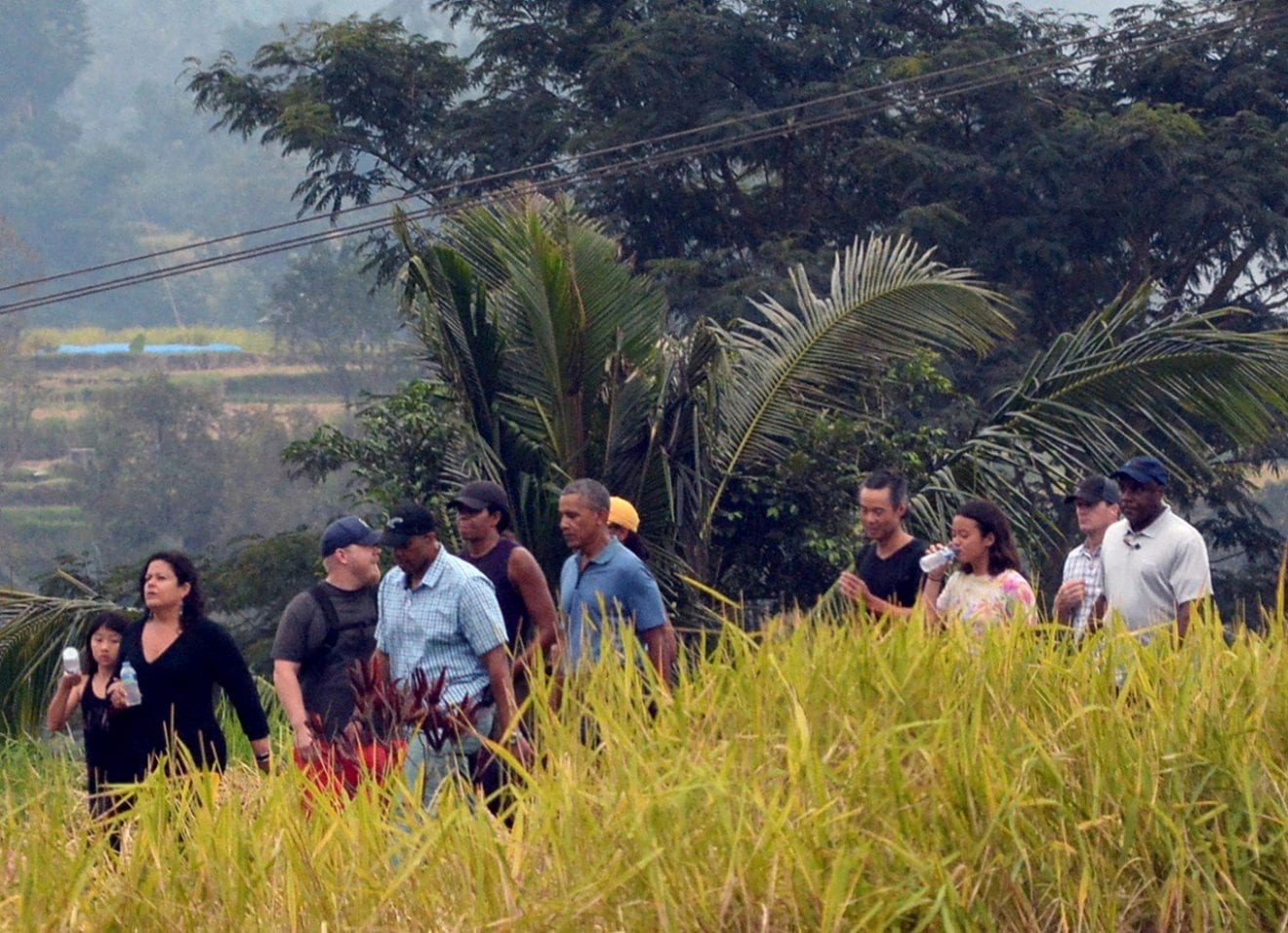
    The Indonesian Tourism Travel Bureau Association (Asita) has expressed hope that the visit of former US president Barack Obama to Bali would help attract foreign tourists to the island.

    “We hope the number of tourists from the US to Bali would increase,” Balis Asita Chairman Ketut Ardana stated here, Tuesday.

    The visits of world leaders to Bali help to promote Bali internationally since they are covered by the media, he said.

    Their visits to Bali will also draw other leaders to visit Bali for a vacation, he added.

    Tourists from the US usually stay for more than a week in Bali, and they prefer five-star hotels, he remarked.

    The number of US tourists to Bali had reached 64,042 during the January-April period, or an increase of 19.7 percent from that recorded during the same period last year.

    The US stands sixth among the list of 10 countries contributing the largest number of foreign tourists to Bali. From January to April 2017, a total of 1,817,772 foreign tourists had visited Bali.

    A total of 511 thousand tourists from China had visited Bali during the period between January and April, followed by 353 thousand from Australia, and 74 thousand from Japan.

  • Hong Kong’s 1st Diploma in Cruise Service offered to meet growing talent demand

    Hong Kong’s 1st Diploma in Cruise Service offered to meet growing talent demand

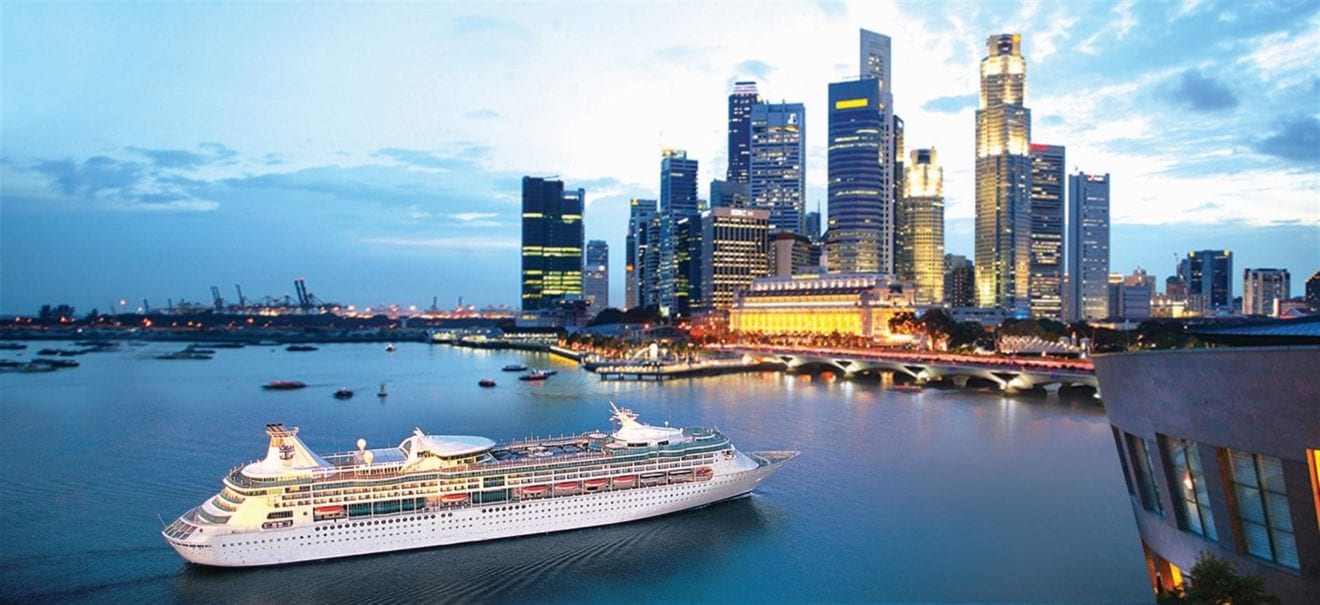
    In view of the growing demand for skilled workers in the cruise and hospitality sectors, the Hong Kong Cruise Academy (HKCA), a member of Hong Kong Cruise & Yacht Industry Association (HKCYIA), and Hong Kong Cruise Services Academy (HKCSA) will jointly organize a Diploma in Cruise Service and Hospitality Management. The programme will cultivate young talents for the industry by providing professional training in tourism, hospitality and cruise services. Kara Yeung, Executive Director of HKCA, and Sunny Ng, School Manager and CEO of HKCSA, have signed a co-operation agreement to officially launch the programme in September.

    The programme is designed to equip students with the knowledge and skills needed for a successful career in the cruise services industry. The 1-year programme covers cruise and hospitality knowledge, cruise operations, overview of tourism industry, customer services, foreign languages, Standards of Training, Certification and Watchkeeping for Seafarers (STCW) Certificate, as well as other vocational skills and management knowledge. The entry requirement for the programme is five HKDSE subjects at Level 2; or five passes in HKCEE; or other equivalent qualifications. The programme will be held at Kai Tak Cruise Terminal, with a shuttle bus service which will operate between Kowloon Tong and the cruise terminal.

    The programme is the first diploma programme in Hong Kong that includes the STCW Certificate. Graduates of this programme who have completed an internship and passed the examination can get a STCW Certificate, the minimum legal requirement for working in the hotel department on international cruise lines.

    Combining theoretical learning with hands-on practical training, the programme provides students with internship opportunities in ground services in cruise terminal and commercial yacht management services. Internship opportunities in international cruise lines, such as Costa Cruises, MSC Cruises and Carnival Cruise Line, will also be arranged to allow students to apply their knowledge to real world situations. The programme also offers a comprehensive job referral network, helping graduates start their careers in cruise services.

    Enrolment for the programme is now open. For details, please visit www.hkcsa.edu.hk or call 2728 0638.

  • Hong Kong Book Fair Opens Next Month with About 670 International Exhibitors

    Hong Kong Book Fair Opens Next Month with About 670 International Exhibitors

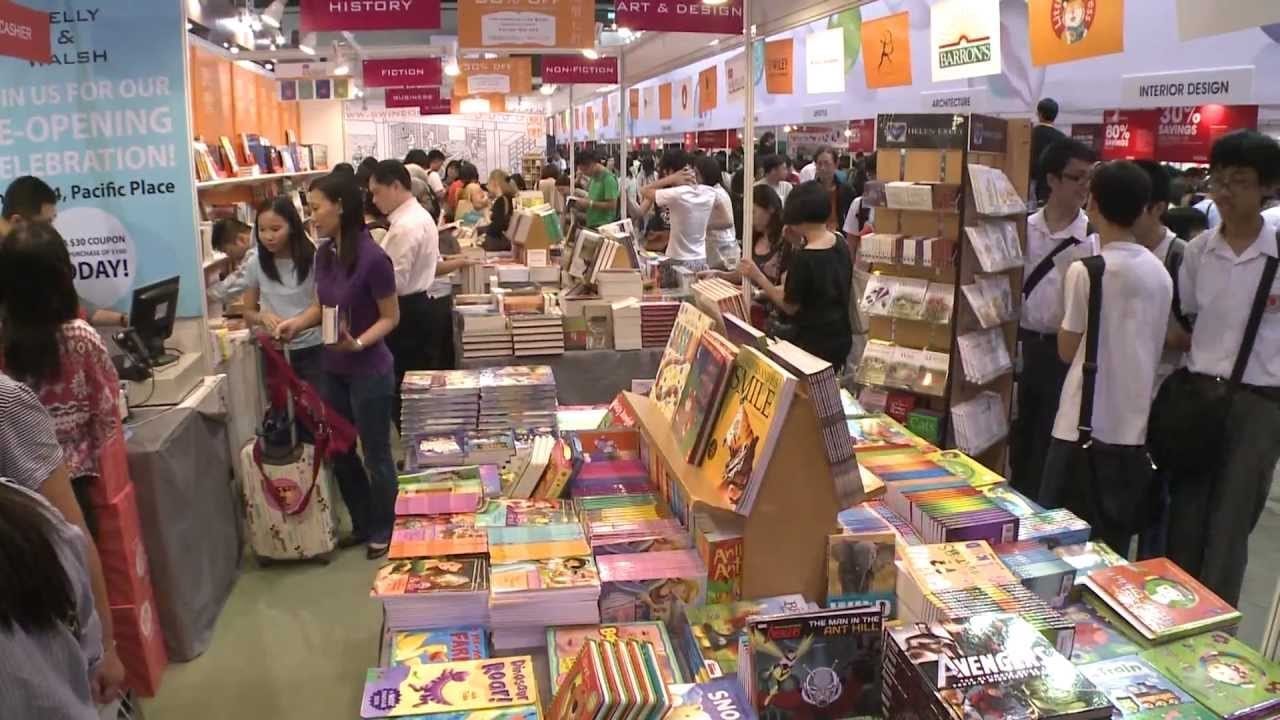
    About 670 exhibitors from 35 countries and regions will present books on a wide range of topics and in various languages at the 28th edition of the HKTDC Hong Kong Book Fair, which will be held 19-25 July at the Hong Kong Convention and Exhibition Centre (HKCEC). More than 310 cultural events catering to different interests and age groups will take place during the week-long event to raise public cultural awareness and interest in reading.

    “The Hong Kong Book Fair Cultural Events Advisory Panel chose the theme of Travel for this year’s Book Fair,” said HKTDC Deputy Executive Director Benjamin Chau, as he explained how the event would move forward from last year’s focus on Chinese martial arts literature. “We hope that readers can learn about the world through reading the works of Hong Kong travel writers, even though they themselves may not have the opportunity to travel around the globe,” Mr Chau said, adding that the HTKDC will be “bringing in publishers and cultural promotion institutions from around the world as well as organising a series of cultural events to feature the cultures of different countries, under the theme ‘Reading the World – People, Places, Passions’.”

    Travel Writing in Focus

    In keeping with the travel theme, this year’s Book Fair Art Gallery, to be located outside the 3/F convention hall, will showcase a thematic exhibition “Around the World Through Words”. The exhibition will feature a number of Hong Kong travel writers with varied backgrounds covering litterateurs, cruise expert, explorer, historians, war correspondent, novelist as well as writer and photographer, of which Leung Ping Kwan (Ye Si), Xi Xi, Rebecca Lee and Zhou Yijun are included. The gallery will feature their works together with photos taken and souvenirs gathered during their journeys, to build understanding about their travel works and generate interest in reading.

    The Art Gallery will also host an exhibition called Beyond the Picture to showcase photographs, paintings and various printed matter telling stories about different places in the world over the ages. It includes a section organised with National Geographic magazine to feature award-winning photographs that capture the culture, landscape and architecture of Hong Kong and other locations around the world. The series will also showcase “old Hong Kong” through the paintings of famous local artist Lee Chi-ching as well as photographs, postcards and other printed matter.

    Rounding out the Art Gallery will be “A Journey to Sichuan”, introducing the Chinese province often referred to as “Nature’s Storehouse”. Visitors will be able to take in photographs of the scenery in Sichuan, as well as manuscripts by famous writers from the area, a series of prized exhibits from Sanxingdui Museum, and performances of Sichuan opera face-changing, tea arts and folk music.

    Renowned Writers Gather from Around the World

    This Book Fair features eight seminar series to invite an international line-up of writers in various genres to share their viewpoints and writing tips. The HKTDC continues to collaborate with Ming Pao and Yazhou Zhoukan to co-organise the Renowned Writers Seminar Series. Speakers in the series will include the Chinese mainland writers Ye Xin, Hang Shaogong, Fang Fang, Zhou Meisen, Liu Xiaoqing, Wang Chaoge, Xu Zhiyuan, Lu Nei, Zhou Bing, Xiao Han and Hao Jingfang. Also taking part are writers from Taiwan, including Chu Tien-hsin, Tang Nuo, Liu Ka-shiang and Yang Ze, and from Hong Kong, Leung Man-tao and Craig Au-Yeung Ying Chai.

    The Book Fair also encourages the public to read books in other languages to broaden their horizons. The English Reading and Creative Writing Seminar Series, supported by the British Council, will feature three renowned UK authors, including crime fiction writer Sophie Hannah and travel writers Sara Wheeler and Tim Moore.

    The World of Knowledge Seminar Series, supported by the Consulate General of France in Hong Kong & Macau, will feature three French writers including illustrator Cedric Fernandez, film critic Arnaud Lanuque who studies Hong Kong films and Afro-French novelist Alain Mabanckou. The Consulate General of Spain in Hong Kong is also contributing to the international line-up, by arranging for Peter Gordon and Juan Jose Morales to introduce their new book on the China-Mexico route Ruta Via de la Plata which dates back to the 16th to 19th centuries.

    Well-known Chinese mainland entrepreneur Wang Qiang, who created his own Think in American English programme, will also attend the fair to share his reading experience, as will renowned local authors, including prominent designer Kan Tai-keung, President of the Hong Kong University of Science and Technology Prof Tony F Chan, as well as the pilot Hank Cheng and engineer Gary Tat who together assembled a light aircraft in Hong Kong and completed a journey around the world.

    Other seminar series include the Theme of the Year Seminar Series, where a number of travel writers, academics and travel experts will share their views on travelling and writing as well as travel writing styles, the Children and Youth Reading Series, which covers child growth and education, parent-child reading and children literature, and the Personal Development and Spiritual Growth Seminar Series, in which travel expert James Hong, Hong Kong swimmer Stephanie Au and the physiotherapist Elton Ng who conquered Mount Everest will share tales of inspiration.

    Also on the schedule are the Lifestyle Seminar Series, where local artists Steve Lee and Gigi Wong will share cooking tips, as well as sessions by Yim Ho to share healthcare tips, by field photography group Wandering Photography to share the joy of photography, and the Hong Kong Cultural and Historical Seminar Series, where Dr Ting Sun Pao, Dr Clarence Yau and Louis Koo who is the leading actor of A Step into the Past, television series adapted from popular novel of same name, will discuss the works of the late martial arts novelist Huang Yi. Hong Kong artist Rebecca Pan will bring the audience to the cinematic stage through her own experience, and the renowned Cantonese Opera actor Franco Yuen will talk about Cantonese Opera education in Hong Kong. For more details and registration of the seminars, please visit the Hong Kong Book Fair website.

    Wang Qiang, Founder of the Think in American English Programme, Production Director of Lonely Planet and other industry experts from around the world will also participate in the International Publishing Forum to explore developments in this sector during a session targeting publishing industry players.

    Reading about the World

    The International Cultural Village at the Book Fair features 26 countries and regions. France, Germany, Italy and Poland are among the countries setting up the European Union Pavilion to exhibit books as well as organise a number of cultural events to increase public understanding of their local cultures. Japan will return to the fair with a group pavilion which represents 11 cities and prefectures including Niigata, Wakayama and newcomers Fukuoka and Tottori. The pavilion exhibitors will join forces with the Japan National Tourism Organization and the Japan Kadokawa Group to showcase aspects of Japanese culture.

    Besides the seven-day Book Fair, the HKTDC will organise “Cultural July” citywide campaign which will include more than 310 cultural events to promote reading. Taking place from the end of June until the end of July, it will involve cultural institutions, libraries, museums, educational institutions, shopping malls and cafes, in a combined effort to encourage greater public participation in diverse cultural events.

    Concurrent Hong Kong Sports and Leisure Expo

    Tickets to the Book Fair are now available for public purchase, and visitors can also purchase tickets on-site at the fairground ticket office. The Hong Kong Sports and Leisure Expo will be held concurrently from 21-25 July at the Hong Kong Convention and Exhibition Centre. The Sports and Leisure Expo features over 90 exhibitors to showcase sports-related products and equipment, as well as photography and art products and special interest classes. The fair will feature free trials of activities such as indoor rock-climbing and street workout workshops. Visitors can visit the Sports and Leisure Expo with a valid Book Fair ticket.
  • Vietnam set for co-working office boom

    Vietnam set for co-working office boom

    With both local and international operators strongly expanding into co-working in Vietnam, the industry is expected to develop rapidly, experts have said.

    An office building for lease in Ha Noi. Co-working offices are in great demand thanks to the flexibility, creativity and amenities tenants get. It also offers a far more cost-effective solution for tenants compared to traditional leased office space.

    They said the development of this new segment in the property market is being driven by start-ups, freelancers and increasingly by small companies.

    Vu Cam Giang, co-founder of Moonwork co-working space in Ha Noi, told that initially co-working had attracted students, employees allowed to work from home, start-ups, freelancers and artists who were curious about the new experience.

    But now only start-ups and freelancers hire co-working space, with many of them needing a place where they can bounce things of each other or explore co-operation opportunities, she said.

    Since it was launched more than a year ago her co-working space has been always full, indicating the high demand, she said.

    A recent report from property consultant CBRE Vietnam said the co-working segment has grown rapidly in Ha Noi and HCM City since it was first introduced in 2012 and started to gain traction in 2015 with the entry of local operators Toong and Dreamplex.

    The report said there are now 17 co-working space operators with 22 venues, all but one local, but the situation is set to change with the entry of regional operators later this year and in 2018.

    Talking about the growth, the report said the global co-working industry has been growing at 53 per cent a year for the last five years. In Vietnam the rate has been 58 per cent.

    But with the concept still being relatively new in the country, and major regional and international operators yet to enter, the rate is set to accelerate, it said.

    Co-working offices are in great demand thanks to the flexibility, creativity and amenities tenants get. It also offers a far more cost-effective solution for tenants compared to traditional leased office space.

    Office rents now range between $1,100 and $1,400 per month.

    Besides, co-working tenants do not have to shell out money for furnishing or even buying computers and other office equipment.

    CBRE said the cost of co-working space varies across cities, and is less in Ha Noi and HCM City than most other cities in the Asia Pacific.

    But the offices are generally not located in prime buildings or areas since operators seek to keep rental costs low. They are often situated in underutilised buildings in non-central locations, it said.

    The entry of larger operators would likely usher in a period of consolidation and M&A activity within the industry, forcing poorly managed or unsuitable co-working spaces out of the market and improving the quality of existing operators, it said.

    “With the development of start-ups and freelancers and people’s changing perception in choosing working space, the co-working segment will continue to expand in Vietnam,” Giang said.

  • Soekarno Hatta Airport Now Have Tourist Information Center

    Soekarno Hatta Airport Now Have Tourist Information Center

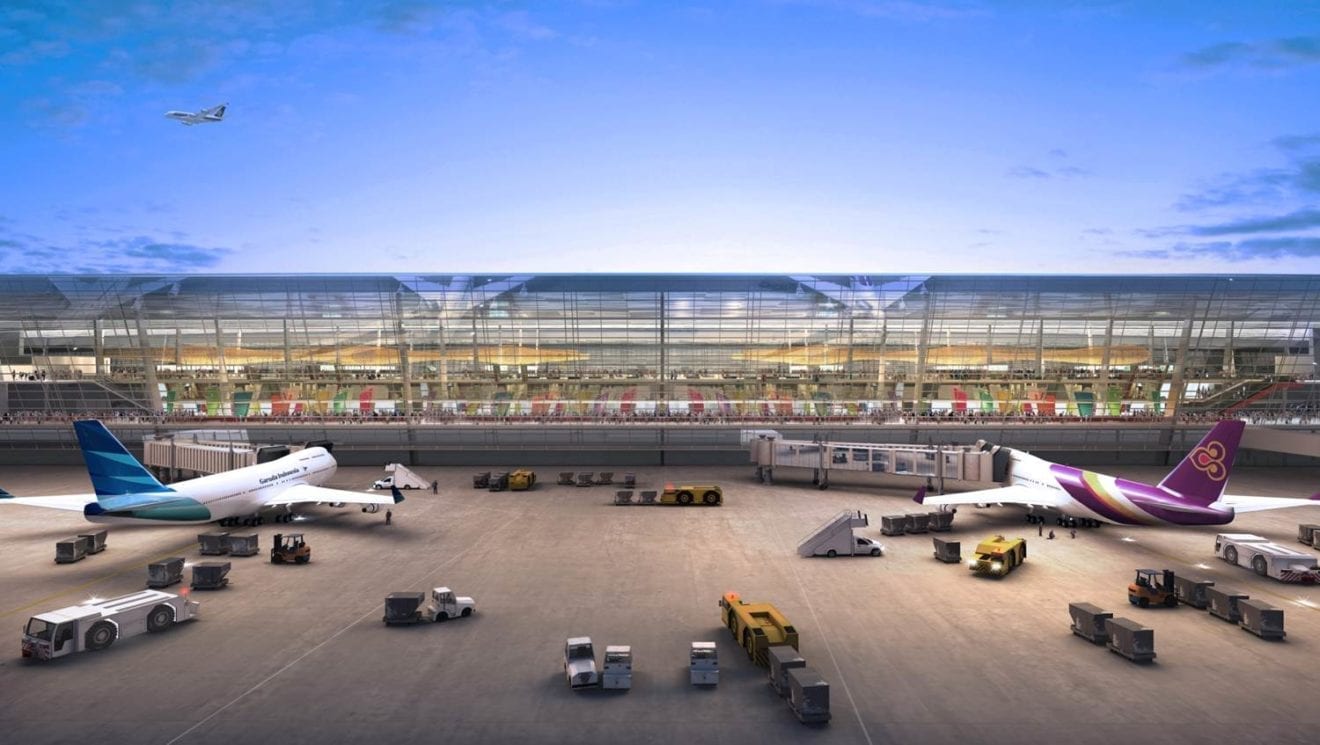
    State-owned operator Angkasa Pura II, Tourism Ministry and Transportation Ministry have launched Tourist Information Center at Terminal 3 of Soekarno Hatta International Airport.

    TIC services that have been operating since June 19 will serve to promote Indonesian tourism. “In order to achieve the full-year target of tourist arrivals,” Angkasa Pura II president director Muhammad Awaluddin said today in a written statement.

    Awaluddin said that Terminal 3 will serve international flights which allow TIC to promote Indonesia’s tourist destinations.

    Promotional contents at the TIC are a wide range of tourist destinations in Indonesia prepared by Tourism Ministry, particularly in relation to the branding ‘Wonderful Indonesia’ and ‘Pesona Indonesia’ (Indonesian Charm).

    The TIC will also enrich Terminal 3 digital contents. Angkasa Pura II is committed to turning Soekarno Hatta into a digital airport in line with the company’s vision of becoming the best smart connected airport operator in the region.

    Tourism Minister Arif Yahya expects TIC in Terminal 3 to become some kind of tourism supermall. Meaning that tourists may get information on tourist attractions, transportation, accommodation, etc. which can be accessed immediately by making reservations and paying for the best tourism experience.

    Angkasa Pura II and Tourism Ministry are committed to collaborating for the development of tourism sector. That includes enhancing international flight connectivity in all airports operated by the company, including Soekarno Hatta.

  • Thousands of jobs at risk over spat between Vietnam coal corporation and power group

    Thousands of jobs at risk over spat between Vietnam coal corporation and power group

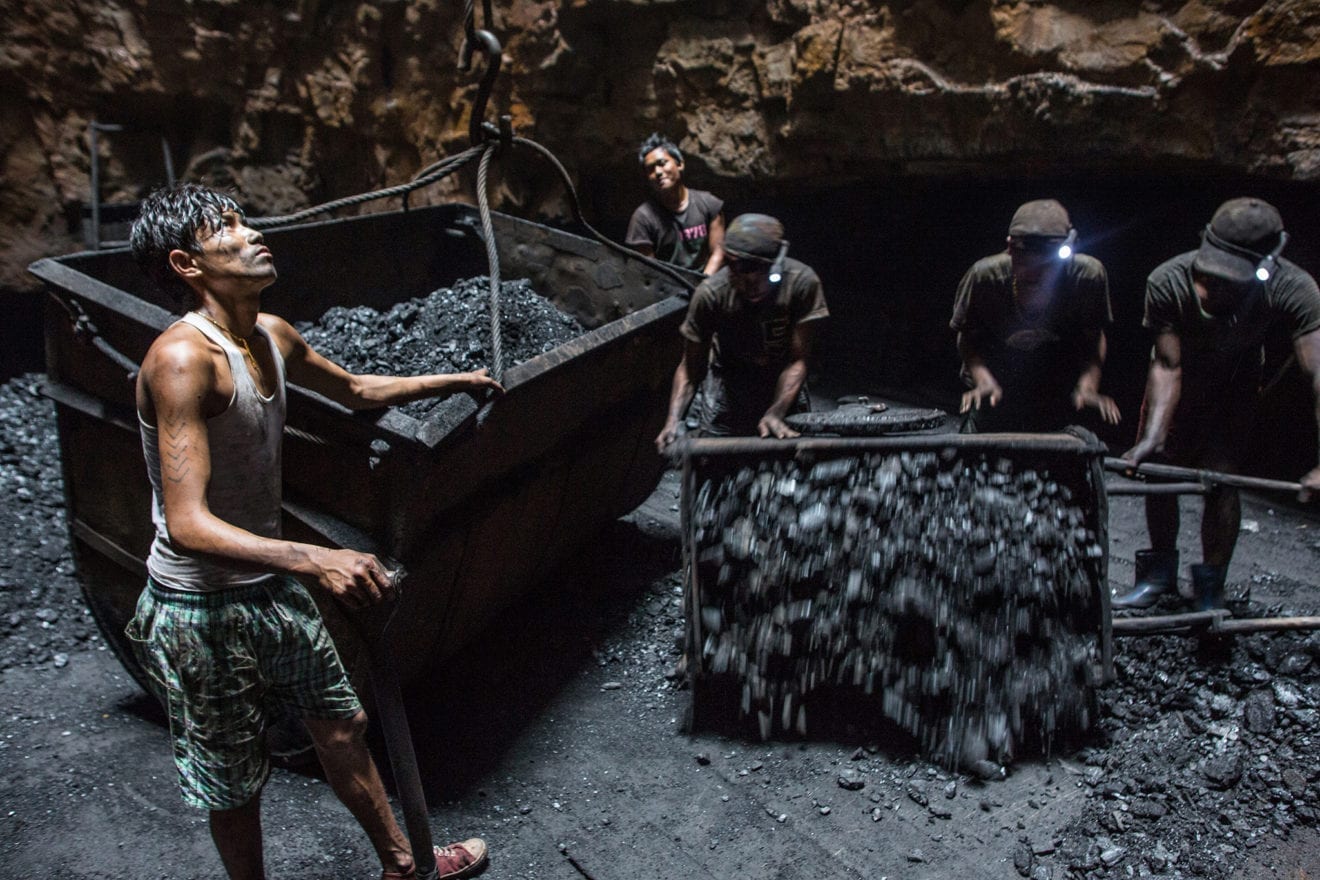
    Imported coal is currently cheaper than what’s available on the domestic market, so which industry should the government support? Thousands of workers at Vietnam National Coal-Mineral Industries Holding Corporation Limited (Vinacomin) could lose their jobs if the state-run power monopoly Electricity of Vietnam (EVN) slashes coal purchases this year.

    Vinacomin’s stockpile stands high at 9.3 million tons, largely due to reduced purchases by EVN, Vinacomin officials said at a meeting with government representatives on Monday.

    In May, EVN  reduced its planned purchases from Vinacomin by 2 million tons to 17.92 million tons, saying imported coal was cheaper.

    Vietnam is running out of hydropower sources so it plans to focus on developing coal-fired thermal power. The proportion of thermal power will rise to 49 percent by 2020 and 55 percent by 2025, said EVN

    According to Do Hoang Anh Tuan, deputy minister of finance, domestically produced coal currently costs more than imported coal, making it hard to compete. For example, a certain type of imported coal dust costs around VND 1.5-1.6 million ($66-71) per ton, while the same type produced by Vinacomin costs around VND 2 million each ton.

    “The price of domestic coal should be competitive; at least the same or lower than imported coal, but we still need to ensure international market commitments are met,” said Tuan.

    While insisting EVN should continue to buy its coal this year, Vinacomin officials warned that if EVN cancels the order for 2 million tons, some 4,000 workers could lose their jobs and a coal mine could be closed.

    Government Office Minister Mai Tien Dung came to Vinacomin’s defense, saying that while abiding by market rules, “we should ensure domestic production and protect established corporations like Vinacomin, otherwise 4,000 workers could be out of a job.”

    The government also asked Vinacomin to reduce its production costs and price to ensure they are competitive with imported coal.

    For its part, the Ministry of Industry and Trade has been asked to look at long-term measures to protect domestic coal, while Vinacomin should work with local authorities to fight illegal coal exploitation and smuggling.

    To end the meeting, Dung called on Vinacomin to reach its VND 110 trillion revenue and VND 2 trillion profit targets in 2017.

    According to a report by Vinacomin, the corporation produced some 19.87 million tons of raw coal in the first six months this year, accounting for 55.2 percent of the annual target.

  • Vietnam launches new agency to ‘rescue’ farm products

    Vietnam launches new agency to ‘rescue’ farm products

    Farmers are growing more food than the population can eat due to a breakdown in communication. Vietnam’s Ministry of Agriculture and Rural Development (MARD) launched a new department on Wednesday aiming to “rescue” the country’s farm products.

    Despite its agricultural strengths, Vietnam simply isn’t consuming its own agro-products. Weak connections between farmers and traders and an inability to forecast the market have led to overproduction, leaving farmers and producers on the brink of bankruptcy.

    Local people have even been asked to step in and buy up excess supplies of bananas, watermelons and pork since the beginning of the year.

    The department will offer market forecasts and monitor the consumption of domestic farm products, then coordinate with relevant agencies to balance supply and demand as well as work with the trade ministry to control imports and exports, said MARD on its website.

    According to MARD chief Nguyen Xuan Cuong, Vietnam has managed to shift from a hungry country to a major food exporter in the past 30 years.

    Last year, Vietnam raked in $32 billion from agro-forestry-fishery exports. Of that figure, 10 items enjoyed export revenue of over $1 billion.

    However, the Southeast Asian country is facing three main challenges. Firstly, Vietnam has over 10 million farming households whose productivity remains lower than that of the region and the world. Secondly, Vietnam is among the world’s top five nations hardest hit by climate change, especially in agriculture. Thirdly, in the age of integration, the country faces fierce competition from overseas.

    To address these challenges, Cuong said the sector needs to restructure and focus more on processing and marketing.

    “Currently, processing and marketing remain weak in Vietnam as production and marketing are not linked, which results in the overproduction of many agricultural products,” said Cuong.

    The new department is expected to work closely with ministries, associations and businesses to connect production and marketing with the aim of tapping the world’s 7 billion population and the 92 million people in the domestic market, Cuong said.

  • Chinese tourism in Thailand to get slowly better

    Chinese tourism in Thailand to get slowly better

    It is not just the South Korean duty free and travel retail market that is suffering from a dearth of Chinese travellers – Thailand has also seen falling traffic according to travel retail analyst, research and category expert, Counter Intelligence Retail, but for very different reasons.

    Metrics from CiR’s traffic modelling and forecasting tool, Business Lounge, show that from peak growth of +101% in July 2015 (compared to July 2014 year-on-year) rates have been falling steadily ever since.

    By December 2016 there was zero growth and in the first quarter of 2017 the trend was negative overall at -2%.  “What this data from CiR Business Lounge tells us is that after a golden period of Chinese travel easily outstripping general international demand to Thailand, the situation has reversed – and since December 2016 international traffic to the country has been stronger,” says Garry Stasiulevicuis, President of Counter Intelligence Retail.

    Political stability and ‘tours’ ban influence Chinese demand

    As political stability returned, so did international traffic – from the Chinese in particular. In 2015, Chinese tourism was up by +66% (from a low base in 2014), while 2016 saw a more measured rise in Chinese PAX at +32% YoY. Nevertheless, this represents 1.3m extra Chinese arrivals to the country – a boon for duty free and travel retailers. The Chinese market is the largest source of tourists in Thailand.

    While Chinese growth rates have been falling since July 2015, they were well ahead of international levels. However, a September 2016 ban on so called ‘zero-dollar’ tours (cheap group packages where tourists are herded to specific hotels and shops and unable to do much independently) Chinese numbers to Thailand have dropped dramatically.

    The death of Thailand’s King Bhumibol Adulyadej a month later and official year-long mourning has also meant the cancellation of a number events and ‘full moon’ parties which affected the tourism sector.

    The ‘zero-dollar’ tours ban is a joint campaign with the Chinese authorities and it has resulted in the impounding of more than 2,000 tour buses. Backed by Tourism Authority of Thailand, the initiative is designed to improve tourism quality levels so that Chinese travellers have a better experience once the market purge is completed. TAT expects this will eventually result in renewed and sustainable growth from its largest source market.

    CiR sees some hopeful signs

    Forecast data from Business Lounge offer some hope to travel retailers in Thailand. Based on scheduled capacities from China, the data indicates that while seat numbers have stayed below 2016 up to May, from this month (June) the trend is set to improve.

    Helping FITs to Thailand will be low-cost carriers. As previously mentioned by CiR, growth in China’s LCC sector has been buoyant in recent years and this continues to be the case for traffic into Thailand. In July for example, carriers such as Spring Airlines, Juneyao Airlines & Sabaidee Airways have increased available capacity by about +43%.

  • Over two million Chinese tourists to visit Indonesia in 2017

    Over two million Chinese tourists to visit Indonesia in 2017

    The number of Chinese tourists visiting Indonesia is estimated to reach more than 2 million tourists in 2017, an official said. Charge d’Affaires of the Embassy of the Peoples Republic of China in Jakarta Sun Weide said here on Tuesday that the tourism cooperation between Indonesia and China continues to grow.

    The Chinese Embassy has recorded around 560,000 Chinese tourists to have visited Indonesia during the first three months of this year.

    “The number of Chinese tourists visiting Indonesia is estimated to reach more than two million this year,” Sun Weide said in a press conference followed by an iftar at the Chinese Embassy in Jakarta.

    Last year, 1.45 million Chinese tourists had visited Indonesia. The number was the second largest after Singapores with 1,47 million tourists.

    It is estimated that the visiting Chinese tourists had contributed around two billion US dollars of foreign exchange to Indonesia last year, he said.

    Cooperation in the tourism sector between Indonesia and China has been robust, he said.

    On the same day, delegation from Guizhou Province of China held a conference to promote its tourism potential in Jakarta.

    Ren Xiang Sheng, Guizhou Provincial Secretary in southwestern China, said the increased cooperation in the fields of tourism and culture has become part of efforts to strengthen Chinas One Belt and One Road (Obor) initiative.

    In 2016, more than one million tourists had visited Guizhou, a region dotted with picturesque mountain in China. Out of one million visiting tourists, 128,000 were Indonesians.

    Indonesian Ministry of Tourism has estimated that the number of Chinese tourists visiting Indonesia will reach 2.4 million in 2017, surpassing Singaporeans who were estimated to top around 2.275 million in the same year.

    Achieving its 12 million tourist visit target in 2016, Indonesia has set a target to attract 15 million tourist in 2017.

  • IKEA Korea chief ‘absolutely satisfied’ with performance

    IKEA Korea chief ‘absolutely satisfied’ with performance

    Global furniture giant IKEA’s retail manager for South Korea Andre Schmidtgall said the country’s home furnishing industry will continue to grow for the next couple of years.

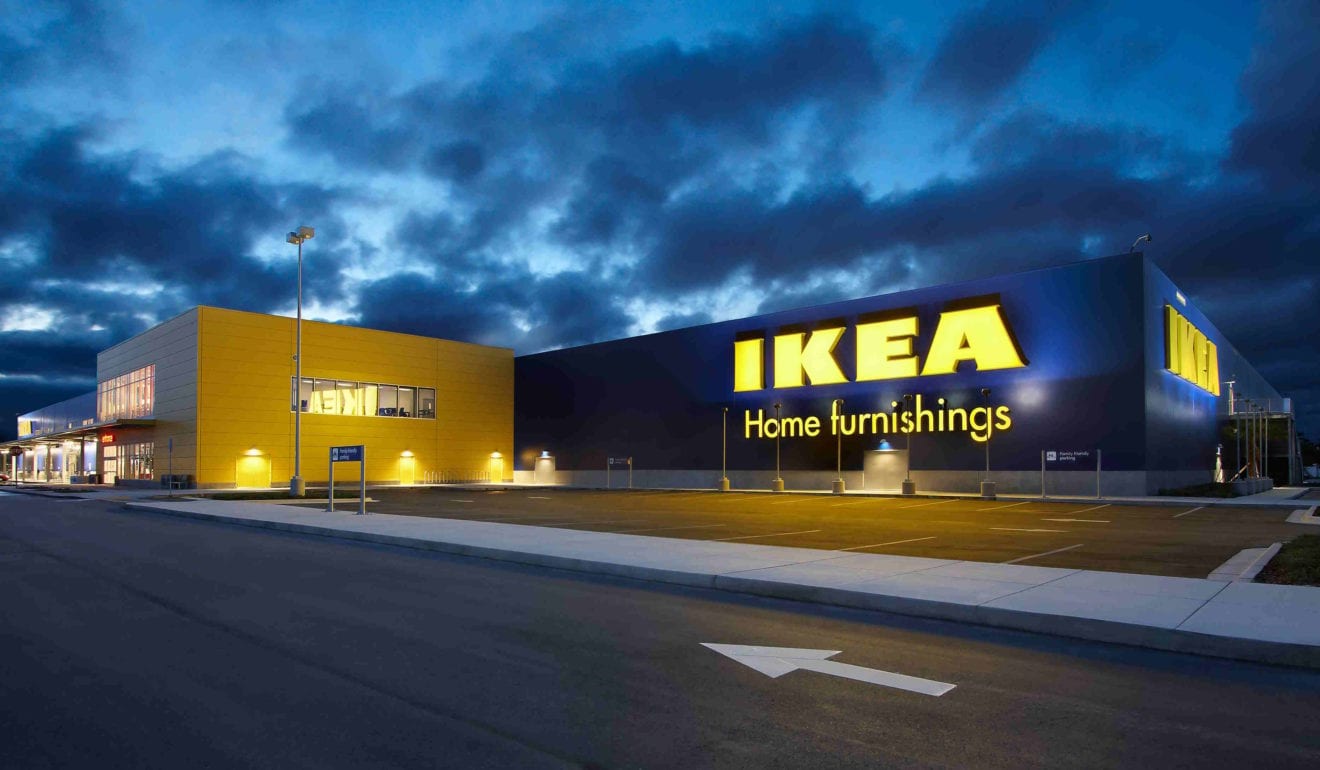
    Its first store in South Korea which opened in December 2014 in Gwangmyeong, just southwest of Seoul, logged 345 billion won (US$303 million) in sales in the 2016 fiscal year.This is the largest turnover among all IKEA stores in the world during the period.

    The two-story building spans 57,100 square meters and displays some 9,200 products in 65 showrooms with a child care area and a cafeteria featuring Swedish and Korean dishes.

    During the 2016 fiscal year, the Gwangmyeong outlet had 6.4 million visitors. It said 1.1 million people have signed up for a membership so far.
    “”We believe that the (South Korean) home furnishing market will clearly grow above average retail the next five to seven years,”” the country retail manager said. “”One of our challenges at the moment is that we have only one store,”” he said. “”This store is too busy when it comes to the amount of visitors. We have more than 6 million, so we need more stores to give a better shopping experience.””

    IKEA plans to have six stores including one in Gwangmyeong — and an online store up and running by 2020 at which time it will have invested 1.2 trillion won in the country.

    The second store is set to open in Goyang, northwest of Seoul, later this year.
    The company currently has three memorandums of understanding (MOUs) with Giheung, 40 kilometers south of Seoul, the southern port city of Busan and the Gangdong Ward office in southeastern Seoul.
    IKEA Korea is also preparing to launch an e-commerce service though it is yet unclear when this would begin.

    Despite worries that IKEA’s entry would result in a decrease in sales of existing small and medium-sized enterprises in the market, the furniture giant said it has so far brought a positive impact to the surrounding community.

    Citing a credit card survey conducted by the Korea Distribution Association between December 2014 and August 2015, Schmidtgall said more than half of their customers bought things at a shop other than the furniture store within a 10-kilometer radius.

    All shops in the region have seen their credit card turnover increase between 7 and 27 percent during the cited period, he said.
    “”This is something we are really happy with,”” the retail manager said. “”We are not only trying to stimulate interest in the furniture market, but it is visible that we are nurturing the area around too.”

    In addition, IKEA Korea is attributed to create new jobs forecasting to hire some thousands of new employees in the next couple of years with its new stores.

    IKEA Korea currently has around 1,200 employees at its headquarters and store in Gwangmyeong, and plans to hire 550 more workers for its second store in Goyang.

  • Indonesian supermarket opened in Qatar

    Indonesian supermarket opened in Qatar

    A supermarket selling Indonesian products was opened in the Messaieed City, located around 40 kilometers from Doha, Qatar. The Indonesian supermarket, called KWIQ Supermarket, was officially opened to the public on June 17 by Indonesian Ambassador to Qatar Muhammad Basri Sidehabi, as quoted from the official website of the Indonesian Ministry of Foreign Affairs on Monday.

    “This Indonesian supermarket serves as a concrete manifestation of Deputy Minister of Foreign Affairs A.M. Fachirs instruction during a coordination meeting last month,” Sidehabi noted.

    The deputy minister had instructed the Indonesian representative to focus on feasible and concrete efforts and to dare to innovate for the benefit of the people, he said.

    The supermarket is expected to encourage the Indonesian diaspora to develop businesses in Qatar as well as to serve as a platform for Indonesian businessmen keen to expand their business in Qatar.

    The plan to set up an Indonesian supermarket was initiated by the KWIQ cooperative group.

    Head of the KWIQ cooperative group Kartini Sarsilaningsih said Indonesian citizens living in Messaieed and Wakrah are keen to support the plan to set up an Indonesian supermarket in Qatar.

    Sasilaningsih said the business holds high potential, adding that the Government of Qatar is currently conducting diversification of products following the diplomatic rift with several gulf countries.

    She hoped that in future, the Indonesian supermarket would gain greater support from Indonesian business entities and producers that are looking to expand their business in Qatar.

    “For now, the supermarket has set a target to function as a distributor for Indonesian products since it has a business network,” she revealed.

    The supermarket has been supported by the Indonesian Business Association in Qatar and is selling Indonesian products, such as food and beverages and household appliances.

  • McDonald’s shuts up shop on Olympic support

    McDonald’s shuts up shop on Olympic support

    McDonald’s has ended its longtime Olympic sponsorship dating back to 1976, the International Olympic Committee announced today. The fast food giant has supported the Olympics since the Montreal Games and although the split takes place with immediate effect they will continue to be a sponsor at the 2018 Winter Games in Pyeongchang.

    “The IOC and McDonald’s have announced that they have mutually agreed to bring their worldwide partnership to an end,” an IOC statement confirmed.

    The burger chain, which is cutting its Olympic ties with three years of its contract still to run, was one of the IOC’s heavyweight “TOP” partners along with the likes of Coca Cola, Visa, Bridgestone, Panasonic, Toyota and Omega.

    The IOC, giving the reasons behind the divorce, wrote: “In today’s rapidly evolving business landscape, we understand that McDonald’s is looking to focus on different business priorities.”

    McDonald’s global chief marketing officer Silvia Lagnado commented: “As part of our global growth plan, we are reconsidering all aspects of our business and have made this decision in cooperation with the IOC to focus on different priorities.”

    Whilst McDonald’s first became an official backer at Montreal in 1976 and a TOP partner in 1997, the company’s Olympic appetite was first whetted at the 1968 Grenoble Winter Games. McDonald’s on their website explained how they “airlifted” burgers to Olympic athletes who had become “so homesick for American food” in the French Alpine city.

    Over the decades the fast food chain has contributed hundreds of millions of dollars into the IOC’s cash tills and had a popular presence at every Olympic village since. At last year’s Rio Games their promotion of free meals for athletes triggered lengthy queues from sunrise to sunset. One marketing guru suggested the split was logical given the emphasis on health-conscious diets.

    Illogical and counterproductive

    “The scale of obesity and diet-related disease around the world is alarming, and although we can’t put this at McDonald’s door they must be aware that sponsoring the Olympics has now become ‘illogical’ and even in many ways ‘counterproductive’,” British sports marketing expert Patrick Nally told AFP.

    “McDonald’s have many other ways of promoting themselves but the logic of them sponsoring the Olympics does not now fit with the current attitude to fast food,” Nally added.

    Looking ahead to their last association with the Olympic movement next year, the IOC said: “McDonald’s will continue to be a sponsor of the Olympic Winter Games Pyeongchang 2018 with domestic marketing rights in the Republic of Korea only.

    “The company will deliver its Games-time operations, including restaurants in the Olympic Park and the Olympic Village.”

    The IOC said it had “no immediate plans to appoint a direct replacement in the retail food operations sponsorship category”.

    The IOC, with over 500 employees on its payroll, receives 70% of its revenue from broadcasting rights, which for 2013-2016 rose by 7.4% to $4.1 billion (3.67 billion) compared to 2009-2012, according to IOC figures.

    The bulk of the revenue is paid out to international sports federations, national Olympic committees, and Games organisers.

    McDonald’s deal would have run through the Tokyo Olympics in 2020, and bowing out will likely to save it hundreds of million of dollars if it had continued into the next four-year Olympics cycle and beyond.

    McDonald’s has been trying to hold down costs as it invests in improving food quality, restaurant service and online ordering to woo back U.S. diners. Intense competition has gnawed away at sales.

    “We are reconsidering all aspects of our business and have made this decision in cooperation with the IOC to focus on different priorities,” said McDonald’s Global Chief Marketing Officer Silvia Lagnado.

    The company’s move may also reflect a rising view among consumer brands that exclusive Olympics sponsorship deals do not offer the marketing impact they once did. Some companies find it is much cheaper to work directly with athletes or specific countries than the IOC.

    Moreover, in a trend that began after the Beijing games in 2008, shrinking television audiences for the games could be diminishing the value of sponsors’ ads. With the Rio de Janeiro games in 2016, many viewers turned to social media alternatives like Twitter and Facebook.

    In the United States, Comcast Corp’s NBCUniversal said it had attracted 8.6 percent fewer eyeballs for Rio than it did for London in 2012.

    The fast food chain has been part of the IOC’s top sponsors program that contributes more than $1 billion in each four-year cycle for the games.

    While terms of Olympic sponsorship are not disclosed, a source who negotiated previous IOC sponsorship deals said that top global sponsors like McDonald’s spend about $25 million a year or about $100 million for a four-year period that includes a summer and winter games.

    Reuters previously reported that the IOC had wanted to roughly double fees to $200 million per four year period starting in 2021.
    While it is unusual for an Olympic sponsor to leave early, sponsors change regularly within the IOC’s top program. The most recent addition was China’s Alibaba Group Holding Ltd, which signed a deal in January for a partnership through 2028.

    The next three Olympics take place in Asia, and this could turn off U.S. sponsors trying to reach a U.S. audience. The U.S. Olympic Committee also has lost recent sponsors such as AT&T and Citigroup ahead of the 2018 winter games in South Korea.

    The IOC said it was not planning a direct replacement for McDonald’s, but it is expected to announce a new global deal with Intel next week, according a source familiar with the matter. Intel did not immediately respond to a request for comment.

    “Companies with a deep focus on technology are barging in while others migrate out,” said Peter Land, who works with Olympics and Paralympics sponsors for communications firm Finsbury.

    The IOC has faced criticism from public health campaigners for allowing sponsors such as Coca-Cola and McDonald’s to use the games to market their products, which are perceived to be unhealthy.

    John Lewicki, who oversees global Olympic sponsorship deals for McDonald’s, said last year the company would reevaluate its Olympic relationship after changes to a rule that ended a marketing blackout for companies that sponsor athletes rather than the event itself.