Category: Living

Retail News Asia is committed to providing both local and global retailers with the latest Living news throughout the Asian market. This on a daily base.

  • Mattel plays with digital toys to triple China business

    Mattel plays with digital toys to triple China business

    Mattel expects to grow three to four times in the more than $31 billion toys and games market in China by 2020 through digitally connected toys, as it intensifies its efforts to take on LEGO Group and Hasbro in the country.

    Mattel — which cut its dividend by more than half to fund the new efforts — said its emphasis on e-commerce and repackaging its core brands as educational toys and connecting them to the internet would propel its position in the fragmented market. The toymaker has about 2 percent market share in China, lagging behind construction toy maker LEGO which has 2.8 percent control over the market. Hasbro is catching up with 1 percent, according to Euromonitor International.

    Mattel has been revamping its toys, developing AI Barbie Holograms, smart sensors-enabled Hot Wheels cars and virtual reality powered View-Masters to make them relevant to millennial parents.

    The new, digitally connected toys will be launched globally in fall 2018, the company said on Wednesday.

    “In China, there is a lot of recognition on linear learning and development. There is a real need for development of EQ, primary motor skills and social-emotional skills,” Mattel’s Chief Executive Margo Georgiadis said.

    Georgiadis, a former Google executive, took over the reins of the toy company in February and was hired for her tech expertise and e-commerce know-how.

    Mattel also said it would launch a network of play clubs with retail spaces to sell its toys in a joint venture with investment company Fosun Group (0656.HK) adding to a slew of major tie-ups in China.

    The joint venture is the third major partnership after Alibaba and Baby Tree, aimed at promoting the company’s educational products.

    One such product is Mattel’s Hotwheels Speedometry, play-based lessons which teach children about subjects such as measurement, distance, potential and kinetic energy, through building miniature race tracks.
    The company said it aims to enmesh more educational content with other brands such as Fisher-Price and Thomas & Friends, which are popular in the Asian country.

    “As we think about the opportunity in China … it is driven by the basic fact that there are 210 million kids in China, while there are 55 million in the US,” Georgiadis told.

    “Just the sheer size of the market … it’s an enormous market opportunity.”

  • China cuts retail fuel prices

    China cuts retail fuel prices

    China will cut the retail prices of both gasoline and diesel for the fifth time this year from Friday following a drop in global oil prices, the country’s top economic planner said Friday.

    Gas prices will decrease by 180 yuan ($26) per ton, while the diesel price will be lowered by 175 yuan per ton, according to the National Development and Reform Commission (NDRC).

    China adjusts domestic retail oil prices when international crude prices change by more than 50 yuan per ton within a 10 working-day period.

    Global crude prices have fallen in recent weeks following expansion of U.S. crude oil output and inventories. The NDRC expected global crude prices to continue to fluctuate, tempered by the effects of falling OPEC output and rising U.S. production.

    The NDRC said it is closely monitoring the current pricing mechanism and will continue improvements based on market changes.

  • Indonesia may lose 50,000 tourists because of Qatar crisis

    Indonesia may lose 50,000 tourists because of Qatar crisis

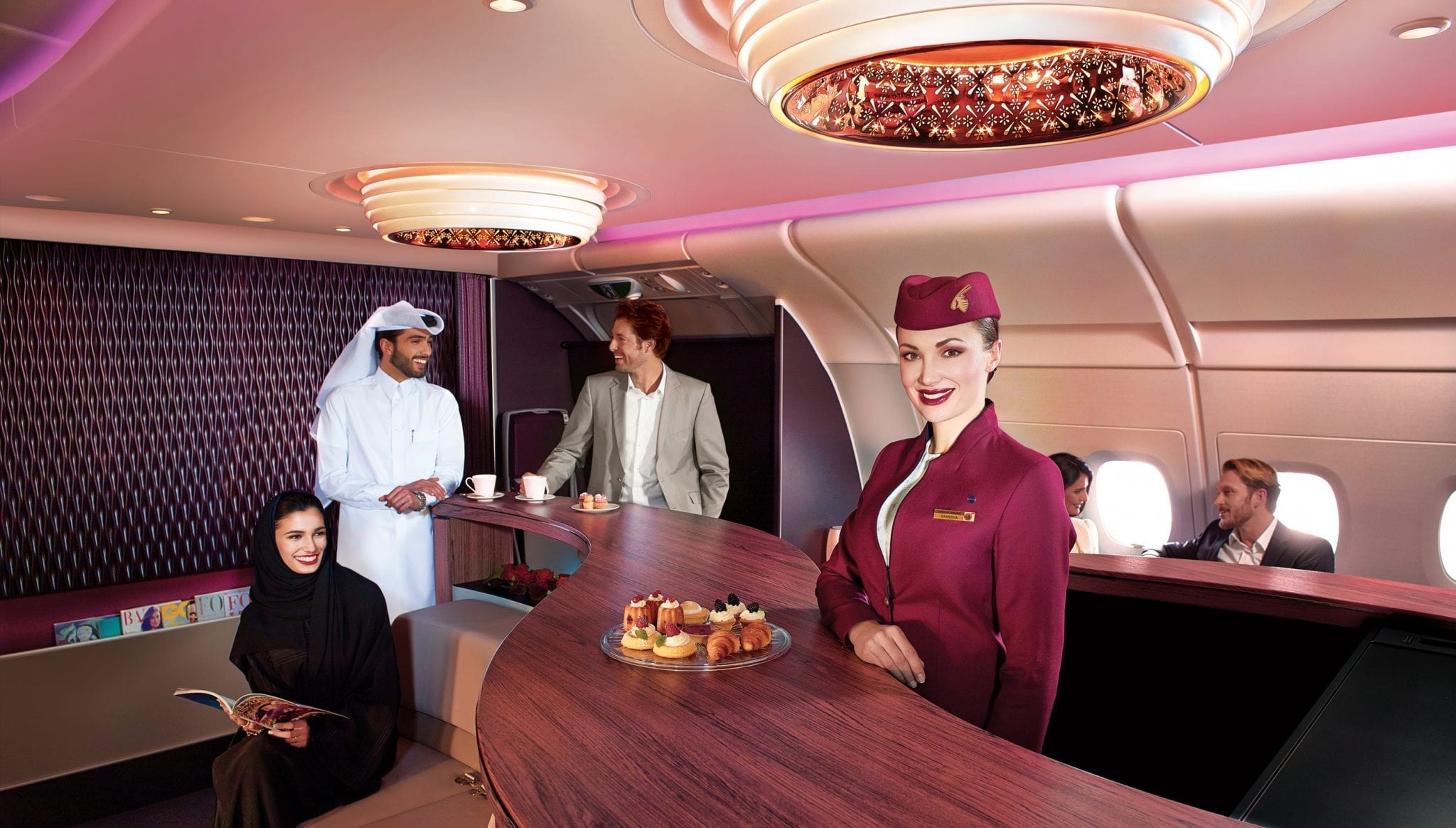
    The Indonesian government is predicting that the recent severing of ties between several Arab countries and Qatar would deal a blow to the archipelago’s tourism industry, with 50,000 expected tourists not showing up because of the crisis, a senior official said on Tuesday.

    That is the number of visitors Tourism Minister Arief Yahya said Qatar Airways, for the most part, would have brought to Indonesia this year.

    “Given that seven months are left in the year 2017, we estimate we will lose about 50,000 foreign tourists as a result of the boycott of Qatar,” Arief told reporters at the State Palace on Tuesday.

    In order to reduce the expected loss, Arief said his ministry would coordinate with the Transportation Ministry to transfer the license given to the Qatari airline to other airlines, such as Emirates and Etihad.

    “First of all, I will ask the Transportation Ministry to transfer the aircraft license given to Qatar Airways to other airlines. We have no option as they Qatar Airways could not fly their aircraft anyway,” Arief said.

    Qatar Airways said on its official website it had suspended all flights to Saudi Arabia.

    Saudi Arabia and several of its allies on Monday cut relations with Qatar, accusing it of supporting extremism.

  • 4.36 Percent Inflation Expected in 2017

    4.36 Percent Inflation Expected in 2017

    The Governor of Bank Indonesia Agus Martowardojo projects year-on-year inflation rate in 2017 of 4.36 percent, an increase compared to late 2016 of 3.02 percent, mostly attributable to pressure from administered prices.

    Agus said yesterday that the projection was based on the movement in the Customer Price Index (CPI) that was down in January to May 2017 and lower compared to January to April 2017.

    “At the meeting of the Board of Governor in April, the year end inflation rate is predicted at 4.63 percent (year on year/yoy). In May 2017, it will drop to 4.36 percent (yoy),” Agus said.

    Lower annual inflation forecast, according to Agus, was due to correction to inflation impacts of administered prices.

    Bank Indonesia views that inflation pressure from administered prices, particularly raise in electricity price for 900 VA category will not be as high as predicted before.

    Moreover, controls on food prices and other components in volatile foods category from January to May 2017 have convinced the central bank that inflation rate can be curbed.

    Inflation due to volatile foods as of May 2017 stood at 3.26 percent (yoy), whereas inflation contributed by administered prices hit 9.14 percent (yoy).

    “We will see the year-end inflation rate if the current forecast remains the same as has been targeted before,” he said.

    Bank Indonesia expect to set inflation target through out this year in the range of 4 percent plus or minus 1 percentage points. Inflation control is also the reason behind the central bank’s decision to hold the benchmark 7-Day Reverse Repo Rate at 4.75 percent for the eight consecutive time on May 18.

    Meanwhile, the government in the 2017 state budget (APBN) assume the inflation rate at four percent.

  • Taxi boom blamed for traffic jams in HCM City

    Taxi boom blamed for traffic jams in HCM City

    The city was home to around 300 app-based taxis of less than nine seats in 2015. But the figure grew to 2,437 by the early 2016 and 22,000 by late April this year.

    Giao attempted to blame Uber and Grab for being partially responsible for HCM City’s traffic jams.

    Meanwhile, the city has more than 11,000 traditional taxis, raising the city’s total taxi number to over 33,000 against the set taxi number target of just no more than 12,700 by 2020. The mushrooming taxi development has worsened the city’s traffic jams.

    Nguyen Van Tam, deputy head of the HCM City Transport Department, suggested that app-based taxi boom has become a new problem for the city, so, the city has considered halting the transportation license for cars of below nine seats to operate under the form of app-based taxi service.

    The re-licensing will be carried out after the city finishes a plan on app-based taxi operation, Tam said.

    A representative from the Southern Airport Authority claimed the severe traffic congestion around Tan Son Nhat International Airport is also partially caused by Grab and Uber cars, many of which cruise around to wait for customers.

    Earlier, traditional taxi enterprises urged management agencies to take appropriate steps against foreign ride-hailing firms like Uber and Grab in order because they were proving far more competitive that traditional taxi services.

  • Landmark Hong Kong launches a new Beauty & Wellness space

    Landmark Hong Kong launches a new Beauty & Wellness space

    Hong Kong’s luxury shopping centre Landmark has opened a new beauty and wellness space, in a bid to bring a lifestyle concept of health to customers.

    Located on the third floor of Landmark Atrium, the newly named Women’s Beauty & Wellness Concept offers a “selection of specialists” to visitors, as part of Landmark’s ‘A Year of Wisdom’ campaign for 2017.
    “Wisdom is one of the essential qualities that defines beauty; after all, the modern view is that beauty stems from within,” said Landmark, in a press release.

    “It begins with getting to know yourself better and culminates in what we eat, what we wear, even how we travel – in addition to our beauty regimes.

    Encompassing this, the space is made up of four branded categories, designed to cater to women seeking food, fashion, beauty and lifestyle goods and service.

    Super Foods provides shoppers with gluten-free products and juices from retailers such as The Cakery, Catch Juicery and Verde Organic.

    Top-Flight Services offers quick beautification for time-pressed women. Customers can head to the airplay blow-dry bar and get a fast blow-dry or try their hand at an express manicures, before heading over to Careyou Beauty for semi-permanent makeup and eyeliner. Other facilities include facials at N°8 Organic Spa by Beyorg, teeth whitening at Smile Dental Surgeons, as well as lash treatments from Suavislash Couture.

    Finally, the At Home Beauty section will sell electronic tools and beauty gadgets via retailer The Artistry, while customers can pick up apparel and undergarments from the space’s Feel Good Fashion section, most notably with a selection of Caelum Greene activewear, Fogal leagwear and Sheer lingerie.

    To mark the launch of the wellness space, a launch event was successfully held on June 8th by the X2 Creative brand engagement agency, with the attendance of many Hong Kong socialites and bloggers.

    During the event, guests were treated to exclusive trial services and gift or redemption offers from twelve beauty and wellness specialists located within the new Landmark wellness space.

  • How to Make Post-Truth Work for Tourism Businesses

    How to Make Post-Truth Work for Tourism Businesses

    A political environment of post-truth, confirmation bias and alternative facts can work well for tourism business marketers who are brave and have finely tuned customer antennae.

    She observes that people are more likely to believe things that confirm their existing positions than information that contradicts them. In the last couple of years consumers and voters have stopped feeling the need to apologize for such post-truth biases.

    “So are we saying it is OK to not tell the truth in marketing? No we aren’t!” says Childs. “But if you know who your customers are and what your brand values are, then you can make a decision on what to comment on and, just as importantly, how to comment.”

    Childs says that a good example of this is the response that some US destinations have made to the potential impact from the attempted travel ban on some (mostly Muslim) markets.

    Travel brands that feel they know their customers have responded boldly. “They have identified that they have more to lose than gain by keeping silent. They have therefore launched communication campaigns that reflect their own alternative position on these issues,” says Childs.

    She cites the clever move by San Francisco (You’re #AlwaysWelcome Here) and Los Angeles (#EveryoneIsWelcome) to launch tourism campaigns setting the record straight. Both emphasize that everyone is welcome, regardless of ethnic, cultural and sexual orientation.

    But brands which have a customer base across the political divide can also exploit this trend. Jet Blue’s “Reach Across the Aisle” and Heineken’s Worlds Apart online adverts fight the belief that disagreement and entrenchment are the new normal. The brands celebrate people that put aside personal and political differences. The message? Our brand believes unity is better than division.

    Childs says both Jet Blue and Heineken position themselves as brands that clear up misunderstanding and remind us of our common humanity. “That’s a powerful message for any brand. It’s like taking a stand without taking a stand.”

    However, she warns that companies should not jump on the latest trend bandwagon. Don’t be cynically opportunistic. It could backfire.

    “It’s that tiny sliver in time, when the thorniest, most divisive issues of the day become safe enough – but not so safe that they’re passé – for brands to speak out, take a position and reap endless buzz,” says Jonah Sachs, the CEO of branding agency Free Range Studios.

    Understanding your customers allows you to work out what you have permission to say and what you don’t,” says Childs. “Think about how your customers would react to this issue and what they would expect you to say about it,” she advises.

    MyTravelResearch.com goes into the importance of branding, persona building and understanding customers in clear detail in their Marketing Plan Blueprint and Five-Step Tourism Marketing System.

  • Social media plays crucial role in Chinese consumers’ personal lives

    Social media plays crucial role in Chinese consumers’ personal lives

    ocial media is a fundamental part of Chinese consumers’ personal lives, but it is not used professionally as much as it is in Western countries, according to the Consumer Technology Association’s (CTA) new study, Digital Lifestyles in China.

    The study, unveiled today at CES Asia, explores Chinese consumers’ online behaviors in three key areas: social networks, shopping preferences and video content consumption. Owned and produced by CTA and co-produced by Shanghai Intex Exhibition (Shanghai Intex), CES Asia 2017 takes place June 7-9 in Shanghai, China.

    “In the span of just a decade, China has developed and deployed a world-class online services sector – and Chinese consumers have fully embraced it,” said Steve Koenig, senior director of market research, CTA. “Connectivity is shaping Chinese consumers’ lifestyles faster and more dramatically than we’ve seen in with other countries. Brands must understand how this mobile connection shapes Chinese personal networks, content consumption and buying behavior.”

    Social Networks

    Chinese consumers are highly engaged on social media, using messaging platforms to connect with personal contacts (63 percent). About half engage with social content by liking (49 percent) and commenting (42 percent) daily or even multiple times a day. However, only 28 percent of Chinese use social media for professional purposes.

    Additionally, smartphones are the preferred devices for Chinese consumers when it comes to interacting via social media, because they’re always in-hand. WeChat is the leading social networking site – 95 percent of Chinese have an account and 86 percent of those users connect multiple times a day. WeChat is also a leading platform for mobile payments in China – nine in ten Chinese (88 percent) use their smartphones to shop online.

    “Our research shows that Chinese consumers embrace social media as a necessary part of modern society,” said Koenig. “But the strong delineation we see between consumers’ social and professional social media use is striking. It’s possible that creating reliable firewalls between their personal and professional social networking could help the majority of Chinese express their individuality, while still maintaining a professional persona.”

    Buying Behaviors

    Shopping behavior is another area where CTA’s research identified a significant difference between American and Chinese consumers. Among Chinese consumers, an overwhelming preference exists for shopping online vs. in-store. Sixty-one percent of Chinese say they prefer to shop online, compared to just 11 percent who prefer to shop in-store. Almost all Chinese consumers (90 percent) say they’ve purchased a product from leading Chinese retailer Tmall in the last year. The study also shows there are very few products Chinese consumers can’t, or won’t purchase online — mainly expensive items they need to see, feel or try.

    Video Consumption

    Like many in the world, Chinese consumers use streaming video to relax and pass time. When it comes to content sources, Chinese consumers are generally receptive to engaging with both domestic and foreign content, slightly preferring domestic channels and outlets, especially for news.

  • Compass Yacht Delivery will be appearing at the celebrated Singapore Yacht Show

    Compass Yacht Delivery will be appearing at the celebrated Singapore Yacht Show

    Leading yacht and boat company Compass Yacht Delivery will be appearing at the celebrated Singapore Yacht Show early next year, and offering nautical enthusiasts the chance to win a day’s instruction with one of the most experienced skippers around.

    The Singapore Yacht Show, held in April, is one of the highlights of the Asian seafaring calendar, hosting a plethora or top brands, celebrated speakers and the latest innovations in boating technology 2018 will see Compass Yacht Delivery take a stand for the first time after almost a decade of successful operation, and they are celebrating their appearance with an exclusive competition.

    Attendees to the show are invited to enter Compass Yacht Delivery competition, in which one lucky winner will be able to take advantage of eminent skipper Sven’ wealth of knowledge with a full day of yacht instruction.

    Sven has racked up an impressive 200,000 nautical miles including 18 trans-Atlantic crossings, and his extensive experience makes a one-of-a kind opportunity for boat lovers to take instruction from a real yacht master of the sea.

    Sven said, “We are thrilled to be exhibiting at the Singapore Yacht Show for the first time. We’ll be on hand to offer advice on yacht delivery, maintenance, consultation and of course where the best places are for your next yacht holiday.”

    Experts in all things yacht and boat, Compass Yacht Delivery have expanded from international yacht delivery to a service providing world-class skipper and crew hire to a soft landing packages that takes the stress out of buying and setting out on a boat. Ever-focused on exceedingly high standards of customer service and professionalism, the Singapore Yacht Show is the perfect opportunity to see how the exacting and experienced Compass Yacht Delivery team can take yachting to the next level.

    Compass Yacht Delivery will be appearing at the Singapore Yacht Show from 12-15 April at the Sentosa Cove.

    To find out more visit www.compassyachtdelivery.com

  • Largest Chinese firm to invest in power plants in Indonesia

    Largest Chinese firm to invest in power plants in Indonesia

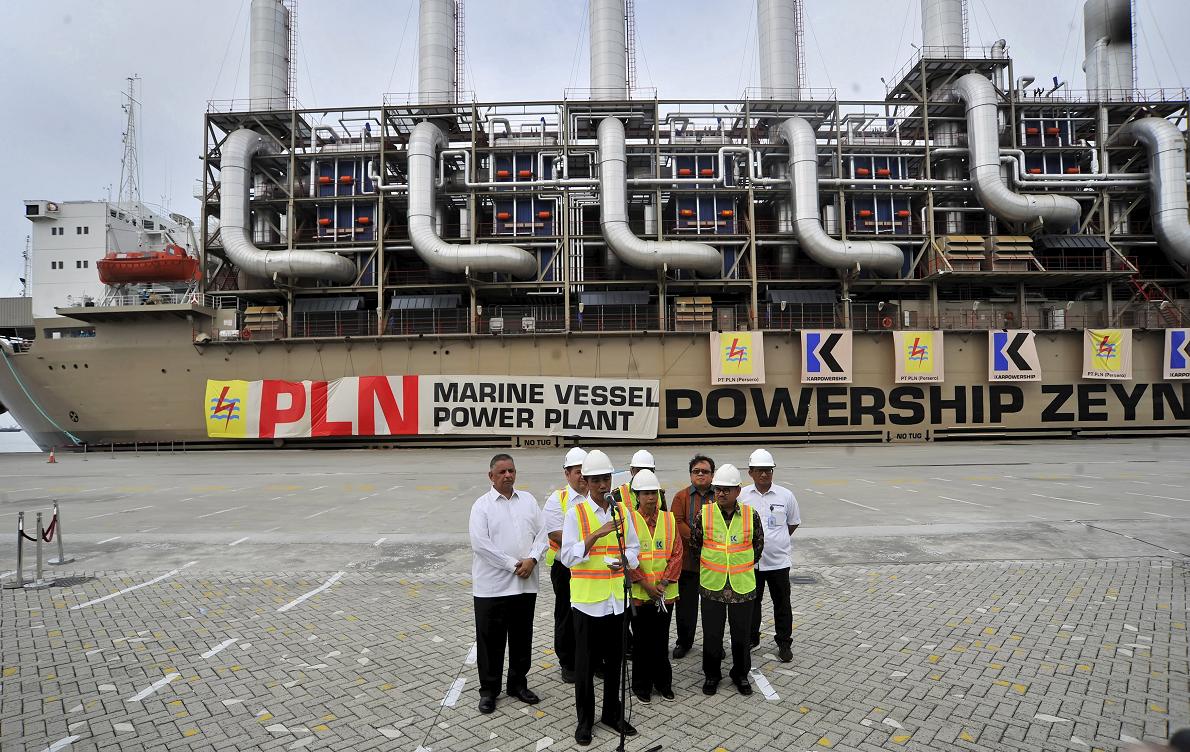
    The largest Chinese power company “China Huadian Corporation” has the opportunity to invest in power plants in Indonesia. “The Chinese firm wants to invest in our power plants. I have suggested that it should find a good local partner,” Energy and Mineral Resources Minister Ignatius Jonan informed us in Beijing on Thursday night.

    According to Jonan, China Huadian Corporation is the largest power company in China, and its assets are about twice that of Indonesias state electricity company (PLN). Jonan said that with regard to investment matters, his ministry will not discriminate investors based on certain countries.

    “We do not differentiate, whether it is China, Japan, or any other country. What matters is that we are fit with it; that is all,” he said after the Eighth Ministerial Conference on Clean Energy (CEM8).

    One of the opportunities offered to China Huadian is the construction of power plants in the governments 35 thousand-megawatt power plant program.

    “This is in accordance with the directives of Joko Widodo during the OBOR Conference (One Belt, One Road), which encouraged Chinese investment in Indonesia. I am following up on it,” Jonan, who is a former minister of transportation, stated.

    Jonan made assurance that next year, all residents of the island of Sumba, East Nusa Tenggara, will have access to electricity.

    “Coincidentally, with the development of a steam power plant, Sumba may perhaps get an additional 50 megawatts of electricity,” the minister, who was accompanied by Indonesian Ambassador to China Soegeng Rahardjo, noted.

    The annual CEM event, held in Beijing, was attended by ministers and high-level officials from 24 countries.

    At the eighth CEM, Jonan got the opportunity to hold a bilateral meeting with China, as the host.

    On the occasion, Minister Jonan also encouraged several Chinese companies to increase their investment in the oil and gas sector in Indonesia.

    “Some Chinese oil and gas companies have been investing in Indonesia for the past 15 years, but the number is still small and needs to be increased,” Jonan added.

    He said that unlike Chinese companies, oil and gas companies from the US have been investing in Indonesia for quite a long time.

    “Chevron, which was known as Caltex in the past, and Exxon have been operating in Riau for about 100 years with a very big investment,” Jonan pointed out.

    In addition to working sessions for energy ministers and other high-level policymakers, CEM8 featured a public-private action summit with keynote speakers, thematic panel discussions, and opportunities for high-profile announcements of ambitious clean energy efforts.

    It also included a two-day technology exhibition demonstrating breakthrough clean energy technologies, products, and business models; and an Innovation Theater showcasing potentially game-changing clean energy innovations and inspirations.

  • Indonesian biodiesel producers turn to China

    Indonesian biodiesel producers turn to China

    Indonesian biodiesel producers are eyeing China as a new promising market amid negative sentiment in the European Union and the United states.

    Indonesian Biofuel Producers Association (Aprobi) chairman MP Tumanggor stressed Thursday that their members could no longer rely on their exports to the US and European Union.

    “Our production capacity reaches 11 million kiloliters per year, 4 million of which is absorbed by the domestic market. The remaining 7 million kiloliters are idle,” he said, adding that exports to European countries and the US account for just a portion.

    The negative sentiment was sparked by an anti-dumping campaign from both the European Union and the US commercial trade association National Biodiesel Boards (NBB).

    Aprobi secretary general Stanley Ma said that China was a potential market for Indonesian biodiesel because the country used B5 for its fuel, which consists of 5 percent biodiesel and 95 percent petroleum biodiesel. “China might need 9 million kiloliters of biodiesel a year. This could boost our exports,” he said.

    The Indonesian government is reportedly set to send a team to China on June 16 in an attempt to boost biodiesel exports to the country.

    Data from the association shows that in first quarter of this year, Indonesia produced 1.01 million kiloliters of biodiesel of which 761,519 kiloliters was absorbed by the domestic market.

  • PanaHome, Sojitz to develop ‘smart town’ in Indonesia

    PanaHome, Sojitz to develop ‘smart town’ in Indonesia

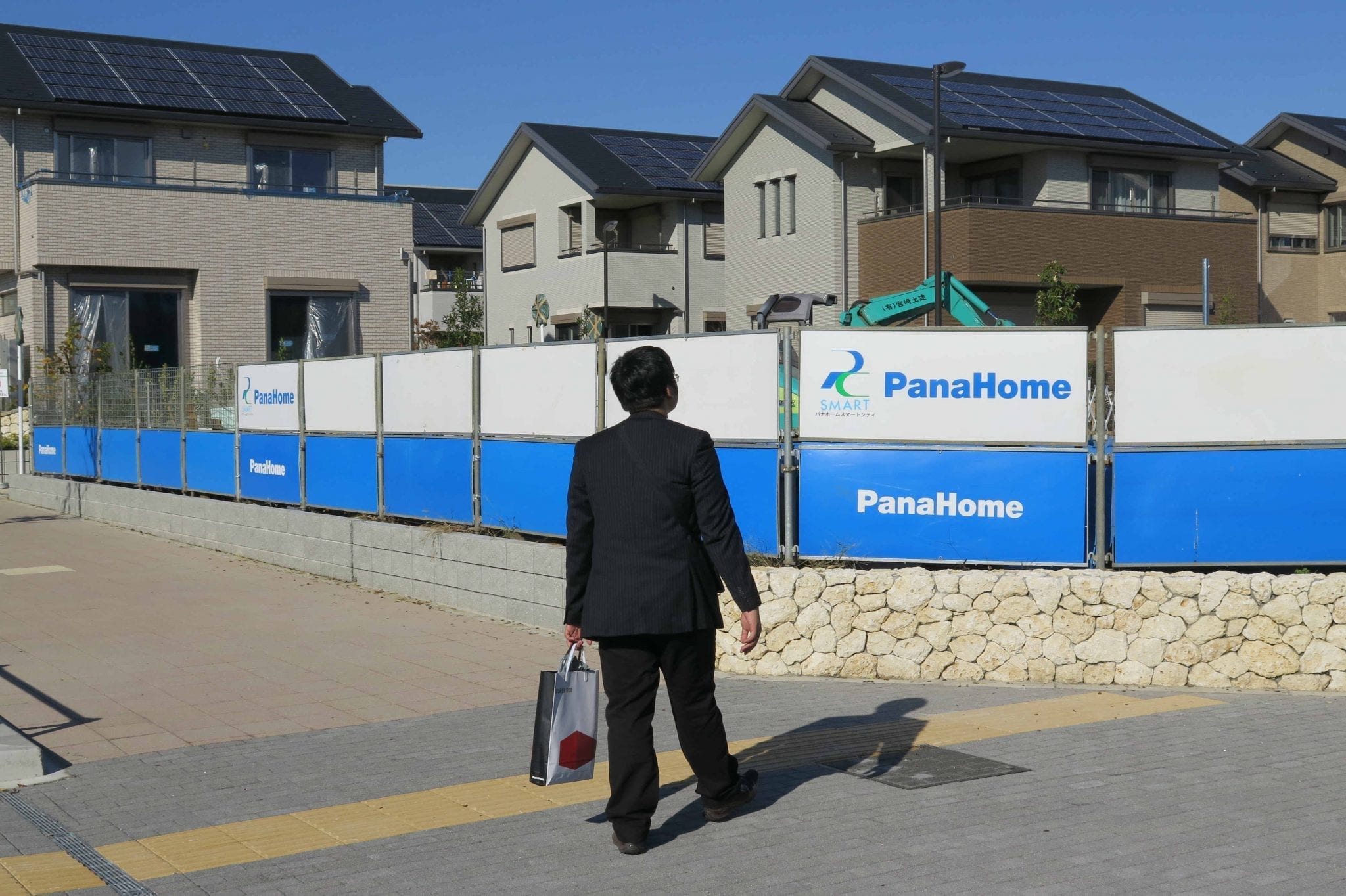
    PanaHome, a housing company under the Panasonic group, has teamed up with trading company Sojitz Corp. to build a sustainable “smart town” in the city of Deltamas outside Jakarta.

    The two companies’ Indonesian subsidiaries will establish a joint venture, PT PanaHome Deltamas Indonesia, in October to construct residential and commercial complexes as part of the Deltamas smart town plan, a comprehensive urban development project that includes commercial facilities, residential neighborhoods and an industrial park.

    The joint venture combine PanaHome’s expertise in building sustainable smart towns with the Sojitz group’s concept of a residential neighborhood proximal to business districts in the area of Deltamas.

    “The first phase of this project will involve construction of 520 housing units with costs up to ¥10 billion ($91 million). And we will continue other phases with 1,000 housing units,” said Kazuhiko Tanaka, managing director of PanaHome Asia Pacific Pte. Ltd., who is based in Singapore.

    The first phase will start in the beginning of 2018 and finish in 2019, followed by a final phase to be completed around 2026, Tanaka said. “We will start selling units in the middle of 2018.”

    “We will not only adopt Japanese quality, such as construction and after-sales service, but also adjust to Indonesia’s situation,” said Tanaka.

    “Nowadays, the development of Deltamas city has already reached 70 percent of its total 3,200-hectare area. In the near future, there will be schools and hospitals as well,” said Masahiro Koizumi, vice president of Sojitz’s local property developer, PT Puradelta Lestari Tbk.

  • Carnival targets cruise shoppers with Alipay option

    Carnival targets cruise shoppers with Alipay option

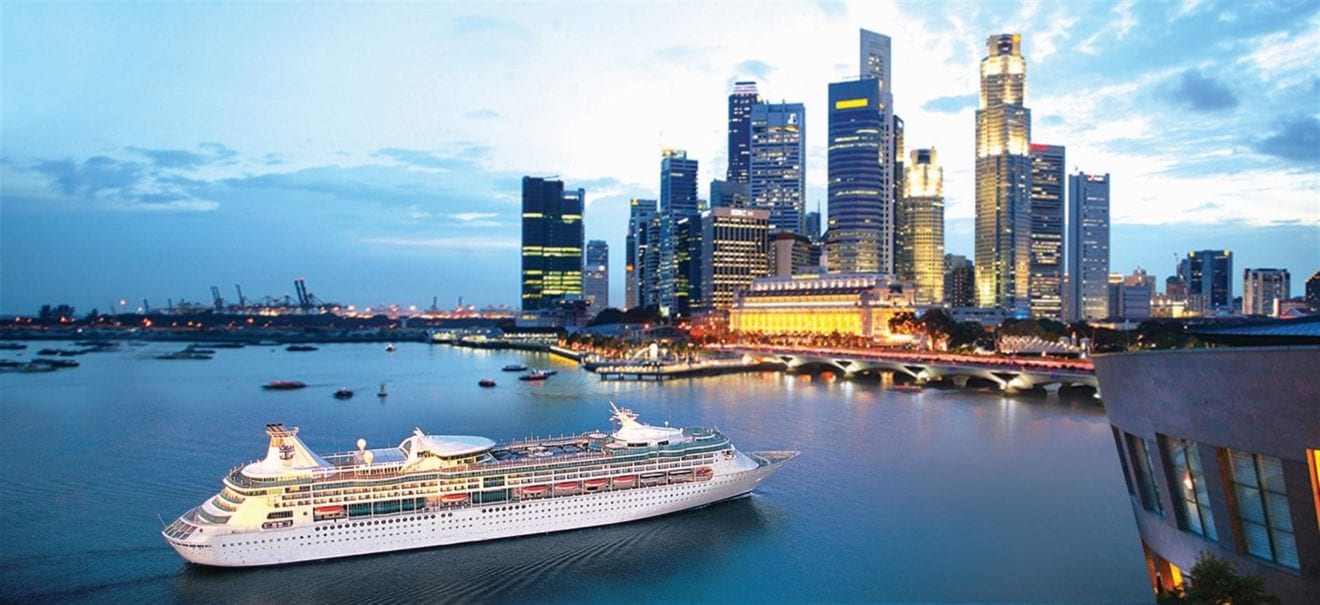
    Carnival Corporation, the world’s largest cruise group, has introduced cashless Alipay payment services on its ships in Asia, including those in China.

    The move will enable Chinese guests in the region to pay for products onboard using the mobile payment platform, said to be the most popular in China.

    Carnival’s largest brand in China – Costa Cruises – has launched the service this month. Passengers can now use their Alipay accounts to pay for all onboard spending, including shopping, food and drinks, activities and excursions. These are added to guest cabin folios as purchases are made, and then cleared nightly via their Alipay account.

    Alipay – which has over 450 million users in China – is operated by Ant Financial Services Group, a related company of Alibaba, the largest online commerce company in the PRC.

    The deal means that Carnival Corporation’s other leading brand in the region, Princess Cruises, also has the potential to offer Alipay on its ships sailing in Asia, including the all-new Majestic Princess that begins its first homeport season in Shanghai this July. “It is the first cruise ship tailor-made for the Chinese market,” said Carnival. However, future roll-out plans are not yet confirmed.

    Riding the digitalisation wave

    Carnival Corporation wants to ride the digitalisation wave to give cruise guests in Asia a more seamless experience. Costa Group and Carnival Asia Group CEO Michael Thamm, who oversees operations in China for Carnival Corporation, commented: “As we continue to grow interest and demand for cruising within the larger vacation market in China, this is another example of being able to stay close to our guests – understanding their needs and tailoring our offerings to their preferences.”

    Carnival is a core cruise operator in China with six ships based in the market across the Costa and Princess brands. The company handles four million passenger cruise days and nearly half of the overall cruise market in China, it claims.

    Alipay, meanwhile, is increasingly targeting the travel channel. Angel Zhao, COO of International Business Unit and Vice President of Ant Financial, said the company has been offering payments on some flights between China and Europe “since this Lunar New Year Chinese”. He added: “One of the most important goals of Alipay going overseas is to provide convenient ‘cashless’ experiences for both Chinese tourists and global merchants.”

  • 5G networks key to healthcare transformation

    5G networks key to healthcare transformation

    The transformative potential of 5G connectivity is becoming increasingly important in healthcare as patients start to demand more connected care through wearables, apps, and telehealth, according to Ericsson’s latest consumer lab report.

    The report, titled ‘From Healthcare to Homecare’, reveals consumer insights into the impact of 5G on the future of healthcare and its transformation across preventative, routine, and post-operative care.

    It shows that 5G will be pivotal in healthcare transformation, providing transmission efficiency in an ecosystem of feedback and alerts, mobility and low latency.

    For instance, in remote health monitoring, wearable devices – such as heart monitors and glucose monitors, require high frequency updates of the central data repository at low-data rates. Experts say that existing networks cannot provide the desired quality of support while connecting a large number of such devices, and they believe that 5G can address this challenge.

    The study cites data showing consumers were concerned with the reliability of health tracking devices — which could include reliability of the network they’re on.

    “As healthcare becomes more dependent on wearables and connectivity, consumers express concern about reliability. In fact, 59% of consumers say that they are concerned about poor connectivity affecting data transmission. Battery charging is another issue – 56% of consumers with chronic ailments worry about their health patches suddenly running out of battery. Fourty-two percent of cross-industry decision makers expect devices connected to 5G networks to consume less power, reducing the frequency of recharges,” the report says.

    Thus telecom operators could enable medical grade devices that connect directly to the internet rather than relying on the patient’s own smartphone.

    “Use of a centralized repository to store patient health records will expose healthcare to data breaches. Forty-seven percent of telecom decision makers say that developing secure networks to access an online central repository is a key challenge. 5G networks are expected to be secure enough to adhere to sensitive patient data regulations.”

    In addition, 5G is also expected to significantly improve connectivity. For instance, 35% of cross-industry decision makers expect 5G to provide reliable and sub-1ms latency connections, which enable haptic feedback to underpin surgeons’ capabilities to carry out remote robotic surgery.

    The report represents the results of two surveys carried out in Germany, Japan, South Korea, the UK and the US. The first was a survey of 4,500 advanced smartphone users.

    The sample is not representative of the general population, but Ericsson predicts these early adopters could point the way toward the healthcare trends of the future. The second survey included 900 hospital decision makers. The results were augmented with patient and provider focus groups held in the US and UK.

  • Power consumption hits record high as Vietnam swelters under heat wave

    Power consumption hits record high as Vietnam swelters under heat wave

    Air conditioners and fans have been going at full blast as locals take cover. Vietnamese people have been draining the national power grid in an effort to keep cool over the past few days as temperatures climb to record highs, especially in the north.

    Nationwide power consumption was measured at 630 million kilowatt-hours (kWh) last Friday, up 11.8 percent over the previous week, according to the country’s power monopoly Vietnam Electricity (EVN).

    In the north, electricity output reached 290 million kWh that day, up 10 percent from last year.

    In Hanoi, the hottest part of the country since early June, local residents used up to 70 million kWh of electricity last Saturday, an increase of 8 million kWh from two days before.

    This is a 163-percent rise compared to the average level for May and a 127-percent rise against the same period last year.

    EVN has made preparations and there will be no power shortages, said Nguyen Duc Ninh, an EVN official.

    “This is just the first heat wave to hit this year, and EVN predicts higher power consumption as the temperature rises,” Ninh added.

    But he also calls on local residents to use electricity efficiently and economically to reduce the pressure on the power sector.

    On Saturday the Ministry of Industry and Trade said the government has no immediate plan to hike power prices.

    The demand for cooling devices has also been growing alongside the temperature over the past few days.

    Data from Google Trends revealed that key words for such devices, including air conditioners and steam cooling fans, surged over the weekend in Vietnam.

    “Sales of air conditioners rose 4-5 times to 120 units per day over the past week,” the owner of a store on Ha Dong District told.

    On Saturday afternoon, the temperature in Hanoi hit 41.5 degrees Celsius, the highest since 1971.

    On Monday morning, a 70-year-old woman fainted while driving a motorbike on Xa Dan Street in Hanoi and died just a few minutes later.

    Doctors at Bach Mai Hospital said the intense heat in the city may have been the cause of her sudden death.

    Meteorologists forecast that the heat wave in Hanoi will last until Tuesday.