Category: Living

Retail News Asia is committed to providing both local and global retailers with the latest Living news throughout the Asian market. This on a daily base.

  • Petrol prices continue to decrease

    Petrol prices continue to decrease

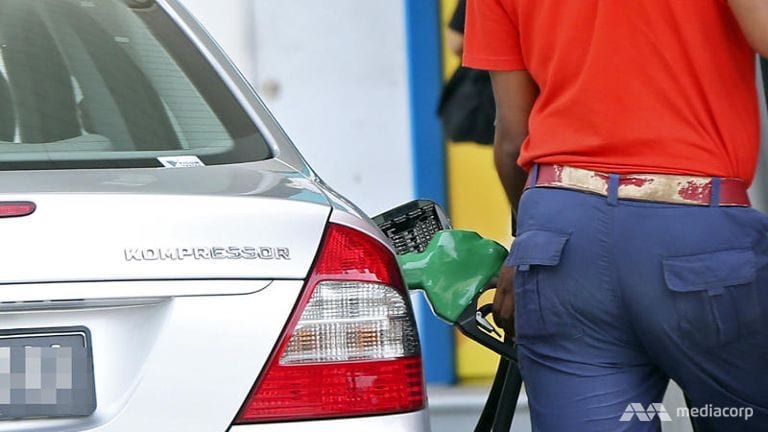
    Prices of oil and petrol products continued to decrease from 3pm on Saturday, following the latest price adjustment by the Ministry of Industry and Trade and the Ministry of Finance.

    The prices of RON 92 gasoline slightly dropped by VNĐ211 per litre, while that of E5 bio-petrol and diesel oil declined by VNĐ197 and VNĐ343 per litre, respectively.

    Following a joint decision by the ministries, RON 92 and E5 bio-petrol will be sold at a maximum price of VNĐ17,063 (US$0.75) and VNĐ16,871 per litre, respectively.

    Meanwhile, the new ceiling prices of diesel 0.05S and kerosene are VNĐ13,260 ($0.58) and VNĐ11,792 ($0.52) per litre.

    The average global price of RON 92 during the last 15 days until May 20 was $61,084 per barrel, down $1 compared with the previous price adjustment.

    The prices of petrol and oil are adjusted every 15 days by the two ministries depending on the changes in the world market.

  • How China’s rich use mobile to boost their individualism

    How China’s rich use mobile to boost their individualism

    With 78 percent of affluent Chinese consumers purchasing high-end goods on mobile devices, luxury marketers must amplify their online efforts to further facilitate mobile conversions, according to a new report from Emerging Insider.

    Emerging Insider’s “The Purchasing Habits of China’s Affluent Population” report found that as consumers’ comfort with mobile commerce has grown, digital marketing has become influential in the path to purchase and is likely to gain momentum. Of the affluent Chinese surveyed, Emerging Insider found that 22 percent said seeing an advertisement led to making a purchase, while 36 percent saw an item of interest via a social media influencer.

    Emerging Insider surveyed 700 affluent Chinese consumers with a household income greater than 600,000 RMB, or about US$87,000 at current exchange, for its report.

    A matter of status
    Per the report, 65 percent of affluent consumers in China rarely make a purchase in-store without reviewing a product online before a physical visit. Mobile use in China has enabled this behavior.

    “A massive population with a high proportion of millennial and Gen Z inhabitants, coupled with a rise in the number of middle class households, drove the market to embrace mobile rapidly,” Weiner said. “As this was developing, the retail sector in China was at a weak point, which meant that mobile commerce opened doors to goods that could not be found in brick and mortar stores.

    “Rampant social media usage and early adoption of e-commerce/social platforms such as Baidu, Alibaba, and Tencent also played a role in shifting behaviors toward a mobile-first ecosystem.”

    The practice of conducting online research prior to visiting a retail location has been steadily growing for a number of years and has redefined the role of storefronts. This online research behavior has also lent itself to the Chinese consumers’ preference of traveling abroad to make high-end purchases.

    Though pricing and duty tax is a consideration, making a purchase abroad elevates personal status and many Chinese consumers feel that outward appearance and individual sense of style is a reflection of one’s station in life.

    Also, Emerging Insider’s survey found that although Chinese consumers feel “Made in China” clothing may fit better, those produced in France, Italy, or the United States look better. Seventy-six percent of respondents prefer foreign brands to those with a Made in China label and 36 percent felt that goods made elsewhere are a “matter of status” not applicable to local items.

    Choice is also a driver of affluent Chinese buying abroad, a quarter of respondents feel that there is a greater selection outside of China, and 20 percent believe those goods are of better quality.

    Advertising also comes into play in terms of Chinese consumers’ sense of style. Twenty percent of respondents have become privy to new trends via advertisements, but 24 percent and 26 percent were inspired by social media or peers, respectively.

    Increasingly, China has seen a rise of individualism with 61 percent of respondents preferring distinct goods from boutique labels instead of the wares of well-known brands. Making limited-edition products available in select markets is one tactic luxury brands can leverage to speak to Chinese consumers’ interest in buying high-end goods abroad and their growing preference of unique personal items.

  • Vietnam urged to reduce power losses

    Vietnam urged to reduce power losses

    The electricity industry must improve its management and technology to reduce losses in the transmission grid as well as eradicate power stealing, which are very serious in rural and remote areas, delegates heard at a seminar in Con Dao Island in the southern province of Ba Ria – Vung Tau.

    Viet Nam is ranked 88th of 137 nations for power loss, with 8.95 per cent of power lost in the transmission process, according to the International Energy Agency.

    “Upgrading technology for the transmission grid and increasing awareness in rural and remote residents about power stealing are two urgent jobs,” Nguyen Tan Nghiep from the Southern Power Association told the Sai Gon Giai Phong (Liberated Sai Gon) newspaper.

    The Viet Nam Electricity Group (EVN) has set the goal to reduce power loss from 8.95 per cent to 6.5 per cent by 2020 by applying new technical and operational solutions as well as building new electricity plants and transmission grids.

    During 2016-20, EVN has invested in 13 electricity projects with total capacity of 6,989 MW.

    By ensuring electricity supply, power won’t need to be transmitted far distances and it will help reduce losses.

    For the transmission grid, a 500kV and 220kV grid in Ha Noi, HCM City and other big and industrial cities and provinces will be developed with modern technology to limit power loss.

    Lack of supply

    By 2020, hydropower, renewable and thermal power by gas will only provide 48.3 per cent of power demand and fall to 39.9 per cent by 2030, but power demand is expected to increase 9 – 10 per cent each year during 2016 -2030.

    Furthermore, a nuclear power plant in the central province of Ninh Thuan has been stopped by the Government, therefore, coal thermal power must be considered for economic efficiency and environmental pollution.

    “In the context of a 50 per cent shortage of power, proper power supply must be carefully chosen,” Dr Tran Trong Quyet, vice chairman of the Southern Power Association, said.

    He pointed out that renewable power would ensure environmental protection, but it would require a huge initial investment.

    “Coal thermal power will require a lot of land, is a big problem for environmental pollution and is a large expenditure, but it still plays a very important role in ensuring national power security,” he added.

    To limit the impact of coal thermal power, Quyet warned that modern technology to deal with coal slag and ensure coal supply must be done carefully.

  • Wind projects offer promising future

    Wind projects offer promising future

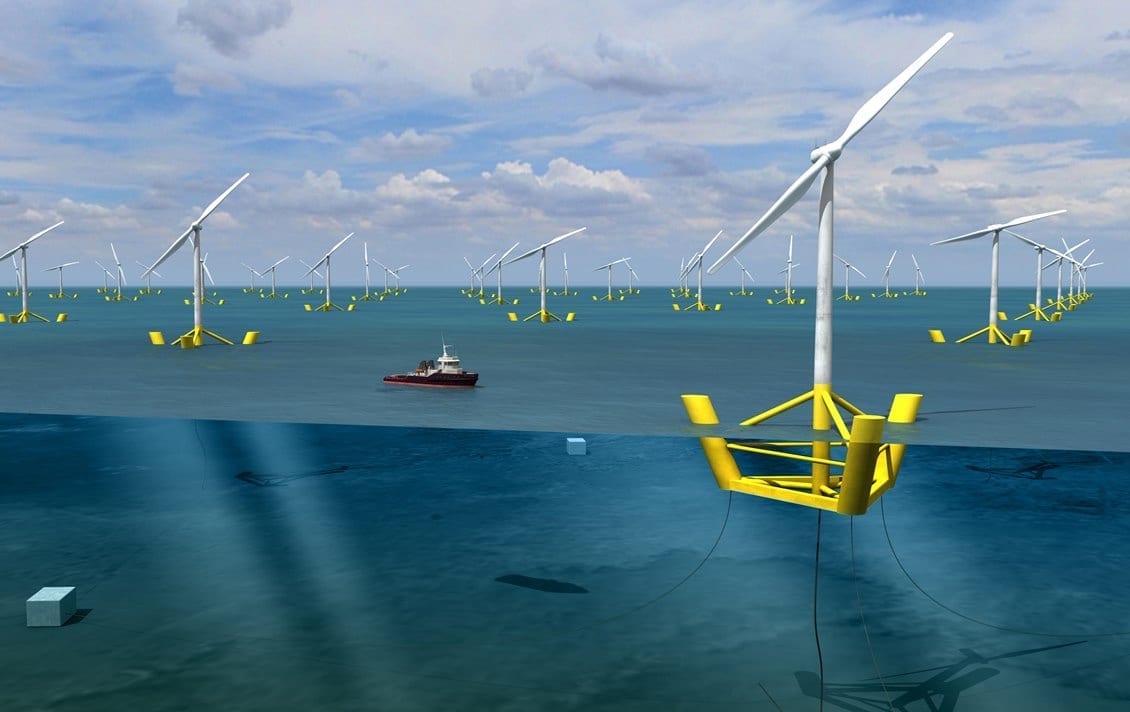
    With growing innovation in the sector, experts and investors note that wind power projects in Vietnam will be feasible with an 8-9 US cent per kWh feed-in-tariff.

    Vu Chi Mai, senior project officer at Geman Technical Cooperation (GIZ), highlighted at a wind power forum hosted by the Asia Wind Energy Association last week that experts are now more optimistic regarding the foreseeable cost reductions in the industry.

    The newfound optimism, Mai noted, may be coming as a result of technological advancements that have yet to be implemented.

    The forthcoming advances suggest that wind energy is not as mature a technology as was previously thought, Mai added.

    “Wind power technology and its advancing development is cutting costs and time for developers,” Mai said, highlighting that developers see a 9 US cent feed-in-tariff (FiT) as bankable.

    Late last year, GIZ sent a proposal to the government stating that the best way to make projects feasible is to offer a FiT of 10.4 US cents.

    Mai explained that per request from the Ministry of Industry and Trade (MoIT) to get the real cost of wind production in Vietnam, GIZ has conducted a study which has been based on the operational costs of the three existing wind farms in Vietnam (the first wind farm has been operational since 2011).

    A bankable FIT of 10.4 US cents per kWh has been then suggested so that the government target of 800 megawatts by 2020 could be reached.

    William Gaillard, regional sales director at Gamesa Siemens – the exclusive supplier for the 40MW Dam Nai  project in the central province of Ninh Thuan, said that “Now you can have profitable wind projects that few years before was not possible, thanks to larger rotor size and bigger generator, but also larger volumes and economies of scale from our side.

    Also other suppliers need to make some efforts. Balance of plant like civil and electrical works also need to drive cost down.” Gaillard added that even current of 7.8 cents can make projects bankable.

    He pointed out that in Vietnam there is very little experience and so risks are high and contractors expect high margins. But the key issues is to get a bankable power purchase agreement (PPA), according to international standards.

    Olivier Duguet, CEO of The Blue Circle – developer of the Dam Nai project, and the first foreign-backed wind power project in Vietnam – told VIR that “the current FiT is perfectly suitable for 2,000MW wind projects in Vietnam.”

    Duguet said focusing on the FiT is the wrong approach. Investors should instead be focusing on conditions that attract long-term debt financing for projects in Vietnam, as this is the only way to develop wind power within the country. Only the very best projects in terms of wind resources and installation costs will be financially viable in the current environment, he added.

    A representative of NRG Systems GmbH noted the wind power industry in Asia is experiencing strong growth, and emerging economies in the region continue to invest heavily in it.

    According to MoIT, Vietnam’s power industry has been facing many challenges around the shortage of energy sources.

    The Vietnamese government has approved several programmes to encourage the development of renewable energy in the country, including the Renewable Energy Development Strategy to 2030, with a vision to 2050.

    The strategy aims to increase the production of electricity from wind sources to 2.5 billion kilowatts by 2020, 16 billion kilowatts by 2030.

  • Sainsbury’s is in Hong Kong

    Sainsbury’s is in Hong Kong

    Hong Kong residents with a craving for good honest British eats, today is your lucky day – Sainsbury’s quality UK groceries have finally arrived in Hong Kong, at Market Place by Jasons.

    Over 200 Sainsbury’s top quality daily essentials and indulgent products are now exclusively available at Market Place by Jasons and other Dairy Farm stores in Hong Kong. From classically British biscuits, coffee and jams, to 100% fruit juices and frozen vegetables, to family-friendly snacks, cereal and lots more, shoppers will be able to enjoy a wide assortment of authentic British foodstuff. Every product is stringently quality-tested in the UK and free from genetically modified ingredients.

    “We’ve put our ear to the ground Hong Kong, and the consensus is clear – shoppers want more choices of good quality food and trustworthy groceries sourced from around the globe,” explains Michael Han, General Manager, Upscale Stores and E-Commerce, Market Place by Jasons Hong Kong. “By introducing Sainsbury’s to Hong Kong for the very first time, we are fulfilling the Market Place by Jasons promise to help shoppers’ discover new products that support a healthy, happy lifestyle.”

    Karen Whitworth, Director of New Business & International, Sainsbury’s, adds, “All our products are produced with integrity and quality, as they have been since Sainsbury’s was founded in 1869, and we’re delighted to offer our premium products to Hong Kong shoppers who want grocery items that are fantastic quality and great value. We’re proud to partner with Hong Kong’s vast and trustworthy network of Dairy Farm supermarkets, and we couldn’t be more thrilled to bring Sainsbury’s famously British foods to Hong Kong.”

    Chef Burney, founder of Invisible Kitchen is collaborating with Market Place by Jasons to create four mouthwatering (and surprisingly easy!) recipes featuring Sainsbury’s best-of-British ingredients alongside premium favourites from Market Place by Jasons.

    Inspired by the ingredient-driven, rustic style that defines modern British cuisine, each recipe was tailor-made in a cooking demonstration by Chef Burney and sampled by guests at the official Sainsbury’s launch on 12 May at Market Place by Jasons.

    Now, Market Place by Jasons is sharing the chef’s delectable recipes with everyone in Hong Kong. Read on to discover them for yourself!

    Shop Sainsbury’s now at Market Place by Jasons, ThreeSixty, Jasons ▪ Food & Living, and selected Wellcome supermarkets.

  • Best place in Southeast Asia for cheap love

    Best place in Southeast Asia for cheap love

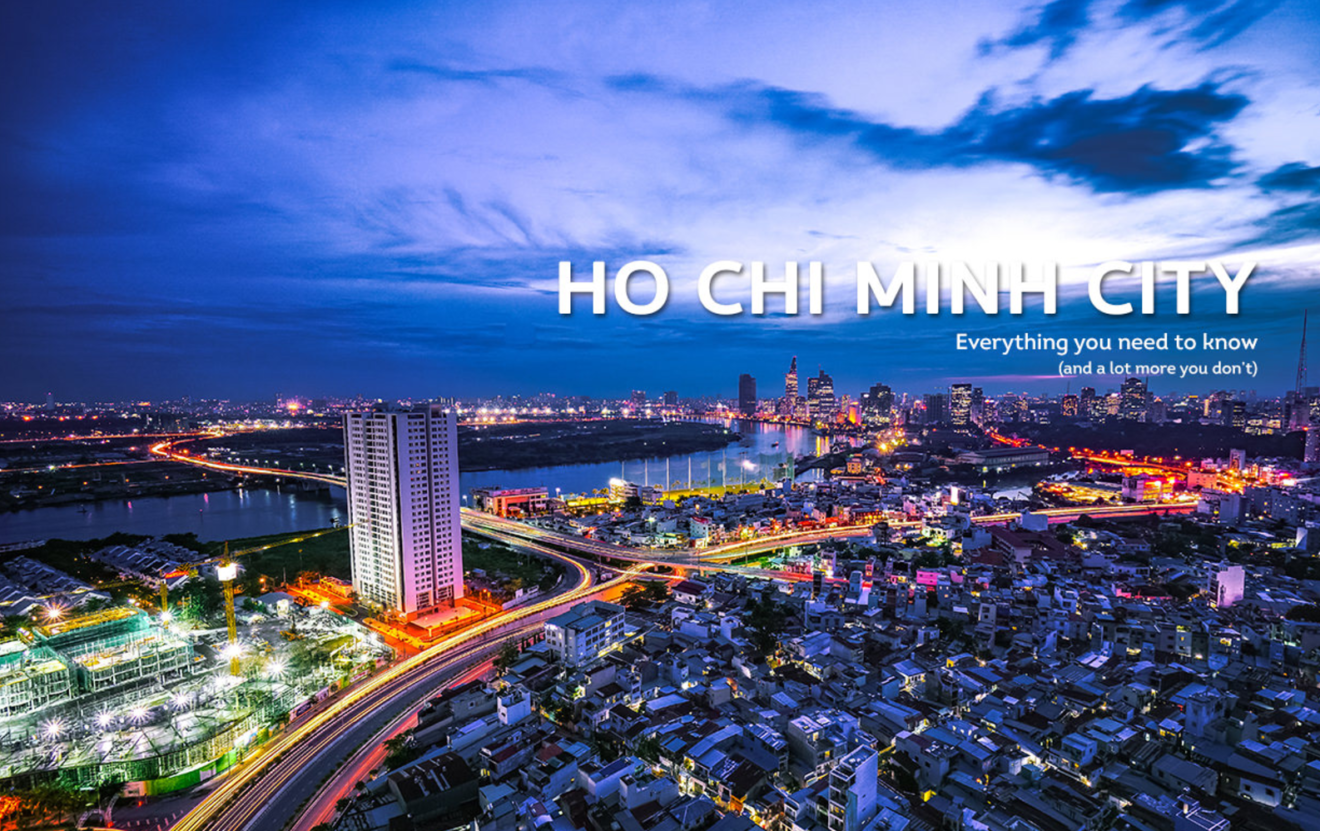
    No need to go ‘Dutch’ in a city of satisfied lovers. For a night out with a potential life-long love in Ho Chi Minh City, love birds have to shell out around $35, while in Singapore a date may cost them at least $80.

    A cheap date night combo consists of: dinner for two at a local pub, movie tickets and two cocktails.

    The findings were based on a cost of living index updated recently, a database that compiles the global cost of living.

    Date nights may be even cheaper in Hanoi where living costs are 2.62 percent lower than in Ho Chi Minh City.

    Instead of cocktails, Ho Chi Minh City is also the cheapest place for beer with half a liter costing just $1.5.

    However, if couples fancy a date at an Italian restaurant with appetizers, a main course, wine and dessert, then watch out, Ho Chi Minh City may not be a good choice, take a look at Manila instead.

    It seems that residents should choose their dates carefully, and marry young. It’s cheaper that way.

    Recently, Vietnam was named an ideal place to be in a relationship, with a new regional survey naming Vietnamese among the most satisfied lovers.

    If you’re looking for smooth sailing in a relationship, hook up in Vietnam.

  • Festival tourism market now being tapped

    Festival tourism market now being tapped

    Festivals take place throughout the year in different localities, but they are not organized in a professional way to achieve international stature. Meanwhile, tourism sites do not pay appropriate attention to festival tourism, though they can see the number of tourists increases in festival seasons.

    Da Nang, with one of the most beautiful beaches on the planet, is a rendezvous for travelers thanks to the Da Nang International Firework Competition (DIFC).

    However, as Huynh Van Hung, director of the Da Nang City Culture & Sports Department, said, since DIFC is a competition, letting off fireworks is the only activity of the event, while there was no extra activity on the occasion.

    DIFC only lasted two days and is organized once every two years. According to Ngo Quang Vinh, director of the Da Nang Tourism Department, a survey in 2015 found that after a firework competition, the Han Market’s management board reported a twofold increase in revenue.

    Da Nang has changed its approach. Having realized the great potential of festival tourism, the city’s authorities decided to turn DIFC into DIFF (Da Nang International Firework Festival) this year, which lasts from April 30 to June 24.

    As such, Vietnam, for the first time has a festival lasting throughout the summer.

    This is the biggest firework festival in SE Asia with five places for firework performances and a series of associated events, which all have made Da Nang busy throughout the summer.

    Da Nang hopes it would become an attractive destination point for about 2 million travelers in summer thanks to the ‘firework city’ brand.

    Among tourism complexes, Sun World Ba Na Hills can best exploit the potential of festivals to attract travelers. Visitors to the leading resort in Vietnam in any season can enjoy the festive atmosphere.

    In spring, Ba Na is brilliant with the colors of hundreds of flowers in Spring Flower Festival. In summer, the Wine Festival and beer- B’Festival are held. In autumn and winter, visitors will be able to enjoy the Halloween Festival and Christmas season.

    In 2016, the resort received 2 million visitors.

  • IMF warns Asia to act early on rapidly-aging population

    IMF warns Asia to act early on rapidly-aging population

    Asia has enjoyed substantial demographic dividends, but the growing number of elderly is set to create a ‘tax’ on growth. The International Monetary Fund called on Asian economies to learn from Japan’s experience and act early to cope with rapidly ageing populations, warning that parts of the region risk “getting old before becoming rich.”

    Asia has enjoyed substantial demographic dividends in the past decades, but the growing number of elderly is set to create a demographic “tax” on growth, the IMF said in its economic outlook report for the Asia-Pacific region on Tuesday.

    “Adapting to aging could be especially challenging for Asia, as populations living at relatively low per capita income levels in many parts of the region are rapidly becoming old,” the report said. “Some countries in Asia are getting old before becoming rich.”

    The population growth rate is projected to fall to zero for Asia by 2050 and the share of working-age people – now at its peak – will decline over the coming decades, the report said.

    The share of the population aged 65 and older will increase rapidly and reach close to two-and-a-half times the current level by 2050, it said.

    That means demographics could subtract 0.1 percentage point from annual global growth over the next three decades, it said.

    In Vietnam, people aged 60 or older currently represent about 10.5 percent of the country’s population of over 90 million, according to official data.

    Vietnam’s golden population is estimated to last about 30 years from 2010 to 2040. But due to a lower birthrate and longer life expectancy, Vietnam is aging rapidly and the working-age population is shrinking.

    Labor officials have warned that Vietnam’s working-age population will shrink so quickly that by 2030 one in six Vietnamese will be over 60 years old, and one in four of the population will be 60 or older by 2060.

    The challenges are particularly huge for Japan, which faces both an ageing and shrinking population. Its labor force shrank by more than 7 percent in the past two decades, the IMF said.

    The high percentage of its citizens living on pensions may be behind Japan’s excess savings and low investment, which are weighing on growth and blamed in part for keeping inflation below the Bank of Japan’s 2 percent target, the report said.

    “Japan’s experience highlights how demographic headwinds can adversely impact growth, inflation dynamics and the effectiveness of monetary policy,” it said.

    The IMF called on Asian nations to learn from Japan’s experience and deal with demographic headwinds early, such as by introducing credible fiscal consolidation plans, boosting female and elderly labor force participation, and revamping social safety nets.

  • Unilever Foundry launches co-working space in Singapore

    Unilever Foundry launches co-working space in Singapore

    Unilever Foundry, a Unilever-lead initiative for start-ups and innovators, has opened a collaborative working space at the firm’s regional office in Singapore – the first of its kind for Unilever.

    Dubbed Level3, the new collaborative space was launched by the Unilever Foundry to provide startups with the opportunity to interact and partner with Unilever and other ecosystem partners to solve business challenges. This ranges from marketing to finance, logistics, supply chain and customer development.

    “Level3 offers our business a direct connection with disruptive technologies and changemakers to shape the way we work — ultimately impacting people’s lives,” said Pier Luigi Sigismondi, president, South East Asia and Australasia. “Level3 is the springboard for startups to scale and build successful businesses.”

    Opening February 14, within the Unilever regional headquarters in Singapore, the 22,000 square foot workspace aims to connect startups to Unilever brands, and give them access to existing Unilever Foundry programs.

    Fifteen international and local startups are taking part, including Adludio, ConnectedLife, Datacraftt, EcoHub, GetCraft, Next Billion, Olapic, Snapcart, TaskSpotting and Try and Review.

    It comes at a time when industry experts are attempting to foster relations in Singapore between big multinationals and innovators.

    “The set-up of Level3 in Singapore — a global first for Unilever — is a strong testament to the growing vibrancy of Singapore’s startup ecosystem,” said Dr Beh Swan Gin, Chairman, Singapore Economic Development Board. “Level3 represents an emerging corporate innovation model that is aligned with EDB’s efforts to encourage collaborations between multinational companies and other enterprises such as startups.”

    Unilever tapped Padang & Co to design the building and manage all programs within the space. The innovation experts will host learning and networking opportunities, such as fireside chats, sharing sessions, mentoring programs and access to training and resources offered by technology partners.

    “We envision Level3 as a vibrant workspace offering global opportunities for entrepreneurs. We are passionate about connecting members of the startup ecosystem to spark collaboration and ignite innovation,” said Derrick Chiang, CEO, Padang & Co.

  • In-flight hackathon held between Hong Kong – London

    In-flight hackathon held between Hong Kong – London

    Travel fare aggregator website Skyscanner has completed the world’s first in-flight hackathon on an 80-hour trip between Hong Kong and London.

    A total of 32 entrepreneurs, engineers and designers took place in the hackathon, which commenced on May 5 and involved the use of Skyskanner’s Flights API.

    The hackathon also gave participants access to Skyscanner’s Travel Insight product, which provides  routes and pricing data and insights from the website’s more than 50 million monthly users, and access to real life travel customers to test their assumptions while building an app.

    Skyscanner was founded in Scotland in 2001, and was acquired by China’s largest travel company Ctrip in November last year for $1.75 billion.

    The company said the novel hackathon was designed to allow developers to immerse themselves in the travel experience while building an app. Last year, the company also launched its Build with Skyscanner competition aimed at aspiring entrepreneurs.

    “We are delighted to be supporting Hack Horizon and the 32 finalists chosen for this innovative event,” Skyscanner commercial director Paul Whiteway said.

    “We are always keen to support great start-ups with our APIs, and are excited to see the results from the new products – particularly with the immersive and totally unique experience this hack provides for the developers involved.”

  • Juul-Mortensen is awarded Singapore Tourism accolade

    Juul-Mortensen is awarded Singapore Tourism accolade

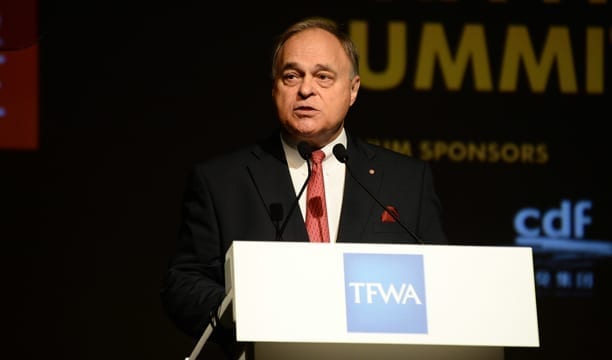
    The President of Tax Free World Association (TFWA) Erik Juul-Mortensen has been named as the Singapore Tourism Board’s (STB) Best Business Event Champion at its recent prestigious Singapore Tourism Awards.

    The STB says the award was made in recognition of his ‘instrumental role at TFWA’ amongst several other category awards which recognise the best and most significant contributions made by individuals and organisations to Singapore’s tourism sector.

    Commenting after the awards ceremony, Erik Juul-Mortensen said: ‘I am honoured to receive this accolade and am thrilled to see recognition that TFWA Asia Pacific Exhibition & Conference is valued not only by our duty free and travel retail industry, but also by its host, Singapore.

    “I would like to thank all the TFWA team that work so hard to ensure that standards are constantly high at our flagship event in Asia, as well as our colleagues across the industry who support it year after year.

    “Singapore has proved, over and over again, to be a successful and popular venue for the TFWA Asia Pacific Exhibition & Conference and we were also very pleased that TFWA was named Best Exhibition Organiser at the 2016 Singapore Tourism Awards for TFWA Asia Pacific Exhibition & Conference 2015.”

    Adding his comments, Oliver Chong, Executive Director, Communications & Marketing Capability, Singapore Tourism Board said; ‘The Singapore Tourism Awards aim to raise industry standards through showcasing the best of what Singapore has to offer.

    “We would like to congratulate Best Business Events Champion recipient Mr Erik Juul-Mortensen, whose efforts have enhanced Singapore’s appeal as an attractive, compelling business events destination.”

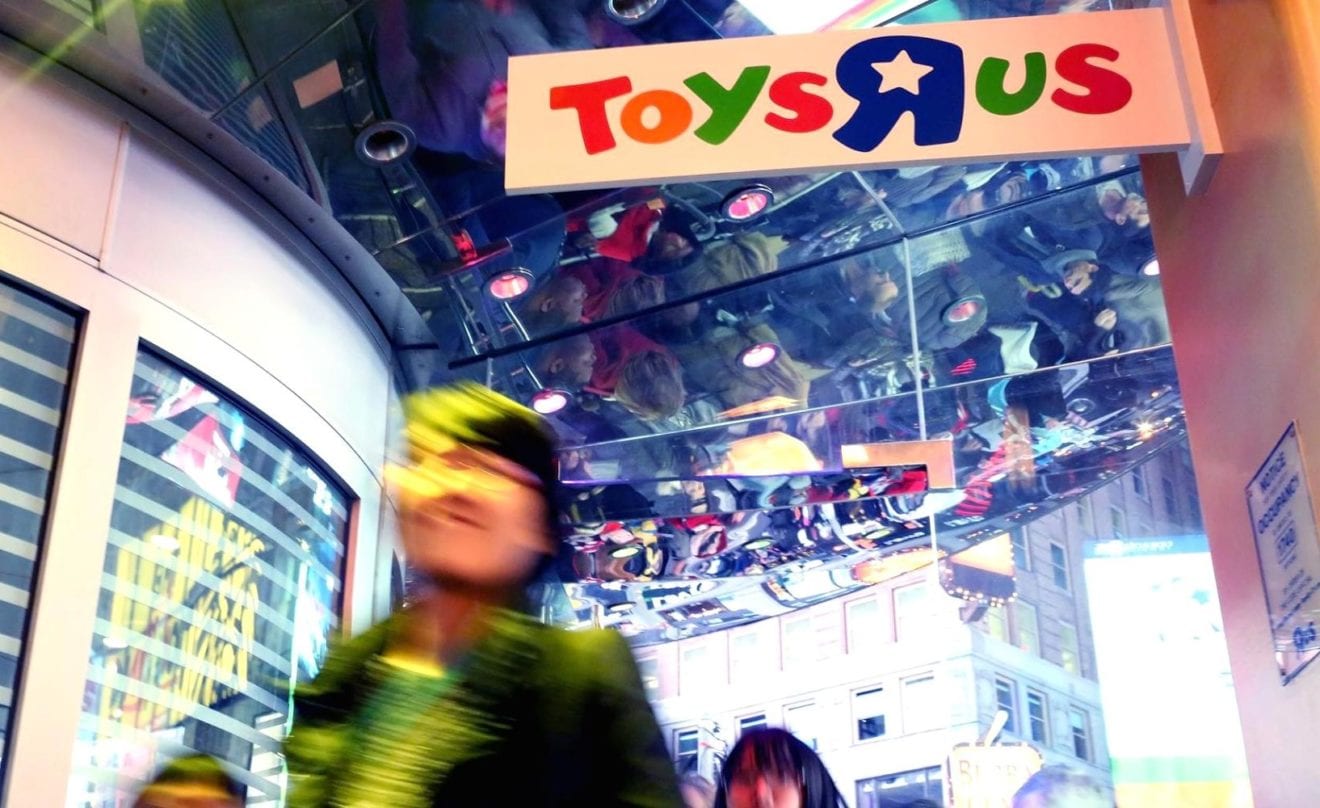
  • Toys “R” US to add 40 more stores in China annually

    Toys “R” US to add 40 more stores in China annually

    Toy retailer Toys “R” Us said it will open between 30 to 40 stores annually in China, as the local toy and game market in China took in $31.6 billion in 2016.

    With China’s penchant for toys and consumers preferring to see and touch products before purchasing, Roy Sammartino, managing director of Toys “R” Us China stressed the importance of a growing physical store presence in China.

    “China is our fastest-growing market with more store openings than anywhere else in the world,” Sammartino told China Daily in an interview.

    The American firm’s stores would open mostly in major cities, while regional and online shoppers would be able to access products via its online stores.

    “Internet retailing continues to gain a strong share, as the pricing of products in online stores helps it capture sales from other channels,” Euromonitor International Senior Associate Carol Lu told the leading daily.

    “For toy and game firms, internet retailing is an important tool for marketing their products in regions where they have a limited presence.”

    Meanwhile, popular movies continue to drive the sales of toys and the impact lasts a long time, said experts.

    According to Euromonitor, China’s total toy and game market was worth 218 billion yuan ($31.6 billion) in 2016. Traditional toys and games accounted for around 70 billion yuan.

    Founded in 1948 by Charles Lazarus, Toys “R” Us in headquartered in Wayne, New Jersey, in the New York City metropolitan area.

    Toys ‘R’ Us currently has two online stores and 134 physical stores in 55 cities in China. It boasts 883 stores in the United States, Puerto Rico and Guam and another 1,049 stores in 37 other countries and regions around the world including Australia.

  • Indonesia Sees Unemployment Drops by 0.28 Percent

    Indonesia Sees Unemployment Drops by 0.28 Percent

    Institute for Development of Economics and Finance (Indef) Economist Dzulfian Syafrian positively welcomed the decline of the open unemployment rate (TPT) in February 2017 as much as 0.28 percent.

    This figure is lower compared to that of February 2016 with 0.17 percent. He also claimed that the drop indicates the increase of labor absorption.

    “However, the increase of workforce as much as 6.11 million people compared to August 2016 or 3,88 million compared to February 2016 has to be given a special attention from the government since it is a double-edged sword,” he said on Friday, May 5.

    Dzulfian explained that the high number of productive citizens is a good capital for development.

    “Nevertheless, if the government cannot manage it well, it can be a burden instead of an advantage,” he added.

    He further said that when this high number of citizens are unemployed, the government have to bear the consequences of a higher number of crimes, radicalism, and others.

    Therefore, Dzulfian urges the government to focus on creating employment opportunities and enhancing the quality of employment. He added that one of the policies that the government can implement to improve employment issues is the investment-oriented economy.

    “Economic and political stability and infrastructure support are two big agendas that the government needs to prepare in order to secure investment and improve the quality of employment for the people.”

  • Carrefour China opens its 27th store

    Carrefour China opens its 27th store

    On March 23rd 2017, Carrefour successfully opened its 27th Easy Carrefour Store in Shanghai, China.

    Sitting on Long Dong Avenue, the newly-opened Easy store covers an area of approximately 332 square meters with over 4,000 items.

    The first convenience store under Easy banner opened its door in 2004, and Carrefour China has now a total of 27 stores in Shanghai.

    At Carrefour, we are committed to facilitate our consumers with a more convenient lifestyle to the surrounding consumers by offering an abundance of goods and quality services to meet the daily necessities of community residents.

  • Vietnam’s life insurance market faces challenges

    Vietnam’s life insurance market faces challenges

    Twenty-four-year-old Ms. Trinh Van Anh, the manager of an international school in Hanoi, does not have a life insurance policy and hasn’t thought about getting one, even though her monthly salary of $1,000 is higher than most of her peers.

    “No one recommends I take out a policy,” she said. “No one knows what life insurance covers, what it gives the policyholder, or what the benefits are.”

    Like Ms. Anh, many other Vietnamese people remain confused about what life insurance can actually bring.

    Even though premiums in Vietnam are on track for yet another record year, the gains are coming from a very low base and foreign insurers have yet to truly crack the market despite dominating.

    It should take only a few more years, though, for them to make more substantial headway.

    Foreign insurers’ playground

    2016 continued to see robust growth in Vietnam’s insurance market, with the life insurance segment reaching a ten-year high.

    Insurance premiums totaled around VND86.6 trillion ($3.8 billion), representing an increase of 22.74 per cent against 2015.

    Total revenue in life insurance was over VND49.2 trillion ($2.2 billion), an increase of 30.5 per cent, while revenue in non-life insurance was VND36.4 trillion ($1.6 billion), up nearly 12.5 per cent, according to data from the Insurance Supervisory Authority (ISA) under the Ministry of Finance (MoF).

    Eighteen life insurers are competing fiercely in the market. Eight of the 18 increased their charter capital in 2016 to improve financial capacity during expansion and business development.

    Manulife Vietnam, for example, raised its charter capital to VND1.82 trillion ($80 million), while Chubb Life Vietnam increased its by VND150 billion ($6.5 million) to more than VND1.55 trillion ($69.5 million).

    According to an assessment from Vietnam Report, among the five largest life insurers, which hold 86 per cent of the market share, are four foreign companies and only one domestic company, Bao Viet Life, which has a foreign strategic shareholder, Sumitomo Life from Japan.

    Prudential Vietnam leads the life insurance market with a share of 29.9 per cent, followed by Bao Viet Life with 25.7 per cent, Manulife 12.1 per cent, AIA Vietnam 9.2 per cent, Dai-ichi Vietnam 9.1 per cent, Chubb Life Vietnam 4.4 per cent, and PVI Sun Life 2.3 per cent.

    The remainder share 7 per cent. The five largest life insurers are believed to have posted premium revenue of VND5.8 trillion ($254.7 million) in the opening two months of this year, an increase of 30 per cent year-on-year and accounting for 80 per cent of all revenue, according to the ISA.

    Due to market regulations, it is impossible to compete in Vietnam’s life insurance market solely by premiums.

    All products are subject to close scrutiny from the MoF before being launched and premium levels are set.

    There is no way to cut premiums to attract buyers, and players must instead compete in service quality or the provision of value-added packages.

    All life insurers have headquarters in Hanoi in the north and Ho Chi Minh City in the south, with most also having branches and representative offices in major cities and provinces.

    Dai-ichi has 53 branches and representative offices, Manulife Vietnam 22, Prudential Vietnam 21, and AIA 14.

    Bao Viet Life remains the only player to cover all 63 cities and provinces in the country. Most companies over the last ten to 15 years started with agencies and this represents about 90 to 95 per cent of the industry in Vietnam today, with ISA’s figures showing there are currently some 1,000 representative offices and general insurance agencies of life insurers nationwide.

    Besides traditional sales methods, life insurers have also started partnering with commercial banks to increase sales and promote products.

    The sluggishness in the bancassurance market in Vietnam over the last few years can be attributed to a lack of service and low awareness among customers about the benefits of bancassurance products, with it only contributing 2 per cent to total turnover.

    Still, analysts believe that the channel holds great potential, with some 35 commercial banks and financial institutions now cooperating with insurers.

    Impediments remain

    “The penetration rate of life insurance, usually measured as the number of individuals who actually own life insurance, is still low in Vietnam relative to other Southeast Asian countries,” Mr. Steve Clark, Country Head of Prudential Vietnam, told VET.

    Average insurance premiums stand at only $30 in Vietnam, much lower than the global average of $595 and $74 in Southeast Asia.

    Only 7 per cent of Vietnam’s 90+ million people have life insurance and the sector contributes a modest 2 per cent to GDP, compared with more than 2.6 per cent in Indonesia and 11-14 per cent in South Korea and Singapore.

    The obstacles are many. According to Mr. Phung Quoc Khanh, Director of the ISA, awareness among Vietnamese people about life insurance may have increased but most still don’t think it’s worth it.

    Almost all Vietnamese people are wary or believe it unnecessary to buy insurance because they don’t have a thorough understanding of its importance.

    Life insurance products usually involve a long contract term, so many customers are concerned about their ongoing financial capacity.

    At the same time, doubts about foreign life insurers’ commitment to permanent operations in Vietnam add to the low penetration rate.

    Many potential Vietnamese consumers still see insurance as an investment rather than a device to share financial losses caused by poor fortune.

    They prefer bank savings or investing in gold or real estate, where they earn a higher rate of return, than buying insurance.

    The low penetration rate also comes from the fact that life insurers have only focused their operations in big cities while overlooking the 70 per cent of the population that still live in rural areas.

    They are also still separating themselves from the general activities of the sector, missing out on promotional opportunities and not playing a role in trying to increase awareness.

    “Life insurers have only focused on building their brand and image and not on activities to promote basic insurance knowledge,” Mr. Khanh said.

    While life insurers focus on implementing their own strategies to gain more market share and sign up more customers, their ambitious plans may fail due to problems relating to human resources.

    The rising number of insurance companies in recent years along with a lack of quality insurance training has created a serious shortage of skilled human resources for the sector.

    This has led to unfair competition in attracting experienced employees and insurance agents, one insider said.

    While acknowledging the increasing number of life insurance products, Mr. Khanh believes that these are mainly for high-income earners.

    Lower premiums to mid and low-income earners are yet to be introduced, even though they are the majority of the population and are vulnerable to financial incidents.

    Potential enormous

    The penetration rate may well change soon, however.

    An emerging middle class with more money to spend and a desire to spend that money to improve their lifestyles are driving a lot of activity in Vietnam.

    The young middle class and rising wages all round are creating demand for consumer products, credit, and investment.

    Soon enough, they will turn to life insurance products, with health now being one of the leading concerns among Vietnamese people, according to a February report released by global market researchers Nielsen.

    According to the ISA, life insurers have mainly focused on three of the seven life insurance products in Vietnam: term life insurance, endowment insurance, and universal life insurance.

    This again presents opportunities for others in unit linked and pension insurance products, which can meet the differing requirements of customers.

    With Vietnam’s stock market now being increasingly stable, the possibility exists for the creation of hybrid products, using an asset-based approach to funding long-term care.

    With Vietnam now participating in a host of free trade agreements (FTAs) and bilateral agreements, demand for life insurance is set to be boosted by the growing number of expats in the country.

    The arrival of foreign firms seeking to take advantage of preferential policies is also expected to boost demand for goods and services related to property, social security, and health coverage, among others, generating knock-on opportunities for insurers.

    A strengthened economy and new innovations from continued FDI should also impact positively on household confidence and future demand for insurance products, according to Mr. Phung Dac Loc, former Secretary General of Vietnam Insurance Association  (AVI).

    In a move to facilitate the growth of the insurance sector in general and life insurance in particular, Decree No.73 came into force on July 1, 2016, prescribing new regulations on the licensing, organization, and operations of financial institutions, with specific regulations on investment portfolios and ratio and reserves.

    This requires that life insurers consider investment strategies to ensure customer benefits together with risk management and liquidation, which hint at greater competitiveness.

    Key regional players already eye Vietnam as a potential avenue for growth.

    The Hong Kong-based FWD Group, for example, which has operations in Macau, Thailand, Indonesia and the Philippines, broke into Vietnam in November last year.

    South Korea’s Samsung has also expressed an interest in expanding its footprint in the life segment. Last September, General Director of Samsung Vietnam Mr. Han Myoung Sup told the Ministry of Information and Communications that two local units, Samsung Life Insurance and Samsung Fire and Marine Insurance, were currently exploring investment plans.

    Mr. Wilfred Blackburn, CEO of Prudential Vietnam, believes that Vietnam’s life insurance market is far from saturated. In fact, he believes there is still time for new companies to enter the country.

    “The life insurance market wants new players that are able to grow and bring a fresh approach to the industry,” he said.

    “This also requires that current players be more dynamic and innovative to expand the scope of the market.”