Category: Living

Retail News Asia is committed to providing both local and global retailers with the latest Living news throughout the Asian market. This on a daily base.

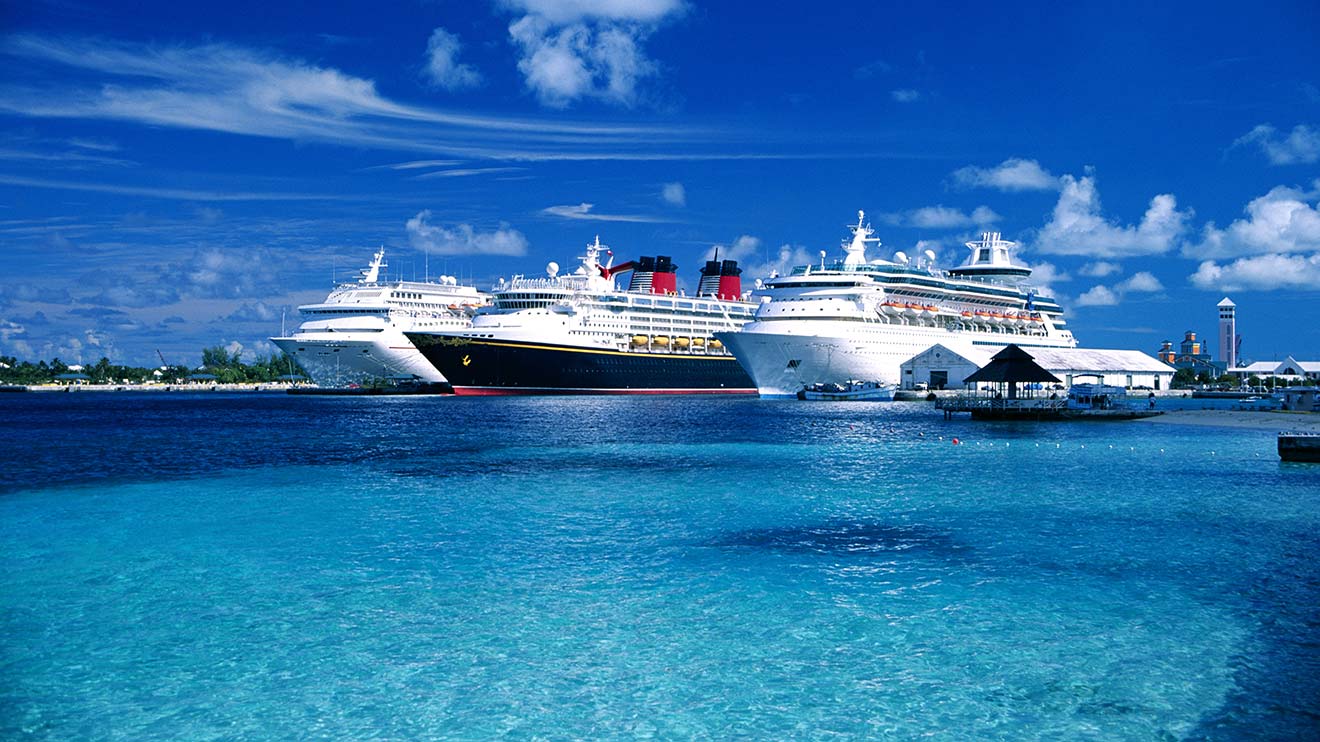
  • Indonesia raises bet on lucrative cruise industry

    Indonesia raises bet on lucrative cruise industry

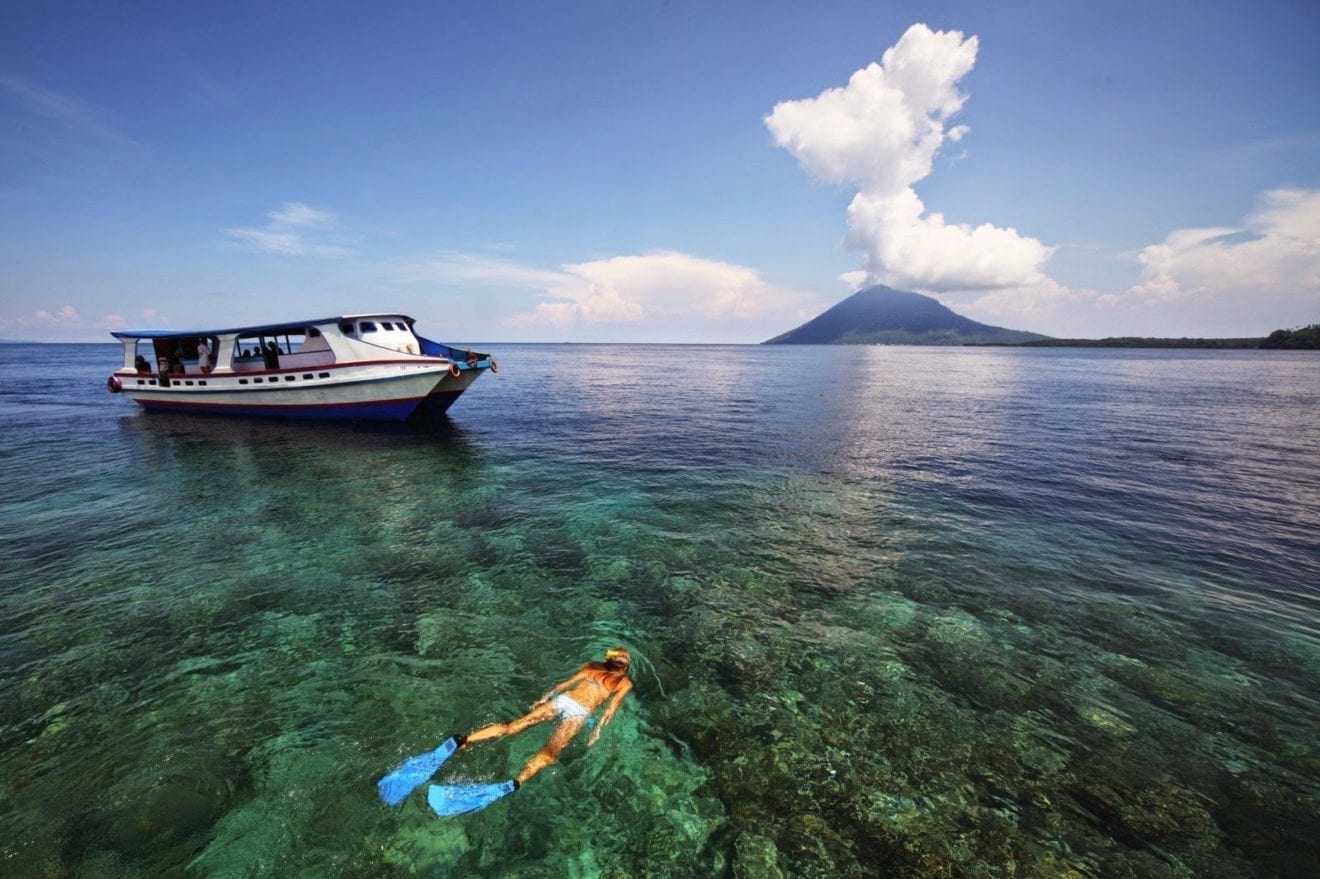
    The shimmering sound of Balinese music played by a local gamelan group welcomed the Pacific Eden cruise ship as it approached Benoa Port in Bali on Thursday Guided by a tugboat, the 219-meter-long vessel, operated by P&O Cruises Australia, needed 30 minutes to smoothly dock at the port that sunny afternoon.

    Carrying over 1,000 tourists, mostly Australians, Pacific Eden has made a breakthrough in Indonesia’s tourist industry as it became the first cruise ship ever docked at a local port.

    “This makes a huge difference in the experience of our guests,” P&O Cruises Australia president Sture Myrmell said to government officials invited onboard to celebrate the historical milestone.

    Despite its potential in coastal and maritime tourism, Indonesia has been struggling to tap into opportunities of cruise ships coming to the archipelago.

    Previously, incoming cruise ships preferred to moor off shore mainly due to technicalities, such as lack of supporting infrastructure and the absence of a reliable under-water topographic maps, known as bathymetric charts. Passengers who want to go ashore were then transported on small boats.

    In the case of Pacific Eden, the docking was made possible after the government completed the bathymetric chart for Benoa water and after state-owned port operator PT Pelabuhan Indonesia (Pelindo) III, which manages Benoa Port, upgraded the facility to a cruise terminal.

    “We sent supporting data about Benoa waters to P&O executives so their ship captains could devise strategies on how to enter the port safely. Their presence here proves that we have finally convinced them about safety,” Pelindo III general manager for Benoa Port Ardhy Wahyu Basuki said.

    Last year, Indonesia welcomed 11.5 million foreign tourists, with those from China topping the list at 1.43 million arrivals.

    President Joko “Jokowi” Widodo has set his sights on developing the tourism sector. His administration hopes for 20 million foreign tourist arrivals in 2019, with this year’s target standing at 15 million.

    The number of tourists entering the country by cruise ships has shown progress, but still only makes up a tiny fraction of the total incoming foreign tourists.

    Last year, visiting cruise ships made 350 stops in Indonesia, down from 400 stops in 2015, said Tourism Minister Arief Yahya. The number of passengers onboard, however, increased by 30 percent to 260,000 from 200,000.

    “This shows that there is a changing trend in which passengers prefer to travel on mediumsized cruises instead of small ones,” Arief told reporters, underlining the importance of port infrastructure upgrades to accommodate such a trend.

    Apart from huge, lavish vessels, the cruise business is known to attract high spenders. A family of four, for example, should pay A$7,200 (US$5,400) to stay in a Pacific Eden suite room and enjoy a 12-night journey to popular tourist destinations, such as Bali, Lombok and Komodo National Park.

    According to data from Cruise Lines International Association (CLIA), there were 23.2 million people traveling on cruise ships in 2015, with the United States accounting for the most passengers at 11.3 million, followed by Germany, Australia and China. The figure is predicted to increase to 25.3 million this year.

    Arief did not mention the government’s short-term target for incoming cruise passengers. He, however, pointed to Thursday’s inaugural docking as momentum for the government to propel the industry, including by upgrading port infrastructure on Bali, which the government expected to become a regional cruise hub, as well as by reviewing cost structures that might hamper the industry’s growth.

    Indonesian ports currently charge a cruise ship between $60,000 and $100,000 daily for docking fees, much higher than regional competitors that can charge as low as $20,000 per day, Arief said.

    “This has dragged down our competitiveness in the sector,” he said. “Thus, deregulations and infrastructure upgrades should go hand-in-hand to boost the sector.”

  • Gurmeet Choudhary approached for Indonesian TV Show

    Gurmeet Choudhary approached for Indonesian TV Show

    Gurmeet Choudhary, who was last seen onscreen in “Laali Ki Shaadi Mein Laaddoo Deewana” has been approached to feature in an Indonesian television show. The actor says it came as a surprise to him.

    “It came as a pleasant surprise. The makers recently flew down to India to meet me and narrated me the concept of the show they are planning to make there. I liked the idea and will take a final call on the show soon,” Gurmeet said in a statement.

    The actor’s show “Geet – Hui Sabse Parayi” recently released in Indonesia (in Indonesian language) and has been hugely appreciated by the people there. He also starred in bollywood films like “Khamoshiyan”.

    According to sources, Gurmeet loved the idea and is considering the offer. He is expected to fly to Indonesia in May for the final discussion on the TV show.

  • Travel Blue’s Z-Zoom to take flight at Singapore show

    Travel Blue’s Z-Zoom to take flight at Singapore show

    Z-Zoom (part of the Travel Blue Group) has announced that it will launch its first collection of Reading Glasses at the TFWA Asia Pacific Exhibition in May representing a significant milestone for the Travel Blue company.

    Z-Zoom says it identified ‘the increase in global demand for high quality, fashionable reading glasses’ and set out with a vision to create a premium unisex eyewear range suitable for all.
    Jonathan Smith, Travel Retail Director of Z-Zoom says: “We are thrilled to finally be able to share our new project with the travel retail world. The team spent a lot of time in developing the brand and used only high quality materials to ensure the best possible product. This is a very exciting time for us.”

    The collection comprises an extensive range of Reading Glasses with over 240 different SKUs. All products are supplied with POS units that reflect this quality, design-led range.

    ‘ZOOMING IN FOR SHARPER VISION’

    The Reading Glasses are available in a variety of frame designs to ‘suit all face shapes’. “Ranging from classic and casual to bold and contemporary, in an array of complexion enhancing colours or neutral staples, the new line acknowledges changing attitudes and preferences,” adds Travel Blue.

    Z-Zoom is said to have been inspired by the notion of moving quickly and getting a closer look of what’s in front, as Smith explains: “As reading glasses are designed for those that have trouble with close range vision, the name Z-Zoom came naturally. Zooming in for a clearer sharper vision. This is what we provide. Z-Zoom adds a little dimension and excitement.”

  • UL wire, cable laboratory inaugurated in North Jakarta

    UL wire, cable laboratory inaugurated in North Jakarta

    A United States safety consulting and certification company, Underwriters Laboratories (UL), inaugurated on Tuesday a wire and cable laboratory operated by its subsidiary, PT UL International Indonesia, in North Jakarta as part of its business expansion in Southeast Asia.

    UL commercial and industrial business president Ben Miller said after the inauguration ceremony that the company had chosen Indonesia for the laboratory’s location because of the county’s fast-growing economy.

    UL said in a statement that the laboratory, the company’s first wire and cable certification facility in Southeast Asia, had been accredited by the National Accreditation Committee as a testing laboratory and by the Product Certification Agency (LSPro) for the certification of Indonesian National Standards (SNI).

    The statement said that UL Indonesia had signed an agreement with the Industry Ministry’s Center for Material and Technical Products (B4T) on the expansion of the SNI certification scope by UL.

    UL Indonesia is allowed to provide testing services in line with SNI certification.

    Miller said that UL standard certification required ongoing surveillance and comprehensive monitoring of products starting from their designing until their selling.

    Meanwhile, vice president and managing director for UL ASEAN Region Anthony Tan said that UL operated three laboratories in Southeast Asia.

    The company had two laboratories in the consumer technology and transaction security fields in Singapore and a textile and consumer goods laboratory in Vietnam, Tan said.

    Tan added that the company would open another laboratory in the heating and ventilation field in Thailand this year.

  • Indonesia Promotes Tourism in Japanese Festival

    Indonesia Promotes Tourism in Japanese Festival

    The Indonesian government participated in the “Singen-ko Festival 2017” held in the Yamanshi Prefecture, Japan, to promote the tourism sector and investments in Indonesia.

    Indonesia was represented by state-owned airline PT Garuda Indonesia, assigned to strengthen the Indonesia-Japan diplomatic relationship.

    “The Garuda Indonesia team is led by Garuda Indonesia Commissioner Jusman Syafeii Djamal, accompanied by House of Representatives Commission X member Niko Siahaan, and a number of local celebrities, such as Donna Agnesia, Okky Lukman, Indra Bekti, and Vincent,” Indonesia’s special envoy for investment affairs Rachmat Gobel said on Monday, April 10, 2017.

    According to Gobel, Indonesia’s involvement in such cultural festival is a strategic way to strengthen ties between Indonesia and Japan. In addition, Garuda has served Japanese wine products from Yamanase on its flights. Therefore, Gobel said Indonesia must seize the opportunity to attract more Japanese investors.

    Data from the Investment Coordinating Agency revealed that Japan is the second largest investor with a total investment value of US$5.4 billion after Singapore in 2016. Japan has made investments in almost all sectors, such as manufacturing, infrastructure and automotive.

    In addition, Japan recorded a surplus of USD 25 billion in current trade balance in February 2017, increasing from USD 588.6 million in January. Official data from the Japanese government showed that the surplus increased by 18.2 percent when compared to last year. Bloomberg forecasted that the current account surplus reached USD 22.5 billion.

    Japan has maintained its trade balance surplus for years, thanks to positive trade balance and strong revenues from overseas investments.

  • HCM City metro projects short on capital

    HCM City metro projects short on capital

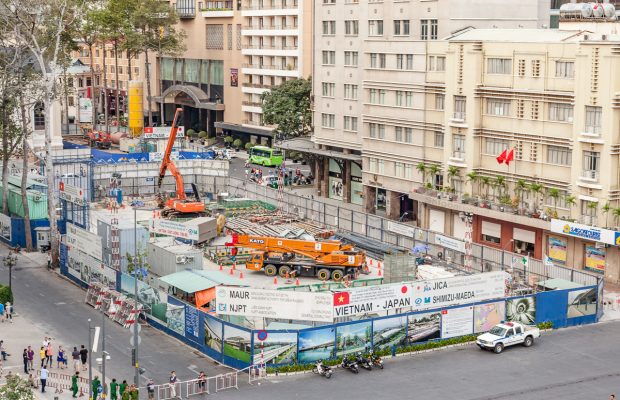
    A shortage of capital is the key problem of both Line 1 (Ben Thanh – Suoi Tien) and Line 2 (Ben Thanh – Tham Luong) urban railway projects.  The Ho Chi Minh City People’s Committee is the developer responsible for the two projects. At the Metro Ben Thanh-Suoi Tien project, the developer has been slow to pay contractors and may have to pay interest on late payment.

    According to a report submitted to the Ministry of Transport at the beginning of March 2017 by Le Van Khoa, deputy chairman of the Ho Chi Minh City People’s Committee, the payments for four construction packages have been delayed since September 2016.

    The reason is that the ODA capital provided for Ho Chi Minh City was only VND592.693 trillion ($26 million), a much lower amount compared to the VND1.95 trillion ($85.17 million) payable for the contractors.

    To deal with the current shortage, Ho Chi Minh City had to withdraw VND600 billion ($26.3 million) from the city budget to pay in advance for the consulting companies and contractors.

    With the current progress, although package No. 1a was started in November 17, 2016, the authority cannot pay the contractors as promised.

    Accordingly, by February 15, 2017, Ho Chi Minh City’s Urban Railway Management Boardwould have to pay in advance the amount of VND571 billion ($25 million).

    In case the developer fails to pay, the contract will be extended, which will result in numerous incurred additional expenses.

    Khoa said that the estimated ODA capital for Metro Line 1 is VND2.119 trillion ($93 million) in 2017.

    However, the project’s capital has not been added to the country’s plan on using ODA, which significantly affected the construction progress.

    By the end of February 2017, package No. 1b, used for the constructions of the stations between Saigon Opera House and Ben Thanh, was 41 per cent completed, while package No. 2 toconstruct the 17.1-kilometre stretch plus depots between Ba Son and Binh Duong was 65 per cent completed.

    Package No. 3 for the purchase of electromechanical equipment, locomotives, carriages, and railway tracks was 12 per cent completed.

    In general, the total disbursement of the project is VND10.9 trillion ($477 million), of which VND9.712 trillion ($425 million) is sourced from ODA.

    If the Japanese and Vietnamese contractors progress as scheduled, the total value of the completed parts in 2017 may reach VND5.320 trillion ($233 million).

    “The project should receive more ODA. It is essential to ensure the project’s progress as committed, as well as to avoid other incurred expenses, late payment penalties, and lawsuits from foreign contractors,” said the report.

    The 19.7-kilometre Ben Thanh-Suoi Tien Line goes through District 1 (Binh Thanh), District 2 (Thu Duc), District 9, and ends in Binh Duong Province (Di An District).

    Of the total, the underground parts are 2.6 kilometres, and the overhead parts are 17.1 kilometres long.

    The total investment after three adjustments has increased from VND14.415 trillion ($631 million) to VND47.325 trillion ($2.07 billion).

    The construction of the overhead part has been on-going since August 2012.

    The maximum speed along the line will be 80 kilometres per hour on the underground sections and 110 kilometres per hour on the bridge. It is forecasted to begin test runs in 2019 and be officially put into operation in 2020.

    Metro Line 2 in a worse spot

    Although Metro Line 1 is in slow progress, at least it has a forecasted launching period, while Line 2, which is also managed by Ho Chi Minh City’s Urban Railway Management Board, is struggling with investment adjustments and updating bid documents.

    Accordingly, the total investment of Metro Ben Thanh-Tham Luong is proposed to be VND47.605 trillion ($2.152,36 million), an increase of 56.6 per cent compared to the initial planned investment in 2010.

    The three biggest increases derive from land clearance, which rose from $119.38 million to $197.88 million; installation and purchase, which went from VND748.11 billion ($33 million) to VND1.198 trillion ($52 million); and reserves, which increased from $263 million to $368 million.

    By the end of February 2017, after six years of construction works, the disbursement was only VND700 billion ($31 million), including VND572 billion ($25 million) of ODA capital, which is equivalent to three per cent of the expected sum total.

    A representative of the Ho Chi Minh City Urban Railway Management Board admitted that implementation was slow compared to the promised schedule because the design has been adjusted.

    Additionally, the different instructions issued by the sponsors and the Vietnamese government on picking contractors and the elongated time for collecting feedback from sponsors also contributed to the slow going.

    As the most important Metro line in Ho Chi Minh City, the Ben Thanh-Tham Luong line will go from the new urban area Thu Thiem (District 2) and end in An Suong (District 12). It is forecasted that by 2025, it will handle 481,700 passengers a day.

    Besides the sharp increase in capitalisation, the launch will be delayed to 2024, despite initial promises to complete works by the end of 2016, as specified in Decision No 4474/QD – UBND approved by the Ho Chi Minh City People’s Committee.

    “The Ho Chi Minh City People’s Committee should review the implementation progress of each package used in these projects and have appropriate solutions to avoid the extension of process, which may lead to an increase in total investment, administration, and interest expenses, exchange rate risks, and fluctuations in construction material prices,” an expert said.

  • Cooking to coding: What free HTML classes mean for Indonesian maids

    Cooking to coding: What free HTML classes mean for Indonesian maids

    Jamilah’s newly obtained skills are beyond anything most would expect from an Indonesian maid working in Singapore – she is not only a cook and a cleaner, but a website builder.

    Jamilah learnt programming languages such as HTML and CSS at a free, eight-week coding course for domestic workers provided by Indonesia’s Creative Economy Agency. The agency plans to expand the programme, launched in Singapore in January, to Hong Kong later this month, then to Malaysia, Taiwan and Saudi Arabia.

    To cater to maids’ strict schedules, the classes are held every Sunday from 10am to 1pm. In Singapore, the demand to enrol was so high the programme was forced to move those about to leave the city state to the front of the line – such was the case with Jamilah.

    “I’m very keen on learning how to code,” Jamilah told. “I’m hoping to have my own business when I return to Central Java and use the website to market my products and bring in more customers from the internet.”

    Students are expected to bring their own laptops to class, and this posed a problem for Jamilah since her old computer was broken. “So I bought a brand new Dell laptop that set me back SG$499 (HK$2,765), or a month’s salary. But it’s worth it.”

    The 41-year-old said she was blessed to have an understanding employer who allowed her to take the course. “My boss even downloaded GitHub for me,” the mother of four said, referring to a popular software development platform.

    By advancing the skill sets of maids such as Jamilah, Indonesia aims to empower workers with entrepreneurial skills that will help them set up businesses once they return home.

    About a third of Indonesia’s six million migrant labourers work as housemaids in places such as Singapore, Hong Kong, Taiwan and the Middle East. In 2015, Indonesian migrant workers sent home about US$9.4 billion in remittances, according to official data. However, once they return home, a relative lack of workplace skills often prevents them from securing well-paying jobs or establishing their own businesses.

    Indonesia has a workforce of about 125 million people, 60 per cent of whom did not get past middle school or high school, according to Minister of Labour Hanif Dhakiri.

    “They do not have the skills needed to have a proper job that would lift them out of poverty,” he said. “We fully support the coding programme for maids as a solution to increase their self-sufficiency post tenure.”

    Through the programme, the government also hopes to bolster the talent supply in Indonesia’s creative workforce to 13 million people by 2019, about a million more than last year.

    “We need to have our own talents so, when it comes to software programming, we no longer have to depend on foreign companies,” said Triawan Munaf, head of the state agency that founded the programme.

    The coding course for maids is a twist on a similar course designed for stay-at-home mothers in Indonesia called “Coding Mum”, organised by the same agency. Launched in February last year, Coding Mum began in six cities and will be expanded to three more this year to meet demand. Its graduates either run their own businesses or are employed as front-end developers and beta testers by local tech firms such as e-commerce company Tokopedia.

    “We have positive results from Coding Mum, where housewives from all ages up to 60 years old have joined the programme,” said Izak Jenie, Coding Mum’s co-founder. “After Coding Mum, we felt challenged to teach coding to housemaids.”

    But teaching how to code to mostly undereducated housemaids is not without challenges. Despite sharing the same lessons with the stay-at-home moms, mentors need to be more patient and understanding with maids, since most of their experiences with the internet are limited to social media services such as Facebook or WhatsApp.

    “However, their motivation to succeed seems bigger. In Singapore, for example, they asked me questions outside of the classroom, sometimes until 1am,” said Henry Sutjipto, the programme coordinator for countries outside Indonesia.

    The classes for maids also require Indonesian-speaking tutors who are willing to volunteer, Sutjipto said.

    These same challenges face the programme as it looks to start classes in the New Territories of Hong Kong, starting on April 23.

    “In Kuala Lumpur it’s easy to find mentors because there are many Indonesians there,” Sutjipto said. “It was difficult to find one in Hong Kong, but we found two information technology lecturers from Indonesia who are currently studying in Guangzhou and are willing to come to Hong Kong to teach.”

    The programme has piqued the interest of Anggraeni Ustianingsih, an Indonesian maid living in Tseung Kwan O who has been working in Hong Kong for five years and whose tenure will expire in November.

    When she returns home, she hopes to expand her business of selling shumay (steamed fish dumplings) to a broader online market.

    “My boss is supportive because the class is scheduled on my day off,” the 42-year-old from Tegal, Central Java, said.

    She has a Lenovo laptop, and is ready to do any homework from the course in her spare time.

    Due to the high interest shown by maids in learning programming and coding, the Indonesian government also plans to bring the course to villages that have sent many migrant workers overseas. It will not, however, expand the programme to cities in the Middle East, other than Medina in Saudi Arabia.

    “It’s hard to implement the programme in the Middle East because housemaids there are not even allowed to get out of the house,” said Dhakiri, the labour minister.

    Back in Singapore, Jamilah dreams of becoming a tailor in her home town after her contract to work in the city state expires on September. But a question lingers: “I’m still not sure whether to return to Indonesia or renew my contract here… I still need more money to send my children to college.”

  • Vietnamese workers warned of ‘robot threat’

    Vietnamese workers warned of ‘robot threat’

    Robots are already being used at the 20-hectare Vinamilk actory in Binh Duong province. There are 19 robots and several workers. Everything runs on an automation process. Some robots carry packs to the filling room, while others take finished products to the storehouse.

    When robots begin to lose power, they automatically go to the battery charging area, where they install full batteries without the assistance of workers.

    Nguyen Chien Thang, director of Scan Pacific, an interior product manufacturer, who has received more orders from foreign partners in recent years, has decided to equip his newly built factory with an automated production line, which would help increase productivity by 4-5 times.

    Other large furniture companies in Binh Duong have also spent money on automation technology. A representative of Vi Dai, a supplier of machines and equipment, said the company’s sales increased by 50 percent in 2016 because more wooden furniture manufacturers bought modern equipment to increase productivity and lower costs.

    Thanks to the automation production line, which has been running in the last 10 years, Minh Long 1 Porcelain Company has cut the number of workers from 400 to 20. To date, it has imported seven robots with the value of no less than 40,000 euros.

    Analysts commented that though it is costly to replace workers with intelligent robots, using robots in production lines is a growing tendency worldwide, including in developing countries like Vietnam.

    The World Economic Forum predicted 5 million jobs would be lost by 2020 because of  artificial intelligence. The latest report from ILO shows that two-third of 9.2 million workers in the textile & garment and footwear industries in South East Asia are being threatened by robots.

    In Vietnam, ILO said 86 percent of textile & garment workers may lose jobs in the automation process, while three-fourth of workers in the electronics sector will be replaced with robots.

    Pham Thi My Le, president of Le & Associates, predicted that 80 percent of works would be undertaken by robots by 2020.

    The popularity of robots would prompt multi-national conglomerates to stop outsourcing to Asian countries and to make products in their home countries with automated production lines. If so, Asian countries, which now rely on doing the outsourcing for foreign companies, would suffer.

    Vietnam can attract foreign investments thanks to cheap labor. However,  once robots replace large numbers of workers, that advantage will diminish.

  • TV programme “Startup Nation” to air shortly in Vietnam

    TV programme “Startup Nation” to air shortly in Vietnam

    Vietnam Television (VTV) and HCM Communist Youth Union on Monday announced a new TV programme titled “Startup Nation,” which is expected to promote startups inVietnam.

    The announcement was witnessed by Deputy Prime Minister Vương Đình Huệ, Minister of Science and Technology Chu Ngọc Anh, Minister of Agriculture and Rural Development Nguyễn Xuân Cường, leaders of the youth union and major companies in Vietnam.

    The talk show format will air on VTV1 every Friday evening from April 14 and rebroadcast Saturday afternoon.

    Another programme titled “Startup Coffee” will air from April 10 every morning as part of the programme “Good Morning” on VTV1.

    VTV Director General Trần Bình Minh said the programme producers wanted to deliver a message on startups, which is “Renovation is continuous and enduring. It’s not just a movement but a path for the nation to follow.”

    He said successful businessmen would be invited to “Startup Nation” to share experiences and comment on startup models or business trends in Vietnam and across the world. They could then suggest or invest in promising startup ideas.

    The TV programme is part of the Government’s mission to makeVietnam a nation of startups.

    First Secretary of HCM Communist Youth Union Lê Quốc Phong said the youth would applaud the new programme, which offers them an opportunity to present their startup dreams, and make those dreams a reality.

    Phong said the youth expected relevant agencies to hear their ideas and suggestions thanks to the TV programme and subsequently timely adjust policies to support them.

    In the first quarter of this year, 26,478 new enterprises were established in Vietnam, a record number in the last six years.

    Last year,Vietnam recorded the establishment of 110,100 new enterprises, the highest number compared with the previous years. Last year is the first time the country had more than 100,000 new enterprises in one year, which is said to be the result of the Government’s strong promotion of startups.

    Vietnam is expected to have one million enterprises by 2020.

  • Indonesia attempted to promote its marine tourism to new hights

    Indonesia attempted to promote its marine tourism to new hights

    Indonesia has promoted its marine tourism to the New Zealand, a country well-known for its sailing community.

    I Gde Pitana, Deputy Minister for Overseas Promotion at the Tourism Minister, said on Monday, April 3, 2017, that the Wonderful Indonesia promotion targeting yacht owners was aimed at promoting the Wonderful Sail 2 Indonesia by introducing a sailing route to the Sail Sabang 2017 event.

    Through the promotion, Pitana explained, the Tourism Ministry will disseminate information related to the sailing route, permit, stay duration, selected locations, and the perfect time for yachters to visit Indonesia.

    Yachters usually arrive in Auckland, Whangarei and Opua in April to enjoy New Zealand’s climate. The Indonesian government attempt to capitalize on the opportunity to promote its marine tourism.

    “Based on the tradition that has been maintained for decades, we can conclude that the opportunity to do the promotion activity in New Zealand is in March, April, or May, because after these months, they [yachters] will be heading to north to Sidney, Cairns and Darwin and pass Indonesia to Asia,” Pitana explained.

    Pitana claimed that after the conducting promotion activities in 2016, New Zealanders have shown enthusiasm to visit Indonesia.

    Vinsensius Jemadu, deputy assistant for Asia and Pacific development at the Tourism Ministry, said that the Wonderful Indonesia promotion activities for yachters in Auckland, Opua and Whangarei is scheduled to be held from March 30 to April 5, 2017.

  • Healthcare Tourists in Malaysia Mostly from Countries Such as Indonesia

    Healthcare Tourists in Malaysia Mostly from Countries Such as Indonesia

    In January, International Living (IL), an authority on global retirement and relocation opportunities, had put Malaysia in sixth place for its “10 Best Places to Retire” list. Part of the Annual Global Retirement Index, Malaysia received high scores in the “Healthcare” and “Fitting In” categories — the latter was due to the fact that the country was a melting pot of world communities, according to IL senior editor Dan Prescher.

    Last year, Malaysia welcomed more than one million healthcare tourists, who contributed more than RM1 billion in hospital revenue, said Malaysia Healthcare Travel Council (MHTC) chief executive officer (CEO) Sherene Azli.

    “There has been an overall growth in tourists for medical tourism. “From 643,000 travellers in 2011, the number rose to 859,000 in 2015. In terms of revenue, we recorded RM527 million and RM914 million for 2011 and 2015, respectively,” she said.

    “If we take other medical revenue into account, healthcare travel contributed between RM3 billion and RM4 billion to the country’s economy in 2015.” She said the travellers were mostly from Indonesia, India, China, Japan, the United Kingdom (UK), Australia and Middle Eastern countries.

    Among the treatments they sought were in cardiology, orthopedics, oncology, neurology, dental and fertility treatments, cosmetic surgery and rehabilitation services. MHTC is an agency under the Health Ministry that has been entrusted with the responsibility of promoting the country’s healthcare travel sector, which is a National Key Economic Area.

    This year, the MHTC aims to achieve RM1.3 billion in revenue, and potentially contribute RM5 billion to the nation’s gross domestic product through other medical travel revenue, including dental, cosmetic, wellness, logistics and hospitality services.

    “MHTC has also identified Indonesia, Vietnam, Myanmar and China as core markets based on the volume of healthcare tourists received, as well as growth potential of the respective markets.

    “Additionally, we have representatives in Indonesia (Jakarta), Myanmar (Yangon), Vietnam (Hanoi and Ho Chi Minh City), China, and most recently, India, to gain faster access to our core markets and facilitate potential visitors with enquiries and healthcare travel assistance.”

    She said the MHTC planned to increase its market penetration in those countries while aggressively raising the country’s profile in secondary markets like Bangladesh, Australia, the UK and the Middle East. The number of healthcare tourists from India, for example, had doubled in less than five years, she said.

    “In 2011, there were over 18,000 Indian travellers who sought various treatments in Malaysia. That figure rose to more than 39,000 in 2015 at a rate of 116 per cent.” She said healthcare tourism in the country had moved from strength to strength in the last few years.

    “The country was named Medical Travel Destination of the Year at the Medical Travel Awards for two consecutive years in 2015 and 2016 by the International Medical Travel Journal. “Malaysia was also named ‘Best Country in the World for Healthcare’ by IL’s Global Retirement Index for three consecutive years, from 2015 to 2017,” Sherene added.

    Sherene herself had been honoured as one of 50 outstanding women in healthcare at this year’s World Health and Wellness Congress in February — another global milestone for the country. To further attract foreign tourists to our shores for healthcare tourism, the MHTC has embarked on a “Malaysia Loves You” campaign in February.

    Launched by Health Minister Datuk Seri Dr S. Subramaniam, it aims to promote Malaysian healthcare in several key areas, namely quality, accessibility, affordability and ease of communication. At the same time, Sherene said the campaign hoped to increase global awareness on Malaysia’s potential as a leading healthcare travel destination.

    “We believe that Malaysia has all the qualities in international healthcare tourism. To top it off, it is easy for travellers to communicate with health professionals here, be it in English, Tamil, Hindi or Chinese.”

    Malaysian Society for Quality in Health (MSQH) CEO Kadar Marikar said the accreditation received by Malaysian hospitals and healthcare providers had raised travellers’ confidence in the country as a healthcare tourism destination.

    “Foreign patients will be well-assured of safe care when they seek medical care in MSQH accredited facilities. The accreditation process focuses on patient care with measurable safety outcomes, while minimising the risk of adverse events.

    “Accreditation of healthcare facilities and services in Malaysia by MSQH since 2000 has helped put in place the Standards of Services. Among others, it focuses on putting the right structures and processes, minimising risks as well as measuring performances to ensure safe patient care and outcome.”

    The MSQH accreditation programme is internationally-recognised by the International Society for Quality in Healthcare (ISQua). Kadar said the four-year accreditation programme also helped to build tourists’ confidence in healthcare industry providers.

    To boost the arrival of foreign patients to Malaysia and bolster their confidence in local healthcare facilities, he said medical healthcare/medical tourism facilitators should have a strong presence to assist patients.

    “We need to develop and certify professional medical tourism facilitators to make sure they are knowledgeable in the field.” International Islamic University Malaysia Associate Professor Noor Hazila Abd Manaf of the Department of Business Administration agrees.

    Noor Hazila co-authored a paper entitled “Medical Tourism Service Quality”, on the local healthcare tourism industry that focused on service quality, perceived value, overall satisfaction and future intention of medical tourists in Malaysian hospitals.

    “Malaysia already has a strong footing in the accreditation of its hospitals through MSQH. “The government has also established the MHTC, a one-stop centre to promote the country’s medical services abroad.

    “Although a relative newcomer, the results of promoting the industry can be seen from the increasing number of international patients coming to the country,” she said. Noor Hazila said her report aimed to identify important constituents of medical tourism, which might assist policymakers and hospital managers in understanding the industry better.

    “In order for Malaysian hospitals to continue competing on the global front and attracting more international healthcare tourists, it needs to follow the examples of leading medical tourist hospitals by widely publicising the outcome of their services on their websites as a means of communicating their technical competency.

    “For example, India’s Apollo Group of Hospitals publicises a 90 per cent success rate in more than 500 liver transplants they performed. “Similarly, Thailand’s Spine Institute at Bumrungrad International claimed a 95 per cent rate of success in its website for its spinal endoscopic surgeries performed on more than 600 patients.”

    Revealing information on technical competence, she said, could give patients a sense of assurance in quality. “However, browsing the websites of Malaysian medical tourism hospitals show a gap in the dissemination of such information.”

    Aside from this, she said it was also important for service providers to ensure a high quality of service from its medical staff.

    Tech and experience, a winning combination for Sunway Med

    Since winning the International Hospital of the Year award in Madrid, Spain, last year, Sunway Medical Centre has seen a steady growth in international patients.

    The award was presented by the International Medical Travel Journal. Sunway Healthcare managing director Lau Beng Long said the hospital recorded an 18 per cent increase in the number of international patients from 2015 to last year, with 13 per cent increase in revenue.

    “We found that there is a 30 per cent increase in healthcare tourist traffic and 12 per cent increase in expatriate patients.”

    He attributed the hospital’s success to its “people, our technology and our product”.

    “There are a couple of factors, I believe, have enabled us to clinch this award. We differentiate ourselves in the market by positioning it as the one-stop centre not just in medical services, but also the entire supply chain of medical tourism experience”.

    Sunway Medical Centre is strategically located in Sunway Resort City, which is a stone’s throw away from Sunway Hotel, Sunway Theme Park, Sunway Shopping Mall and Sunway University. This provided a comprehensive solution for patients who need a healing environment.

    “We also have a dedicated international patient centre team, which provides one-stop services for our international patients, ranging from providing treatment options, to cost estimate, hotel and transport booking, interpreting services and so on.

    “We serve international patients from more than 130 countries, and are recognised for orthopedics, digestive health, neurology, ENT and urology. “Last year, we set up our cancer, radiosurgery and nuclear medicine centre, which provides comprehensive solutions for cancer treatment. “

    He said Sunway Medical Centre was also the first hospital in Southeast Asia to have received the accreditation from the Australian Council on HealthCare Standards. “Ultimately, people are our best asset. We take pride in our specialists, majority of whom are trained overseas in Australia, the United States and the United Kingdom, and also our dedicated nursing and allied health teams.

    “With technology and experienced, SunMed is the first private hospital in Malaysia to perform total joint knee replacement surgery using computer navigation, deep brain stimulation for Parkinson’s Disease, endoluminal grafting for abdominal aortic aneurysm, cornea transplant, etc.

    “Overall we see a balanced distribution of patients coming for different treatments.” On the profile of medical tourists visiting the hospital, he said most of the patients were from neighbouring countries.

    “Again, we are seeing a fair distribution of patients from Southeast Asia, South Asia, North Asia, Middle East and the West. “Top of the list are patients from Indonesia, China, Bangladesh, Yemen, India, Australia, Pakistan, the US, Japan and Maldives.

    “A majority of our foreign patients are aged 30 and over. The length of stay will vary based on their treatment and procedure.” He said the hospital was currently undergoing an expansion.

    “Upon completion of Tower C in the second quarter of this year, there will be 600 beds at Sunway Medical Centre’s facilities, with 180 consultation suites and 1,470 parking bays.

    “We are also growing our services to strengthen our centres of excellence, recruiting more consultants and nurses to provide competent care, upgrading our facilities, and introducing more technology,” he said.

  • Miniso US launching in California

    Miniso US launching in California

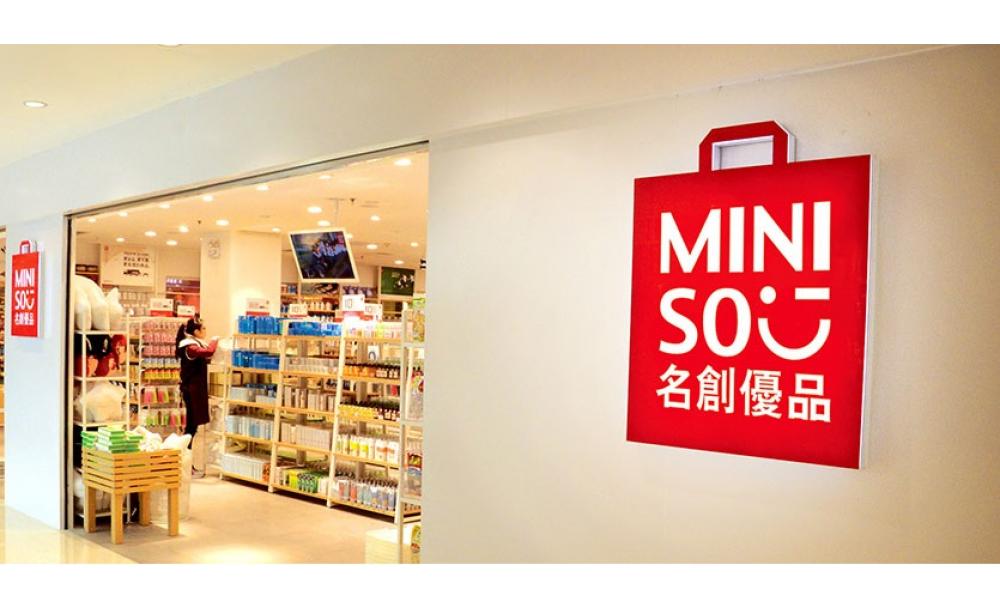
    Miniso US opens its first store on April 21, in Pasadena, California.

    Established in 2013, Miniso is a variety store founded by Japanese designer Miyake Junya and Chinese entrepreneur Ye Guofu. The store offers designer-quality products including cosmetics, home furnishings, electronics and accessories.

    More than 80 per cent of the products are designed and developed in China, Japan, Malaysia, Singapore, South Korea and Singapore. New products are launched every seven days.

    On average, Miniso opens 80 to 100 stores monthly and is anticipated to have 6000 stores by 2020 with global revenues of US$9 billion.

    The company has signed agreements in more than 40 countries and regions, including Hong Kong, Korea, Macau, Malaysia, Vietnam and Singapore.

  • Karaoke bars told to pay annual royalty fee of 9 cents per song in Vietnam

    Karaoke bars told to pay annual royalty fee of 9 cents per song in Vietnam

    Vietnam’s recording industry association told karaoke businesses to take copyright laws seriously. From mid-July this year, royalty fees for more than 10,000 licensed musical works will be collected by the Recording Industry Association of Vietnam (RIAV), the organization said in a statement on Tuesday.

    The rate for a one-year license for each song will be VND2,000 ($0.09).

    Before releasing the statement, the association conducted a survey on the use of musical works under the protection of the association for commercial purposes in the provinces of Quang Ninh, Tra Vinh and Ben Tre.

    RIAV claimed that infringing on copyright to make a profit violates the Civil Code, Intellectual Property Law and other relevant regulations.

    Along with the proposed fee, RIAV has told karaoke businesses to take copyright laws seriously by immediately taking protected songs off their playlists and complying with laws regarding the payment of royalties.

    Earlier this month, in a meeting with a state official, U.S. Ambassador to Vietnam Ted Osius highlighted his interest in protecting intellectual property. He also urged authorities to take action.

    Vietnam has signed five international conventions and treaties for the protection of artistic works.

    There are four associations in Vietnam set up to protect composers and their works.

  • DFS and Changi celebrate the sixth Singapore MOWS event

    DFS and Changi celebrate the sixth Singapore MOWS event

    DFS Group and the Changi Airport Group celebrated the sixth annual Masters of Wines and Spirits event (MOWS) in Singapore last Saturday (25 March) with a collection of more than 60 Cognac expressions, plus wines and whiskies from more than 50 houses.

    This culminated in ’a spectacular gala event’ on Singapore’s famous Tras Street, with the specially selected collection now set to be exhibited in store and available for sale at DFS, Singapore Changi Airport’s Wines and Spirits Duplexes at Terminal 2 and 3.

    DFS management toast to the sixth annual Masters of Wines and Spirits
    DFS management makes a toast to the sixth annual Masters of Wines and Spirits event.

    DFS said that this year’s event also featured hands-on master classes and educational tastings for select VIP guests.

    MULTIPLE ACTIVITIES AND EXPERIENCES

    At the Dalmore house, Master Blender Richard Patterson also hosted a bespoke tasting to showcase The Dalmore’s ‘rich heritage and artistry’. At the same time, Frederic Dezauzier, CAMUS’ Global Brand Ambassador introduced guests to the smallest and rarest cru in the Cognac region, Borderies.

    This took the form of ‘a unique tasting experience’, featuring a selection of CAMUS Borderies Single-Cru Cognacs, including a Borderies Vintage and an exclusive Borderies blend that has never been released. Château Margaux’s Regional Ambassador Thibault Pontallier also conducted a vertical tasting across decades of the brand’s history.

    Thibault Pontallier, Asia Brand Ambassador Château Margaux, walked VIP guests through a vertical tasting across decades of Château Margaux's storied history
    Thibault Pontallier, Asia Brand Ambassador at Château Margaux (centre left, red tie), took various VIP guests through a vertical tasting across decades of Château Margaux’s long history.

    Guests were also able to meet various whisky brand ambassadors at DFS’ very own The Whiskey House – an exclusive and interactive whisky retail concept available to travellers at DFS, Singapore Changi Airport.

    This was moderated by DFS Group’s Director of Spirits, Frederik Vanden Bulcke and it included interactive discussion and tasting guidance with Brendan McCarron of Glenmorangie, Brian Kinsman of Glenfiddich, David Stewart of The Balvenie and Mike Miyamoto of Hibiki – all sharing their thoughts on heritage and innovation in the whisky industry.

    Commenting, Brooke Supernaw, DFS Group’s Senior Vice President Wines, Spirits, Tobacco, Food and Gifts said: “Returning to our traditional gala format, this year’s Masters of Wines and Spirits created an intimate and curated experience, tailored for our customers.

    Each piece in the collection was selected with our customers in mind, bringing together a spectacular array of the world’s finest and rarest wines and spirits right in the heart of historic Singapore.”

    CHANGI AIRPORT GROUP IS A KEY PARTNER

    As reported, the Masters of Wines and Spirits curated collection will be available for travellers and shoppers at DFS, Singapore Changi Airport’s Wines and Spirits Duplexes at Terminals 2 and 3 – following last Saturday’s gala event.

    DFS concluded that the 2017 collection included 27 Cognacs and whiskies and more than 25 vintage wines and Champagne offerings – many exclusive to DFS. As featured earlier this month, the retailer said that the highlights of the collection included the following: Bruichladdich Special Release; CAMUS 65 Year Old; Château Mouton Rothschild 18 Vintages Vertical; Château Lafite Rothschild 1982 Vintage Imperiale; Château Margaux Pyramid Set of 1990 Vintage; Dom Pérignon Malle P2; Glenmorangie Pride 1974; Hibiki Arita-yaki 2016, Kutani-yaki 2016; Martell Grand Champagne 1920; Masi Amarone Vertical Set with Watch; Penfolds Bin 707 Boeing 6L; Louis XIII Le Mathusalem; The Dalmore Richard Paterson 50 Year Old; and The Macallan Fine & Rare Treasury Collection.

  • Film festival in Beijing shuns Korean movies

    China blocked the screening of Korean films at the upcoming 7th Beijing International Film Festival, the latest retaliatory measure against Seoul for the deployment of a U.S.-led antimissile system.

    Film industry sources confirmed Tuesday that Korean films were invited to partake in the annual film festival in Beijing, which runs from April 16 to 23, but they are not going to be screened because of Chinese authorities’ orders.

    Since the announcement last July of Seoul and Washington’s decision to deploy the Terminal High Altitude Area Defense, or Thaad, system to Korea, China has taken various retaliatory measures against the Korean entertainment industry, including unofficial bans on Hallyu, or Korean wave, content, as well as restricting tour packages to Korea and a crackdown on Korean retail stores in China.

    “The Beijing International Film Festival has invited Koreans but have suspended this because of Chinese authorities’ orders,” one film industry insider said. “Thus, it appears Korean films will not be screened at the film festival.”

    Last year, top young Hallyu stars including Lee Min-ho and Kim Woo-bin were in the spotlight at the film festival in Beijing, which launched in 2011. Lee, who starred in the 2016 comedic action film “Bounty Hunters,” a co-production project among Korea, China and Hong Kong, took part in the opening ceremony of the festival last April, which was broadcast on state television.

    There were several Korean films that were screened and made shortlists for awards last year. This year, no Korean films are reported to be on the preliminary screenings list.

    The eight-day Beijing International Film Festival is held by the General Administration of Press, Publication, Radio, Film and Television of the People’s Republic of China and the People’s Government of Beijing Municipality.

    China’s Administration of Press, Publication, Radio, Film and Television, which is responsible for broadcast policy, has been reported as being behind the order to production companies to stop making programs with Hallyu content as well as joint projects with Korea.

    Earlier this month, a Korean-Chinese co-production starring Korean actor Ha Jung-woo with Chinese actress Zhang Ziyi fell through after Ha faced trouble with getting a visa from China and other problems.

    News about Hallyu entertainers and Korean films is rare on Chinese television and in newspapers these days, and no Korean movie was released in China last year though about four films are usually released in theaters in China annually.

    The Chinese government became even more aggressive in its retaliation following the finalization of the government swapped land with Lotte Group at the end of last month to find a home for the Thaad battery. Lotte’s businesses in China were particularly targeted.

    When asked by a reporter for Seoul’s response to China’s blocking of Korean films and the continued retaliations for the Thaad deployment, Cho June-hyuck, spokesman for the Ministry of Foreign Affairs, replied that the Korean government is “paying close attention to the series of measures taking place within China.”

    Cho continued in a briefing Tuesday, “Our government holds the consistent position that under no circumstance should civilian exchanges between two countries, which form the foundation of bilateral relations, face artificial handicaps, and will actively respond to China’s unfair measures in order to minimize the damage against Korean companies.”

    The Foreign Ministry also spoke up against the destruction of South Korean flags in China following the Thaad fallout, saying it has lodged a strong protest with Beijing.

    Several Taegeukgi, or Korean national flags, were found torn in pieces in health clubs in Tianjin earlier this month in a sign of anti-Korea sentiment.

    “The national flag symbolizes the dignity of the country and our government takes the destruction of our flag in some regions in China seriously and gravely,” said Cho. He said that the Chinese government responded it recognizes the gravity of the destruction of the flags and will take necessary measures including retrieving destroyed flags.