Category: Living

Retail News Asia is committed to providing both local and global retailers with the latest Living news throughout the Asian market. This on a daily base.

  • Frette China opens Shanghai flagship

    Frette China opens Shanghai flagship

    Frette China has opened its first flagship store, in Shanghai’s Puxi district.

    In the five-level Plaza 66 shopping centre and designed by New York architectural firm Kohn Pedersen Fox, the Frette boutique covers 230 sqm.

    It offers classic and seasonal collections of bed linen and towels, as well as accessories.

    Frette was established in Grenoble, France, in 1860. It relocated to Concorezzo, Italy, in 1865 and now has its headquarters in Monza. It specialises in luxury home furnishings, including bedding and towels, and provides linen to such hotels as Raffles Hotel Singapore, The Four Seasons, The Peninsula Hong Kong and The Ritz London.

    Frette China Shanghai


    While the company has 25 stores across Asia, it regards the market as “significantly underdeveloped”.

    “We’ve opened flagships in Taiwan and Hong Kong, but have really only just started in Southeast Asia,” says CEO Herve Martin. “Until now, we haven’t been present at all in China and Japan.

    “In my eyes, China is the place of the moment and will play a major role in the coming decades — not just in the luxury business industries, but in all industries. China is at the forefront of world evolution. Now is the right time to build up here.”

    After Shanghai he expects there may be a demand to open in Beijing, and the company’s mid-term goals could possibly also include Chengdu, Guangzhou and Shenzhen.

  • Casinos still off-limits to Vietnamese

    Casinos still off-limits to Vietnamese

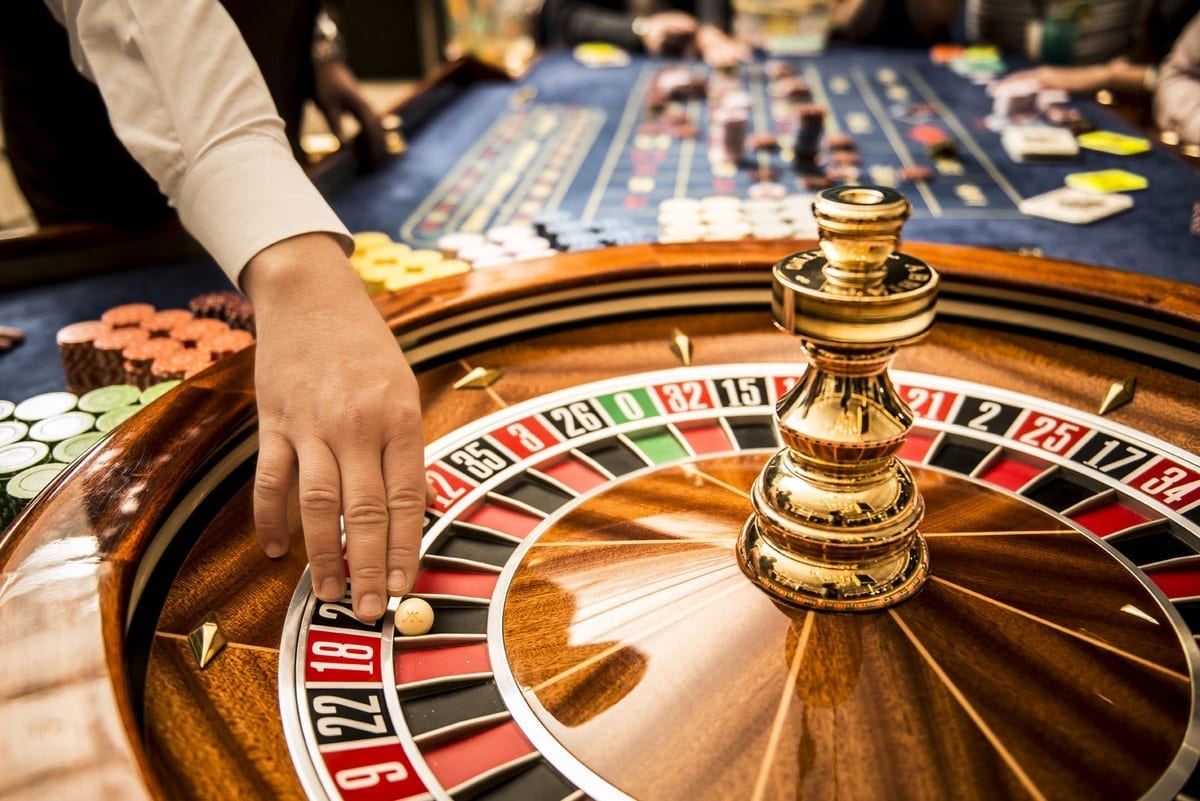
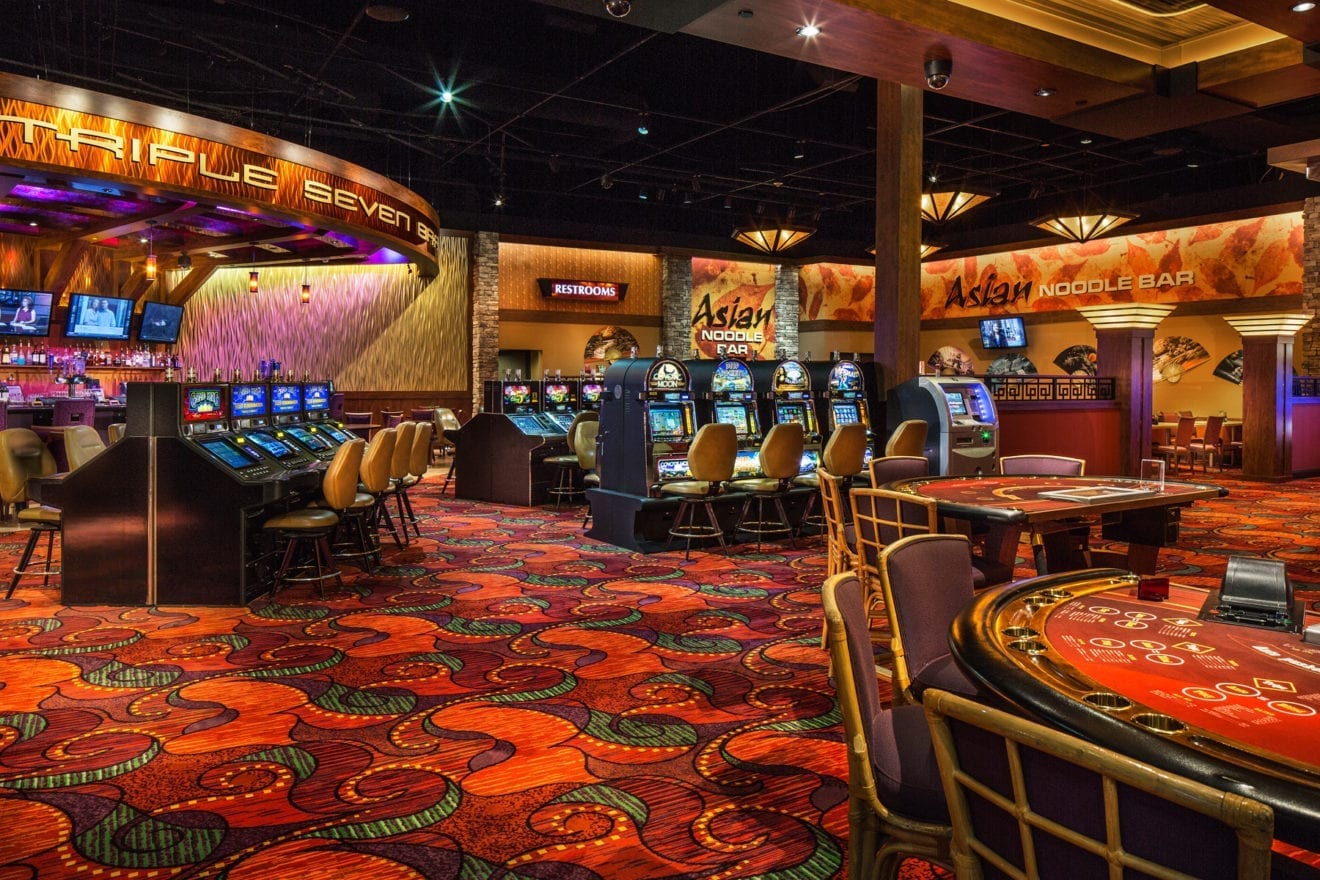
    Seven businesses have been licensed to operate casinos in Vietnam. Pham Ngoc Nam, deputy general director of Royal International Corp – the owner of a five-star hotel complex with a casino in Halong City, told the paper that the firm has been waiting for a guiding circular on the implementation of Government Decree 03/2017/ND-CP which allows Vietnamese passport holders to enter casinos.

    He said the decree allows Vietnamese people in casinos for a three-year period, but the Government has yet to issue official guidelines. The requirements for casino entry, especially income, are unclear.

    He said other casinos in Quang Ninh Province and other localities are in wait-and-see mode as well.

    That gamblers must prove their monthly income of at least VND10 million (around US$439) seems to be a tough challenge, said a representative of another casino.

    “Many casino goers are self-employed and wealthy but unwilling to apply for income certificates,” he explained.

    A representative of the Ministry of Finance said the Department of Banking and Financial Institutions is finalizing draft guidelines for the implementation of the decree on casino business. However, he refused to say when it comes out.

    The representative said the delay in issuing the guidance circular is unavoidable, as this is the first time Vietnamese gamblers have got the green light for entering casinos in the country.

    Many issues should be taken into careful consideration. Economist Nguyen Minh Phong shared the same view, saying that technically, the guidance circular should be available upon the promulgation of the decree.

    However, there is no precedent for this, thereby requiring careful preparation.

    The decree specifies Vietnamese citizens admitted to casinos must be at least 21 years old with regular monthly income of at least VND10 million or being subject to the third range of taxable income which is VND10-18 million a month under the Law on Personal Income Tax.

    The Ministry of Finance is responsible for providing them with application forms for these conditions.

    Gamblers will not be allowed in if their family members like parents, parents-in-law, spouses and children submit formal requests for preventing them from casinos.

    Besides, those who have violated national security rules or committed other crimes abroad resulting in more than three years of imprisonment will not be allowed in casinos.

    This includes those serving jail terms, with or without bail, or any other form of legal punishment.

  • Macau dining, retail recovering

    Macau dining, retail recovering

    Macau dining revenue is rising with more than half the city’s restaurants surveyed by the Statistics and Census Service (DSEC) reporting improved sales in January.

    And retail was also buoyant, with 53 per cent of retailers reporting increased January sales, up by 11 points from December.

    The data shows growth by 61 per cent of restaurants and similar establishments, up a substantial 27 points from December.

    However, 28 per cent of restaurants covered reported a drop revenue, down by 16 points from December.
    In retail, all leather goods retailers reported higher year-on-year sales.

    Restaurant managers say they expected slower business after the Lunar New Year, with 56 per cent anticipating increased or stable revenues for February. However, 44 per cent predict lower receipts.

    Retailers are also expecting less February business, the DSEC saying that only 17 per cent anticipate higher sales, an eight-point decline.

    For its Business Climate Survey, the DSEC covered 167 restaurants and similar establishments, as well as 135 retailers.

  • Philippines forges agri deals with Thailand in Duterte visit

    Philippines forges agri deals with Thailand in Duterte visit

    The Philippines on Monday signed agricultural deals with Thailand, three months before it scraps a quantitative restriction on rice imports under an agreement with the World Trade Organization (WTO).

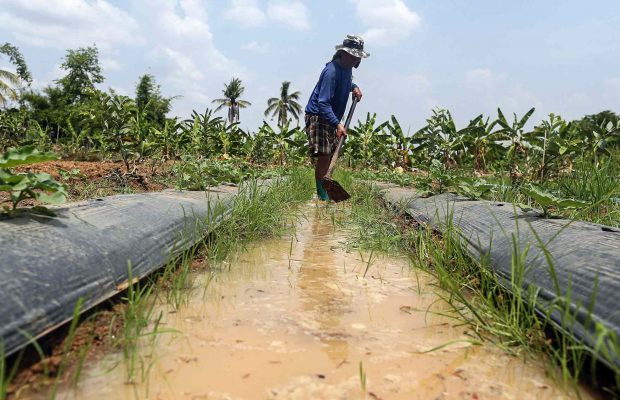
    The agricultural agreement encompasses information exchange concerning best practices in irrigation, livestock and fisheries, and technology for soil and water conservation, said President Rodrigo Duterte in a joint statement with Thai Prime Minister Prayut Chan-o-cha.

    “The Philippines and Thailand have vibrant economic relations with a trade value of almost $8 billion in 2016. We have yet to reach the limit of our potentials. That is why we also recognize the importance of cooperation in agriculture…our agricultural sector should drive national growth,” he said.

    Thailand is one of the Philippines’ primary sources of imported rice. In December, the National Food Authority (NFA) said private traders would import 284,780 tons of rice from Thailand. This is in addition to 250,000 tons that the NFA bought in August last year from Vietnam and Thailand.

    Agriculture Secretary Emmanuel Pinol said last year that he would need 2 more years to strengthen Filipino rice farmers’ capacity to compete with their peers in Vietnam and Thailand.

    While cheaper imports would bring down retail costs of the country’s staple grain, it would pose a threat to Filipino farmers’ livelihoods, because production costs in those countries are cheaper and output more plentiful.

    The Philippines is set to host the Association of Southeast Asian Nations’ (ASEAN) Second Meeting of the Joint Agricultural Working Group in 2019.

    Aside from agriculture, the Philippines also forged agreements with Thailand regarding tourism, and the promotion of exchanges that aim to enhance their capacities for science and technology.

    The two countries also agreed to ensure security and stability in the region, and address issues particularly terrorism, sea piracy, and illegal trafficking of drugs and people.

    They also stressed the need to maintain peace and stability in the region, including the South China Sea.

    “We emphasize the need for the full and effective implementation of the Declaration of Conduct of Parties in the South China Sea, and express determination to complete the Framework of the Code of Conduct in 2017,” Duterte said.

    Duterte visited Myanmar on Sunday, before he flew to Thailand on Monday.

  • Investors rush to apply for multi-billion dollar casino projects

    Investors rush to apply for multi-billion dollar casino projects

    The $4 billion Nam Hoi An integrated resort project wad restarted by VinaCapital after it found a new partner for the joint venture. The new investor is Chow Tai Fook Enterprise from Hong Kong.

    The project kicked off in 2007 and received an investment certificate in late 2010, but it was delayed for many years as the initial partner – Genting Berhard Malaysia — left in September 2012.

    The other huge project is Ho Tram Strip, a complex of five integrated resorts covering an area of 164 hectares along the Ba Ria – Vung Tau seashore. The project has registered capital of $4.2 billion of which $1 billion has been disbursed.

    Meanwhile, Singaporean Banyan Tree Holdings Limited is moving ahead with Languna Lang Co, capitalized at $1 billion in Hue City. The investor is following necessary procedures to obtain a license for a casino.

    Bloomberg news and Nikkei Asia Review reported that two leading Vietnamese real estate developers are planning to build two integrated resorts with casinos in Phu Quoc and Van Don in 2017. However, the scale of the projects and the detailed plan remain secret.

    Sources said G.O. Max I&D, a South Korean group, is considering investing $1.5 billion in a horse race complex in the north of Hanoi.

    Other projects in the same field, capitalized at less than $1 billion, are being considered by huge investors including Hong Kong’s Matrix Holdings, South Korea’s Global Consultant Network and Australia’s Golden Turf Club.

    George Tanasijevich from Las Vegas Sands, the world’s leading group in casinos, commented that foreign investors see great opportunities in the Vietnamese market.

    He said Las Vegas Sands is eager to develop a project in Vietnam, but this would depend on Vietnam’s policies on casino development in the future, referring to  uncertainties and risks in the next three years after Vietnam opens casinos to Vietnamese players on a trial basis.

    The recently released government decree stipulates that Vietnamese are allowed to go to casinos, but just for a trial period of three years.

    After the trial period, Vietnam will consider continuing to allow Vietnamese to gamble at casinos.

    The business performance of existing casinos (open only to foreigners) varies. While the casinos in border areas report good business results, the casinos in coastal areas depend on the number of tourists from China, South Korea and Japan.

    Running the only casino for foreigners in Ha Long City, Hoang Gia JSC repeatedly reported unsatisfactory business results. In 2016, the casino brought VND88 billion in turnover, but this meant a loss of VND36 billion because of the high cost price of VND123 billion.

  • Papua focuses on developing tourism in Biak and Supiori

    Papua focuses on developing tourism in Biak and Supiori

    The Papua administration has focused on developing tourism in the districts of Biak Numfor and Supiori.

    “So far, two regions have become a priority for tourism development, notably the districts of Biak Numfor and Supiori,” Ysh Is Matutina, head of the tourism office of Papua, stated here, Thursday.

    Tourism development has been carried out since 2016.

    Several tourist attractions and destinations in Supiori have been identified by the local tourism offices of Papua and Supiori.

    The development is aimed at attracting more domestic and foreign tourists.

    In Biak Numfor, the priority is to develop the Sausapor Beach. Several other tourist attractions and destinations are also being developed.

    Meanwhile, the number of foreign tourists visiting Biak Numfor District, Papua Province, increased to 3,399 people in 2016, as compared to 1,779 in the previous year.

    The increase was the result of intensified tourism promotion activities carried out by the Biak District administration, Enias Rumbewas, spokesman of the Biak Numfor district government, noted recently.

    Foreign tourists from Japan, the Netherlands, Australia, China, and several European countries, among others, visit Biak.

    The number of domestic tourist arrivals also surged from some 28 thousand in 2015 to 30 thousand in 2016.

    Among the existing tourist attractions in Biak are the World War II wreckage, maritime scenery, and its unique cultural diversity regularly showcased at the Biak Munara Wampasi festival.

    This year, the festival will be organized in July and will feature activities, such as traditional snap mor fishing, Mansusui boat race, and a visit to the Padaido/Aimando islands.

    The Biak Numfor district government has allocated funds worth Rp1 billion through the local Tourism Office to ensure the success of the cultural festival.

    Last year, the festival was held on Jul 1-4 to showcase traditional Japanese “katana” vintage samurai swords from World War II.

  • International Fish Force Academy Officially Opens

    International Fish Force Academy Officially Opens

    The International Fish Force Academy of Indonesia (IFFAI) has officially opened today on Thursday, March 16, 2017. The inauguration was attended by Maritime Affairs and Fishery Minister Susi Pudjiastuti and National Police Chief Tito Karnavian. “This [academy] is aimed at how to handle criminal cases,” said Minister Susi on Thursday, March 16, 2017.

    The IFFAI academy is a joint effort by the Ministry of Maritime Affairs and Fishery together with Indonesian National Police (Polri) and the 115 Task Force.

    Susi explained that IFFAI is an international-standard school to study about fishery related criminal activities. Fishery crimes are complex and not only involve fish theft. “It also includes human trafficking, forced work, and endangered animal trade.”

    Minister Susi revealed that it would require great skills in handling and a good coordination between agencies to counteract the problem. “Now, information sharing is outstanding in developing an international fisheries fish force,” Susi said.

    According to the head of research and human resource agency at the Marine Affairs and Fishery Ministry, Zulficar Mochtar, there are currently 24 investigators and public prosecutors from the Ministry, Police, Navy, and Supreme Court that are enlisted at the academy.

    Zulficar said that following new criminal modus related to maritime affairs, he hopes that the academy can produce law enforcers that are able to understand and analyze this sort of criminal activities.

    The other purpose of this academy is to continue to build an effective understanding and collaboration between law enforcement agencies and to produce agents of change in the field. Participants will be trained at Jakarta Center for Law Enforcement Cooperation (JCLEC) in Semarang.

  • South Korea Invests in Infrastructure, Electricity Projects

    South Korea Invests in Infrastructure, Electricity Projects

    The Investment Coordinating Board (BKPM) said that South Korean investors will invest in numerous sectors in Indonesia. BKPM chief Thomas Trikasih Lembong said in this week alone, several project agreements will be signed.

    “I’m expecting for several infrastructure and electricity projects to be signed this week. The value is about US$200 million (approx. Rp2.6 trillion),” Thomas said during the sidelines of the Indonesia-Korea Business Summit at the Shangri La Hotel in Jakarta, Tuesday, March 14, 2017.

    According to Thomas, many South Korean factories have opened in Indonesia, such as textile and footwear factories. The factories’ operation has employed more than 500,000 people.

    At the Indonesia-Korea Business Summit, the BKPM and the Korea Trade Investment Agency (KOTRA) signed a MoU as a way to promote investments between the two nations.

    “We hope this will help both Indonesian and South Korean companies in developing their business,” Thomas said.

    Thomas said that most of the country’s investments are in the manufacturing sector, accounting for 71 percent of their investment value from 2012 to 2016.

    The investments are aimed at both countries’ leading sector, and will cover areas including information exchange, documentation, publication, and others.

    South Korea is Indonesia’s third-biggest investor today after Singapore and Japan. From 2012 to 2016, South Korean companies invested a total of US$7.5 billion for 7,607 projects in Indonesia.

  • Samsonite eyes global traveler in China

    Samsonite eyes global traveler in China

    One of the world’s largest luggage makers Samsonite International SA is banking on e-commerce to fuel its China business, which is set to record 12 to 14 percent growth in the coming years.

    The company hopes to have one-third of its sales generated online by 2022 against 20 percent in 2016, said chief executive officer Ramesh Tainwala.

    With the explosion of online shopping and a wealthier population eager to travel, China may overtake the United States as its largest market in the short run, with sales likely to double in three to five years, Tainwala said at a media briefing in Shanghai.

    He said: “At the beginning of the e-commerce, the Chinese were buying online because it was cheaper. But now consumers are maturing, it’s all about convenience.”

    China is the world’s largest online retail market, with 36 percent of the population shopping online at least once a week, far outstripping peer buyers, according to a study by the International Post Corporation, a Brussels-based group that provides business-critical intelligence to its members who are part of the postal industry.

    To harness that growth, Samsonite has launched a “three-pillar” strategy for digital retail. One is to team up with Chinese business-to-customer sites like Tmall and JD. According to Tainwala, the two platforms combined claim 60 percent of Samsonite’s online sales. Another channel is the digital stores of shopping malls and department stores.

    The third step Samsonite is taking this year is to open its indigenous direct online shopping portal, attracting sophisticated buyers who wish to purchase bigger-ticket items via the brand rather than a third party.

    It has also utilized social media to guide traffic to brick-and-mortar stores. For instance, followers of Samsonite’s official WeChat account can sign up for a promotion event in a shopping center and get a discount coupon. Online marketing has helped woo customers and add another 5 percent of their offline sales, according to Frank Ma, a senior Samsonite executive.

    Seven of Samsonite’s nine brands have been introduced to China, ranging from entry-level American Tourister, namesake and contemporary luxury Samsonite, to the newly acquired Tumi, which targets up-market business travelers.

    The multi-brand approach has made online a critical battlefield to win buyers, especially those in lower-tier cities who have fewer opportunities to access physical stores and are taking outbound trips for the first time.

    Ma said: “Globalization has made travelling a lot easier. With simplified visa procedures, we see more first-time travelers from China going beyond borders. To this end, we have designed products tailored to their needs.”

    For instance, American Tourister and Kamiliant are the two affordable brands for these first-time travelers. A typical 20-inch Kamiliant case sells from 199 yuan ($28.9) on Tmall.

    Meanwhile, it has added new features to its most iconic business assortment, including a new hero backpack with three volumes, two check-in-sized spinners, and a brand-new spinner rolling tote.

  • Ex-Chelsea star Essien joins Indonesia’s Persib

    Ex-Chelsea star Essien joins Indonesia’s Persib

    Former Chelsea, AC Milan and Real Madrid midfielder Michael Essien has signed with Indonesia’s Persib Bandung, the club announced today, the highest-profile player to join a team in the country for years.

    The Ghanaian signed a one-year contract for an undisclosed sum to join Persib, which is one of the best clubs in the country.

    The 34-year-old had not been playing with a team since he left Greece’s Panathinaikos at the end of last season.

    “I will give my very best to Persib,” Essien, wearing a club shirt, told media at the team’s headquarters in Bandung.

    When asked what he knew about football in Indonesia, he conceded “not very much” but added that he had visited the country with Chelsea before.

    However the move to Indonesia could turn out to be a shock.

    Football in Southeast Asia’s biggest nation has been wracked by crisis for years, with an explosive row between the domestic association and government prompting FIFA to ban Indonesia from international competition in 2015.

    The domestic league ground to a halt for a while amid the row, but FIFA lifted the suspension in May last year and football in the country is slowly starting to recover.

    Foreign players have also been badly treated by Indonesian clubs, with at least two known to have died in recent years after going unpaid and being unable to afford medical treatment.

    Essien is the best-known international footballer to join an Indonesian side since the 1990s, when Cameroon World Cup star Roger Milla and Argentine World Cup winner Mario Kempes both played in the country.

    The Ghanaian said he was approached by teams from other countries, including Turkey and Australia, but he had been impressed by Persib, without giving further details.

    The club would not be drawn on how much they had paid for him.

    “The contract value is large because he is a former Chelsea player, I cannot reveal (the amount),” said Teddy Tjahjono, one of the club’s directors.

    Persib finished fifth in last year’s Indonesian Soccer Championship.

  • Hong Kong government to boost cinema numbers through land lease terms

    Hong Kong government to boost cinema numbers through land lease terms

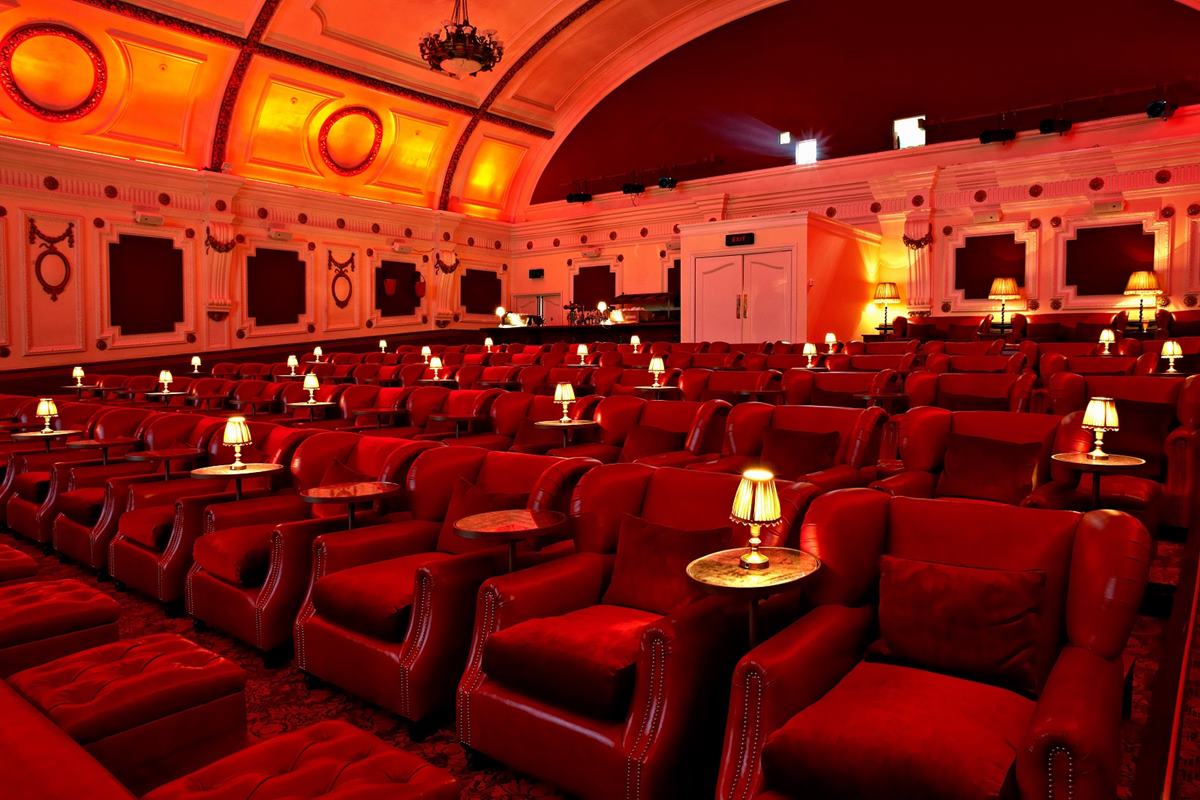
    It will be mandatory for two commercial sites earmarked for sale in Kai Tak and Sha Tin to include cinemas in their land leases, as the government attempts to shore up the creative industries amid soaring rents.

    Rules set a fixed number of seats for cinemas, while also stating that future modifications can only be made after seven years, and must be vetted by the government.

    Industry insiders welcomed the move, but a property advisor questioned if the market should be left to adjust on its own.

    Three years in a row, Chief Executive Leung Chun-ying has promised in his annual policy address to back creative industries by “facilitating cinema development through land sales and planning”.

    The idea came to a head on Monday when two sites planned for sale in Kai Tak and Sha Tin will make the inclusion of cinemas mandatory.

    “In identifying suitable land for the development, we believe that it will be more synergetic if we can find places where there are, for example, restaurants and cafes, together with shopping facilities,” Secretary for Commerce and Economic Development Greg So Kam-leung said.

    The exact locations of the sites were not known, but So added that the two plots of land would be up for sale in a few years “if everything went smoothly”.

    Asked how many cinema seats the government planned to impose in the land lease clause, the minister said studies remained at a preliminary stage and the final proposal would depend on the prevailing business environment.

    According to the Census and Statistics Department, revenue from cinemas doubled from HK$950 million in 2005 to HK$1.9 billion in 2015.

    The government would also look into the feasibility of a cinema complex at the Tourism Node in the Kai Tak development – a 5.9-hectare hub for retail, hotel and office purposes – as well as the West Kowloon Cultural District.

    Norman Chan Hok-yan, film director and lecturer at Baptist University’s academy of film, welcomed the move, saying cinema operations in Hong Kong have become increasingly difficult due to high rents.

    “The high land price policy undertaken by the government in recent years contributed to the falling cinema numbers,” he said.

    While there were now cinemas in 17 of Hong Kong’s 18 districts, Chan said most cinemas were smaller in size compared to the golden age of Hong Kong films in the 1970s and 1980s.

    “Back then there were seven to eight cinemas in Mong Kok alone, each accommodating 500 to 600 guests. Now most cinemas can hold 200 to 300 people only,” Chan added.

    But Helen Mak, head of retail services at property adviser Knight Frank, questioned if such a rigid requirement should be imposed.

    “Developers can always do the math and work out the best business model … the retail industry is always rapidly changing. Who knows what the market condition would be by the time these plots come up for sale?” she said.

    Asked about the recent closure of a cinema in Tung Chung, Mak said: “If it was popular, I’m sure the mall’s operator would not drive it out.”

  • Bali to intensify tourism promotion in Saudi Arabia

    Bali to intensify tourism promotion in Saudi Arabia

    The Bali provincial administration will intensify tourism promotion in Saudi Arabia following a vacation of King Salman bin Abdulazis al-Saudi on the island.

    “Logically, when their King came here, his people would also like to visit. Moreover, the royal family seemed to very much enjoy their vacation in Bali,” Cokorda Bagus Pemayun, secretary of the Bali tourism office, said here, Sunday.

    The Kings visit was fresh air for Balis tourism because there had been a difficulty in attracting Middle Eastern tourists to Bali so far, he said.

    He believed the Kings visit has changed a perception of the Saudi people about Bali, and therefore it would be a golden opportunity for Bali to explore the Saudi market.

    The fact that the King and his family decided to extend their visit to Bali showed that King Salman al-Saud and his family felt happy with their vacation in Bali, he added.

    King Salman bin Abdulaziz al-Saud left Bali for Japan on Sunday at 11:15 a.m. local time after enjoying an eight-day holiday on the island.

    The Saudi King was holidaying in Bali from March 4 to 12, after paying a state visit to Jakarta on March 1-3, which is considered to be historical as a Saudi king had lasted visited Indonesia 47 years ago.

    The Bali tourism official has seen the Kings visit as a major tourism promotion for Bali.

    Middle Eastern tourists are in general high spender, with an average spending of US$ 1,800 per person per visit, compared to US$1,2000 per visit by other foreign tourists.

    The Arabs usually spend 10.08 days per visit, which is also much longer than other foreign tourists.

    “They usually come during Hajj pilgrimage season and summer,” he noted.

    Over the last five years, the number of Middle Eastern tourists visiting Bali, has increased by an average of 38.7 percent a year, he remarked.

  • Ikea Hong Kong plans fourth store

    Ikea Hong Kong plans fourth store

    Ikea Hong Kong will open its fourth store in the second half of this year, parent Dairy Farm International has revealed.

    The new store will be located in Tsuen Wan.

    News of the new store was included in Dairy Farm International’s annual results released at the end of last week. A precise location was not revealed.

    The Hong Kong-listed multi-format retailer owns the Ikea franchises in Hong Kong, Indonesia and Taiwan. It will also open the Swedish furniture and homewares brand’s second store in Jakarta later this year.

    The expansion follows the opening of three new pick-up points in Hong Kong, Macau and Taiwan last year to provide more convenient options for its customers closer to home.

    “In parallel, e-commerce initiatives are being pursued by most of our formats to deliver a multi-channel shopping experience for our customers,” said CEO Graham Allan.

    Last year, Ikea launched its online offering in Hong Kong, Macau and Indonesia, and this was expanded to Taiwan in February 2017.

    Dairy Farm’s home furnishings division achieved record sales and operating profit during 2016. In constant currency terms, operating profit rose by 12 per cent to US$71 million driven by increased sales of $597 million, 6 per cent up on 2015. Sales and operating profit were higher than last year in all three markets. Like-for-like sales growth was particularly strong in Taiwan and Indonesia.

    “We continued to strengthen our low price image through ongoing price investment, and increased our focus on market specific products to enhance our local consumer appeal,” said Allan.

    “In the coming year, home furnishings plans both to continue its push in consumer accessibility.”

  • Indonesia, China cooperate to boost tourist arrivals

    Indonesia, China cooperate to boost tourist arrivals

    The Tourism Ministry, in cooperation with Chinese provincial tourism administrations, aims to raise the number of tourist arrivals from China by 50 percent to 2.1 million in 2017 from 1.4 million last year.

    The ministry’s director for Asia-Pacific tourism promotion, Vinsensius Jemadu, said that this year’s increase would be part of Indonesia’s target to attract 10 million Chinese visitors by 2019.

    “China is our strategic partner and main market for tourism. Therefore in the Tourism Ministry, China gets more than 50 percent of its budget for promotion,” he said in a meeting with Hubei tourism administration in Jakarta on Friday.

    Vinsensius further said that aside from cooperation with the Hubei tourism administration, the ministry had also established cooperation with China’s Hainan tourism administration.

    “Next month, Hainan Airlines and Capital Airlines can fly to Jakarta three times a week,” he said.

    Citilink, a subsidiary of national flag carrier Garuda Indonesia, was expected to fly to 17 cities in China from Tanjung Pinang in Riau Islands and Manado in North Sulawesi, based on the memorandum of understanding (MoU) signed by the Indonesian tourism minister in Beijing last year, Vincensius said.

    The ministry offers an incentive of US$15 (Rp200,895) or $20 per passenger to airlines and wholesalers bringing visitors to Indonesian destinations outside of Bali and Jakarta. In addition, the Transportation Ministry will provide licenses of direct flights and offer free parking and landing to aircraft from Chinese airlines.

  • Vietnam revives biofuel plan, sets national switch in 2018

    Vietnam revives biofuel plan, sets national switch in 2018

    After years failing to promote ethanol blended fuel, the government makes a big move to give greener products a better chance.

    After more than two years failing to promote a locally-produced biofuel product in major cities, Vietnam has announced an even more ambitious plan: a national switch.

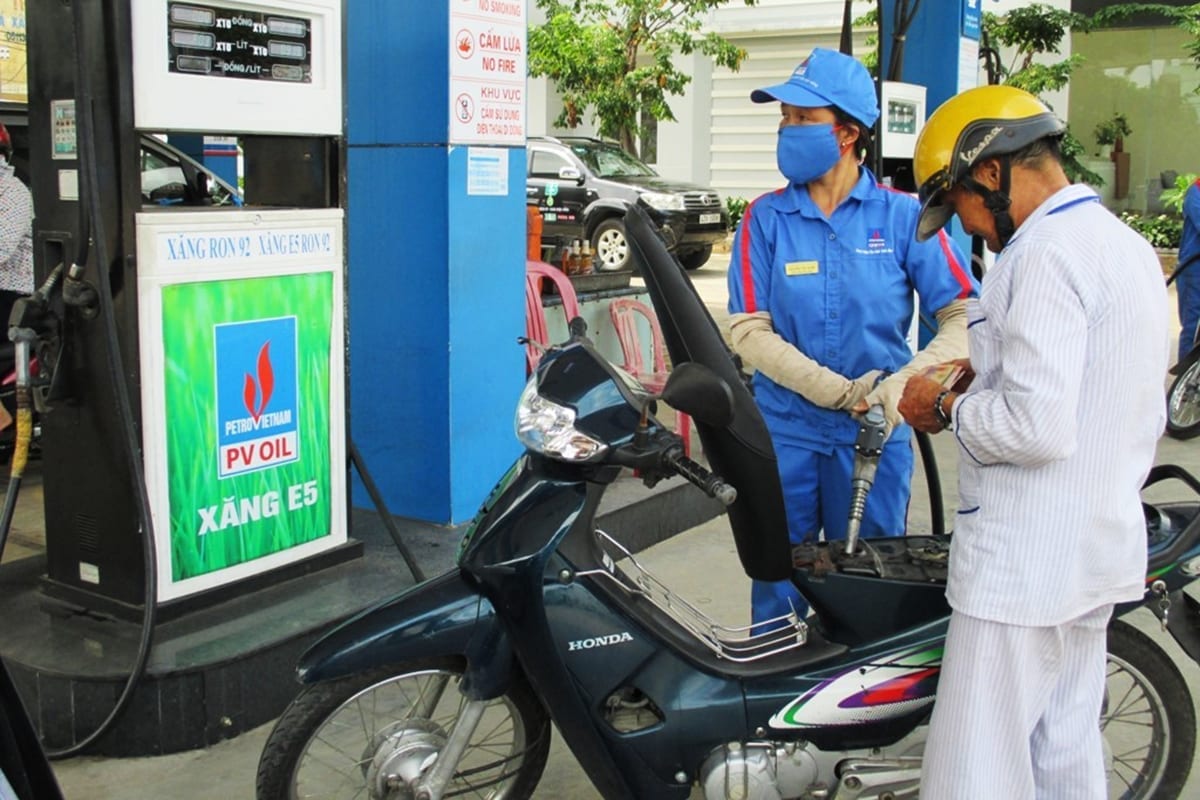
    The trade ministry said in a new report that it will make sure the 92-octane gasoline A92, currently the most popular grade in Vietnam, is phased out and replaced by the greener E5 in 2018, Tuoi Tre (Youth) newspaper reported.

    The ministry has reportedly ordered top fuel companies PV Oil and Petrolimex, both state-owned, to promote the use of E5. Five percent of the product is ethanol synthesized from cassava, hence the name.

    Studies conducted by the Hanoi University of Technology found that E5 is good for engines while producing fewer emissions.

    Vietnam had planned to make Hanoi, Ho Chi Minh City and some large cities switch to the fuel by the end of 2014. But somehow the product never caught on.

    Industry insiders said a national switch could be “impossible.”

    A member of PV Oil said the domestic supply of ethanol is 150,000 tons a year, which is enough to produce around three million tons of E5, while the demand would be more than 7.5 million tons.

    Government sources said two ethanol plants in the southern province of Binh Phuoc and the central province of Quang Ngai will resume operations soon.

    Fuel companies also said a complete switch to E5 also means they will have to invest in blending facilities specifically for the fuel, which could cost a lot of money and time.

    E5 is now less than 2 percent cheaper than A92. Retailers said the government should offer more tax incentives to widen that margin and make E5 more attractive.

    The more expensive 92-octane grade, A95, is favored by owners of newer vehicle models. It is more environmentally friendly than A92.