Category: Living

Retail News Asia is committed to providing both local and global retailers with the latest Living news throughout the Asian market. This on a daily base.

  • Hudson Travel bookstores launch at Chengdu Airport

    Hudson Travel bookstores launch at Chengdu Airport

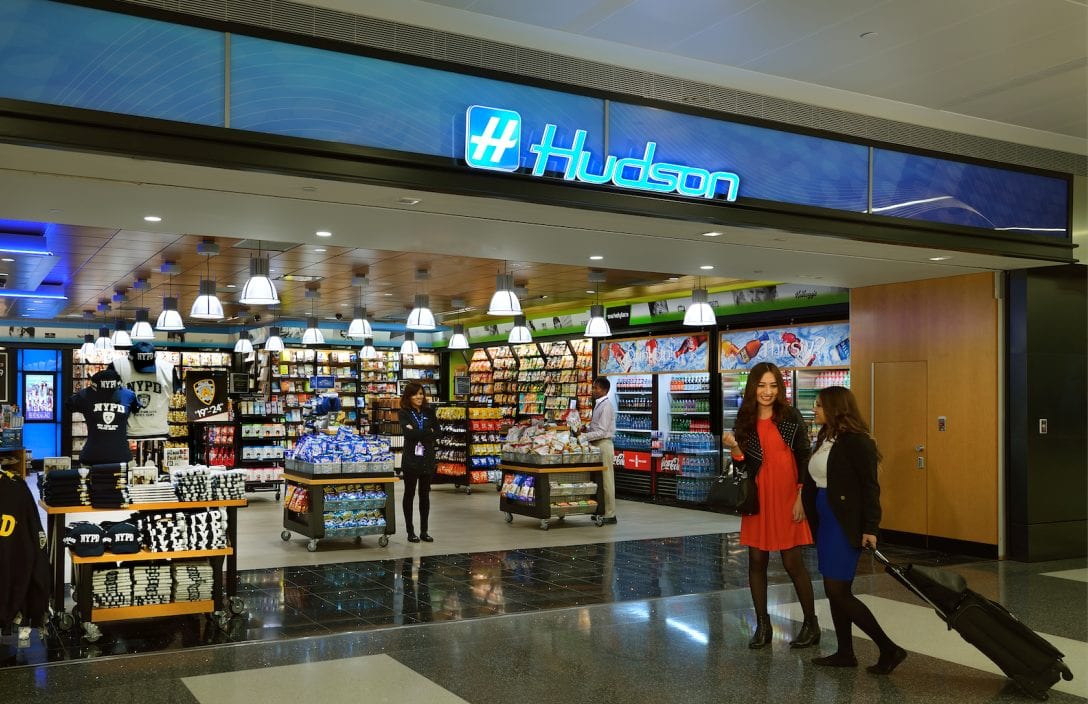
    Swiss travel retailer Dufry has launched the Hudson Travel Essentials Convenience Bookstore brand with eight outlets at Chengdu Shuangliu International Airport.

    The Hudson Travel bookstores are being run by Hudson Bright Power Beijing, a JV between Dufry and bookstore company Bright Power Beijing.

    Chengdu Shuangliu International Airport handled more than 44 million passengers last year, and is ranked as the fourth-busiest airport in China behind Beijing Capital International, Shanghai Pudong and Guangzhou Baiyun International airports.

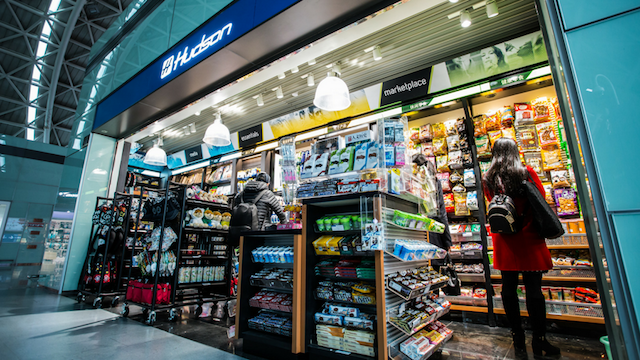
    The new Hudson Travel Essentials Convenience Bookstores offer travellers “one-stop shopping with an international ambiance”, says Dufry. As well as magazines and books, the shops offer international snacks and soft drinks, Chinese cultural and destination souvenir items, travel convenience products, and digital and electronics accessories.
    Dufry plans to roll out the Hudson brand across China and expand the retail concept globally.
    China is poised for significant growth in passenger numbers both at airports and railway stations, says the company.

    The Civil Aviation Administration of China says there were about 500 million air passengers in China last year, 13 per cent more than in the previous year.

    “With its remarkable number of passengers, Chengdu is the ideal starting point to further grow in China, which is a very attractive market for us,” says Dufry Asia/Middle East/Australia division CEO Andrea Belardini.
    “Besides the Hudson convenience stores, we are also able to offer our landlords a complete range of retail formats and solutions, from typical core categories to multi-brand formats such as sunglasses, fashion watches, electronics and leisurewear.”

    Bright Power was founded in 2005 as a book-publishing company, and has evolved from book wholesaling to magazine and book retailing. It has bookstores in four out of the 10 major Chinese airports and at six of China’s top 10 high-speed railway stations.
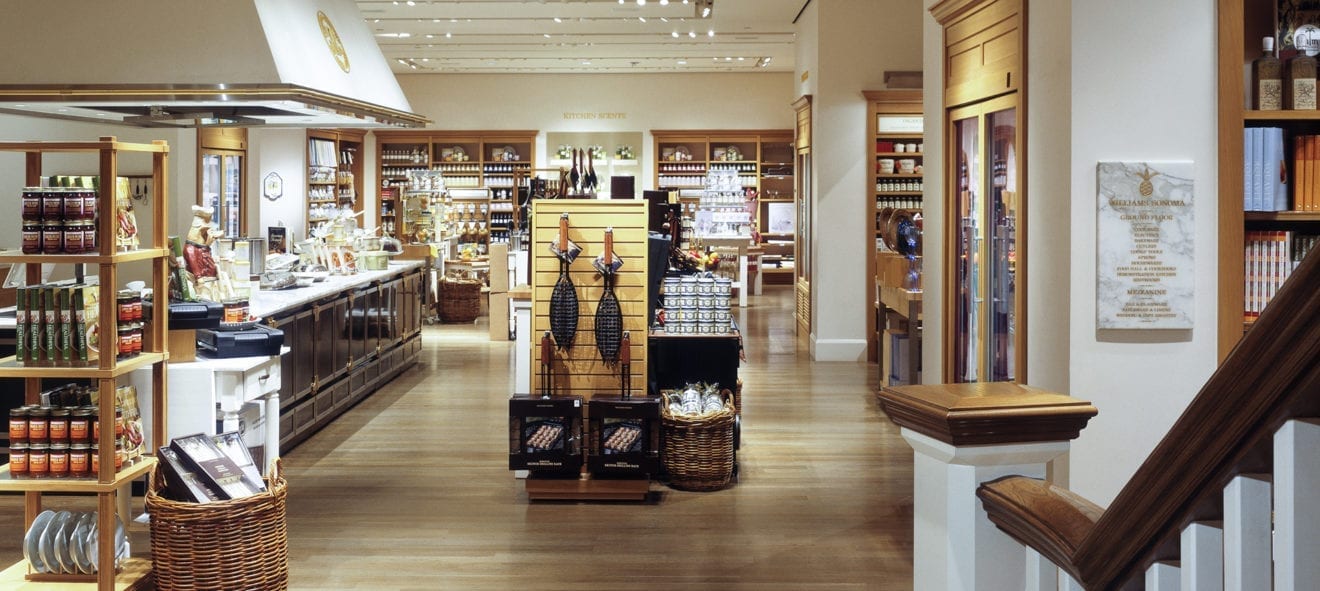
  • Williams-Sonoma South Korean partner appointed

    Williams-Sonoma South Korean partner appointed

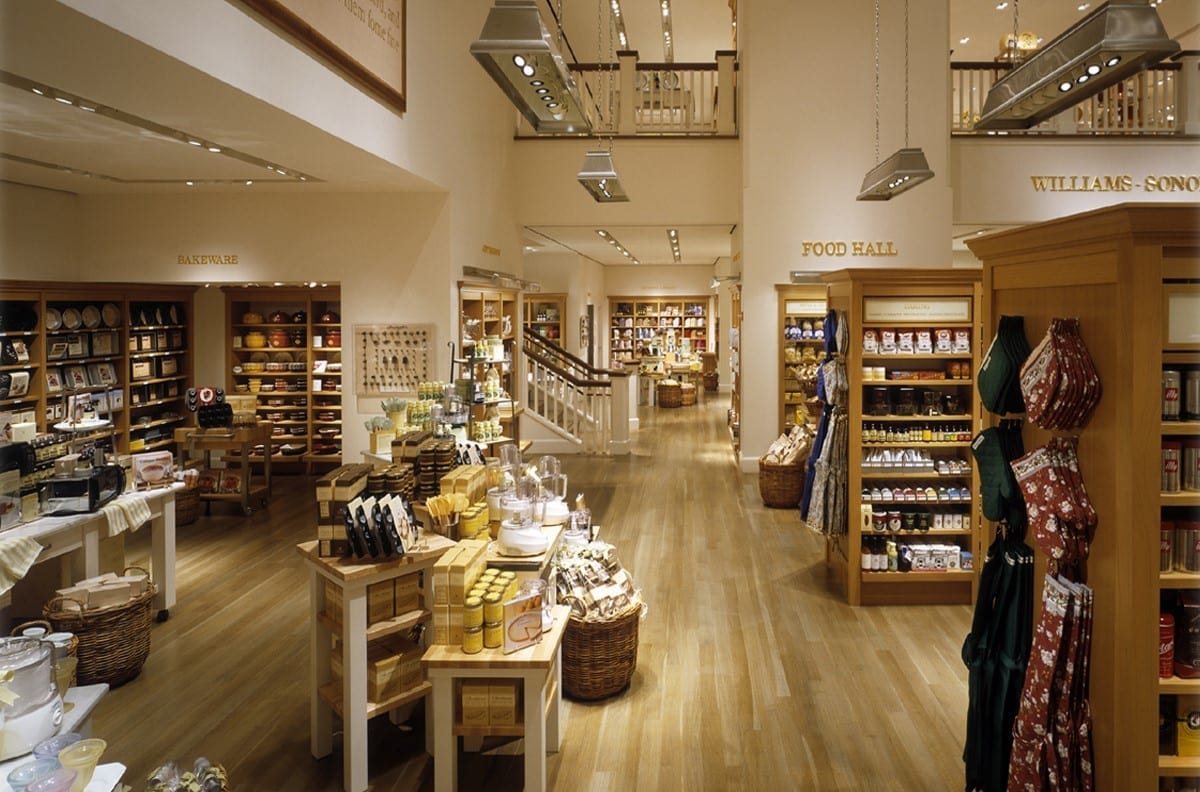
    Williams-Sonoma South Korea will launch in Spring after the US homewares brand appointed a local partner.

    Hyundai Livart Furniture, a leading Korean furniture manufacturer and distributor and an affiliate of Hyundai Department Store Group, will have exclusive rights to operate stores, shop-in-shops, and eCommerce sites for Williams Sonoma and sister brands Pottery Barn, Pottery Barn Kids and West Elm.

    Livart will open more than 30 stores in South Korea over the next decade across the four brands, the first of which are scheduled to open this spring, including a combined 924sqm Pottery Barn and Pottery Barn Kids store and a 700sqm West Elm store at the Hyundai City Mall Garden Five Mall, and a 297sqm Williams Sonoma store at Hyundai Department Store Mokdong.

    “We are pleased to announce our latest strategic global expansion with our new franchise partner, Livart,” said Laura Alber, president and CEO of Williams-Sonoma, Inc. “Livart’s market expertise and extensive retail footprint in South Korea will enable us to deliver the same high quality of service that we provide in the US and around the world. Livart is the best partner to help bring our brands to the Korean market,” she said

    Hwa-Eung Kim, representative director and CEO of Hyundai Livart Furniture, said the franchise agreement will help strengthen the company’s competitive advantage in the domestic premium home furnishings market by complementing existing Livart brands.

    “We plan to leverage our diverse distribution channels to expand strategically through Seoul and other major cities.”

  • West Elm owner enters South Korean market with new franchise partner

    West Elm owner enters South Korean market with new franchise partner

    US-based Williams-Sonoma, the business behind furniture brand West Elm, has confirmed that it has agreed a new franchise partner with Hyundai Livart Furniture Co. Ltd, expanding its South Korean presence.

    Hyundai Livart, a Korean furniture manufacturer and distributor and an affiliate of Hyundai Department Store Group (HDG), will have exclusive rights to operate stores, shop-in-shops, and e-commerce for brands in the Williams-Sonoma, Inc. portfolio including Williams Sonoma, Pottery Barn, Pottery Barn Kids and West Elm.

    Over the next 10 years, Livart is expected to open more than 30 stores in South Korea across four Williams-Sonoma, Inc. brands, with the first scheduled to launch this spring, which include a West Elm outlet at the Hyundai City Mall Garden Five Mall and a Williams Sonoma store at the HDS Mokdong branch.

    Laura Alber, president and CEO of Williams-Sonoma, Inc, said: “We are pleased to announce our latest strategic global expansion with our new franchise partner, Livart. Livart’s market expertise and extensive retail footprint in South Korea will enable us to deliver the same high quality of service that we provide in the United States and around the world.”

    Hwa-Eung Kim, representative director and CEO of Hyundai Livart, added: “This franchise agreement will help strengthen our competitive advantage in the domestic premium home furnishings market by complementing existing Livart brands, and we plan to leverage our diverse distribution channels to expand strategically through Seoul and other major cities.”

  • Indonesia to attend International Yoga Festival in India

    Indonesia to attend International Yoga Festival in India

    Through its Wonderful Indonesia brand, Indonesia will promote its vast tourism potential at the annual International Yoga Festival, due to be held in the Indian city of Rishikesh on March 1-7, 2017.

    To this end, the Indonesian Tourism Ministrys Deputy for International Marketing I Gde Pitana will be sent to head a delegation attending the event, the ministry noted in a press statement here on Tuesday.

    Pitana said promoting the archipelagos tourism sector in this “City of the Divine” of India is a strategic move, as Indonesia also has several interesting destinations for practicing the art of yoga, and India is a potential market, which has yet to be tapped optimally.

    At present, with its growing number of outbound tourists, India has become an important contributor of foreign visitors to Indonesia, he pointed out.

    Several factors that may have attracted them to visit Indonesia are related to the two nations cultural similarities and the archipelagos diverse tourist destinations. The increasing trend of Indian travelers visiting the archipelago is also driven by Garuda Indonesias Mumbai-Jakarta flight.

    With its diverse tourist destinations, Indonesia has plenty to offer to Indian travelers. Hence, it is necessary to implement various promotional strategies to attract more outbound tourists from the country, Pitana stated.

    “One of our efforts is promoting the Wonderful Indonesia brand in India,” he revealed.

    For the International Yoga Festival, Indonesia is sending a delegation, setting up a pavilion, as well as displaying and distributing the Wonderful Indonesia promotional materials, Pitana remarked.

    The Tourism Ministry is offering support to singer Ayu Laksmi from Balis Svara Semesta (Sound of the Universe) to perform at the worlds largest yoga festival in which yoga lovers from 110 countries are expected to participate.

    Laksmi and Semesta will perform at the opening and closing sessions of this annual event. During the festival, Indra Udayana, an artist and envoy of peace, and yoga instructor Anjasmara will also join the performers.

    “This event is expected to help boost the image of Indonesias tourism industry to offer greater exposure in India. This is indeed a good opportunity to attract more outbound tourists from India and other countries,” he noted.

    Meanwhile, the Tourism Ministrys Deputy Assistant of the Asia Pacific Market Development Vinsensius Jemadu stated that an awareness campaign package of the Wonderful Indonesia brand will be prepared for Indias electronic media.

    “We shall also dispatch a Wonderful Indonesia team and prepare attractive souvenirs for the visitors at the Indonesia Pavilion,” he noted.

    Bali will be highlighted at the event, as it is the main destination offered to Indians who have known the resort island as a popular place for yoga and spas.

    Promoting the Wonderful Indonesia brand in India is expected to strengthen the positive image of the archipelagos tourism sector and to attract more Indian travelers to visit Indonesia, Jemadu remarked.

    The Indonesian Tourism Ministry has noted that the biggest contributors of foreign tourists to Indonesia in 2015 were Singapore, with 1,571,982 visitors; Malaysia, with 1,247,270; China, with 1,141,330; Australia, with 1,051,141; Japan, with 528,465; South Korea, with 359,468; India, with 293,415; the UK, with 280,198; the US, with 263,429; and Taiwan, with 211,528.

    Referring to the countries of origin and number of foreign tourist arrivals during the period between January and October 2016, the five main contributors were Singapore, with 1,177,695 visitors; China, with 1,221,422; Australia, with 1,011,077; Malaysia, with 989,739; and Japan, with 434,352.

    As one of the largest economies of the G-20, India is regarded as a huge potential source of foreign tourists.

    The Ministry of Tourism is targeting 15 million international tourist arrivals in 2017.

  • Korean multiplex chain leads booming movie market in Vietnam

    Korean multiplex chain leads booming movie market in Vietnam

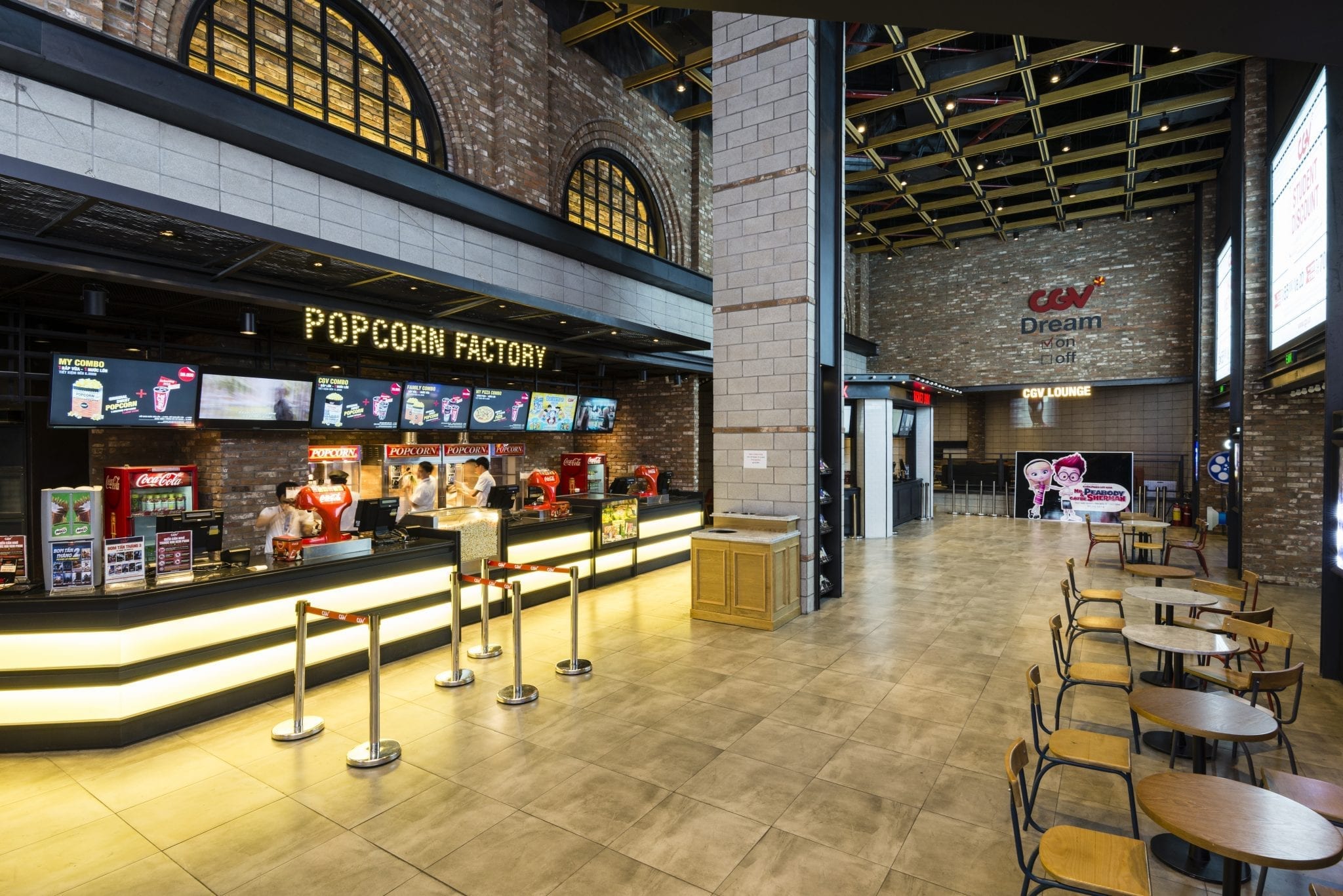
    CJ-CGV has quickly emerged as the dominant cinema chain with more than half of the market share. South Korean multiplex chain CJ-CGV, which currently has 38 cinemas and 247 screens in Vietnam, managed to triple its net profit last year to VND93.4 trillion ($4 million).

    The chain has aggressively expanded in Vietnam since 2011 when it spent $73.6 million to acquire an 80-percent stake in Megastar, one of the biggest local operators at the time.

    After the acquisition, CGV maintained an impressive growth rate with revenue hitting VND870 billion in 2012 and VND1.1 trillion in 2013, equivalent to year-on-year increases of 45 percent and 27 percent. The operator also reported substantial growth in net profit, generating on average VND120 billion per year; three times higher than the best achieved by Megastar.

    In the next two years, despite steady revenue growth, CGV recorded a significant decline in net profit due mainly to massive investments in new cinemas and foreign exchange fluctuations.

    Its 2014 revenue only matched 2013, and net profit tumbled by 40 percent to VND70 billion. In 2015, while revenue soared by 60 percent to VND1.76 trillion, net profit slumped by 55 percent to VND31.5 billion.

    CGV has established itself as the leading distributor in the country. It has won exclusive distribution rights to handle movie releases for giant film studios like Universal, Paramount, Disney and Warner Bros, and also topped the distribution rate for local movies.

  • China raises retail fuel prices

    China raises retail fuel prices

    China will raise the retail prices of gasoline and diesel for the second time this year as international oil prices increase, the country’s top economic planner said Tuesday.

    Both gasoline and diesel prices will rise by 50 yuan (7.3 U.S. dollars) per tonne from Wednesday, according to the National Development and Reform Commission (NDRC).

    Oil prices on international markets have risen since the Organization of the Petroleum Exporting Countries (OPEC) delivered more than 90 percent of the output cuts they agreed last year. However, higher output in the United States and other oil producers will lead to oversupply in the short term, according to the NDRC price monitoring center.

    International oil prices will continue to fluctuate between 50 and 60 U.S. dollars per barrel in the first quarter, the center predicted.

    Under the current pricing mechanism, if international crude prices change by more than 50 yuan per tonne and remain at that level for 10 working days, the prices of refined oil products such as gasoline and diesel in China will be adjusted accordingly.

  • Liverpool FC Indonesia support could bring investment to the city

    Liverpool FC Indonesia support could bring investment to the city

    Liverpool FC ’s massive fanbase in Indonesia could help bring investment to Liverpool according to Britain’s ambassador to the Asian giant.

    The Reds have millions of fans in the South East Asian nation. And that, says Moazzam Malik, could help the club’s home city as Indonesia looks to invest money around the world.

    Reds fan Mr Malik has been the UK ambassador to Indonesia since 2014 and is working to grow links between the UK and Indonesia in business, the creative industries, higher education, and sport.

    Asked what Liverpool meant to Indonesians, he said: “They know about Liverpool football, music and its port. They’re the three things that make Liverpool stand out for Indonesians.”

    And he added: “There’s so much potential in this market through football, not only to push football but to push a wider range of business partnerships and relationships.”

    Liverpool FC has an estimated 66.1 million followers in Indonesia according to research by SportsDNA in 2014. The club last visited the country on tour in 2013 when 90,000 people watched the Reds beat the Indonesia XI.

    It has one central Official Supporters Club in Indonesia, with 24 sub branches, which is one of the largest in Asia.

    The club’s Indonesian language website was launched in May 2013. Its Indonesian Facebook page launched in June 2013 and now has nearly 3 million likes.

    Mr Malik said: “They’re football-mad. There’s Liverpool alongside Manchester United, then Chelsea and Arsenal have big fanbases.

    “They (Liverpool) have got fan clubs in all the big cities. Membership is going great guns. They’ve got people in very prominent positions in Government and politics who follow LFC.”

    Mr Malik said LFC’s sponsorship deal with Indonesian airline Garuda had also “cemented Liverpool’s place in the popular psyche”.

    Why Indonesia?

    Mr Malik says Indonesia “is going to be a driver of the 21st century”.

    Indonesia is made up of more than 17,000 islands, including Java – home to the country’s capital, Jakarta – and the popular holiday destination of Bali.

    It’s the 4th most populous country in the world, with a population of more than 250m, and is the world’s largest majority Muslim country.

    A report this week from accountancy giant PricewaterhouseCoopers said Indonesia could grow to become the fourth-largest economy in the world by 2050.

    That means Britain is going to want to do deals with it, particularly after Brexit – and Liverpool is well placed to benefit.

    Mr Malik said Indonesians are interested in Liverpool’s experience in sectors including ports and logistics, advanced manufacturing, renewable energy and the creative industries. And he said Indonesia’s second city, Surabaya, was particularly keen to strengthen its relationship with Liverpool.

    He said: “Surabaya is a huge port city, Indonesia’s second-largest port. There are things they can learn from Liverpool. They can partner with Liverpool. In sports, creative industries and higher education, there’s a lot we can do.

    “I’m speaking to Mayor Risma, and she says she’s keen to come to Liverpool in spring.”

  • Is ‘50 Shades’ still too sexy for Vietnamese moviegoers?

    Is ‘50 Shades’ still too sexy for Vietnamese moviegoers?

    The erotic series once again faced a release hiccup in Vietnam, where censors are known for being tough with steamy scenes.

    “50 Shades Darker” and “John Wick: Chapter 2” could not have their premiere in Vietnam on Friday morning as planned as censors did not give their blessings.

    It is not immediately clear why the much-anticipated sequels were hold up, but “50 Shades” may be too sexy and “John Wick” too violent.

    Vietnam adopted a new film rating system in January, allowing censors for the first time to completely block out anyone under 18 from films rated “C18.”

    Nguyen Hoang Hai from CGV, the biggest cinema chain in Vietnam, said it did not receive permission to start showing “50 Shades Darker” on Friday morning. Screenings for the press were reportedly canceled earlier this week.

    Hai also said that the version intended for the Vietnamese market already “had several sex scenes cut” and that local theaters were also expecting an adult-only “C18” rating.

    CGV’s website began to list showtimes for both films again in late Friday afternoon.

    The first “50 Shades” film did not have so much luck either two years ago, when censors unexpectedly canceled all planned screenings. Then a so-called “Asian version” managed to hit theaters but moviegoers complained that there were no sex scenes left.

    Moviegoers were expecting less censorship when the authorities announced a new rating system with a series of age-based classifications C13, C16 and C18, besides P for general viewers.

    Before that, local cinemas adopted only two ratings – G for general viewers and NC16 for those above 16.

    But an industry insider told anonymously that new system apparently does not really change how a film is reviewed and edited. Officials from the Cinema Department still recommend precuts before officially assigning their ratings, the source said.

    Sex generally remains a controversial subject in movie and arts in Vietnam. In 2015, officials proposed banning all sex scenes that lasted over five seconds in local films and full-frontal female nudity. The proposal was not discussed after that due to strong opposition from filmmakers.

  • Soo Kee to add shine to Thai market in $1.2m joint venture

    Soo Kee to add shine to Thai market in $1.2m joint venture

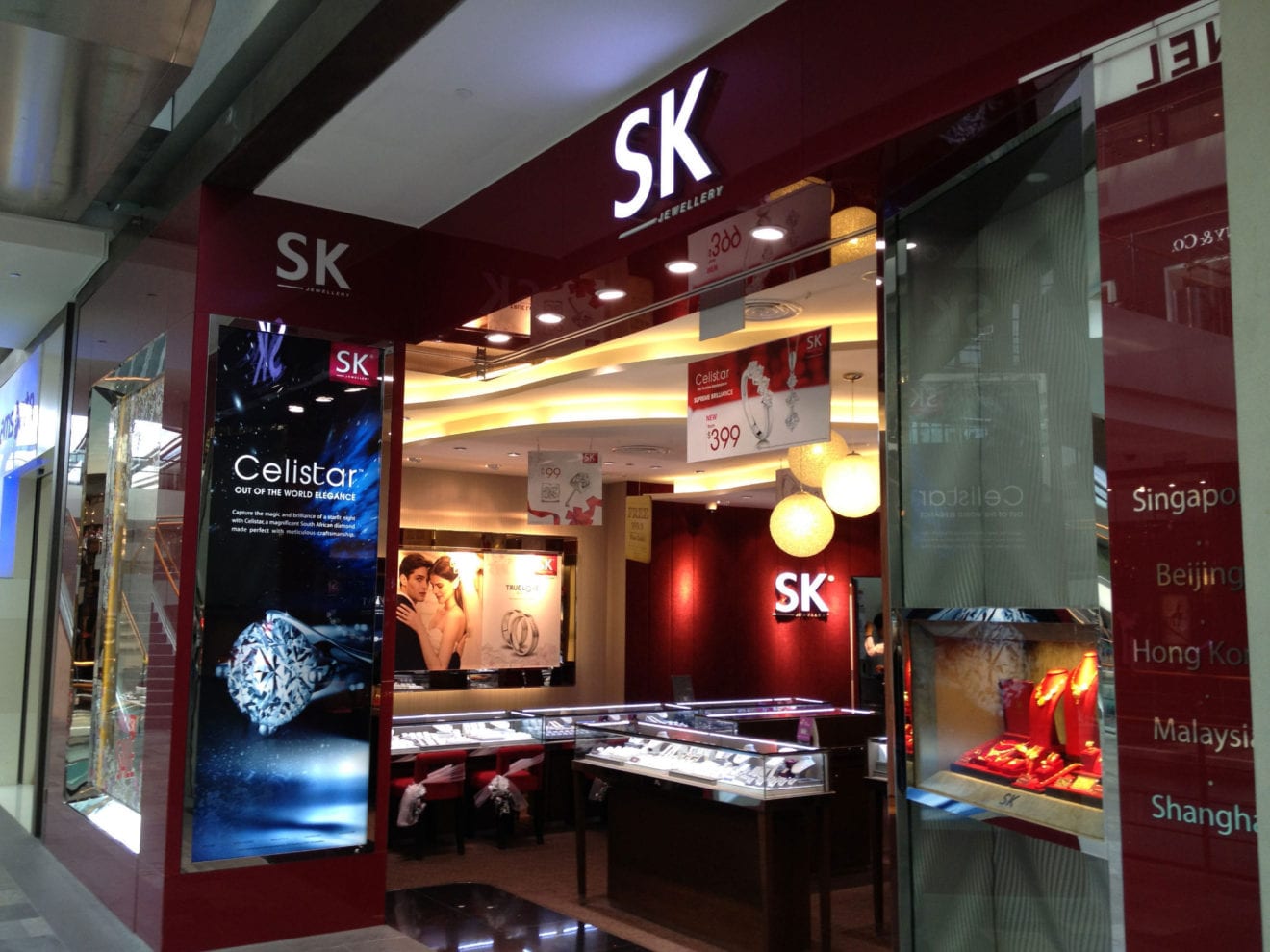
    Home-grown jeweller Soo Kee Group is setting up a joint venture in Thailand. The collaboration is with leading Thai jeweller Aurora Design and will be set up with an initial paid-up capital of 30 million baht (S$1.2 million). Soo Kee will hold a 40 per cent stake and Aurora a 60 per cent stake, according to a memorandum of understanding signed yesterday.

    The joint venture firm will sell gold and diamond products under Soo Kee’s Love & Co brand, which was set up in 2007 to focus on bespoke engagement rings and wedding bands.

    Soo Kee will also license and supply intellectual property rights, products and support. Group chief executive Daniel Lim said after the signing ceremony at Soo Kee’s Changi Business Park headquarters that the plan is to take the bridal jewellery concept to Thailand, where there is a gap in the market.

    “Thailand is a huge market for jewellery. It’s also highly fragmented as far as diamond consumption is concerned,” he noted.

    “There are no decent business concepts yet to capture the diamond market, which is similar to what it was like in Singapore 20 to 30 years ago when people traditionally bought gold and the diamond market was underdeveloped.”

    He noted that last year, the Thai jewellery market, mostly consisting of diamond and gold, was worth more than 76 billion baht.

    Soo Kee started talks with Aurora, which has more than 170 stores across Thailand, last year as part of regional expansion efforts.

    Mr Lim said the initial plan is to have 20 retail points in Thailand in the first five years. Soo Kee expects to break even after the first year.

    Mr Lim added: “We will target key cities and strategic locations as part of the first phase.

    “We’re looking at concept stores and depending on the location, there are also opportunities in high-end department stores, where we can possibly open boutiques within them to exploit their traffic flow and footfall.”

    Aurora chief executive Aniwat Srirungthum said the firms are looking at cities such as Bangkok and tourist hot spots such as Phuket and Pattaya.

    Mr Aniwat said: “We are confident of Love & Co’s market potential, and this will widen our product offering and strengthen our capability to grow our customer base.”

    Soo Kee also said yesterday that it will be the first Asian partner of The International Institute of Diamond Grading & Research, part of diamond giant De Beers.

    Soo Kee, whose other brands are Soo Kee Jewellery, SK Jewellery and SK Bullion, is keen on growing in the region.

    Mr Lim said: “Thailand is important to us, but we will not stop here. Thailand is also recognised as the most important bullion market in the region.

    “Be it in the form of gold jewellery or bullion, we see other possible opportunities in Thailand. We are definitely interested in the regional markets and are constantly looking out for new opportunities.”

  • CIR finds growth in Chinese travel to Japan and Thailand

    CIR finds growth in Chinese travel to Japan and Thailand

    Chinese outbound travel tilted in favour of destinations in Japan and Thailand in the 12 months to October 2016, according to CiR Business Lounge – creating more sales opportunities for duty-free and travel retailers in key airport locations in these markets.

    New research on the Chinese passenger by duty-free and travel-retail analyst and researcher, Counter Intelligence Retail, pointed to booming growth at Tokyo Haneda airport (HND) of +140% and +96% at Bangkok’s Don Mueang airport (DMK)) – both secondary airports to the two capital cities’ main hubs.

    Haneda’s triple-digit growth enabled the airport to break the one million barrier for international Chinese arrivals, while Don Mueang reached 1.18 million.

    The main hubs of Tokyo Narita (NRT) and Bangkok Suvarnabhumi (BKK) saw respective growth of +1.6% and +17.9%. While their growth was of a lesser scale, these bigger airports handled more absolute numbers of Chinese passengers than their smaller counterparts.

    Other strong airports for Chinese travel among the top 10 destinations were Japan’s Osaka (KIX) at +18.7%, while traffic to Singapore Changi (+17%) and Seoul Incheon in South Korea at (+16.2%) saw a return to growth. South Korea, traditionally strong market for Chinese visitors, suffered dramatically after the MERS virus outbreak in May 2015 but traffic to Incheon has recovered.

    There was less favourable news for duty-free and travel retailers in Taiwan and Hong Kong. Taipei’s Taoyuan International airport saw its Chinese traffic decline by -0.8% to 2.7 million international passengers in the 12 months to October 2016, while Hong Kong – the biggest hub for Chinese travel – was sluggish at +2.3% to 4.5 million.

    CIR president Garry Stasiulevicuis said: “From our CIR Business Lounge data it is clear that Japan and Thailand are the clear winners in the drive for Chinese passengers. The more settled political situation in Thailand has seen Chinese passengers return to the country in droves while Japan’s relaxation of visa regulations (in January 2015) has benefited Chinese travel to Japan.”

    Tokyo Haneda’s astonishing growth can be specifically attributed to the commencement of flights from three new routes out of China, coupled with huge uplifts in seat capacities by airlines already operating flights on this route.

    “It is worth noting that HND’s Chinese traffic boom has come despite the Japanese yen’s strong gains against the Chinese yuan from August 2015 to October 2016,” adds Stasiulevicuis. “Since November, however, the yen has fallen back somewhat which may open the door to even more Chinese travel to Japan.”

    The report is part of a new series from CiR on Chinese passenger shopper behaviours and traffic trends, including forecasts, which complements the newly available Chinese Shopper Tracker.

  • Vietnam to digitize medical records for all citizens

    Vietnam to digitize medical records for all citizens

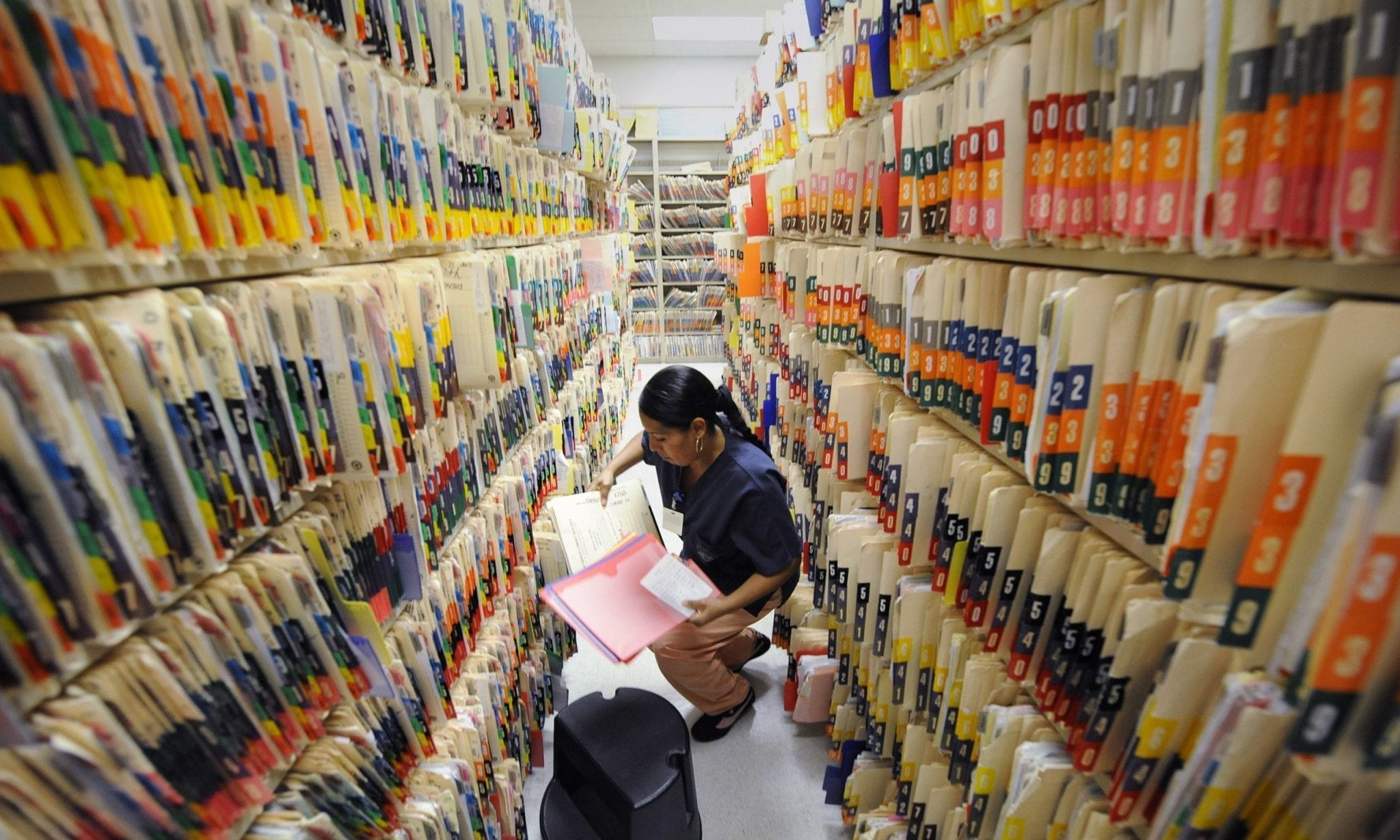
    The electronic system can be shared by healthcare providers across the countries to save time and money. The Vietnamese government has announced a plan to spend VND5 trillion ($220 million) on an ambitious project to create a nationwide system of electronic medical records.

    Under the plan, the government will still issue paper-based records to patients first but these will gradually be replaced by a digital system, built and run by the welfare agency Vietnam Social Security.

    The system, which will store personal medical records for all citizens, can be shared by health care providers to save time and money.

    Vietnam, like many other developing countries, is dealing with the double burden of infectious and non-infectious diseases, said Luong Ngoc Khue, a senior health official, adding that among non-communicable diseases, cancer has emerged as an alarming problem.

    Online personal health records can make it more efficient for doctors to make early diagnosis as well as easily monitor symptoms.

    The Vietnamese government has also announced a plan to issue electronic healthcare cards to all citizens to certify their rights to medical services anywhere, according to the government’s online news portal. With the new system, electronic healthcare registries in all 63 cities and provinces will be synced.

    Vietnam Social Security is in charge of developing a plan to sync health, social security and unemployment insurance into one single card.

  • Casinos open, but Vietnamese find it difficult to gain admission

    Casinos open, but Vietnamese find it difficult to gain admission

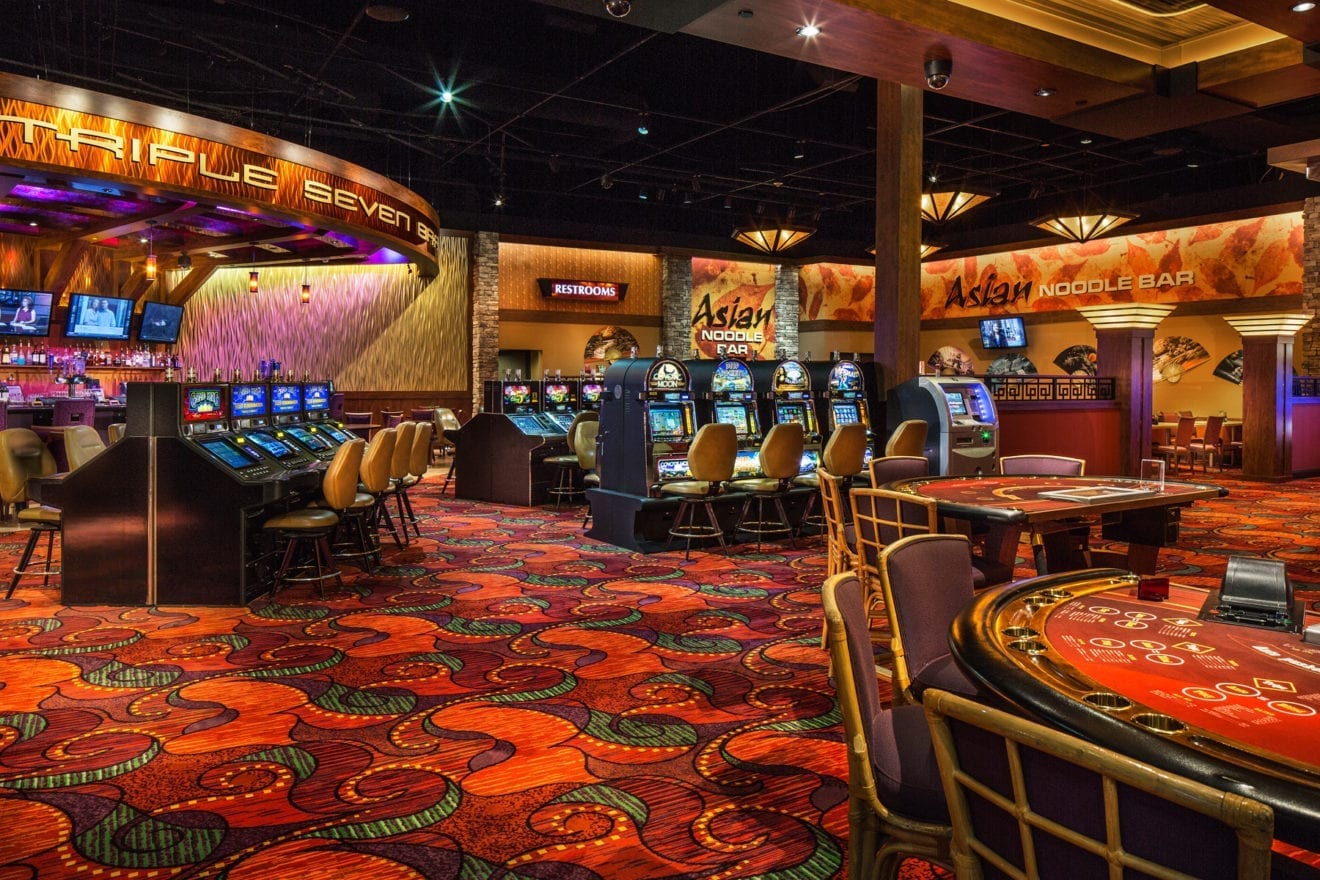
    From March 15, 2017, Vietnamese citizens will have the right to play at casinos licensed by the government. However, they must be 21 years old or above with “full capacity for civil acts of individuals” according to Vietnamese law, have proof of regular monthly income of VND10 million ($450), and be subjected to third-degree taxation according to the law on individual income tax.

    The admission ticket is VND1 million ($45) for 24 hour entry, or VND25 million ($1,126) per person monthly.

    Nguyen Hoang Hai, deputy chair of the Vietnam Association of Financial Investors (VAFI), warned that players would find it troublesome to follow procedures to prove their income.

    “There would be no problem for employees to prove their income, but it would be difficult for businessmen and freelancers to do this,” Hai said, adding that it is unclear what documents people have to show.According to the Ministry of Finance, about 70 percent of taxpayers are subject to first- degree taxation. The people subject to third-degree taxation are those with net monthly income of VND10-18 million.

    Hai said that strict requirements would not attract players. Meanwhile, in Singapore, the requirements on players at Marina Bay Sands are not too complicated: people just need to pay the daily fee of 100 SGD (VND1.6 million), or 2,000 SGD a year (VND32 million).

    Meanwhile, the gambling limit of VND1 million for 24 hours is described as ‘too low’ which cannot satisfy players. Ngo Thanh P, a young businessman in Hanoi, said the low limit would not attract real high-income earners. If so, the goal of increasing revenue from tax collection would be unattainable.

    The owner of a privately run business in Hanoi also said that the low gambling limit would keep successful businessmen and rich people away.

    “VND25 million a month won’t be able to satisfy them. They would rather go gambling abroad than go to domestic casinos,” he said.

    However, opinions about the issue vary. Ha Ton Vinh, an expert on casinos, while agreeing that it is a right decision to open casinos to Vietnamese, stressed that it is necessary to control them strictly.

    In South Korea, there are 17 licensed casinos, but only Kangwon Land is opened to domestic players. The casino is located in a remote area, hundreds of kilometers from Seoul. In Nepal and Cambodia, casinos are open only to foreigners.

  • Fewer sales, but more profit for Courts Asia

    Fewer sales, but more profit for Courts Asia

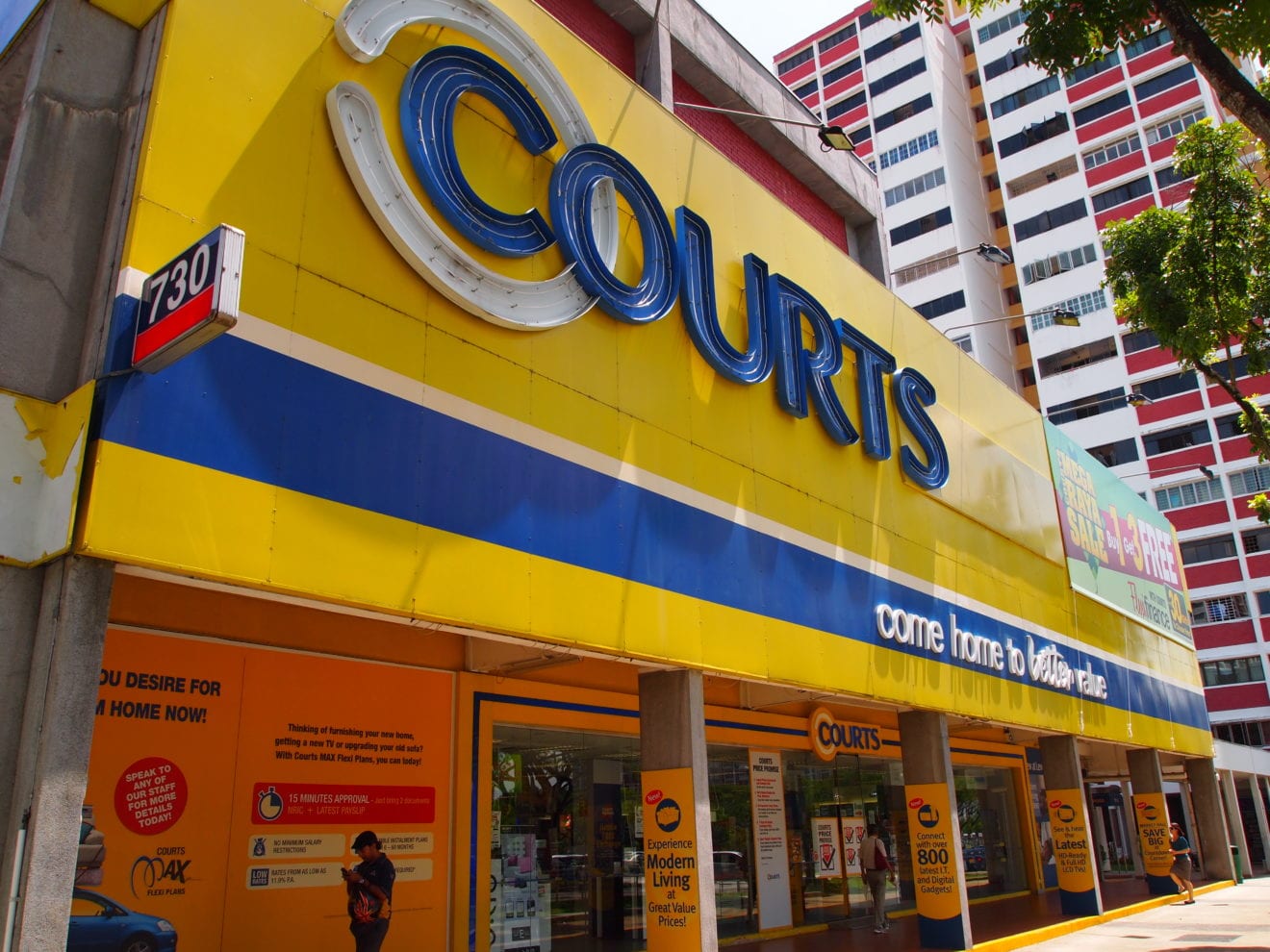
    Electrical, IT and furniture retailer Courts Asia reports 24.4 per cent growth in net profit to S$5 million (US$3.5 million) for the third quarter to December 31.

    This is despite revenue falling 8.6 per cent year-on-year to $187.2 million, attributed to lower corporate sales for digital products, coupled with the recall of the Samsung Note 7 smartphone.

    Courts Asia executive director/group CEO Terry O’Connor says the growth in profitability despite a lacklustre retail environment underscores the sustainability of the company’s cost-savings initiatives and productivity measures.

    “We were also able to achieve better gross profit margin of 33.1 per cent, compared to 29.7 per cent for the previous third quarter.”

    He says Singapore will lead the way for the group’s vision to be a regional omnichannel player by investing in the continuous improvement and innovation of its stores, both offline and online. “We will use Singapore’s e-store as the benchmark for improving the front-end experience and back-end capabilities for our Indonesia and Malaysia online stores.”

    Singapore revenue, which made up 66.8 per cent of Courts Asia’s top line in the quarter, slid 12.3 per cent. Revenue in Malaysia, which contributes 29.3 per cent of the group’s turnover, fell 5.9 per cent, while in Indonesia, still a relatively new market, there was a 104.3 per cent jump in revenue mainly because of new stores. O’Connor says Indonesia represents an “insignificant portion” of the group’s overall revenue at just 3.9 per cent.

    Group gross profit margins increased marginally to 33.1 per cent from 29.7 per cent the previous third quarter.

    Meanwhile, O’Connor says Courts Asia is seeking to achieve the right store portfolio balance in terms of number of locations or store format. In Malaysia, the company expects to increase its store base from 67 to 70 by the end of this financial year, while in Indonesia one store opened during the quarter, with its ninth outlet on track to open this year.

  • Vietnam to change landline codes in Da Nang, Hue this weekend

    Vietnam to change landline codes in Da Nang, Hue this weekend

    The country plans to change the telephone area codes in 59 cities and provinces, starting with 13 this Sunday. Vietnam will change the landline telephone area codes in Da Nang and 12 central and northern mountainous provinces from Sunday, the first step in a long-term plan to simplify the country’s telecommunications network.

    The codes will start with a “2” and be either two or three digits long. Callers will be required to dial the new area code (plus the 7-digit number) to place a domestic call.

    Also on the list are Quang Nam and Thua Thien-Hue, home to popular resort towns Hoi An and Hue.

    Later phases finishing in August will change the codes in another 46 localities including Hanoi and Ho Chi Minh City. The codes in Vinh Phuc (211), Phu Tho (21), Hoa Binh (18) and Ha Giang (19) in northern Vietnam will remain the same.

    Minister of Information and Communications Truong Minh Tuan said that people’s existing phone numbers will remain the same and there won’t be any changes to calls between fixed line numbers within the same province.

    However, the changes will affect calls between different provinces and incoming calls from mobile phones and foreign countries to a fixed line number in Vietnam, Tuan said. In these cases, callers will be required to use the new area codes.

    Vietnam constructed its first repository of phone numbers in 2006 after eliminating a monopoly in the telecommunications sector, but the area codes and network codes of the previous networks have been left unchanged to avoid confusion.

    The ministry hopes that the area code change will solve inconsistencies in Vietnam’s area code system without having a big impact on Vietnam’s telecom traffic and users.

    Reports on Vietnam’s telecoms sector show that inter-provincial calls and mobile and international calls to fixed landlines in Vietnam only account for 1.6 percent of the country’s total telecom traffic.

    The ministry said the changes will be the first step in a long-term plan to reduce the number of area codes from 63 to only 10. Under the plan, adjacent provinces and cities will be grouped into regions with one area code. This should make the telecom network easier to manage, while people living in provinces with same area code will enjoy lower call rates.

    Areas subject to telephone code changes from February 11:

    No. Province/City Old Area Code New Area Code
    1 Son La 22 212
    2 Lai Chau 231 213
    3 Lao Cai 20 214
    4 Dien Bien 230 215
    5 Yen Bai 29 216
    6 Quang Binh 52 232
    7 Quang Tri 53 233
    8 Thua Thien-Hue 54 234
    9 Quang Nam 510 235
    10 Da Nang 511 236
    11 Thanh Hoa 37 237
    12 Nghe An 38 238
    13 Ha Tinh 39 239
  • Vietnam plans to digitize healthcare cards

    Vietnam plans to digitize healthcare cards

    The electronic system will also make insurance payments faster and more transparent. Vietnam plans to issue electronic health security cards to its citizens verifying their right to medical services, the Government Office said on Monday.

    Just as a social security card shows that a person has a lifetime account used to calculate their pension benefits, the healthcare security card will make it more convenient for patients to access insurance plans and health care.

    The push to digitize the system is aimed at seamless healthcare delivery and insurance across the country.

    With the new system, electronic healthcare registries in all 63 cities and provinces will be synced together so that regardless of whether a cardholder changes their job, move to a different place or have pre-existing medical conditions, insurance plans will have to accept all cardholders.

    The electronic system will also make insurance payments faster and more transparent through digital transactions.

    The Vietnam Social Security Administration is in charge of developing a plan to sync health security, social security and unemployment insurance on one electronic card.

    About 75 million Vietnamese people, equal to about 81 percent of the population, have registered for the national health insurance program. The government aims to lift healthcare coverage to 91 percent of its population.

    However, it is still unclear about how the government will prevent the fraudulent use of the cards or how they will protect the privacy of patients and their medical records.

    Vietnam is also working on electronic immunization records that will make it easier to track vaccination data and make sure children get their shots at the recommended ages.