Category: Living

Retail News Asia is committed to providing both local and global retailers with the latest Living news throughout the Asian market. This on a daily base.

  • Dotty Bee founder looks to sell

    Dotty Bee founder looks to sell

    Katherine Brady, founder of online baby bouquet retailer Dotty Bee, is to sell the business ahead of leaving Hong Kong.

    Dotty Bee was established in 2011 and has since expanded into Singapore and Spain, with potential to add other markets. Beside online sales, the company has retail clients including Toys R Us, Babies R Us, Eugene Baby, Bumps to Babes, Partytime and the Hong Kong Design Gallery. It is listed on 26 online marketplaces.

    dotty-bee-baby-sooq-0977

    “It is sad to be selling as it is still a growing business. But I believe it needs to stay in Asia and so have come to the decision to sell as I will be going to the UK or Australia where the concept is already established by other companies,” Brady said.

    Brady founded Dotty Bee while working part time as a marketing consultant. After exhausting sightseeing options, she looked for something “a little more productive to do” with her mornings.

    The concept – selling flower bouquets made with baby clothes to parents and retailers for sale as gifts – is based on a similar concept in the UK, but adapted to the Asian market.

    “When a new baby arrives you want to celebrate and spoil them – a baby clothes bouquet can do both. It has the wow factor when the new parents open the gift and includes useful items of baby clothing, a perfect gift combination,” says Brady.

    “I bought similar products over from the UK to test the market first. After there was interest I looked into finding a manufacturer who would do my own brand and designs.”

    She found that company in Shanghai – along with a machine which rolls the clothing into tight  flower buds from which the ‘bouquets’ are created.

    dotty-bee-bouquet-2

    She credits a background in marketing for helping keep the start-up costs modest.

    “I qualified as a graphic designer so did all my brand, packaging and website design myself. I worked in a marketing agency and so I knew how to do basic SEO and market the company.

    “When I received my own brand products is when the company really took off. Due to lower product costs I could then approach retailers, do promotions and work with other affiliates. Before them I just sold on my own website.”

    Awareness gradually built, but Brady recalls while word of mouth is great in Hong Kong, it does take time.

    “I worked on getting featured in magazines, online magazines, blogs. Getting a social media following. The only advertising I pay for is Google Adwords. I found other advertising does not give me a good return on investment.”

    Dotty Bee has deliberately eschewed physical shops, even pop-ups.

    “Due to the high rent costs in Hong Kong I have not even entertained the thought of a physical store. As we are stocked by a lot of retailers all over Hong Kong customers are never far from a store that has our product, so I do not see the need or desire to have one – and I sure wouldn’t want the stress.”

    Brady says she is in talks with several potential buyers for the business, but is still seeking expressions of interest.

  • Vietnam’s Flappy Bird creator is back with a new Ninja game

    Vietnam’s Flappy Bird creator is back with a new Ninja game

    The unexpected success in 2014 has turned Nguyen Ha Dong into a star of Vietnam’s startup scene in recent years. Just one week after its debut, the latest mobile game from Nguyen Ha Dong, the creator of Flappy Bird, has become the new addiction of many people around the world.

    The fast-paced Ninja Spinki Challenges has won many positive reviews from users on Apple’s App Store and Google Play.

    The new game, which is free, is a collaborative effort between Nguyen Ha Dong’s Gear studio and Japanese game maker Obokaidem.

    Staying true to the familiar 8-bit style found in Flappy Bird, it requires game players to have a good mix of dexterity and fast reactions to tap and swipe through levels.

    “The game is entertaining and brain-teasing at the same time,” said Huy Can, a gamer.

    “What should I do when it comes to the point of frustration?” a player asked sarcastically, referring to the game’s difficulty.

    Flappy Bird was released in May 2013 with little fanfare. By February 2014, the sleeper hit topped the charts in more than 100 countries and had been downloaded more than 50 million times. Dong reportedly earned an estimated $50,000 a day.

    The Vietnamese government has seen successes like Flappy Bird as an encouraging sign. It is trying hard to cultivate a startup scene where tech entrepreneurs can create products and services that will go global.

    The overnight success of Flappy Bird seemed to overwhelm its creator, who later decided to pull the game from the app stores.

  • Waterstones faith finally changes

    Waterstones faith finally changes

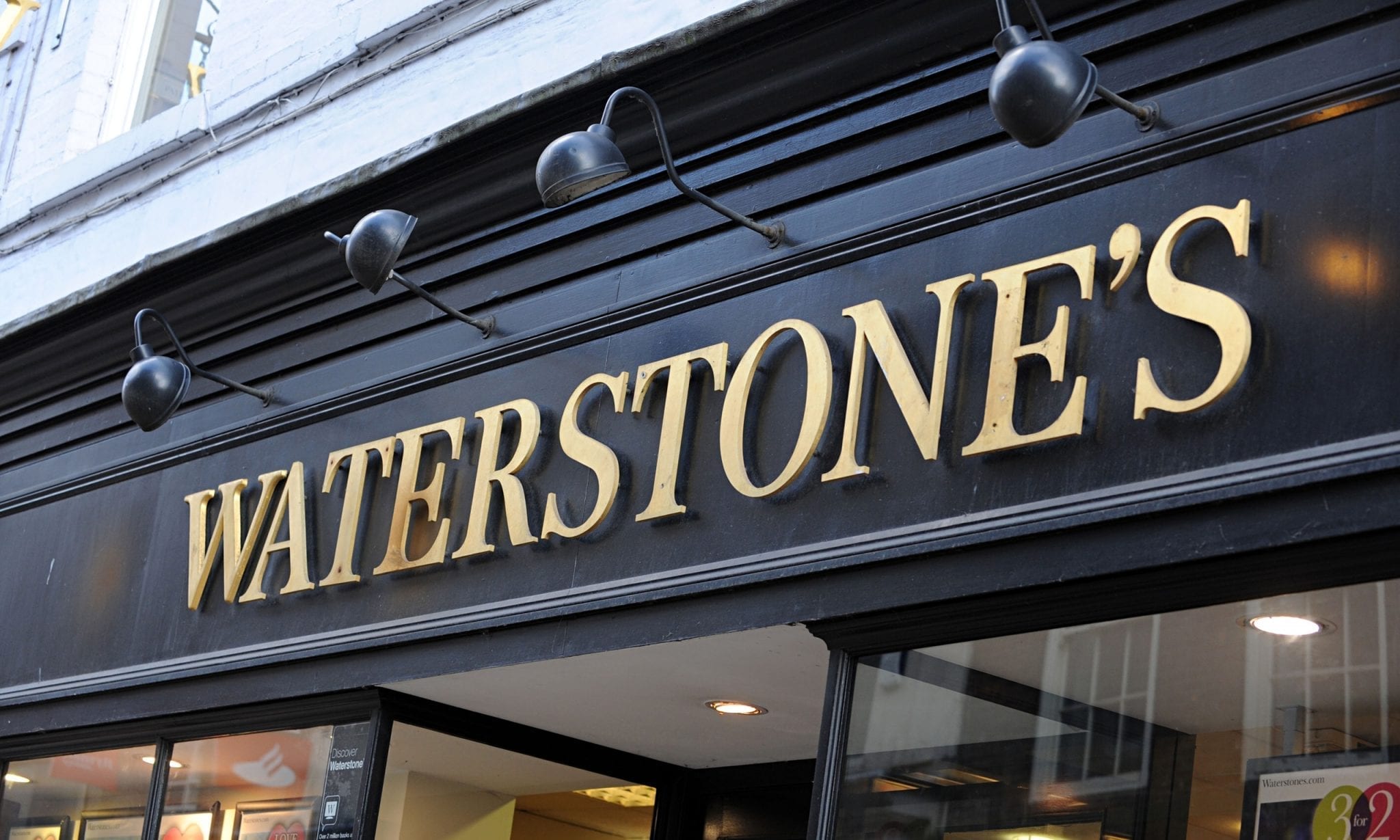
    UK bookstore chain Waterstones has posted its first profit in seven years.

    The return from the red comes after the company reviewed its network, closing six stores and opening seven. It has invested £9 million over the last year (on top of £8.3 million in 2015) to refurbish stores, including opening cafes in 46 of them.

    Mostafa Abd El Haleem, an analyst with GlobalData, says the cafes allowed the retailer to differentiate itself from its competitors.

    The return to profit also reflects a recovery in the book market after a period when it struggled to compete with online retailers and the growth in eBooks.

    “Waterstones has widened its product offering, benefiting from the growth of children’s books, seeing a 25 per cent rise in sales since 2010, with titles from Patrick Ness and Katherine Rundell performing particularly well,” says El Haleem.

    “The future for Waterstones looks brighter than it has for some time. E-books no longer pose the sort of digital threat that continues to devastate physical music and video sales, as consumers spend less time on e-readers in favour of mobile phones.”

    He said physical book sales continued to grow in the UK in 2016, “and we expect Waterstones to have been a key beneficiary of this”.

  • Korean motorists pay high oil taxes

    Korean motorists pay high oil taxes

    South Korean motorists pay much higher oil taxes than their counterparts in the United States and Japan, a report said Monday, sparking calls for the government to lower them.

    According to the report by online crude price provider Opinet, gasoline prices in South Korea averaged 1,455 won ($1.28) per liter in December last year, with taxes accounting for 62.3 percent of the price, or 905.75 won.

    In January, the proportion of taxes dropped to 60 percent in line with rising gasoline prices.South Korea imposes a flat sum of three different taxes on petroleum products, including transportation-energy-environment and education taxes. Also added are an import levy of 16 won per liter, a tariff equivalent to 3 percent of crude prices and a value added tax amounting to 10 percent of the retail price.

    An industry source said that the percentage of taxes to gasoline prices has remained in the 60 percent range since 2014, when international crude prices entered into a low-price phase.

    Taxes account for a far greater share of retail gasoline prices in South Korea than in the U.S. and Japan. In November, the portion of taxes stood at 61.5 percent for South Korea, while comparable figures were 52.9 percent for Japan and 20.9 percent for America.

    Some experts call on the government to reduce oil taxes that are “excessive and irrational,” which they claim has resulted in mass production of ersatz oil products.

    Others argue that the current oil tax system should remain intact because South Korea relies entirely on imports for its oil needs and a cut would run counter to government efforts to reduce greenhouse gases and fine dust.

    The government has started research on revising the current oil tax system, but a finance ministry official said nothing has been determined yet.

  • Indonesian Tourism Industries Support Visa-free Policy

    Indonesian Tourism Industries Support Visa-free Policy

    Indonesian tourism industries have expressed support to the adoption of visa-free policy by the government so far, citing positive impact on the tourism sector.

    The general chairman of the Association of Indonesian Tourism Industries (GIPI), Didien Junaedy, said here on Saturday (Feb. 4) that the adoption of the policy is essential to boost tourism in the country.

    He said that the policy has been proven to significantly increase the arrival of foreign tourists in their countries.

    Through Presidential Regulation Number 21, 2016, the Indonesian government has provided visa-free facility to visitors from 169 countries for a short visit.

    The regulation was produced in March 2, 2016, and so it is not yet a year old. According to me, the evaluation should be done after two years of its implementation,” he said, adding that it would take several months to familiarize.

    Junaedy added that tourism industrialists grouped in GIPI have seen and felt the positive impacts of the policy.

    He stated that consistency in the implementation of the policy would be needed with regard to building public trust in foreign countries.

    Supervision on the other hand, however, is also needed to minimize possible violations of the regulation, he noted.

    “GIPI has planned to gather tourism industrialists eight times in the first semester this year to strengthen its support for the implementation of the Presidential Regulation Number 21,” he asserted.

    Junaedy admitted that there had also been negative excesses coming from the policy, such as visa overstay problem and illegal worker problems.

    “Their number however is relatively small compared to millions of foreign tourists visiting Indonesia legally, like in other countries that implement the same policy,” he added.

    He also said that the negative impacts of the policy must be overcome, and solution to the problems must be found through joint efforts.

    “We must not blame each other over trivial problems but must cooperate to overcome them,” he stated.

    He said that the visa-free policy has so far been one of the strong factors that has played a major role in meeting the target of foreign tourist arrivals, which was set at 15 million this year and 20 million by 2019.

  • Vietnam formally legalizes sports betting

    Vietnam formally legalizes sports betting

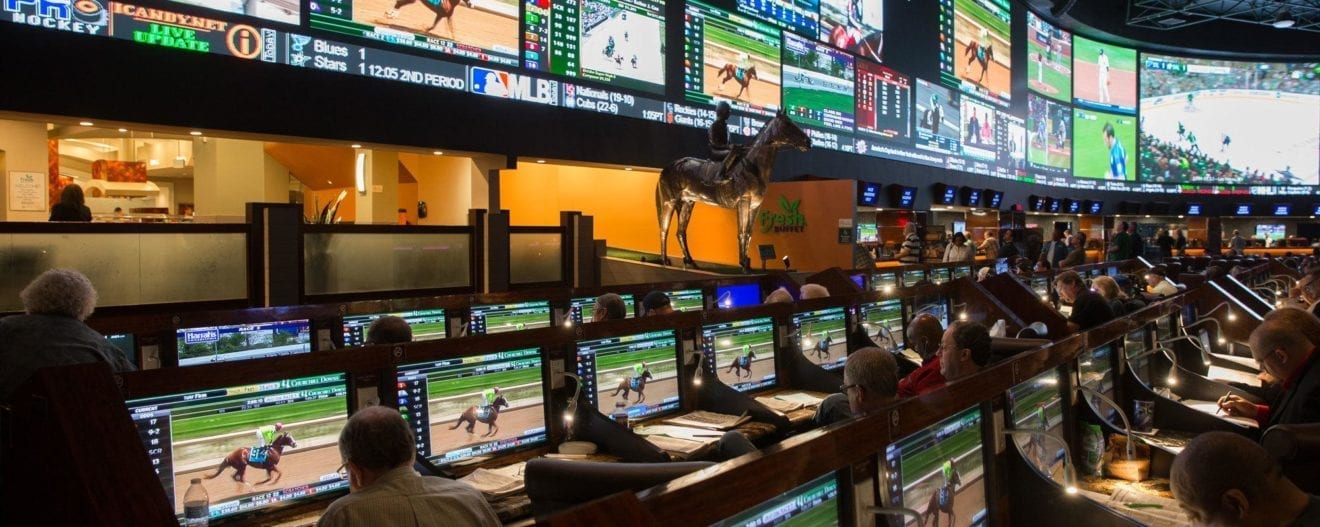
    After years of deliberation, Vietnam has finally made a historic decision to legalize sports betting. A new decree released on the government’s official website on Friday will allow citizens to bet on international soccer games and horse and greyhound races starting March 31.

    The minimum bet value is VND1,000 (4.42 cents) while the daily maximum limit is VND1 million ($44).Online betting is out of question for now. Only those above 21 years old are allowed to gamble and bookmakers have to be at least 500 meters away from schools and public venues for children.

    The decree only allows betting on international soccer games recognized by the governing body FIFA and approved by Vietnam’s sports ministry.

    Operators of bookmaking businesses will have to meet strict capital requirements: VND1 trillion ($44.2 million) for horse racing and soccer and VND300 billion ($13.2 million) for greyhound. A bidding process will be held to select one soccer betting provider for a five-year trial phase.

    Officials started working on sports betting rules in 1999 but debates after debates delayed the legalization.

    Vietnam now has one greyhound race course in the southern beach town of Vung Tau. A $100 million horse race course will be opened in the southern province of Binh Duong in April. Hanoi will also build a horse racetrack, a $500 million project that has been delayed for some time.

    The government last month also said it would allow citizens over 21 years old with a monthly income of at least VND10 million ($445) to hedge bets in local casinos from mid-March under a three-year pilot program, breaking a long-year ban of gambling among locals.

    All these recent moves show the government has shifted its stance on gambling, once considered a “social evil.”

    Many locals have broken the long-running gambling ban, creating a lucrative illegal industry for online betting. A number of online operations have been busted in recent years.

  • Vietnamese to be permitted to gamble in casinos

    Vietnamese to be permitted to gamble in casinos

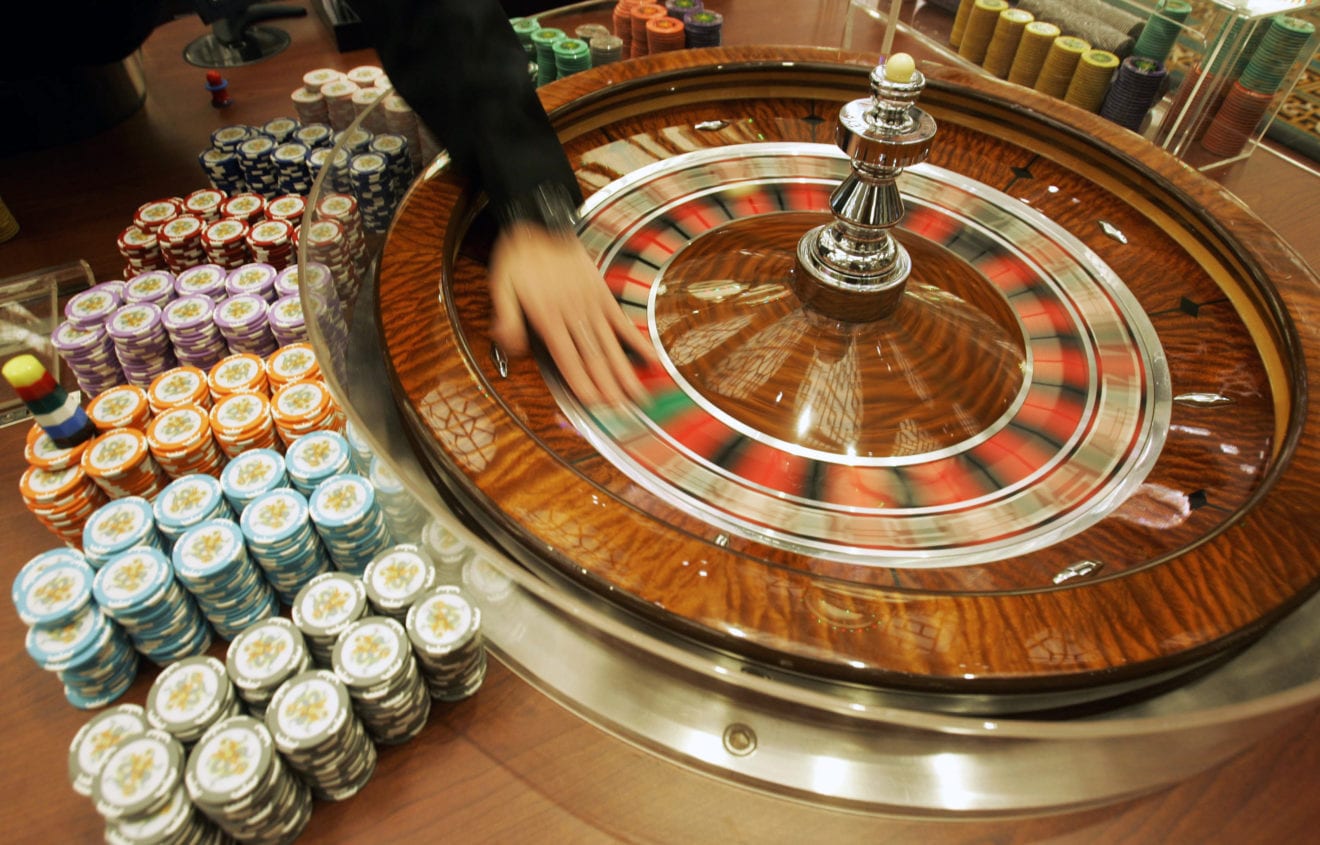
    The decree, titled 03/2017/NĐ-CP, allows foreigners and overseas Vietnamese situated abroad with a valid foreign passport to gamble in casinos in Vietnam.

    Vietnamese citizens can now also be admitted into domestic casinos, on a three year trial basis. After which, the government will decide whether or not to continue allowing domestic citizens to participate in casino gambling.

    All players must have full capacity for civil acts of individuals according to Vietnamese law and be willing to accept the terms and conditions of the games and the casino’s regulations.

    Vietnamese citizens admitted into casinos must be 21 years old or above with full capacity for civil acts of individuals according to Vietnamese law, have proof of regular monthly income of 10 million VND (450 USD) or be subjected to third degree taxation according to the law on individual income tax. The Ministry of Finance is responsible for providing citizens application forms for these conditions.

    Only enterprises with a Certification of Business will have the legal right to run a casino. The business must be a conditioned commercial act that is closely inspected by the appropriate government authority to ensure operations follow the decree’s regulations and other legal procedures, the decree dictates.

    Players must buy tickets to the casino at 1 million VND (45 USD) for 24 hours entry and 25 million VND (1,126) per person monthly. Players must not be related to casino owners in any way.

    Vietnamese players at casinos must exchange VND for tokens and vice versa.

    Vietnamese citizens who violated national security or committed other crimes abroad resulting in more than three years of imprisonment will not be admitted to casinos. This includes those serving jail time, with or without bail, or any other form of legal punishment.

    The decree did not restrict the amount of capital for business owners, but differentiated between large casinos (of more than 2 billion USD) and small casinos (less than 2 billion USD in capital).

    The decree states that the casino business must be linked to the entrepreneur’s key commercial operations to help boost tourism, trade, diversify entertainment and recreation and enrich tourists’ experience, while assuring security and nation defence, social order and moral health.

    The operation of and participation in gambling games must be transparent, coherent and honest, to protect the rights and legal benefits of parties involved.

    The decree bans gambling between players on results of games at casinos; cheating during preparation, organisation or participation in the casinos; any action that affects security and order in casinos and using gambling machines, tables, tokens and other devices with content not approved by the government.

    The decree also forbids the casino businesses from providing illegal gambling online or telecommunication networks, from smuggling and transferring foreign currency, precious gems and metals and other acts of money laundering, sponsoring terrorism and prostitution and paying out the wrong amount of prize money, among others.

    Organisations and individuals linked to the games’ operations must comply with the decree in its entirety and other legal requirements.

  • BN explains why petrol prices have gone up

    BN explains why petrol prices have gone up

    The price of petrol has gone up because the price of refined petrol has increased, even though crude oil prices have dropped.

    In refuting allegations by the opposition, the Barisan Nasional Strategic Communications Team said today Malaysians used refined petrol, not crude oil.

    It noted that refined petrol prices might differ from crude oil prices due to global supply and demand factors.

    Also, Malaysia uses a managed float system which is dependent on global petrol prices.

    “Knowing that it is a managed float system, it is ridiculous that opposition leaders blame the government when petrol prices increase due to global market price increases but when petrol prices go down, they claim this is due to global prices and give no credit to the government,” said the statement.

    It said MPs Dr Wan Azizah Wan Ismail (PKR) and Tony Pua (DAP) had pointed out that the crude oil price for January had dropped and that the ringgit did not weaken compared with the previous month when criticising the increase in petrol prices.

    “We would like to inform both these Members of Parliament, the other opposition leaders and their propagandists that Malaysians do not pump crude oil into their cars.

    “The majority of Malaysians pump refined petrol in the form of RON95 or refined diesel.”

    The prices of RON95 and RON97 went up by 20 sen to RM2.30 (up 9.5%) and RM2.60 (8.3%) respectively, while diesel went up by 10 sen to RM2.15 (4.9%) today.

    The statement said as part of the move away from inefficient blanket subsidies, where the rich had benefited more than the poor, to more direct targeted assistance, Malaysia had adopted the managed float system from Dec 1, 2014, to determine the price of retail petrol and diesel.

    “Our managed float system uses the average price of the refined product — not crude oil — for the previous month to determine the retail pump price for the next month. Specifically, Malaysia uses the Singapore Means of Platts (MOPS) pricing for petrol and diesel.

    “While global oil prices had increased in recent months due to an agreement to cut production by oil-producing countries — which also benefits Malaysia — the price of refined oil products has increased further due to other reasons.”

    It said a check on the MOPS would show that the average price of motor gasoline 95 unleaded for January had stabilised in a range of US$69 to US$70 per barrel and was materially higher than the average price in December 2016 where the price had steadily increased from US$62 at the beginning of the month to US$68 by December’s end.

    The statement noted that oil refineries in Southeast Asia had enjoyed “higher pricing and margins due to an unusually higher than normal number of refineries around the world shutting down due to fires and major maintenance”.

    This, it said, had reduced supply and increased the refineries’ margins and pricing — hence the higher motor gasoline 95 prices.

    The statement advised Wan Azizah and Pua to “better understand the economics and market reality of petrol prices instead of making baseless statements that are untrue — or worse — designed to intentionally mislead and incite Malaysians.

    “It is like a monthly game that never ends and a game that opposition leaders do not seem to tire of playing.”

    The statement said that while Malaysians had reason to complain that the price of RON95 in February at RM2.30 per litre was higher than what they had enjoyed in the past, Malaysia’s petrol prices were still consistently the cheapest in Southeast Asia (except Brunei) and among the 15 cheapest among 180 countries in the world.

    “This is unusual as Malaysia is not a big producer and exporter of oil when compared with the other countries in the top 15 cheapest retail petrol list.

    “In Asean, our RM2.30 per litre price for February compares favourably to Indonesia (RM2.73), Thailand (RM4.10), the Philippines (RM3.72) and Singapore (RM6.56).

    “Malaysia’s RON95 price was also at RM2.30 per litre in October and November 2014. It is also interesting to note that in 2008, RON92 had reached RM2.62 per litre.”

    The statement noted that while a managed float would mean that Malaysians had to bear with higher petrol prices when global prices increased, this also meant “we had also benefited from a prolonged period of low refined petrol prices over the past two years when it had reached as low as RM1.60 per litre”.

    This, it added, was unlike before 2004 when Malaysians did not benefit from low global oil prices, which had ranged from US$10 to US$20 per barrel compared with US$55 to US$60 per barrel now as Malaysians were taxed 58.62 sen per litre for petrol and 19.64 sen per litre for diesel for decades. These taxes, it noted, were abolished only in the year 2004.

  • Tourism expected to drive Hải Phòng forward

    Tourism expected to drive Hải Phòng forward

    Favourable transport infrastructure and the beautiful landscape are expected to boost tourism in the northern port city of Hải Phòng.

    Cát Bi International Airport and the Hà Nội-Hải Phòng expressway, which were put into service in early 2016, have helped reduce travel time from Hà Nội to Hải Phòng.

    Direct flights between Hải Phòng and countries such as Thailand and the Republic of Korea, localities such as HCM City and Phú Quốc Island District in Kiên Giang Province in the south, Đà Lạt City in the Central Highlands province of Lâm Đồng and Nha Trang City in the central coastal province of Khánh Hoà have been launched.

    Along with favourable transport infrastructure, efforts made by agencies to promote tourism and the involvement of large investors have turned Hải Phòng into a popular tourist destination.

    At a workshop on Hải Phòng tourism held by the municipal Department of Tourism, leading experts in this field from across the country discussed ways to boost local tourism through social communication and developing standard tourism products.

    Various tourism promotion activities have been conducted in Cát Hải District, which is the administrative management unit of the Cát Bà Archipelago, an attractive tourist site with leisure, exploration and ecological tourism in the Cát Bà National Park in the island commune of Việt Hải.

    Firms such as Vingroup, Sungroup and Him Lam have invested in luxurious resorts in Cát Bà and Đồ Sơn. Once operational, the projects are expected to become ideal destinations for both domestic and foreign holidaymakers.

    According to the Vietnam National Administration of Tourism (VNAT), Hải Phòng, particularly Đồ Sơn beach town, has experience in tourism development.

    The northern port city welcomes a large number of visitors every year. In 2017 the locality is expected to greet 5.7 million tourists, the agency said, noting that the target is within reach as about 5.6 million tourists visited Hải Phòng last year.

    Nguyễn Quý Phương, head of VNAT’s Travel Department, at a recent workshop on tourism development in Hải Phòng said the city should make a breakthrough in tourism and consider the sector a driving force for local economic development.

    He also suggested the city step up State management to synchronously conduct tourism activities.

    To that end, Hải Phòng should revamp the municipal Tourism Department, ensuring it has enough human resources capable of implementing the city’s guidelines and plans, Phương said.

    At the same time, it is necessary to develop spearhead tourism products, such as leisure tourism on Cát Bà Island in a sustainable manner, he added.

    Nguyễn Thị Hà, director of Viettravel Hải Phòng, described tourism products as decisive to tourism promotion, saying Hải Phòng should connect with other localities to promote tourism products for the northern coastal region.

    Travel companies will introduce products for their customers, she said, underlining the need for Hải Phòng to turn into an attractive and safe destination, different from others in culture and landscape.

    Channels should be built and updated with new mechanisms, policies and information about tourist attractions and Hải Phòng’s connection with foreign and domestic localities, Hà suggested.

    In particular, information about Cát Bi International Airport needs to be updated more regularly for partners and tourists, she added.

    Trần Thị Kim Quy, deputy director of Hùng Vương Investment JSC, investor of international brand names such as Cát Bà Resort and Flamingo Đại Lải in the northern province of Vĩnh Phúc, said the Cát Bà Archipelago has advantages for tourism development, with the most noteworthy being its biodiversity and Cái Bèo, the most ancient fishing village in Việt Nam.

    However, Cát Bà has failed to fully tap its potential, she said, suggesting Hải Phòng extend the duration of tourism projects on the islands to 70 years and shorten the time for administrative procedures while upgrading infrastructure in Cát Bà.

  • Scuba Diving Equipment Market in South Korea to Grow

    Scuba Diving Equipment Market in South Korea to Grow

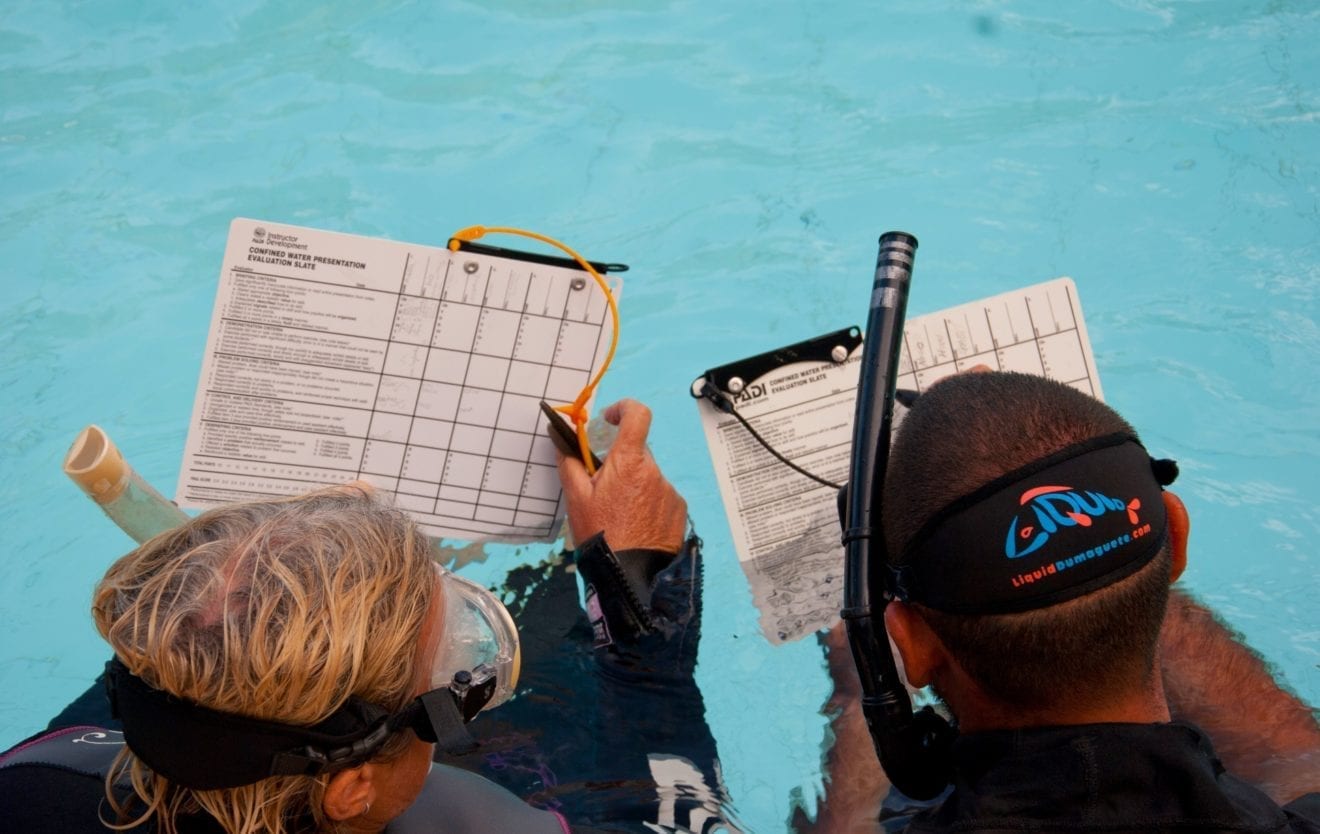
    The scuba diving equipment market in South Korea to grow at a CAGR of 5.97% during the period 2016-2020.

    The report covers the present scenario and the growth prospects of the scuba diving equipment market in South Korea for 2016-2020. To calculate the market size, the report has taken into consideration the revenue generated from the retail sales of scuba diving equipment to individual consumers, as well as rental and sports clubs in South Korea. However, the break-up of these end-users has not been provided in the report.

    A trend which is helping to boost market growth is product improvements in diving equipment and apparel. The growing number of value-added and innovative scuba diving equipment launches is an important trend, which is expected to have a positive impact on the market’s growth during the forecast period. Vendors are focusing on the introduction of innovative product offerings in terms of design, color, shape, and weight, to cater to the varying needs of consumers. The transition from beginners to seasoned recreational divers necessitates the use of diving equipment that is required for diving deeper, staying underwater for longer durations, and also requires carrying more equipment.

    According to the report, a key growth driver is the rising interest in shark diving. Shark diving is garnering huge popularity among both local divers as well as tourists in South Korea in recent times, which is one of the major factors driving the growth of the scuba diving equipment market in the country. Shark diving in South Korea is now being promoted as an eco-tourism initiative by the government, and is expected to increase the interest for scuba diving among diving enthusiasts, particularly among tourists.

  • China cuts retail fuel prices again

    China cuts retail fuel prices again

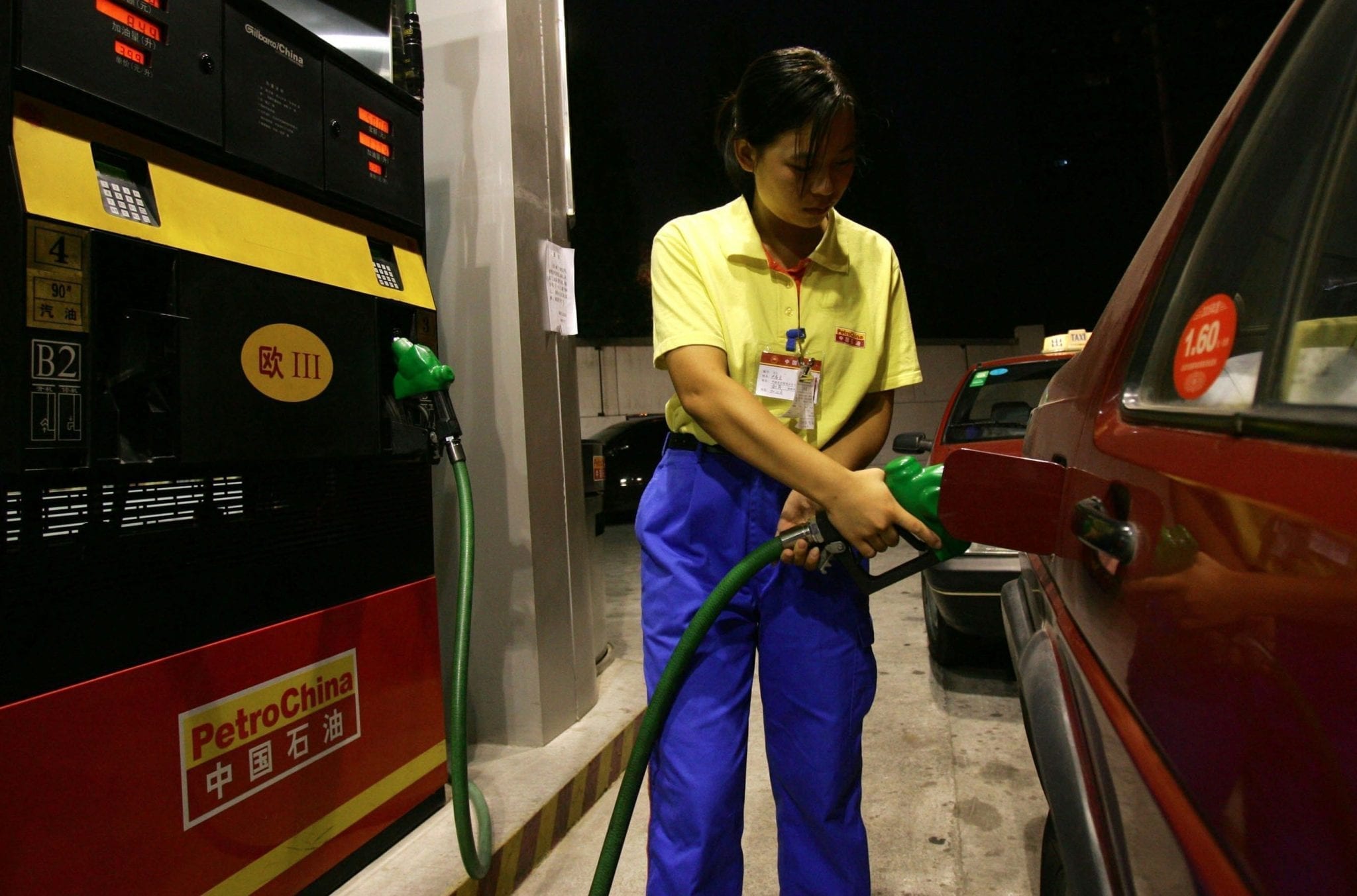
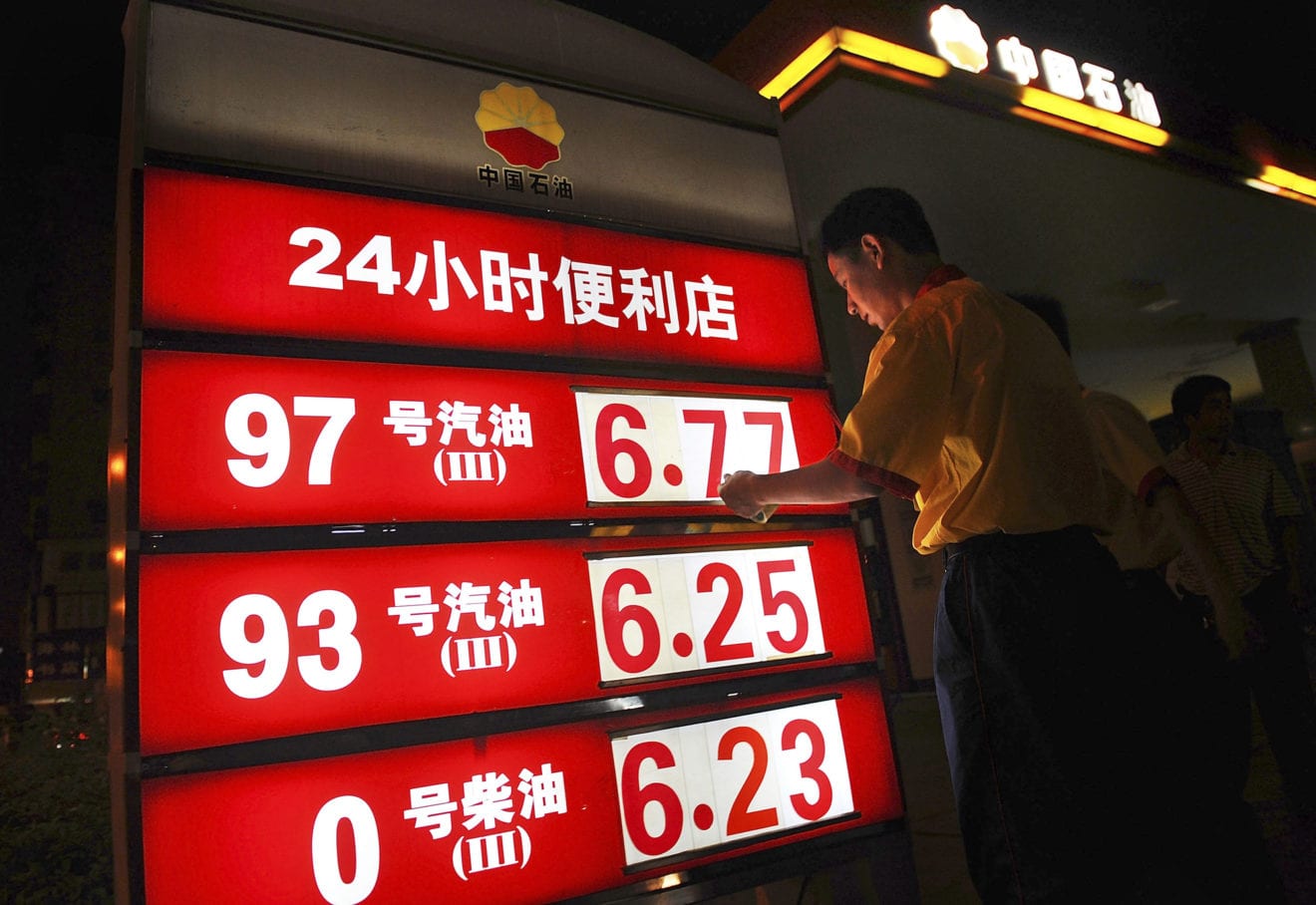
    China will cut the retail prices of gasoline and diesel for the first time this year as international oil prices fell, the country’s top economic planner said Wednesday.

    Both gasoline and diesel prices will be reduced by 70 yuan ($10.2) per tonne starting Thursday, according to the National Development and Reform Commission (NDRC).

    Analysts attributed the lower international oil prices to recovery of drilling activity in the United States and a stronger US dollar.

    Under the current pricing mechanism, if international crude oil prices change by more than 50 yuan per tonne and remain at that level for 10 working days, the prices of refined oil products such as gasoline and diesel in China will be adjusted accordingly.

  • International Tourism fair to take place in Hà Nội

    International Tourism fair to take place in Hà Nội

    The Việt Nam International Travel Mart (VITM) 2017 will take place from April 6-9 at the International Exhibition Centre in Hà Nội, the Việt Nam Tourism Association announced on Monday.

    Themed “Hà Nội– Vietnamese tourism’s destination,” VITM 2017 is expected to feature 600 enterprises, tourism management and promotion agencies from 43 provinces and cities and 25 countries and territories.

    The fair hopes to attract about 60,000 visitors.

    Last year, Việt Nam welcomed more than 10 million international arrivals, up 26 per cent year-on-year, according to the Việt Nam Aministration of Tourism.

  • CT Corp moving to open cinemas

    CT Corp moving to open cinemas

    Indonesia’s retail/media conglomerate CT Corp is partnering with cinema companies to open movie theatres in its retail complexes.

    CT retail arm Trans Retail has announced a partnership with Graha Layar Prima, which runs the Korean-owned CGV cinema chain (formerly known as Blitz Megaplex), to develop cinemas at CT’s Transmart Carrefour stores across Indonesia. Launched last year, the Transmart centres feature restaurants, apparel stores and supermarkets. There are presently 13 outlets, with a US$3 billion plan to expand the number to 100 by 2019.

    CT founder/chairman Chairul Tanjung says that over the next three years a minimum of 500 cinema screens will be opened in Transmart centres.

    GLP will open CGV cinemas in four Transmart centres in Java and Sumatra in May, with plans to add four more by the end of the year. Each cinema will have five screens and include 4D entertainment systems, sofa-type seating for couples and VIP spaces that serve drinks and snacks.

    GLP says its cinemas attracted more than 10 million visitors last year, a 150 per cent increase from 2012. It aims expand its network of cinemas to 40 from the current 27.

    Meanwhile, Singaporean sovereign wealth fund GIC is to acquire an undisclosed stake in cinema company Nusantara Sejahtera Raya (NSR) for 3.5 trillion rupiah (US$262.9 million).

    Trans Retail has just signed a deal to install NSR’s Cinema XXI movie theatres in at least four Transmart stores this year.

    Meanwhile, mall management company Lippo Group is expanding its own cinema business, with plans to have 2000 screens across 85 cities by 2024.

  • Ashley Furniture Home Store opens in Penang

    Ashley Furniture Home Store opens in Penang

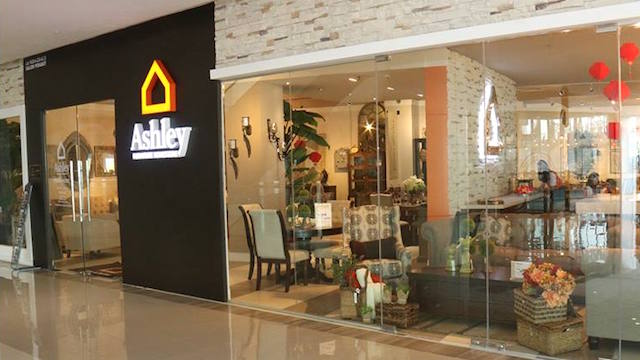
    US brand Ashley Furniture Home Store has opened in Penang, at Gurney Paragon Mall.

    The 870 sqm home furnishing outlet offers such items as bedding, mattresses, dining tables, dinnerware, lighting, sofa sets, recliner chairs and accessories.

    Featured are signature Ashley Lifestyle collections themed Vintage Casual, Urbanology, New Traditions, Contemporary Living and Family Spaces.

    “Our team is trained to offer customer service inspired by American charm and hospitality,” says founder/MD Ching Kok Cheong of Hauslife Furniture, the sole Malaysian licensee for Ashley Furniture, which has more than 695 locations globally.

    ashley-furniture-home-store-1

    Founded in Chicago in 1945, the company is the exclusive provider of products from Ashley Furniture Industries, the largest furniture manufacturer in North America.

    Penang’s outlet is the third in Malaysia following stores at Citta Mall and Bangi Sentral in the Klang Valley, which opened in 2015 and last year respectively.

    Ashley Furniture VP of sales for Asia Robin Lim sees the region as a key growth area following expansion into the markets in India and Brunei.

    Two more stores are planned to open in Malaysia this year, with a total of eight stores expected by 2022.
    For the Penang store’s official opening, VIPs took part in a ribbon-cutting ceremony following a drumming and lion-dance performance.

  • Power tariff likely to keep unchanged this year

    Power tariff likely to keep unchanged this year

    The Ministry of Industry and Trade (MoIT) has not yet decided to adjust power tariffs this year and has been calculating basic prices, the ministry yesterday announced at an electricity production cost conference in Hà Nội.

    The ministry said that EVN is required to build a basic price for the year of 2017 based on calculation of 2015 and estimates of 2016.

    Concerning those numbers, Electricity of Việt Nam’s (EVN) 2015 power turnover reached more than VNĐ234.3 trillion (US$10.32 billion) or equivalent to electricity retail price of VNĐ1,630 per kWh.

    Turnover from activities relating to power production and trading in 2015 was VNĐ2.5 trillion.

    According to Deloitte Việt Nam’s independent audit report, the losses which have not been calculated into EVN’s electricity production and trading in 2015 were up to VNĐ8.5 trillion. The losses came from the foreign exchange rate differences throughout the group’s wholly invested companies. Its foreign exchange rate difference at companies which EVN holding shares was over VNĐ1.3 trillion.

    EVN in 2015 therefore posted a slight loss in power production and continued to sell electricity lower than the production cost.

    Nguyễn Anh Tuấn, director of the ministry’s Electricity Regulatory Authority, said that in 2015 the prices of main fuels including coal, oil and gas affected the electricity production. The Ministry of Science and Technology in the same year promulgated a decision to increase gas prices sold to electricity production by 2 per cent while keeping coal prices stable.

    “The important factor in 2015 was that hydropower plants did not reach the set productivity due to unfavourable hydrological conditions. The power output from hydropower plants was reduced and EVN had to mobilise electricity from coal-fired and gas-power plants. This affected to production costs,” Tuấn added.

    He added that according to current regulations, construction costs of villas and tennis courts have not been calculated into power production cost. The construction has come from the EVN’s welfare fund, of which, turnover from EVN’s financial activities was around VNĐ1.01 trillion and those from its corporations was VNĐ194.3 billion. Turnover from dividend and profit was VNĐ60.95 billion.

    He said the losses from the foreign exchange difference would be gradually accounted into power tariffs.

    Đinh Quang Tri, EVN’s deputy general director said in 2015 that the group has itself avoided roughly VNĐ3.5 trillion in foreign exchange difference losses thanks to maximising costs and increasing profit. The remaining losses will be gradually accounted for.

    “Normally, the foreign exchange difference losses must be accounted in a year according to the accounting mechanism. However, the EVN asked the ministry and finance ministry to gradually handle the losses over five years due to its special characteristics. If the loss was accounted all at once, power tariffs would surge. The losses would be taken into account of power tariff or reducing production costs,” Tri said.

    “The ministry would review the basic prices. If there is a change of input prices such as fuel, foreign exchange and rates of power resources higher than 7 per cent, the power tariff would be adjusted,” he added.