Category: Living

Retail News Asia is committed to providing both local and global retailers with the latest Living news throughout the Asian market. This on a daily base.

  • 58 percent of Filipino women delay marriage and kids for career

    58 percent of Filipino women delay marriage and kids for career

    Most Filipino women believe there has never been a better time to be a woman and that femininity is strength, according to research made by global marketing communications brand J. Walter Thompson (JWT).

    That they are among the least likely to experience sexism in the workplace compared to their sisters in the Asia-Pacific region reflects this world view.

    ‘Too superficial’

    Filipino women also wish to mentor their juniors—whether in the family, office or other social circles—in the self-taught independence and expression they have honed as part of growth. One reason for this is that Filipino women apparently feel it is dangerous to leave young girls looking for role models in media, since female celebrities are “too superficial.”

    JWT revealed the results of its study called “Filipina Next” in time for the celebration of International Women’s Day last March 8. The quantitative and qualitative research covered Filipino women across socioeconomic levels, from 18 to 70 years old.

    “Filipina Next” is an offshoot of the group’s more exhaustive poll in 2016 called “Female Tribes” that involved 4,300 participants from the United States, China, United Kingdom, Brazil, Saudi Arabia, Russia, India, Australia and South Africa. In that study, women, ages 18 to 70, were asked about money, career, religion, sex and other “relevant topics.”

    Highlights

    Among the highlights that JWT Philippines managing director Golda Roldan and executive strategic planning director Pamela Pacete-Garcia shared from “Filipina Next” are:

    98 percent of Filipino women believe in establishing “strong and substantial women in television and film,” but 76 percent find female celebs “too superficial.”

    Still, 15 percent credit a female role model in media for inspiring them to leave an abusive relationship.

    94 percent want women in general to “step up and serve as mentors to young girls.”

    80 percent consider themselves “the main household purchaser,” with 73 percent saying they make majority of financial decisions at home.

    72 percent claim they “don’t need anyone but themselves to achieve their goals.”

    Among those who turned to role models, 41 percent “have taken risks in life that they otherwise would not have taken;” 40 percent “became more ambitious,” while 33 percent were encouraged to go to school or pursue further education.

    63 percent consider sexual fulfillment important as a lifelong concept, with 70 percent agreeing that sexual fulfillment is not just for the young; 50 percent expect to remain sexually active even in their advanced years.

    58 percent would delay getting married and/or having children to pursue their chosen career.

    More than career advancement and the acquisition of material wealth, 47 percent measure success as “achieving a higher level of religious and spiritual awareness.”

    Policy issues

    While JWT studies showed Filipino women as the least likely to experience sexism at work, guest panelists in the presentation agreed that mentoring young women would help them overcome challenges, especially in the workplace.

    Taguig Rep. Pia Cayetano said this means it becomes more crucial now to confront policy issues such as maternity leave, age discrimination and reproductive health because “we still live in a time when women are very much discriminated against.”

    In the case of Olympic medalist Hidilyn Diaz, she recalled facing opposition from family members, particularly her mother, Emelita, after she decided to concentrate on weightlifting—a sport normally associated with “macho” men.

    Luminaries

    Other panelists attributed their success to strong women in the family who raised them, and mentors at work who encouraged them to find their place.

    Trickie Lopa of Art Fair Philippines had grandmothers who were both luminaries in the faculty of University of Santo Tomas, and a mother who also worked.

    “I never experienced women being Maria Clara (the weak female character in Rizal’s “Noli Me Tangere”). These days I work with women… I’m surrounded so it’s never been an issue,” Lopa said.

    Armie Jarin-Bennett of CNN Philippines recalled asking too many questions (“Tanong ako nang tanong”) at work “so people had the tendency to take me under their wing.”

    Melissa Henson, senior vice president and chief marketing officer of Manulife Philippines, once had a “Turkish lady” who taught her the ropes during a stint abroad.

    “In the US, I was the quiet Filipina who didn’t speak. Kasi nakakahiya, baka mali ang sasabihin ko, mas matalino sila sa akin,” she said.

    Henson said her boss encouraged her to speak up “or they’ll think you don’t know. If I turn out wrong, so what? Do better next time. I grew significantly, professionally under her watch.”

    Role models

    Johnson & Johnson country director Tina Sabarre noted that her women role models “did not act like men,” which made her realize “I can really be a woman, be strong in my femininity, and not work as if I am a man, and succeed.”

    Globe Telecom senior vice president and head of consumer mobile marketing Issa Cabreira grew up watching a grandmother, who was widowed at 49, raise seven children, and a mother who raised four kids after separating from her husband.

    “Having two very strong role models made me who I am today. If I am asked what drives me, it’s always those two amazing women—professionals who were doing the (traditional) jobs of men because they were running businesses,” Cabreira said.

    “I did not follow them as entrepreneurs, but they drove me to be at least half as successful on my own,” she added.

  • Vincom suits Platinum Cineplex

    Vincom suits Platinum Cineplex

    Earlier, on March 8, the M.V.P Group held a press conference to address issued related to the closure of Platinum Cineplex, the biggest cinema operator by screen in Hanoi, at three Vincom malls.

    The three cinemas include Platinum Royal City in Thanh Xuan District, Platinum Times City in Hai Ba Trung District and Platinum Long Biên in Gia Lam District.

    At the press conference, an M.V.P representative said that VCR’s unilateral termination of the contract signed with M.V.P Group ahead of expiration date was illegal, as the group had not breached the contract.

    Platinum has no outstanding debts at any of the three Vincom malls, the representative said, dismissing claims made by Vincom Retail in local media.

    He said that the information supplied by VCR had serious impact on the group’s prestige.

    In response to claims by the M.V.P Group, VCR general director Trần Mai Hoa said VCR had many times asked the M.V.P to voluntarily move its assets away from VCR premises as regulated in contract clause of termination. However, M.V.P has deliberately delayed moving.

    Specically, on October 15, 2016, M.V.P agreed to move their assets but later asked for extension to February 4, 2017. On December 19, 2016, the group once again asked for an extension of 10 to 12 months. On December 20, 2016, it requested an extension and permission to operate over the Tết (Lunar New Year) holiday.

    VCR agreed to an extension to February 24, but M.V.P has still not moved its assets. Therefore, on March 1, VCR was forced to seal the premises, in accordance with the contract. It notified M.V.P of its plans, and even agreed for M.V.P to send a representative to the premises to check its assets.

    “Sealing the premises is a legal measure to recover our premises appropriated by the M.V.P when the leasing contract ended,” Hoa said. It was done and witnessed by M.V.P managers and representatives from authorities at each location.

    Related to the outstanding debts, Hoa said that VCR and M.V.P had a working session to calculate the outstanding debts, and on October 14, 2016, head of the M.V.P financial department confirmed the figure.

    The contract was terminated in accordance with the rights of the two parties negotiated and clearly specified in the contract, the VCR representative said.

    She noted that the case is a disagreement between the two independent business partners and should therefore be resolved on the basis of law and the trade and civil agreement between the parties.

  • Indonesia’s Furniture Industry Needs Innovation to Maintain Pace with Competitors

    Indonesia’s Furniture Industry Needs Innovation to Maintain Pace with Competitors

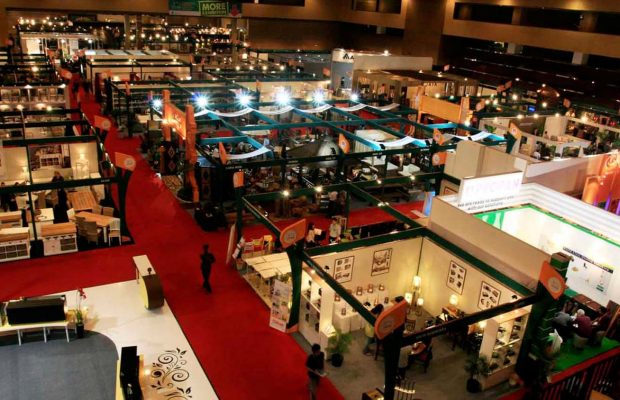
    President Joko Widodo has revealed that global competition in the furniture and handicraft industry is increasingly rapidly. Moreover, changes in mode of creative industries are on the rise, as well as providing an alternative for its own market.

    The President also claimed to have become more satisfied with the changes that occur in the furniture and handicraft industry in Indonesia to move the industry forward. However, he added that this time, the toughest competitors in the international furniture industry for Indonesia are Vietnam and Malaysia.

    “If we do not follow, then we will be left behind. The furniture and handicraft products’ design are good enough. What needs to be done now is on how to market the products so we can compete internationally,” he said at the Jakarta International Expo (JIExpo) in Kemayoran, Jakarta, on Saturday (3/11).

    He stressed that if the domestic furniture industry is not able to adjust to global challenges that exist today, then Indonesia’s furniture industry will be undermined by other countries’ furniture products.

    “The designs of existing products from rattan, wood, bamboo, and metal have been changed. These are the changes that need to be done, because the world changes rapidly,” President Joko Widodo added.

    “Our toughest competitors are now Vietnam and Malaysia. I think with good designs like these we can improve,” he continued.

  • China’s cruise passengers set to soar to 5.4m by 2020

    China’s cruise passengers set to soar to 5.4m by 2020

    In a conference session entitled ‘China’s cruise market sets sail’, Mike Feely, Vice President of research agency Horizon Consumer Science, revealed the telling statistic that, Asia will be the No 2 cruise region by 2020, if it maintains its growth trajectory.

    The session took place on day two of the China’s Century Conference in Guangzhou.

    Chinese already account for half of Asian cruisers and are predicted to grow from 1m passengers to 5.4m in 2020. In this respect Feely said that the onboard retail market poses a great opportunity for international brands to introduce and showcase their products to middle class Chinese consumers, but that it isn’t really being taken advantage of at present.

    According to the China Cruise & Yacht Industry Association, the volume of inbound and outbound passengers calling at Chinese ports has increased more than 50 times since 2006.

    During his session, Feely revealed highlights of a TFWA-sponsored study into the cruise market in East Asia while Jared Lee, VP Product Management & Guest Services of Costa Cruises – the first international cruise line in China – offered his perspective.

    CRUISE & AIRPORT RETAIL TOO SIMILAR?

    From the initial field research – among 1,200 cruise passengers – Feely concluded that much more could be done to take advantage of the uniqueness of the cruise environment, and not enough was being done to differentiate the offer from airports.

    During a session taking place on day two of the China’s Century Conference in Guangzhou, Feely revealed highlights of a TFWA-sponsored study into the cruise market in East Asia.

    Feely also pointed out that the novelty of cruising for the Chinese in particular could actually be viewed as a hindrance to onboard shopping, as many customers are being exposed to the high seas for the very first time and shopping may be one of the last activities on their agenda.

    He also suggested that the dwell time afforded to cruise ship retailers – three-plus days – is simply being missed. Feely suggest that perhaps the integration of entertainment might encourage more passengers to shop.

    “Cruises present ripe venues for onboard events, activities and education that can all be linked with retail, to make shopping more experience-centric,” said Feely.

    LACK OF TOYS AND AFFORDABLE GIFTS

    He also said that the product portfolio onboard does not currently cater very well to children; important customers onboard cruise ships.

    “There are very few products onboard for children and when you are aboard these ships you suddenly realise how important they are,” added Feely. “Cruises are safe and carefree environments ideal for the elderly and children, so there are many more onboard these cruise ships.”

    Feely says the motivation to spoil ‘only children’ (those with no siblings) is only intensified in this environment.

    “There are very few products onboard for children and when you are aboard these ships you suddenly realise how important they are,” said Feely.

    What’s more is that Chinese passengers are also looking to spoil their friends and family back home, but potential gift items at affordable prices are lacking, says Feely.

    “Accessibly-priced accessories (that aren’t made in China) are in demand by passengers, but tend to be lacking in onboard retail,” he said today.

    HIGHLIGHT POPULAR PRODUCTS

    When Chinese passengers actually make it into the stores, retailers and brands appear to be communicating ineffectively with them, even unknowingly creating negative perceptions of the offer.

    “Cruise ships need to highlight the popularity of their products to Chinese shoppers who respond positively to popularity indicators on products such as ‘ this is the No 1. most searched items on Baidu’.” [Baidu is a Chinese-American web services company.]

    Feely said that there is potential to capture on-shore spend and increase spend on-board, but currently the on-shore shopping experience is ‘insufficient, rushed and tiring’.

    Jared Lee, VP Product Management & Guest Services of Costa Cruises (part of Carnival Cruise Line which boasts 46% global cruise market share) importantly pointed out that the onboard cruise market must be treated differently to airports retail. “Most passengers onboard are holidaymakers whereas those at airports are there for numerous reasons,” said Lee.

    He also pointed out that the average duration of a cruise trip is 4-5 nights in China, where travellers have fewer national and public holidays to take advantage of.

    GWPS ARE EXCELLENT MOTIVATORS

    When asked what sort of initiatives could be employed to make the most of the captive cruise audience, Lee suggested offering a free gift with purchase would bring passengers ‘in their hundreds’ into stores.

    He also said that the current retail model – one concessionaire taking care of the whole onboard retail channel – is now outdated and is likely to evolve to include various companies specialising in certain categories.

    “This is slowly changing,” he said, “it’s difficult for one concessionaire to be good at all things. The retail model will evolve to incorporate more players.”

    Lee reiterated Feely’s point about the integration of retail with entertainment and activities as Chinese passengers often like to ‘get involved’ in these.

    When asked why the cruise market isn’t making the most of its captive audience and phenomenal dwell time, Lee said that passenger satisfaction is very hard to maintain at a high level, compared to airlines and airports.

  • After Netflix, another foreign video streaming provider connects in Vietnam

    After Netflix, another foreign video streaming provider connects in Vietnam

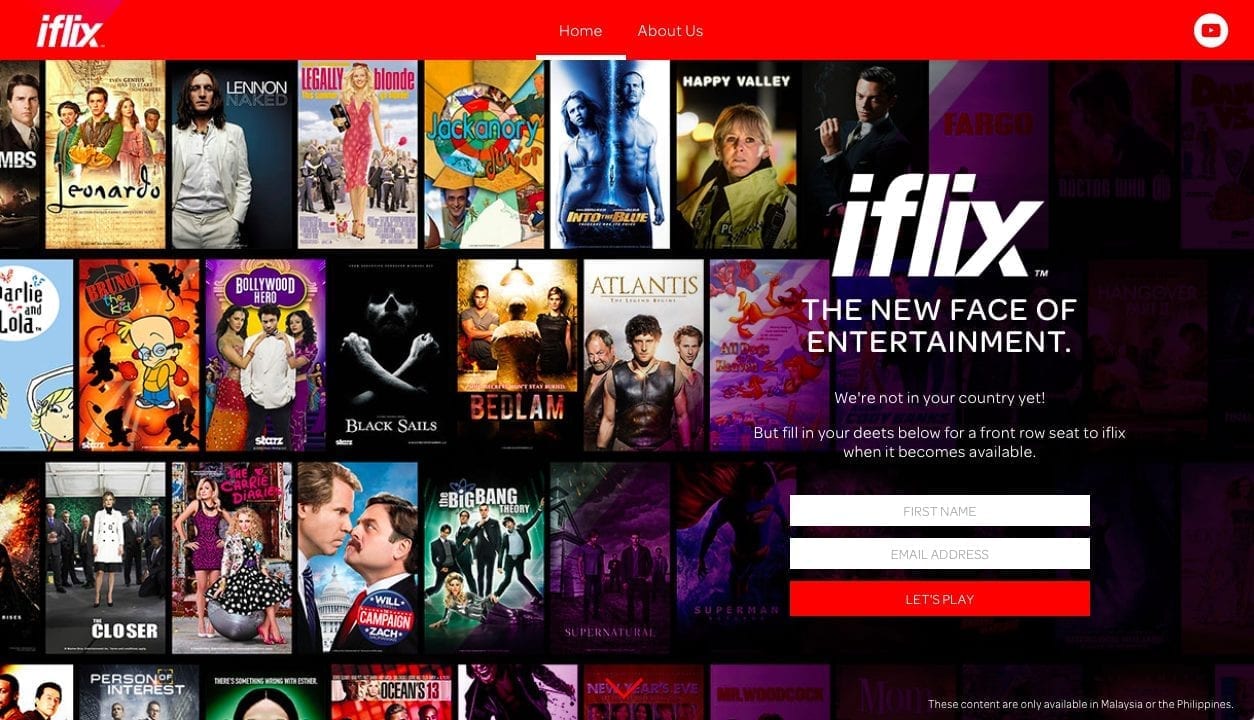
    Foreign companies have long been salivating over the local streaming media market’s potential. Malaysia-based video streaming startup iflix has officially launched in Vietnam with the aim of tapping into the country’s sizable population, the company said on Tuesday at a press conference.

    Vietnam is currently ranked by Internet World Stats at 18th globally in terms of the number of internet users, making it a lucrative proposition in the eyes of foreign streaming platforms.

    The streaming video provider sees Vietnam as a huge market with enormous potential mainly because the country has a growing population and fee-based online streaming services like iflix are still virtually new in this market, citing David L.Goldstein, iflix manager in Asia, as saying.

    Vietnamese consumers have long enjoyed access to free online videos, however, with the arrival of the U.S video streaming giant Netflix a year ago, and now Malaysia’s iflix, this is changing.

    iflix makes its money from charging subscribers a monthly fee of VND59,000 ($2.59) after a 30-day free trial. This is about three times less than subscription fees currently offered by Netflix, and could start a price war between the two.

    Customers in Vietnam can watch iflix on a variety of devices, including desktop computers, tablets, televisions and smart phones.

    The streaming platform also allows its subscribers to select subtitles in English or in Vietnamese, said Country Manager Hoang Tung at the press conference.

    iflix is now available in eight Asian markets, and its catalog includes both Hollywood hits and local content in Malaysian, Chinese and other regional languages. It has secured more than 1 million subscribers since its launch in 2015.

  • Vietnam’s super-rich population is growing faster than anywhere else

    Vietnam’s super-rich population is growing faster than anywhere else

    The country now has 200 people with investable assets of at least $30 million. Vietnam’s ultra-rich population is growing faster than any economy in the world, and is on track to continue leading the growth in the next decade, based on a new international research.

    The Wealth Report by the U.K.’s independent real estate consultancy Knight Frank found there are 200 ultra high net worth individuals (UHNWI) in Vietnam, who are defined as people with investable assets of at least $30 million, excluding personal assets and property such as a primary residence, collectibles and consumer durables.

    UHNWIs are the richest people in the world who control a disproportionate amount of global wealth.

    In Vietnam, this super rich group has grown by 320 percent between 2000 and 2016, the fastest in the world compared to India’s 290 percent and China’s 281 percent, the report said.

    The number is expected to continue rising to 540, or by 170 percent, in 2026, the highest growth rate in the world. Millionaires in Vietnam are expected to jump to 38,600 from 14,300 over the same period.

    vietnams-super-rich-population-is-growing-faster-than-anywhere-else

    The world’s top growth rates of ultra-wealthy people over the past decade, and forecasts for the next.

    Andrew Amoils, Head of Research at the global wealth intelligence and market research firm New World Wealth, highlighted Vietnam as the market whose “stellar” growth rate is set to reinforce “dramatic growth” of the super-rich population in Asia.

    “We expect Vietnam’s millionaire numbers to be boosted by strong growth in the local healthcare, manufacturing and financial services sectors,” Amoils was quoted in the report as saying.

    It also cited World Bank remarks as describing Vietnamese economy with “remarkable” transformation over the last 25 years, with economic and political reforms translating into higher incomes. The bank has projected Vietnam’s average GDP growth of around 6 percent annually until 2020.

    Knight Frank report reflects considerable variation between UHNWIs growth rates in different regions and countries, due to local factors that underpin wealth creation and the mobility of ultra-wealthy people.

    The number of ultra-wealthy people is predicted to climb by an average of 12 percent over the next decade in Europe, compared with a forecast 91 percent growth in Asia.

    The number of ultra-wealthy people worldwide, which has grown 42 percent over the past decade, is expected to grow another 43 percent to 275,740 in 2020.

  • Vietnamese pharmacy firms cash in on nutritional supplements, brokers say

    Vietnamese pharmacy firms cash in on nutritional supplements, brokers say

    Liver supplements marketed for detoxication and supporting liver functions have become big business.

    Many major pharmaceutical companies in Vietnam, one of Asia’s top beer consumers, have stepped up selling liver supplements to boost their profits, company reports and a brokerage said.

    Duoc Hau Giang, Vietnam’s largest pharmaceutical company, reported that revenue last year rose 4.8 percent to VND3.78 trillion ($166 million) from 2015, fuelled by a surge in sales of liver supplements, Ho Chi Minh City-based Rong Viet Securities Co cited the firm’s financial statement as showing.

    About 2 percent of the revenue last year came from liver supplements, which surged 114 percent from 2015 to VND89 billion.

    The company planned to more than double sales of liver supplement brand Naturenz to VND800 billion, accounting for 12 percent of total revenues in the next five years.

    In pill form, liver supplements marketed for detoxication and supporting liver functions have become big business for local pharmaceutical companies, Rong Viet Securities said.

    Some major pharmaceutical companies have gradually reduced their antibiotics business in favor of other medicines, including supplements, in hope for greater profits.

    Hau Giang’s revenues from antibiotics fell to 40 percent of the firm’s revenue last year, from 45 percent in 2008, based on financial reports. It has projected the antibiotics sales to fall further to 38.5 percent of revenue by 2020.

    Traphaco, Vietnam’s second-biggest listed pharmaceutical company, reported that sales of its liver detox brand Boganic had doubled within a five-year period to VND200 billion in 2015 and that the sale has been rising 16 percent annually in recent year.

    Each Vietnamese person drank on average 42 liters, making the country Asia’s third biggest beer consumer after Japan and China, and Vietnam ranks among the world’s top 25 heaviest beer drinkers. Demand for liver detox has been rising in line with higher consumption of alcoholic drinks.

    Over the past five years, Vietnam has doubled its beer consumption to more than 3 billion liters per year. Last year it produced an estimated 3.8 billion liters of beer, up 18 percent from 2015, based on government data. Its well-known export brands include Bia Saigon and 333.

    The country has projected beer production to rise to 4.1 billion liters in 2020, based on a Industry and Trade Ministry plan.

  • Vietnam’s high demand for IT professionals shoots up salaries

    Vietnam’s high demand for IT professionals shoots up salaries

    The country could become one of the next outsourcing hubs for software development, industry players said.

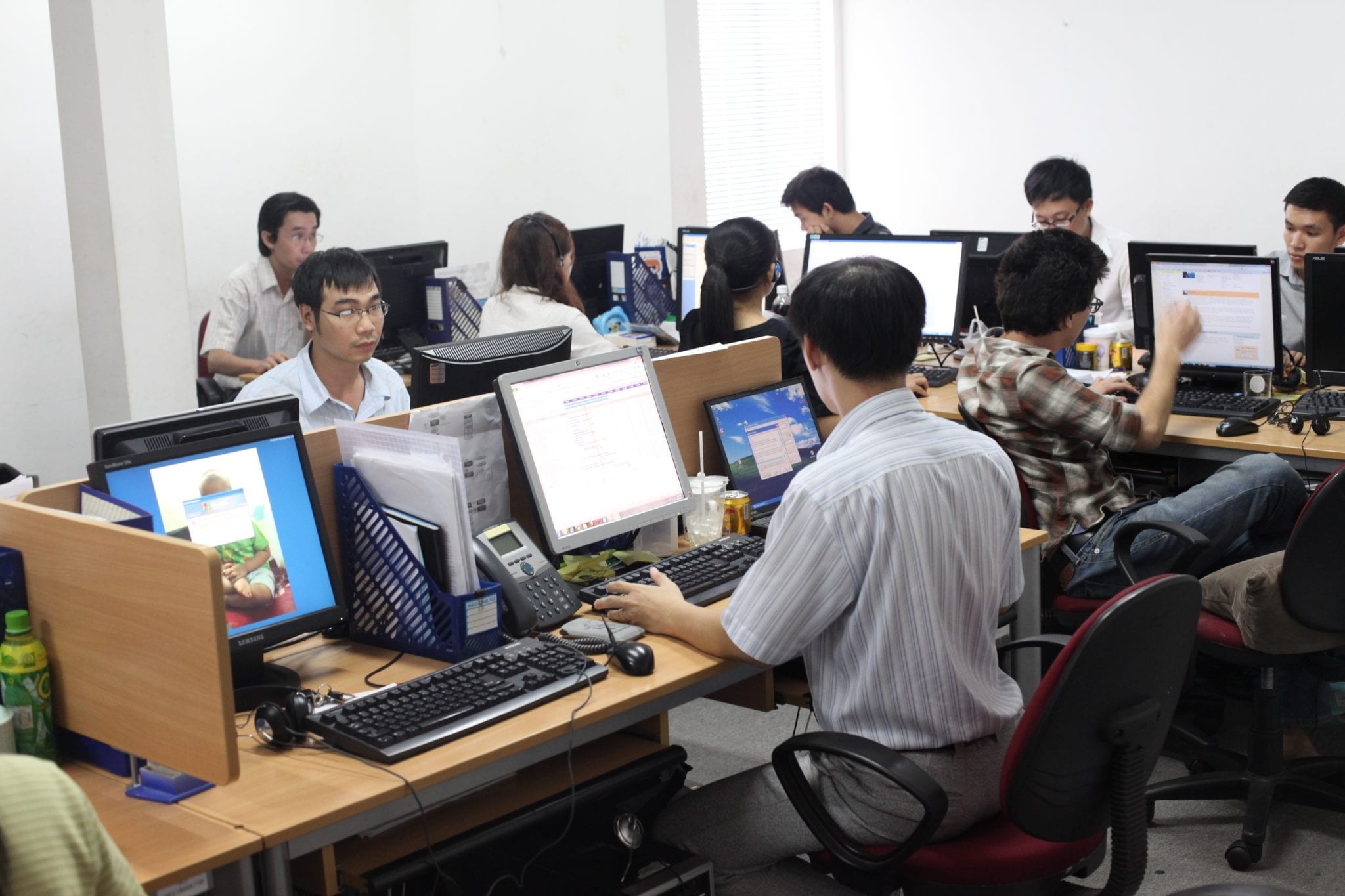
    Vietnam’s growing information technology (IT) is seen driving recruitment demand and boost salaries for tech jobs, a recent survey found.

    As many as 81 percent of IT companies said they planned an annual payroll rise of between 6 percent and 20 percent this year, professional recruitment firm VietnamWorks said in the survey conducted late last year with thousands of IT professionals, specialists and companies.

    The industry’s job demand is higher than ever, and the trend will continue over the next years, the survey said.

    The number of tech jobs has doubled over the last three years, VietnamWorks data showed, adding that Vietnam currently has around 250,000 engineers, but will need more than 400,000 by the end of 2018.

    Experienced software developers and managers continue to be in high demand, said the survey.

    Salaries have increased significantly in recent years and many companies have even offered generous bonuses to attract and retain employees.

    Up to 80 percent of the jobs that requires IT professionals with at least two years experience would pay a maximum $1,160 per month, said the survey.

    Vietnam first began offering software development services 15 years ago as global companies started to look outside India for a low-cost technology outsourcing opportunities.

    NeoIT estimated Vietnam’s IT labor costs are 40 percent less expensive than in China and India. A.T. Kearney’s Global Services Location Index and KPMG Advisory forecast Vietnam will be one of the next outsourcing hubs for software development.

    Local technology companies, however, are increasingly diversifying into other services, said the survey, adding this will drive recruitment for specialists in other fields such as business intelligence and information security.

    Currently, software engineers with at least two years of experience are still in highest demand, according to VietnamWorks.

    In terms of high tech development, Ho Chi Minh City is to Hanoi what Silicon Valley is to Seattle. But Hanoi tech scene is growing amid more intense competition in the southern hub.

    Ho Chi Minh City still remains the country’s IT hub with 53 percent of the country’s recruitment demand. Hanoi accounted for 43 percent and the central city of Da Nang took up 4 percent, according to the survey.

    Experts forecast a growing demand for specialist in cloud computing, big data, business intelligence and information security.

    The IT industry’s significant trends in 2017 will drive recruitments for professionals in big data, VietnamPlus cited Vinh Nguyen, an executive from PYCO Group, as saying.

    The survey revealed that 44 percent of the respondents said they would consider changing jobs with a better salary and benefits on offer.

  • New plans serve cheaper power to Singaporeans

    New plans serve cheaper power to Singaporeans

    Shopping for customised electricity plans has been an option for businesses in Singapore for the past year or so, but not many have decided to make the switch away from public power utility SP Services.

    As at the end of the third quarter of last year, only about a third of the 35,000 eligible commercial and industrial consumers had chosen to do so, the latest figures from the Energy Market Authority show.

    Businesses with an average monthly electricity usage of at least 2 megawatt-hours – a monthly power bill of about 450 Singapore dollars (Bt11,100) – could choose an alternative to SP Services from July 2015.

    Before that, only consumers that used more than 4MWh of electricity monthly were eligible.

    On the low take-up rate, Julius Tan, manager of energy retail at Singaporean electricity retailer Sunseap, said some might worry that electricity supply could be less reliable with a different retailer.

    But he said electricity supply would still come from the grid. “The only difference is that they are paying an electricity retailer that can offer them plans customised to their needs,” he said. This is similar to how mobile-phone users choose price plans from various telecommunication companies.

    Customised price plans, for example, will allow consumers to power up their premises with a mix that includes solar energy without the need to install and maintain their own solar panels. This may appeal to eco-conscious consumers and those who want to save money, as electricity generated in part by solar energy is cheaper than the regulated tariff.

    Last month, Sunseap started offering eligible consumers a GoEco price plan, which guarantees that a portion of electricity used will come from the sun. Its website says doing so can cut electricity bills by 20 per cent.

    As a gauge, it costs about 20 cents for 1 kilowatt-hour of electricity from SP Services at the regulated tariff.

    Sun Electric, another Singaporean solar electricity retailer, is also offering a variety of price plans that allow eligible consumers to tap varying amounts of solar energy, resulting in savings of between 15 and 20 per cent.

    “You don’t need a roof … to get solar electricity, and a lot of electricity consumers like to get clean electricity. All of our products are also cheaper than the tariff,” said Dr Matt Peloso, Sun Electric chief executive.

    Logistics firm Ninja Van has made the switch from the regulated tariff. It subscribed to Sunseap’s GoEco plan for one of its two facilities last month. The other facility will also be on the same plan from next month.

    Pang Sing Yang, vice president of strategy at Ninja Van, said of the switch: “We believe in supporting other local start-ups and want to play our part in environmental conservation by using a form of renewable energy. We also enjoy some cost savings.”

    Next year, 1.3 million households can also get to benefit from this flexibility when the electricity retail market is fully open to competition.

    Under the government’s SolarNova scheme, which aggregates solar demand, agencies such as the Housing and Development Board provide rooftop space for firms to install the panels. In return, town councils enjoy discounted electricity rates.

  • France launches energy group in Indonesia

    France launches energy group in Indonesia

    France launched the French Renewable Energy Group (FREG) here on Tuesday, as a forum for French companies interested to be a part of the renewable energy sector (EBT) in Indonesia.

    During the launching ceremony, a memorandum of cooperation was also signed between Indonesia Renewable Energy Community (METI) and FREG.

    METI has become FREGs local partner to assist the French companies in identifying and developing renewable energy projects in Indonesia.

    In his speech, Energy and Mineral Resources Minister Ignatius Jonan said Indonesia was committed to have 23 percent of renewable energy in the national energy mix of electricity as soon as possible, or at least by 2025.

    Meanwhile, French Minister of Foreign Affairs and International Development Jean-Marc Ayrault stated that FREG was aimed at gathering French energy companies, which are in Indonesia at present and those interested to enter the country, to cooperate with the Indonesian partners.

    He explained that the mobilization of all stakeholders, both public and private, is needed for achieving 23 percent renewable energy in the energy mix of electricity.

    It requires a regulatory framework and proper finance, and companies should develop innovative solutions which are tailored to the realities in each country, Ayrault added.

    FREG will be an extension of the French Syndicate of Renewable Energy, which is the largest organization in France.

    FREG is expected to improve the relationship between Indonesia and French business companies in renewable energy sector and encourage the participation of French companies in renewable energy projects in Indonesia.

  • Indonesia still largest contributor of tourists to Singapore

    Indonesia still largest contributor of tourists to Singapore

    About 2.89 million Indonesians visited Singapore throughout 2016, the biggest contribution of tourists to the city state, about 17.7 percent of the country’s 16.4 million total foreign tourist arrivals, according to a statement released by Singapore Tourism Board (STB).

    The number of tourists from Indonesia grew by 6 percent, which was categorized as a sharp jump from the 10 percent decline in 2015, the statement says.

    STB area director to Indonesia Raymond Lim said on Tuesday in a media gathering in Jakarta that his office would continue trying to attract more Indonesians to visit Singapore.

    “We really hope that we can maintain what we had last year,” he said, adding that about 30 percent of Indonesians who visited Singapore went there for business.

    However, to boost the numbers of tourists from the eastern part of Indonesia, the board will hold roadshows in Palembang in South Sumatra and in Medan in North Sumatra in March and April, he said, adding that it would continue the roadshows in Bali in August and in Sulawesi in September.

    Lim said the board aimed for 16.4 to 16.7 million foreign tourists to visit Singapore in 2017 and expected revenues of between US$25 and $25.8 billion.

  • New regulations legalise betting services

    New regulations legalise betting services

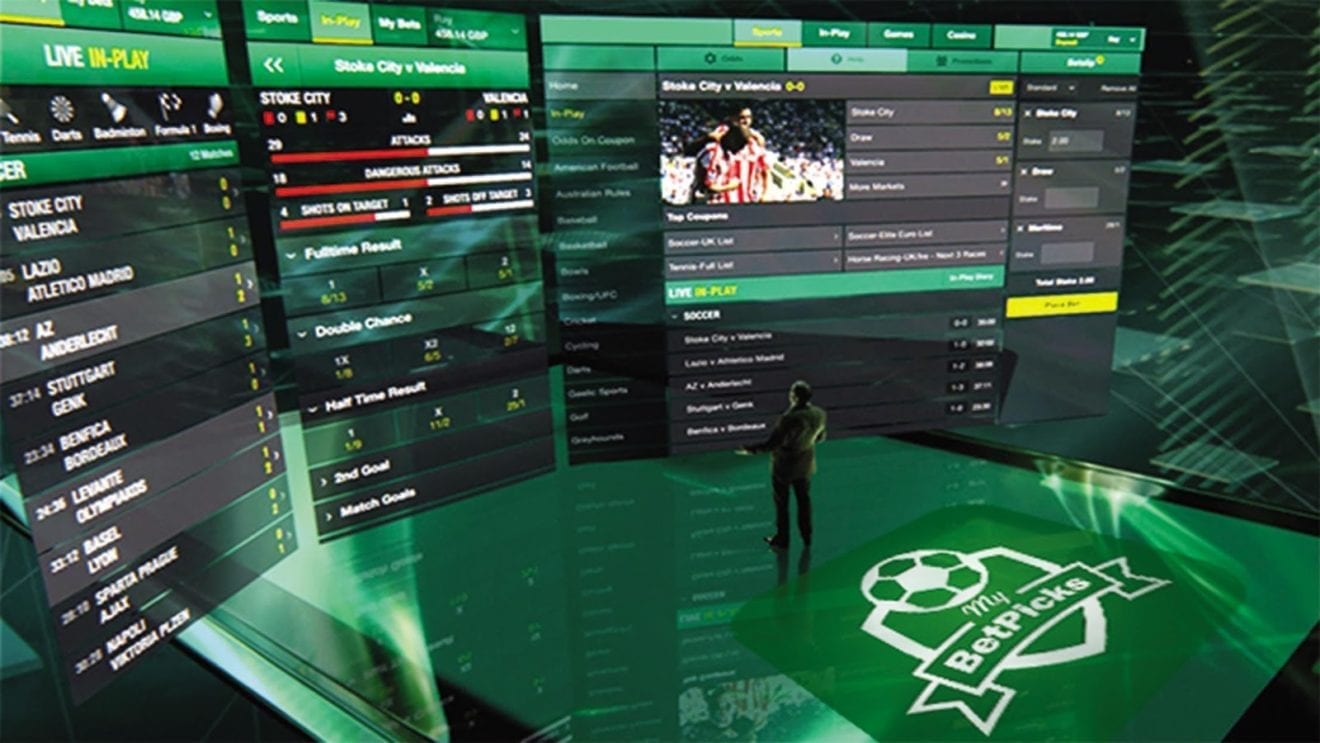
    Previously, casinos were only open to foreign passport holders and gambling was illegal in Vietnam. The prime minister recently signed Decree 6 that allows eligible firms to sell tickets and provide betting services on horse and dog racing and betting on foreign football matches.

    However, firms are not allowed to determine the time to start and end the betting and only Vietnamese dongs are allowed to use in betting. The decree also states that the government does not encourage the development of these services. The project is still in the pilot stages, and customers would be able to participate in legal football betting from March 31.

    According to the Ministry of Finance (MoF), there are many illegal betting services and the authorities don’t have enough personnel to manage and control these services. The MoF said those services could cause negative effects on social order and lead to the illegal transfer of money abroad.

    The new regulations are expected to help the authorities better manage betting services. A new decree on casinos was also issued in January to attract investors into resorts projects and boost local tourism. The 3-year pilot programme allows Vietnamese to gamble in casinos.

    The MoF said legal betting would satisfy ‘entertainment demand’, reduce illegal gambling sites and stop people spending money abroad.

  • Asia’s middle classes fuelling global cruise travel, says SCC

    Asia’s middle classes fuelling global cruise travel, says SCC

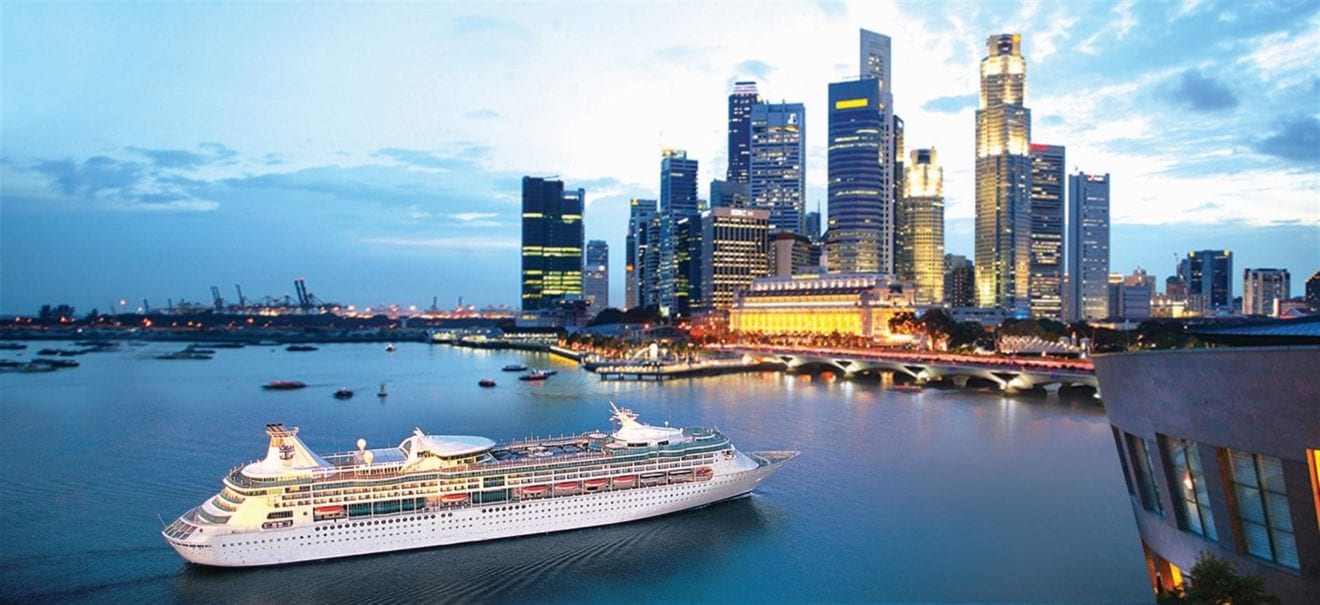
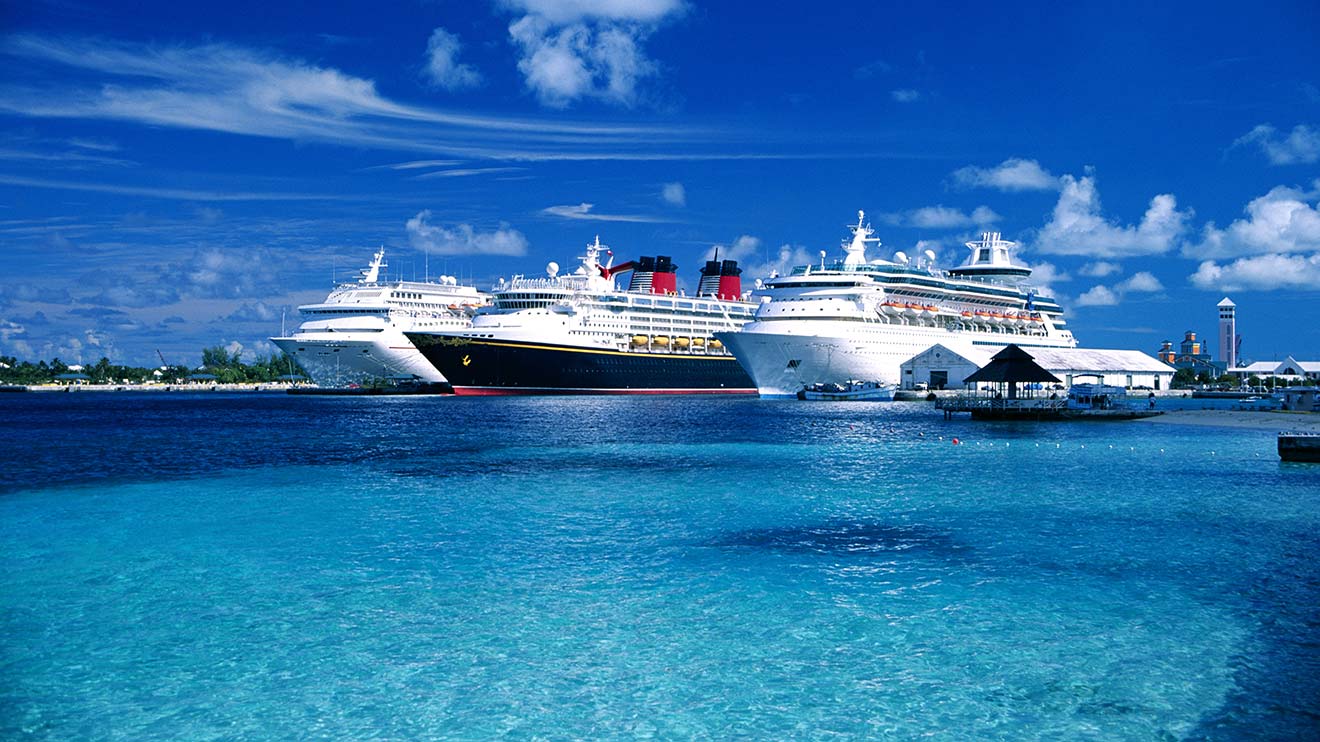
    Cruise travel worldwide will continue to grow at a ‘steady pace’ this year trumpeted by rising demand from Asia’s burgeoning middle classes and broadened vessel offerings, according to Singapore Cruise Centre (SCC).

    Christina Siaw, CEO of SCC, which manages and operates three ferry terminals and one international cruise terminal in Singapore, says: “We are particularly excited about the Chinese, Indian, South East Asian and Australian source markets, which have seen a surge of interest in recent years.”

    Last year, SCC’s HarbourFront Cruise and Ferry Terminal received 283 ship calls and handled more than 600,000 cruise passengers – a rise of 8% on 2015.

    It is set to welcome six new vessels in 2017, Pacific Dawn, Seabourn Encore, Pacific Pearl, Pacific Aria and AIDAblu.

    An estimated 25.3m passengers are expected to sail in 2017, up approximately +4.5% year-on-year, Cruise Lines International Association (CLIA) data indicates.

    In 2014, Australia broke the 1m passenger mark, while China’s market share accounted for roughly 986,000 of the 23m total market as demand for cruise travel in Asia continues to grow rapidly.

    Overall, cruising has increased by roughly 60% in the past decade, CLIA data suggests.

    DFS CONCESSION TO BEGIN IN APRIL

    As reported, DFS secured the master duty free and general merchandise concession to operate duty free stores at SCC’s HarbourFront and Tanah Ferry Terminals for the next five years, including a two-year optional extension clause.

    The contract covers a reconfigured main space at the arrivals and departure areas of the terminals, where the area is being expanded to cover around 6,000sq ft.

    SCC is consolidating several separate duty free concessions into one contract, with DFS currently operating departure transit and arrivals transit stores alongside Ocean Duty Free outlets, operated by Heinemann Asia Pacific.

    “DFS Group will deliver a seamless, one-stop and engaging shopping experience across seven outlets at SCC’s terminals for travellers visiting and departing from Singapore by sea,” Siaw updated.

    “SCC is working closely with DFS to execute their business proposal and we look forward to showcasing the fantastic new retail experiences at our terminals as soon as possible.”

  • Taxis claim unfair competition

    Taxis claim unfair competition

    Ta Long Hy, chairman of HCM City Taxi Association, told a conference on Thursday that the taxi market has seen unfair competition between traditional firms and foreign companies with strong financial potential and state-of-the-art technologies.

    Hy said the number of licenced traditional taxis with less than nine seats in HCM was reduced from 20,000 in 2010 to 11,000 this year. The rapid development of Uber and Grab has quickly narrowed the traditional taxi market share, hurting cabs in their own playground due to decreasing number of passengers and incomes.

    Tax policies are also causing concern for traditional taxi firms, including a 10 per cent value added tax and 20 per cent corporate income tax. “The Ministry of Finance (MoF) levies 3 per cent VAT for Uber. We urge authorities to impose a common tax policy for both traditional and tech-based taxis of 5 per cent,” he said.

    Do Quoc Binh, chairman of Ha Noi Taxi Association, said taxi companies are bound by strict business conditions regarding parking areas, registration licences, logos, price lists, uniform and price registration, while Grab and Uber are not subject to any conditions.

    “The Government’s policies seem to be tightening the operation of traditional taxis while loosening management of Grab and Uber,” Binh said.

    He said Uber and Grab should be managed as regular taxi firms to create fair competition.

    Truong Dinh Quy, Vinasun Corp’s deputy general director, claimed Uber and Grab had broken the law to enjoy low tax rates, hurting the State budget.

    Figures from the General Taxation Department showed that the total tax collection from 15,000 Uber and Grab taxis in 2014-15 was VND19 billion (US$832,000), while Vinasun contributed VND692 billion from its 6,000 taxis.

    “We can see that the State budget has lost a big tax amount. This has been unfair to traditional taxi firms,” Quy added.

    Nguyen Van Thanh, chairman of the Viet Nam Automobile Association, said the association would work with the MoF’s agencies to review tax calculation and ensure their fairness.

    “We should ask legal agencies to resolve the issue. We should prevent Uber from conducting tax evasion. We will not ask to stop Uber operations in Viet Nam but require that they complete their business registration,” he added.

    In addition, he urged taxi companies to update their business systems, improve service quality and thus enhance their competitiveness.

  • Cosmetics dominate Korean duty-free sector in 2016

    Cosmetics dominate Korean duty-free sector in 2016

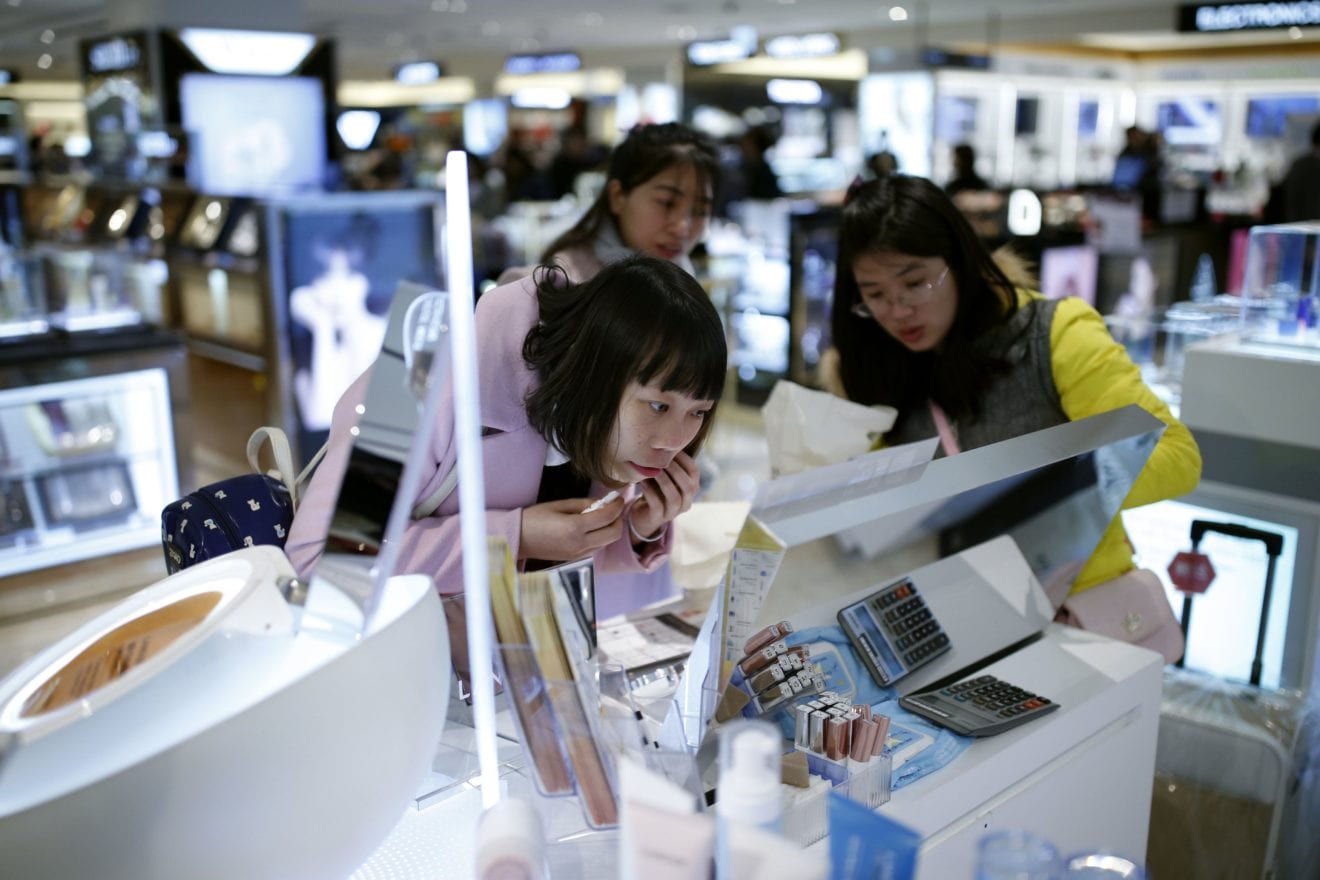
    Make-up products accounted for more than half of the annual sales at duty-free shops in South Korea last year, fueled by brisk demand from foreign tourists immersed in Korean entertainment culture.

    Fresh data from the Korea Customs Service and companies reveals the combined cosmetics revenue from duty-free chains, including top players Lotte Duty Free and Shilla Duty Free, stood at 6.28 trillion won (US$5.48 billion) at the end of 2016, up 51.7 per cent from a year earlier.

    The sales of such beauty products took up 51.2 per cent of all sales, jumping from 45.1 per cent in 2015.

    Their proportion far outstripped those of other products, such as handbags or watches, whose sales grew 14 per cent and 7.6 per cent on-year in 2016, respectively.

    The upbeat figure came as Korean-made cosmetics have become very popular among Asian tourists who come here to shop, fascinated by Korean pop culture and TV drama series, a phenomenon commonly referred to as the Korean Wave or Hallyu.

    Local cosmetics companies have rushed to boost their marketing targeting these Hallyu fans, making advertisement clips using the celebrities who have gained popularity through movies and dramas exported to those countries.

    Thanks to such efforts, the revenue portion of domestic cosmetics brands at duty-free stores also made a big leap, accounting for nearly 40 per cent of the overall sales, the data showed.

    “The portion of Korean brands being sold at duty-free shops is growing rapidly unlike in the past when most of the top-selling items were imported products,” Ahn Ji-young, a market analyst at IBK Securities Co.

    Industry watchers said the cosmetics firms should plan ahead in developing products in line with a fast-changing beauty trends and discriminate their strategy by country or region.

    “Younger Chinese tourists these days are showing a tendency to fall for color make-up so the companies need to closely track such trend,” an industry source said.