Category: Living

Retail News Asia is committed to providing both local and global retailers with the latest Living news throughout the Asian market. This on a daily base.

  • Ikea plans fourth Store In Hong Kong

    Ikea plans fourth Store In Hong Kong

    Dairy Farm International, parent company of Ikea’s business in Hong Kong, recently revealed that Ikea plans to open its fourth outlet in Hong Kong during the second half of 2017.

    This new Ikea store will be reportedly located in the Tsuen Wan area of northern Hong Kong.

    Dairy Farm International revealed the news about the new store opening in its annual performance report; however, the company did not mention the detailed address of the new site.

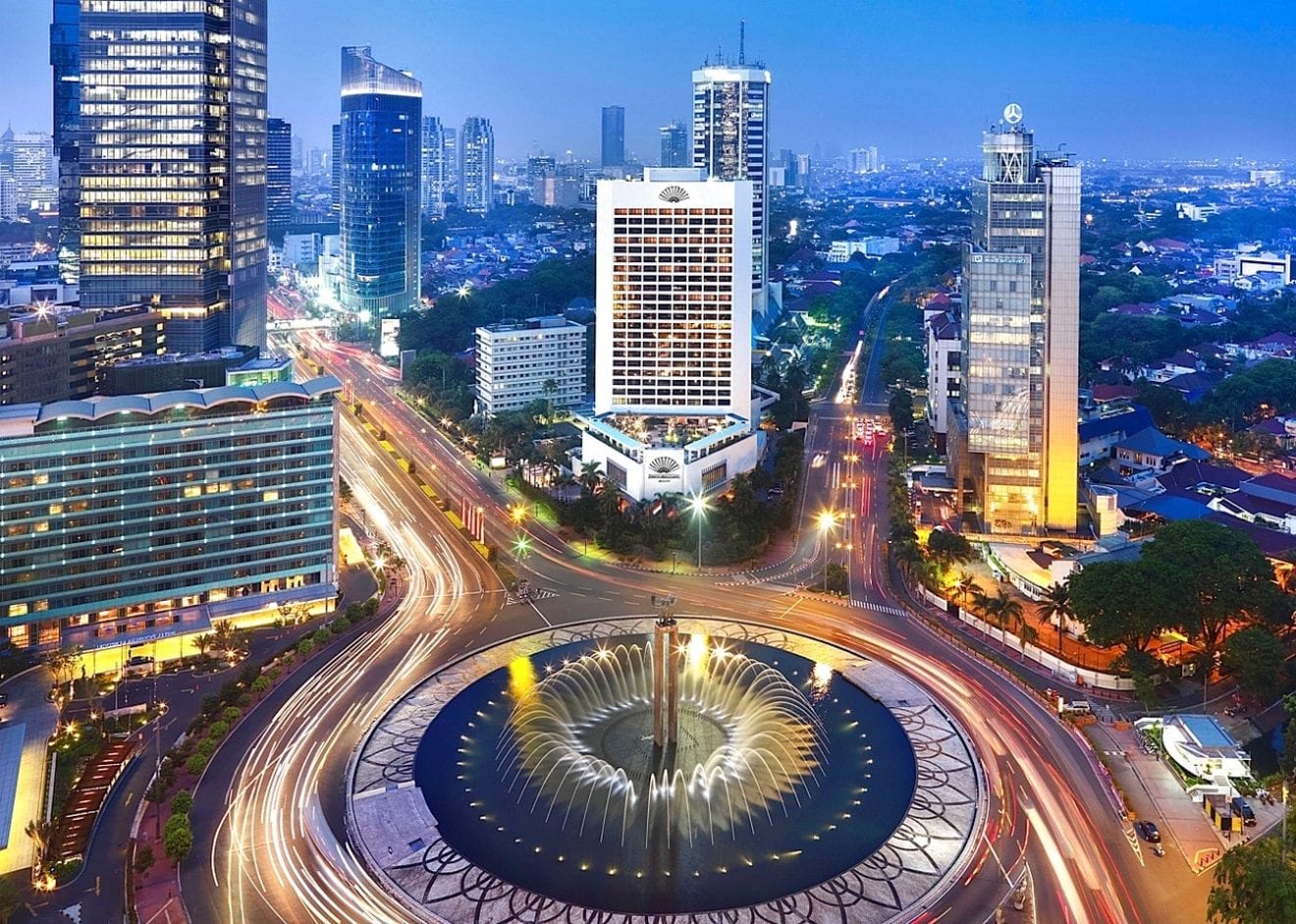
    Dairy Farm International is a multi-model retailer listed in Hong Kong. It owns the franchising rights of Ikea in Hong Kong, Indonesia, and Taiwan. Later this year, the company plans to open Ikea’s second store in Jakarta, capital of Indonesia.

  • Ikea gets approval to enter the Philippines

    Ikea gets approval to enter the Philippines

    The Philippine Board of Investments (BOI) has approved Ikea’s entry into the Philippines, following a bid from Ikano Ltd, the operator and franchise-rights owner of the Swedish furniture giant in Asia.

    The ready-to-assemble furniture and appliance maker first mentioned it had plans to enter the Philippines as early as 2013, but has so far failed to do so.

    According to BOI documents, Ikea has prequalified under the Retail Trade Liberalization Act of 2000 last November to open stores in the Asian market, as reported by Business Mirror.

    All foreign retailers must have a net worth of either $200 million or $50 million, depending on its classification as a foreign retailer under the Act, before retail trade can commence.

    The firm must also have five operating retail stores in other global locations or own at least one store worth $25 million, and a five-year track record in retailing, which Ikea does.

    Ikea is also said to be registering with the Securities and Exchange Commission for its capitalisation requirement.

    No further information on store locations or manufacturing has been revealed.

    Speaking at a media roundtable held on the occasion of the 70th year of Sweden-Philippine Diplomatic Relations in March, the Swedish ambassador to the Philippines, Harald Fries confirmed in March that Ikea will be setting up in the Philippines soon, bringing employment to the region.

    “There would be great opportunities for Filipinos to find work and there would be investment in putting up stores,” Fries said.

    “I won’t be surprised that once they have set their camp here, they’ll be looking for local manufacturing. I think that would be wonderful and interesting for the Philippines,” Fries added.

    Launching in 1943, Ikea — Ingvar Kamprad Elmtaryd was founded by 17-year-old Swede Ingvar Kamprad.

    Ikano owns and operates home furnishing stores in South East Asia and under the franchise rights from the Swedish firm IKEA Systems BV. The company was incorporated in 1980 and is based in Singapore.

    The BOI is an attached agency of Department of Trade and Industry (DTI). It is the lead government agency responsible for the promotion of investments in the Philippines.

  • Lotte refashions outlet to target families and kids

    Lotte refashions outlet to target families and kids

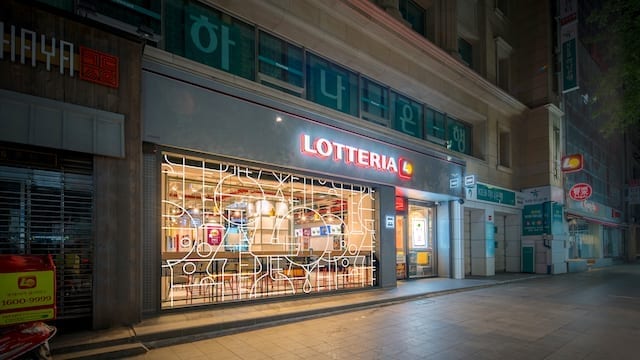
    The renovated branch of Lotte Premium Outlets in this suburban city about 30 miles south of Seoul looks more like an amusement park than a shopping mall for bargain hunting.

    At its Incheon outlet location, Lotte has opened a three-story complex catering to families with children. There are cafes with ball pits and slides, job experience zones where kids can pretend to be doctors and firefighters, and a large Toys ”R” Us store that anchors it all. The Incheon branch is not just for shopping but also for outdoor activities for families.

    Since opening the location in 2013, Lotte found that 75 percent of visitors were in their 30s and 40s. That’s 6 percentage points higher than the share of people who visit other outlet branches outside Seoul. The company figured that more shops and facilities for family visitors, especially kids, be better for customers.

    Another factor was the growing popularity of children’s products in Korea. Between 2012 and 2016, the industry’s revenue expanded from 27 trillion won (US$24 billion) to 39 trillion won. A good portion of the outlet’s new building is dedicated to play. On the third floor, a job experience zone lets kids experience diverse occupations, from veterinarian to firefighter and even urban planner. There is a fee – 22,000 won for kids between 5 and 13 and an extra 4,000 won for an accompanying adult – but there is no limit on time.

    In another play space, called Doctor Balance, children can test their physical strength, including muscle endurance and responsiveness, on playground sets that resemble gym equipment. Next to the job experience zone is a Toys “R” Us. Lotte is the Korean operator of the U.S.-based toy store, but so far, it’s only installed stores in its supermarket chain Lotte Mart.

    The location in the Incheon outlet is the first time Lotte is running a Toys “R” Us outside the mart. An outlet spokesman said the toy store will have about 6,000 products. The building’s second floor has more shopping areas, but even they’re dedicated to kids. Outdoor brands Nepa and Blackyak, for instance, are selling swimsuits and backpacks for children. Out of 47 brands in the new space, 32 are specifically kids’ brands.

    There’s something for the parents, too. Various fast fashion brands, including Uniqlo and Topten, have set up shop, and automaker BMW has opened one of its Motorrad cafes where car aficionados can enjoy coffee while browsing BMW-themed apparel.

    Lotte Premium Outlets’ Incheon location holds the title of biggest outlet in Asia with a floor space of 53,000 square meters (570,000 square feet). An average 15,000 people visit daily, and it has generated 1.2 trillion won in revenue since opening. The company expects the new Fashion & Kids Mall building to boost the number of visitors by 20 percent.

  • Metro to open first store in Jinan

    Metro to open first store in Jinan

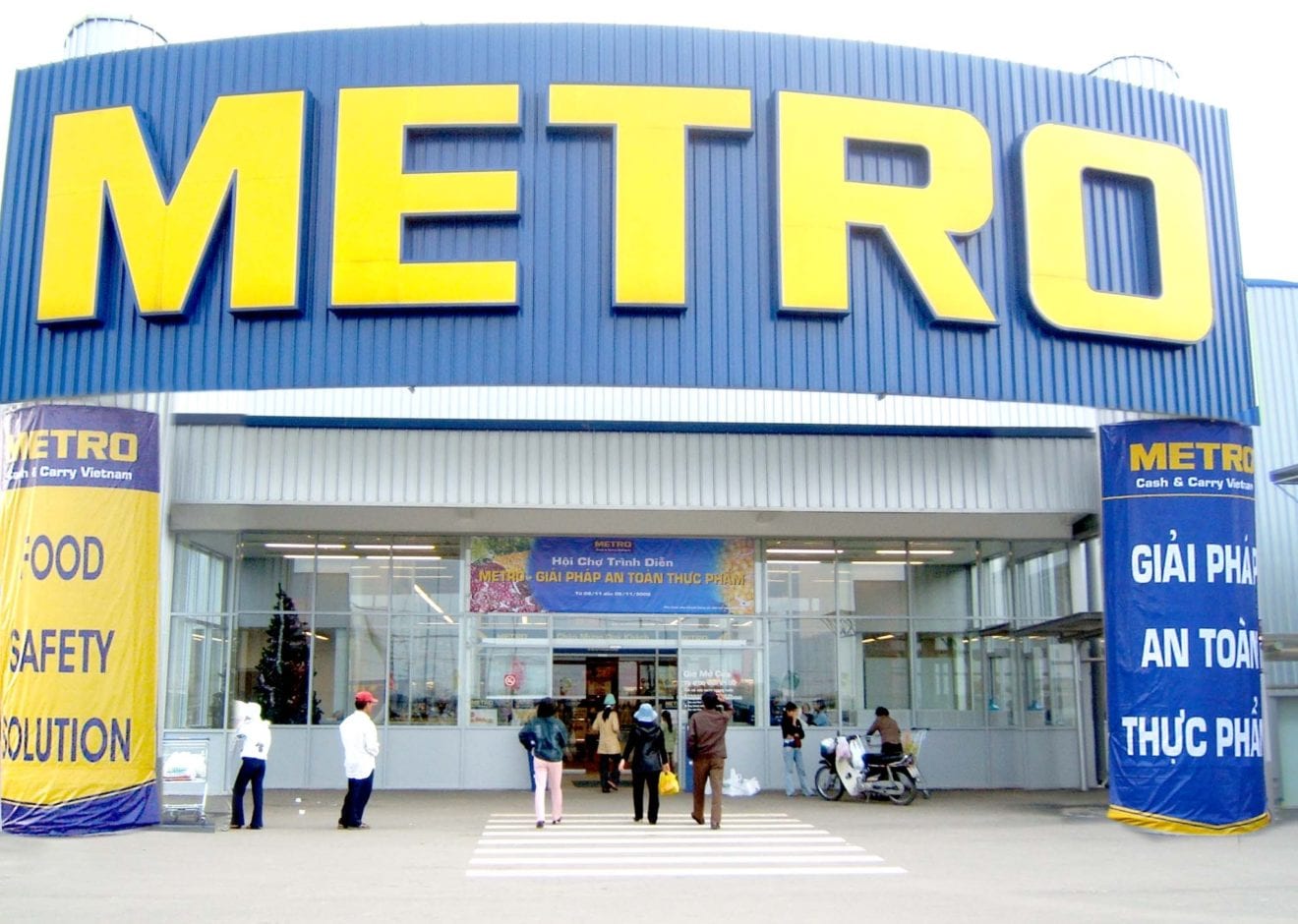
    European supermarket chain Metro plans to open its first store in Jinan, Shandong province in August 2017.

    Located in Jinan’s Huaiyin district, Metro’s new supermarket started construction on November 15, 2016. So far, its main steel structure has been completed and main ceiling installation is nearly completed. With an area of 7,900 square meters, this new store is expected to open in August 2017.

    Metro’s entry into Jinan will boost Jinan’s business community and its cash and carry business model will lift the grade and competitiveness of the service industry of the city.

    Metro entered Shandong province in 2001; however, the company only opened one store in Qingdao over the following ten years. After 2010, Metro accelerated its development in Shandong and opened stores in cities like Yantai, Zibo, Linyi, and Weifang.

    At the same time, Ikea‘s new store in this area of Jinan will also start operation in August 2017.

  • Private hospitals struggle to stay open in Vietnam

    Private hospitals struggle to stay open in Vietnam

    Many private hospitals in HCM City are on the verge of shutting down as most average patients prefer cheaper prices at public hospitals. Diep Van Phat, chairman of the International Phuc An Khang Hospital (Ipak), ordered employees to stop receiving patients as the hospital will shut down on April 28.

    Ipak Hospital was converted into a modern hospital from five blocks apartment buildings with an investment of VND2.5trn (USD109m).

    It was hoped that Ipak could reduce the overload at several hospitals in District 2, District 9 and Thu Duc District and some patients from Dong Nai Province.

    However, hundreds of doctors and nurses haven’t received their wages for February and March as the hospital lacks patients.

    Two firms have been invited to invest in Ipak but nothing has progressed. The hospital has incurred VND60bn (USD2.6m) in debt.

    About 4,000 patients who have just registered their health insurance here will be transferred to other hospitals and 50% of the employees have no idea where to go to after the hospital is closed.

    The 72-story Phu Tho Hospital in Tan Phu District was closed several years ago after being put into operation for only six years.

    Debts to the employees and shareholders haven’t been settled.

    The hospital is being offered at VND390bn (USD17m) but hasn’t attracted any buyer.

    No one believes the hospital can thrive and the price is deemed too high for a regular real estate investment.

    City International Hospital in Binh Tan District is also struggling. It was opened in 2014 with an investment of USD80m.

    But now they have to cover USD1m in losses every month.

    Tran Thi Lam, chairman of Hoa Lam Corporation, the hospital’s investor, hopes that the city authorities and the Ministry of Health will support them with more access to funds and co-operation with public hospitals.

    Many private hospitals in Vietnam don’t participate in primary health care activities so patients can’t use their health insurance there and eventually are put off by private hospitals.

    Meanwhile, the people with health insurance in public hospitals are complaining about the treatment difference.

    Experts have also complained about private companies being hired to supply equipment in many public hospitals and can earn huge commission fees.

    Some tests, operations and health check-ups in public hospitals actually have higher fees than in private hospitals.

    It’s clear that with better equipment, the patients will be first to enjoy the benefits but it’s also creating a disparity as patients who don’t use health insurance are offered better customer services.

    61-year-old Nguyen Van Tuan said he felt self-pity sometimes. “I wait from morning until noon to have my name called and the health check-up is sloppy. People with money are guided by the hospital employees to the designated rooms and taken care of. The process is much quicker too,” he said.

    Dr Le Van Toan who retired from a local public hospital to opened a private clinic said it’s like there was a “private hospital” inside the public hospital where patients were treated like gods.

    But everywhere else is overcrowded and patients sleep or eat out in the hallways.

  • Growing flight frequency of Mideast airlines to benefit Bali tourism

    Growing flight frequency of Mideast airlines to benefit Bali tourism

    The Bali branch of the Indonesian Association of Tour Operators (Asita) said increase in the flight frequency planned by major Mideast airlines – Qatar Airways and Emirates Airlines between Middle East and Bali would significantly contribute to the islands tourism growth.

    Qatar Airways said through its Instagram it would increase flights to three times between Doha to Bali starting May 7, 2017.

    “Now there will be more reasons to see the yet untouched beauty of Bali,” the airline wrote in its social media account that drew more than ten thousands of comments.

    Earlier this month, another major airline from that region, Emirate Airlines of the United Arab Emirates already announced plan to increase flight frequency to twice everyday from Dubai to Bali starting July 2 this year.

    The increase in the flight frequency by the two world class airlines would further draw foreign tourists to Bali, Chairman of the Bali branch of Asita Ketut Ardana said here on Monday.

    Ardana said the recent holidaying visit of Saudi King Salman bin Abdulaziz Al Saud to Bali has added to the attraction of Bali for tourists from Middle East.

    “Bali is already attractive but with the visit of the Saudi King and his large entourage made Bali more attractive for holiday makers from Middle East,” he said.

    The increase in the flight frequency by the two airlines would facilitate the transport of tourists from that region to Bali, he added.

  • Thai ISPs given 7 days to block “illicit” pages

    Thai ISPs given 7 days to block “illicit” pages

    Thai ISPs have been given just seven days to block “illicit” webpages such as anti-monarchy content deemed illegal by the courts, or face the prospect of having their licenses revoked.

    Regulator NBTC has ordered the nation’s ISPs to ensure they are compliant with the nation’s censorship regime, which also covers material such as sedition and promotion of illegal content.

    ISPs found to still be in violation after seven days could face penalties including fines, the cancellation of their licenses or even criminal charges for the management.

    The NBTC has said it will work with ISPs that claim to have technical reasons for being unable to block illicit content to help solve the problem.

    Meanwhile, the regulator and the Ministry of Digital Economy and Society are pressing ISPs to extend their content blocking to include illicit video streaming on Facebook and YouTube from local CDNs.

    The agencies plan to discuss how local ISPs will be able to block illicit content through online and streaming video on overseas-owned sites.

    This initiative was announced on the same day that a Thai man broadcast the murder of his 11-month-old daughter over Facebook Live before killing himself, a tragedy that drew international media attention.

  • Co-working spaces taking off in Vietnam

    Co-working spaces taking off in Vietnam

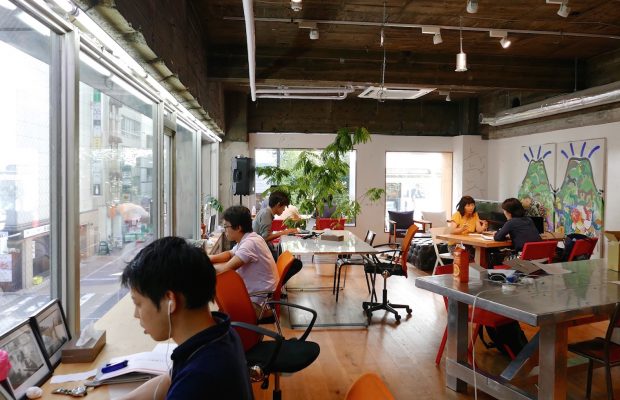
    Co-working spaces remain in the initial stages of development in Vietnam and are concentrated primarily in major cities like Hanoi and Ho Chi Minh City.  Hanoi now has around 14 co-working projects providing more than 7,000 sq m while HCMC has around ten projects with nearly 7,500 sq m for lease, according to the latest report from Cushman & Wakefield (C&W), a leading global real estate services firm.

    The most common sizes are from 300 sq m to 800 sq m and they tend to be located in the CBD or CBD-fringe districts or in new urban areas like the west of Hanoi or in Ho Chi Minh City’s District 2.

    “Globally, we are seeing demand growing at 10-15 per cent each year,” said Mr. Alex Crane, General Manager of C&W Vietnam.

    “APAC, and Vietnam in particular, is still in the early stages of co-working spaces becoming familiar and adopted.”

    Development of co-working spaces in Vietnam has been evidenced by the opening of more and more locations and especially the expansion of investors such as UP and Toong in Hanoi and Dreamplex in Ho Chi Minh City.

    UP now has two locations with nearly 1,400 sq m, Toong has three locations in Hanoi and one in Ho Chi Minh City with a total area of roughly 3,800 sq m, and Dreamplex has two locations in Ho Chi Minh City with over 3,700 sq m.

    According to Mr. Crane, there will be a further integration of co-working spaces into corporate real estate as CEOs are constantly looking to reduce real estate costs and co-working spaces offer a flexible, cost effective solution.

    “The rise of co-working spaces coincides with the number of millennials in the workforce and the working habits of Generations Y and Z will continue to impact how developers and multinational occupiers plan and use their commercial space,” he said.

    Co-working spaces are attractive to individuals, freelancers, startups and small companies mainly in the fields of technology and communications, who need flexibility as well as networking opportunities.

  • Indonesia`s inflation predicted to be low in April

    Indonesia`s inflation predicted to be low in April

    Bank Indonesia predicted that the countrys inflation would not be too high this month with falling prices of foodstuffs amid harvest time .

    “The inflation in April is expected to be not too high as a result of the harvest time,” head of the Monetary Economic Policy Department of the central bank Dody Budi Waluyo said.

    The administered prices might increase as a result of the governments plan to raise the electricity tariff in June this year, but falling prices of foodstuffs would keep the inflation low, Dody said here on Thursday.

    Last month, the country had a deflation of 0.02 percent as said by the Central Bureau of Statistics (BPS). BPS said the deflation was also attributable to falling prices of a number of foodstuffs like rice, red chili, garlic, eggs and fresh fishes.

    “The significant decline in the prices of a number of main foodstuffs resulted in the deflation in March,” BPS said.

  • Google offers support to tourism SMEs

    Google offers support to tourism SMEs

    Smartphone adoption in Vietnam is now at 72 percent and the same as in the US, but a far higher proportion of Vietnamese travelers use smartphones to research hotels and travel than people in the US do, according to Google’s 2016 Consumer Barometer report.

    The proportion of people using smartphones for researching hotels in Vietnam stands at 48 per cent, much higher than the US’s 18 per cent, while 42 per cent research overland travel compared to 25 per cent, and 37 per cent research flights against 18 per cent in the US.

    “The key to current and future success for travel businesses lies in getting mobile right,” Ms. Ha Lam Tu Quynh, Head of PR & Communications at Google Asia Pacific, told a recent conference on “Solutions for the Development of Vietnamese Tourism Businesses” in Ho Chi Minh City.

    Vietnam welcomed 10 million tourists last year, a 26 per cent increase from 2015, and the industry contributed 6.6 per cent of GDP, with the target for 2017 being 10 per cent of GDP.

    The conference heard tips and tools to help over 30 small and medium sized enterprises (SMEs) in Vietnam’s travel industry win on mobile.

    “Mobile has transformed the way we live our lives,” Google noted in the report. “It’s speed and convenience has changed everything from shopping to entertainment. Mobile has also changed the way we travel. Tourism in the past used to mean paper maps and hefty guide books, but now you can carry all the information you need in your smartphone, not to mention all the stages of booking flights and hotels before you step on the plane.”

    In the mobile world, time is money so slow sites or apps lead visitors to head elsewhere. A study by DoubleClick revealed the stark finding that 53 per cent of consumers will abandon a site if it takes longer than three seconds to load.

    Businesses can also receive good support from Google via consultancy sessions with accredited Google Developer experts or discounts from Google’s special deals with market-leading website designers.

    Mr. Trinh Quang Chung, Head of Google Industry, said “every Vietnamese business is an online business now, because that’s where consumers are spending an increasing amount of their time.

    For any travel business looking to attract consumers in mobile-first Asia, not being present on mobile, or offering a slow and inconvenient experience means giving competitors who are set up well an immediate advantage.

    Mobile helps Vietnamese small businesses find customers across oceans without needing to hop on a plane themselves – which is why we’re offering a range of tools and programs to help Vietnamese businesses make the most of mobile.”

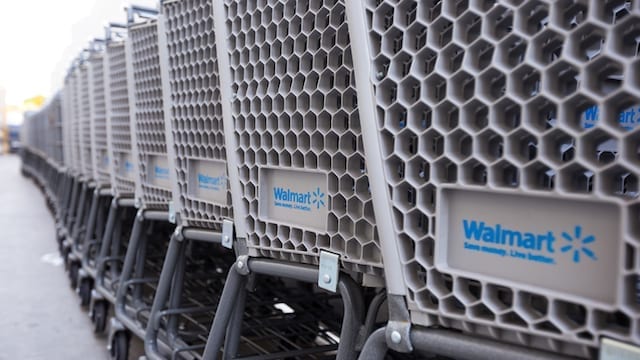
  • Walmart India weighing food retail possibilities

    Walmart India weighing food retail possibilities

    Walmart India is “evaluating” new foreign direct investment (FDI) guidelines for the food retail space. This follows the government permitting 100 per cent FDI in the sector.

    Walmart India president/CEO Krish Iyer describes the government’s decision as a good step. “It’s a very noble objective in terms of being able to double farmers’ income and reduce food waste.”

    He says the company has been evaluating the guidelines and “at an appropriate time” will look at the sector. Walmart India currently works in the wholesale segment with 21 cash-and-carry stores across nine states. It plans to increase the number of stores to 50 by 2021.

    Regarding its Best Price wholesale stores, Iyer says the major focus has been in states where the company already has a presence – Andhra Pradesh, Haryana, Himachal Pradesh, Madhya Pradesh, Maharashtra, Punjab, Telangana, Uttarakhand and Uttar Pradesh.

    Walmart India is a wholly ­owned subsidiary of US retail giant Walmart Stores.

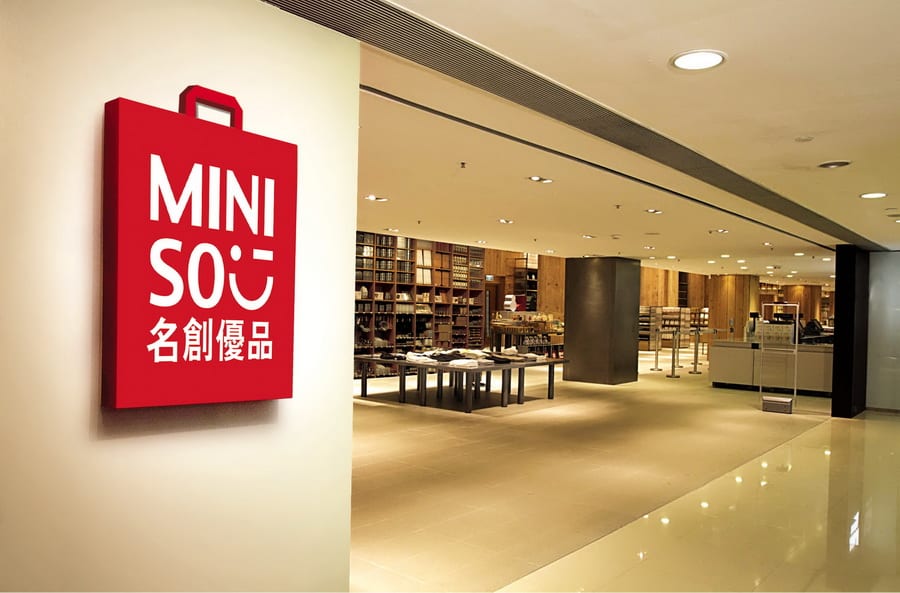
  • Miniso US making debut in California

    Miniso US making debut in California

    Miniso US is opening its inaugural store on Friday, in Southern California.

    Known for launching new products every seven days, the four-year-old Chinese discount retailer, which positions itself as a “Japanese lifestyle brand” will have a weekend of celebration to mark the opening of Miniso Pasadena.

    Highlights of the opening will include a taiko drumming performance, goodie bags for the first 200 customers and Miniso headphones for the first 60 shoppers who spend at least $30.

    As an industry disruptor, Miniso combines fashion, lifestyle and low prices. On average, the retailer opens 80 to 100 stores monthly with an anticipated 6000 outlets worldwide by 2020 and global revenues of US$9 billion.

  • Alibaba’s Singapore unit enlists Uber, Netflix to lure customers

    Alibaba’s Singapore unit enlists Uber, Netflix to lure customers

    Alibaba Group Holding has created a loyalty program for online shoppers in Singapore that it may expand to other markets, teaming up with Uber Technologies Inc. and Netflix to lure customers.

    It’s the first time Uber and Netflix have jointly created an online rewards program, said Maximilian Bittner, chief executive officer of Lazada Group SA, the Singapore-based e-commerce operator Alibaba acquired for $1 billion in 2016.

    The trio’s LiveUp programme starts Thursday and links their services, from UberEats and Netflix to online grocer RedMart and Alibaba’s Taobao online marketplace.

    Consumers pay S$28 ($20) a year to get benefits such as six months of Netflix streaming, discounts on Uber rides and free delivery on Taobao or Lazada purchases. A mobile app will be rolled out in the second half of the year.

    “Singapore is the market on the cutting edge of validating what we think consumers might want, so we will focus on Singapore first,” said Bittner, who expects to add more partners. He drew a comparison with code-sharing among carriers, which gives consumers a range of benefits like flight redemptions.

    Alibaba and its US partners are betting on the growth of online retail in Singapore.

    The city-state’s internet retailing market, which accounted for just 0.9% of total retail there in 2003, went from 2.4% in 2013 to 4.8% in 2016, according to data compiled by Euromonitor.

    Faced with the prospect of Amazon making a big push into Southeast Asia, Lazada has been seeking ways to defend its slice of the region’s e-commerce market.

    Bittner and RedMart co-founder Vikram Rupani hatched the loyalty programme over breakfast on Christmas Eve before approaching Netflix and Uber to get involved. “Their decision to do it was very fast because they have the same goal,” Bittner said.

  • Vietnam beats China, South Africa in new healthcare ranking

    Vietnam beats China, South Africa in new healthcare ranking

    “Vietnam did very well in the study,” said Darrell West, one of the authors of the report.

    The country got the best performance in health system, scoring 19 out of 20, surpassing China and far distancing itself from Southeast Asian peer Indonesia. Nurses and midwives as well as physicians were the contributors to this high score.

    Its weaknesses are in the government’s health management capacity and infrastructure.

    Healthcare investment in Vietnam mostly comes from the public sector. To attract greater private sector investment, the country should improve transparency, make policy reforms and undertake regulatory reviews designed, the report said.

    Vietnam has a growing population, which requires better and more effective health services.

    West recommended Vietnamese leaders seek to improve its medical facilities, diagnostic systems and medical service delivery systems. These kinds of improvements will build confidence among private investors and create a climate where investors feel their financing will yield benefits.

    Vietnam’s high position in this ranking may come as a surprise for many, considering the amount of criticism directed at the healthcare system over the years. But the ranking does not simply reflect the current state, but looks at the potential of improvement brought by research and development.

  • Marina project in Labuan Bajo to cost Rp300 billion

    Marina project in Labuan Bajo to cost Rp300 billion

    Tourism Minister Arief Yahya said construction of marina port for tourist boats in Labuan Bajo, Flores, would need Rp300 billion.

    The port would facilitate growing number of international tourist boats visiting that area, the minister told reporters here on Friday.

    Arief Yahya was here to attend a meeting to strengthen tourism cooperation between the East Nusa Tenggara provincial administration and a US operator of international tourist boats, Carnival.

    The meeting took place on board the Pacific Eden that landed on the Benoa port, Bali, on Thursday.

    Also attending the meeting include Coordinating Minister for Maritime Affairs Luhut Binsar Pandjaitan, Transport Minister Budi Karya Sumadi and East Nusa Tenggara (NTT) Governor Frans Lebu Raya.

    Arief said the budget for the marina project in Labuan Bajo, which is one of the countrys 10 priority destinations would include fund from the state budget and the private sector.

    “With the fund we would build a big and long port in Labuan Bajo to allow international pleasure boats to land there,” the minister said.

    He said around the same amount of budget has also been set aside by the government in cooperation with the private sector for development of an airport named Komodo Airport in Labuan Bajo.

    The airport is named after the Komodo island, the habitat of Komodo, the ancient giant lizards, found only in the Indonesian island, which one of World wonders.

    NTT Governor Frans Lebu Raya said the Central Government supports the tourism cooperation with Carnival.

    “The central government would built the marina, to be completed in 2019, at Labuan Bajo and various other supporting facilities to make Lbuan Bajo a “home port” for international pleasure boats,” he said.

    Labuan Bajo would be the main gate for tourists coming on board pleasure boats to visits tourist objects in Flores, Lembata, Alor and Sumba, he said, adding the port is designed to be able to accommodate tourist boat with thousands of passengers.

    The port would contribute to economic development in that area with thousands of foreign tourists expected to visit and land at the port when it is operational, he said.

    The problem so far is NTT has no modern marine to accommodate international tourist boats, he said.